


443 Results
Form:
books
books
Title:
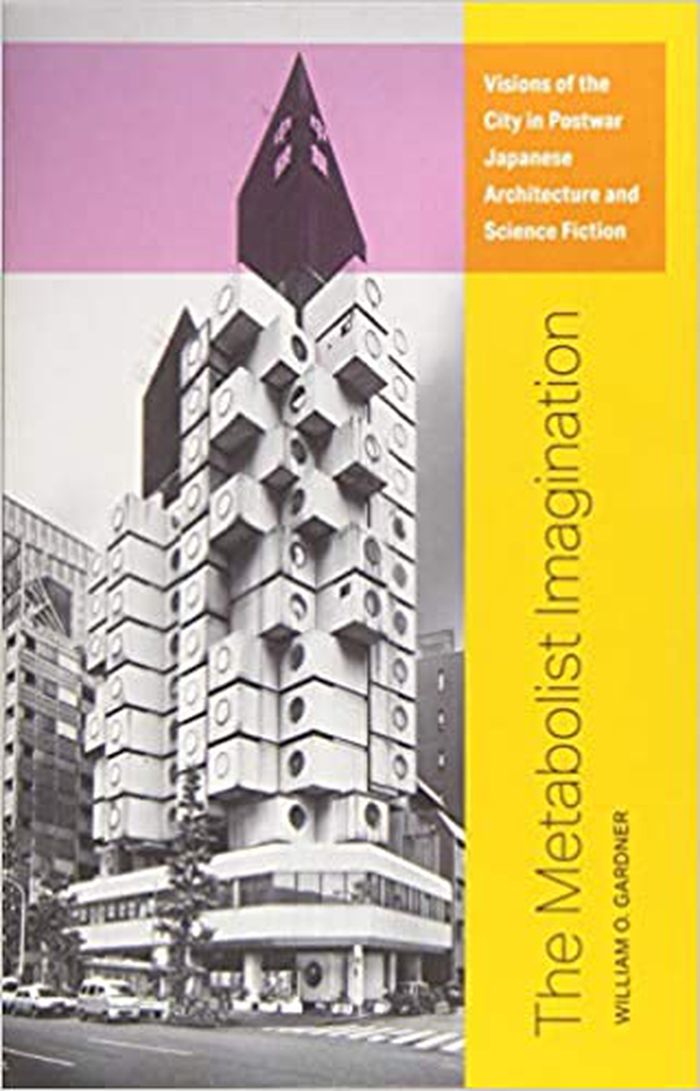
The metabolist imagination: visions of the city in postwar Japanese architecture and science fiction
The metabolist imagination: visions of the city in postwar Japanese architecture and science fiction
Actions:
Price:
$39.95
(available to order)
Summary:
The devastation of the Second World War gave rise to imaginations both utopian and apocalyptic. In Japan, a fascinating confluence of architects and science fiction writers took advantage of this space to begin remaking urban design. In 'The Metabolist Imagination', William O. Gardner explores the unique Metabolism movement, which allied with science fiction authors to(...)
$39.95
(available to order)
Summary:
The devastation of the Second World War gave rise to imaginations both utopian and apocalyptic. In Japan, a fascinating confluence of architects and science fiction writers took advantage of this space to begin remaking urban design. In 'The Metabolist Imagination', William O. Gardner explores the unique Metabolism movement, which allied with science fiction authors to(...)
Title:
The metabolist imagination: visions of the city in postwar Japanese architecture and science fiction
Actions:
Price:
$39.95
(available to order)
Summary:
The devastation of the Second World War gave rise to imaginations both utopian and apocalyptic. In Japan, a fascinating confluence of architects and science fiction writers took advantage of this space to begin remaking urban design. In 'The Metabolist Imagination', William O. Gardner explores the unique Metabolism movement, which allied with science fiction authors to foresee the global cities that would emerge in the postwar era. This first comparative study of postwar Japanese architecture and science fiction builds on the resurgence of interest in Metabolist architecture while establishing new directions for exploration. Gardner focuses on how these innovators created unique versions of shared concepts—including futurity, megastructures, capsules, and cybercities—making lasting contributions that resonate with contemporary conversations around cyberpunk, climate change, anime, and more.
The metabolist imagination: visions of the city in postwar Japanese architecture and science fiction
Actions:
Price:
$39.95
(available to order)
Summary:
The devastation of the Second World War gave rise to imaginations both utopian and apocalyptic. In Japan, a fascinating confluence of architects and science fiction writers took advantage of this space to begin remaking urban design. In 'The Metabolist Imagination', William O. Gardner explores the unique Metabolism movement, which allied with science fiction authors to foresee the global cities that would emerge in the postwar era. This first comparative study of postwar Japanese architecture and science fiction builds on the resurgence of interest in Metabolist architecture while establishing new directions for exploration. Gardner focuses on how these innovators created unique versions of shared concepts—including futurity, megastructures, capsules, and cybercities—making lasting contributions that resonate with contemporary conversations around cyberpunk, climate change, anime, and more.
Form:
books
books
Publication:
May 2020
May 2020
Subject:
Architectural Theory
Architectural Theory
Form:
books
books
Price:
$58.95
(available to order)
Summary:
In the years of reconstruction and economic boom that followed the Second World War, the domestic sphere encountered new expectations regarding social behaviour, modes of living, and forms of dwelling. This book brings together an international group of scholars from architecture, design, urban planning, and interior design to reappraise mid-twentieth century modern life,(...)
$58.95
(available to order)
Summary:
In the years of reconstruction and economic boom that followed the Second World War, the domestic sphere encountered new expectations regarding social behaviour, modes of living, and forms of dwelling. This book brings together an international group of scholars from architecture, design, urban planning, and interior design to reappraise mid-twentieth century modern life,(...)
Title:
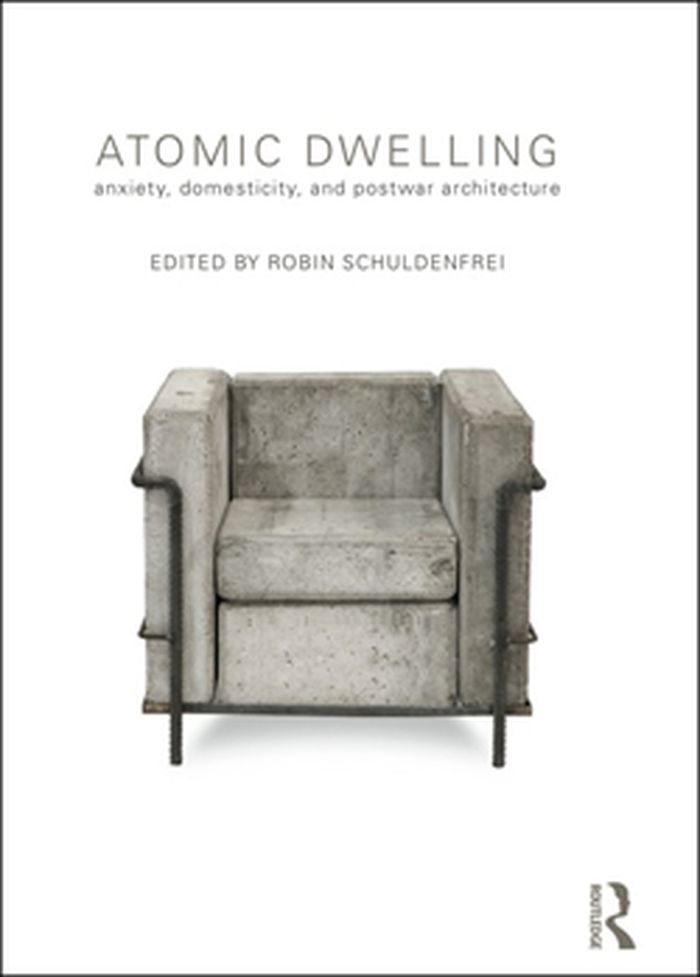
Atomic dwelling: anxiety, domesticity, and postwar architecture
Actions:
Price:
$58.95
(available to order)
Summary:
In the years of reconstruction and economic boom that followed the Second World War, the domestic sphere encountered new expectations regarding social behaviour, modes of living, and forms of dwelling. This book brings together an international group of scholars from architecture, design, urban planning, and interior design to reappraise mid-twentieth century modern life, offering a timely reassessment of culture and the economic and political effects on civilian life. This collection contains essays that examine the material of art, objects, and spaces in the context of practices of dwelling over the long span of the postwar period. It asks what role material objects, interior spaces, and architecture played in quelling or fanning the anxieties of modernism’s ordinary denizens, and how this role informs their legacy today.
Atomic dwelling: anxiety, domesticity, and postwar architecture
Actions:
Price:
$58.95
(available to order)
Summary:
In the years of reconstruction and economic boom that followed the Second World War, the domestic sphere encountered new expectations regarding social behaviour, modes of living, and forms of dwelling. This book brings together an international group of scholars from architecture, design, urban planning, and interior design to reappraise mid-twentieth century modern life, offering a timely reassessment of culture and the economic and political effects on civilian life. This collection contains essays that examine the material of art, objects, and spaces in the context of practices of dwelling over the long span of the postwar period. It asks what role material objects, interior spaces, and architecture played in quelling or fanning the anxieties of modernism’s ordinary denizens, and how this role informs their legacy today.
Form:
books
books
Publication:
May 2012
May 2012
Subject:
Architectural Theory
Architectural Theory
Form:
books
books
Actions:
Price:
$59.95
(available in store)
Summary:
Following the Second World War, Montreal earned a reputation as a North American hotbed of eroticism due to its red-light district, nightclub scene, and pornography industry. Although this erotic environment had a significant presence in the art and media of the period, the topic has been neglected by scholars. "The pornographic delicatessen" offers an important(...)
$59.95
(available in store)
Summary:
Following the Second World War, Montreal earned a reputation as a North American hotbed of eroticism due to its red-light district, nightclub scene, and pornography industry. Although this erotic environment had a significant presence in the art and media of the period, the topic has been neglected by scholars. "The pornographic delicatessen" offers an important(...)
Title:
The pornographic delicatessen: Midcentury Montreal's erotic art, media, and spaces
Actions:
Price:
$59.95
(available in store)
Summary:
Following the Second World War, Montreal earned a reputation as a North American hotbed of eroticism due to its red-light district, nightclub scene, and pornography industry. Although this erotic environment had a significant presence in the art and media of the period, the topic has been neglected by scholars. "The pornographic delicatessen" offers an important examination of the development of erotic art and design in the city’s postwar and Quiet Revolution era. Matthew Purvis surveys a range of erotic materials to rediscover nearly forgotten artworks in a period that expanded definitions of what could be considered art. He stresses the confluence of visual art and film, magazines, and journalism during the period as formal models passed from surrealism and automatism into the evolution of a Quebec-specific variation of Pop Art called "ti-pop."
The pornographic delicatessen: Midcentury Montreal's erotic art, media, and spaces
Actions:
Price:
$59.95
(available in store)
Summary:
Following the Second World War, Montreal earned a reputation as a North American hotbed of eroticism due to its red-light district, nightclub scene, and pornography industry. Although this erotic environment had a significant presence in the art and media of the period, the topic has been neglected by scholars. "The pornographic delicatessen" offers an important examination of the development of erotic art and design in the city’s postwar and Quiet Revolution era. Matthew Purvis surveys a range of erotic materials to rediscover nearly forgotten artworks in a period that expanded definitions of what could be considered art. He stresses the confluence of visual art and film, magazines, and journalism during the period as formal models passed from surrealism and automatism into the evolution of a Quebec-specific variation of Pop Art called "ti-pop."
Form:
books
books
Publication:
December 2025
December 2025
Subject:
Architecture de Montréal
Architecture de Montréal
Form:
books
books
Price:
$70.00
(available to order)
Summary:
Catalog of the exhibition Radically Modern : Planning and Construction in 1960s Berlin at the Berlinische Galerie, Berlin from 29th May to 26th October 2015. Destroyed in the Second World War and divided by the Wall, Berlin experienced a veritable construction boom during the 1960s. Inspired by the spirit of a new beginning and technological euphoria, urban planners and(...)
$70.00
(available to order)
Summary:
Catalog of the exhibition Radically Modern : Planning and Construction in 1960s Berlin at the Berlinische Galerie, Berlin from 29th May to 26th October 2015. Destroyed in the Second World War and divided by the Wall, Berlin experienced a veritable construction boom during the 1960s. Inspired by the spirit of a new beginning and technological euphoria, urban planners and(...)
Title:
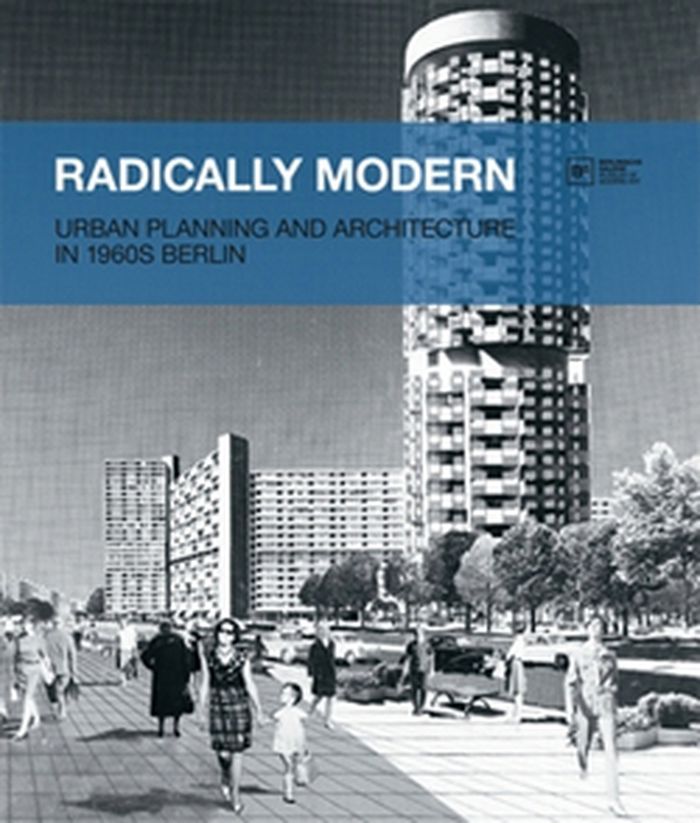
Radically modern: Urban plannning and architecture in 1960s Berlin
Actions:
Price:
$70.00
(available to order)
Summary:
Catalog of the exhibition Radically Modern : Planning and Construction in 1960s Berlin at the Berlinische Galerie, Berlin from 29th May to 26th October 2015. Destroyed in the Second World War and divided by the Wall, Berlin experienced a veritable construction boom during the 1960s. Inspired by the spirit of a new beginning and technological euphoria, urban planners and architects designed radical new cityscapes for a modern society. Often unjustly criticized as inhumane or unsightly, important examples from this period of architecture have often already been torn down, disfigured by later alterations, or are threatened with demolition today. This publication for the first time takes a look at the context of this architecture's emergence, examining formal aspects and underlying international influences on the architecture developed in both East and West Berlin.
Radically modern: Urban plannning and architecture in 1960s Berlin
Actions:
Price:
$70.00
(available to order)
Summary:
Catalog of the exhibition Radically Modern : Planning and Construction in 1960s Berlin at the Berlinische Galerie, Berlin from 29th May to 26th October 2015. Destroyed in the Second World War and divided by the Wall, Berlin experienced a veritable construction boom during the 1960s. Inspired by the spirit of a new beginning and technological euphoria, urban planners and architects designed radical new cityscapes for a modern society. Often unjustly criticized as inhumane or unsightly, important examples from this period of architecture have often already been torn down, disfigured by later alterations, or are threatened with demolition today. This publication for the first time takes a look at the context of this architecture's emergence, examining formal aspects and underlying international influences on the architecture developed in both East and West Berlin.
Form:
books
books
Publication:
March 2016
March 2016
Subject:
Architecture since 1900, Europe
Architecture since 1900, Europe
Form:
books
books
Title:
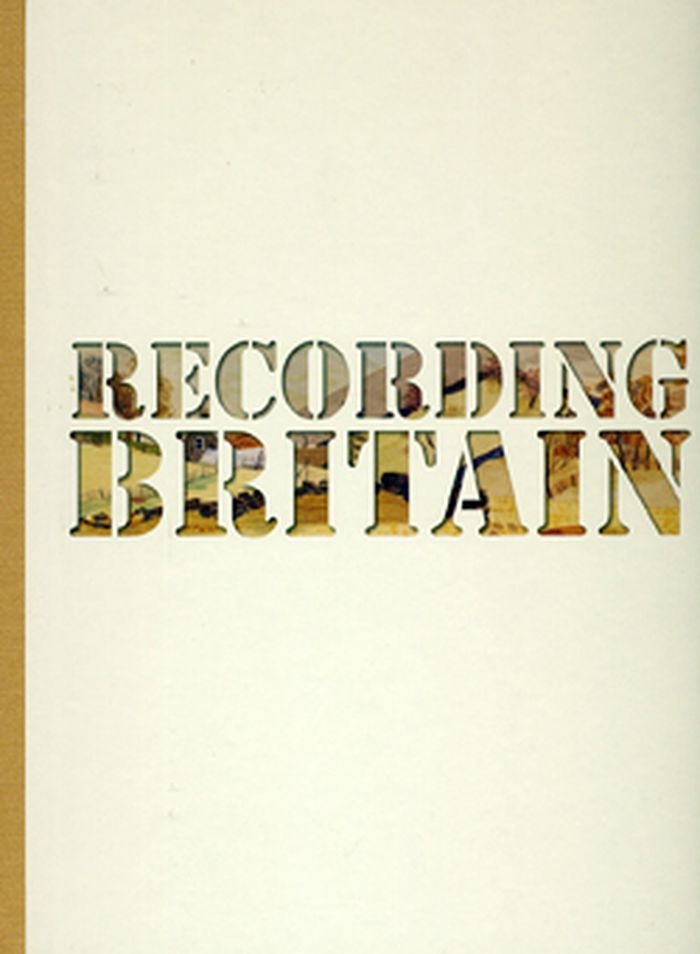
Recording Britain
Recording Britain
Actions:
Price:
$69.00
(available to order)
Summary:
Recording Britain was an artistic documentary project sponsored by the British government in the late 1930s as the country faced the potentially devastating impact of a second world war. The resulting collection of more than 1,500 watercolors and drawings, by both well-known and amateur artists, is a rich visual record of buildings, landscapes, and livelihoods perceived(...)
$69.00
(available to order)
Summary:
Recording Britain was an artistic documentary project sponsored by the British government in the late 1930s as the country faced the potentially devastating impact of a second world war. The resulting collection of more than 1,500 watercolors and drawings, by both well-known and amateur artists, is a rich visual record of buildings, landscapes, and livelihoods perceived(...)
Title:
Recording Britain
Actions:
Price:
$69.00
(available to order)
Summary:
Recording Britain was an artistic documentary project sponsored by the British government in the late 1930s as the country faced the potentially devastating impact of a second world war. The resulting collection of more than 1,500 watercolors and drawings, by both well-known and amateur artists, is a rich visual record of buildings, landscapes, and livelihoods perceived to be under threat. "Recording Britain "brings together highlights from this extraordinary collection at the V, vivid images of national and regional identity that often portray an idealized account of the country for which its audience, at the time, was fighting. The pictures are discussed in relation to contemporary British artists and photographers such as John Virtue, Conrad Atkinson, Richard Long, and Laura Oldfield Ford, whose work also reflects on a sense of place.
Recording Britain
Actions:
Price:
$69.00
(available to order)
Summary:
Recording Britain was an artistic documentary project sponsored by the British government in the late 1930s as the country faced the potentially devastating impact of a second world war. The resulting collection of more than 1,500 watercolors and drawings, by both well-known and amateur artists, is a rich visual record of buildings, landscapes, and livelihoods perceived to be under threat. "Recording Britain "brings together highlights from this extraordinary collection at the V, vivid images of national and regional identity that often portray an idealized account of the country for which its audience, at the time, was fighting. The pictures are discussed in relation to contemporary British artists and photographers such as John Virtue, Conrad Atkinson, Richard Long, and Laura Oldfield Ford, whose work also reflects on a sense of place.
Form:
books
books
Publication:
October 2011
October 2011
Subject:
Architecture since 1900, Europe
Architecture since 1900, Europe
Form:
books
books
Actions:
Price:
$37.95
(available to order)
Summary:
In 2006 fifteen suburban municipalities of Montreal partially regained the autonomy they lost during the 2002 mergers. The fact that most of these were affluent suburbs did not go unnoticed. Supporters of the "one island, one city" project saw the demerged municipalities as fiscal and linguistic enclaves refusing integration into the wider metropolitan community, but for(...)
$37.95
(available to order)
Summary:
In 2006 fifteen suburban municipalities of Montreal partially regained the autonomy they lost during the 2002 mergers. The fact that most of these were affluent suburbs did not go unnoticed. Supporters of the "one island, one city" project saw the demerged municipalities as fiscal and linguistic enclaves refusing integration into the wider metropolitan community, but for(...)
Title:
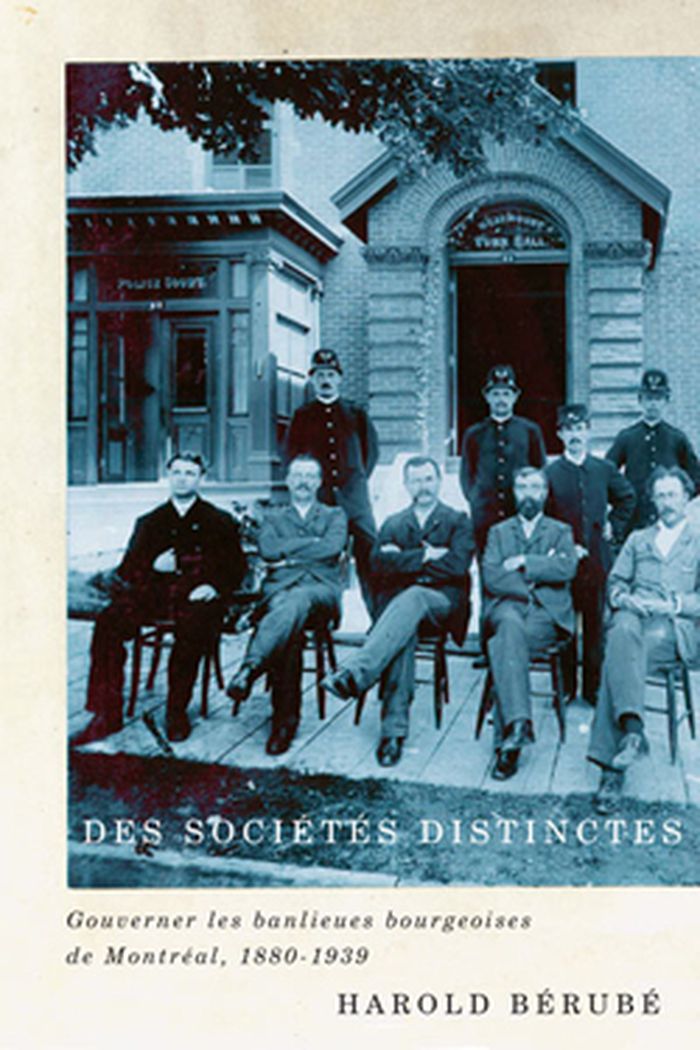
Des sociétés distinctes : gouverner les banlieues bourgeoises de Montréal, 1880-1939
Actions:
Price:
$37.95
(available to order)
Summary:
In 2006 fifteen suburban municipalities of Montreal partially regained the autonomy they lost during the 2002 mergers. The fact that most of these were affluent suburbs did not go unnoticed. Supporters of the "one island, one city" project saw the demerged municipalities as fiscal and linguistic enclaves refusing integration into the wider metropolitan community, but for merger opponents they represented the last political institutions of Quebec's anglophone community, with long-established local identities and distinct political cultures. Harold Bérubé studies three of these "distinct societies" - Westmount, Pointe-Claire, and Town of Mount Royal - between the end of the nineteenth century and the beginning of the Second World War, demonstrating that they were the stage for a distinctive form of suburban governance, rooted in the search for socioeconomic distinction in a quickly changing metropolitan environment.
Des sociétés distinctes : gouverner les banlieues bourgeoises de Montréal, 1880-1939
Actions:
Price:
$37.95
(available to order)
Summary:
In 2006 fifteen suburban municipalities of Montreal partially regained the autonomy they lost during the 2002 mergers. The fact that most of these were affluent suburbs did not go unnoticed. Supporters of the "one island, one city" project saw the demerged municipalities as fiscal and linguistic enclaves refusing integration into the wider metropolitan community, but for merger opponents they represented the last political institutions of Quebec's anglophone community, with long-established local identities and distinct political cultures. Harold Bérubé studies three of these "distinct societies" - Westmount, Pointe-Claire, and Town of Mount Royal - between the end of the nineteenth century and the beginning of the Second World War, demonstrating that they were the stage for a distinctive form of suburban governance, rooted in the search for socioeconomic distinction in a quickly changing metropolitan environment.
Form:
books
books
Publication:
December 2014
December 2014
Subject:
Architecture de Montréal
Architecture de Montréal
Form:
books
books
Actions:
Price:
$43.95
(available to order)
Summary:
The events that took place on September 11, 2001, in New York City are the background for a series of essays exploring the response of different cities at different times to natural or man-made disaster. How have cities coped with cataclysmic change in the urban fabric both physically and psychologically? How have they memorialized what they have lost, and how have they(...)
$43.95
(available to order)
Summary:
The events that took place on September 11, 2001, in New York City are the background for a series of essays exploring the response of different cities at different times to natural or man-made disaster. How have cities coped with cataclysmic change in the urban fabric both physically and psychologically? How have they memorialized what they have lost, and how have they(...)
Title:
Out of ground zero : case studies in urban renewal
Actions:
Price:
$43.95
(available to order)
Summary:
The events that took place on September 11, 2001, in New York City are the background for a series of essays exploring the response of different cities at different times to natural or man-made disaster. How have cities coped with cataclysmic change in the urban fabric both physically and psychologically? How have they memorialized what they have lost, and how have they imagined their future? What have been the effects, in both the short and long term, of these efforts to rebuild the city? From the devastating earthquake that shook Lisbon in 1755 to the Great Chicago fire in 1871; from the bombing of Hiroshima to the destruction of Rotterdam and Plymouth during the second World War; from the cities and towns ravaged by the Bosnian War to the symbolism of the Dome of the Rock in Jerusalem - this book offers varying perspectives on how cities have responded to catastrophic disasters. Following these case studies is a history of destruction and rebuilding in Manhattan, and a reflection on the role of cities in sustaining democratic culture concludes the book. Contributors to this volume include leading urban theorists, architectural historians, cultural critics, architects, and a film-maker.
Out of ground zero : case studies in urban renewal
Actions:
Price:
$43.95
(available to order)
Summary:
The events that took place on September 11, 2001, in New York City are the background for a series of essays exploring the response of different cities at different times to natural or man-made disaster. How have cities coped with cataclysmic change in the urban fabric both physically and psychologically? How have they memorialized what they have lost, and how have they imagined their future? What have been the effects, in both the short and long term, of these efforts to rebuild the city? From the devastating earthquake that shook Lisbon in 1755 to the Great Chicago fire in 1871; from the bombing of Hiroshima to the destruction of Rotterdam and Plymouth during the second World War; from the cities and towns ravaged by the Bosnian War to the symbolism of the Dome of the Rock in Jerusalem - this book offers varying perspectives on how cities have responded to catastrophic disasters. Following these case studies is a history of destruction and rebuilding in Manhattan, and a reflection on the role of cities in sustaining democratic culture concludes the book. Contributors to this volume include leading urban theorists, architectural historians, cultural critics, architects, and a film-maker.
Form:
books
books
Publication:
October 2002, New York / Munich
October 2002, New York / Munich
Subject:
Urban Theory
Urban Theory
Form:
books
books
Actions:
Price:
$69.95
(available in store)
Summary:
The reputation as an auteur that Paul Virilio (1932–2018) enjoys today derives from the work he did for his ''Bunker Archeology''. When, in the second half of the 1950s, he began photographing abandoned Second World War bunkers along France’s Atlantic coast, he was working with glass as an artistic medium. In 1966, he presented his photographs to the public for the first(...)
$69.95
(available in store)
Summary:
The reputation as an auteur that Paul Virilio (1932–2018) enjoys today derives from the work he did for his ''Bunker Archeology''. When, in the second half of the 1950s, he began photographing abandoned Second World War bunkers along France’s Atlantic coast, he was working with glass as an artistic medium. In 1966, he presented his photographs to the public for the first(...)
Title:
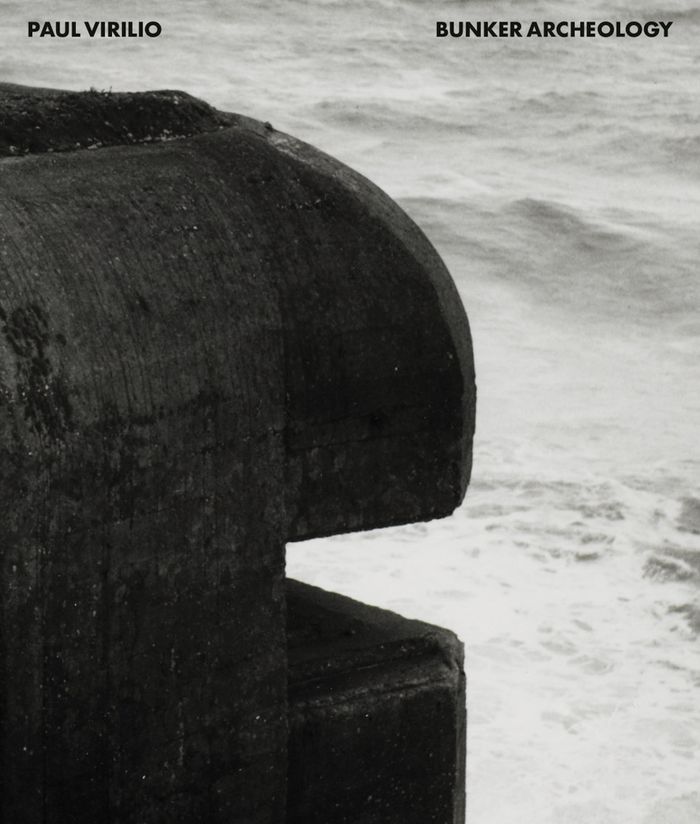
Paul Virilio: Bunker archeology
Actions:
Price:
$69.95
(available in store)
Summary:
The reputation as an auteur that Paul Virilio (1932–2018) enjoys today derives from the work he did for his ''Bunker Archeology''. When, in the second half of the 1950s, he began photographing abandoned Second World War bunkers along France’s Atlantic coast, he was working with glass as an artistic medium. In 1966, he presented his photographs to the public for the first time in the magazine architecture principe, which he co-edited. At the time, he was particularly interested in the architectural aspects of these wartime installations. He saw the bunkers as “harbingers of a new architecture”, which he sought to capture in the term “cryptic architecture”. The first exhibition of Virilio’s ''Bunker Archeology'' was staged at the Centre Pompidou in 1975, while the museum was still in the process of being established. His seminal book was published in conjunction with this. It laid out all the motifs of his philosophical thinking: military space and communications warfare, camouflage and acceleration, a scrupulous reading of the present coupled with a desire for philosophical speculation. Although it is almost fifty years since the work was first published, ''Bunker Archeology'' is still full of connections to the present.
Paul Virilio: Bunker archeology
Actions:
Price:
$69.95
(available in store)
Summary:
The reputation as an auteur that Paul Virilio (1932–2018) enjoys today derives from the work he did for his ''Bunker Archeology''. When, in the second half of the 1950s, he began photographing abandoned Second World War bunkers along France’s Atlantic coast, he was working with glass as an artistic medium. In 1966, he presented his photographs to the public for the first time in the magazine architecture principe, which he co-edited. At the time, he was particularly interested in the architectural aspects of these wartime installations. He saw the bunkers as “harbingers of a new architecture”, which he sought to capture in the term “cryptic architecture”. The first exhibition of Virilio’s ''Bunker Archeology'' was staged at the Centre Pompidou in 1975, while the museum was still in the process of being established. His seminal book was published in conjunction with this. It laid out all the motifs of his philosophical thinking: military space and communications warfare, camouflage and acceleration, a scrupulous reading of the present coupled with a desire for philosophical speculation. Although it is almost fifty years since the work was first published, ''Bunker Archeology'' is still full of connections to the present.
Form:
books
books
Publication:
November 2025
November 2025
Subject:
Photography monographs
Photography monographs
Form:
books
books
Actions:
Price:
$62.00
(available to order)
Summary:
Carol Mavor’s first "happy accident" occurred in 1980 when visiting New York’s Serendipity 3, a dessert café favored by Andy Warhol. Mavor’s memory of eating a frozen hot chocolate became food for thought, nurturing accidental discoveries about art and literature. This book’s happy, yet dark, accidents include Anne Frank’s journal, discovered in the Secret Annex after the(...)
$62.00
(available to order)
Summary:
Carol Mavor’s first "happy accident" occurred in 1980 when visiting New York’s Serendipity 3, a dessert café favored by Andy Warhol. Mavor’s memory of eating a frozen hot chocolate became food for thought, nurturing accidental discoveries about art and literature. This book’s happy, yet dark, accidents include Anne Frank’s journal, discovered in the Secret Annex after the(...)
Title:
Serendipity: The afterlife of the object
Actions:
Price:
$62.00
(available to order)
Summary:
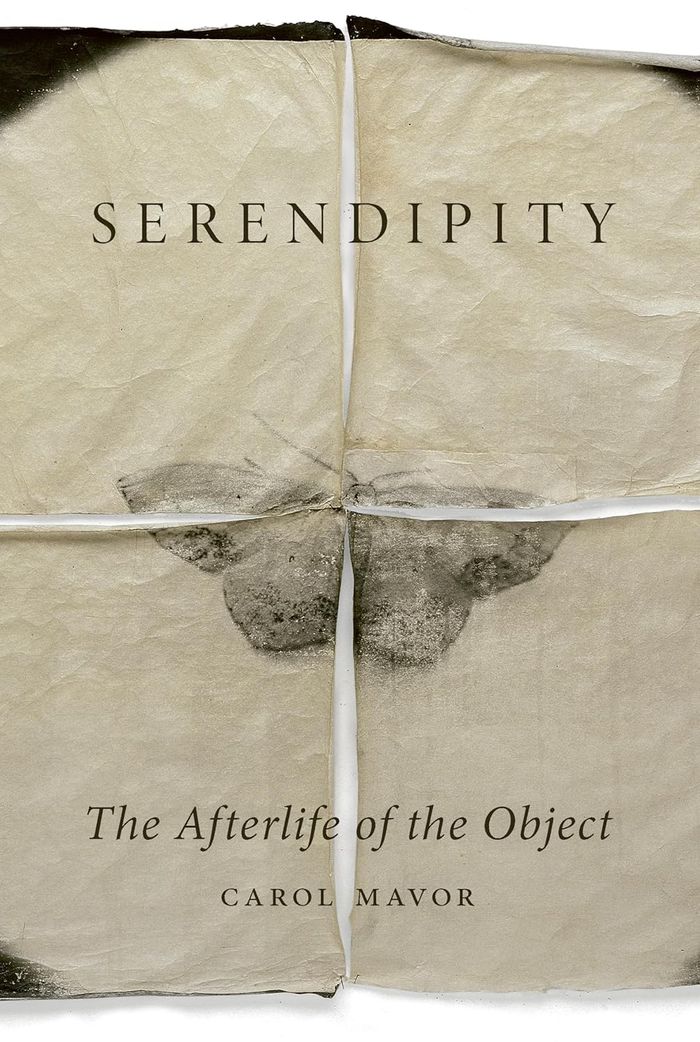
Carol Mavor’s first "happy accident" occurred in 1980 when visiting New York’s Serendipity 3, a dessert café favored by Andy Warhol. Mavor’s memory of eating a frozen hot chocolate became food for thought, nurturing accidental discoveries about art and literature. This book’s happy, yet dark, accidents include Anne Frank’s journal, discovered in the Secret Annex after the Second World War; Emily Dickinson’s poems, scribbled on salvaged envelopes, hidden in a drawer; and "Lolita", rescued from incineration by Nabokov’s wife Véra. Mavor’s writing is dependent on serendipity’s layers of happenstance, rousing feelings of something that she did not exactly know she was looking for until she found it. All history is about loss, and in the case of this book, much of it is tragic—but "Serendipity" also offers the happiness that can be found in unexpected discoveries.
Serendipity: The afterlife of the object
Actions:
Price:
$62.00
(available to order)
Summary:
Carol Mavor’s first "happy accident" occurred in 1980 when visiting New York’s Serendipity 3, a dessert café favored by Andy Warhol. Mavor’s memory of eating a frozen hot chocolate became food for thought, nurturing accidental discoveries about art and literature. This book’s happy, yet dark, accidents include Anne Frank’s journal, discovered in the Secret Annex after the Second World War; Emily Dickinson’s poems, scribbled on salvaged envelopes, hidden in a drawer; and "Lolita", rescued from incineration by Nabokov’s wife Véra. Mavor’s writing is dependent on serendipity’s layers of happenstance, rousing feelings of something that she did not exactly know she was looking for until she found it. All history is about loss, and in the case of this book, much of it is tragic—but "Serendipity" also offers the happiness that can be found in unexpected discoveries.
Form:
books
books
Publication:
January 2025
January 2025
Subject:
Art Theory
Art Theory
Form:
books
books
Title:
Jan Schoonhoven
Jan Schoonhoven
Actions:
Price:
$85.00
(available to order)
Summary:
Over the course of nearly 40 years, Dutch artist Jan Schoonhoven (1914–94) produced works on paper and sculptural reliefs, while maintaining his job as a civil servant employed by the Dutch Post Office. This new monograph places the artist, one of the most important Dutch artists of the 20th century, in an international context, arguing for his role as an influential(...)
$85.00
(available to order)
Summary:
Over the course of nearly 40 years, Dutch artist Jan Schoonhoven (1914–94) produced works on paper and sculptural reliefs, while maintaining his job as a civil servant employed by the Dutch Post Office. This new monograph places the artist, one of the most important Dutch artists of the 20th century, in an international context, arguing for his role as an influential(...)
Title:
Jan Schoonhoven
Actions:
Price:
$85.00
(available to order)
Summary:
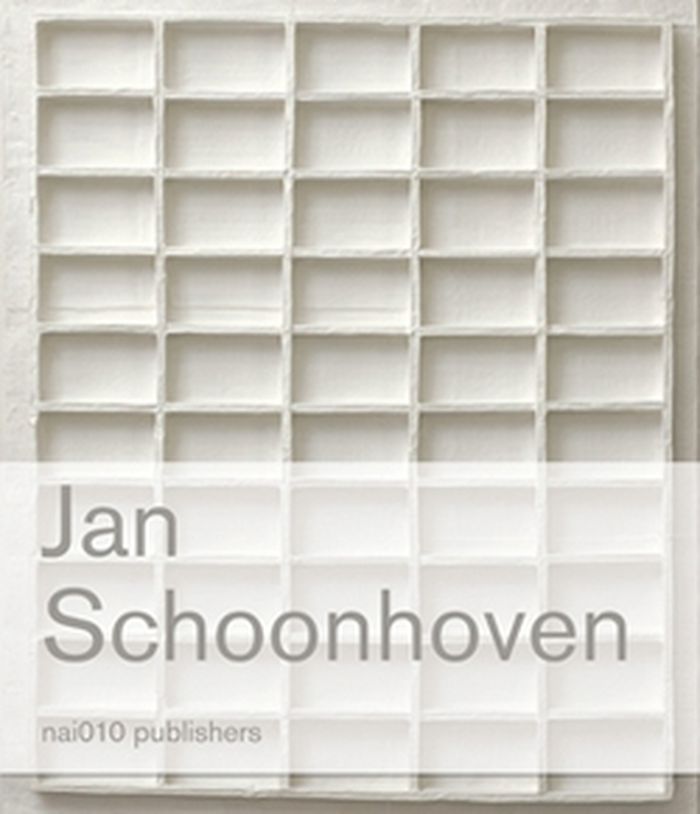
Over the course of nearly 40 years, Dutch artist Jan Schoonhoven (1914–94) produced works on paper and sculptural reliefs, while maintaining his job as a civil servant employed by the Dutch Post Office. This new monograph places the artist, one of the most important Dutch artists of the 20th century, in an international context, arguing for his role as an influential player in European art after the Second World War. From his central position in the Netherlandish Informal Group, associated with Art Informel, to his later involvement with the Dutch Nul group, part of the international ZERO network, Schoonhoven participated in two of the most important currents of postwar European abstraction from his hometown of Delft. This volume features many hitherto unknown works and photographs, and sheds new light on the work of the "master of white."
Jan Schoonhoven
Actions:
Price:
$85.00
(available to order)
Summary:
Over the course of nearly 40 years, Dutch artist Jan Schoonhoven (1914–94) produced works on paper and sculptural reliefs, while maintaining his job as a civil servant employed by the Dutch Post Office. This new monograph places the artist, one of the most important Dutch artists of the 20th century, in an international context, arguing for his role as an influential player in European art after the Second World War. From his central position in the Netherlandish Informal Group, associated with Art Informel, to his later involvement with the Dutch Nul group, part of the international ZERO network, Schoonhoven participated in two of the most important currents of postwar European abstraction from his hometown of Delft. This volume features many hitherto unknown works and photographs, and sheds new light on the work of the "master of white."
Form:
books
books
Publication:
May 2016
May 2016
Subject:
Contemporary Art Monographs
Contemporary Art Monographs


