


482 Results
Form:
books
books
Actions:
Price:
$57.00
(available to order)
Summary:
This volume collects the Phoenix-based photographer's images of the Sonoran desert, which he has been shooting since 2003. Using the desert's constant flux to his advantage, Lundgren records the shifting effects of light and atmosphere to create stunning black-and-white images. These photographs express a lust for the primitive, and they reinvigorate the realm of(...)
$57.00
(available to order)
Summary:
This volume collects the Phoenix-based photographer's images of the Sonoran desert, which he has been shooting since 2003. Using the desert's constant flux to his advantage, Lundgren records the shifting effects of light and atmosphere to create stunning black-and-white images. These photographs express a lust for the primitive, and they reinvigorate the realm of(...)
Title:
Michael Lundgren: transfigurations
Actions:
Price:
$57.00
(available to order)
Summary:
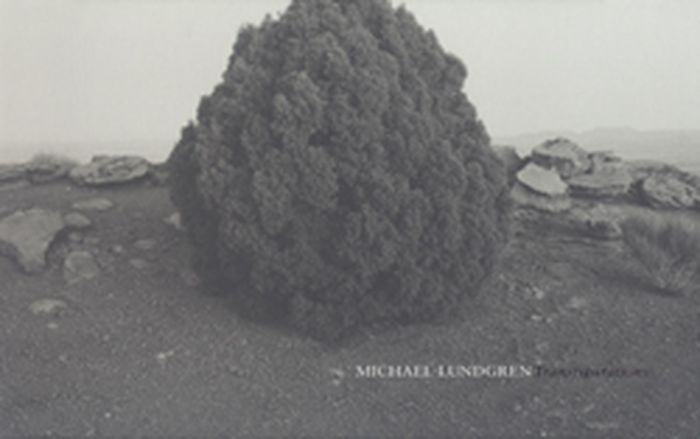
This volume collects the Phoenix-based photographer's images of the Sonoran desert, which he has been shooting since 2003. Using the desert's constant flux to his advantage, Lundgren records the shifting effects of light and atmosphere to create stunning black-and-white images. These photographs express a lust for the primitive, and they reinvigorate the realm of landscape photography with notions of the sublime. Lundgren elaborates in his statement, "The landscape is only discernible because of the presence of what is fundamentally absent. Myth and metaphor remain unfixed, open." This volume includes a text by the acclaimed critic, historian and best-selling author, Rebecca Solnit, as well as an afterword by the noted scholar and professor William Jenkins, who curated the influential 1975 New Topographics exhibition.
Michael Lundgren: transfigurations
Actions:
Price:
$57.00
(available to order)
Summary:
This volume collects the Phoenix-based photographer's images of the Sonoran desert, which he has been shooting since 2003. Using the desert's constant flux to his advantage, Lundgren records the shifting effects of light and atmosphere to create stunning black-and-white images. These photographs express a lust for the primitive, and they reinvigorate the realm of landscape photography with notions of the sublime. Lundgren elaborates in his statement, "The landscape is only discernible because of the presence of what is fundamentally absent. Myth and metaphor remain unfixed, open." This volume includes a text by the acclaimed critic, historian and best-selling author, Rebecca Solnit, as well as an afterword by the noted scholar and professor William Jenkins, who curated the influential 1975 New Topographics exhibition.
Form:
books
books
Publication:
October 2008, Santa Fe
October 2008, Santa Fe
Subject:
Photography monographs
Photography monographs
Form:
books
books
Actions:
Price:
$61.95
(available in store)
Summary:
John Ruskin was an influential English art critic and social thinker of the Victorian era, who famously argued that the principal concern of the artist is “truth to nature.” For Ruskin, this truth entailed more than merely adept technical representation, but rather, should depict the natural world as mankind experiences it, with all the sensations of both beauty and(...)
$61.95
(available in store)
Summary:
John Ruskin was an influential English art critic and social thinker of the Victorian era, who famously argued that the principal concern of the artist is “truth to nature.” For Ruskin, this truth entailed more than merely adept technical representation, but rather, should depict the natural world as mankind experiences it, with all the sensations of both beauty and(...)
Title:
Landscapes after Ruskin: redefining the sublime
Actions:
Price:
$61.95
(available in store)
Summary:
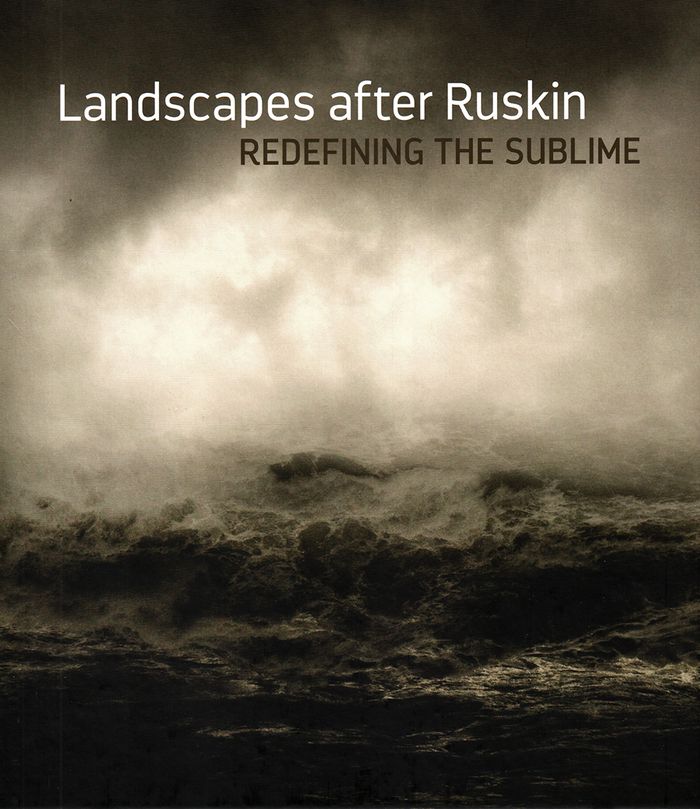
John Ruskin was an influential English art critic and social thinker of the Victorian era, who famously argued that the principal concern of the artist is “truth to nature.” For Ruskin, this truth entailed more than merely adept technical representation, but rather, should depict the natural world as mankind experiences it, with all the sensations of both beauty and terror it elicits. Today, in a world overwhelmed by industrial development and environmental uncertainty, contemporary artists are discovering new beauties and terrors associated with nature, invoking a sense of the sublime that is uniquely modern. "Landscapes after Ruskin" explores how a joyful experience of nature is now mixed with a particular dread as the earth and its atmosphere are increasingly touched by human activity.
Landscapes after Ruskin: redefining the sublime
Actions:
Price:
$61.95
(available in store)
Summary:
John Ruskin was an influential English art critic and social thinker of the Victorian era, who famously argued that the principal concern of the artist is “truth to nature.” For Ruskin, this truth entailed more than merely adept technical representation, but rather, should depict the natural world as mankind experiences it, with all the sensations of both beauty and terror it elicits. Today, in a world overwhelmed by industrial development and environmental uncertainty, contemporary artists are discovering new beauties and terrors associated with nature, invoking a sense of the sublime that is uniquely modern. "Landscapes after Ruskin" explores how a joyful experience of nature is now mixed with a particular dread as the earth and its atmosphere are increasingly touched by human activity.
Form:
books
books
Publication:
June 2018
June 2018
Subject:
Photography Collections
Photography Collections
Form:
books
books
Title:
John Gossage: LAMF
John Gossage: LAMF
Actions:
Price:
$98.00
(available in store)
Summary:
American photographer John Gossage's (born 1946) LAMF, first conceived in 1987 as a hand-assembled work exclusively for his friends, is a consummate example of the photobook as art. For the project, Gossage employed a custom telephoto lens and 6000 ASA film to shoot the area around the Berlin Wall in near-total blackness, capturing the dark atmosphere of a divided city.(...)
$98.00
(available in store)
Summary:
American photographer John Gossage's (born 1946) LAMF, first conceived in 1987 as a hand-assembled work exclusively for his friends, is a consummate example of the photobook as art. For the project, Gossage employed a custom telephoto lens and 6000 ASA film to shoot the area around the Berlin Wall in near-total blackness, capturing the dark atmosphere of a divided city.(...)
Title:
John Gossage: LAMF
Actions:
Price:
$98.00
(available in store)
Summary:
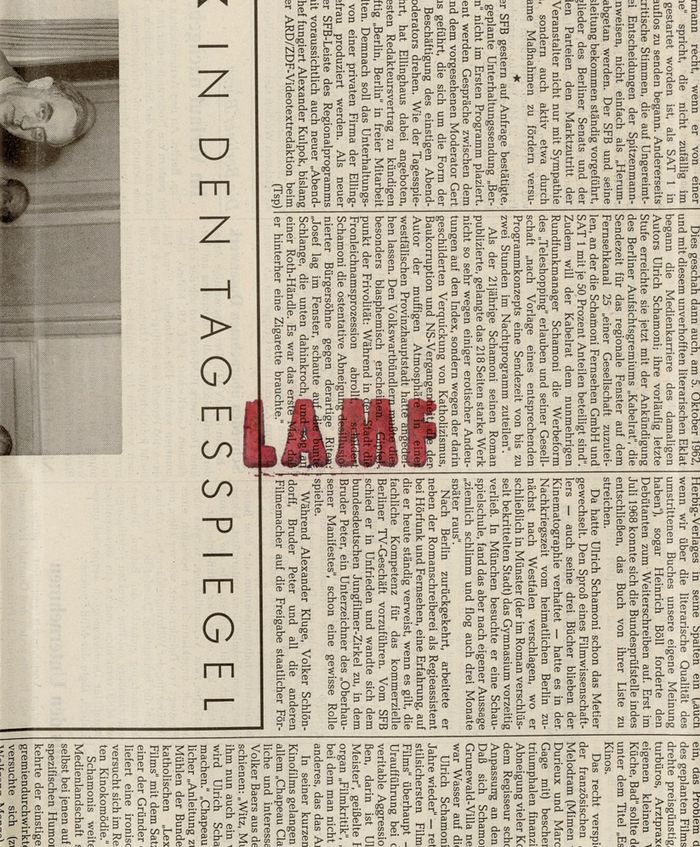
American photographer John Gossage's (born 1946) LAMF, first conceived in 1987 as a hand-assembled work exclusively for his friends, is a consummate example of the photobook as art. For the project, Gossage employed a custom telephoto lens and 6000 ASA film to shoot the area around the Berlin Wall in near-total blackness, capturing the dark atmosphere of a divided city. This new facsimile edition of LAMF, made in close collaboration with the photographer, features an expanded edit of 44 images (twice as many as the original) and a new interview with Gossage about the book's genesis and his long affinity for Berlin, which is also the subject of his acclaimed books Stadt des Schwarz and Berlin in the Time of the Wall.
John Gossage: LAMF
Actions:
Price:
$98.00
(available in store)
Summary:
American photographer John Gossage's (born 1946) LAMF, first conceived in 1987 as a hand-assembled work exclusively for his friends, is a consummate example of the photobook as art. For the project, Gossage employed a custom telephoto lens and 6000 ASA film to shoot the area around the Berlin Wall in near-total blackness, capturing the dark atmosphere of a divided city. This new facsimile edition of LAMF, made in close collaboration with the photographer, features an expanded edit of 44 images (twice as many as the original) and a new interview with Gossage about the book's genesis and his long affinity for Berlin, which is also the subject of his acclaimed books Stadt des Schwarz and Berlin in the Time of the Wall.
Form:
books
books
Publication:
May 2026
May 2026
Subject:
Photography monographs
Photography monographs
Form:
books
books
Actions:
Price:
$35.00
(available to order)
Summary:
In Recollections of My Nonexistence, Rebecca Solnit describes her formation as a writer and as a feminist in 1980s San Francisco, in an atmosphere of gender violence on the street and throughout society and the exclusion of women from cultural arenas. She tells of being poor, hopeful, and adrift in the city that became her great teacher, and of the small apartment that,(...)
$35.00
(available to order)
Summary:
In Recollections of My Nonexistence, Rebecca Solnit describes her formation as a writer and as a feminist in 1980s San Francisco, in an atmosphere of gender violence on the street and throughout society and the exclusion of women from cultural arenas. She tells of being poor, hopeful, and adrift in the city that became her great teacher, and of the small apartment that,(...)
Title:
Recollections of my nonexistence: a memoir
Actions:
Price:
$35.00
(available to order)
Summary:
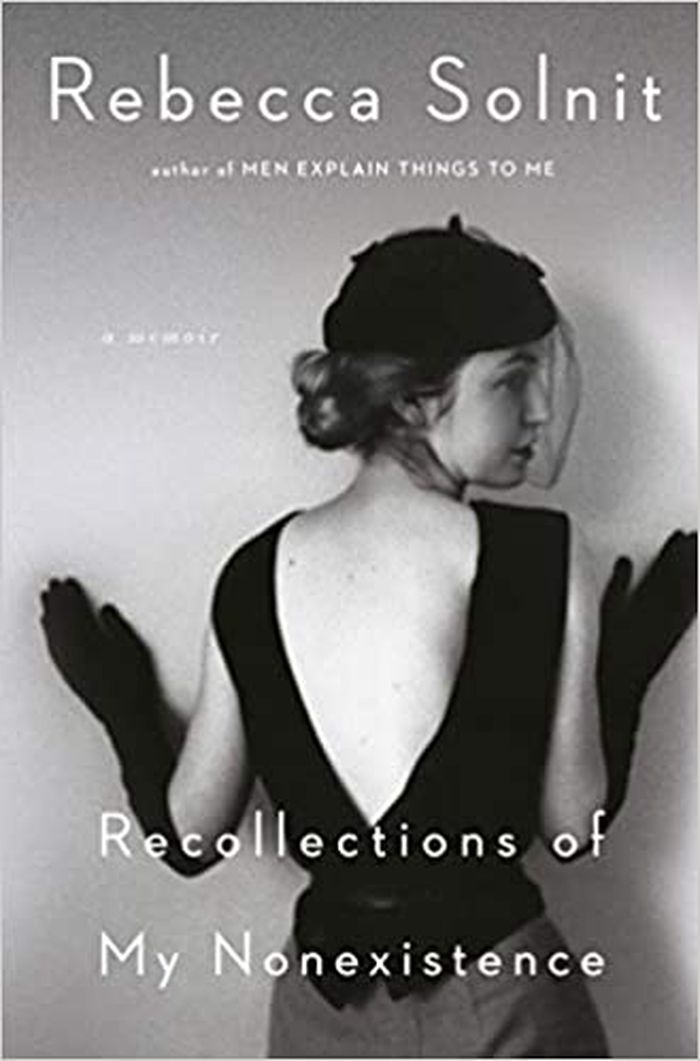
In Recollections of My Nonexistence, Rebecca Solnit describes her formation as a writer and as a feminist in 1980s San Francisco, in an atmosphere of gender violence on the street and throughout society and the exclusion of women from cultural arenas. She tells of being poor, hopeful, and adrift in the city that became her great teacher, and of the small apartment that, when she was nineteen, became the home in which she transformed herself. She explores the forces that liberated her as a person and as a writer–books themselves; the gay community that presented a new model of what else gender, family, and joy could mean; and her eventual arrival in the spacious landscapes and overlooked conflicts of the American West.
Recollections of my nonexistence: a memoir
Actions:
Price:
$35.00
(available to order)
Summary:
In Recollections of My Nonexistence, Rebecca Solnit describes her formation as a writer and as a feminist in 1980s San Francisco, in an atmosphere of gender violence on the street and throughout society and the exclusion of women from cultural arenas. She tells of being poor, hopeful, and adrift in the city that became her great teacher, and of the small apartment that, when she was nineteen, became the home in which she transformed herself. She explores the forces that liberated her as a person and as a writer–books themselves; the gay community that presented a new model of what else gender, family, and joy could mean; and her eventual arrival in the spacious landscapes and overlooked conflicts of the American West.
Form:
books
books
Publication:
March 2020
March 2020
Subject:
Critical Theory
Critical Theory
Form:
books
books

Actions:
Price:
$40.00
(available to order)
Summary:
This book presents the untold stories of the people, politics, and production chains behind architecture, real estate, and construction in areas surrounding New Delhi, India. The personal histories of those in India's large laboring classes are brought to life as Namita Vijay Dharia discusses the aggressive environmental and ecological metamorphosis of the region in the(...)
$40.00
(available to order)
Summary:
This book presents the untold stories of the people, politics, and production chains behind architecture, real estate, and construction in areas surrounding New Delhi, India. The personal histories of those in India's large laboring classes are brought to life as Namita Vijay Dharia discusses the aggressive environmental and ecological metamorphosis of the region in the(...)
Title:
The industrial ephemeral: Labor and love in Indian architecture and construction
Actions:
Price:
$40.00
(available to order)
Summary:
This book presents the untold stories of the people, politics, and production chains behind architecture, real estate, and construction in areas surrounding New Delhi, India. The personal histories of those in India's large laboring classes are brought to life as Namita Vijay Dharia discusses the aggressive environmental and ecological metamorphosis of the region in the twenty-first century. Urban planning and architecture are messy processes that intertwine migratory pathways, corruption politics, labor struggle, ecological transformations, and technological development. Rampant construction activity produces an atmosphere of ephemerality in urban regions, creating an aesthetic condition that supports industrial political economy. Dharia's brilliant analysis of the sensibilities and experiences of work lends visibility to the struggle of workers in an era of growing urban inequality.
The industrial ephemeral: Labor and love in Indian architecture and construction
Actions:
Price:
$40.00
(available to order)
Summary:
This book presents the untold stories of the people, politics, and production chains behind architecture, real estate, and construction in areas surrounding New Delhi, India. The personal histories of those in India's large laboring classes are brought to life as Namita Vijay Dharia discusses the aggressive environmental and ecological metamorphosis of the region in the twenty-first century. Urban planning and architecture are messy processes that intertwine migratory pathways, corruption politics, labor struggle, ecological transformations, and technological development. Rampant construction activity produces an atmosphere of ephemerality in urban regions, creating an aesthetic condition that supports industrial political economy. Dharia's brilliant analysis of the sensibilities and experiences of work lends visibility to the struggle of workers in an era of growing urban inequality.
Form:
books
books
Publication:
July 2022
July 2022
Subject:
Architectural Theory
Architectural Theory
Form:
books
books

Actions:
Price:
$18.50
(available in store)
Summary:
Two walls and a roof as a shelter. A home warms the hearts of the ones that live in it and shelters when it rains; it’s the place where one happily returns and where one feels “at home”. Alessandro Sanna’s book re-creates the same atmosphere of warmth and serenity of being at home. Its shape, essential but immediate, appears in each page as starting point of a series of(...)
$18.50
(available in store)
Summary:
Two walls and a roof as a shelter. A home warms the hearts of the ones that live in it and shelters when it rains; it’s the place where one happily returns and where one feels “at home”. Alessandro Sanna’s book re-creates the same atmosphere of warmth and serenity of being at home. Its shape, essential but immediate, appears in each page as starting point of a series of(...)
Title:
Alessandro Sanna: A home, my home
Actions:
Price:
$18.50
(available in store)
Summary:
Two walls and a roof as a shelter. A home warms the hearts of the ones that live in it and shelters when it rains; it’s the place where one happily returns and where one feels “at home”. Alessandro Sanna’s book re-creates the same atmosphere of warmth and serenity of being at home. Its shape, essential but immediate, appears in each page as starting point of a series of variations suggested by the image and imagination. The constant black image of home is “fulfilled” by the red illustrations, that create many possible illustrations: "home" turns into a "coffee-maker", or maybe some "trees" or eventually a "kite"...This book is a poem written and drawn right after the earthquake in Abruzzo
Alessandro Sanna: A home, my home
Actions:
Price:
$18.50
(available in store)
Summary:
Two walls and a roof as a shelter. A home warms the hearts of the ones that live in it and shelters when it rains; it’s the place where one happily returns and where one feels “at home”. Alessandro Sanna’s book re-creates the same atmosphere of warmth and serenity of being at home. Its shape, essential but immediate, appears in each page as starting point of a series of variations suggested by the image and imagination. The constant black image of home is “fulfilled” by the red illustrations, that create many possible illustrations: "home" turns into a "coffee-maker", or maybe some "trees" or eventually a "kite"...This book is a poem written and drawn right after the earthquake in Abruzzo
Form:
books
books
Publication:
November 2009
November 2009
Subject:
Children's Books
Children's Books
Form:
books
books
Actions:
Price:
$54.00
(available to order)
Summary:
German photographer Thomas Ruff is closely associated with the city of Düsseldorf though his studentship under Bernd and Hilla Becher, but he actually hails from the small town of Zell am Harmersbach, in the Black Forest. Ruff's Interior series, made during his student days between 1979 and 1983, is located there. Taken in the homes of his family and friends, and(...)
$54.00
(available to order)
Summary:
German photographer Thomas Ruff is closely associated with the city of Düsseldorf though his studentship under Bernd and Hilla Becher, but he actually hails from the small town of Zell am Harmersbach, in the Black Forest. Ruff's Interior series, made during his student days between 1979 and 1983, is located there. Taken in the homes of his family and friends, and(...)
Title:
Thomas Ruff: Schwarzwald Landschaft
Actions:
Price:
$54.00
(available to order)
Summary:
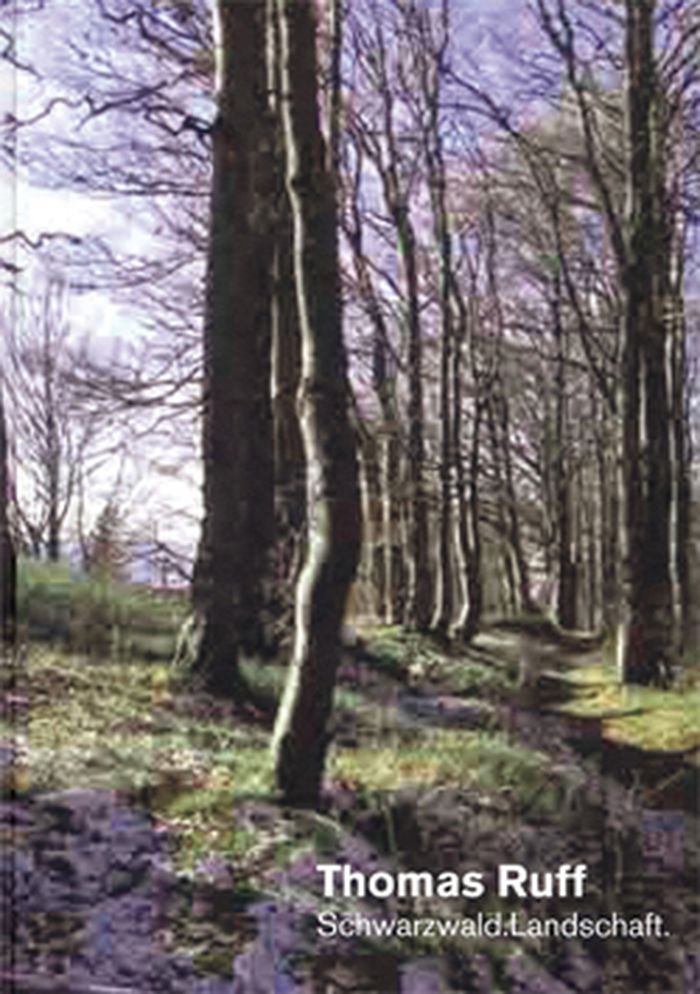
German photographer Thomas Ruff is closely associated with the city of Düsseldorf though his studentship under Bernd and Hilla Becher, but he actually hails from the small town of Zell am Harmersbach, in the Black Forest. Ruff's Interior series, made during his student days between 1979 and 1983, is located there. Taken in the homes of his family and friends, and photographed in sober black and white, it draws the viewer immediately into the atmosphere of 1960s and 1970s Germany, showing the farmhouse in which Ruff's mother grew up, along with its barn, toolshed and silo, a young bull and nearby woodland paths. All of Ruff's Black Forest-related series are collected in this catalogue, along with two other series, Stars and Nudes.
Thomas Ruff: Schwarzwald Landschaft
Actions:
Price:
$54.00
(available to order)
Summary:
German photographer Thomas Ruff is closely associated with the city of Düsseldorf though his studentship under Bernd and Hilla Becher, but he actually hails from the small town of Zell am Harmersbach, in the Black Forest. Ruff's Interior series, made during his student days between 1979 and 1983, is located there. Taken in the homes of his family and friends, and photographed in sober black and white, it draws the viewer immediately into the atmosphere of 1960s and 1970s Germany, showing the farmhouse in which Ruff's mother grew up, along with its barn, toolshed and silo, a young bull and nearby woodland paths. All of Ruff's Black Forest-related series are collected in this catalogue, along with two other series, Stars and Nudes.
Form:
books
books
Publication:
February 2010
February 2010
Subject:
Photography monographs
Photography monographs
Form:
books
books
Actions:
Price:
$47.75
(available to order)
Summary:
This issue identifies the critical role played by public bodies in carving out public space and celebrates new public spaces around the world shortlisted in the second edition of the AR Public awards. Five public spaces are revisited in the issue, to ask how their original designers envisaged their use and how their role in public life has changed with time and shifting(...)
$47.75
(available to order)
Summary:
This issue identifies the critical role played by public bodies in carving out public space and celebrates new public spaces around the world shortlisted in the second edition of the AR Public awards. Five public spaces are revisited in the issue, to ask how their original designers envisaged their use and how their role in public life has changed with time and shifting(...)
Title:
The Architectural Review 1513, jul/aug 2024
Actions:
Price:
$47.75
(available to order)
Summary:
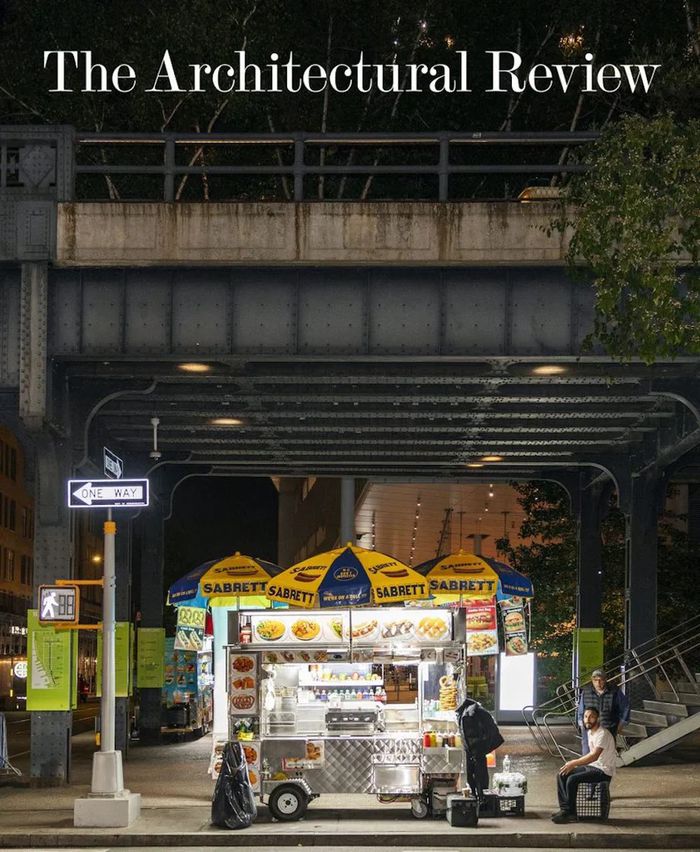
This issue identifies the critical role played by public bodies in carving out public space and celebrates new public spaces around the world shortlisted in the second edition of the AR Public awards. Five public spaces are revisited in the issue, to ask how their original designers envisaged their use and how their role in public life has changed with time and shifting incentives. Some are success stories: Copacabana beach in Rio de Janeiro ‘attracts the richest and the poorest‘, while in Paris’s Le Cent Quatre, artists rehearse in a convivial, open atmosphere. In New York, the High Line’s ‘successes and shortcomings are as much a product of the neoliberal economy as of its designers’, while entrance to Meskel Square in Addis Ababa has become subject to an entrance fee.
The Architectural Review 1513, jul/aug 2024
Actions:
Price:
$47.75
(available to order)
Summary:
This issue identifies the critical role played by public bodies in carving out public space and celebrates new public spaces around the world shortlisted in the second edition of the AR Public awards. Five public spaces are revisited in the issue, to ask how their original designers envisaged their use and how their role in public life has changed with time and shifting incentives. Some are success stories: Copacabana beach in Rio de Janeiro ‘attracts the richest and the poorest‘, while in Paris’s Le Cent Quatre, artists rehearse in a convivial, open atmosphere. In New York, the High Line’s ‘successes and shortcomings are as much a product of the neoliberal economy as of its designers’, while entrance to Meskel Square in Addis Ababa has become subject to an entrance fee.
Form:
books
books
Publication:
July 2024
July 2024
Subject:
Magazines
Magazines
Form:
books
books
Title:
Sybren Vanoverberghe: MUSA
Sybren Vanoverberghe: MUSA
Actions:
Price:
$42.00
(available in store)
Summary:
The series MUSA consists of twenty-six works of UV printed photographs on brass. The photographs for these works have been taken at various greenhouses in Morocco, which harvest Banana Trees. On the images we see abstract impressions of green and yellow leaves pressed against the plastic sheeting of the greenhouses. On top of that we see strips of copper wiring that keep(...)
$42.00
(available in store)
Summary:
The series MUSA consists of twenty-six works of UV printed photographs on brass. The photographs for these works have been taken at various greenhouses in Morocco, which harvest Banana Trees. On the images we see abstract impressions of green and yellow leaves pressed against the plastic sheeting of the greenhouses. On top of that we see strips of copper wiring that keep(...)
Title:
Sybren Vanoverberghe: MUSA
Actions:
Price:
$42.00
(available in store)
Summary:
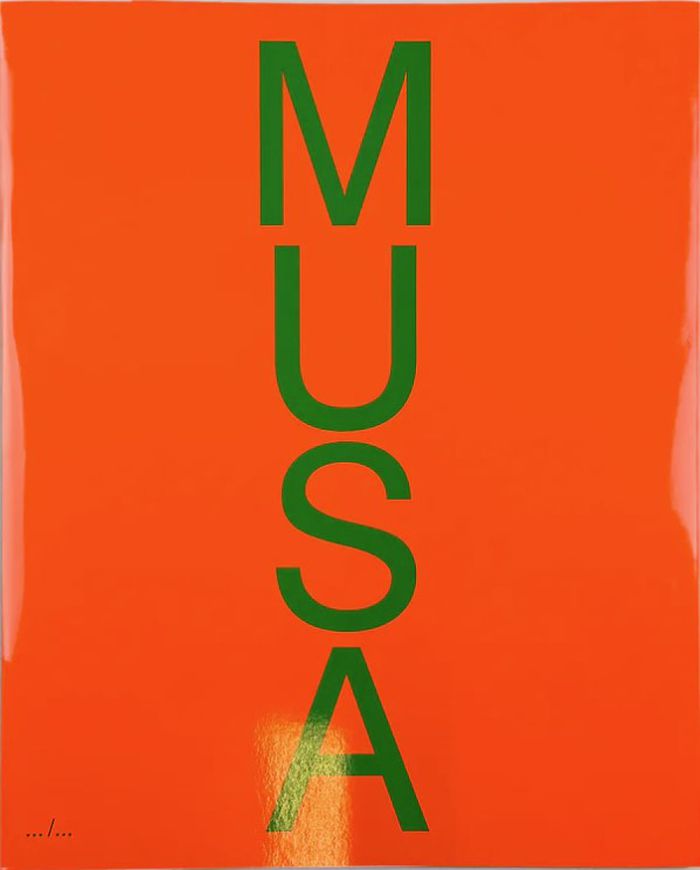
The series MUSA consists of twenty-six works of UV printed photographs on brass. The photographs for these works have been taken at various greenhouses in Morocco, which harvest Banana Trees. On the images we see abstract impressions of green and yellow leaves pressed against the plastic sheeting of the greenhouses. On top of that we see strips of copper wiring that keep the plastic sheets in position. It is the first series of images in Vanoverberghe’s work that solely puts the focus on the natural aspect of our surroundings. The work is a continuation in Vanoverberghe’s research to the material in which he presents his photographs. The visual atmosphere of the works constantly change due to the light that is captured or reflected by the brass material.
Sybren Vanoverberghe: MUSA
Actions:
Price:
$42.00
(available in store)
Summary:
The series MUSA consists of twenty-six works of UV printed photographs on brass. The photographs for these works have been taken at various greenhouses in Morocco, which harvest Banana Trees. On the images we see abstract impressions of green and yellow leaves pressed against the plastic sheeting of the greenhouses. On top of that we see strips of copper wiring that keep the plastic sheets in position. It is the first series of images in Vanoverberghe’s work that solely puts the focus on the natural aspect of our surroundings. The work is a continuation in Vanoverberghe’s research to the material in which he presents his photographs. The visual atmosphere of the works constantly change due to the light that is captured or reflected by the brass material.
Form:
books
books
Publication:
October 2024
October 2024
Subject:
Photography monographs
Photography monographs
Form:
books
books
Actions:
Price:
$35.00
(available to order)
Summary:
This publication is based on an illustrated talk presented by architect and historian Fernanda Canales in June 2024 at the Vitra Design Museum as part of the Barragán Lecture series. It focuses on the Mexican architect Luis Barragán (1902–88), whose work occupies a permanent place in the canon of 20th-century architecture and continues to fascinate architectural scholars,(...)
$35.00
(available to order)
Summary:
This publication is based on an illustrated talk presented by architect and historian Fernanda Canales in June 2024 at the Vitra Design Museum as part of the Barragán Lecture series. It focuses on the Mexican architect Luis Barragán (1902–88), whose work occupies a permanent place in the canon of 20th-century architecture and continues to fascinate architectural scholars,(...)
Title:
Barragan outside Barragan: A journey through trips, books, exhibitions and friends
Actions:
Price:
$35.00
(available to order)
Summary:
This publication is based on an illustrated talk presented by architect and historian Fernanda Canales in June 2024 at the Vitra Design Museum as part of the Barragán Lecture series. It focuses on the Mexican architect Luis Barragán (1902–88), whose work occupies a permanent place in the canon of 20th-century architecture and continues to fascinate architectural scholars, connoisseurs and enthusiasts. Barragán strove for an "emotional architecture," claiming that "any work of architecture which does not express serenity is a mistake." He used raw materials such as stone or wood, and his preference for hidden light sources gives his interiors a particularly subtle and lyrical atmosphere. In her lecture, Canales deftly interweaves Barragán's biography with his major built works, which are characterized by a skillful approach to spatial and chromatic atmospheres and environments.
Barragan outside Barragan: A journey through trips, books, exhibitions and friends
Actions:
Price:
$35.00
(available to order)
Summary:
This publication is based on an illustrated talk presented by architect and historian Fernanda Canales in June 2024 at the Vitra Design Museum as part of the Barragán Lecture series. It focuses on the Mexican architect Luis Barragán (1902–88), whose work occupies a permanent place in the canon of 20th-century architecture and continues to fascinate architectural scholars, connoisseurs and enthusiasts. Barragán strove for an "emotional architecture," claiming that "any work of architecture which does not express serenity is a mistake." He used raw materials such as stone or wood, and his preference for hidden light sources gives his interiors a particularly subtle and lyrical atmosphere. In her lecture, Canales deftly interweaves Barragán's biography with his major built works, which are characterized by a skillful approach to spatial and chromatic atmospheres and environments.
Form:
books
books
Publication:
September 2025
September 2025
Subject:
Architecture Monographs
Architecture Monographs


