


4079 Results
Form:
books
books

Actions:
Price:
$67.95
(available to order)
Summary:
"Impossible histories" is the first critical survey of the extraordinary experiments in the arts that took place in the former Yugoslavia from the country's founding in 1918 to its breakup in 1991. The combination of Austro-Hungarian, French, German, Italian, and Turkish influences gave Yugoslavia's avant-gardes a distinct character unlike those of other Eastern and(...)
$67.95
(available to order)
Summary:
"Impossible histories" is the first critical survey of the extraordinary experiments in the arts that took place in the former Yugoslavia from the country's founding in 1918 to its breakup in 1991. The combination of Austro-Hungarian, French, German, Italian, and Turkish influences gave Yugoslavia's avant-gardes a distinct character unlike those of other Eastern and(...)
Subject:
Modernism
Modernism
Publication:
July 2003, Cambridge / London
July 2003, Cambridge / London
Title:
Impossible histories : historical avant-gardes, neo-avant-gardes, and post-avant-gardes in Yugoslavia, 1918-1991
Actions:
Price:
$67.95
(available to order)
Summary:
"Impossible histories" is the first critical survey of the extraordinary experiments in the arts that took place in the former Yugoslavia from the country's founding in 1918 to its breakup in 1991. The combination of Austro-Hungarian, French, German, Italian, and Turkish influences gave Yugoslavia's avant-gardes a distinct character unlike those of other Eastern and Central European avant-gardes. Censorship and suppression kept much of the work far from the eyes and ears of the Yugoslav people, while language barriers and the inaccessibility of archives caused it to remain largely unknown to Western scholars. Even at this late stage in the scholarly investigation of the avant-garde, few Westerners have heard of the movements Belgrade surrealism, signalism, Yugo-Dada, and zenitism; the groups Alfa, Exat 51, Gorgona, OHO, and Scipion Nasice Sisters Theater; or the magazines Danas, Red Pilot, Tank, Vecnost, and Zvrk. The pieces in this collection offer comparative and interpretive accounts of the avant-gardes in the former Yugoslavian countries of Croatia, Serbia, and Slovenia. The book is divided into four sections : art and politics; literature; visual art and architecture; and art in motion (covering theater, dance, music, film, and video). All of the contributors live in the region and many of them participated in the movements discussed. The book also reprints a selection of the most important manifestos generated by all phases of Yugoslav avant-garde activity.
Impossible histories : historical avant-gardes, neo-avant-gardes, and post-avant-gardes in Yugoslavia, 1918-1991
Actions:
Price:
$67.95
(available to order)
Summary:
"Impossible histories" is the first critical survey of the extraordinary experiments in the arts that took place in the former Yugoslavia from the country's founding in 1918 to its breakup in 1991. The combination of Austro-Hungarian, French, German, Italian, and Turkish influences gave Yugoslavia's avant-gardes a distinct character unlike those of other Eastern and Central European avant-gardes. Censorship and suppression kept much of the work far from the eyes and ears of the Yugoslav people, while language barriers and the inaccessibility of archives caused it to remain largely unknown to Western scholars. Even at this late stage in the scholarly investigation of the avant-garde, few Westerners have heard of the movements Belgrade surrealism, signalism, Yugo-Dada, and zenitism; the groups Alfa, Exat 51, Gorgona, OHO, and Scipion Nasice Sisters Theater; or the magazines Danas, Red Pilot, Tank, Vecnost, and Zvrk. The pieces in this collection offer comparative and interpretive accounts of the avant-gardes in the former Yugoslavian countries of Croatia, Serbia, and Slovenia. The book is divided into four sections : art and politics; literature; visual art and architecture; and art in motion (covering theater, dance, music, film, and video). All of the contributors live in the region and many of them participated in the movements discussed. The book also reprints a selection of the most important manifestos generated by all phases of Yugoslav avant-garde activity.
Form:
books
books
Publication:
July 2003, Cambridge / London
July 2003, Cambridge / London
Subject:
Modernism
Modernism
Form:
books
books
Actions:
Price:
$48.00
(available to order)
Summary:
Is there a cultural logic of what we have come to call the information age? Have the technologies and techniques centered on the computer provided not only tools but also the metaphors through which we now understand the social and economic formation of our world? In Control, Seb Franklin addresses the conditions of knowledge that make the concept of the "information(...)
$48.00
(available to order)
Summary:
Is there a cultural logic of what we have come to call the information age? Have the technologies and techniques centered on the computer provided not only tools but also the metaphors through which we now understand the social and economic formation of our world? In Control, Seb Franklin addresses the conditions of knowledge that make the concept of the "information(...)
Title:
Control: digitality as cultural logic
Actions:
Price:
$48.00
(available to order)
Summary:
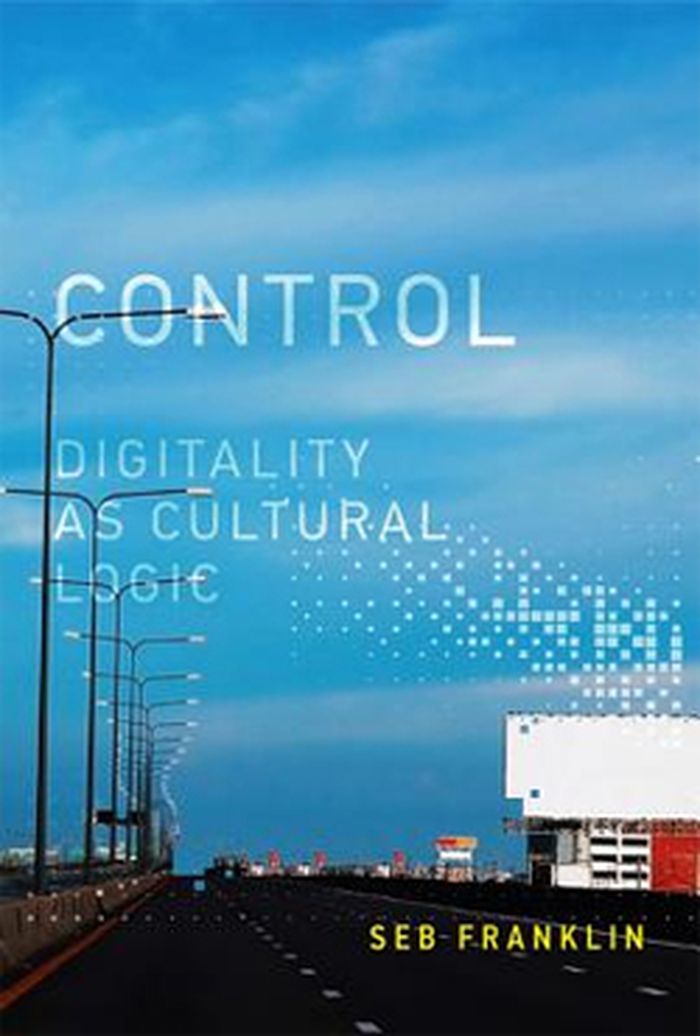
Is there a cultural logic of what we have come to call the information age? Have the technologies and techniques centered on the computer provided not only tools but also the metaphors through which we now understand the social and economic formation of our world? In Control, Seb Franklin addresses the conditions of knowledge that make the concept of the "information economy" possible while at the same time obscuring its effects on material social spaces. In so doing, Franklin traces three intertwined threads: the relationships among information, labor, and social management that emerged in the nineteenth century; the mid-twentieth-century diffusion of computational metaphors; and the appearance of informatic principles in certain contemporary socioeconomic and cultural practices. Drawing on critical theory, media theory, and the history of science, Franklin names control as the episteme grounding late capitalism. Beyond any specific device or set of technically mediated practices, digitality functions within this episteme as the logical basis for reshaped concepts of labor, subjectivity, and collectivity, as well as for the intensification of older modes of exclusion and dispossession. In tracking the pervasiveness of this logical mode into the present, Franklin locates the cultural traces of control across a diverse body of objects and practices, from cybernetics to economic theory and management styles, and from concepts of language and subjectivity to literary texts, films, and video games.
Control: digitality as cultural logic
Actions:
Price:
$48.00
(available to order)
Summary:
Is there a cultural logic of what we have come to call the information age? Have the technologies and techniques centered on the computer provided not only tools but also the metaphors through which we now understand the social and economic formation of our world? In Control, Seb Franklin addresses the conditions of knowledge that make the concept of the "information economy" possible while at the same time obscuring its effects on material social spaces. In so doing, Franklin traces three intertwined threads: the relationships among information, labor, and social management that emerged in the nineteenth century; the mid-twentieth-century diffusion of computational metaphors; and the appearance of informatic principles in certain contemporary socioeconomic and cultural practices. Drawing on critical theory, media theory, and the history of science, Franklin names control as the episteme grounding late capitalism. Beyond any specific device or set of technically mediated practices, digitality functions within this episteme as the logical basis for reshaped concepts of labor, subjectivity, and collectivity, as well as for the intensification of older modes of exclusion and dispossession. In tracking the pervasiveness of this logical mode into the present, Franklin locates the cultural traces of control across a diverse body of objects and practices, from cybernetics to economic theory and management styles, and from concepts of language and subjectivity to literary texts, films, and video games.
Form:
books
books
Publication:
November 2015
November 2015
Subject:
Archive, library and the digital
Archive, library and the digital
Form:
books
books
Title:
Roman Signer
Roman Signer
Actions:
Price:
$59.95
(available to order)
Summary:
Since the mid 1970s Roman Signer has examined the forces of the elements – air, fire, earth and water – in a combination of performance (documented by photography and video) and sculpture (the physical remains of his acts). With a Dadaist love for the absurd, his artworks include Race (1981), in which the artist races a rocket across a field (hopelessly behind from the(...)
$59.95
(available to order)
Summary:
Since the mid 1970s Roman Signer has examined the forces of the elements – air, fire, earth and water – in a combination of performance (documented by photography and video) and sculpture (the physical remains of his acts). With a Dadaist love for the absurd, his artworks include Race (1981), in which the artist races a rocket across a field (hopelessly behind from the(...)
Subject:
Contemporary Art Monographs
Contemporary Art Monographs
Publication:
June 2006, London
June 2006, London
Title:
Roman Signer
Actions:
Price:
$59.95
(available to order)
Summary:
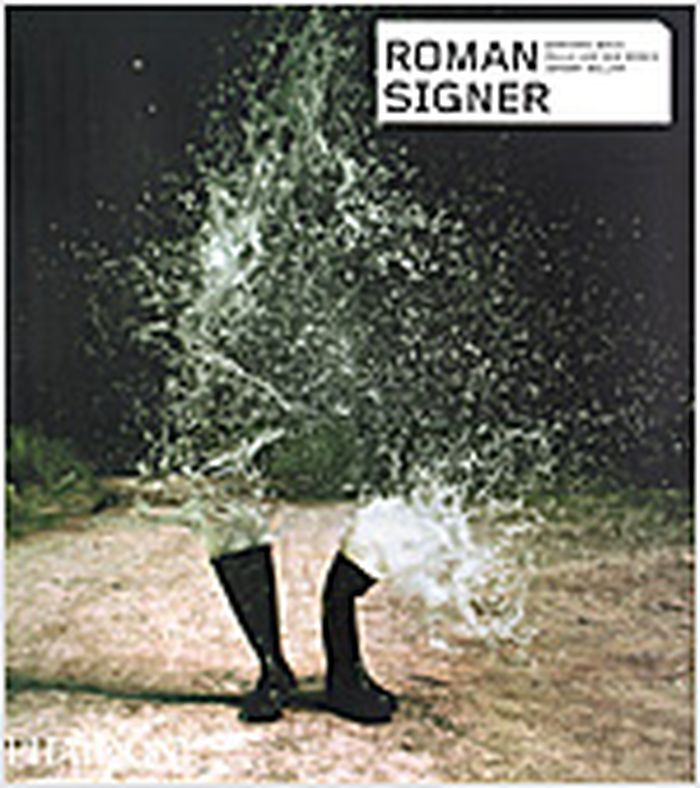
Since the mid 1970s Roman Signer has examined the forces of the elements – air, fire, earth and water – in a combination of performance (documented by photography and video) and sculpture (the physical remains of his acts). With a Dadaist love for the absurd, his artworks include Race (1981), in which the artist races a rocket across a field (hopelessly behind from the outset, the artist loses by nearly the entire length); Action at Hotel Weissbad (1992), in which an ordinary table is shot out a hotel window, the resulting photographs showing a table flying incongruously over a sleepy Swiss village; Power of Rain (1974), in which rainwater gathers slowly in a funnel until its force shatters a block of plaster; and Bicycle with Rockets (1991), the photographs of which show a fiery bicycle flying through the gallery like a demon comet. Often Signer will exhibit in the gallery the remains of an event not witnessed by the public, such as four empty barrels and a violently splattered wall, the remains of an explosion of paint in the gallery space (Portrait Gallery, 1993), or four sand piles with perfectly round craters on each, the neat result of four simultaneous explosions at their peaks (Cones of Sand, 1988). Roman Signer’s work has been exhibited at major venues across Europe and North America, as well as important international exhibitions such as Documenta 8 (1987), Skulptur Projekte in Munster (1997) and the 48th Venice Biennale (1999), in which he represented Switzerland.
Roman Signer
Actions:
Price:
$59.95
(available to order)
Summary:
Since the mid 1970s Roman Signer has examined the forces of the elements – air, fire, earth and water – in a combination of performance (documented by photography and video) and sculpture (the physical remains of his acts). With a Dadaist love for the absurd, his artworks include Race (1981), in which the artist races a rocket across a field (hopelessly behind from the outset, the artist loses by nearly the entire length); Action at Hotel Weissbad (1992), in which an ordinary table is shot out a hotel window, the resulting photographs showing a table flying incongruously over a sleepy Swiss village; Power of Rain (1974), in which rainwater gathers slowly in a funnel until its force shatters a block of plaster; and Bicycle with Rockets (1991), the photographs of which show a fiery bicycle flying through the gallery like a demon comet. Often Signer will exhibit in the gallery the remains of an event not witnessed by the public, such as four empty barrels and a violently splattered wall, the remains of an explosion of paint in the gallery space (Portrait Gallery, 1993), or four sand piles with perfectly round craters on each, the neat result of four simultaneous explosions at their peaks (Cones of Sand, 1988). Roman Signer’s work has been exhibited at major venues across Europe and North America, as well as important international exhibitions such as Documenta 8 (1987), Skulptur Projekte in Munster (1997) and the 48th Venice Biennale (1999), in which he represented Switzerland.
Form:
books
books
Publication:
June 2006, London
June 2006, London
Subject:
Contemporary Art Monographs
Contemporary Art Monographs
Form:
books
books
Title:
GRR47 : Iskandariyah Skan
GRR47 : Iskandariyah Skan
Actions:
Price:
$29.95
(available in store)
Summary:
"My previous picture book was about a train trip to Baku, this book documents my ferry trip accross the Mediterranean Sea to Alexandria (or Iskandariyah as it is called in Arabic). I was invited to exhbit my work and conduct a workshop organized by the artist-run Alexandria Contemporary Arts Forum (ACAF). This paperback is a selection of the many drawings that transpired(...)
$29.95
(available in store)
Summary:
"My previous picture book was about a train trip to Baku, this book documents my ferry trip accross the Mediterranean Sea to Alexandria (or Iskandariyah as it is called in Arabic). I was invited to exhbit my work and conduct a workshop organized by the artist-run Alexandria Contemporary Arts Forum (ACAF). This paperback is a selection of the many drawings that transpired(...)
Title:
GRR47 : Iskandariyah Skan
Actions:
Price:
$29.95
(available in store)
Summary:
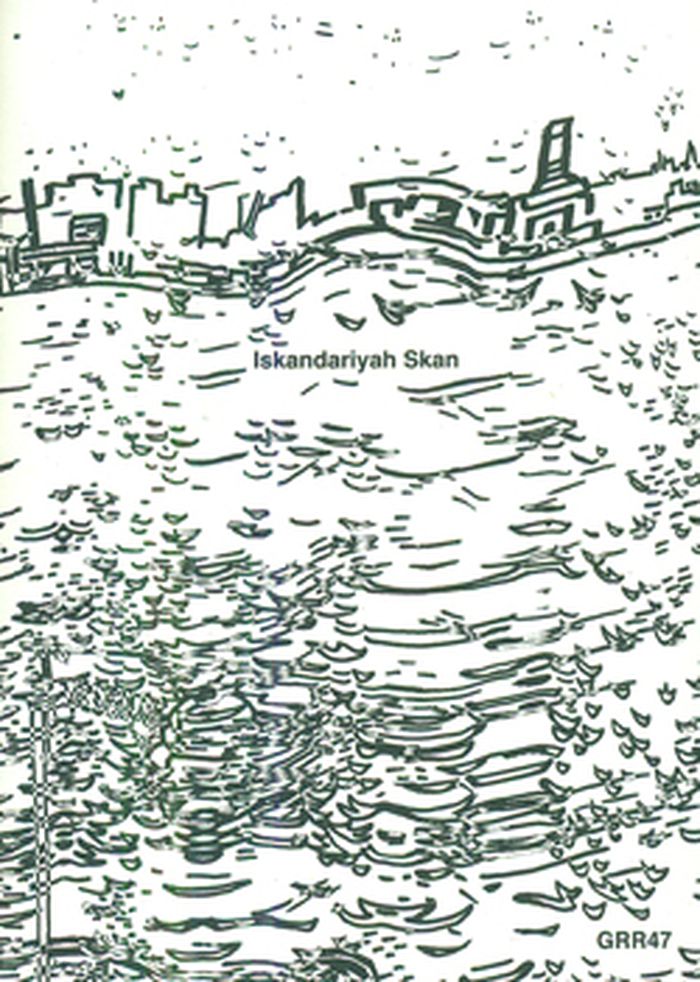
"My previous picture book was about a train trip to Baku, this book documents my ferry trip accross the Mediterranean Sea to Alexandria (or Iskandariyah as it is called in Arabic). I was invited to exhbit my work and conduct a workshop organized by the artist-run Alexandria Contemporary Arts Forum (ACAF). This paperback is a selection of the many drawings that transpired on this amazing journey. Not all my drawings are of a scene that catches my eye. Often it starts with coming across a really comfortable spot where I can sit undisturbed for some time amongst the hustle and rumble of a busy city. This, for me, can be quite meditative. Later, I scan the drawings to upload onto my website and other applications. This time round, I also experimented with the drawings and hope to present this book as my personal development or work in progress. I wish to share the overwhelming experience of drawing the ocean and have tried to capture the simultaneous static second and fluid element of the water by flushing the drawings through a scanner and allowing them to distort as they wish to flow, much like the city, much like life itself." Ingo Giezendanner alias GRRRR, July 2011 Since 1998, Ingo Giezendanner documents his surroundings with pen on paper. He produces zines, murals, books, exhibitions, video clips and maintains a website (GRRRR.net) to create his own world.
GRR47 : Iskandariyah Skan
Actions:
Price:
$29.95
(available in store)
Summary:
"My previous picture book was about a train trip to Baku, this book documents my ferry trip accross the Mediterranean Sea to Alexandria (or Iskandariyah as it is called in Arabic). I was invited to exhbit my work and conduct a workshop organized by the artist-run Alexandria Contemporary Arts Forum (ACAF). This paperback is a selection of the many drawings that transpired on this amazing journey. Not all my drawings are of a scene that catches my eye. Often it starts with coming across a really comfortable spot where I can sit undisturbed for some time amongst the hustle and rumble of a busy city. This, for me, can be quite meditative. Later, I scan the drawings to upload onto my website and other applications. This time round, I also experimented with the drawings and hope to present this book as my personal development or work in progress. I wish to share the overwhelming experience of drawing the ocean and have tried to capture the simultaneous static second and fluid element of the water by flushing the drawings through a scanner and allowing them to distort as they wish to flow, much like the city, much like life itself." Ingo Giezendanner alias GRRRR, July 2011 Since 1998, Ingo Giezendanner documents his surroundings with pen on paper. He produces zines, murals, books, exhibitions, video clips and maintains a website (GRRRR.net) to create his own world.
Form:
books
books
Publication:
June 2012
June 2012
Subject:
Illustration
Illustration
Form:
books
books
Title:
The gothic
The gothic
Actions:
Price:
$23.95
(available to order)
Summary:
This collection of writings examines the pervasive and influential role of "the Gothic" in contemporary visual culture. The contemporary Gothic in art is informed as much by the stock themes of the eighteenth- and nineteenth-century Gothic novel as it is by more recent permutations of the Gothic in horror film theory, Lacanian psychoanalysis, and Goth subcultures. This(...)
$23.95
(available to order)
Summary:
This collection of writings examines the pervasive and influential role of "the Gothic" in contemporary visual culture. The contemporary Gothic in art is informed as much by the stock themes of the eighteenth- and nineteenth-century Gothic novel as it is by more recent permutations of the Gothic in horror film theory, Lacanian psychoanalysis, and Goth subcultures. This(...)
Title:
The gothic
Actions:
Price:
$23.95
(available to order)
Summary:
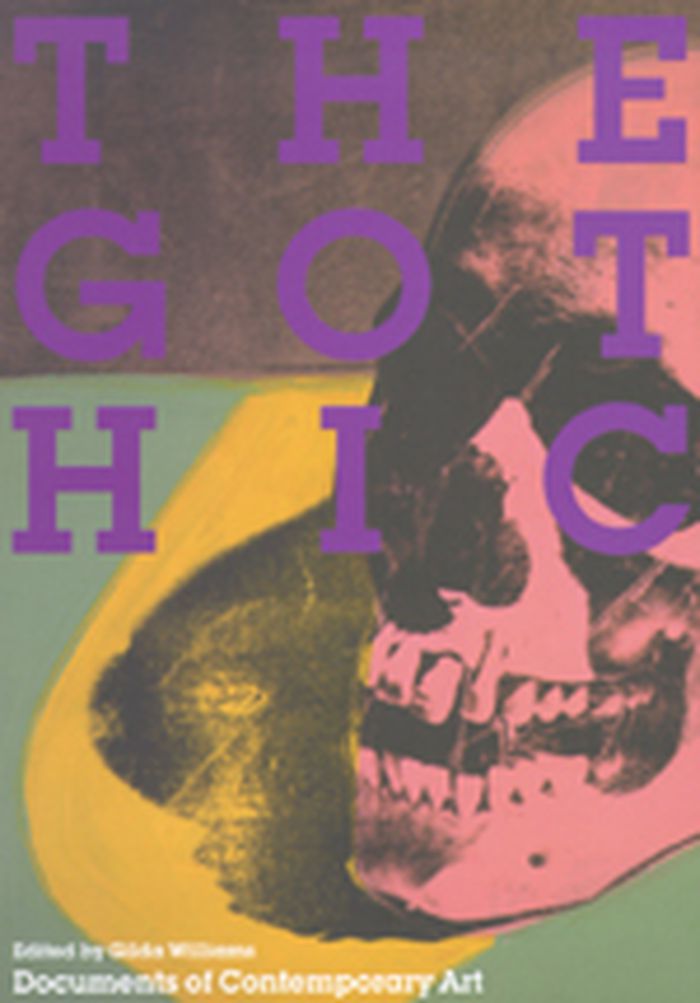
This collection of writings examines the pervasive and influential role of "the Gothic" in contemporary visual culture. The contemporary Gothic in art is informed as much by the stock themes of the eighteenth- and nineteenth-century Gothic novel as it is by more recent permutations of the Gothic in horror film theory, Lacanian psychoanalysis, and Goth subcultures. This reader from London's Whitechapel Gallery brings together artists as different as Matthew Barney, Gregor Schneider, Louise Bourgeois, and Douglas Gordon; its intent is not to use "the Gothic" to group together dissimilar artists but rather to shed light on a particular understanding of their practice. Anthony Vidler looks at ideas of the uncanny to explore Rachel Whiteread's House, and Jeff Wall uses the motif of vampirism to analyze fellow artist Dan Graham's Kammerspell; Hal Foster considers Robert Gober's recent work--laden with Christian symbolism, criticism of America as a nexus of power, and fragmented bodies--as an updated American Gothic, and Kobena Mercer examines the Gothic's depiction of the Other in relation to Michael Jackson's pop video Thriller. Texts by artists including Mike Kelley, Damien Hirst, Tacita Dean, Jonathan Meese, and Catherine Sullivan are complemented by extracts from Walpole's genre-establishing gothic novel The Castle of Otranto, William Gibson, Bret Easton Ellis, and Stephen King, among others, and theoretical writings by such key thinkers as Carol Clover, Beatriz Colomina, Julia Kristeva, Eve Kosofsky Sedgwick, Marina Warner, and Slavoj Zizek. The Gothic provides the first comprehensive overview of the uses of Gothic in contemporary visual culture.
The gothic
Actions:
Price:
$23.95
(available to order)
Summary:
This collection of writings examines the pervasive and influential role of "the Gothic" in contemporary visual culture. The contemporary Gothic in art is informed as much by the stock themes of the eighteenth- and nineteenth-century Gothic novel as it is by more recent permutations of the Gothic in horror film theory, Lacanian psychoanalysis, and Goth subcultures. This reader from London's Whitechapel Gallery brings together artists as different as Matthew Barney, Gregor Schneider, Louise Bourgeois, and Douglas Gordon; its intent is not to use "the Gothic" to group together dissimilar artists but rather to shed light on a particular understanding of their practice. Anthony Vidler looks at ideas of the uncanny to explore Rachel Whiteread's House, and Jeff Wall uses the motif of vampirism to analyze fellow artist Dan Graham's Kammerspell; Hal Foster considers Robert Gober's recent work--laden with Christian symbolism, criticism of America as a nexus of power, and fragmented bodies--as an updated American Gothic, and Kobena Mercer examines the Gothic's depiction of the Other in relation to Michael Jackson's pop video Thriller. Texts by artists including Mike Kelley, Damien Hirst, Tacita Dean, Jonathan Meese, and Catherine Sullivan are complemented by extracts from Walpole's genre-establishing gothic novel The Castle of Otranto, William Gibson, Bret Easton Ellis, and Stephen King, among others, and theoretical writings by such key thinkers as Carol Clover, Beatriz Colomina, Julia Kristeva, Eve Kosofsky Sedgwick, Marina Warner, and Slavoj Zizek. The Gothic provides the first comprehensive overview of the uses of Gothic in contemporary visual culture.
Form:
books
books
Publication:
October 2007, Whitechapel London Cambridge
October 2007, Whitechapel London Cambridge
Subject:
Art Theory
Art Theory
Form:
books
books
Price:
$26.00
(available to order)
Summary:
This is the first installation of Forensic Architecture Reports, a series of books each dedicated to a single FA investigation, with insights into the agency’s research methodologies, additional texts from and interviews with collaborators, and dossiers of documents that shaped the investigation in question. On the evening of 4 August 2011, Mark Duggan was shot and(...)
$26.00
(available to order)
Summary:
This is the first installation of Forensic Architecture Reports, a series of books each dedicated to a single FA investigation, with insights into the agency’s research methodologies, additional texts from and interviews with collaborators, and dossiers of documents that shaped the investigation in question. On the evening of 4 August 2011, Mark Duggan was shot and(...)
Title:
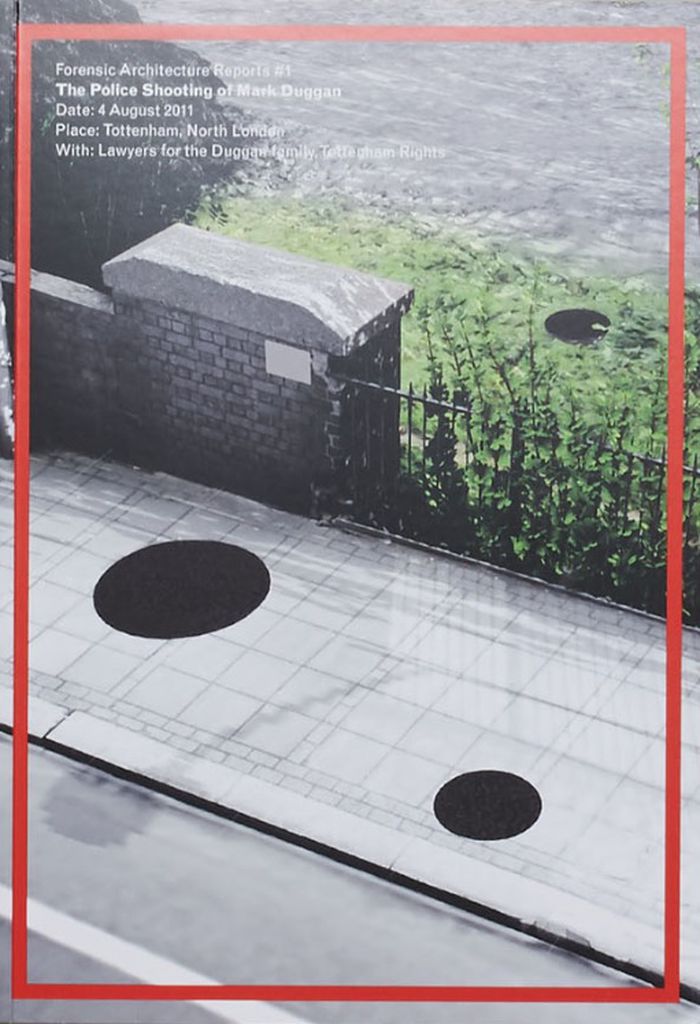
Forensic Architecture, reports #1: The police shooting of Mark Duggan
Actions:
Price:
$26.00
(available to order)
Summary:
This is the first installation of Forensic Architecture Reports, a series of books each dedicated to a single FA investigation, with insights into the agency’s research methodologies, additional texts from and interviews with collaborators, and dossiers of documents that shaped the investigation in question. On the evening of 4 August 2011, Mark Duggan was shot and killed by the police in the north London neighbourhood of Tottenham after the minicab in which he was traveling was pulled over by a team of undercover officers. The team had begun following Duggan shortly after receiving intelligence that he was in possession of a gun, and the officer who shot him testified that he had seen, for a ‘split second’, Duggan aiming the gun at him after he had exited the minicab. However, the gun was not found next to Duggan’s body on the pavement. According to the police, they discovered it in a patch of grass some seven meters away. After a coroner’s inquest ruled Duggan’s killing ‘lawful’ and the police watchdog organisation issued a report siding with the officers’ version of events, the Duggan family’s legal team commissioned Forensic Architecture to conduct an investigation into the critical question at the heart of the case: How did the gun end up in the grass? ?With no video footage of the shooting itself, Forensic Architecture had to rely primarily on the written and oral testimony of the officers involved to develop a spatial investigation designed to test the plausibility of the police’s narrative and to examine whether the officers themselves could have planted the gun...
Forensic Architecture, reports #1: The police shooting of Mark Duggan
Actions:
Price:
$26.00
(available to order)
Summary:
This is the first installation of Forensic Architecture Reports, a series of books each dedicated to a single FA investigation, with insights into the agency’s research methodologies, additional texts from and interviews with collaborators, and dossiers of documents that shaped the investigation in question. On the evening of 4 August 2011, Mark Duggan was shot and killed by the police in the north London neighbourhood of Tottenham after the minicab in which he was traveling was pulled over by a team of undercover officers. The team had begun following Duggan shortly after receiving intelligence that he was in possession of a gun, and the officer who shot him testified that he had seen, for a ‘split second’, Duggan aiming the gun at him after he had exited the minicab. However, the gun was not found next to Duggan’s body on the pavement. According to the police, they discovered it in a patch of grass some seven meters away. After a coroner’s inquest ruled Duggan’s killing ‘lawful’ and the police watchdog organisation issued a report siding with the officers’ version of events, the Duggan family’s legal team commissioned Forensic Architecture to conduct an investigation into the critical question at the heart of the case: How did the gun end up in the grass? ?With no video footage of the shooting itself, Forensic Architecture had to rely primarily on the written and oral testimony of the officers involved to develop a spatial investigation designed to test the plausibility of the police’s narrative and to examine whether the officers themselves could have planted the gun...
Form:
books
books
Publication:
September 2021
September 2021
Subject:
Social
Social
Form:
audio
audio
Title:
Lattina.
Lattina.
Actions:
Description:
1 online resource.
Author:
Subject:
Publication:
[Place of publication not identified] : Lateral Addition, 2015.
[Place of publication not identified] : Lateral Addition, 2015.
Form:
audio
audio
Publication:
[Place of publication not identified] : Lateral Addition, 2015.
[Place of publication not identified] : Lateral Addition, 2015.
Author:
Subject:
Form:
books
books
Actions:
Price:
$85.00
(available to order)
Summary:
Photographer Rinko Kawauchi (1972–), known for her expressive mastery of gentle color suffused with light, has revealed the mystery, radiance, frailty, and strength of life in all its forms since her earliest works. Her gaze falls equally on the fragile and delicate beings in her immediate vicinity, be they flora and fauna or family members, and the vast workings of the(...)
$85.00
(available to order)
Summary:
Photographer Rinko Kawauchi (1972–), known for her expressive mastery of gentle color suffused with light, has revealed the mystery, radiance, frailty, and strength of life in all its forms since her earliest works. Her gaze falls equally on the fragile and delicate beings in her immediate vicinity, be they flora and fauna or family members, and the vast workings of the(...)
Title:
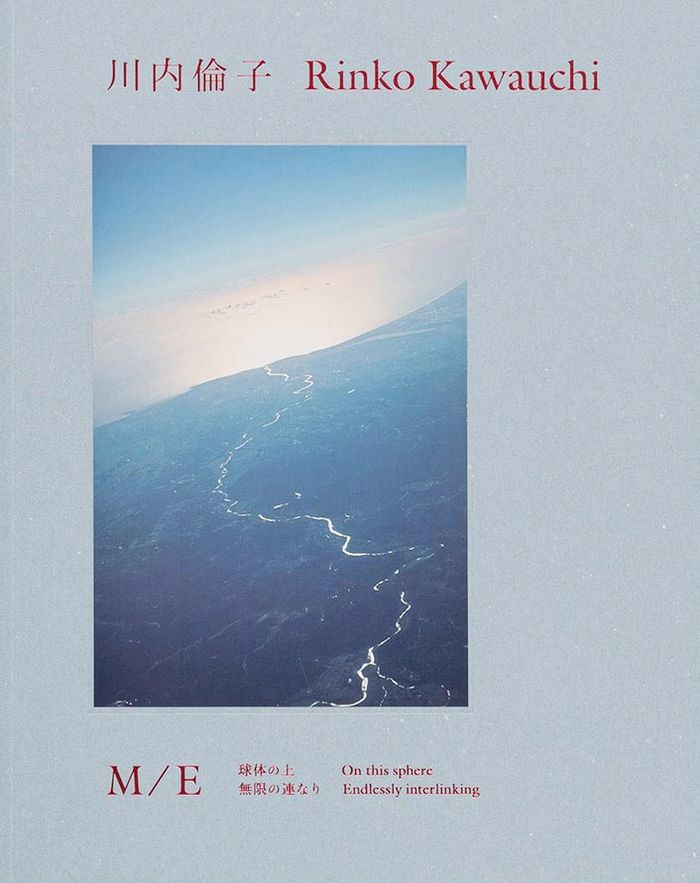
Rinko Kawauchi: M/E On this sphere, Endlessly interlinking
Actions:
Price:
$85.00
(available to order)
Summary:
Photographer Rinko Kawauchi (1972–), known for her expressive mastery of gentle color suffused with light, has revealed the mystery, radiance, frailty, and strength of life in all its forms since her earliest works. Her gaze falls equally on the fragile and delicate beings in her immediate vicinity, be they flora and fauna or family members, and the vast workings of the earth, such as volcanoes and glaciers formed over long eons. The unique sensibility underlying her photography reveals the connections between these subjects, which all shimmer with the same vital glow. This will be her first major exhibition in Japan in six years, showcasing the essence of Kawauchi’s oeuvre through work from the past decade combined with never-before-seen images from her archives. M/E, the main subject of this exhibition and inspiration for its title, is a new series Kawauchi began shooting in 2019. The letters stand for ''Mother'' and ''Earth,'' combining to form both ''Mother Earth'' and ''Me.'' At a glance, the series’ images of Iceland’s volcanoes and ice floes and Hokkaido’s snowy landscapes may seem distant and unrelated to the everyday scenes from the COVID-19 pandemic that accompany them in the series. However, both types of image depict events now taking place on the planet we live on, and Kawauchi’s artistry alerts us to the connection between them. This exhibition invites the viewer to reconsider a range of questions about the workings of human life and our relationship with nature. In this exhibition catalog, Kawauchi herself has composed a sequence that allows visitors to relive the three-dimensional exhibition space, from the core series of the exhibition such as the new ''M/E,'' the yet unpublished ''4%,'' and ''An interlinking'' with new images, to her latest video work. The exhibition also includes a conversation with Haruo Saji, who was an influence on Kawauchi’s practice, and three essays, of which one is written by Masatake Shinohara, exploring the current state of Kawauchi’s work through both imagery and text. By changing the format and paper for each series, despite its simple binding, the book becomes a multilayered volume that embodies the depth of the exhibition.
Rinko Kawauchi: M/E On this sphere, Endlessly interlinking
Actions:
Price:
$85.00
(available to order)
Summary:
Photographer Rinko Kawauchi (1972–), known for her expressive mastery of gentle color suffused with light, has revealed the mystery, radiance, frailty, and strength of life in all its forms since her earliest works. Her gaze falls equally on the fragile and delicate beings in her immediate vicinity, be they flora and fauna or family members, and the vast workings of the earth, such as volcanoes and glaciers formed over long eons. The unique sensibility underlying her photography reveals the connections between these subjects, which all shimmer with the same vital glow. This will be her first major exhibition in Japan in six years, showcasing the essence of Kawauchi’s oeuvre through work from the past decade combined with never-before-seen images from her archives. M/E, the main subject of this exhibition and inspiration for its title, is a new series Kawauchi began shooting in 2019. The letters stand for ''Mother'' and ''Earth,'' combining to form both ''Mother Earth'' and ''Me.'' At a glance, the series’ images of Iceland’s volcanoes and ice floes and Hokkaido’s snowy landscapes may seem distant and unrelated to the everyday scenes from the COVID-19 pandemic that accompany them in the series. However, both types of image depict events now taking place on the planet we live on, and Kawauchi’s artistry alerts us to the connection between them. This exhibition invites the viewer to reconsider a range of questions about the workings of human life and our relationship with nature. In this exhibition catalog, Kawauchi herself has composed a sequence that allows visitors to relive the three-dimensional exhibition space, from the core series of the exhibition such as the new ''M/E,'' the yet unpublished ''4%,'' and ''An interlinking'' with new images, to her latest video work. The exhibition also includes a conversation with Haruo Saji, who was an influence on Kawauchi’s practice, and three essays, of which one is written by Masatake Shinohara, exploring the current state of Kawauchi’s work through both imagery and text. By changing the format and paper for each series, despite its simple binding, the book becomes a multilayered volume that embodies the depth of the exhibition.
Form:
books
books
Publication:
January 2023
January 2023
Subject:
Photography monographs
Photography monographs
Form:
books
books
Actions:
Price:
$58.50
(available to order)
Summary:
One of the premier institutions of contemporary art in the country, the Walker Art Center also holds an important collection of over 11,000 objects from the early 20th century to the present. These holdings reflect the Center's renowned multidisciplinary program, and include paintings, sculpture, prints, photography, film, video, installations, and digital arts that range(...)
$58.50
(available to order)
Summary:
One of the premier institutions of contemporary art in the country, the Walker Art Center also holds an important collection of over 11,000 objects from the early 20th century to the present. These holdings reflect the Center's renowned multidisciplinary program, and include paintings, sculpture, prints, photography, film, video, installations, and digital arts that range(...)
Publication:
April 2005, Minneapolis
April 2005, Minneapolis
Title:
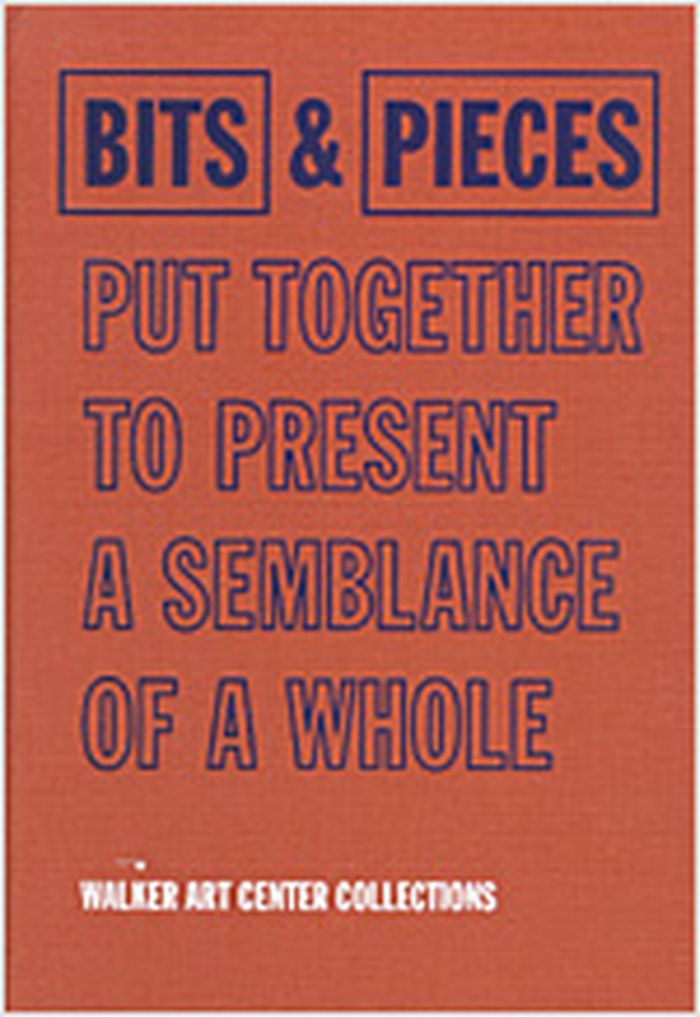
Bits & pieces put together to present a semblance of a whole : Walker Art Center collections
Actions:
Price:
$58.50
(available to order)
Summary:
One of the premier institutions of contemporary art in the country, the Walker Art Center also holds an important collection of over 11,000 objects from the early 20th century to the present. These holdings reflect the Center's renowned multidisciplinary program, and include paintings, sculpture, prints, photography, film, video, installations, and digital arts that range in date from classic early modernist to cutting edge contemporary. While aiming to represent the immense diversity in art-making around the world, the collection also is known for several areas of specialty including Minimalism, Arte Povera, Fluxus, and contemporary printmaking. In-depth representations of work by individual artists, including Matthew Barney, Joseph Beuys, Merce Cunningham, Jasper Johns, William Klein, Robert Motherwell, and Kara Walker reflect the Center's long and close relationships with many of the century's most creative minds. Showcased in this stunning, expansive, well-designed volume are more than 650 beautifully reproduced works of art. Co-authored by the Walker's curators and staff, and more than 30 Walker alumni, this book draws heavily on Walker archival material to serve as both a history of the institution and a primer on modern and contemporary art. Adding further dimension to the polyvocal, multifaceted rendition of this dynamic public art centre are contributions from a select group of acclaimed writers including, A.S. Byatt, Joshua Clover, Arthur Danto, Dave Eggers, Darby English, Annie Proulx, David Shapiro, and others. The catalogue is published in conjunction with the Spring 2005 re-opening of the newly expanded Walker Art Center. Artists include Matthew Barney, Chuck Close, Bruce Conner, Joseph Cornell, Merce Cummingham, Dan Flavin, Robert Gober, Dan Graham, David Hockney, Donald Judd, Ellsworth Kelly, William Klein, Sherrie Levine, Sol Lewitt, Roy Lichtenstein, Sharon Lockhart, Kerry James Marshall, Bruce Nauman, Isamu Noguchi, Claes Oldenburg, Raymond Pettibon, Richard Prince, Charles Ray, Edward Ruscha, Cindy Sherman, Lorna Simpson, Kiki Smith, Frank Stella, Kara Walker, Andy Warhol, and many others. Edited by Joan Rothfuss and Elizabeth Carpenter. Essays by Elizabeth Alexander, A.S. Byatt, Dave Eggers, Arthur C. Danto, Wayne Koestenbaum, James Lingwood, Linda Nochlin, Annie Proulx, David Shapiro, Charles Simic, Howard Singerman, Hamza Walker et al.
Bits & pieces put together to present a semblance of a whole : Walker Art Center collections
Actions:
Price:
$58.50
(available to order)
Summary:
One of the premier institutions of contemporary art in the country, the Walker Art Center also holds an important collection of over 11,000 objects from the early 20th century to the present. These holdings reflect the Center's renowned multidisciplinary program, and include paintings, sculpture, prints, photography, film, video, installations, and digital arts that range in date from classic early modernist to cutting edge contemporary. While aiming to represent the immense diversity in art-making around the world, the collection also is known for several areas of specialty including Minimalism, Arte Povera, Fluxus, and contemporary printmaking. In-depth representations of work by individual artists, including Matthew Barney, Joseph Beuys, Merce Cunningham, Jasper Johns, William Klein, Robert Motherwell, and Kara Walker reflect the Center's long and close relationships with many of the century's most creative minds. Showcased in this stunning, expansive, well-designed volume are more than 650 beautifully reproduced works of art. Co-authored by the Walker's curators and staff, and more than 30 Walker alumni, this book draws heavily on Walker archival material to serve as both a history of the institution and a primer on modern and contemporary art. Adding further dimension to the polyvocal, multifaceted rendition of this dynamic public art centre are contributions from a select group of acclaimed writers including, A.S. Byatt, Joshua Clover, Arthur Danto, Dave Eggers, Darby English, Annie Proulx, David Shapiro, and others. The catalogue is published in conjunction with the Spring 2005 re-opening of the newly expanded Walker Art Center. Artists include Matthew Barney, Chuck Close, Bruce Conner, Joseph Cornell, Merce Cummingham, Dan Flavin, Robert Gober, Dan Graham, David Hockney, Donald Judd, Ellsworth Kelly, William Klein, Sherrie Levine, Sol Lewitt, Roy Lichtenstein, Sharon Lockhart, Kerry James Marshall, Bruce Nauman, Isamu Noguchi, Claes Oldenburg, Raymond Pettibon, Richard Prince, Charles Ray, Edward Ruscha, Cindy Sherman, Lorna Simpson, Kiki Smith, Frank Stella, Kara Walker, Andy Warhol, and many others. Edited by Joan Rothfuss and Elizabeth Carpenter. Essays by Elizabeth Alexander, A.S. Byatt, Dave Eggers, Arthur C. Danto, Wayne Koestenbaum, James Lingwood, Linda Nochlin, Annie Proulx, David Shapiro, Charles Simic, Howard Singerman, Hamza Walker et al.
Form:
books
books
Publication:
April 2005, Minneapolis
April 2005, Minneapolis


