


443 Results
Form:
books
books
Actions:
Price:
$68.00
(available to order)
Summary:
In the wake of the Second World War, aiming to occupy the children rampaging streets and parks, the City of Amsterdam founded Jongensland, a space where boys (and the occasional, officially disallowed girl) could play, build, create, and destroy, largely without supervision. Without adult intervention, they relied on shared resourcefulness and collaborative ingenuity. In(...)
$68.00
(available to order)
Summary:
In the wake of the Second World War, aiming to occupy the children rampaging streets and parks, the City of Amsterdam founded Jongensland, a space where boys (and the occasional, officially disallowed girl) could play, build, create, and destroy, largely without supervision. Without adult intervention, they relied on shared resourcefulness and collaborative ingenuity. In(...)
Title:
Ursula Schulz-Dornburg: Huts, temples, castles
Actions:
Price:
$68.00
(available to order)
Summary:
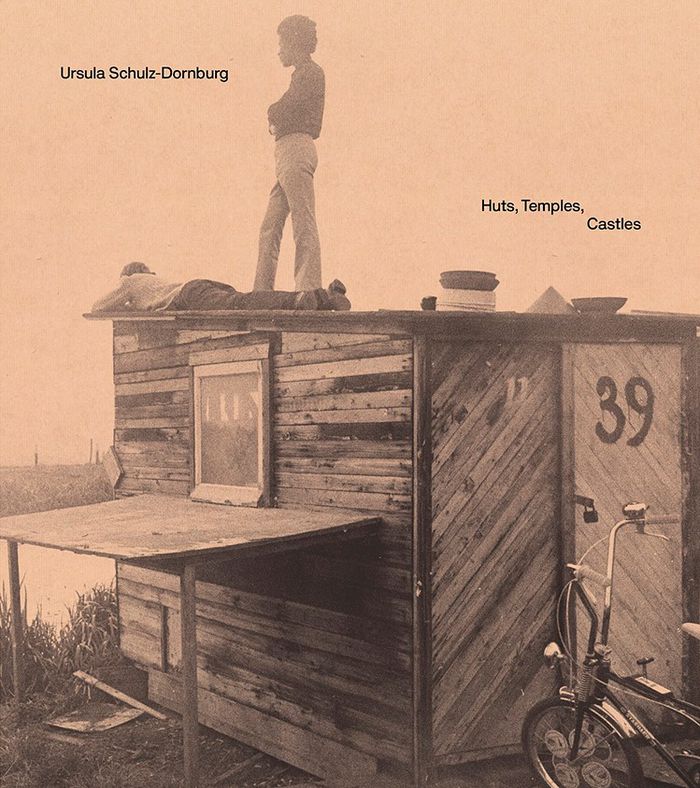
In the wake of the Second World War, aiming to occupy the children rampaging streets and parks, the City of Amsterdam founded Jongensland, a space where boys (and the occasional, officially disallowed girl) could play, build, create, and destroy, largely without supervision. Without adult intervention, they relied on shared resourcefulness and collaborative ingenuity. In 1969, when Ursula Schulz-Dornburg moved to Düsseldorf with her two young children, she discovered Jongensland the other side of the border from Germany’s strictly regulated playgrounds. Fas¬cinated by the improvised buildings where her children would play, she made extensive photographs capturing them being constructed, used, demolished, and reshaped. This book presents Schulz-Dornburg’s largely unseen series alongside an ex¬tended alongside an extended essay by architectural historian Tom Wilkinson reflecting on the architectural themes and lessons Jongensland continues to offer.
Ursula Schulz-Dornburg: Huts, temples, castles
Actions:
Price:
$68.00
(available to order)
Summary:
In the wake of the Second World War, aiming to occupy the children rampaging streets and parks, the City of Amsterdam founded Jongensland, a space where boys (and the occasional, officially disallowed girl) could play, build, create, and destroy, largely without supervision. Without adult intervention, they relied on shared resourcefulness and collaborative ingenuity. In 1969, when Ursula Schulz-Dornburg moved to Düsseldorf with her two young children, she discovered Jongensland the other side of the border from Germany’s strictly regulated playgrounds. Fas¬cinated by the improvised buildings where her children would play, she made extensive photographs capturing them being constructed, used, demolished, and reshaped. This book presents Schulz-Dornburg’s largely unseen series alongside an ex¬tended alongside an extended essay by architectural historian Tom Wilkinson reflecting on the architectural themes and lessons Jongensland continues to offer.
Form:
books
books
Publication:
September 2022
September 2022
Subject:
Photography monographs
Photography monographs
Form:
books
books
Actions:
Price:
$65.00
(available to order)
Summary:
The book ''Archive of Dreams'' is published in conjunction with the exhibition of the same name that will open the ''Archiv der Avantgarden''. Marking the hundredth anniversary of the first surrealist manifesto and the founding of the Bureau of Surrealist Research in Paris in 1924, the volume is dedicated to the surrealist movement as well as the networks it engendered(...)
$65.00
(available to order)
Summary:
The book ''Archive of Dreams'' is published in conjunction with the exhibition of the same name that will open the ''Archiv der Avantgarden''. Marking the hundredth anniversary of the first surrealist manifesto and the founding of the Bureau of Surrealist Research in Paris in 1924, the volume is dedicated to the surrealist movement as well as the networks it engendered(...)
Publication:
December 2025
December 2025
Title:
Archive of dreams: A surrealist impulse
Actions:
Price:
$65.00
(available to order)
Summary:
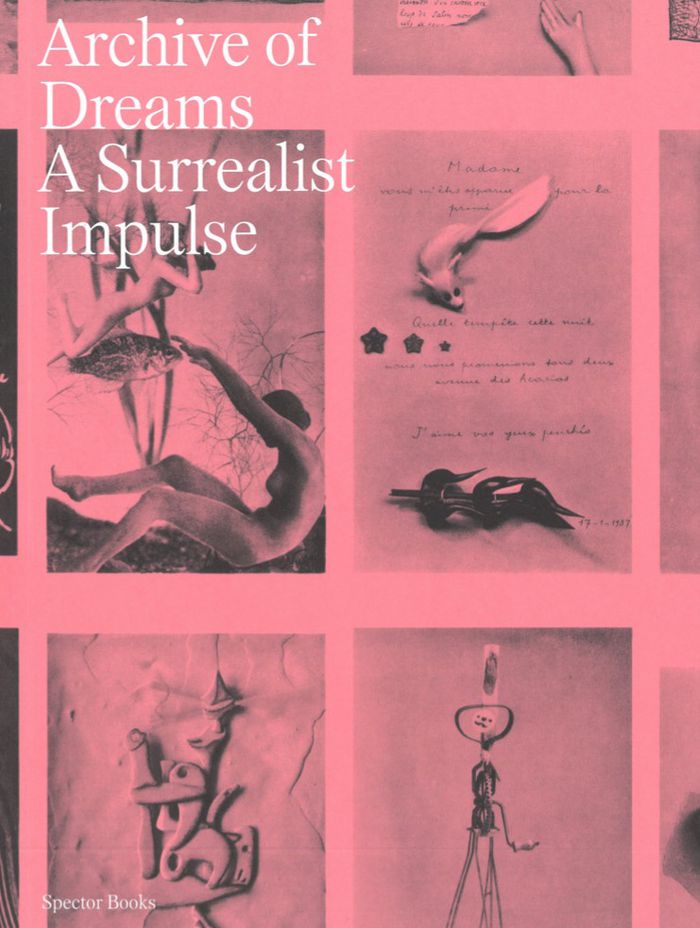
The book ''Archive of Dreams'' is published in conjunction with the exhibition of the same name that will open the ''Archiv der Avantgarden''. Marking the hundredth anniversary of the first surrealist manifesto and the founding of the Bureau of Surrealist Research in Paris in 1924, the volume is dedicated to the surrealist movement as well as the networks it engendered and the artistic stimuli it provided in the twentieth century. The idea was for the Bureau to collect dream testimonies in whatever form, not only to preserve and analyse them but also to give active expression to them in artistic processes. The publication shows how the practices of the avantgardes blurred the boundaries between dream and reality, between the traditional, passive notion of the archive and the idea of active, innovative artistic experiment — and thus ultimately also between the past, the present, and possible futures. Works and documents from the period before, during, and after the Second World War shed light on the working methods of international artists and the global network they were involved in. They are complemented by diverse reflections on global protest movements and the traumas of war, thus connecting, too, to everyday experiences in a Europe beset by warfare.
Archive of dreams: A surrealist impulse
Actions:
Price:
$65.00
(available to order)
Summary:
The book ''Archive of Dreams'' is published in conjunction with the exhibition of the same name that will open the ''Archiv der Avantgarden''. Marking the hundredth anniversary of the first surrealist manifesto and the founding of the Bureau of Surrealist Research in Paris in 1924, the volume is dedicated to the surrealist movement as well as the networks it engendered and the artistic stimuli it provided in the twentieth century. The idea was for the Bureau to collect dream testimonies in whatever form, not only to preserve and analyse them but also to give active expression to them in artistic processes. The publication shows how the practices of the avantgardes blurred the boundaries between dream and reality, between the traditional, passive notion of the archive and the idea of active, innovative artistic experiment — and thus ultimately also between the past, the present, and possible futures. Works and documents from the period before, during, and after the Second World War shed light on the working methods of international artists and the global network they were involved in. They are complemented by diverse reflections on global protest movements and the traumas of war, thus connecting, too, to everyday experiences in a Europe beset by warfare.
Form:
books
books
Publication:
December 2025
December 2025
Form:
books
books
Price:
$27.95
(available to order)
Summary:
This book will be a resource for all who believe in the importance of art in the wider educational realm. Framing the recent "educational turn" in the arts within a broad historical and social context, this anthology raises fundamental questions about how and what should be taught in an era of distributive rather than media-based practices. Among the many sources and(...)
$27.95
(available to order)
Summary:
This book will be a resource for all who believe in the importance of art in the wider educational realm. Framing the recent "educational turn" in the arts within a broad historical and social context, this anthology raises fundamental questions about how and what should be taught in an era of distributive rather than media-based practices. Among the many sources and(...)
Title:
Education
Actions:
Price:
$27.95
(available to order)
Summary:
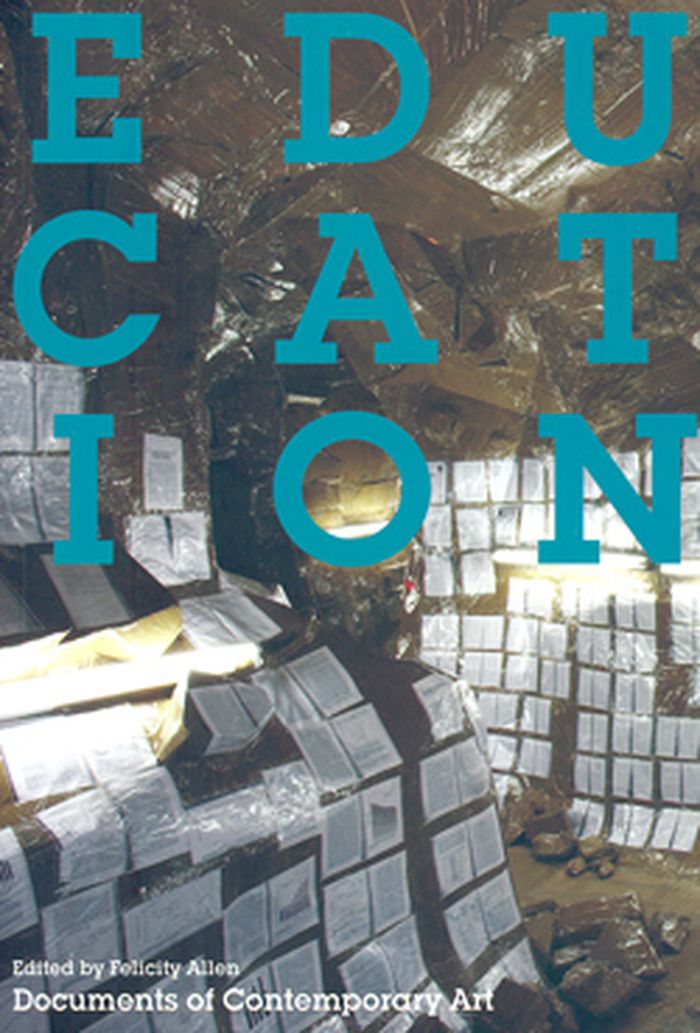
This book will be a resource for all who believe in the importance of art in the wider educational realm. Framing the recent "educational turn" in the arts within a broad historical and social context, this anthology raises fundamental questions about how and what should be taught in an era of distributive rather than media-based practices. Among the many sources and arguments traced here is second-wave feminism, which questioned dominant notions of personal and institutional freedom as enacted through art teaching and practice. Similarly, education-based responses by the art community to the catastrophes of World War II and postcolonial conflict critically inform contemporary art confronting the interrelationships of education, power, market capitalism, and--as Michael Hardt and Antonio Negri describe it--the global condition of war. These writings by artists, philosophers, educators, poets, and activists center on three recurring and interrelated themes: the notion of "indiscipline" in theories and practices that challenge boundaries of all kinds; the present and future role of the art school; and the turn to pedagogy as medium in a diverse range of recent projects. Other writings address such issues as instrumentalism and control, liberation and equality, the production and the politics of culture, and the roots of research-based practice and experimental participatory works.
Education
Actions:
Price:
$27.95
(available to order)
Summary:
This book will be a resource for all who believe in the importance of art in the wider educational realm. Framing the recent "educational turn" in the arts within a broad historical and social context, this anthology raises fundamental questions about how and what should be taught in an era of distributive rather than media-based practices. Among the many sources and arguments traced here is second-wave feminism, which questioned dominant notions of personal and institutional freedom as enacted through art teaching and practice. Similarly, education-based responses by the art community to the catastrophes of World War II and postcolonial conflict critically inform contemporary art confronting the interrelationships of education, power, market capitalism, and--as Michael Hardt and Antonio Negri describe it--the global condition of war. These writings by artists, philosophers, educators, poets, and activists center on three recurring and interrelated themes: the notion of "indiscipline" in theories and practices that challenge boundaries of all kinds; the present and future role of the art school; and the turn to pedagogy as medium in a diverse range of recent projects. Other writings address such issues as instrumentalism and control, liberation and equality, the production and the politics of culture, and the roots of research-based practice and experimental participatory works.
Form:
books
books
Publication:
September 2011
September 2011
Subject:
Art Theory
Art Theory
Form:
books
books
Actions:
Price:
$90.00
(available to order)
Summary:
Widely acknowledged as Britain's leading architectural historian, Sir Howard Colvin has been responsible for fundamental research that has helped to bring about a renaissance in English architectural history in the second half of the twentieth century. In this volume, Colvin gathers eighteen new and revised essays written throughout his distinguished career. The(...)
$90.00
(available to order)
Summary:
Widely acknowledged as Britain's leading architectural historian, Sir Howard Colvin has been responsible for fundamental research that has helped to bring about a renaissance in English architectural history in the second half of the twentieth century. In this volume, Colvin gathers eighteen new and revised essays written throughout his distinguished career. The(...)
Title:
Essays in English architectural history
Actions:
Price:
$90.00
(available to order)
Summary:
Widely acknowledged as Britain's leading architectural historian, Sir Howard Colvin has been responsible for fundamental research that has helped to bring about a renaissance in English architectural history in the second half of the twentieth century. In this volume, Colvin gathers eighteen new and revised essays written throughout his distinguished career. The collection includes five essays never before published, including one which looks afresh at the architectural apparatus of sixteenth-century state entries and another that explores the use of caryatids and other formalized human figures in English architecture from Tudor times onwards. The author also offers reprinted essays, revised where necessary, on such topics as the idea of a "Court Style" in medieval English architecture, the south front of Wilton House, and the infiltration of the Georgian Office of Works by an architectural pressure group led by Lord Burlington. Several essays reflect the author's long-standing interest in the problem of the persistence of Gothic architecture in the sixteenth and seventeenth centuries and its revival in the eighteenth, and another treats his equally long-standing interest in the history of the architectural profession. The author concludes with his recollections of what can now be seen as a golden age of English architectural research in the years following the Second World War.
Essays in English architectural history
Actions:
Price:
$90.00
(available to order)
Summary:
Widely acknowledged as Britain's leading architectural historian, Sir Howard Colvin has been responsible for fundamental research that has helped to bring about a renaissance in English architectural history in the second half of the twentieth century. In this volume, Colvin gathers eighteen new and revised essays written throughout his distinguished career. The collection includes five essays never before published, including one which looks afresh at the architectural apparatus of sixteenth-century state entries and another that explores the use of caryatids and other formalized human figures in English architecture from Tudor times onwards. The author also offers reprinted essays, revised where necessary, on such topics as the idea of a "Court Style" in medieval English architecture, the south front of Wilton House, and the infiltration of the Georgian Office of Works by an architectural pressure group led by Lord Burlington. Several essays reflect the author's long-standing interest in the problem of the persistence of Gothic architecture in the sixteenth and seventeenth centuries and its revival in the eighteenth, and another treats his equally long-standing interest in the history of the architectural profession. The author concludes with his recollections of what can now be seen as a golden age of English architectural research in the years following the Second World War.
Form:
books
books
Publication:
August 1999, New Haven
August 1999, New Haven
Subject:
History until 1900
History until 1900
Form:
books
books
Actions:
Price:
$72.95
(available to order)
Summary:
W.J.H.B. Sandberg (1897-1984) was a highly individual graphic designer as well as director of the Stedelijk Museum in Amsterdam, which after the Second World War he elevated to a leader among museums of modern art. This book gives a kaleidoscopic picture of Sandberg as the designer of almost all the Stedelijk's posters, catalogues and other printed matter and also shows(...)
$72.95
(available to order)
Summary:
W.J.H.B. Sandberg (1897-1984) was a highly individual graphic designer as well as director of the Stedelijk Museum in Amsterdam, which after the Second World War he elevated to a leader among museums of modern art. This book gives a kaleidoscopic picture of Sandberg as the designer of almost all the Stedelijk's posters, catalogues and other printed matter and also shows(...)
Title:
Sandberg : designer + director of the Stedelijk
Actions:
Price:
$72.95
(available to order)
Summary:
W.J.H.B. Sandberg (1897-1984) was a highly individual graphic designer as well as director of the Stedelijk Museum in Amsterdam, which after the Second World War he elevated to a leader among museums of modern art. This book gives a kaleidoscopic picture of Sandberg as the designer of almost all the Stedelijk's posters, catalogues and other printed matter and also shows the decisive influence he had on the modernizing of the museum building. The war years 1940-45 brought a turning-point in Sandberg's life. During the German occupation he took an active part in the artists' resistance movement, where he became convinced of the stimulating and provocative role artists could play in society. After the war, with few means at his disposal but with a great sense of purpose, he set about transforming the Stedelijk into a meeting ground where the public could become acquainted with a wealth of contemporary art and design in an informal setting. He gave the old-fashioned building a bright, airy interior and added a transparent new wing. He also provided a generally accessible library at the core of the museum together with a restaurant and terrace. The atmosphere pervading Sandberg's Stedelijk could be attributed to his zestful personality, his talents as a designer and his tireless efforts on behalf of artists and art, driven by a firm social commitment. The author and compiler of this book (born in 1931) spent many years working at the Stedelijk Museum and was a friend of Sandberg.
Sandberg : designer + director of the Stedelijk
Actions:
Price:
$72.95
(available to order)
Summary:
W.J.H.B. Sandberg (1897-1984) was a highly individual graphic designer as well as director of the Stedelijk Museum in Amsterdam, which after the Second World War he elevated to a leader among museums of modern art. This book gives a kaleidoscopic picture of Sandberg as the designer of almost all the Stedelijk's posters, catalogues and other printed matter and also shows the decisive influence he had on the modernizing of the museum building. The war years 1940-45 brought a turning-point in Sandberg's life. During the German occupation he took an active part in the artists' resistance movement, where he became convinced of the stimulating and provocative role artists could play in society. After the war, with few means at his disposal but with a great sense of purpose, he set about transforming the Stedelijk into a meeting ground where the public could become acquainted with a wealth of contemporary art and design in an informal setting. He gave the old-fashioned building a bright, airy interior and added a transparent new wing. He also provided a generally accessible library at the core of the museum together with a restaurant and terrace. The atmosphere pervading Sandberg's Stedelijk could be attributed to his zestful personality, his talents as a designer and his tireless efforts on behalf of artists and art, driven by a firm social commitment. The author and compiler of this book (born in 1931) spent many years working at the Stedelijk Museum and was a friend of Sandberg.
Form:
books
books
Publication:
October 2004, Rotterdam
October 2004, Rotterdam
Subject:
Graphic Designers, Monographs
Graphic Designers, Monographs
Form:
books
books
Actions:
Price:
$53.50
(available to order)
Summary:
Otto Treumann (1919-2001) is regarded as a major pioneer in the modernization of graphic design in the Netherlands. Premised on Swiss typography and the Bauhaus, Treumann's oeuvre is distinguished by an easy-to-read combination of visual elements and an iconoclastic treatment of colour. These benefit from his(...)
$53.50
(available to order)
Summary:
Otto Treumann (1919-2001) is regarded as a major pioneer in the modernization of graphic design in the Netherlands. Premised on Swiss typography and the Bauhaus, Treumann's oeuvre is distinguished by an easy-to-read combination of visual elements and an iconoclastic treatment of colour. These benefit from his(...)
Title:
Otto Treumann : graphic design in the Netherlands
Actions:
Price:
$53.50
(available to order)
Summary:
Otto Treumann (1919-2001) is regarded as a major pioneer in the modernization of graphic design in the Netherlands. Premised on Swiss typography and the Bauhaus, Treumann's oeuvre is distinguished by an easy-to-read combination of visual elements and an iconoclastic treatment of colour. These benefit from his wide knowledge of printing techniques acquired during the Second World War when he forged documents for the resistance. He enjoyed a special relationship with industrial clients, invariably achieving top quality and innovation in the arena where economics meets culture. His work has proved eminently suitable for house styles and logos, including those for Wolters Noordhoff the publishers, the Kröller-Müller Museum, the Royal Institute of Dutch Architects and El Al Airlines. He also designed posters for the Industries Fair in Utrecht, the Rotterdam Ahoy' and Tattoo in Delft. The book is designed by Irma Boom.
Otto Treumann : graphic design in the Netherlands
Actions:
Price:
$53.50
(available to order)
Summary:
Otto Treumann (1919-2001) is regarded as a major pioneer in the modernization of graphic design in the Netherlands. Premised on Swiss typography and the Bauhaus, Treumann's oeuvre is distinguished by an easy-to-read combination of visual elements and an iconoclastic treatment of colour. These benefit from his wide knowledge of printing techniques acquired during the Second World War when he forged documents for the resistance. He enjoyed a special relationship with industrial clients, invariably achieving top quality and innovation in the arena where economics meets culture. His work has proved eminently suitable for house styles and logos, including those for Wolters Noordhoff the publishers, the Kröller-Müller Museum, the Royal Institute of Dutch Architects and El Al Airlines. He also designed posters for the Industries Fair in Utrecht, the Rotterdam Ahoy' and Tattoo in Delft. The book is designed by Irma Boom.
Form:
books
books
Publication:
June 2001, Rotterdam
June 2001, Rotterdam
Subject:
Graphic Designers, Monographs
Graphic Designers, Monographs
Form:
books
books
Actions:
Price:
$35.00
(available to order)
Summary:
Hélène Cixous’s powerful new book, masterfully translated by Peggy Kamuf, is a vivid journey through fire. From the ashes of wars, wildfires, and upheaval, Cixous traces a dramatic path across time—from the Second World War and the Nazi occupation of Oran to the European wildfires of 2022—weaving a rich, intimate narrative that merges history, autobiography, and myth.(...)
$35.00
(available to order)
Summary:
Hélène Cixous’s powerful new book, masterfully translated by Peggy Kamuf, is a vivid journey through fire. From the ashes of wars, wildfires, and upheaval, Cixous traces a dramatic path across time—from the Second World War and the Nazi occupation of Oran to the European wildfires of 2022—weaving a rich, intimate narrative that merges history, autobiography, and myth.(...)
Title:
Incinarration: What do we carry?
Actions:
Price:
$35.00
(available to order)
Summary:
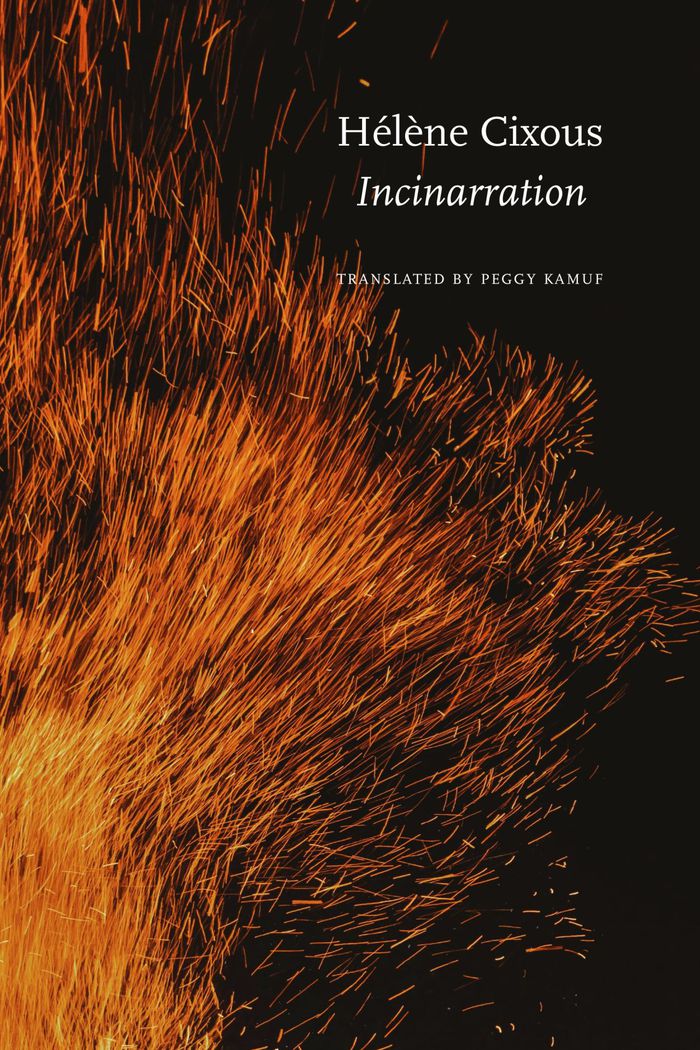
Hélène Cixous’s powerful new book, masterfully translated by Peggy Kamuf, is a vivid journey through fire. From the ashes of wars, wildfires, and upheaval, Cixous traces a dramatic path across time—from the Second World War and the Nazi occupation of Oran to the European wildfires of 2022—weaving a rich, intimate narrative that merges history, autobiography, and myth. With her piercing, lyrical voice, Cixous confronts the human cost of destruction and upheaval, and asks a universal question: What do we carry with us when everything we know is falling to ashes? In ''Incinarration'' Cixous finds hope in the power of words, memory, and imagination to illuminate our darkest moments and redeem the future. As forests burn and regimes collapse, Cixous shows us how stories become a form of resistance—a way to remember, to bear testimony, and to find renewal in the face of oblivion.
Incinarration: What do we carry?
Actions:
Price:
$35.00
(available to order)
Summary:
Hélène Cixous’s powerful new book, masterfully translated by Peggy Kamuf, is a vivid journey through fire. From the ashes of wars, wildfires, and upheaval, Cixous traces a dramatic path across time—from the Second World War and the Nazi occupation of Oran to the European wildfires of 2022—weaving a rich, intimate narrative that merges history, autobiography, and myth. With her piercing, lyrical voice, Cixous confronts the human cost of destruction and upheaval, and asks a universal question: What do we carry with us when everything we know is falling to ashes? In ''Incinarration'' Cixous finds hope in the power of words, memory, and imagination to illuminate our darkest moments and redeem the future. As forests burn and regimes collapse, Cixous shows us how stories become a form of resistance—a way to remember, to bear testimony, and to find renewal in the face of oblivion.
Form:
books
books
Publication:
June 2026
June 2026
Subject:
Critical Theory
Critical Theory
Form:
books
books
Actions:
Price:
$49.95
(available to order)
Summary:
The project “Half Houses”, started in 2016 from an aesthetic puzzle (does the house lack the second half?). This project was rethought, and gradually shrouded in contexts and new layers. The compositional feeling of scarcity looking at the empty space next to the half-timbered houses of Vilijampole is a suggestive response to the loss experienced by this place, the lost(...)
$49.95
(available to order)
Summary:
The project “Half Houses”, started in 2016 from an aesthetic puzzle (does the house lack the second half?). This project was rethought, and gradually shrouded in contexts and new layers. The compositional feeling of scarcity looking at the empty space next to the half-timbered houses of Vilijampole is a suggestive response to the loss experienced by this place, the lost(...)
Title:
Inga Navickaité-Drasuté: Pusiniai namai / Half Houses
Actions:
Price:
$49.95
(available to order)
Summary:
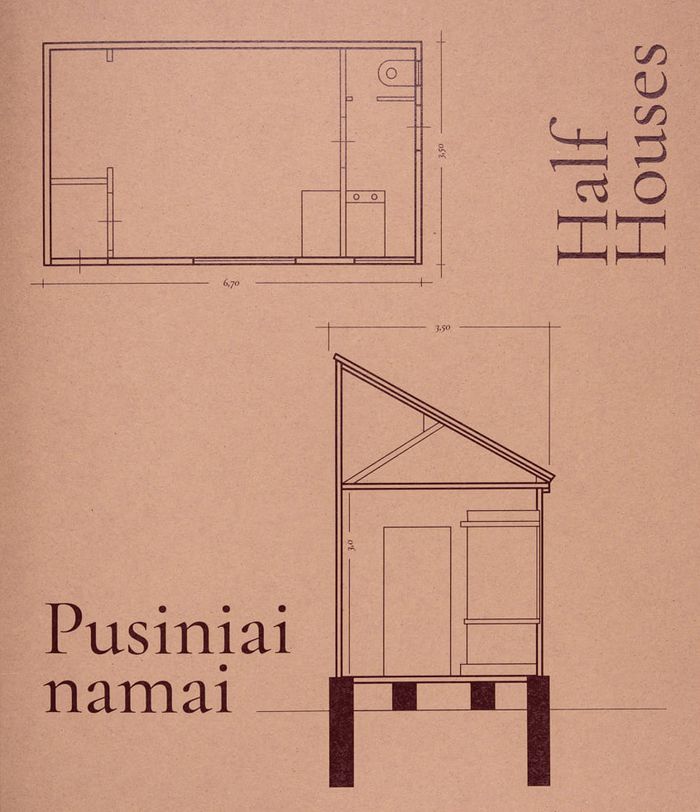
The project “Half Houses”, started in 2016 from an aesthetic puzzle (does the house lack the second half?). This project was rethought, and gradually shrouded in contexts and new layers. The compositional feeling of scarcity looking at the empty space next to the half-timbered houses of Vilijampole is a suggestive response to the loss experienced by this place, the lost side of the history of this city. In any case, both the houses and their residents do not forget what has been lost – it can be heard even in a short conversation, during a break between farm work. Already in the early 18th century, most inhabitants of the town of Vilijampole were Jewish. During World War II, the Vilijampole Jewish ghetto was established, which was turned into a concentration camp on 15 September 1943. Out of 37,000 Kaunas Jews, less than 3,000 survived the Holocaust.
Inga Navickaité-Drasuté: Pusiniai namai / Half Houses
Actions:
Price:
$49.95
(available to order)
Summary:
The project “Half Houses”, started in 2016 from an aesthetic puzzle (does the house lack the second half?). This project was rethought, and gradually shrouded in contexts and new layers. The compositional feeling of scarcity looking at the empty space next to the half-timbered houses of Vilijampole is a suggestive response to the loss experienced by this place, the lost side of the history of this city. In any case, both the houses and their residents do not forget what has been lost – it can be heard even in a short conversation, during a break between farm work. Already in the early 18th century, most inhabitants of the town of Vilijampole were Jewish. During World War II, the Vilijampole Jewish ghetto was established, which was turned into a concentration camp on 15 September 1943. Out of 37,000 Kaunas Jews, less than 3,000 survived the Holocaust.
Form:
books
books
Publication:
July 2022
July 2022
Subject:
Photography monographs
Photography monographs
Form:
books
books
Actions:
Price:
$48.00
(available to order)
Summary:
How can “Nordic Modernism” be defined? Did German city planners look to the North for inspiration after the Second World War? In what way did their social model affect architecture and city planning in the Nordic countries? What specific features characterize architecture and town planning in the Nordic countries compared with postwar Germany? The fiftieth anniversary of(...)
$48.00
(available to order)
Summary:
How can “Nordic Modernism” be defined? Did German city planners look to the North for inspiration after the Second World War? In what way did their social model affect architecture and city planning in the Nordic countries? What specific features characterize architecture and town planning in the Nordic countries compared with postwar Germany? The fiftieth anniversary of(...)
Title:
Nortopia: Nordic modern architecture and postwar Germany
Actions:
Price:
$48.00
(available to order)
Summary:
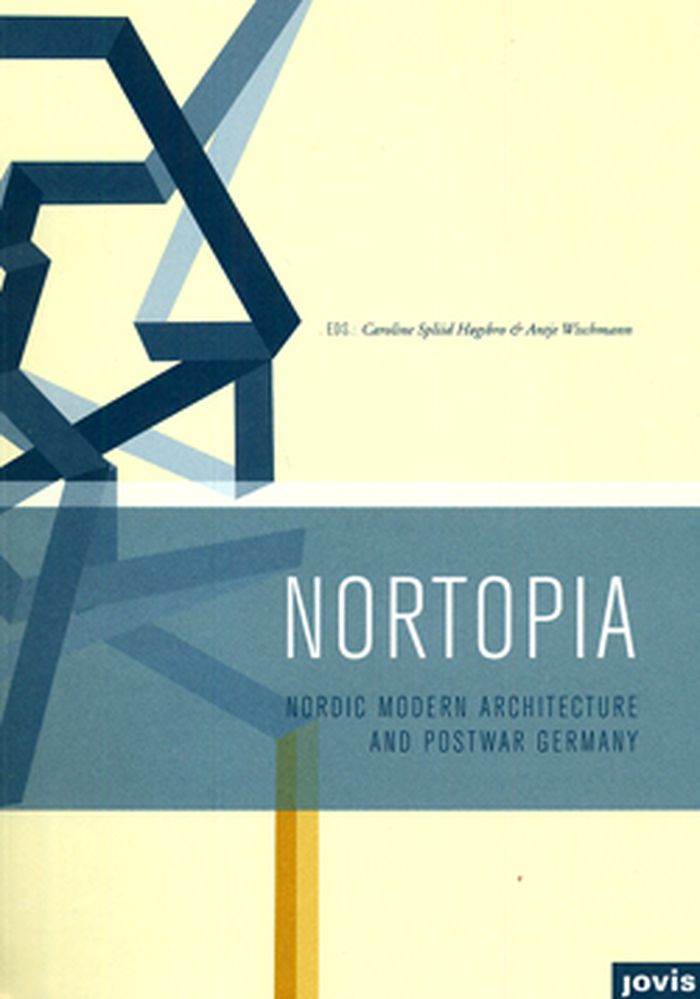
How can “Nordic Modernism” be defined? Did German city planners look to the North for inspiration after the Second World War? In what way did their social model affect architecture and city planning in the Nordic countries? What specific features characterize architecture and town planning in the Nordic countries compared with postwar Germany? The fiftieth anniversary of Interbau 1957 presented a timely opportunity to reappraise the Hansaviertel in Berlin and the entire New Building movement. In this context, Nordic conceptions of architecture and town planning seemed particularly worthy of critical reflection. The “people's home” (folkhem), as well as various national strands of modernization, architectural preferences and even geopolitical considerations play a role in the formation of the Nordic model. The contributors to this volume take the example of the Hansaviertel as an opportunity to investigate Nordic-German transfer in modernism—aesthetically, socioculturally and programmatically.
Nortopia: Nordic modern architecture and postwar Germany
Actions:
Price:
$48.00
(available to order)
Summary:
How can “Nordic Modernism” be defined? Did German city planners look to the North for inspiration after the Second World War? In what way did their social model affect architecture and city planning in the Nordic countries? What specific features characterize architecture and town planning in the Nordic countries compared with postwar Germany? The fiftieth anniversary of Interbau 1957 presented a timely opportunity to reappraise the Hansaviertel in Berlin and the entire New Building movement. In this context, Nordic conceptions of architecture and town planning seemed particularly worthy of critical reflection. The “people's home” (folkhem), as well as various national strands of modernization, architectural preferences and even geopolitical considerations play a role in the formation of the Nordic model. The contributors to this volume take the example of the Hansaviertel as an opportunity to investigate Nordic-German transfer in modernism—aesthetically, socioculturally and programmatically.
Form:
books
books
Publication:
April 2010
April 2010
Subject:
Architectural Theory
Architectural Theory
Form:
books
books
Title:
Unbuilt Victoria
Unbuilt Victoria
Actions:
Price:
$28.99
(available to order)
Summary:
For most people, resident and visitor alike, Victoria, British Columbia, is a time capsule of Victorian and Edwardian buildings. For its first 50 years the settlement flourished as the capital of the province. A smallpox epidemic in the 1890s closed Victoria's port, causing the city to go into decline and shelving plans for the Canada Western Hotel, for a replica of the(...)
$28.99
(available to order)
Summary:
For most people, resident and visitor alike, Victoria, British Columbia, is a time capsule of Victorian and Edwardian buildings. For its first 50 years the settlement flourished as the capital of the province. A smallpox epidemic in the 1890s closed Victoria's port, causing the city to go into decline and shelving plans for the Canada Western Hotel, for a replica of the(...)
Title:
Unbuilt Victoria
Actions:
Price:
$28.99
(available to order)
Summary:
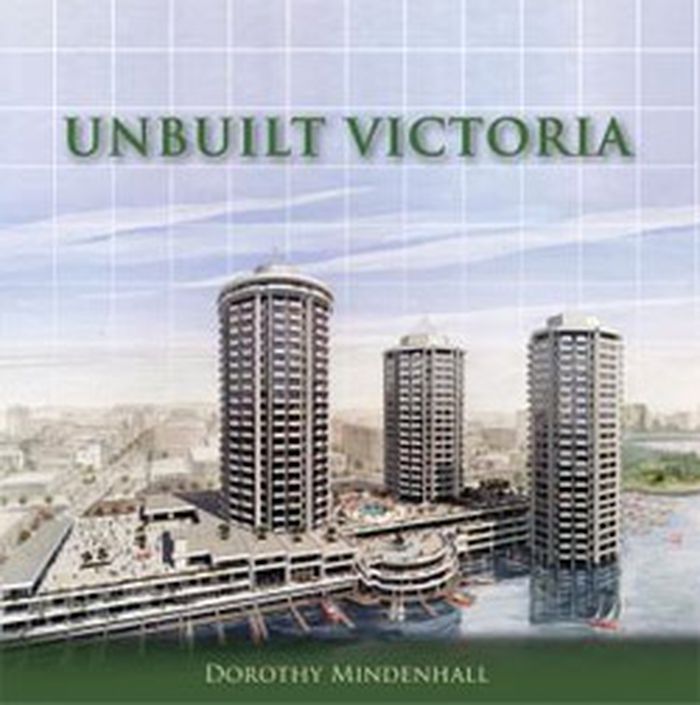
For most people, resident and visitor alike, Victoria, British Columbia, is a time capsule of Victorian and Edwardian buildings. For its first 50 years the settlement flourished as the capital of the province. A smallpox epidemic in the 1890s closed Victoria's port, causing the city to go into decline and shelving plans for the Canada Western Hotel, for a replica of the Parthenon in Beacon Hill Park, and for the grandiose Italianate facade that was to complete City Hall. Victoria tried to reinvent itself as a tourist destination, but it wasn't until the modernizing boom after the Second World War that attempts were made to drag the city's built environment into the mainstream. Unbuilt Victoria examines some of the architectural plans that were proposed but rejected. That some of them were ever dreamed of will probably amaze; that others never made it might well be a matter of regret.
Unbuilt Victoria
Actions:
Price:
$28.99
(available to order)
Summary:
For most people, resident and visitor alike, Victoria, British Columbia, is a time capsule of Victorian and Edwardian buildings. For its first 50 years the settlement flourished as the capital of the province. A smallpox epidemic in the 1890s closed Victoria's port, causing the city to go into decline and shelving plans for the Canada Western Hotel, for a replica of the Parthenon in Beacon Hill Park, and for the grandiose Italianate facade that was to complete City Hall. Victoria tried to reinvent itself as a tourist destination, but it wasn't until the modernizing boom after the Second World War that attempts were made to drag the city's built environment into the mainstream. Unbuilt Victoria examines some of the architectural plans that were proposed but rejected. That some of them were ever dreamed of will probably amaze; that others never made it might well be a matter of regret.
Form:
books
books
Publication:
April 2012
April 2012
Subject:
Architecture in Canada
Architecture in Canada


