


4173 Results
Form:
books
books
Price:
$18.95
(available to order)
Summary:
Artifacts (including works of architecture) play dual roles; they simultaneously perform functions and carry meaning. Columns support roofs, but while the sturdy Tuscan and Doric types traditionally signify masculinity, the slim and elegant Ionic and Corinthian kinds read as feminine. Words are often inscribed on objects. (On a door: "push" or "pull.") Today, information(...)
$18.95
(available to order)
Summary:
Artifacts (including works of architecture) play dual roles; they simultaneously perform functions and carry meaning. Columns support roofs, but while the sturdy Tuscan and Doric types traditionally signify masculinity, the slim and elegant Ionic and Corinthian kinds read as feminine. Words are often inscribed on objects. (On a door: "push" or "pull.") Today, information(...)
Title:
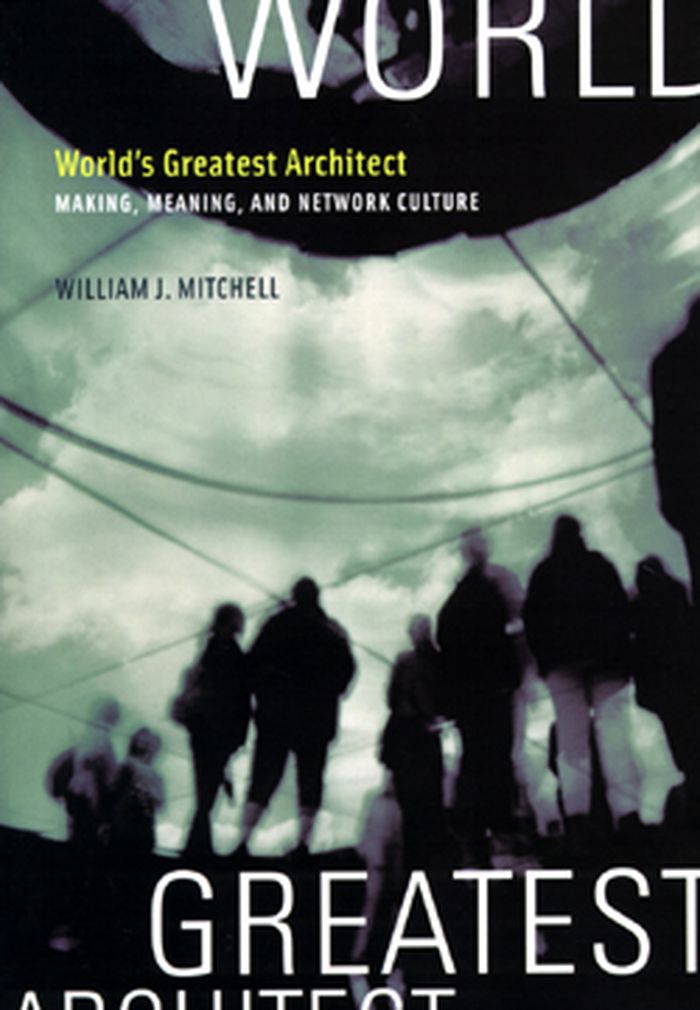
World's greatest architect: making, meaning, and network culture: 0
Actions:
Price:
$18.95
(available to order)
Summary:
Artifacts (including works of architecture) play dual roles; they simultaneously perform functions and carry meaning. Columns support roofs, but while the sturdy Tuscan and Doric types traditionally signify masculinity, the slim and elegant Ionic and Corinthian kinds read as feminine. Words are often inscribed on objects. (On a door: "push" or "pull.") Today, information is digitally encoded (dematerialized) and displayed (rematerialized) to become part of many different objects, at one moment appearing on a laptop screen and at another, perhaps, on a building facade (as in Times Square). Well-designed artifacts succeed in being both useful and meaningful. In "World's Greatest Architect", William Mitchell offers a series of snapshots - short essays and analyses - that examine the systems of function and meaning currently operating in our buildings, cities, and global networks.In his writing, Mitchell makes connections that aren't necessarily obvious but are always illuminating, moving in one essay from Bush-Cheney's abuse of language to Robert Venturi's argument against rigid ideology and in favor of graceful pragmatism. He traces the evolution of Las Vegas from Sin/Sign City to family-friendly resort and residential real estate boomtown. A purchase of chips leads not only to a complementary purchase of beer but to thoughts of Eames chairs (like Pringles) and Gehry (fun to imitate with tortilla chips in refried beans). As for who the world's greatest architect might be, here's a hint: he's also the oldest.
World's greatest architect: making, meaning, and network culture: 0
Actions:
Price:
$18.95
(available to order)
Summary:
Artifacts (including works of architecture) play dual roles; they simultaneously perform functions and carry meaning. Columns support roofs, but while the sturdy Tuscan and Doric types traditionally signify masculinity, the slim and elegant Ionic and Corinthian kinds read as feminine. Words are often inscribed on objects. (On a door: "push" or "pull.") Today, information is digitally encoded (dematerialized) and displayed (rematerialized) to become part of many different objects, at one moment appearing on a laptop screen and at another, perhaps, on a building facade (as in Times Square). Well-designed artifacts succeed in being both useful and meaningful. In "World's Greatest Architect", William Mitchell offers a series of snapshots - short essays and analyses - that examine the systems of function and meaning currently operating in our buildings, cities, and global networks.In his writing, Mitchell makes connections that aren't necessarily obvious but are always illuminating, moving in one essay from Bush-Cheney's abuse of language to Robert Venturi's argument against rigid ideology and in favor of graceful pragmatism. He traces the evolution of Las Vegas from Sin/Sign City to family-friendly resort and residential real estate boomtown. A purchase of chips leads not only to a complementary purchase of beer but to thoughts of Eames chairs (like Pringles) and Gehry (fun to imitate with tortilla chips in refried beans). As for who the world's greatest architect might be, here's a hint: he's also the oldest.
Form:
books
books
Publication:
September 2008, Boston
September 2008, Boston
Subject:
Architectural Theory
Architectural Theory
Form:
books
books
Title:
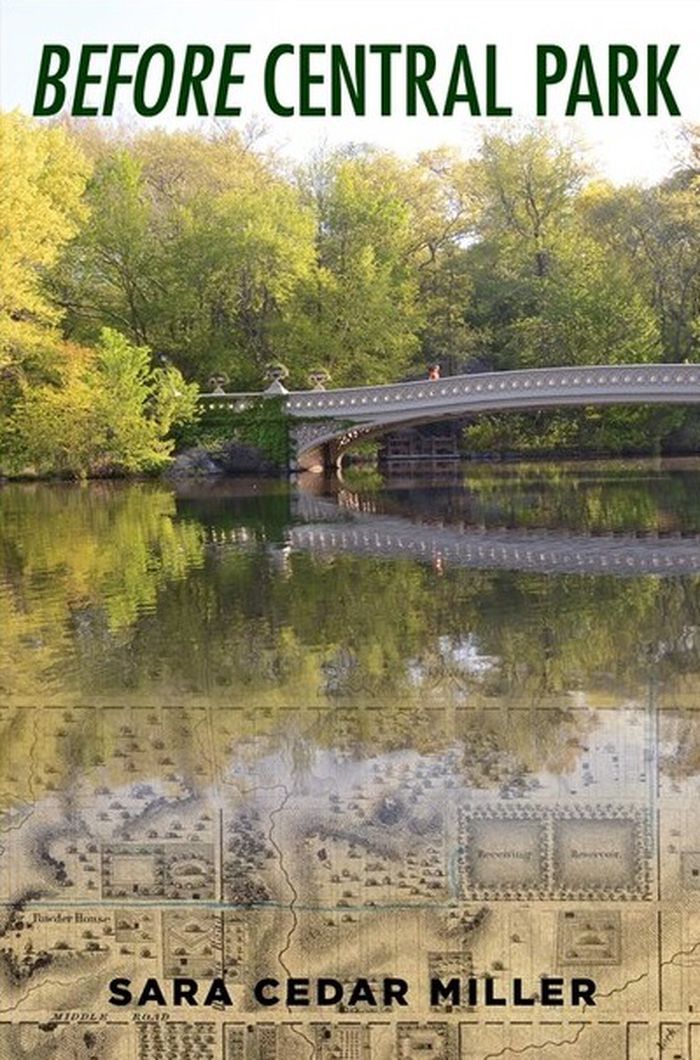
Before Central Park
Before Central Park
Actions:
Price:
$40.00
(available to order)
Summary:
With more than eight hundred sprawling green acres in the middle of one of the world's densest cities, Central Park is an urban masterpiece. Designed in the middle of the nineteenth century by the landscape architects Frederick Law Olmsted and Calvert Vaux, it is a model for city parks worldwide. But before it became Central Park, the land was the site of farms,(...)
$40.00
(available to order)
Summary:
With more than eight hundred sprawling green acres in the middle of one of the world's densest cities, Central Park is an urban masterpiece. Designed in the middle of the nineteenth century by the landscape architects Frederick Law Olmsted and Calvert Vaux, it is a model for city parks worldwide. But before it became Central Park, the land was the site of farms,(...)
Title:
Before Central Park
Actions:
Price:
$40.00
(available to order)
Summary:
With more than eight hundred sprawling green acres in the middle of one of the world's densest cities, Central Park is an urban masterpiece. Designed in the middle of the nineteenth century by the landscape architects Frederick Law Olmsted and Calvert Vaux, it is a model for city parks worldwide. But before it became Central Park, the land was the site of farms, businesses, churches, wars, and burial grounds--and home to many different kinds of New Yorkers. This book is the authoritative account of the place that would become Central Park. From the first Dutch family to settle on the land through the political crusade to create America's first major urban park, Sara Cedar Miller chronicles two and a half centuries of history. She tells the stories of Indigenous hunters, enslaved people and enslavers, American patriots and British loyalists, the Black landowners of Seneca Village, Irish pig farmers, tavern owners, Catholic sisters, Jewish protesters, and more. Miller unveils a British fortification and camp during the Revolutionary War, a suburban retreat from the yellow fever epidemics at the turn of the nineteenth century, and the properties that a group of free Black Americans used to secure their right to vote. Tales of political chicanery, real estate speculation, cons, and scams stand alongside democratic idealism, the striving of immigrants, and powerfully human lives. ''Before Central Park'' shows how much of the history of early America is still etched upon the landscapes of Central Park today.
Before Central Park
Actions:
Price:
$40.00
(available to order)
Summary:
With more than eight hundred sprawling green acres in the middle of one of the world's densest cities, Central Park is an urban masterpiece. Designed in the middle of the nineteenth century by the landscape architects Frederick Law Olmsted and Calvert Vaux, it is a model for city parks worldwide. But before it became Central Park, the land was the site of farms, businesses, churches, wars, and burial grounds--and home to many different kinds of New Yorkers. This book is the authoritative account of the place that would become Central Park. From the first Dutch family to settle on the land through the political crusade to create America's first major urban park, Sara Cedar Miller chronicles two and a half centuries of history. She tells the stories of Indigenous hunters, enslaved people and enslavers, American patriots and British loyalists, the Black landowners of Seneca Village, Irish pig farmers, tavern owners, Catholic sisters, Jewish protesters, and more. Miller unveils a British fortification and camp during the Revolutionary War, a suburban retreat from the yellow fever epidemics at the turn of the nineteenth century, and the properties that a group of free Black Americans used to secure their right to vote. Tales of political chicanery, real estate speculation, cons, and scams stand alongside democratic idealism, the striving of immigrants, and powerfully human lives. ''Before Central Park'' shows how much of the history of early America is still etched upon the landscapes of Central Park today.
Form:
books
books
Publication:
May 2022
May 2022
Subject:
Landscape Theory
Landscape Theory
Form:
books
books
Price:
$31.95
(available in store)
Summary:
"Words of the Inuit" is an important compendium of Inuit culture illustrated through Inuit words. It brings the sum of the author’s decades of experience and engagement with Inuit and Inuktitut to bear on what he fashions as an amiable, leisurely stroll through words and meanings. Inuit words are often more complex than English words and frequently contain small units of(...)
$31.95
(available in store)
Summary:
"Words of the Inuit" is an important compendium of Inuit culture illustrated through Inuit words. It brings the sum of the author’s decades of experience and engagement with Inuit and Inuktitut to bear on what he fashions as an amiable, leisurely stroll through words and meanings. Inuit words are often more complex than English words and frequently contain small units of(...)
Title:
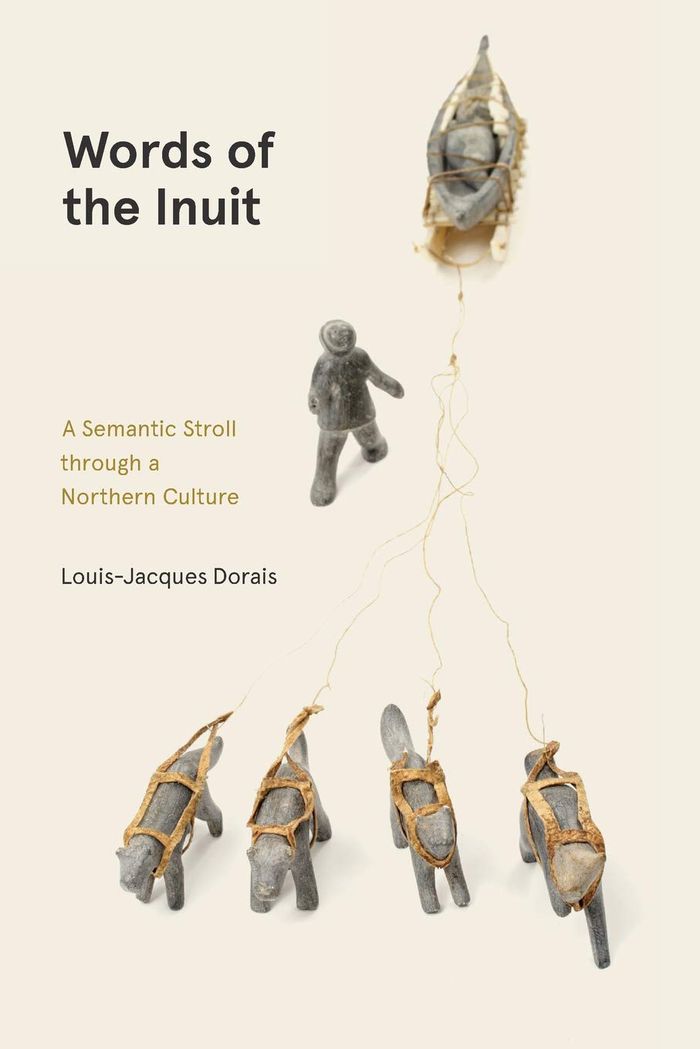
Words of the Inuit: A semantic stroll though a northern culture
Actions:
Price:
$31.95
(available in store)
Summary:
"Words of the Inuit" is an important compendium of Inuit culture illustrated through Inuit words. It brings the sum of the author’s decades of experience and engagement with Inuit and Inuktitut to bear on what he fashions as an amiable, leisurely stroll through words and meanings. Inuit words are often more complex than English words and frequently contain small units of meaning that add up to convey a larger sensibility. Dorais’ lexical and semantic analyses and reconstructions are not overly technical, yet they reliably evince connections and underlying significations that allow for an in-depth reflection on the richness of Inuit linguistic and cultural heritage and identity. An appendix on the polysynthetic character of Inuit languages includes more detailed grammatical description of interest to more specialist readers. Organized thematically, the book tours the histories and meanings of the words to illuminate numerous aspects of Inuit culture, including environment and the land; animals and subsistence activities; humans and spirits; family, kinship, and naming; the human body; and socializing with other people in the contemporary world. It concludes with a reflection on the usefulness for modern Inuit- especially youth and others looking to strengthen their cultural identity- to know about the underlying meanings embedded in their language and culture. With recent reports alerting us to the declining use of the Inuit language in the North, "Words of the Inuit" is a timely contribution to understanding one of the world’s most resilient Indigenous languages.
Words of the Inuit: A semantic stroll though a northern culture
Actions:
Price:
$31.95
(available in store)
Summary:
"Words of the Inuit" is an important compendium of Inuit culture illustrated through Inuit words. It brings the sum of the author’s decades of experience and engagement with Inuit and Inuktitut to bear on what he fashions as an amiable, leisurely stroll through words and meanings. Inuit words are often more complex than English words and frequently contain small units of meaning that add up to convey a larger sensibility. Dorais’ lexical and semantic analyses and reconstructions are not overly technical, yet they reliably evince connections and underlying significations that allow for an in-depth reflection on the richness of Inuit linguistic and cultural heritage and identity. An appendix on the polysynthetic character of Inuit languages includes more detailed grammatical description of interest to more specialist readers. Organized thematically, the book tours the histories and meanings of the words to illuminate numerous aspects of Inuit culture, including environment and the land; animals and subsistence activities; humans and spirits; family, kinship, and naming; the human body; and socializing with other people in the contemporary world. It concludes with a reflection on the usefulness for modern Inuit- especially youth and others looking to strengthen their cultural identity- to know about the underlying meanings embedded in their language and culture. With recent reports alerting us to the declining use of the Inuit language in the North, "Words of the Inuit" is a timely contribution to understanding one of the world’s most resilient Indigenous languages.
Form:
books
books
Publication:
September 2020
September 2020
Subject:
indigenous
indigenous
Form:
books
books
Actions:
Price:
$76.00
(available to order)
Summary:
Under the label Atelier Zanolli, a fantastic world of silk fabrics painted and imprinted with patterns, opulently embroidered cushions, colorful pearl creations, and finely crafted leather and wood articles, was created between 1905 and 1939 in Zurich. The Zanollis had immigrated from Italy in 1905. Their family business was run by Antonietta and her daughters Pia, Lea,(...)
$76.00
(available to order)
Summary:
Under the label Atelier Zanolli, a fantastic world of silk fabrics painted and imprinted with patterns, opulently embroidered cushions, colorful pearl creations, and finely crafted leather and wood articles, was created between 1905 and 1939 in Zurich. The Zanollis had immigrated from Italy in 1905. Their family business was run by Antonietta and her daughters Pia, Lea,(...)
Subject:
Fashion Design
Fashion Design
Publication:
September 2022
September 2022
Title:
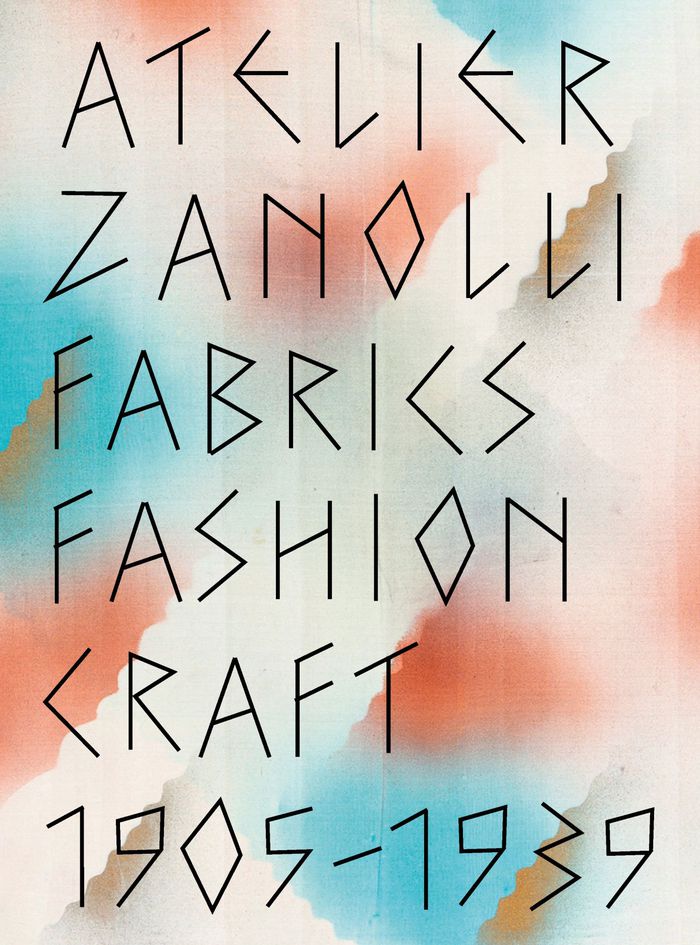
Atelier Zanolli: Fabrics, fashion, craft 1905-1939
Actions:
Price:
$76.00
(available to order)
Summary:
Under the label Atelier Zanolli, a fantastic world of silk fabrics painted and imprinted with patterns, opulently embroidered cushions, colorful pearl creations, and finely crafted leather and wood articles, was created between 1905 and 1939 in Zurich. The Zanollis had immigrated from Italy in 1905. Their family business was run by Antonietta and her daughters Pia, Lea, and Zoe Zanolli. The cultural and stylistic influences manifested in the Zanollis’ visually appealing products range from the avant-garde to an aesthetic forged by a spirit of intellectual national defense against the increasing threat of the totalitarian regimes in Nazi Germany, fascist Italy, and the communist Soviet Union, that was prevalent in Switzerland in the 1930s. Driven by a striving for artistic self-realization, the atelier defied the many economic challenges of the period and carried out many commissions for Zurich’s leading textile businesses and department stores. This book traces the history of Atelier Zanolli, places its work in the context of the growth of Zurich and the Swiss textile industry in the first half of the twentieth century, and for the first time positions the “Zanolli style” internationally. More than six hundred images show the wealth of colors and shapes in a veritable cosmos of textiles and crafted objects, as well as templates, sketches, private photographs, business cards, and letters. The essays illuminate the techniques and work processes used, discuss entire motif families and unique designs, and grant rare comprehensive insight into the tastes of the time.
Atelier Zanolli: Fabrics, fashion, craft 1905-1939
Actions:
Price:
$76.00
(available to order)
Summary:
Under the label Atelier Zanolli, a fantastic world of silk fabrics painted and imprinted with patterns, opulently embroidered cushions, colorful pearl creations, and finely crafted leather and wood articles, was created between 1905 and 1939 in Zurich. The Zanollis had immigrated from Italy in 1905. Their family business was run by Antonietta and her daughters Pia, Lea, and Zoe Zanolli. The cultural and stylistic influences manifested in the Zanollis’ visually appealing products range from the avant-garde to an aesthetic forged by a spirit of intellectual national defense against the increasing threat of the totalitarian regimes in Nazi Germany, fascist Italy, and the communist Soviet Union, that was prevalent in Switzerland in the 1930s. Driven by a striving for artistic self-realization, the atelier defied the many economic challenges of the period and carried out many commissions for Zurich’s leading textile businesses and department stores. This book traces the history of Atelier Zanolli, places its work in the context of the growth of Zurich and the Swiss textile industry in the first half of the twentieth century, and for the first time positions the “Zanolli style” internationally. More than six hundred images show the wealth of colors and shapes in a veritable cosmos of textiles and crafted objects, as well as templates, sketches, private photographs, business cards, and letters. The essays illuminate the techniques and work processes used, discuss entire motif families and unique designs, and grant rare comprehensive insight into the tastes of the time.
Form:
books
books
Publication:
September 2022
September 2022
Subject:
Fashion Design
Fashion Design
Form:
books
books
Price:
$75.95
(available to order)
Summary:
Valerio Olgiati has worked as an architect in Los Angeles, Zurich, and, since 2008, in Flims. He has been a visiting professor at the Eidgenössische Technische Hochschule (Swiss Federal Institute of Technology) in Zurich, the AA in London, and at Cornell University in Ithaca, New York. Since 2002 he has been professor at the Accademia di architettura in Mendrisio and(...)
$75.95
(available to order)
Summary:
Valerio Olgiati has worked as an architect in Los Angeles, Zurich, and, since 2008, in Flims. He has been a visiting professor at the Eidgenössische Technische Hochschule (Swiss Federal Institute of Technology) in Zurich, the AA in London, and at Cornell University in Ithaca, New York. Since 2002 he has been professor at the Accademia di architettura in Mendrisio and(...)
Title:
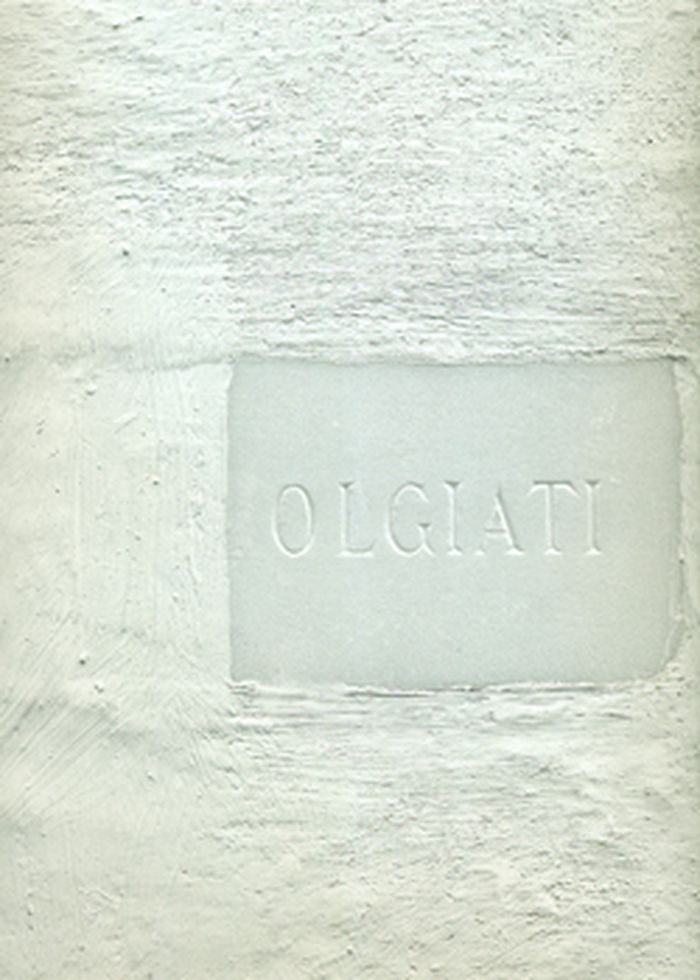
Dado : built and inhabited by Rudolph Olgiati and Valerio Olgiati
Actions:
Price:
$75.95
(available to order)
Summary:
Valerio Olgiati has worked as an architect in Los Angeles, Zurich, and, since 2008, in Flims. He has been a visiting professor at the Eidgenössische Technische Hochschule (Swiss Federal Institute of Technology) in Zurich, the AA in London, and at Cornell University in Ithaca, New York. Since 2002 he has been professor at the Accademia di architettura in Mendrisio and since autumn 2009 he has held the Kenzo Tange Chair at Harvard. The unmistakable straight lines and independence of his buildings has brought him international attention. The Olgiati’s family estate is located in the historical town center of Flims. Rudolf Olgiati (1910–95) purchased the property, known as Dado, in 1930 and throughout his life used it to realize his architectural thoughts and ideas. Today, the son is living in his father’s house, and in 2008 he set up his much-admired architectural firm on the former site of the barn. This publication portrays the life and work of both architects using the example of the house and studio - that is, through the transformations they have undergone at the hands of their residents over a period of nearly eighty years. It shows personal furniture and objects, the individual layout and design of the spaces, and hence the penchants and attitudes of the two architects. At the same time this unusual portrait documents not only the relationship between father and son but also the characters of two generations and their understanding of architecture and aesthetics.
Dado : built and inhabited by Rudolph Olgiati and Valerio Olgiati
Actions:
Price:
$75.95
(available to order)
Summary:
Valerio Olgiati has worked as an architect in Los Angeles, Zurich, and, since 2008, in Flims. He has been a visiting professor at the Eidgenössische Technische Hochschule (Swiss Federal Institute of Technology) in Zurich, the AA in London, and at Cornell University in Ithaca, New York. Since 2002 he has been professor at the Accademia di architettura in Mendrisio and since autumn 2009 he has held the Kenzo Tange Chair at Harvard. The unmistakable straight lines and independence of his buildings has brought him international attention. The Olgiati’s family estate is located in the historical town center of Flims. Rudolf Olgiati (1910–95) purchased the property, known as Dado, in 1930 and throughout his life used it to realize his architectural thoughts and ideas. Today, the son is living in his father’s house, and in 2008 he set up his much-admired architectural firm on the former site of the barn. This publication portrays the life and work of both architects using the example of the house and studio - that is, through the transformations they have undergone at the hands of their residents over a period of nearly eighty years. It shows personal furniture and objects, the individual layout and design of the spaces, and hence the penchants and attitudes of the two architects. At the same time this unusual portrait documents not only the relationship between father and son but also the characters of two generations and their understanding of architecture and aesthetics.
Form:
books
books
Publication:
March 2010
March 2010
Subject:
Architecture Monographs
Architecture Monographs
Form:
books
books
Price:
$75.00
(available to order)
Summary:
The retro-futuristic epoch is one of the most visually spectacular in architecture's history. This book compiles radical ideas and visionary structures. The notion of utopia proves as diverse as it does universal. From exuberant master plans to singular architectural expressions, the rise of the utopian architectural movement in the 1960s and 1970s represents a critical(...)
$75.00
(available to order)
Summary:
The retro-futuristic epoch is one of the most visually spectacular in architecture's history. This book compiles radical ideas and visionary structures. The notion of utopia proves as diverse as it does universal. From exuberant master plans to singular architectural expressions, the rise of the utopian architectural movement in the 1960s and 1970s represents a critical(...)
Title:
The tale of tomorrow: utopian architecture in the modernist realm
Actions:
Price:
$75.00
(available to order)
Summary:
The retro-futuristic epoch is one of the most visually spectacular in architecture's history. This book compiles radical ideas and visionary structures. The notion of utopia proves as diverse as it does universal. From exuberant master plans to singular architectural expressions, the rise of the utopian architectural movement in the 1960s and 1970s represents a critical shift in ideology away from mid-century traditionalism. This period shakes off the conformity and conventions of the 1950s in favor of a more experimental post-war agenda. Marked by groundbreaking reinterpretations of both the single family house as well as more large scale developments, the embrace of utopian and generally progressive thinking mirrored the cultural revolution of the times. These daring, charming, futuristic, and hopeful designs were not isolated to a particular part of the world. Visionary voices longing for a fresh approach to architecture began appearing across France, Japan, the United States, and beyond. The Tale of Tomorrow documents this prolific era in architecture--a time when anything felt possible as architects began to think further and further outside the box. 'The Tale of Tomorrow' focuses exclusively on built manifestations of utopian ideas. Highlighting well-known projects as well as the more obscure, the collection of utopian approaches compiled here maintain their visual power and infectious optimism nearly half a century later. These experimental structures, both large and small, appear in everyday places in stark contrast to their far-from-utopian contexts.
The tale of tomorrow: utopian architecture in the modernist realm
Actions:
Price:
$75.00
(available to order)
Summary:
The retro-futuristic epoch is one of the most visually spectacular in architecture's history. This book compiles radical ideas and visionary structures. The notion of utopia proves as diverse as it does universal. From exuberant master plans to singular architectural expressions, the rise of the utopian architectural movement in the 1960s and 1970s represents a critical shift in ideology away from mid-century traditionalism. This period shakes off the conformity and conventions of the 1950s in favor of a more experimental post-war agenda. Marked by groundbreaking reinterpretations of both the single family house as well as more large scale developments, the embrace of utopian and generally progressive thinking mirrored the cultural revolution of the times. These daring, charming, futuristic, and hopeful designs were not isolated to a particular part of the world. Visionary voices longing for a fresh approach to architecture began appearing across France, Japan, the United States, and beyond. The Tale of Tomorrow documents this prolific era in architecture--a time when anything felt possible as architects began to think further and further outside the box. 'The Tale of Tomorrow' focuses exclusively on built manifestations of utopian ideas. Highlighting well-known projects as well as the more obscure, the collection of utopian approaches compiled here maintain their visual power and infectious optimism nearly half a century later. These experimental structures, both large and small, appear in everyday places in stark contrast to their far-from-utopian contexts.
Form:
books
books
Publication:
April 2015
April 2015
Subject:
Experimentale architecture
Experimentale architecture
Form:
books
books
Actions:
Holdings:
Description:
393 pages : illustrations ; 25 cm
Description:
393 pages : illustrations ; 25 cm
Author:
Subject:
Publication:
New York : W.W. Norton & Co., ©2003.
New York : W.W. Norton & Co., ©2003.
Title:
Crossing the blvd : strangers, neighbors, aliens in a new America / conceived, written, and compiled by Warren Lehrer & Judith Sloan ; photography and design by Warren Lehrer.
Actions:
Holdings:
Description:
393 pages : illustrations ; 25 cm
Crossing the blvd : strangers, neighbors, aliens in a new America / conceived, written, and compiled by Warren Lehrer & Judith Sloan ; photography and design by Warren Lehrer.
Actions:
Holdings:
Description:
393 pages : illustrations ; 25 cm
Form:
books
books
Publication:
New York : W.W. Norton & Co., ©2003.
New York : W.W. Norton & Co., ©2003.
Author:
Subject:
Form:
books
books
Actions:
Holdings:
Description:
9 pages ; 22 cm
Description:
9 pages ; 22 cm
Subject:
Publication:
Ste. Anne de Bellevue : [publisher unknown], [1966]
Ste. Anne de Bellevue : [publisher unknown], [1966]
Form:
books
books
Publication:
Ste. Anne de Bellevue : [publisher unknown], [1966]
Ste. Anne de Bellevue : [publisher unknown], [1966]
Subject:
Form:
books
books
Actions:
Holdings:
Description:
158 pages : illustrations ; 28 cm
Description:
158 pages : illustrations ; 28 cm
Author:
Subject:
Publication:
Albany, N.Y. : Mount Ida Press, ©2001.
Albany, N.Y. : Mount Ida Press, ©2001.
Title:
The president as architect : Franklin D. Roosevelt's Top Cottage / John G. Waite Associates, Architects.
Actions:
Holdings:
Description:
158 pages : illustrations ; 28 cm
The president as architect : Franklin D. Roosevelt's Top Cottage / John G. Waite Associates, Architects.
Actions:
Holdings:
Description:
158 pages : illustrations ; 28 cm
Form:
books
books
Publication:
Albany, N.Y. : Mount Ida Press, ©2001.
Albany, N.Y. : Mount Ida Press, ©2001.
Author:
Subject:
Form:
books
books
Holdings:
Description:
198 pages : illustrations (some color) ; 29 cm
Description:
198 pages : illustrations (some color) ; 29 cm
Author:
Subject:
Publication:
New York : Clarkson Potter, ©1999.
New York : Clarkson Potter, ©1999.
Title:
Malaparte : a house like me / Michael McDonough ; foreword Tom Wolfe.
Actions:
Holdings:
Description:
198 pages : illustrations (some color) ; 29 cm
Malaparte : a house like me / Michael McDonough ; foreword Tom Wolfe.
Actions:
Holdings:
Description:
198 pages : illustrations (some color) ; 29 cm
Form:
books
books
Publication:
New York : Clarkson Potter, ©1999.
New York : Clarkson Potter, ©1999.
Author:
Subject:


