


4209 Results
Form:
books
books
Actions:
Holdings:
Description:
xii, 237 pages : illustrations (some color), color map ; 29 cm
Description:
xii, 237 pages : illustrations (some color), color map ; 29 cm
Author:
Subject:
Publication:
Baton Rouge : Louisiana State University Press, ©1997.
Baton Rouge : Louisiana State University Press, ©1997.
Title:
The gardens of Louisiana : places of work and wonder / photographs by A.J. Meek ; text by Suzanne Turner.
Actions:
Holdings:
Description:
xii, 237 pages : illustrations (some color), color map ; 29 cm
The gardens of Louisiana : places of work and wonder / photographs by A.J. Meek ; text by Suzanne Turner.
Actions:
Holdings:
Description:
xii, 237 pages : illustrations (some color), color map ; 29 cm
Form:
books
books
Publication:
Baton Rouge : Louisiana State University Press, ©1997.
Baton Rouge : Louisiana State University Press, ©1997.
Author:
Subject:
Form:
books
books
Actions:
Holdings:
Description:
xxxi, 368 pages : illustrations, maps ; 25 cm
Description:
xxxi, 368 pages : illustrations, maps ; 25 cm
Author:
Subject:
Publication:
Cambridge ; New York : Cambridge University Press, 1992.
Cambridge ; New York : Cambridge University Press, 1992.
Title:
Architecture of Mughal India / Catherine B. Asher.
Actions:
Holdings:
Description:
xxxi, 368 pages : illustrations, maps ; 25 cm
Architecture of Mughal India / Catherine B. Asher.
Actions:
Holdings:
Description:
xxxi, 368 pages : illustrations, maps ; 25 cm
Form:
books
books
Publication:
Cambridge ; New York : Cambridge University Press, 1992.
Cambridge ; New York : Cambridge University Press, 1992.
Author:
Subject:
Form:
books
books
Actions:
Price:
$47.95
(available to order)
Summary:
Plastiglomerates, surveillance robot dogs, fordite, artificial grass, antenna trees, COVID-19, decapitated mountains, drone-fighting eagles, standardized bananas: all of these specimens—some more familiar than others—are examples of the hybridity that shapes the current landscapes of science, technology and everyday life. Inspired by medieval bestiaries and the(...)
$47.95
(available to order)
Summary:
Plastiglomerates, surveillance robot dogs, fordite, artificial grass, antenna trees, COVID-19, decapitated mountains, drone-fighting eagles, standardized bananas: all of these specimens—some more familiar than others—are examples of the hybridity that shapes the current landscapes of science, technology and everyday life. Inspired by medieval bestiaries and the(...)
Title:
A bestiary of the Anthropocene. Hybrid plants, animals, minerals, fungi, and other specimens
Actions:
Price:
$47.95
(available to order)
Summary:
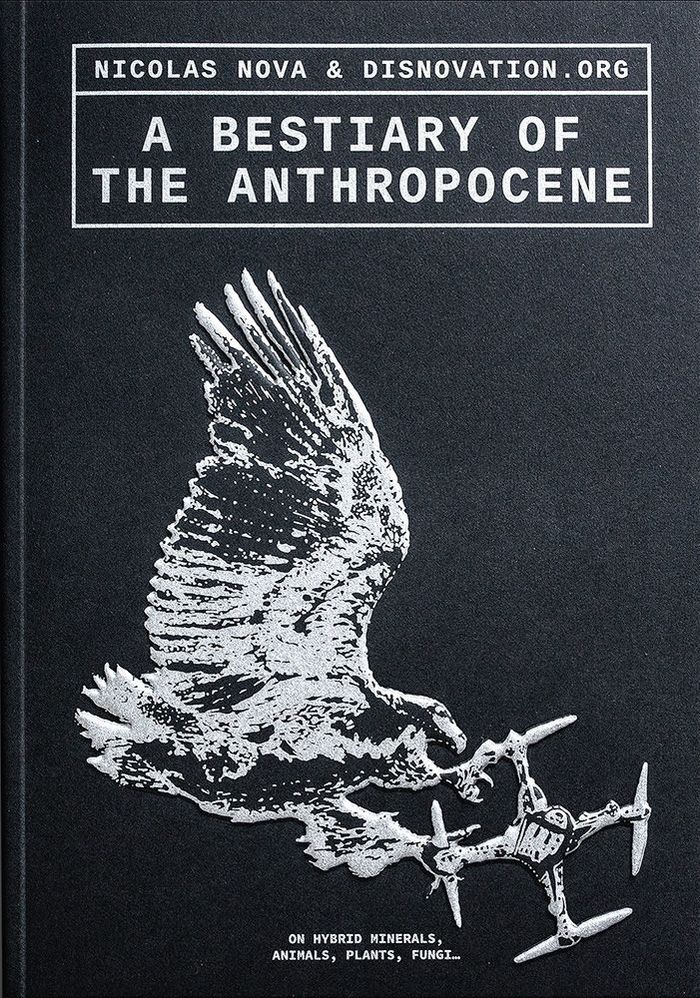
Plastiglomerates, surveillance robot dogs, fordite, artificial grass, antenna trees, COVID-19, decapitated mountains, drone-fighting eagles, standardized bananas: all of these specimens—some more familiar than others—are examples of the hybridity that shapes the current landscapes of science, technology and everyday life. Inspired by medieval bestiaries and the increasingly visible effects of climate change on the planet, French researcher Nicolas Nova & art collective DISNOVATION.ORG provide an ethnographic guide to the ''post-natural'' era in which we live, highlighting the amalgamations of nature and artifice that already co-exist in the 21st century. A sort of field handbook, ''A bestiary of the Anthropocene'' aims to help us orient ourselves within the technosphere and the biosphere. What happens when technologies and their unintended consequences become so ubiquitous that it is difficult to define what is “natural” or not? What does it mean to live in a hybrid environment made of organic and synthetic matter? In order to answer such questions, Nova & DISNOVATION.ORG bring their own research together with contributions from collectives such as the Center for Genomic Gastronomy and Aliens in Green as well as text by scholars and researchers from around the world. Polish graphic designer Maria Roszkowska provides illustrations.
A bestiary of the Anthropocene. Hybrid plants, animals, minerals, fungi, and other specimens
Actions:
Price:
$47.95
(available to order)
Summary:
Plastiglomerates, surveillance robot dogs, fordite, artificial grass, antenna trees, COVID-19, decapitated mountains, drone-fighting eagles, standardized bananas: all of these specimens—some more familiar than others—are examples of the hybridity that shapes the current landscapes of science, technology and everyday life. Inspired by medieval bestiaries and the increasingly visible effects of climate change on the planet, French researcher Nicolas Nova & art collective DISNOVATION.ORG provide an ethnographic guide to the ''post-natural'' era in which we live, highlighting the amalgamations of nature and artifice that already co-exist in the 21st century. A sort of field handbook, ''A bestiary of the Anthropocene'' aims to help us orient ourselves within the technosphere and the biosphere. What happens when technologies and their unintended consequences become so ubiquitous that it is difficult to define what is “natural” or not? What does it mean to live in a hybrid environment made of organic and synthetic matter? In order to answer such questions, Nova & DISNOVATION.ORG bring their own research together with contributions from collectives such as the Center for Genomic Gastronomy and Aliens in Green as well as text by scholars and researchers from around the world. Polish graphic designer Maria Roszkowska provides illustrations.
Form:
books
books
Publication:
May 2021
May 2021
Subject:
Environment and environmental theory
Environment and environmental theory
Form:
books
books
Price:
$52.50
(available to order)
Summary:
In this book, Maureen Carroll examines the most recent evidence of the existence of ancient gardens, the horticultural practices used to plant and maintain them, and the many forms and functions they assumed. Surveying the ancient Near East, Egypt, Greece, Italy, and the provinces of the Roman Empire from the second millennium B.C. to the middle of the first millennium(...)
$52.50
(available to order)
Summary:
In this book, Maureen Carroll examines the most recent evidence of the existence of ancient gardens, the horticultural practices used to plant and maintain them, and the many forms and functions they assumed. Surveying the ancient Near East, Egypt, Greece, Italy, and the provinces of the Roman Empire from the second millennium B.C. to the middle of the first millennium(...)
Title:
Earthly paradises : ancient gardens in history and archeology
Actions:
Price:
$52.50
(available to order)
Summary:
In this book, Maureen Carroll examines the most recent evidence of the existence of ancient gardens, the horticultural practices used to plant and maintain them, and the many forms and functions they assumed. Surveying the ancient Near East, Egypt, Greece, Italy, and the provinces of the Roman Empire from the second millennium B.C. to the middle of the first millennium A.D., Carroll finds that whether grown as sources of food, symbols of wealth and prestige, or dwellings for the gods, the cultivation of gardens played an integral role in both the public and private spheres of the ancient world. She concludes with a chapter on the survival of ancient gardening traditions in the Islamic and Byzantine worlds and the ways in which gardens have figured in these cultures' perceptions and depictions of paradise. Culling evidence from a wide variety of archaeological, textual, and pictorial sources, and illustrated with images from tomb and wall paintings, sculptural reliefs, manuscripts, and reconstructions, Carroll provides fascinating insights into the earthly paradises of antiquity.
Earthly paradises : ancient gardens in history and archeology
Actions:
Price:
$52.50
(available to order)
Summary:
In this book, Maureen Carroll examines the most recent evidence of the existence of ancient gardens, the horticultural practices used to plant and maintain them, and the many forms and functions they assumed. Surveying the ancient Near East, Egypt, Greece, Italy, and the provinces of the Roman Empire from the second millennium B.C. to the middle of the first millennium A.D., Carroll finds that whether grown as sources of food, symbols of wealth and prestige, or dwellings for the gods, the cultivation of gardens played an integral role in both the public and private spheres of the ancient world. She concludes with a chapter on the survival of ancient gardening traditions in the Islamic and Byzantine worlds and the ways in which gardens have figured in these cultures' perceptions and depictions of paradise. Culling evidence from a wide variety of archaeological, textual, and pictorial sources, and illustrated with images from tomb and wall paintings, sculptural reliefs, manuscripts, and reconstructions, Carroll provides fascinating insights into the earthly paradises of antiquity.
Form:
books
books
Publication:
September 2003, Los Angeles
September 2003, Los Angeles
Subject:
Gardens
Gardens
Form:
books
books

Price:
$43.95
(available to order)
Summary:
Stickers have become an essential element of contemporary street art used by the most underground of artists. With stickers, anyone can plant their flag, gain notoriety, recognition and attain instant coverage while the action itself is inconspicuous. This book documents the best submissions from the first international sticker awards which have been established to record(...)
$43.95
(available to order)
Summary:
Stickers have become an essential element of contemporary street art used by the most underground of artists. With stickers, anyone can plant their flag, gain notoriety, recognition and attain instant coverage while the action itself is inconspicuous. This book documents the best submissions from the first international sticker awards which have been established to record(...)
Title:
Stickers
Actions:
Price:
$43.95
(available to order)
Summary:
Stickers have become an essential element of contemporary street art used by the most underground of artists. With stickers, anyone can plant their flag, gain notoriety, recognition and attain instant coverage while the action itself is inconspicuous. This book documents the best submissions from the first international sticker awards which have been established to record this constantly evolving movement. Low-tech and prepared in advance, stickers are made from a multitude of materials and techniques from hand, photocopies, posters and wheat pastes to walls. From drainpipes and crosswalk boxes to street signs and walls, stickers can be found almost anywhere at eye level on public surfaces blending into and becoming part of the streets. Motifs vary from scribbles and characters to intricate figurative images, often personal logos or tags functioning as trademarks. Stickers have created a revolution in communication – proving to be effective tools in establishing dialog, inspiring reaction and feature messages that are subversive, fun and often cryptic. This extensive volume presents over 800 examples from around the world and includes 2 pages of award winning real stickers for the reader’s enjoyment.
Stickers
Actions:
Price:
$43.95
(available to order)
Summary:
Stickers have become an essential element of contemporary street art used by the most underground of artists. With stickers, anyone can plant their flag, gain notoriety, recognition and attain instant coverage while the action itself is inconspicuous. This book documents the best submissions from the first international sticker awards which have been established to record this constantly evolving movement. Low-tech and prepared in advance, stickers are made from a multitude of materials and techniques from hand, photocopies, posters and wheat pastes to walls. From drainpipes and crosswalk boxes to street signs and walls, stickers can be found almost anywhere at eye level on public surfaces blending into and becoming part of the streets. Motifs vary from scribbles and characters to intricate figurative images, often personal logos or tags functioning as trademarks. Stickers have created a revolution in communication – proving to be effective tools in establishing dialog, inspiring reaction and feature messages that are subversive, fun and often cryptic. This extensive volume presents over 800 examples from around the world and includes 2 pages of award winning real stickers for the reader’s enjoyment.
Form:
books
books
Publication:
October 2007, Berlin
October 2007, Berlin
Subject:
Interior Design
Interior Design
Form:
books
books
Title:
Archiflop: a guide to the most spectacular failures in the history of modern contemporary architectu
Archiflop: a guide to the most spectacular failures in the history of modern contemporary architectu
Actions:
Price:
$51.95
(available to order)
Summary:
As soon as it leaves the protective environment of drafting boards, specialized computer programs, and sophisticated 3-D models, every architectural project is inevitably forced to face the circumstances of real life. In most cases, it's a relatively painless experience, it nevertheless progresses without major problems – but sometimes things go wrong and it fails(...)
$51.95
(available to order)
Summary:
As soon as it leaves the protective environment of drafting boards, specialized computer programs, and sophisticated 3-D models, every architectural project is inevitably forced to face the circumstances of real life. In most cases, it's a relatively painless experience, it nevertheless progresses without major problems – but sometimes things go wrong and it fails(...)
Title:
Archiflop: a guide to the most spectacular failures in the history of modern contemporary architectu
Actions:
Price:
$51.95
(available to order)
Summary:
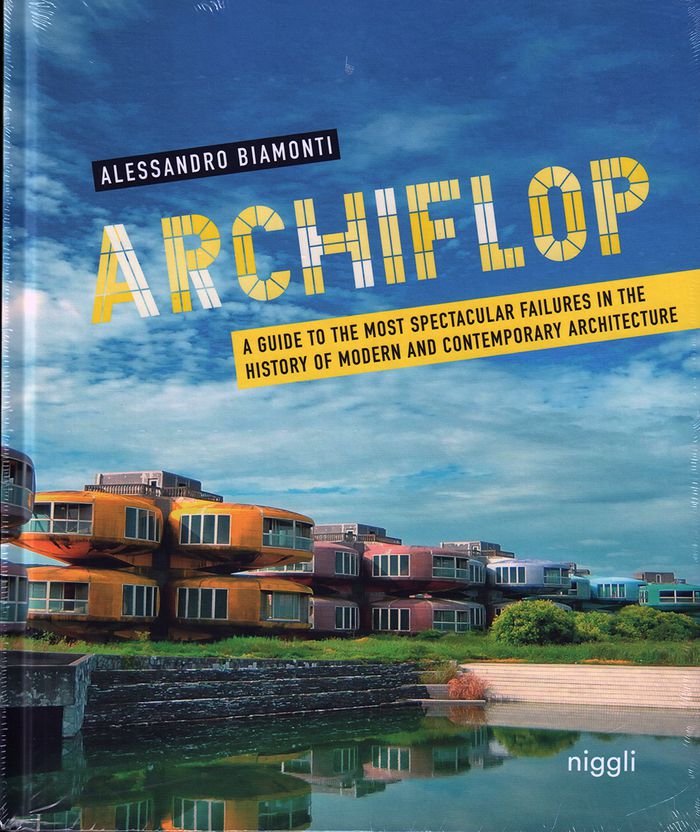
As soon as it leaves the protective environment of drafting boards, specialized computer programs, and sophisticated 3-D models, every architectural project is inevitably forced to face the circumstances of real life. In most cases, it's a relatively painless experience, it nevertheless progresses without major problems – but sometimes things go wrong and it fails miserably! What remains are unfulfilled expectations and broken dreams of overly optimistic architects, owners, and clients. With a tongue in cheek approach, this book presents a selection of the most spectacular architectural flops from the 20th century to the present. Each project is described briefly and its circumstances analyzed and extensively documented via photos. The reader is taken to monumental ghost towns in Asia, grotesque remnants of amusement parks, for example in the USA, and a nuclear power plant in Crimea. The author is not aiming to uncover faults and condemn failed projects but rather to contemplate on how difficult and nearly impossible it is to predict the future for any type of endeavor.
Archiflop: a guide to the most spectacular failures in the history of modern contemporary architectu
Actions:
Price:
$51.95
(available to order)
Summary:
As soon as it leaves the protective environment of drafting boards, specialized computer programs, and sophisticated 3-D models, every architectural project is inevitably forced to face the circumstances of real life. In most cases, it's a relatively painless experience, it nevertheless progresses without major problems – but sometimes things go wrong and it fails miserably! What remains are unfulfilled expectations and broken dreams of overly optimistic architects, owners, and clients. With a tongue in cheek approach, this book presents a selection of the most spectacular architectural flops from the 20th century to the present. Each project is described briefly and its circumstances analyzed and extensively documented via photos. The reader is taken to monumental ghost towns in Asia, grotesque remnants of amusement parks, for example in the USA, and a nuclear power plant in Crimea. The author is not aiming to uncover faults and condemn failed projects but rather to contemplate on how difficult and nearly impossible it is to predict the future for any type of endeavor.
Form:
books
books
Publication:
October 2016
October 2016
Subject:
Contemporary Architecture
Contemporary Architecture
Form:
books
books
Title:
Gardens of the High Line
Gardens of the High Line
Actions:
Price:
$60.00
(available to order)
Summary:
Before it was restored, the High Line was an untouched, abandoned landscape overgrown with wildflowers. Today it is much more than that; it’s a central plaza, a cultural center, a walkway, and a green retreat in a bustling city that is free for all to enjoy. But above all else, it is a beautiful, dynamic garden with plantings designed by Piet Oudolf, one of the world’s(...)
$60.00
(available to order)
Summary:
Before it was restored, the High Line was an untouched, abandoned landscape overgrown with wildflowers. Today it is much more than that; it’s a central plaza, a cultural center, a walkway, and a green retreat in a bustling city that is free for all to enjoy. But above all else, it is a beautiful, dynamic garden with plantings designed by Piet Oudolf, one of the world’s(...)
Title:
Gardens of the High Line
Actions:
Price:
$60.00
(available to order)
Summary:
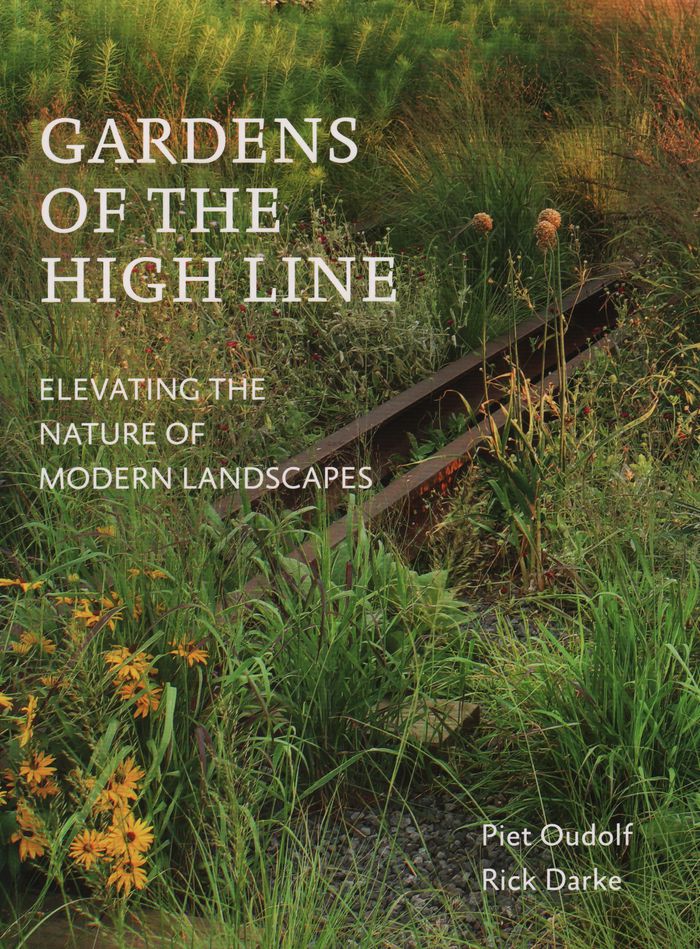
Before it was restored, the High Line was an untouched, abandoned landscape overgrown with wildflowers. Today it is much more than that; it’s a central plaza, a cultural center, a walkway, and a green retreat in a bustling city that is free for all to enjoy. But above all else, it is a beautiful, dynamic garden with plantings designed by Piet Oudolf, one of the world’s most extraordinary garden designers. "Gardens of the High Line", by Piet Oudolf and Rick Darke, offers an in-depth view into the planting designs, plant palette, and maintenance of this landmark achievement. It reveals a four-season garden that is filled with native and exotic plants, drought-tolerant perennials, and grasses that thrive and spread. It also offers inspiration and advice to home gardeners and garden designers looking to recreate its iconic, naturalistic style. Featuring stunning photographs by Rick Darke and an introduction by Robert Hammond, the founder of the Friends of the High Line, this large-trim, photo-driven book is a must-have for anyone who appreciates the nature of design.
Gardens of the High Line
Actions:
Price:
$60.00
(available to order)
Summary:
Before it was restored, the High Line was an untouched, abandoned landscape overgrown with wildflowers. Today it is much more than that; it’s a central plaza, a cultural center, a walkway, and a green retreat in a bustling city that is free for all to enjoy. But above all else, it is a beautiful, dynamic garden with plantings designed by Piet Oudolf, one of the world’s most extraordinary garden designers. "Gardens of the High Line", by Piet Oudolf and Rick Darke, offers an in-depth view into the planting designs, plant palette, and maintenance of this landmark achievement. It reveals a four-season garden that is filled with native and exotic plants, drought-tolerant perennials, and grasses that thrive and spread. It also offers inspiration and advice to home gardeners and garden designers looking to recreate its iconic, naturalistic style. Featuring stunning photographs by Rick Darke and an introduction by Robert Hammond, the founder of the Friends of the High Line, this large-trim, photo-driven book is a must-have for anyone who appreciates the nature of design.
Form:
books
books
Publication:
June 2017
June 2017
Subject:
Gardens
Gardens
Form:
books
books
Actions:
Price:
$48.95
(available to order)
Summary:
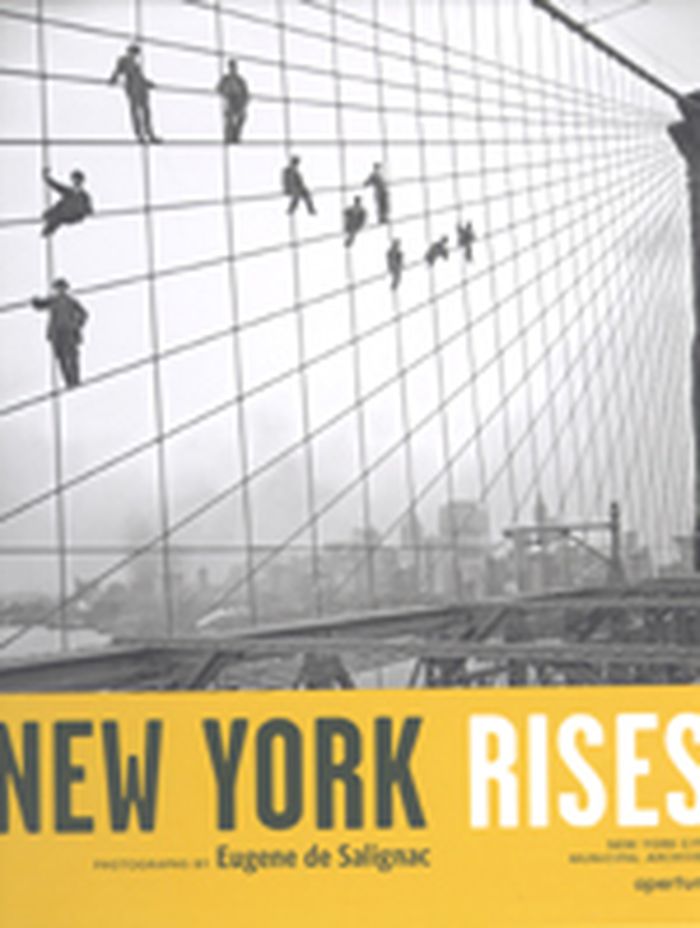
From 1906 to 1934, Eugene de Salignac shot over twenty thousand 8-by-10-inch glass-plate negatives of New York City. As sole photographer at the Department of Bridges/Plant and Structures during that period of dizzying growth, he documented the creation of the city's modern infrastructure—bridges, major municipal buildings, roads, and subways. For years these(...)
$48.95
(available to order)
Summary:
From 1906 to 1934, Eugene de Salignac shot over twenty thousand 8-by-10-inch glass-plate negatives of New York City. As sole photographer at the Department of Bridges/Plant and Structures during that period of dizzying growth, he documented the creation of the city's modern infrastructure—bridges, major municipal buildings, roads, and subways. For years these(...)
Subject:
Photography monographs
Photography monographs
Publication:
April 2007, New York
April 2007, New York
Title:
New York rises : photographs by Eugene de Salignac
Actions:
Price:
$48.95
(available to order)
Summary:
From 1906 to 1934, Eugene de Salignac shot over twenty thousand 8-by-10-inch glass-plate negatives of New York City. As sole photographer at the Department of Bridges/Plant and Structures during that period of dizzying growth, he documented the creation of the city's modern infrastructure—bridges, major municipal buildings, roads, and subways. For years these remarkably lyrical photographs have been used in books and films, but never credited to de Salignac. New York Rises is the first monograph to present them as an aesthetically coherent oeuvre by a photographer with a unique vision. As meticulous in his record keeping as he was creative in his photography, de Salignac left five handwritten logs that identify each negative by place and exact date. This information is complemented throughout the book by narrative captions expanding on themes such as accidents, bridges, workers, and the Depression. Michael Lorenzini has unearthed primary sources to reconstruct de Salignac's biography. Kevin Moore explores his work in the context of other photographers of the period, including Eugène Atget and Berenice Abbott.
New York rises : photographs by Eugene de Salignac
Actions:
Price:
$48.95
(available to order)
Summary:
From 1906 to 1934, Eugene de Salignac shot over twenty thousand 8-by-10-inch glass-plate negatives of New York City. As sole photographer at the Department of Bridges/Plant and Structures during that period of dizzying growth, he documented the creation of the city's modern infrastructure—bridges, major municipal buildings, roads, and subways. For years these remarkably lyrical photographs have been used in books and films, but never credited to de Salignac. New York Rises is the first monograph to present them as an aesthetically coherent oeuvre by a photographer with a unique vision. As meticulous in his record keeping as he was creative in his photography, de Salignac left five handwritten logs that identify each negative by place and exact date. This information is complemented throughout the book by narrative captions expanding on themes such as accidents, bridges, workers, and the Depression. Michael Lorenzini has unearthed primary sources to reconstruct de Salignac's biography. Kevin Moore explores his work in the context of other photographers of the period, including Eugène Atget and Berenice Abbott.
Form:
books
books
Publication:
April 2007, New York
April 2007, New York
Subject:
Photography monographs
Photography monographs
Form:
books
books
Title:
Thomas Flechtner : news
Thomas Flechtner : news
Actions:
Price:
$120.00
(available to order)
Summary:
News represents a further development of the much-acclaimed work of artist Thomas Flechtner. Whereas in Snow he looked at snow as a metaphor for timelessness, calm, distance, and loneliness, and in Bloom Flechtner used atmospherically condensed studies of plants to examine the boundless colorfulness and movement of grown nature, for his new project News Flechtner(...)
$120.00
(available to order)
Summary:
News represents a further development of the much-acclaimed work of artist Thomas Flechtner. Whereas in Snow he looked at snow as a metaphor for timelessness, calm, distance, and loneliness, and in Bloom Flechtner used atmospherically condensed studies of plants to examine the boundless colorfulness and movement of grown nature, for his new project News Flechtner(...)
Title:
Thomas Flechtner : news
Actions:
Price:
$120.00
(available to order)
Summary:
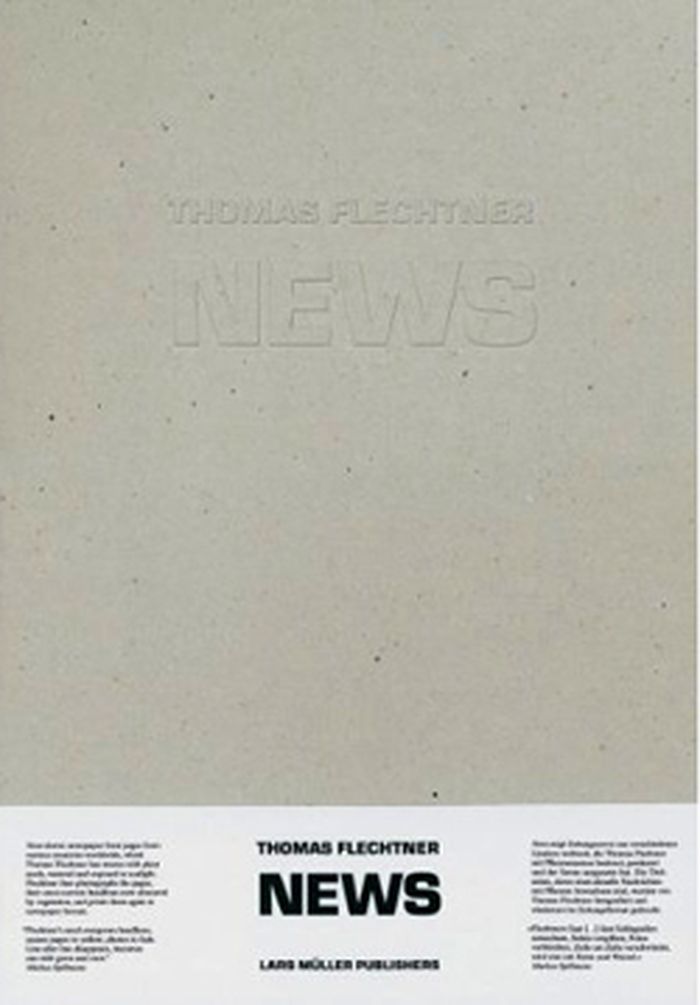
News represents a further development of the much-acclaimed work of artist Thomas Flechtner. Whereas in Snow he looked at snow as a metaphor for timelessness, calm, distance, and loneliness, and in Bloom Flechtner used atmospherically condensed studies of plants to examine the boundless colorfulness and movement of grown nature, for his new project News Flechtner collected newspaper front pages over a period of one year, scattered plant seeds from very different countries over them, watered them, and, finally, exposed them to the sun. He recorded the way the "news" was gradually bleached and overgrown with plants in more than one hundred color photographs. Flechtner contrasts the anarchy of nature with the agenda of mankind, while also questioning the fleetingness of memory and the demands made on it in shaping today's world. Thomas Flechtne r, born in Winterthur in 1961, studied at the Ecole de photographie, Vevey. He has received numerous prizes for his photographic works, which he regularly exhibits. He lives and works in Valliere, France and in Zürich.
Thomas Flechtner : news
Actions:
Price:
$120.00
(available to order)
Summary:
News represents a further development of the much-acclaimed work of artist Thomas Flechtner. Whereas in Snow he looked at snow as a metaphor for timelessness, calm, distance, and loneliness, and in Bloom Flechtner used atmospherically condensed studies of plants to examine the boundless colorfulness and movement of grown nature, for his new project News Flechtner collected newspaper front pages over a period of one year, scattered plant seeds from very different countries over them, watered them, and, finally, exposed them to the sun. He recorded the way the "news" was gradually bleached and overgrown with plants in more than one hundred color photographs. Flechtner contrasts the anarchy of nature with the agenda of mankind, while also questioning the fleetingness of memory and the demands made on it in shaping today's world. Thomas Flechtne r, born in Winterthur in 1961, studied at the Ecole de photographie, Vevey. He has received numerous prizes for his photographic works, which he regularly exhibits. He lives and works in Valliere, France and in Zürich.
Form:
books
books
Publication:
December 2012
December 2012
Subject:
Contemporary Art Monographs
Contemporary Art Monographs
Form:
video
video
Title:
American Cypher.
American Cypher.
Actions:
Description:
1 online resource
Author:
Subject:
Publication:
[Place of publication not identified] : Rhizome, 2012.
[Place of publication not identified] : Rhizome, 2012.
Form:
video
video
Publication:
[Place of publication not identified] : Rhizome, 2012.
[Place of publication not identified] : Rhizome, 2012.
Author:
Subject:


