


458 Results
Form:
books
books
Actions:
Price:
$32.00
(available to order)
Summary:
Fifty years after the Fall of Saigon and twenty years after her family’s emigration to America, Minh Nguyen returns to her native Vietnam to find out what’s left of the old revolutionary project. In Memorial Park, a collection of essays pairing travelogue and criticism, Nguyen encounters relics of proletarian romance and vestiges of authoritarian control amid an evermore(...)
$32.00
(available to order)
Summary:
Fifty years after the Fall of Saigon and twenty years after her family’s emigration to America, Minh Nguyen returns to her native Vietnam to find out what’s left of the old revolutionary project. In Memorial Park, a collection of essays pairing travelogue and criticism, Nguyen encounters relics of proletarian romance and vestiges of authoritarian control amid an evermore(...)
Title:
Memorial Park: Revisiting Vietnam
Actions:
Price:
$32.00
(available to order)
Summary:
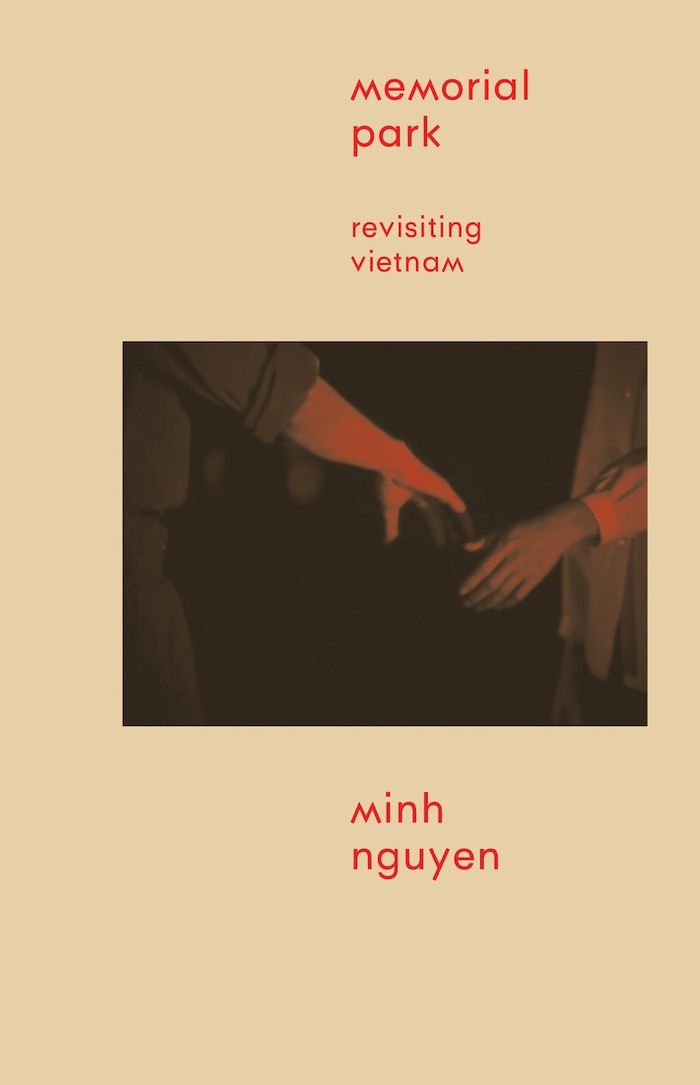
Fifty years after the Fall of Saigon and twenty years after her family’s emigration to America, Minh Nguyen returns to her native Vietnam to find out what’s left of the old revolutionary project. In Memorial Park, a collection of essays pairing travelogue and criticism, Nguyen encounters relics of proletarian romance and vestiges of authoritarian control amid an evermore corporatized society. Along the way, she considers how contemporary artspeak confuses state censors, the rise of luxury "Smart Cities" as they supplant socialist housing complexes, and the enduring appeal of propaganda signs that once promised utopia. Driven by a diasporic curiosity that seeks discovery over dwelling on loss, "Memorial Park" avoids nostalgic idealism or reflexive condemnation. Instead, Nguyen takes seriously the legacy of Vietnamese liberation by naming what it has become—and what it has not.
Memorial Park: Revisiting Vietnam
Actions:
Price:
$32.00
(available to order)
Summary:
Fifty years after the Fall of Saigon and twenty years after her family’s emigration to America, Minh Nguyen returns to her native Vietnam to find out what’s left of the old revolutionary project. In Memorial Park, a collection of essays pairing travelogue and criticism, Nguyen encounters relics of proletarian romance and vestiges of authoritarian control amid an evermore corporatized society. Along the way, she considers how contemporary artspeak confuses state censors, the rise of luxury "Smart Cities" as they supplant socialist housing complexes, and the enduring appeal of propaganda signs that once promised utopia. Driven by a diasporic curiosity that seeks discovery over dwelling on loss, "Memorial Park" avoids nostalgic idealism or reflexive condemnation. Instead, Nguyen takes seriously the legacy of Vietnamese liberation by naming what it has become—and what it has not.
Form:
books
books
Publication:
July 2025
July 2025
Subject:
Art Theory
Art Theory
Form:
books
books

Actions:
Price:
$78.00
(available to order)
Summary:
Designed by acclaimed graphic designers Scott King and Régis Tosetti, this vibrant artist's book compendium offers up a complete remix of art, discourse and propaganda based on the activities of Germany's Kunstverein München between 2005 and 2009. Visual and textual documentation was collected, sorted and jumbled up to create new constellations and relationships,(...)
$78.00
(available to order)
Summary:
Designed by acclaimed graphic designers Scott King and Régis Tosetti, this vibrant artist's book compendium offers up a complete remix of art, discourse and propaganda based on the activities of Germany's Kunstverein München between 2005 and 2009. Visual and textual documentation was collected, sorted and jumbled up to create new constellations and relationships,(...)
Title:
Be nice share everything have fun
Actions:
Price:
$78.00
(available to order)
Summary:
Designed by acclaimed graphic designers Scott King and Régis Tosetti, this vibrant artist's book compendium offers up a complete remix of art, discourse and propaganda based on the activities of Germany's Kunstverein München between 2005 and 2009. Visual and textual documentation was collected, sorted and jumbled up to create new constellations and relationships, rendering book as exhibition and exhibition as book. Be Nice Share Everything Have Fun contains contributions from Allora & Calzadilla, Lutz Bacher, Victor Burgin, Tom Burr, William S. Burroughs, Gerard Byrne, Duncan Campbell, Marc Camille Chaimowicz, Jeremy Deller, Peter Doig, Dot Dot Dot, Cerith Wyn Evans, Luca Frei, General Idea, Gilbert and George, Liam Gillick, John Giorno, Richard Hamilton, Florian Hecker, Jim Isermann, Ray Johnson, Scott King, Zoe Leonard, Linder, Hilary Lloyd, Dorit Margreiter, and more.
Be nice share everything have fun
Actions:
Price:
$78.00
(available to order)
Summary:
Designed by acclaimed graphic designers Scott King and Régis Tosetti, this vibrant artist's book compendium offers up a complete remix of art, discourse and propaganda based on the activities of Germany's Kunstverein München between 2005 and 2009. Visual and textual documentation was collected, sorted and jumbled up to create new constellations and relationships, rendering book as exhibition and exhibition as book. Be Nice Share Everything Have Fun contains contributions from Allora & Calzadilla, Lutz Bacher, Victor Burgin, Tom Burr, William S. Burroughs, Gerard Byrne, Duncan Campbell, Marc Camille Chaimowicz, Jeremy Deller, Peter Doig, Dot Dot Dot, Cerith Wyn Evans, Luca Frei, General Idea, Gilbert and George, Liam Gillick, John Giorno, Richard Hamilton, Florian Hecker, Jim Isermann, Ray Johnson, Scott King, Zoe Leonard, Linder, Hilary Lloyd, Dorit Margreiter, and more.
Form:
books
books
Publication:
July 2010
July 2010
Subject:
Printed Matter
Printed Matter
Form:
books
books
Price:
$56.95
(available to order)
Summary:
In this sweeping portrait of the political culture of the early People's Republic of China (PRC), Chang-tai Hung mines newly available sources to vividly reconstruct how the Chinese Communist Party (CCP) tightened its rule after taking power in 1949. With political-cultural projects such as reconstructing Tiananmen Square to celebrate the Communist Revolution; staging(...)
$56.95
(available to order)
Summary:
In this sweeping portrait of the political culture of the early People's Republic of China (PRC), Chang-tai Hung mines newly available sources to vividly reconstruct how the Chinese Communist Party (CCP) tightened its rule after taking power in 1949. With political-cultural projects such as reconstructing Tiananmen Square to celebrate the Communist Revolution; staging(...)
Title:
Mao's new world: Political culture in the early People's Republic
Actions:
Price:
$56.95
(available to order)
Summary:
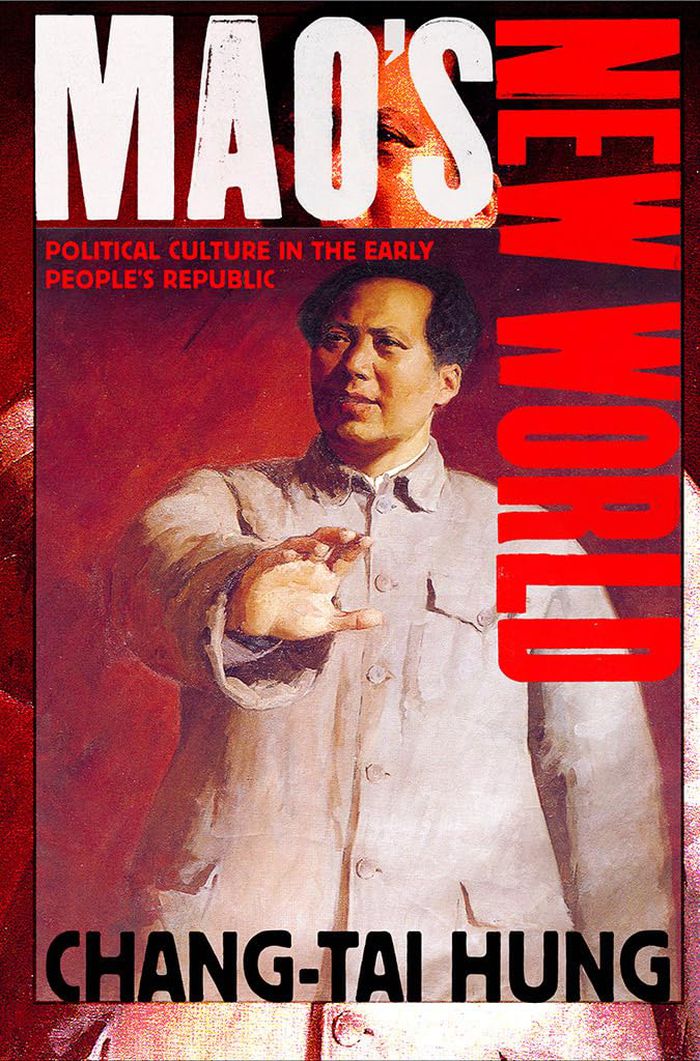
In this sweeping portrait of the political culture of the early People's Republic of China (PRC), Chang-tai Hung mines newly available sources to vividly reconstruct how the Chinese Communist Party (CCP) tightened its rule after taking power in 1949. With political-cultural projects such as reconstructing Tiananmen Square to celebrate the Communist Revolution; staging national parades; rewriting official histories; mounting a visual propaganda campaign, including oil paintings, cartoons, and New Year prints; and establishing a national cemetery for heroes of the Revolution, the CCP built up nationalistic fervor in the people and affirmed its legitimacy. These projects came under strong Soviet influence, but the nationalistic Chinese Communists sought an independent road of nation building; for example, they decided that the reconstructed Tiananmen Square should surpass Red Square in size and significance, against the advice of Soviet experts sent from Moscow.
Mao's new world: Political culture in the early People's Republic
Actions:
Price:
$56.95
(available to order)
Summary:
In this sweeping portrait of the political culture of the early People's Republic of China (PRC), Chang-tai Hung mines newly available sources to vividly reconstruct how the Chinese Communist Party (CCP) tightened its rule after taking power in 1949. With political-cultural projects such as reconstructing Tiananmen Square to celebrate the Communist Revolution; staging national parades; rewriting official histories; mounting a visual propaganda campaign, including oil paintings, cartoons, and New Year prints; and establishing a national cemetery for heroes of the Revolution, the CCP built up nationalistic fervor in the people and affirmed its legitimacy. These projects came under strong Soviet influence, but the nationalistic Chinese Communists sought an independent road of nation building; for example, they decided that the reconstructed Tiananmen Square should surpass Red Square in size and significance, against the advice of Soviet experts sent from Moscow.
Form:
books
books
Publication:
February 2017
February 2017
Subject:
Current Exhibitions
Current Exhibitions
Form:
books
books
Title:
Photography and war
Photography and war
Actions:
Price:
$48.00
(available to order)
Summary:
There are countless books on war photography, most of them focusing on dramatic images made by photojournalists in combat zones. "Photography and War" instead proposes a radically expanded notion of war photography, one that encompasses a far broader terrain of geographies, chronologies, practices, and viewpoints. Pippa Oldfied considers photography’s fundamental role in(...)
$48.00
(available to order)
Summary:
There are countless books on war photography, most of them focusing on dramatic images made by photojournalists in combat zones. "Photography and War" instead proposes a radically expanded notion of war photography, one that encompasses a far broader terrain of geographies, chronologies, practices, and viewpoints. Pippa Oldfied considers photography’s fundamental role in(...)
Title:
Photography and war
Actions:
Price:
$48.00
(available to order)
Summary:
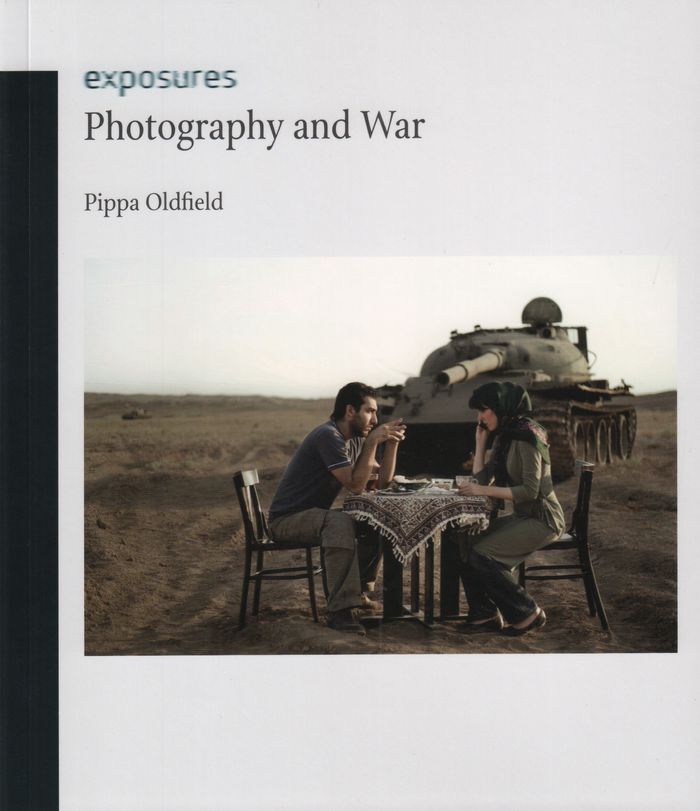
There are countless books on war photography, most of them focusing on dramatic images made by photojournalists in combat zones. "Photography and War" instead proposes a radically expanded notion of war photography, one that encompasses a far broader terrain of geographies, chronologies, practices, and viewpoints. Pippa Oldfied considers photography’s fundamental role in military reconnaissance, propaganda, and protest, as well as the exposure of war crimes and the memorialization of war, among other themes. While iconic images by well-known names such as Roger Fenton and Robert Capa are included, the viewpoints of people who have historically been overlooked—women and photographers from diasporic and non-Western backgrounds—are significantly gathered here. As a result, this book offers a nuanced and more inclusive understanding of war as a far-reaching undertaking in which anyone might be implicated and affected.
Photography and war
Actions:
Price:
$48.00
(available to order)
Summary:
There are countless books on war photography, most of them focusing on dramatic images made by photojournalists in combat zones. "Photography and War" instead proposes a radically expanded notion of war photography, one that encompasses a far broader terrain of geographies, chronologies, practices, and viewpoints. Pippa Oldfied considers photography’s fundamental role in military reconnaissance, propaganda, and protest, as well as the exposure of war crimes and the memorialization of war, among other themes. While iconic images by well-known names such as Roger Fenton and Robert Capa are included, the viewpoints of people who have historically been overlooked—women and photographers from diasporic and non-Western backgrounds—are significantly gathered here. As a result, this book offers a nuanced and more inclusive understanding of war as a far-reaching undertaking in which anyone might be implicated and affected.
Form:
books
books
Publication:
December 2019
December 2019
Subject:
Theory of Photography
Theory of Photography
Form:
books
books
Actions:
Price:
$60.00
(available to order)
Summary:
Born into the semiotic seductions of the 1980s, Scottish painter Lucy McKenzie reworks the iconography of that decade to foster associations between the most unlikely sources —East European propaganda murals, German abstract painting, Cold War imagery, industrial typefaces and 1980s synth-pop. To embellish this wide-ranging lexicon, she often collaborates with fashion(...)
$60.00
(available to order)
Summary:
Born into the semiotic seductions of the 1980s, Scottish painter Lucy McKenzie reworks the iconography of that decade to foster associations between the most unlikely sources —East European propaganda murals, German abstract painting, Cold War imagery, industrial typefaces and 1980s synth-pop. To embellish this wide-ranging lexicon, she often collaborates with fashion(...)
Title:
Lucy Mckenzie : chêne de weekend, 2006-2009
Actions:
Price:
$60.00
(available to order)
Summary:
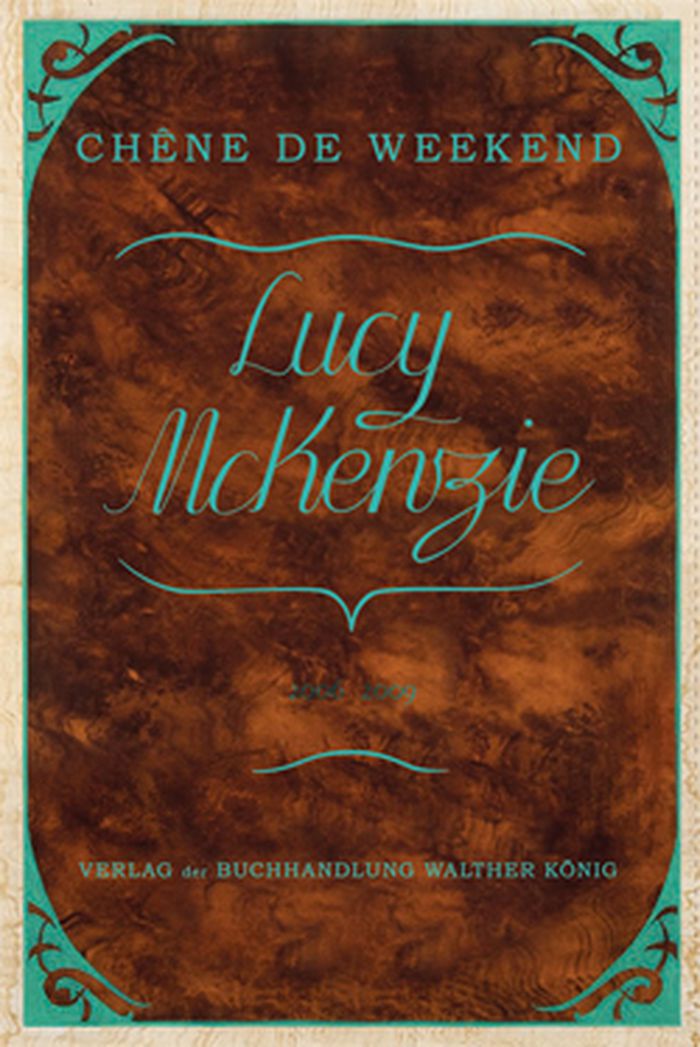
Born into the semiotic seductions of the 1980s, Scottish painter Lucy McKenzie reworks the iconography of that decade to foster associations between the most unlikely sources —East European propaganda murals, German abstract painting, Cold War imagery, industrial typefaces and 1980s synth-pop. To embellish this wide-ranging lexicon, she often collaborates with fashion designers, musicians and interior designers on works that have been exhibited as theatrical sets at museums in Edinburgh, San Francisco, New York and Cologne, winning her an international following. Chêne De Weekend introduces new paintings that reference nineteenth-century trompe l'oeil paintings used for interior design, part of McKenzie's participation in Atelier, an interior design collective. Alongside reproductions of works, it includes a fictional account of her study of trompe l'oeil and an homage to the fashion designer Beca Lipscombe, one of her collaborators in Atelier.
Lucy Mckenzie : chêne de weekend, 2006-2009
Actions:
Price:
$60.00
(available to order)
Summary:
Born into the semiotic seductions of the 1980s, Scottish painter Lucy McKenzie reworks the iconography of that decade to foster associations between the most unlikely sources —East European propaganda murals, German abstract painting, Cold War imagery, industrial typefaces and 1980s synth-pop. To embellish this wide-ranging lexicon, she often collaborates with fashion designers, musicians and interior designers on works that have been exhibited as theatrical sets at museums in Edinburgh, San Francisco, New York and Cologne, winning her an international following. Chêne De Weekend introduces new paintings that reference nineteenth-century trompe l'oeil paintings used for interior design, part of McKenzie's participation in Atelier, an interior design collective. Alongside reproductions of works, it includes a fictional account of her study of trompe l'oeil and an homage to the fashion designer Beca Lipscombe, one of her collaborators in Atelier.
Form:
books
books
Publication:
March 2010
March 2010
Subject:
Contemporary Art Monographs
Contemporary Art Monographs
Form:
books
books
Title:
The Biennial reader
The Biennial reader
Actions:
Price:
$61.00
(available to order)
Summary:
Born as a vehicle for national propaganda, the art biennial today has become an outsize phenomenon mobilizing not only artists, curators and gallerists but sponsors, celebrities and politicians, commanding huge press attention and deciding the careers of artists worldwide. For a city to host a biennial today has colossal ramifications. This anthology on the art biennial(...)
$61.00
(available to order)
Summary:
Born as a vehicle for national propaganda, the art biennial today has become an outsize phenomenon mobilizing not only artists, curators and gallerists but sponsors, celebrities and politicians, commanding huge press attention and deciding the careers of artists worldwide. For a city to host a biennial today has colossal ramifications. This anthology on the art biennial(...)
Title:
The Biennial reader
Actions:
Price:
$61.00
(available to order)
Summary:
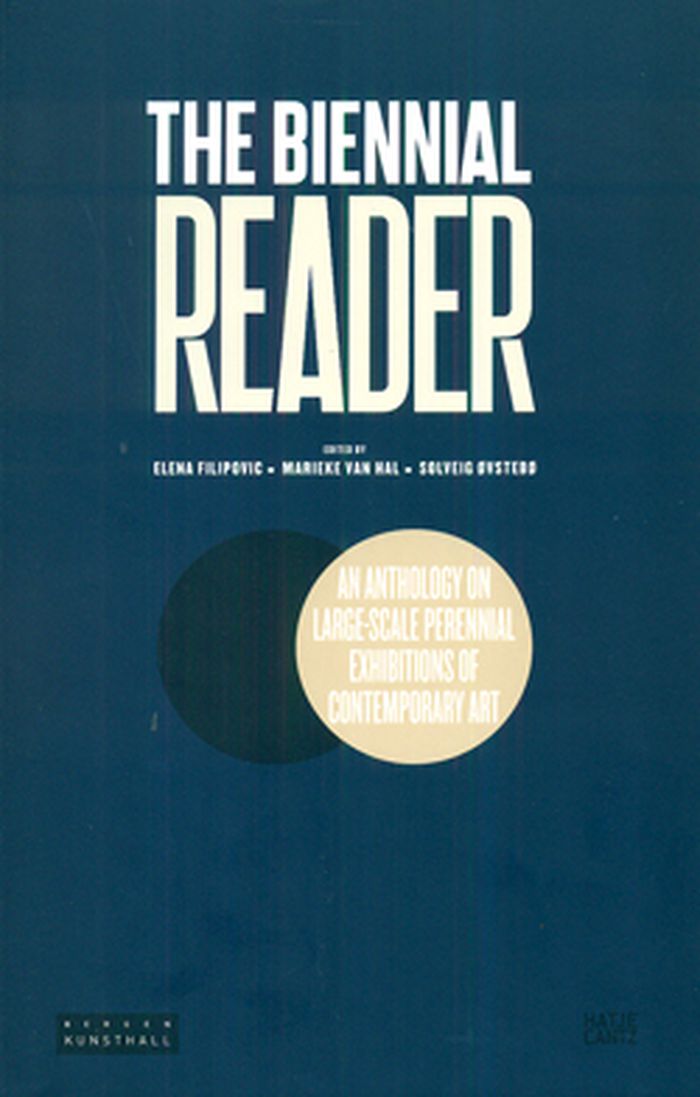
Born as a vehicle for national propaganda, the art biennial today has become an outsize phenomenon mobilizing not only artists, curators and gallerists but sponsors, celebrities and politicians, commanding huge press attention and deciding the careers of artists worldwide. For a city to host a biennial today has colossal ramifications. This anthology on the art biennial gathers previously published seminal texts from around the world alongside commissioned contributions from the leading scholars, curators, critics and thinkers today--among them Carlos Basualdo, Daniel Buren, John Clark, Okwui Enwezor, Bruce Ferguson, Milena Hoegsberg, Ranjit Hoskote, Caroline A. Jones, Jakouba Konaté, Gerardo Mosquera and Rafal Niemojewski. Tracing the genealogy of the standard exhibition format and examining some of the most famous examples of the twentieth and twenty-first century this reader explores the artistic, theoretical, and political ambitions of such large-scale exhibition projects.
The Biennial reader
Actions:
Price:
$61.00
(available to order)
Summary:
Born as a vehicle for national propaganda, the art biennial today has become an outsize phenomenon mobilizing not only artists, curators and gallerists but sponsors, celebrities and politicians, commanding huge press attention and deciding the careers of artists worldwide. For a city to host a biennial today has colossal ramifications. This anthology on the art biennial gathers previously published seminal texts from around the world alongside commissioned contributions from the leading scholars, curators, critics and thinkers today--among them Carlos Basualdo, Daniel Buren, John Clark, Okwui Enwezor, Bruce Ferguson, Milena Hoegsberg, Ranjit Hoskote, Caroline A. Jones, Jakouba Konaté, Gerardo Mosquera and Rafal Niemojewski. Tracing the genealogy of the standard exhibition format and examining some of the most famous examples of the twentieth and twenty-first century this reader explores the artistic, theoretical, and political ambitions of such large-scale exhibition projects.
Form:
books
books
Publication:
December 2010
December 2010
Subject:
Museology
Museology
Form:
books
books
Actions:
Price:
$22.00
(available to order)
Summary:
David Levi Strauss is a writer whose visual and intellectual sensibilities are both acute and expansive. His trenchant writings on photography and photographers have been collected for this volume from a broad range of magazines, including Aperture, Artforum, and The Nation. In "Between the eyes: essays on photography and politics", Strauss tackles subjects as diverse as(...)
$22.00
(available to order)
Summary:
David Levi Strauss is a writer whose visual and intellectual sensibilities are both acute and expansive. His trenchant writings on photography and photographers have been collected for this volume from a broad range of magazines, including Aperture, Artforum, and The Nation. In "Between the eyes: essays on photography and politics", Strauss tackles subjects as diverse as(...)
Subject:
Theory of Photography
Theory of Photography
Publication:
August 2005, New York
August 2005, New York
Title:
Between the eyes : essays on photography and politics
Actions:
Price:
$22.00
(available to order)
Summary:
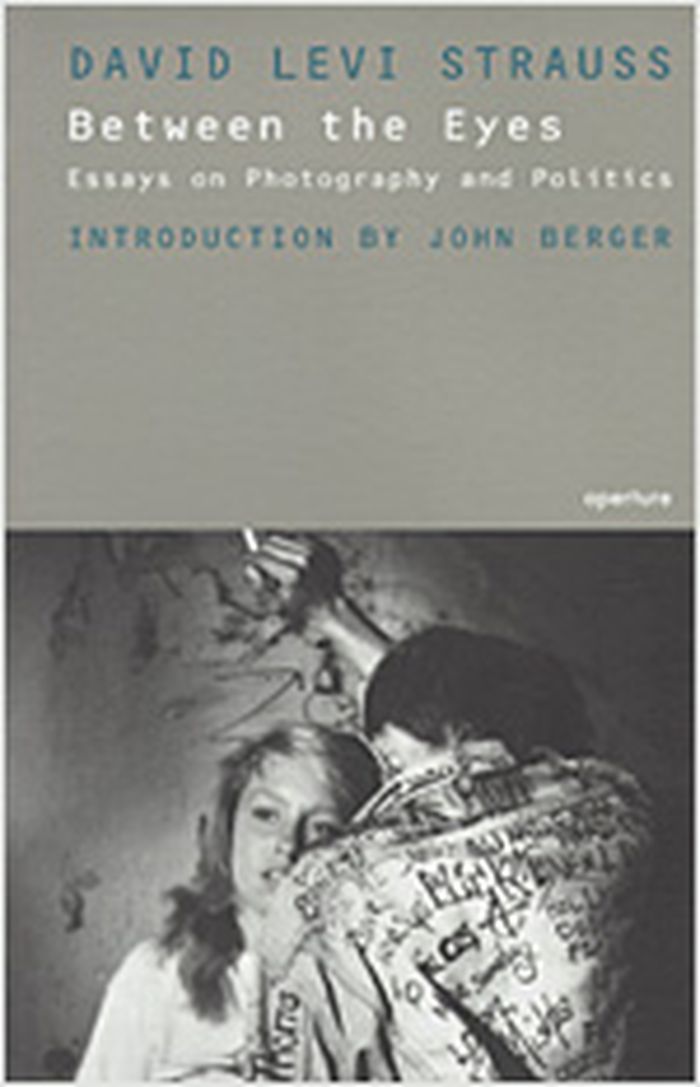
David Levi Strauss is a writer whose visual and intellectual sensibilities are both acute and expansive. His trenchant writings on photography and photographers have been collected for this volume from a broad range of magazines, including Aperture, Artforum, and The Nation. In "Between the eyes: essays on photography and politics", Strauss tackles subjects as diverse as "Photography and propaganda," the imagery of dreams, Sebastião Salgado’s epic social documents, and the deeply personal photographic revelations of Francesca Woodman. The timely issue of photographic legitimacy is addressed in the essay "Photography and belief," and in "The highest degree of illusion," Strauss discusses the media frenzy surrounding the events of September 11. As our world is shaped more and more by images and their slipperiness, what he calls a media "pandemonium" in its root meaning of "the place of all howling demons," we need a mind and voice like Levi Strauss's to bring clarity to our vision.
Between the eyes : essays on photography and politics
Actions:
Price:
$22.00
(available to order)
Summary:
David Levi Strauss is a writer whose visual and intellectual sensibilities are both acute and expansive. His trenchant writings on photography and photographers have been collected for this volume from a broad range of magazines, including Aperture, Artforum, and The Nation. In "Between the eyes: essays on photography and politics", Strauss tackles subjects as diverse as "Photography and propaganda," the imagery of dreams, Sebastião Salgado’s epic social documents, and the deeply personal photographic revelations of Francesca Woodman. The timely issue of photographic legitimacy is addressed in the essay "Photography and belief," and in "The highest degree of illusion," Strauss discusses the media frenzy surrounding the events of September 11. As our world is shaped more and more by images and their slipperiness, what he calls a media "pandemonium" in its root meaning of "the place of all howling demons," we need a mind and voice like Levi Strauss's to bring clarity to our vision.
Form:
books
books
Publication:
August 2005, New York
August 2005, New York
Subject:
Theory of Photography
Theory of Photography
Form:
books
books
Actions:
Price:
$60.00
(available to order)
Summary:
An unsurpassed master of postwar Japanese realist photography and a reference for amateur photographers even today. The breadth and diversity of this Renaissance man’s oeuvre reveals untiring attention to and interest in the culture, art, faces, society, and politics of his country. With over 70,000 pictures taken between the 1920s and the 1980s, Domon Ken is considered(...)
$60.00
(available to order)
Summary:
An unsurpassed master of postwar Japanese realist photography and a reference for amateur photographers even today. The breadth and diversity of this Renaissance man’s oeuvre reveals untiring attention to and interest in the culture, art, faces, society, and politics of his country. With over 70,000 pictures taken between the 1920s and the 1980s, Domon Ken is considered(...)
Subject:
Photography monographs
Photography monographs
Publication:
August 2017
August 2017
Title:
Domon Ken: master of Japanese realism
Actions:
Price:
$60.00
(available to order)
Summary:
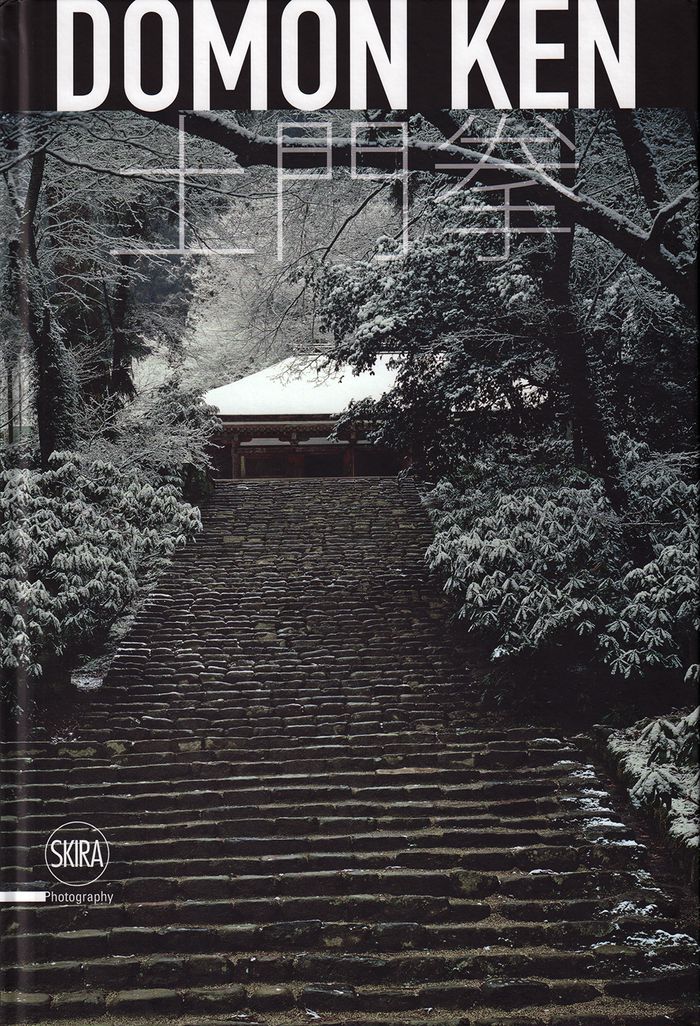
An unsurpassed master of postwar Japanese realist photography and a reference for amateur photographers even today. The breadth and diversity of this Renaissance man’s oeuvre reveals untiring attention to and interest in the culture, art, faces, society, and politics of his country. With over 70,000 pictures taken between the 1920s and the 1980s, Domon Ken is considered the supreme master of Japanese photography as well as the main exponent of realism as the only approach possible. Over the years he honed his craft, shifting from propaganda photography during the war to photography as a life’s mission, in search of his own Japan: a fascinating and silent Japan of ancient temples, Buddhist sculptures, puppet theaters (where he took refuge during the war); the seductive and expressive faces of celebrities alongside the modest ones of street urchins; the poorest Japan of mining villages; and finally his most disturbing and modern work, portraying Hiroshima and its unhealed wounds.
Domon Ken: master of Japanese realism
Actions:
Price:
$60.00
(available to order)
Summary:
An unsurpassed master of postwar Japanese realist photography and a reference for amateur photographers even today. The breadth and diversity of this Renaissance man’s oeuvre reveals untiring attention to and interest in the culture, art, faces, society, and politics of his country. With over 70,000 pictures taken between the 1920s and the 1980s, Domon Ken is considered the supreme master of Japanese photography as well as the main exponent of realism as the only approach possible. Over the years he honed his craft, shifting from propaganda photography during the war to photography as a life’s mission, in search of his own Japan: a fascinating and silent Japan of ancient temples, Buddhist sculptures, puppet theaters (where he took refuge during the war); the seductive and expressive faces of celebrities alongside the modest ones of street urchins; the poorest Japan of mining villages; and finally his most disturbing and modern work, portraying Hiroshima and its unhealed wounds.
Form:
books
books
Publication:
August 2017
August 2017
Subject:
Photography monographs
Photography monographs
Form:
books
books
Price:
$102.95
(available to order)
Summary:
The Classroom shows how furniture designers from the late nineteenth century to the present have strived to enliven the classroom experience for children, telling for the first time the history of this neglected area of furniture design. The book is based on the collection of the VS school museum in Tauberbischofsheim, which houses a unique collection of school furniture(...)
$102.95
(available to order)
Summary:
The Classroom shows how furniture designers from the late nineteenth century to the present have strived to enliven the classroom experience for children, telling for the first time the history of this neglected area of furniture design. The book is based on the collection of the VS school museum in Tauberbischofsheim, which houses a unique collection of school furniture(...)
Subject:
Commercial interiors, Building types
Commercial interiors, Building types
Publication:
March 2011
March 2011
Title:
The classroom: From the late 19th Century until the present day
Actions:
Price:
$102.95
(available to order)
Summary:
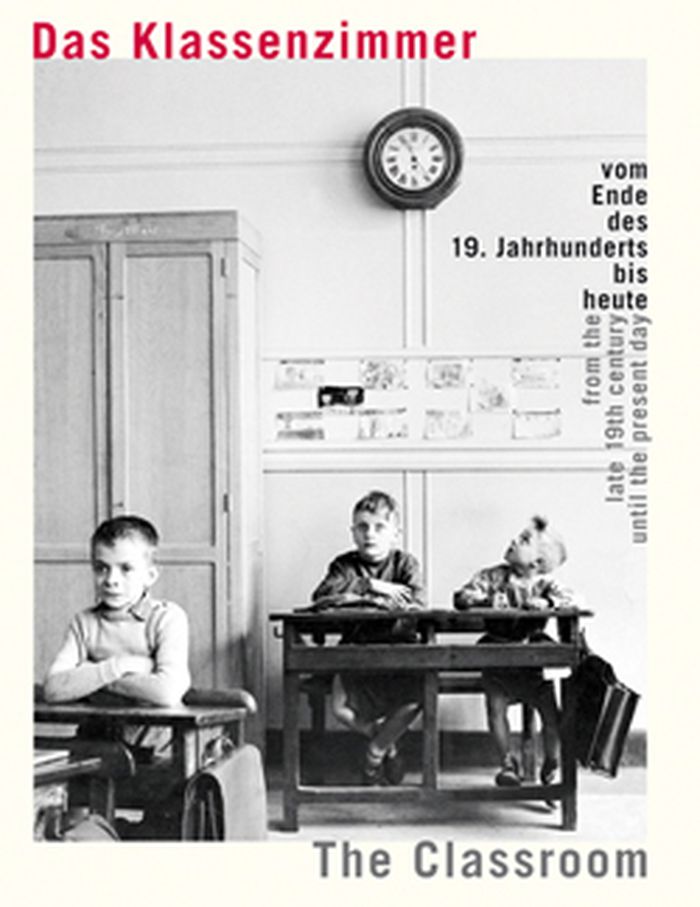
The Classroom shows how furniture designers from the late nineteenth century to the present have strived to enliven the classroom experience for children, telling for the first time the history of this neglected area of furniture design. The book is based on the collection of the VS school museum in Tauberbischofsheim, which houses a unique collection of school furniture from Germany and abroad. Through this collection, it draws out the history of educational theory and school architecture over the past hundred years, tracing the ascent of a child-centered approach to education and attendant developments in design, as well as such topics as the use of propaganda in Soviet- and Nazi-era schools. Chairs, desks, classrooms and entire schools by Alvar Aalto, Arne Jacobsen, Charles Rennie Mackintosh, Jean-Baptiste Mathon, Jean Prouvé, Eero + Eliel Saarinen and Bruno Taut are abundantly illustrated and examined. The Classroom looks back over this history and looks forward to possible future developments.
The classroom: From the late 19th Century until the present day
Actions:
Price:
$102.95
(available to order)
Summary:
The Classroom shows how furniture designers from the late nineteenth century to the present have strived to enliven the classroom experience for children, telling for the first time the history of this neglected area of furniture design. The book is based on the collection of the VS school museum in Tauberbischofsheim, which houses a unique collection of school furniture from Germany and abroad. Through this collection, it draws out the history of educational theory and school architecture over the past hundred years, tracing the ascent of a child-centered approach to education and attendant developments in design, as well as such topics as the use of propaganda in Soviet- and Nazi-era schools. Chairs, desks, classrooms and entire schools by Alvar Aalto, Arne Jacobsen, Charles Rennie Mackintosh, Jean-Baptiste Mathon, Jean Prouvé, Eero + Eliel Saarinen and Bruno Taut are abundantly illustrated and examined. The Classroom looks back over this history and looks forward to possible future developments.
Form:
books
books
Publication:
March 2011
March 2011
Subject:
Commercial interiors, Building types
Commercial interiors, Building types
Form:
books
books
Actions:
Price:
$69.95
(available to order)
Summary:
It should be no surprise that Eskilson's study of the evolution of graphic design from Gutenberg to grunge and beyond is an oft-assigned tome for budding designers. However, one needn't be a student to appreciate Eskilson's ability to hold a narrative thread as art movements, technology, and other influences continue to broaden the scope of his topic as the book(...)
$69.95
(available to order)
Summary:
It should be no surprise that Eskilson's study of the evolution of graphic design from Gutenberg to grunge and beyond is an oft-assigned tome for budding designers. However, one needn't be a student to appreciate Eskilson's ability to hold a narrative thread as art movements, technology, and other influences continue to broaden the scope of his topic as the book(...)
Title:
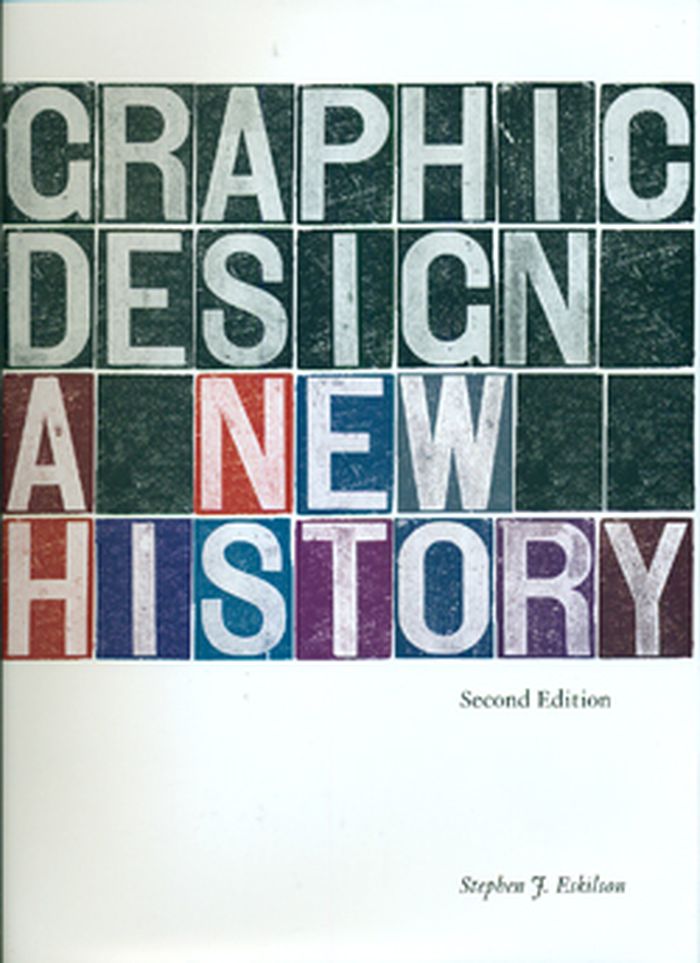
Graphic design : A new history
Actions:
Price:
$69.95
(available to order)
Summary:
It should be no surprise that Eskilson's study of the evolution of graphic design from Gutenberg to grunge and beyond is an oft-assigned tome for budding designers. However, one needn't be a student to appreciate Eskilson's ability to hold a narrative thread as art movements, technology, and other influences continue to broaden the scope of his topic as the book progresses. Working his way through a dense and diverse melange of media, such as pulp magazines, photography, architecture, typefaces, logos, Nazi propaganda, movie posters, and signage, Eskilson (coauthor, Frames of Reference: Art History and the World) is an enthusiastic and informative guide. The tome is liberally peppered throughout with iconic images such as Currier and Ives prints, James Flagg's I Want YOU for U.S. Army, and Shepard Fairey's Hope, featuring Barack Obama, as well as digressions on key contributors such as Henri de Toulouse-Lautrec, Gustav Klimt, and movements like De Stijl.
Graphic design : A new history
Actions:
Price:
$69.95
(available to order)
Summary:
It should be no surprise that Eskilson's study of the evolution of graphic design from Gutenberg to grunge and beyond is an oft-assigned tome for budding designers. However, one needn't be a student to appreciate Eskilson's ability to hold a narrative thread as art movements, technology, and other influences continue to broaden the scope of his topic as the book progresses. Working his way through a dense and diverse melange of media, such as pulp magazines, photography, architecture, typefaces, logos, Nazi propaganda, movie posters, and signage, Eskilson (coauthor, Frames of Reference: Art History and the World) is an enthusiastic and informative guide. The tome is liberally peppered throughout with iconic images such as Currier and Ives prints, James Flagg's I Want YOU for U.S. Army, and Shepard Fairey's Hope, featuring Barack Obama, as well as digressions on key contributors such as Henri de Toulouse-Lautrec, Gustav Klimt, and movements like De Stijl.
Form:
books
books
Publication:
February 2012
February 2012
Subject:
Graphic Design and Typography
Graphic Design and Typography


