


4341 Results
Form:
books
books
Actions:
Price:
$41.99
(available to order)
Summary:
One of the fundamental dimensions of urbanization is its radical transformation of nature. Today domestic animals make up more than twice the biomass of people on the planet, and cities are replete with nonhuman life. Yet current accounts of the urban remain resolutely anthropocentric. ''Lively cities'' departs from conventions of urban studies to argue that cities are(...)
$41.99
(available to order)
Summary:
One of the fundamental dimensions of urbanization is its radical transformation of nature. Today domestic animals make up more than twice the biomass of people on the planet, and cities are replete with nonhuman life. Yet current accounts of the urban remain resolutely anthropocentric. ''Lively cities'' departs from conventions of urban studies to argue that cities are(...)
Title:
Lively cities: Reconfiguring urban ecology
Actions:
Price:
$41.99
(available to order)
Summary:
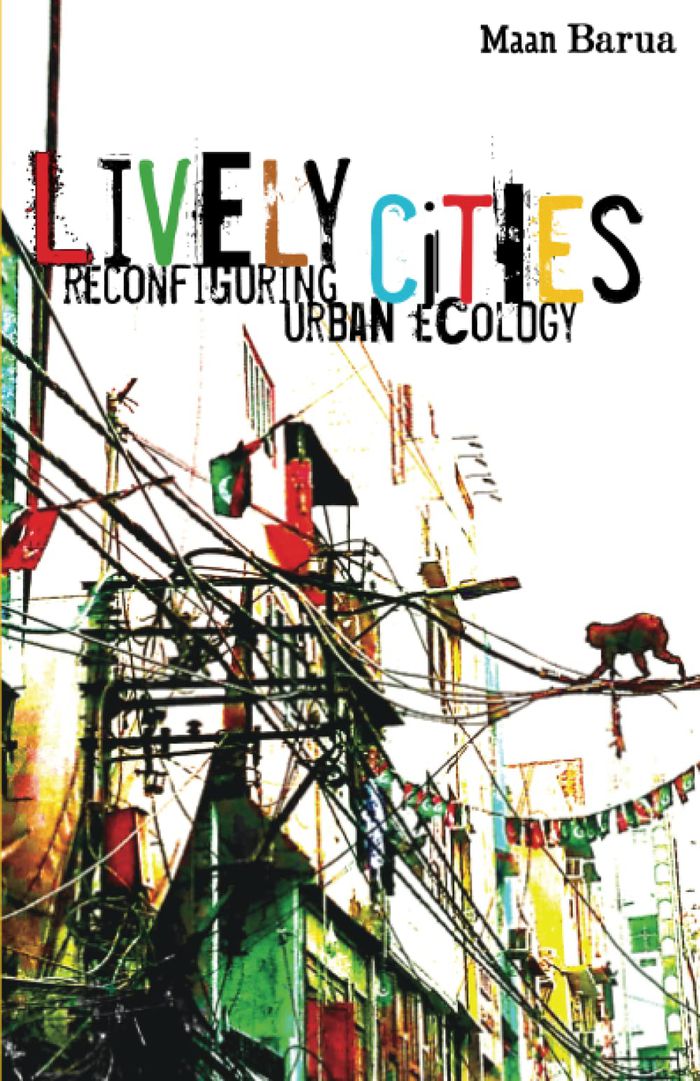
One of the fundamental dimensions of urbanization is its radical transformation of nature. Today domestic animals make up more than twice the biomass of people on the planet, and cities are replete with nonhuman life. Yet current accounts of the urban remain resolutely anthropocentric. ''Lively cities'' departs from conventions of urban studies to argue that cities are lived achievements forged by a multitude of entities, drawing attention to a suite of beings— human and nonhuman— that make up the material politics of city making. From macaques and cattle in Delhi to the invasive parakeet colonies in London, Maan Barua examines the rhythms, paths, and agency of nonhumans across the city. He reconceptualizes several key themes in urban thought, including infrastructure, the built environment, design, habitation, and everyday practices of dwelling and provides a critical intervention in animal and urban studies. Generating fresh conversations between posthumanism, postcolonialism, and political economy, Barua reveals how human and nonhuman actors shape, integrate, subsume, and relate to urban space in fascinating ways.
Lively cities: Reconfiguring urban ecology
Actions:
Price:
$41.99
(available to order)
Summary:
One of the fundamental dimensions of urbanization is its radical transformation of nature. Today domestic animals make up more than twice the biomass of people on the planet, and cities are replete with nonhuman life. Yet current accounts of the urban remain resolutely anthropocentric. ''Lively cities'' departs from conventions of urban studies to argue that cities are lived achievements forged by a multitude of entities, drawing attention to a suite of beings— human and nonhuman— that make up the material politics of city making. From macaques and cattle in Delhi to the invasive parakeet colonies in London, Maan Barua examines the rhythms, paths, and agency of nonhumans across the city. He reconceptualizes several key themes in urban thought, including infrastructure, the built environment, design, habitation, and everyday practices of dwelling and provides a critical intervention in animal and urban studies. Generating fresh conversations between posthumanism, postcolonialism, and political economy, Barua reveals how human and nonhuman actors shape, integrate, subsume, and relate to urban space in fascinating ways.
Form:
books
books
Publication:
May 2023
May 2023
Subject:
Urban Theory
Urban Theory
Form:
books
books
Actions:
Price:
$19.95
(available in store)
Summary:
Western thinking has long been dominated by essence, by a preoccupation with that which dwells in itself and delimits itself from the other. By contrast, Far Eastern thought is centred not on essence but on absence. The fundamental topos of Far Eastern thinking is not being but ‘the way’ (dao), which lacks the solidity and fixedness of essence. The difference between(...)
$19.95
(available in store)
Summary:
Western thinking has long been dominated by essence, by a preoccupation with that which dwells in itself and delimits itself from the other. By contrast, Far Eastern thought is centred not on essence but on absence. The fundamental topos of Far Eastern thinking is not being but ‘the way’ (dao), which lacks the solidity and fixedness of essence. The difference between(...)
Title:
Absence: On the culture and philosophy of the Far East
Actions:
Price:
$19.95
(available in store)
Summary:
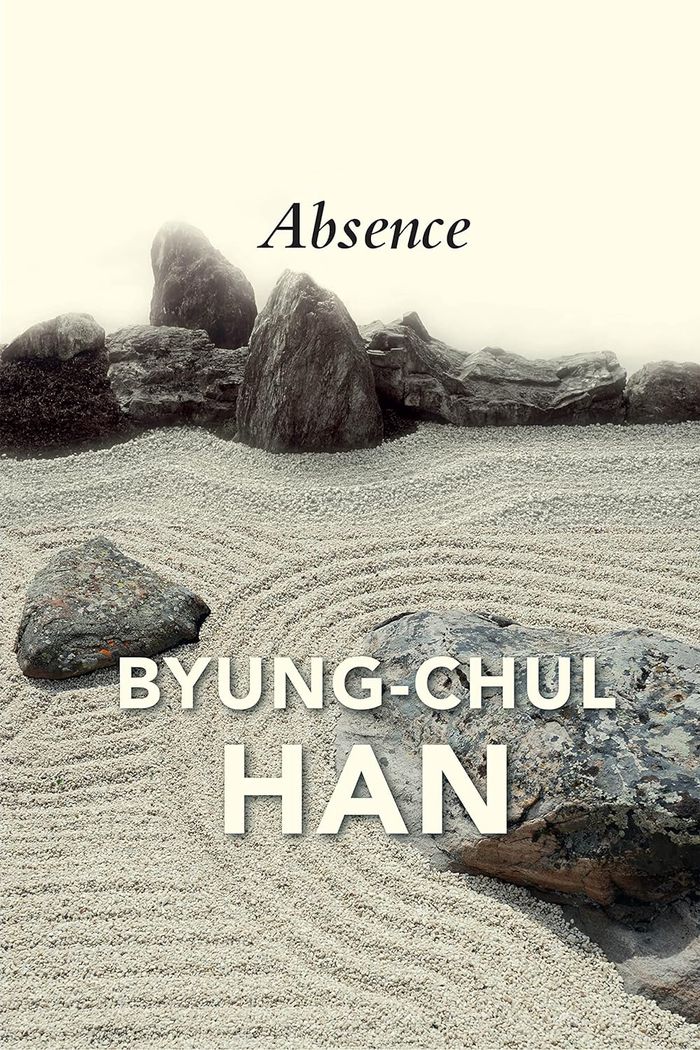
Western thinking has long been dominated by essence, by a preoccupation with that which dwells in itself and delimits itself from the other. By contrast, Far Eastern thought is centred not on essence but on absence. The fundamental topos of Far Eastern thinking is not being but ‘the way’ (dao), which lacks the solidity and fixedness of essence. The difference between essence and absence is the difference between being and path, between dwelling and wandering. '‘A Zen monk should be without fixed abode, like the clouds, and without fixed support, like water’', said the Japanese Zen master Dogen. Drawing on this fundamental distinction between essence and absence, Byung-Chul Han explores the differences between Western and Far Eastern philosophy, aesthetics, architecture and art, shedding fresh light on a culture of absence that may at first sight appear strange and unfamiliar to those in the West whose ways of thinking have been shaped for centuries by the preoccupation with essence.
Absence: On the culture and philosophy of the Far East
Actions:
Price:
$19.95
(available in store)
Summary:
Western thinking has long been dominated by essence, by a preoccupation with that which dwells in itself and delimits itself from the other. By contrast, Far Eastern thought is centred not on essence but on absence. The fundamental topos of Far Eastern thinking is not being but ‘the way’ (dao), which lacks the solidity and fixedness of essence. The difference between essence and absence is the difference between being and path, between dwelling and wandering. '‘A Zen monk should be without fixed abode, like the clouds, and without fixed support, like water’', said the Japanese Zen master Dogen. Drawing on this fundamental distinction between essence and absence, Byung-Chul Han explores the differences between Western and Far Eastern philosophy, aesthetics, architecture and art, shedding fresh light on a culture of absence that may at first sight appear strange and unfamiliar to those in the West whose ways of thinking have been shaped for centuries by the preoccupation with essence.
Form:
books
books
Publication:
June 2023
June 2023
Subject:
Critical Theory
Critical Theory
Form:
books
books
Title:
Weeds: A germinating theory
Weeds: A germinating theory
Actions:
Price:
$45.00
(available in store)
Summary:
For over a decade, artist and theorist Kwan Queenie Li has been photographing weeds across the world. From Jerusalem to Shanghai, Varanasi to Athens, Cairo to Mexico City, she has trained her attention on these unintended but ubiquitous inhabitants of the contemporary urban sphere, finding them dwelling in corners and cracks, in spaces suspended between uses, in ruins and(...)
$45.00
(available in store)
Summary:
For over a decade, artist and theorist Kwan Queenie Li has been photographing weeds across the world. From Jerusalem to Shanghai, Varanasi to Athens, Cairo to Mexico City, she has trained her attention on these unintended but ubiquitous inhabitants of the contemporary urban sphere, finding them dwelling in corners and cracks, in spaces suspended between uses, in ruins and(...)
Title:
Weeds: A germinating theory
Actions:
Price:
$45.00
(available in store)
Summary:
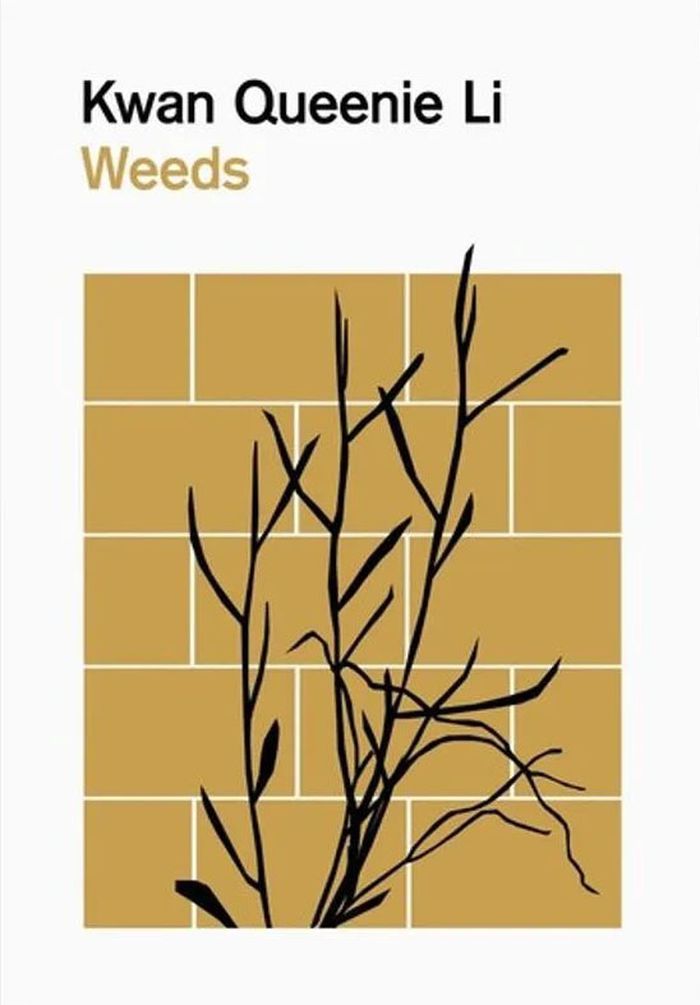
For over a decade, artist and theorist Kwan Queenie Li has been photographing weeds across the world. From Jerusalem to Shanghai, Varanasi to Athens, Cairo to Mexico City, she has trained her attention on these unintended but ubiquitous inhabitants of the contemporary urban sphere, finding them dwelling in corners and cracks, in spaces suspended between uses, in ruins and on construction sites. This essay in image and text proposes a new view of cities that learns from the weed's point of view, dissolving familiar categories and temporalities to see cities as evolving and often undefined spaces, replete with opportunity. Weeds organically defy phenomena that are taken for granted as immovable: walls, borders, history, and prescribed identities. They are registers of the real lives of cities of disuse and neglect, but also freedom and porousness. Out-of-place by definition, they offer a new perspective on the idea of "place" itself, and the ways it shapes and is shaped by its inhabitants.
Weeds: A germinating theory
Actions:
Price:
$45.00
(available in store)
Summary:
For over a decade, artist and theorist Kwan Queenie Li has been photographing weeds across the world. From Jerusalem to Shanghai, Varanasi to Athens, Cairo to Mexico City, she has trained her attention on these unintended but ubiquitous inhabitants of the contemporary urban sphere, finding them dwelling in corners and cracks, in spaces suspended between uses, in ruins and on construction sites. This essay in image and text proposes a new view of cities that learns from the weed's point of view, dissolving familiar categories and temporalities to see cities as evolving and often undefined spaces, replete with opportunity. Weeds organically defy phenomena that are taken for granted as immovable: walls, borders, history, and prescribed identities. They are registers of the real lives of cities of disuse and neglect, but also freedom and porousness. Out-of-place by definition, they offer a new perspective on the idea of "place" itself, and the ways it shapes and is shaped by its inhabitants.
Form:
books
books
Publication:
October 2025
October 2025
Subject:
Theory of Photography
Theory of Photography
Form:
books
books
Price:
$59.95
(available to order)
Summary:
Home is shaped by many factors: culture, region, environment, citizenship, economics, state of mind, and more. Edited by Alexandra Cunningham Cameron, Christina De León, and Michelle Joan Wilkinson, ''Making Home'' explores the diverse perspectives on home across the United States, US Territories, and Tribal Nations to reveal how design impacts this country, its value(...)
$59.95
(available to order)
Summary:
Home is shaped by many factors: culture, region, environment, citizenship, economics, state of mind, and more. Edited by Alexandra Cunningham Cameron, Christina De León, and Michelle Joan Wilkinson, ''Making Home'' explores the diverse perspectives on home across the United States, US Territories, and Tribal Nations to reveal how design impacts this country, its value(...)
Subject:
Architectural Theory
Architectural Theory
Publication:
April 2025
April 2025
Title:
Making home: Belonging, memory, and utopia in the 21st century
Actions:
Price:
$59.95
(available to order)
Summary:
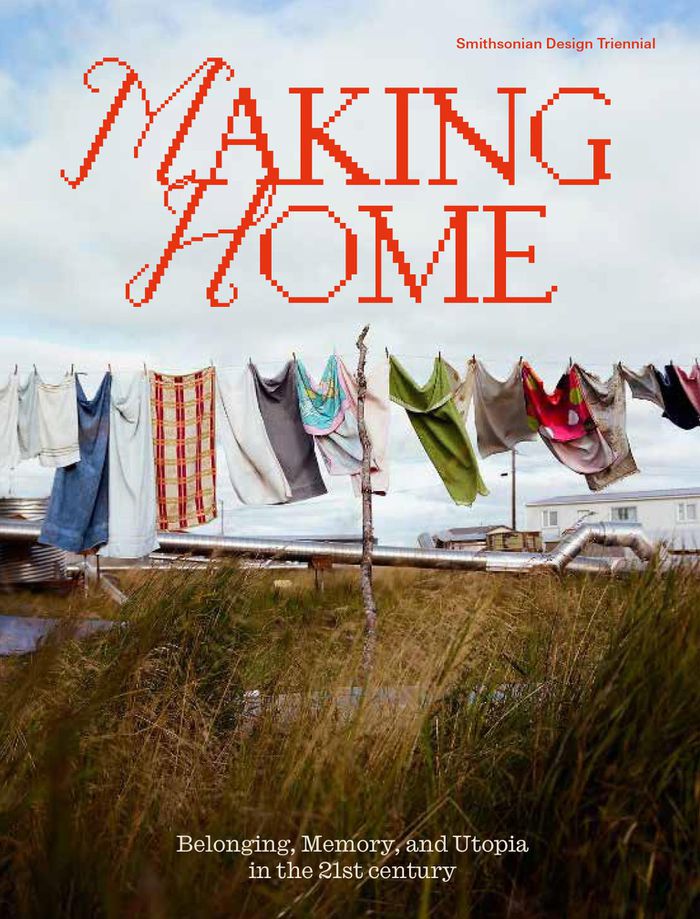
Home is shaped by many factors: culture, region, environment, citizenship, economics, state of mind, and more. Edited by Alexandra Cunningham Cameron, Christina De León, and Michelle Joan Wilkinson, ''Making Home'' explores the diverse perspectives on home across the United States, US Territories, and Tribal Nations to reveal how design impacts this country, its value systems, and the people who inhabit its landscapes. Positioning home not only as a place of dwelling but also as a complex and highly subjective ecosystem, contributors show h Probing urgent topics related to home such as colonialism, technological innovation, landscapes and the environment, and aesthetics and culture, ''Making Home'' uses the framework of design to pair investigative and practical analyses with imaginative and speculative ones. Contributors include designers, scholars, writers, artists, and critical thinkers across disciplines whose work and lived experiences illustrate specific circumstances that shape the contemporary home.ow notions of home resonate through private and public consciousness to inform the shared or conflicting histories that impact our country.
Making home: Belonging, memory, and utopia in the 21st century
Actions:
Price:
$59.95
(available to order)
Summary:
Home is shaped by many factors: culture, region, environment, citizenship, economics, state of mind, and more. Edited by Alexandra Cunningham Cameron, Christina De León, and Michelle Joan Wilkinson, ''Making Home'' explores the diverse perspectives on home across the United States, US Territories, and Tribal Nations to reveal how design impacts this country, its value systems, and the people who inhabit its landscapes. Positioning home not only as a place of dwelling but also as a complex and highly subjective ecosystem, contributors show h Probing urgent topics related to home such as colonialism, technological innovation, landscapes and the environment, and aesthetics and culture, ''Making Home'' uses the framework of design to pair investigative and practical analyses with imaginative and speculative ones. Contributors include designers, scholars, writers, artists, and critical thinkers across disciplines whose work and lived experiences illustrate specific circumstances that shape the contemporary home.ow notions of home resonate through private and public consciousness to inform the shared or conflicting histories that impact our country.
Form:
books
books
Publication:
April 2025
April 2025
Subject:
Architectural Theory
Architectural Theory
Form:
books
books
Actions:
Price:
$73.50
(available to order)
Summary:
WOJR: Organization for Architecture is an innovative group of designers based in Cambridge, Massachusetts, who are committed to the idea of architecture as a form of cultural production, engaging the intersections of art, architecture, and urbanism. With this idea at its foundation, Room for Artifacts contains a collection of sixteen architectural artifacts designed by(...)
$73.50
(available to order)
Summary:
WOJR: Organization for Architecture is an innovative group of designers based in Cambridge, Massachusetts, who are committed to the idea of architecture as a form of cultural production, engaging the intersections of art, architecture, and urbanism. With this idea at its foundation, Room for Artifacts contains a collection of sixteen architectural artifacts designed by(...)
Title:
Room for artifacts: the architecture of WOJR
Actions:
Price:
$73.50
(available to order)
Summary:
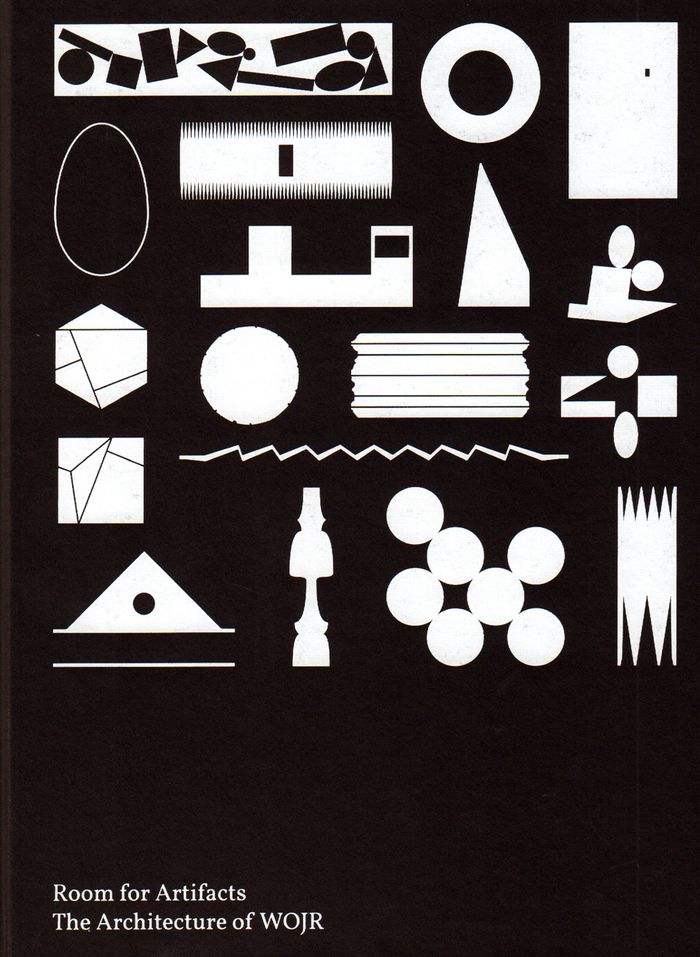
WOJR: Organization for Architecture is an innovative group of designers based in Cambridge, Massachusetts, who are committed to the idea of architecture as a form of cultural production, engaging the intersections of art, architecture, and urbanism. With this idea at its foundation, Room for Artifacts contains a collection of sixteen architectural artifacts designed by WOJR—a mask, a church, a labyrinth, a dwelling, a bust, and a series of totems, among others. The artifacts are presented three times throughout the book—in conceptual drawings, architectural drawings, and images. Certain characteristics recur, such as symmetry, frontality, figurality, proportionality, and play between flatness and depth, underscoring WOJR’s preoccupation with the fundamental aspects of architectural form that are rich in historical precedent. Room for Artifacts offers a new way to explore the role of architectural representation in a contemporary context, looking at how architects can invoke aspects of ideologies from architects of the past while establishing a progressive agenda for a forward-looking body of work.
Room for artifacts: the architecture of WOJR
Actions:
Price:
$73.50
(available to order)
Summary:
WOJR: Organization for Architecture is an innovative group of designers based in Cambridge, Massachusetts, who are committed to the idea of architecture as a form of cultural production, engaging the intersections of art, architecture, and urbanism. With this idea at its foundation, Room for Artifacts contains a collection of sixteen architectural artifacts designed by WOJR—a mask, a church, a labyrinth, a dwelling, a bust, and a series of totems, among others. The artifacts are presented three times throughout the book—in conceptual drawings, architectural drawings, and images. Certain characteristics recur, such as symmetry, frontality, figurality, proportionality, and play between flatness and depth, underscoring WOJR’s preoccupation with the fundamental aspects of architectural form that are rich in historical precedent. Room for Artifacts offers a new way to explore the role of architectural representation in a contemporary context, looking at how architects can invoke aspects of ideologies from architects of the past while establishing a progressive agenda for a forward-looking body of work.
Form:
books
books
Publication:
October 2016
October 2016
Subject:
Architecture Monographs
Architecture Monographs
Form:
books
books
Title:
Le Corbusier
Le Corbusier
Actions:
Price:
$22.99
(available to order)
Summary:
Le Corbusier is probably the most famous and certainly the most controversial architect of the twentieth century. His impact on the urban fabric around us and on the way we live has been gigantic because of the richness and variety of his work and his(...)
$22.99
(available to order)
Summary:
Le Corbusier is probably the most famous and certainly the most controversial architect of the twentieth century. His impact on the urban fabric around us and on the way we live has been gigantic because of the richness and variety of his work and his(...)
Title:
Le Corbusier
Actions:
Price:
$22.99
(available to order)
Summary:
Le Corbusier is probably the most famous and certainly the most controversial architect of the twentieth century. His impact on the urban fabric around us and on the way we live has been gigantic because of the richness and variety of his work and his passionately expressed philosophy of architecture. Weaving through his long and prolific life are certain recurrent themes — his perennial drive toward new types of dwelling, from the early white villas to the U'ité d'Habitation at Marseille; his evolving concepts of urban form, including the Plan Voisin of 1925 with its cruciform towers imposed on the city of Paris and his work at Chandigarh in India; and his belief in a new technocratic order. The distinguished critic and historian Kenneth Frampton reexamines all these facets of his artistic and philosophical worldview in the light of recent discoveries, and presents us with a Le Corbusier for the twenty-first century.
Le Corbusier
Actions:
Price:
$22.99
(available to order)
Summary:
Le Corbusier is probably the most famous and certainly the most controversial architect of the twentieth century. His impact on the urban fabric around us and on the way we live has been gigantic because of the richness and variety of his work and his passionately expressed philosophy of architecture. Weaving through his long and prolific life are certain recurrent themes — his perennial drive toward new types of dwelling, from the early white villas to the U'ité d'Habitation at Marseille; his evolving concepts of urban form, including the Plan Voisin of 1925 with its cruciform towers imposed on the city of Paris and his work at Chandigarh in India; and his belief in a new technocratic order. The distinguished critic and historian Kenneth Frampton reexamines all these facets of his artistic and philosophical worldview in the light of recent discoveries, and presents us with a Le Corbusier for the twenty-first century.
Form:
books
books
Publication:
June 2001, London
June 2001, London
Subject:
Architecture Monographs
Architecture Monographs
Form:
books
books
Actions:
Price:
$178.50
(available to order)
Summary:
Today, contemporary landscape design is increasingly drawing from ideas of sustainability and ecological stability. Not in fact new, the foundations of this approach stem from early twentieth century Germany, where architects and planners were already beginning to use the design concepts which are now referred to as "green." This ecological school of thought was(...)
$178.50
(available to order)
Summary:
Today, contemporary landscape design is increasingly drawing from ideas of sustainability and ecological stability. Not in fact new, the foundations of this approach stem from early twentieth century Germany, where architects and planners were already beginning to use the design concepts which are now referred to as "green." This ecological school of thought was(...)
Title:
When modern was green : life and work of landscape architect Leberecht Migge
Actions:
Price:
$178.50
(available to order)
Summary:
Today, contemporary landscape design is increasingly drawing from ideas of sustainability and ecological stability. Not in fact new, the foundations of this approach stem from early twentieth century Germany, where architects and planners were already beginning to use the design concepts which are now referred to as "green." This ecological school of thought was driven by modernist landscape architect Leberecht Migge (1881-1935). Working with significant modernist architects of the age including Martin Elsaesser, Ernst May, Bruno Taut, and Martin Wagner Migge was responsible for some of the most important housing and planning projects of the age; the mass housing settlements, or Gro siedlungen, of Frankfurt Main and Berlin. Using "biotechnic" principles to integrally link dwelling and garden, Migge was able to recycle household waste to grow foodstuffs through the use of innovative infrastructure and open space planning. Also a skilled park and garden designer, he drew together green and architectural elements in his "garden-architectonic" approach.
When modern was green : life and work of landscape architect Leberecht Migge
Actions:
Price:
$178.50
(available to order)
Summary:
Today, contemporary landscape design is increasingly drawing from ideas of sustainability and ecological stability. Not in fact new, the foundations of this approach stem from early twentieth century Germany, where architects and planners were already beginning to use the design concepts which are now referred to as "green." This ecological school of thought was driven by modernist landscape architect Leberecht Migge (1881-1935). Working with significant modernist architects of the age including Martin Elsaesser, Ernst May, Bruno Taut, and Martin Wagner Migge was responsible for some of the most important housing and planning projects of the age; the mass housing settlements, or Gro siedlungen, of Frankfurt Main and Berlin. Using "biotechnic" principles to integrally link dwelling and garden, Migge was able to recycle household waste to grow foodstuffs through the use of innovative infrastructure and open space planning. Also a skilled park and garden designer, he drew together green and architectural elements in his "garden-architectonic" approach.
Form:
books
books
Publication:
April 2012
April 2012
Subject:
Architecture Monographs
Architecture Monographs
Form:
books
books
Actions:
Price:
$44.95
(available to order)
Summary:
Today, one in five homeowners in American cities and suburbs lives in a multifamily home rather than a single-family dwelling. As the American dream evolves, precipitated by declining real estate prices and a renewed interest in city living, many predict that condos will become the predominant form of housing in the 21st century. In this unprecedented study Matthew Gordon(...)
$44.95
(available to order)
Summary:
Today, one in five homeowners in American cities and suburbs lives in a multifamily home rather than a single-family dwelling. As the American dream evolves, precipitated by declining real estate prices and a renewed interest in city living, many predict that condos will become the predominant form of housing in the 21st century. In this unprecedented study Matthew Gordon(...)
Title:
High life : condo living in the suburban century
Actions:
Price:
$44.95
(available to order)
Summary:
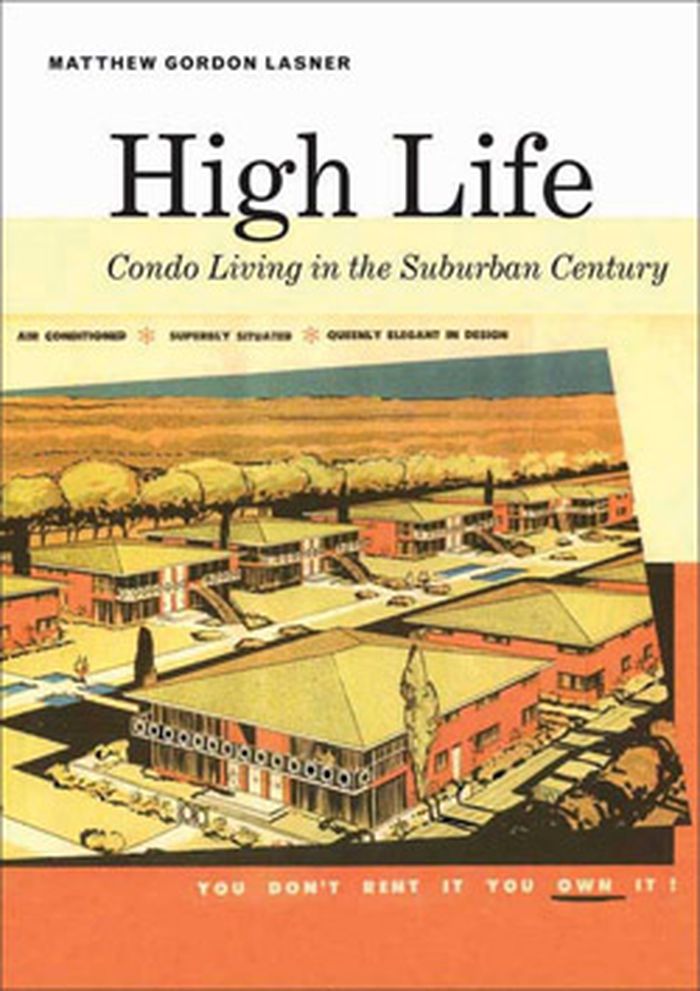
Today, one in five homeowners in American cities and suburbs lives in a multifamily home rather than a single-family dwelling. As the American dream evolves, precipitated by declining real estate prices and a renewed interest in city living, many predict that condos will become the predominant form of housing in the 21st century. In this unprecedented study Matthew Gordon Lasner explores the history of co-owned multifamily housing in the United States, from New York City's first co-op, in 1881, to contemporary condo and townhouse complexes coast to coast. Lasner explains the complicated social, economic, and political factors that have increased demand for this way of living, situating the trend within the larger housing market and broad shifts in residential architecture. He contrasts the prevalence and popularity of condos, townhouses, and other privately governed communities with their ambiguous economic, legal, and social standing, as well as their striking absence from urban and architectural history.
High life : condo living in the suburban century
Actions:
Price:
$44.95
(available to order)
Summary:
Today, one in five homeowners in American cities and suburbs lives in a multifamily home rather than a single-family dwelling. As the American dream evolves, precipitated by declining real estate prices and a renewed interest in city living, many predict that condos will become the predominant form of housing in the 21st century. In this unprecedented study Matthew Gordon Lasner explores the history of co-owned multifamily housing in the United States, from New York City's first co-op, in 1881, to contemporary condo and townhouse complexes coast to coast. Lasner explains the complicated social, economic, and political factors that have increased demand for this way of living, situating the trend within the larger housing market and broad shifts in residential architecture. He contrasts the prevalence and popularity of condos, townhouses, and other privately governed communities with their ambiguous economic, legal, and social standing, as well as their striking absence from urban and architectural history.
Form:
books
books
Publication:
October 2012
October 2012
Subject:
Architectural Theory
Architectural Theory
Form:
books
books
Price:
$24.95
(available in store)
Summary:
"Le point de départ du masque Lancaster / Hanover est l'espace, dans le sens le plus large du mot, d'une Communauté Fermière et le fait de conjurer (comme la danse rituelle) cet espace à l'aide d'un nombre de 'sujets' et de leurs 'objets' respectifs qui dénotent ce 'lieu d'habitation' imaginaire. C'est l'espace-habitation d'une communauté, conjuré dans l'autonomie d'un(...)
$24.95
(available in store)
Summary:
"Le point de départ du masque Lancaster / Hanover est l'espace, dans le sens le plus large du mot, d'une Communauté Fermière et le fait de conjurer (comme la danse rituelle) cet espace à l'aide d'un nombre de 'sujets' et de leurs 'objets' respectifs qui dénotent ce 'lieu d'habitation' imaginaire. C'est l'espace-habitation d'une communauté, conjuré dans l'autonomie d'un(...)
Title:
John Hejduk: The Lancaster/Hanover Masque, le Masque Lancaster/Hanover
Actions:
Price:
$24.95
(available in store)
Summary:
"Le point de départ du masque Lancaster / Hanover est l'espace, dans le sens le plus large du mot, d'une Communauté Fermière et le fait de conjurer (comme la danse rituelle) cet espace à l'aide d'un nombre de 'sujets' et de leurs 'objets' respectifs qui dénotent ce 'lieu d'habitation' imaginaire. C'est l'espace-habitation d'une communauté, conjuré dans l'autonomie d'un jeu théâtrale et architectonique." Avec une préface de Phyllis Lambert et un essai de Wim van der Bergh. "The point of departure for the Lancaster/Hanover Masque is the space of a Rural Farm Community and the process of 'spell-binding' the space (as in a ritual dance) by means of a number of 'subjects' and corresponding 'objects' which denote this imaginary habitat. It is the simulated living-dwelling space of a community spell-bound in the autonomy of a theatrical/architectural play." With a preface by Phyllis Lambert and an essay by Wim van der Bergh.
John Hejduk: The Lancaster/Hanover Masque, le Masque Lancaster/Hanover
Actions:
Price:
$24.95
(available in store)
Summary:
"Le point de départ du masque Lancaster / Hanover est l'espace, dans le sens le plus large du mot, d'une Communauté Fermière et le fait de conjurer (comme la danse rituelle) cet espace à l'aide d'un nombre de 'sujets' et de leurs 'objets' respectifs qui dénotent ce 'lieu d'habitation' imaginaire. C'est l'espace-habitation d'une communauté, conjuré dans l'autonomie d'un jeu théâtrale et architectonique." Avec une préface de Phyllis Lambert et un essai de Wim van der Bergh. "The point of departure for the Lancaster/Hanover Masque is the space of a Rural Farm Community and the process of 'spell-binding' the space (as in a ritual dance) by means of a number of 'subjects' and corresponding 'objects' which denote this imaginary habitat. It is the simulated living-dwelling space of a community spell-bound in the autonomy of a theatrical/architectural play." With a preface by Phyllis Lambert and an essay by Wim van der Bergh.
Form:
books
books
Publication:
March 1992, Montréal / London / New York
March 1992, Montréal / London / New York
Subject:
CCA Publications
CCA Publications
Form:
books
books
Actions:
Price:
$42.00
(available to order)
Summary:
''Escapology: modern cabins, cottages and retreats'' is a book of modern-day retreats - bucolic weekend escapes by the sea, remote getaways in the woods, and rustic mountain hideouts - to inspire peaceful and quiet living. The authors genuinely believe that cabin time has a remarkably positive impact on our health, wellbeing and our happiness. Whether it's a rustic(...)
$42.00
(available to order)
Summary:
''Escapology: modern cabins, cottages and retreats'' is a book of modern-day retreats - bucolic weekend escapes by the sea, remote getaways in the woods, and rustic mountain hideouts - to inspire peaceful and quiet living. The authors genuinely believe that cabin time has a remarkably positive impact on our health, wellbeing and our happiness. Whether it's a rustic(...)
Title:
Escapology: modern cabins, cottages and retreats
Actions:
Price:
$42.00
(available to order)
Summary:
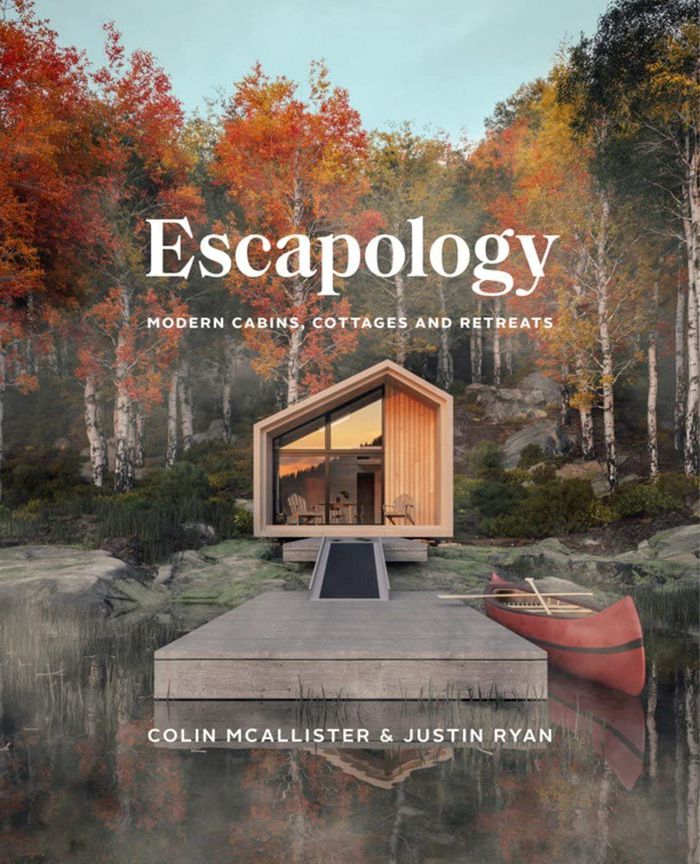
''Escapology: modern cabins, cottages and retreats'' is a book of modern-day retreats - bucolic weekend escapes by the sea, remote getaways in the woods, and rustic mountain hideouts - to inspire peaceful and quiet living. The authors genuinely believe that cabin time has a remarkably positive impact on our health, wellbeing and our happiness. Whether it's a rustic cottage nestled deep within a Nordic forest, a robust mountain lodge in Montana, a breathtaking treehouse in Canada, or a steel-walled, one-room "hotel" in Denmark, these retreats share one vital aspect in common: they proffer the chance to escape and to and live in harmony with nature, far from the madding crowd. Part style bible and lifestyle manual, the book features a collection of classic and contemporary cottages and cabins, each accompanied by an informative design profile and photographed images. You'll find relevant information about different types of dwelling styles, builds, sustainability/off-grid living, tiny homes, renovation on a budget, room zonings, decor and everything in between.
Escapology: modern cabins, cottages and retreats
Actions:
Price:
$42.00
(available to order)
Summary:
''Escapology: modern cabins, cottages and retreats'' is a book of modern-day retreats - bucolic weekend escapes by the sea, remote getaways in the woods, and rustic mountain hideouts - to inspire peaceful and quiet living. The authors genuinely believe that cabin time has a remarkably positive impact on our health, wellbeing and our happiness. Whether it's a rustic cottage nestled deep within a Nordic forest, a robust mountain lodge in Montana, a breathtaking treehouse in Canada, or a steel-walled, one-room "hotel" in Denmark, these retreats share one vital aspect in common: they proffer the chance to escape and to and live in harmony with nature, far from the madding crowd. Part style bible and lifestyle manual, the book features a collection of classic and contemporary cottages and cabins, each accompanied by an informative design profile and photographed images. You'll find relevant information about different types of dwelling styles, builds, sustainability/off-grid living, tiny homes, renovation on a budget, room zonings, decor and everything in between.
Form:
books
books
Publication:
October 2020
October 2020
Subject:
Residential Architecture
Residential Architecture


