


5771 Results
Form:
journals and magazines
journals and magazines

Actions:
Price:
$40.00
(available to order)
Summary:
The latest issue is now available at the bookstore. / Le nouveau numéro est maintenant disponible à la librairie.
$40.00
(available to order)
Summary:
The latest issue is now available at the bookstore. / Le nouveau numéro est maintenant disponible à la librairie.
Title:
A'A' 444 : l'architecture d'aujourd'hui
Actions:
Price:
$40.00
(available to order)
Summary:
The latest issue is now available at the bookstore. / Le nouveau numéro est maintenant disponible à la librairie.
A'A' 444 : l'architecture d'aujourd'hui
Actions:
Price:
$40.00
(available to order)
Summary:
The latest issue is now available at the bookstore. / Le nouveau numéro est maintenant disponible à la librairie.
Form:
journals and magazines
journals and magazines
Publication:
October 2021
October 2021
Subject:
Magazines
Magazines
Form:
journals and magazines
journals and magazines

Title:
CV 118 Ciel Variable
CV 118 Ciel Variable
Actions:
Price:
$12.50
(available to order)
Summary:
Le nouveau numéro est maintenant disponible à la librairie.
$12.50
(available to order)
Summary:
Le nouveau numéro est maintenant disponible à la librairie.
Title:
CV 118 Ciel Variable
Actions:
Price:
$12.50
(available to order)
Summary:
Le nouveau numéro est maintenant disponible à la librairie.
CV 118 Ciel Variable
Actions:
Price:
$12.50
(available to order)
Summary:
Le nouveau numéro est maintenant disponible à la librairie.
Form:
journals and magazines
journals and magazines
Publication:
October 2021
October 2021
Subject:
Magazines
Magazines
Form:
journals and magazines
journals and magazines
Title:
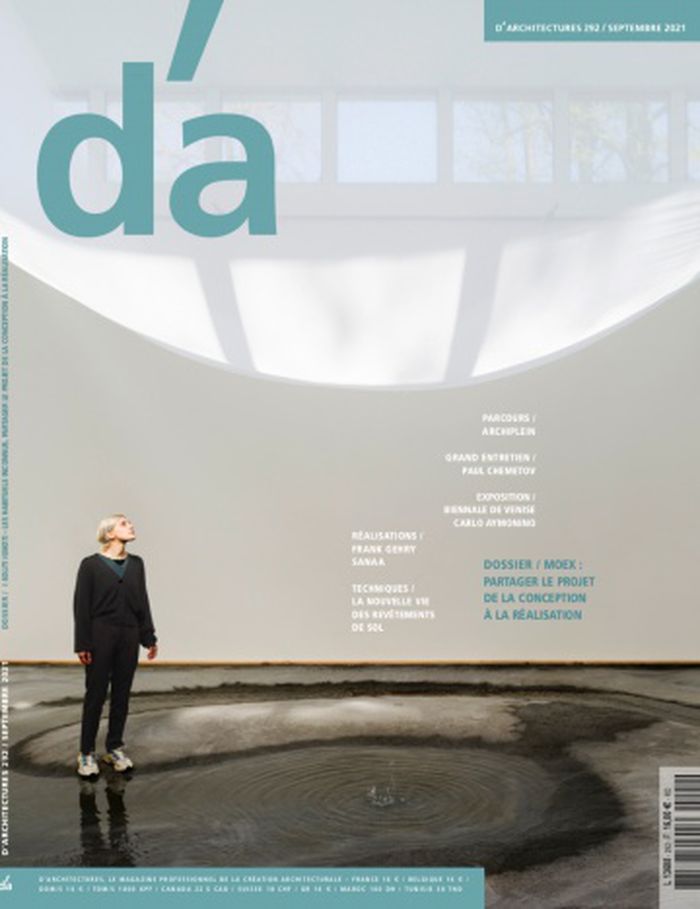
D'a (D'architectures) 291
D'a (D'architectures) 291
Actions:
Price:
$22.00
(available to order)
Summary:
Le nouveau numéro est maintenant disponible à la librairie.
$22.00
(available to order)
Summary:
Le nouveau numéro est maintenant disponible à la librairie.
Title:
D'a (D'architectures) 291
Actions:
Price:
$22.00
(available to order)
Summary:
Le nouveau numéro est maintenant disponible à la librairie.
D'a (D'architectures) 291
Actions:
Price:
$22.00
(available to order)
Summary:
Le nouveau numéro est maintenant disponible à la librairie.
Form:
journals and magazines
journals and magazines
Publication:
July 2021
July 2021
Subject:
Magazines
Magazines
Form:
journals and magazines
journals and magazines
Actions:
Price:
$46.75
(available to order)
Summary:
The latest issue is now available at the bookstore.
$46.75
(available to order)
Summary:
The latest issue is now available at the bookstore.
Title:
The Architectural Review 1484
Actions:
Price:
$46.75
(available to order)
Summary:
The latest issue is now available at the bookstore.
The Architectural Review 1484
Actions:
Price:
$46.75
(available to order)
Summary:
The latest issue is now available at the bookstore.
Form:
journals and magazines
journals and magazines
Publication:
September 2021
September 2021
Subject:
Magazines
Magazines
Form:
journals and magazines
journals and magazines
Actions:
Price:
$9.00
(available to order)
Summary:
Le nouveau numéro est maintenant disponible à la librairie.
$9.00
(available to order)
Summary:
Le nouveau numéro est maintenant disponible à la librairie.
Title:
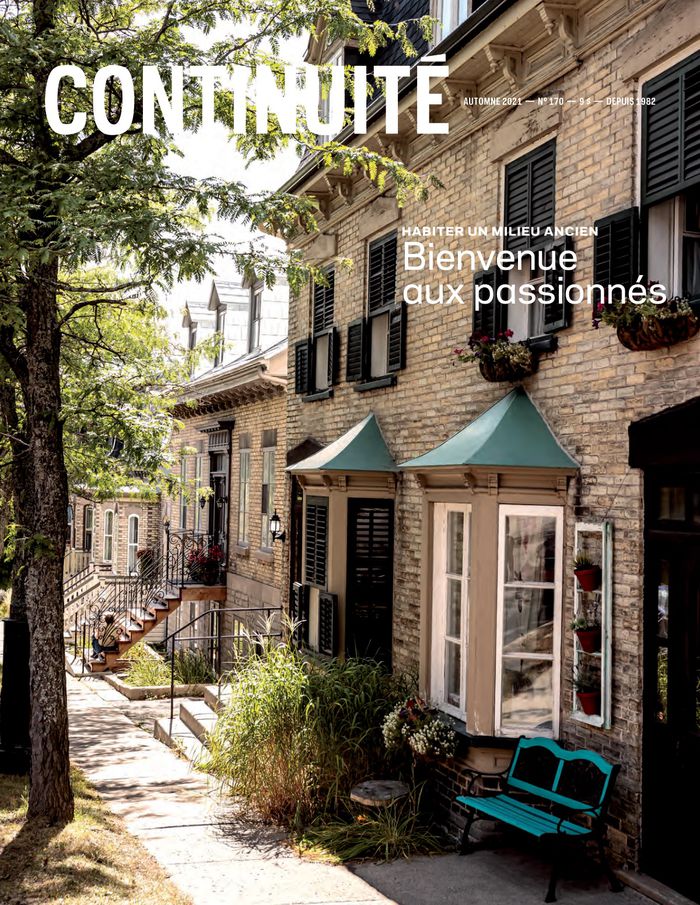
Continuité 170 : Bienvenue aux passionnés
Actions:
Price:
$9.00
(available to order)
Summary:
Le nouveau numéro est maintenant disponible à la librairie.
Continuité 170 : Bienvenue aux passionnés
Actions:
Price:
$9.00
(available to order)
Summary:
Le nouveau numéro est maintenant disponible à la librairie.
Form:
journals and magazines
journals and magazines
Publication:
October 2021
October 2021
Subject:
Magazines
Magazines
Form:
journals and magazines
journals and magazines
Actions:
Price:
$52.95
(available in store)
Summary:
This issue showcases new urban housing projects paired with commentary their designers. Essays by Teppei Fujiwara, and Masatake Shinohara opens the publication. The Japan Architect showcases contemporary Japanese architecture with in-depth commentary on the theoretical history and context of the projects. It is organized with an emphasis on developments originating in Japan.
$52.95
(available in store)
Summary:
This issue showcases new urban housing projects paired with commentary their designers. Essays by Teppei Fujiwara, and Masatake Shinohara opens the publication. The Japan Architect showcases contemporary Japanese architecture with in-depth commentary on the theoretical history and context of the projects. It is organized with an emphasis on developments originating in Japan.
Title:
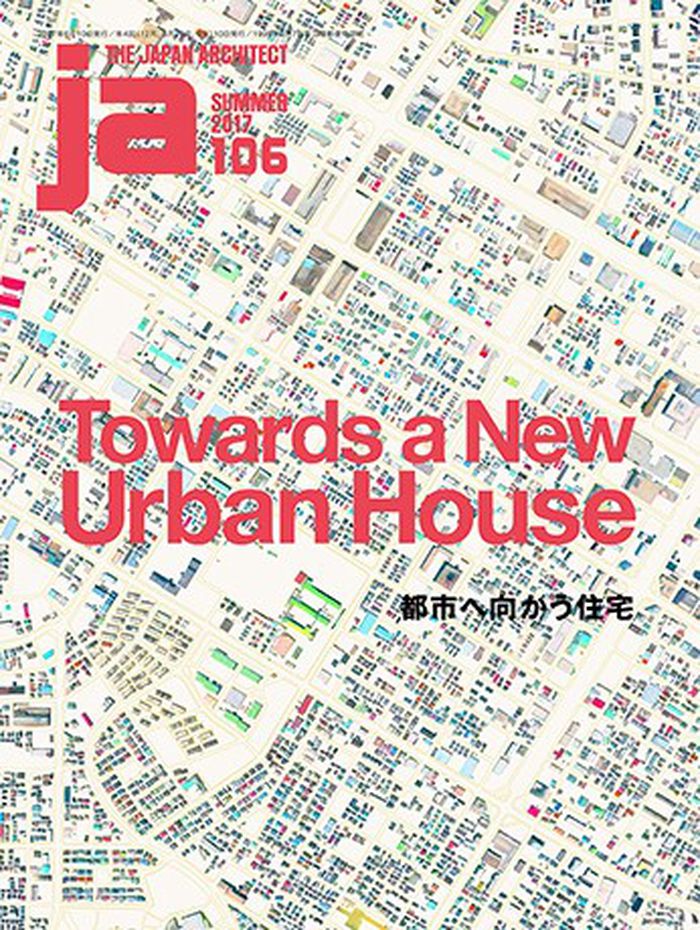
JA 106: Towards a new urban house. Summer 2017
Actions:
Price:
$52.95
(available in store)
Summary:
This issue showcases new urban housing projects paired with commentary their designers. Essays by Teppei Fujiwara, and Masatake Shinohara opens the publication. The Japan Architect showcases contemporary Japanese architecture with in-depth commentary on the theoretical history and context of the projects. It is organized with an emphasis on developments originating in Japan.
JA 106: Towards a new urban house. Summer 2017
Actions:
Price:
$52.95
(available in store)
Summary:
This issue showcases new urban housing projects paired with commentary their designers. Essays by Teppei Fujiwara, and Masatake Shinohara opens the publication. The Japan Architect showcases contemporary Japanese architecture with in-depth commentary on the theoretical history and context of the projects. It is organized with an emphasis on developments originating in Japan.
Form:
journals and magazines
journals and magazines
Publication:
October 2017
October 2017
Subject:
Magazines
Magazines
Form:
journals and magazines
journals and magazines
Actions:
Price:
$49.65
(available to order)
Summary:
The Industrial Revolution caused a paradigm shift from an agrarian economy to a manufacturing economy, giving birth to the industrial city. ‘City’ became synonymous with a concentration of factories causing unfiltered scenes between centres of production and urban dwellings. The corrupted image of the city ultimately led to the displacement and separation of production(...)
$49.65
(available to order)
Summary:
The Industrial Revolution caused a paradigm shift from an agrarian economy to a manufacturing economy, giving birth to the industrial city. ‘City’ became synonymous with a concentration of factories causing unfiltered scenes between centres of production and urban dwellings. The corrupted image of the city ultimately led to the displacement and separation of production(...)
Title:
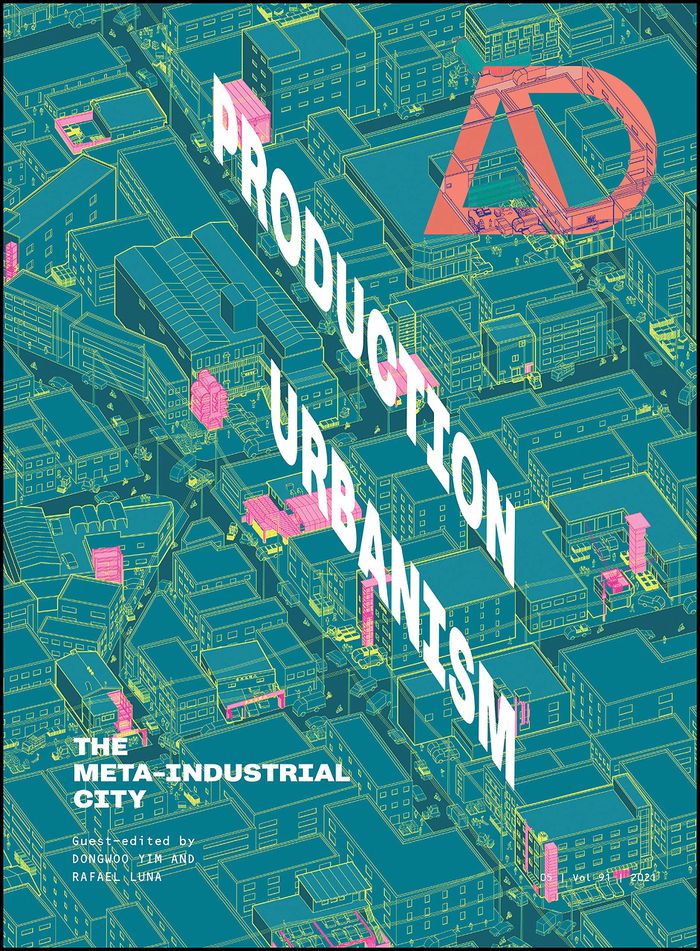
AD Production urbanism: The meta industrial city
Actions:
Price:
$49.65
(available to order)
Summary:
The Industrial Revolution caused a paradigm shift from an agrarian economy to a manufacturing economy, giving birth to the industrial city. ‘City’ became synonymous with a concentration of factories causing unfiltered scenes between centres of production and urban dwellings. The corrupted image of the city ultimately led to the displacement and separation of production away from residential zones in the 20th century. However, new innovative manufacturing technologies are allowing a coexistence between factories and dwellings through hybrid typologies that blend production back into the urban fabric. This AD issue discusses the implications of the re-emergence of production as an architectural and urban agenda through hybrid models that engage a new socioeconomic shift. Given the contemporary circumstances of a global pandemic affecting global supply chains, it is necessary to deliver a vision for a new productive urbanism that allows autonomous circular economies to flourish. Our 21st-century cities have an obligation to explore a new industrial revolution of shared economies that optimise the use of the legacy systems, infrastructure and building stock. Yet it is ultimately up to architecture to take arms in delivering new typologies.
AD Production urbanism: The meta industrial city
Actions:
Price:
$49.65
(available to order)
Summary:
The Industrial Revolution caused a paradigm shift from an agrarian economy to a manufacturing economy, giving birth to the industrial city. ‘City’ became synonymous with a concentration of factories causing unfiltered scenes between centres of production and urban dwellings. The corrupted image of the city ultimately led to the displacement and separation of production away from residential zones in the 20th century. However, new innovative manufacturing technologies are allowing a coexistence between factories and dwellings through hybrid typologies that blend production back into the urban fabric. This AD issue discusses the implications of the re-emergence of production as an architectural and urban agenda through hybrid models that engage a new socioeconomic shift. Given the contemporary circumstances of a global pandemic affecting global supply chains, it is necessary to deliver a vision for a new productive urbanism that allows autonomous circular economies to flourish. Our 21st-century cities have an obligation to explore a new industrial revolution of shared economies that optimise the use of the legacy systems, infrastructure and building stock. Yet it is ultimately up to architecture to take arms in delivering new typologies.
Form:
journals and magazines
journals and magazines
Publication:
October 2021
October 2021
Subject:
Magazines
Magazines
Form:
journals and magazines
journals and magazines

Actions:
Price:
$54.50
(available to order)
Summary:
The history of architecture can not only be read as an accumulation of buildings and designs, but also as a pendulum movement between the appreciation and the rejection of projects, oeuvres, and positions, driven by varying arguments. In addition to conventional general publications, reviews in professional journals and criticism in magazines, other media increasingly(...)
$54.50
(available to order)
Summary:
The history of architecture can not only be read as an accumulation of buildings and designs, but also as a pendulum movement between the appreciation and the rejection of projects, oeuvres, and positions, driven by varying arguments. In addition to conventional general publications, reviews in professional journals and criticism in magazines, other media increasingly(...)
Title:
OASE 108 Ups and downs: reception histories in architecture
Actions:
Price:
$54.50
(available to order)
Summary:
The history of architecture can not only be read as an accumulation of buildings and designs, but also as a pendulum movement between the appreciation and the rejection of projects, oeuvres, and positions, driven by varying arguments. In addition to conventional general publications, reviews in professional journals and criticism in magazines, other media increasingly play a part. Oeuvres and projects are subject to trends, to waves of appreciation by audiences and critics. This issue investigates how changing appreciations can act as productive misunderstandings and as levers that can take architecture criticism a step forward.
OASE 108 Ups and downs: reception histories in architecture
Actions:
Price:
$54.50
(available to order)
Summary:
The history of architecture can not only be read as an accumulation of buildings and designs, but also as a pendulum movement between the appreciation and the rejection of projects, oeuvres, and positions, driven by varying arguments. In addition to conventional general publications, reviews in professional journals and criticism in magazines, other media increasingly play a part. Oeuvres and projects are subject to trends, to waves of appreciation by audiences and critics. This issue investigates how changing appreciations can act as productive misunderstandings and as levers that can take architecture criticism a step forward.
Form:
journals and magazines
journals and magazines
Publication:
August 2021
August 2021
Subject:
Magazines
Magazines
Form:
journals and magazines
journals and magazines
Title:
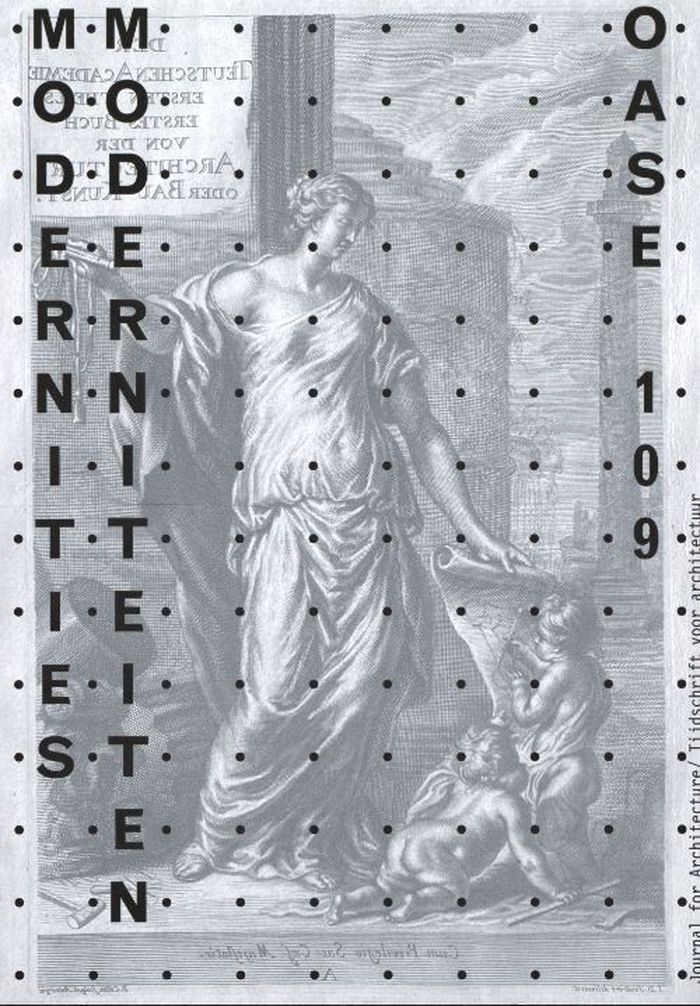
OASE 109: Modernities
OASE 109: Modernities
Actions:
Price:
$54.50
(available to order)
Summary:
The history of architecture is often read in terms of periods that each have their own zeitgeist and movements that each have their own architectural language. What happens if we depart from this zeitgeist concept and use a cyclical history model instead? In the 1970s and 1980s, this question was usually considered from the seemingly mutually exclusive points of view of(...)
$54.50
(available to order)
Summary:
The history of architecture is often read in terms of periods that each have their own zeitgeist and movements that each have their own architectural language. What happens if we depart from this zeitgeist concept and use a cyclical history model instead? In the 1970s and 1980s, this question was usually considered from the seemingly mutually exclusive points of view of(...)
Subject:
Magazines
Magazines
Publication:
November 2021
November 2021
Title:
OASE 109: Modernities
Actions:
Price:
$54.50
(available to order)
Summary:
The history of architecture is often read in terms of periods that each have their own zeitgeist and movements that each have their own architectural language. What happens if we depart from this zeitgeist concept and use a cyclical history model instead? In the 1970s and 1980s, this question was usually considered from the seemingly mutually exclusive points of view of the modern, the anti-modern and the postmodern positions. Over the past two decades, contemporary European architecture developed a different frame of reference, one in which the horizon is no longer provided by the architecture of the modern movement. This issue traces how, against the background of this broadening frame of reference, a different understanding of modernity emerged.
OASE 109: Modernities
Actions:
Price:
$54.50
(available to order)
Summary:
The history of architecture is often read in terms of periods that each have their own zeitgeist and movements that each have their own architectural language. What happens if we depart from this zeitgeist concept and use a cyclical history model instead? In the 1970s and 1980s, this question was usually considered from the seemingly mutually exclusive points of view of the modern, the anti-modern and the postmodern positions. Over the past two decades, contemporary European architecture developed a different frame of reference, one in which the horizon is no longer provided by the architecture of the modern movement. This issue traces how, against the background of this broadening frame of reference, a different understanding of modernity emerged.
Form:
journals and magazines
journals and magazines
Publication:
November 2021
November 2021
Subject:
Magazines
Magazines
Form:
journals and magazines
journals and magazines
Actions:
Price:
$33.00
(available to order)
Summary:
In July, Melbourne experienced a second wave of the virus and the introduction of further restrictions forced the city to a standstill. Workplaces, student accommodation and universities remained empty as local businesses were also required to close their premises. During this period, we witnessed public housing residents forcibly contained to several inner-city housing(...)
$33.00
(available to order)
Summary:
In July, Melbourne experienced a second wave of the virus and the introduction of further restrictions forced the city to a standstill. Workplaces, student accommodation and universities remained empty as local businesses were also required to close their premises. During this period, we witnessed public housing residents forcibly contained to several inner-city housing(...)
Title:
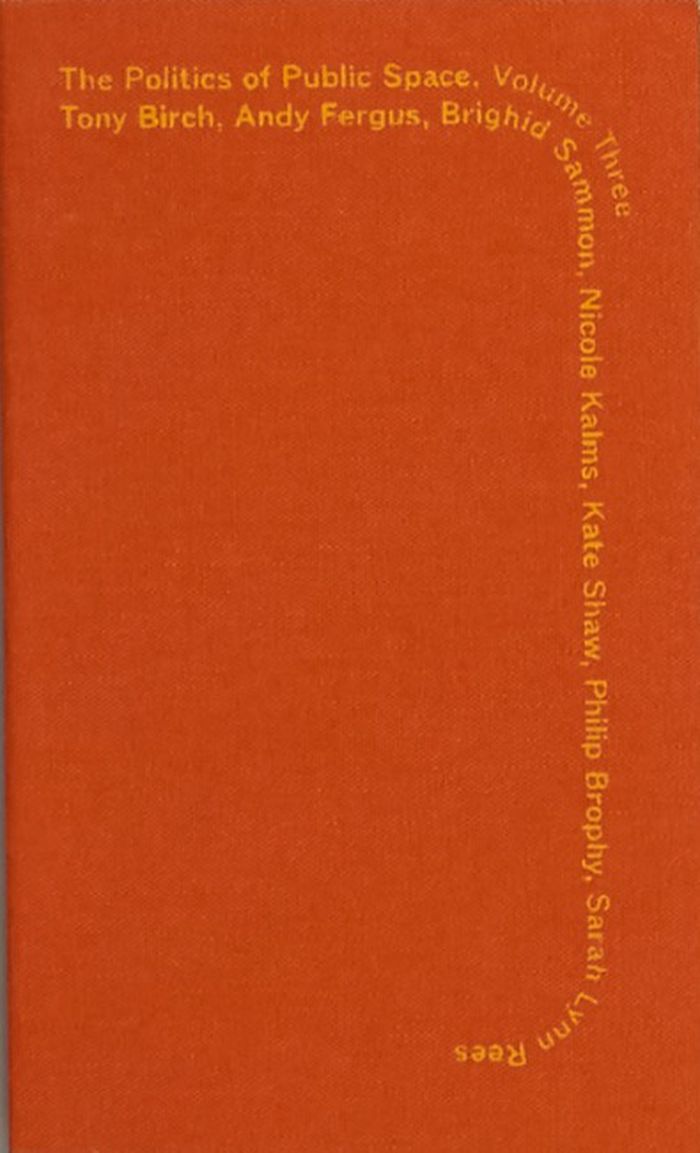
Politics of public space, Volume 3
Actions:
Price:
$33.00
(available to order)
Summary:
In July, Melbourne experienced a second wave of the virus and the introduction of further restrictions forced the city to a standstill. Workplaces, student accommodation and universities remained empty as local businesses were also required to close their premises. During this period, we witnessed public housing residents forcibly contained to several inner-city housing towers, and a small minority of anti-lockdown protestors used the Shrine of Remembrance as the backdrop for a supposed symbol of individual freedom. The structures of the state, city and its residents were again laid bare. This volume addresses many of these issues by gathering talks held prior to the pandemic alongside recent interviews. Kate Shaw shows how the recent lockdown of the housing towers in Flemington and North Melbourne reveals the government's underlying attitude towards public housing tenants. Tony Birch used the Shrine of Remembrance as the site for his talk on the Indigenous protest movement Camp Sovereignty and the significance of monuments in shaping collective values. Nicole Kalms outlines the experiences of women in Melbourne's public spaces through data gathered by XYX Lab. Sarah Lynn Rees discusses the complexities of engaging and working respectfully with Traditional Owners when intervening in the built environment. Andy Fergus & Brighid Sammon expose the failings of planning in the modern development of Melbourne, and Philip Brophy declares the general failings of the built environment profession at large.
Politics of public space, Volume 3
Actions:
Price:
$33.00
(available to order)
Summary:
In July, Melbourne experienced a second wave of the virus and the introduction of further restrictions forced the city to a standstill. Workplaces, student accommodation and universities remained empty as local businesses were also required to close their premises. During this period, we witnessed public housing residents forcibly contained to several inner-city housing towers, and a small minority of anti-lockdown protestors used the Shrine of Remembrance as the backdrop for a supposed symbol of individual freedom. The structures of the state, city and its residents were again laid bare. This volume addresses many of these issues by gathering talks held prior to the pandemic alongside recent interviews. Kate Shaw shows how the recent lockdown of the housing towers in Flemington and North Melbourne reveals the government's underlying attitude towards public housing tenants. Tony Birch used the Shrine of Remembrance as the site for his talk on the Indigenous protest movement Camp Sovereignty and the significance of monuments in shaping collective values. Nicole Kalms outlines the experiences of women in Melbourne's public spaces through data gathered by XYX Lab. Sarah Lynn Rees discusses the complexities of engaging and working respectfully with Traditional Owners when intervening in the built environment. Andy Fergus & Brighid Sammon expose the failings of planning in the modern development of Melbourne, and Philip Brophy declares the general failings of the built environment profession at large.
Form:
journals and magazines
journals and magazines
Publication:
June 2021
June 2021
Subject:
Magazines
Magazines


