


10583 Results
Form:
books
books
Actions:
Price:
$48.95
(available to order)
Summary:
112 Greene Street, The Kitchen, Artists Space, The Clocktower, P.S.1, Franklin Furnace, ou Fashion Moda : ces lieux nés durant la décennie 1970, et parfois toujours en activité, ont laissé une empreinte durable sur la scène artistique new-yorkaise. « Espaces alternatifs », d'abord installés dans ces quartiers industriels du sud de Manhattan qui deviendront SoHo et(...)
$48.95
(available to order)
Summary:
112 Greene Street, The Kitchen, Artists Space, The Clocktower, P.S.1, Franklin Furnace, ou Fashion Moda : ces lieux nés durant la décennie 1970, et parfois toujours en activité, ont laissé une empreinte durable sur la scène artistique new-yorkaise. « Espaces alternatifs », d'abord installés dans ces quartiers industriels du sud de Manhattan qui deviendront SoHo et(...)
Title:
Une histoire des espaces alternatifs à New York: de SoHo au South Bronx,1969-1985
Actions:
Price:
$48.95
(available to order)
Summary:
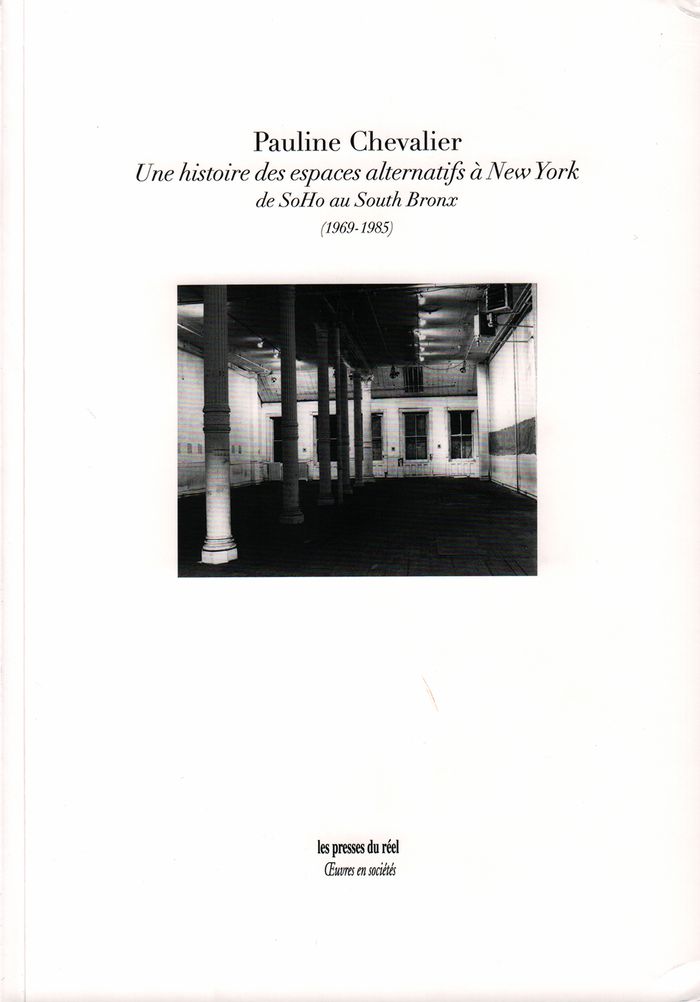
112 Greene Street, The Kitchen, Artists Space, The Clocktower, P.S.1, Franklin Furnace, ou Fashion Moda : ces lieux nés durant la décennie 1970, et parfois toujours en activité, ont laissé une empreinte durable sur la scène artistique new-yorkaise. « Espaces alternatifs », d'abord installés dans ces quartiers industriels du sud de Manhattan qui deviendront SoHo et TriBeCa, puis dans l'East Village, le Queens, Brooklyn, ou encore le sud du Bronx, ces lieux d'exposition, de création et de sociabilité établis en marge des institutions muséales et des galeries commerciales ont favorisé l'épanouissement de nouvelles pratiques : art processuel, danse postmoderne, art vidéo, performance. C'est une enquête historique et un parcours géographique que propose l'ouvrage, mettant en lumière l'articulation entre ces pratiques et les phénomènes institutionnels, sociaux, économiques et urbains dont elles ne peuvent être dissociées. Si les installations dans les espaces bruts du 112 Greene Street ou l'exposition inaugurale de P.S.1 révèlent un engouement pour le matériau urbain, c'est aussi la place des artistes dans la ville de New York qui est alors constamment interrogée, depuis la légalisation des premiers lofts jusqu'aux critiques virulentes de la gentrification qui émanent de la communauté artistique elle-même. Alors qu'au début des années 1970 ces lieux alternatifs profitent d'un contexte économique favorable et du soutien d'une nouvelle politique culturelle fédérale et locale, le milieu des années 1980 sonne le glas d'un mouvement. « The Fun is gone » arbore la Fun Gallery à sa fermeture dans l'East Village en 1985. La scène alternative s'essouffle sous la présidence Reagan, non sans avoir nourri sa propre histoire et contribué à la constitution d'une mythologie et d'un héritage dont l'ambivalence persiste aujourd'hui.
Une histoire des espaces alternatifs à New York: de SoHo au South Bronx,1969-1985
Actions:
Price:
$48.95
(available to order)
Summary:
112 Greene Street, The Kitchen, Artists Space, The Clocktower, P.S.1, Franklin Furnace, ou Fashion Moda : ces lieux nés durant la décennie 1970, et parfois toujours en activité, ont laissé une empreinte durable sur la scène artistique new-yorkaise. « Espaces alternatifs », d'abord installés dans ces quartiers industriels du sud de Manhattan qui deviendront SoHo et TriBeCa, puis dans l'East Village, le Queens, Brooklyn, ou encore le sud du Bronx, ces lieux d'exposition, de création et de sociabilité établis en marge des institutions muséales et des galeries commerciales ont favorisé l'épanouissement de nouvelles pratiques : art processuel, danse postmoderne, art vidéo, performance. C'est une enquête historique et un parcours géographique que propose l'ouvrage, mettant en lumière l'articulation entre ces pratiques et les phénomènes institutionnels, sociaux, économiques et urbains dont elles ne peuvent être dissociées. Si les installations dans les espaces bruts du 112 Greene Street ou l'exposition inaugurale de P.S.1 révèlent un engouement pour le matériau urbain, c'est aussi la place des artistes dans la ville de New York qui est alors constamment interrogée, depuis la légalisation des premiers lofts jusqu'aux critiques virulentes de la gentrification qui émanent de la communauté artistique elle-même. Alors qu'au début des années 1970 ces lieux alternatifs profitent d'un contexte économique favorable et du soutien d'une nouvelle politique culturelle fédérale et locale, le milieu des années 1980 sonne le glas d'un mouvement. « The Fun is gone » arbore la Fun Gallery à sa fermeture dans l'East Village en 1985. La scène alternative s'essouffle sous la présidence Reagan, non sans avoir nourri sa propre histoire et contribué à la constitution d'une mythologie et d'un héritage dont l'ambivalence persiste aujourd'hui.
Form:
books
books
Publication:
July 2017
July 2017
Subject:
Art Theory
Art Theory
Form:
books
books
Title:
Métabolismes urbains
Métabolismes urbains
Actions:
Price:
$71.95
(available to order)
Summary:
Nous conduisant dans le ventre de la ville, l’auteur interroge les multiples métabolismes qui régissent les restes, et notamment l’évolution des méthodes de traitement et de valorisation adoptées au sein du système urbain napolitain. Il se concentre en particulier sur l’architecture et l’importance des restes bâtis à l’intérieur de l’écosystème urbain, en se fondant sur(...)
$71.95
(available to order)
Summary:
Nous conduisant dans le ventre de la ville, l’auteur interroge les multiples métabolismes qui régissent les restes, et notamment l’évolution des méthodes de traitement et de valorisation adoptées au sein du système urbain napolitain. Il se concentre en particulier sur l’architecture et l’importance des restes bâtis à l’intérieur de l’écosystème urbain, en se fondant sur(...)
Title:
Métabolismes urbains
Actions:
Price:
$71.95
(available to order)
Summary:
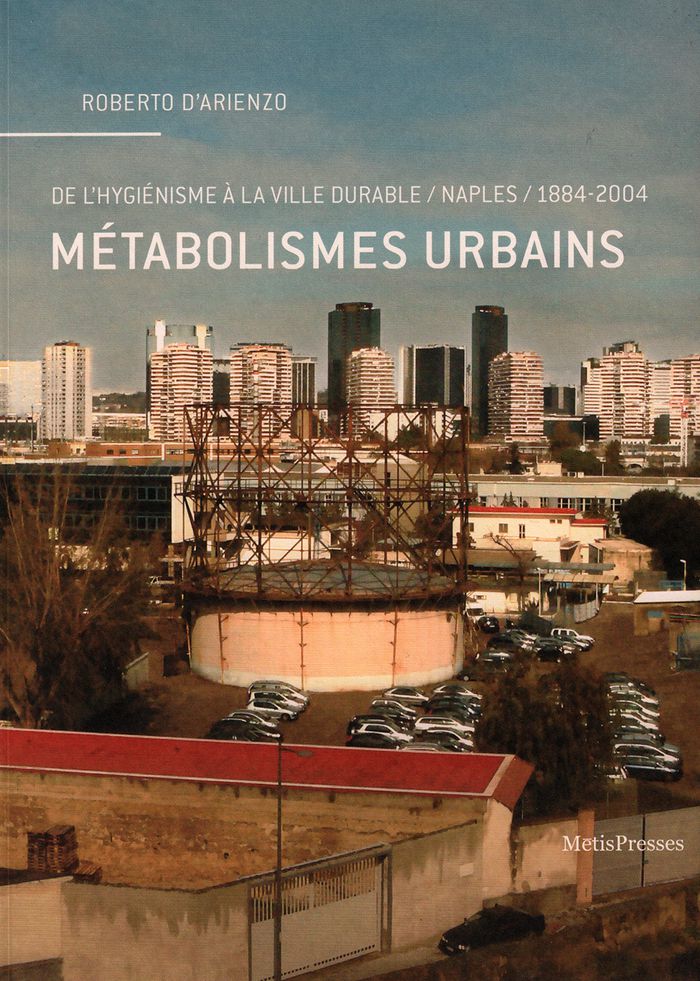
Nous conduisant dans le ventre de la ville, l’auteur interroge les multiples métabolismes qui régissent les restes, et notamment l’évolution des méthodes de traitement et de valorisation adoptées au sein du système urbain napolitain. Il se concentre en particulier sur l’architecture et l’importance des restes bâtis à l’intérieur de l’écosystème urbain, en se fondant sur l’analyse de la Naples post-industrielle et des différents processus de reconversion dont elle est le résultat.
Métabolismes urbains
Actions:
Price:
$71.95
(available to order)
Summary:
Nous conduisant dans le ventre de la ville, l’auteur interroge les multiples métabolismes qui régissent les restes, et notamment l’évolution des méthodes de traitement et de valorisation adoptées au sein du système urbain napolitain. Il se concentre en particulier sur l’architecture et l’importance des restes bâtis à l’intérieur de l’écosystème urbain, en se fondant sur l’analyse de la Naples post-industrielle et des différents processus de reconversion dont elle est le résultat.
Form:
books
books
Publication:
August 2017
August 2017
Subject:
Urban Theory
Urban Theory
Form:
books
books
Price:
$25.99
(available to order)
Summary:
Many designs that appear in today’s society will circulate and encounter audiences of many different cultures and languages. "The politics of design" enhances your visual literacy for communication beyond borders and cultures.
$25.99
(available to order)
Summary:
Many designs that appear in today’s society will circulate and encounter audiences of many different cultures and languages. "The politics of design" enhances your visual literacy for communication beyond borders and cultures.
Title:
The politics of design: a (not so) global manual for visual communication
Actions:
Price:
$25.99
(available to order)
Summary:
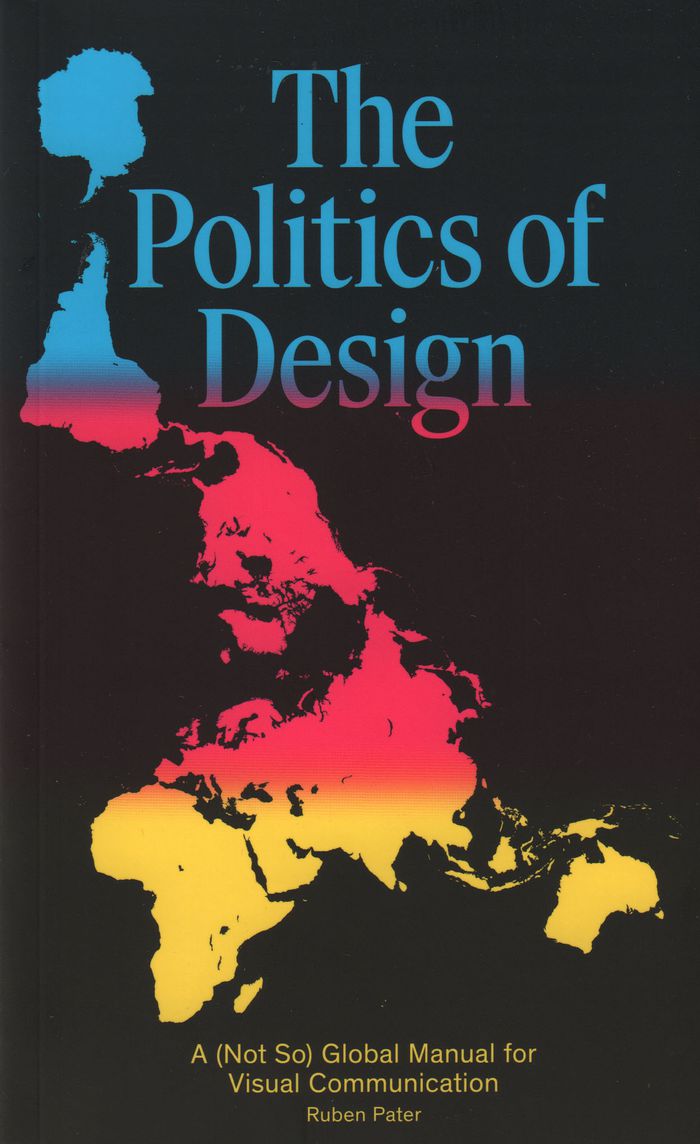
Many designs that appear in today’s society will circulate and encounter audiences of many different cultures and languages. "The politics of design" enhances your visual literacy for communication beyond borders and cultures.
The politics of design: a (not so) global manual for visual communication
Actions:
Price:
$25.99
(available to order)
Summary:
Many designs that appear in today’s society will circulate and encounter audiences of many different cultures and languages. "The politics of design" enhances your visual literacy for communication beyond borders and cultures.
Form:
books
books
Publication:
August 2016
August 2016
Subject:
Design Theory
Design Theory
Form:
books
books
Title:
Art in the anthropocene: encounters among aesthetics, politics, environments and epistemologies
Art in the anthropocene: encounters among aesthetics, politics, environments and epistemologies
Actions:
Price:
$29.95
(available to order)
Summary:
Taking as its premise that the proposed epoch of the Anthropocene is necessarily an aesthetic event, this collection explores the relationship between contemporary art and knowledge production in an era of ecological crisis. Art in the Anthropocene brings together a multitude of disciplinary conversations, drawing together artists, curators, scientists, theorists and(...)
$29.95
(available to order)
Summary:
Taking as its premise that the proposed epoch of the Anthropocene is necessarily an aesthetic event, this collection explores the relationship between contemporary art and knowledge production in an era of ecological crisis. Art in the Anthropocene brings together a multitude of disciplinary conversations, drawing together artists, curators, scientists, theorists and(...)
Title:
Art in the anthropocene: encounters among aesthetics, politics, environments and epistemologies
Actions:
Price:
$29.95
(available to order)
Summary:
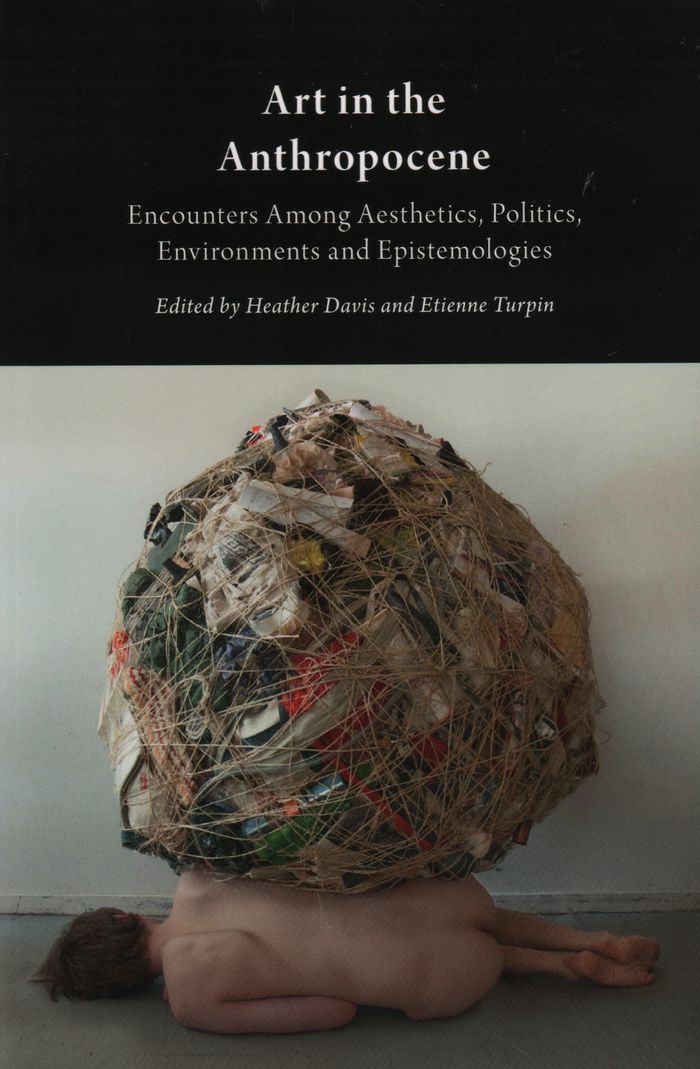
Taking as its premise that the proposed epoch of the Anthropocene is necessarily an aesthetic event, this collection explores the relationship between contemporary art and knowledge production in an era of ecological crisis. Art in the Anthropocene brings together a multitude of disciplinary conversations, drawing together artists, curators, scientists, theorists and activists to address the geological reformation of the human species.
Art in the anthropocene: encounters among aesthetics, politics, environments and epistemologies
Actions:
Price:
$29.95
(available to order)
Summary:
Taking as its premise that the proposed epoch of the Anthropocene is necessarily an aesthetic event, this collection explores the relationship between contemporary art and knowledge production in an era of ecological crisis. Art in the Anthropocene brings together a multitude of disciplinary conversations, drawing together artists, curators, scientists, theorists and activists to address the geological reformation of the human species.
Form:
books
books
Publication:
June 2015
June 2015
Subject:
Art Theory
Art Theory
Form:
books
books
Actions:
Price:
$65.00
(available in store)
Summary:
How has Berlin’s urban landscape changed in its remarkable transformation from divided city to creative capital? Despite the monumental heritage and grand development projects, Berlin still conjures up images of urban fragmentation and vacant inner-city land. The book reveals the changing nature and complex politics of this open space. A rephotographing of sites between(...)
$65.00
(available in store)
Summary:
How has Berlin’s urban landscape changed in its remarkable transformation from divided city to creative capital? Despite the monumental heritage and grand development projects, Berlin still conjures up images of urban fragmentation and vacant inner-city land. The book reveals the changing nature and complex politics of this open space. A rephotographing of sites between(...)
Title:
Spaces of uncertainty: Berlin revisited
Actions:
Price:
$65.00
(available in store)
Summary:
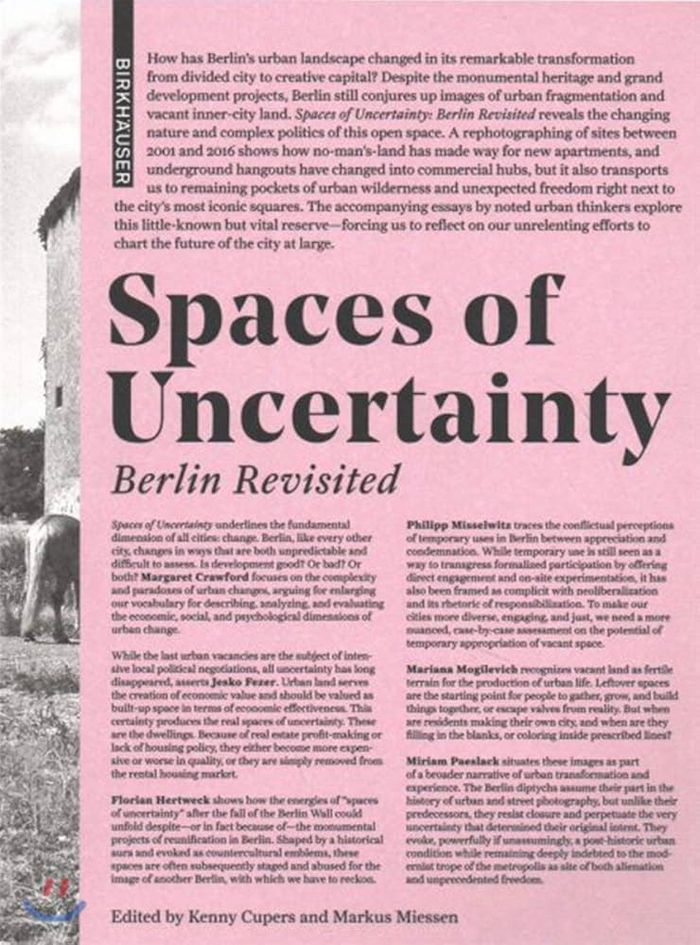
How has Berlin’s urban landscape changed in its remarkable transformation from divided city to creative capital? Despite the monumental heritage and grand development projects, Berlin still conjures up images of urban fragmentation and vacant inner-city land. The book reveals the changing nature and complex politics of this open space. A rephotographing of sites between 2001 and 2016 shows how no man’s land has made way for new apartments and underground hangouts have changed into commercial hubs, but it also transports us to remaining pockets of urban wilderness and unexpected freedom right next to the city’s most iconic squares. The accompanying essays by noted urban thinkers explore this little-known but vital reserve—forcing us to reflect on our unrelenting efforts to chart the future of the city at large.
Spaces of uncertainty: Berlin revisited
Actions:
Price:
$65.00
(available in store)
Summary:
How has Berlin’s urban landscape changed in its remarkable transformation from divided city to creative capital? Despite the monumental heritage and grand development projects, Berlin still conjures up images of urban fragmentation and vacant inner-city land. The book reveals the changing nature and complex politics of this open space. A rephotographing of sites between 2001 and 2016 shows how no man’s land has made way for new apartments and underground hangouts have changed into commercial hubs, but it also transports us to remaining pockets of urban wilderness and unexpected freedom right next to the city’s most iconic squares. The accompanying essays by noted urban thinkers explore this little-known but vital reserve—forcing us to reflect on our unrelenting efforts to chart the future of the city at large.
Form:
books
books
Publication:
March 2018
March 2018
Subject:
Urban Theory
Urban Theory
Form:
books
books
Actions:
Price:
$83.90
(available in store)
Summary:
This book looks at architecture history in reverse, in order to follow chains of precedents back through time to see how ideas alter the course of civilization in general and the discipline of architecture in particular. Part One begins with present-day attitudes about architecture and traces them back to seminal ideas from the beginning of the twentieth century. Part Two(...)
$83.90
(available in store)
Summary:
This book looks at architecture history in reverse, in order to follow chains of precedents back through time to see how ideas alter the course of civilization in general and the discipline of architecture in particular. Part One begins with present-day attitudes about architecture and traces them back to seminal ideas from the beginning of the twentieth century. Part Two(...)
Title:
Architecture history and theory in reverse: from an information age to eras of meaning
Actions:
Price:
$83.90
(available in store)
Summary:
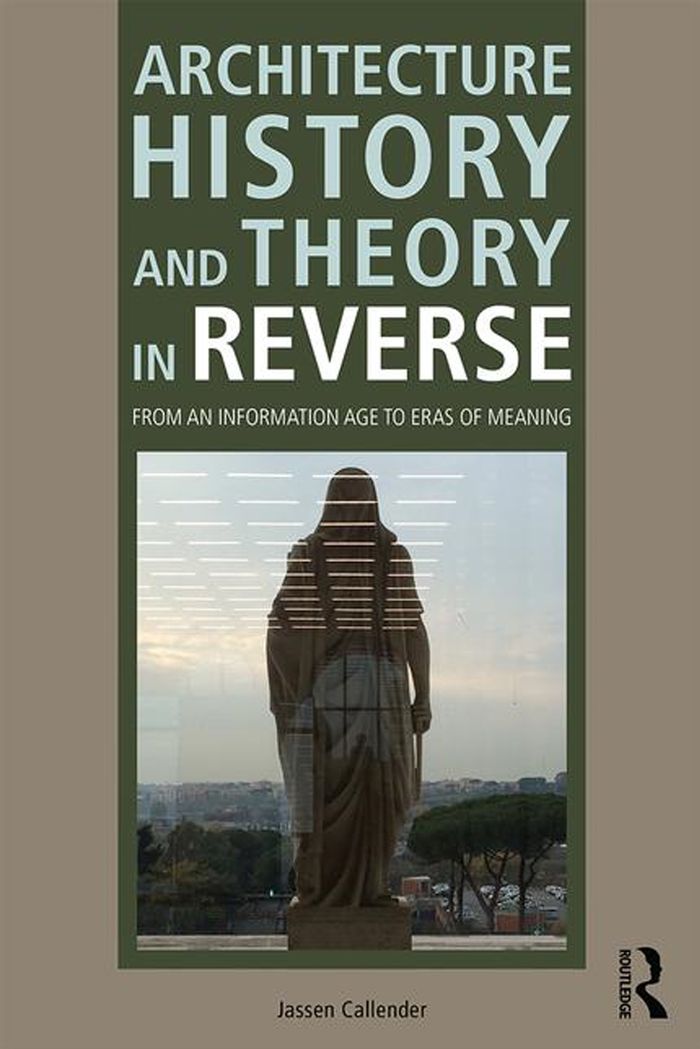
This book looks at architecture history in reverse, in order to follow chains of precedents back through time to see how ideas alter the course of civilization in general and the discipline of architecture in particular. Part One begins with present-day attitudes about architecture and traces them back to seminal ideas from the beginning of the twentieth century. Part Two examines how pre-twentieth century societies designed and understood architecture, how they strove to create communal physical languages, and how their disagreements set the stage for our information age practices. Includes 45 black and white images.
Architecture history and theory in reverse: from an information age to eras of meaning
Actions:
Price:
$83.90
(available in store)
Summary:
This book looks at architecture history in reverse, in order to follow chains of precedents back through time to see how ideas alter the course of civilization in general and the discipline of architecture in particular. Part One begins with present-day attitudes about architecture and traces them back to seminal ideas from the beginning of the twentieth century. Part Two examines how pre-twentieth century societies designed and understood architecture, how they strove to create communal physical languages, and how their disagreements set the stage for our information age practices. Includes 45 black and white images.
Form:
books
books
Publication:
July 2017
July 2017
Subject:
Architectural Theory
Architectural Theory
Form:
books
books

Actions:
Price:
$51.95
(available to order)
Summary:
Part autobiography, part firm history and part a look at the future of urban design, « Designing Places for People and the Environment » addresses lessons learned from fifty five years of experience in urban design and planning from a personal perspective following the author’s formative education and work as an architect, Naval civil engineer and city planner before(...)
$51.95
(available to order)
Summary:
Part autobiography, part firm history and part a look at the future of urban design, « Designing Places for People and the Environment » addresses lessons learned from fifty five years of experience in urban design and planning from a personal perspective following the author’s formative education and work as an architect, Naval civil engineer and city planner before(...)
Title:
Designing places for people and the environment
Actions:
Price:
$51.95
(available to order)
Summary:
Part autobiography, part firm history and part a look at the future of urban design, « Designing Places for People and the Environment » addresses lessons learned from fifty five years of experience in urban design and planning from a personal perspective following the author’s formative education and work as an architect, Naval civil engineer and city planner before transitioning into landscape architecture where he grew into a leadership role as the first president of the SWA Group and shaped the firm as an employee owned group practice that over four decades has become a “world leader in landscape architecture, planning and urban design”.
Designing places for people and the environment
Actions:
Price:
$51.95
(available to order)
Summary:
Part autobiography, part firm history and part a look at the future of urban design, « Designing Places for People and the Environment » addresses lessons learned from fifty five years of experience in urban design and planning from a personal perspective following the author’s formative education and work as an architect, Naval civil engineer and city planner before transitioning into landscape architecture where he grew into a leadership role as the first president of the SWA Group and shaped the firm as an employee owned group practice that over four decades has become a “world leader in landscape architecture, planning and urban design”.
Form:
books
books
Publication:
November 2014
November 2014
Subject:
Urban Theory
Urban Theory
Form:
books
books
Title:
Remembering places: a memoir
Remembering places: a memoir
Actions:
Price:
$55.90
(available to order)
Summary:
Born in Warsaw in 1926, Joseph Rykwert is one of the best-known critics and historians of architecture. One of very few writers to be awarded the RIBA’s highest honour, the Royal Gold Medal, in 2014, and author of countless books and essays, his influence over the past 60 years cannot be underestimated. In this memoir he tells for the first time of how his life’s(...)
$55.90
(available to order)
Summary:
Born in Warsaw in 1926, Joseph Rykwert is one of the best-known critics and historians of architecture. One of very few writers to be awarded the RIBA’s highest honour, the Royal Gold Medal, in 2014, and author of countless books and essays, his influence over the past 60 years cannot be underestimated. In this memoir he tells for the first time of how his life’s(...)
Title:
Remembering places: a memoir
Actions:
Price:
$55.90
(available to order)
Summary:
Born in Warsaw in 1926, Joseph Rykwert is one of the best-known critics and historians of architecture. One of very few writers to be awarded the RIBA’s highest honour, the Royal Gold Medal, in 2014, and author of countless books and essays, his influence over the past 60 years cannot be underestimated. In this memoir he tells for the first time of how his life’s experiences shaped his working life. He addresses the dualities between which he had to navigate: Jewish/Polish, Polish/British and later, Practice/Scholarship. He spent most of his working life between the US and UK and worked both as a designer and a writer; as such his ground-breaking ideas and work have had a major impact on the thinking of architects and designers since the 1960s and continue to do so to this day.
Remembering places: a memoir
Actions:
Price:
$55.90
(available to order)
Summary:
Born in Warsaw in 1926, Joseph Rykwert is one of the best-known critics and historians of architecture. One of very few writers to be awarded the RIBA’s highest honour, the Royal Gold Medal, in 2014, and author of countless books and essays, his influence over the past 60 years cannot be underestimated. In this memoir he tells for the first time of how his life’s experiences shaped his working life. He addresses the dualities between which he had to navigate: Jewish/Polish, Polish/British and later, Practice/Scholarship. He spent most of his working life between the US and UK and worked both as a designer and a writer; as such his ground-breaking ideas and work have had a major impact on the thinking of architects and designers since the 1960s and continue to do so to this day.
Form:
books
books
Publication:
July 2017
July 2017
Subject:
Architectural Theory
Architectural Theory
Form:
books
books
Title:
La ville n'est pas figée
La ville n'est pas figée
Actions:
Price:
$41.95
(available to order)
Summary:
Ce livre analyse comment la ville est devenue le réceptacle de l'évolution de la société et des modes de vie dans un monde incertain, une économie incertaine et des territoires incertains. Comment essayer de construire un récit dans lequel les citoyens se retrouvent, dans lequel les élus s'engagent. La fragilité, aujourd'hui, des êtres humains, auxquels on demande de(...)
$41.95
(available to order)
Summary:
Ce livre analyse comment la ville est devenue le réceptacle de l'évolution de la société et des modes de vie dans un monde incertain, une économie incertaine et des territoires incertains. Comment essayer de construire un récit dans lequel les citoyens se retrouvent, dans lequel les élus s'engagent. La fragilité, aujourd'hui, des êtres humains, auxquels on demande de(...)
Title:
La ville n'est pas figée
Actions:
Price:
$41.95
(available to order)
Summary:
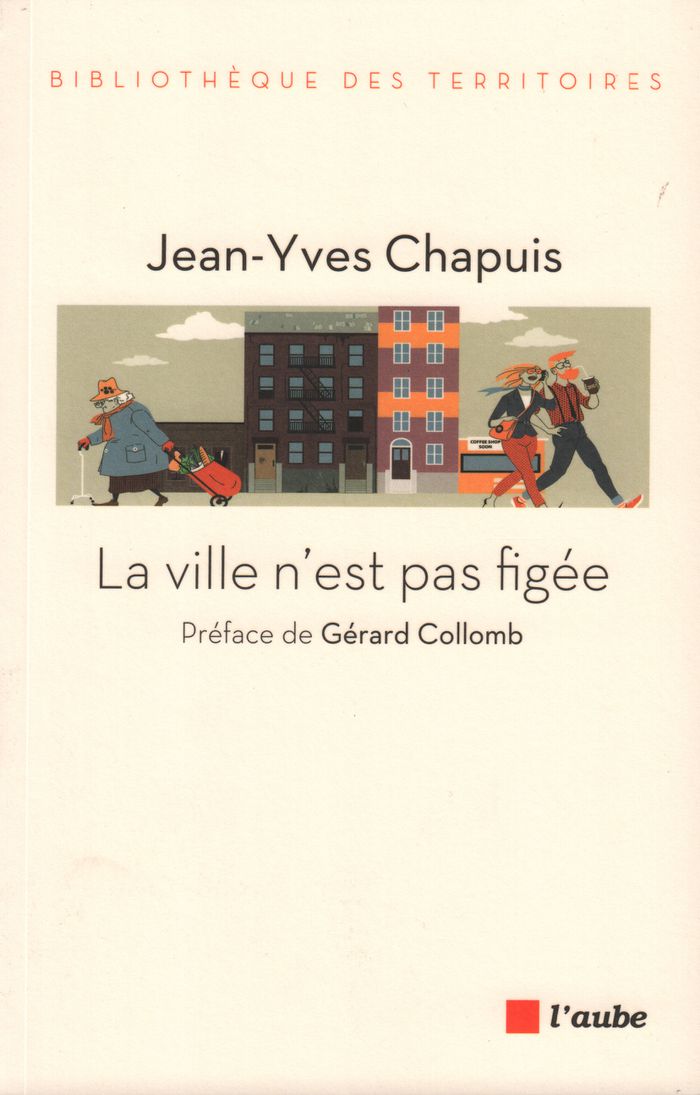
Ce livre analyse comment la ville est devenue le réceptacle de l'évolution de la société et des modes de vie dans un monde incertain, une économie incertaine et des territoires incertains. Comment essayer de construire un récit dans lequel les citoyens se retrouvent, dans lequel les élus s'engagent. La fragilité, aujourd'hui, des êtres humains, auxquels on demande de s'inventer sans cesse, exige des responsables publics qu'ils soient capables de fixer un cap et que la politique produise ce récit dans lequel chacun trouve sa place. Ce livre n'a pas de prétention scientifique. Il se veut une manière de raconter la ville, une lecture de ville à travers une expérience d'élu et de professionnel, tout au long de quelques dizaines d'années de pratique.
La ville n'est pas figée
Actions:
Price:
$41.95
(available to order)
Summary:
Ce livre analyse comment la ville est devenue le réceptacle de l'évolution de la société et des modes de vie dans un monde incertain, une économie incertaine et des territoires incertains. Comment essayer de construire un récit dans lequel les citoyens se retrouvent, dans lequel les élus s'engagent. La fragilité, aujourd'hui, des êtres humains, auxquels on demande de s'inventer sans cesse, exige des responsables publics qu'ils soient capables de fixer un cap et que la politique produise ce récit dans lequel chacun trouve sa place. Ce livre n'a pas de prétention scientifique. Il se veut une manière de raconter la ville, une lecture de ville à travers une expérience d'élu et de professionnel, tout au long de quelques dizaines d'années de pratique.
Form:
books
books
Publication:
August 2017
August 2017
Subject:
Urban Theory
Urban Theory
Form:
books
books

Title:
Material utopias
Material utopias
Actions:
Price:
$34.95
(available to order)
Summary:
In the slipstream of conceptual art, the intimate interweaving of meaning and materialization in art and design came to be discredited in the second half of the twentieth century. The master’s program Material Utopias at the Sandberg Instituut put an end to this tradition by abolishing the unproductive hierarchy separating "concept" and "making," "content" and "process."(...)
$34.95
(available to order)
Summary:
In the slipstream of conceptual art, the intimate interweaving of meaning and materialization in art and design came to be discredited in the second half of the twentieth century. The master’s program Material Utopias at the Sandberg Instituut put an end to this tradition by abolishing the unproductive hierarchy separating "concept" and "making," "content" and "process."(...)
Title:
Material utopias
Actions:
Price:
$34.95
(available to order)
Summary:
In the slipstream of conceptual art, the intimate interweaving of meaning and materialization in art and design came to be discredited in the second half of the twentieth century. The master’s program Material Utopias at the Sandberg Instituut put an end to this tradition by abolishing the unproductive hierarchy separating "concept" and "making," "content" and "process." In this publication, various authors reflect on the history of dematerialization and deskilling, the manifold meanings of materials in art and design, and the challenges for education when the innovative power of the artistic process is celebrated.
Material utopias
Actions:
Price:
$34.95
(available to order)
Summary:
In the slipstream of conceptual art, the intimate interweaving of meaning and materialization in art and design came to be discredited in the second half of the twentieth century. The master’s program Material Utopias at the Sandberg Instituut put an end to this tradition by abolishing the unproductive hierarchy separating "concept" and "making," "content" and "process." In this publication, various authors reflect on the history of dematerialization and deskilling, the manifold meanings of materials in art and design, and the challenges for education when the innovative power of the artistic process is celebrated.
Form:
books
books
Publication:
September 2017
September 2017
Subject:
Art Theory
Art Theory


