


462 Results
Form:
books
books
Actions:
Price:
$48.99
(available to order)
Summary:
Collectively referred to by the word tsuchi, earthy materials such as soil and clay are prolific in Japanese contemporary art. Highlighting works of photography, ceramics, and installation art, Bert Winther-Tamaki explores the many aesthetic manifestations of tsuchi and their connection to the country’s turbulent environmental history, investigating how Japanese artists(...)
$48.99
(available to order)
Summary:
Collectively referred to by the word tsuchi, earthy materials such as soil and clay are prolific in Japanese contemporary art. Highlighting works of photography, ceramics, and installation art, Bert Winther-Tamaki explores the many aesthetic manifestations of tsuchi and their connection to the country’s turbulent environmental history, investigating how Japanese artists(...)
Title:
Tsuchi: Earthy materials in contemporary Japanese art
Actions:
Price:
$48.99
(available to order)
Summary:
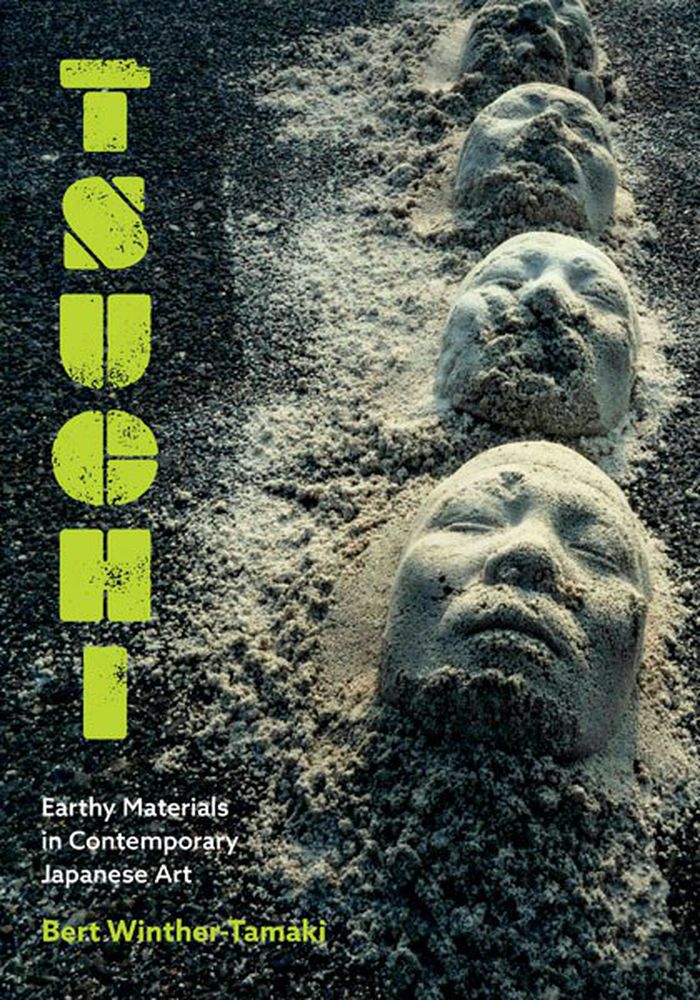
Collectively referred to by the word tsuchi, earthy materials such as soil and clay are prolific in Japanese contemporary art. Highlighting works of photography, ceramics, and installation art, Bert Winther-Tamaki explores the many aesthetic manifestations of tsuchi and their connection to the country’s turbulent environmental history, investigating how Japanese artists have continually sought a passionate and redemptive engagement with earth. By focusing on the role of tsuchi as a convergence point for a wide range of creative practices, this book offers a critical reassessment of contemporary art in Japan and its intrinsic relationship to the environment. Situating art within the context of ecology and urbanization, this volume shows artists striving to explore and reprocess raw forms of earth beneath the corruptions of human activity.
Tsuchi: Earthy materials in contemporary Japanese art
Actions:
Price:
$48.99
(available to order)
Summary:
Collectively referred to by the word tsuchi, earthy materials such as soil and clay are prolific in Japanese contemporary art. Highlighting works of photography, ceramics, and installation art, Bert Winther-Tamaki explores the many aesthetic manifestations of tsuchi and their connection to the country’s turbulent environmental history, investigating how Japanese artists have continually sought a passionate and redemptive engagement with earth. By focusing on the role of tsuchi as a convergence point for a wide range of creative practices, this book offers a critical reassessment of contemporary art in Japan and its intrinsic relationship to the environment. Situating art within the context of ecology and urbanization, this volume shows artists striving to explore and reprocess raw forms of earth beneath the corruptions of human activity.
Form:
books
books
Publication:
March 2022
March 2022
Subject:
Art Theory
Art Theory
Form:
books
books

Price:
$42.00
(available to order)
Summary:
The Avancer Tower, an office building in San Luis Potosí, is a collaboration between two Mexican architectural firms, Manuel Cervantes Estudio and Macías Peredo Arquitectos, each of whom takes differing approaches toward the same end—to create architecture that blends modern architecture with the Mexican landscape and centuries-old building traditions in Mexico. The(...)
$42.00
(available to order)
Summary:
The Avancer Tower, an office building in San Luis Potosí, is a collaboration between two Mexican architectural firms, Manuel Cervantes Estudio and Macías Peredo Arquitectos, each of whom takes differing approaches toward the same end—to create architecture that blends modern architecture with the Mexican landscape and centuries-old building traditions in Mexico. The(...)
Title:
Manuel Cervantes Estudio and Macias Peredo Architecctos: Avancer tower
Actions:
Price:
$42.00
(available to order)
Summary:
The Avancer Tower, an office building in San Luis Potosí, is a collaboration between two Mexican architectural firms, Manuel Cervantes Estudio and Macías Peredo Arquitectos, each of whom takes differing approaches toward the same end—to create architecture that blends modern architecture with the Mexican landscape and centuries-old building traditions in Mexico. The Avancer Tower achieves this in its color and form, mirroring the red of the soil, the rock and the rusted steel of the mines in the area. This book documents the project, the construction process and the finished building, guided by themes such as materiality, spatial relationships and scale. The book also demonstrates the contributions of the Avancer Tower and other buildings to the cultural life and value of San Luis Potosí.
Manuel Cervantes Estudio and Macias Peredo Architecctos: Avancer tower
Actions:
Price:
$42.00
(available to order)
Summary:
The Avancer Tower, an office building in San Luis Potosí, is a collaboration between two Mexican architectural firms, Manuel Cervantes Estudio and Macías Peredo Arquitectos, each of whom takes differing approaches toward the same end—to create architecture that blends modern architecture with the Mexican landscape and centuries-old building traditions in Mexico. The Avancer Tower achieves this in its color and form, mirroring the red of the soil, the rock and the rusted steel of the mines in the area. This book documents the project, the construction process and the finished building, guided by themes such as materiality, spatial relationships and scale. The book also demonstrates the contributions of the Avancer Tower and other buildings to the cultural life and value of San Luis Potosí.
Form:
books
books
Publication:
December 2022
December 2022
Subject:
Architecture Monographs
Architecture Monographs
Form:
books
books
Price:
$28.95
(available to order)
Summary:
Originally published in Swedish in 1992, this book examines the enigmatic relation of melancholia to an early kind of cannibalism, which psychoanalysis, in particular, stressed. It contains reading of, amongst others, Franz Kafka, Samuel Beckett, Thomas Bernhard, Sigmund Freud, G. W. F. Hegel, and the Swedish poet Gunnar Ekelöf. The authors also quote Goethe and Rabelais,(...)
$28.95
(available to order)
Summary:
Originally published in Swedish in 1992, this book examines the enigmatic relation of melancholia to an early kind of cannibalism, which psychoanalysis, in particular, stressed. It contains reading of, amongst others, Franz Kafka, Samuel Beckett, Thomas Bernhard, Sigmund Freud, G. W. F. Hegel, and the Swedish poet Gunnar Ekelöf. The authors also quote Goethe and Rabelais,(...)
Subject:
Art Theory
Art Theory
Publication:
October 2008, Berlin, New York
October 2008, Berlin, New York
Title:
As a weasel sucks eggs, an essay on melancholy and cannibalism
Actions:
Price:
$28.95
(available to order)
Summary:
Originally published in Swedish in 1992, this book examines the enigmatic relation of melancholia to an early kind of cannibalism, which psychoanalysis, in particular, stressed. It contains reading of, amongst others, Franz Kafka, Samuel Beckett, Thomas Bernhard, Sigmund Freud, G. W. F. Hegel, and the Swedish poet Gunnar Ekelöf. The authors also quote Goethe and Rabelais, for whom food is a cosmic principle, the soil of fertility, on which all creation is based. In a transferred sense, food also plays that same role for the melancholiac he who questions the normal order of things, who creates an other unknown food, with a variety of meanings. The authors trace the desire for this other food through the ages, and scrutinize its relationship to both primitive sacrificial rites as well as contemporary anthropology, philosophy, and linguistic theory.
As a weasel sucks eggs, an essay on melancholy and cannibalism
Actions:
Price:
$28.95
(available to order)
Summary:
Originally published in Swedish in 1992, this book examines the enigmatic relation of melancholia to an early kind of cannibalism, which psychoanalysis, in particular, stressed. It contains reading of, amongst others, Franz Kafka, Samuel Beckett, Thomas Bernhard, Sigmund Freud, G. W. F. Hegel, and the Swedish poet Gunnar Ekelöf. The authors also quote Goethe and Rabelais, for whom food is a cosmic principle, the soil of fertility, on which all creation is based. In a transferred sense, food also plays that same role for the melancholiac he who questions the normal order of things, who creates an other unknown food, with a variety of meanings. The authors trace the desire for this other food through the ages, and scrutinize its relationship to both primitive sacrificial rites as well as contemporary anthropology, philosophy, and linguistic theory.
Form:
books
books
Publication:
October 2008, Berlin, New York
October 2008, Berlin, New York
Subject:
Art Theory
Art Theory
Form:
books
books
Actions:
Price:
$54.95
(available in store)
Summary:
'Nelle miniere di Iglesias / Into the Mines of Iglesias' is the first part of an exploration that focuses on soil, excavations, incisions, mutations, transpositions and silence of Sulcis-Iglesiente, a territory marked by an industrial history. A wandering through time and space of a region «built», transformed, crossed by different types of works, infrastructures,(...)
$54.95
(available in store)
Summary:
'Nelle miniere di Iglesias / Into the Mines of Iglesias' is the first part of an exploration that focuses on soil, excavations, incisions, mutations, transpositions and silence of Sulcis-Iglesiente, a territory marked by an industrial history. A wandering through time and space of a region «built», transformed, crossed by different types of works, infrastructures,(...)
Publication:
November 2022
November 2022
Title:
Voyages en Sardaigne : Nelle miniere di Iglesias / Into the Mines of Iglesias
Actions:
Price:
$54.95
(available in store)
Summary:
'Nelle miniere di Iglesias / Into the Mines of Iglesias' is the first part of an exploration that focuses on soil, excavations, incisions, mutations, transpositions and silence of Sulcis-Iglesiente, a territory marked by an industrial history. A wandering through time and space of a region «built», transformed, crossed by different types of works, infrastructures, relationships between things. These signs, these scars, are today the distinctive features of an extraordinary mining landscape. A space to discover through visual and textual narration. 'Voyages en Sardaigne' is a collection of unconventional thematic guides on this island in the middle of the Mediterranean. They offer to the reader different ways of observation and restitution of its territory, always characterized by an uncertain temporality: the present and the past merge to build a unique landscape, far from the convulsive setting of the contemporaneity. Photographs by Giaime Meloni.
Voyages en Sardaigne : Nelle miniere di Iglesias / Into the Mines of Iglesias
Actions:
Price:
$54.95
(available in store)
Summary:
'Nelle miniere di Iglesias / Into the Mines of Iglesias' is the first part of an exploration that focuses on soil, excavations, incisions, mutations, transpositions and silence of Sulcis-Iglesiente, a territory marked by an industrial history. A wandering through time and space of a region «built», transformed, crossed by different types of works, infrastructures, relationships between things. These signs, these scars, are today the distinctive features of an extraordinary mining landscape. A space to discover through visual and textual narration. 'Voyages en Sardaigne' is a collection of unconventional thematic guides on this island in the middle of the Mediterranean. They offer to the reader different ways of observation and restitution of its territory, always characterized by an uncertain temporality: the present and the past merge to build a unique landscape, far from the convulsive setting of the contemporaneity. Photographs by Giaime Meloni.
Form:
books
books
Publication:
November 2022
November 2022
Form:
books
books

Actions:
Price:
$48.00
(available to order)
Summary:
This book documents the materiality and spaces of the Garden House by Baracco+Wright Architects through photographs by Rory Gardiner. The imagery and thoughts reflect on the dialogue of building, life and systems conceived in an ongoing project of environmental repair. This holiday house is conceived as just a little more than a tent: a deck and raised platform are(...)
$48.00
(available to order)
Summary:
This book documents the materiality and spaces of the Garden House by Baracco+Wright Architects through photographs by Rory Gardiner. The imagery and thoughts reflect on the dialogue of building, life and systems conceived in an ongoing project of environmental repair. This holiday house is conceived as just a little more than a tent: a deck and raised platform are(...)
Title:
Buildings and living things: Barocco + Wright Garden House
Actions:
Price:
$48.00
(available to order)
Summary:
This book documents the materiality and spaces of the Garden House by Baracco+Wright Architects through photographs by Rory Gardiner. The imagery and thoughts reflect on the dialogue of building, life and systems conceived in an ongoing project of environmental repair. This holiday house is conceived as just a little more than a tent: a deck and raised platform are covered by a transparent "shed"; the interior perimeter "veranda" is garden space; the soil and natural ground line are maintained and carried through; a low lying site with terrestrial orchids and lillies, flood waters seasonally move through the site unimpeded; similarly the indigenous vegetation has begun to grow inside. B+W believe in a wide role for architectural thinking beyond the individual building. All projects are approached with a particular and equal attention to the parts and the whole, to individual project conditions and to the discourse of Architecture.
Buildings and living things: Barocco + Wright Garden House
Actions:
Price:
$48.00
(available to order)
Summary:
This book documents the materiality and spaces of the Garden House by Baracco+Wright Architects through photographs by Rory Gardiner. The imagery and thoughts reflect on the dialogue of building, life and systems conceived in an ongoing project of environmental repair. This holiday house is conceived as just a little more than a tent: a deck and raised platform are covered by a transparent "shed"; the interior perimeter "veranda" is garden space; the soil and natural ground line are maintained and carried through; a low lying site with terrestrial orchids and lillies, flood waters seasonally move through the site unimpeded; similarly the indigenous vegetation has begun to grow inside. B+W believe in a wide role for architectural thinking beyond the individual building. All projects are approached with a particular and equal attention to the parts and the whole, to individual project conditions and to the discourse of Architecture.
Form:
books
books
Publication:
December 2022
December 2022
Subject:
Architecture Monographs
Architecture Monographs
Form:
books
books
Title:
The Mycenaeans
The Mycenaeans
Actions:
Price:
$40.00
(available to order)
Summary:
For almost three thousand years, the Mycenaeans, ancestors of the classical Greeks, lay lost and forgotten beneath the soil of Greece. In 1876, however, a German businessman, Heinrich Schliemann, in his search for the great Mycenaean king Agamemnon and other heroes of the Trojan War, made an astounding discovery in Mycenae: inside the monumental Lion Gate he discovered(...)
$40.00
(available to order)
Summary:
For almost three thousand years, the Mycenaeans, ancestors of the classical Greeks, lay lost and forgotten beneath the soil of Greece. In 1876, however, a German businessman, Heinrich Schliemann, in his search for the great Mycenaean king Agamemnon and other heroes of the Trojan War, made an astounding discovery in Mycenae: inside the monumental Lion Gate he discovered(...)
Title:
The Mycenaeans
Actions:
Price:
$40.00
(available to order)
Summary:
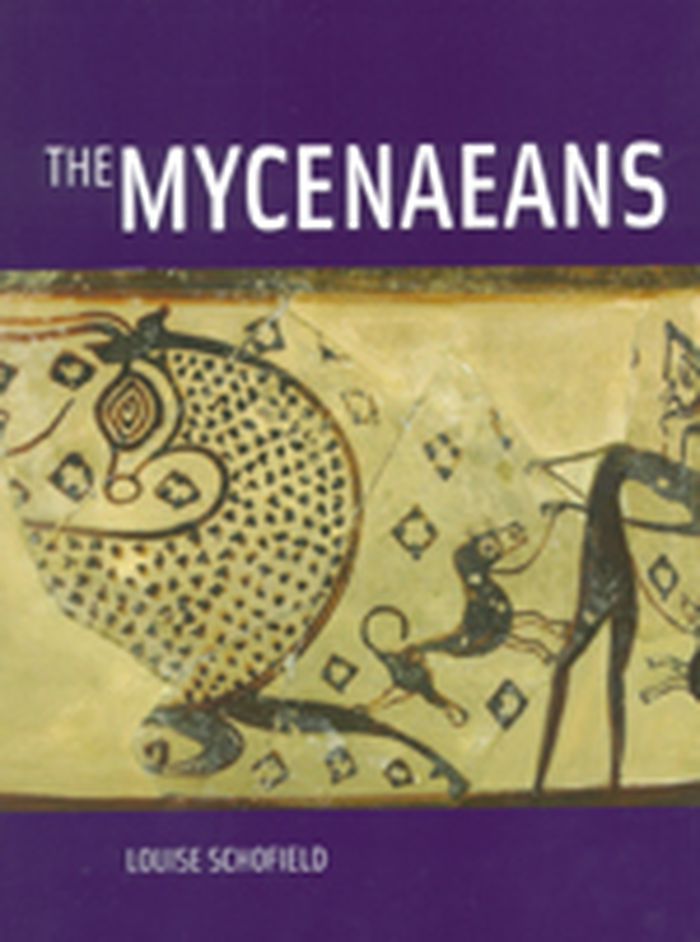
For almost three thousand years, the Mycenaeans, ancestors of the classical Greeks, lay lost and forgotten beneath the soil of Greece. In 1876, however, a German businessman, Heinrich Schliemann, in his search for the great Mycenaean king Agamemnon and other heroes of the Trojan War, made an astounding discovery in Mycenae: inside the monumental Lion Gate he discovered shaft graves belonging to a warrior elite, many of whom were buried wearing striking gold funerary masks and armor. In this authoritative new survey, Schofield examines these initial discoveries and other material evidence from Mycenaean culture, including painted pottery, documents in Linear B script, and the remains of fortress-palaces, all of which have yielded important information about the social hierarchies, religion, and military and trading activities of this wealthy and sophisticated culture. The author also considers the factual basis for the Mycenaeans' legendary links with the Trojan War and the various explanations for the eventual decline of their civilization.
The Mycenaeans
Actions:
Price:
$40.00
(available to order)
Summary:
For almost three thousand years, the Mycenaeans, ancestors of the classical Greeks, lay lost and forgotten beneath the soil of Greece. In 1876, however, a German businessman, Heinrich Schliemann, in his search for the great Mycenaean king Agamemnon and other heroes of the Trojan War, made an astounding discovery in Mycenae: inside the monumental Lion Gate he discovered shaft graves belonging to a warrior elite, many of whom were buried wearing striking gold funerary masks and armor. In this authoritative new survey, Schofield examines these initial discoveries and other material evidence from Mycenaean culture, including painted pottery, documents in Linear B script, and the remains of fortress-palaces, all of which have yielded important information about the social hierarchies, religion, and military and trading activities of this wealthy and sophisticated culture. The author also considers the factual basis for the Mycenaeans' legendary links with the Trojan War and the various explanations for the eventual decline of their civilization.
Form:
books
books
Publication:
January 2001, Los Angeles
January 2001, Los Angeles
Subject:
Architectural Theory
Architectural Theory
Form:
books
books
Actions:
Price:
$53.95
(available to order)
Summary:
Dependent on the extractive practices of fossil-fueled industrial capitalism, chemical photography’s emulsions and films were highly sensitive to polluted atmospheres, and photographic companies had to work hard to control this sensitivity. Drawing on histories of empire, coal, and chemistry and from the archives of British photographic manufacturer Ilford Limited,(...)
$53.95
(available to order)
Summary:
Dependent on the extractive practices of fossil-fueled industrial capitalism, chemical photography’s emulsions and films were highly sensitive to polluted atmospheres, and photographic companies had to work hard to control this sensitivity. Drawing on histories of empire, coal, and chemistry and from the archives of British photographic manufacturer Ilford Limited,(...)
Title:
A dirty history of photography: Chemistry, fog, and empire
Actions:
Price:
$53.95
(available to order)
Summary:
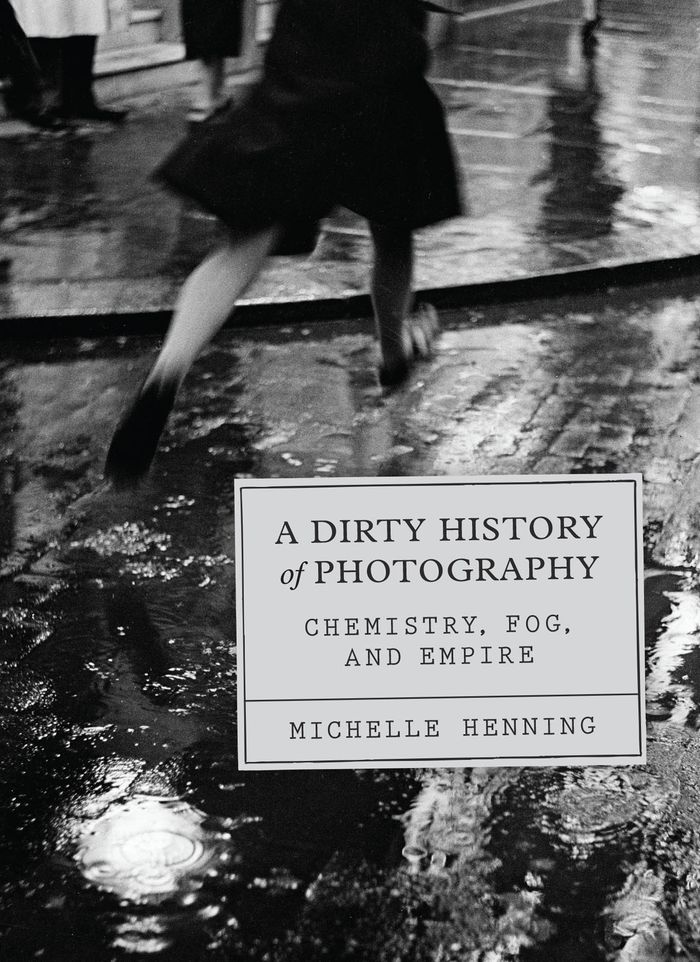
Dependent on the extractive practices of fossil-fueled industrial capitalism, chemical photography’s emulsions and films were highly sensitive to polluted atmospheres, and photographic companies had to work hard to control this sensitivity. Drawing on histories of empire, coal, and chemistry and from the archives of British photographic manufacturer Ilford Limited, Michelle Henning exposes the ways photography shaped how we see and understand the atmosphere while leaving its toxic residues in the air, soil, and water. Structured as thirty-six short chapters and with over seventy illustrations, this innovative book begins in interwar London, follows the supply of Ilford products to photographers on the West African coast, and considers photography as a military technology linked to the development of chemical warfare. Combining close readings of photographs with discussions of low-light, tropical, and aerial photography, Henning examines the extraction and development of photographic materials, their role in the current environmental crisis, and how they have shaped experiences of time and the environment.
A dirty history of photography: Chemistry, fog, and empire
Actions:
Price:
$53.95
(available to order)
Summary:
Dependent on the extractive practices of fossil-fueled industrial capitalism, chemical photography’s emulsions and films were highly sensitive to polluted atmospheres, and photographic companies had to work hard to control this sensitivity. Drawing on histories of empire, coal, and chemistry and from the archives of British photographic manufacturer Ilford Limited, Michelle Henning exposes the ways photography shaped how we see and understand the atmosphere while leaving its toxic residues in the air, soil, and water. Structured as thirty-six short chapters and with over seventy illustrations, this innovative book begins in interwar London, follows the supply of Ilford products to photographers on the West African coast, and considers photography as a military technology linked to the development of chemical warfare. Combining close readings of photographs with discussions of low-light, tropical, and aerial photography, Henning examines the extraction and development of photographic materials, their role in the current environmental crisis, and how they have shaped experiences of time and the environment.
Form:
books
books
Publication:
January 2026
January 2026
Subject:
Photography monographs
Photography monographs
Form:
books
books
Title:
British council Nairobi
British council Nairobi
Actions:
Price:
$16.95
(available to order)
Summary:
A new council office, designed by Squire and Partners, opened in Nairobi in November 2004. The design utilises the local climate and orientation to passively control the building’s environment and has evolved from Squire and Partners’ ethos of contextual modernism. The practice works hard with site locations, aspect and orientation to develop proposals that are both(...)
$16.95
(available to order)
Summary:
A new council office, designed by Squire and Partners, opened in Nairobi in November 2004. The design utilises the local climate and orientation to passively control the building’s environment and has evolved from Squire and Partners’ ethos of contextual modernism. The practice works hard with site locations, aspect and orientation to develop proposals that are both(...)
Title:
British council Nairobi
Actions:
Price:
$16.95
(available to order)
Summary:
A new council office, designed by Squire and Partners, opened in Nairobi in November 2004. The design utilises the local climate and orientation to passively control the building’s environment and has evolved from Squire and Partners’ ethos of contextual modernism. The practice works hard with site locations, aspect and orientation to develop proposals that are both appropriate and culturally of their 'place’. The design responds specifically to both the culture of the British council in East Africa and the site context of central Nairobi to create a dramatic, beautiful space. The British Council’s Visual Arts Department commissioned a site specific work for the new building from artist David Tremlett who was invited to contribute wall drawings to the front and back elevations and to the main corridors leading to the teaching areas within the building. The drawings of rubbed pigment and varnish highlight accentuate the flat planes of the building and the colours harmonise with the vibrant richness of the Kenyan soil, vegetation and sky.
British council Nairobi
Actions:
Price:
$16.95
(available to order)
Summary:
A new council office, designed by Squire and Partners, opened in Nairobi in November 2004. The design utilises the local climate and orientation to passively control the building’s environment and has evolved from Squire and Partners’ ethos of contextual modernism. The practice works hard with site locations, aspect and orientation to develop proposals that are both appropriate and culturally of their 'place’. The design responds specifically to both the culture of the British council in East Africa and the site context of central Nairobi to create a dramatic, beautiful space. The British Council’s Visual Arts Department commissioned a site specific work for the new building from artist David Tremlett who was invited to contribute wall drawings to the front and back elevations and to the main corridors leading to the teaching areas within the building. The drawings of rubbed pigment and varnish highlight accentuate the flat planes of the building and the colours harmonise with the vibrant richness of the Kenyan soil, vegetation and sky.
Form:
books
books
Publication:
September 2005, London
September 2005, London
Subject:
small format
small format
Form:
books
books
Actions:
Price:
$23.95
(available to order)
Summary:
The term "guerrilla" may bring to mind a small band of armed soldiers, moving in the dead of night on a stealth mission. In the case of guerrilla gardening, the soldiers are planters, the weapons are shovels, and the mission is to transform an abandoned lot into a thing of beauty. Once an environmentalist's nonviolent direct action for inner-city renewal, this approach to(...)
$23.95
(available to order)
Summary:
The term "guerrilla" may bring to mind a small band of armed soldiers, moving in the dead of night on a stealth mission. In the case of guerrilla gardening, the soldiers are planters, the weapons are shovels, and the mission is to transform an abandoned lot into a thing of beauty. Once an environmentalist's nonviolent direct action for inner-city renewal, this approach to(...)
Title:
Guerrilla gardening : a manualfesto
Actions:
Price:
$23.95
(available to order)
Summary:
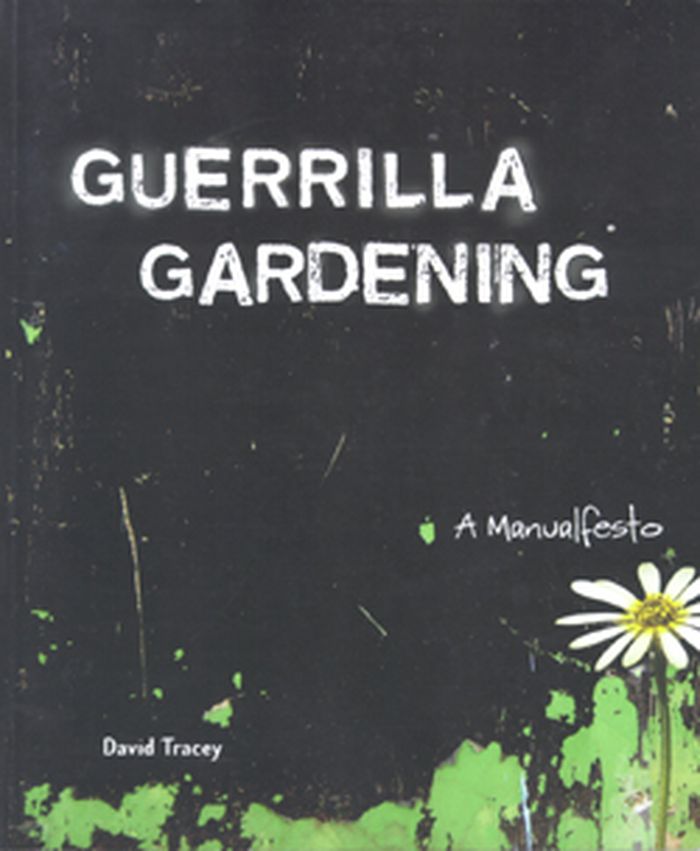
The term "guerrilla" may bring to mind a small band of armed soldiers, moving in the dead of night on a stealth mission. In the case of guerrilla gardening, the soldiers are planters, the weapons are shovels, and the mission is to transform an abandoned lot into a thing of beauty. Once an environmentalist's nonviolent direct action for inner-city renewal, this approach to urban beautification is spreading to all types of people in cities around the world. These modern-day Johnny Appleseeds perform random acts of gardening, often without the property owner's prior knowledge or permission. Typical targets are vacant lots, railway land, underused public squares, and back alleys. The concept is simple, whimsical and has the cheeky appeal of being a not-quite-legal call to action. Dig in some soil, plant a few seeds, or mend a sagging fence - one good deed inspiring another, with win-win results all around.
Guerrilla gardening : a manualfesto
Actions:
Price:
$23.95
(available to order)
Summary:
The term "guerrilla" may bring to mind a small band of armed soldiers, moving in the dead of night on a stealth mission. In the case of guerrilla gardening, the soldiers are planters, the weapons are shovels, and the mission is to transform an abandoned lot into a thing of beauty. Once an environmentalist's nonviolent direct action for inner-city renewal, this approach to urban beautification is spreading to all types of people in cities around the world. These modern-day Johnny Appleseeds perform random acts of gardening, often without the property owner's prior knowledge or permission. Typical targets are vacant lots, railway land, underused public squares, and back alleys. The concept is simple, whimsical and has the cheeky appeal of being a not-quite-legal call to action. Dig in some soil, plant a few seeds, or mend a sagging fence - one good deed inspiring another, with win-win results all around.
Form:
books
books
Publication:
April 2007, Gabriola Island
April 2007, Gabriola Island
Subject:
Urban Landscapes
Urban Landscapes
Form:
books
books
Title:
A forest in the city
A forest in the city
Actions:
Price:
$19.95
(available to order)
Summary:
''A forest in the city'' looks at the urban forest, starting with a bird’s-eye view of the tree canopy, then swooping down to street level, digging deep into the ground, then moving up through a tree’s trunk, back into the leaves and branches. Trees make our cities more beautiful and provide shade but they also fight climate change and pollution, benefit our health and(...)
$19.95
(available to order)
Summary:
''A forest in the city'' looks at the urban forest, starting with a bird’s-eye view of the tree canopy, then swooping down to street level, digging deep into the ground, then moving up through a tree’s trunk, back into the leaves and branches. Trees make our cities more beautiful and provide shade but they also fight climate change and pollution, benefit our health and(...)
Title:
A forest in the city
Actions:
Price:
$19.95
(available to order)
Summary:
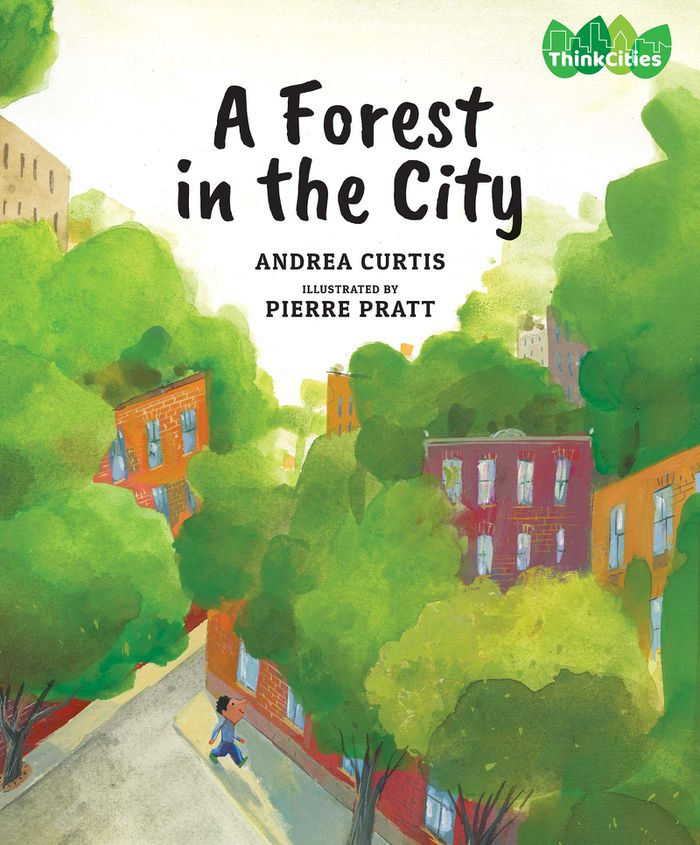
''A forest in the city'' looks at the urban forest, starting with a bird’s-eye view of the tree canopy, then swooping down to street level, digging deep into the ground, then moving up through a tree’s trunk, back into the leaves and branches. Trees make our cities more beautiful and provide shade but they also fight climate change and pollution, benefit our health and connections to one another, provide food and shelter for wildlife, and much more. Yet city trees face an abundance of problems, such as the abundance of concrete, poor soil and challenging light conditions. So how can we create a healthy environment for city trees? Urban foresters are trying to create better growing conditions, plant diverse species, and maintain trees as they age. These strategies, and more, reveal that the urban forest is a complex system—''A forest in the city'' shows readers we are a part of it. Includes a list of activities to help the urban forest and a glossary.
A forest in the city
Actions:
Price:
$19.95
(available to order)
Summary:
''A forest in the city'' looks at the urban forest, starting with a bird’s-eye view of the tree canopy, then swooping down to street level, digging deep into the ground, then moving up through a tree’s trunk, back into the leaves and branches. Trees make our cities more beautiful and provide shade but they also fight climate change and pollution, benefit our health and connections to one another, provide food and shelter for wildlife, and much more. Yet city trees face an abundance of problems, such as the abundance of concrete, poor soil and challenging light conditions. So how can we create a healthy environment for city trees? Urban foresters are trying to create better growing conditions, plant diverse species, and maintain trees as they age. These strategies, and more, reveal that the urban forest is a complex system—''A forest in the city'' shows readers we are a part of it. Includes a list of activities to help the urban forest and a glossary.
Form:
books
books
Publication:
April 2020
April 2020
Subject:
Children's Books
Children's Books


