


461 Results
Form:
books
books
Actions:
Price:
$56.00
(available to order)
Summary:
"Built by Hand" is the most extensive documentation ever published of vernacular buildings throughout the world. With examples from nearly every continent, the book documents the diverse methods people have used to create shelter from locally available natural materials, and shows the impressive handmade finished products through this truly stunning compilation of(...)
$56.00
(available to order)
Summary:
"Built by Hand" is the most extensive documentation ever published of vernacular buildings throughout the world. With examples from nearly every continent, the book documents the diverse methods people have used to create shelter from locally available natural materials, and shows the impressive handmade finished products through this truly stunning compilation of(...)
Subject:
Green Architecture
Green Architecture
Publication:
June 2003, Salt Lake City
June 2003, Salt Lake City
Title:
Built by hand : vernacular buildings around the world
Actions:
Price:
$56.00
(available to order)
Summary:
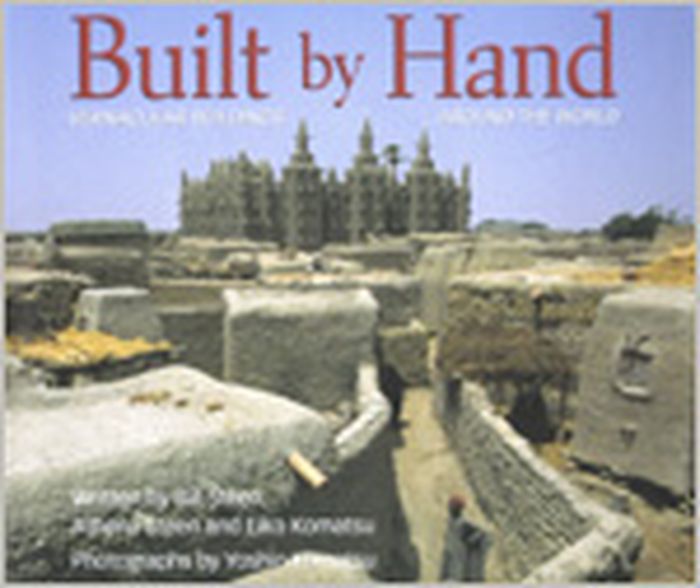
"Built by Hand" is the most extensive documentation ever published of vernacular buildings throughout the world. With examples from nearly every continent, the book documents the diverse methods people have used to create shelter from locally available natural materials, and shows the impressive handmade finished products through this truly stunning compilation of photographs. Unlike modern buildings that rely on industrially produced materials and highly specialized electric tools and techniques, the shelters featured here represent a rapidly disappearing genre of handcrafted and beautifully composed structures. They are the work of people who, as builders and homesteaders, have integrated artistic beauty and practical form into their shelter needs. "Built by Hand" offers insights into the world of vernacular building, along with potential solutions to many of the problems that plague modern architecture. It is a must-have collection that preserves and documents the rich cultural past of each structure and its community, and offers inspiration for those looking to build in a way that is motivated by something larger than speed, efficiency, and economic profit.
Built by hand : vernacular buildings around the world
Actions:
Price:
$56.00
(available to order)
Summary:
"Built by Hand" is the most extensive documentation ever published of vernacular buildings throughout the world. With examples from nearly every continent, the book documents the diverse methods people have used to create shelter from locally available natural materials, and shows the impressive handmade finished products through this truly stunning compilation of photographs. Unlike modern buildings that rely on industrially produced materials and highly specialized electric tools and techniques, the shelters featured here represent a rapidly disappearing genre of handcrafted and beautifully composed structures. They are the work of people who, as builders and homesteaders, have integrated artistic beauty and practical form into their shelter needs. "Built by Hand" offers insights into the world of vernacular building, along with potential solutions to many of the problems that plague modern architecture. It is a must-have collection that preserves and documents the rich cultural past of each structure and its community, and offers inspiration for those looking to build in a way that is motivated by something larger than speed, efficiency, and economic profit.
Form:
books
books
Publication:
June 2003, Salt Lake City
June 2003, Salt Lake City
Subject:
Green Architecture
Green Architecture
Form:
books
books
Actions:
Price:
$50.00
(available to order)
Summary:
This book provides one of the first comprehensive discussions of contemporary landscape architecture practice across the Asian region. Bringing together established designers, writers, and thinkers with those of the new generation, Jillian Walliss and Heike Rahmann explore what it means to design, do business, and think about nature, space, and urbanism with an Asian(...)
$50.00
(available to order)
Summary:
This book provides one of the first comprehensive discussions of contemporary landscape architecture practice across the Asian region. Bringing together established designers, writers, and thinkers with those of the new generation, Jillian Walliss and Heike Rahmann explore what it means to design, do business, and think about nature, space, and urbanism with an Asian(...)
Title:
The big Asian book of Landscape Architecture
Actions:
Price:
$50.00
(available to order)
Summary:
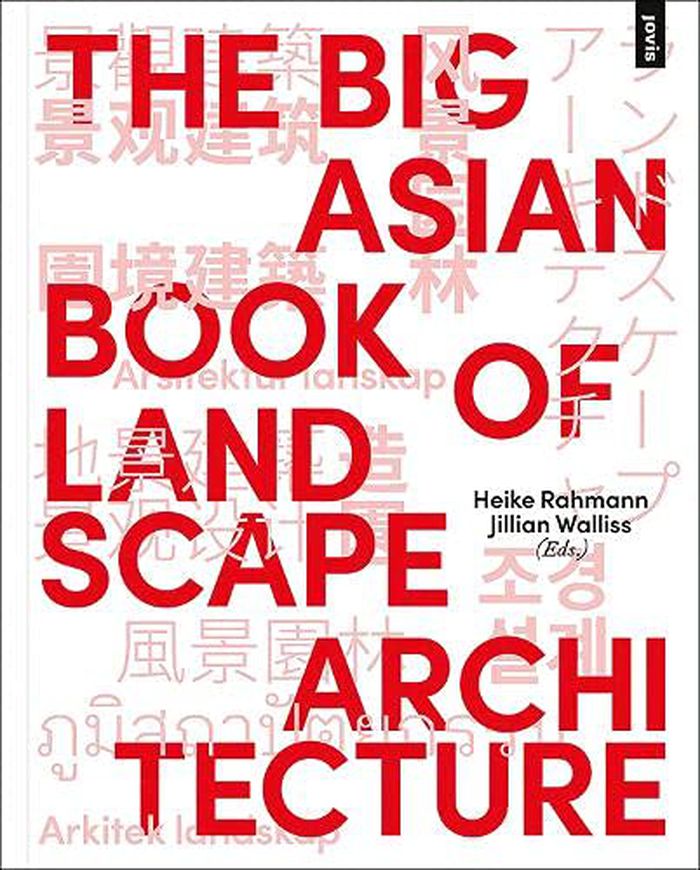
This book provides one of the first comprehensive discussions of contemporary landscape architecture practice across the Asian region. Bringing together established designers, writers, and thinkers with those of the new generation, Jillian Walliss and Heike Rahmann explore what it means to design, do business, and think about nature, space, and urbanism with an Asian sensibility. Through a tripartite structure of Continuum, Interruption, and Speed, ''The big Asian book of landscape architecture'' develops ways for conceiving design around these three characteristics that simultaneously influence an Asian practice. A dynamic structure allows readers to dip into content, rather than progress in a linear manner. Each section begins with a positioning essay, which offer theoretical, cultural, and political contextualisation for the more focused academic writing, shorter reflections, practice interviews, photo essays and design projects which are interwoven in a unique graphic design. Featuring over eighty design projects, ''The big Asian book of landscape architecture's'' significance extends well beyond Asia, offering fresh perspectives for a field that has traditionally been dominated by North American and European influences.
The big Asian book of Landscape Architecture
Actions:
Price:
$50.00
(available to order)
Summary:
This book provides one of the first comprehensive discussions of contemporary landscape architecture practice across the Asian region. Bringing together established designers, writers, and thinkers with those of the new generation, Jillian Walliss and Heike Rahmann explore what it means to design, do business, and think about nature, space, and urbanism with an Asian sensibility. Through a tripartite structure of Continuum, Interruption, and Speed, ''The big Asian book of landscape architecture'' develops ways for conceiving design around these three characteristics that simultaneously influence an Asian practice. A dynamic structure allows readers to dip into content, rather than progress in a linear manner. Each section begins with a positioning essay, which offer theoretical, cultural, and political contextualisation for the more focused academic writing, shorter reflections, practice interviews, photo essays and design projects which are interwoven in a unique graphic design. Featuring over eighty design projects, ''The big Asian book of landscape architecture's'' significance extends well beyond Asia, offering fresh perspectives for a field that has traditionally been dominated by North American and European influences.
Form:
books
books
Publication:
April 2021
April 2021
Subject:
Landscape Theory
Landscape Theory
Form:
books
books
Actions:
Price:
$50.00
(available to order)
Summary:
How can architecture today be simultaneously relevant to its urban context and at the very forefront of design? For a decade or so, iconic architecture has been fuelled by the market economy and consumers' insatiable appetite for the novel and the different. The relentless speed and scale of urbanisation, with its ruptured, decentralised and fast-changing context, though,(...)
$50.00
(available to order)
Summary:
How can architecture today be simultaneously relevant to its urban context and at the very forefront of design? For a decade or so, iconic architecture has been fuelled by the market economy and consumers' insatiable appetite for the novel and the different. The relentless speed and scale of urbanisation, with its ruptured, decentralised and fast-changing context, though,(...)
Title:
AD 81:01 Typological urbanism
Actions:
Price:
$50.00
(available to order)
Summary:
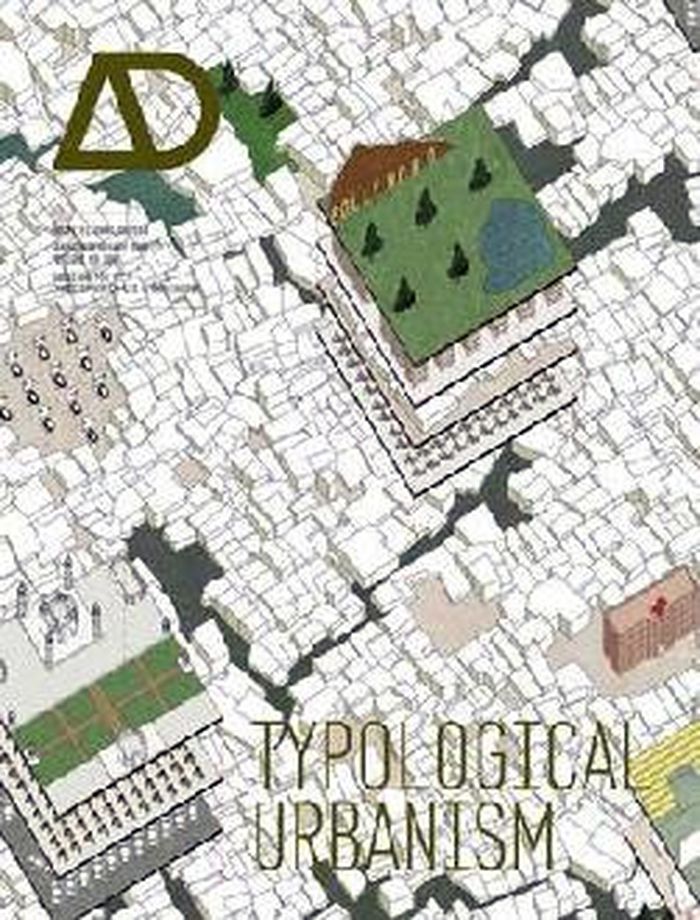
How can architecture today be simultaneously relevant to its urban context and at the very forefront of design? For a decade or so, iconic architecture has been fuelled by the market economy and consumers' insatiable appetite for the novel and the different. The relentless speed and scale of urbanisation, with its ruptured, decentralised and fast-changing context, though, demands a rethink of the role of the designer and the function of architecture. This title confronts and questions the profession's and academia's current inability to confidently and comprehensively describe, conceptualise, theorise and ultimately project new ideas for architecture in relation to the city. In so doing, it provides a potent alternative for projective cities: Typological Urbanism. This develops strategies of typological reasoning in order to re-engage architecture with the city in both a critical and speculative manner. Architecture and urbanism are no longer seen as separate domains, or subservient to each other, but as synthesising disciplines and processes that allow an integrating and controlling effect on both the city and its built environment.
AD 81:01 Typological urbanism
Actions:
Price:
$50.00
(available to order)
Summary:
How can architecture today be simultaneously relevant to its urban context and at the very forefront of design? For a decade or so, iconic architecture has been fuelled by the market economy and consumers' insatiable appetite for the novel and the different. The relentless speed and scale of urbanisation, with its ruptured, decentralised and fast-changing context, though, demands a rethink of the role of the designer and the function of architecture. This title confronts and questions the profession's and academia's current inability to confidently and comprehensively describe, conceptualise, theorise and ultimately project new ideas for architecture in relation to the city. In so doing, it provides a potent alternative for projective cities: Typological Urbanism. This develops strategies of typological reasoning in order to re-engage architecture with the city in both a critical and speculative manner. Architecture and urbanism are no longer seen as separate domains, or subservient to each other, but as synthesising disciplines and processes that allow an integrating and controlling effect on both the city and its built environment.
Form:
books
books
Publication:
March 2011
March 2011
Subject:
Magazines
Magazines
Form:
books
books
Price:
$110.00
(available to order)
Summary:
To photograph avant-garde architecture is its own particular art, requiring careful attention to geometry, composition, lighting, and the ineluctable feel of a created space. In his famous photographs of modern architectural marvels, Marcel Chassot doesn’t merely capture a building’s appearance; he transports us to the space, recreating both its ambience and its grandeur.(...)
$110.00
(available to order)
Summary:
To photograph avant-garde architecture is its own particular art, requiring careful attention to geometry, composition, lighting, and the ineluctable feel of a created space. In his famous photographs of modern architectural marvels, Marcel Chassot doesn’t merely capture a building’s appearance; he transports us to the space, recreating both its ambience and its grandeur.(...)
Title:
Marcel Chassot: architecture and photography. Amazement as visual culture
Actions:
Price:
$110.00
(available to order)
Summary:
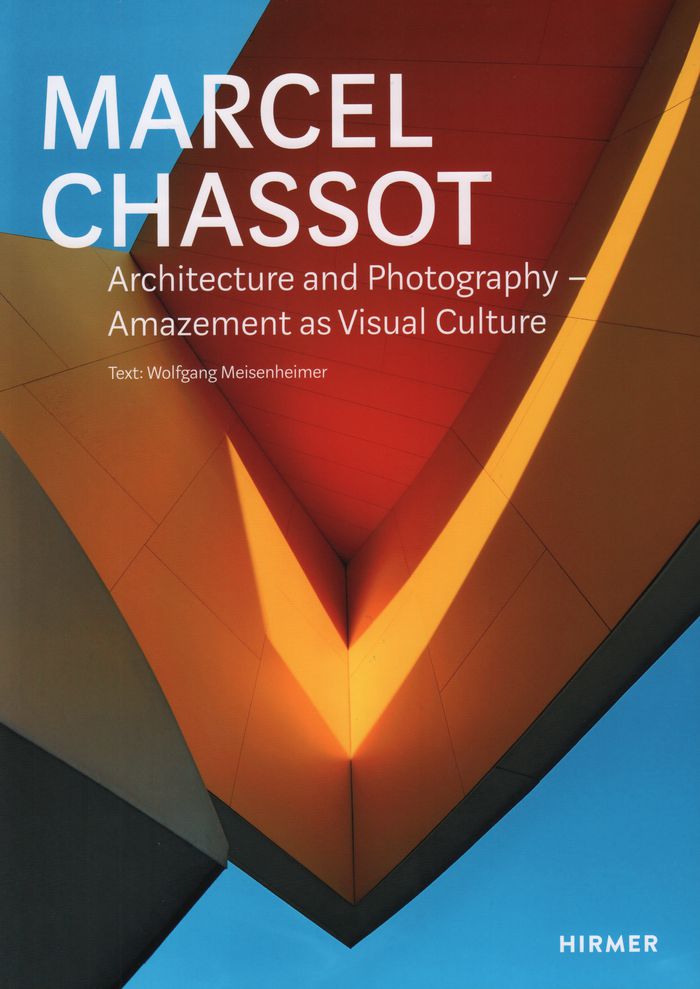
To photograph avant-garde architecture is its own particular art, requiring careful attention to geometry, composition, lighting, and the ineluctable feel of a created space. In his famous photographs of modern architectural marvels, Marcel Chassot doesn’t merely capture a building’s appearance; he transports us to the space, recreating both its ambience and its grandeur. This volume assembles buildings designed by the giants of modern architecture—from Frank Gehry’s surrealist twists and stacks to Zaha Hadid’s formal speed and fluidity, from Beijing National Stadium to the Sony Center in Berlin and the World Trade Center Transportation Hub in New York—offering a wealth of scenes from international contemporary architecture. Wolfgang Meisenheimer sheds light on the fundamental principles of Chassot’s photographic worldview and distinguishes between three layers of thought in which the work is rooted: the Euclidean orders, echoes of the modern philosophy of the lived body, and the legacy of Cubism from the beginnings of modern painting. With its felicitous interplay of brilliant architectural photography, exquisite design, and thoughtfully researched essays, this book is a total work of art.
Marcel Chassot: architecture and photography. Amazement as visual culture
Actions:
Price:
$110.00
(available to order)
Summary:
To photograph avant-garde architecture is its own particular art, requiring careful attention to geometry, composition, lighting, and the ineluctable feel of a created space. In his famous photographs of modern architectural marvels, Marcel Chassot doesn’t merely capture a building’s appearance; he transports us to the space, recreating both its ambience and its grandeur. This volume assembles buildings designed by the giants of modern architecture—from Frank Gehry’s surrealist twists and stacks to Zaha Hadid’s formal speed and fluidity, from Beijing National Stadium to the Sony Center in Berlin and the World Trade Center Transportation Hub in New York—offering a wealth of scenes from international contemporary architecture. Wolfgang Meisenheimer sheds light on the fundamental principles of Chassot’s photographic worldview and distinguishes between three layers of thought in which the work is rooted: the Euclidean orders, echoes of the modern philosophy of the lived body, and the legacy of Cubism from the beginnings of modern painting. With its felicitous interplay of brilliant architectural photography, exquisite design, and thoughtfully researched essays, this book is a total work of art.
Form:
books
books
Publication:
August 2018
August 2018
Subject:
Photography monographs
Photography monographs
Form:
books
books
Price:
$42.00
(available in store)
Summary:
Western society is being terrorized by fear. Whether concerning national security, road safety or the protection of public health, every form of risk is meant to be spread, accounted for or eradicated. The safety and security obsession is leaving behind ever more visible traces, especially in public space. Speed bumps, smoke-free zones and surveillance cameras serve a(...)
$42.00
(available in store)
Summary:
Western society is being terrorized by fear. Whether concerning national security, road safety or the protection of public health, every form of risk is meant to be spread, accounted for or eradicated. The safety and security obsession is leaving behind ever more visible traces, especially in public space. Speed bumps, smoke-free zones and surveillance cameras serve a(...)
Title:
Fear & space : the view of young designers in the Netherlands
Actions:
Price:
$42.00
(available in store)
Summary:
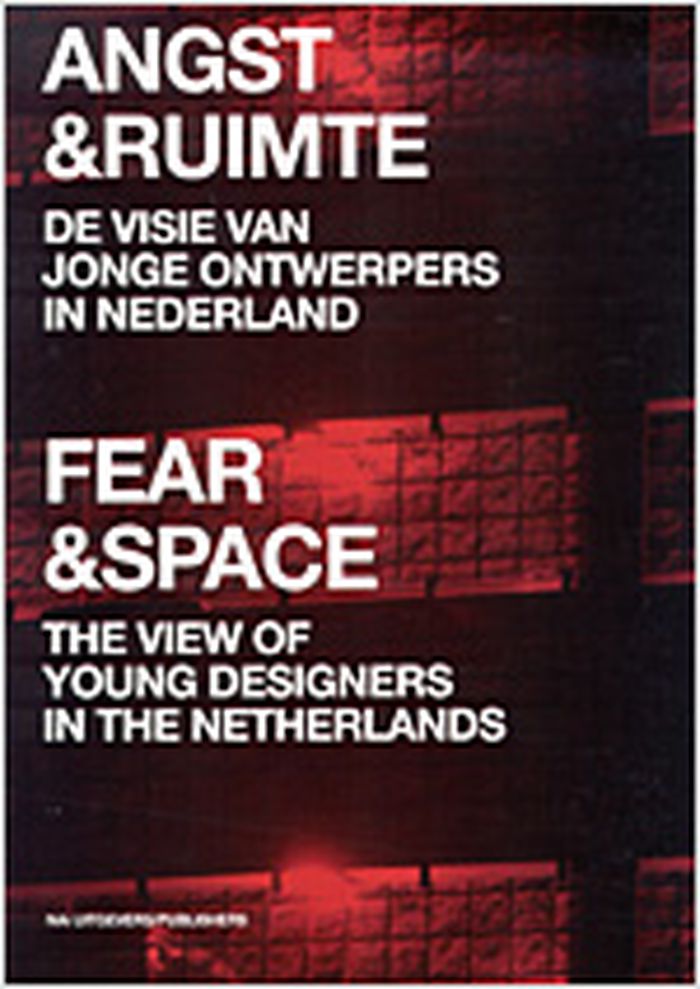
Western society is being terrorized by fear. Whether concerning national security, road safety or the protection of public health, every form of risk is meant to be spread, accounted for or eradicated. The safety and security obsession is leaving behind ever more visible traces, especially in public space. Speed bumps, smoke-free zones and surveillance cameras serve a society where prevention is the order of the day. This second book in the Group portraits series -a collaboration between the Netherlands architecture fund and the Netherlands foundation for visual arts, design and architecture (Fonds BKVB) - once again brings together four groups of young designers around a highly topical theme. As a sequel to the successful "City branding" book, this publication explores the various aspects of fear and prevention and considers the impact on contemporary urban space in four chapters. All the stops are pulled out: text, photography, research and design alternate in a thought-provoking sequence. This publication is the result of intensive research into the presence of fear in our Western society and the role that architecture might play herein. It is therefore an instrument for students, researchers, architects and policy-makers who are concerned with security issues.
Fear & space : the view of young designers in the Netherlands
Actions:
Price:
$42.00
(available in store)
Summary:
Western society is being terrorized by fear. Whether concerning national security, road safety or the protection of public health, every form of risk is meant to be spread, accounted for or eradicated. The safety and security obsession is leaving behind ever more visible traces, especially in public space. Speed bumps, smoke-free zones and surveillance cameras serve a society where prevention is the order of the day. This second book in the Group portraits series -a collaboration between the Netherlands architecture fund and the Netherlands foundation for visual arts, design and architecture (Fonds BKVB) - once again brings together four groups of young designers around a highly topical theme. As a sequel to the successful "City branding" book, this publication explores the various aspects of fear and prevention and considers the impact on contemporary urban space in four chapters. All the stops are pulled out: text, photography, research and design alternate in a thought-provoking sequence. This publication is the result of intensive research into the presence of fear in our Western society and the role that architecture might play herein. It is therefore an instrument for students, researchers, architects and policy-makers who are concerned with security issues.
Form:
books
books
Publication:
January 2005, Rotterdam
January 2005, Rotterdam
Subject:
Architectural Theory
Architectural Theory
Form:
books
books
Actions:
Price:
$45.50
(available to order)
Summary:
In the 1960s art fell out of time; both artists and critics lost their temporal bearings in response to what E. M. Cioran called "not being entitled to time." This anxiety and uneasiness about time, which Pamela Lee calls "chronophobia," cut across movements, media, and genres, and was figured in works ranging from kinetic sculptures to Andy Warhol films. Despite its(...)
$45.50
(available to order)
Summary:
In the 1960s art fell out of time; both artists and critics lost their temporal bearings in response to what E. M. Cioran called "not being entitled to time." This anxiety and uneasiness about time, which Pamela Lee calls "chronophobia," cut across movements, media, and genres, and was figured in works ranging from kinetic sculptures to Andy Warhol films. Despite its(...)
Title:
Chronophobia : on time in the art of the 1960's
Actions:
Price:
$45.50
(available to order)
Summary:
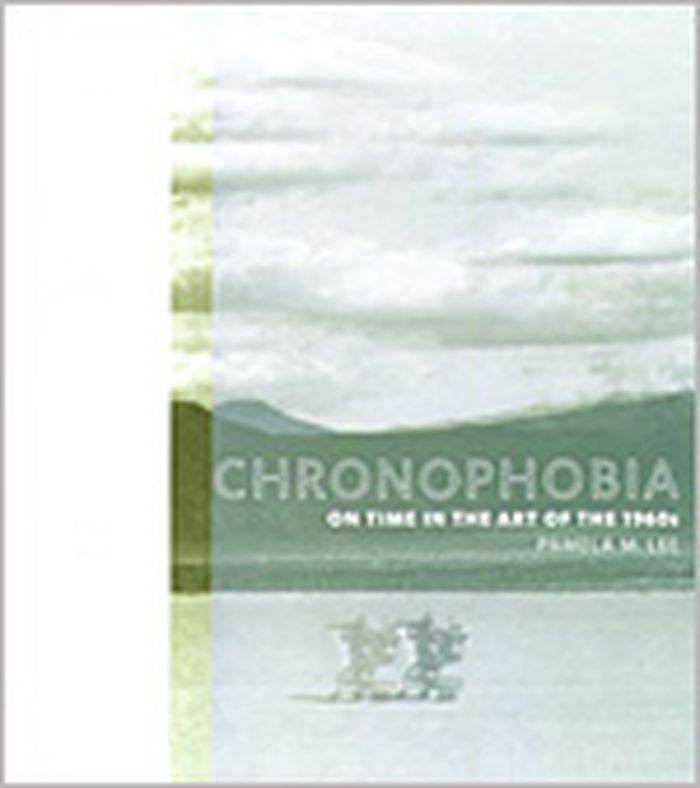
In the 1960s art fell out of time; both artists and critics lost their temporal bearings in response to what E. M. Cioran called "not being entitled to time." This anxiety and uneasiness about time, which Pamela Lee calls "chronophobia," cut across movements, media, and genres, and was figured in works ranging from kinetic sculptures to Andy Warhol films. Despite its pervasiveness, the subject of time and 1960s art has gone largely unexamined in historical accounts of the period. Chronophobia is the first critical attempt to define this obsession and analyze it in relation to art and technology. Lee discusses the chronophobia of art relative to the emergence of the Information Age in postwar culture. The accompanying rapid technological transformations, including the advent of computers and automation processes, produced for many an acute sense of historical unknowing; the seemingly accelerated pace of life began to outstrip any attempts to make sense of the present. Lee sees the attitude of 1960s art to time as a historical prelude to our current fixation on time and speed within digital culture. Reflecting upon the 1960s cultural anxiety about temporality, she argues, helps us historicize our current relation to technology and time.
Chronophobia : on time in the art of the 1960's
Actions:
Price:
$45.50
(available to order)
Summary:
In the 1960s art fell out of time; both artists and critics lost their temporal bearings in response to what E. M. Cioran called "not being entitled to time." This anxiety and uneasiness about time, which Pamela Lee calls "chronophobia," cut across movements, media, and genres, and was figured in works ranging from kinetic sculptures to Andy Warhol films. Despite its pervasiveness, the subject of time and 1960s art has gone largely unexamined in historical accounts of the period. Chronophobia is the first critical attempt to define this obsession and analyze it in relation to art and technology. Lee discusses the chronophobia of art relative to the emergence of the Information Age in postwar culture. The accompanying rapid technological transformations, including the advent of computers and automation processes, produced for many an acute sense of historical unknowing; the seemingly accelerated pace of life began to outstrip any attempts to make sense of the present. Lee sees the attitude of 1960s art to time as a historical prelude to our current fixation on time and speed within digital culture. Reflecting upon the 1960s cultural anxiety about temporality, she argues, helps us historicize our current relation to technology and time.
Form:
books
books
Publication:
May 2004, Cambridge, Mass.
May 2004, Cambridge, Mass.
Subject:
Contemporary Art Monographs
Contemporary Art Monographs
Form:
books
books
![Five minutes city : architecture and [im]mobility](/img-bookstore/g-8fLW45kD9B9-2F56_gKQO180E=/700x1003/MIG-14543.jpg)
Actions:
Price:
$42.95
(available to order)
Summary:
FiveMinutesCity was an international forum and workshop for young architects organized by the Berlage Institute in collaboration with the Mies van der Rohe Foundation (Barcelona) and the Institut Français d'Architecture (Paris). The organizers invited Winy Maas, architect and partner in MVRDV from Rotterdam, as the workshop master. Winy Maas proposed a provocative and(...)
$42.95
(available to order)
Summary:
FiveMinutesCity was an international forum and workshop for young architects organized by the Berlage Institute in collaboration with the Mies van der Rohe Foundation (Barcelona) and the Institut Français d'Architecture (Paris). The organizers invited Winy Maas, architect and partner in MVRDV from Rotterdam, as the workshop master. Winy Maas proposed a provocative and(...)
Title:
Five minutes city : architecture and [im]mobility
Actions:
Price:
$42.95
(available to order)
Summary:
FiveMinutesCity was an international forum and workshop for young architects organized by the Berlage Institute in collaboration with the Mies van der Rohe Foundation (Barcelona) and the Institut Français d'Architecture (Paris). The organizers invited Winy Maas, architect and partner in MVRDV from Rotterdam, as the workshop master. Winy Maas proposed a provocative and inspiring brief; he asked participants to redesign the cities of Rotterdam and New York in a way that everything is reachable within five minutes. A series of serious questions arise from the challenging brief: 'What will such a city look like? What happens to such an hypothesis if cars are the only mode of transport? What will such a city look like when it is only accessed by public transport? Or by walking?' How one can extend the knowledge of compact or dense cities? How fast cities can be? Is increased speed an ideal concept for future cities? Is development of new infrastructure sustainable for cities in future? Can Rotterdam become such a city? Is it possible to upscale Manhattan? How does mobility affects the working and living qualities of the cities and how is mobility shaping cities?
Five minutes city : architecture and [im]mobility
Actions:
Price:
$42.95
(available to order)
Summary:
FiveMinutesCity was an international forum and workshop for young architects organized by the Berlage Institute in collaboration with the Mies van der Rohe Foundation (Barcelona) and the Institut Français d'Architecture (Paris). The organizers invited Winy Maas, architect and partner in MVRDV from Rotterdam, as the workshop master. Winy Maas proposed a provocative and inspiring brief; he asked participants to redesign the cities of Rotterdam and New York in a way that everything is reachable within five minutes. A series of serious questions arise from the challenging brief: 'What will such a city look like? What happens to such an hypothesis if cars are the only mode of transport? What will such a city look like when it is only accessed by public transport? Or by walking?' How one can extend the knowledge of compact or dense cities? How fast cities can be? Is increased speed an ideal concept for future cities? Is development of new infrastructure sustainable for cities in future? Can Rotterdam become such a city? Is it possible to upscale Manhattan? How does mobility affects the working and living qualities of the cities and how is mobility shaping cities?
Form:
books
books
Publication:
October 2003, Rotterdam
October 2003, Rotterdam
Subject:
Architecture Monographs
Architecture Monographs
Form:
books
books
Price:
$49.95
(available to order)
Summary:
Photographic images can, apart from their capacity to show, convey an experience, a quality that has seldom been recognized. In this book, the artist and photographer Maarten Vanvolsem explains how the strip technique can tell a different story of time and space in photographic images, a story that leads to new expressions and experiences of time and movement. The strip(...)
$49.95
(available to order)
Summary:
Photographic images can, apart from their capacity to show, convey an experience, a quality that has seldom been recognized. In this book, the artist and photographer Maarten Vanvolsem explains how the strip technique can tell a different story of time and space in photographic images, a story that leads to new expressions and experiences of time and movement. The strip(...)
Title:
The art of strip photography : making still images with a moving camera
Actions:
Price:
$49.95
(available to order)
Summary:
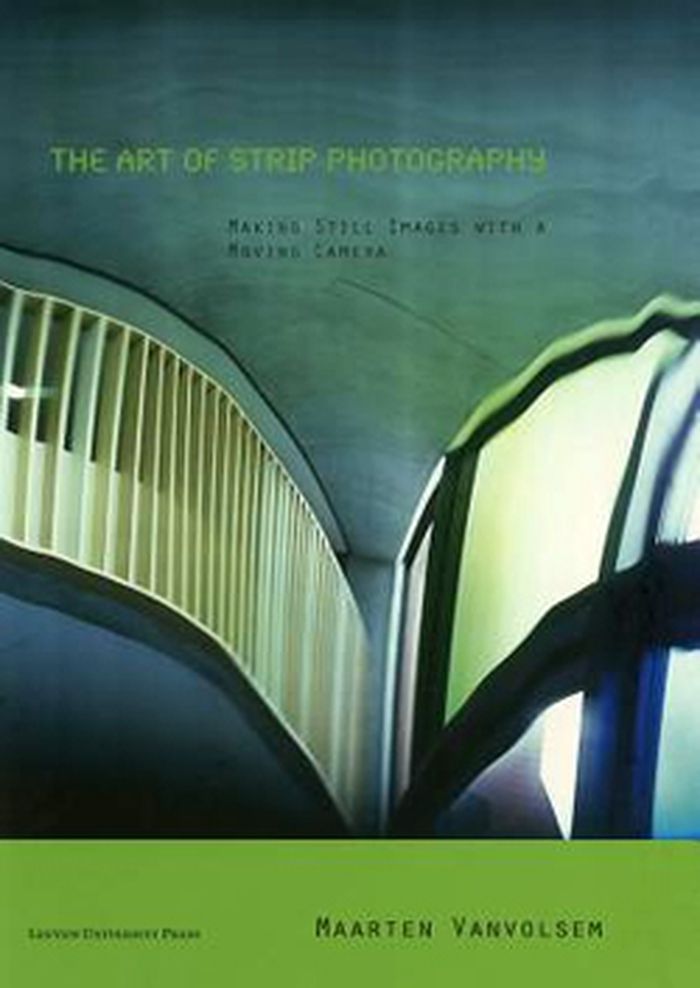
Photographic images can, apart from their capacity to show, convey an experience, a quality that has seldom been recognized. In this book, the artist and photographer Maarten Vanvolsem explains how the strip technique can tell a different story of time and space in photographic images, a story that leads to new expressions and experiences of time and movement. The strip technique itself seems to be neglected in the debate on time and photography, although it has a long history — from Muybridge to the photo booth. Its use is widespread and, especially in recent years, more and more artists have rediscovered the technique. Based on an historical overview, a knowledge and understanding of the technique, and experiments with the building of cameras, this book will propose a new use of this forgotten art: a use in which the temporal terms "speed," “rhythm,” and “pace” are of more value than terms so often associated with photography such as “freeze,” “split second,” or “capture.” Within the book one can find more than thirty artists using the strip technique for their artistic practice. Vanvolsem shows how the technique may be used to rediscover the time-based possibilities of the photographic image.
The art of strip photography : making still images with a moving camera
Actions:
Price:
$49.95
(available to order)
Summary:
Photographic images can, apart from their capacity to show, convey an experience, a quality that has seldom been recognized. In this book, the artist and photographer Maarten Vanvolsem explains how the strip technique can tell a different story of time and space in photographic images, a story that leads to new expressions and experiences of time and movement. The strip technique itself seems to be neglected in the debate on time and photography, although it has a long history — from Muybridge to the photo booth. Its use is widespread and, especially in recent years, more and more artists have rediscovered the technique. Based on an historical overview, a knowledge and understanding of the technique, and experiments with the building of cameras, this book will propose a new use of this forgotten art: a use in which the temporal terms "speed," “rhythm,” and “pace” are of more value than terms so often associated with photography such as “freeze,” “split second,” or “capture.” Within the book one can find more than thirty artists using the strip technique for their artistic practice. Vanvolsem shows how the technique may be used to rediscover the time-based possibilities of the photographic image.
Form:
books
books
Publication:
February 2011
February 2011
Subject:
Theory of Photography
Theory of Photography
Form:
books
books
Actions:
Price:
$29.95
(available to order)
Summary:
This book explores the experience of driving cars as a way of encountering landscapes and cities around the world. A richly illustrated cultural history, drawing on social and urban history, art, literature and music, Drive explores in particular how car driving is portrayed in cinema and other moving images, from America to Europe and Asia, and from Hollywood to the(...)
$29.95
(available to order)
Summary:
This book explores the experience of driving cars as a way of encountering landscapes and cities around the world. A richly illustrated cultural history, drawing on social and urban history, art, literature and music, Drive explores in particular how car driving is portrayed in cinema and other moving images, from America to Europe and Asia, and from Hollywood to the(...)
Title:
Drive : journeys through film, cities and landscapes
Actions:
Price:
$29.95
(available to order)
Summary:
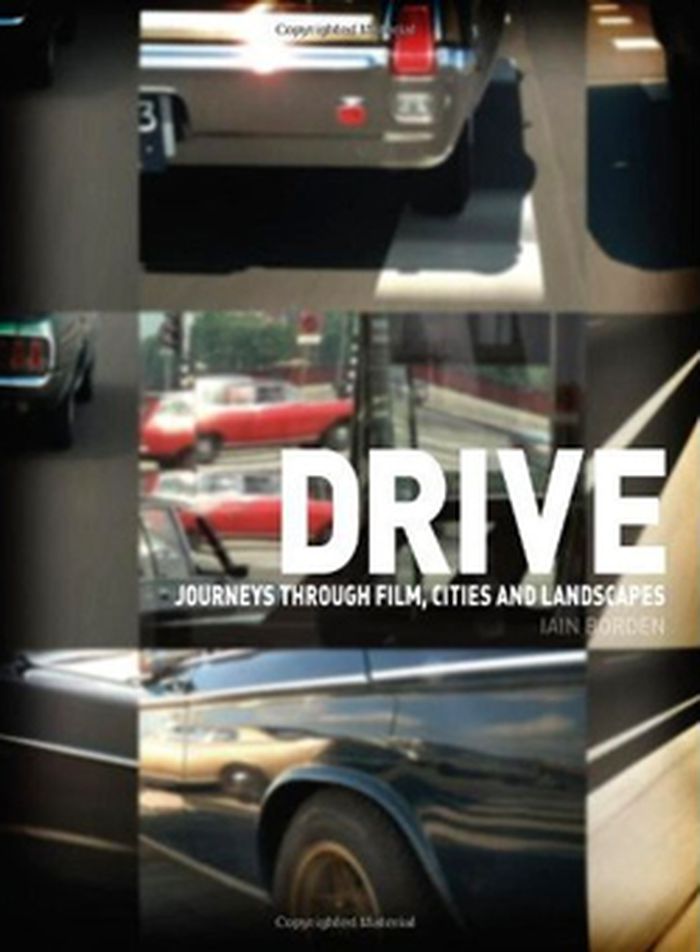
This book explores the experience of driving cars as a way of encountering landscapes and cities around the world. A richly illustrated cultural history, drawing on social and urban history, art, literature and music, Drive explores in particular how car driving is portrayed in cinema and other moving images, from America to Europe and Asia, and from Hollywood to the avant-garde. Drive is about dynamic journeys, experiences and speeds, rooted in specific places and roads, and expanded into the realm of cinema, art and video games. It moves from the gentle deserts of The Grapes of Wrath to the adventurous city streets of The Italian Job, from the aesthetic delights of Rain Man and Traffic to the existential musings of Two-Lane Blacktop, Thelma and Louise and Vanishing Point, from the contemplative freeway pleasures of Lift to the Scaffold, Radio On and London Orbital to the hallucinatory high-speed dangers of Crash, Bullitt, Death Proof and C’était un Rendezvous. It shows how various kinds of driving – with different speeds, cars, attitudes, roads and cities – provide experiences and values that we ignore at our peril.
Drive : journeys through film, cities and landscapes
Actions:
Price:
$29.95
(available to order)
Summary:
This book explores the experience of driving cars as a way of encountering landscapes and cities around the world. A richly illustrated cultural history, drawing on social and urban history, art, literature and music, Drive explores in particular how car driving is portrayed in cinema and other moving images, from America to Europe and Asia, and from Hollywood to the avant-garde. Drive is about dynamic journeys, experiences and speeds, rooted in specific places and roads, and expanded into the realm of cinema, art and video games. It moves from the gentle deserts of The Grapes of Wrath to the adventurous city streets of The Italian Job, from the aesthetic delights of Rain Man and Traffic to the existential musings of Two-Lane Blacktop, Thelma and Louise and Vanishing Point, from the contemplative freeway pleasures of Lift to the Scaffold, Radio On and London Orbital to the hallucinatory high-speed dangers of Crash, Bullitt, Death Proof and C’était un Rendezvous. It shows how various kinds of driving – with different speeds, cars, attitudes, roads and cities – provide experiences and values that we ignore at our peril.
Form:
books
books
Publication:
September 2012
September 2012
Subject:
Architecture and Film, Set Design
Architecture and Film, Set Design
Form:
books
books
Actions:
Price:
$39.95
(available in store)
Summary:
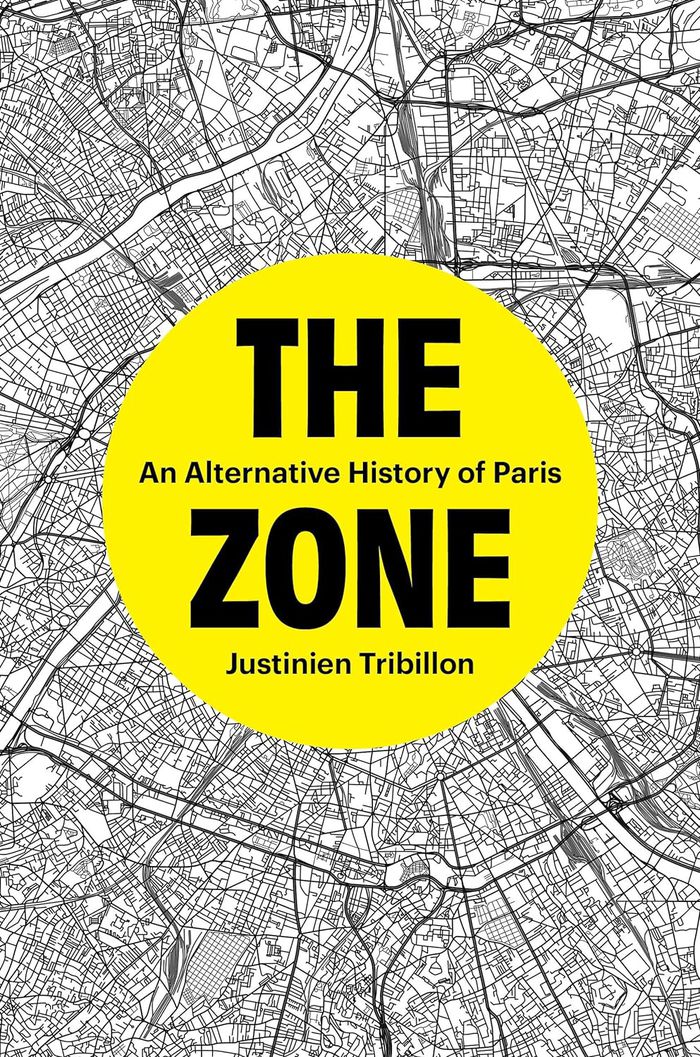
In "The Zone," Justinien Tribillon takes the reader on a tour of an eponymous Parisian hinterland. The site of dreams and nightmares, from Van Gogh’s paintings to the cinematic violence of La Haine, the Zone, so often misunderstood, is the key to understanding today’s Paris, and even France itself. Originally the site of defensive walls, alongside which mushroomed(...)
$39.95
(available in store)
Summary:
In "The Zone," Justinien Tribillon takes the reader on a tour of an eponymous Parisian hinterland. The site of dreams and nightmares, from Van Gogh’s paintings to the cinematic violence of La Haine, the Zone, so often misunderstood, is the key to understanding today’s Paris, and even France itself. Originally the site of defensive walls, alongside which mushroomed(...)
Title:
The zone: An alternative history of Paris
Actions:
Price:
$39.95
(available in store)
Summary:
In "The Zone," Justinien Tribillon takes the reader on a tour of an eponymous Parisian hinterland. The site of dreams and nightmares, from Van Gogh’s paintings to the cinematic violence of La Haine, the Zone, so often misunderstood, is the key to understanding today’s Paris, and even France itself. Originally the site of defensive walls, alongside which mushroomed makeshift housing, allotments, and dancehalls in the nineteenth century, the Zone has performed many functions and been a place of contention for two centuries. Dismantled in the 1920s, the fortifications were first replaced with gardens, stadia and homes. After the war came the Boulevard Périphérique, a ring road promising seamless travel in a futuristic car-centric Paris. With the ring road came new dreams of modernity in reinvented suburbs: new towns, high-rise architecture and social housing built at record speed. Yesterday’s Paris made way for tomorrow’s banlieue. But the metropolitan dream was never realised. The Zone became a symbol of division: between inner and outer cities; between the bourgeois centre and the working-class immigrant outskirts; between ‘us’ and ‘them’. The Zone, both a physical space and a powerful myth, came to crystallise the social, spatial and ethno-racial differences between Paris and the banlieue.
The zone: An alternative history of Paris
Actions:
Price:
$39.95
(available in store)
Summary:
In "The Zone," Justinien Tribillon takes the reader on a tour of an eponymous Parisian hinterland. The site of dreams and nightmares, from Van Gogh’s paintings to the cinematic violence of La Haine, the Zone, so often misunderstood, is the key to understanding today’s Paris, and even France itself. Originally the site of defensive walls, alongside which mushroomed makeshift housing, allotments, and dancehalls in the nineteenth century, the Zone has performed many functions and been a place of contention for two centuries. Dismantled in the 1920s, the fortifications were first replaced with gardens, stadia and homes. After the war came the Boulevard Périphérique, a ring road promising seamless travel in a futuristic car-centric Paris. With the ring road came new dreams of modernity in reinvented suburbs: new towns, high-rise architecture and social housing built at record speed. Yesterday’s Paris made way for tomorrow’s banlieue. But the metropolitan dream was never realised. The Zone became a symbol of division: between inner and outer cities; between the bourgeois centre and the working-class immigrant outskirts; between ‘us’ and ‘them’. The Zone, both a physical space and a powerful myth, came to crystallise the social, spatial and ethno-racial differences between Paris and the banlieue.
Form:
books
books
Publication:
July 2024
July 2024
Subject:
Urban Theory
Urban Theory


