


4476 Results
Form:
books
books
Actions:
Price:
$54.00
(available to order)
Summary:
The British-born artist and writer Leonora Carrington (1917–2011) is one of the vanguards in the history of women artists and the history of Surrealism. The interests of this visionary—feminism, ecology, the arcane and the mystical, the interconnectedness of everything—are now shared by many. Challenging the conventions of her time, Carrington abandoned family, society,(...)
$54.00
(available to order)
Summary:
The British-born artist and writer Leonora Carrington (1917–2011) is one of the vanguards in the history of women artists and the history of Surrealism. The interests of this visionary—feminism, ecology, the arcane and the mystical, the interconnectedness of everything—are now shared by many. Challenging the conventions of her time, Carrington abandoned family, society,(...)
Title:
Surreal spaces: The life and art of Leonora Carrington
Actions:
Price:
$54.00
(available to order)
Summary:
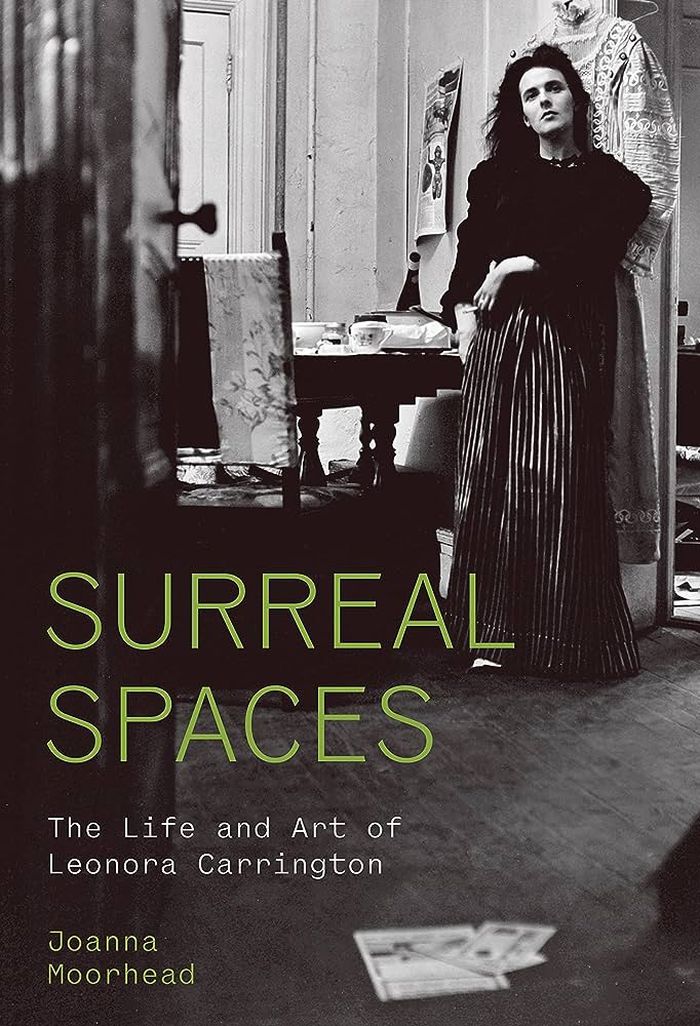
The British-born artist and writer Leonora Carrington (1917–2011) is one of the vanguards in the history of women artists and the history of Surrealism. The interests of this visionary—feminism, ecology, the arcane and the mystical, the interconnectedness of everything—are now shared by many. Challenging the conventions of her time, Carrington abandoned family, society, and England to embrace new experiences and forge a unique artistic style in Europe and the Americas. In this evocative illustrated biography, writer and journalist Joanna Moorhead traces her cousin’s footsteps, exploring the artist’s life, loves, friendships, and work. Leading readers on a personal journey across Britain, Ireland, France, Italy, Spain, Portugal, the United States, and Mexico, ''Surreal spaces'' describes the places and experiences that would become etched in Carrington’s memory and be echoed, sometimes decades later, in her art and writing—whether her grandmother’s kitchen with its giant stove; a remote Cornish hideaway where she holidayed with Max Ernst, Lee Miller, and Man Ray; the Left Bank of Paris; an asylum in Santander, Spain; New York, where she lived among other European exiles; or Mexico City, her final sanctuary. 'Houses are really bodies,' Carrington wrote in her novella ''The Hearing Trumpet''. 'We connect ourselves with walls, roofs and objects just as we hang on to our livers, skeletons, flesh and blood streams.'
Surreal spaces: The life and art of Leonora Carrington
Actions:
Price:
$54.00
(available to order)
Summary:
The British-born artist and writer Leonora Carrington (1917–2011) is one of the vanguards in the history of women artists and the history of Surrealism. The interests of this visionary—feminism, ecology, the arcane and the mystical, the interconnectedness of everything—are now shared by many. Challenging the conventions of her time, Carrington abandoned family, society, and England to embrace new experiences and forge a unique artistic style in Europe and the Americas. In this evocative illustrated biography, writer and journalist Joanna Moorhead traces her cousin’s footsteps, exploring the artist’s life, loves, friendships, and work. Leading readers on a personal journey across Britain, Ireland, France, Italy, Spain, Portugal, the United States, and Mexico, ''Surreal spaces'' describes the places and experiences that would become etched in Carrington’s memory and be echoed, sometimes decades later, in her art and writing—whether her grandmother’s kitchen with its giant stove; a remote Cornish hideaway where she holidayed with Max Ernst, Lee Miller, and Man Ray; the Left Bank of Paris; an asylum in Santander, Spain; New York, where she lived among other European exiles; or Mexico City, her final sanctuary. 'Houses are really bodies,' Carrington wrote in her novella ''The Hearing Trumpet''. 'We connect ourselves with walls, roofs and objects just as we hang on to our livers, skeletons, flesh and blood streams.'
Form:
books
books
Publication:
August 2023
August 2023
Subject:
Contemporary Art Monographs
Contemporary Art Monographs
Form:
books
books
Actions:
Price:
$39.95
(available in store)
Summary:
For E. C. Relph, the landscape of late twentieth-century cities must be envisioned as a total environment—not just streets and buildings but billboards and parking meters as well. "The modern urban landscape" traces the developments since 1880 in architecture, technology, planning, and society that have formed the visual context of daily life. Each of these shaping(...)
$39.95
(available in store)
Summary:
For E. C. Relph, the landscape of late twentieth-century cities must be envisioned as a total environment—not just streets and buildings but billboards and parking meters as well. "The modern urban landscape" traces the developments since 1880 in architecture, technology, planning, and society that have formed the visual context of daily life. Each of these shaping(...)
Title:
The modern urban landscape: 1880 to the present
Actions:
Price:
$39.95
(available in store)
Summary:
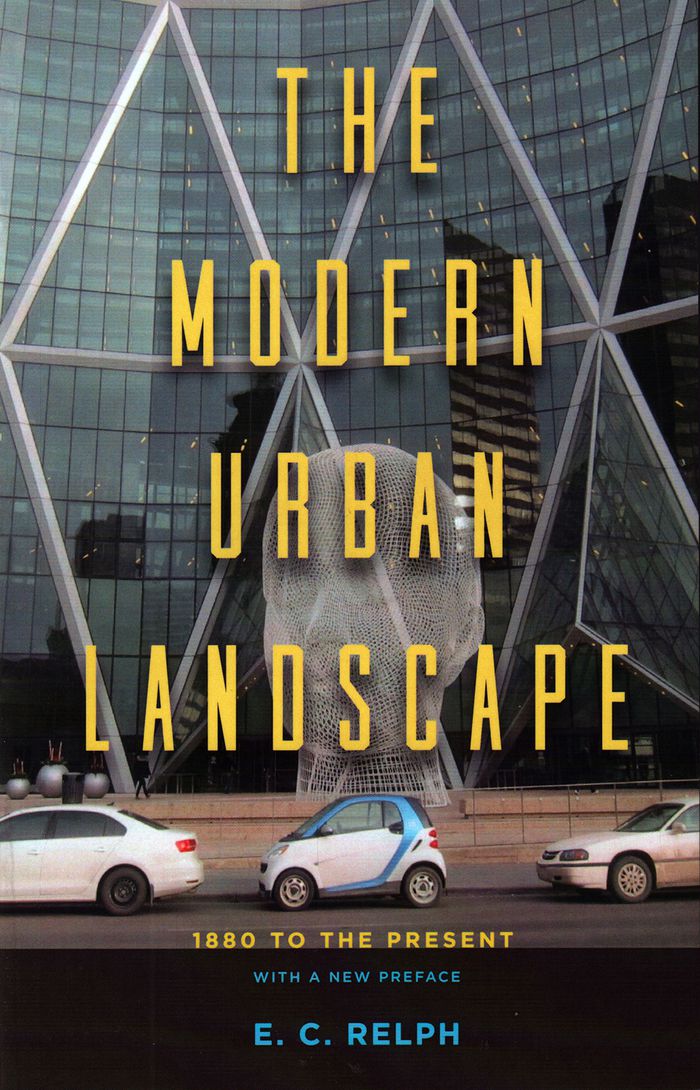
For E. C. Relph, the landscape of late twentieth-century cities must be envisioned as a total environment—not just streets and buildings but billboards and parking meters as well. "The modern urban landscape" traces the developments since 1880 in architecture, technology, planning, and society that have formed the visual context of daily life. Each of these shaping influences is often viewed in isolation, but Relph surveys the ways in which they have operated independently to create what we see when we walk down a street, shop in a mall, or stare through a windshield on an expressway. Two sets of ideas and fashions, Relph argues, have had an especially important impact on urban landscapes in the twentieth century. An "internationalism" made possible by new building technologies and design ideologies has replaced regional style and custom as the dominant feature of city appearance, while a firm belief in the merits of self-consciousness has imposed logical analysis and technical manipulation on such commonplace objects as curbstones and park benches. "As a result," writes Relph, "the modern urban landscape is both rationalized and artificial, which is another way of saying that it is intensely human." This edition features a new preface in which the author identifies the major visible changes in urban landscapes over the past thirty years, including destination architecture, coffee shops, condominium towers, revitalized downtown streets, and the creation of edge cities. He also considers the less visible yet pervasive impacts associated with the emergence of electronic technologies and sustainable development.
The modern urban landscape: 1880 to the present
Actions:
Price:
$39.95
(available in store)
Summary:
For E. C. Relph, the landscape of late twentieth-century cities must be envisioned as a total environment—not just streets and buildings but billboards and parking meters as well. "The modern urban landscape" traces the developments since 1880 in architecture, technology, planning, and society that have formed the visual context of daily life. Each of these shaping influences is often viewed in isolation, but Relph surveys the ways in which they have operated independently to create what we see when we walk down a street, shop in a mall, or stare through a windshield on an expressway. Two sets of ideas and fashions, Relph argues, have had an especially important impact on urban landscapes in the twentieth century. An "internationalism" made possible by new building technologies and design ideologies has replaced regional style and custom as the dominant feature of city appearance, while a firm belief in the merits of self-consciousness has imposed logical analysis and technical manipulation on such commonplace objects as curbstones and park benches. "As a result," writes Relph, "the modern urban landscape is both rationalized and artificial, which is another way of saying that it is intensely human." This edition features a new preface in which the author identifies the major visible changes in urban landscapes over the past thirty years, including destination architecture, coffee shops, condominium towers, revitalized downtown streets, and the creation of edge cities. He also considers the less visible yet pervasive impacts associated with the emergence of electronic technologies and sustainable development.
Form:
books
books
Publication:
July 2016
July 2016
Subject:
Urban Theory
Urban Theory
Form:
books
books
Actions:
Price:
$27.00
(available to order)
Summary:
This new survey provides a complete history of American art and architecture from its seventeenth-century colonial beginnings to the latest installation and video work. Structured chronologically, the book defines the characteristics of the different periods and highlights the consistent forms, techniques, and styles that mark the art and architecture as distinctively(...)
$27.00
(available to order)
Summary:
This new survey provides a complete history of American art and architecture from its seventeenth-century colonial beginnings to the latest installation and video work. Structured chronologically, the book defines the characteristics of the different periods and highlights the consistent forms, techniques, and styles that mark the art and architecture as distinctively(...)
Title:
American art and architecture
Actions:
Price:
$27.00
(available to order)
Summary:
This new survey provides a complete history of American art and architecture from its seventeenth-century colonial beginnings to the latest installation and video work. Structured chronologically, the book defines the characteristics of the different periods and highlights the consistent forms, techniques, and styles that mark the art and architecture as distinctively American. Michael J. Lewis charts the ways in which American artists and architects both adopted and diverged from earlier European models to create an original visual language of their own. He also shows how that language in turn came to influence and eventually dominate art and architecture around the world. The author integrates discussions of both buildings and works of visual art, revealing the shared social and aesthetic concerns that underlie the two. Vernacular, religious, secular, and corporate architecture appears alongside paintings, sculpture, photography, and new-media art. Major American artists and works from the seventeenth century to today are included, such as epic history paintings by Benjamin West and John Singleton Copley; sublime landscapes by Thomas Cole, Albert Bierstadt, and Frederick Church; society portraits by John Singer Sargent; groundbreaking abstract expressionist and pop art by Jackson Pollock, Barnett Newman, and Andy Warhol; and challenging sculptural, installation, and video works from more recent years by Robert Gober, Fred Wilson, and Matthew Barney. In architecture, dozens of different building types are illustrated and discussed, from the earliest colonial houses and churches to the most spectacular modernist and postmodernist houses, stations, museums, and iconic skyscrapers. 275 illustrations, 175 in color.
American art and architecture
Actions:
Price:
$27.00
(available to order)
Summary:
This new survey provides a complete history of American art and architecture from its seventeenth-century colonial beginnings to the latest installation and video work. Structured chronologically, the book defines the characteristics of the different periods and highlights the consistent forms, techniques, and styles that mark the art and architecture as distinctively American. Michael J. Lewis charts the ways in which American artists and architects both adopted and diverged from earlier European models to create an original visual language of their own. He also shows how that language in turn came to influence and eventually dominate art and architecture around the world. The author integrates discussions of both buildings and works of visual art, revealing the shared social and aesthetic concerns that underlie the two. Vernacular, religious, secular, and corporate architecture appears alongside paintings, sculpture, photography, and new-media art. Major American artists and works from the seventeenth century to today are included, such as epic history paintings by Benjamin West and John Singleton Copley; sublime landscapes by Thomas Cole, Albert Bierstadt, and Frederick Church; society portraits by John Singer Sargent; groundbreaking abstract expressionist and pop art by Jackson Pollock, Barnett Newman, and Andy Warhol; and challenging sculptural, installation, and video works from more recent years by Robert Gober, Fred Wilson, and Matthew Barney. In architecture, dozens of different building types are illustrated and discussed, from the earliest colonial houses and churches to the most spectacular modernist and postmodernist houses, stations, museums, and iconic skyscrapers. 275 illustrations, 175 in color.
Form:
books
books
Publication:
May 2006, London
May 2006, London
Subject:
Modernism
Modernism
Form:
books
books
Price:
$40.00
(available in store)
Summary:
Virtuous situations from the industrial past and some ideas for the ‘climatic metropolis’ to come (cases of Brussels and Paris) compiles examples and projections that question the shape given to the city and territory at a moment of paradigm shift. The rapid evolution of climate change is leading to a clear state of emergency that is going to redefine the values and(...)
$40.00
(available in store)
Summary:
Virtuous situations from the industrial past and some ideas for the ‘climatic metropolis’ to come (cases of Brussels and Paris) compiles examples and projections that question the shape given to the city and territory at a moment of paradigm shift. The rapid evolution of climate change is leading to a clear state of emergency that is going to redefine the values and(...)
Title:
CENTRAL office for architecture and urbanism & Maxime Delvaux
Actions:
Price:
$40.00
(available in store)
Summary:
Virtuous situations from the industrial past and some ideas for the ‘climatic metropolis’ to come (cases of Brussels and Paris) compiles examples and projections that question the shape given to the city and territory at a moment of paradigm shift. The rapid evolution of climate change is leading to a clear state of emergency that is going to redefine the values and forms of our society and its territories. Several signs of a gradual paradigm shift have appeared and citizen voices are being raised against a social model that is at odds with the environment. Looking towards the past, a fascinated reading of a city’s ability to transform itself radically when necessary, is proposed. The change, generated by the race towards industrialization and social emancipation, forced metropolises such as Brussels and Paris to develop new urban functions and logics. This evolution took shape in territories that were not yet highly urbanized, but also within the city itself, in negotiation with the existing context. A series of 23 situations from the industrial age draws a panorama of virtuous examples, illustrating an assumed cohabitation between the urban fabric and the infrastructural, productive and energy needs at a precise moment of radical change in Paris and Brussels. The development of the ‘climatic metropolis’ must imperatively be based on design values and principles capable of generating a common vision. In this perspective, we propose some ideas for reflection formalized by projects tied to the built stories from the past, outlining potential situations of a new state to come for the European city.
CENTRAL office for architecture and urbanism & Maxime Delvaux
Actions:
Price:
$40.00
(available in store)
Summary:
Virtuous situations from the industrial past and some ideas for the ‘climatic metropolis’ to come (cases of Brussels and Paris) compiles examples and projections that question the shape given to the city and territory at a moment of paradigm shift. The rapid evolution of climate change is leading to a clear state of emergency that is going to redefine the values and forms of our society and its territories. Several signs of a gradual paradigm shift have appeared and citizen voices are being raised against a social model that is at odds with the environment. Looking towards the past, a fascinated reading of a city’s ability to transform itself radically when necessary, is proposed. The change, generated by the race towards industrialization and social emancipation, forced metropolises such as Brussels and Paris to develop new urban functions and logics. This evolution took shape in territories that were not yet highly urbanized, but also within the city itself, in negotiation with the existing context. A series of 23 situations from the industrial age draws a panorama of virtuous examples, illustrating an assumed cohabitation between the urban fabric and the infrastructural, productive and energy needs at a precise moment of radical change in Paris and Brussels. The development of the ‘climatic metropolis’ must imperatively be based on design values and principles capable of generating a common vision. In this perspective, we propose some ideas for reflection formalized by projects tied to the built stories from the past, outlining potential situations of a new state to come for the European city.
Form:
books
books
Publication:
July 2019
July 2019
Subject:
Architecture Monographs
Architecture Monographs
Form:
books
books
Title:
Alice Neel: Freedom
Alice Neel: Freedom
Actions:
Price:
$62.00
(available to order)
Summary:
One of the foremost American figurative painters of the 20th century, Alice Neel (1900–84) was a humanist—she was fascinated by people. Known for her daringly honest portraits, Neel loved to paint people in all their complexities—to penetrate and reveal their fears and anxieties. She also loved to paint the unadorned human figure. Her nudes, in particular, explore the(...)
$62.00
(available to order)
Summary:
One of the foremost American figurative painters of the 20th century, Alice Neel (1900–84) was a humanist—she was fascinated by people. Known for her daringly honest portraits, Neel loved to paint people in all their complexities—to penetrate and reveal their fears and anxieties. She also loved to paint the unadorned human figure. Her nudes, in particular, explore the(...)
Title:
Alice Neel: Freedom
Actions:
Price:
$62.00
(available to order)
Summary:
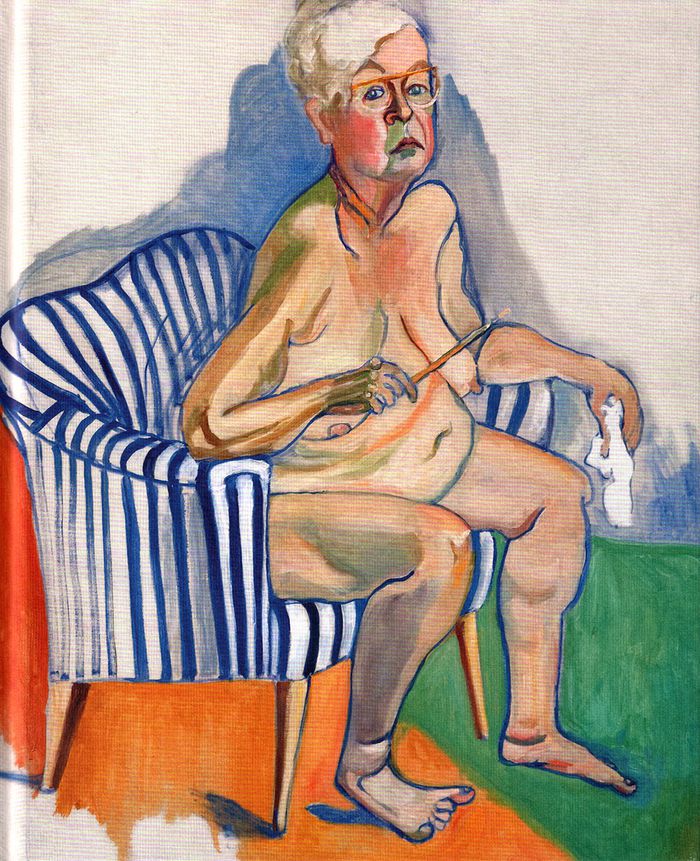
One of the foremost American figurative painters of the 20th century, Alice Neel (1900–84) was a humanist—she was fascinated by people. Known for her daringly honest portraits, Neel loved to paint people in all their complexities—to penetrate and reveal their fears and anxieties. She also loved to paint the unadorned human figure. Her nudes, in particular, explore the body with frankness while celebrating the individuality of each of her subjects, and they exemplify the freedom and courage with which she approached her work and her life. This book documents the solo exhibition of the artist’s work at David Zwirner in New York in 2019. Including works that span the 1920s to the 1980s, this presentation focuses primarily on the nude figure whether male or female, adult or child and demonstrates how Neel rebelled against and challenged the traditional perceptions of sexuality, motherhood and beauty in our society.
Alice Neel: Freedom
Actions:
Price:
$62.00
(available to order)
Summary:
One of the foremost American figurative painters of the 20th century, Alice Neel (1900–84) was a humanist—she was fascinated by people. Known for her daringly honest portraits, Neel loved to paint people in all their complexities—to penetrate and reveal their fears and anxieties. She also loved to paint the unadorned human figure. Her nudes, in particular, explore the body with frankness while celebrating the individuality of each of her subjects, and they exemplify the freedom and courage with which she approached her work and her life. This book documents the solo exhibition of the artist’s work at David Zwirner in New York in 2019. Including works that span the 1920s to the 1980s, this presentation focuses primarily on the nude figure whether male or female, adult or child and demonstrates how Neel rebelled against and challenged the traditional perceptions of sexuality, motherhood and beauty in our society.
Form:
books
books
Publication:
April 2019
April 2019
Subject:
Contemporary Art Monographs
Contemporary Art Monographs
Form:
books
books
Actions:
Price:
$100.00
(available to order)
Summary:
Laying out Manhattan's street grid and providing a rationale for the growth of New York was the city's first great civic enterprise, not to mention a brazenly ambitious project and major milestone in the history of city planning. The grid created the physical conditions for business and society to flourish and embodied the drive and discipline for which the city would(...)
$100.00
(available to order)
Summary:
Laying out Manhattan's street grid and providing a rationale for the growth of New York was the city's first great civic enterprise, not to mention a brazenly ambitious project and major milestone in the history of city planning. The grid created the physical conditions for business and society to flourish and embodied the drive and discipline for which the city would(...)
Title:
The greatest grid : the Master plan of Manhattan 1811-2011
Actions:
Price:
$100.00
(available to order)
Summary:
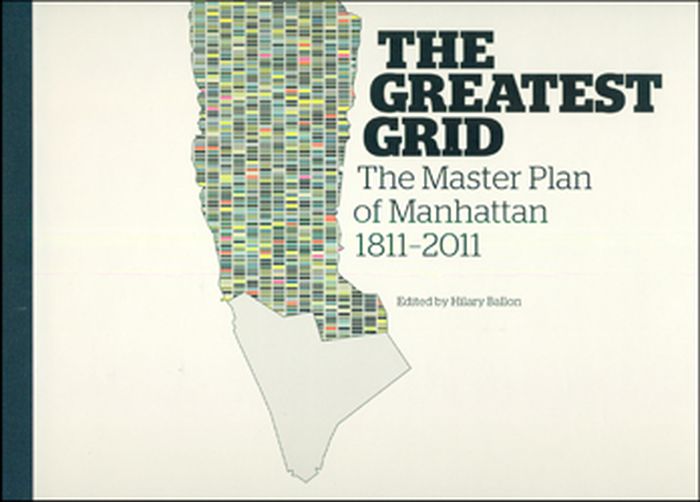
Laying out Manhattan's street grid and providing a rationale for the growth of New York was the city's first great civic enterprise, not to mention a brazenly ambitious project and major milestone in the history of city planning. The grid created the physical conditions for business and society to flourish and embodied the drive and discipline for which the city would come to be known. Published to coincide with an exhibition at the Museum of the City of New York celebrating the bicentennial of the Commissioners' 1811 Plan of Manhattan, this volume does more than memorialize such a visionary effort, it serves as an enduring reference full of rare images and information. "The Greatest Grid" shares the history of the Commissioners' plan, incorporating archival photos and illustrations, primary documents and testimony, and magnificent maps with essential analysis. The text, written by leading historians of New York City, follows the grid's initial design, implementation, and evolution, and then speaks to its enduring influence. A foldout map, accompanied by explanatory notes, reproduces the Commissioners' original plan, and additional maps and prints chart the city's pre-1811 irregular growth patterns and local precedent for the grid's design.
The greatest grid : the Master plan of Manhattan 1811-2011
Actions:
Price:
$100.00
(available to order)
Summary:
Laying out Manhattan's street grid and providing a rationale for the growth of New York was the city's first great civic enterprise, not to mention a brazenly ambitious project and major milestone in the history of city planning. The grid created the physical conditions for business and society to flourish and embodied the drive and discipline for which the city would come to be known. Published to coincide with an exhibition at the Museum of the City of New York celebrating the bicentennial of the Commissioners' 1811 Plan of Manhattan, this volume does more than memorialize such a visionary effort, it serves as an enduring reference full of rare images and information. "The Greatest Grid" shares the history of the Commissioners' plan, incorporating archival photos and illustrations, primary documents and testimony, and magnificent maps with essential analysis. The text, written by leading historians of New York City, follows the grid's initial design, implementation, and evolution, and then speaks to its enduring influence. A foldout map, accompanied by explanatory notes, reproduces the Commissioners' original plan, and additional maps and prints chart the city's pre-1811 irregular growth patterns and local precedent for the grid's design.
Form:
books
books
Publication:
December 2011
December 2011
Subject:
Urban Theory
Urban Theory
Form:
books
books
Actions:
Price:
$44.95
(available to order)
Summary:
CIAM (Congrès Internationaux d'Architecture Moderne), founded in Switzerland in 1928, was an avant-garde association of architects intended to advance both modernism and internationalism in architecture. CIAM saw itself as an elite group revolutionizing architecture to serve the interests of society. Its members included some of the best-known architects of the twentieth(...)
$44.95
(available to order)
Summary:
CIAM (Congrès Internationaux d'Architecture Moderne), founded in Switzerland in 1928, was an avant-garde association of architects intended to advance both modernism and internationalism in architecture. CIAM saw itself as an elite group revolutionizing architecture to serve the interests of society. Its members included some of the best-known architects of the twentieth(...)
Subject:
Urban Theory
Urban Theory
Publication:
October 2002, Cambridge, Massachusetts
October 2002, Cambridge, Massachusetts
Title:
The CIAM discourse on urbanism, 1928-1960
Actions:
Price:
$44.95
(available to order)
Summary:
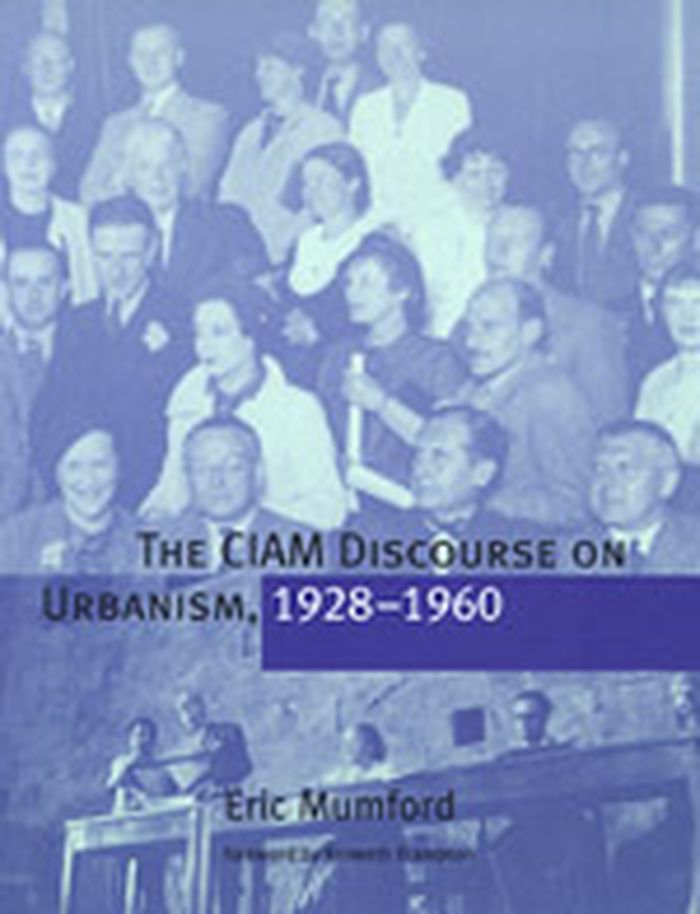
CIAM (Congrès Internationaux d'Architecture Moderne), founded in Switzerland in 1928, was an avant-garde association of architects intended to advance both modernism and internationalism in architecture. CIAM saw itself as an elite group revolutionizing architecture to serve the interests of society. Its members included some of the best-known architects of the twentieth century, such as Le Corbusier, Walter Gropius, and Richard Neutra, but also hundreds of others who looked to it for doctrines on how to shape the urban environment in a rapidly changing world. In this first book-length history of the organization, architectural historian Eric Mumford focuses on CIAM's discourse to trace the development and promotion of its influential concept of the "Functional City." He views official doctrines and pronouncements in relation to the changing circumstances of the members, revealing how CIAM in the 1930s began to resemble a kind of syndicalist party oriented toward winning over any suitable authority, regardless of political orientation. Mumford also looks at CIAM's efforts after World War II to find a new basis for a socially engaged architecture and describes the attempts by the group of younger members called Team 10 to radically revise CIAM's mission in the 1950s, efforts that led to the organization's dissolution in 1959.
The CIAM discourse on urbanism, 1928-1960
Actions:
Price:
$44.95
(available to order)
Summary:
CIAM (Congrès Internationaux d'Architecture Moderne), founded in Switzerland in 1928, was an avant-garde association of architects intended to advance both modernism and internationalism in architecture. CIAM saw itself as an elite group revolutionizing architecture to serve the interests of society. Its members included some of the best-known architects of the twentieth century, such as Le Corbusier, Walter Gropius, and Richard Neutra, but also hundreds of others who looked to it for doctrines on how to shape the urban environment in a rapidly changing world. In this first book-length history of the organization, architectural historian Eric Mumford focuses on CIAM's discourse to trace the development and promotion of its influential concept of the "Functional City." He views official doctrines and pronouncements in relation to the changing circumstances of the members, revealing how CIAM in the 1930s began to resemble a kind of syndicalist party oriented toward winning over any suitable authority, regardless of political orientation. Mumford also looks at CIAM's efforts after World War II to find a new basis for a socially engaged architecture and describes the attempts by the group of younger members called Team 10 to radically revise CIAM's mission in the 1950s, efforts that led to the organization's dissolution in 1959.
Form:
books
books
Publication:
October 2002, Cambridge, Massachusetts
October 2002, Cambridge, Massachusetts
Subject:
Urban Theory
Urban Theory
Form:
books
books
Actions:
Price:
$54.00
(available to order)
Summary:
There is no other period in the history of the Netherlands which excites such emotion, resistance or aversion as the period between 1970 and 1980. There are also varying opinions about architecture in the 1970s. Architecture at that time headed off in pursuit of new definitions and forms. Though a number of architectural movements were driven by a devoted social(...)
$54.00
(available to order)
Summary:
There is no other period in the history of the Netherlands which excites such emotion, resistance or aversion as the period between 1970 and 1980. There are also varying opinions about architecture in the 1970s. Architecture at that time headed off in pursuit of new definitions and forms. Though a number of architectural movements were driven by a devoted social(...)
Subject:
Architecture since 1900, Europe
Architecture since 1900, Europe
Publication:
January 2004, Rotterdam
January 2004, Rotterdam
Title:
The critical seventies : architecture and urban planning in the Netherlands, 1968-1982
Actions:
Price:
$54.00
(available to order)
Summary:
There is no other period in the history of the Netherlands which excites such emotion, resistance or aversion as the period between 1970 and 1980. There are also varying opinions about architecture in the 1970s. Architecture at that time headed off in pursuit of new definitions and forms. Though a number of architectural movements were driven by a devoted social engagement and a profound belief in architecture as a means of moulding society, there was such a varied choice that it did not generate a single and unanimous alternative, resulting instead in polarization and pluriformity. This volume focuses on architecture, urban planning and spatial planning in the period 1968 - 1982. Remarkable and specific projects from this period are discussed and extensively documented on the basis of six themes. An introductory essay considers the context in which the architecture and urban planning changed so radically during this period. So far there has been little research into the architecture and planning of the 1970s in the Netherlands, even though it is a period when changes took on a definitive form. With the imminent demolition and renovation of much of the infrastructure and architecture of the 1970s, this book is a document that bears witness to the importance of this period for architecture in the Netherlands.
The critical seventies : architecture and urban planning in the Netherlands, 1968-1982
Actions:
Price:
$54.00
(available to order)
Summary:
There is no other period in the history of the Netherlands which excites such emotion, resistance or aversion as the period between 1970 and 1980. There are also varying opinions about architecture in the 1970s. Architecture at that time headed off in pursuit of new definitions and forms. Though a number of architectural movements were driven by a devoted social engagement and a profound belief in architecture as a means of moulding society, there was such a varied choice that it did not generate a single and unanimous alternative, resulting instead in polarization and pluriformity. This volume focuses on architecture, urban planning and spatial planning in the period 1968 - 1982. Remarkable and specific projects from this period are discussed and extensively documented on the basis of six themes. An introductory essay considers the context in which the architecture and urban planning changed so radically during this period. So far there has been little research into the architecture and planning of the 1970s in the Netherlands, even though it is a period when changes took on a definitive form. With the imminent demolition and renovation of much of the infrastructure and architecture of the 1970s, this book is a document that bears witness to the importance of this period for architecture in the Netherlands.
Form:
books
books
Publication:
January 2004, Rotterdam
January 2004, Rotterdam
Subject:
Architecture since 1900, Europe
Architecture since 1900, Europe
Form:
books
books
Title:
Energy and civilization
Energy and civilization
Actions:
Price:
$49.00
(available to order)
Summary:
Energy is the only universal currency; it is necessary for getting anything done. The conversion of energy on Earth ranges from terra-forming forces of plate tectonics to cumulative erosive effects of raindrops. Life on Earth depends on the photosynthetic conversion of solar energy into plant biomass. Humans have come to rely on many more energy flows—ranging from fossil(...)
$49.00
(available to order)
Summary:
Energy is the only universal currency; it is necessary for getting anything done. The conversion of energy on Earth ranges from terra-forming forces of plate tectonics to cumulative erosive effects of raindrops. Life on Earth depends on the photosynthetic conversion of solar energy into plant biomass. Humans have come to rely on many more energy flows—ranging from fossil(...)
Title:
Energy and civilization
Actions:
Price:
$49.00
(available to order)
Summary:
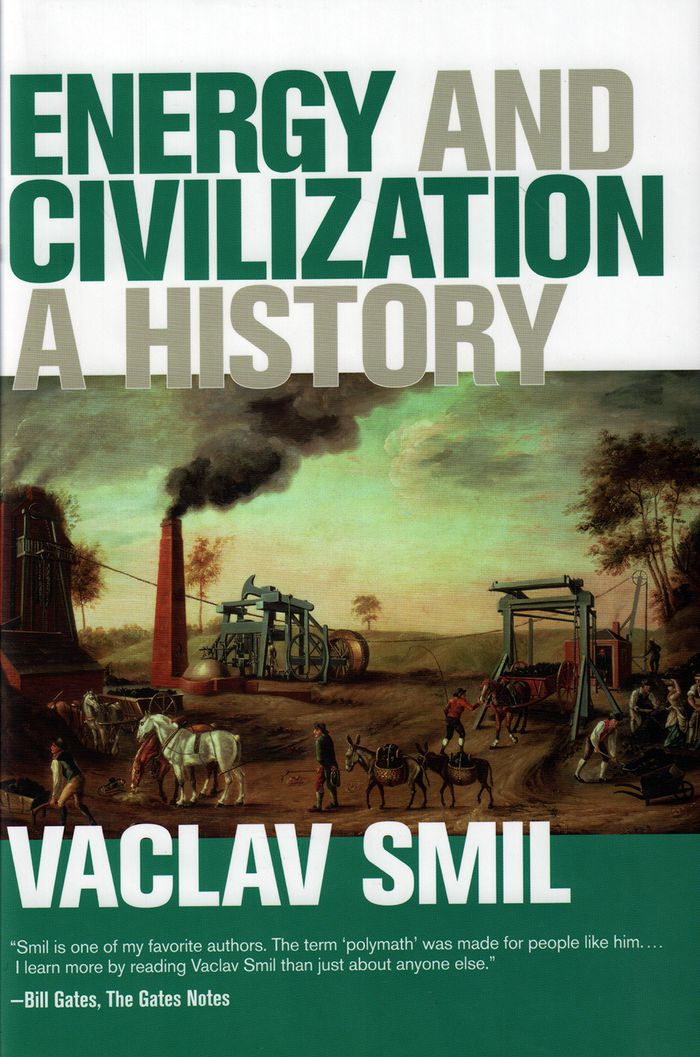
Energy is the only universal currency; it is necessary for getting anything done. The conversion of energy on Earth ranges from terra-forming forces of plate tectonics to cumulative erosive effects of raindrops. Life on Earth depends on the photosynthetic conversion of solar energy into plant biomass. Humans have come to rely on many more energy flows—ranging from fossil fuels to photovoltaic generation of electricity—for their civilized existence. In this monumental history, Vaclav Smil provides a comprehensive account of how energy has shaped society, from pre-agricultural foraging societies through today’s fossil fuel–driven civilization. Humans are the only species that can systematically harness energies outside their bodies, using the power of their intellect and an enormous variety of artifacts—from the simplest tools to internal combustion engines and nuclear reactors. The epochal transition to fossil fuels affected everything: agriculture, industry, transportation, weapons, communication, economics, urbanization, quality of life, politics, and the environment. Smil describes humanity’s energy eras in panoramic and interdisciplinary fashion, offering readers a magisterial overview. This book is an extensively updated and expanded version of Smil’s "Energy in world history" (1994). Smil has incorporated an enormous amount of new material, reflecting the dramatic developments in energy studies over the last two decades and his own research over that time.
Energy and civilization
Actions:
Price:
$49.00
(available to order)
Summary:
Energy is the only universal currency; it is necessary for getting anything done. The conversion of energy on Earth ranges from terra-forming forces of plate tectonics to cumulative erosive effects of raindrops. Life on Earth depends on the photosynthetic conversion of solar energy into plant biomass. Humans have come to rely on many more energy flows—ranging from fossil fuels to photovoltaic generation of electricity—for their civilized existence. In this monumental history, Vaclav Smil provides a comprehensive account of how energy has shaped society, from pre-agricultural foraging societies through today’s fossil fuel–driven civilization. Humans are the only species that can systematically harness energies outside their bodies, using the power of their intellect and an enormous variety of artifacts—from the simplest tools to internal combustion engines and nuclear reactors. The epochal transition to fossil fuels affected everything: agriculture, industry, transportation, weapons, communication, economics, urbanization, quality of life, politics, and the environment. Smil describes humanity’s energy eras in panoramic and interdisciplinary fashion, offering readers a magisterial overview. This book is an extensively updated and expanded version of Smil’s "Energy in world history" (1994). Smil has incorporated an enormous amount of new material, reflecting the dramatic developments in energy studies over the last two decades and his own research over that time.
Form:
books
books
Publication:
May 2017
May 2017
Subject:
Environment and environmental theory
Environment and environmental theory
Form:
books
books
Price:
$42.95
(available to order)
Summary:
“All too often,” wrote disabled architect Ronald Mace, “designers don’t take the needs of disabled and elderly people into account.” Building Access investigates twentieth-century strategies for designing the world with disability in mind. Commonly understood in terms of curb cuts, automatic doors, Braille signs, and flexible kitchens, Universal Design purported to create(...)
$42.95
(available to order)
Summary:
“All too often,” wrote disabled architect Ronald Mace, “designers don’t take the needs of disabled and elderly people into account.” Building Access investigates twentieth-century strategies for designing the world with disability in mind. Commonly understood in terms of curb cuts, automatic doors, Braille signs, and flexible kitchens, Universal Design purported to create(...)
Title:
Building access: universal design and the politics of disability
Actions:
Price:
$42.95
(available to order)
Summary:
“All too often,” wrote disabled architect Ronald Mace, “designers don’t take the needs of disabled and elderly people into account.” Building Access investigates twentieth-century strategies for designing the world with disability in mind. Commonly understood in terms of curb cuts, automatic doors, Braille signs, and flexible kitchens, Universal Design purported to create a built environment for everyone, not only the average citizen. But who counts as “everyone,” Aimi Hamraie asks, and how can designers know? Blending technoscience studies and design history with critical disability, race, and feminist theories, Building Access interrogates the historical, cultural, and theoretical contexts for these questions, offering a groundbreaking critical history of Universal Design. Hamraie reveals that the twentieth-century shift from “design for the average” to “design for all” took place through liberal political, economic, and scientific structures concerned with defining the disabled user and designing in its name. Tracing the co-evolution of accessible design for disabled veterans, a radical disability maker movement, disability rights law, and strategies for diversifying the architecture profession, Hamraie shows that Universal Design was not just an approach to creating new products or spaces, but also a sustained, understated activist movement challenging dominant understandings of disability in architecture, medicine, and society.
Building access: universal design and the politics of disability
Actions:
Price:
$42.95
(available to order)
Summary:
“All too often,” wrote disabled architect Ronald Mace, “designers don’t take the needs of disabled and elderly people into account.” Building Access investigates twentieth-century strategies for designing the world with disability in mind. Commonly understood in terms of curb cuts, automatic doors, Braille signs, and flexible kitchens, Universal Design purported to create a built environment for everyone, not only the average citizen. But who counts as “everyone,” Aimi Hamraie asks, and how can designers know? Blending technoscience studies and design history with critical disability, race, and feminist theories, Building Access interrogates the historical, cultural, and theoretical contexts for these questions, offering a groundbreaking critical history of Universal Design. Hamraie reveals that the twentieth-century shift from “design for the average” to “design for all” took place through liberal political, economic, and scientific structures concerned with defining the disabled user and designing in its name. Tracing the co-evolution of accessible design for disabled veterans, a radical disability maker movement, disability rights law, and strategies for diversifying the architecture profession, Hamraie shows that Universal Design was not just an approach to creating new products or spaces, but also a sustained, understated activist movement challenging dominant understandings of disability in architecture, medicine, and society.
Form:
books
books
Publication:
November 2017
November 2017
Subject:
Architectural Theory
Architectural Theory


