


4476 Results
Form:
books
books
Title:
Paul Graham: Troubled land
Paul Graham: Troubled land
Actions:
Price:
$90.00
(available in store)
Summary:
An iconic project made at the height of the ''Troubles'', ''Troubled land'' deals with the small but insistent signs of political division embedded in the landscape of Northern Ireland. At the heart of the Irish conflict lays the land — who owns it, who controls it, whose history it expresses. Paul Graham’s quietly radical book keeps this material truth in mind as it(...)
$90.00
(available in store)
Summary:
An iconic project made at the height of the ''Troubles'', ''Troubled land'' deals with the small but insistent signs of political division embedded in the landscape of Northern Ireland. At the heart of the Irish conflict lays the land — who owns it, who controls it, whose history it expresses. Paul Graham’s quietly radical book keeps this material truth in mind as it(...)
Title:
Paul Graham: Troubled land
Actions:
Price:
$90.00
(available in store)
Summary:
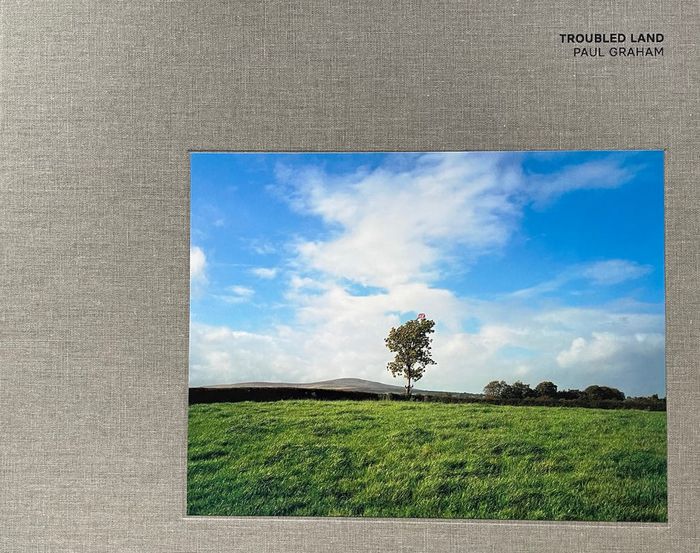
An iconic project made at the height of the ''Troubles'', ''Troubled land'' deals with the small but insistent signs of political division embedded in the landscape of Northern Ireland. At the heart of the Irish conflict lays the land — who owns it, who controls it, whose history it expresses. Paul Graham’s quietly radical book keeps this material truth in mind as it uniquely combines landscape and conflict photography, seducing us with bucolic views in which telling details only gradually appear: painted kerbs, distant soldiers or helicopters, flags and graffiti, paint-splattered roads, each tacitly aligning that location to its Republican or Loyalist allegiance. Pastoral photographs of green fields and hedgerows reveal themselves to be images of conflict and dispute — despite the steadiness of the photographic frame and the clarity of Graham’s vision, this is unsettled land. Originally published in 1986, ''Troubled land'' is reprinted here for the first time in thirty-five years. Controversial then for its use of colour and refusal to follow the clichéd tropes of photojournalism, the book was pivotal in providing a fresh perspective on Northern Ireland’s ''Troubles'' and left a lasting impact on landscape photography, suggesting how it might engage with politics and society rather than escape from them. Together with ''A1 – The Great North Road'' and ''Beyond Caring,'' it completes a new edition of the remarkable trilogy of books Graham made in 1980s UK.
Paul Graham: Troubled land
Actions:
Price:
$90.00
(available in store)
Summary:
An iconic project made at the height of the ''Troubles'', ''Troubled land'' deals with the small but insistent signs of political division embedded in the landscape of Northern Ireland. At the heart of the Irish conflict lays the land — who owns it, who controls it, whose history it expresses. Paul Graham’s quietly radical book keeps this material truth in mind as it uniquely combines landscape and conflict photography, seducing us with bucolic views in which telling details only gradually appear: painted kerbs, distant soldiers or helicopters, flags and graffiti, paint-splattered roads, each tacitly aligning that location to its Republican or Loyalist allegiance. Pastoral photographs of green fields and hedgerows reveal themselves to be images of conflict and dispute — despite the steadiness of the photographic frame and the clarity of Graham’s vision, this is unsettled land. Originally published in 1986, ''Troubled land'' is reprinted here for the first time in thirty-five years. Controversial then for its use of colour and refusal to follow the clichéd tropes of photojournalism, the book was pivotal in providing a fresh perspective on Northern Ireland’s ''Troubles'' and left a lasting impact on landscape photography, suggesting how it might engage with politics and society rather than escape from them. Together with ''A1 – The Great North Road'' and ''Beyond Caring,'' it completes a new edition of the remarkable trilogy of books Graham made in 1980s UK.
Form:
books
books
Publication:
May 2022
May 2022
Subject:
Photography monographs
Photography monographs
Form:
books
books
Actions:
Price:
$34.95
(available to order)
Summary:
Suzaan Boettger offers the first comprehensive history of the Earthworks movement in the United States, providing a fascinating and in-depth analysis of the monumental forms that initiated the broader genre of Land Art. Examining the art, the artists, their dealers and proponents, Boettger interprets Earthworks as a manifestation both of artists' personal stories and of(...)
$34.95
(available to order)
Summary:
Suzaan Boettger offers the first comprehensive history of the Earthworks movement in the United States, providing a fascinating and in-depth analysis of the monumental forms that initiated the broader genre of Land Art. Examining the art, the artists, their dealers and proponents, Boettger interprets Earthworks as a manifestation both of artists' personal stories and of(...)
Title:
Earthworks : art and the landscape of the sixties
Actions:
Price:
$34.95
(available to order)
Summary:
Suzaan Boettger offers the first comprehensive history of the Earthworks movement in the United States, providing a fascinating and in-depth analysis of the monumental forms that initiated the broader genre of Land Art. Examining the art, the artists, their dealers and proponents, Boettger interprets Earthworks as a manifestation both of artists' personal stories and of the late 1960s social and political tumult. Boettger overturns many commonly held notions of Earthworks' origins and intentions. She argues that Robert Smithson's work on the Dallas-Fort Worth airport stimulated his thinking and that his writing about it catalyzed the movement. The visionary environments that followed, often sculpted in expansive and remote western terrains, were idealized by Americans and Europeans alike as displays of cowboy bravado. Boettger identifies earthworkers Michael Heizer, Dennis Oppenheim, Robert Morris, Walter de Maria, and Stephen Kaltenbach as former Californians whose treatment of the landscape reflects a western spirit. Her international purview integrates early work by the Europeans Barry Flanagan, Jan Dibbets, Richard Long, and Pino Pascali as precedents and parallels. Her examination of Earthworks' relationship to the ecology movement perceptively corrects a popular misconception about the artists' goals while acknowledging the social and cultural complexities of the period. Insightful discussions of Carl André, Sol LeWitt, and Claes Oldenburg - in addition to the artists mentioned above - are accompanied by many rare and new photographs of both the art and its creators. Witty, accessible, and scrupulously researched, Earthworks constructs day-to-day chronologies of the development of the artistic movement and its intersections with the larger public events of the time, including specific accounts of galleries, exhibitions, and criticism. Boettger's dynamic social history and psychological insights bring new meaning to this pivotal movement that both embodied and disrupted contemporary notions of art, nature, society, and their relationship to each other.
Earthworks : art and the landscape of the sixties
Actions:
Price:
$34.95
(available to order)
Summary:
Suzaan Boettger offers the first comprehensive history of the Earthworks movement in the United States, providing a fascinating and in-depth analysis of the monumental forms that initiated the broader genre of Land Art. Examining the art, the artists, their dealers and proponents, Boettger interprets Earthworks as a manifestation both of artists' personal stories and of the late 1960s social and political tumult. Boettger overturns many commonly held notions of Earthworks' origins and intentions. She argues that Robert Smithson's work on the Dallas-Fort Worth airport stimulated his thinking and that his writing about it catalyzed the movement. The visionary environments that followed, often sculpted in expansive and remote western terrains, were idealized by Americans and Europeans alike as displays of cowboy bravado. Boettger identifies earthworkers Michael Heizer, Dennis Oppenheim, Robert Morris, Walter de Maria, and Stephen Kaltenbach as former Californians whose treatment of the landscape reflects a western spirit. Her international purview integrates early work by the Europeans Barry Flanagan, Jan Dibbets, Richard Long, and Pino Pascali as precedents and parallels. Her examination of Earthworks' relationship to the ecology movement perceptively corrects a popular misconception about the artists' goals while acknowledging the social and cultural complexities of the period. Insightful discussions of Carl André, Sol LeWitt, and Claes Oldenburg - in addition to the artists mentioned above - are accompanied by many rare and new photographs of both the art and its creators. Witty, accessible, and scrupulously researched, Earthworks constructs day-to-day chronologies of the development of the artistic movement and its intersections with the larger public events of the time, including specific accounts of galleries, exhibitions, and criticism. Boettger's dynamic social history and psychological insights bring new meaning to this pivotal movement that both embodied and disrupted contemporary notions of art, nature, society, and their relationship to each other.
Form:
books
books
Publication:
March 2004, Berkeley
March 2004, Berkeley
Subject:
Contemporary Art Monographs
Contemporary Art Monographs
Form:
books
books
Actions:
Price:
$65.00
(available to order)
Summary:
Before the invention of photography, civil engineers employed topographic artists to record the progression of their projects. Termed "record pictures," these illustrations followed the tradition of the Dutch topographical landscapes of the 17th century, combining the qualities of detail and clarity with the objectivity of technical drawings. As such, record pictures had(...)
$65.00
(available to order)
Summary:
Before the invention of photography, civil engineers employed topographic artists to record the progression of their projects. Termed "record pictures," these illustrations followed the tradition of the Dutch topographical landscapes of the 17th century, combining the qualities of detail and clarity with the objectivity of technical drawings. As such, record pictures had(...)
Publication:
January 2004, Göttingen, Germany
January 2004, Göttingen, Germany
Title:
Record pictures : photographs from the archives of the Institution of Civil Engineers
Actions:
Price:
$65.00
(available to order)
Summary:
Before the invention of photography, civil engineers employed topographic artists to record the progression of their projects. Termed "record pictures," these illustrations followed the tradition of the Dutch topographical landscapes of the 17th century, combining the qualities of detail and clarity with the objectivity of technical drawings. As such, record pictures had a scientific rather than an artistic purpose, just as most photography did in its infancy. Photography’s prime value was historically regarded as its ability to make highly detailed, objective (and relatively inexpensive) records. Industry was quick to harness the new medium to make record pictures. Significantly, one of the founders of Britain’s Photographic Society was a leading civil engineer. This original application gave rise to a genre of landscape photography that has not been properly recognized. Record Pictures: Photographs from the Archive of the Institution of Civil Engineers represents the photographic jewels of arguably the finest collection in Britain. Spanning a period of 75 years from the mid-19th century, the book contains previously unpublished examples drawn from across Europe, Africa, Australasia, the Far East, and Latin America. Record pictures are the unacknowledged foundation of the history of photography. In his introductory essay, Michael Collins demonstrates how this fundamental approach continues unchanged, only now it is no longer industry that applies these principles but such eminent artists as Bernd & Hilla Becher and Thomas Struth, proponents of contemporary art photography.
Record pictures : photographs from the archives of the Institution of Civil Engineers
Actions:
Price:
$65.00
(available to order)
Summary:
Before the invention of photography, civil engineers employed topographic artists to record the progression of their projects. Termed "record pictures," these illustrations followed the tradition of the Dutch topographical landscapes of the 17th century, combining the qualities of detail and clarity with the objectivity of technical drawings. As such, record pictures had a scientific rather than an artistic purpose, just as most photography did in its infancy. Photography’s prime value was historically regarded as its ability to make highly detailed, objective (and relatively inexpensive) records. Industry was quick to harness the new medium to make record pictures. Significantly, one of the founders of Britain’s Photographic Society was a leading civil engineer. This original application gave rise to a genre of landscape photography that has not been properly recognized. Record Pictures: Photographs from the Archive of the Institution of Civil Engineers represents the photographic jewels of arguably the finest collection in Britain. Spanning a period of 75 years from the mid-19th century, the book contains previously unpublished examples drawn from across Europe, Africa, Australasia, the Far East, and Latin America. Record pictures are the unacknowledged foundation of the history of photography. In his introductory essay, Michael Collins demonstrates how this fundamental approach continues unchanged, only now it is no longer industry that applies these principles but such eminent artists as Bernd & Hilla Becher and Thomas Struth, proponents of contemporary art photography.
Form:
books
books
Publication:
January 2004, Göttingen, Germany
January 2004, Göttingen, Germany
Form:
books
books
Title:
Paris living rooms
Paris living rooms
Actions:
Price:
$94.95
(available in store)
Summary:
Apartamento is excited to re-release Paris Living Rooms almost two decades after it was first published in 2002. The second instalment in Dominique Nabokov’s holy trinity of interior photography works, it also follows the re-release of New York Living Rooms earlier this year. Nabokov calls these images her interior ‘portraits’ and across 132 pages we’re offered an(...)
$94.95
(available in store)
Summary:
Apartamento is excited to re-release Paris Living Rooms almost two decades after it was first published in 2002. The second instalment in Dominique Nabokov’s holy trinity of interior photography works, it also follows the re-release of New York Living Rooms earlier this year. Nabokov calls these images her interior ‘portraits’ and across 132 pages we’re offered an(...)
Title:
Paris living rooms
Actions:
Price:
$94.95
(available in store)
Summary:
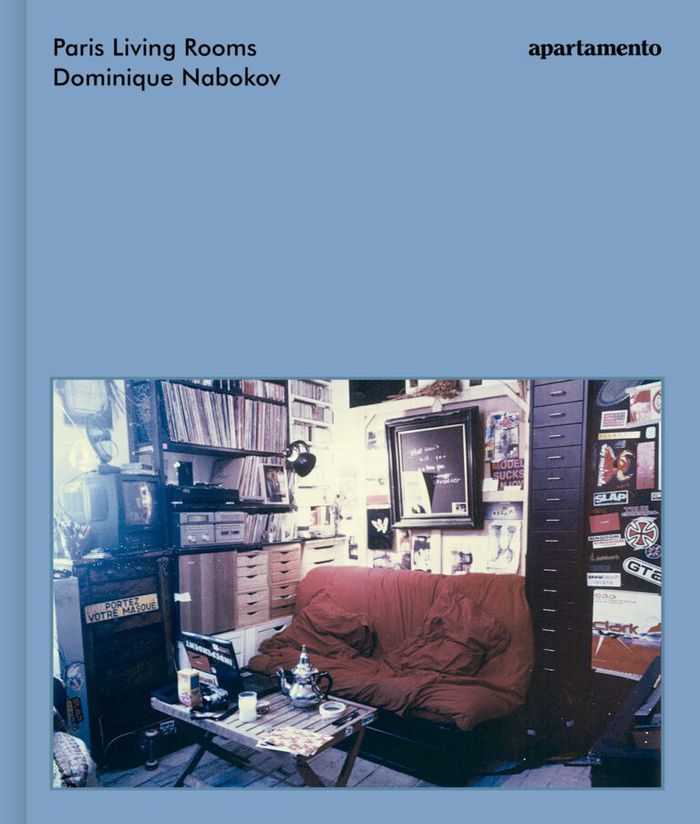
Apartamento is excited to re-release Paris Living Rooms almost two decades after it was first published in 2002. The second instalment in Dominique Nabokov’s holy trinity of interior photography works, it also follows the re-release of New York Living Rooms earlier this year. Nabokov calls these images her interior ‘portraits’ and across 132 pages we’re offered an intimate study of Parisian society from the early 2000s, with the living spaces of Yves Saint Laurent, Nan Goldin, Gérard Depardieu, Carine Roitfeld, Yvon Lambert, and Andrée Putman, plus many others, featured throughout. With nothing added and nothing altered, Nabokov simply records these spaces for her fellow voyeurs and leaves us to decipher the rest. Long out of print, this updated edition brings back to life an era of the city’s history, seen through Nabokov’s original Polaroid photos, together with the original introduction by the late interior designer Andrée Putman. The third and final instalment in the series, set in Berlin, will be re-issued by Apartamento later in 2021.
Paris living rooms
Actions:
Price:
$94.95
(available in store)
Summary:
Apartamento is excited to re-release Paris Living Rooms almost two decades after it was first published in 2002. The second instalment in Dominique Nabokov’s holy trinity of interior photography works, it also follows the re-release of New York Living Rooms earlier this year. Nabokov calls these images her interior ‘portraits’ and across 132 pages we’re offered an intimate study of Parisian society from the early 2000s, with the living spaces of Yves Saint Laurent, Nan Goldin, Gérard Depardieu, Carine Roitfeld, Yvon Lambert, and Andrée Putman, plus many others, featured throughout. With nothing added and nothing altered, Nabokov simply records these spaces for her fellow voyeurs and leaves us to decipher the rest. Long out of print, this updated edition brings back to life an era of the city’s history, seen through Nabokov’s original Polaroid photos, together with the original introduction by the late interior designer Andrée Putman. The third and final instalment in the series, set in Berlin, will be re-issued by Apartamento later in 2021.
Form:
books
books
Publication:
September 2021
September 2021
Subject:
Photography monographs
Photography monographs
Form:
books
books
Title:
When America became suburban
When America became suburban
Actions:
Price:
$23.95
(available to order)
Summary:
In the decades after World War II, the United States became the most prosperous nation in the world and a superpower whose dominance was symbolized by the American suburbs. Spurred by the decline of its industrial cities and by mass suburbanization, people imagined a new national identity—one that emphasized consumerism, social mobility, and a suburban lifestyle. The(...)
$23.95
(available to order)
Summary:
In the decades after World War II, the United States became the most prosperous nation in the world and a superpower whose dominance was symbolized by the American suburbs. Spurred by the decline of its industrial cities and by mass suburbanization, people imagined a new national identity—one that emphasized consumerism, social mobility, and a suburban lifestyle. The(...)
Title:
When America became suburban
Actions:
Price:
$23.95
(available to order)
Summary:
In the decades after World War II, the United States became the most prosperous nation in the world and a superpower whose dominance was symbolized by the American suburbs. Spurred by the decline of its industrial cities and by mass suburbanization, people imagined a new national identity—one that emphasized consumerism, social mobility, and a suburban lifestyle. The urbanity of the city was lost. In "When America became suburban", Robert A. Beauregard examines this historic intersection of urban decline, mass suburbanization, domestic prosperity, and U.S. global aspirations as it unfolded from 1945 to the mid-1970s. Suburban expansion and the subsequent emergence of sprawling Sunbelt cities transformed every aspect of American society. Assessing the global implications of America’s suburban way of life as evidence of the superiority of capitalist democracy, Beauregard traces how the suburban ideology enabled America to distinguish itself from both the Communist bloc and Western Europe, thereby deepening its claim of exceptionalism on the world-historical stage. Placing the decline of America’s industrial cities and the rise of vast suburban housing and retail spaces into a cultural, political, and global context, Beauregard illuminates how these phenomena contributed to a changing notion of America’s identity at home and abroad. "When America became suburban" brings to light the profound implications of de-urbanization: from the siphoning of investments from the cities and the effect on the quality of life for those left behind to a profound shift in national identity.
When America became suburban
Actions:
Price:
$23.95
(available to order)
Summary:
In the decades after World War II, the United States became the most prosperous nation in the world and a superpower whose dominance was symbolized by the American suburbs. Spurred by the decline of its industrial cities and by mass suburbanization, people imagined a new national identity—one that emphasized consumerism, social mobility, and a suburban lifestyle. The urbanity of the city was lost. In "When America became suburban", Robert A. Beauregard examines this historic intersection of urban decline, mass suburbanization, domestic prosperity, and U.S. global aspirations as it unfolded from 1945 to the mid-1970s. Suburban expansion and the subsequent emergence of sprawling Sunbelt cities transformed every aspect of American society. Assessing the global implications of America’s suburban way of life as evidence of the superiority of capitalist democracy, Beauregard traces how the suburban ideology enabled America to distinguish itself from both the Communist bloc and Western Europe, thereby deepening its claim of exceptionalism on the world-historical stage. Placing the decline of America’s industrial cities and the rise of vast suburban housing and retail spaces into a cultural, political, and global context, Beauregard illuminates how these phenomena contributed to a changing notion of America’s identity at home and abroad. "When America became suburban" brings to light the profound implications of de-urbanization: from the siphoning of investments from the cities and the effect on the quality of life for those left behind to a profound shift in national identity.
Form:
books
books
Publication:
September 2006, Minneapolis, London
September 2006, Minneapolis, London
Subject:
Suburbs
Suburbs
Form:
books
books
Price:
$38.99
(available in store)
Summary:
As WWI drew to a close, change reverberated through the halls of England’s country homes. As the sun set slowly on the British Empire, the shadows lengthened on the lawns of a thousand stately homes. In The Long Weekend, historian Adrian Tinniswood introduces us to the tumultuous, scandalous and glamourous history of English country houses during the years between(...)
$38.99
(available in store)
Summary:
As WWI drew to a close, change reverberated through the halls of England’s country homes. As the sun set slowly on the British Empire, the shadows lengthened on the lawns of a thousand stately homes. In The Long Weekend, historian Adrian Tinniswood introduces us to the tumultuous, scandalous and glamourous history of English country houses during the years between(...)
Title:
The long weekend: life in the English country house 1918-1939
Actions:
Price:
$38.99
(available in store)
Summary:
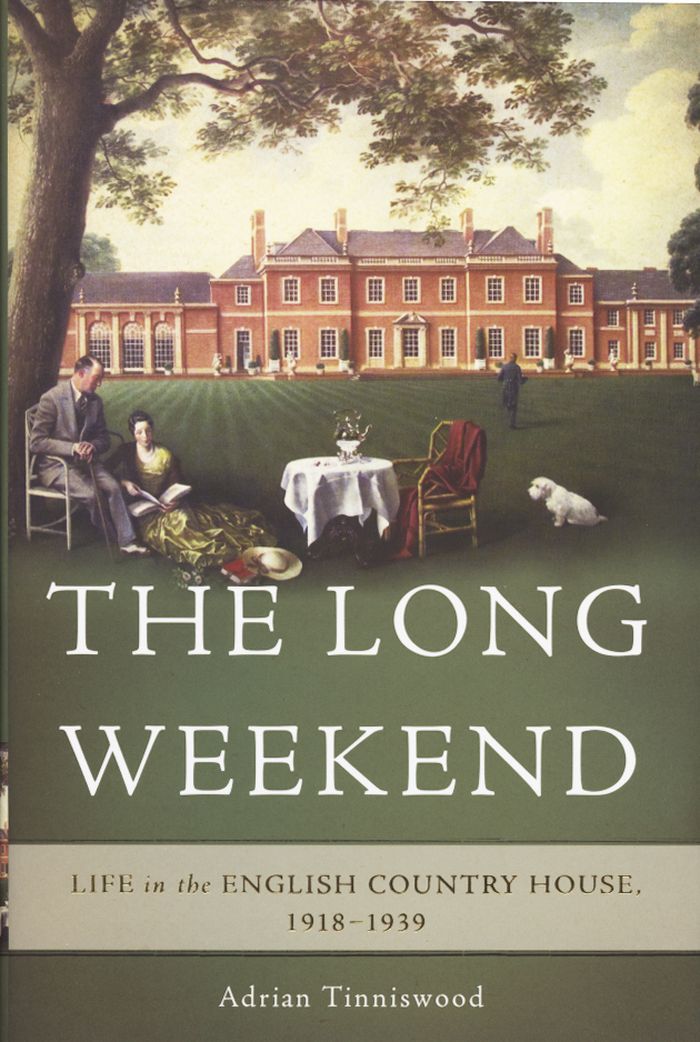
As WWI drew to a close, change reverberated through the halls of England’s country homes. As the sun set slowly on the British Empire, the shadows lengthened on the lawns of a thousand stately homes. In The Long Weekend, historian Adrian Tinniswood introduces us to the tumultuous, scandalous and glamourous history of English country houses during the years between World Wars. As estate taxes and other challenges forced many of these venerable houses onto the market, new sectors of British and American society were seduced by the dream of owning a home in the English countryside. Drawing on thousands of memoirs, letters, and diaries, as well as the eye-witness testimonies of belted earls and bibulous butlers, Tinniswood brings the stately homes of England to life as never before, opening the door to a world by turns opulent and ordinary, noble and vicious, and forever wrapped in myth. We are drawn into the intrigues of legendary families such as the Astors, the Churchills and the Devonshires as they hosted hunting parties and balls that attracted the likes of Charlie Chaplin, T.E. Lawrence, and royals such as Edward VIII and Wallis Simpson. We waltz through aristocratic soirées, and watch as the upper crust struggle to fend off rising taxes and underbred outsiders, property speculators and poultry farmers. We gain insight into the guilt and the gingerbread, and see how the image of the country house was carefully protected by its occupants above and below stairs.
The long weekend: life in the English country house 1918-1939
Actions:
Price:
$38.99
(available in store)
Summary:
As WWI drew to a close, change reverberated through the halls of England’s country homes. As the sun set slowly on the British Empire, the shadows lengthened on the lawns of a thousand stately homes. In The Long Weekend, historian Adrian Tinniswood introduces us to the tumultuous, scandalous and glamourous history of English country houses during the years between World Wars. As estate taxes and other challenges forced many of these venerable houses onto the market, new sectors of British and American society were seduced by the dream of owning a home in the English countryside. Drawing on thousands of memoirs, letters, and diaries, as well as the eye-witness testimonies of belted earls and bibulous butlers, Tinniswood brings the stately homes of England to life as never before, opening the door to a world by turns opulent and ordinary, noble and vicious, and forever wrapped in myth. We are drawn into the intrigues of legendary families such as the Astors, the Churchills and the Devonshires as they hosted hunting parties and balls that attracted the likes of Charlie Chaplin, T.E. Lawrence, and royals such as Edward VIII and Wallis Simpson. We waltz through aristocratic soirées, and watch as the upper crust struggle to fend off rising taxes and underbred outsiders, property speculators and poultry farmers. We gain insight into the guilt and the gingerbread, and see how the image of the country house was carefully protected by its occupants above and below stairs.
Form:
books
books
Publication:
May 2016
May 2016
Subject:
History until 1900, Great Britain
History until 1900, Great Britain
Form:
books
books
Price:
$37.50
(available to order)
Summary:
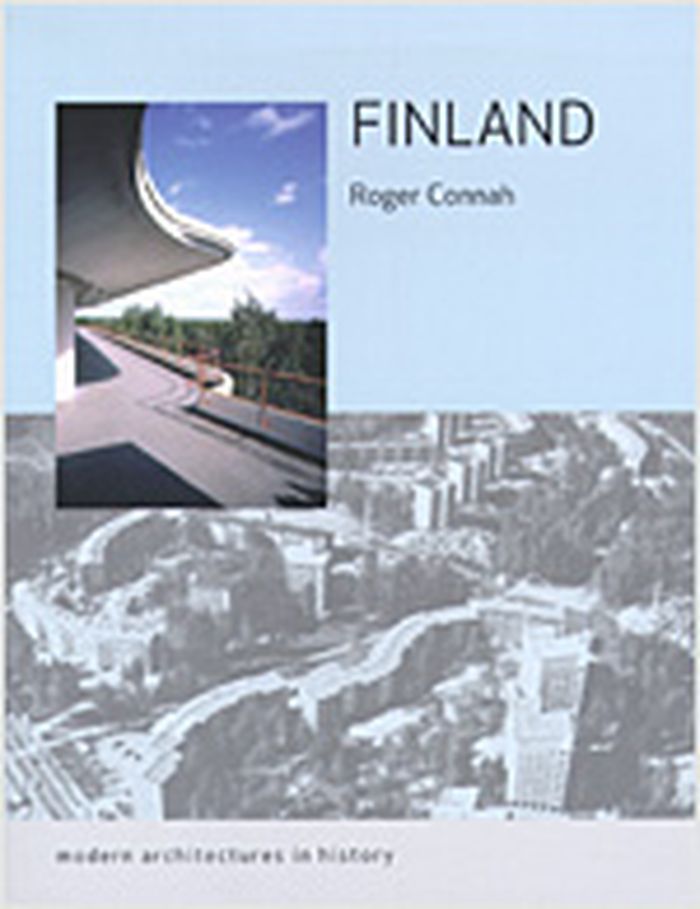
From as early as 1900 Finland, at that time ruled by Russia, was to see in architecture a political and social vehicle. Modern architecture, with the promises it held for social change and hopes for technological progress, was to become a cultural phenomenon over the course of the twentieth century. This book explores the shape of architecture from Finland’s independence(...)
$37.50
(available to order)
Summary:
From as early as 1900 Finland, at that time ruled by Russia, was to see in architecture a political and social vehicle. Modern architecture, with the promises it held for social change and hopes for technological progress, was to become a cultural phenomenon over the course of the twentieth century. This book explores the shape of architecture from Finland’s independence(...)
Title:
Finland
Actions:
Price:
$37.50
(available to order)
Summary:
From as early as 1900 Finland, at that time ruled by Russia, was to see in architecture a political and social vehicle. Modern architecture, with the promises it held for social change and hopes for technological progress, was to become a cultural phenomenon over the course of the twentieth century. This book explores the shape of architecture from Finland’s independence in 1917 until the present day, and how the ‘modern agenda’ became a blueprint to advance the nation’s society and define its identity. Roger Connah assesses the work of well-known heroes of Finnish architecture such as Reima Pietila, Juhä Leiviskä and ‘modern master’ Alvar Aalto, as well as many other less familiar figures whose contribution is little known outside Finland. He discusses developments in architecture in relation to the culture and politics of the new independent Finland, as well as parallel movements in the arts, and also surveys the early part of the century, as Finland came into its own as a new nation state. He examines the rationalised developments of the 1930s, the ‘organic’ and vernacular tendencies of modern architecture, and how some of modernism’s devices were combined with a particular Nordic sensibility. He also looks at the reconstruction and urbanisation of the post-war years, the use of industrial building methods and prefabricated materials, the ‘golden age’ of Finnish modernism in the 1950s, and the developments thereafter. Connah also considers how architecture has been publicised in magazines, galleries and through exhibitions. By the end of the twentieth century Finland had transformed itself into a modern industrial economy at the cutting edge of the it world, and its buildings continue to be regarded as exemplary modern works. Roger Connah assesses Finnish modern architecture’s relation to the broader cultural and political conditions of Finland and modernity at large, making this study crucial to our understanding of Finland’s place in architecture and in culture today.
Finland
Actions:
Price:
$37.50
(available to order)
Summary:
From as early as 1900 Finland, at that time ruled by Russia, was to see in architecture a political and social vehicle. Modern architecture, with the promises it held for social change and hopes for technological progress, was to become a cultural phenomenon over the course of the twentieth century. This book explores the shape of architecture from Finland’s independence in 1917 until the present day, and how the ‘modern agenda’ became a blueprint to advance the nation’s society and define its identity. Roger Connah assesses the work of well-known heroes of Finnish architecture such as Reima Pietila, Juhä Leiviskä and ‘modern master’ Alvar Aalto, as well as many other less familiar figures whose contribution is little known outside Finland. He discusses developments in architecture in relation to the culture and politics of the new independent Finland, as well as parallel movements in the arts, and also surveys the early part of the century, as Finland came into its own as a new nation state. He examines the rationalised developments of the 1930s, the ‘organic’ and vernacular tendencies of modern architecture, and how some of modernism’s devices were combined with a particular Nordic sensibility. He also looks at the reconstruction and urbanisation of the post-war years, the use of industrial building methods and prefabricated materials, the ‘golden age’ of Finnish modernism in the 1950s, and the developments thereafter. Connah also considers how architecture has been publicised in magazines, galleries and through exhibitions. By the end of the twentieth century Finland had transformed itself into a modern industrial economy at the cutting edge of the it world, and its buildings continue to be regarded as exemplary modern works. Roger Connah assesses Finnish modern architecture’s relation to the broader cultural and political conditions of Finland and modernity at large, making this study crucial to our understanding of Finland’s place in architecture and in culture today.
Form:
books
books
Publication:
September 2005, London
September 2005, London
Subject:
Architecture since 1900, Europe
Architecture since 1900, Europe
Form:
books
books
Actions:
Price:
$59.25
(available to order)
Summary:
From Vaux-le-Vicomte to Versailles, the buildings of Louis Le Vau shaped the image of French court society. None, however, has had as dramatic an effect as Mazarin's Collège (1661-70), the Parisian landmark that now houses the Institut de France. In this first English-language book on Louis XIV's celebrated architect, Hilary Ballon deftly portrays the brilliance and(...)
$59.25
(available to order)
Summary:
From Vaux-le-Vicomte to Versailles, the buildings of Louis Le Vau shaped the image of French court society. None, however, has had as dramatic an effect as Mazarin's Collège (1661-70), the Parisian landmark that now houses the Institut de France. In this first English-language book on Louis XIV's celebrated architect, Hilary Ballon deftly portrays the brilliance and(...)
Title:
Louis Le Vau : Mazarin's Collège, Colbert's revenge
Actions:
Price:
$59.25
(available to order)
Summary:
From Vaux-le-Vicomte to Versailles, the buildings of Louis Le Vau shaped the image of French court society. None, however, has had as dramatic an effect as Mazarin's Collège (1661-70), the Parisian landmark that now houses the Institut de France. In this first English-language book on Louis XIV's celebrated architect, Hilary Ballon deftly portrays the brilliance and controversy of Le Vau's late career through an exploration of this masterpiece, a hybrid of baroque and classical styles. She tracks the design and construction of the Collège on the basis of splendid drawings, fully illustrated here, integrating into this account previously unknown dimensions of Le Vau's creative personality, his financial entanglements, and his feuds with government leaders. The story of the Collège begins in 1661 with the death of Cardinal Mazarin, who left an extravagant sum of money for a school to be built in his memory. Le Vau responded with an ambitious architectural tribute intended to launch the development of Paris in a new artistic direction. As Ballon shows, many personal factors figured into the final product, including Le Vau's activities as a real estate developer and entrepreneur, and his explosive response to the Italian baroque master Gianlorenzo Bernini, who visited Paris in 1665. The project ended up significantly over budget, and officials charged Le Vau shortly after his death with embezzling funds. The chief minister, Jean-Baptiste Colbert, led the attack on Le Vau, turning the ethical scandal into an aesthetic crusade to maintain a "classical" look for central Paris. By relating the intriguing context in which the Collège was created, Ballon explains why traditional definitions of the baroque and classical styles have failed to offer a cohesive understanding of the building. Her examination of the elements informing Le Vau's personal style and his relationship with Colbert brings into sharper focus the phenomenon of royal patronage and opens a new perspective on the development of French classicism at a turning point in Parisian architectural history.
Louis Le Vau : Mazarin's Collège, Colbert's revenge
Actions:
Price:
$59.25
(available to order)
Summary:
From Vaux-le-Vicomte to Versailles, the buildings of Louis Le Vau shaped the image of French court society. None, however, has had as dramatic an effect as Mazarin's Collège (1661-70), the Parisian landmark that now houses the Institut de France. In this first English-language book on Louis XIV's celebrated architect, Hilary Ballon deftly portrays the brilliance and controversy of Le Vau's late career through an exploration of this masterpiece, a hybrid of baroque and classical styles. She tracks the design and construction of the Collège on the basis of splendid drawings, fully illustrated here, integrating into this account previously unknown dimensions of Le Vau's creative personality, his financial entanglements, and his feuds with government leaders. The story of the Collège begins in 1661 with the death of Cardinal Mazarin, who left an extravagant sum of money for a school to be built in his memory. Le Vau responded with an ambitious architectural tribute intended to launch the development of Paris in a new artistic direction. As Ballon shows, many personal factors figured into the final product, including Le Vau's activities as a real estate developer and entrepreneur, and his explosive response to the Italian baroque master Gianlorenzo Bernini, who visited Paris in 1665. The project ended up significantly over budget, and officials charged Le Vau shortly after his death with embezzling funds. The chief minister, Jean-Baptiste Colbert, led the attack on Le Vau, turning the ethical scandal into an aesthetic crusade to maintain a "classical" look for central Paris. By relating the intriguing context in which the Collège was created, Ballon explains why traditional definitions of the baroque and classical styles have failed to offer a cohesive understanding of the building. Her examination of the elements informing Le Vau's personal style and his relationship with Colbert brings into sharper focus the phenomenon of royal patronage and opens a new perspective on the development of French classicism at a turning point in Parisian architectural history.
Form:
books
books
Publication:
January 1900, Princeton
January 1900, Princeton
Subject:
Architecture Monographs
Architecture Monographs
Form:
books
books
Actions:
Price:
$15.00
(available to order)
Summary:
How are you involved in the art world? Are you related to any specific scene? What would be the most productive place to present your work? What kind of curators do you like to work with, and why? What does the art market mean for your work? These are some of the questions that have been presented to every artist who has worked with Witte de With, the respected Rotterdam(...)
$15.00
(available to order)
Summary:
How are you involved in the art world? Are you related to any specific scene? What would be the most productive place to present your work? What kind of curators do you like to work with, and why? What does the art market mean for your work? These are some of the questions that have been presented to every artist who has worked with Witte de With, the respected Rotterdam(...)
Subject:
Contemporary Art Monographs
Contemporary Art Monographs
Publication:
March 2008, Rotterdam
March 2008, Rotterdam
Title:
Changing roles artists' personal views and wishes
Actions:
Price:
$15.00
(available to order)
Summary:
How are you involved in the art world? Are you related to any specific scene? What would be the most productive place to present your work? What kind of curators do you like to work with, and why? What does the art market mean for your work? These are some of the questions that have been presented to every artist who has worked with Witte de With, the respected Rotterdam contemporary art center, over the past two years. This publication reflects on the ideas behind the works that the center has shown, and allows artists to voice concerns that are rarely discussed as part of a public initiative. The participants' answers serve as a model, suggesting what roles they need institutions, curators and programs to play. Contributors include Jesper Just, Erik van Lieshout, Sarah Morris and Robin Rhode. Liam Gillick was born in Aylesbury, Great Britain, in 1964 and studied at Hertfordshire College of Art, and Goldsmiths College, London. Often combining text and installation, Gillickis work frequently investigates economics and aesthetics in modern society. A finalist for the Turner Prize in 2002, his work has appeared at Documenta in 1997 and at The Museum of Modern Art, New York in 2003, as well as in numerous solo shows worldwide. He lives and works in London and New York.
Changing roles artists' personal views and wishes
Actions:
Price:
$15.00
(available to order)
Summary:
How are you involved in the art world? Are you related to any specific scene? What would be the most productive place to present your work? What kind of curators do you like to work with, and why? What does the art market mean for your work? These are some of the questions that have been presented to every artist who has worked with Witte de With, the respected Rotterdam contemporary art center, over the past two years. This publication reflects on the ideas behind the works that the center has shown, and allows artists to voice concerns that are rarely discussed as part of a public initiative. The participants' answers serve as a model, suggesting what roles they need institutions, curators and programs to play. Contributors include Jesper Just, Erik van Lieshout, Sarah Morris and Robin Rhode. Liam Gillick was born in Aylesbury, Great Britain, in 1964 and studied at Hertfordshire College of Art, and Goldsmiths College, London. Often combining text and installation, Gillickis work frequently investigates economics and aesthetics in modern society. A finalist for the Turner Prize in 2002, his work has appeared at Documenta in 1997 and at The Museum of Modern Art, New York in 2003, as well as in numerous solo shows worldwide. He lives and works in London and New York.
Form:
books
books
Publication:
March 2008, Rotterdam
March 2008, Rotterdam
Subject:
Contemporary Art Monographs
Contemporary Art Monographs
Form:
archives
archives
Actions:
Holdings:
Description:
3710 drawing(s), 15 panel(s), 10 VHS(s), 9 photograph(s), 5 model(s), 3 artefact(s), 0.23 linear meter of textual records, Prior to its transfer to the CCA from the office...
Description:
3710 drawing(s), 15 panel(s), 10 VHS(s), 9 photograph(s), 5 model(s), 3 artefact(s), 0.23 linear meter of textual records, Prior to its transfer to the CCA from the office...
Author:
Subject:
Title:
Toyo Ito & Associates, Architects fonds, 1970-2011
Actions:
Holdings:
Description:
3710 drawing(s), 15 panel(s), 10 VHS(s), 9 photograph(s), 5 model(s), 3 artefact(s), 0.23 linear meter of textual records, Prior to its transfer to the CCA from the office...
Toyo Ito & Associates, Architects fonds, 1970-2011
Actions:
Holdings:
Description:
3710 drawing(s), 15 panel(s), 10 VHS(s), 9 photograph(s), 5 model(s), 3 artefact(s), 0.23 linear meter of textual records, Prior to its transfer to the CCA from the office...
Form:
archives
archives
Author:
Subject:


