


482 Results
Form:
books
books
Actions:
Price:
$60.00
(available to order)
Summary:
Le Corbusier‘s chapel Notre-Dame-du-Haut in Ronchamp is arguably the most famous modern religious building and a UNESCO world heritage site. In this book, Austrian artist Siegrun Appelt takes an entirely new approach to looking at the iconic structure, distinct from all her famous predecessors. Appelt focuses with an utter concentration on details, creating compositions(...)
$60.00
(available to order)
Summary:
Le Corbusier‘s chapel Notre-Dame-du-Haut in Ronchamp is arguably the most famous modern religious building and a UNESCO world heritage site. In this book, Austrian artist Siegrun Appelt takes an entirely new approach to looking at the iconic structure, distinct from all her famous predecessors. Appelt focuses with an utter concentration on details, creating compositions(...)
Subject:
Photography monographs
Photography monographs
Publication:
November 2021
November 2021
Title:
Siegrun Appelt. Le Corbusier: Ronchamp
Actions:
Price:
$60.00
(available to order)
Summary:
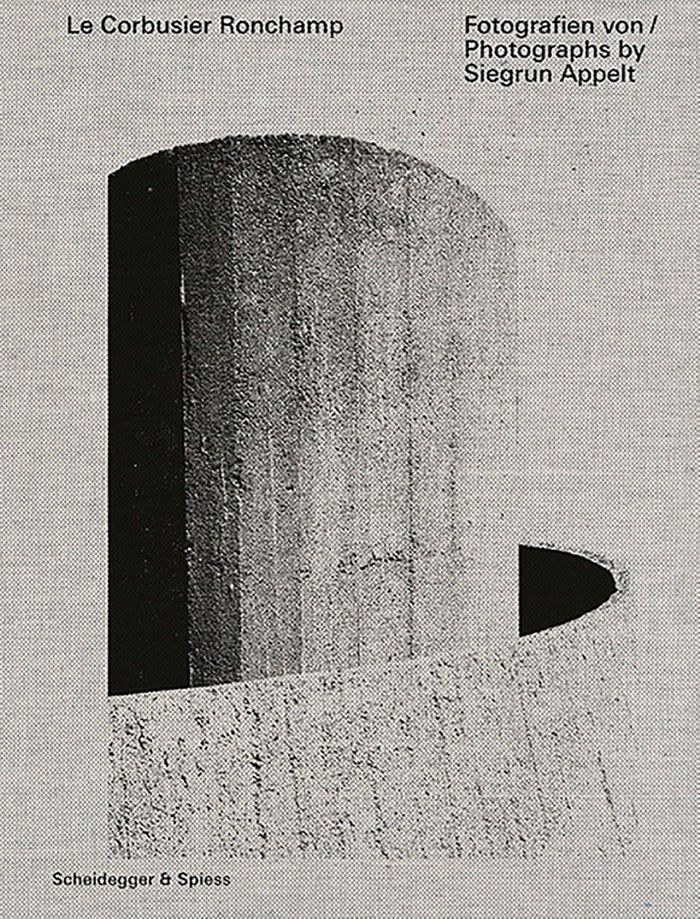
Le Corbusier‘s chapel Notre-Dame-du-Haut in Ronchamp is arguably the most famous modern religious building and a UNESCO world heritage site. In this book, Austrian artist Siegrun Appelt takes an entirely new approach to looking at the iconic structure, distinct from all her famous predecessors. Appelt focuses with an utter concentration on details, creating compositions of the highest sensitivity and precision. Her images highlight the place’s spatial structure and lines, Le Corbusier’s ingenious direction of light, as well as surfaces and passages. Published alongside the images is a dialogue between Claudia Kromrei and Otto Kapfinger, in which they investigate the potential of photography to show Le Corbusier’s means of expression and discuss the visualization and perception of material and immaterial elements of this icon of twentieth-century architecture.
Siegrun Appelt. Le Corbusier: Ronchamp
Actions:
Price:
$60.00
(available to order)
Summary:
Le Corbusier‘s chapel Notre-Dame-du-Haut in Ronchamp is arguably the most famous modern religious building and a UNESCO world heritage site. In this book, Austrian artist Siegrun Appelt takes an entirely new approach to looking at the iconic structure, distinct from all her famous predecessors. Appelt focuses with an utter concentration on details, creating compositions of the highest sensitivity and precision. Her images highlight the place’s spatial structure and lines, Le Corbusier’s ingenious direction of light, as well as surfaces and passages. Published alongside the images is a dialogue between Claudia Kromrei and Otto Kapfinger, in which they investigate the potential of photography to show Le Corbusier’s means of expression and discuss the visualization and perception of material and immaterial elements of this icon of twentieth-century architecture.
Form:
books
books
Publication:
November 2021
November 2021
Subject:
Photography monographs
Photography monographs
Form:
books
books
Title:
Villa d'Este in Tivoli
Villa d'Este in Tivoli
Actions:
Price:
$68.95
(available to order)
Summary:
The Villa d'Este is a 16th-century villa in Tivoli, near Rome, internationally renowned for its terraced hillside Italian Renaissance garden containing an outstanding array of fountains, nymphaea, grottoes, water features and atmospheric sound effects. Named a UNESCO World Heritage Site in 2001, the garden is widely considered to be one of the finest examples of Italian(...)
$68.95
(available to order)
Summary:
The Villa d'Este is a 16th-century villa in Tivoli, near Rome, internationally renowned for its terraced hillside Italian Renaissance garden containing an outstanding array of fountains, nymphaea, grottoes, water features and atmospheric sound effects. Named a UNESCO World Heritage Site in 2001, the garden is widely considered to be one of the finest examples of Italian(...)
Title:
Villa d'Este in Tivoli
Actions:
Price:
$68.95
(available to order)
Summary:
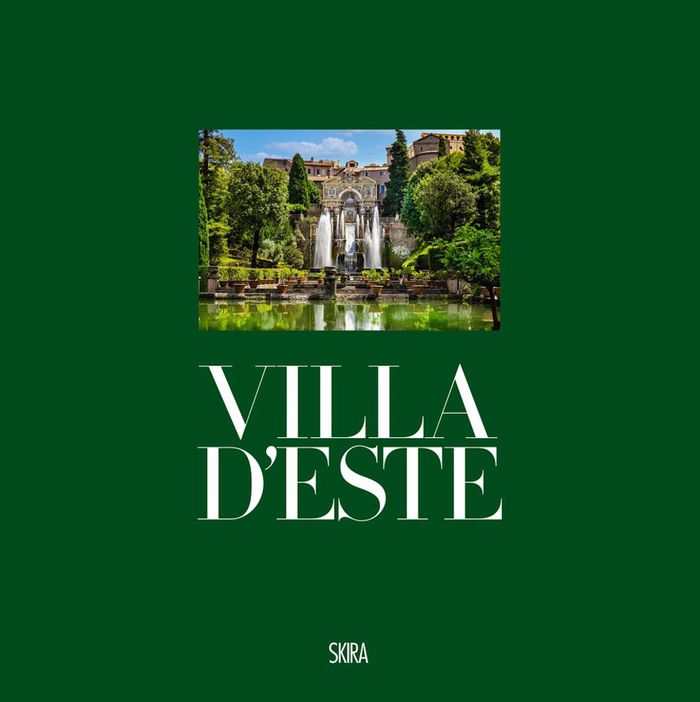
The Villa d'Este is a 16th-century villa in Tivoli, near Rome, internationally renowned for its terraced hillside Italian Renaissance garden containing an outstanding array of fountains, nymphaea, grottoes, water features and atmospheric sound effects. Named a UNESCO World Heritage Site in 2001, the garden is widely considered to be one of the finest examples of Italian Renaissance gardens in Europe. Villa d’Este was first conceived of in 1550 by the governor of Tivoli, Cardinal Ippolito II d’Este, who had long envisioned a garden built on the slopes of the valley known as Valle Gaudente. But it was only after 1560 that the villa’s architectural and iconological blueprint was defined by painter-archaeologist-architect Pirro Ligorio and executed by court architect Alberto Galvani. When Ippolito d’Este died in 1572, the project was nearly complete.
Villa d'Este in Tivoli
Actions:
Price:
$68.95
(available to order)
Summary:
The Villa d'Este is a 16th-century villa in Tivoli, near Rome, internationally renowned for its terraced hillside Italian Renaissance garden containing an outstanding array of fountains, nymphaea, grottoes, water features and atmospheric sound effects. Named a UNESCO World Heritage Site in 2001, the garden is widely considered to be one of the finest examples of Italian Renaissance gardens in Europe. Villa d’Este was first conceived of in 1550 by the governor of Tivoli, Cardinal Ippolito II d’Este, who had long envisioned a garden built on the slopes of the valley known as Valle Gaudente. But it was only after 1560 that the villa’s architectural and iconological blueprint was defined by painter-archaeologist-architect Pirro Ligorio and executed by court architect Alberto Galvani. When Ippolito d’Este died in 1572, the project was nearly complete.
Form:
books
books
Publication:
October 2022
October 2022
Subject:
Gardens
Gardens
Form:
books
books
Price:
$55.00
(available to order)
Summary:
In 2007, the architect and scholar Jana Revedin created the Global Award for Sustainable Architecture in collaboration with Cité de l’Architecture et du Patrimoine, to recognize architects leading the field in environmentally friendly design and practice. The prize, which now receives the patronage of UNESCO, is awarded each year to five architects who share the(...)
$55.00
(available to order)
Summary:
In 2007, the architect and scholar Jana Revedin created the Global Award for Sustainable Architecture in collaboration with Cité de l’Architecture et du Patrimoine, to recognize architects leading the field in environmentally friendly design and practice. The prize, which now receives the patronage of UNESCO, is awarded each year to five architects who share the(...)
Subject:
Green Architecture
Green Architecture
Publication:
October 2012
October 2012
Title:
Sustainable design II: towards a new ethics for architecture and the city
Actions:
Price:
$55.00
(available to order)
Summary:
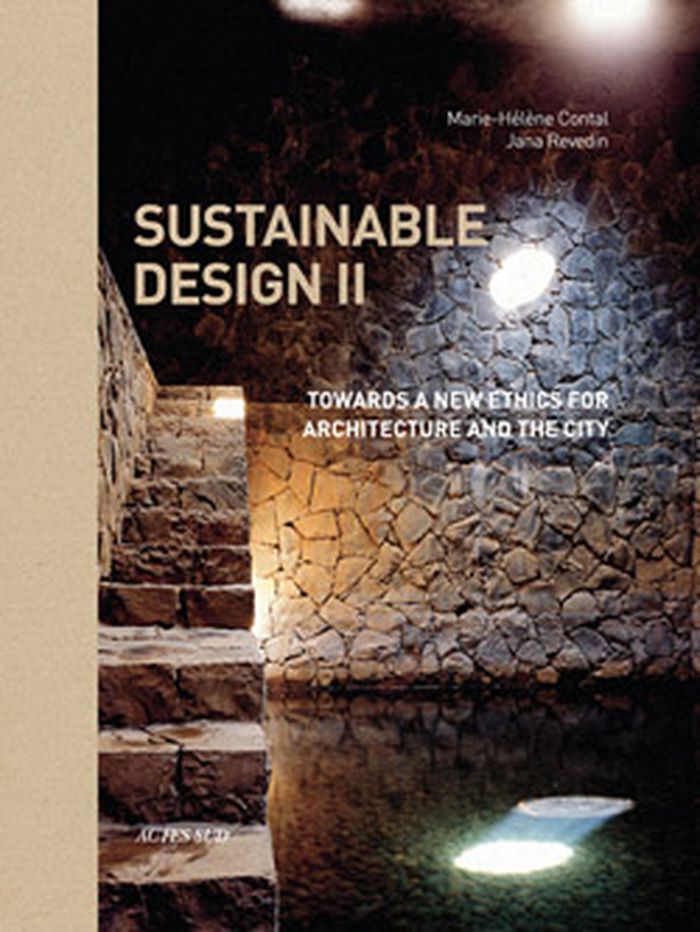
In 2007, the architect and scholar Jana Revedin created the Global Award for Sustainable Architecture in collaboration with Cité de l’Architecture et du Patrimoine, to recognize architects leading the field in environmentally friendly design and practice. The prize, which now receives the patronage of UNESCO, is awarded each year to five architects who share the principles of sustainable development and who have taken an innovative approach towards maintaining them in the built environment. This publication illustrates the work of Sami Rintala, Studio Mumbaï, Diébédo Francis Kéré, Patrick Bouchain and Loïc Julienne, Thomas Herzog, Junya Ishigami, Steve Bear, Giancarlo Mazzanti, Troppo Architects and Snohetta, all of who won the prize in 2009 or 2010. Sustainable Design assesses the methodology of each architect through essays as well as visual documentation of their most relevant projects.
Sustainable design II: towards a new ethics for architecture and the city
Actions:
Price:
$55.00
(available to order)
Summary:
In 2007, the architect and scholar Jana Revedin created the Global Award for Sustainable Architecture in collaboration with Cité de l’Architecture et du Patrimoine, to recognize architects leading the field in environmentally friendly design and practice. The prize, which now receives the patronage of UNESCO, is awarded each year to five architects who share the principles of sustainable development and who have taken an innovative approach towards maintaining them in the built environment. This publication illustrates the work of Sami Rintala, Studio Mumbaï, Diébédo Francis Kéré, Patrick Bouchain and Loïc Julienne, Thomas Herzog, Junya Ishigami, Steve Bear, Giancarlo Mazzanti, Troppo Architects and Snohetta, all of who won the prize in 2009 or 2010. Sustainable Design assesses the methodology of each architect through essays as well as visual documentation of their most relevant projects.
Form:
books
books
Publication:
October 2012
October 2012
Subject:
Green Architecture
Green Architecture
Form:
books
books
Title:
Calder / Prouvé
Calder / Prouvé
Actions:
Price:
$100.00
(available to order)
Summary:
A catalogue documenting two exhibitions of works by Alexander Calder and Jean Prouvé at Gagosian Gallery, Paris, and Galerie Patrick Seguin, Paris. Calder and Prouvé met in the early 1950s. They corresponded regularly between Calder’s frequent trips to Paris, exchanging ideas on architecture and sculpture. In 1958, Calder collaborated with Prouvé to construct the steel(...)
$100.00
(available to order)
Summary:
A catalogue documenting two exhibitions of works by Alexander Calder and Jean Prouvé at Gagosian Gallery, Paris, and Galerie Patrick Seguin, Paris. Calder and Prouvé met in the early 1950s. They corresponded regularly between Calder’s frequent trips to Paris, exchanging ideas on architecture and sculpture. In 1958, Calder collaborated with Prouvé to construct the steel(...)
Subject:
Contemporary Art Monographs
Contemporary Art Monographs
Publication:
October 2014
October 2014
Title:
Calder / Prouvé
Actions:
Price:
$100.00
(available to order)
Summary:
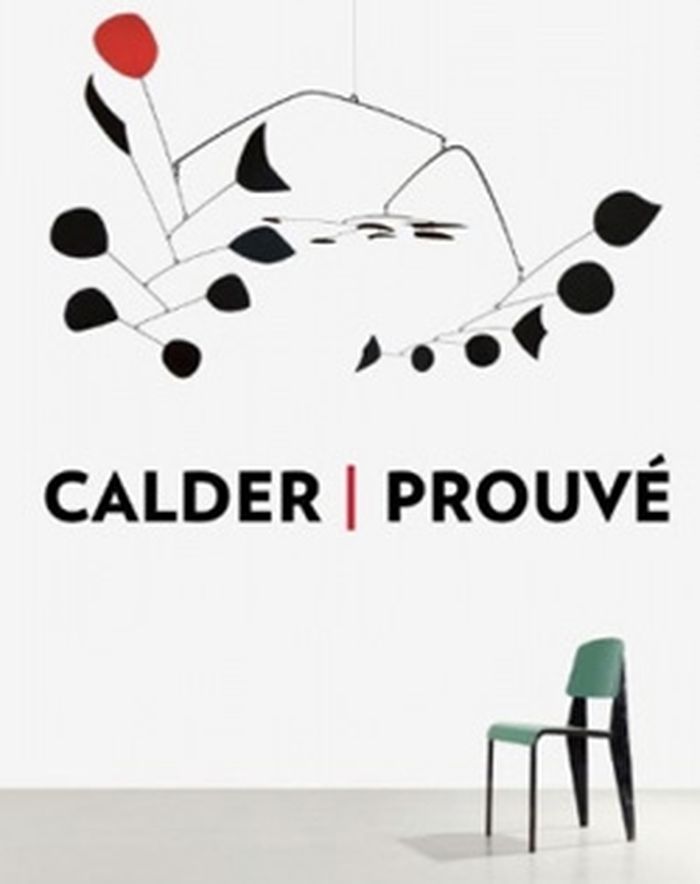
A catalogue documenting two exhibitions of works by Alexander Calder and Jean Prouvé at Gagosian Gallery, Paris, and Galerie Patrick Seguin, Paris. Calder and Prouvé met in the early 1950s. They corresponded regularly between Calder’s frequent trips to Paris, exchanging ideas on architecture and sculpture. In 1958, Calder collaborated with Prouvé to construct the steel base of La Spirale, a monumental mobile for the UNESCO site in Paris. Letters between the two are illustrated and reprinted in the catalogue. Calder/Prouvé evokes comparisons in the broad, expressive range of production, emphasis on form, and use of new technologies that the close friends and collaborators evinced in their parallel practices as artist and designer. Considered together, the works in this book testify to the fruitful exchange between two giants of modernism in its most utopian aspirations.
Calder / Prouvé
Actions:
Price:
$100.00
(available to order)
Summary:
A catalogue documenting two exhibitions of works by Alexander Calder and Jean Prouvé at Gagosian Gallery, Paris, and Galerie Patrick Seguin, Paris. Calder and Prouvé met in the early 1950s. They corresponded regularly between Calder’s frequent trips to Paris, exchanging ideas on architecture and sculpture. In 1958, Calder collaborated with Prouvé to construct the steel base of La Spirale, a monumental mobile for the UNESCO site in Paris. Letters between the two are illustrated and reprinted in the catalogue. Calder/Prouvé evokes comparisons in the broad, expressive range of production, emphasis on form, and use of new technologies that the close friends and collaborators evinced in their parallel practices as artist and designer. Considered together, the works in this book testify to the fruitful exchange between two giants of modernism in its most utopian aspirations.
Form:
books
books
Publication:
October 2014
October 2014
Subject:
Contemporary Art Monographs
Contemporary Art Monographs
Form:
books
books
Price:
$24.95
(available in store)
Summary:
The subject of light and lighting is more relevant than ever, as evidenced by the UNESCO global celebration of 2015 as the International Year of Light. The exhibition Nightscape 2050 by Lighting Planners Associates (LPA) explores the interactions between people, light, and cities in the year 2050. For LPA the word “nightscape” does not only refer to the evening view, but(...)
$24.95
(available in store)
Summary:
The subject of light and lighting is more relevant than ever, as evidenced by the UNESCO global celebration of 2015 as the International Year of Light. The exhibition Nightscape 2050 by Lighting Planners Associates (LPA) explores the interactions between people, light, and cities in the year 2050. For LPA the word “nightscape” does not only refer to the evening view, but(...)
Title:
Nightscape 2050: a dialogue between cities. light. people in the future
Actions:
Price:
$24.95
(available in store)
Summary:
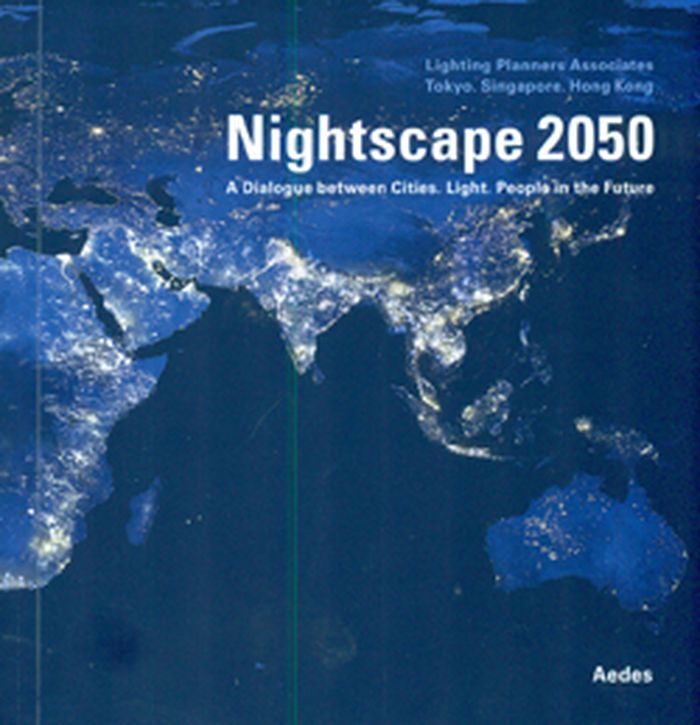
The subject of light and lighting is more relevant than ever, as evidenced by the UNESCO global celebration of 2015 as the International Year of Light. The exhibition Nightscape 2050 by Lighting Planners Associates (LPA) explores the interactions between people, light, and cities in the year 2050. For LPA the word “nightscape” does not only refer to the evening view, but also includes the individual: “nightscape = humans and cities at night.” The emergence of new light sources such as LEDs, OLEDs, and lasers as well as the evolution of lighting-control technology in the 21st century may dramatically change our living environment. At the same time, numerous natural disasters, manmade disasters, and environmental changes have forced a discussion on how to approach energy consumption including how to power lighting.
Nightscape 2050: a dialogue between cities. light. people in the future
Actions:
Price:
$24.95
(available in store)
Summary:
The subject of light and lighting is more relevant than ever, as evidenced by the UNESCO global celebration of 2015 as the International Year of Light. The exhibition Nightscape 2050 by Lighting Planners Associates (LPA) explores the interactions between people, light, and cities in the year 2050. For LPA the word “nightscape” does not only refer to the evening view, but also includes the individual: “nightscape = humans and cities at night.” The emergence of new light sources such as LEDs, OLEDs, and lasers as well as the evolution of lighting-control technology in the 21st century may dramatically change our living environment. At the same time, numerous natural disasters, manmade disasters, and environmental changes have forced a discussion on how to approach energy consumption including how to power lighting.
Form:
books
books
Publication:
August 2015
August 2015
Form:
books
books
Actions:
Price:
$45.95
(available to order)
Summary:
In this latest work, art historian T. J. Clark sets out to investigate the different ways painting has depicted the dream of God's kingdom come: heaven descended to earth. He goes back to the late Middle Ages and Renaissance- to Giotto in Padua, Bruegel facing the horrors of religious war, Poussin painting the Sacraments, and Veronese unfolding the human comedy, in(...)
$45.95
(available to order)
Summary:
In this latest work, art historian T. J. Clark sets out to investigate the different ways painting has depicted the dream of God's kingdom come: heaven descended to earth. He goes back to the late Middle Ages and Renaissance- to Giotto in Padua, Bruegel facing the horrors of religious war, Poussin painting the Sacraments, and Veronese unfolding the human comedy, in(...)
Title:
Heaven on earth: painting and the life to come
Actions:
Price:
$45.95
(available to order)
Summary:
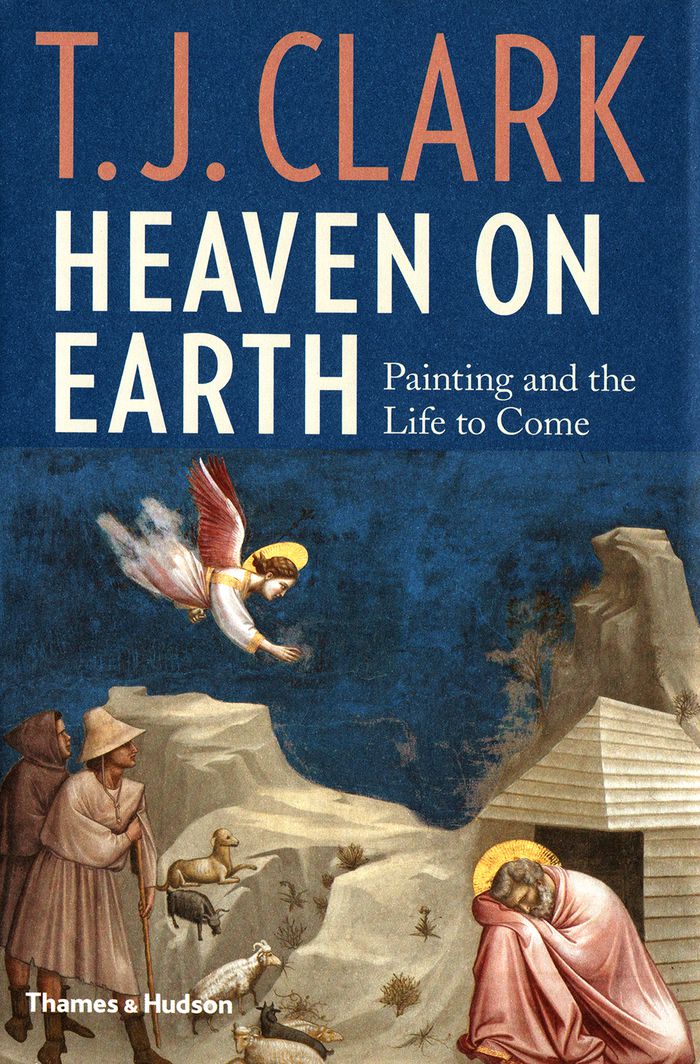
In this latest work, art historian T. J. Clark sets out to investigate the different ways painting has depicted the dream of God's kingdom come: heaven descended to earth. He goes back to the late Middle Ages and Renaissance- to Giotto in Padua, Bruegel facing the horrors of religious war, Poussin painting the Sacraments, and Veronese unfolding the human comedy, in particular his inscrutable Allegory of Love. Was it ultimately to painting's advantage that in an age of orthodoxy and enforced censorship (threats of hellfire, burnings at the stake) artists found ways reflect on the powers and limitations of religion without putting their thoughts into words? In conclusion Clark brings us into the Nuclear Age with Picasso's Fall of Icarus, made for UNESCO in 1958, which already seems to signal, or even prescribe, an age when all futures are dead.
Heaven on earth: painting and the life to come
Actions:
Price:
$45.95
(available to order)
Summary:
In this latest work, art historian T. J. Clark sets out to investigate the different ways painting has depicted the dream of God's kingdom come: heaven descended to earth. He goes back to the late Middle Ages and Renaissance- to Giotto in Padua, Bruegel facing the horrors of religious war, Poussin painting the Sacraments, and Veronese unfolding the human comedy, in particular his inscrutable Allegory of Love. Was it ultimately to painting's advantage that in an age of orthodoxy and enforced censorship (threats of hellfire, burnings at the stake) artists found ways reflect on the powers and limitations of religion without putting their thoughts into words? In conclusion Clark brings us into the Nuclear Age with Picasso's Fall of Icarus, made for UNESCO in 1958, which already seems to signal, or even prescribe, an age when all futures are dead.
Form:
books
books
Publication:
November 2018
November 2018
Subject:
Art Theory
Art Theory
Form:
books
books
Actions:
Price:
$54.00
(available in store)
Summary:
A city that has existed for over 2,000 years, Verona has a wealth of historic architecture, from ancient Roman masterworks such as the Arena to seventeenth-century neoclassical gems like the Gran Guardia Palace right through to inventive recent restorations and adaptations. Its Gothic and Romanesque edifices – frequently constructed in pink brick – are a particular(...)
$54.00
(available in store)
Summary:
A city that has existed for over 2,000 years, Verona has a wealth of historic architecture, from ancient Roman masterworks such as the Arena to seventeenth-century neoclassical gems like the Gran Guardia Palace right through to inventive recent restorations and adaptations. Its Gothic and Romanesque edifices – frequently constructed in pink brick – are a particular(...)
Title:
Verona and Lake Garda architectural guide
Actions:
Price:
$54.00
(available in store)
Summary:
A city that has existed for over 2,000 years, Verona has a wealth of historic architecture, from ancient Roman masterworks such as the Arena to seventeenth-century neoclassical gems like the Gran Guardia Palace right through to inventive recent restorations and adaptations. Its Gothic and Romanesque edifices – frequently constructed in pink brick – are a particular highlight. The architectural remnants of this UNESCO-listed city are covered here in the first architectural guide to Verona, Lake Garda, and Valpolicella. The towns and villages around Lake Garda have long attracted tourists, and the selection in this volume reflects this. Villas and hotels loom large, including the eccentric villa complex constructed by the poet Gabriele D’Annunzio. Through his considered selection of buildings, historian and socio-urbanist Sergey Nikitin-Rimsky provides a sometimes-irreverent look at sights that range from the well-known to the more hidden.
Verona and Lake Garda architectural guide
Actions:
Price:
$54.00
(available in store)
Summary:
A city that has existed for over 2,000 years, Verona has a wealth of historic architecture, from ancient Roman masterworks such as the Arena to seventeenth-century neoclassical gems like the Gran Guardia Palace right through to inventive recent restorations and adaptations. Its Gothic and Romanesque edifices – frequently constructed in pink brick – are a particular highlight. The architectural remnants of this UNESCO-listed city are covered here in the first architectural guide to Verona, Lake Garda, and Valpolicella. The towns and villages around Lake Garda have long attracted tourists, and the selection in this volume reflects this. Villas and hotels loom large, including the eccentric villa complex constructed by the poet Gabriele D’Annunzio. Through his considered selection of buildings, historian and socio-urbanist Sergey Nikitin-Rimsky provides a sometimes-irreverent look at sights that range from the well-known to the more hidden.
Form:
books
books
Publication:
September 2022
September 2022
Subject:
City Guides
City Guides
Form:
books
books

Actions:
Price:
$44.95
(available to order)
Summary:
The Villa Tugendhat, designed by Mies van der Rohe in 1928, is an icon of architectural modernism and a UNESCO World Heritage site. This book tells the true story of the large family connected to it, who rose to prominence through industrial textile manufacturing. It traces the transformations in the life of the family, from their roots in a Jewish ghetto to part of the(...)
$44.95
(available to order)
Summary:
The Villa Tugendhat, designed by Mies van der Rohe in 1928, is an icon of architectural modernism and a UNESCO World Heritage site. This book tells the true story of the large family connected to it, who rose to prominence through industrial textile manufacturing. It traces the transformations in the life of the family, from their roots in a Jewish ghetto to part of the(...)
Title:
Behind the glass: The Villa Tugendhat and its family
Actions:
Price:
$44.95
(available to order)
Summary:
The Villa Tugendhat, designed by Mies van der Rohe in 1928, is an icon of architectural modernism and a UNESCO World Heritage site. This book tells the true story of the large family connected to it, who rose to prominence through industrial textile manufacturing. It traces the transformations in the life of the family, from their roots in a Jewish ghetto to part of the wealthy bourgeoisie in the Austro-Hungarian Empire to adaptation in interwar independent Czechoslovakia and flight in the face of Nazi invasion. Michael Lambek examines the generation born in the first decade of the twentieth century, especially Grete Tugendhat – Lambek’s maternal grandmother – who commissioned, inhabited, championed, and relinquished the distinctive modern house.The book also provides unpublished correspondence between Martin Heidegger and Ernst Tugendhat, Grete’s son, as well as a description of the impact of a 2017 family reunion.
Behind the glass: The Villa Tugendhat and its family
Actions:
Price:
$44.95
(available to order)
Summary:
The Villa Tugendhat, designed by Mies van der Rohe in 1928, is an icon of architectural modernism and a UNESCO World Heritage site. This book tells the true story of the large family connected to it, who rose to prominence through industrial textile manufacturing. It traces the transformations in the life of the family, from their roots in a Jewish ghetto to part of the wealthy bourgeoisie in the Austro-Hungarian Empire to adaptation in interwar independent Czechoslovakia and flight in the face of Nazi invasion. Michael Lambek examines the generation born in the first decade of the twentieth century, especially Grete Tugendhat – Lambek’s maternal grandmother – who commissioned, inhabited, championed, and relinquished the distinctive modern house.The book also provides unpublished correspondence between Martin Heidegger and Ernst Tugendhat, Grete’s son, as well as a description of the impact of a 2017 family reunion.
Form:
books
books
Publication:
November 2022
November 2022
Subject:
Architectural Theory
Architectural Theory
Form:
books
books
Actions:
Holdings:
Description:
161 pages ; 21 cm.
Description:
161 pages ; 21 cm.
Author:
Subject:
Publication:
Paris : Cavalier bleu, 2016., ©2016
Paris : Cavalier bleu, 2016., ©2016
Title:
Humanités numériques : la culture face aux nouvelles technologies / Dominique Vinck.
Actions:
Holdings:
Description:
161 pages ; 21 cm.
Humanités numériques : la culture face aux nouvelles technologies / Dominique Vinck.
Actions:
Holdings:
Description:
161 pages ; 21 cm.
Form:
books
books
Publication:
Paris : Cavalier bleu, 2016., ©2016
Paris : Cavalier bleu, 2016., ©2016
Author:
Subject:
Form:
books
books
Price:
$77.00
(available in store)
Summary:
Designed by architects Jan Duiker and Bernard Bijvoet in 1925, the former Zonnestraal Sanatorium is an icon of the Nieuwe Bouwen style, the Dutch branch of the International Style of modernism: as one of the genuine highlights of twentieth-century architecture, it has been considered for the UNESCO World Heritage List. The complex, whose name means "ray of sunshine," was(...)
$77.00
(available in store)
Summary:
Designed by architects Jan Duiker and Bernard Bijvoet in 1925, the former Zonnestraal Sanatorium is an icon of the Nieuwe Bouwen style, the Dutch branch of the International Style of modernism: as one of the genuine highlights of twentieth-century architecture, it has been considered for the UNESCO World Heritage List. The complex, whose name means "ray of sunshine," was(...)
Subject:
Commercial interiors, Building types
Commercial interiors, Building types
Publication:
December 2010
December 2010
Title:
Zonnestraal Sanatorium: the history and restotation of a moderne monument
Actions:
Price:
$77.00
(available in store)
Summary:
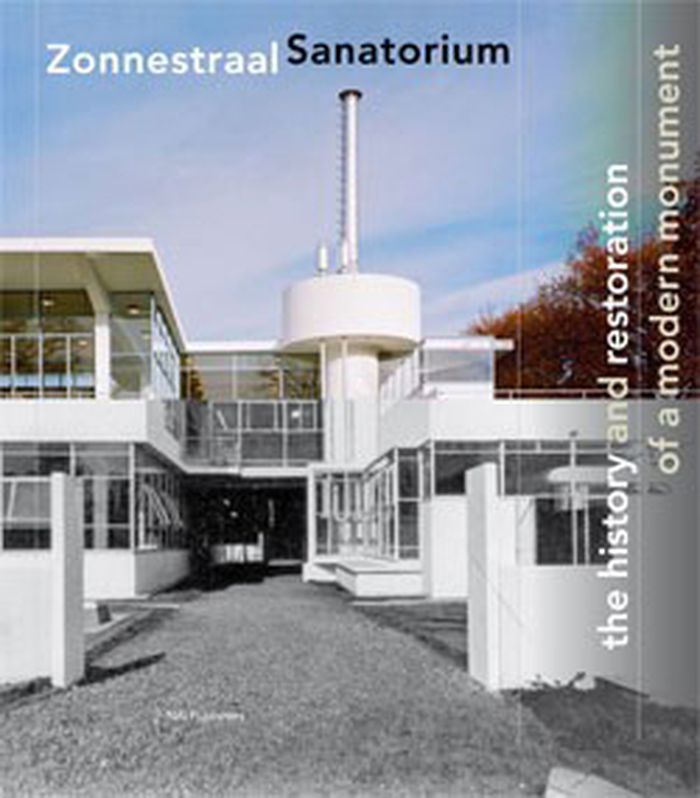
Designed by architects Jan Duiker and Bernard Bijvoet in 1925, the former Zonnestraal Sanatorium is an icon of the Nieuwe Bouwen style, the Dutch branch of the International Style of modernism: as one of the genuine highlights of twentieth-century architecture, it has been considered for the UNESCO World Heritage List. The complex, whose name means "ray of sunshine," was originally created as a treatment center for tuberculosis patients. By the early 1960s, the buildings, which had been constructed for limited use in concrete, steel and glass, were in ruin. After four decades of research and planning, its restoration is nearing completion under the supervision of the architects Hubert-Jan Henket and Wessel de Jonge. This publication traces the former sanatorium's past, emphasizing the battle for recognition of the Zonnestraal site's importance, its complex restoration process and providing a critical dossier on the general management of modern monuments.
Zonnestraal Sanatorium: the history and restotation of a moderne monument
Actions:
Price:
$77.00
(available in store)
Summary:
Designed by architects Jan Duiker and Bernard Bijvoet in 1925, the former Zonnestraal Sanatorium is an icon of the Nieuwe Bouwen style, the Dutch branch of the International Style of modernism: as one of the genuine highlights of twentieth-century architecture, it has been considered for the UNESCO World Heritage List. The complex, whose name means "ray of sunshine," was originally created as a treatment center for tuberculosis patients. By the early 1960s, the buildings, which had been constructed for limited use in concrete, steel and glass, were in ruin. After four decades of research and planning, its restoration is nearing completion under the supervision of the architects Hubert-Jan Henket and Wessel de Jonge. This publication traces the former sanatorium's past, emphasizing the battle for recognition of the Zonnestraal site's importance, its complex restoration process and providing a critical dossier on the general management of modern monuments.
Form:
books
books
Publication:
December 2010
December 2010
Subject:
Commercial interiors, Building types
Commercial interiors, Building types


