


11307 Results
Level of archival description:
Project
Project
Reference number:
AP178.S1.1976.PR03
Description:
This project series document the Largo da Lada the historic district in Porto, Portugal. While the records were held in the office’s archives this project was assigned the number 35/70. The office assigned the date 1976 for this project. The Comissariado para a Renovação Urbana da Área de Ribeira/Barredo was an organization responsible for the rehabilitation of the historic district in Porto. The aim of the project was to improve the living conditions of the residents. Alvaro Siza was selected to find architectural solutions for the Mercado da Ribeira (see project series AP178.S1.1976.PR01 in this fonds), Parcelas 191 e 192 (see project series AP178.S1.1976.PR02 in this fonds), and Largo da Lada. The goal for this project was to reorganize the Lada square and Barredo Quarter. The program included a study to create communal facilities and space for dwellings. Although this project, and the proposal for the Mercado da Ribeira were not realized, the houses on Parcelas 191 and 192 were. This project is recorded through sketches, studies and plans. Photographs, negatives, postcards and slides depict the project site and surrounding area. Textual documentation includes correspondence.
AP178.S1.1976.PR03
Description:
This project series document the Largo da Lada the historic district in Porto, Portugal. While the records were held in the office’s archives this project was assigned the number 35/70. The office assigned the date 1976 for this project. The Comissariado para a Renovação Urbana da Área de Ribeira/Barredo was an organization responsible for the rehabilitation of the historic district in Porto. The aim of the project was to improve the living conditions of the residents. Alvaro Siza was selected to find architectural solutions for the Mercado da Ribeira (see project series AP178.S1.1976.PR01 in this fonds), Parcelas 191 e 192 (see project series AP178.S1.1976.PR02 in this fonds), and Largo da Lada. The goal for this project was to reorganize the Lada square and Barredo Quarter. The program included a study to create communal facilities and space for dwellings. Although this project, and the proposal for the Mercado da Ribeira were not realized, the houses on Parcelas 191 and 192 were. This project is recorded through sketches, studies and plans. Photographs, negatives, postcards and slides depict the project site and surrounding area. Textual documentation includes correspondence.
People:
Date:
1962-1974
1962-1974
Title:
Largo da Lada [Urban development plan for Lada square and redevelopment of Barredo Quarter], Porto, Portugal (1976)
Actions:
AP178.S1.1976.PR03
Description:
This project series document the Largo da Lada the historic district in Porto, Portugal. While the records were held in the office’s archives this project was assigned the number 35/70. The office assigned the date 1976 for this project. The Comissariado para a Renovação Urbana da Área de Ribeira/Barredo was an organization responsible for the rehabilitation of the historic district in Porto. The aim of the project was to improve the living conditions of the residents. Alvaro Siza was selected to find architectural solutions for the Mercado da Ribeira (see project series AP178.S1.1976.PR01 in this fonds), Parcelas 191 e 192 (see project series AP178.S1.1976.PR02 in this fonds), and Largo da Lada. The goal for this project was to reorganize the Lada square and Barredo Quarter. The program included a study to create communal facilities and space for dwellings. Although this project, and the proposal for the Mercado da Ribeira were not realized, the houses on Parcelas 191 and 192 were. This project is recorded through sketches, studies and plans. Photographs, negatives, postcards and slides depict the project site and surrounding area. Textual documentation includes correspondence.
Largo da Lada [Urban development plan for Lada square and redevelopment of Barredo Quarter], Porto, Portugal (1976)
Actions:
AP178.S1.1976.PR03
Description:
This project series document the Largo da Lada the historic district in Porto, Portugal. While the records were held in the office’s archives this project was assigned the number 35/70. The office assigned the date 1976 for this project. The Comissariado para a Renovação Urbana da Área de Ribeira/Barredo was an organization responsible for the rehabilitation of the historic district in Porto. The aim of the project was to improve the living conditions of the residents. Alvaro Siza was selected to find architectural solutions for the Mercado da Ribeira (see project series AP178.S1.1976.PR01 in this fonds), Parcelas 191 e 192 (see project series AP178.S1.1976.PR02 in this fonds), and Largo da Lada. The goal for this project was to reorganize the Lada square and Barredo Quarter. The program included a study to create communal facilities and space for dwellings. Although this project, and the proposal for the Mercado da Ribeira were not realized, the houses on Parcelas 191 and 192 were. This project is recorded through sketches, studies and plans. Photographs, negatives, postcards and slides depict the project site and surrounding area. Textual documentation includes correspondence.
Level of archival description:
Project
Project
Date:
1962-1974
1962-1974
People:
Level of archival description:
Project
Project
Reference number:
AP178.S1.2001.PR06
Description:
This project series documents the Centro de Alto Rendimento en el Balneario de Panticosa in Panticosa, Spain. While the records were held in the office’s archives this project was assigned the number 32/00 A. The office assigned the date 2001 for this project. The project site is located in the mountains of Panticosa on the site of a spa resort. Siza's project was part of a revitalization project of the area supervised by Rafael Moneo. Moneo's project included the urban rehabilitation of the area and the renovation of the Nuestra Señora del Carmen church, as well as the construction of a hotel, a casino, and a cultural center. Siza's project consisted of a hotel for athletes, that included gymnasiums, exterior and interior pools, massage rooms, saunas, thermal baths, a solarium, a restaurant, a library, and a shop. During the beginning of the construction, a hot thermal watercourse was discovered under the project site and obliged the architect to revise the plans. The project was realized. Documenting this project are studies, design development drawings, and plans. Textual material includes project documentation and correspondence. Photographic material documents the project site, model, and built project.
AP178.S1.2001.PR06
Description:
This project series documents the Centro de Alto Rendimento en el Balneario de Panticosa in Panticosa, Spain. While the records were held in the office’s archives this project was assigned the number 32/00 A. The office assigned the date 2001 for this project. The project site is located in the mountains of Panticosa on the site of a spa resort. Siza's project was part of a revitalization project of the area supervised by Rafael Moneo. Moneo's project included the urban rehabilitation of the area and the renovation of the Nuestra Señora del Carmen church, as well as the construction of a hotel, a casino, and a cultural center. Siza's project consisted of a hotel for athletes, that included gymnasiums, exterior and interior pools, massage rooms, saunas, thermal baths, a solarium, a restaurant, a library, and a shop. During the beginning of the construction, a hot thermal watercourse was discovered under the project site and obliged the architect to revise the plans. The project was realized. Documenting this project are studies, design development drawings, and plans. Textual material includes project documentation and correspondence. Photographic material documents the project site, model, and built project.
People:
Date:
2000-2008
2000-2008
Title:
Centro de Alto Rendimento en el Balneario de Panticosa [Sports Hotel and High-performance center], Panticosa, Spain (2001)
Actions:
AP178.S1.2001.PR06
Description:
This project series documents the Centro de Alto Rendimento en el Balneario de Panticosa in Panticosa, Spain. While the records were held in the office’s archives this project was assigned the number 32/00 A. The office assigned the date 2001 for this project. The project site is located in the mountains of Panticosa on the site of a spa resort. Siza's project was part of a revitalization project of the area supervised by Rafael Moneo. Moneo's project included the urban rehabilitation of the area and the renovation of the Nuestra Señora del Carmen church, as well as the construction of a hotel, a casino, and a cultural center. Siza's project consisted of a hotel for athletes, that included gymnasiums, exterior and interior pools, massage rooms, saunas, thermal baths, a solarium, a restaurant, a library, and a shop. During the beginning of the construction, a hot thermal watercourse was discovered under the project site and obliged the architect to revise the plans. The project was realized. Documenting this project are studies, design development drawings, and plans. Textual material includes project documentation and correspondence. Photographic material documents the project site, model, and built project.
Centro de Alto Rendimento en el Balneario de Panticosa [Sports Hotel and High-performance center], Panticosa, Spain (2001)
Actions:
AP178.S1.2001.PR06
Description:
This project series documents the Centro de Alto Rendimento en el Balneario de Panticosa in Panticosa, Spain. While the records were held in the office’s archives this project was assigned the number 32/00 A. The office assigned the date 2001 for this project. The project site is located in the mountains of Panticosa on the site of a spa resort. Siza's project was part of a revitalization project of the area supervised by Rafael Moneo. Moneo's project included the urban rehabilitation of the area and the renovation of the Nuestra Señora del Carmen church, as well as the construction of a hotel, a casino, and a cultural center. Siza's project consisted of a hotel for athletes, that included gymnasiums, exterior and interior pools, massage rooms, saunas, thermal baths, a solarium, a restaurant, a library, and a shop. During the beginning of the construction, a hot thermal watercourse was discovered under the project site and obliged the architect to revise the plans. The project was realized. Documenting this project are studies, design development drawings, and plans. Textual material includes project documentation and correspondence. Photographic material documents the project site, model, and built project.
Level of archival description:
Project
Project
Date:
2000-2008
2000-2008
People:
Level of archival description:
Series
Series
Title:
Documents professionnels
Documents professionnels
Actions:
Reference number:
AP086.S2
Description:
Cette série contient des documents de deux natures. D'abord, les 26 photographies que Blaise Marchand a colligées alors qu'il était architecte en chef pour l'entretien au ministère des Travaux publics du Québec (1945-1968), illustrent principalement les différentes décorations temporaires installées sur les façades de l'Hôtel du Parlement à Québec, et dans les environs, à l'occasion d'événements spéciaux entre 1949 et 1960 [1963]. Pour la grande majorité, les photographies ont été réalisées par le Service de ciné-photographie de l'Office provincial de publicité du Québec, mais aussi par le ministère des Travaux publics - Service des architectes, ainsi que par le photographe Michel, photographie artistique et commerciale (Québec) et par le studio Photo Montcalm (Québec). Ensuite, les trois publications et le manuscrit ([1956]-1963) conservés dans la série documentent l'intérêt que Marchand portait à l'urbanisme et à la conservation et la restauration du patrimoine bâti. Les titres entre guillemets ont été tirés des légendes qui accompagnaient les photographies lorsque les documents sont arrivés aux archives.
AP086.S2
Description:
Cette série contient des documents de deux natures. D'abord, les 26 photographies que Blaise Marchand a colligées alors qu'il était architecte en chef pour l'entretien au ministère des Travaux publics du Québec (1945-1968), illustrent principalement les différentes décorations temporaires installées sur les façades de l'Hôtel du Parlement à Québec, et dans les environs, à l'occasion d'événements spéciaux entre 1949 et 1960 [1963]. Pour la grande majorité, les photographies ont été réalisées par le Service de ciné-photographie de l'Office provincial de publicité du Québec, mais aussi par le ministère des Travaux publics - Service des architectes, ainsi que par le photographe Michel, photographie artistique et commerciale (Québec) et par le studio Photo Montcalm (Québec). Ensuite, les trois publications et le manuscrit ([1956]-1963) conservés dans la série documentent l'intérêt que Marchand portait à l'urbanisme et à la conservation et la restauration du patrimoine bâti. Les titres entre guillemets ont été tirés des légendes qui accompagnaient les photographies lorsque les documents sont arrivés aux archives.
People:
Date:
1949-1963
1949-1963
Title:
Documents professionnels
Actions:
AP086.S2
Description:
Cette série contient des documents de deux natures. D'abord, les 26 photographies que Blaise Marchand a colligées alors qu'il était architecte en chef pour l'entretien au ministère des Travaux publics du Québec (1945-1968), illustrent principalement les différentes décorations temporaires installées sur les façades de l'Hôtel du Parlement à Québec, et dans les environs, à l'occasion d'événements spéciaux entre 1949 et 1960 [1963]. Pour la grande majorité, les photographies ont été réalisées par le Service de ciné-photographie de l'Office provincial de publicité du Québec, mais aussi par le ministère des Travaux publics - Service des architectes, ainsi que par le photographe Michel, photographie artistique et commerciale (Québec) et par le studio Photo Montcalm (Québec). Ensuite, les trois publications et le manuscrit ([1956]-1963) conservés dans la série documentent l'intérêt que Marchand portait à l'urbanisme et à la conservation et la restauration du patrimoine bâti. Les titres entre guillemets ont été tirés des légendes qui accompagnaient les photographies lorsque les documents sont arrivés aux archives.
Documents professionnels
Actions:
AP086.S2
Description:
Cette série contient des documents de deux natures. D'abord, les 26 photographies que Blaise Marchand a colligées alors qu'il était architecte en chef pour l'entretien au ministère des Travaux publics du Québec (1945-1968), illustrent principalement les différentes décorations temporaires installées sur les façades de l'Hôtel du Parlement à Québec, et dans les environs, à l'occasion d'événements spéciaux entre 1949 et 1960 [1963]. Pour la grande majorité, les photographies ont été réalisées par le Service de ciné-photographie de l'Office provincial de publicité du Québec, mais aussi par le ministère des Travaux publics - Service des architectes, ainsi que par le photographe Michel, photographie artistique et commerciale (Québec) et par le studio Photo Montcalm (Québec). Ensuite, les trois publications et le manuscrit ([1956]-1963) conservés dans la série documentent l'intérêt que Marchand portait à l'urbanisme et à la conservation et la restauration du patrimoine bâti. Les titres entre guillemets ont été tirés des légendes qui accompagnaient les photographies lorsque les documents sont arrivés aux archives.
Level of archival description:
Série
Série
Date:
1949-1963
1949-1963
People:
Form:
archives
Level of archival description:
Fonds
archives
Level of archival description:
Fonds
Actions:
Reference number:
AP074
Synopsis:
The Catherine Chard Wisnicki fonds contains photographs dating from about 1947, of a house project in West Vancouver which Chard Wisnicki, the first female graduate of the McGill School of Architecture, was assistant architect. The fonds also contains a videocassette recording of an interview with Chard Wisnicki from 1995, and one textual document from 1997.
AP074
Synopsis:
The Catherine Chard Wisnicki fonds contains photographs dating from about 1947, of a house project in West Vancouver which Chard Wisnicki, the first female graduate of the McGill School of Architecture, was assistant architect. The fonds also contains a videocassette recording of an interview with Chard Wisnicki from 1995, and one textual document from 1997.
People:
Date:
[ca. 1947], 1995, 1997
[ca. 1947], 1995, 1997
Title:
Catherine Chard Wisnicki fonds
Actions:
AP074
Synopsis:
The Catherine Chard Wisnicki fonds contains photographs dating from about 1947, of a house project in West Vancouver which Chard Wisnicki, the first female graduate of the McGill School of Architecture, was assistant architect. The fonds also contains a videocassette recording of an interview with Chard Wisnicki from 1995, and one textual document from 1997.
Catherine Chard Wisnicki fonds
Actions:
AP074
Synopsis:
The Catherine Chard Wisnicki fonds contains photographs dating from about 1947, of a house project in West Vancouver which Chard Wisnicki, the first female graduate of the McGill School of Architecture, was assistant architect. The fonds also contains a videocassette recording of an interview with Chard Wisnicki from 1995, and one textual document from 1997.
Form:
archives
Level of archival description:
Fonds
archives
Level of archival description:
Fonds
Date:
[ca. 1947], 1995, 1997
[ca. 1947], 1995, 1997
People:
Form:
drawings, textual records, born digital
drawings, textual records, born digital
Reference number:
AP181.S1.015
Description:
Original directory name: "18_AN- Ausführende Firmen". File consists of records related to the construction, or execution, phase of the BMW Welt project. There are five high-level directories, identified with numerical codes and which element of the construction is being addressed by the records: construction signs, facade engineering, foundations, structural work, and facade steel construction. The firms include Werbetechnik Deger, Bauer, and Maurer Söhne. The bulk of the records is found under the "3060_Stahlbau_Fassade_MSG" directory, consisting of CAD drawings and 3D models for the roof support head points, the service walkways, cover panels, placement of security cameras, the internal helix, the drainage system, etc. These are CAD files, screen captures, and annotated digitisations of printed drawings, the latter two showing very specific details of the structure. There are approximately 500 plotter files in directories "3017 Fassadentechnik" (facade engineering) and "3060_Stahlbau_Fassade_MSG/I_Pläne/Ausgang", some being in archive files (.zip). Files also include some textual records, such as lists, presentations, and correspondence between stakeholders. Most common file formats: JPEG File Interchange Format, Hewlett Packard Vector Graphic Plotter File, Acrobat PDF 1.3 - Portable Document Format, AutoCAD Drawing, Acrobat PDF 1.4 - Portable Document Format
AP181.S1.015
Description:
Original directory name: "18_AN- Ausführende Firmen". File consists of records related to the construction, or execution, phase of the BMW Welt project. There are five high-level directories, identified with numerical codes and which element of the construction is being addressed by the records: construction signs, facade engineering, foundations, structural work, and facade steel construction. The firms include Werbetechnik Deger, Bauer, and Maurer Söhne. The bulk of the records is found under the "3060_Stahlbau_Fassade_MSG" directory, consisting of CAD drawings and 3D models for the roof support head points, the service walkways, cover panels, placement of security cameras, the internal helix, the drainage system, etc. These are CAD files, screen captures, and annotated digitisations of printed drawings, the latter two showing very specific details of the structure. There are approximately 500 plotter files in directories "3017 Fassadentechnik" (facade engineering) and "3060_Stahlbau_Fassade_MSG/I_Pläne/Ausgang", some being in archive files (.zip). Files also include some textual records, such as lists, presentations, and correspondence between stakeholders. Most common file formats: JPEG File Interchange Format, Hewlett Packard Vector Graphic Plotter File, Acrobat PDF 1.3 - Portable Document Format, AutoCAD Drawing, Acrobat PDF 1.4 - Portable Document Format
People:
Date:
2003-2007
2003-2007
Title:
Construction documentation, BMW Welt, Munich
Actions:
AP181.S1.015
Description:
Original directory name: "18_AN- Ausführende Firmen". File consists of records related to the construction, or execution, phase of the BMW Welt project. There are five high-level directories, identified with numerical codes and which element of the construction is being addressed by the records: construction signs, facade engineering, foundations, structural work, and facade steel construction. The firms include Werbetechnik Deger, Bauer, and Maurer Söhne. The bulk of the records is found under the "3060_Stahlbau_Fassade_MSG" directory, consisting of CAD drawings and 3D models for the roof support head points, the service walkways, cover panels, placement of security cameras, the internal helix, the drainage system, etc. These are CAD files, screen captures, and annotated digitisations of printed drawings, the latter two showing very specific details of the structure. There are approximately 500 plotter files in directories "3017 Fassadentechnik" (facade engineering) and "3060_Stahlbau_Fassade_MSG/I_Pläne/Ausgang", some being in archive files (.zip). Files also include some textual records, such as lists, presentations, and correspondence between stakeholders. Most common file formats: JPEG File Interchange Format, Hewlett Packard Vector Graphic Plotter File, Acrobat PDF 1.3 - Portable Document Format, AutoCAD Drawing, Acrobat PDF 1.4 - Portable Document Format
Construction documentation, BMW Welt, Munich
Actions:
AP181.S1.015
Description:
Original directory name: "18_AN- Ausführende Firmen". File consists of records related to the construction, or execution, phase of the BMW Welt project. There are five high-level directories, identified with numerical codes and which element of the construction is being addressed by the records: construction signs, facade engineering, foundations, structural work, and facade steel construction. The firms include Werbetechnik Deger, Bauer, and Maurer Söhne. The bulk of the records is found under the "3060_Stahlbau_Fassade_MSG" directory, consisting of CAD drawings and 3D models for the roof support head points, the service walkways, cover panels, placement of security cameras, the internal helix, the drainage system, etc. These are CAD files, screen captures, and annotated digitisations of printed drawings, the latter two showing very specific details of the structure. There are approximately 500 plotter files in directories "3017 Fassadentechnik" (facade engineering) and "3060_Stahlbau_Fassade_MSG/I_Pläne/Ausgang", some being in archive files (.zip). Files also include some textual records, such as lists, presentations, and correspondence between stakeholders. Most common file formats: JPEG File Interchange Format, Hewlett Packard Vector Graphic Plotter File, Acrobat PDF 1.3 - Portable Document Format, AutoCAD Drawing, Acrobat PDF 1.4 - Portable Document Format
Form:
drawings, textual records, born digital
drawings, textual records, born digital
Date:
2003-2007
2003-2007
People:
Form:
exhibitions
exhibitions
Actions:
Description:
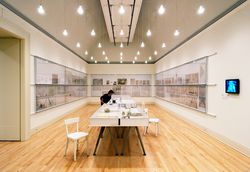
Starting from diverse premises and points of view, Cedric Price, Aldo Rossi, James Stirling, and Gordon Matta-Clark each engaged in a radical rethinking of the status, history, and purpose of architecture. out of the box: price rossi stirling + matta-clark brings the ideas of these four pivotal figures of the 1970s into dialogue through a group of archives that recently(...)
Starting from diverse premises and points of view, Cedric Price, Aldo Rossi, James Stirling, and Gordon Matta-Clark each engaged in a radical rethinking of the status, history, and purpose of architecture. out of the box: price rossi stirling + matta-clark brings the ideas of these four pivotal figures of the 1970s into dialogue through a group of archives that recently(...)
Location:
Main galleries
Main galleries
Date:
23 October 2003 to 6 September 2004
23 October 2003 to 6 September 2004
Title:
out of the box: price rossi stirling + matta-clark
Actions:
Description:
Starting from diverse premises and points of view, Cedric Price, Aldo Rossi, James Stirling, and Gordon Matta-Clark each engaged in a radical rethinking of the status, history, and purpose of architecture. out of the box: price rossi stirling + matta-clark brings the ideas of these four pivotal figures of the 1970s into dialogue through a group of archives that recently(...)
out of the box: price rossi stirling + matta-clark
Actions:
Description:
Starting from diverse premises and points of view, Cedric Price, Aldo Rossi, James Stirling, and Gordon Matta-Clark each engaged in a radical rethinking of the status, history, and purpose of architecture. out of the box: price rossi stirling + matta-clark brings the ideas of these four pivotal figures of the 1970s into dialogue through a group of archives that recently(...)
Form:
exhibitions
exhibitions
Date:
23 October 2003 to
6 September 2004
23 October 2003 to
6 September 2004
Location:
Main galleries
Main galleries
Form:
textual records
textual records
Title:
Dossiers de Clorinthe Perron
Dossiers de Clorinthe Perron
Actions:
Reference number:
ARCH257762
Description:
Correspondance, factures, cartes postales, photo d'un homme, et correspondance d'Archives publiques Canada, qui inclus 2 photos de Cormier dans sa bibliothèque.
ARCH257762
Description:
Correspondance, factures, cartes postales, photo d'un homme, et correspondance d'Archives publiques Canada, qui inclus 2 photos de Cormier dans sa bibliothèque.
People:
Title:
Dossiers de Clorinthe Perron
Actions:
ARCH257762
Description:
Correspondance, factures, cartes postales, photo d'un homme, et correspondance d'Archives publiques Canada, qui inclus 2 photos de Cormier dans sa bibliothèque.
Dossiers de Clorinthe Perron
Actions:
ARCH257762
Description:
Correspondance, factures, cartes postales, photo d'un homme, et correspondance d'Archives publiques Canada, qui inclus 2 photos de Cormier dans sa bibliothèque.
Form:
textual records
textual records
People:
Form:
exhibitions
exhibitions
Actions:
Description:
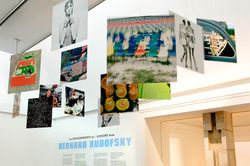
Lessons from Bernard Rudofsky is the first retrospective to examine the life and work of the controversial architect, designer, and critic whose groundbreaking buildings, exhibitions, and fashion designs challenged the Western world’s perceptions of comfort and culture. The exhibition highlights the diverse contributions of a unique and underappreciated pioneer of(...)
Lessons from Bernard Rudofsky is the first retrospective to examine the life and work of the controversial architect, designer, and critic whose groundbreaking buildings, exhibitions, and fashion designs challenged the Western world’s perceptions of comfort and culture. The exhibition highlights the diverse contributions of a unique and underappreciated pioneer of(...)
Location:
Main galleries
Main galleries
Date:
4 July 2007 to 30 September 2007
4 July 2007 to 30 September 2007
Title:
Lessons from Bernard Rudofsky
Actions:
Description:
Lessons from Bernard Rudofsky is the first retrospective to examine the life and work of the controversial architect, designer, and critic whose groundbreaking buildings, exhibitions, and fashion designs challenged the Western world’s perceptions of comfort and culture. The exhibition highlights the diverse contributions of a unique and underappreciated pioneer of(...)
Lessons from Bernard Rudofsky
Actions:
Description:
Lessons from Bernard Rudofsky is the first retrospective to examine the life and work of the controversial architect, designer, and critic whose groundbreaking buildings, exhibitions, and fashion designs challenged the Western world’s perceptions of comfort and culture. The exhibition highlights the diverse contributions of a unique and underappreciated pioneer of(...)
Form:
exhibitions
exhibitions
Date:
4 July 2007 to
30 September 2007
4 July 2007 to
30 September 2007
Location:
Main galleries
Main galleries
Level of archival description:
Project
Project
Reference number:
AP178.S1.1999.PR03
Description:
This project series documents the Plano de Urbanização da Nova Maia, Parque do Millenium in Maia, Portugal. While the records were held in the office's archives, this project was assigned the number 109/90. The office assigned the date 1999 to this project. This project is part of the city's larger urbanization plan. The city council commissioned Álvaro Siza along with two other Portugeuese architects, Eduardo Souto de Moura and João Álvaro Rocha to carry out the urban plan for Nova Maia. Siza is responsible for Parque do Millenium, an area of 320 hectres, which includes a multi-purpose space with hotels, restaurants, residential housing, a science and technology park, a nature park, a sports field, a pavillion, and a new stadium. The project is in progress. Documenting this project are exisiting studies and plans from the Câmara Municipal da Maia, working plans, a study model, elevations and measurements for the project site. Photographic material includes photographs of the model and aerial views of the project site. Textual material includes project documentation, contracts, and correpondence with the Câmara Municipal da Maia and Mergarden Imobiliaria, S.A.
AP178.S1.1999.PR03
Description:
This project series documents the Plano de Urbanização da Nova Maia, Parque do Millenium in Maia, Portugal. While the records were held in the office's archives, this project was assigned the number 109/90. The office assigned the date 1999 to this project. This project is part of the city's larger urbanization plan. The city council commissioned Álvaro Siza along with two other Portugeuese architects, Eduardo Souto de Moura and João Álvaro Rocha to carry out the urban plan for Nova Maia. Siza is responsible for Parque do Millenium, an area of 320 hectres, which includes a multi-purpose space with hotels, restaurants, residential housing, a science and technology park, a nature park, a sports field, a pavillion, and a new stadium. The project is in progress. Documenting this project are exisiting studies and plans from the Câmara Municipal da Maia, working plans, a study model, elevations and measurements for the project site. Photographic material includes photographs of the model and aerial views of the project site. Textual material includes project documentation, contracts, and correpondence with the Câmara Municipal da Maia and Mergarden Imobiliaria, S.A.
People:
Date:
1999-2011
1999-2011
Title:
Plano de Urbanização da Nova Maia, Parque do Millenium [Urban plan for Nova Maia, Millenium Park], Maia, Portugal (1999)
Actions:
AP178.S1.1999.PR03
Description:
This project series documents the Plano de Urbanização da Nova Maia, Parque do Millenium in Maia, Portugal. While the records were held in the office's archives, this project was assigned the number 109/90. The office assigned the date 1999 to this project. This project is part of the city's larger urbanization plan. The city council commissioned Álvaro Siza along with two other Portugeuese architects, Eduardo Souto de Moura and João Álvaro Rocha to carry out the urban plan for Nova Maia. Siza is responsible for Parque do Millenium, an area of 320 hectres, which includes a multi-purpose space with hotels, restaurants, residential housing, a science and technology park, a nature park, a sports field, a pavillion, and a new stadium. The project is in progress. Documenting this project are exisiting studies and plans from the Câmara Municipal da Maia, working plans, a study model, elevations and measurements for the project site. Photographic material includes photographs of the model and aerial views of the project site. Textual material includes project documentation, contracts, and correpondence with the Câmara Municipal da Maia and Mergarden Imobiliaria, S.A.
Plano de Urbanização da Nova Maia, Parque do Millenium [Urban plan for Nova Maia, Millenium Park], Maia, Portugal (1999)
Actions:
AP178.S1.1999.PR03
Description:
This project series documents the Plano de Urbanização da Nova Maia, Parque do Millenium in Maia, Portugal. While the records were held in the office's archives, this project was assigned the number 109/90. The office assigned the date 1999 to this project. This project is part of the city's larger urbanization plan. The city council commissioned Álvaro Siza along with two other Portugeuese architects, Eduardo Souto de Moura and João Álvaro Rocha to carry out the urban plan for Nova Maia. Siza is responsible for Parque do Millenium, an area of 320 hectres, which includes a multi-purpose space with hotels, restaurants, residential housing, a science and technology park, a nature park, a sports field, a pavillion, and a new stadium. The project is in progress. Documenting this project are exisiting studies and plans from the Câmara Municipal da Maia, working plans, a study model, elevations and measurements for the project site. Photographic material includes photographs of the model and aerial views of the project site. Textual material includes project documentation, contracts, and correpondence with the Câmara Municipal da Maia and Mergarden Imobiliaria, S.A.
Level of archival description:
Project
Project
Date:
1999-2011
1999-2011
People:
Form:
exhibitions
exhibitions
Description:
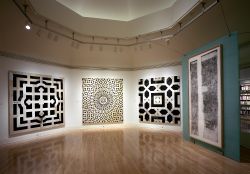
This exhibition presents American architect Ben Nicholson’s search for order, meaning, and logic in a world of art, science, and mystery. The Laurentian Library in Florence, a masterwork by Michelangelo designed in 1524–25, contains fifteen pairs of terra cotta panels bearing complex geometric patterns that have been long hidden from view. Nicholson studied the panels at(...)
This exhibition presents American architect Ben Nicholson’s search for order, meaning, and logic in a world of art, science, and mystery. The Laurentian Library in Florence, a masterwork by Michelangelo designed in 1524–25, contains fifteen pairs of terra cotta panels bearing complex geometric patterns that have been long hidden from view. Nicholson studied the panels at(...)
Location:
Octagonal gallery
Octagonal gallery
Date:
11 December 1996 to 9 March 1997
11 December 1996 to 9 March 1997
Title:
Uncovering Geometry: Ben Nicholson at the Laurentian Library
Actions:
Description:
This exhibition presents American architect Ben Nicholson’s search for order, meaning, and logic in a world of art, science, and mystery. The Laurentian Library in Florence, a masterwork by Michelangelo designed in 1524–25, contains fifteen pairs of terra cotta panels bearing complex geometric patterns that have been long hidden from view. Nicholson studied the panels at(...)
Uncovering Geometry: Ben Nicholson at the Laurentian Library
Actions:
Description:
This exhibition presents American architect Ben Nicholson’s search for order, meaning, and logic in a world of art, science, and mystery. The Laurentian Library in Florence, a masterwork by Michelangelo designed in 1524–25, contains fifteen pairs of terra cotta panels bearing complex geometric patterns that have been long hidden from view. Nicholson studied the panels at(...)
Form:
exhibitions
exhibitions
Date:
11 December 1996 to
9 March 1997
11 December 1996 to
9 March 1997
Location:
Octagonal gallery
Octagonal gallery


