


482 Results
Form:
books
books
Actions:
Price:
$75.00
(available to order)
Summary:
Seamlessly interweaving the new with the historic, the renovation by Selldorf Architects preserves The Frick Collection’s Gilded Age grandeur and sense of tranquillity while making more of the museum accessible and adding important new amenities. A museum of memorable rooms and superb Old Master holdings, The Frick Collection, the former home of industrialist Henry Clay(...)
$75.00
(available to order)
Summary:
Seamlessly interweaving the new with the historic, the renovation by Selldorf Architects preserves The Frick Collection’s Gilded Age grandeur and sense of tranquillity while making more of the museum accessible and adding important new amenities. A museum of memorable rooms and superb Old Master holdings, The Frick Collection, the former home of industrialist Henry Clay(...)
Subject:
Museums and Universal Exhibitions
Museums and Universal Exhibitions
Publication:
January 2026
January 2026
Title:
A Design for Continuity and Change: The Frick Collection
Actions:
Price:
$75.00
(available to order)
Summary:
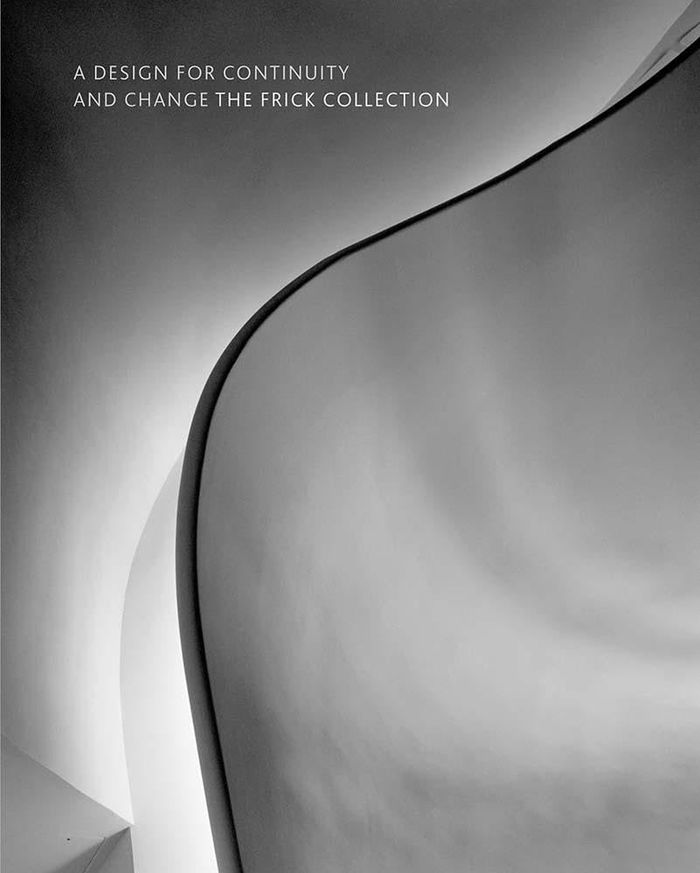
Seamlessly interweaving the new with the historic, the renovation by Selldorf Architects preserves The Frick Collection’s Gilded Age grandeur and sense of tranquillity while making more of the museum accessible and adding important new amenities. A museum of memorable rooms and superb Old Master holdings, The Frick Collection, the former home of industrialist Henry Clay Frick, is one of New York City’s most beloved art institutions. Designed by Thomas Hastings of the New York firm of Carrère and Hastings, the original Fifth Avenue mansion was completed in 1914 and served the Frick family until 1931. With John Russell Pope’s expansion of the mansion in 1935, which included the addition of a library (today’s esteemed Frick Art Research Library), the residence was converted into a public museum. The goal of the renovation was to honor the architectural legacy and unique contemplative atmosphere of the Frick while adding new space and critical infrastructure updates. Visitors will enjoy the enhanced functionality of the institution, and its improved climate controls will ensure the preservation of the collection and the house for generations to come.
A Design for Continuity and Change: The Frick Collection
Actions:
Price:
$75.00
(available to order)
Summary:
Seamlessly interweaving the new with the historic, the renovation by Selldorf Architects preserves The Frick Collection’s Gilded Age grandeur and sense of tranquillity while making more of the museum accessible and adding important new amenities. A museum of memorable rooms and superb Old Master holdings, The Frick Collection, the former home of industrialist Henry Clay Frick, is one of New York City’s most beloved art institutions. Designed by Thomas Hastings of the New York firm of Carrère and Hastings, the original Fifth Avenue mansion was completed in 1914 and served the Frick family until 1931. With John Russell Pope’s expansion of the mansion in 1935, which included the addition of a library (today’s esteemed Frick Art Research Library), the residence was converted into a public museum. The goal of the renovation was to honor the architectural legacy and unique contemplative atmosphere of the Frick while adding new space and critical infrastructure updates. Visitors will enjoy the enhanced functionality of the institution, and its improved climate controls will ensure the preservation of the collection and the house for generations to come.
Form:
books
books
Publication:
January 2026
January 2026
Subject:
Museums and Universal Exhibitions
Museums and Universal Exhibitions
Form:
books
books
Title:
Mamma Andersson
Mamma Andersson
Actions:
Price:
$72.00
(available to order)
Summary:
The Swedish painter Karin Mamma Andersson works with a highly idiosyncratic imagery, engendered by the mysteries of dreams, fairytales and everyday life. She paints with an indefatigable passion for storytelling, spreading the paint thickly with broad, sweeping gestures, or dryly and sparsely, across the canvas. Glimmering beauty and dark maelstroms of doom are sampled(...)
$72.00
(available to order)
Summary:
The Swedish painter Karin Mamma Andersson works with a highly idiosyncratic imagery, engendered by the mysteries of dreams, fairytales and everyday life. She paints with an indefatigable passion for storytelling, spreading the paint thickly with broad, sweeping gestures, or dryly and sparsely, across the canvas. Glimmering beauty and dark maelstroms of doom are sampled(...)
Subject:
Contemporary Art Monographs
Contemporary Art Monographs
Publication:
May 2007, Göttingen / London
May 2007, Göttingen / London
Title:
Mamma Andersson
Actions:
Price:
$72.00
(available to order)
Summary:
The Swedish painter Karin Mamma Andersson works with a highly idiosyncratic imagery, engendered by the mysteries of dreams, fairytales and everyday life. She paints with an indefatigable passion for storytelling, spreading the paint thickly with broad, sweeping gestures, or dryly and sparsely, across the canvas. Glimmering beauty and dark maelstroms of doom are sampled with elements from myths, films and dreams, the absurd and the realistic, in the same picture. Her early works feature children in vast landscapes, echoing her own childhood in northern Sweden. The figures are set, each separately, in forests, by lakes, in the countryside. This rural setting later gives way to the interiors of the art world – cluttered framers’ workshops, libraries and elegant salons with finely ornamented objects. More recently, these rooms have opened up towards new worlds, where dream and reality seem to be careening. Whatever motifs she paints, the atmosphere appears to be fairly constant: a form of serenity in between finding and forgetting. The titles underline the ambiguity, explaining nothing but running parallel with the paintings.
Mamma Andersson
Actions:
Price:
$72.00
(available to order)
Summary:
The Swedish painter Karin Mamma Andersson works with a highly idiosyncratic imagery, engendered by the mysteries of dreams, fairytales and everyday life. She paints with an indefatigable passion for storytelling, spreading the paint thickly with broad, sweeping gestures, or dryly and sparsely, across the canvas. Glimmering beauty and dark maelstroms of doom are sampled with elements from myths, films and dreams, the absurd and the realistic, in the same picture. Her early works feature children in vast landscapes, echoing her own childhood in northern Sweden. The figures are set, each separately, in forests, by lakes, in the countryside. This rural setting later gives way to the interiors of the art world – cluttered framers’ workshops, libraries and elegant salons with finely ornamented objects. More recently, these rooms have opened up towards new worlds, where dream and reality seem to be careening. Whatever motifs she paints, the atmosphere appears to be fairly constant: a form of serenity in between finding and forgetting. The titles underline the ambiguity, explaining nothing but running parallel with the paintings.
Form:
books
books
Publication:
May 2007, Göttingen / London
May 2007, Göttingen / London
Subject:
Contemporary Art Monographs
Contemporary Art Monographs
Form:
books
books
Price:
$41.99
(available to order)
Summary:
The current epoch is one of accumulation: not only of capital but also of raw, often unruly material, from plastic in the ocean and carbon in the atmosphere to people, buildings, and cities. Alongside this material growth, image-making practices embedded within the fields of art and architecture have proven to be fertile, mobile, and capacious. Images of accumulation help(...)
$41.99
(available to order)
Summary:
The current epoch is one of accumulation: not only of capital but also of raw, often unruly material, from plastic in the ocean and carbon in the atmosphere to people, buildings, and cities. Alongside this material growth, image-making practices embedded within the fields of art and architecture have proven to be fertile, mobile, and capacious. Images of accumulation help(...)
Subject:
Architectural Theory
Architectural Theory
Publication:
April 2022
April 2022
Title:
Accumulation: the art, architecture and media of climate change
Actions:
Price:
$41.99
(available to order)
Summary:
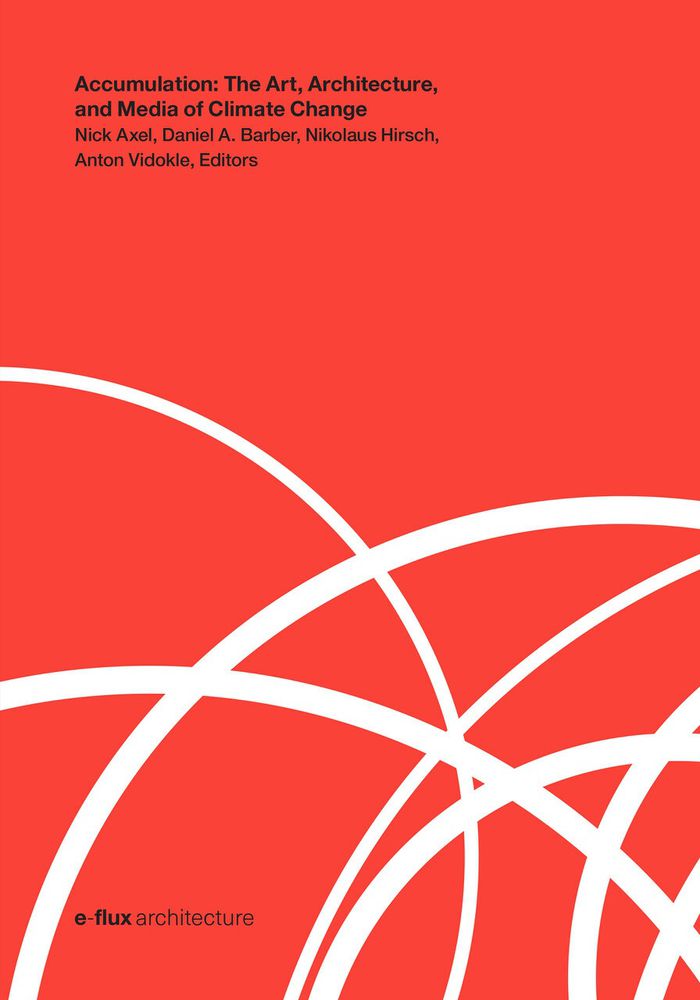
The current epoch is one of accumulation: not only of capital but also of raw, often unruly material, from plastic in the ocean and carbon in the atmosphere to people, buildings, and cities. Alongside this material growth, image-making practices embedded within the fields of art and architecture have proven to be fertile, mobile, and capacious. Images of accumulation help open up the climate to cultural inquiry and political mobilization and have formed a cultural infrastructure focused on the relationships between humans, other species, and their environments. The essays in ''Accumulation'' address this cultural infrastructure and the methodological challenges of its analysis. They offer a response to the relative invisibility of the climate now seen as material manifestations of social behavior. Contributors outline opportunities and ambitions of visual scholarship as a means to encounter the challenges emergent in the current moment: how can climate become visible, culturally and politically? Knowledge of climatic instability can change collective behavior and offer other trajectories, counteraccumulations that draw the present into a different, more livable, future.
Accumulation: the art, architecture and media of climate change
Actions:
Price:
$41.99
(available to order)
Summary:
The current epoch is one of accumulation: not only of capital but also of raw, often unruly material, from plastic in the ocean and carbon in the atmosphere to people, buildings, and cities. Alongside this material growth, image-making practices embedded within the fields of art and architecture have proven to be fertile, mobile, and capacious. Images of accumulation help open up the climate to cultural inquiry and political mobilization and have formed a cultural infrastructure focused on the relationships between humans, other species, and their environments. The essays in ''Accumulation'' address this cultural infrastructure and the methodological challenges of its analysis. They offer a response to the relative invisibility of the climate now seen as material manifestations of social behavior. Contributors outline opportunities and ambitions of visual scholarship as a means to encounter the challenges emergent in the current moment: how can climate become visible, culturally and politically? Knowledge of climatic instability can change collective behavior and offer other trajectories, counteraccumulations that draw the present into a different, more livable, future.
Form:
books
books
Publication:
April 2022
April 2022
Subject:
Architectural Theory
Architectural Theory
Form:
books
books
Actions:
Price:
$39.99
(available to order)
Summary:
Today we live in a world that can no longer be read as a two-dimensional map, but must now be understood as a series of vertical strata that reach from the satellites that encircle our planet to the tunnels deep within the ground. In "Vertical", Stephen Graham rewrites the city at every level: how the geography of inequality, politics, and identity is determined in terms(...)
$39.99
(available to order)
Summary:
Today we live in a world that can no longer be read as a two-dimensional map, but must now be understood as a series of vertical strata that reach from the satellites that encircle our planet to the tunnels deep within the ground. In "Vertical", Stephen Graham rewrites the city at every level: how the geography of inequality, politics, and identity is determined in terms(...)
Title:
Vertical : the city from satellites to bunkers
Actions:
Price:
$39.99
(available to order)
Summary:
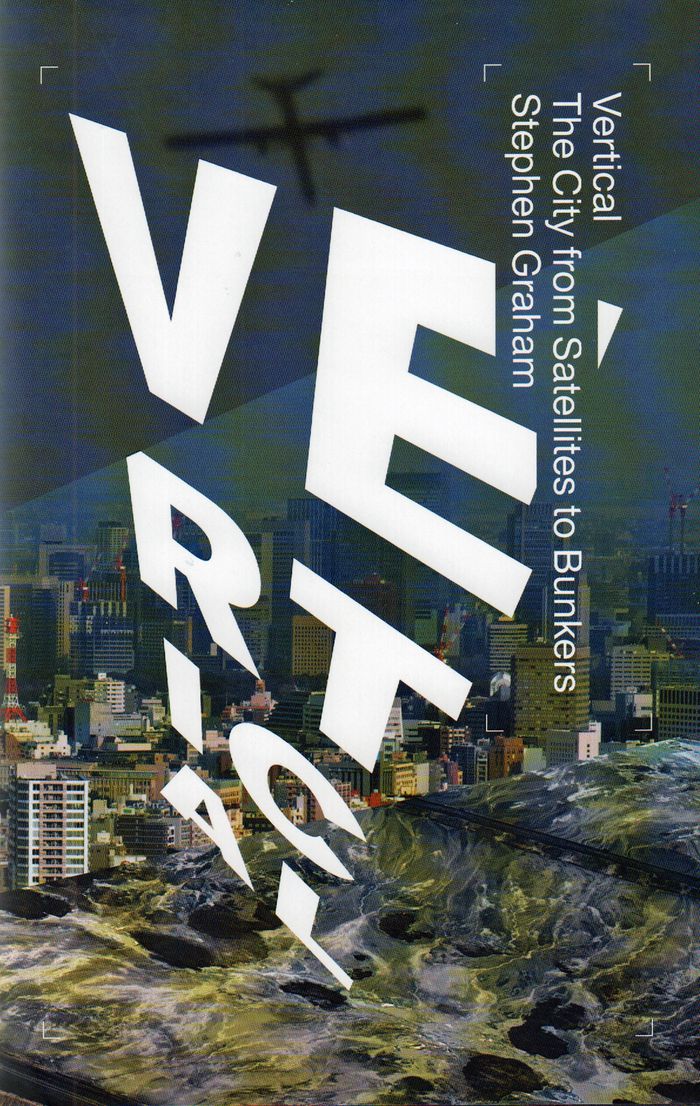
Today we live in a world that can no longer be read as a two-dimensional map, but must now be understood as a series of vertical strata that reach from the satellites that encircle our planet to the tunnels deep within the ground. In "Vertical", Stephen Graham rewrites the city at every level: how the geography of inequality, politics, and identity is determined in terms of above and below. Starting at the edge of earth’s atmosphere and, in a series of riveting studies, descending through each layer, Graham explores the world of drones, the city from the viewpoint of an aerial bomber, the design of sidewalks and the hidden depths of underground bunkers. He asks: why was Dubai built to be seen from Google Earth? How do the super-rich in São Paulo live in their penthouses far above the street? Why do London billionaires build vast subterranean basements? And how do the technology of elevators and subversive urban explorers shape life on the surface and subsurface of the earth?
Vertical : the city from satellites to bunkers
Actions:
Price:
$39.99
(available to order)
Summary:
Today we live in a world that can no longer be read as a two-dimensional map, but must now be understood as a series of vertical strata that reach from the satellites that encircle our planet to the tunnels deep within the ground. In "Vertical", Stephen Graham rewrites the city at every level: how the geography of inequality, politics, and identity is determined in terms of above and below. Starting at the edge of earth’s atmosphere and, in a series of riveting studies, descending through each layer, Graham explores the world of drones, the city from the viewpoint of an aerial bomber, the design of sidewalks and the hidden depths of underground bunkers. He asks: why was Dubai built to be seen from Google Earth? How do the super-rich in São Paulo live in their penthouses far above the street? Why do London billionaires build vast subterranean basements? And how do the technology of elevators and subversive urban explorers shape life on the surface and subsurface of the earth?
Form:
books
books
Publication:
November 2016
November 2016
Subject:
Urban Theory
Urban Theory
Form:
books
books
Actions:
Price:
$49.95
(available to order)
Summary:
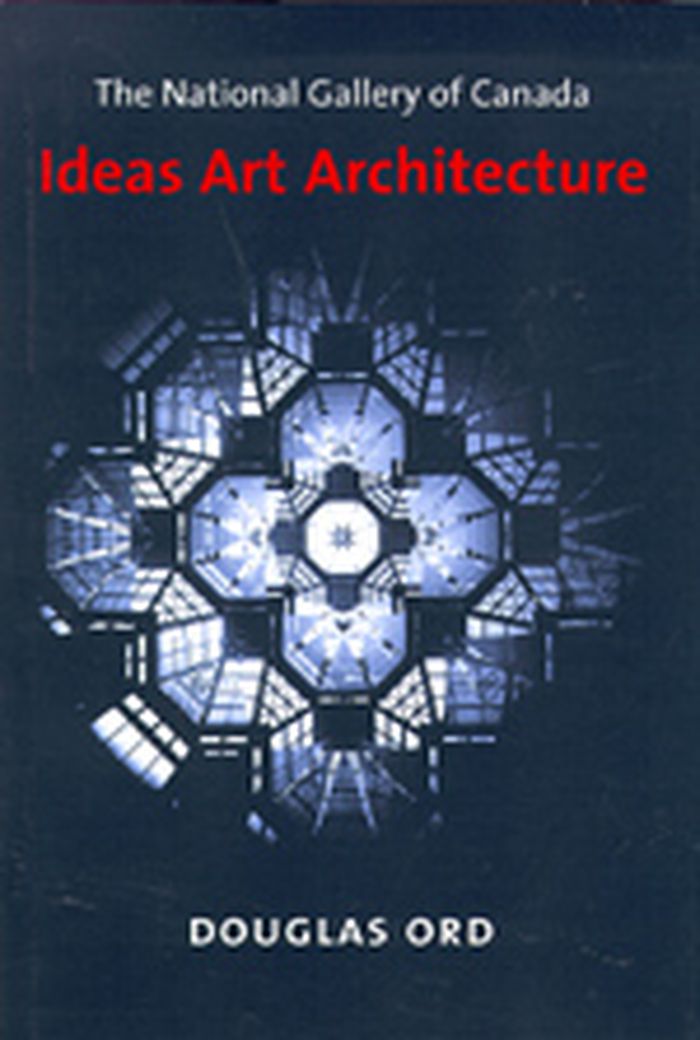
In this first critical history of the National Gallery of Canada, Douglas Ord explores how, in the gallery's development, art has consistently been linked to notions of religious truth, national spirit, and hallowed atmosphere, culminating in Moshe Safdie's design for the institution's current building. Integrating accounts of political intrigue and public controversy(...)
$49.95
(available to order)
Summary:
In this first critical history of the National Gallery of Canada, Douglas Ord explores how, in the gallery's development, art has consistently been linked to notions of religious truth, national spirit, and hallowed atmosphere, culminating in Moshe Safdie's design for the institution's current building. Integrating accounts of political intrigue and public controversy(...)
Title:
The National Gallery of Canada : ideas and architecture
Actions:
Price:
$49.95
(available to order)
Summary:
In this first critical history of the National Gallery of Canada, Douglas Ord explores how, in the gallery's development, art has consistently been linked to notions of religious truth, national spirit, and hallowed atmosphere, culminating in Moshe Safdie's design for the institution's current building. Integrating accounts of political intrigue and public controversy with philosophy, art theory, and architectural analysis, Ord provides vivid accounts of successive directors' struggles to obtain a permanent home for the nation's art. Ord looks at the gallery's historical and intellectual context - from 1910 when Eric Brown became the gallery's founding director, through Jean Sutherland Boggs, to Shirley Thomson - shedding light on its acquisitions, government policy towards the arts, and the public's deep-rooted suspicion of avant-garde art. In showing how Canadian art came to be housed in a building whose architectural and ideological sources include Gothic cathedrals, Islamic mosques, Egyptian temples, St Peter's Basilica, and the squared-stone facades of the Holy City of Jerusalem, The National Gallery of Canada insightfully explores the relationship of Canada's art and its National Gallery to the project of the Canadian nation state.
The National Gallery of Canada : ideas and architecture
Actions:
Price:
$49.95
(available to order)
Summary:
In this first critical history of the National Gallery of Canada, Douglas Ord explores how, in the gallery's development, art has consistently been linked to notions of religious truth, national spirit, and hallowed atmosphere, culminating in Moshe Safdie's design for the institution's current building. Integrating accounts of political intrigue and public controversy with philosophy, art theory, and architectural analysis, Ord provides vivid accounts of successive directors' struggles to obtain a permanent home for the nation's art. Ord looks at the gallery's historical and intellectual context - from 1910 when Eric Brown became the gallery's founding director, through Jean Sutherland Boggs, to Shirley Thomson - shedding light on its acquisitions, government policy towards the arts, and the public's deep-rooted suspicion of avant-garde art. In showing how Canadian art came to be housed in a building whose architectural and ideological sources include Gothic cathedrals, Islamic mosques, Egyptian temples, St Peter's Basilica, and the squared-stone facades of the Holy City of Jerusalem, The National Gallery of Canada insightfully explores the relationship of Canada's art and its National Gallery to the project of the Canadian nation state.
Form:
books
books
Publication:
June 2003, Montréal
June 2003, Montréal
Subject:
Architecture in Canada
Architecture in Canada
Form:
books
books
Title:
Forever Saul Leiter
Forever Saul Leiter
Actions:
Price:
$36.95
(available in store)
Summary:
Saul Leiter’s painterly images evoke the flow and rhythm of life on the midcentury streets of New York in luminous color, at a time when his contemporaries were shooting in black and white. His mastery of color is displayed in unconventional cityscapes in which reflections, transparency, complex framing, and mirroring effects are married to a very personal printing style,(...)
$36.95
(available in store)
Summary:
Saul Leiter’s painterly images evoke the flow and rhythm of life on the midcentury streets of New York in luminous color, at a time when his contemporaries were shooting in black and white. His mastery of color is displayed in unconventional cityscapes in which reflections, transparency, complex framing, and mirroring effects are married to a very personal printing style,(...)
Title:
Forever Saul Leiter
Actions:
Price:
$36.95
(available in store)
Summary:
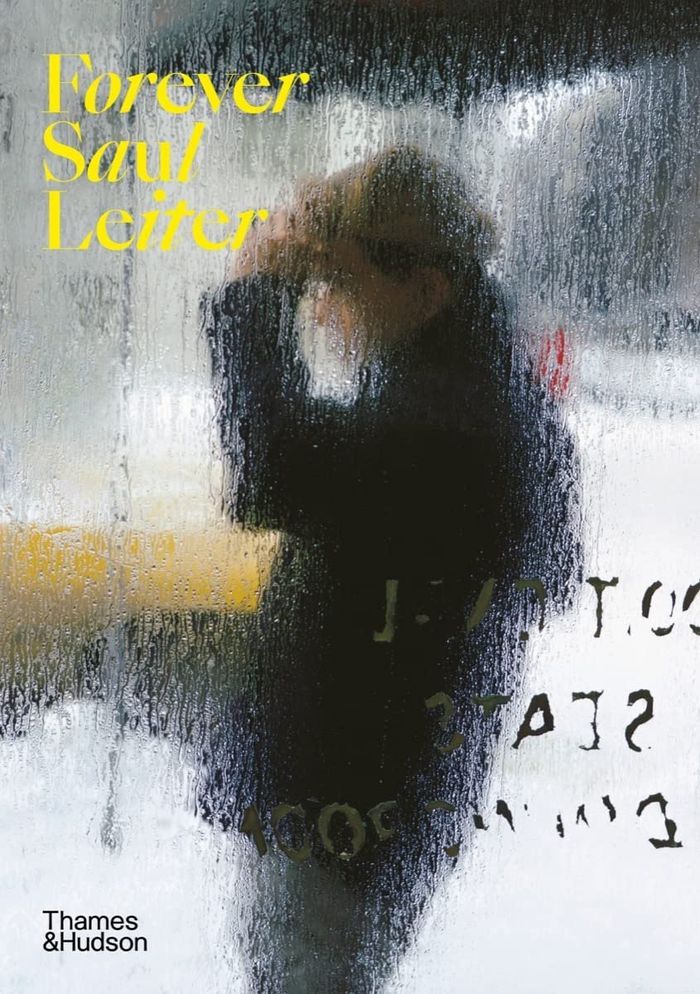
Saul Leiter’s painterly images evoke the flow and rhythm of life on the midcentury streets of New York in luminous color, at a time when his contemporaries were shooting in black and white. His mastery of color is displayed in unconventional cityscapes in which reflections, transparency, complex framing, and mirroring effects are married to a very personal printing style, creating a unique kind of urban view; his complex and impressionistic photographs are as much about evoking an atmosphere as nailing the decisive moment. Leiter’s studio in New York’s East Village, where he lived from 1952 until his death in 2013, is now home to the Saul Leiter Foundation, which is undertaking a full-scale survey and organization of Leiter’s more than eighty thousand images with the aim of compiling his complete archive. This volume contains items discovered through this undertaking: valuable documents that reveal the secrets of Saul Leiter’s process, unpublished works, popular color works, black-and-white images that have never been published before, as well as images that hold the memories of those closest to him, taken in private. As Saul Leiter said, ''photographs are often treated as capturing important moments, but they are really small fragments and memories of the world that never ends.''
Forever Saul Leiter
Actions:
Price:
$36.95
(available in store)
Summary:
Saul Leiter’s painterly images evoke the flow and rhythm of life on the midcentury streets of New York in luminous color, at a time when his contemporaries were shooting in black and white. His mastery of color is displayed in unconventional cityscapes in which reflections, transparency, complex framing, and mirroring effects are married to a very personal printing style, creating a unique kind of urban view; his complex and impressionistic photographs are as much about evoking an atmosphere as nailing the decisive moment. Leiter’s studio in New York’s East Village, where he lived from 1952 until his death in 2013, is now home to the Saul Leiter Foundation, which is undertaking a full-scale survey and organization of Leiter’s more than eighty thousand images with the aim of compiling his complete archive. This volume contains items discovered through this undertaking: valuable documents that reveal the secrets of Saul Leiter’s process, unpublished works, popular color works, black-and-white images that have never been published before, as well as images that hold the memories of those closest to him, taken in private. As Saul Leiter said, ''photographs are often treated as capturing important moments, but they are really small fragments and memories of the world that never ends.''
Form:
books
books
Publication:
March 2023
March 2023
Subject:
Photography monographs
Photography monographs
Form:
books
books
Actions:
Price:
$86.00
(available to order)
Summary:
In the 11 days following the Chernobyl catastrophe on April 26, 1986, more than 116,000 people were permanently evacuated from the area surrounding the nuclear power plant. Declared unfit for human habitation, the zones of exclusion includes the towns of Pripyat (established in the 1970s to house workers) and Chernobyl. In May 2001, Robert Polidori photographed what was(...)
$86.00
(available to order)
Summary:
In the 11 days following the Chernobyl catastrophe on April 26, 1986, more than 116,000 people were permanently evacuated from the area surrounding the nuclear power plant. Declared unfit for human habitation, the zones of exclusion includes the towns of Pripyat (established in the 1970s to house workers) and Chernobyl. In May 2001, Robert Polidori photographed what was(...)
Title:
Robert Polidori : zones of exclusion : Pripyat and Chernobyl
Actions:
Price:
$86.00
(available to order)
Summary:
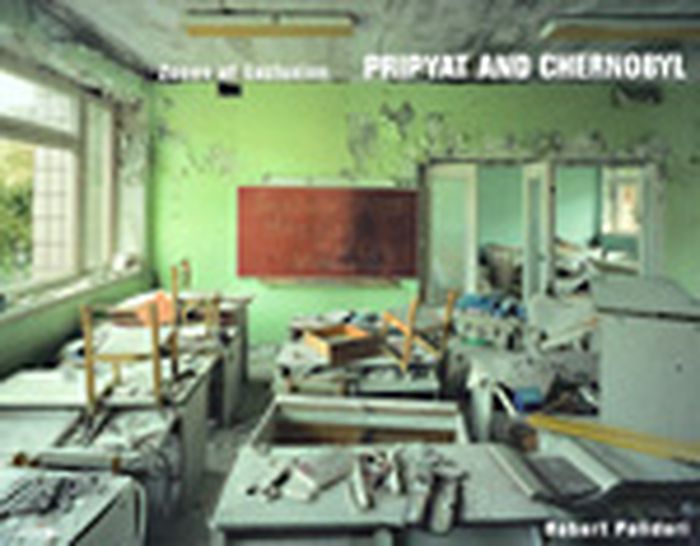
In the 11 days following the Chernobyl catastrophe on April 26, 1986, more than 116,000 people were permanently evacuated from the area surrounding the nuclear power plant. Declared unfit for human habitation, the zones of exclusion includes the towns of Pripyat (established in the 1970s to house workers) and Chernobyl. In May 2001, Robert Polidori photographed what was left behind in the this dead zone. His richly detailed images move from the burned-out control room of reactor 4, where technicians staged the experiment that caused the disaster, to the unfinished apartment complexes, ransacked schools and abandoned nurseries that remain as evidence of those who once called Pripyat home. Nearby, trucks and tanks used in the cleanup efforts rest in an auto graveyard, some covered in lead shrouds and others robbed of parts. Houseboats and barges rust in the contaminated waters of the Pripyat River. Foliage grows over the sidewalks and hides the modest homes of Chernobyl. In his large-scale photographs, Polidori captures the faded colors and desolate atmosphere of these two towns, producing haunting documents that present the reader with a rare view of not just a disastrous event, but a place and the people who lived there.
Robert Polidori : zones of exclusion : Pripyat and Chernobyl
Actions:
Price:
$86.00
(available to order)
Summary:
In the 11 days following the Chernobyl catastrophe on April 26, 1986, more than 116,000 people were permanently evacuated from the area surrounding the nuclear power plant. Declared unfit for human habitation, the zones of exclusion includes the towns of Pripyat (established in the 1970s to house workers) and Chernobyl. In May 2001, Robert Polidori photographed what was left behind in the this dead zone. His richly detailed images move from the burned-out control room of reactor 4, where technicians staged the experiment that caused the disaster, to the unfinished apartment complexes, ransacked schools and abandoned nurseries that remain as evidence of those who once called Pripyat home. Nearby, trucks and tanks used in the cleanup efforts rest in an auto graveyard, some covered in lead shrouds and others robbed of parts. Houseboats and barges rust in the contaminated waters of the Pripyat River. Foliage grows over the sidewalks and hides the modest homes of Chernobyl. In his large-scale photographs, Polidori captures the faded colors and desolate atmosphere of these two towns, producing haunting documents that present the reader with a rare view of not just a disastrous event, but a place and the people who lived there.
Form:
books
books
Publication:
August 2003, Göttingen
August 2003, Göttingen
Subject:
Photography monographs
Photography monographs
Form:
books
books
Actions:
Price:
$52.50
(available in store)
Summary:
"Breathing Space" is a compelling and wide-ranging analysis of pneumatic phenomena in modern culture. Architect and historian Tim Altenhof brilliantly explores the physiology of breathing and its reciprocal relationship to bodies and buildings, both of which share a common atmosphere. Because breathing is controlled by the autonomic nervous system and cannot be willfully(...)
$52.50
(available in store)
Summary:
"Breathing Space" is a compelling and wide-ranging analysis of pneumatic phenomena in modern culture. Architect and historian Tim Altenhof brilliantly explores the physiology of breathing and its reciprocal relationship to bodies and buildings, both of which share a common atmosphere. Because breathing is controlled by the autonomic nervous system and cannot be willfully(...)
Title:
Breathing space: The architecture of pneumatic beings
Actions:
Price:
$52.50
(available in store)
Summary:
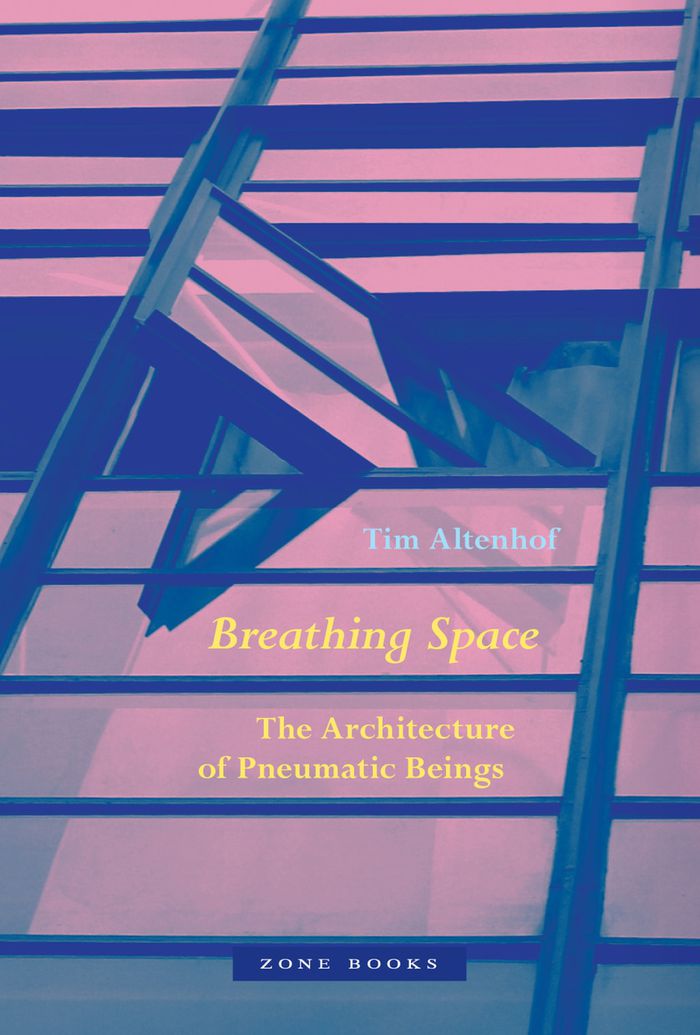
"Breathing Space" is a compelling and wide-ranging analysis of pneumatic phenomena in modern culture. Architect and historian Tim Altenhof brilliantly explores the physiology of breathing and its reciprocal relationship to bodies and buildings, both of which share a common atmosphere. Because breathing is controlled by the autonomic nervous system and cannot be willfully overridden, it takes place unconsciously and involuntarily—most of the time. However, beginning in the mid-nineteenth century, attitudes toward breathing changed significantly. Breathing became a widely investigated cultural and physiological phenomenon and was the basis for techniques and bodily practices that heightened pulmonary awareness. New understandings of air pollution and disease stimulated a widespread preoccupation with ventilation, impacting architecture in countless ways. Altenhof’s close readings of built structures show how the science of breathing was incorporated into architecture, whether in the design of factories, residences, or medical facilities. The lungs form a major part of the respiratory system and like no other organ tie the living body directly to its surroundings. Yet the role of lungs also poses a topological problem: engaging in atmospheric transfer, they dissolve the division between inside and outside, and despite being an internal organ, they sustain a permanent and living connection to the external world. This ambiguity and permeability constitute the spatial dimension of breathing.
Breathing space: The architecture of pneumatic beings
Actions:
Price:
$52.50
(available in store)
Summary:
"Breathing Space" is a compelling and wide-ranging analysis of pneumatic phenomena in modern culture. Architect and historian Tim Altenhof brilliantly explores the physiology of breathing and its reciprocal relationship to bodies and buildings, both of which share a common atmosphere. Because breathing is controlled by the autonomic nervous system and cannot be willfully overridden, it takes place unconsciously and involuntarily—most of the time. However, beginning in the mid-nineteenth century, attitudes toward breathing changed significantly. Breathing became a widely investigated cultural and physiological phenomenon and was the basis for techniques and bodily practices that heightened pulmonary awareness. New understandings of air pollution and disease stimulated a widespread preoccupation with ventilation, impacting architecture in countless ways. Altenhof’s close readings of built structures show how the science of breathing was incorporated into architecture, whether in the design of factories, residences, or medical facilities. The lungs form a major part of the respiratory system and like no other organ tie the living body directly to its surroundings. Yet the role of lungs also poses a topological problem: engaging in atmospheric transfer, they dissolve the division between inside and outside, and despite being an internal organ, they sustain a permanent and living connection to the external world. This ambiguity and permeability constitute the spatial dimension of breathing.
Form:
books
books
Publication:
March 2026
March 2026
Subject:
Architectural Theory
Architectural Theory
Form:
books
books
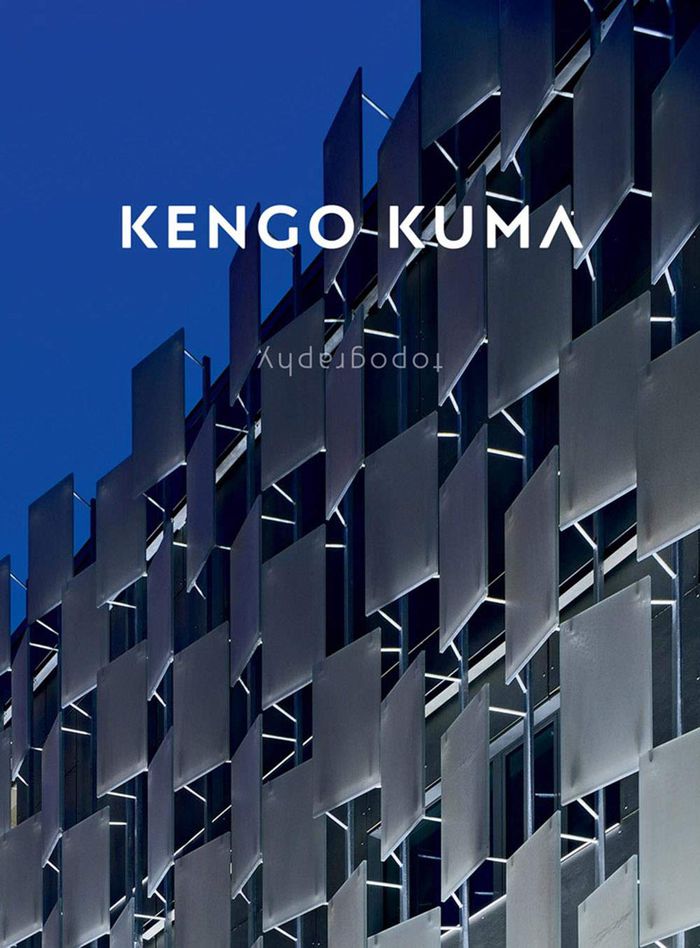
Title:
Kengo Kuma: Topography
Kengo Kuma: Topography
Actions:
Price:
$100.00
(available in store)
Summary:
Kengo Kuma is a globally acclaimed Japanese architect whose prodigious output possesses an inherent respect and value of materials and environment, often creating a harmonious balance between building and landscape. He masterfully engages both architectural experimentation and traditional Japanese design with twenty-first-century technology, resulting in highly advanced(...)
$100.00
(available in store)
Summary:
Kengo Kuma is a globally acclaimed Japanese architect whose prodigious output possesses an inherent respect and value of materials and environment, often creating a harmonious balance between building and landscape. He masterfully engages both architectural experimentation and traditional Japanese design with twenty-first-century technology, resulting in highly advanced(...)
Title:
Kengo Kuma: Topography
Actions:
Price:
$100.00
(available in store)
Summary:
Kengo Kuma is a globally acclaimed Japanese architect whose prodigious output possesses an inherent respect and value of materials and environment, often creating a harmonious balance between building and landscape. He masterfully engages both architectural experimentation and traditional Japanese design with twenty-first-century technology, resulting in highly advanced yet beautifully simple, gentle, human-scaled buildings. Often ranked among other esteemed architects, such as Shigeru Ban, Tadao Ando, Kazuyo Sejima, or Kenzo Tange, Kuma is always in search of new materials to replace concrete and steel, and seeks a new approach for architecture in a post-industrial society, fusing interior and exterior realms to make spaces that create a calming and tranquil atmosphere. Known for his prolific writing, Kuma is constantly re-engaging with different aspects of the architectural discipline, whether it be construction or representation in order to give further progress to his ideas. This volume showcases close to forty high-profile works by Kengo Kuma & Associates (based in Tokyo and Paris), focusing on some of his most recognised works, including the Asakusa Culture and Tourism Center in Tokyo, the Mont Blanc Base Camp project, the Great Bamboo Wall, as well as progress for the design for Tokyo's main stadium for the 2020 Olympic Games.
Kengo Kuma: Topography
Actions:
Price:
$100.00
(available in store)
Summary:
Kengo Kuma is a globally acclaimed Japanese architect whose prodigious output possesses an inherent respect and value of materials and environment, often creating a harmonious balance between building and landscape. He masterfully engages both architectural experimentation and traditional Japanese design with twenty-first-century technology, resulting in highly advanced yet beautifully simple, gentle, human-scaled buildings. Often ranked among other esteemed architects, such as Shigeru Ban, Tadao Ando, Kazuyo Sejima, or Kenzo Tange, Kuma is always in search of new materials to replace concrete and steel, and seeks a new approach for architecture in a post-industrial society, fusing interior and exterior realms to make spaces that create a calming and tranquil atmosphere. Known for his prolific writing, Kuma is constantly re-engaging with different aspects of the architectural discipline, whether it be construction or representation in order to give further progress to his ideas. This volume showcases close to forty high-profile works by Kengo Kuma & Associates (based in Tokyo and Paris), focusing on some of his most recognised works, including the Asakusa Culture and Tourism Center in Tokyo, the Mont Blanc Base Camp project, the Great Bamboo Wall, as well as progress for the design for Tokyo's main stadium for the 2020 Olympic Games.
Form:
books
books
Publication:
March 2021
March 2021
Subject:
Architecture Monographs
Architecture Monographs
Form:
books
books
Actions:
Price:
$19.95
(available to order)
Summary:
Twenty-five years ago, kister scheithauer gross completed its first brick building, the Institute for Biology in Halle. The replicated used brick of the façade is situated in the city centre in a self-evident way, and stands there today, still untouched by time. This is the starting point for the exhibition, which presents earlier brick buildings by the firm anew, along(...)
$19.95
(available to order)
Summary:
Twenty-five years ago, kister scheithauer gross completed its first brick building, the Institute for Biology in Halle. The replicated used brick of the façade is situated in the city centre in a self-evident way, and stands there today, still untouched by time. This is the starting point for the exhibition, which presents earlier brick buildings by the firm anew, along(...)
Title:
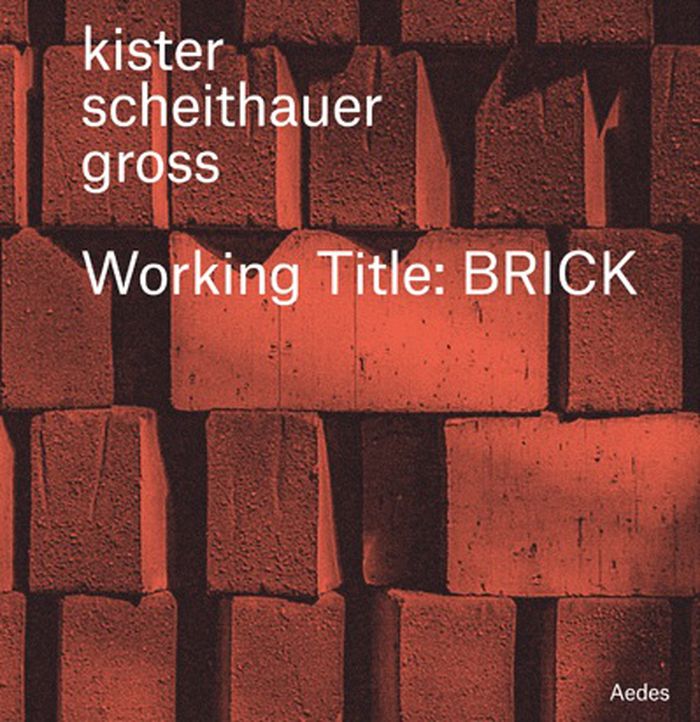
Kister Scheithauer Gross. Working title : BRICK
Actions:
Price:
$19.95
(available to order)
Summary:
Twenty-five years ago, kister scheithauer gross completed its first brick building, the Institute for Biology in Halle. The replicated used brick of the façade is situated in the city centre in a self-evident way, and stands there today, still untouched by time. This is the starting point for the exhibition, which presents earlier brick buildings by the firm anew, along with current projects and buildings. Building in brick implies an ability to adapt to a location and its atmosphere as well as social structures. The regional identity and character of cities are often associated with a specific type of brick. At a time of digital production, brick factories today are almost anachronistic places, where elementary work processes with lots of manual work take place and the brick is given its specific sand-coloured, reddish-orange, or sometimes greenish shade through the firing of the minerals in the clay soil. Each stone is thus a unique specimen and as a haptically rich product also helps the architectural project tell its own story. On the basis of filigree paper models set on brick bases, the exhibition presents eight projects by kister scheithauer gross, which has been designing and working with the sustainable and sensual material for a quarter of a century.
Kister Scheithauer Gross. Working title : BRICK
Actions:
Price:
$19.95
(available to order)
Summary:
Twenty-five years ago, kister scheithauer gross completed its first brick building, the Institute for Biology in Halle. The replicated used brick of the façade is situated in the city centre in a self-evident way, and stands there today, still untouched by time. This is the starting point for the exhibition, which presents earlier brick buildings by the firm anew, along with current projects and buildings. Building in brick implies an ability to adapt to a location and its atmosphere as well as social structures. The regional identity and character of cities are often associated with a specific type of brick. At a time of digital production, brick factories today are almost anachronistic places, where elementary work processes with lots of manual work take place and the brick is given its specific sand-coloured, reddish-orange, or sometimes greenish shade through the firing of the minerals in the clay soil. Each stone is thus a unique specimen and as a haptically rich product also helps the architectural project tell its own story. On the basis of filigree paper models set on brick bases, the exhibition presents eight projects by kister scheithauer gross, which has been designing and working with the sustainable and sensual material for a quarter of a century.
Form:
books
books
Publication:
September 2021
September 2021
Subject:
Materials and Lighting
Materials and Lighting


