


5688 Results
Form:
books
books
Title:
Landscape theory
Landscape theory
Actions:
Price:
$38.50
(available to order)
Summary:
Artistic representations of landscape are studies in a half-dozen disciplines (art history, geography, literature, philosophy, politics, sociology), and there is no master narrative or historiographic genealogy to frame interpretations. Geographers are interested in political formations (and geography, as a discipline, is increasingly non-visual). Art historians have(...)
$38.50
(available to order)
Summary:
Artistic representations of landscape are studies in a half-dozen disciplines (art history, geography, literature, philosophy, politics, sociology), and there is no master narrative or historiographic genealogy to frame interpretations. Geographers are interested in political formations (and geography, as a discipline, is increasingly non-visual). Art historians have(...)
Subject:
Landscape Theory
Landscape Theory
Publication:
January 2008, London, New York
January 2008, London, New York
Title:
Landscape theory
Actions:
Price:
$38.50
(available to order)
Summary:
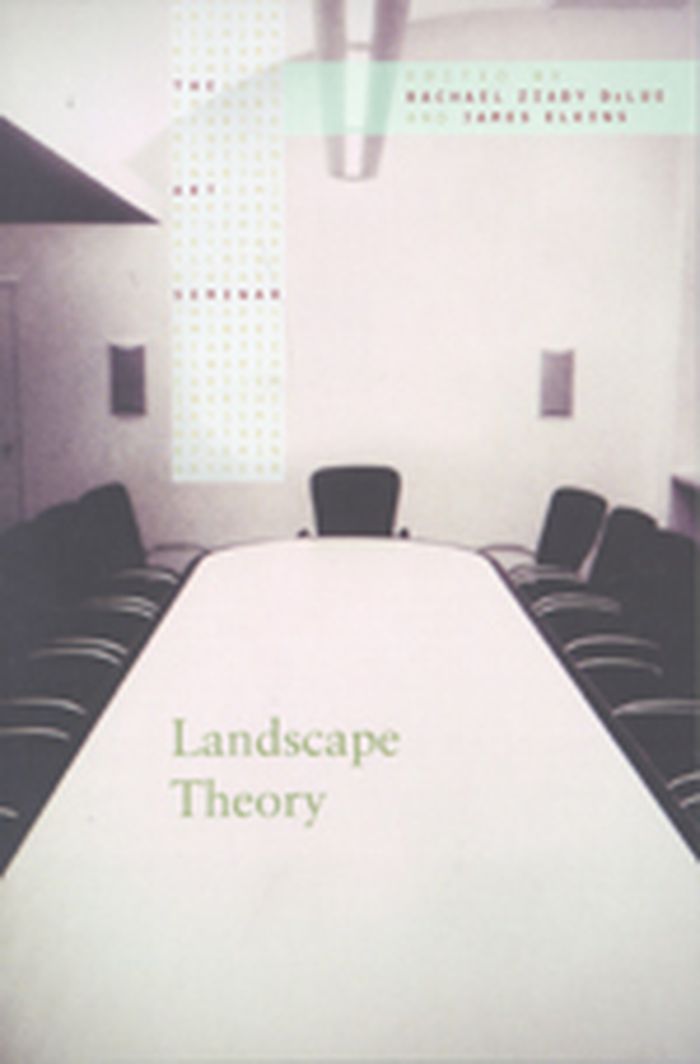
Artistic representations of landscape are studies in a half-dozen disciplines (art history, geography, literature, philosophy, politics, sociology), and there is no master narrative or historiographic genealogy to frame interpretations. Geographers are interested in political formations (and geography, as a discipline, is increasingly non-visual). Art historians have written extensively on landscape, but there have not been any recent synthetic attemps or theoretical overviews. At the same time, painters, and other artists often feel they 'possess' the landscape of the region in which they live; that ownership takes place at a non-verbal level, and seems incommensurate with the discourses of art history or geography. Landscape Theory, volume 6 in The Art Seminar series, is the first book to bring together different disciplines and practices, in order to understand how best to conceptualize landscape in art.
Landscape theory
Actions:
Price:
$38.50
(available to order)
Summary:
Artistic representations of landscape are studies in a half-dozen disciplines (art history, geography, literature, philosophy, politics, sociology), and there is no master narrative or historiographic genealogy to frame interpretations. Geographers are interested in political formations (and geography, as a discipline, is increasingly non-visual). Art historians have written extensively on landscape, but there have not been any recent synthetic attemps or theoretical overviews. At the same time, painters, and other artists often feel they 'possess' the landscape of the region in which they live; that ownership takes place at a non-verbal level, and seems incommensurate with the discourses of art history or geography. Landscape Theory, volume 6 in The Art Seminar series, is the first book to bring together different disciplines and practices, in order to understand how best to conceptualize landscape in art.
Form:
books
books
Publication:
January 2008, London, New York
January 2008, London, New York
Subject:
Landscape Theory
Landscape Theory
Form:
books
books
Actions:
Price:
$27.95
(available to order)
Summary:
We now have the technology to reach nearby planets. Even though many long-term technical issues still need to be resolved to create the conditions for a permanent, self-sustaining human life on another planet, imagining humans as a multiplanetary species is no longer merely the stuff of science fiction. Against this backdrop, "Planetary Echoes" considers the place of this(...)
$27.95
(available to order)
Summary:
We now have the technology to reach nearby planets. Even though many long-term technical issues still need to be resolved to create the conditions for a permanent, self-sustaining human life on another planet, imagining humans as a multiplanetary species is no longer merely the stuff of science fiction. Against this backdrop, "Planetary Echoes" considers the place of this(...)
Title:
Planetary echoes: Exploring the implications of human settlement in outer space
Actions:
Price:
$27.95
(available to order)
Summary:
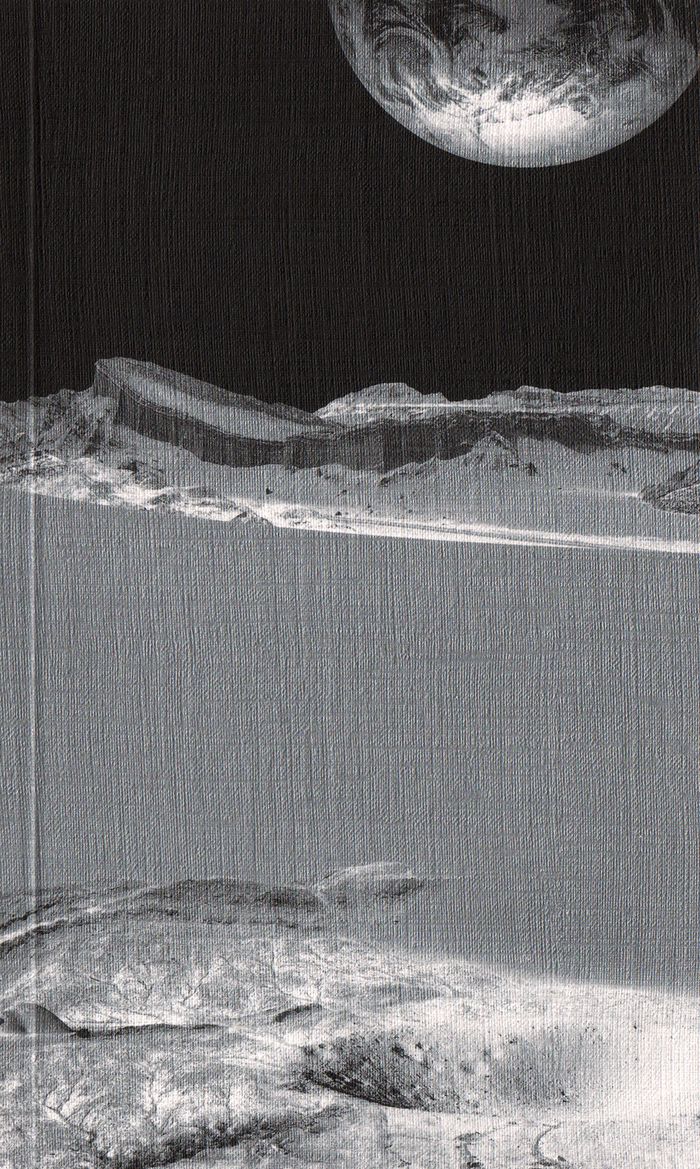
We now have the technology to reach nearby planets. Even though many long-term technical issues still need to be resolved to create the conditions for a permanent, self-sustaining human life on another planet, imagining humans as a multiplanetary species is no longer merely the stuff of science fiction. Against this backdrop, "Planetary Echoes" considers the place of this dream of human life on other planets in the arts, literature and sciences at the beginning of the 21st century. In this volume, a broad, interdisciplinary list of contributors (scientists, astronauts, designers, philanthropists, inventors, artists and curators) weighs in on the imaginable possibilities of space settlement. The list of contributors ranges from Buzz Aldrin to Richard Branson to Norman Foster, with many more perspectives on offer a list eclectic enough to match the eccentricity of the human dream of colonizing outer space.
Planetary echoes: Exploring the implications of human settlement in outer space
Actions:
Price:
$27.95
(available to order)
Summary:
We now have the technology to reach nearby planets. Even though many long-term technical issues still need to be resolved to create the conditions for a permanent, self-sustaining human life on another planet, imagining humans as a multiplanetary species is no longer merely the stuff of science fiction. Against this backdrop, "Planetary Echoes" considers the place of this dream of human life on other planets in the arts, literature and sciences at the beginning of the 21st century. In this volume, a broad, interdisciplinary list of contributors (scientists, astronauts, designers, philanthropists, inventors, artists and curators) weighs in on the imaginable possibilities of space settlement. The list of contributors ranges from Buzz Aldrin to Richard Branson to Norman Foster, with many more perspectives on offer a list eclectic enough to match the eccentricity of the human dream of colonizing outer space.
Form:
books
books
Publication:
November 2018
November 2018
Subject:
Journeys
Journeys
Form:
books
books
Actions:
Price:
$21.95
(available to order)
Summary:
In Housing Problems, Susan Bernstein studies the actual houses of Goethe, Walpole, and Freud alongside textual articulations of the architectonic problems of design, containment, shelter, and fragmentation. The linking of "text" and "house" brings into focus the historical tradition that has established a symmetry between design and instance, interior and exterior, author(...)
$21.95
(available to order)
Summary:
In Housing Problems, Susan Bernstein studies the actual houses of Goethe, Walpole, and Freud alongside textual articulations of the architectonic problems of design, containment, shelter, and fragmentation. The linking of "text" and "house" brings into focus the historical tradition that has established a symmetry between design and instance, interior and exterior, author(...)
Title:
Housing problems: writing and architecture in Goethe, Walpole, Freud and Heidegger
Actions:
Price:
$21.95
(available to order)
Summary:
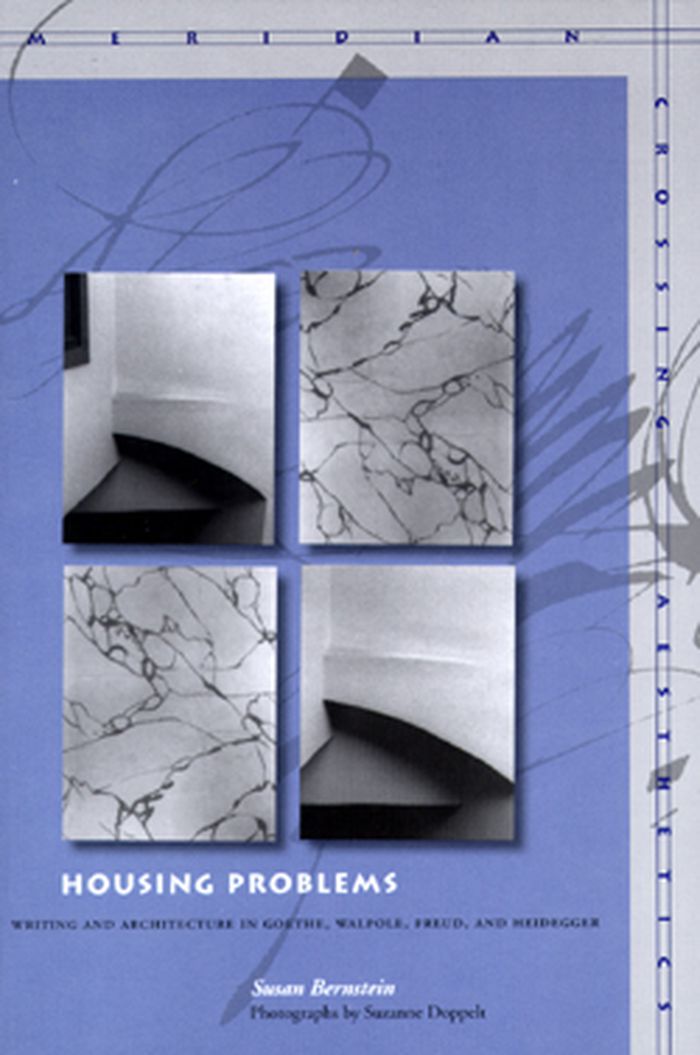
In Housing Problems, Susan Bernstein studies the actual houses of Goethe, Walpole, and Freud alongside textual articulations of the architectonic problems of design, containment, shelter, and fragmentation. The linking of "text" and "house" brings into focus the historical tradition that has established a symmetry between design and instance, interior and exterior, author and house—an often unexamined fantasy of historicism. Taking as its point of departure Goethe's efforts to establish such a synthesis through the concept of Bildung, the book traces the destabilization of this symmetry between house and self in Gothic literature and in narratives surrounding the founding of psychoanalysis. The interest in architecture holds open the tension between the generalizing figures of architectonics and the singular quality of housing features. These continue to mark theoretical thinking even as they dissolve and withdraw, as in Heidegger's "house of Being."
Housing problems: writing and architecture in Goethe, Walpole, Freud and Heidegger
Actions:
Price:
$21.95
(available to order)
Summary:
In Housing Problems, Susan Bernstein studies the actual houses of Goethe, Walpole, and Freud alongside textual articulations of the architectonic problems of design, containment, shelter, and fragmentation. The linking of "text" and "house" brings into focus the historical tradition that has established a symmetry between design and instance, interior and exterior, author and house—an often unexamined fantasy of historicism. Taking as its point of departure Goethe's efforts to establish such a synthesis through the concept of Bildung, the book traces the destabilization of this symmetry between house and self in Gothic literature and in narratives surrounding the founding of psychoanalysis. The interest in architecture holds open the tension between the generalizing figures of architectonics and the singular quality of housing features. These continue to mark theoretical thinking even as they dissolve and withdraw, as in Heidegger's "house of Being."
Form:
books
books
Publication:
June 2008
June 2008
Subject:
Architectural Theory
Architectural Theory
Form:
books
books

Title:
The road is wider than long
The road is wider than long
Actions:
Price:
$39.95
(available to order)
Summary:
A reproduction of a 1938 photobook Roland Penrose made for Lee Miller as they traveled the world at the outset of World War II. In 1938, as Europe prepared for war, Roland Penrose and Lee Miller made a journey together through the Balkans. Penrose was a painter, author, and curator. Miller, previously a model, was a brilliant photographer. As they traveled, Penrose(...)
$39.95
(available to order)
Summary:
A reproduction of a 1938 photobook Roland Penrose made for Lee Miller as they traveled the world at the outset of World War II. In 1938, as Europe prepared for war, Roland Penrose and Lee Miller made a journey together through the Balkans. Penrose was a painter, author, and curator. Miller, previously a model, was a brilliant photographer. As they traveled, Penrose(...)
Title:
The road is wider than long
Actions:
Price:
$39.95
(available to order)
Summary:
A reproduction of a 1938 photobook Roland Penrose made for Lee Miller as they traveled the world at the outset of World War II. In 1938, as Europe prepared for war, Roland Penrose and Lee Miller made a journey together through the Balkans. Penrose was a painter, author, and curator. Miller, previously a model, was a brilliant photographer. As they traveled, Penrose created pictures and took notes, and on their return produced a charming handmade photobook for Miller—a surrealist love poem, drawn from his own memories and records. This special facsimile edition of the book Penrose wrote for Miller has an important place in the history of surrealist literature, and it provides a fascinating glimpse into the lives of two artists and their journey of discovery in a world that would soon be transformed forever.
The road is wider than long
Actions:
Price:
$39.95
(available to order)
Summary:
A reproduction of a 1938 photobook Roland Penrose made for Lee Miller as they traveled the world at the outset of World War II. In 1938, as Europe prepared for war, Roland Penrose and Lee Miller made a journey together through the Balkans. Penrose was a painter, author, and curator. Miller, previously a model, was a brilliant photographer. As they traveled, Penrose created pictures and took notes, and on their return produced a charming handmade photobook for Miller—a surrealist love poem, drawn from his own memories and records. This special facsimile edition of the book Penrose wrote for Miller has an important place in the history of surrealist literature, and it provides a fascinating glimpse into the lives of two artists and their journey of discovery in a world that would soon be transformed forever.
Form:
books
books
Publication:
August 2021
August 2021
Subject:
Photography monographs
Photography monographs
Form:
books
books
Title:
Deserts are not empty
Deserts are not empty
Actions:
Price:
$31.00
(available in store)
Summary:
Colonial and imperial powers have often portrayed arid lands as “empty” spaces ready to be occupied, exploited, extracted, and polluted. Despite the undeniable presence of human and nonhuman lives and forces in desert territories, the “regime of emptiness” has inhabited, and is still inhabiting, many imaginaries. This volume challenges this colonial tendency, questions(...)
$31.00
(available in store)
Summary:
Colonial and imperial powers have often portrayed arid lands as “empty” spaces ready to be occupied, exploited, extracted, and polluted. Despite the undeniable presence of human and nonhuman lives and forces in desert territories, the “regime of emptiness” has inhabited, and is still inhabiting, many imaginaries. This volume challenges this colonial tendency, questions(...)
Title:
Deserts are not empty
Actions:
Price:
$31.00
(available in store)
Summary:
Colonial and imperial powers have often portrayed arid lands as “empty” spaces ready to be occupied, exploited, extracted, and polluted. Despite the undeniable presence of human and nonhuman lives and forces in desert territories, the “regime of emptiness” has inhabited, and is still inhabiting, many imaginaries. This volume challenges this colonial tendency, questions its roots and ramifications, and remaps the representations, theories, histories, and stories of arid lands—which comprise approximately one-third of the Earth’s land surface. It brings together poems in original languages, conversations with collectives, and essays by scholars and professionals from the fields of architecture, architectural history and theory, curatorial studies, comparative literature, film studies, landscape architecture, and photography. These different approaches and diverse voices draw on a framework of decoloniality to unsettle and unlearn the desert, opening up possibilities to see, think, imagine it otherwise.
Deserts are not empty
Actions:
Price:
$31.00
(available in store)
Summary:
Colonial and imperial powers have often portrayed arid lands as “empty” spaces ready to be occupied, exploited, extracted, and polluted. Despite the undeniable presence of human and nonhuman lives and forces in desert territories, the “regime of emptiness” has inhabited, and is still inhabiting, many imaginaries. This volume challenges this colonial tendency, questions its roots and ramifications, and remaps the representations, theories, histories, and stories of arid lands—which comprise approximately one-third of the Earth’s land surface. It brings together poems in original languages, conversations with collectives, and essays by scholars and professionals from the fields of architecture, architectural history and theory, curatorial studies, comparative literature, film studies, landscape architecture, and photography. These different approaches and diverse voices draw on a framework of decoloniality to unsettle and unlearn the desert, opening up possibilities to see, think, imagine it otherwise.
Form:
books
books
Publication:
October 2022
October 2022
Subject:
Architecture ecologies
Architecture ecologies
Form:
books
books
Price:
$27.50
(available to order)
Summary:
In "Pig", Brett Mizelle provides a richly illustrated and compelling look at the long, complicated relationship between humans and these highly intelligent, sociable animals. Mizelle traces the natural and cultural history of the pig, focusing on the contradictions between our imaginative representation of pigs and the real-world truth of the ways in which pigs are prized(...)
$27.50
(available to order)
Summary:
In "Pig", Brett Mizelle provides a richly illustrated and compelling look at the long, complicated relationship between humans and these highly intelligent, sociable animals. Mizelle traces the natural and cultural history of the pig, focusing on the contradictions between our imaginative representation of pigs and the real-world truth of the ways in which pigs are prized(...)
Title:
Pig
Actions:
Price:
$27.50
(available to order)
Summary:
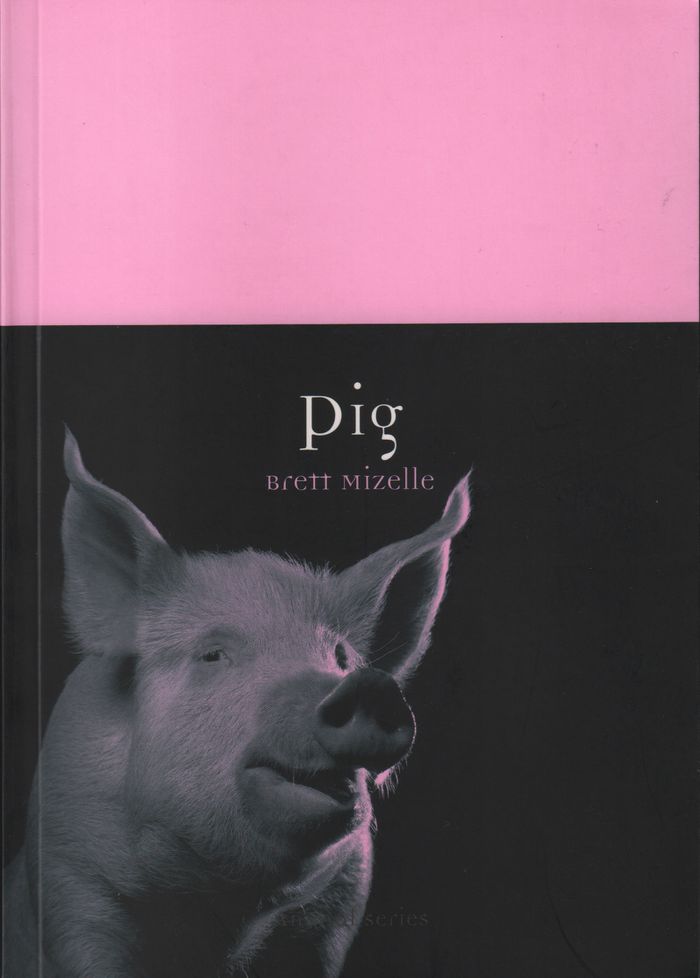
In "Pig", Brett Mizelle provides a richly illustrated and compelling look at the long, complicated relationship between humans and these highly intelligent, sociable animals. Mizelle traces the natural and cultural history of the pig, focusing on the contradictions between our imaginative representation of pigs and the real-world truth of the ways in which pigs are prized for their meat, used as subjects in medical research, and killed in order to make hundreds of consumer products. "Pig" begins with the evolution of the suidae, animals that were domesticated in multiple regions 9,000 years ago, and points toward a future where pigs and humans are even more closely intertwined as a result of biomedical breakthroughs. "Pig" both examines the widespread art, entertainment, and literature that imagines human kinship with pigs and the development of modern industrial pork production.
Pig
Actions:
Price:
$27.50
(available to order)
Summary:
In "Pig", Brett Mizelle provides a richly illustrated and compelling look at the long, complicated relationship between humans and these highly intelligent, sociable animals. Mizelle traces the natural and cultural history of the pig, focusing on the contradictions between our imaginative representation of pigs and the real-world truth of the ways in which pigs are prized for their meat, used as subjects in medical research, and killed in order to make hundreds of consumer products. "Pig" begins with the evolution of the suidae, animals that were domesticated in multiple regions 9,000 years ago, and points toward a future where pigs and humans are even more closely intertwined as a result of biomedical breakthroughs. "Pig" both examines the widespread art, entertainment, and literature that imagines human kinship with pigs and the development of modern industrial pork production.
Form:
books
books
Publication:
October 2011
October 2011
Subject:
Food
Food
Form:
books
books
Price:
$225.95
(available to order)
Summary:
Presenting innovative field research conducted in new and emerging human rights museums across Asia and Latin America, the book adopts a broad museological approach. It does so by including national and community museums, as well as public and private museological initiatives, within its purview. Drawing on in-depth case studies about museums in Taiwan, Japan, Paraguay(...)
$225.95
(available to order)
Summary:
Presenting innovative field research conducted in new and emerging human rights museums across Asia and Latin America, the book adopts a broad museological approach. It does so by including national and community museums, as well as public and private museological initiatives, within its purview. Drawing on in-depth case studies about museums in Taiwan, Japan, Paraguay(...)
Title:
Human rights museums: Critical tensions between memory and justice
Actions:
Price:
$225.95
(available to order)
Summary:
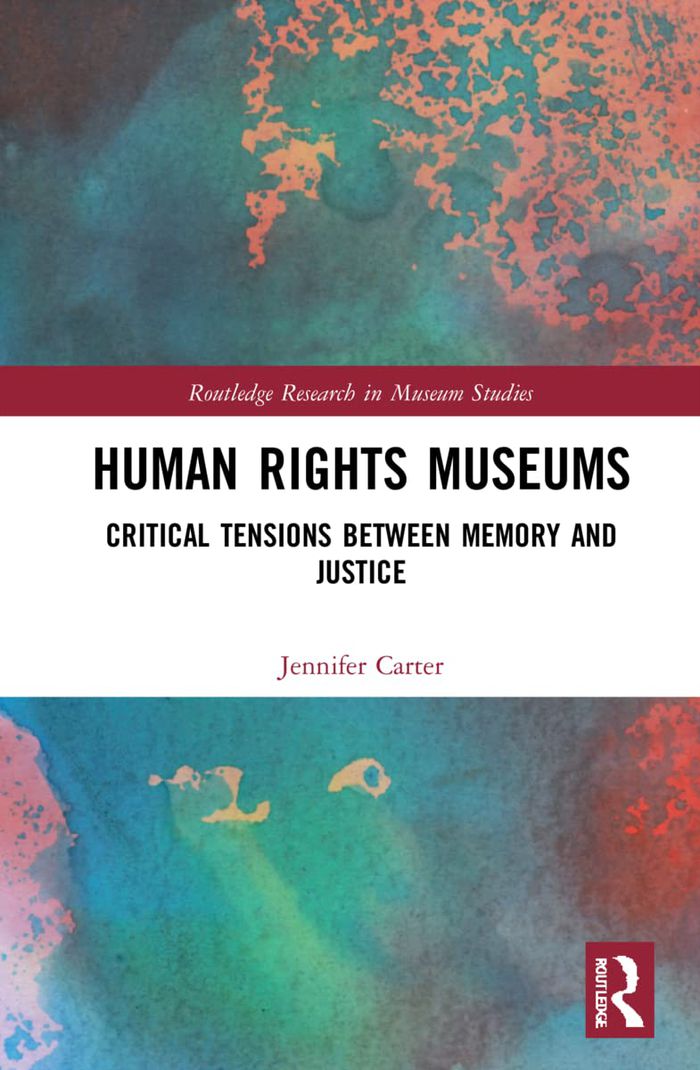
Presenting innovative field research conducted in new and emerging human rights museums across Asia and Latin America, the book adopts a broad museological approach. It does so by including national and community museums, as well as public and private museological initiatives, within its purview. Drawing on in-depth case studies about museums in Taiwan, Japan, Paraguay and Colombia – all discussed within their political and cultural contexts – the book examines the paradigmatic shift that has occurred within the museum field in the wake of the larger global transformations that have shaped contemporary geo-politics over the last 50 years. The diversity of geographical and political contexts, and the attention to lesser-known institutions within the canon of English museum studies literature, presents readers with a valuable opportunity to learn more about innovative museological models in non-English-speaking and non-Western contexts.
Human rights museums: Critical tensions between memory and justice
Actions:
Price:
$225.95
(available to order)
Summary:
Presenting innovative field research conducted in new and emerging human rights museums across Asia and Latin America, the book adopts a broad museological approach. It does so by including national and community museums, as well as public and private museological initiatives, within its purview. Drawing on in-depth case studies about museums in Taiwan, Japan, Paraguay and Colombia – all discussed within their political and cultural contexts – the book examines the paradigmatic shift that has occurred within the museum field in the wake of the larger global transformations that have shaped contemporary geo-politics over the last 50 years. The diversity of geographical and political contexts, and the attention to lesser-known institutions within the canon of English museum studies literature, presents readers with a valuable opportunity to learn more about innovative museological models in non-English-speaking and non-Western contexts.
Form:
books
books
Publication:
October 2022
October 2022
Subject:
Museology
Museology
Form:
books
books
Actions:
Price:
$23.50
(available to order)
Summary:
Described as “a continuous carnival” and “the crossroads of the world,” Times Square is a singular phenomenon: the spot where imagination and veracity intersect. To Marshall Berman, it is also the flashing, teeming, and strangely beautiful nexus of his life. In this remarkable book, Berman takes us on a thrilling illustrated tour of Times Square, revealing a landscape(...)
$23.50
(available to order)
Summary:
Described as “a continuous carnival” and “the crossroads of the world,” Times Square is a singular phenomenon: the spot where imagination and veracity intersect. To Marshall Berman, it is also the flashing, teeming, and strangely beautiful nexus of his life. In this remarkable book, Berman takes us on a thrilling illustrated tour of Times Square, revealing a landscape(...)
Title:
On the town: one hundred years of spectacle in Times Square
Actions:
Price:
$23.50
(available to order)
Summary:
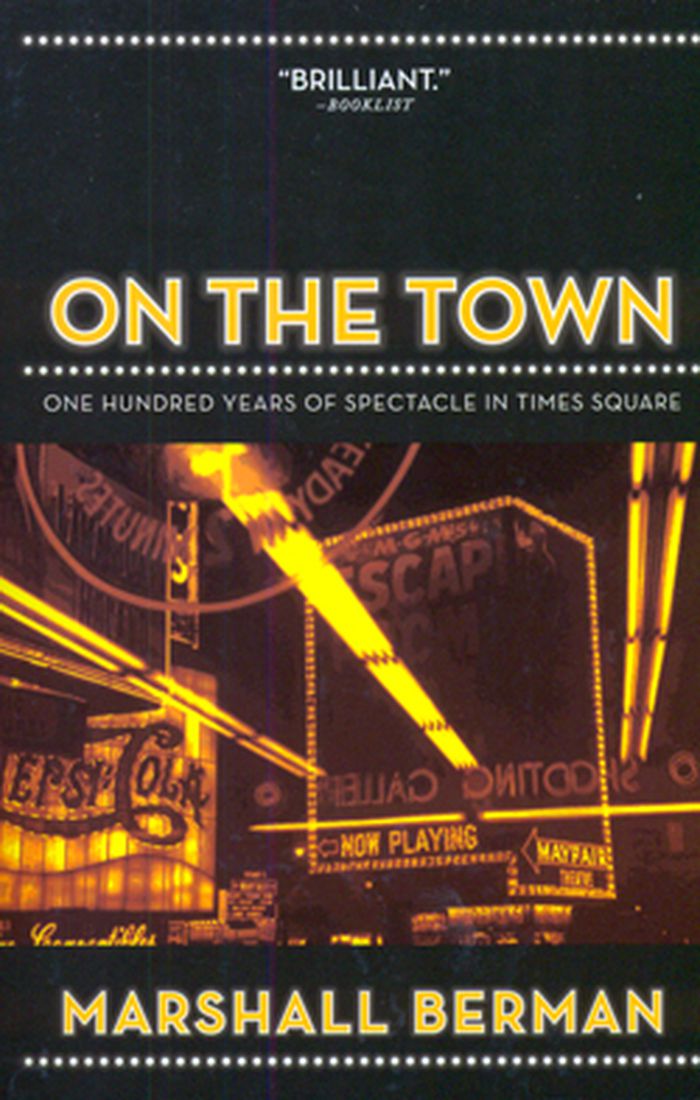
Described as “a continuous carnival” and “the crossroads of the world,” Times Square is a singular phenomenon: the spot where imagination and veracity intersect. To Marshall Berman, it is also the flashing, teeming, and strangely beautiful nexus of his life. In this remarkable book, Berman takes us on a thrilling illustrated tour of Times Square, revealing a landscape both mythic and real. Interleafing his own recollections with social commentary, he reveals how movies, graphic arts, literature, popular music, television, and, of course, the Broadway theater have reflected Times Square’s voluminous light to illuminate a vast spectrum of themes and vignettes. Berman shows how the square’s distinctive aura finds its source in a stunningly diverse list of performers, writers, and impresarios. He also celebrates the unsung heroes—the artists, engineers, and hucksters behind the square’s landmark signs.
On the town: one hundred years of spectacle in Times Square
Actions:
Price:
$23.50
(available to order)
Summary:
Described as “a continuous carnival” and “the crossroads of the world,” Times Square is a singular phenomenon: the spot where imagination and veracity intersect. To Marshall Berman, it is also the flashing, teeming, and strangely beautiful nexus of his life. In this remarkable book, Berman takes us on a thrilling illustrated tour of Times Square, revealing a landscape both mythic and real. Interleafing his own recollections with social commentary, he reveals how movies, graphic arts, literature, popular music, television, and, of course, the Broadway theater have reflected Times Square’s voluminous light to illuminate a vast spectrum of themes and vignettes. Berman shows how the square’s distinctive aura finds its source in a stunningly diverse list of performers, writers, and impresarios. He also celebrates the unsung heroes—the artists, engineers, and hucksters behind the square’s landmark signs.
Form:
books
books
Publication:
August 2009
August 2009
Subject:
Architecture since 1900, Europe
Architecture since 1900, Europe
Form:
books
books
Actions:
Price:
$56.00
(available to order)
Summary:
Between 1929 and 1943, an outstanding new lifestyle magazine called Die Neue Linie (“The New Line”) was published by Beyer Press in Leipzig. No other publication in this period was so consistent in bringing avant-garde typographic ideas to a mass audience, as leading graphic designers from the Bauhaus, including László Moholy-Nagy, Umbo and Herbert Bayer, steered the look(...)
$56.00
(available to order)
Summary:
Between 1929 and 1943, an outstanding new lifestyle magazine called Die Neue Linie (“The New Line”) was published by Beyer Press in Leipzig. No other publication in this period was so consistent in bringing avant-garde typographic ideas to a mass audience, as leading graphic designers from the Bauhaus, including László Moholy-Nagy, Umbo and Herbert Bayer, steered the look(...)
Title:
Bauhaus at the newsstand: Die Neue Linie 1929-1943
Actions:
Price:
$56.00
(available to order)
Summary:
Between 1929 and 1943, an outstanding new lifestyle magazine called Die Neue Linie (“The New Line”) was published by Beyer Press in Leipzig. No other publication in this period was so consistent in bringing avant-garde typographic ideas to a mass audience, as leading graphic designers from the Bauhaus, including László Moholy-Nagy, Umbo and Herbert Bayer, steered the look of the magazine, whose contents combined fashion, literature, graphic design and art. Unembellished fonts, dynamic diagonals and dramatic use of photomontage were key to the journal's striking appearance. Its authors included Walter Gropius, Aldous Huxley, Gottfried Benn and Thomas Mann. The Bauhaus at the Newsstand illustrates the turbulent times in which the magazine appeared, reproducing spreads, statements, articles, a visual checklist of every issue and analyses of the magazine's delicate balancing act between modernism and conformity.
Bauhaus at the newsstand: Die Neue Linie 1929-1943
Actions:
Price:
$56.00
(available to order)
Summary:
Between 1929 and 1943, an outstanding new lifestyle magazine called Die Neue Linie (“The New Line”) was published by Beyer Press in Leipzig. No other publication in this period was so consistent in bringing avant-garde typographic ideas to a mass audience, as leading graphic designers from the Bauhaus, including László Moholy-Nagy, Umbo and Herbert Bayer, steered the look of the magazine, whose contents combined fashion, literature, graphic design and art. Unembellished fonts, dynamic diagonals and dramatic use of photomontage were key to the journal's striking appearance. Its authors included Walter Gropius, Aldous Huxley, Gottfried Benn and Thomas Mann. The Bauhaus at the Newsstand illustrates the turbulent times in which the magazine appeared, reproducing spreads, statements, articles, a visual checklist of every issue and analyses of the magazine's delicate balancing act between modernism and conformity.
Form:
books
books
Publication:
February 2010
February 2010
Subject:
Modernism
Modernism
Form:
books
books
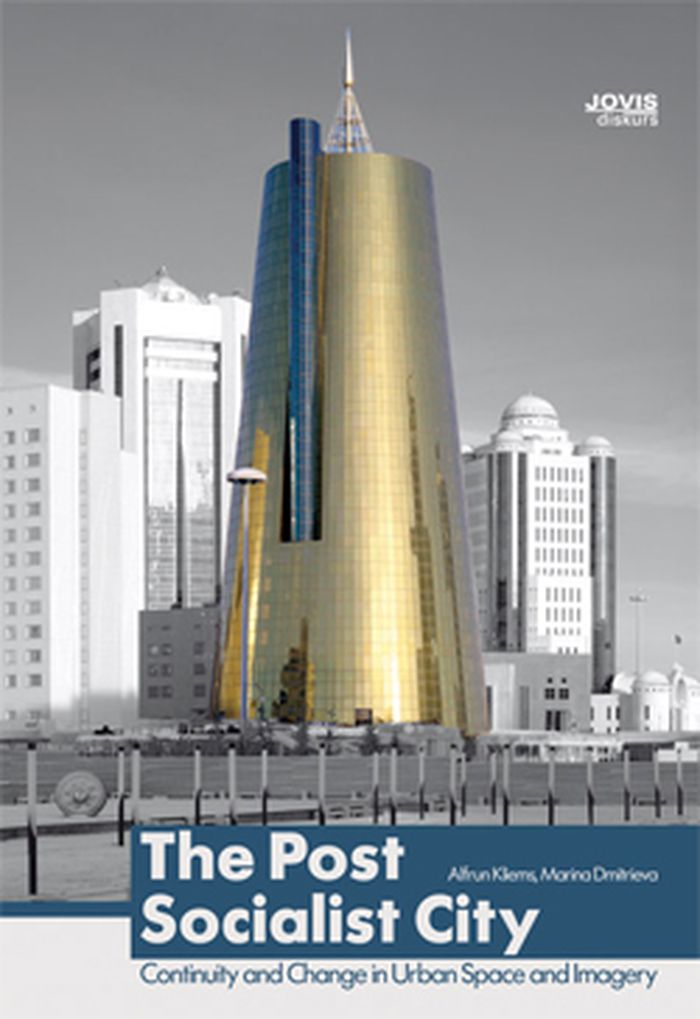
Title:
The post-socialist city
The post-socialist city
Actions:
Price:
$54.00
(available to order)
Summary:
The socialist ideals of the early twentieth century argued for a radical overhaul of architectural philosophy, reasserting the value of public space and redefining all forms of creative endeavor towards the benefit of the collective. These ideals were realized in the design of public buildings, streets and squares, as well as in films, literature and the visual arts.(...)
$54.00
(available to order)
Summary:
The socialist ideals of the early twentieth century argued for a radical overhaul of architectural philosophy, reasserting the value of public space and redefining all forms of creative endeavor towards the benefit of the collective. These ideals were realized in the design of public buildings, streets and squares, as well as in films, literature and the visual arts.(...)
Title:
The post-socialist city
Actions:
Price:
$54.00
(available to order)
Summary:
The socialist ideals of the early twentieth century argued for a radical overhaul of architectural philosophy, reasserting the value of public space and redefining all forms of creative endeavor towards the benefit of the collective. These ideals were realized in the design of public buildings, streets and squares, as well as in films, literature and the visual arts. Urban planning under Eastern European Socialism is consequently inseparable from its ideological aspirations, and while its governmental structure may have collapsed, its architectural expressions remain. Over the last decade, however, many classic buildings of this era have been stripped of their political import, being repurposed or even destroyed. The Post Socialist City reveals that many cities across Eastern Europe remain dominated by the industrial complexes and panel buildings erected by Socialism, and analyzes the implications of the uses to which they have subsequently been put.
The post-socialist city
Actions:
Price:
$54.00
(available to order)
Summary:
The socialist ideals of the early twentieth century argued for a radical overhaul of architectural philosophy, reasserting the value of public space and redefining all forms of creative endeavor towards the benefit of the collective. These ideals were realized in the design of public buildings, streets and squares, as well as in films, literature and the visual arts. Urban planning under Eastern European Socialism is consequently inseparable from its ideological aspirations, and while its governmental structure may have collapsed, its architectural expressions remain. Over the last decade, however, many classic buildings of this era have been stripped of their political import, being repurposed or even destroyed. The Post Socialist City reveals that many cities across Eastern Europe remain dominated by the industrial complexes and panel buildings erected by Socialism, and analyzes the implications of the uses to which they have subsequently been put.
Form:
books
books
Publication:
June 2010
June 2010
Subject:
Urban Theory
Urban Theory


