


5690 Results
Form:
books
books
Price:
$35.00
(available to order)
Summary:
A collection of essays in which revered poet Mary Oliver reflects on her willingness, as a young child and as an adult, to lose herself within the beauty and mysteries of both the natural world and the world of literature. Emphasizing the significance of her childhood “friend” Walt Whitman, through whose work she first understood that a poem is a temple, “a place to(...)
$35.00
(available to order)
Summary:
A collection of essays in which revered poet Mary Oliver reflects on her willingness, as a young child and as an adult, to lose herself within the beauty and mysteries of both the natural world and the world of literature. Emphasizing the significance of her childhood “friend” Walt Whitman, through whose work she first understood that a poem is a temple, “a place to(...)
Title:
Upstream
Actions:
Price:
$35.00
(available to order)
Summary:
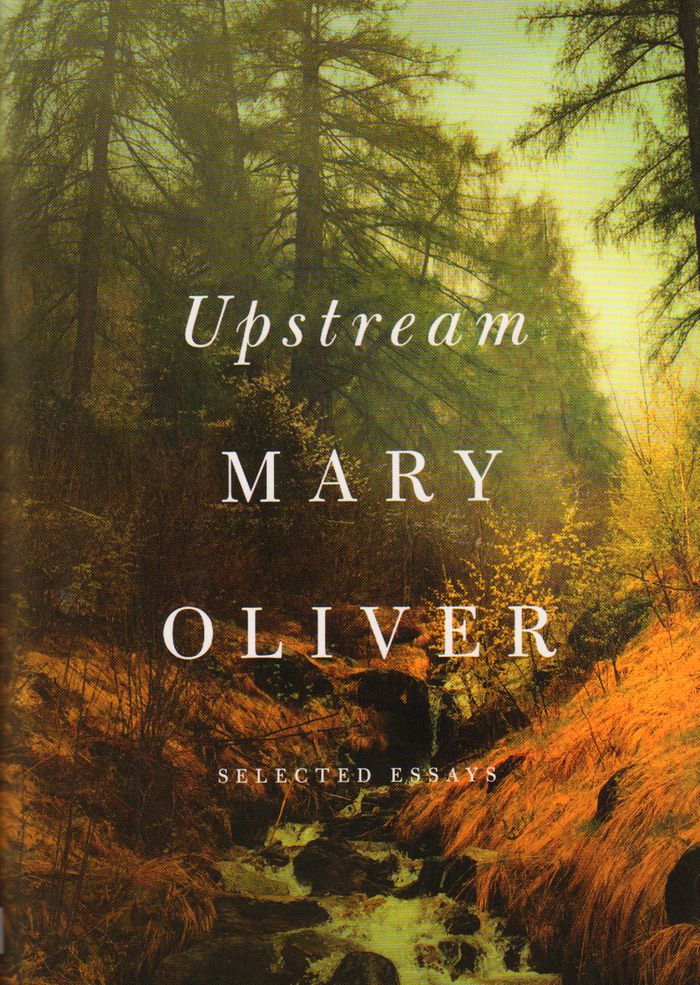
A collection of essays in which revered poet Mary Oliver reflects on her willingness, as a young child and as an adult, to lose herself within the beauty and mysteries of both the natural world and the world of literature. Emphasizing the significance of her childhood “friend” Walt Whitman, through whose work she first understood that a poem is a temple, “a place to enter, and in which to feel,” and who encouraged her to vanish into the world of her writing, Oliver meditates on the forces that allowed her to create a life for herself out of work and love. As she writes, “I could not be a poet without the natural world. Someone else could. But not me. For me the door to the woods is the door to the temple.” "Upstream" follows Oliver as she contemplates the pleasure of artistic labor, her boundless curiosity for the flora and fauna that surround her, and the responsibility she has inherited from Shelley, Wordsworth, Emerson, Poe, and Frost, the great thinkers and writers of the past, to live thoughtfully, intelligently, and to observe with passion. Throughout this collection, Oliver positions not just herself upstream but us as well as she encourages us all to keep moving, to lose ourselves in the awe of the unknown, and to give power and time to the creative and whimsical urges that live within us.
Upstream
Actions:
Price:
$35.00
(available to order)
Summary:
A collection of essays in which revered poet Mary Oliver reflects on her willingness, as a young child and as an adult, to lose herself within the beauty and mysteries of both the natural world and the world of literature. Emphasizing the significance of her childhood “friend” Walt Whitman, through whose work she first understood that a poem is a temple, “a place to enter, and in which to feel,” and who encouraged her to vanish into the world of her writing, Oliver meditates on the forces that allowed her to create a life for herself out of work and love. As she writes, “I could not be a poet without the natural world. Someone else could. But not me. For me the door to the woods is the door to the temple.” "Upstream" follows Oliver as she contemplates the pleasure of artistic labor, her boundless curiosity for the flora and fauna that surround her, and the responsibility she has inherited from Shelley, Wordsworth, Emerson, Poe, and Frost, the great thinkers and writers of the past, to live thoughtfully, intelligently, and to observe with passion. Throughout this collection, Oliver positions not just herself upstream but us as well as she encourages us all to keep moving, to lose ourselves in the awe of the unknown, and to give power and time to the creative and whimsical urges that live within us.
Form:
books
books
Publication:
October 2016
October 2016
Subject:
Landscape Theory
Landscape Theory
Form:
books
books
Actions:
Price:
$34.95
(available to order)
Summary:
In this second volume in the Chora series, contributing authors take an interdisciplinary approach to architecture and other cultural concerns, challenging readers to consider alternatives to conventional aesthetic and technological reductions. Karsten Harris provides a new and long-overdue reading of Martin Heidegger's well-known(...)
$34.95
(available to order)
Summary:
In this second volume in the Chora series, contributing authors take an interdisciplinary approach to architecture and other cultural concerns, challenging readers to consider alternatives to conventional aesthetic and technological reductions. Karsten Harris provides a new and long-overdue reading of Martin Heidegger's well-known(...)
Subject:
Architectural Theory
Architectural Theory
Publication:
September 1996, Montréal
September 1996, Montréal
Title:
Chora 2 : intervals in the philosophy of architecture
Actions:
Price:
$34.95
(available to order)
Summary:
In this second volume in the Chora series, contributing authors take an interdisciplinary approach to architecture and other cultural concerns, challenging readers to consider alternatives to conventional aesthetic and technological reductions. Karsten Harris provides a new and long-overdue reading of Martin Heidegger's well-known essay "Building Dwelling Thinking." Donald Kunze and Stephen Parcell consider possibilities of meaningful architectural space for a visual culture, continuing themes they addressed in Chora 1. Further reflections on the spaces of literature, cinema, and architecture include an interview with French writer and film maker Alain Robbe-Grillet and articles by Dagmar Motycka Weston on the surrealist city, Tracey Eve Winton on the museum as a paradigmatic modern building, and Terrance Galvin on spiritual space in the works of Jean Cocteau. Jean-Pierre Chupin and Bram Ratner explore historical themes in their essays on French Renaissance architect Philibert de l'Orme and the Jewish myth of the Golem. Gregory Caicco addresses ethical questions in his essay on the Greek agora and the death of Socrates, as does Lily Chi in her meditation on the critical issue of use in architectural works. A concern with architectural representation and generative strategies for the making of architecture is present throughout, especially in the essay by Joanna Merwood on the provocative House by British artist Rachel Whiteread.
Chora 2 : intervals in the philosophy of architecture
Actions:
Price:
$34.95
(available to order)
Summary:
In this second volume in the Chora series, contributing authors take an interdisciplinary approach to architecture and other cultural concerns, challenging readers to consider alternatives to conventional aesthetic and technological reductions. Karsten Harris provides a new and long-overdue reading of Martin Heidegger's well-known essay "Building Dwelling Thinking." Donald Kunze and Stephen Parcell consider possibilities of meaningful architectural space for a visual culture, continuing themes they addressed in Chora 1. Further reflections on the spaces of literature, cinema, and architecture include an interview with French writer and film maker Alain Robbe-Grillet and articles by Dagmar Motycka Weston on the surrealist city, Tracey Eve Winton on the museum as a paradigmatic modern building, and Terrance Galvin on spiritual space in the works of Jean Cocteau. Jean-Pierre Chupin and Bram Ratner explore historical themes in their essays on French Renaissance architect Philibert de l'Orme and the Jewish myth of the Golem. Gregory Caicco addresses ethical questions in his essay on the Greek agora and the death of Socrates, as does Lily Chi in her meditation on the critical issue of use in architectural works. A concern with architectural representation and generative strategies for the making of architecture is present throughout, especially in the essay by Joanna Merwood on the provocative House by British artist Rachel Whiteread.
Form:
books
books
Publication:
September 1996, Montréal
September 1996, Montréal
Subject:
Architectural Theory
Architectural Theory
Form:
books
books
Actions:
Price:
$31.00
(available to order)
Summary:
As with the compass needle, so people have always been most powerfully attracted northwards; everyone carries within them their own concept of north. The Idea of North is a study, ranging widely in time and place, of some of the ways in which these ideas have found expression. Peter Davidson explores the topography of north as represented in images and literature, taking(...)
$31.00
(available to order)
Summary:
As with the compass needle, so people have always been most powerfully attracted northwards; everyone carries within them their own concept of north. The Idea of North is a study, ranging widely in time and place, of some of the ways in which these ideas have found expression. Peter Davidson explores the topography of north as represented in images and literature, taking(...)
Title:
The idea of north, 2nd edition
Actions:
Price:
$31.00
(available to order)
Summary:
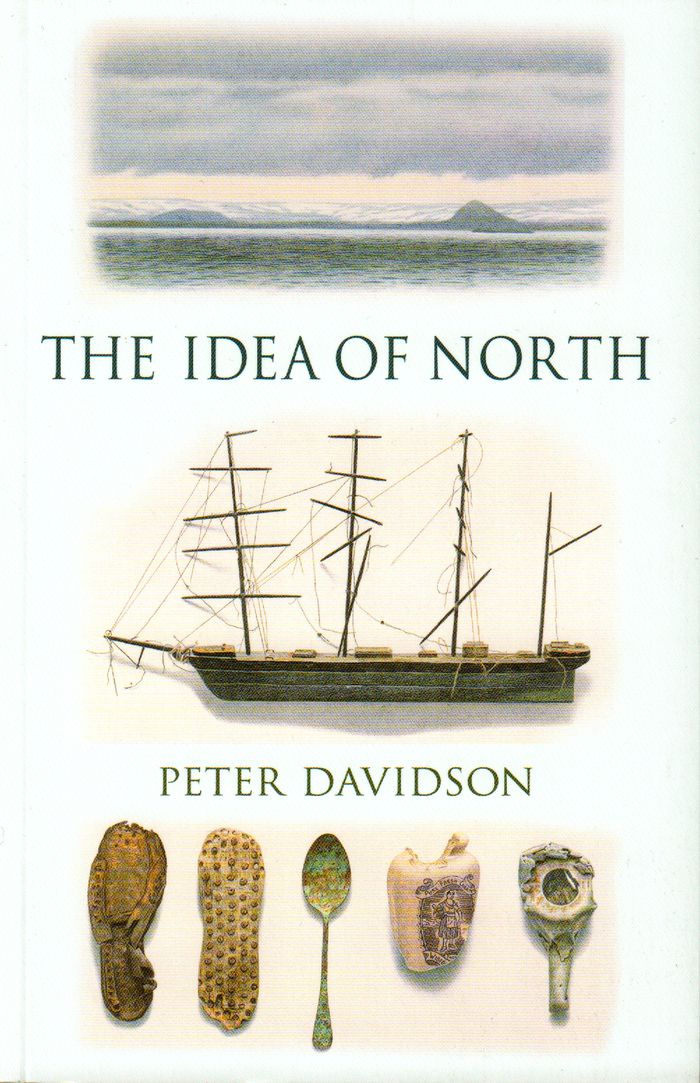
As with the compass needle, so people have always been most powerfully attracted northwards; everyone carries within them their own concept of north. The Idea of North is a study, ranging widely in time and place, of some of the ways in which these ideas have found expression. Peter Davidson explores the topography of north as represented in images and literature, taking in Netherlandic winter paintings of the Renaissance, German Romantic landscapes, Scandinavian Biedermeyer and twentieth-century topographical painting and printmaking. He examines a bewildering diversity of mythologies and imaginings of north, including The Snow Queen; Scandinavian Sagas; ghost-stories; Moomintrolls, Arctic exploration; the fictitious snowy kingdoms of Zembla and Naboland; Nabokov's nostalgias; Baltic midsummer; rooms in winter light; compasses and star-stones; hoar-frost; ice; and glass. The book also traces a northward journey, describing northern rural England, industrial sites, and the long emptiness of the borders, Scotland and the Highlands. He looks at the region far north of Scotland, then moves to the Northern Netherlands and Scandinavia to explore their identifiable northernness.The last visited place is Iceland, identified by W. H. Auden and Louis McNeice in 1936 as 'furthest, most remote, most distant, most northerly'. An engaging meditation on solitude, absence and stillness, The Idea of North shows north to be a goal rather than a destination, a place of revelation that is always somewhere ultimate and austere.
The idea of north, 2nd edition
Actions:
Price:
$31.00
(available to order)
Summary:
As with the compass needle, so people have always been most powerfully attracted northwards; everyone carries within them their own concept of north. The Idea of North is a study, ranging widely in time and place, of some of the ways in which these ideas have found expression. Peter Davidson explores the topography of north as represented in images and literature, taking in Netherlandic winter paintings of the Renaissance, German Romantic landscapes, Scandinavian Biedermeyer and twentieth-century topographical painting and printmaking. He examines a bewildering diversity of mythologies and imaginings of north, including The Snow Queen; Scandinavian Sagas; ghost-stories; Moomintrolls, Arctic exploration; the fictitious snowy kingdoms of Zembla and Naboland; Nabokov's nostalgias; Baltic midsummer; rooms in winter light; compasses and star-stones; hoar-frost; ice; and glass. The book also traces a northward journey, describing northern rural England, industrial sites, and the long emptiness of the borders, Scotland and the Highlands. He looks at the region far north of Scotland, then moves to the Northern Netherlands and Scandinavia to explore their identifiable northernness.The last visited place is Iceland, identified by W. H. Auden and Louis McNeice in 1936 as 'furthest, most remote, most distant, most northerly'. An engaging meditation on solitude, absence and stillness, The Idea of North shows north to be a goal rather than a destination, a place of revelation that is always somewhere ultimate and austere.
Form:
books
books
Publication:
June 2016
June 2016
Subject:
Architectural Theory
Architectural Theory
Form:
books
books
Actions:
Price:
$33.95
(available to order)
Summary:
'Darkness is not empty,' writes Teju Cole in ''Black Paper,'' a book that meditates on what it means to sustain our humanity—and witness the humanity of others—in a time of darkness. One of the most celebrated essayists of his generation, Cole here plays variations on the essay form, modeling ways to attend to experience—not just to take in but to think critically about(...)
$33.95
(available to order)
Summary:
'Darkness is not empty,' writes Teju Cole in ''Black Paper,'' a book that meditates on what it means to sustain our humanity—and witness the humanity of others—in a time of darkness. One of the most celebrated essayists of his generation, Cole here plays variations on the essay form, modeling ways to attend to experience—not just to take in but to think critically about(...)
Title:
Black paper : writing in a dark time
Actions:
Price:
$33.95
(available to order)
Summary:
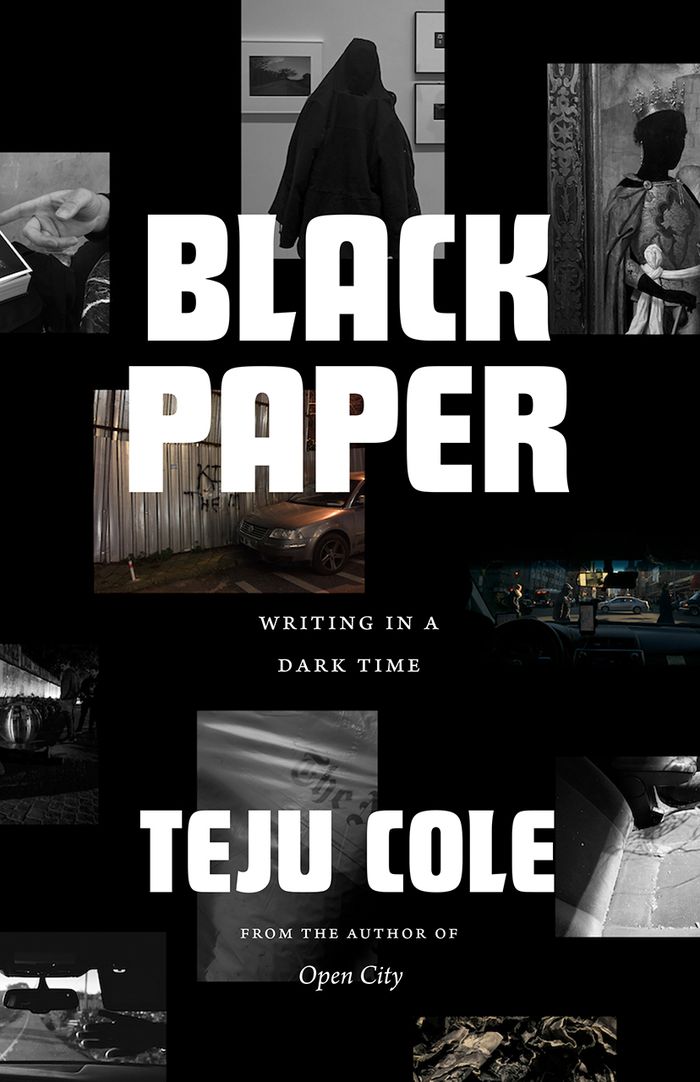
'Darkness is not empty,' writes Teju Cole in ''Black Paper,'' a book that meditates on what it means to sustain our humanity—and witness the humanity of others—in a time of darkness. One of the most celebrated essayists of his generation, Cole here plays variations on the essay form, modeling ways to attend to experience—not just to take in but to think critically about what we sense and what we don’t. Wide-ranging but thematically unified, the essays address ethical questions about what it means to be human and what it means to bear witness, recognizing how our individual present is informed by a collective past. Cole’s writings in ''Black Paper'' approach the fractured moment of our history through a constellation of interrelated concerns: confrontation with unsettling art, elegies both public and private, the defense of writing in a time of political upheaval, the role of the color black in the visual arts, the use of shadow in photography, and the links between literature and activism. Throughout, Cole gives us intriguing new ways of thinking about blackness and its numerous connotations. As he describes the carbon-copy process in his epilogue: 'Writing on the top white sheet would transfer the carbon from the black paper onto the bottom white sheet. Black transported the meaning.'
Black paper : writing in a dark time
Actions:
Price:
$33.95
(available to order)
Summary:
'Darkness is not empty,' writes Teju Cole in ''Black Paper,'' a book that meditates on what it means to sustain our humanity—and witness the humanity of others—in a time of darkness. One of the most celebrated essayists of his generation, Cole here plays variations on the essay form, modeling ways to attend to experience—not just to take in but to think critically about what we sense and what we don’t. Wide-ranging but thematically unified, the essays address ethical questions about what it means to be human and what it means to bear witness, recognizing how our individual present is informed by a collective past. Cole’s writings in ''Black Paper'' approach the fractured moment of our history through a constellation of interrelated concerns: confrontation with unsettling art, elegies both public and private, the defense of writing in a time of political upheaval, the role of the color black in the visual arts, the use of shadow in photography, and the links between literature and activism. Throughout, Cole gives us intriguing new ways of thinking about blackness and its numerous connotations. As he describes the carbon-copy process in his epilogue: 'Writing on the top white sheet would transfer the carbon from the black paper onto the bottom white sheet. Black transported the meaning.'
Form:
books
books
Publication:
October 2021
October 2021
Subject:
Social
Social
Form:
books
books
Price:
$59.95
(available to order)
Summary:
Wallace’s work has played an important role in contemporary art over the past 50 years, from his early experiments with minimalism to his production of serial photographic tableaux and his subsequent juxtapositions of photography with monochrome painting. Consistently demonstrating conceptual rigour and aesthetic innovation, Wallace’s work can be considered a reflection(...)
$59.95
(available to order)
Summary:
Wallace’s work has played an important role in contemporary art over the past 50 years, from his early experiments with minimalism to his production of serial photographic tableaux and his subsequent juxtapositions of photography with monochrome painting. Consistently demonstrating conceptual rigour and aesthetic innovation, Wallace’s work can be considered a reflection(...)
Title:
Ian Wallace : at the intersection of painting and photography
Actions:
Price:
$59.95
(available to order)
Summary:
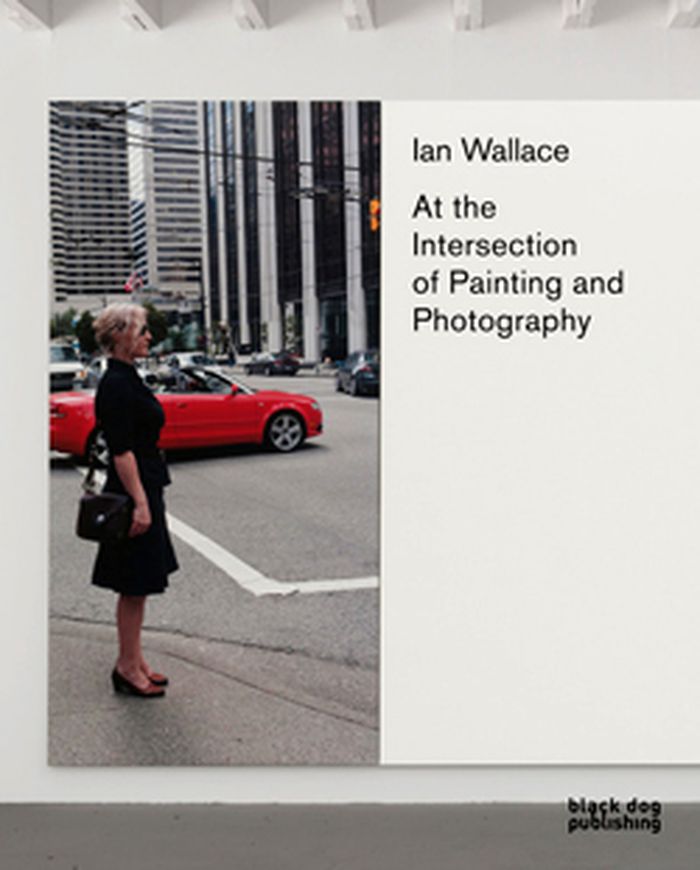
Wallace’s work has played an important role in contemporary art over the past 50 years, from his early experiments with minimalism to his production of serial photographic tableaux and his subsequent juxtapositions of photography with monochrome painting. Consistently demonstrating conceptual rigour and aesthetic innovation, Wallace’s work can be considered a reflection of his position as social historian, critic and educator, with influences as far reaching as film and literature, the role of the institution, architecture, urban development, gender relations, environmentalism and civil disobedience. Organised in clear, concise sections that mirror the intersecting motifs that are present throughout Wallace’s practice : Minimalism, Narrative, Text Works, The Street, The Museum and The Studio, At the Intersection of Painting and Photography features essays that chart Wallace’s career over the past five decades by Daina Augaitis, Jeff Derksen, Diedrich Diederichsen, Stan Douglas, Jessica Morgan, Christine Poggi, Kathleen Ritter and William Wood. The book also includes a selection of five essays by the artist himself and an annotated chronology by Grant Arnold, providing the perfect introduction to Wallace’s lasting career and marking his influence on contemporary art today. A comprehensive publication exploring the oeuvre of Canadian artist Ian Wallace, At the Intersection of Painting and Photography accompanies a major survey of Wallace's work at the Vancouver Art Gallery, opening in October 2012.
Ian Wallace : at the intersection of painting and photography
Actions:
Price:
$59.95
(available to order)
Summary:
Wallace’s work has played an important role in contemporary art over the past 50 years, from his early experiments with minimalism to his production of serial photographic tableaux and his subsequent juxtapositions of photography with monochrome painting. Consistently demonstrating conceptual rigour and aesthetic innovation, Wallace’s work can be considered a reflection of his position as social historian, critic and educator, with influences as far reaching as film and literature, the role of the institution, architecture, urban development, gender relations, environmentalism and civil disobedience. Organised in clear, concise sections that mirror the intersecting motifs that are present throughout Wallace’s practice : Minimalism, Narrative, Text Works, The Street, The Museum and The Studio, At the Intersection of Painting and Photography features essays that chart Wallace’s career over the past five decades by Daina Augaitis, Jeff Derksen, Diedrich Diederichsen, Stan Douglas, Jessica Morgan, Christine Poggi, Kathleen Ritter and William Wood. The book also includes a selection of five essays by the artist himself and an annotated chronology by Grant Arnold, providing the perfect introduction to Wallace’s lasting career and marking his influence on contemporary art today. A comprehensive publication exploring the oeuvre of Canadian artist Ian Wallace, At the Intersection of Painting and Photography accompanies a major survey of Wallace's work at the Vancouver Art Gallery, opening in October 2012.
Form:
books
books
Publication:
October 2012
October 2012
Subject:
Photography monographs
Photography monographs
Form:
books
books
Actions:
Price:
$46.99
(available to order)
Summary:
Between 1936 and 1941 Walker Evans and James Agee collaborated on one of the most provocative books in American literature, "Let Us Now Praise Famous Men" (1941). While at work on this book, the two also conceived another less well-known but equally important book project entitled "Many Are Called". This three-year photographic study of subway passengers made with a(...)
$46.99
(available to order)
Summary:
Between 1936 and 1941 Walker Evans and James Agee collaborated on one of the most provocative books in American literature, "Let Us Now Praise Famous Men" (1941). While at work on this book, the two also conceived another less well-known but equally important book project entitled "Many Are Called". This three-year photographic study of subway passengers made with a(...)
Title:
Many are called : Walker Evans
Actions:
Price:
$46.99
(available to order)
Summary:
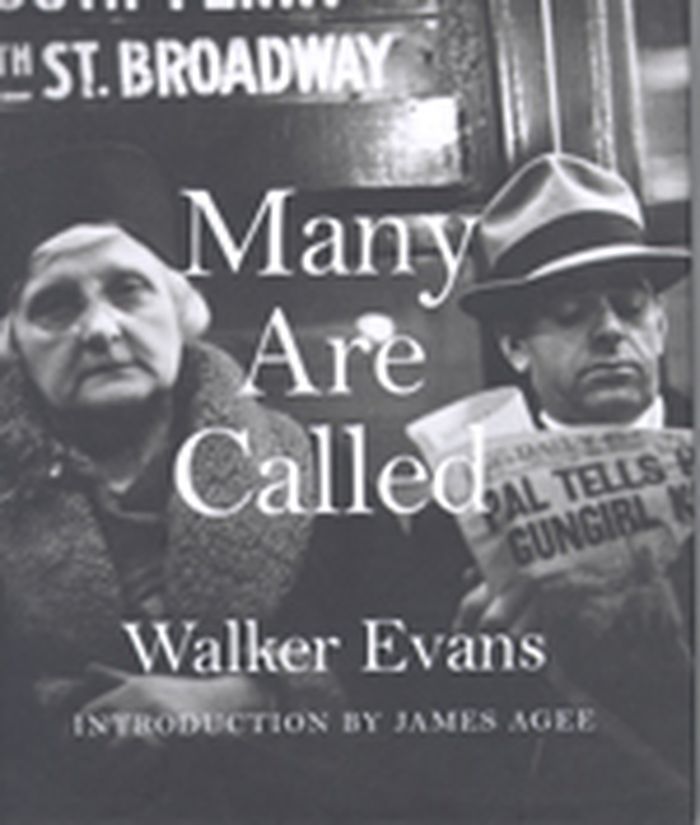
Between 1936 and 1941 Walker Evans and James Agee collaborated on one of the most provocative books in American literature, "Let Us Now Praise Famous Men" (1941). While at work on this book, the two also conceived another less well-known but equally important book project entitled "Many Are Called". This three-year photographic study of subway passengers made with a hidden camera was first published in 1966, with an introduction written by Agee in 1940. Long out of print, "Many Are Called" is now being reissued with a new foreword and afterword and with exquisitely reproduced images from newly prepared digital scans. "Many Are Called" came to fruition at a slow pace. In 1938, Walker Evans began surreptitiously photographing people on the New York City subway. With his camera hidden in his coat--the lens peeking through a buttonhole--he captured the faces of riders hurtling through the dark tunnels, wrapped in their own private thoughts. By 1940-41, Evans had made over six hundred photographs and had begun to edit the series. The book remained unpublished until 1966 when The Museum of Modern Art mounted an exhibition of Evans’s subway portraits. This beautiful new edition--published in the centenary year of the NYC subway--is an essential book for all admirers of Evans’s unparalleled photographs, Agee’s elegant prose, and the great City of New York. Designed by Katy Homans with an introduction by Luc Santé.
Many are called : Walker Evans
Actions:
Price:
$46.99
(available to order)
Summary:
Between 1936 and 1941 Walker Evans and James Agee collaborated on one of the most provocative books in American literature, "Let Us Now Praise Famous Men" (1941). While at work on this book, the two also conceived another less well-known but equally important book project entitled "Many Are Called". This three-year photographic study of subway passengers made with a hidden camera was first published in 1966, with an introduction written by Agee in 1940. Long out of print, "Many Are Called" is now being reissued with a new foreword and afterword and with exquisitely reproduced images from newly prepared digital scans. "Many Are Called" came to fruition at a slow pace. In 1938, Walker Evans began surreptitiously photographing people on the New York City subway. With his camera hidden in his coat--the lens peeking through a buttonhole--he captured the faces of riders hurtling through the dark tunnels, wrapped in their own private thoughts. By 1940-41, Evans had made over six hundred photographs and had begun to edit the series. The book remained unpublished until 1966 when The Museum of Modern Art mounted an exhibition of Evans’s subway portraits. This beautiful new edition--published in the centenary year of the NYC subway--is an essential book for all admirers of Evans’s unparalleled photographs, Agee’s elegant prose, and the great City of New York. Designed by Katy Homans with an introduction by Luc Santé.
Form:
books
books
Publication:
January 1900, New Haven, London
January 1900, New Haven, London
Subject:
Photography monographs
Photography monographs
Form:
books
books
Actions:
Price:
$46.95
(available to order)
Summary:
Post, ex, sub and dis - these are but a few of the prefixes that have been used to compose neologisms for describing the contemporary cityscape in Western Europe and North America. Terms such as posturban space, postsuburbia, exurbia, exopolis, suburban downtown and disurbia are part of a dizzying collection of often hotly contested labels. The plethora of neologisms(...)
$46.95
(available to order)
Summary:
Post, ex, sub and dis - these are but a few of the prefixes that have been used to compose neologisms for describing the contemporary cityscape in Western Europe and North America. Terms such as posturban space, postsuburbia, exurbia, exopolis, suburban downtown and disurbia are part of a dizzying collection of often hotly contested labels. The plethora of neologisms(...)
Title:
Post ex sub dis : urban fragmentations and constructions
Actions:
Price:
$46.95
(available to order)
Summary:
Post, ex, sub and dis - these are but a few of the prefixes that have been used to compose neologisms for describing the contemporary cityscape in Western Europe and North America. Terms such as posturban space, postsuburbia, exurbia, exopolis, suburban downtown and disurbia are part of a dizzying collection of often hotly contested labels. The plethora of neologisms demonstrates how difficult it has become to name, map and analyse the contemporary cityscape. To many observers, urban environments and urban society have come to evince a radically chaotic and fragmented structure. This book explores how in recent decades the notion of fragmentation - a mainstay already of reflections on urban modernity - has acquired new meanings and how, within the current decentralized and centrifugal context, the urban landscape is constantly being deconstructed and reconstructed, both materially and discursively. Richly illustrated with works by artists and photographers who have visualized various new kinds of urban fragmentation, the volume brings together a series of essays on spatial, social and cultural issues written by distinguished scholars and practitioners from an unusual variety of disciplines. It will be especially useful to students of urban planning, architecture, sociology, literature and the arts. With text contributions by Aaron Betsky, Sophie Body-Gendrot, Stefano Boeri, Lizabeth Cohen, Rosalyn Deutsche, Bart Eeckhout, Adriaan Geuze, Paul Gilroy, Steven Jacobs, Regine Leibinger, Scott Malcomson, Peter Marcuse, Bruce Robbins, Luc Sante, William Sharpe, Edward W. Soja and Mark Wigley.
Post ex sub dis : urban fragmentations and constructions
Actions:
Price:
$46.95
(available to order)
Summary:
Post, ex, sub and dis - these are but a few of the prefixes that have been used to compose neologisms for describing the contemporary cityscape in Western Europe and North America. Terms such as posturban space, postsuburbia, exurbia, exopolis, suburban downtown and disurbia are part of a dizzying collection of often hotly contested labels. The plethora of neologisms demonstrates how difficult it has become to name, map and analyse the contemporary cityscape. To many observers, urban environments and urban society have come to evince a radically chaotic and fragmented structure. This book explores how in recent decades the notion of fragmentation - a mainstay already of reflections on urban modernity - has acquired new meanings and how, within the current decentralized and centrifugal context, the urban landscape is constantly being deconstructed and reconstructed, both materially and discursively. Richly illustrated with works by artists and photographers who have visualized various new kinds of urban fragmentation, the volume brings together a series of essays on spatial, social and cultural issues written by distinguished scholars and practitioners from an unusual variety of disciplines. It will be especially useful to students of urban planning, architecture, sociology, literature and the arts. With text contributions by Aaron Betsky, Sophie Body-Gendrot, Stefano Boeri, Lizabeth Cohen, Rosalyn Deutsche, Bart Eeckhout, Adriaan Geuze, Paul Gilroy, Steven Jacobs, Regine Leibinger, Scott Malcomson, Peter Marcuse, Bruce Robbins, Luc Sante, William Sharpe, Edward W. Soja and Mark Wigley.
Form:
books
books
Publication:
November 2002, Rotterdam
November 2002, Rotterdam
Subject:
Urban Theory
Urban Theory
Form:
books
books
Title:
One-way street
One-way street
Actions:
Price:
$19.95
(available to order)
Summary:
One-Way Street is a thoroughfare unlike anything else in literature?by turns exhilarating and bewildering, requiring mental agility and a special kind of urban literacy. Presented here in a new edition with expanded notes, this genre-defying meditation on the semiotics of late-1920s Weimar culture offers a fresh opportunity to encounter Walter Benjamin at his most(...)
$19.95
(available to order)
Summary:
One-Way Street is a thoroughfare unlike anything else in literature?by turns exhilarating and bewildering, requiring mental agility and a special kind of urban literacy. Presented here in a new edition with expanded notes, this genre-defying meditation on the semiotics of late-1920s Weimar culture offers a fresh opportunity to encounter Walter Benjamin at his most(...)
Title:
One-way street
Actions:
Price:
$19.95
(available to order)
Summary:
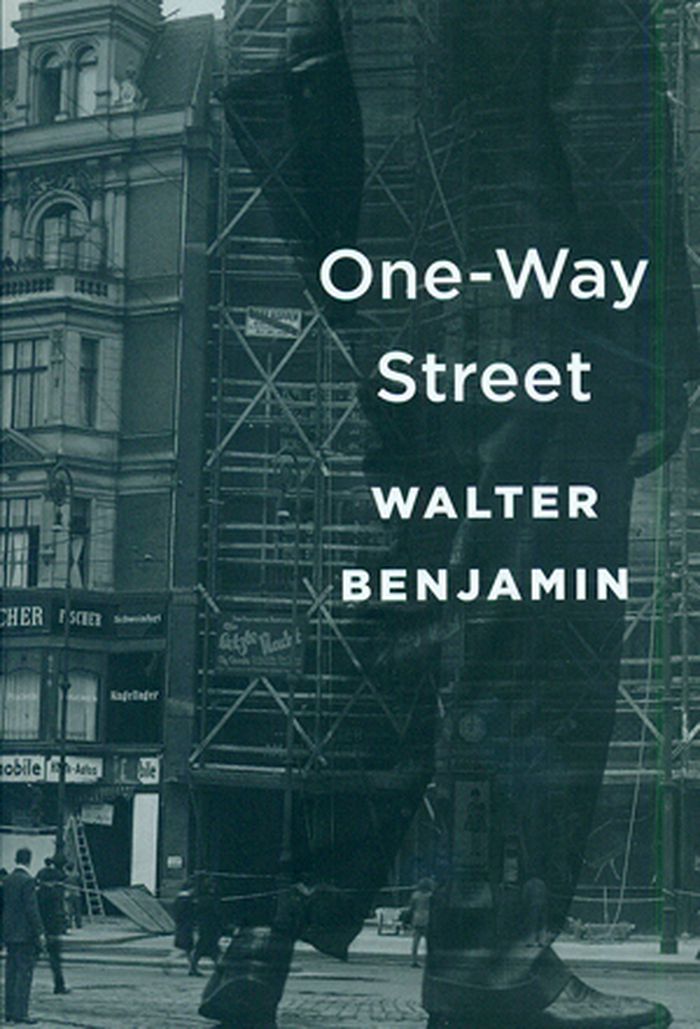
One-Way Street is a thoroughfare unlike anything else in literature?by turns exhilarating and bewildering, requiring mental agility and a special kind of urban literacy. Presented here in a new edition with expanded notes, this genre-defying meditation on the semiotics of late-1920s Weimar culture offers a fresh opportunity to encounter Walter Benjamin at his most virtuosic and experimental, writing in a vein that anticipates later masterpieces such as “On the Concept of History” and The Arcades Project. Composed of sixty short prose pieces that vary wildly in style and theme, One-Way Street evokes a dense cityscape of shops, cafes, and apartments, alive with the hubbub of social interactions and papered over with public inscriptions of all kinds: advertisements, signs, posters, slogans. Benjamin avoids all semblance of linear narrative, enticing readers with a seemingly random sequence of aphorisms, reminiscences, jokes, off-the-cuff observations, dreamlike fantasias, serious philosophical inquiries, apparently unserious philosophical parodies, and trenchant political commentaries. Providing remarkable insight into the occluded meanings of everyday things, Benjamin time and again proves himself the unrivalled interpreter of what he called “the soul of the commodity.” Despite the diversity of its individual sections, Benjamin’s text is far from formless. Drawing on the avant-garde aesthetics of Dada, Constructivism, and Surrealism, its unusual construction implies a practice of reading that cannot be reduced to simple formulas. Still refractory, still radical, One-Way Street is a work in perpetual progress.
One-way street
Actions:
Price:
$19.95
(available to order)
Summary:
One-Way Street is a thoroughfare unlike anything else in literature?by turns exhilarating and bewildering, requiring mental agility and a special kind of urban literacy. Presented here in a new edition with expanded notes, this genre-defying meditation on the semiotics of late-1920s Weimar culture offers a fresh opportunity to encounter Walter Benjamin at his most virtuosic and experimental, writing in a vein that anticipates later masterpieces such as “On the Concept of History” and The Arcades Project. Composed of sixty short prose pieces that vary wildly in style and theme, One-Way Street evokes a dense cityscape of shops, cafes, and apartments, alive with the hubbub of social interactions and papered over with public inscriptions of all kinds: advertisements, signs, posters, slogans. Benjamin avoids all semblance of linear narrative, enticing readers with a seemingly random sequence of aphorisms, reminiscences, jokes, off-the-cuff observations, dreamlike fantasias, serious philosophical inquiries, apparently unserious philosophical parodies, and trenchant political commentaries. Providing remarkable insight into the occluded meanings of everyday things, Benjamin time and again proves himself the unrivalled interpreter of what he called “the soul of the commodity.” Despite the diversity of its individual sections, Benjamin’s text is far from formless. Drawing on the avant-garde aesthetics of Dada, Constructivism, and Surrealism, its unusual construction implies a practice of reading that cannot be reduced to simple formulas. Still refractory, still radical, One-Way Street is a work in perpetual progress.
Form:
books
books
Publication:
May 2016
May 2016
Subject:
Critical Theory
Critical Theory
Form:
books
books
Title:
The Hollywood sign
The Hollywood sign
Actions:
Price:
$27.95
(available to order)
Summary:
Hollywood's famous sign, constructed of massive white block letters set into a steep hillside, is an emblem of the movie capital it looms over and an international symbol of glamour and star power. To so many who see its image, the sign represents the earthly home of that otherwise ethereal world of fame, stardom, and celebrity -the goal of American and worldwide(...)
$27.95
(available to order)
Summary:
Hollywood's famous sign, constructed of massive white block letters set into a steep hillside, is an emblem of the movie capital it looms over and an international symbol of glamour and star power. To so many who see its image, the sign represents the earthly home of that otherwise ethereal world of fame, stardom, and celebrity -the goal of American and worldwide(...)
Title:
The Hollywood sign
Actions:
Price:
$27.95
(available to order)
Summary:
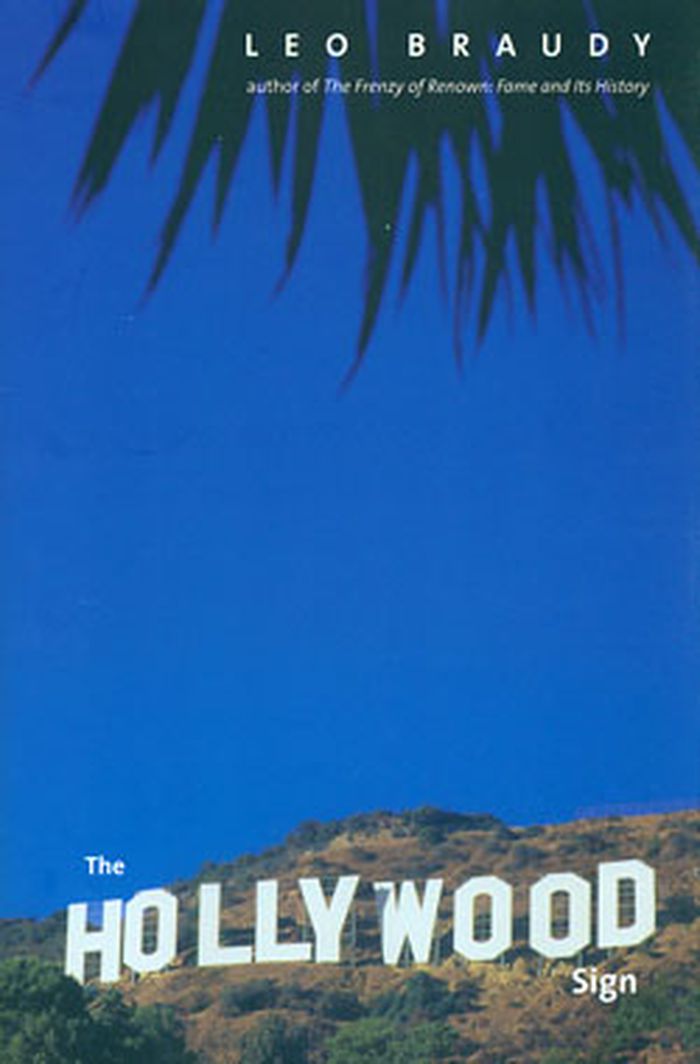
Hollywood's famous sign, constructed of massive white block letters set into a steep hillside, is an emblem of the movie capital it looms over and an international symbol of glamour and star power. To so many who see its image, the sign represents the earthly home of that otherwise ethereal world of fame, stardom, and celebrity -the goal of American and worldwide aspiration to be in the limelight, to be, like the Hollywood sign itself, instantly recognizable. How an advertisement erected in 1923, touting the real estate development Hollywoodland, took on a life of its own is a story worthy of the entertainment world that is its focus. Leo Braudy traces the remarkable history of this distinctly American landmark, which has been saved over the years by a disparate group of fans and supporters, among them Alice Cooper and Hugh Hefner, who spearheaded its reconstruction in the 1970s. He also uses the sign's history to offer an intriguing look at the rise of the movie business from its earliest, silent days through the development of the studio system that helped define modern Hollywood. Mixing social history, urban studies, literature, and film, along with forays into such topics as the lure of Hollywood for utopian communities and the development of domestic architecture in Los Angeles, The Hollywood Sign is a fascinating account of how a temporary structure has become a permanent icon of American culture.
The Hollywood sign
Actions:
Price:
$27.95
(available to order)
Summary:
Hollywood's famous sign, constructed of massive white block letters set into a steep hillside, is an emblem of the movie capital it looms over and an international symbol of glamour and star power. To so many who see its image, the sign represents the earthly home of that otherwise ethereal world of fame, stardom, and celebrity -the goal of American and worldwide aspiration to be in the limelight, to be, like the Hollywood sign itself, instantly recognizable. How an advertisement erected in 1923, touting the real estate development Hollywoodland, took on a life of its own is a story worthy of the entertainment world that is its focus. Leo Braudy traces the remarkable history of this distinctly American landmark, which has been saved over the years by a disparate group of fans and supporters, among them Alice Cooper and Hugh Hefner, who spearheaded its reconstruction in the 1970s. He also uses the sign's history to offer an intriguing look at the rise of the movie business from its earliest, silent days through the development of the studio system that helped define modern Hollywood. Mixing social history, urban studies, literature, and film, along with forays into such topics as the lure of Hollywood for utopian communities and the development of domestic architecture in Los Angeles, The Hollywood Sign is a fascinating account of how a temporary structure has become a permanent icon of American culture.
Form:
books
books
Publication:
March 2011
March 2011
Subject:
Signage
Signage
Form:
books
books
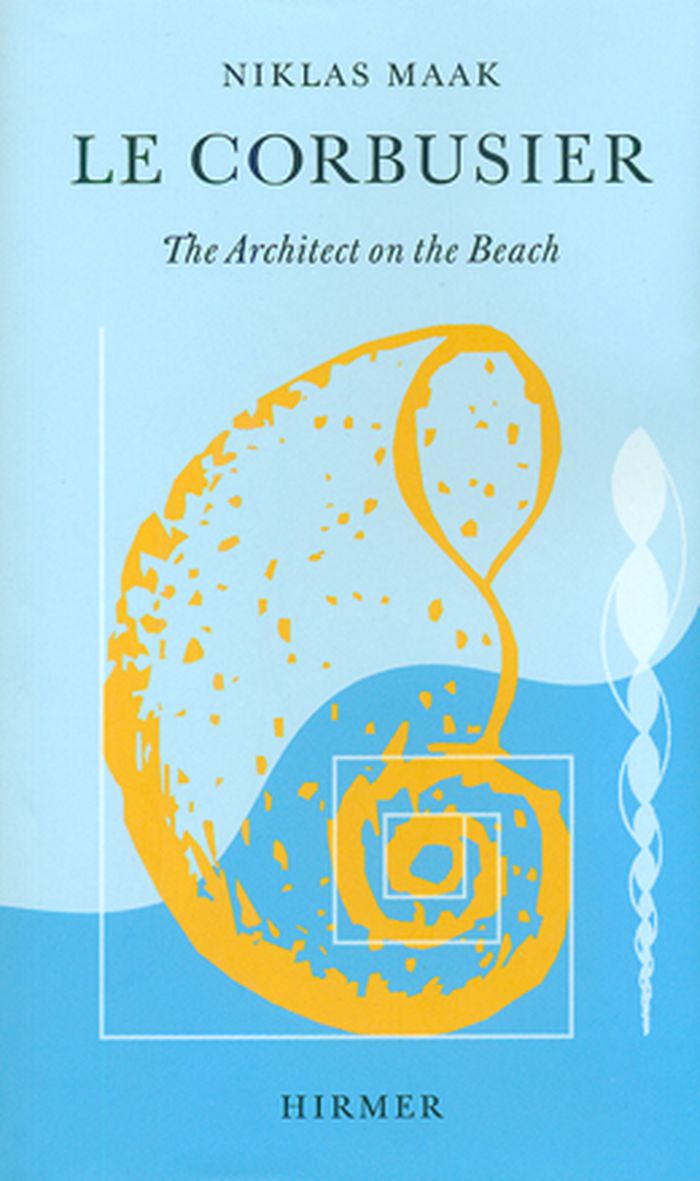
Actions:
Price:
$32.95
(available to order)
Summary:
The mastermind behind what he termed beautiful and functional “machines for living,” Le Corbusier has long been recognized as one of the foremost figures in the international style of architecture. Yet, beginning in the 1940s, the famed architect and urbanist increasingly took modernism in a new direction that has until now been insufficiently considered—and little(...)
$32.95
(available to order)
Summary:
The mastermind behind what he termed beautiful and functional “machines for living,” Le Corbusier has long been recognized as one of the foremost figures in the international style of architecture. Yet, beginning in the 1940s, the famed architect and urbanist increasingly took modernism in a new direction that has until now been insufficiently considered—and little(...)
Title:
Le Corbusier: The architect on the beach
Actions:
Price:
$32.95
(available to order)
Summary:
The mastermind behind what he termed beautiful and functional “machines for living,” Le Corbusier has long been recognized as one of the foremost figures in the international style of architecture. Yet, beginning in the 1940s, the famed architect and urbanist increasingly took modernism in a new direction that has until now been insufficiently considered—and little understood. Dispensing with his trademark suit and bowtie, Le Corbusier was spending increasing amounts of time at the shore in the 1940s, collecting stones, shells, and other jetsam, and enjoying the works of the philosopher and ardent shell collector Paul Valéry. And it was here that the seemingly hyper-rational architect developed a revolutionary new theory of design, built around these polished and splintered shapes. Stating that nature was the source of his inspiration, Le Corbusier embarked on a meandering odyssey through the literature and esoteric writings of his day, going on to produce such unorthodox projects as Chandigarh’s Palace of Assembly and the strange and beautiful Ronchamp Chapel in Paris, whose roof is said to have been modeled after an inverted crab’s shell. The development of Le Corbusier’s new approach not only changed modernism but also inspired—and continues to inspire—new shapes and lines in the work of a host of architects. In this superbly written and accessible piece of architectural history, Maak develops the intricate story of a breakthrough in architecture that began on a beach.
Le Corbusier: The architect on the beach
Actions:
Price:
$32.95
(available to order)
Summary:
The mastermind behind what he termed beautiful and functional “machines for living,” Le Corbusier has long been recognized as one of the foremost figures in the international style of architecture. Yet, beginning in the 1940s, the famed architect and urbanist increasingly took modernism in a new direction that has until now been insufficiently considered—and little understood. Dispensing with his trademark suit and bowtie, Le Corbusier was spending increasing amounts of time at the shore in the 1940s, collecting stones, shells, and other jetsam, and enjoying the works of the philosopher and ardent shell collector Paul Valéry. And it was here that the seemingly hyper-rational architect developed a revolutionary new theory of design, built around these polished and splintered shapes. Stating that nature was the source of his inspiration, Le Corbusier embarked on a meandering odyssey through the literature and esoteric writings of his day, going on to produce such unorthodox projects as Chandigarh’s Palace of Assembly and the strange and beautiful Ronchamp Chapel in Paris, whose roof is said to have been modeled after an inverted crab’s shell. The development of Le Corbusier’s new approach not only changed modernism but also inspired—and continues to inspire—new shapes and lines in the work of a host of architects. In this superbly written and accessible piece of architectural history, Maak develops the intricate story of a breakthrough in architecture that began on a beach.
Form:
books
books
Publication:
August 2011
August 2011
Subject:
Architecture Monographs
Architecture Monographs


