


483 Results
Form:
books
books
Title:
Olson Sundberg Kunding Allen Architects : art + architecture : the Ebsworth collection + residence
Olson Sundberg Kunding Allen Architects : art + architecture : the Ebsworth collection + residence
Actions:
Price:
$81.50
(available to order)
Summary:
San Francisco, 2006. This volume invites the reader into the elegant Seattle home of the collector Barney A. Ebsworth, who owns an important private collections of modern American art. The house was designed specifically for the collection, which includes seminal paintings and sculptures by Hopper, de Kooning, Pollock, O'Keefe, Johns, Hockney and Calder, among many(...)
$81.50
(available to order)
Summary:
San Francisco, 2006. This volume invites the reader into the elegant Seattle home of the collector Barney A. Ebsworth, who owns an important private collections of modern American art. The house was designed specifically for the collection, which includes seminal paintings and sculptures by Hopper, de Kooning, Pollock, O'Keefe, Johns, Hockney and Calder, among many(...)
Subject:
Architecture Monographs
Architecture Monographs
Publication:
May 2006, San Francisco
May 2006, San Francisco
Title:
Olson Sundberg Kunding Allen Architects : art + architecture : the Ebsworth collection + residence
Actions:
Price:
$81.50
(available to order)
Summary:
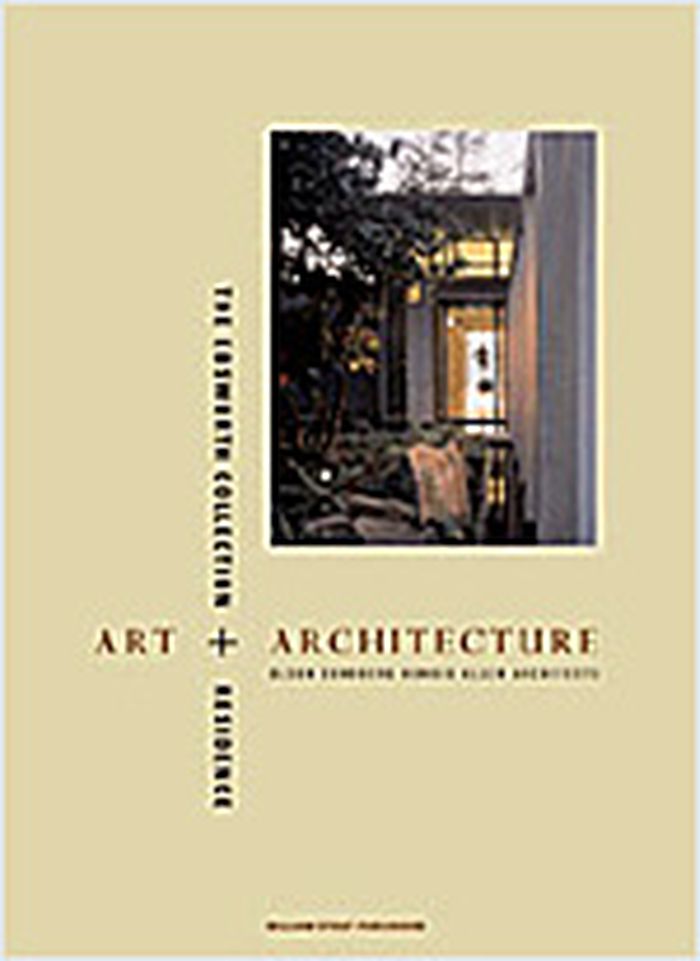
San Francisco, 2006. This volume invites the reader into the elegant Seattle home of the collector Barney A. Ebsworth, who owns an important private collections of modern American art. The house was designed specifically for the collection, which includes seminal paintings and sculptures by Hopper, de Kooning, Pollock, O'Keefe, Johns, Hockney and Calder, among many others. "Art + architecture" is one of the first examinations ever of how a collector works with an architecture firm-in this case, Olson Sundberg Kundig Allen which understands the alchemy that allows a great work of art to exist independently in a room, and still allow the residents to live life around it. This book includes photos of the art in the home and also beautiful color reproductions of each piece. With an essay by Franklin Kelly, curator of British and American art at the National Gallery.
Olson Sundberg Kunding Allen Architects : art + architecture : the Ebsworth collection + residence
Actions:
Price:
$81.50
(available to order)
Summary:
San Francisco, 2006. This volume invites the reader into the elegant Seattle home of the collector Barney A. Ebsworth, who owns an important private collections of modern American art. The house was designed specifically for the collection, which includes seminal paintings and sculptures by Hopper, de Kooning, Pollock, O'Keefe, Johns, Hockney and Calder, among many others. "Art + architecture" is one of the first examinations ever of how a collector works with an architecture firm-in this case, Olson Sundberg Kundig Allen which understands the alchemy that allows a great work of art to exist independently in a room, and still allow the residents to live life around it. This book includes photos of the art in the home and also beautiful color reproductions of each piece. With an essay by Franklin Kelly, curator of British and American art at the National Gallery.
Form:
books
books
Publication:
May 2006, San Francisco
May 2006, San Francisco
Subject:
Architecture Monographs
Architecture Monographs
Form:
books
books
Title:
Hotel as home
Hotel as home
Actions:
Price:
$37.95
(available to order)
Summary:
Architect and photographer Gary Chang spends about 120 days a year traveling all over the world, but he doesn't stay at just any hotel. He plans his trips with exhaustive research on the hotels of his destination and even stays at several different ones during the same trip to one city. His favorite hotels are those places that have a certain special quality, ranging from(...)
$37.95
(available to order)
Summary:
Architect and photographer Gary Chang spends about 120 days a year traveling all over the world, but he doesn't stay at just any hotel. He plans his trips with exhaustive research on the hotels of his destination and even stays at several different ones during the same trip to one city. His favorite hotels are those places that have a certain special quality, ranging from(...)
Subject:
Commercial interiors, Building types
Commercial interiors, Building types
Publication:
October 2006, New York
October 2006, New York
Title:
Hotel as home
Actions:
Price:
$37.95
(available to order)
Summary:
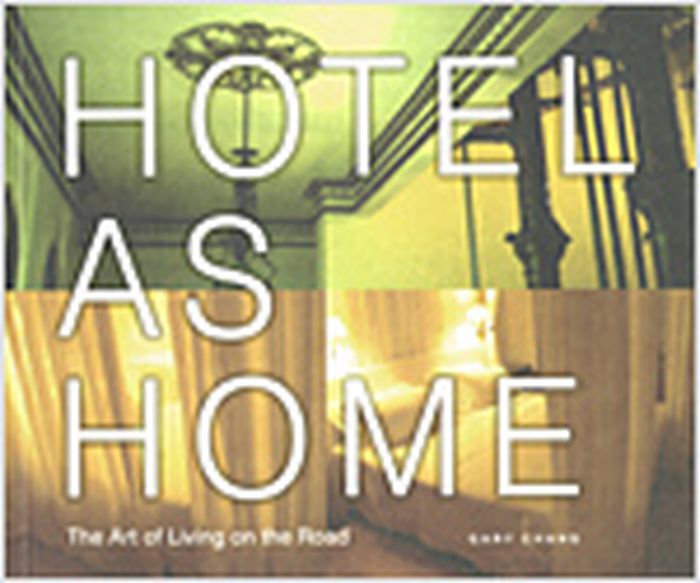
Architect and photographer Gary Chang spends about 120 days a year traveling all over the world, but he doesn't stay at just any hotel. He plans his trips with exhaustive research on the hotels of his destination and even stays at several different ones during the same trip to one city. His favorite hotels are those places that have a certain special quality, ranging from New York's kitschy Maritime to Budapest's classic Gellert to Zurich's brand-spanking new Zurichberg. Chang's most-loved finds are documented in beautiful photographs, his hand drawn floor plans, and personal texts in Hotel as Home. He presents thirty-five hotels from around the world in this atmospheric book — from the Hotel 101 in Reykjavik to the Hotel Le Corbusier in Marseilles, the Soho House Hotel in New York, the W Hotel in Sydney, the Four Seasons in Tokyo, and the Hotel Metropolitan in Bangkok.
Hotel as home
Actions:
Price:
$37.95
(available to order)
Summary:
Architect and photographer Gary Chang spends about 120 days a year traveling all over the world, but he doesn't stay at just any hotel. He plans his trips with exhaustive research on the hotels of his destination and even stays at several different ones during the same trip to one city. His favorite hotels are those places that have a certain special quality, ranging from New York's kitschy Maritime to Budapest's classic Gellert to Zurich's brand-spanking new Zurichberg. Chang's most-loved finds are documented in beautiful photographs, his hand drawn floor plans, and personal texts in Hotel as Home. He presents thirty-five hotels from around the world in this atmospheric book — from the Hotel 101 in Reykjavik to the Hotel Le Corbusier in Marseilles, the Soho House Hotel in New York, the W Hotel in Sydney, the Four Seasons in Tokyo, and the Hotel Metropolitan in Bangkok.
Form:
books
books
Publication:
October 2006, New York
October 2006, New York
Subject:
Commercial interiors, Building types
Commercial interiors, Building types
Form:
books
books
Holdings:
Description:
374 pages : illustrations (some color) ; 31 cm
Description:
374 pages : illustrations (some color) ; 31 cm
Author:
Subject:
Publication:
Toronto, Ont. : McClelland & Stewart, ©1995.
Toronto, Ont. : McClelland & Stewart, ©1995.
Title:
The Group of Seven : art for a nation / Charles C. Hill.
Actions:
Holdings:
Description:
374 pages : illustrations (some color) ; 31 cm
The Group of Seven : art for a nation / Charles C. Hill.
Actions:
Holdings:
Description:
374 pages : illustrations (some color) ; 31 cm
Form:
books
books
Publication:
Toronto, Ont. : McClelland & Stewart, ©1995.
Toronto, Ont. : McClelland & Stewart, ©1995.
Author:
Subject:
Form:
books
books
Price:
$115.00
(available to order)
Summary:
The discovery of and excavations at Pompeii in the second half of the eighteenth century not only provided historians with a trove of information about ancient Roman civilization but also fired artists' imaginations and inaugurated the vogue for the "Pompeian style" that so influenced the West in the nineteenth century. This book reproduces, along with commentary, "Le(...)
$115.00
(available to order)
Summary:
The discovery of and excavations at Pompeii in the second half of the eighteenth century not only provided historians with a trove of information about ancient Roman civilization but also fired artists' imaginations and inaugurated the vogue for the "Pompeian style" that so influenced the West in the nineteenth century. This book reproduces, along with commentary, "Le(...)
Subject:
Architectural Drawing
Architectural Drawing
Publication:
September 2002, Los Angeles
September 2002, Los Angeles
Title:
Houses and monuments of Pompeii : the works fo Fausto and Felice Niccolini
Actions:
Price:
$115.00
(available to order)
Summary:
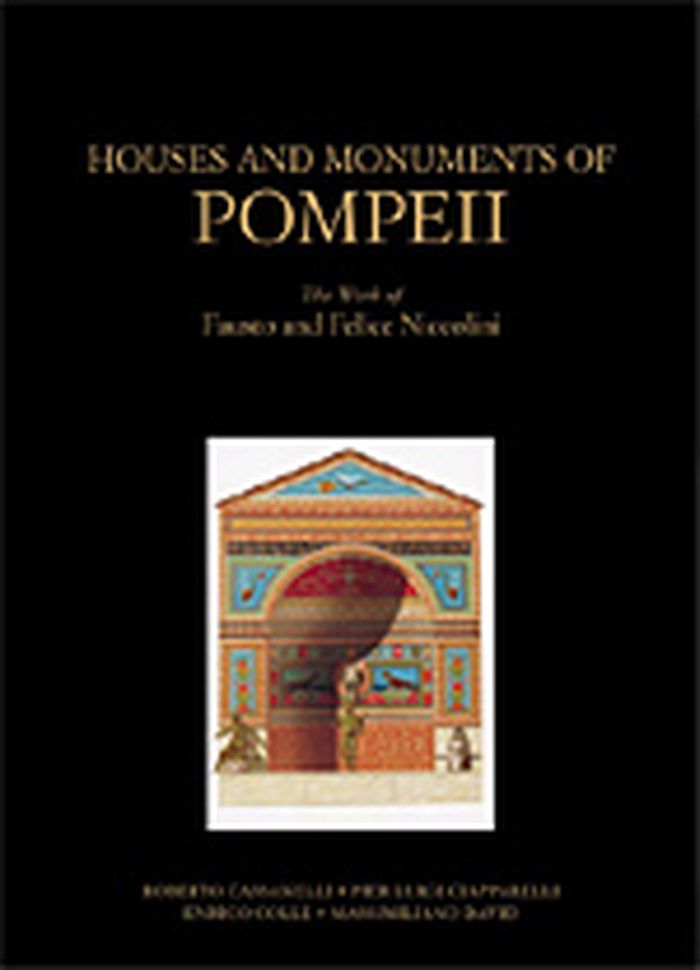
The discovery of and excavations at Pompeii in the second half of the eighteenth century not only provided historians with a trove of information about ancient Roman civilization but also fired artists' imaginations and inaugurated the vogue for the "Pompeian style" that so influenced the West in the nineteenth century. This book reproduces, along with commentary, "Le case i monumenti di Pompeii" (1854) of Fausto and Felice Niccolini, the first work to present completely and systematically all the public and private buildings so far excavated in Pompeii. It features the wondrous watercolors the Niccolinis created to document Pompeii and is thus a beautiful and essential tool in understanding the excavated remains themselves and how the modern archaeologists perceived and recorded the ancient world. These reproduced drawings of the excavations are accompanied by texts that explain the documents by the Niccolinis, as well as the evolution of the Pompeian style in Europe, the pictorial representation of Pompeii in the nineteenth century from engravings to photographs, and the evolving styles of archaeological documentation.
Houses and monuments of Pompeii : the works fo Fausto and Felice Niccolini
Actions:
Price:
$115.00
(available to order)
Summary:
The discovery of and excavations at Pompeii in the second half of the eighteenth century not only provided historians with a trove of information about ancient Roman civilization but also fired artists' imaginations and inaugurated the vogue for the "Pompeian style" that so influenced the West in the nineteenth century. This book reproduces, along with commentary, "Le case i monumenti di Pompeii" (1854) of Fausto and Felice Niccolini, the first work to present completely and systematically all the public and private buildings so far excavated in Pompeii. It features the wondrous watercolors the Niccolinis created to document Pompeii and is thus a beautiful and essential tool in understanding the excavated remains themselves and how the modern archaeologists perceived and recorded the ancient world. These reproduced drawings of the excavations are accompanied by texts that explain the documents by the Niccolinis, as well as the evolution of the Pompeian style in Europe, the pictorial representation of Pompeii in the nineteenth century from engravings to photographs, and the evolving styles of archaeological documentation.
Form:
books
books
Publication:
September 2002, Los Angeles
September 2002, Los Angeles
Subject:
Architectural Drawing
Architectural Drawing
Form:
books
books
Actions:
Price:
$95.95
(available in store)
Summary:
Neoptolemos Michaelides (1920–92) was a pioneer of modern architecture in Cyprus. His designs are based on the desire to develop principles that combine modern architecture with traditional Cypriot construction methods—and the knowledge preserved therein regarding the choice of materials, geographical orientation, natural climate control, and the internal organization of(...)
$95.95
(available in store)
Summary:
Neoptolemos Michaelides (1920–92) was a pioneer of modern architecture in Cyprus. His designs are based on the desire to develop principles that combine modern architecture with traditional Cypriot construction methods—and the knowledge preserved therein regarding the choice of materials, geographical orientation, natural climate control, and the internal organization of(...)
Subject:
Architecture Monographs
Architecture Monographs
Publication:
January 2025
January 2025
Title:
The Maria and Neoptolemos Michaelides residence: Intimations for a new modernity
Actions:
Price:
$95.95
(available in store)
Summary:
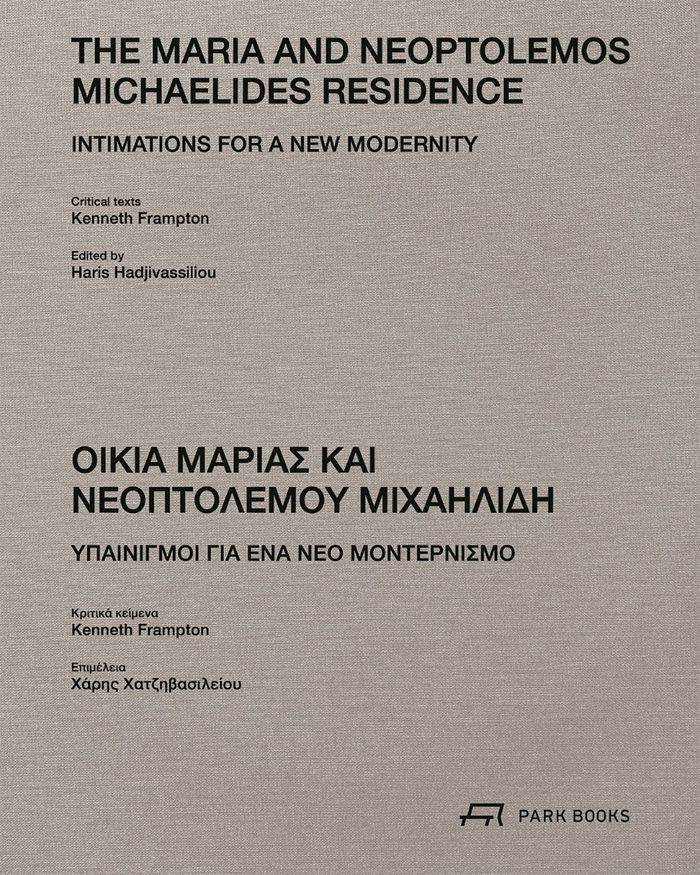
Neoptolemos Michaelides (1920–92) was a pioneer of modern architecture in Cyprus. His designs are based on the desire to develop principles that combine modern architecture with traditional Cypriot construction methods—and the knowledge preserved therein regarding the choice of materials, geographical orientation, natural climate control, and the internal organization of buildings. These principles are rooted in his studies of Western philosophy and even more in his affinity with Eastern philosophical thought, especially the spiritual importance of a harmonious relationship with nature. Between his respect for pure, natural materials and his awareness of elemental forces, his buildings seem both to worship nature and to evoke the Shintoism of Japan. In this first-ever book on the architecture of Neoptolemos Michaelides, the distinguished American architectural historian Kenneth Frampton presents his work in two essays. The first, illustrated with historical photos and documents, is dedicated to thirteen of Michaelides’ most important buildings. The second takes a close look at Michaelides’ own home in Nicosia. New photographs and plan drawings created just for the book on a 1:100 scale document this extraordinary house in detail. The beautiful volume is rounded out with a concise biography of Michaelides.
The Maria and Neoptolemos Michaelides residence: Intimations for a new modernity
Actions:
Price:
$95.95
(available in store)
Summary:
Neoptolemos Michaelides (1920–92) was a pioneer of modern architecture in Cyprus. His designs are based on the desire to develop principles that combine modern architecture with traditional Cypriot construction methods—and the knowledge preserved therein regarding the choice of materials, geographical orientation, natural climate control, and the internal organization of buildings. These principles are rooted in his studies of Western philosophy and even more in his affinity with Eastern philosophical thought, especially the spiritual importance of a harmonious relationship with nature. Between his respect for pure, natural materials and his awareness of elemental forces, his buildings seem both to worship nature and to evoke the Shintoism of Japan. In this first-ever book on the architecture of Neoptolemos Michaelides, the distinguished American architectural historian Kenneth Frampton presents his work in two essays. The first, illustrated with historical photos and documents, is dedicated to thirteen of Michaelides’ most important buildings. The second takes a close look at Michaelides’ own home in Nicosia. New photographs and plan drawings created just for the book on a 1:100 scale document this extraordinary house in detail. The beautiful volume is rounded out with a concise biography of Michaelides.
Form:
books
books
Publication:
January 2025
January 2025
Subject:
Architecture Monographs
Architecture Monographs
Form:
books
books
Title:
The British stable
The British stable
Actions:
Price:
$93.95
(available to order)
Summary:
A magnificently illustrated volume exploring the history, variety, and importance of stables in the British Isles Until the early years of the twentieth century, horses played an essential role in the agriculture, transport, industry, warfare, and sport of Britain. Their stables were practical shelters, but they were also more than that -- in many cases a handsomely(...)
$93.95
(available to order)
Summary:
A magnificently illustrated volume exploring the history, variety, and importance of stables in the British Isles Until the early years of the twentieth century, horses played an essential role in the agriculture, transport, industry, warfare, and sport of Britain. Their stables were practical shelters, but they were also more than that -- in many cases a handsomely(...)
Title:
The British stable
Actions:
Price:
$93.95
(available to order)
Summary:
A magnificently illustrated volume exploring the history, variety, and importance of stables in the British Isles Until the early years of the twentieth century, horses played an essential role in the agriculture, transport, industry, warfare, and sport of Britain. Their stables were practical shelters, but they were also more than that -- in many cases a handsomely appointed stable served as much for the elegant display of horses as for their shelter. This beautiful book, illustrated with over one hundred specially commissioned photographs, focuses attention for the first time on the history, the variety, and the importance of stables in the British Isles. Leading architectural historian Giles Worsley examines stables from the twelfth century through 1914, with special attention to country house stables -- including those at Chatsworth and Kedleston -- where the finest examples of stable design are found. Worsley discusses the factors that influenced the architecture of stables, whether owned by noblemen, great brewing companies, or the British army. Fascinating and lucidly written, “The British Stable” will appeal equally to those with an interest in horses, country houses, architectural history, or the special relationship between horses and the people of Britain.
The British stable
Actions:
Price:
$93.95
(available to order)
Summary:
A magnificently illustrated volume exploring the history, variety, and importance of stables in the British Isles Until the early years of the twentieth century, horses played an essential role in the agriculture, transport, industry, warfare, and sport of Britain. Their stables were practical shelters, but they were also more than that -- in many cases a handsomely appointed stable served as much for the elegant display of horses as for their shelter. This beautiful book, illustrated with over one hundred specially commissioned photographs, focuses attention for the first time on the history, the variety, and the importance of stables in the British Isles. Leading architectural historian Giles Worsley examines stables from the twelfth century through 1914, with special attention to country house stables -- including those at Chatsworth and Kedleston -- where the finest examples of stable design are found. Worsley discusses the factors that influenced the architecture of stables, whether owned by noblemen, great brewing companies, or the British army. Fascinating and lucidly written, “The British Stable” will appeal equally to those with an interest in horses, country houses, architectural history, or the special relationship between horses and the people of Britain.
Form:
books
books
Publication:
October 2004, New Haven
October 2004, New Haven
Subject:
History until 1900
History until 1900
Form:
books
books
Actions:
Price:
$27.95
(available to order)
Summary:
Where will you go when the trouble starts? For countless people around the world, the answer is that bomb shelter down in the basement. In fact, people from around the world have been building shelters to protect themselves from catastrophe—natural disaster, war, nuclear events—for centuries. "Waiting for the End of the World" is photographer Richard Ross's journey into(...)
$27.95
(available to order)
Summary:
Where will you go when the trouble starts? For countless people around the world, the answer is that bomb shelter down in the basement. In fact, people from around the world have been building shelters to protect themselves from catastrophe—natural disaster, war, nuclear events—for centuries. "Waiting for the End of the World" is photographer Richard Ross's journey into(...)
Title:
Waiting for the end of the world
Actions:
Price:
$27.95
(available to order)
Summary:
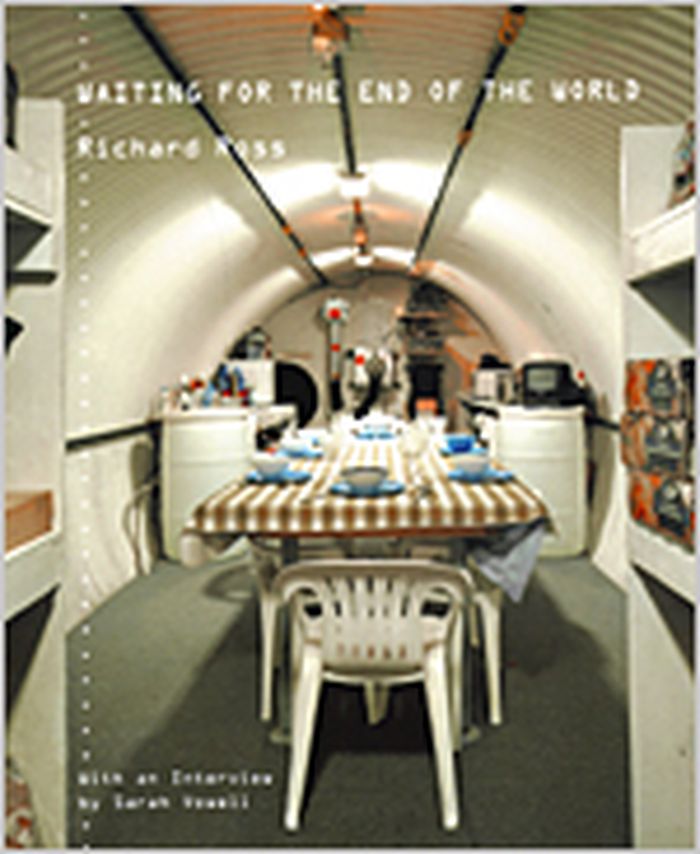
Where will you go when the trouble starts? For countless people around the world, the answer is that bomb shelter down in the basement. In fact, people from around the world have been building shelters to protect themselves from catastrophe—natural disaster, war, nuclear events—for centuries. "Waiting for the End of the World" is photographer Richard Ross's journey into this quirky, somewhat paranoid, and occasionally beautiful underground world. Ross has documented not only the bomb shelters of the United States, but also examples from Vietnam, Russia, England, Turkey, and even Switzerland, where citizens are required by law to have a bomb shelter. Ross's subjects include the Greenbrier Hotel in West Virginia, where a shelter was built to house the entire U.S. Congress, shelters in Beijing, where the Chinese built a complete city underground, and Hittite shelters in Eastern Turkey built some 4,000 years ago. His ethereal images show spaces that at once provide only the barest necessities for survival but maintain a level of idiosyncratic personality that testify to the endurance—and wackiness—of the human spirit. "Waiting for the End of the World" features an interview by author and social commentator Sarah Vowell.
Waiting for the end of the world
Actions:
Price:
$27.95
(available to order)
Summary:
Where will you go when the trouble starts? For countless people around the world, the answer is that bomb shelter down in the basement. In fact, people from around the world have been building shelters to protect themselves from catastrophe—natural disaster, war, nuclear events—for centuries. "Waiting for the End of the World" is photographer Richard Ross's journey into this quirky, somewhat paranoid, and occasionally beautiful underground world. Ross has documented not only the bomb shelters of the United States, but also examples from Vietnam, Russia, England, Turkey, and even Switzerland, where citizens are required by law to have a bomb shelter. Ross's subjects include the Greenbrier Hotel in West Virginia, where a shelter was built to house the entire U.S. Congress, shelters in Beijing, where the Chinese built a complete city underground, and Hittite shelters in Eastern Turkey built some 4,000 years ago. His ethereal images show spaces that at once provide only the barest necessities for survival but maintain a level of idiosyncratic personality that testify to the endurance—and wackiness—of the human spirit. "Waiting for the End of the World" features an interview by author and social commentator Sarah Vowell.
Form:
books
books
Publication:
June 2004, New York
June 2004, New York
Subject:
Photography monographs
Photography monographs
Form:
audio
audio
Description:
1 online resource.
Author:
Subject:
Publication:
[Place of publication not identified] : Lateral Addition, 2018.
[Place of publication not identified] : Lateral Addition, 2018.
Title:
June 21, 2018 : Listening for Southwest Key in San Diego.
Actions:
Description:
1 online resource.
June 21, 2018 : Listening for Southwest Key in San Diego.
Actions:
Description:
1 online resource.
Form:
audio
audio
Publication:
[Place of publication not identified] : Lateral Addition, 2018.
[Place of publication not identified] : Lateral Addition, 2018.
Author:
Subject:
Form:
books
books
Title:
The artist & the garden
The artist & the garden
Actions:
Price:
$75.00
(available to order)
Summary:
This extraordinarily beautiful book gathers together and examines for the first time a delightful collection of English gardens rendered by artists from 1540 to the early nineteenth century, many of which are unknown. Sir Roy Strong, widely recognized for his(...)
$75.00
(available to order)
Summary:
This extraordinarily beautiful book gathers together and examines for the first time a delightful collection of English gardens rendered by artists from 1540 to the early nineteenth century, many of which are unknown. Sir Roy Strong, widely recognized for his(...)
Title:
The artist & the garden
Actions:
Price:
$75.00
(available to order)
Summary:
This extraordinarily beautiful book gathers together and examines for the first time a delightful collection of English gardens rendered by artists from 1540 to the early nineteenth century, many of which are unknown. Sir Roy Strong, widely recognized for his expertise in both art history and garden history, surveys garden pictures ranging from Elizabethan miniatures to eighteenth-century alfresco conversation pieces, from suites of paintings of a single garden to amateur watercolors. He inquires into the origin of the English garden picture genre, its development prior to the invention of photography, its greatest exponents, its reliability as historical evidence of actual gardens, and its place within the larger European tradition of picturing the garden. The English, Strong observes, were slow in picturing the reality of their gardens. Until well into the Stuart age, the garden in art served as a symbol, and only gradually did this give way to the impulse to record the facts of contemporary garden-making. In the backgrounds of portraits of Jacobean and Caroline garden owners, the garden is no longer an emblem; it becomes instead a document demonstrating the owners' pride in their gardens made in the new Renaissance manner. By the Georgian age the garden has moved from the back to the foreground of pictures, and whole families place themselves amid the glory of their self-fashioned landscapes. Both house and garden at this point assume a separate identity, each calling for an individual record. And by the nineteenth century, the author shows, the garden detaches itself from owner and house to be recorded for its own sake, as a single image at first, and later in a series. With some 350 fully annotated illustrations, this lovely book offers a unique record of three hundred years of English gardens and what they meant to those who owned and portrayed them.
The artist & the garden
Actions:
Price:
$75.00
(available to order)
Summary:
This extraordinarily beautiful book gathers together and examines for the first time a delightful collection of English gardens rendered by artists from 1540 to the early nineteenth century, many of which are unknown. Sir Roy Strong, widely recognized for his expertise in both art history and garden history, surveys garden pictures ranging from Elizabethan miniatures to eighteenth-century alfresco conversation pieces, from suites of paintings of a single garden to amateur watercolors. He inquires into the origin of the English garden picture genre, its development prior to the invention of photography, its greatest exponents, its reliability as historical evidence of actual gardens, and its place within the larger European tradition of picturing the garden. The English, Strong observes, were slow in picturing the reality of their gardens. Until well into the Stuart age, the garden in art served as a symbol, and only gradually did this give way to the impulse to record the facts of contemporary garden-making. In the backgrounds of portraits of Jacobean and Caroline garden owners, the garden is no longer an emblem; it becomes instead a document demonstrating the owners' pride in their gardens made in the new Renaissance manner. By the Georgian age the garden has moved from the back to the foreground of pictures, and whole families place themselves amid the glory of their self-fashioned landscapes. Both house and garden at this point assume a separate identity, each calling for an individual record. And by the nineteenth century, the author shows, the garden detaches itself from owner and house to be recorded for its own sake, as a single image at first, and later in a series. With some 350 fully annotated illustrations, this lovely book offers a unique record of three hundred years of English gardens and what they meant to those who owned and portrayed them.
Form:
books
books
Publication:
October 2000, New Haven
October 2000, New Haven
Subject:
Gardens
Gardens
Form:
books
books
Title:
John Pawson: Plain space
John Pawson: Plain space
Actions:
Price:
$79.95
(available to order)
Summary:
John Pawson's work combines an essential simplicity with a keen attention to the details of everyday life and human experience. His pared-down yet luxurious houses and art galleries were his first projects to gain international attention, and his work has since included Calvin Klein's flagship store in New York, airport lounges for Cathay Pacific, and a kitchen for(...)
$79.95
(available to order)
Summary:
John Pawson's work combines an essential simplicity with a keen attention to the details of everyday life and human experience. His pared-down yet luxurious houses and art galleries were his first projects to gain international attention, and his work has since included Calvin Klein's flagship store in New York, airport lounges for Cathay Pacific, and a kitchen for(...)
Subject:
Architecture Monographs
Architecture Monographs
Publication:
September 2010
September 2010
Title:
John Pawson: Plain space
Actions:
Price:
$79.95
(available to order)
Summary:
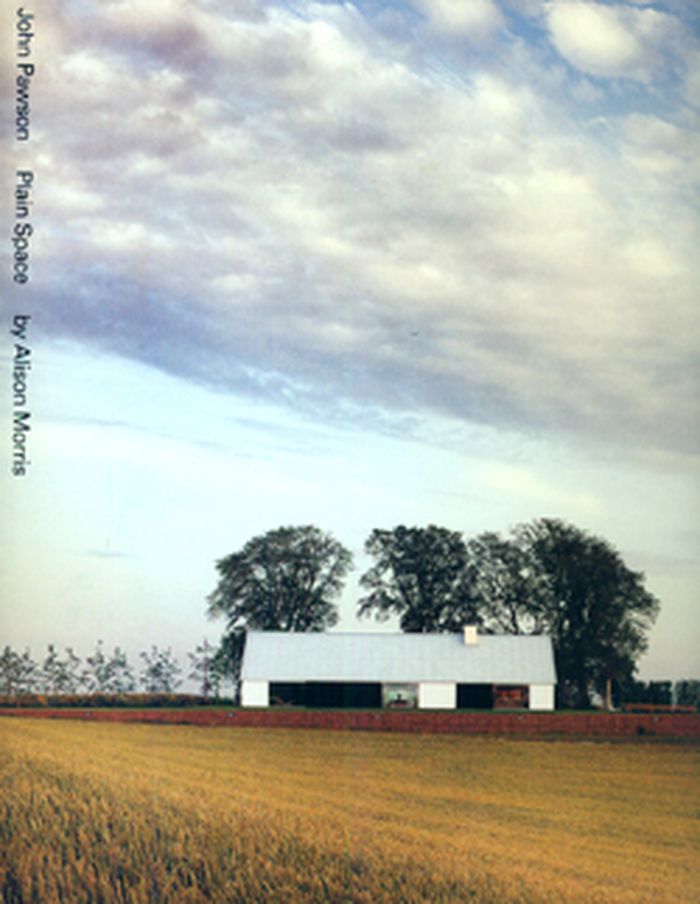
John Pawson's work combines an essential simplicity with a keen attention to the details of everyday life and human experience. His pared-down yet luxurious houses and art galleries were his first projects to gain international attention, and his work has since included Calvin Klein's flagship store in New York, airport lounges for Cathay Pacific, and a kitchen for Obumex. In the last decade, the scope of his designs has broadened from objects and interiors to include houses, monasteries, pavilions and boats. This change in scale has given his office the opportunity to refine its minimalist aesthetic and further develop its ideas of a fundamental architecture based on the qualities of space, proportion, light and materials. Frequently these projects intervene in existing conditions to create spaces that are simultaneously simple and complex, timeless and contemporary: in the Novy Dvur Monastery in the Czech Republic, elements of the original baroque complex are combined with entirely new architecture to create a mysterious and beautiful sequence of spaces, and in the Baron House in Sweden the vernacular language of the area is refined and abstracted to create a truly modern home. Plain Space presents both this recent body of work and earlier projects from the perspective of someone who has had unique access to the work and archives of the office.
John Pawson: Plain space
Actions:
Price:
$79.95
(available to order)
Summary:
John Pawson's work combines an essential simplicity with a keen attention to the details of everyday life and human experience. His pared-down yet luxurious houses and art galleries were his first projects to gain international attention, and his work has since included Calvin Klein's flagship store in New York, airport lounges for Cathay Pacific, and a kitchen for Obumex. In the last decade, the scope of his designs has broadened from objects and interiors to include houses, monasteries, pavilions and boats. This change in scale has given his office the opportunity to refine its minimalist aesthetic and further develop its ideas of a fundamental architecture based on the qualities of space, proportion, light and materials. Frequently these projects intervene in existing conditions to create spaces that are simultaneously simple and complex, timeless and contemporary: in the Novy Dvur Monastery in the Czech Republic, elements of the original baroque complex are combined with entirely new architecture to create a mysterious and beautiful sequence of spaces, and in the Baron House in Sweden the vernacular language of the area is refined and abstracted to create a truly modern home. Plain Space presents both this recent body of work and earlier projects from the perspective of someone who has had unique access to the work and archives of the office.
Form:
books
books
Publication:
September 2010
September 2010
Subject:
Architecture Monographs
Architecture Monographs


