


6146 Results
Level of archival description:
Project
Project
Actions:
Reference number:
AP178.S1.1999.PR09
Description:
This project series documents the Biblioteca Municipal de Albergaria-a-Velha in Albergaria-a-Velha, Portugal. While the records were held in the office’s archives this project was assigned the number 115/90. The office assigned the date 1999 for this project. The project site was located on the top of a hill in the Parque da Vila near a sports center and a school. The program presented by Siza and his team respected the criteria developed by the Instituto do Livro Português e as bibliotecas for a municipal library of a city between 20 000 and 50 000 citizens (BM2). The design for the two-story library includes reading rooms, multimedia rooms, a section for adults, a section for children, and a multipurpose room for conferences and exhibitions, as well as private parking for fifty cars. The project was not built. Documenting this project are sketches, working drawings, structural drawings, and technical drawings. Textual material includes reference documentation, technical documentation, correspondence, and project documentation.
AP178.S1.1999.PR09
Description:
This project series documents the Biblioteca Municipal de Albergaria-a-Velha in Albergaria-a-Velha, Portugal. While the records were held in the office’s archives this project was assigned the number 115/90. The office assigned the date 1999 for this project. The project site was located on the top of a hill in the Parque da Vila near a sports center and a school. The program presented by Siza and his team respected the criteria developed by the Instituto do Livro Português e as bibliotecas for a municipal library of a city between 20 000 and 50 000 citizens (BM2). The design for the two-story library includes reading rooms, multimedia rooms, a section for adults, a section for children, and a multipurpose room for conferences and exhibitions, as well as private parking for fifty cars. The project was not built. Documenting this project are sketches, working drawings, structural drawings, and technical drawings. Textual material includes reference documentation, technical documentation, correspondence, and project documentation.
People:
Date:
1997-2003
1997-2003
Title:
Biblioteca Municipal de Albergaria-a-Velha [Albergaria-a-Velha Municipal Library], Albergaria-a-Velha (1999)
Actions:
AP178.S1.1999.PR09
Description:
This project series documents the Biblioteca Municipal de Albergaria-a-Velha in Albergaria-a-Velha, Portugal. While the records were held in the office’s archives this project was assigned the number 115/90. The office assigned the date 1999 for this project. The project site was located on the top of a hill in the Parque da Vila near a sports center and a school. The program presented by Siza and his team respected the criteria developed by the Instituto do Livro Português e as bibliotecas for a municipal library of a city between 20 000 and 50 000 citizens (BM2). The design for the two-story library includes reading rooms, multimedia rooms, a section for adults, a section for children, and a multipurpose room for conferences and exhibitions, as well as private parking for fifty cars. The project was not built. Documenting this project are sketches, working drawings, structural drawings, and technical drawings. Textual material includes reference documentation, technical documentation, correspondence, and project documentation.
Biblioteca Municipal de Albergaria-a-Velha [Albergaria-a-Velha Municipal Library], Albergaria-a-Velha (1999)
Actions:
AP178.S1.1999.PR09
Description:
This project series documents the Biblioteca Municipal de Albergaria-a-Velha in Albergaria-a-Velha, Portugal. While the records were held in the office’s archives this project was assigned the number 115/90. The office assigned the date 1999 for this project. The project site was located on the top of a hill in the Parque da Vila near a sports center and a school. The program presented by Siza and his team respected the criteria developed by the Instituto do Livro Português e as bibliotecas for a municipal library of a city between 20 000 and 50 000 citizens (BM2). The design for the two-story library includes reading rooms, multimedia rooms, a section for adults, a section for children, and a multipurpose room for conferences and exhibitions, as well as private parking for fifty cars. The project was not built. Documenting this project are sketches, working drawings, structural drawings, and technical drawings. Textual material includes reference documentation, technical documentation, correspondence, and project documentation.
Level of archival description:
Project
Project
Date:
1997-2003
1997-2003
People:
Level of archival description:
Project
Project
Reference number:
AP148.S1.1970.PR02
Description:
The project series documents Poli's work on the Interplanetary Architecture project, which was also made into a film by Superstudio directed by Alessandro Poli (the film is not included in the fonds). The project reflects Poli's deep fascination with the moon landing in 1969. Poli uses this major media event as a catalyst for thinking about a new approach to architecture and tools for design, including the idea that film and the movie camera should become part of the toolset. The project also seems to be in some way a response to Epoch magazine's challenge for a "Primo concorso di architettura nello spazio" (the first architectural competition in space), and includes much imagery and textual references to a new road or architectural links between the earth and other planets, including an earth moon highway. In his storyboard, Poli also makes reference to his earlier Piper project, and some imagery features wheels and an amusement park. The Interplanetary Architecture project was exhibited by Superstudio in Rome in 1972 and featured in "Casabella" magazine in April 1972 (no. 364). The project was also featured in the 2010 CCA exhibition "Other Space Odysseys". In the accompanying CCA publication, Poli describes this project as "a voyage off earthbound routes in quest of architecture unfettered by the urban nightmare, by induced needs or by planning as the only tool for regulating and solving the world's problems" (Poli quoted in Borasi and Zardini, 2010, 110). Poli's work on this project is deeply tied to the Zeno project, which was also featured in this exhibition and is included in this fonds (see AP148.S1.1972.PR01). For the Zeno project, Poli envisioned a dialogue between astronaut Buzz Aldrin and an Italian peasant, Zeno of Riparbella. Poli felt that these two shared a similarity in that both their homes were isolated capsules, one that provided a lens from which to see the rest of the world and understand their place in it. The material in the series includes numerous photomontages and collages of astronauts in space, as well as drawings of plantery shapes and structures. There are also texts, some of which include calculations of distances and diameters of planets, as well as notebooks and sketchbooks, many of which Poli included in a folder he entitled "Storyboard." The series also includes an unsent letter from Poli to Adolfo Natalini which describes how, after the moon landing, everything - the planet, the moon, the stars - is architecture, and that this will necessitate the need for new design tools, such as the movie camera. Some works are signed Alessandro Poli-Superstudio. Source cited: Giovanna Borasi and Mirko Zardini, eds., Other Space Odysseys, Montreal and Baden: Canadian Centre for Architecture/Lars Müller Publishers, 2010.
AP148.S1.1970.PR02
Description:
The project series documents Poli's work on the Interplanetary Architecture project, which was also made into a film by Superstudio directed by Alessandro Poli (the film is not included in the fonds). The project reflects Poli's deep fascination with the moon landing in 1969. Poli uses this major media event as a catalyst for thinking about a new approach to architecture and tools for design, including the idea that film and the movie camera should become part of the toolset. The project also seems to be in some way a response to Epoch magazine's challenge for a "Primo concorso di architettura nello spazio" (the first architectural competition in space), and includes much imagery and textual references to a new road or architectural links between the earth and other planets, including an earth moon highway. In his storyboard, Poli also makes reference to his earlier Piper project, and some imagery features wheels and an amusement park. The Interplanetary Architecture project was exhibited by Superstudio in Rome in 1972 and featured in "Casabella" magazine in April 1972 (no. 364). The project was also featured in the 2010 CCA exhibition "Other Space Odysseys". In the accompanying CCA publication, Poli describes this project as "a voyage off earthbound routes in quest of architecture unfettered by the urban nightmare, by induced needs or by planning as the only tool for regulating and solving the world's problems" (Poli quoted in Borasi and Zardini, 2010, 110). Poli's work on this project is deeply tied to the Zeno project, which was also featured in this exhibition and is included in this fonds (see AP148.S1.1972.PR01). For the Zeno project, Poli envisioned a dialogue between astronaut Buzz Aldrin and an Italian peasant, Zeno of Riparbella. Poli felt that these two shared a similarity in that both their homes were isolated capsules, one that provided a lens from which to see the rest of the world and understand their place in it. The material in the series includes numerous photomontages and collages of astronauts in space, as well as drawings of plantery shapes and structures. There are also texts, some of which include calculations of distances and diameters of planets, as well as notebooks and sketchbooks, many of which Poli included in a folder he entitled "Storyboard." The series also includes an unsent letter from Poli to Adolfo Natalini which describes how, after the moon landing, everything - the planet, the moon, the stars - is architecture, and that this will necessitate the need for new design tools, such as the movie camera. Some works are signed Alessandro Poli-Superstudio. Source cited: Giovanna Borasi and Mirko Zardini, eds., Other Space Odysseys, Montreal and Baden: Canadian Centre for Architecture/Lars Müller Publishers, 2010.
People:
Date:
1969-1971
1969-1971
Title:
Architettura Interplanetaria [Interplanetary Architecture] (1970-1971)
Actions:
AP148.S1.1970.PR02
Description:
The project series documents Poli's work on the Interplanetary Architecture project, which was also made into a film by Superstudio directed by Alessandro Poli (the film is not included in the fonds). The project reflects Poli's deep fascination with the moon landing in 1969. Poli uses this major media event as a catalyst for thinking about a new approach to architecture and tools for design, including the idea that film and the movie camera should become part of the toolset. The project also seems to be in some way a response to Epoch magazine's challenge for a "Primo concorso di architettura nello spazio" (the first architectural competition in space), and includes much imagery and textual references to a new road or architectural links between the earth and other planets, including an earth moon highway. In his storyboard, Poli also makes reference to his earlier Piper project, and some imagery features wheels and an amusement park. The Interplanetary Architecture project was exhibited by Superstudio in Rome in 1972 and featured in "Casabella" magazine in April 1972 (no. 364). The project was also featured in the 2010 CCA exhibition "Other Space Odysseys". In the accompanying CCA publication, Poli describes this project as "a voyage off earthbound routes in quest of architecture unfettered by the urban nightmare, by induced needs or by planning as the only tool for regulating and solving the world's problems" (Poli quoted in Borasi and Zardini, 2010, 110). Poli's work on this project is deeply tied to the Zeno project, which was also featured in this exhibition and is included in this fonds (see AP148.S1.1972.PR01). For the Zeno project, Poli envisioned a dialogue between astronaut Buzz Aldrin and an Italian peasant, Zeno of Riparbella. Poli felt that these two shared a similarity in that both their homes were isolated capsules, one that provided a lens from which to see the rest of the world and understand their place in it. The material in the series includes numerous photomontages and collages of astronauts in space, as well as drawings of plantery shapes and structures. There are also texts, some of which include calculations of distances and diameters of planets, as well as notebooks and sketchbooks, many of which Poli included in a folder he entitled "Storyboard." The series also includes an unsent letter from Poli to Adolfo Natalini which describes how, after the moon landing, everything - the planet, the moon, the stars - is architecture, and that this will necessitate the need for new design tools, such as the movie camera. Some works are signed Alessandro Poli-Superstudio. Source cited: Giovanna Borasi and Mirko Zardini, eds., Other Space Odysseys, Montreal and Baden: Canadian Centre for Architecture/Lars Müller Publishers, 2010.
Architettura Interplanetaria [Interplanetary Architecture] (1970-1971)
Actions:
AP148.S1.1970.PR02
Description:
The project series documents Poli's work on the Interplanetary Architecture project, which was also made into a film by Superstudio directed by Alessandro Poli (the film is not included in the fonds). The project reflects Poli's deep fascination with the moon landing in 1969. Poli uses this major media event as a catalyst for thinking about a new approach to architecture and tools for design, including the idea that film and the movie camera should become part of the toolset. The project also seems to be in some way a response to Epoch magazine's challenge for a "Primo concorso di architettura nello spazio" (the first architectural competition in space), and includes much imagery and textual references to a new road or architectural links between the earth and other planets, including an earth moon highway. In his storyboard, Poli also makes reference to his earlier Piper project, and some imagery features wheels and an amusement park. The Interplanetary Architecture project was exhibited by Superstudio in Rome in 1972 and featured in "Casabella" magazine in April 1972 (no. 364). The project was also featured in the 2010 CCA exhibition "Other Space Odysseys". In the accompanying CCA publication, Poli describes this project as "a voyage off earthbound routes in quest of architecture unfettered by the urban nightmare, by induced needs or by planning as the only tool for regulating and solving the world's problems" (Poli quoted in Borasi and Zardini, 2010, 110). Poli's work on this project is deeply tied to the Zeno project, which was also featured in this exhibition and is included in this fonds (see AP148.S1.1972.PR01). For the Zeno project, Poli envisioned a dialogue between astronaut Buzz Aldrin and an Italian peasant, Zeno of Riparbella. Poli felt that these two shared a similarity in that both their homes were isolated capsules, one that provided a lens from which to see the rest of the world and understand their place in it. The material in the series includes numerous photomontages and collages of astronauts in space, as well as drawings of plantery shapes and structures. There are also texts, some of which include calculations of distances and diameters of planets, as well as notebooks and sketchbooks, many of which Poli included in a folder he entitled "Storyboard." The series also includes an unsent letter from Poli to Adolfo Natalini which describes how, after the moon landing, everything - the planet, the moon, the stars - is architecture, and that this will necessitate the need for new design tools, such as the movie camera. Some works are signed Alessandro Poli-Superstudio. Source cited: Giovanna Borasi and Mirko Zardini, eds., Other Space Odysseys, Montreal and Baden: Canadian Centre for Architecture/Lars Müller Publishers, 2010.
Level of archival description:
Project
Project
Date:
1969-1971
1969-1971
People:
Level of archival description:
Sub-series
Sub-series
Title:
Jeet Malhotra
Jeet Malhotra
Reference number:
AP156.S5.SS1.D3
Description:
Le dossier documente les photographies prises par Jeet Malhotra et sélectionnées pour une exposition au Musée des Beaux-Arts de Besançon, en France, en 1971. Le dossier inclut des photographies de la vie quotidienne à Chandigarh, des résidences privées et gouvernementales, des écoles, de l'Université du Panjab, du Capitol, de divers bâtiments et installations, de maquettes et du mobilier crée par Pierre Jeanneret. Le matériel dans ce dossier a été produit entre 1953 et 1966. Le dossier contient des photographies montées sur carton. File documents the photographs taken by Jeet Malhotra and selected for an exhibition at the Musée des Beaux-Arts at Besançon, in France, in 1971. The file includes photographs of everyday life in Chandigarh, private and governement residences, schools, the Panjab University, the Capitol, various buildings and installations, models and furniture designed par Pierre Jeanneret. The material in this file was produced between 1953 and 1966. The file contains photographs mounted on board.
AP156.S5.SS1.D3
Description:
Le dossier documente les photographies prises par Jeet Malhotra et sélectionnées pour une exposition au Musée des Beaux-Arts de Besançon, en France, en 1971. Le dossier inclut des photographies de la vie quotidienne à Chandigarh, des résidences privées et gouvernementales, des écoles, de l'Université du Panjab, du Capitol, de divers bâtiments et installations, de maquettes et du mobilier crée par Pierre Jeanneret. Le matériel dans ce dossier a été produit entre 1953 et 1966. Le dossier contient des photographies montées sur carton. File documents the photographs taken by Jeet Malhotra and selected for an exhibition at the Musée des Beaux-Arts at Besançon, in France, in 1971. The file includes photographs of everyday life in Chandigarh, private and governement residences, schools, the Panjab University, the Capitol, various buildings and installations, models and furniture designed par Pierre Jeanneret. The material in this file was produced between 1953 and 1966. The file contains photographs mounted on board.
People:
Date:
1953-1966
1953-1966
Title:
Jeet Malhotra
Actions:
AP156.S5.SS1.D3
Description:
Le dossier documente les photographies prises par Jeet Malhotra et sélectionnées pour une exposition au Musée des Beaux-Arts de Besançon, en France, en 1971. Le dossier inclut des photographies de la vie quotidienne à Chandigarh, des résidences privées et gouvernementales, des écoles, de l'Université du Panjab, du Capitol, de divers bâtiments et installations, de maquettes et du mobilier crée par Pierre Jeanneret. Le matériel dans ce dossier a été produit entre 1953 et 1966. Le dossier contient des photographies montées sur carton. File documents the photographs taken by Jeet Malhotra and selected for an exhibition at the Musée des Beaux-Arts at Besançon, in France, in 1971. The file includes photographs of everyday life in Chandigarh, private and governement residences, schools, the Panjab University, the Capitol, various buildings and installations, models and furniture designed par Pierre Jeanneret. The material in this file was produced between 1953 and 1966. The file contains photographs mounted on board.
Jeet Malhotra
Actions:
AP156.S5.SS1.D3
Description:
Le dossier documente les photographies prises par Jeet Malhotra et sélectionnées pour une exposition au Musée des Beaux-Arts de Besançon, en France, en 1971. Le dossier inclut des photographies de la vie quotidienne à Chandigarh, des résidences privées et gouvernementales, des écoles, de l'Université du Panjab, du Capitol, de divers bâtiments et installations, de maquettes et du mobilier crée par Pierre Jeanneret. Le matériel dans ce dossier a été produit entre 1953 et 1966. Le dossier contient des photographies montées sur carton. File documents the photographs taken by Jeet Malhotra and selected for an exhibition at the Musée des Beaux-Arts at Besançon, in France, in 1971. The file includes photographs of everyday life in Chandigarh, private and governement residences, schools, the Panjab University, the Capitol, various buildings and installations, models and furniture designed par Pierre Jeanneret. The material in this file was produced between 1953 and 1966. The file contains photographs mounted on board.
Level of archival description:
Dossier 3
Dossier 3
Date:
1953-1966
1953-1966
People:
Form:
events
events
Description:
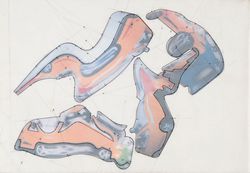
In this lecture, Amy Kulper locates architecture’s “digital turn” in 1988, when Thomas Knoll invented Photoshop. Originally developed as an image-editing software, Photoshop fit neatly within the long history of optical correction in the discipline. Yet its ubiquity today also prompts new questions. Does Photoshop simply introduce logics of adjustment, correction, and(...)
In this lecture, Amy Kulper locates architecture’s “digital turn” in 1988, when Thomas Knoll invented Photoshop. Originally developed as an image-editing software, Photoshop fit neatly within the long history of optical correction in the discipline. Yet its ubiquity today also prompts new questions. Does Photoshop simply introduce logics of adjustment, correction, and(...)
Location:
Paul Desmarais Theatre
Paul Desmarais Theatre
Date:
9 June 2016, 6pm
9 June 2016, 6pm
Title:
Amy Kulper: Architecture’s Digital Turn and the Advent of Photoshop
Actions:
Description:
In this lecture, Amy Kulper locates architecture’s “digital turn” in 1988, when Thomas Knoll invented Photoshop. Originally developed as an image-editing software, Photoshop fit neatly within the long history of optical correction in the discipline. Yet its ubiquity today also prompts new questions. Does Photoshop simply introduce logics of adjustment, correction, and(...)
Amy Kulper: Architecture’s Digital Turn and the Advent of Photoshop
Actions:
Description:
In this lecture, Amy Kulper locates architecture’s “digital turn” in 1988, when Thomas Knoll invented Photoshop. Originally developed as an image-editing software, Photoshop fit neatly within the long history of optical correction in the discipline. Yet its ubiquity today also prompts new questions. Does Photoshop simply introduce logics of adjustment, correction, and(...)
Form:
events
events
Date:
9 June 2016
6pm
9 June 2016
6pm
Location:
Paul Desmarais Theatre
Paul Desmarais Theatre
Form:
archives
Level of archival description:
Collection
archives
Level of archival description:
Collection
Title:
Rohault de Fleury collection
Rohault de Fleury collection
Reference number:
CI001
Synopsis:
The Rohault de Fleury collection documents the work of three generations of French architects, Hubert, his son Charles, and his grandson Georges, spanning from the early 18th to late 19th century. The collection is extremely varied encompassing both private and government commissions and including domestic work, institutional buildings, commercial buildings, urban planning, and student work from both the École des beaux-arts and the École polytechnique, and archaeological studies. Stylistically, the projects incorporate the two dominant contemporary directions in French architecture - functionalism as advocated by Jean-Nicolas-Louis Durand and the classicism of the École des beaux-arts.
CI001
Synopsis:
The Rohault de Fleury collection documents the work of three generations of French architects, Hubert, his son Charles, and his grandson Georges, spanning from the early 18th to late 19th century. The collection is extremely varied encompassing both private and government commissions and including domestic work, institutional buildings, commercial buildings, urban planning, and student work from both the École des beaux-arts and the École polytechnique, and archaeological studies. Stylistically, the projects incorporate the two dominant contemporary directions in French architecture - functionalism as advocated by Jean-Nicolas-Louis Durand and the classicism of the École des beaux-arts.
People:
Date:
1717-[1884]
1717-[1884]
Title:
Rohault de Fleury collection
CI001
Synopsis:
The Rohault de Fleury collection documents the work of three generations of French architects, Hubert, his son Charles, and his grandson Georges, spanning from the early 18th to late 19th century. The collection is extremely varied encompassing both private and government commissions and including domestic work, institutional buildings, commercial buildings, urban planning, and student work from both the École des beaux-arts and the École polytechnique, and archaeological studies. Stylistically, the projects incorporate the two dominant contemporary directions in French architecture - functionalism as advocated by Jean-Nicolas-Louis Durand and the classicism of the École des beaux-arts.
Rohault de Fleury collection
CI001
Synopsis:
The Rohault de Fleury collection documents the work of three generations of French architects, Hubert, his son Charles, and his grandson Georges, spanning from the early 18th to late 19th century. The collection is extremely varied encompassing both private and government commissions and including domestic work, institutional buildings, commercial buildings, urban planning, and student work from both the École des beaux-arts and the École polytechnique, and archaeological studies. Stylistically, the projects incorporate the two dominant contemporary directions in French architecture - functionalism as advocated by Jean-Nicolas-Louis Durand and the classicism of the École des beaux-arts.
Form:
archives
Level of archival description:
Collection 1
archives
Level of archival description:
Collection 1
Date:
1717-[1884]
1717-[1884]
People:
Form:
archives
Level of archival description:
Fonds
archives
Level of archival description:
Fonds
Title:
Aditya Prakash fonds
Aditya Prakash fonds
Reference number:
AP206
Synopsis:
The Aditya Prakash fonds documents the professional practice of modernist Indian architect Aditya Prakash from his studies in London in 1947 to his death in 2008. His seminal work as a junior architect on the Chandigarh Capitol Project in the 1950s is recorded along with documentation from his solo career after 1960, including approximately 82 architectural projects. His professional work as an artist, photographer, writer, academic and theatre enthusiast are also well documented through drawings, photographic materials and textual records.
AP206
Synopsis:
The Aditya Prakash fonds documents the professional practice of modernist Indian architect Aditya Prakash from his studies in London in 1947 to his death in 2008. His seminal work as a junior architect on the Chandigarh Capitol Project in the 1950s is recorded along with documentation from his solo career after 1960, including approximately 82 architectural projects. His professional work as an artist, photographer, writer, academic and theatre enthusiast are also well documented through drawings, photographic materials and textual records.
People:
Date:
1947-2008
1947-2008
Title:
Aditya Prakash fonds
Actions:
AP206
Synopsis:
The Aditya Prakash fonds documents the professional practice of modernist Indian architect Aditya Prakash from his studies in London in 1947 to his death in 2008. His seminal work as a junior architect on the Chandigarh Capitol Project in the 1950s is recorded along with documentation from his solo career after 1960, including approximately 82 architectural projects. His professional work as an artist, photographer, writer, academic and theatre enthusiast are also well documented through drawings, photographic materials and textual records.
Aditya Prakash fonds
Actions:
AP206
Synopsis:
The Aditya Prakash fonds documents the professional practice of modernist Indian architect Aditya Prakash from his studies in London in 1947 to his death in 2008. His seminal work as a junior architect on the Chandigarh Capitol Project in the 1950s is recorded along with documentation from his solo career after 1960, including approximately 82 architectural projects. His professional work as an artist, photographer, writer, academic and theatre enthusiast are also well documented through drawings, photographic materials and textual records.
Form:
archives
Level of archival description:
Fonds
archives
Level of archival description:
Fonds
Date:
1947-2008
1947-2008
People:
Form:
exhibitions
exhibitions
Title:
Inside the Sponge
Inside the Sponge
Actions:
Description:
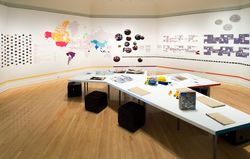
Simmons Hall is an award-winning university dormitory designed by architect Steven Holl on the Massachusetts Institute of Technology (MIT) campus in Cambridge. Inspired by the sea sponge and the concept of porosity, the building is radical in structure and ambitious in its program to encourage social interaction. Inside the Sponge is an investigation of Simmons Hall from(...)
Simmons Hall is an award-winning university dormitory designed by architect Steven Holl on the Massachusetts Institute of Technology (MIT) campus in Cambridge. Inspired by the sea sponge and the concept of porosity, the building is radical in structure and ambitious in its program to encourage social interaction. Inside the Sponge is an investigation of Simmons Hall from(...)
Location:
Octagonal gallery
Octagonal gallery
Date:
10 August 2006 to 19 November 2006
10 August 2006 to 19 November 2006
Title:
Inside the Sponge
Actions:
Description:
Simmons Hall is an award-winning university dormitory designed by architect Steven Holl on the Massachusetts Institute of Technology (MIT) campus in Cambridge. Inspired by the sea sponge and the concept of porosity, the building is radical in structure and ambitious in its program to encourage social interaction. Inside the Sponge is an investigation of Simmons Hall from(...)
Inside the Sponge
Actions:
Description:
Simmons Hall is an award-winning university dormitory designed by architect Steven Holl on the Massachusetts Institute of Technology (MIT) campus in Cambridge. Inspired by the sea sponge and the concept of porosity, the building is radical in structure and ambitious in its program to encourage social interaction. Inside the Sponge is an investigation of Simmons Hall from(...)
Form:
exhibitions
exhibitions
Date:
10 August 2006 to
19 November 2006
10 August 2006 to
19 November 2006
Location:
Octagonal gallery
Octagonal gallery
Level of archival description:
Sub-series
Sub-series
Reference number:
AP022.S3.SS3
Description:
Sub-series documents public relations, marketing activities and collaborations of the offices of Erickson / Massey and Arthur Erickson Architects in Vancouver, British columbia, and Toronto, Ontario. The material was intended for media and press releases, publications, photographs and information requests, presentations, publicity and marketing brochures, and includes project descriptions, photographs and slides, magazine articles and clippings, publication drawings, galley proofs for books and a Life Magazine article on the Graham House, correspondence, and printing plates for a publicity brochure. Sub-series also documents Erickson / Massey and Arthur Erickson Architects collaboration with Francisco Imported Furniture Ltd the company of Francisco Leopoldo Kripacz (b. 8 April, 1942 - d. 3 August, 2000). Kripacz was born in Caracas, Venezuela, educated in Europe, the United States, and studied design in Vancouver and New York. He also went to the University of British Columbia for a Bachelor of Commerce degree in 1964. He became a resident Canadian in 1961, and a Canadian citizen in 1973. In 1964 he founded an interior design and furniture import business in Vancouver with Arthur Erickson, and opened a showroom in Montreal (550 Sherbrooke St. West), in 1965. Kripacz designed the exhibition unit in Habitat 67 (by architect Moshe Safdie) for the 1967 World Exposition in Montreal, and created interiors for a private clientel as well as for many of Arthur Erickson's buildings. The latter included the Helmut Eppich House and Erickson's own residence in Vancouver, the Hilborn Residence in Ontario, the Prime Minister's office and resdence in Ottawa, the UBC Faculty Club, the Macmillan Blodel Bulding, Vancouver, the Bank of Canada Headquarters in Ottawa, the Student Union Building at Queen's University, Kingston, the Provincial Law Courts in Robson Square, Vancouver, Roy Thomson Hall and the Tech Mining offices in Toronto, the Canadian Chancery in Washington, D.C., amongst others. Material related to Francisco Imported Furniture Ltd Sub-series also contains professional correspondence with Arthur Erickson Architect, financial documents of Francisco Imported Furniture Ltd, furniture design proposals, photographs and personal correspondance files of Francisco Kripacz.
AP022.S3.SS3
Description:
Sub-series documents public relations, marketing activities and collaborations of the offices of Erickson / Massey and Arthur Erickson Architects in Vancouver, British columbia, and Toronto, Ontario. The material was intended for media and press releases, publications, photographs and information requests, presentations, publicity and marketing brochures, and includes project descriptions, photographs and slides, magazine articles and clippings, publication drawings, galley proofs for books and a Life Magazine article on the Graham House, correspondence, and printing plates for a publicity brochure. Sub-series also documents Erickson / Massey and Arthur Erickson Architects collaboration with Francisco Imported Furniture Ltd the company of Francisco Leopoldo Kripacz (b. 8 April, 1942 - d. 3 August, 2000). Kripacz was born in Caracas, Venezuela, educated in Europe, the United States, and studied design in Vancouver and New York. He also went to the University of British Columbia for a Bachelor of Commerce degree in 1964. He became a resident Canadian in 1961, and a Canadian citizen in 1973. In 1964 he founded an interior design and furniture import business in Vancouver with Arthur Erickson, and opened a showroom in Montreal (550 Sherbrooke St. West), in 1965. Kripacz designed the exhibition unit in Habitat 67 (by architect Moshe Safdie) for the 1967 World Exposition in Montreal, and created interiors for a private clientel as well as for many of Arthur Erickson's buildings. The latter included the Helmut Eppich House and Erickson's own residence in Vancouver, the Hilborn Residence in Ontario, the Prime Minister's office and resdence in Ottawa, the UBC Faculty Club, the Macmillan Blodel Bulding, Vancouver, the Bank of Canada Headquarters in Ottawa, the Student Union Building at Queen's University, Kingston, the Provincial Law Courts in Robson Square, Vancouver, Roy Thomson Hall and the Tech Mining offices in Toronto, the Canadian Chancery in Washington, D.C., amongst others. Material related to Francisco Imported Furniture Ltd Sub-series also contains professional correspondence with Arthur Erickson Architect, financial documents of Francisco Imported Furniture Ltd, furniture design proposals, photographs and personal correspondance files of Francisco Kripacz.
People:
Date:
1967-1988
1967-1988
Title:
Public relations, marketing and collaborations
Actions:
AP022.S3.SS3
Description:
Sub-series documents public relations, marketing activities and collaborations of the offices of Erickson / Massey and Arthur Erickson Architects in Vancouver, British columbia, and Toronto, Ontario. The material was intended for media and press releases, publications, photographs and information requests, presentations, publicity and marketing brochures, and includes project descriptions, photographs and slides, magazine articles and clippings, publication drawings, galley proofs for books and a Life Magazine article on the Graham House, correspondence, and printing plates for a publicity brochure. Sub-series also documents Erickson / Massey and Arthur Erickson Architects collaboration with Francisco Imported Furniture Ltd the company of Francisco Leopoldo Kripacz (b. 8 April, 1942 - d. 3 August, 2000). Kripacz was born in Caracas, Venezuela, educated in Europe, the United States, and studied design in Vancouver and New York. He also went to the University of British Columbia for a Bachelor of Commerce degree in 1964. He became a resident Canadian in 1961, and a Canadian citizen in 1973. In 1964 he founded an interior design and furniture import business in Vancouver with Arthur Erickson, and opened a showroom in Montreal (550 Sherbrooke St. West), in 1965. Kripacz designed the exhibition unit in Habitat 67 (by architect Moshe Safdie) for the 1967 World Exposition in Montreal, and created interiors for a private clientel as well as for many of Arthur Erickson's buildings. The latter included the Helmut Eppich House and Erickson's own residence in Vancouver, the Hilborn Residence in Ontario, the Prime Minister's office and resdence in Ottawa, the UBC Faculty Club, the Macmillan Blodel Bulding, Vancouver, the Bank of Canada Headquarters in Ottawa, the Student Union Building at Queen's University, Kingston, the Provincial Law Courts in Robson Square, Vancouver, Roy Thomson Hall and the Tech Mining offices in Toronto, the Canadian Chancery in Washington, D.C., amongst others. Material related to Francisco Imported Furniture Ltd Sub-series also contains professional correspondence with Arthur Erickson Architect, financial documents of Francisco Imported Furniture Ltd, furniture design proposals, photographs and personal correspondance files of Francisco Kripacz.
Public relations, marketing and collaborations
Actions:
AP022.S3.SS3
Description:
Sub-series documents public relations, marketing activities and collaborations of the offices of Erickson / Massey and Arthur Erickson Architects in Vancouver, British columbia, and Toronto, Ontario. The material was intended for media and press releases, publications, photographs and information requests, presentations, publicity and marketing brochures, and includes project descriptions, photographs and slides, magazine articles and clippings, publication drawings, galley proofs for books and a Life Magazine article on the Graham House, correspondence, and printing plates for a publicity brochure. Sub-series also documents Erickson / Massey and Arthur Erickson Architects collaboration with Francisco Imported Furniture Ltd the company of Francisco Leopoldo Kripacz (b. 8 April, 1942 - d. 3 August, 2000). Kripacz was born in Caracas, Venezuela, educated in Europe, the United States, and studied design in Vancouver and New York. He also went to the University of British Columbia for a Bachelor of Commerce degree in 1964. He became a resident Canadian in 1961, and a Canadian citizen in 1973. In 1964 he founded an interior design and furniture import business in Vancouver with Arthur Erickson, and opened a showroom in Montreal (550 Sherbrooke St. West), in 1965. Kripacz designed the exhibition unit in Habitat 67 (by architect Moshe Safdie) for the 1967 World Exposition in Montreal, and created interiors for a private clientel as well as for many of Arthur Erickson's buildings. The latter included the Helmut Eppich House and Erickson's own residence in Vancouver, the Hilborn Residence in Ontario, the Prime Minister's office and resdence in Ottawa, the UBC Faculty Club, the Macmillan Blodel Bulding, Vancouver, the Bank of Canada Headquarters in Ottawa, the Student Union Building at Queen's University, Kingston, the Provincial Law Courts in Robson Square, Vancouver, Roy Thomson Hall and the Tech Mining offices in Toronto, the Canadian Chancery in Washington, D.C., amongst others. Material related to Francisco Imported Furniture Ltd Sub-series also contains professional correspondence with Arthur Erickson Architect, financial documents of Francisco Imported Furniture Ltd, furniture design proposals, photographs and personal correspondance files of Francisco Kripacz.
Level of archival description:
sub-series
sub-series
Date:
1967-1988
1967-1988
People:
Level of archival description:
Project
Project
Title:
House X
House X
Reference number:
AP143.S4.D20
Description:
File documents an unexecuted project for House X, designed for Mr. and Mrs. Arnold Aronoff for a 40-acre site on Lahser Road, Bloomfield Hills, Michigan. The ground floor consists of a kitchen, dining room, breakfast room, laundry room, two powder rooms and two garages. The second floor consists of a master suite with study, two bedrooms, bathroom, family and living rooms, bar, bathhouse and deck. The third floor consists of a solarium, terrace, bedroom and maid's room with bathroom. A swimming pool, tennis court and gatehouse are situated on the grounds. Thirteen schemes were developed for this project: A, A1, B, C, C1, C2, D, E, E1, E2, F, G, H. Only schemes G and H were developed into detailed floor plans. The drawings have been organized by drawing type, because of the subtle variations which characterize each scheme. Eisenman manipulates the four "els" (fragmentary forms - the three-sided portion of a hollow cube - that he introduced in House X to replace the cube, the preferred generating volume of his first five houses) in over 200 conceptual drawings (DR1994:0138:001-0219). There are numerous design development and complete sets of working drawings (design development drawings: DR1994:0138:239-541; working drawings: DR1994:0138:1182-1457). The project was extensively published, and the file includes a number of drawings and models created for exhibition and publication, including photographs of models (DR1994:0138:1481-1501), pieces of the "axonometric model" constructed after the project had been abandoned (DR1994:0138:1458-1476), and coloured paper cut-outs for collages (cut-outs, DR1994:0138:0929-0933 and DR1994:0138:1477-1480; collage: DR1994:0138:0928). The file also includes drawings and reprographic copies for the following projects: a residence for Mr. and Mrs. Aronoff,designed by Irving E. Palmquist, (DR1994:0138:1512-1521); Bernstein House, Mamaroneck, New York, designed by John Hejduk (DR1994:0138:1524-1531); Maison Domino by Le Corbusier (DR1994:0138:0944-0965); and land subdivision and houses for Arnold Aronoff, designed by Eisenman (DR1994:0138:0434-0441). Material in this file was produced between 1960 and 1977. File contains conceptual drawings, design development drawings, photographic materials, presentation drawings, presentation panels, publication drawings, record drawings, schematic drawings, a study model, textual records, and working drawings.
AP143.S4.D20
Description:
File documents an unexecuted project for House X, designed for Mr. and Mrs. Arnold Aronoff for a 40-acre site on Lahser Road, Bloomfield Hills, Michigan. The ground floor consists of a kitchen, dining room, breakfast room, laundry room, two powder rooms and two garages. The second floor consists of a master suite with study, two bedrooms, bathroom, family and living rooms, bar, bathhouse and deck. The third floor consists of a solarium, terrace, bedroom and maid's room with bathroom. A swimming pool, tennis court and gatehouse are situated on the grounds. Thirteen schemes were developed for this project: A, A1, B, C, C1, C2, D, E, E1, E2, F, G, H. Only schemes G and H were developed into detailed floor plans. The drawings have been organized by drawing type, because of the subtle variations which characterize each scheme. Eisenman manipulates the four "els" (fragmentary forms - the three-sided portion of a hollow cube - that he introduced in House X to replace the cube, the preferred generating volume of his first five houses) in over 200 conceptual drawings (DR1994:0138:001-0219). There are numerous design development and complete sets of working drawings (design development drawings: DR1994:0138:239-541; working drawings: DR1994:0138:1182-1457). The project was extensively published, and the file includes a number of drawings and models created for exhibition and publication, including photographs of models (DR1994:0138:1481-1501), pieces of the "axonometric model" constructed after the project had been abandoned (DR1994:0138:1458-1476), and coloured paper cut-outs for collages (cut-outs, DR1994:0138:0929-0933 and DR1994:0138:1477-1480; collage: DR1994:0138:0928). The file also includes drawings and reprographic copies for the following projects: a residence for Mr. and Mrs. Aronoff,designed by Irving E. Palmquist, (DR1994:0138:1512-1521); Bernstein House, Mamaroneck, New York, designed by John Hejduk (DR1994:0138:1524-1531); Maison Domino by Le Corbusier (DR1994:0138:0944-0965); and land subdivision and houses for Arnold Aronoff, designed by Eisenman (DR1994:0138:0434-0441). Material in this file was produced between 1960 and 1977. File contains conceptual drawings, design development drawings, photographic materials, presentation drawings, presentation panels, publication drawings, record drawings, schematic drawings, a study model, textual records, and working drawings.
People:
Date:
1960-1977
1960-1977
Title:
House X
Actions:
AP143.S4.D20
Description:
File documents an unexecuted project for House X, designed for Mr. and Mrs. Arnold Aronoff for a 40-acre site on Lahser Road, Bloomfield Hills, Michigan. The ground floor consists of a kitchen, dining room, breakfast room, laundry room, two powder rooms and two garages. The second floor consists of a master suite with study, two bedrooms, bathroom, family and living rooms, bar, bathhouse and deck. The third floor consists of a solarium, terrace, bedroom and maid's room with bathroom. A swimming pool, tennis court and gatehouse are situated on the grounds. Thirteen schemes were developed for this project: A, A1, B, C, C1, C2, D, E, E1, E2, F, G, H. Only schemes G and H were developed into detailed floor plans. The drawings have been organized by drawing type, because of the subtle variations which characterize each scheme. Eisenman manipulates the four "els" (fragmentary forms - the three-sided portion of a hollow cube - that he introduced in House X to replace the cube, the preferred generating volume of his first five houses) in over 200 conceptual drawings (DR1994:0138:001-0219). There are numerous design development and complete sets of working drawings (design development drawings: DR1994:0138:239-541; working drawings: DR1994:0138:1182-1457). The project was extensively published, and the file includes a number of drawings and models created for exhibition and publication, including photographs of models (DR1994:0138:1481-1501), pieces of the "axonometric model" constructed after the project had been abandoned (DR1994:0138:1458-1476), and coloured paper cut-outs for collages (cut-outs, DR1994:0138:0929-0933 and DR1994:0138:1477-1480; collage: DR1994:0138:0928). The file also includes drawings and reprographic copies for the following projects: a residence for Mr. and Mrs. Aronoff,designed by Irving E. Palmquist, (DR1994:0138:1512-1521); Bernstein House, Mamaroneck, New York, designed by John Hejduk (DR1994:0138:1524-1531); Maison Domino by Le Corbusier (DR1994:0138:0944-0965); and land subdivision and houses for Arnold Aronoff, designed by Eisenman (DR1994:0138:0434-0441). Material in this file was produced between 1960 and 1977. File contains conceptual drawings, design development drawings, photographic materials, presentation drawings, presentation panels, publication drawings, record drawings, schematic drawings, a study model, textual records, and working drawings.
House X
Actions:
AP143.S4.D20
Description:
File documents an unexecuted project for House X, designed for Mr. and Mrs. Arnold Aronoff for a 40-acre site on Lahser Road, Bloomfield Hills, Michigan. The ground floor consists of a kitchen, dining room, breakfast room, laundry room, two powder rooms and two garages. The second floor consists of a master suite with study, two bedrooms, bathroom, family and living rooms, bar, bathhouse and deck. The third floor consists of a solarium, terrace, bedroom and maid's room with bathroom. A swimming pool, tennis court and gatehouse are situated on the grounds. Thirteen schemes were developed for this project: A, A1, B, C, C1, C2, D, E, E1, E2, F, G, H. Only schemes G and H were developed into detailed floor plans. The drawings have been organized by drawing type, because of the subtle variations which characterize each scheme. Eisenman manipulates the four "els" (fragmentary forms - the three-sided portion of a hollow cube - that he introduced in House X to replace the cube, the preferred generating volume of his first five houses) in over 200 conceptual drawings (DR1994:0138:001-0219). There are numerous design development and complete sets of working drawings (design development drawings: DR1994:0138:239-541; working drawings: DR1994:0138:1182-1457). The project was extensively published, and the file includes a number of drawings and models created for exhibition and publication, including photographs of models (DR1994:0138:1481-1501), pieces of the "axonometric model" constructed after the project had been abandoned (DR1994:0138:1458-1476), and coloured paper cut-outs for collages (cut-outs, DR1994:0138:0929-0933 and DR1994:0138:1477-1480; collage: DR1994:0138:0928). The file also includes drawings and reprographic copies for the following projects: a residence for Mr. and Mrs. Aronoff,designed by Irving E. Palmquist, (DR1994:0138:1512-1521); Bernstein House, Mamaroneck, New York, designed by John Hejduk (DR1994:0138:1524-1531); Maison Domino by Le Corbusier (DR1994:0138:0944-0965); and land subdivision and houses for Arnold Aronoff, designed by Eisenman (DR1994:0138:0434-0441). Material in this file was produced between 1960 and 1977. File contains conceptual drawings, design development drawings, photographic materials, presentation drawings, presentation panels, publication drawings, record drawings, schematic drawings, a study model, textual records, and working drawings.
Level of archival description:
File 20
File 20
Date:
1960-1977
1960-1977
People:
Level of archival description:
Series
Series
Title:
Une architecture des humeurs
Une architecture des humeurs
Actions:
Reference number:
AP193.S4
Description:
Series 4, Une architecture des humeurs, 2008-2011, documents the conception and the presentation of exhibition and project Une architecture des humeurs. Presented at Le laboratoire art gallery in Paris between January and May 2010, Une architecture des humeurs is a conceptual, unbuilt, residential urban structure based on a potential future in which contemporary science reads human physiology and chemical balance. The idea is to acquire a chemistry of the “humors”, or the moods and temperament, of future purchasers. Taken as input, the information generates a diversity of habitable morphologies and relationships between them. With this process, the project attempts to make palpable and graspable, through technologies, the emotions of the participants captured via the chemistry of their body. The goal is to gather information on their capacity of adaptation, their level of sympathy and empathy while confronted to a situation or an environment. This information is then analyzed by computational, mathematical, and machinist procedures. This leads to the design and production of an urban structure submitted to the improbable and uncertain protocols produced by emotions, also creating aggregations and layouts that rearticulate the links between the individual and the collective. These structures are calculated following simultaneously incremental and recursive structural optimization protocols resulting in the physicality and morphology of architecture. The layout of the residential units and the structural trajectories are conceived and developed as posterior to the constructs supporting social life and not as an a priori. The structure of each components of the urban structure is generated by a secretion and weaving machine called Viab02. The machine is the second prototype of VIAB which was developed with Robotics Research Lab of the University of Southern California and takes its name from the terms viability and variability. With a process similar to contour crafting, the machine produces bio-cement, a mix between cement and bio-resin, giving form to the adapted residential structures. The records consist largely of images detailing the creative process of the firm, photographs of the exhibition, and 3D models. It also contains animated renderings representing the machine in action and sequences of the construction of the building or the structure. The records include a video orienting the project into François Roche theoretical stance, research as speculation, that can be summarize as the use of technological tools to take a critical and political position through esthetic in order to open new lines of thoughts. AP193.S2 contains updated previous version of the VIAB machine
AP193.S4
Description:
Series 4, Une architecture des humeurs, 2008-2011, documents the conception and the presentation of exhibition and project Une architecture des humeurs. Presented at Le laboratoire art gallery in Paris between January and May 2010, Une architecture des humeurs is a conceptual, unbuilt, residential urban structure based on a potential future in which contemporary science reads human physiology and chemical balance. The idea is to acquire a chemistry of the “humors”, or the moods and temperament, of future purchasers. Taken as input, the information generates a diversity of habitable morphologies and relationships between them. With this process, the project attempts to make palpable and graspable, through technologies, the emotions of the participants captured via the chemistry of their body. The goal is to gather information on their capacity of adaptation, their level of sympathy and empathy while confronted to a situation or an environment. This information is then analyzed by computational, mathematical, and machinist procedures. This leads to the design and production of an urban structure submitted to the improbable and uncertain protocols produced by emotions, also creating aggregations and layouts that rearticulate the links between the individual and the collective. These structures are calculated following simultaneously incremental and recursive structural optimization protocols resulting in the physicality and morphology of architecture. The layout of the residential units and the structural trajectories are conceived and developed as posterior to the constructs supporting social life and not as an a priori. The structure of each components of the urban structure is generated by a secretion and weaving machine called Viab02. The machine is the second prototype of VIAB which was developed with Robotics Research Lab of the University of Southern California and takes its name from the terms viability and variability. With a process similar to contour crafting, the machine produces bio-cement, a mix between cement and bio-resin, giving form to the adapted residential structures. The records consist largely of images detailing the creative process of the firm, photographs of the exhibition, and 3D models. It also contains animated renderings representing the machine in action and sequences of the construction of the building or the structure. The records include a video orienting the project into François Roche theoretical stance, research as speculation, that can be summarize as the use of technological tools to take a critical and political position through esthetic in order to open new lines of thoughts. AP193.S2 contains updated previous version of the VIAB machine
People:
Date:
2008-2011
2008-2011
Title:
Une architecture des humeurs
Actions:
AP193.S4
Description:
Series 4, Une architecture des humeurs, 2008-2011, documents the conception and the presentation of exhibition and project Une architecture des humeurs. Presented at Le laboratoire art gallery in Paris between January and May 2010, Une architecture des humeurs is a conceptual, unbuilt, residential urban structure based on a potential future in which contemporary science reads human physiology and chemical balance. The idea is to acquire a chemistry of the “humors”, or the moods and temperament, of future purchasers. Taken as input, the information generates a diversity of habitable morphologies and relationships between them. With this process, the project attempts to make palpable and graspable, through technologies, the emotions of the participants captured via the chemistry of their body. The goal is to gather information on their capacity of adaptation, their level of sympathy and empathy while confronted to a situation or an environment. This information is then analyzed by computational, mathematical, and machinist procedures. This leads to the design and production of an urban structure submitted to the improbable and uncertain protocols produced by emotions, also creating aggregations and layouts that rearticulate the links between the individual and the collective. These structures are calculated following simultaneously incremental and recursive structural optimization protocols resulting in the physicality and morphology of architecture. The layout of the residential units and the structural trajectories are conceived and developed as posterior to the constructs supporting social life and not as an a priori. The structure of each components of the urban structure is generated by a secretion and weaving machine called Viab02. The machine is the second prototype of VIAB which was developed with Robotics Research Lab of the University of Southern California and takes its name from the terms viability and variability. With a process similar to contour crafting, the machine produces bio-cement, a mix between cement and bio-resin, giving form to the adapted residential structures. The records consist largely of images detailing the creative process of the firm, photographs of the exhibition, and 3D models. It also contains animated renderings representing the machine in action and sequences of the construction of the building or the structure. The records include a video orienting the project into François Roche theoretical stance, research as speculation, that can be summarize as the use of technological tools to take a critical and political position through esthetic in order to open new lines of thoughts. AP193.S2 contains updated previous version of the VIAB machine
Une architecture des humeurs
Actions:
AP193.S4
Description:
Series 4, Une architecture des humeurs, 2008-2011, documents the conception and the presentation of exhibition and project Une architecture des humeurs. Presented at Le laboratoire art gallery in Paris between January and May 2010, Une architecture des humeurs is a conceptual, unbuilt, residential urban structure based on a potential future in which contemporary science reads human physiology and chemical balance. The idea is to acquire a chemistry of the “humors”, or the moods and temperament, of future purchasers. Taken as input, the information generates a diversity of habitable morphologies and relationships between them. With this process, the project attempts to make palpable and graspable, through technologies, the emotions of the participants captured via the chemistry of their body. The goal is to gather information on their capacity of adaptation, their level of sympathy and empathy while confronted to a situation or an environment. This information is then analyzed by computational, mathematical, and machinist procedures. This leads to the design and production of an urban structure submitted to the improbable and uncertain protocols produced by emotions, also creating aggregations and layouts that rearticulate the links between the individual and the collective. These structures are calculated following simultaneously incremental and recursive structural optimization protocols resulting in the physicality and morphology of architecture. The layout of the residential units and the structural trajectories are conceived and developed as posterior to the constructs supporting social life and not as an a priori. The structure of each components of the urban structure is generated by a secretion and weaving machine called Viab02. The machine is the second prototype of VIAB which was developed with Robotics Research Lab of the University of Southern California and takes its name from the terms viability and variability. With a process similar to contour crafting, the machine produces bio-cement, a mix between cement and bio-resin, giving form to the adapted residential structures. The records consist largely of images detailing the creative process of the firm, photographs of the exhibition, and 3D models. It also contains animated renderings representing the machine in action and sequences of the construction of the building or the structure. The records include a video orienting the project into François Roche theoretical stance, research as speculation, that can be summarize as the use of technological tools to take a critical and political position through esthetic in order to open new lines of thoughts. AP193.S2 contains updated previous version of the VIAB machine
Level of archival description:
Series
Series
Date:
2008-2011
2008-2011
People:


