


3930 Results
Form:
photographs
photographs
Actions:
Reference number:
PH1981:0997:041
PH1981:0997:041
People:
Subject:
architecture, sculpture
architecture, sculpture
Date:
May 1860
May 1860
Title:
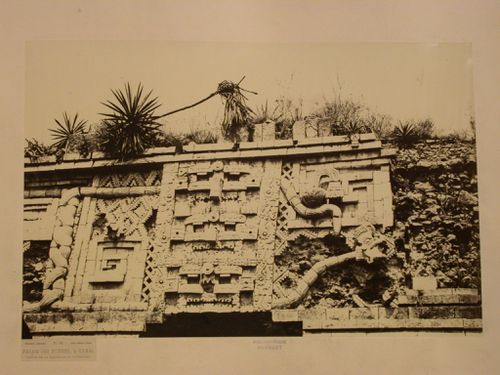
Close-up view of the frieze on the façade of snakes, Nunnery Quadrangle, Uxmal Site, Mexico
Actions:
PH1981:0997:041
Close-up view of the frieze on the façade of snakes, Nunnery Quadrangle, Uxmal Site, Mexico
Actions:
PH1981:0997:041
Form:
photographs
photographs
Date:
May 1860
May 1860
People:
Subject:
architecture, sculpture
architecture, sculpture
Form:
photographs
photographs
Title:
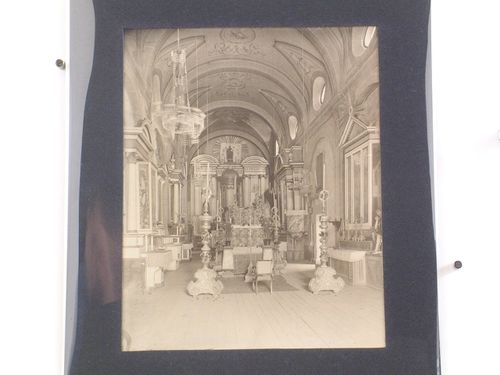
Interior view of the Church of San Matías Apóstol showing the nave with altars, Iztacalco, Mexico
Interior view of the Church of San Matías Apóstol showing the nave with altars, Iztacalco, Mexico
Actions:
Reference number:
PH1987:0452.02:027
PH1987:0452.02:027
People:
Subject:
architecture, painting, sculpture
architecture, painting, sculpture
Date:
1901 or before
1901 or before
Title:
Interior view of the Church of San Matías Apóstol showing the nave with altars, Iztacalco, Mexico
Actions:
PH1987:0452.02:027
Interior view of the Church of San Matías Apóstol showing the nave with altars, Iztacalco, Mexico
Actions:
PH1987:0452.02:027
Form:
photographs
photographs
Date:
1901 or before
1901 or before
People:
Subject:
architecture, painting, sculpture
architecture, painting, sculpture
Form:
photographs
photographs
Actions:
Reference number:
PH1987:0452.02:084
PH1987:0452.02:084
People:
Subject:
architecture, painting, sculpture
architecture, painting, sculpture
Date:
1901 or before
1901 or before
Title:
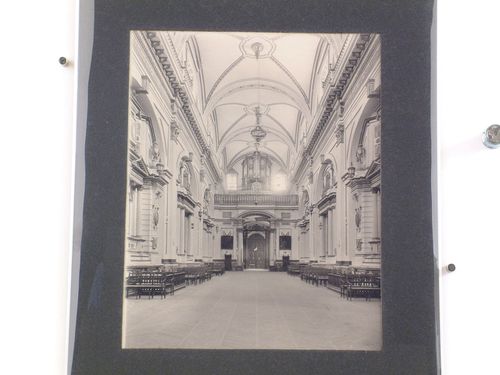
Interior view of the nave of the Iglesia del Carmen showing the organ loft, Celaya, Mexico
Actions:
PH1987:0452.02:084
Interior view of the nave of the Iglesia del Carmen showing the organ loft, Celaya, Mexico
Actions:
PH1987:0452.02:084
Form:
photographs
photographs
Date:
1901 or before
1901 or before
People:
Subject:
architecture, painting, sculpture
architecture, painting, sculpture
Form:
photographs
photographs
Actions:
Reference number:
PH1987:0452.02:085
PH1987:0452.02:085
People:
Subject:
architecture, painting, sculpture
architecture, painting, sculpture
Date:
1901 or before
1901 or before
Title:
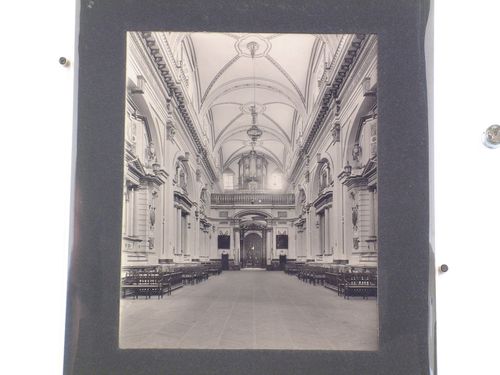
Interior view of the nave of the Iglesia del Carmen showing the organ loft, Celaya, Mexico
Actions:
PH1987:0452.02:085
Interior view of the nave of the Iglesia del Carmen showing the organ loft, Celaya, Mexico
Actions:
PH1987:0452.02:085
Form:
photographs
photographs
Date:
1901 or before
1901 or before
People:
Subject:
architecture, painting, sculpture
architecture, painting, sculpture
Form:
photographs
photographs
Actions:
Reference number:
PH1987:0452.02:109
PH1987:0452.02:109
People:
Subject:
architecture, sculpture
architecture, sculpture
Date:
1901 or before
1901 or before
Title:
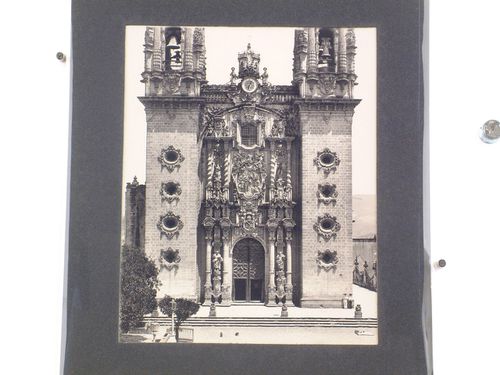
Partial view of the principal façade of the Church of Santa Prisca, Taxco de Alarcón, Mexico
Actions:
PH1987:0452.02:109
Partial view of the principal façade of the Church of Santa Prisca, Taxco de Alarcón, Mexico
Actions:
PH1987:0452.02:109
Form:
photographs
photographs
Date:
1901 or before
1901 or before
People:
Subject:
architecture, sculpture
architecture, sculpture
Form:
photographs
photographs
Title:
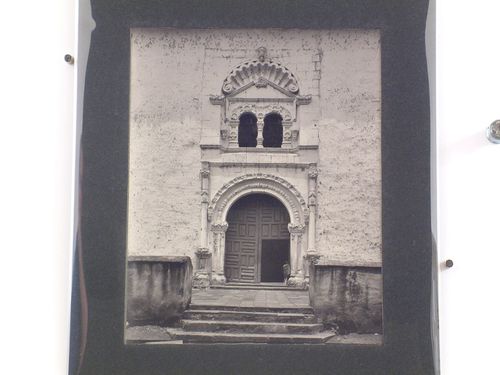
View of the portal of the Church of San Francisco, Convento de San Francisco, Tzintzuntzan, Mexico
View of the portal of the Church of San Francisco, Convento de San Francisco, Tzintzuntzan, Mexico
Actions:
Reference number:
PH1987:0452.02:126
PH1987:0452.02:126
People:
Subject:
architecture, sculpture
architecture, sculpture
Date:
1901 or before
1901 or before
Title:
View of the portal of the Church of San Francisco, Convento de San Francisco, Tzintzuntzan, Mexico
Actions:
PH1987:0452.02:126
View of the portal of the Church of San Francisco, Convento de San Francisco, Tzintzuntzan, Mexico
Actions:
PH1987:0452.02:126
Form:
photographs
photographs
Date:
1901 or before
1901 or before
People:
Subject:
architecture, sculpture
architecture, sculpture
Form:
photographs
photographs
![View of a bridge on the Pan American Highway, near the old Texcoco-Zumpango Causeway [?], Mexico](/img-collection/BERVOZbr-vJGeOiLUGiNPjp3V3Q=/500x646/355017.jpg)
Title:
View of a bridge on the Pan American Highway, near the old Texcoco-Zumpango Causeway [?], Mexico
View of a bridge on the Pan American Highway, near the old Texcoco-Zumpango Causeway [?], Mexico
Actions:
Reference number:
PH2003:0252
PH2003:0252
People:
Subject:
architecture, engineering
architecture, engineering
Date:
ca. 1936
ca. 1936
Title:
View of a bridge on the Pan American Highway, near the old Texcoco-Zumpango Causeway [?], Mexico
Actions:
PH2003:0252
View of a bridge on the Pan American Highway, near the old Texcoco-Zumpango Causeway [?], Mexico
Actions:
PH2003:0252
Form:
photographs
photographs
Date:
ca. 1936
ca. 1936
People:
Subject:
architecture, engineering
architecture, engineering
Form:
photographs
photographs

Title:
Partial view of the principal façade showing a statue, Santa Prisca, Taxco de Alarcón, Mexico
Partial view of the principal façade showing a statue, Santa Prisca, Taxco de Alarcón, Mexico
Actions:
Reference number:
PH2003:0165
PH2003:0165
People:
Subject:
architecture, sculpture
architecture, sculpture
Date:
ca. 1936
ca. 1936
Title:
Partial view of the principal façade showing a statue, Santa Prisca, Taxco de Alarcón, Mexico
Actions:
PH2003:0165
Partial view of the principal façade showing a statue, Santa Prisca, Taxco de Alarcón, Mexico
Actions:
PH2003:0165
Form:
photographs
photographs
Date:
ca. 1936
ca. 1936
People:
Subject:
architecture, sculpture
architecture, sculpture
Form:
photographs
photographs
Actions:
Reference number:
PH1997:0057
Description:
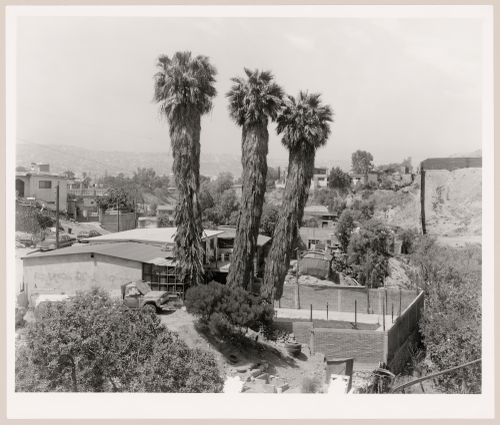
- The series "Running Fence 1997" focuses "on the first 14 miles of the border fence that separates the United States and Mexico, beginning at the Pacific Ocean and ending in the Otay Mountains.... [It] analyzes the "idea" of the border and explores its iconography, the border being a subject that is of extreme importance to the public as the world proceeds towards greater globalization. [Geoffrey] James has written of the project: "[The border fence] was built by the US Army Corps of Engineers in 1994, out of recycled metal landing strip - the most visible symbol of what is known as Operation Gatekeeper. Because the steel sheets are placed in the ground so that their ridges run horizontally, a man can hop over the fence with ease; and no Mexican child ever seems to be impeded from retrieving a soccer ball from US territory. The real barrier to illegal immigration from Mexico into the USA is less visible: hundreds of buried sensors linked to a central computer, nightscopes, helicopters and Border Patrol Agents in white Broncos."" (Evans).
PH1997:0057
Description:
- The series "Running Fence 1997" focuses "on the first 14 miles of the border fence that separates the United States and Mexico, beginning at the Pacific Ocean and ending in the Otay Mountains.... [It] analyzes the "idea" of the border and explores its iconography, the border being a subject that is of extreme importance to the public as the world proceeds towards greater globalization. [Geoffrey] James has written of the project: "[The border fence] was built by the US Army Corps of Engineers in 1994, out of recycled metal landing strip - the most visible symbol of what is known as Operation Gatekeeper. Because the steel sheets are placed in the ground so that their ridges run horizontally, a man can hop over the fence with ease; and no Mexican child ever seems to be impeded from retrieving a soccer ball from US territory. The real barrier to illegal immigration from Mexico into the USA is less visible: hundreds of buried sensors linked to a central computer, nightscopes, helicopters and Border Patrol Agents in white Broncos."" (Evans).
People:
Subject:
architecture, engineering
architecture, engineering
Date:
1997
1997
Title:
View of Colonia Libertad with trees and houses in the foreground and showing a partial view of the United States-Mexico border fence in the centre right, San Diego County, California, United States, and Colonia Libertad, Tijuana, Baja California, Mexico
Actions:
PH1997:0057
Description:
- The series "Running Fence 1997" focuses "on the first 14 miles of the border fence that separates the United States and Mexico, beginning at the Pacific Ocean and ending in the Otay Mountains.... [It] analyzes the "idea" of the border and explores its iconography, the border being a subject that is of extreme importance to the public as the world proceeds towards greater globalization. [Geoffrey] James has written of the project: "[The border fence] was built by the US Army Corps of Engineers in 1994, out of recycled metal landing strip - the most visible symbol of what is known as Operation Gatekeeper. Because the steel sheets are placed in the ground so that their ridges run horizontally, a man can hop over the fence with ease; and no Mexican child ever seems to be impeded from retrieving a soccer ball from US territory. The real barrier to illegal immigration from Mexico into the USA is less visible: hundreds of buried sensors linked to a central computer, nightscopes, helicopters and Border Patrol Agents in white Broncos."" (Evans).
View of Colonia Libertad with trees and houses in the foreground and showing a partial view of the United States-Mexico border fence in the centre right, San Diego County, California, United States, and Colonia Libertad, Tijuana, Baja California, Mexico
Actions:
PH1997:0057
Description:
- The series "Running Fence 1997" focuses "on the first 14 miles of the border fence that separates the United States and Mexico, beginning at the Pacific Ocean and ending in the Otay Mountains.... [It] analyzes the "idea" of the border and explores its iconography, the border being a subject that is of extreme importance to the public as the world proceeds towards greater globalization. [Geoffrey] James has written of the project: "[The border fence] was built by the US Army Corps of Engineers in 1994, out of recycled metal landing strip - the most visible symbol of what is known as Operation Gatekeeper. Because the steel sheets are placed in the ground so that their ridges run horizontally, a man can hop over the fence with ease; and no Mexican child ever seems to be impeded from retrieving a soccer ball from US territory. The real barrier to illegal immigration from Mexico into the USA is less visible: hundreds of buried sensors linked to a central computer, nightscopes, helicopters and Border Patrol Agents in white Broncos."" (Evans).
Form:
photographs
photographs
Date:
1997
1997
People:
Subject:
architecture, engineering
architecture, engineering
Form:
photographs
photographs
Actions:
Reference number:
PH1985:1000
Description:
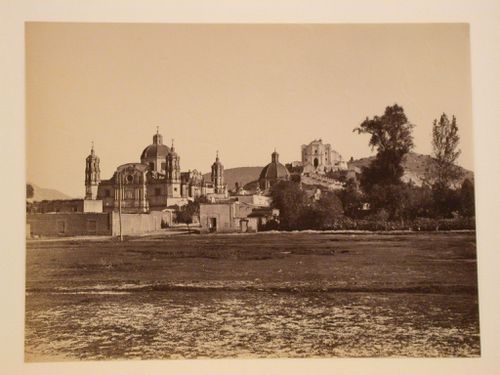
- From left to right, the photograph shows the Basílica de Santa María de Guadalupe, the Church and Convent of the Capuchin nuns, the Capilla del Cerrito, and the Stone Sails of Guadalupe.
PH1985:1000
Description:
- From left to right, the photograph shows the Basílica de Santa María de Guadalupe, the Church and Convent of the Capuchin nuns, the Capilla del Cerrito, and the Stone Sails of Guadalupe.
People:
Subject:
architecture
architecture
Date:
between 1876 and 1911
between 1876 and 1911
Title:
View of the Basílica de Santa María de Guadalupe, the Church and Convent of the Capuchin nuns, the Capilla del Cerrito, and the Stone Sails of Guadalupe, Guadalupe Hidalgo (now Gustavo A. Madero, in Mexico City), Mexico
Actions:
PH1985:1000
Description:
- From left to right, the photograph shows the Basílica de Santa María de Guadalupe, the Church and Convent of the Capuchin nuns, the Capilla del Cerrito, and the Stone Sails of Guadalupe.
View of the Basílica de Santa María de Guadalupe, the Church and Convent of the Capuchin nuns, the Capilla del Cerrito, and the Stone Sails of Guadalupe, Guadalupe Hidalgo (now Gustavo A. Madero, in Mexico City), Mexico
Actions:
PH1985:1000
Description:
- From left to right, the photograph shows the Basílica de Santa María de Guadalupe, the Church and Convent of the Capuchin nuns, the Capilla del Cerrito, and the Stone Sails of Guadalupe.
Form:
photographs
photographs
Date:
between 1876 and 1911
between 1876 and 1911
People:
Subject:
architecture
architecture


