


4996 Results
Form:
books
books
Actions:
Price:
$30.00
(available in store)
Summary:
In 1995, a scandal erupted when the New York Times revealed that the Smithsonian possessed a century’s worth of nude “posture” photos of college students. In this riveting history, Beth Linker tells why these photos were only a small part of the incredible story of twentieth-century America’s largely forgotten posture panic—a decades-long episode in which it was widely(...)
$30.00
(available in store)
Summary:
In 1995, a scandal erupted when the New York Times revealed that the Smithsonian possessed a century’s worth of nude “posture” photos of college students. In this riveting history, Beth Linker tells why these photos were only a small part of the incredible story of twentieth-century America’s largely forgotten posture panic—a decades-long episode in which it was widely(...)
Title:
Slouch: Posture panic in modern America
Actions:
Price:
$30.00
(available in store)
Summary:
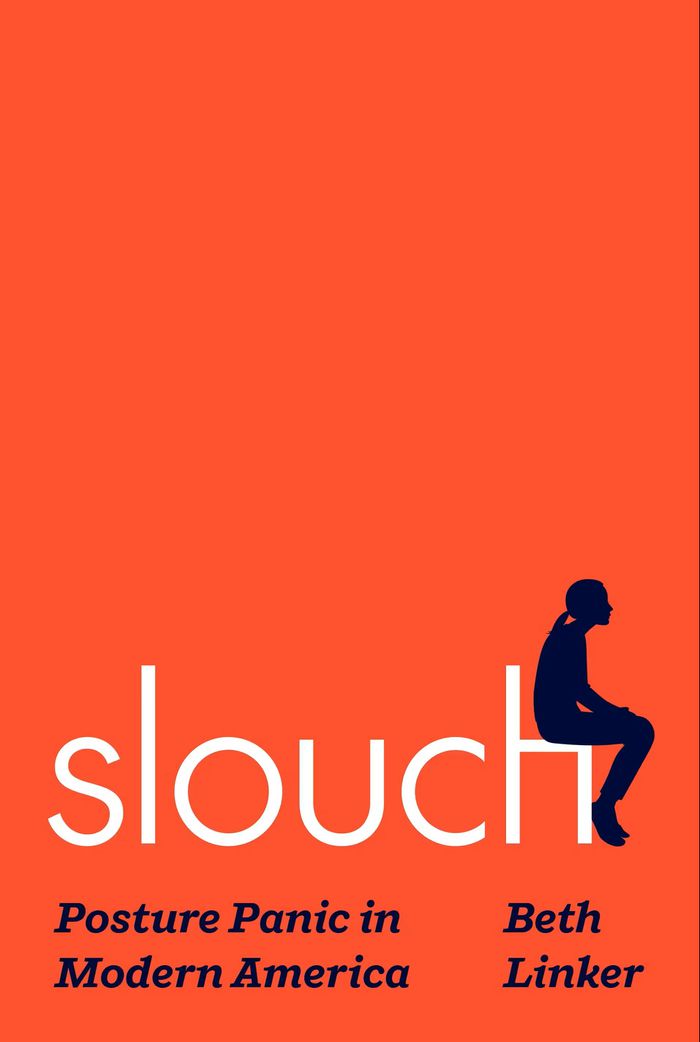
In 1995, a scandal erupted when the New York Times revealed that the Smithsonian possessed a century’s worth of nude “posture” photos of college students. In this riveting history, Beth Linker tells why these photos were only a small part of the incredible story of twentieth-century America’s largely forgotten posture panic—a decades-long episode in which it was widely accepted as scientific fact that Americans were suffering from an epidemic of bad posture, with potentially catastrophic health consequences. Tracing the rise and fall of this socially manufactured epidemic, ''Slouch'' also tells how this period continues to feed today’s widespread anxieties about posture. In the early twentieth century, the eugenics movement and fears of disability gave slouching a new scientific relevance. Bad posture came to be seen as an individual health threat, an affront to conventional race hierarchies, and a sign of American decline. What followed were massive efforts to measure, track, and prevent slouching and, later, back pain—campaigns that reached schools, workplaces, and beyond, from the creation of the American Posture League to posture pageants. The popularity of posture-enhancing products, such as girdles and lumbar supports, exploded, as did new fitness programs focused on postural muscles, such as Pilates and modern yoga. By 1970, student protests largely brought an end to school posture exams and photos, but many efforts to fight bad posture continued, despite a lack of scientific evidence.
Slouch: Posture panic in modern America
Actions:
Price:
$30.00
(available in store)
Summary:
In 1995, a scandal erupted when the New York Times revealed that the Smithsonian possessed a century’s worth of nude “posture” photos of college students. In this riveting history, Beth Linker tells why these photos were only a small part of the incredible story of twentieth-century America’s largely forgotten posture panic—a decades-long episode in which it was widely accepted as scientific fact that Americans were suffering from an epidemic of bad posture, with potentially catastrophic health consequences. Tracing the rise and fall of this socially manufactured epidemic, ''Slouch'' also tells how this period continues to feed today’s widespread anxieties about posture. In the early twentieth century, the eugenics movement and fears of disability gave slouching a new scientific relevance. Bad posture came to be seen as an individual health threat, an affront to conventional race hierarchies, and a sign of American decline. What followed were massive efforts to measure, track, and prevent slouching and, later, back pain—campaigns that reached schools, workplaces, and beyond, from the creation of the American Posture League to posture pageants. The popularity of posture-enhancing products, such as girdles and lumbar supports, exploded, as did new fitness programs focused on postural muscles, such as Pilates and modern yoga. By 1970, student protests largely brought an end to school posture exams and photos, but many efforts to fight bad posture continued, despite a lack of scientific evidence.
Form:
books
books
Publication:
March 2026
March 2026
Subject:
Social
Social
Form:
books
books

Actions:
Price:
$75.00
(available in store)
Summary:
Curated and written by her great-nieces, who lived in the house throughout their lives, this book offers an unparalleled glimpse into Frida Kahlo, opening a new perspective into this iconic artist’s family home and refuge. Casa Kahlo was more than a second home—it was a place where Frida could truly be herself away from the house she shared with her husband, the artist(...)
$75.00
(available in store)
Summary:
Curated and written by her great-nieces, who lived in the house throughout their lives, this book offers an unparalleled glimpse into Frida Kahlo, opening a new perspective into this iconic artist’s family home and refuge. Casa Kahlo was more than a second home—it was a place where Frida could truly be herself away from the house she shared with her husband, the artist(...)
Subject:
Contemporary Art Monographs
Contemporary Art Monographs
Publication:
April 2026
April 2026
Title:
Casa Kahlo: Frida Kahlo's home and sanctuary
Actions:
Price:
$75.00
(available in store)
Summary:
Curated and written by her great-nieces, who lived in the house throughout their lives, this book offers an unparalleled glimpse into Frida Kahlo, opening a new perspective into this iconic artist’s family home and refuge. Casa Kahlo was more than a second home—it was a place where Frida could truly be herself away from the house she shared with her husband, the artist Diego Rivera. At Casa Kahlo—surrounded by her artistic family and the vibrant Indigenous culture she immersed herself in—she spent time with her closest confidantes (her sisters), her friends, and her lovers. The house also served as an additional studio space for Kahlo where she taught art classes to a legion of loyal students who referred to themselves as Los Fridos. Remarkably, Casa Kahlo has been occupied by Frida’s family since they bought the house in 1930. Meticulously documenting the interiors, this book features a rich array of personal items and never-before-published letters and postcards to her sisters, her mother, and her most beloved niece Isolda. Hundreds of personal items offer an intimate view into her artistic environment and personal life: from her early drawings and paintings (including the first painting she showed Rivera at eighteen years old) to later drawings; her distinctive jewelry and clothing; key documents, including her birth and marriage certificates; artworks; and keepsakes ranging from dolls to her taxidermy butterfly collection.
Casa Kahlo: Frida Kahlo's home and sanctuary
Actions:
Price:
$75.00
(available in store)
Summary:
Curated and written by her great-nieces, who lived in the house throughout their lives, this book offers an unparalleled glimpse into Frida Kahlo, opening a new perspective into this iconic artist’s family home and refuge. Casa Kahlo was more than a second home—it was a place where Frida could truly be herself away from the house she shared with her husband, the artist Diego Rivera. At Casa Kahlo—surrounded by her artistic family and the vibrant Indigenous culture she immersed herself in—she spent time with her closest confidantes (her sisters), her friends, and her lovers. The house also served as an additional studio space for Kahlo where she taught art classes to a legion of loyal students who referred to themselves as Los Fridos. Remarkably, Casa Kahlo has been occupied by Frida’s family since they bought the house in 1930. Meticulously documenting the interiors, this book features a rich array of personal items and never-before-published letters and postcards to her sisters, her mother, and her most beloved niece Isolda. Hundreds of personal items offer an intimate view into her artistic environment and personal life: from her early drawings and paintings (including the first painting she showed Rivera at eighteen years old) to later drawings; her distinctive jewelry and clothing; key documents, including her birth and marriage certificates; artworks; and keepsakes ranging from dolls to her taxidermy butterfly collection.
Form:
books
books
Publication:
April 2026
April 2026
Subject:
Contemporary Art Monographs
Contemporary Art Monographs
Form:
books
books
Title:
Lost architectures
Lost architectures
Actions:
Price:
$55.50
(available to order)
Summary:
This book stands in opposition to the popular notion that the best architecture is built on compromise. Rather, Neil Spiller argues, the most original and brave products of the architectural mind are often to be found in those projects which, for whatever reason, never came to fruition. (...)
$55.50
(available to order)
Summary:
This book stands in opposition to the popular notion that the best architecture is built on compromise. Rather, Neil Spiller argues, the most original and brave products of the architectural mind are often to be found in those projects which, for whatever reason, never came to fruition. (...)
Subject:
Architecture since 1900, Europe
Architecture since 1900, Europe
Publication:
January 2001, Great Britain
January 2001, Great Britain
Title:
Lost architectures
Actions:
Price:
$55.50
(available to order)
Summary:
This book stands in opposition to the popular notion that the best architecture is built on compromise. Rather, Neil Spiller argues, the most original and brave products of the architectural mind are often to be found in those projects which, for whatever reason, never came to fruition. "Lost Architectures" presents an array of such projects from the last decades of the twentieth century, consituting the unrealised dreams of some of the most inspirational architects working in the period. Most of the projects featured here have seldom, if ever, been published before, and some represent the last hand-drawn work of their creators before the age of the computer finally came into full force. Whilst they do not follow any specific style, these projects embody a spirit defined by Spiller as New Romanticism - a spirit which combines elements of aesthetic decadence and a certain camp mannerism with a love of angularity and mechanised ritual. Some of the architects in question are still in practice, with a great deal of high-profile built work behind them; others have never been recognised as they perhaps should have been. In both cases, this book is an invaluable resource of information and inspiration for students of architecture, as well as for theorists, historians and lay readers. It provides essential exposure for a range of work of great vitality which might otherwise risk being lost in the course of time.
Lost architectures
Actions:
Price:
$55.50
(available to order)
Summary:
This book stands in opposition to the popular notion that the best architecture is built on compromise. Rather, Neil Spiller argues, the most original and brave products of the architectural mind are often to be found in those projects which, for whatever reason, never came to fruition. "Lost Architectures" presents an array of such projects from the last decades of the twentieth century, consituting the unrealised dreams of some of the most inspirational architects working in the period. Most of the projects featured here have seldom, if ever, been published before, and some represent the last hand-drawn work of their creators before the age of the computer finally came into full force. Whilst they do not follow any specific style, these projects embody a spirit defined by Spiller as New Romanticism - a spirit which combines elements of aesthetic decadence and a certain camp mannerism with a love of angularity and mechanised ritual. Some of the architects in question are still in practice, with a great deal of high-profile built work behind them; others have never been recognised as they perhaps should have been. In both cases, this book is an invaluable resource of information and inspiration for students of architecture, as well as for theorists, historians and lay readers. It provides essential exposure for a range of work of great vitality which might otherwise risk being lost in the course of time.
Form:
books
books
Publication:
January 2001, Great Britain
January 2001, Great Britain
Subject:
Architecture since 1900, Europe
Architecture since 1900, Europe
Form:
books
books
Actions:
Price:
$48.00
(available to order)
Summary:
Errata Editions' "Books on Books" series is an ongoing publishing project dedicated to making rare and out-of-print photography books accessible to students and photobook enthusiasts. These are not reprints or facsimiles but complete studies of the original books. Each volume in the series presents the entire content, page for page, of an original master bookwork which,(...)
$48.00
(available to order)
Summary:
Errata Editions' "Books on Books" series is an ongoing publishing project dedicated to making rare and out-of-print photography books accessible to students and photobook enthusiasts. These are not reprints or facsimiles but complete studies of the original books. Each volume in the series presents the entire content, page for page, of an original master bookwork which,(...)
Subject:
Photography monographs
Photography monographs
Publication:
January 2009, New York
January 2009, New York
Title:
Walker Evans : American photographs
Actions:
Price:
$48.00
(available to order)
Summary:
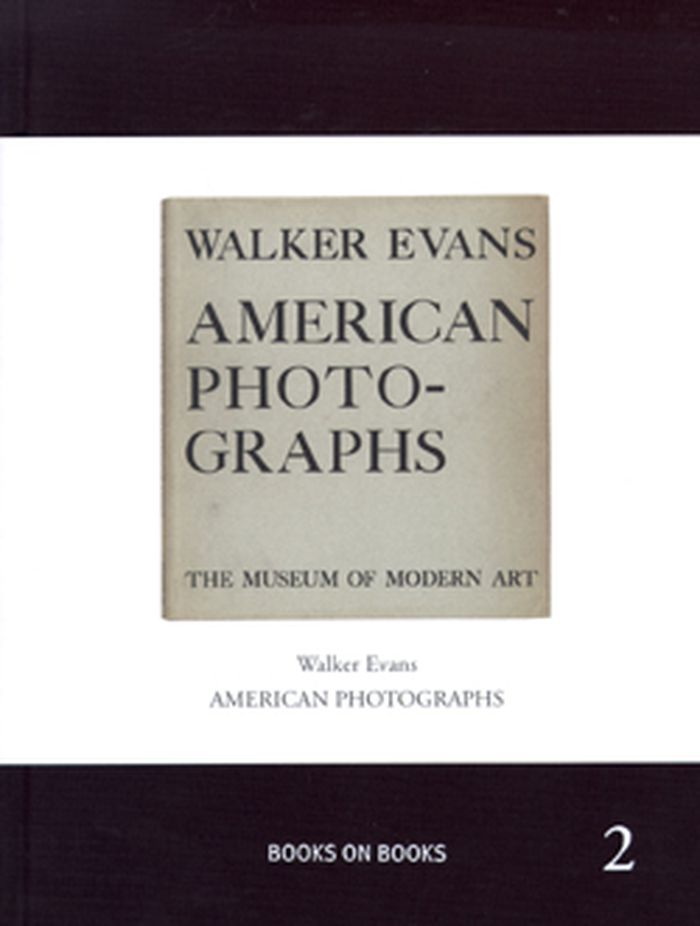
Errata Editions' "Books on Books" series is an ongoing publishing project dedicated to making rare and out-of-print photography books accessible to students and photobook enthusiasts. These are not reprints or facsimiles but complete studies of the original books. Each volume in the series presents the entire content, page for page, of an original master bookwork which, up until now, has been too rare or expensive for most to experience. Through a mix of classic and contemporary titles, this series spans the breadth of photographic practice as it has appeared on the printed page and allows further study of the creation and meanings of these great works of art. Each volume in the series contains illustrations of every page in the original photobook, a new essay by an established writer on photography, production notes about the creation of the original edition and biographical and bibliographical information about each artist. Walker Evans' American Photographs, originally conceived as a catalogue to accompany Evan's one-man show at The Museum of Modern Art in 1938, it has been out of print for many long stretches of time. Books on Books 2 presents the original 1938 edition with the 87 legendary black-and-white photographs that defined the documentary-style aesthetic. This volume also reproduces Lincoln Kirstein's great original essay as well as a contemporary piece by John T. Hill, the author of many books on Evans, including Lyric Documentary, published by Steidl in 2006.
Walker Evans : American photographs
Actions:
Price:
$48.00
(available to order)
Summary:
Errata Editions' "Books on Books" series is an ongoing publishing project dedicated to making rare and out-of-print photography books accessible to students and photobook enthusiasts. These are not reprints or facsimiles but complete studies of the original books. Each volume in the series presents the entire content, page for page, of an original master bookwork which, up until now, has been too rare or expensive for most to experience. Through a mix of classic and contemporary titles, this series spans the breadth of photographic practice as it has appeared on the printed page and allows further study of the creation and meanings of these great works of art. Each volume in the series contains illustrations of every page in the original photobook, a new essay by an established writer on photography, production notes about the creation of the original edition and biographical and bibliographical information about each artist. Walker Evans' American Photographs, originally conceived as a catalogue to accompany Evan's one-man show at The Museum of Modern Art in 1938, it has been out of print for many long stretches of time. Books on Books 2 presents the original 1938 edition with the 87 legendary black-and-white photographs that defined the documentary-style aesthetic. This volume also reproduces Lincoln Kirstein's great original essay as well as a contemporary piece by John T. Hill, the author of many books on Evans, including Lyric Documentary, published by Steidl in 2006.
Form:
books
books
Publication:
January 2009, New York
January 2009, New York
Subject:
Photography monographs
Photography monographs
Form:
books
books
Actions:
Price:
$33.95
(available to order)
Summary:
Poets often have responded vitally to the art of their time, and ever since Susan Stewart began writing about art in the early 1980s, her work has resonated with practicing artists, curators, art historians, and art critics. Rooted in a broad and learned range of references, Stewart's fresh and independent essays bridge the fields of literature, aesthetics, and(...)
$33.95
(available to order)
Summary:
Poets often have responded vitally to the art of their time, and ever since Susan Stewart began writing about art in the early 1980s, her work has resonated with practicing artists, curators, art historians, and art critics. Rooted in a broad and learned range of references, Stewart's fresh and independent essays bridge the fields of literature, aesthetics, and(...)
Title:
The open studio : Essays on art and aesthetics
Actions:
Price:
$33.95
(available to order)
Summary:
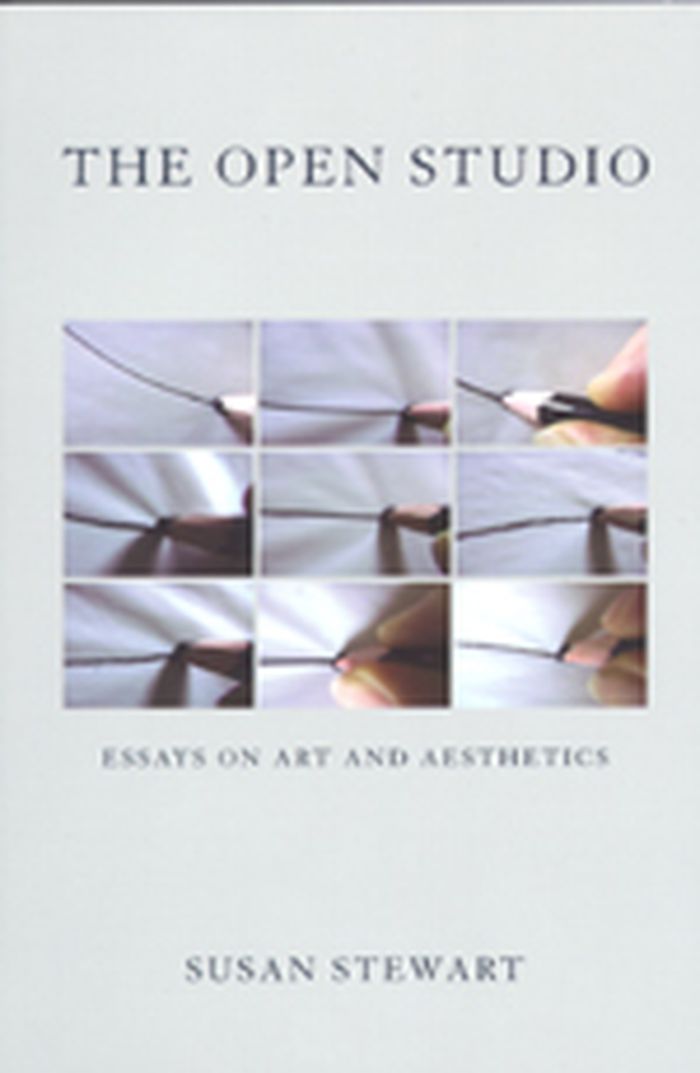
Poets often have responded vitally to the art of their time, and ever since Susan Stewart began writing about art in the early 1980s, her work has resonated with practicing artists, curators, art historians, and art critics. Rooted in a broad and learned range of references, Stewart's fresh and independent essays bridge the fields of literature, aesthetics, and contemporary art. Gathering most of Stewart's writing on contemporary art—long and short pieces first published in small magazines, museum and gallery publications, and edited collections—The Open Studio illuminates work ranging from the installation art of Ann Hamilton to the sculptures and watercolors of Thomas Schütte, the prints and animations of William Kentridge to the films of Tacita Dean. Stewart's essays are often the record of studio conversations with living artists and curators, and of the afterlife of those experiences in the solitude of her own study. Considering a wide variety of art forms, Stewart finds pathbreaking ways to explore them. Whether she is following central traditions of painting, drawing, sculpture, film, photography, and printmaking or exploring the less well-known realms of portrait miniatures, collecting practices, doll-making, music boxes, and gardening, Stewart speaks to the creative process in general and to the relation between art and ethics. The Open Studio will be read eagerly by scholars of art, poetry, and visual theory; by historians interested in the links between contemporary and classic literature and art; and by teachers, students, and practitioners of the visual arts.
The open studio : Essays on art and aesthetics
Actions:
Price:
$33.95
(available to order)
Summary:
Poets often have responded vitally to the art of their time, and ever since Susan Stewart began writing about art in the early 1980s, her work has resonated with practicing artists, curators, art historians, and art critics. Rooted in a broad and learned range of references, Stewart's fresh and independent essays bridge the fields of literature, aesthetics, and contemporary art. Gathering most of Stewart's writing on contemporary art—long and short pieces first published in small magazines, museum and gallery publications, and edited collections—The Open Studio illuminates work ranging from the installation art of Ann Hamilton to the sculptures and watercolors of Thomas Schütte, the prints and animations of William Kentridge to the films of Tacita Dean. Stewart's essays are often the record of studio conversations with living artists and curators, and of the afterlife of those experiences in the solitude of her own study. Considering a wide variety of art forms, Stewart finds pathbreaking ways to explore them. Whether she is following central traditions of painting, drawing, sculpture, film, photography, and printmaking or exploring the less well-known realms of portrait miniatures, collecting practices, doll-making, music boxes, and gardening, Stewart speaks to the creative process in general and to the relation between art and ethics. The Open Studio will be read eagerly by scholars of art, poetry, and visual theory; by historians interested in the links between contemporary and classic literature and art; and by teachers, students, and practitioners of the visual arts.
Form:
books
books
Publication:
September 2004, Chicago London
September 2004, Chicago London
Subject:
Art Theory
Art Theory
Form:
books
books
Title:
Hip-hop Architecture
Hip-hop Architecture
Actions:
Price:
$52.50
(available in store)
Summary:
"This book is not for you. It is not for architectural academic elites. It is not for those who have gentrified our neighborhoods, overly intellectualized the profession, and ignored all contemporary Black theory within the discipline. You have made architecture a symbol of exclusion, oppression, and domination rather than expression, aspiration, and inspiration. This(...)
$52.50
(available in store)
Summary:
"This book is not for you. It is not for architectural academic elites. It is not for those who have gentrified our neighborhoods, overly intellectualized the profession, and ignored all contemporary Black theory within the discipline. You have made architecture a symbol of exclusion, oppression, and domination rather than expression, aspiration, and inspiration. This(...)
Title:
Hip-hop Architecture
Actions:
Price:
$52.50
(available in store)
Summary:
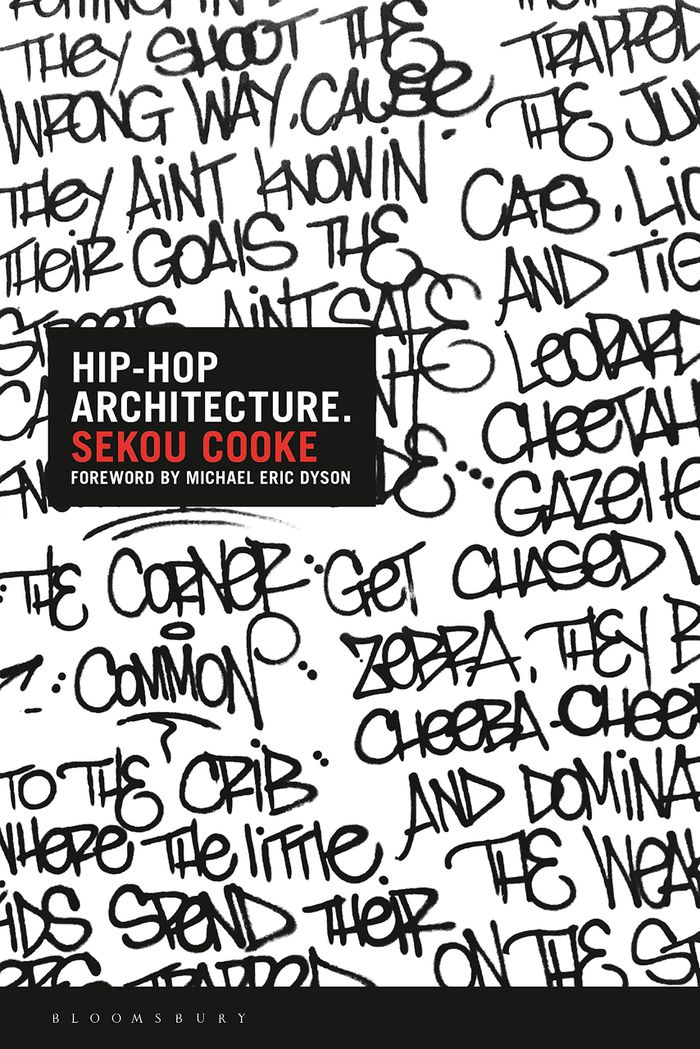
"This book is not for you. It is not for architectural academic elites. It is not for those who have gentrified our neighborhoods, overly intellectualized the profession, and ignored all contemporary Black theory within the discipline. You have made architecture a symbol of exclusion, oppression, and domination rather than expression, aspiration, and inspiration. This book is not for conformists-Black, White, or other." As architecture grapples with its own racist legacy, "Hip-Hop architecture" outlines a powerful new manifesto- the voice of the underrepresented, marginalized, and voiceless within the discipline. Exploring the production of spaces, buildings, and urban environments that embody the creative energies in hip-hop, it is a newly expanding design philosophy which sees architecture as a distinct part of hip-hop's cultural expression, and which uses hip-hop as a lens through which to provoke new architectural ideas. Examining the present and the future of "Hip-Hop architecture," the book also explores its historical antecedents and its theory, placing it in a wider context both within architecture and within Black and African American movements. Throughout, the work is illustrated with inspirational case studies of architectural projects and creative practices, and interspersed with interludes and interviews with key architects, designers, and academics in the field. This is a vital and provocative work that will appeal to architects, designers, students, theorists, and anyone interested in a fresh view of architecture, design, race and culture.
Hip-hop Architecture
Actions:
Price:
$52.50
(available in store)
Summary:
"This book is not for you. It is not for architectural academic elites. It is not for those who have gentrified our neighborhoods, overly intellectualized the profession, and ignored all contemporary Black theory within the discipline. You have made architecture a symbol of exclusion, oppression, and domination rather than expression, aspiration, and inspiration. This book is not for conformists-Black, White, or other." As architecture grapples with its own racist legacy, "Hip-Hop architecture" outlines a powerful new manifesto- the voice of the underrepresented, marginalized, and voiceless within the discipline. Exploring the production of spaces, buildings, and urban environments that embody the creative energies in hip-hop, it is a newly expanding design philosophy which sees architecture as a distinct part of hip-hop's cultural expression, and which uses hip-hop as a lens through which to provoke new architectural ideas. Examining the present and the future of "Hip-Hop architecture," the book also explores its historical antecedents and its theory, placing it in a wider context both within architecture and within Black and African American movements. Throughout, the work is illustrated with inspirational case studies of architectural projects and creative practices, and interspersed with interludes and interviews with key architects, designers, and academics in the field. This is a vital and provocative work that will appeal to architects, designers, students, theorists, and anyone interested in a fresh view of architecture, design, race and culture.
Form:
books
books
Publication:
April 2021
April 2021
Subject:
Architectural Theory
Architectural Theory
Form:
books
books
Actions:
Price:
$131.00
(available in store)
Summary:
Upon its publication by the MIT Press in 1972, "Learning from Las Vegas" was immediately influential and controversial. The authors made an argument that was revolutionary for its time—that the billboards and casinos of Las Vegas were worthy of architectural attention—and offered a challenge for contemporary architects obsessed with the heroic and monumental. The physical(...)
$131.00
(available in store)
Summary:
Upon its publication by the MIT Press in 1972, "Learning from Las Vegas" was immediately influential and controversial. The authors made an argument that was revolutionary for its time—that the billboards and casinos of Las Vegas were worthy of architectural attention—and offered a challenge for contemporary architects obsessed with the heroic and monumental. The physical(...)
Subject:
Architectural Theory
Architectural Theory
Publication:
September 2017
September 2017
Title:
Learning from Las Vegas, facsimile edition
Actions:
Price:
$131.00
(available in store)
Summary:
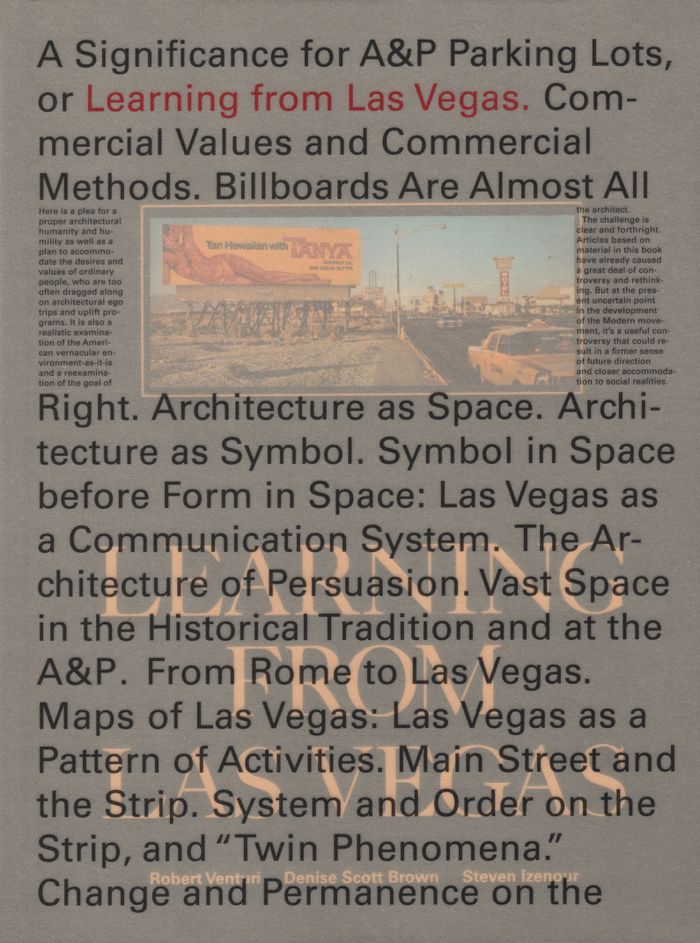
Upon its publication by the MIT Press in 1972, "Learning from Las Vegas" was immediately influential and controversial. The authors made an argument that was revolutionary for its time—that the billboards and casinos of Las Vegas were worthy of architectural attention—and offered a challenge for contemporary architects obsessed with the heroic and monumental. The physical book itself, designed by MIT’s iconic designer Muriel Cooper, was hailed as a masterpiece of modernist design, but the book’s design struck the authors as too monumental for a text that praised the ugly and ordinary over the heroic and monumental. The MIT Press published a revised version in 1977—a modest paperback that the authors felt was more in keeping with the argument of the book—and the original Cooper-designed book fell out of print and became a highly sought-after collectors’ item; it now sells for thousands of dollars in the rare book market, while the author-redesigned paperback has remained continuously in print at a price affordable to students. Now, decades after the original hardcover edition sold out, the MIT Press is publishing a facsimile edition of the original large-format Cooper-designed edition of Learning from Las Vegas, complete with translucent glassine wrap. This edition also features a spirited preface by Denise Scott Brown, looking back on the creation of the book and explaining her and Robert Venturi’s reservations about the original design.
Learning from Las Vegas, facsimile edition
Actions:
Price:
$131.00
(available in store)
Summary:
Upon its publication by the MIT Press in 1972, "Learning from Las Vegas" was immediately influential and controversial. The authors made an argument that was revolutionary for its time—that the billboards and casinos of Las Vegas were worthy of architectural attention—and offered a challenge for contemporary architects obsessed with the heroic and monumental. The physical book itself, designed by MIT’s iconic designer Muriel Cooper, was hailed as a masterpiece of modernist design, but the book’s design struck the authors as too monumental for a text that praised the ugly and ordinary over the heroic and monumental. The MIT Press published a revised version in 1977—a modest paperback that the authors felt was more in keeping with the argument of the book—and the original Cooper-designed book fell out of print and became a highly sought-after collectors’ item; it now sells for thousands of dollars in the rare book market, while the author-redesigned paperback has remained continuously in print at a price affordable to students. Now, decades after the original hardcover edition sold out, the MIT Press is publishing a facsimile edition of the original large-format Cooper-designed edition of Learning from Las Vegas, complete with translucent glassine wrap. This edition also features a spirited preface by Denise Scott Brown, looking back on the creation of the book and explaining her and Robert Venturi’s reservations about the original design.
Form:
books
books
Publication:
September 2017
September 2017
Subject:
Architectural Theory
Architectural Theory
Form:
books
books
Actions:
Price:
$39.95
(available to order)
Summary:
Few twentieth-century writers on architecture and design have enjoyed the renown of Reyner Banham. Born and trained in England and a U.S. resident starting in 1976, Banham wrote incisively about American and European buildings and culture. Now readers can enjoy a chronological cross-section of essays, polemics, and reviews drawn from more than three decades of Banham's(...)
$39.95
(available to order)
Summary:
Few twentieth-century writers on architecture and design have enjoyed the renown of Reyner Banham. Born and trained in England and a U.S. resident starting in 1976, Banham wrote incisively about American and European buildings and culture. Now readers can enjoy a chronological cross-section of essays, polemics, and reviews drawn from more than three decades of Banham's(...)
Title:
A critic writes : essays by Reyner Banham
Actions:
Price:
$39.95
(available to order)
Summary:
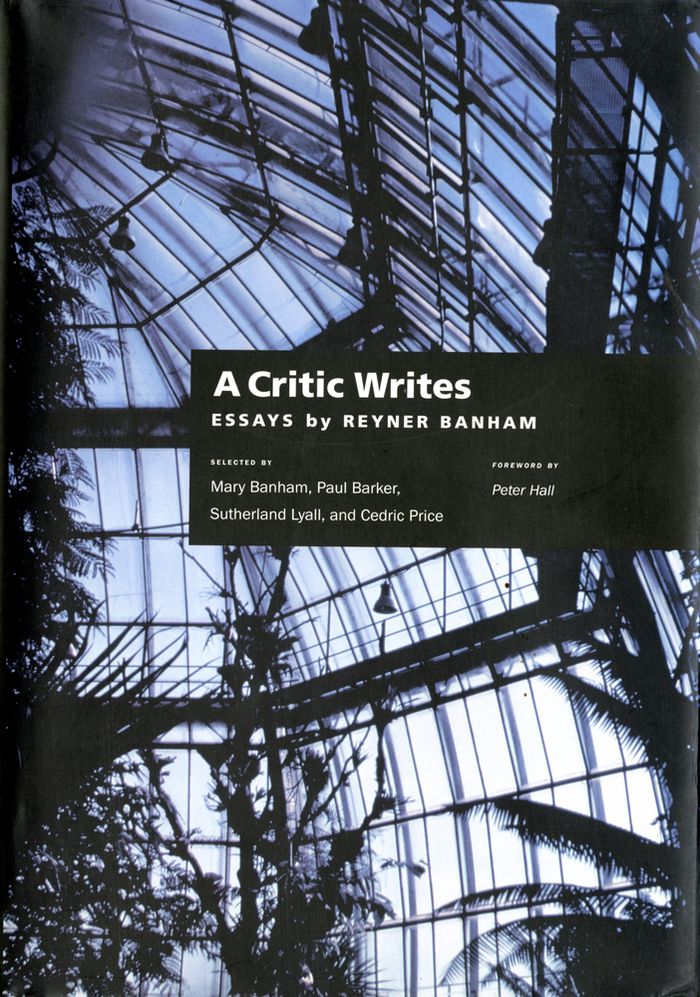
Few twentieth-century writers on architecture and design have enjoyed the renown of Reyner Banham. Born and trained in England and a U.S. resident starting in 1976, Banham wrote incisively about American and European buildings and culture. Now readers can enjoy a chronological cross-section of essays, polemics, and reviews drawn from more than three decades of Banham's writings. The volume, which includes discussions of Italian Futurism, Adolf Loos, Paul Scheerbart, and the Bauhaus as well as explorations of contemporary architecture by Frank Gehry, James Stirling, and Norman Foster, conveys the full range of Banham's belief in industrial and technological development as the motor of architectural evolution. Banham's interests and passions ranged from architecture and the culture of pop art to urban and industrial design. In brilliant analyses of automobile styling, mobile homes, science fiction films, and the American predilection for gadgets, he anticipated many of the preoccupations of contemporary cultural studies. Los Angeles, the city that Banham commemorated in a book and a film, receives extensive attention in essays on the Santa Monica Pier, the Getty Museum, Forest Lawn cemetery, and the ubiquitous freeway system. Eminently readable, provocative, and entertaining, this book is certain to consolidate Banham's reputation among architects and students of contemporary culture. For those acquainted with his writing, it offers welcome surprises as well as familiar delights. For those encountering Banham for the first time, it comprises the perfect introduction.
A critic writes : essays by Reyner Banham
Actions:
Price:
$39.95
(available to order)
Summary:
Few twentieth-century writers on architecture and design have enjoyed the renown of Reyner Banham. Born and trained in England and a U.S. resident starting in 1976, Banham wrote incisively about American and European buildings and culture. Now readers can enjoy a chronological cross-section of essays, polemics, and reviews drawn from more than three decades of Banham's writings. The volume, which includes discussions of Italian Futurism, Adolf Loos, Paul Scheerbart, and the Bauhaus as well as explorations of contemporary architecture by Frank Gehry, James Stirling, and Norman Foster, conveys the full range of Banham's belief in industrial and technological development as the motor of architectural evolution. Banham's interests and passions ranged from architecture and the culture of pop art to urban and industrial design. In brilliant analyses of automobile styling, mobile homes, science fiction films, and the American predilection for gadgets, he anticipated many of the preoccupations of contemporary cultural studies. Los Angeles, the city that Banham commemorated in a book and a film, receives extensive attention in essays on the Santa Monica Pier, the Getty Museum, Forest Lawn cemetery, and the ubiquitous freeway system. Eminently readable, provocative, and entertaining, this book is certain to consolidate Banham's reputation among architects and students of contemporary culture. For those acquainted with his writing, it offers welcome surprises as well as familiar delights. For those encountering Banham for the first time, it comprises the perfect introduction.
Form:
books
books
Publication:
April 1999, Berkeley
April 1999, Berkeley
Subject:
Architectural Theory
Architectural Theory
Form:
books
books

Title:
Looking back
Looking back
Actions:
Price:
$44.95
(available in store)
Summary:
When Charles Harrison died in 2009, the British art world lost a pivotal figure. From curating the groundbreaking 1969 exhibit, “When Attitudes Become Form” at London’s Institute of Contemporary Art; to co-writing the hyper-influential, three-volume work Art in Theory; to teaching art history to thousands in much-admired “plain English”: Harrison’s influence on the(...)
$44.95
(available in store)
Summary:
When Charles Harrison died in 2009, the British art world lost a pivotal figure. From curating the groundbreaking 1969 exhibit, “When Attitudes Become Form” at London’s Institute of Contemporary Art; to co-writing the hyper-influential, three-volume work Art in Theory; to teaching art history to thousands in much-admired “plain English”: Harrison’s influence on the(...)
Title:
Looking back
Actions:
Price:
$44.95
(available in store)
Summary:
When Charles Harrison died in 2009, the British art world lost a pivotal figure. From curating the groundbreaking 1969 exhibit, “When Attitudes Become Form” at London’s Institute of Contemporary Art; to co-writing the hyper-influential, three-volume work Art in Theory; to teaching art history to thousands in much-admired “plain English”: Harrison’s influence on the British art scene cannot be overestimated. This collection of autobiographical interviews – a fitting tribute to Harrison – opens a window into the thinking of the tireless critic and riveting professor who railed against second-rate art with his trademark motto, “Better fewer, but better.” Harrison re-caps decades of experience, retrospectively looking at trends, art historical events, institutions and artists, synthesizing it all with the brilliance he was known for. The volume also includes Harrison’s own visual documentation of the art world: a selection of his own images of exhibitions he visited, art works he championed and artists’ and critics’ studios and homes. Former students recall these impeccable photos as one of the delights of his lectures. “Harrison had the gift of making people see things they had not seen before, and even more, to think about what it was they were seeing, and to reflect on the consequences,” wrote The Times of London. This publication offers an opportunity to experience one of the art world giants of our time. Interviews with Jo Melvin, Teresa Gleadow, Pablo Lafuente, Juliette Rizzi, Sophie Richard, Elena Crippa, Christopher Huer and Matthew Jesse Jackson
Looking back
Actions:
Price:
$44.95
(available in store)
Summary:
When Charles Harrison died in 2009, the British art world lost a pivotal figure. From curating the groundbreaking 1969 exhibit, “When Attitudes Become Form” at London’s Institute of Contemporary Art; to co-writing the hyper-influential, three-volume work Art in Theory; to teaching art history to thousands in much-admired “plain English”: Harrison’s influence on the British art scene cannot be overestimated. This collection of autobiographical interviews – a fitting tribute to Harrison – opens a window into the thinking of the tireless critic and riveting professor who railed against second-rate art with his trademark motto, “Better fewer, but better.” Harrison re-caps decades of experience, retrospectively looking at trends, art historical events, institutions and artists, synthesizing it all with the brilliance he was known for. The volume also includes Harrison’s own visual documentation of the art world: a selection of his own images of exhibitions he visited, art works he championed and artists’ and critics’ studios and homes. Former students recall these impeccable photos as one of the delights of his lectures. “Harrison had the gift of making people see things they had not seen before, and even more, to think about what it was they were seeing, and to reflect on the consequences,” wrote The Times of London. This publication offers an opportunity to experience one of the art world giants of our time. Interviews with Jo Melvin, Teresa Gleadow, Pablo Lafuente, Juliette Rizzi, Sophie Richard, Elena Crippa, Christopher Huer and Matthew Jesse Jackson
Form:
books
books
Publication:
February 2011
February 2011
Subject:
Art Theory
Art Theory
Form:
books
books
Actions:
Price:
$40.00
(available to order)
Summary:
In 2030, the world's population will be a staggering eight billion people. Of these, two-thirds will live in cities; most will be poor. With limited resources, this unbalanced growth will be one of the greatest challenges faced by societies across the globe. In the coming years, city authorities, urban planners, designers, economists and others will have to join forces to(...)
$40.00
(available to order)
Summary:
In 2030, the world's population will be a staggering eight billion people. Of these, two-thirds will live in cities; most will be poor. With limited resources, this unbalanced growth will be one of the greatest challenges faced by societies across the globe. In the coming years, city authorities, urban planners, designers, economists and others will have to join forces to(...)
Title:
Uneven growth: tactical urbanisms for expanding megacities
Actions:
Price:
$40.00
(available to order)
Summary:
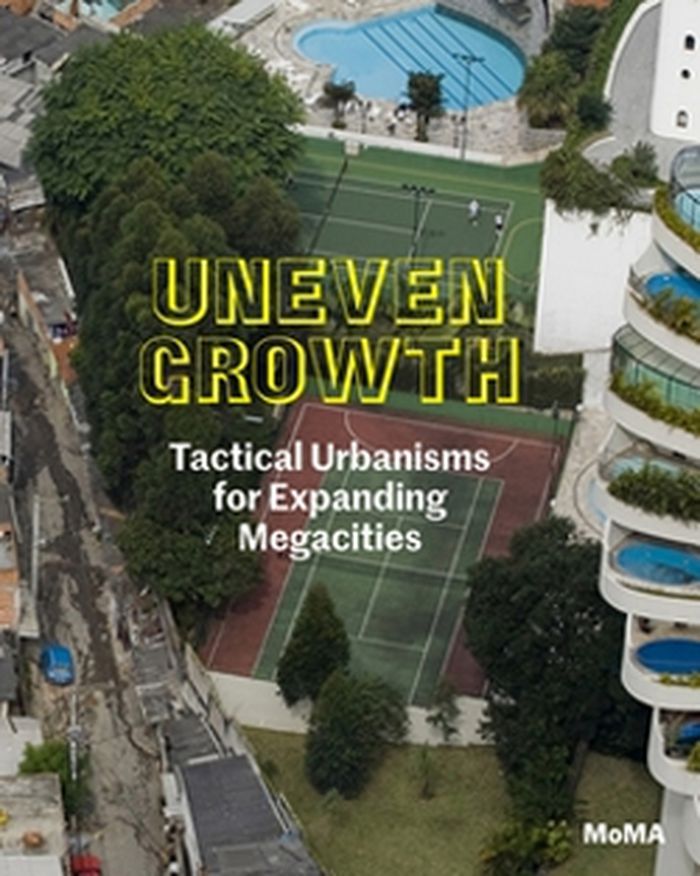
In 2030, the world's population will be a staggering eight billion people. Of these, two-thirds will live in cities; most will be poor. With limited resources, this unbalanced growth will be one of the greatest challenges faced by societies across the globe. In the coming years, city authorities, urban planners, designers, economists and others will have to join forces to avoid a major social and economic catastrophe and to ensure that these expanding megacities will be habitable. Exploring how emergent forms of tactical urbanism could address rapid and uneven urban growth around the globe, The Museum of Modern Art presents Uneven Growth: Tactical Urbanisms for Expanding Megacities, its third iteration of the Issues in Contemporary Architecture series. Uneven Growth is a combination of workshop, exhibition and publication that brings together ideas from an international group of scholars, practitioners and other experts on architecture and urbanism. Featuring proposals for six cities on five continents-New York, Mumbai, Rio de Janeiro, Istanbul, Hong Kong and Lagos, each developed by a pair of teams (one local to the host city and one abroad)-Uneven Growth also documents the brainstorming processes and the workshops. Contributions from each of the teams and essays by leading scholars on the issue make the publication a rich resource for students and professionals alike. Participating teams include Cohabitation Strategies with Situ Studio, POP Lab with URBZ, MAS Urban Design ETH with Rua Arquitetos, Atelier d'Architecture Autogérée with Superpool, Network Architecture Lab with MAP Office and Inteligencias Colectivas with NLÉ Architects.
Uneven growth: tactical urbanisms for expanding megacities
Actions:
Price:
$40.00
(available to order)
Summary:
In 2030, the world's population will be a staggering eight billion people. Of these, two-thirds will live in cities; most will be poor. With limited resources, this unbalanced growth will be one of the greatest challenges faced by societies across the globe. In the coming years, city authorities, urban planners, designers, economists and others will have to join forces to avoid a major social and economic catastrophe and to ensure that these expanding megacities will be habitable. Exploring how emergent forms of tactical urbanism could address rapid and uneven urban growth around the globe, The Museum of Modern Art presents Uneven Growth: Tactical Urbanisms for Expanding Megacities, its third iteration of the Issues in Contemporary Architecture series. Uneven Growth is a combination of workshop, exhibition and publication that brings together ideas from an international group of scholars, practitioners and other experts on architecture and urbanism. Featuring proposals for six cities on five continents-New York, Mumbai, Rio de Janeiro, Istanbul, Hong Kong and Lagos, each developed by a pair of teams (one local to the host city and one abroad)-Uneven Growth also documents the brainstorming processes and the workshops. Contributions from each of the teams and essays by leading scholars on the issue make the publication a rich resource for students and professionals alike. Participating teams include Cohabitation Strategies with Situ Studio, POP Lab with URBZ, MAS Urban Design ETH with Rua Arquitetos, Atelier d'Architecture Autogérée with Superpool, Network Architecture Lab with MAP Office and Inteligencias Colectivas with NLÉ Architects.
Form:
books
books
Publication:
August 2014
August 2014
Subject:
Urban Theory
Urban Theory


