


5377 Results
Form:
books
books
Actions:
Price:
$62.90
(available to order)
Summary:
This book provides an up-to-date introduction to the important and growing field of urban anthropology. This is an increasingly critical area of study, as more than half of the world's population now lives in cities and anthropological research is increasingly done in an urban context. Exploring contemporary anthropological approaches to the urban, the authors(...)
$62.90
(available to order)
Summary:
This book provides an up-to-date introduction to the important and growing field of urban anthropology. This is an increasingly critical area of study, as more than half of the world's population now lives in cities and anthropological research is increasingly done in an urban context. Exploring contemporary anthropological approaches to the urban, the authors(...)
Title:
Introducing urban anthropology
Actions:
Price:
$62.90
(available to order)
Summary:
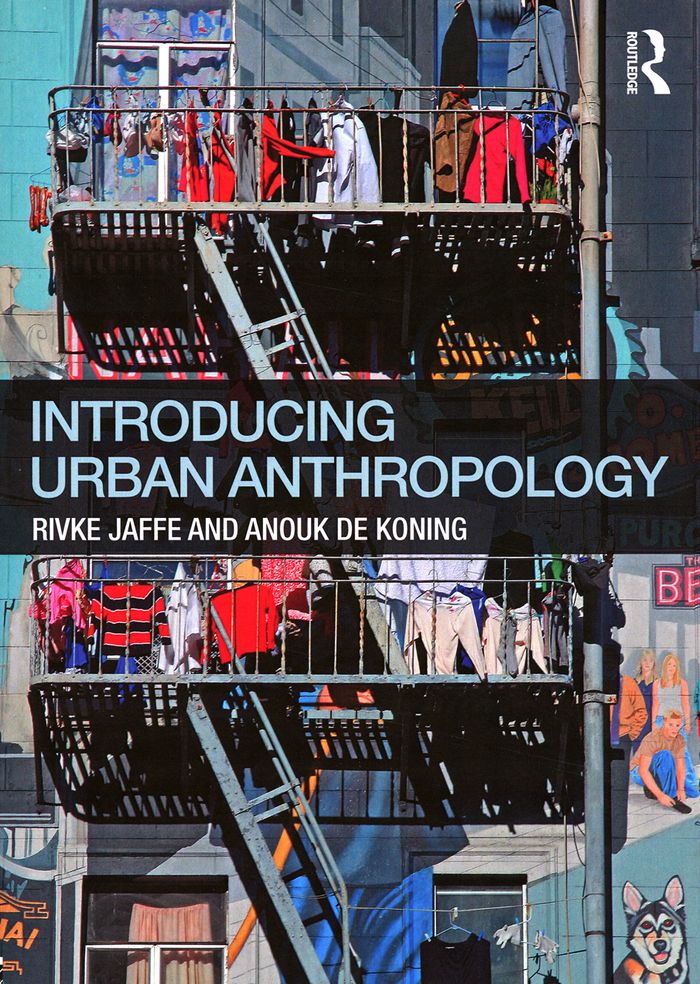
This book provides an up-to-date introduction to the important and growing field of urban anthropology. This is an increasingly critical area of study, as more than half of the world's population now lives in cities and anthropological research is increasingly done in an urban context. Exploring contemporary anthropological approaches to the urban, the authors consider: How can we define urban anthropology? What are the main themes of twenty-first century urban anthropological research? What are the possible future directions in the field? The chapters cover topics such as urban mobilities, place-making and public space, production and consumption, politics and governance. These are illustrated by lively case studies drawn from a diverse range of urban settings in the global North and South. Accessible yet theoretically incisive, Introducing Urban Anthropology will be a valuable resource for anthropology students as well as of interest to those working in urban studies and related disciplines such as sociology and geography.
Introducing urban anthropology
Actions:
Price:
$62.90
(available to order)
Summary:
This book provides an up-to-date introduction to the important and growing field of urban anthropology. This is an increasingly critical area of study, as more than half of the world's population now lives in cities and anthropological research is increasingly done in an urban context. Exploring contemporary anthropological approaches to the urban, the authors consider: How can we define urban anthropology? What are the main themes of twenty-first century urban anthropological research? What are the possible future directions in the field? The chapters cover topics such as urban mobilities, place-making and public space, production and consumption, politics and governance. These are illustrated by lively case studies drawn from a diverse range of urban settings in the global North and South. Accessible yet theoretically incisive, Introducing Urban Anthropology will be a valuable resource for anthropology students as well as of interest to those working in urban studies and related disciplines such as sociology and geography.
Form:
books
books
Publication:
January 2016
January 2016
Subject:
Architectural Theory
Architectural Theory
Form:
books
books
Price:
$41.95
(available to order)
Summary:
"If it isn't Electric, it isn't Modern." Such was the slogan of the Philadelphia Electric Company, developer of an unprecedented network of massive metropolitan power stations servicing greater Philadelphia at the turn of the twentieth century. These once-brilliant sentinels of civic utility and activity were designed to convey solidity and immensity in an age of deep(...)
$41.95
(available to order)
Summary:
"If it isn't Electric, it isn't Modern." Such was the slogan of the Philadelphia Electric Company, developer of an unprecedented network of massive metropolitan power stations servicing greater Philadelphia at the turn of the twentieth century. These once-brilliant sentinels of civic utility and activity were designed to convey solidity and immensity in an age of deep(...)
Subject:
Engineering Structures
Engineering Structures
Publication:
November 2016
November 2016
Title:
Palazzos of power : central station of the Phalidelphia Electric Company
Actions:
Price:
$41.95
(available to order)
Summary:
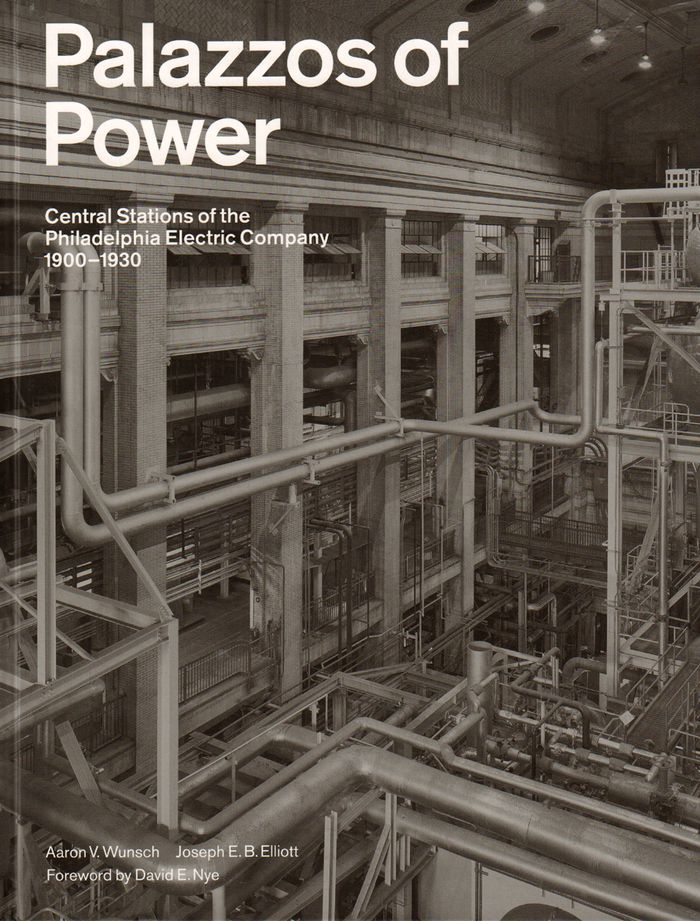
"If it isn't Electric, it isn't Modern." Such was the slogan of the Philadelphia Electric Company, developer of an unprecedented network of massive metropolitan power stations servicing greater Philadelphia at the turn of the twentieth century. These once-brilliant sentinels of civic utility and activity were designed to convey solidity and immensity in an age of deep public skepticism. They now stand vacant and decaying, a blight in the eyes of city planners and a beacon to urban explorers.'the first book on the buildings and machines that made possible the electrification of the United States, "Palazzos of power" offers a visual and analytical exploration of architecture, technology, place, loss, and reuse. With a foreword by David Nye, this collection of Joseph Elliott's large-format photographs reveal the urban landscape, monumental spaces, giant machinery, and intricate controls that made up the central station. Aaron Wunsch's essay provides historical context on the social and political climate.
Palazzos of power : central station of the Phalidelphia Electric Company
Actions:
Price:
$41.95
(available to order)
Summary:
"If it isn't Electric, it isn't Modern." Such was the slogan of the Philadelphia Electric Company, developer of an unprecedented network of massive metropolitan power stations servicing greater Philadelphia at the turn of the twentieth century. These once-brilliant sentinels of civic utility and activity were designed to convey solidity and immensity in an age of deep public skepticism. They now stand vacant and decaying, a blight in the eyes of city planners and a beacon to urban explorers.'the first book on the buildings and machines that made possible the electrification of the United States, "Palazzos of power" offers a visual and analytical exploration of architecture, technology, place, loss, and reuse. With a foreword by David Nye, this collection of Joseph Elliott's large-format photographs reveal the urban landscape, monumental spaces, giant machinery, and intricate controls that made up the central station. Aaron Wunsch's essay provides historical context on the social and political climate.
Form:
books
books
Publication:
November 2016
November 2016
Subject:
Engineering Structures
Engineering Structures
Form:
books
books
Actions:
Price:
$73.50
(available to order)
Summary:
WOJR: Organization for Architecture is an innovative group of designers based in Cambridge, Massachusetts, who are committed to the idea of architecture as a form of cultural production, engaging the intersections of art, architecture, and urbanism. With this idea at its foundation, Room for Artifacts contains a collection of sixteen architectural artifacts designed by(...)
$73.50
(available to order)
Summary:
WOJR: Organization for Architecture is an innovative group of designers based in Cambridge, Massachusetts, who are committed to the idea of architecture as a form of cultural production, engaging the intersections of art, architecture, and urbanism. With this idea at its foundation, Room for Artifacts contains a collection of sixteen architectural artifacts designed by(...)
Title:
Room for artifacts: the architecture of WOJR
Actions:
Price:
$73.50
(available to order)
Summary:
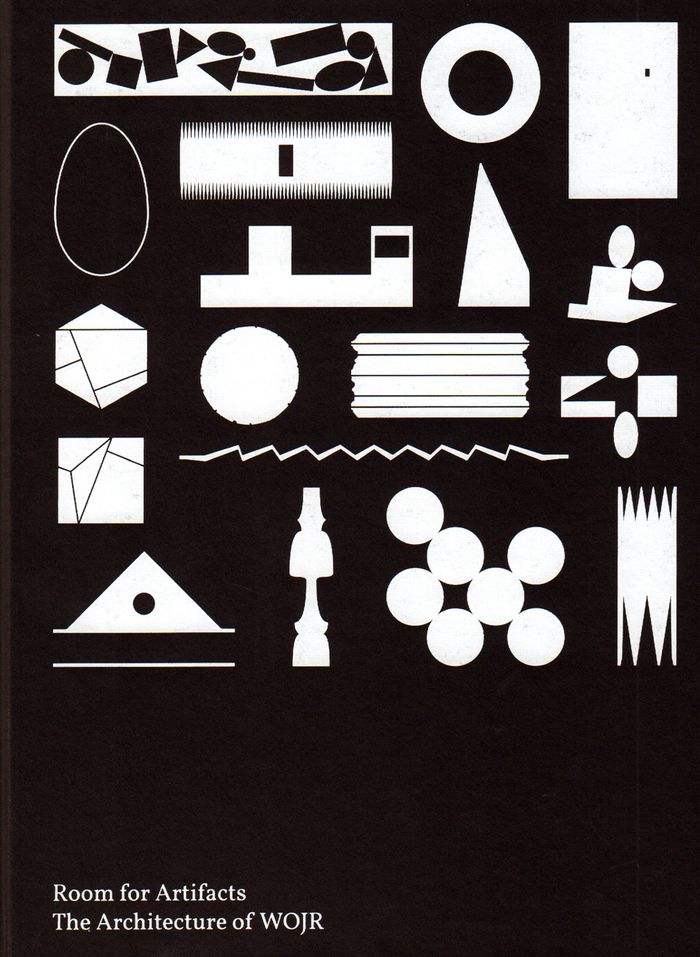
WOJR: Organization for Architecture is an innovative group of designers based in Cambridge, Massachusetts, who are committed to the idea of architecture as a form of cultural production, engaging the intersections of art, architecture, and urbanism. With this idea at its foundation, Room for Artifacts contains a collection of sixteen architectural artifacts designed by WOJR—a mask, a church, a labyrinth, a dwelling, a bust, and a series of totems, among others. The artifacts are presented three times throughout the book—in conceptual drawings, architectural drawings, and images. Certain characteristics recur, such as symmetry, frontality, figurality, proportionality, and play between flatness and depth, underscoring WOJR’s preoccupation with the fundamental aspects of architectural form that are rich in historical precedent. Room for Artifacts offers a new way to explore the role of architectural representation in a contemporary context, looking at how architects can invoke aspects of ideologies from architects of the past while establishing a progressive agenda for a forward-looking body of work.
Room for artifacts: the architecture of WOJR
Actions:
Price:
$73.50
(available to order)
Summary:
WOJR: Organization for Architecture is an innovative group of designers based in Cambridge, Massachusetts, who are committed to the idea of architecture as a form of cultural production, engaging the intersections of art, architecture, and urbanism. With this idea at its foundation, Room for Artifacts contains a collection of sixteen architectural artifacts designed by WOJR—a mask, a church, a labyrinth, a dwelling, a bust, and a series of totems, among others. The artifacts are presented three times throughout the book—in conceptual drawings, architectural drawings, and images. Certain characteristics recur, such as symmetry, frontality, figurality, proportionality, and play between flatness and depth, underscoring WOJR’s preoccupation with the fundamental aspects of architectural form that are rich in historical precedent. Room for Artifacts offers a new way to explore the role of architectural representation in a contemporary context, looking at how architects can invoke aspects of ideologies from architects of the past while establishing a progressive agenda for a forward-looking body of work.
Form:
books
books
Publication:
October 2016
October 2016
Subject:
Architecture Monographs
Architecture Monographs
Form:
books
books
Title:
Zoe Leonard: photographs
Zoe Leonard: photographs
Actions:
Price:
$68.00
(available to order)
Summary:
Zoe Leonard’s practice involves a type of cerebral roaming combined with carefully considered observation. For more than 20 years she has criss-crossed nature and culture, cityscapes and museums, always searching for signs that say something about structures, about natural and cultural conditions and the contradictions, parallels and connections among them. Leonard's(...)
$68.00
(available to order)
Summary:
Zoe Leonard’s practice involves a type of cerebral roaming combined with carefully considered observation. For more than 20 years she has criss-crossed nature and culture, cityscapes and museums, always searching for signs that say something about structures, about natural and cultural conditions and the contradictions, parallels and connections among them. Leonard's(...)
Title:
Zoe Leonard: photographs
Actions:
Price:
$68.00
(available to order)
Summary:
Zoe Leonard’s practice involves a type of cerebral roaming combined with carefully considered observation. For more than 20 years she has criss-crossed nature and culture, cityscapes and museums, always searching for signs that say something about structures, about natural and cultural conditions and the contradictions, parallels and connections among them. Leonard's photographs – of anatomical wax figures, fashion shows, trees and fences – present figures in sparse black-and-white images that open up a visual field of thought and reveal within it our visible world, that is, the concrete and established structures that make up our reality. At documenta 9 in Kassel Leonard created a stir with her placement of black-and-white photographs of female genitalia in the context of a male-dominated museum. The political aspects of her work form the backdrop of her constant struggle with shape, with imagery, with the union of symbols and content. This is the first book encompassing her complete oeuvre.
Zoe Leonard: photographs
Actions:
Price:
$68.00
(available to order)
Summary:
Zoe Leonard’s practice involves a type of cerebral roaming combined with carefully considered observation. For more than 20 years she has criss-crossed nature and culture, cityscapes and museums, always searching for signs that say something about structures, about natural and cultural conditions and the contradictions, parallels and connections among them. Leonard's photographs – of anatomical wax figures, fashion shows, trees and fences – present figures in sparse black-and-white images that open up a visual field of thought and reveal within it our visible world, that is, the concrete and established structures that make up our reality. At documenta 9 in Kassel Leonard created a stir with her placement of black-and-white photographs of female genitalia in the context of a male-dominated museum. The political aspects of her work form the backdrop of her constant struggle with shape, with imagery, with the union of symbols and content. This is the first book encompassing her complete oeuvre.
Form:
books
books
Publication:
March 2008, Göttingen, Zürich
March 2008, Göttingen, Zürich
Subject:
Photography monographs
Photography monographs
Form:
books
books
Actions:
Price:
$58.95
(available to order)
Summary:
The Austrian sociologist Otto Neurath (1882-1945) was one of the seminal figures of the 20th-century Modern Movement. Member of the Vienna Circle, Founder of the Museum of Society and Economy, inventor of the famous ISOTYPE pictorial system, and champion of the Unity of Science movement, Neurath's lifelong identification with collectivity and the concept of the global(...)
$58.95
(available to order)
Summary:
The Austrian sociologist Otto Neurath (1882-1945) was one of the seminal figures of the 20th-century Modern Movement. Member of the Vienna Circle, Founder of the Museum of Society and Economy, inventor of the famous ISOTYPE pictorial system, and champion of the Unity of Science movement, Neurath's lifelong identification with collectivity and the concept of the global(...)
Title:
Otto Neurath: the language of the global polis
Actions:
Price:
$58.95
(available to order)
Summary:
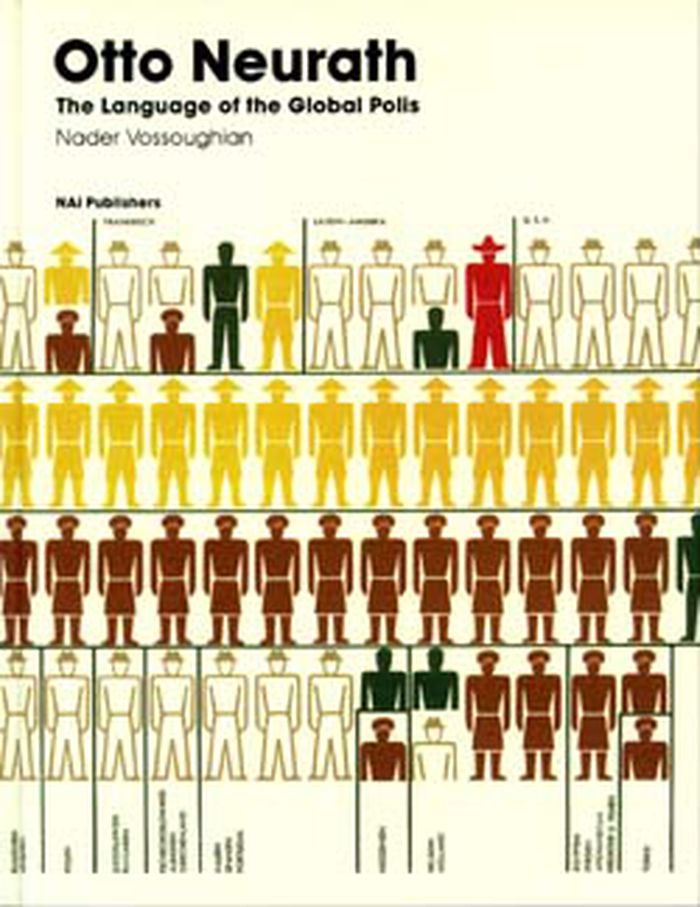
The Austrian sociologist Otto Neurath (1882-1945) was one of the seminal figures of the 20th-century Modern Movement. Member of the Vienna Circle, Founder of the Museum of Society and Economy, inventor of the famous ISOTYPE pictorial system, and champion of the Unity of Science movement, Neurath's lifelong identification with collectivity and the concept of the global polis put him in contact with the leading intellectuals, architects and artists of his time, from Adolf Loos to Laszlo Moholy-Nagy, from Sigfried Giedion to Le Corbusier, from graphic designer Gerd Arntz to architect and urban designer Cornelis van Eesteren. This book traces Neurath's global understanding of the modern metropolis as a global polis, representing an idea about collectivity premised on cultural and linguistic universality. Although much attention has been given to Neurath's achievements in the field of graphic design and philosophy, he has never been treated in the context of urbanism and architecture.
Otto Neurath: the language of the global polis
Actions:
Price:
$58.95
(available to order)
Summary:
The Austrian sociologist Otto Neurath (1882-1945) was one of the seminal figures of the 20th-century Modern Movement. Member of the Vienna Circle, Founder of the Museum of Society and Economy, inventor of the famous ISOTYPE pictorial system, and champion of the Unity of Science movement, Neurath's lifelong identification with collectivity and the concept of the global polis put him in contact with the leading intellectuals, architects and artists of his time, from Adolf Loos to Laszlo Moholy-Nagy, from Sigfried Giedion to Le Corbusier, from graphic designer Gerd Arntz to architect and urban designer Cornelis van Eesteren. This book traces Neurath's global understanding of the modern metropolis as a global polis, representing an idea about collectivity premised on cultural and linguistic universality. Although much attention has been given to Neurath's achievements in the field of graphic design and philosophy, he has never been treated in the context of urbanism and architecture.
Form:
books
books
Publication:
July 2008, Rotterdam
July 2008, Rotterdam
Subject:
Urban Theory
Urban Theory
Form:
books
books
Actions:
Price:
$28.99
(available in store)
Summary:
When Marjorie Hill graduated in 1920 as Canada's "first girl architect," she was entering a profession that had been established in Canada just 30 years earlier. For the Record, the first history of women architects in Canada, provides a fascinating introduction to early women architects, presented within the context of developments in both Europe and North(...)
$28.99
(available in store)
Summary:
When Marjorie Hill graduated in 1920 as Canada's "first girl architect," she was entering a profession that had been established in Canada just 30 years earlier. For the Record, the first history of women architects in Canada, provides a fascinating introduction to early women architects, presented within the context of developments in both Europe and North(...)
Title:
For the record: first women in Canadian architecture
Actions:
Price:
$28.99
(available in store)
Summary:
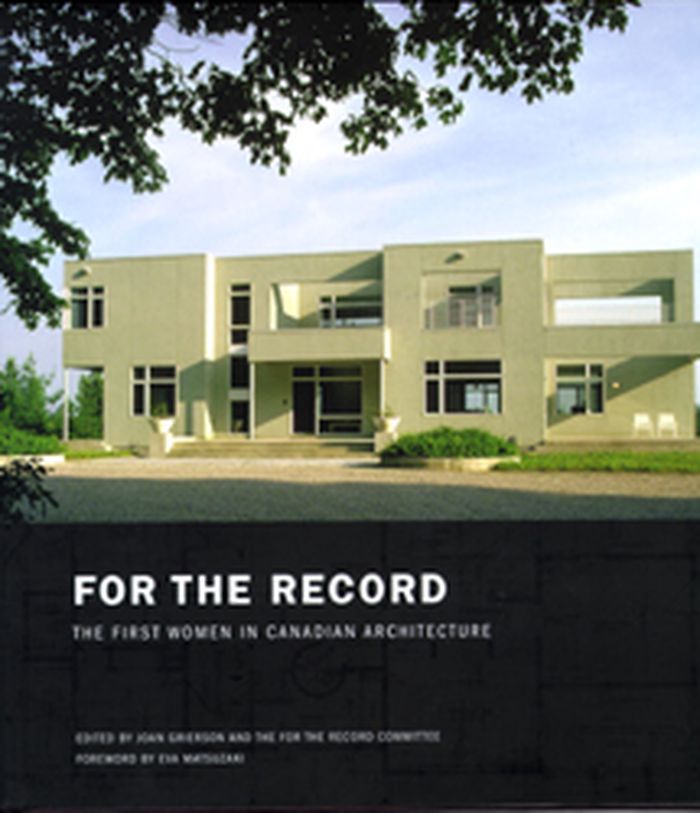
When Marjorie Hill graduated in 1920 as Canada's "first girl architect," she was entering a profession that had been established in Canada just 30 years earlier. For the Record, the first history of women architects in Canada, provides a fascinating introduction to early women architects, presented within the context of developments in both Europe and North America. Profiles of the women who graduated from the School of Architecture at the University of Toronto between 1920 and 1960 are illustrated with photographs of their work and include archival material that has never before been published. The final chapter on contemporary women in architecture showcases contributions by leading women architects across the country, from Halifax to Vancouver to Iqaluit. For the Record also provides current information on schools of architecture in Canada and includes a list of other resources to encourage young women who are thinking of pursuing careers in architecture. Foreword by Eva Matsuzaki.
For the record: first women in Canadian architecture
Actions:
Price:
$28.99
(available in store)
Summary:
When Marjorie Hill graduated in 1920 as Canada's "first girl architect," she was entering a profession that had been established in Canada just 30 years earlier. For the Record, the first history of women architects in Canada, provides a fascinating introduction to early women architects, presented within the context of developments in both Europe and North America. Profiles of the women who graduated from the School of Architecture at the University of Toronto between 1920 and 1960 are illustrated with photographs of their work and include archival material that has never before been published. The final chapter on contemporary women in architecture showcases contributions by leading women architects across the country, from Halifax to Vancouver to Iqaluit. For the Record also provides current information on schools of architecture in Canada and includes a list of other resources to encourage young women who are thinking of pursuing careers in architecture. Foreword by Eva Matsuzaki.
Form:
books
books
Publication:
May 2008, Toronto
May 2008, Toronto
Subject:
Canadian Architects
Canadian Architects
Form:
books
books
Actions:
Price:
$63.00
(available in store)
Summary:
This volume documents Gerhard Richter's 65-foot-tall, abstract, stained-glass window for Germany's historic Cologne Cathedral, the original of which was destroyed by bombs in World War II, and thereafter replaced with clear glass. Composed of more than 11,000 four-inch squares, or "pixels," in 72 colors, the window is based on Richter's 1974 painting, "4096 Colors," a(...)
$63.00
(available in store)
Summary:
This volume documents Gerhard Richter's 65-foot-tall, abstract, stained-glass window for Germany's historic Cologne Cathedral, the original of which was destroyed by bombs in World War II, and thereafter replaced with clear glass. Composed of more than 11,000 four-inch squares, or "pixels," in 72 colors, the window is based on Richter's 1974 painting, "4096 Colors," a(...)
Title:
Gerhard Richter - Zufall, das Kölner Domfenster und 4900 farben the cologne cathedral window, and 4900 colours
Actions:
Price:
$63.00
(available in store)
Summary:
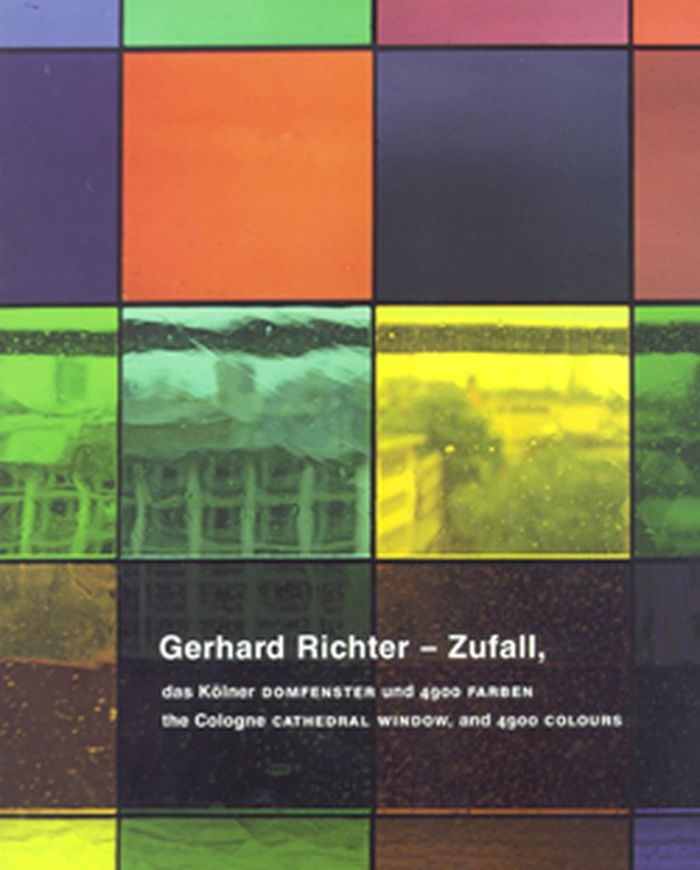
This volume documents Gerhard Richter's 65-foot-tall, abstract, stained-glass window for Germany's historic Cologne Cathedral, the original of which was destroyed by bombs in World War II, and thereafter replaced with clear glass. Composed of more than 11,000 four-inch squares, or "pixels," in 72 colors, the window is based on Richter's 1974 painting, "4096 Colors," a grid of monochromatic squares 64 tall and 64 wide (for a total of 4096 squares) which was organized and designed according to a mathematical formula that systematically mixed red, yellow, blue and gray. Photographs of the work are accompanied by three essays which integrate this important work into the context of Richter's oeuvre, and shed light on the principle of randomness on which it is based. Gerhard Richter was born in Dresden and escaped to West Germany in 1961. He has lived and worked in Cologne, where he was made an honorary citizen last year, since the early 1980s.
Gerhard Richter - Zufall, das Kölner Domfenster und 4900 farben the cologne cathedral window, and 4900 colours
Actions:
Price:
$63.00
(available in store)
Summary:
This volume documents Gerhard Richter's 65-foot-tall, abstract, stained-glass window for Germany's historic Cologne Cathedral, the original of which was destroyed by bombs in World War II, and thereafter replaced with clear glass. Composed of more than 11,000 four-inch squares, or "pixels," in 72 colors, the window is based on Richter's 1974 painting, "4096 Colors," a grid of monochromatic squares 64 tall and 64 wide (for a total of 4096 squares) which was organized and designed according to a mathematical formula that systematically mixed red, yellow, blue and gray. Photographs of the work are accompanied by three essays which integrate this important work into the context of Richter's oeuvre, and shed light on the principle of randomness on which it is based. Gerhard Richter was born in Dresden and escaped to West Germany in 1961. He has lived and worked in Cologne, where he was made an honorary citizen last year, since the early 1980s.
Form:
books
books
Publication:
February 2008, Köln
February 2008, Köln
Subject:
Contemporary Art Monographs
Contemporary Art Monographs
Form:
books
books
Actions:
Price:
$33.50
(available to order)
Summary:
What does it mean to practice architecture today? Does Italian architecture exist? What characterizes it? What values and objectives do you refer to when designing your architecture, and why? These are the questions recently put to 20 cutting-edge architectural firms working in Italy today. The answers come together in "Italy Now? Country Positions in Architecture",(...)
$33.50
(available to order)
Summary:
What does it mean to practice architecture today? Does Italian architecture exist? What characterizes it? What values and objectives do you refer to when designing your architecture, and why? These are the questions recently put to 20 cutting-edge architectural firms working in Italy today. The answers come together in "Italy Now? Country Positions in Architecture",(...)
Subject:
Architecture since 1900, Europe
Architecture since 1900, Europe
Publication:
March 2008, Ithaca, London
March 2008, Ithaca, London
Title:
Italy now? : country positions in architecture
Actions:
Price:
$33.50
(available to order)
Summary:
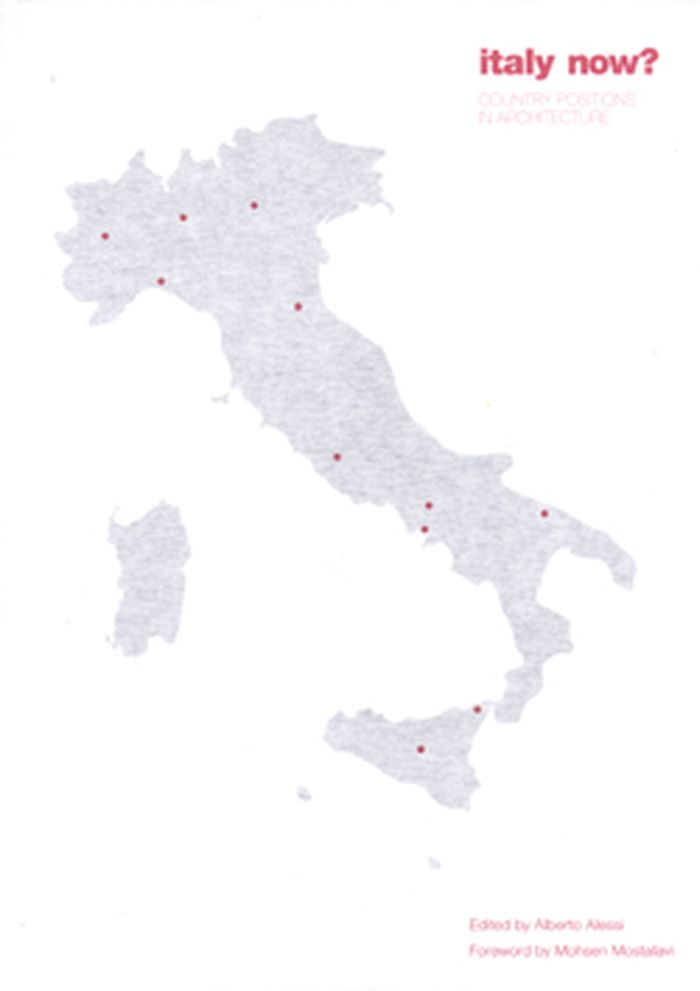
What does it mean to practice architecture today? Does Italian architecture exist? What characterizes it? What values and objectives do you refer to when designing your architecture, and why? These are the questions recently put to 20 cutting-edge architectural firms working in Italy today. The answers come together in "Italy Now? Country Positions in Architecture", which presents the architects’written responses in parallel with their design work. Edited by Alberto Alessi, this bilingual book also contains critical essays by Pier Vittorio Aureli and Gabriele Mastrigli. Noted Italian photographers Gabriele Basilico, Francesco Jodice, Armin Linke, and Alberto Muciaccia have contributed their visions of Italy - the land and people as well as the architecture - to deepen the context of this book. Based on an exhibit held at Cornell University as well as on two related conferences, one in Ithaca and the other in New York City, "Italy Now?" offers an intriguing look at contemporary Italian architecture - its physical expression and the thinking behind it.
Italy now? : country positions in architecture
Actions:
Price:
$33.50
(available to order)
Summary:
What does it mean to practice architecture today? Does Italian architecture exist? What characterizes it? What values and objectives do you refer to when designing your architecture, and why? These are the questions recently put to 20 cutting-edge architectural firms working in Italy today. The answers come together in "Italy Now? Country Positions in Architecture", which presents the architects’written responses in parallel with their design work. Edited by Alberto Alessi, this bilingual book also contains critical essays by Pier Vittorio Aureli and Gabriele Mastrigli. Noted Italian photographers Gabriele Basilico, Francesco Jodice, Armin Linke, and Alberto Muciaccia have contributed their visions of Italy - the land and people as well as the architecture - to deepen the context of this book. Based on an exhibit held at Cornell University as well as on two related conferences, one in Ithaca and the other in New York City, "Italy Now?" offers an intriguing look at contemporary Italian architecture - its physical expression and the thinking behind it.
Form:
books
books
Publication:
March 2008, Ithaca, London
March 2008, Ithaca, London
Subject:
Architecture since 1900, Europe
Architecture since 1900, Europe
Form:
books
books
Actions:
Price:
$66.00
(available in store)
Summary:
As in other countries, not every mid-century modern building in Japan can be, or even deserves to be saved. Yet a swathe of these works—those that achieved new architectural milestones and those that became landmarks in the public eye—warrant international attention. ''Vanishing Japan'' is the first book to shine a light on these gems, becoming an important record of(...)
$66.00
(available in store)
Summary:
As in other countries, not every mid-century modern building in Japan can be, or even deserves to be saved. Yet a swathe of these works—those that achieved new architectural milestones and those that became landmarks in the public eye—warrant international attention. ''Vanishing Japan'' is the first book to shine a light on these gems, becoming an important record of(...)
Title:
Vanishing Japan: Modern architecture gone but not forgotten
Actions:
Price:
$66.00
(available in store)
Summary:
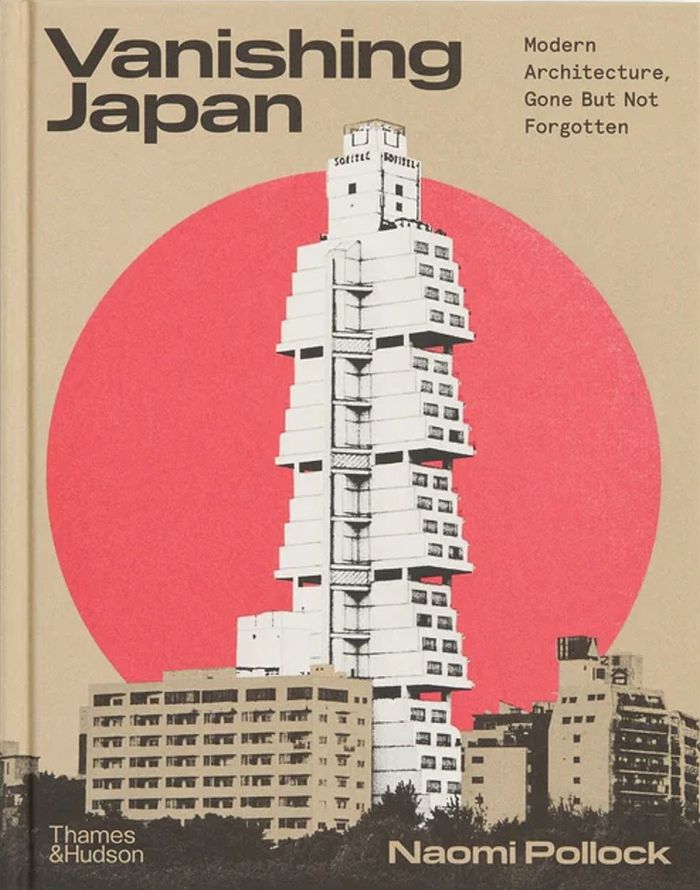
As in other countries, not every mid-century modern building in Japan can be, or even deserves to be saved. Yet a swathe of these works—those that achieved new architectural milestones and those that became landmarks in the public eye—warrant international attention. ''Vanishing Japan'' is the first book to shine a light on these gems, becoming an important record of buildings that have already been lost and making their memory available to a wide, global audience. The book focuses on some ninety buildings demolished since 2000, while the introduction, afterword, and “deep dive” interludes provide additional context. The project selection features beloved theaters, shopping centers, and offices built between the 1950s and 1970s, with select examples from the ’80s and ’90s as well. While many of these buildings were in Tokyo and Osaka, the book draws on examples from all over the country, charting the once recognizable local landmarks that continue to inspire as examples of architectural innovation.
Vanishing Japan: Modern architecture gone but not forgotten
Actions:
Price:
$66.00
(available in store)
Summary:
As in other countries, not every mid-century modern building in Japan can be, or even deserves to be saved. Yet a swathe of these works—those that achieved new architectural milestones and those that became landmarks in the public eye—warrant international attention. ''Vanishing Japan'' is the first book to shine a light on these gems, becoming an important record of buildings that have already been lost and making their memory available to a wide, global audience. The book focuses on some ninety buildings demolished since 2000, while the introduction, afterword, and “deep dive” interludes provide additional context. The project selection features beloved theaters, shopping centers, and offices built between the 1950s and 1970s, with select examples from the ’80s and ’90s as well. While many of these buildings were in Tokyo and Osaka, the book draws on examples from all over the country, charting the once recognizable local landmarks that continue to inspire as examples of architectural innovation.
Form:
books
books
Publication:
August 2026
August 2026
Form:
books
books
Title:
Brancusi's trinity
Brancusi's trinity
Actions:
Price:
$23.00
(available in store)
Summary:
In "Brancusi's Trinity," sculptor Richard Clements focuses on a proposed Hermetic cosmology between three of Constantin Brancusi’s sculptures: Endless Column (1918-1937), Table of Silence (1937), and Cup (1918-1925), positing them as an inseparable and holistic Trinity. Avoiding the traditional art historical lens that looks at an artist’s biography, historical context,(...)
$23.00
(available in store)
Summary:
In "Brancusi's Trinity," sculptor Richard Clements focuses on a proposed Hermetic cosmology between three of Constantin Brancusi’s sculptures: Endless Column (1918-1937), Table of Silence (1937), and Cup (1918-1925), positing them as an inseparable and holistic Trinity. Avoiding the traditional art historical lens that looks at an artist’s biography, historical context,(...)
Title:
Brancusi's trinity
Actions:
Price:
$23.00
(available in store)
Summary:
In "Brancusi's Trinity," sculptor Richard Clements focuses on a proposed Hermetic cosmology between three of Constantin Brancusi’s sculptures: Endless Column (1918-1937), Table of Silence (1937), and Cup (1918-1925), positing them as an inseparable and holistic Trinity. Avoiding the traditional art historical lens that looks at an artist’s biography, historical context, or symbolic/psychoanalytical interpretations, Clements instead approaches these works by focusing on their interrelated formation, formal and phenomenological relationship to each other, and their intrinsic numerological or occult concerns. As such, the sculptures form a trinity where each is seen in and through the others, simultaneously tripartite (hypostases) and singular (homoousion). Clements proposes that in their reception they open a site for latent esoteric intelligences to appear, focused around the Hermetic Principle of Correspondence: “As Above, So Below.” Extensive diagrams show the increasingly enfolded and enmeshed relationships between these three sculptures and detail how they appear in, and inform, one another.
Brancusi's trinity
Actions:
Price:
$23.00
(available in store)
Summary:
In "Brancusi's Trinity," sculptor Richard Clements focuses on a proposed Hermetic cosmology between three of Constantin Brancusi’s sculptures: Endless Column (1918-1937), Table of Silence (1937), and Cup (1918-1925), positing them as an inseparable and holistic Trinity. Avoiding the traditional art historical lens that looks at an artist’s biography, historical context, or symbolic/psychoanalytical interpretations, Clements instead approaches these works by focusing on their interrelated formation, formal and phenomenological relationship to each other, and their intrinsic numerological or occult concerns. As such, the sculptures form a trinity where each is seen in and through the others, simultaneously tripartite (hypostases) and singular (homoousion). Clements proposes that in their reception they open a site for latent esoteric intelligences to appear, focused around the Hermetic Principle of Correspondence: “As Above, So Below.” Extensive diagrams show the increasingly enfolded and enmeshed relationships between these three sculptures and detail how they appear in, and inform, one another.
Form:
books
books
Publication:
September 2026
September 2026
Subject:
Art Theory
Art Theory


