


511 Results
Form:
books
books

Actions:
Price:
$52.00
(available to order)
Summary:
A photographic survey of Soviet-era playgrounds found in former members of the USSR, such as Ukraine, Lithuania, Latvia, Estonia, Russia, Belarus, Kazakhstan, Tajikistan, and Uzbekistan. Through five chapters containing more than 150 photographs, the book documents the mass-produced, yet diverse play equipment installed in the communal spaces of socialist-era housing(...)
$52.00
(available to order)
Summary:
A photographic survey of Soviet-era playgrounds found in former members of the USSR, such as Ukraine, Lithuania, Latvia, Estonia, Russia, Belarus, Kazakhstan, Tajikistan, and Uzbekistan. Through five chapters containing more than 150 photographs, the book documents the mass-produced, yet diverse play equipment installed in the communal spaces of socialist-era housing(...)
Title:
Soviet playgrounds: Playful landscapes of the former USSR
Actions:
Price:
$52.00
(available to order)
Summary:
A photographic survey of Soviet-era playgrounds found in former members of the USSR, such as Ukraine, Lithuania, Latvia, Estonia, Russia, Belarus, Kazakhstan, Tajikistan, and Uzbekistan. Through five chapters containing more than 150 photographs, the book documents the mass-produced, yet diverse play equipment installed in the communal spaces of socialist-era housing estates, such as rocket slides and earth-shaped climbers, spaceships and animal-themed ladders, cosmic roundabouts and bizarre objects that would probably raise safety concerns nowadays. From Riga to Dushanbe and all the way from Kyiv to Vladivostok, children dreamt of becoming cosmonauts, and enjoyed the many space-themed playscapes which had proliferated since the onset of the Cold War era. While some are still in use, others are slowly disappearing to make way for modern equipment, or, more recently, being destroyed during the Russian invasion of Ukraine, becoming only a faint memory of a Soviet childhood. Includes a foreword by the Ukrainian urban planner Mykola Gorokhov and informative maps of the playgrounds featured in every chapter. Pictures were taken by Zupagrafika, with contributions by local photographers.
Soviet playgrounds: Playful landscapes of the former USSR
Actions:
Price:
$52.00
(available to order)
Summary:
A photographic survey of Soviet-era playgrounds found in former members of the USSR, such as Ukraine, Lithuania, Latvia, Estonia, Russia, Belarus, Kazakhstan, Tajikistan, and Uzbekistan. Through five chapters containing more than 150 photographs, the book documents the mass-produced, yet diverse play equipment installed in the communal spaces of socialist-era housing estates, such as rocket slides and earth-shaped climbers, spaceships and animal-themed ladders, cosmic roundabouts and bizarre objects that would probably raise safety concerns nowadays. From Riga to Dushanbe and all the way from Kyiv to Vladivostok, children dreamt of becoming cosmonauts, and enjoyed the many space-themed playscapes which had proliferated since the onset of the Cold War era. While some are still in use, others are slowly disappearing to make way for modern equipment, or, more recently, being destroyed during the Russian invasion of Ukraine, becoming only a faint memory of a Soviet childhood. Includes a foreword by the Ukrainian urban planner Mykola Gorokhov and informative maps of the playgrounds featured in every chapter. Pictures were taken by Zupagrafika, with contributions by local photographers.
Form:
books
books
Publication:
September 2022
September 2022
Subject:
Modernism
Modernism
Form:
books
books

Actions:
Price:
$54.00
(available to order)
Summary:
An investigation of thirty skyscrapers from around the world - both recently built and under construction - that explains the structural principles behind their creation. Skyscrapers, ever taller, astound us with their immensity and beauty. Despite the challenges associated with their design and safety, there is continued growth in the size and number of tall buildings(...)
$54.00
(available to order)
Summary:
An investigation of thirty skyscrapers from around the world - both recently built and under construction - that explains the structural principles behind their creation. Skyscrapers, ever taller, astound us with their immensity and beauty. Despite the challenges associated with their design and safety, there is continued growth in the size and number of tall buildings(...)
Title:
Skyscrapers : structure and design
Actions:
Price:
$54.00
(available to order)
Summary:
An investigation of thirty skyscrapers from around the world - both recently built and under construction - that explains the structural principles behind their creation. Skyscrapers, ever taller, astound us with their immensity and beauty. Despite the challenges associated with their design and safety, there is continued growth in the size and number of tall buildings being built around the world. In this fascinating book, Matthew Wells, a practicing structural engineer, explains the principles behind the construction of skyscrapers and the ways they are designed to withstand such forces as earthquakes, high winds, and fire. Beginning with a concise architectural and cultural history of the skyscraper, Wells then offers thirty case studies of high profile buildings recently built or under construction by some of the world’s most renowned architectural firms, including Foster and Partners; Zaha Hadid Architects; Cesar Pelli and Associates; the Renzo Piano Building Workshop; and Skidmore, Owings, and Merrill. Each is illustrated in colour alongside accompanying text, drawings, plans, and details that show how the building is constructed and what particular innovative design features it incorporates in order to address such issues as sustainability, the needs of mixed-use sites, local vernacular traditions, and technological advancements in building materials.
Skyscrapers : structure and design
Actions:
Price:
$54.00
(available to order)
Summary:
An investigation of thirty skyscrapers from around the world - both recently built and under construction - that explains the structural principles behind their creation. Skyscrapers, ever taller, astound us with their immensity and beauty. Despite the challenges associated with their design and safety, there is continued growth in the size and number of tall buildings being built around the world. In this fascinating book, Matthew Wells, a practicing structural engineer, explains the principles behind the construction of skyscrapers and the ways they are designed to withstand such forces as earthquakes, high winds, and fire. Beginning with a concise architectural and cultural history of the skyscraper, Wells then offers thirty case studies of high profile buildings recently built or under construction by some of the world’s most renowned architectural firms, including Foster and Partners; Zaha Hadid Architects; Cesar Pelli and Associates; the Renzo Piano Building Workshop; and Skidmore, Owings, and Merrill. Each is illustrated in colour alongside accompanying text, drawings, plans, and details that show how the building is constructed and what particular innovative design features it incorporates in order to address such issues as sustainability, the needs of mixed-use sites, local vernacular traditions, and technological advancements in building materials.
Form:
books
books
Publication:
September 2005, New Haven
September 2005, New Haven
Subject:
Gratte-ciels
Gratte-ciels
Form:
books
books
Actions:
Price:
$38.95
(available to order)
Summary:
In the last twenty years, thousands upon thousands of the upper and middle classes have retreated into gated communities. In 2002 it is estimated that one in eight Americans will live in these exclusive neighborhoods. What has sparked this alarming trend? Behind the Gates is Low's revealing account of what life is like inside these suburban fortresses. After years(...)
$38.95
(available to order)
Summary:
In the last twenty years, thousands upon thousands of the upper and middle classes have retreated into gated communities. In 2002 it is estimated that one in eight Americans will live in these exclusive neighborhoods. What has sparked this alarming trend? Behind the Gates is Low's revealing account of what life is like inside these suburban fortresses. After years(...)
Title:
Behind the gates : life, security, and the pursuit of happiness in fortress America
Actions:
Price:
$38.95
(available to order)
Summary:
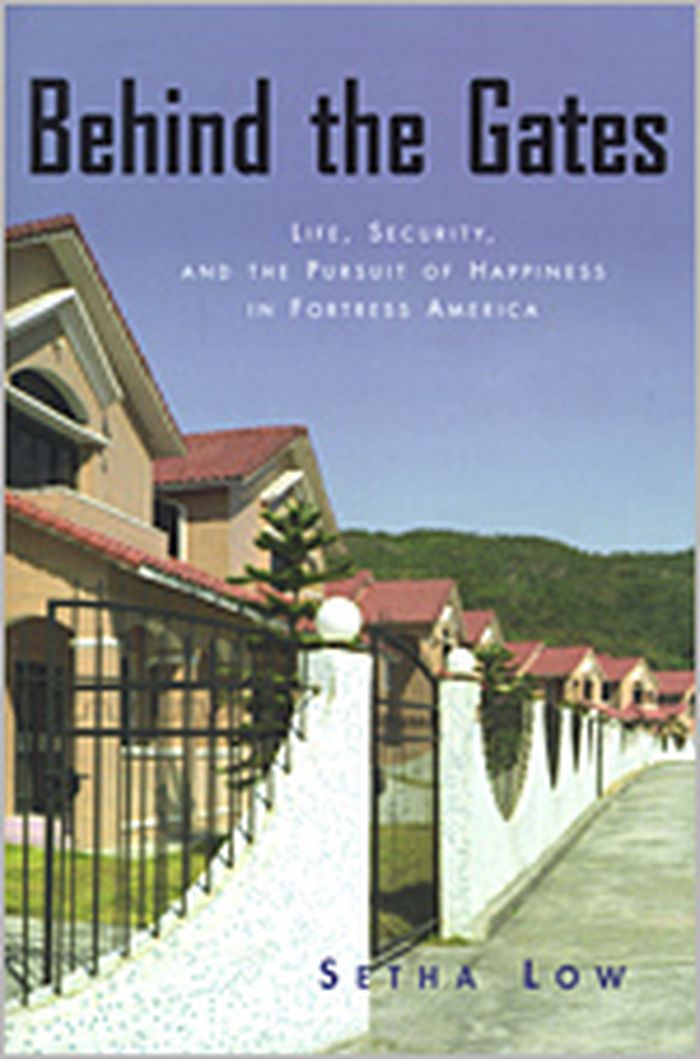
In the last twenty years, thousands upon thousands of the upper and middle classes have retreated into gated communities. In 2002 it is estimated that one in eight Americans will live in these exclusive neighborhoods. What has sparked this alarming trend? Behind the Gates is Low's revealing account of what life is like inside these suburban fortresses. After years researching and interviewing families in Long Island, New York and San Antonio, Texas, Low provides an inside view of gated communities to help explain why people flee to these enclaves. Parents with children, young married couples, "empty-nesters," and retirees express their need for safety, their secret fears of a more ethnically diverse America, and their desire to recapture the close-knit, picket-fenced communities of their childhood. Ironically, she shows, gated neighborhoods are in fact no safer than other suburbs, and many who move there are disheartened by the insularity and restrictive rules of the community. Low probes the hopes, dreams, and fears of her subjects to portray the subtle change in American middle-class values marked by the emergence of enclosed communities in the suburbs.
Behind the gates : life, security, and the pursuit of happiness in fortress America
Actions:
Price:
$38.95
(available to order)
Summary:
In the last twenty years, thousands upon thousands of the upper and middle classes have retreated into gated communities. In 2002 it is estimated that one in eight Americans will live in these exclusive neighborhoods. What has sparked this alarming trend? Behind the Gates is Low's revealing account of what life is like inside these suburban fortresses. After years researching and interviewing families in Long Island, New York and San Antonio, Texas, Low provides an inside view of gated communities to help explain why people flee to these enclaves. Parents with children, young married couples, "empty-nesters," and retirees express their need for safety, their secret fears of a more ethnically diverse America, and their desire to recapture the close-knit, picket-fenced communities of their childhood. Ironically, she shows, gated neighborhoods are in fact no safer than other suburbs, and many who move there are disheartened by the insularity and restrictive rules of the community. Low probes the hopes, dreams, and fears of her subjects to portray the subtle change in American middle-class values marked by the emergence of enclosed communities in the suburbs.
Form:
books
books
Publication:
April 2003, New York
April 2003, New York
Subject:
Urban Theory
Urban Theory
Form:
books
books
Actions:
Price:
$42.00
(available in store)
Summary:
Conceived as part of the one-year investigation Catching Up with Life, A Section of Now aims to re-establish a dialogue between architecture and society that would allow for architecture to begin to contend with and address our changed and changing social norms. The publication serves as a meditation on new behaviours, rituals, and values and their spatial implications(...)
$42.00
(available in store)
Summary:
Conceived as part of the one-year investigation Catching Up with Life, A Section of Now aims to re-establish a dialogue between architecture and society that would allow for architecture to begin to contend with and address our changed and changing social norms. The publication serves as a meditation on new behaviours, rituals, and values and their spatial implications(...)
Title:
A section of Now: Norms and Rituals as Sites for Architectural Intervention
Actions:
Price:
$42.00
(available in store)
Summary:
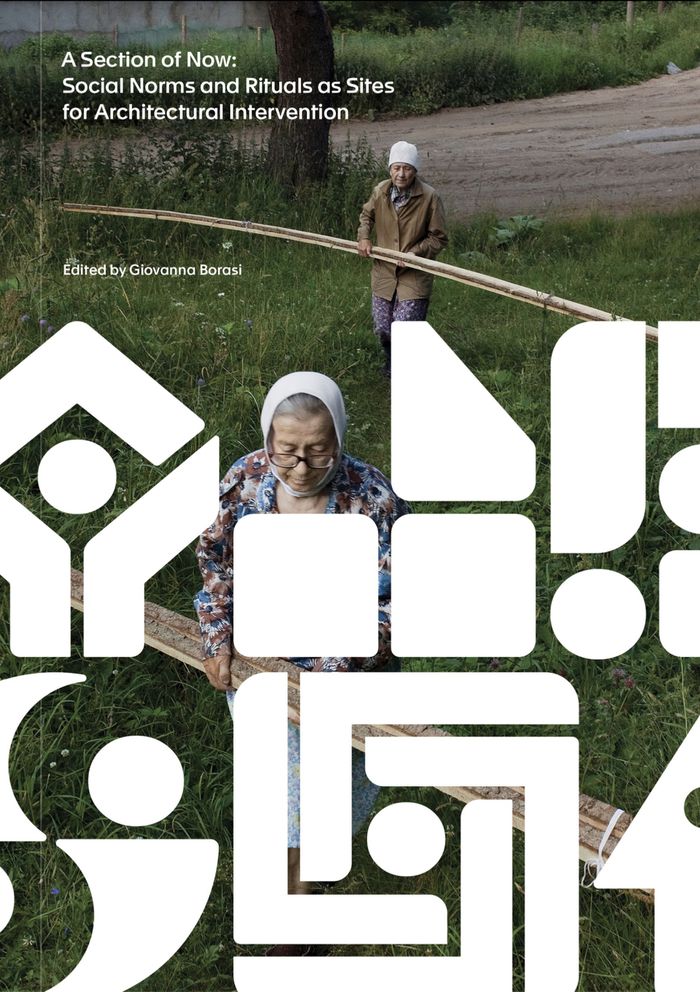
Conceived as part of the one-year investigation Catching Up with Life, A Section of Now aims to re-establish a dialogue between architecture and society that would allow for architecture to begin to contend with and address our changed and changing social norms. The publication serves as a meditation on new behaviours, rituals, and values and their spatial implications and seeks to catalyze urban and architectural interventions that accommodate, influence, and, in some cases, pre-empt our new lived realities. Authors address topics ranging from the safety of digital spaces to how normative life trajectories affect the elderly and the many selves each of us puts forward, while architects present frameworks for spaces for blended families, thirty-year-old retirees, and contested monuments, among many others. Bringing together analytical essays about the contemporary moment and the direction in which society is moving, projective texts that outline new architectural types to address societal needs, alongside television series, photography, and architecture and design projects, A Section of Now outlines a new relationship between the spaces in which we live and the ways we live within them.
A section of Now: Norms and Rituals as Sites for Architectural Intervention
Actions:
Price:
$42.00
(available in store)
Summary:
Conceived as part of the one-year investigation Catching Up with Life, A Section of Now aims to re-establish a dialogue between architecture and society that would allow for architecture to begin to contend with and address our changed and changing social norms. The publication serves as a meditation on new behaviours, rituals, and values and their spatial implications and seeks to catalyze urban and architectural interventions that accommodate, influence, and, in some cases, pre-empt our new lived realities. Authors address topics ranging from the safety of digital spaces to how normative life trajectories affect the elderly and the many selves each of us puts forward, while architects present frameworks for spaces for blended families, thirty-year-old retirees, and contested monuments, among many others. Bringing together analytical essays about the contemporary moment and the direction in which society is moving, projective texts that outline new architectural types to address societal needs, alongside television series, photography, and architecture and design projects, A Section of Now outlines a new relationship between the spaces in which we live and the ways we live within them.
Form:
books
books
Publication:
August 2021
August 2021
Subject:
CCA Publications
CCA Publications
Form:
books
books
Title:
City cycling
City cycling
Actions:
Price:
$31.95
(available to order)
Summary:
Bicycling in cities is booming, for many reasons: health and environmental benefits, time and cost savings, more and better bike lanes and paths, innovative bike sharing programs, and the sheer fun of riding. City Cycling offers a guide to this urban cycling, with the goal of promoting cycling as sustainable urban transportation available to everyone. It reports on(...)
$31.95
(available to order)
Summary:
Bicycling in cities is booming, for many reasons: health and environmental benefits, time and cost savings, more and better bike lanes and paths, innovative bike sharing programs, and the sheer fun of riding. City Cycling offers a guide to this urban cycling, with the goal of promoting cycling as sustainable urban transportation available to everyone. It reports on(...)
Subject:
Transportation, Tourism, Migration
Transportation, Tourism, Migration
Publication:
November 2012
November 2012
Title:
City cycling
Actions:
Price:
$31.95
(available to order)
Summary:
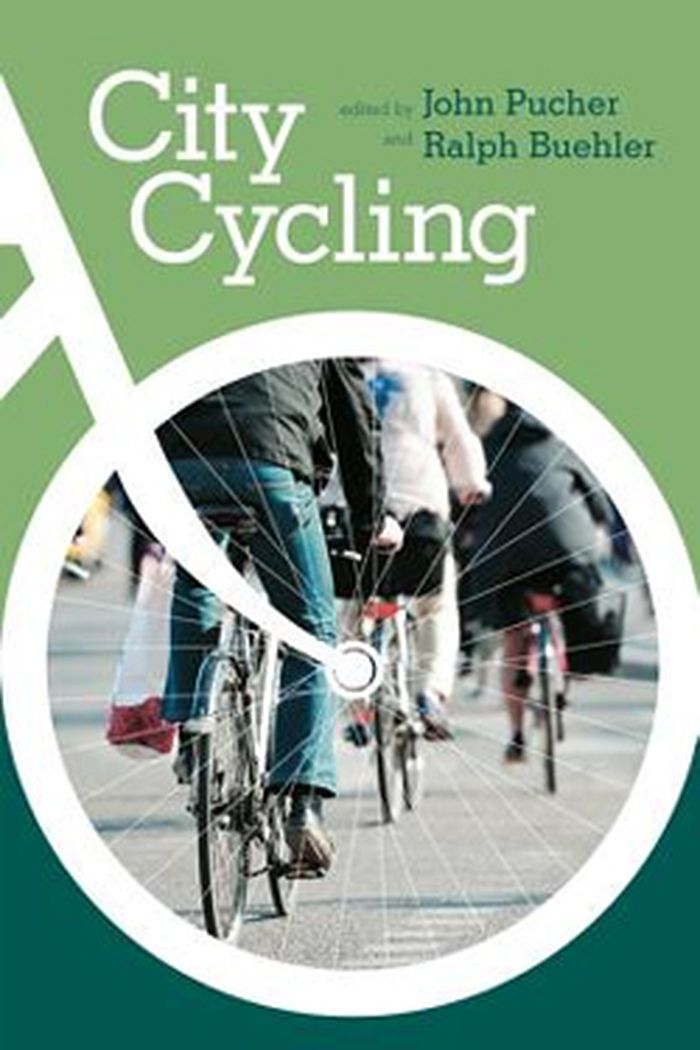
Bicycling in cities is booming, for many reasons: health and environmental benefits, time and cost savings, more and better bike lanes and paths, innovative bike sharing programs, and the sheer fun of riding. City Cycling offers a guide to this urban cycling, with the goal of promoting cycling as sustainable urban transportation available to everyone. It reports on cycling trends and policies in cities in North America, Europe, and Australia, and offers information on such topics as cycling safety, cycling infrastructure provisions including bikeways and bike parking, the wide range of bike designs and bike equipment, integration of cycling with public transportation, and promoting cycling for women and children. The chapters describe ways to make city cycling feasible, convenient, and safe for commutes to work and school, shopping trips, visits, and other daily transportation needs. The book also offers detailed examinations and illustrations of cycling conditions in different urban environments: small cities (including Davis, California, and Delft, the Netherlands), large cities (including Sydney, Chicago, Toronto and Berlin), and "megacities" (London, New York, Paris, and Tokyo). These chapters offer a closer look at how cities both with and without historical cycling cultures have developed cycling programs over time. The book makes clear that successful promotion of city cycling depends on coordinating infrastructure, programs, and government policies.
City cycling
Actions:
Price:
$31.95
(available to order)
Summary:
Bicycling in cities is booming, for many reasons: health and environmental benefits, time and cost savings, more and better bike lanes and paths, innovative bike sharing programs, and the sheer fun of riding. City Cycling offers a guide to this urban cycling, with the goal of promoting cycling as sustainable urban transportation available to everyone. It reports on cycling trends and policies in cities in North America, Europe, and Australia, and offers information on such topics as cycling safety, cycling infrastructure provisions including bikeways and bike parking, the wide range of bike designs and bike equipment, integration of cycling with public transportation, and promoting cycling for women and children. The chapters describe ways to make city cycling feasible, convenient, and safe for commutes to work and school, shopping trips, visits, and other daily transportation needs. The book also offers detailed examinations and illustrations of cycling conditions in different urban environments: small cities (including Davis, California, and Delft, the Netherlands), large cities (including Sydney, Chicago, Toronto and Berlin), and "megacities" (London, New York, Paris, and Tokyo). These chapters offer a closer look at how cities both with and without historical cycling cultures have developed cycling programs over time. The book makes clear that successful promotion of city cycling depends on coordinating infrastructure, programs, and government policies.
Form:
books
books
Publication:
November 2012
November 2012
Subject:
Transportation, Tourism, Migration
Transportation, Tourism, Migration
Form:
books
books
Actions:
Price:
$65.00
(available to order)
Summary:
The volume, realized in co-operation with the Vitra Design Museum is both the catalogue of an internationally travelling exhibition and one of the first monographical studies entirely devoted to the subject of children’s games and furniture. Furniture and games for children, irrespective of culture or period, can be perceived as vehicles for communicating society’s(...)
$65.00
(available to order)
Summary:
The volume, realized in co-operation with the Vitra Design Museum is both the catalogue of an internationally travelling exhibition and one of the first monographical studies entirely devoted to the subject of children’s games and furniture. Furniture and games for children, irrespective of culture or period, can be perceived as vehicles for communicating society’s(...)
Subject:
Zines
Zines
Publication:
December 1998, Milano
December 1998, Milano
Title:
Kid size : the material world of childhood
Actions:
Price:
$65.00
(available to order)
Summary:
The volume, realized in co-operation with the Vitra Design Museum is both the catalogue of an internationally travelling exhibition and one of the first monographical studies entirely devoted to the subject of children’s games and furniture. Furniture and games for children, irrespective of culture or period, can be perceived as vehicles for communicating society’s attitudes towards learning, the child’s physical and phychological development, safety, order in the family, territory, the place of play and patterns of social behaviour; although the child, by contrast, regards them as largely interchangeable objects in the serious work of play, the organization of modern society tends to give them always more importance, changing them into real products of design. The volume aims to explore the world of childhood throughout the different types of furniture artefacts and games from various periods and cultures in the world which illuminate the changing relationship between children and adults, the growing attention to child-centred provision and educational values and the fundamental role of playing in the history of childhood of different countries. The catalogue essays are written by chilhood specialists, social historians, ethnologists, educationalists, industrials designers (specialist in playground and play equipment) and experts on children living in the various cultures of the world: Lucy Bullivant, Mike Scaife, Linda Pollock, Eileen Adams, Günter Beltzig, Ingeborg Weber-Kellermann, Gerhard Kubik, Tina Wodiung and Sally Kevill-Davies.
Kid size : the material world of childhood
Actions:
Price:
$65.00
(available to order)
Summary:
The volume, realized in co-operation with the Vitra Design Museum is both the catalogue of an internationally travelling exhibition and one of the first monographical studies entirely devoted to the subject of children’s games and furniture. Furniture and games for children, irrespective of culture or period, can be perceived as vehicles for communicating society’s attitudes towards learning, the child’s physical and phychological development, safety, order in the family, territory, the place of play and patterns of social behaviour; although the child, by contrast, regards them as largely interchangeable objects in the serious work of play, the organization of modern society tends to give them always more importance, changing them into real products of design. The volume aims to explore the world of childhood throughout the different types of furniture artefacts and games from various periods and cultures in the world which illuminate the changing relationship between children and adults, the growing attention to child-centred provision and educational values and the fundamental role of playing in the history of childhood of different countries. The catalogue essays are written by chilhood specialists, social historians, ethnologists, educationalists, industrials designers (specialist in playground and play equipment) and experts on children living in the various cultures of the world: Lucy Bullivant, Mike Scaife, Linda Pollock, Eileen Adams, Günter Beltzig, Ingeborg Weber-Kellermann, Gerhard Kubik, Tina Wodiung and Sally Kevill-Davies.
Form:
books
books
Publication:
December 1998, Milano
December 1998, Milano
Subject:
Zines
Zines
Form:
books
books
Actions:
Price:
$53.95
(available to order)
Summary:
In American popular imagination, the mobile home evokes images of cramped interiors, cheap materials, and occupants too poor or unsavory to live anywhere else. Since the 1940s and '50s, however, mobile home manufacturers have improved standards of construction and now present them as an affordable alternative to conventional site-built homes. Today one of every fourteen(...)
$53.95
(available to order)
Summary:
In American popular imagination, the mobile home evokes images of cramped interiors, cheap materials, and occupants too poor or unsavory to live anywhere else. Since the 1940s and '50s, however, mobile home manufacturers have improved standards of construction and now present them as an affordable alternative to conventional site-built homes. Today one of every fourteen(...)
Subject:
Mobile Houses
Mobile Houses
Publication:
January 1900, Baltimore
January 1900, Baltimore
Title:
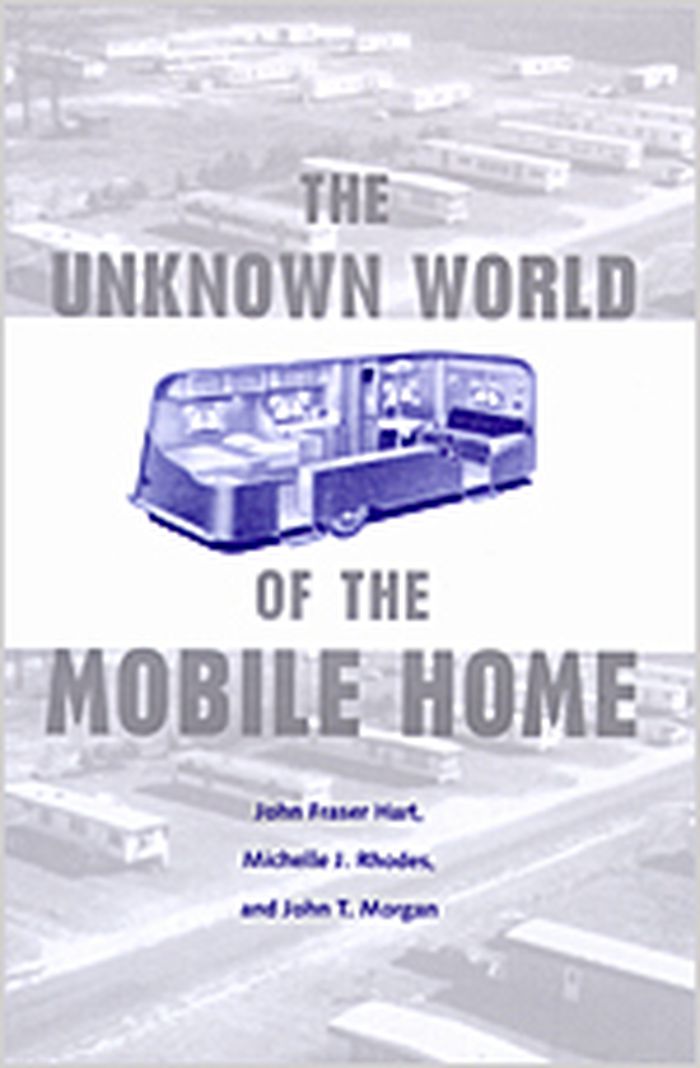
The unknown world of the mobile home
Actions:
Price:
$53.95
(available to order)
Summary:
In American popular imagination, the mobile home evokes images of cramped interiors, cheap materials, and occupants too poor or unsavory to live anywhere else. Since the 1940s and '50s, however, mobile home manufacturers have improved standards of construction and now present them as an affordable alternative to conventional site-built homes. Today one of every fourteen Americans lives in a mobile home. In "The Unknown World of the Mobile Home" authors John Fraser Hart, Michelle J. Rhodes, and John T. Morgan illuminate the history and culture of these often misunderstood domiciles. They describe early mobile homes, which were trailers designed to be pulled behind automobiles and which were more often than not poorly constructed and unequal to the needs of those who used them. During the 1970s, however, Congress enacted federal standards for the quality and safety of mobile homes, which led to innovation in design and the production of much more attractive and durable models. These models now comply with local building codes and many are designed to look like conventional houses. As a result, one out every five new single-family housing units purchased in the United States is a mobile home, sited everywhere from the conventional trailer park to custom-designed "estates" aimed at young couples and retirees. Despite all these changes in manufacture and design, even the most immobile mobile homes are still sold, financed, regulated, and taxed as vehicles. With a wealth of detail and illustrations, "The Unknown World of the Mobile Home" provides readers with an in-depth look into this variation on the American dream.
The unknown world of the mobile home
Actions:
Price:
$53.95
(available to order)
Summary:
In American popular imagination, the mobile home evokes images of cramped interiors, cheap materials, and occupants too poor or unsavory to live anywhere else. Since the 1940s and '50s, however, mobile home manufacturers have improved standards of construction and now present them as an affordable alternative to conventional site-built homes. Today one of every fourteen Americans lives in a mobile home. In "The Unknown World of the Mobile Home" authors John Fraser Hart, Michelle J. Rhodes, and John T. Morgan illuminate the history and culture of these often misunderstood domiciles. They describe early mobile homes, which were trailers designed to be pulled behind automobiles and which were more often than not poorly constructed and unequal to the needs of those who used them. During the 1970s, however, Congress enacted federal standards for the quality and safety of mobile homes, which led to innovation in design and the production of much more attractive and durable models. These models now comply with local building codes and many are designed to look like conventional houses. As a result, one out every five new single-family housing units purchased in the United States is a mobile home, sited everywhere from the conventional trailer park to custom-designed "estates" aimed at young couples and retirees. Despite all these changes in manufacture and design, even the most immobile mobile homes are still sold, financed, regulated, and taxed as vehicles. With a wealth of detail and illustrations, "The Unknown World of the Mobile Home" provides readers with an in-depth look into this variation on the American dream.
Form:
books
books
Publication:
January 1900, Baltimore
January 1900, Baltimore
Subject:
Mobile Houses
Mobile Houses
Form:
books
books
Title:
The case for open borders
The case for open borders
Actions:
Price:
$30.95
(available to order)
Summary:
Because of restrictive borders, human beings suffer and die. Closed borders force migrants seeking safety and dignity to journey across seas, trudge through deserts, and clamber over barbed wire. In the last five years alone, at least 60,000 people have died or gone missing while attempting to cross a border. As we deny, cast out, and crack down, we have stripped borders(...)
$30.95
(available to order)
Summary:
Because of restrictive borders, human beings suffer and die. Closed borders force migrants seeking safety and dignity to journey across seas, trudge through deserts, and clamber over barbed wire. In the last five years alone, at least 60,000 people have died or gone missing while attempting to cross a border. As we deny, cast out, and crack down, we have stripped borders(...)
Title:
The case for open borders
Actions:
Price:
$30.95
(available to order)
Summary:
Because of restrictive borders, human beings suffer and die. Closed borders force migrants seeking safety and dignity to journey across seas, trudge through deserts, and clamber over barbed wire. In the last five years alone, at least 60,000 people have died or gone missing while attempting to cross a border. As we deny, cast out, and crack down, we have stripped borders of their creative potential — as lines of contact, catalyst, and blend — turning our thresholds into barricades. Brilliant and provocative, ''The Case for Open Borders'' deflates the mythology of national security through border lockdowns by revisiting their historical origins; it counters the conspiracies of immigration’s economic consequences; it urgently considers the challenges of climate change beyond the boundaries of narrow national identities. This book grounds its argument in the experiences and thinking of those on the frontlines of the crisis, spanning the world to do so. In each chapter, through detailed reporting, journalist and translator John Washington profiles a character impacted by borders. He adds to those portraits provocative analyses of the economics and ethics of bordering, concluding that if we are to seek justice or sustainability we must fight for open borders. In recent years, important thinkers have begun to urge a profoundly different approach to migration, but no book has made the argument as accessible or as compelling. Washington’s case shines with the multitudinous voices of people on the move, a portrait in miniature of what a world with open borders will give to our common future.
The case for open borders
Actions:
Price:
$30.95
(available to order)
Summary:
Because of restrictive borders, human beings suffer and die. Closed borders force migrants seeking safety and dignity to journey across seas, trudge through deserts, and clamber over barbed wire. In the last five years alone, at least 60,000 people have died or gone missing while attempting to cross a border. As we deny, cast out, and crack down, we have stripped borders of their creative potential — as lines of contact, catalyst, and blend — turning our thresholds into barricades. Brilliant and provocative, ''The Case for Open Borders'' deflates the mythology of national security through border lockdowns by revisiting their historical origins; it counters the conspiracies of immigration’s economic consequences; it urgently considers the challenges of climate change beyond the boundaries of narrow national identities. This book grounds its argument in the experiences and thinking of those on the frontlines of the crisis, spanning the world to do so. In each chapter, through detailed reporting, journalist and translator John Washington profiles a character impacted by borders. He adds to those portraits provocative analyses of the economics and ethics of bordering, concluding that if we are to seek justice or sustainability we must fight for open borders. In recent years, important thinkers have begun to urge a profoundly different approach to migration, but no book has made the argument as accessible or as compelling. Washington’s case shines with the multitudinous voices of people on the move, a portrait in miniature of what a world with open borders will give to our common future.
Form:
books
books
Publication:
February 2024
February 2024
Subject:
Social
Social
Form:
books
books
Actions:
Price:
$29.99
(available to order)
Summary:
In this book the cultural critic Marita Sturken argues that over the past two decades, Americans have responded to national trauma through consumerism, kitsch sentiment, and tourist practices in ways that reveal a tenacious investment in the idea of America’s innocence. Sturken investigates the consumerism that followed from the September 11th attacks; the contentious,(...)
$29.99
(available to order)
Summary:
In this book the cultural critic Marita Sturken argues that over the past two decades, Americans have responded to national trauma through consumerism, kitsch sentiment, and tourist practices in ways that reveal a tenacious investment in the idea of America’s innocence. Sturken investigates the consumerism that followed from the September 11th attacks; the contentious,(...)
Subject:
Transportation, Tourism, Migration
Transportation, Tourism, Migration
Publication:
November 2007, Durham
November 2007, Durham
Title:
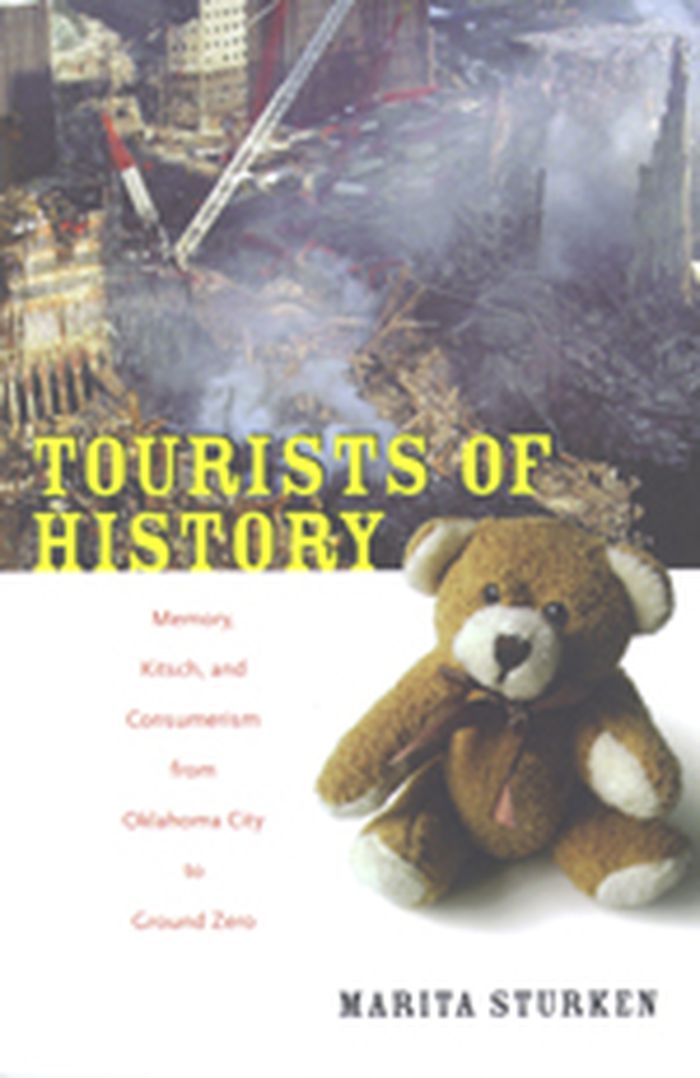
Tourists of History: memory, kitsch, and consumerism from Oklahoma City to Ground Zero
Actions:
Price:
$29.99
(available to order)
Summary:
In this book the cultural critic Marita Sturken argues that over the past two decades, Americans have responded to national trauma through consumerism, kitsch sentiment, and tourist practices in ways that reveal a tenacious investment in the idea of America’s innocence. Sturken investigates the consumerism that followed from the September 11th attacks; the contentious, ongoing debates about memorials and celebrity-architect designed buildings at Ground Zero; and two outcomes of the bombing of the Alfred P. Murrah Federal Building in Oklahoma City: the Oklahoma City National Memorial and the execution of Timothy McVeigh. Sturken contends that a consumer culture of comfort objects such as World Trade Center snow globes, FDNY teddy bears, and Oklahoma City Memorial t-shirts and branded water, as well as reenactments of traumatic events in memorial and architectural designs, enables a national tendency to see U.S. culture as distant from both history and world politics. A kitsch comfort culture contributes to a “tourist” relationship to history: Americans can feel good about visiting and buying souvenirs at sites of national mourning without having to engage with the economic, social, and political causes of the violent events. While arguing for the importance of remembering tragic losses of life, Sturken is urging attention to a dangerous confluence—of memory, tourism, consumerism, paranoia, security, and kitsch—that promulgates fear to sell safety, offers prepackaged emotion at the expense of critical thought, contains alternative politics, and facilitates public acquiescence in the federal government’s repressive measures at home and its aggressive political and military policies abroad.
Tourists of History: memory, kitsch, and consumerism from Oklahoma City to Ground Zero
Actions:
Price:
$29.99
(available to order)
Summary:
In this book the cultural critic Marita Sturken argues that over the past two decades, Americans have responded to national trauma through consumerism, kitsch sentiment, and tourist practices in ways that reveal a tenacious investment in the idea of America’s innocence. Sturken investigates the consumerism that followed from the September 11th attacks; the contentious, ongoing debates about memorials and celebrity-architect designed buildings at Ground Zero; and two outcomes of the bombing of the Alfred P. Murrah Federal Building in Oklahoma City: the Oklahoma City National Memorial and the execution of Timothy McVeigh. Sturken contends that a consumer culture of comfort objects such as World Trade Center snow globes, FDNY teddy bears, and Oklahoma City Memorial t-shirts and branded water, as well as reenactments of traumatic events in memorial and architectural designs, enables a national tendency to see U.S. culture as distant from both history and world politics. A kitsch comfort culture contributes to a “tourist” relationship to history: Americans can feel good about visiting and buying souvenirs at sites of national mourning without having to engage with the economic, social, and political causes of the violent events. While arguing for the importance of remembering tragic losses of life, Sturken is urging attention to a dangerous confluence—of memory, tourism, consumerism, paranoia, security, and kitsch—that promulgates fear to sell safety, offers prepackaged emotion at the expense of critical thought, contains alternative politics, and facilitates public acquiescence in the federal government’s repressive measures at home and its aggressive political and military policies abroad.
Form:
books
books
Publication:
November 2007, Durham
November 2007, Durham
Subject:
Transportation, Tourism, Migration
Transportation, Tourism, Migration
Form:
books
books
Title:
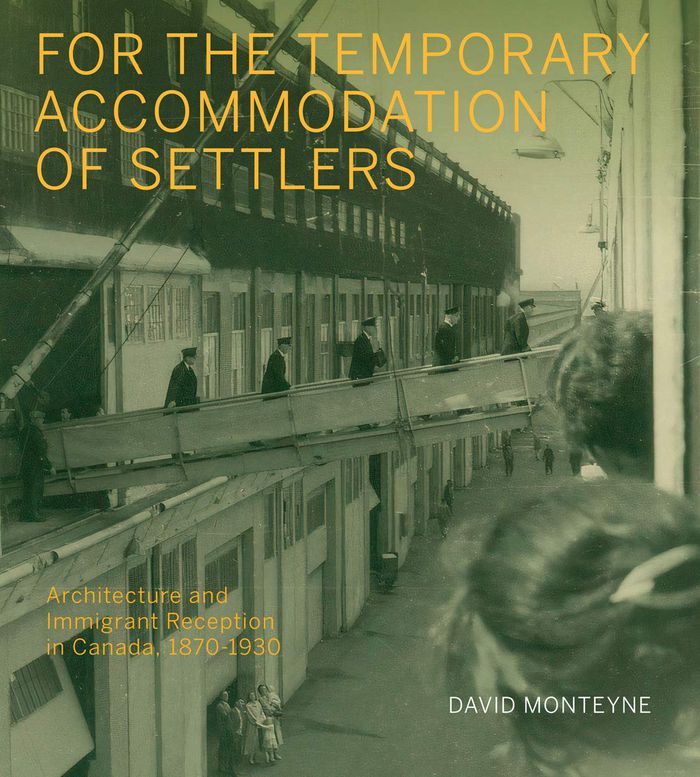
For the temporary accomodation of settlers: Architecture and immigrant reception in Canada 1870-1930
For the temporary accomodation of settlers: Architecture and immigrant reception in Canada 1870-1930
Actions:
Price:
$75.00
(available to order)
Summary:
For immigrants making the transoceanic journey from Europe or Asia to North America, the experience of a new country began when they disembarked. In Canada the federal government built a network of buildings that provided newcomers with shelter, services, and state support. "Immigration sheds" such as Pier 21 in Halifax – where ocean liners would dock and global migrants(...)
$75.00
(available to order)
Summary:
For immigrants making the transoceanic journey from Europe or Asia to North America, the experience of a new country began when they disembarked. In Canada the federal government built a network of buildings that provided newcomers with shelter, services, and state support. "Immigration sheds" such as Pier 21 in Halifax – where ocean liners would dock and global migrants(...)
Title:
For the temporary accomodation of settlers: Architecture and immigrant reception in Canada 1870-1930
Actions:
Price:
$75.00
(available to order)
Summary:
For immigrants making the transoceanic journey from Europe or Asia to North America, the experience of a new country began when they disembarked. In Canada the federal government built a network of buildings that provided newcomers with shelter, services, and state support. "Immigration sheds" such as Pier 21 in Halifax – where ocean liners would dock and global migrants arrived and were processed – had many counterparts across the country: new arrivals were accommodated or incarcerated at reception halls, quarantine stations, and immigrant detention hospitals. For the Temporary Accommodation of Settlers reconstructs the experiences of people in these spaces – both immigrants and government agents – to pose a question at the heart of architectural thinking: how is meaning produced in the built environments that we encounter? David Monteyne interprets official governmental intentions and policy goals embodied by the architecture of immigration but foregrounds the unofficial, informal practices of people who negotiated these spaces to satisfy basic needs, ensure the safety of their families, learn about land and job opportunities, and ultimately arrive at their destinations. The extent of this Canadian network, which peaked in the early twentieth century at over sixty different sites, and the range of building types that comprised it are unique among immigrant-receiving nations in this period. In our era of pandemic quarantine and migrant detention facilities, ''For the temporary accommodation of settlers'' offers new ways of seeing and thinking about the historical processes of immigration, challenging readers to consider government architecture and the experience of migrants across global networks.
For the temporary accomodation of settlers: Architecture and immigrant reception in Canada 1870-1930
Actions:
Price:
$75.00
(available to order)
Summary:
For immigrants making the transoceanic journey from Europe or Asia to North America, the experience of a new country began when they disembarked. In Canada the federal government built a network of buildings that provided newcomers with shelter, services, and state support. "Immigration sheds" such as Pier 21 in Halifax – where ocean liners would dock and global migrants arrived and were processed – had many counterparts across the country: new arrivals were accommodated or incarcerated at reception halls, quarantine stations, and immigrant detention hospitals. For the Temporary Accommodation of Settlers reconstructs the experiences of people in these spaces – both immigrants and government agents – to pose a question at the heart of architectural thinking: how is meaning produced in the built environments that we encounter? David Monteyne interprets official governmental intentions and policy goals embodied by the architecture of immigration but foregrounds the unofficial, informal practices of people who negotiated these spaces to satisfy basic needs, ensure the safety of their families, learn about land and job opportunities, and ultimately arrive at their destinations. The extent of this Canadian network, which peaked in the early twentieth century at over sixty different sites, and the range of building types that comprised it are unique among immigrant-receiving nations in this period. In our era of pandemic quarantine and migrant detention facilities, ''For the temporary accommodation of settlers'' offers new ways of seeing and thinking about the historical processes of immigration, challenging readers to consider government architecture and the experience of migrants across global networks.
Form:
books
books
Publication:
December 2021
December 2021
Subject:
Architecture in Canada
Architecture in Canada


