


11271 Results
Level of archival description:
Project
Project
Reference number:
AP178.S1.1979.PR02
Description:
The project series documents the 1979 design entry for the Görlitzer Bad swimming pool. While the records were held in the office’s archives this project was assigned the number 48/70; in the past the office identified the project as number 159. The office assigned the date 1979 for this project. This project was submitted to the International Architectural Exhibition Berlin competition (International Bauaustellung, IBA, circa 1979-1987), an urban renewal strategy for West Berlin, Germany. Siza would later submit proposals to the IBA for Block 70 and 89 (Fränkelufer residential complex), Block 121 (Bonjour Tristesse), Block 11-12 (Kottbusser Damm), Monument to Gestapo victims Prinz- Albrecht-Palais, and a proposal for the Kulturforum. The Görlitzer Bad swimming pool was Siza's first international project and first competition. Preceding the IBA competition, Siza attended the 1976 International Design Zentrum (IDZ) symposium in Berlin, "Stadtstruktur-Stadtgestalt". Brigitte Fleck, responsible for national and international architecture competitions for the Senate of Berlin (1971-1985), invited Siza to participate in the IBA competition to design the swimming pool for Kreuzberg. Fleck had heard of Siza’s participation in the IDZ symposium and became interested in Siza’s work with the Servicio Ambulatorio de Apio Lokal (SAAL). By this time Siza’s work with SAAL had been published in the December 1976 and March 1978 publications of the Lotus International Quarterly Architectural Review (numbers 13 and 18). Fleck felt that Siza's work with SAAL would be relevant to the IBA. In 1979, Siza entered his design for the Görlitzer Bad swimming pool to be built on a vacant area on the east side of Kreuzberg. The design for the pool was strongly opposed by the public because the dome over the main swimming pool was said to resemble a mosque. This area of Kreuzberg was largely populated by Turkish Muslims and there was hostility towards this immigrant community. Although Siza’s entry went through the first round of the IBA competition, it did not win the competition and was only awarded a special prize. The project series contains sketches and studies, as well as conceptual and design development drawings of elevations, site plans, and floor plans. Documentation for the competition includes site plans for the competition and a strata plan. The photographs, negatives, contact sheets, and slides mostly document the model and drawings for the project.
AP178.S1.1979.PR02
Description:
The project series documents the 1979 design entry for the Görlitzer Bad swimming pool. While the records were held in the office’s archives this project was assigned the number 48/70; in the past the office identified the project as number 159. The office assigned the date 1979 for this project. This project was submitted to the International Architectural Exhibition Berlin competition (International Bauaustellung, IBA, circa 1979-1987), an urban renewal strategy for West Berlin, Germany. Siza would later submit proposals to the IBA for Block 70 and 89 (Fränkelufer residential complex), Block 121 (Bonjour Tristesse), Block 11-12 (Kottbusser Damm), Monument to Gestapo victims Prinz- Albrecht-Palais, and a proposal for the Kulturforum. The Görlitzer Bad swimming pool was Siza's first international project and first competition. Preceding the IBA competition, Siza attended the 1976 International Design Zentrum (IDZ) symposium in Berlin, "Stadtstruktur-Stadtgestalt". Brigitte Fleck, responsible for national and international architecture competitions for the Senate of Berlin (1971-1985), invited Siza to participate in the IBA competition to design the swimming pool for Kreuzberg. Fleck had heard of Siza’s participation in the IDZ symposium and became interested in Siza’s work with the Servicio Ambulatorio de Apio Lokal (SAAL). By this time Siza’s work with SAAL had been published in the December 1976 and March 1978 publications of the Lotus International Quarterly Architectural Review (numbers 13 and 18). Fleck felt that Siza's work with SAAL would be relevant to the IBA. In 1979, Siza entered his design for the Görlitzer Bad swimming pool to be built on a vacant area on the east side of Kreuzberg. The design for the pool was strongly opposed by the public because the dome over the main swimming pool was said to resemble a mosque. This area of Kreuzberg was largely populated by Turkish Muslims and there was hostility towards this immigrant community. Although Siza’s entry went through the first round of the IBA competition, it did not win the competition and was only awarded a special prize. The project series contains sketches and studies, as well as conceptual and design development drawings of elevations, site plans, and floor plans. Documentation for the competition includes site plans for the competition and a strata plan. The photographs, negatives, contact sheets, and slides mostly document the model and drawings for the project.
People:
Date:
1978-1979
1978-1979
Title:
Piscina de "Görlitzer Bad" Kreuzberg, Berlim Oeste [Görlitzer Bad swimming pool], Berlin, Germany (1978-1979)
Actions:
AP178.S1.1979.PR02
Description:
The project series documents the 1979 design entry for the Görlitzer Bad swimming pool. While the records were held in the office’s archives this project was assigned the number 48/70; in the past the office identified the project as number 159. The office assigned the date 1979 for this project. This project was submitted to the International Architectural Exhibition Berlin competition (International Bauaustellung, IBA, circa 1979-1987), an urban renewal strategy for West Berlin, Germany. Siza would later submit proposals to the IBA for Block 70 and 89 (Fränkelufer residential complex), Block 121 (Bonjour Tristesse), Block 11-12 (Kottbusser Damm), Monument to Gestapo victims Prinz- Albrecht-Palais, and a proposal for the Kulturforum. The Görlitzer Bad swimming pool was Siza's first international project and first competition. Preceding the IBA competition, Siza attended the 1976 International Design Zentrum (IDZ) symposium in Berlin, "Stadtstruktur-Stadtgestalt". Brigitte Fleck, responsible for national and international architecture competitions for the Senate of Berlin (1971-1985), invited Siza to participate in the IBA competition to design the swimming pool for Kreuzberg. Fleck had heard of Siza’s participation in the IDZ symposium and became interested in Siza’s work with the Servicio Ambulatorio de Apio Lokal (SAAL). By this time Siza’s work with SAAL had been published in the December 1976 and March 1978 publications of the Lotus International Quarterly Architectural Review (numbers 13 and 18). Fleck felt that Siza's work with SAAL would be relevant to the IBA. In 1979, Siza entered his design for the Görlitzer Bad swimming pool to be built on a vacant area on the east side of Kreuzberg. The design for the pool was strongly opposed by the public because the dome over the main swimming pool was said to resemble a mosque. This area of Kreuzberg was largely populated by Turkish Muslims and there was hostility towards this immigrant community. Although Siza’s entry went through the first round of the IBA competition, it did not win the competition and was only awarded a special prize. The project series contains sketches and studies, as well as conceptual and design development drawings of elevations, site plans, and floor plans. Documentation for the competition includes site plans for the competition and a strata plan. The photographs, negatives, contact sheets, and slides mostly document the model and drawings for the project.
Piscina de "Görlitzer Bad" Kreuzberg, Berlim Oeste [Görlitzer Bad swimming pool], Berlin, Germany (1978-1979)
Actions:
AP178.S1.1979.PR02
Description:
The project series documents the 1979 design entry for the Görlitzer Bad swimming pool. While the records were held in the office’s archives this project was assigned the number 48/70; in the past the office identified the project as number 159. The office assigned the date 1979 for this project. This project was submitted to the International Architectural Exhibition Berlin competition (International Bauaustellung, IBA, circa 1979-1987), an urban renewal strategy for West Berlin, Germany. Siza would later submit proposals to the IBA for Block 70 and 89 (Fränkelufer residential complex), Block 121 (Bonjour Tristesse), Block 11-12 (Kottbusser Damm), Monument to Gestapo victims Prinz- Albrecht-Palais, and a proposal for the Kulturforum. The Görlitzer Bad swimming pool was Siza's first international project and first competition. Preceding the IBA competition, Siza attended the 1976 International Design Zentrum (IDZ) symposium in Berlin, "Stadtstruktur-Stadtgestalt". Brigitte Fleck, responsible for national and international architecture competitions for the Senate of Berlin (1971-1985), invited Siza to participate in the IBA competition to design the swimming pool for Kreuzberg. Fleck had heard of Siza’s participation in the IDZ symposium and became interested in Siza’s work with the Servicio Ambulatorio de Apio Lokal (SAAL). By this time Siza’s work with SAAL had been published in the December 1976 and March 1978 publications of the Lotus International Quarterly Architectural Review (numbers 13 and 18). Fleck felt that Siza's work with SAAL would be relevant to the IBA. In 1979, Siza entered his design for the Görlitzer Bad swimming pool to be built on a vacant area on the east side of Kreuzberg. The design for the pool was strongly opposed by the public because the dome over the main swimming pool was said to resemble a mosque. This area of Kreuzberg was largely populated by Turkish Muslims and there was hostility towards this immigrant community. Although Siza’s entry went through the first round of the IBA competition, it did not win the competition and was only awarded a special prize. The project series contains sketches and studies, as well as conceptual and design development drawings of elevations, site plans, and floor plans. Documentation for the competition includes site plans for the competition and a strata plan. The photographs, negatives, contact sheets, and slides mostly document the model and drawings for the project.
Level of archival description:
Project
Project
Date:
1978-1979
1978-1979
People:
Form:
articles
articles
Form:
articles
articles
Form:
articles
articles
Actions:
Keyword(s):
Jia Gu, Hannah Rose Feniak, Matthey Critchley, Aldo Rossi, Frederick Kiesler, Eero Saarinen
Jia Gu, Hannah Rose Feniak, Matthey Critchley, Aldo Rossi, Frederick Kiesler, Eero Saarinen
Published:
20 July 2020
20 July 2020
Form:
archives
Level of archival description:
Fonds
archives
Level of archival description:
Fonds
Title:
Max Wolfe Roth fonds
Max Wolfe Roth fonds
Actions:
Reference number:
AP125
Synopsis:
The Max Wolfe Roth fonds, 1933-2000, documents the professional career of architect Max Wolfe Roth. The fonds comprises of materials relating to 15 student projects (1933-1937) and 333 professional projects (1937-2000). Materials in this fonds consist of 7,589 drawings (including reprographic copies), 303 photographs, 22 panels, 2.83 l.m. of textual records, 0.33 l.m.of slides, 82 notebooks, 7 stamps, 1 slide rule and 1 model.
AP125
Synopsis:
The Max Wolfe Roth fonds, 1933-2000, documents the professional career of architect Max Wolfe Roth. The fonds comprises of materials relating to 15 student projects (1933-1937) and 333 professional projects (1937-2000). Materials in this fonds consist of 7,589 drawings (including reprographic copies), 303 photographs, 22 panels, 2.83 l.m. of textual records, 0.33 l.m.of slides, 82 notebooks, 7 stamps, 1 slide rule and 1 model.
People:
Date:
1933-2000
1933-2000
Title:
Max Wolfe Roth fonds
Actions:
AP125
Synopsis:
The Max Wolfe Roth fonds, 1933-2000, documents the professional career of architect Max Wolfe Roth. The fonds comprises of materials relating to 15 student projects (1933-1937) and 333 professional projects (1937-2000). Materials in this fonds consist of 7,589 drawings (including reprographic copies), 303 photographs, 22 panels, 2.83 l.m. of textual records, 0.33 l.m.of slides, 82 notebooks, 7 stamps, 1 slide rule and 1 model.
Max Wolfe Roth fonds
Actions:
AP125
Synopsis:
The Max Wolfe Roth fonds, 1933-2000, documents the professional career of architect Max Wolfe Roth. The fonds comprises of materials relating to 15 student projects (1933-1937) and 333 professional projects (1937-2000). Materials in this fonds consist of 7,589 drawings (including reprographic copies), 303 photographs, 22 panels, 2.83 l.m. of textual records, 0.33 l.m.of slides, 82 notebooks, 7 stamps, 1 slide rule and 1 model.
Form:
archives
Level of archival description:
Fonds
archives
Level of archival description:
Fonds
Date:
1933-2000
1933-2000
People:
Form:
events
events
Actions:
Description:
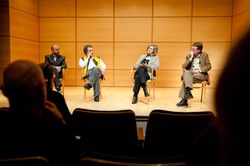
Curatorial practice as it emerged during the twentieth century is no doubt being extensively recast. The tremendous change in the status of the object, of culture, of the various disciplines, or information and education, implies an inevitable transformation of the curator’s role and competences. A renewed interest for curatorial practice has emerged within the field of(...)
Curatorial practice as it emerged during the twentieth century is no doubt being extensively recast. The tremendous change in the status of the object, of culture, of the various disciplines, or information and education, implies an inevitable transformation of the curator’s role and competences. A renewed interest for curatorial practice has emerged within the field of(...)
Location:
Paul Desmarais Theatre
Paul Desmarais Theatre
Date:
11 November 2010 to 13 November 2010
11 November 2010 to 13 November 2010
Title:
The CCA in an Expanding Curatorial Field
Actions:
Description:
Curatorial practice as it emerged during the twentieth century is no doubt being extensively recast. The tremendous change in the status of the object, of culture, of the various disciplines, or information and education, implies an inevitable transformation of the curator’s role and competences. A renewed interest for curatorial practice has emerged within the field of(...)
The CCA in an Expanding Curatorial Field
Actions:
Description:
Curatorial practice as it emerged during the twentieth century is no doubt being extensively recast. The tremendous change in the status of the object, of culture, of the various disciplines, or information and education, implies an inevitable transformation of the curator’s role and competences. A renewed interest for curatorial practice has emerged within the field of(...)
Form:
events
events
Date:
11 November 2010 to
13 November 2010
11 November 2010 to
13 November 2010
Location:
Paul Desmarais Theatre
Paul Desmarais Theatre
Level of archival description:
Project
Project
Reference number:
AP178.S1.1979.PR06
Description:
The project series documents the 1979 design entry for Block 70 and 89, also known as the Fränkelufer residential complex. While the records were held in the office’s archives this project was assigned the number 55/70. The office assigned the date 1979 for this project. This project was submitted to the International Architectural Exhibition Berlin competition (International Bauaustellung, IBA, circa 1979-1987), an urban renewal strategy for West Berlin, Germany. Six months prior to submitting the design for Block 70 and 89 Siza submitted a design for the Görlitzer Bad swimming pool, which did not win the competition but received a special prize. Siza later submitted proposals to the IBA for Bonjour Tristesse (Block 121), Monument to Gestapo victims Prinz-Albrecht-Palais, Block 11-12 (Kottbusser Damm), and the Kulturforum, all of which are documented in this fonds. The IBA divided West Berlin into two parts: IBA Neubau ('new building'), led by Josef Paul Kleihues, and IBA Altbau ('old building') led by Hardt-Walherr Hämer. IBA Nuebau's focus was to build new structures while IBA Altbau's was to renovate existing buildings. The competition site for Block 70 and 89 was located on the west side of Kreuzberg, a district on the eastern edge of West Berlin. Although this project was part of the Altbau section, it nonetheless required building new housing complexes, which was generally under the purview of the Neubau section (Mota, "An archaeology of the ordinary" 299). Siza won second prize in the competition for his design of Block 70 and 89. This design proposal is said to have prepared Siza's ideas for his first international built project, Block 121 (Mathur, "The migrant's time"). The project series contains sketches and studies, which include notes. Several of the project sketches also include sketches of people. Documenting the design proposal are site plans, elevations, interior elevations, and floor plans. Photographs, negatives, contact sheets, and slides depict the project site and surrounding area as well as the model and drawings. Additionally there are panoramic photomontages of the project site. Please note that documentation for this project series is housed with documentation on Block 11-12 in file AP178.S1.1980.PR03.008, in the order it was kept by the office. Documentation for Block 70 and 89 includes an invitation to the competition, recommendations from the IBA advisory council, and other information regarding the competition.
AP178.S1.1979.PR06
Description:
The project series documents the 1979 design entry for Block 70 and 89, also known as the Fränkelufer residential complex. While the records were held in the office’s archives this project was assigned the number 55/70. The office assigned the date 1979 for this project. This project was submitted to the International Architectural Exhibition Berlin competition (International Bauaustellung, IBA, circa 1979-1987), an urban renewal strategy for West Berlin, Germany. Six months prior to submitting the design for Block 70 and 89 Siza submitted a design for the Görlitzer Bad swimming pool, which did not win the competition but received a special prize. Siza later submitted proposals to the IBA for Bonjour Tristesse (Block 121), Monument to Gestapo victims Prinz-Albrecht-Palais, Block 11-12 (Kottbusser Damm), and the Kulturforum, all of which are documented in this fonds. The IBA divided West Berlin into two parts: IBA Neubau ('new building'), led by Josef Paul Kleihues, and IBA Altbau ('old building') led by Hardt-Walherr Hämer. IBA Nuebau's focus was to build new structures while IBA Altbau's was to renovate existing buildings. The competition site for Block 70 and 89 was located on the west side of Kreuzberg, a district on the eastern edge of West Berlin. Although this project was part of the Altbau section, it nonetheless required building new housing complexes, which was generally under the purview of the Neubau section (Mota, "An archaeology of the ordinary" 299). Siza won second prize in the competition for his design of Block 70 and 89. This design proposal is said to have prepared Siza's ideas for his first international built project, Block 121 (Mathur, "The migrant's time"). The project series contains sketches and studies, which include notes. Several of the project sketches also include sketches of people. Documenting the design proposal are site plans, elevations, interior elevations, and floor plans. Photographs, negatives, contact sheets, and slides depict the project site and surrounding area as well as the model and drawings. Additionally there are panoramic photomontages of the project site. Please note that documentation for this project series is housed with documentation on Block 11-12 in file AP178.S1.1980.PR03.008, in the order it was kept by the office. Documentation for Block 70 and 89 includes an invitation to the competition, recommendations from the IBA advisory council, and other information regarding the competition.
People:
Date:
1976-1982
1976-1982
Title:
Blocke 70 und 89, Kreuzberg, Fränkelufer [Fränkelufer residential complex], Berlin, Germany (1976-1982)
Actions:
AP178.S1.1979.PR06
Description:
The project series documents the 1979 design entry for Block 70 and 89, also known as the Fränkelufer residential complex. While the records were held in the office’s archives this project was assigned the number 55/70. The office assigned the date 1979 for this project. This project was submitted to the International Architectural Exhibition Berlin competition (International Bauaustellung, IBA, circa 1979-1987), an urban renewal strategy for West Berlin, Germany. Six months prior to submitting the design for Block 70 and 89 Siza submitted a design for the Görlitzer Bad swimming pool, which did not win the competition but received a special prize. Siza later submitted proposals to the IBA for Bonjour Tristesse (Block 121), Monument to Gestapo victims Prinz-Albrecht-Palais, Block 11-12 (Kottbusser Damm), and the Kulturforum, all of which are documented in this fonds. The IBA divided West Berlin into two parts: IBA Neubau ('new building'), led by Josef Paul Kleihues, and IBA Altbau ('old building') led by Hardt-Walherr Hämer. IBA Nuebau's focus was to build new structures while IBA Altbau's was to renovate existing buildings. The competition site for Block 70 and 89 was located on the west side of Kreuzberg, a district on the eastern edge of West Berlin. Although this project was part of the Altbau section, it nonetheless required building new housing complexes, which was generally under the purview of the Neubau section (Mota, "An archaeology of the ordinary" 299). Siza won second prize in the competition for his design of Block 70 and 89. This design proposal is said to have prepared Siza's ideas for his first international built project, Block 121 (Mathur, "The migrant's time"). The project series contains sketches and studies, which include notes. Several of the project sketches also include sketches of people. Documenting the design proposal are site plans, elevations, interior elevations, and floor plans. Photographs, negatives, contact sheets, and slides depict the project site and surrounding area as well as the model and drawings. Additionally there are panoramic photomontages of the project site. Please note that documentation for this project series is housed with documentation on Block 11-12 in file AP178.S1.1980.PR03.008, in the order it was kept by the office. Documentation for Block 70 and 89 includes an invitation to the competition, recommendations from the IBA advisory council, and other information regarding the competition.
Blocke 70 und 89, Kreuzberg, Fränkelufer [Fränkelufer residential complex], Berlin, Germany (1976-1982)
Actions:
AP178.S1.1979.PR06
Description:
The project series documents the 1979 design entry for Block 70 and 89, also known as the Fränkelufer residential complex. While the records were held in the office’s archives this project was assigned the number 55/70. The office assigned the date 1979 for this project. This project was submitted to the International Architectural Exhibition Berlin competition (International Bauaustellung, IBA, circa 1979-1987), an urban renewal strategy for West Berlin, Germany. Six months prior to submitting the design for Block 70 and 89 Siza submitted a design for the Görlitzer Bad swimming pool, which did not win the competition but received a special prize. Siza later submitted proposals to the IBA for Bonjour Tristesse (Block 121), Monument to Gestapo victims Prinz-Albrecht-Palais, Block 11-12 (Kottbusser Damm), and the Kulturforum, all of which are documented in this fonds. The IBA divided West Berlin into two parts: IBA Neubau ('new building'), led by Josef Paul Kleihues, and IBA Altbau ('old building') led by Hardt-Walherr Hämer. IBA Nuebau's focus was to build new structures while IBA Altbau's was to renovate existing buildings. The competition site for Block 70 and 89 was located on the west side of Kreuzberg, a district on the eastern edge of West Berlin. Although this project was part of the Altbau section, it nonetheless required building new housing complexes, which was generally under the purview of the Neubau section (Mota, "An archaeology of the ordinary" 299). Siza won second prize in the competition for his design of Block 70 and 89. This design proposal is said to have prepared Siza's ideas for his first international built project, Block 121 (Mathur, "The migrant's time"). The project series contains sketches and studies, which include notes. Several of the project sketches also include sketches of people. Documenting the design proposal are site plans, elevations, interior elevations, and floor plans. Photographs, negatives, contact sheets, and slides depict the project site and surrounding area as well as the model and drawings. Additionally there are panoramic photomontages of the project site. Please note that documentation for this project series is housed with documentation on Block 11-12 in file AP178.S1.1980.PR03.008, in the order it was kept by the office. Documentation for Block 70 and 89 includes an invitation to the competition, recommendations from the IBA advisory council, and other information regarding the competition.
Level of archival description:
Project
Project
Date:
1976-1982
1976-1982
People:
Form:
articles
articles
Title:
Material Witness
Material Witness
Actions:
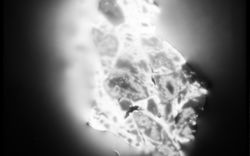
Susanne Kriemann on how photography records radioactive landscapes
Keyword(s):
The Lives of Documents, Photography as a Project, Stefano Graziani and Bas Princen, Susanne Kriemann, conversation, oral history, radioactive landscapes
The Lives of Documents, Photography as a Project, Stefano Graziani and Bas Princen, Susanne Kriemann, conversation, oral history, radioactive landscapes
Published:
11 March 2024
11 March 2024
Form:
archives
Level of archival description:
Fonds
archives
Level of archival description:
Fonds
Title:
Myron Goldsmith fonds
Myron Goldsmith fonds
Reference number:
AP032
Synopsis:
The Myron Goldsmith fonds consists primarily of 30.4 metres of textual documents, including notebooks, research and reading notes, travel journals, documentation files, correspondence, sketchbooks and personal and office papers. There are also 2,800 original drawings and prints, 10,000 photographs and slides, and 5 architectural models. The material ranges in date from c.1933 to 1996. In shedding light on Goldsmith's student years and working career, the fonds' rich collection of documents also provides material on activities in the architectural profession, architectural education, and architectural and engineering theory and building techniques through the 1940s to the 1990s.
AP032
Synopsis:
The Myron Goldsmith fonds consists primarily of 30.4 metres of textual documents, including notebooks, research and reading notes, travel journals, documentation files, correspondence, sketchbooks and personal and office papers. There are also 2,800 original drawings and prints, 10,000 photographs and slides, and 5 architectural models. The material ranges in date from c.1933 to 1996. In shedding light on Goldsmith's student years and working career, the fonds' rich collection of documents also provides material on activities in the architectural profession, architectural education, and architectural and engineering theory and building techniques through the 1940s to the 1990s.
People:
Date:
1933-1996
1933-1996
Title:
Myron Goldsmith fonds
Actions:
AP032
Synopsis:
The Myron Goldsmith fonds consists primarily of 30.4 metres of textual documents, including notebooks, research and reading notes, travel journals, documentation files, correspondence, sketchbooks and personal and office papers. There are also 2,800 original drawings and prints, 10,000 photographs and slides, and 5 architectural models. The material ranges in date from c.1933 to 1996. In shedding light on Goldsmith's student years and working career, the fonds' rich collection of documents also provides material on activities in the architectural profession, architectural education, and architectural and engineering theory and building techniques through the 1940s to the 1990s.
Myron Goldsmith fonds
Actions:
AP032
Synopsis:
The Myron Goldsmith fonds consists primarily of 30.4 metres of textual documents, including notebooks, research and reading notes, travel journals, documentation files, correspondence, sketchbooks and personal and office papers. There are also 2,800 original drawings and prints, 10,000 photographs and slides, and 5 architectural models. The material ranges in date from c.1933 to 1996. In shedding light on Goldsmith's student years and working career, the fonds' rich collection of documents also provides material on activities in the architectural profession, architectural education, and architectural and engineering theory and building techniques through the 1940s to the 1990s.
Form:
archives
Level of archival description:
Fonds
archives
Level of archival description:
Fonds
Date:
1933-1996
1933-1996
People:
Form:
events
events
Description:
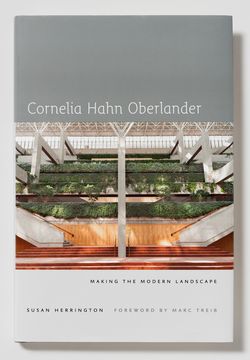
The first biography of one of the most influential landscape architects of the 20th century, Cornelia Hahn Oberlander: Making the Modern Landscape draws upon archival research, site analyses, and numerous interviews with Cornelia Oberlander and her collaborators. Author Susan Herrington joins Oberlander in conversation about her works and career. The series They want(...)
The first biography of one of the most influential landscape architects of the 20th century, Cornelia Hahn Oberlander: Making the Modern Landscape draws upon archival research, site analyses, and numerous interviews with Cornelia Oberlander and her collaborators. Author Susan Herrington joins Oberlander in conversation about her works and career. The series They want(...)
Date:
14 September 2014 , 3pm
14 September 2014 , 3pm
Title:
Cornelia Oberlander and Susan Herrington want to speak with you
Actions:
Description:
The first biography of one of the most influential landscape architects of the 20th century, Cornelia Hahn Oberlander: Making the Modern Landscape draws upon archival research, site analyses, and numerous interviews with Cornelia Oberlander and her collaborators. Author Susan Herrington joins Oberlander in conversation about her works and career. The series They want(...)
Cornelia Oberlander and Susan Herrington want to speak with you
Actions:
Description:
The first biography of one of the most influential landscape architects of the 20th century, Cornelia Hahn Oberlander: Making the Modern Landscape draws upon archival research, site analyses, and numerous interviews with Cornelia Oberlander and her collaborators. Author Susan Herrington joins Oberlander in conversation about her works and career. The series They want(...)
Form:
events
events
Date:
14 September 2014
3pm
14 September 2014
3pm


