


5203 Results
Form:
books
books
Title:
L'odeur de chlore
L'odeur de chlore
Actions:
Price:
$24.95
(available to order)
Summary:
En 1945, Le Corbusier invente une notion architecturale : Le Modulor, silhouette humaine standardisée servant à concevoir la structure et la taille des unités d’habitation dessinées par l’architecte. Plusieurs habitations furent conçues sur ce mode, comme La Cité radieuse à Marseille, ou La Maison radieuse de Rezé, près de Nantes. Parmi elles, l’Unité d’habitation de(...)
$24.95
(available to order)
Summary:
En 1945, Le Corbusier invente une notion architecturale : Le Modulor, silhouette humaine standardisée servant à concevoir la structure et la taille des unités d’habitation dessinées par l’architecte. Plusieurs habitations furent conçues sur ce mode, comme La Cité radieuse à Marseille, ou La Maison radieuse de Rezé, près de Nantes. Parmi elles, l’Unité d’habitation de(...)
Title:
L'odeur de chlore
Actions:
Price:
$24.95
(available to order)
Summary:
En 1945, Le Corbusier invente une notion architecturale : Le Modulor, silhouette humaine standardisée servant à concevoir la structure et la taille des unités d’habitation dessinées par l’architecte. Plusieurs habitations furent conçues sur ce mode, comme La Cité radieuse à Marseille, ou La Maison radieuse de Rezé, près de Nantes. Parmi elles, l’Unité d’habitation de Firminy-Vert, près de Saint-Etienne. Le Corbusier décédé avant de faire aboutir ce projet, la piscine prévue pour l’Unité d’habitation de Firminy- Vert est finalement pensée et construite entre 1969 et 1971 par André Wogenscky, sur les mesures du Modulor. Cette piscine est le cadre de L’Odeur de chlore. "L’Odeur de chlore" est le récit d’une femme dont le corps grandit et évolue, année après année, dans cette piscine qu’elle fréquente assidûment et élaborée selon les standards de « l’homme parfait », Le Modulor.
L'odeur de chlore
Actions:
Price:
$24.95
(available to order)
Summary:
En 1945, Le Corbusier invente une notion architecturale : Le Modulor, silhouette humaine standardisée servant à concevoir la structure et la taille des unités d’habitation dessinées par l’architecte. Plusieurs habitations furent conçues sur ce mode, comme La Cité radieuse à Marseille, ou La Maison radieuse de Rezé, près de Nantes. Parmi elles, l’Unité d’habitation de Firminy-Vert, près de Saint-Etienne. Le Corbusier décédé avant de faire aboutir ce projet, la piscine prévue pour l’Unité d’habitation de Firminy- Vert est finalement pensée et construite entre 1969 et 1971 par André Wogenscky, sur les mesures du Modulor. Cette piscine est le cadre de L’Odeur de chlore. "L’Odeur de chlore" est le récit d’une femme dont le corps grandit et évolue, année après année, dans cette piscine qu’elle fréquente assidûment et élaborée selon les standards de « l’homme parfait », Le Modulor.
Form:
books
books
Publication:
April 2019
April 2019
Subject:
Literature and poetry
Literature and poetry
Form:
books
books
Price:
$44.95
(available to order)
Summary:
En 1964, Erling Mandelmann réalise une série de photographies de la Villa « Le Lac » de Le Corbusier pour Mobilia, prestigieux magazine danois de design, intérieur et architecture. Le locataire de la Villa, à ce moment-là, n’est autre que le musicien Albert Jeanneret, le frère de Le Corbusier. De la rencontre d’Erling Mandelmann et d’Albert Jeanneret naîtra une belle(...)
$44.95
(available to order)
Summary:
En 1964, Erling Mandelmann réalise une série de photographies de la Villa « Le Lac » de Le Corbusier pour Mobilia, prestigieux magazine danois de design, intérieur et architecture. Le locataire de la Villa, à ce moment-là, n’est autre que le musicien Albert Jeanneret, le frère de Le Corbusier. De la rencontre d’Erling Mandelmann et d’Albert Jeanneret naîtra une belle(...)
Title:
Erling Mandelmann: le photographe, le musicien et l'architecte
Actions:
Price:
$44.95
(available to order)
Summary:
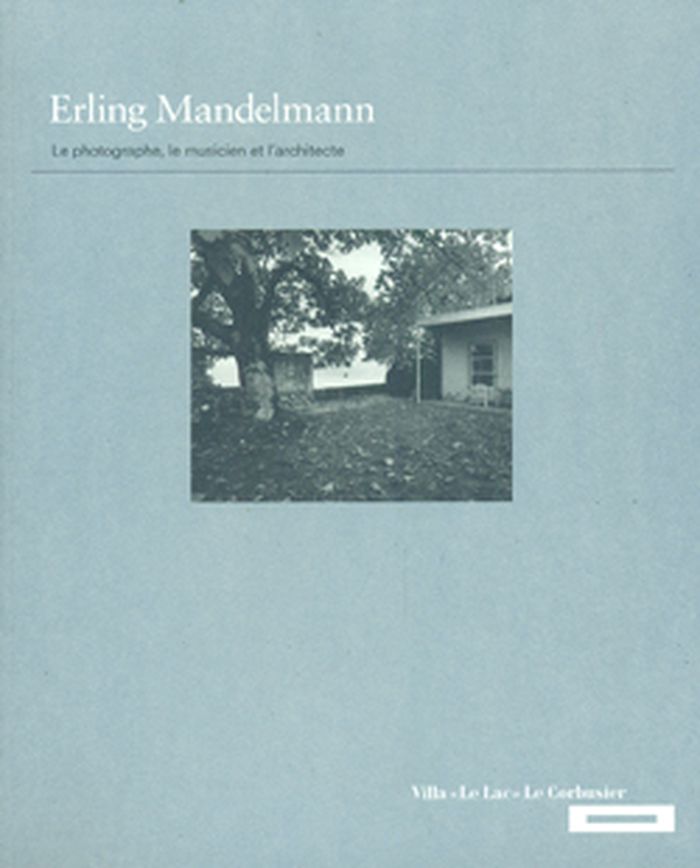
En 1964, Erling Mandelmann réalise une série de photographies de la Villa « Le Lac » de Le Corbusier pour Mobilia, prestigieux magazine danois de design, intérieur et architecture. Le locataire de la Villa, à ce moment-là, n’est autre que le musicien Albert Jeanneret, le frère de Le Corbusier. De la rencontre d’Erling Mandelmann et d’Albert Jeanneret naîtra une belle amitié. Le photographe et le musicien se retrouvent fréquemment dans la « Petite Maison » de l’architecte – notamment pour une seconde série de photos, en 1965, où l’on découvre Albert Jeanneret enseignant la rythmique à ses élèves. Outre leur intérêt artistique et documentaire, ces photographies permettent de voir comment se présentait la Villa « Le Lac » lorsqu’elle était habitée. Pénétrer dans l’intimité d’Albert Jeanneret, c’est pénétrer dans l’intimité de la pensée architecturale de Le Corbusier et de l’une de ses premières « machines à habiter ».
Erling Mandelmann: le photographe, le musicien et l'architecte
Actions:
Price:
$44.95
(available to order)
Summary:
En 1964, Erling Mandelmann réalise une série de photographies de la Villa « Le Lac » de Le Corbusier pour Mobilia, prestigieux magazine danois de design, intérieur et architecture. Le locataire de la Villa, à ce moment-là, n’est autre que le musicien Albert Jeanneret, le frère de Le Corbusier. De la rencontre d’Erling Mandelmann et d’Albert Jeanneret naîtra une belle amitié. Le photographe et le musicien se retrouvent fréquemment dans la « Petite Maison » de l’architecte – notamment pour une seconde série de photos, en 1965, où l’on découvre Albert Jeanneret enseignant la rythmique à ses élèves. Outre leur intérêt artistique et documentaire, ces photographies permettent de voir comment se présentait la Villa « Le Lac » lorsqu’elle était habitée. Pénétrer dans l’intimité d’Albert Jeanneret, c’est pénétrer dans l’intimité de la pensée architecturale de Le Corbusier et de l’une de ses premières « machines à habiter ».
Form:
books
books
Publication:
May 2012
May 2012
Subject:
Photography monographs
Photography monographs
Form:
books
books
Actions:
Price:
$10.00
(available in store)
Summary:
Cultiver un jardin de ville ou une terre agricole sans perturber les écosystèmes ni trop se fatiguer. Habiter une maison qui consomme moins et qui produise même un peu. Mettre sur pied des réseaux d’échanges dont les bénéfices resteront dans la communauté. La permaculture permet à chacun de concevoir et de réaliser ces projets – et bien d’autres – simplement en imitant(...)
$10.00
(available in store)
Summary:
Cultiver un jardin de ville ou une terre agricole sans perturber les écosystèmes ni trop se fatiguer. Habiter une maison qui consomme moins et qui produise même un peu. Mettre sur pied des réseaux d’échanges dont les bénéfices resteront dans la communauté. La permaculture permet à chacun de concevoir et de réaliser ces projets – et bien d’autres – simplement en imitant(...)
Title:
La permaculture : une brève introduction
Actions:
Price:
$10.00
(available in store)
Summary:
Cultiver un jardin de ville ou une terre agricole sans perturber les écosystèmes ni trop se fatiguer. Habiter une maison qui consomme moins et qui produise même un peu. Mettre sur pied des réseaux d’échanges dont les bénéfices resteront dans la communauté. La permaculture permet à chacun de concevoir et de réaliser ces projets – et bien d’autres – simplement en imitant les modèles déjà présents dans la nature. Dans ce micromanuel abondamment illustré, Graham Burnett montre en effet que la permaculture consiste d’abord à travailler avec la nature et non contre elle, en minimisant l’effort requis. Le niveau d’intervention optimal, selon l’auteur : « ne rien faire »! Car la nature est économe, pour ne pas dire paresseuse. Son principe est de multiplier les interactions fertiles, d’employer des éléments qui remplissent plusieurs fonc tions, de tendre vers l’autosuffisance et de ne rien jeter.
La permaculture : une brève introduction
Actions:
Price:
$10.00
(available in store)
Summary:
Cultiver un jardin de ville ou une terre agricole sans perturber les écosystèmes ni trop se fatiguer. Habiter une maison qui consomme moins et qui produise même un peu. Mettre sur pied des réseaux d’échanges dont les bénéfices resteront dans la communauté. La permaculture permet à chacun de concevoir et de réaliser ces projets – et bien d’autres – simplement en imitant les modèles déjà présents dans la nature. Dans ce micromanuel abondamment illustré, Graham Burnett montre en effet que la permaculture consiste d’abord à travailler avec la nature et non contre elle, en minimisant l’effort requis. Le niveau d’intervention optimal, selon l’auteur : « ne rien faire »! Car la nature est économe, pour ne pas dire paresseuse. Son principe est de multiplier les interactions fertiles, d’employer des éléments qui remplissent plusieurs fonc tions, de tendre vers l’autosuffisance et de ne rien jeter.
Form:
books
books
Publication:
October 2013
October 2013
Subject:
Green Architecture
Green Architecture
Form:
books
books

Price:
$11.95
(available to order)
Summary:
“Peut-être est-il temps de dire, à ceux qui ne l'auraient pas déjà compris, en quoi consiste exactement Le ParK ? Le principe en est très simple. Son concepteur a voulu rassembler en un seul parc toutes ses formes possibles. Le ParK associe ainsi, en une totalité neuve, une réserve animale à un parc d'attraction, un camp de concentration à une technopole, une foire aux(...)
$11.95
(available to order)
Summary:
“Peut-être est-il temps de dire, à ceux qui ne l'auraient pas déjà compris, en quoi consiste exactement Le ParK ? Le principe en est très simple. Son concepteur a voulu rassembler en un seul parc toutes ses formes possibles. Le ParK associe ainsi, en une totalité neuve, une réserve animale à un parc d'attraction, un camp de concentration à une technopole, une foire aux(...)
Title:
Le Park
Actions:
Price:
$11.95
(available to order)
Summary:
“Peut-être est-il temps de dire, à ceux qui ne l'auraient pas déjà compris, en quoi consiste exactement Le ParK ? Le principe en est très simple. Son concepteur a voulu rassembler en un seul parc toutes ses formes possibles. Le ParK associe ainsi, en une totalité neuve, une réserve animale à un parc d'attraction, un camp de concentration à une technopole, une foire aux plaisirs à un cantonnement de réfugiés, un cimetière à un Kindergarten, un jardin zoologique à une maison de retraite, un arboretum à une prison. Mais il ne les associe pas de manière à ce que chacun de ces éléments maintienne son autonomie et continue de fonctionner à part. Il les combine entièrement, joint tel caractère à tel autre, jette des ponts, mélange les genres, confond les bâtiments, agrège les populations, intervertit les rôles.”
Le Park
Actions:
Price:
$11.95
(available to order)
Summary:
“Peut-être est-il temps de dire, à ceux qui ne l'auraient pas déjà compris, en quoi consiste exactement Le ParK ? Le principe en est très simple. Son concepteur a voulu rassembler en un seul parc toutes ses formes possibles. Le ParK associe ainsi, en une totalité neuve, une réserve animale à un parc d'attraction, un camp de concentration à une technopole, une foire aux plaisirs à un cantonnement de réfugiés, un cimetière à un Kindergarten, un jardin zoologique à une maison de retraite, un arboretum à une prison. Mais il ne les associe pas de manière à ce que chacun de ces éléments maintienne son autonomie et continue de fonctionner à part. Il les combine entièrement, joint tel caractère à tel autre, jette des ponts, mélange les genres, confond les bâtiments, agrège les populations, intervertit les rôles.”
Form:
books
books
Publication:
March 2014
March 2014
Subject:
Critical Theory
Critical Theory
Form:
books
books
Actions:
Price:
$53.95
(available to order)
Summary:
In American popular imagination, the mobile home evokes images of cramped interiors, cheap materials, and occupants too poor or unsavory to live anywhere else. Since the 1940s and '50s, however, mobile home manufacturers have improved standards of construction and now present them as an affordable alternative to conventional site-built homes. Today one of every fourteen(...)
$53.95
(available to order)
Summary:
In American popular imagination, the mobile home evokes images of cramped interiors, cheap materials, and occupants too poor or unsavory to live anywhere else. Since the 1940s and '50s, however, mobile home manufacturers have improved standards of construction and now present them as an affordable alternative to conventional site-built homes. Today one of every fourteen(...)
Subject:
Mobile Houses
Mobile Houses
Publication:
January 1900, Baltimore
January 1900, Baltimore
Title:
The unknown world of the mobile home
Actions:
Price:
$53.95
(available to order)
Summary:
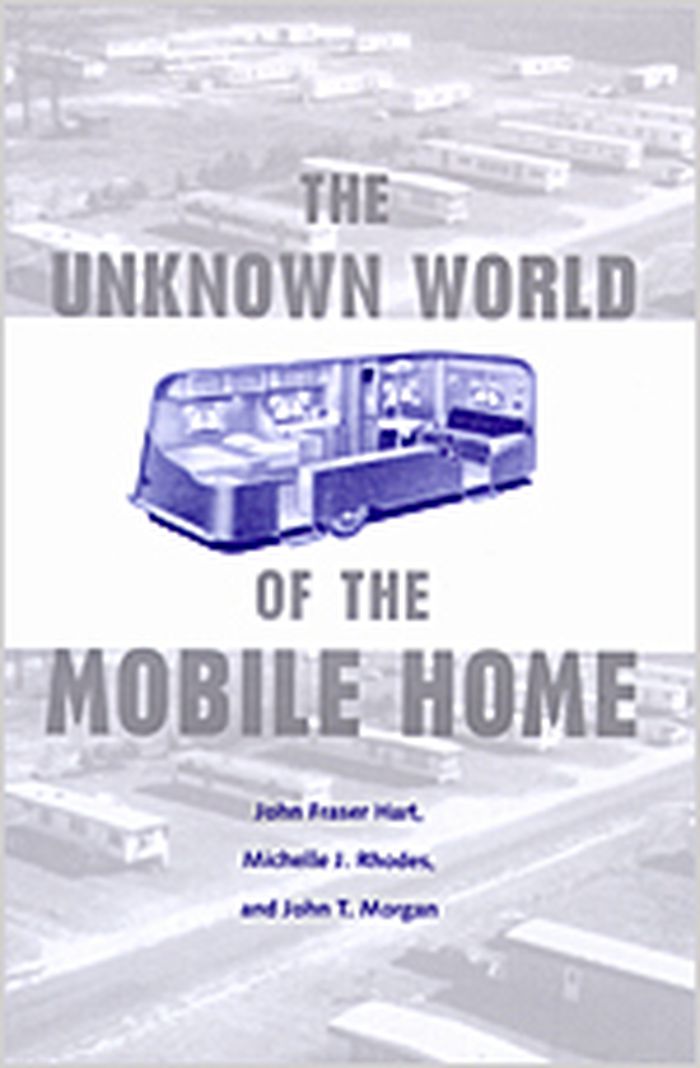
In American popular imagination, the mobile home evokes images of cramped interiors, cheap materials, and occupants too poor or unsavory to live anywhere else. Since the 1940s and '50s, however, mobile home manufacturers have improved standards of construction and now present them as an affordable alternative to conventional site-built homes. Today one of every fourteen Americans lives in a mobile home. In "The Unknown World of the Mobile Home" authors John Fraser Hart, Michelle J. Rhodes, and John T. Morgan illuminate the history and culture of these often misunderstood domiciles. They describe early mobile homes, which were trailers designed to be pulled behind automobiles and which were more often than not poorly constructed and unequal to the needs of those who used them. During the 1970s, however, Congress enacted federal standards for the quality and safety of mobile homes, which led to innovation in design and the production of much more attractive and durable models. These models now comply with local building codes and many are designed to look like conventional houses. As a result, one out every five new single-family housing units purchased in the United States is a mobile home, sited everywhere from the conventional trailer park to custom-designed "estates" aimed at young couples and retirees. Despite all these changes in manufacture and design, even the most immobile mobile homes are still sold, financed, regulated, and taxed as vehicles. With a wealth of detail and illustrations, "The Unknown World of the Mobile Home" provides readers with an in-depth look into this variation on the American dream.
The unknown world of the mobile home
Actions:
Price:
$53.95
(available to order)
Summary:
In American popular imagination, the mobile home evokes images of cramped interiors, cheap materials, and occupants too poor or unsavory to live anywhere else. Since the 1940s and '50s, however, mobile home manufacturers have improved standards of construction and now present them as an affordable alternative to conventional site-built homes. Today one of every fourteen Americans lives in a mobile home. In "The Unknown World of the Mobile Home" authors John Fraser Hart, Michelle J. Rhodes, and John T. Morgan illuminate the history and culture of these often misunderstood domiciles. They describe early mobile homes, which were trailers designed to be pulled behind automobiles and which were more often than not poorly constructed and unequal to the needs of those who used them. During the 1970s, however, Congress enacted federal standards for the quality and safety of mobile homes, which led to innovation in design and the production of much more attractive and durable models. These models now comply with local building codes and many are designed to look like conventional houses. As a result, one out every five new single-family housing units purchased in the United States is a mobile home, sited everywhere from the conventional trailer park to custom-designed "estates" aimed at young couples and retirees. Despite all these changes in manufacture and design, even the most immobile mobile homes are still sold, financed, regulated, and taxed as vehicles. With a wealth of detail and illustrations, "The Unknown World of the Mobile Home" provides readers with an in-depth look into this variation on the American dream.
Form:
books
books
Publication:
January 1900, Baltimore
January 1900, Baltimore
Subject:
Mobile Houses
Mobile Houses
Form:
books
books
Actions:
Price:
$22.50
(available to order)
Summary:
A really neat book on mobile, portable, and deployable architecture. With a brief look back at mobile structures of old—the first being Noah’s Ark—Jennifer Siegel of Mobile Design in LA, brings together the works of a variety of artists and architects who design and construct portable, demountable, and mobile structures. This book includes work by Office of Mobile(...)
$22.50
(available to order)
Summary:
A really neat book on mobile, portable, and deployable architecture. With a brief look back at mobile structures of old—the first being Noah’s Ark—Jennifer Siegel of Mobile Design in LA, brings together the works of a variety of artists and architects who design and construct portable, demountable, and mobile structures. This book includes work by Office of Mobile(...)
Title:
Mobile : the art of portable architecture
Actions:
Price:
$22.50
(available to order)
Summary:
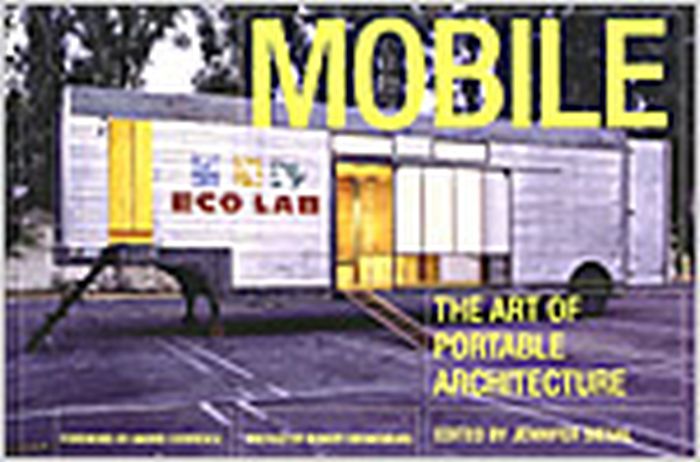
A really neat book on mobile, portable, and deployable architecture. With a brief look back at mobile structures of old—the first being Noah’s Ark—Jennifer Siegel of Mobile Design in LA, brings together the works of a variety of artists and architects who design and construct portable, demountable, and mobile structures. This book includes work by Office of Mobile Design, LOT/EK, Vito Acconci, Doug Jackson/LARGE, Mark Fisher, Michael Fox, FTL Happold, Axel Thallemer, and Lawrence Scarpa. In beautiful color images, detailed drawings, and thoughtful text, the contributors reveal their working methods. Projects include: a portable island; a conventional car that is turned into a mobile hotel that can be delivered wherever it is needed; a microenvironment of a house that attaches to your body; an entiroe mobile community whose living units plug into a framwork of flexible communal space; Pink Floyd’s The Wall stage set and lots more. The book is introduced by Andrei Codrescu, well-known NPR commentator and author.
Mobile : the art of portable architecture
Actions:
Price:
$22.50
(available to order)
Summary:
A really neat book on mobile, portable, and deployable architecture. With a brief look back at mobile structures of old—the first being Noah’s Ark—Jennifer Siegel of Mobile Design in LA, brings together the works of a variety of artists and architects who design and construct portable, demountable, and mobile structures. This book includes work by Office of Mobile Design, LOT/EK, Vito Acconci, Doug Jackson/LARGE, Mark Fisher, Michael Fox, FTL Happold, Axel Thallemer, and Lawrence Scarpa. In beautiful color images, detailed drawings, and thoughtful text, the contributors reveal their working methods. Projects include: a portable island; a conventional car that is turned into a mobile hotel that can be delivered wherever it is needed; a microenvironment of a house that attaches to your body; an entiroe mobile community whose living units plug into a framwork of flexible communal space; Pink Floyd’s The Wall stage set and lots more. The book is introduced by Andrei Codrescu, well-known NPR commentator and author.
Form:
books
books
Publication:
July 2002, New York
July 2002, New York
Subject:
Mobile Houses
Mobile Houses
Form:
books
books
Title:
Move house
Move house
Actions:
Price:
$65.00
(available to order)
Summary:
Surprisingly, many of the movable houses of today echo history's earliest and most rudimentary shelters. Some reveal an unprecedented demand for luxury and comfort while others reflect a desire to lessen man's impact on the earth. Cleverly juxtaposing the old and the new, countless photographs of mobile homes, transformable fashions, custom vehicles.
$65.00
(available to order)
Summary:
Surprisingly, many of the movable houses of today echo history's earliest and most rudimentary shelters. Some reveal an unprecedented demand for luxury and comfort while others reflect a desire to lessen man's impact on the earth. Cleverly juxtaposing the old and the new, countless photographs of mobile homes, transformable fashions, custom vehicles.
Title:
Move house
Actions:
Price:
$65.00
(available to order)
Summary:
Surprisingly, many of the movable houses of today echo history's earliest and most rudimentary shelters. Some reveal an unprecedented demand for luxury and comfort while others reflect a desire to lessen man's impact on the earth. Cleverly juxtaposing the old and the new, countless photographs of mobile homes, transformable fashions, custom vehicles.
Move house
Actions:
Price:
$65.00
(available to order)
Summary:
Surprisingly, many of the movable houses of today echo history's earliest and most rudimentary shelters. Some reveal an unprecedented demand for luxury and comfort while others reflect a desire to lessen man's impact on the earth. Cleverly juxtaposing the old and the new, countless photographs of mobile homes, transformable fashions, custom vehicles.
Form:
books
books
Publication:
May 2004, Munich
May 2004, Munich
Subject:
Mobile Houses
Mobile Houses
Form:
books
books
Actions:
Price:
$29.95
(available to order)
Summary:
Celebrate mobile architecture in all its forms with this visual ode to life on the move. Ranging from quirky to sensible and from rustic to deluxe, featured projects include houseboats, huts, and tricked-out caravans, alongside disaster shelters, wearable structures, and futuristic prototypes.
$29.95
(available to order)
Summary:
Celebrate mobile architecture in all its forms with this visual ode to life on the move. Ranging from quirky to sensible and from rustic to deluxe, featured projects include houseboats, huts, and tricked-out caravans, alongside disaster shelters, wearable structures, and futuristic prototypes.
Title:
Mobitecture: architecture on the move
Actions:
Price:
$29.95
(available to order)
Summary:
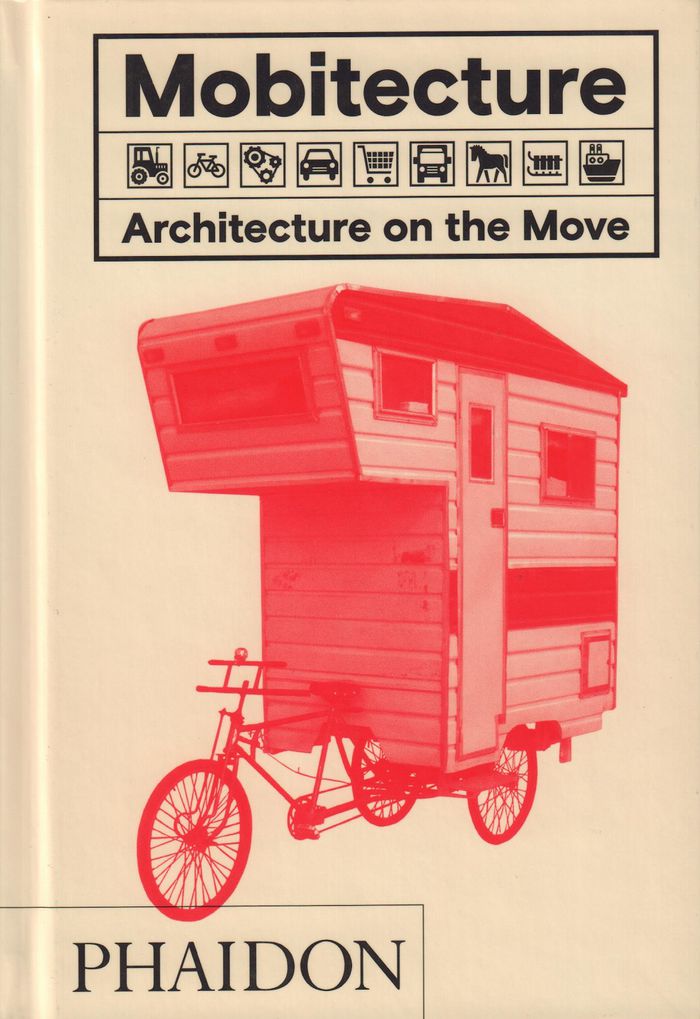
Celebrate mobile architecture in all its forms with this visual ode to life on the move. Ranging from quirky to sensible and from rustic to deluxe, featured projects include houseboats, huts, and tricked-out caravans, alongside disaster shelters, wearable structures, and futuristic prototypes.
Mobitecture: architecture on the move
Actions:
Price:
$29.95
(available to order)
Summary:
Celebrate mobile architecture in all its forms with this visual ode to life on the move. Ranging from quirky to sensible and from rustic to deluxe, featured projects include houseboats, huts, and tricked-out caravans, alongside disaster shelters, wearable structures, and futuristic prototypes.
Form:
books
books
Publication:
April 2017
April 2017
Subject:
Mobile Houses
Mobile Houses
Form:
books
books
Actions:
Price:
$28.95
(available to order)
Summary:
Foreword by Jude Stewart, introduction by William J. Mitchell. In this follow-up to her 2002 book "Mobile", Jennifer Siegal explores the ever-growing range of possibilities of portable, demountable structures. From serious "Refuge Wear" to the playful "Bar Rectum" and the practical "Kunsthallen", this book explores the working methods and finished work of the most(...)
$28.95
(available to order)
Summary:
Foreword by Jude Stewart, introduction by William J. Mitchell. In this follow-up to her 2002 book "Mobile", Jennifer Siegal explores the ever-growing range of possibilities of portable, demountable structures. From serious "Refuge Wear" to the playful "Bar Rectum" and the practical "Kunsthallen", this book explores the working methods and finished work of the most(...)
Title:
More mobile : portable architecture for today
Actions:
Price:
$28.95
(available to order)
Summary:
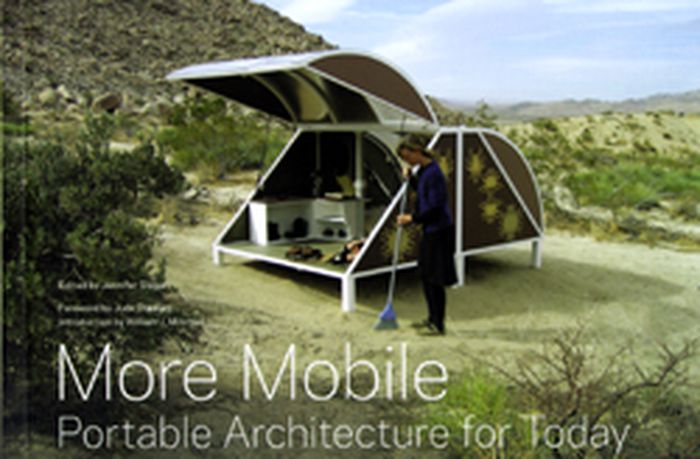
Foreword by Jude Stewart, introduction by William J. Mitchell. In this follow-up to her 2002 book "Mobile", Jennifer Siegal explores the ever-growing range of possibilities of portable, demountable structures. From serious "Refuge Wear" to the playful "Bar Rectum" and the practical "Kunsthallen", this book explores the working methods and finished work of the most exciting contemporary designers and presents today's most dynamic, active mobile structures in beautiful color images, detailed drawings, and thoughtful text. Contributors include Studio-Orta, Andrea Zittel, Andrew Maynard, Andreas Vogler, Atelier Bow-Wow, Mark Fisher Studio, MMW, LOT.
More mobile : portable architecture for today
Actions:
Price:
$28.95
(available to order)
Summary:
Foreword by Jude Stewart, introduction by William J. Mitchell. In this follow-up to her 2002 book "Mobile", Jennifer Siegal explores the ever-growing range of possibilities of portable, demountable structures. From serious "Refuge Wear" to the playful "Bar Rectum" and the practical "Kunsthallen", this book explores the working methods and finished work of the most exciting contemporary designers and presents today's most dynamic, active mobile structures in beautiful color images, detailed drawings, and thoughtful text. Contributors include Studio-Orta, Andrea Zittel, Andrew Maynard, Andreas Vogler, Atelier Bow-Wow, Mark Fisher Studio, MMW, LOT.
Form:
books
books
Publication:
November 2008, New York
November 2008, New York
Subject:
Mobile Houses
Mobile Houses
Form:
books
books
Actions:
Price:
$44.95
(available to order)
Summary:
This book discusses th forerunners, context, and technology of portable architecture. It documents numerous international examples - organised by areas of application - such as Shigeru Ban's Nomadic Museum in New York made of shipping containers, Marx Fisher's event architecture for concert tours by the Rolling Stones and U2, Richard Horden's micro-compact home, Tadao(...)
$44.95
(available to order)
Summary:
This book discusses th forerunners, context, and technology of portable architecture. It documents numerous international examples - organised by areas of application - such as Shigeru Ban's Nomadic Museum in New York made of shipping containers, Marx Fisher's event architecture for concert tours by the Rolling Stones and U2, Richard Horden's micro-compact home, Tadao(...)
Title:
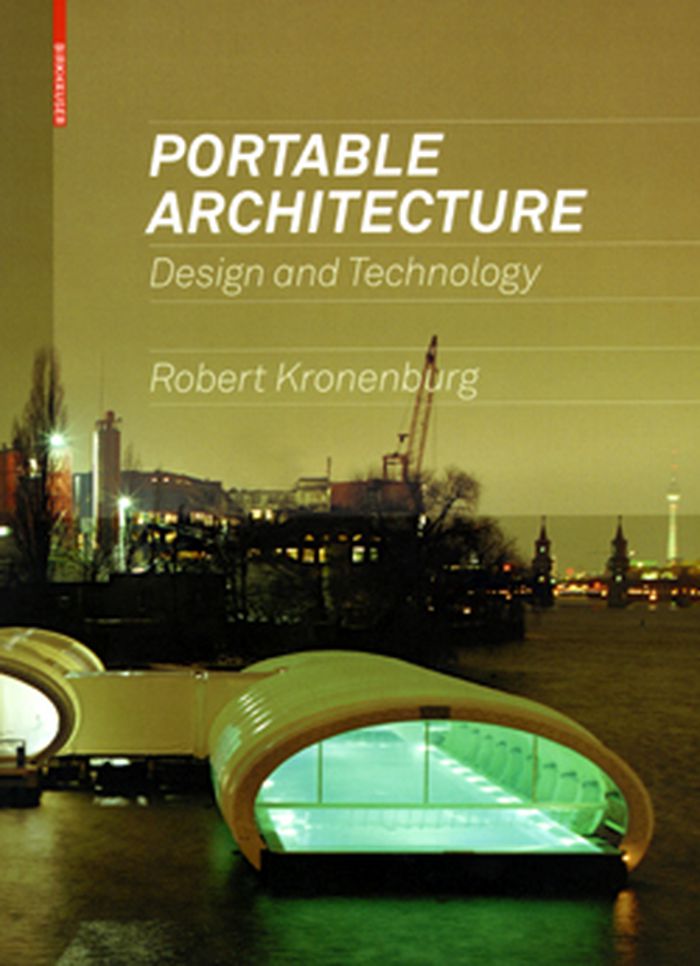
Portable architecture: design and technology
Actions:
Price:
$44.95
(available to order)
Summary:
This book discusses th forerunners, context, and technology of portable architecture. It documents numerous international examples - organised by areas of application - such as Shigeru Ban's Nomadic Museum in New York made of shipping containers, Marx Fisher's event architecture for concert tours by the Rolling Stones and U2, Richard Horden's micro-compact home, Tadao Ando's Karaza Theatre and NASA's TransHAB, a mobile space habitat. The book presents a broad array of concepts for the design of mobile structures of all kinds, suitable even for use in extreme situations, such as the Antarctic or the aftermath of natural catastrophes.
Portable architecture: design and technology
Actions:
Price:
$44.95
(available to order)
Summary:
This book discusses th forerunners, context, and technology of portable architecture. It documents numerous international examples - organised by areas of application - such as Shigeru Ban's Nomadic Museum in New York made of shipping containers, Marx Fisher's event architecture for concert tours by the Rolling Stones and U2, Richard Horden's micro-compact home, Tadao Ando's Karaza Theatre and NASA's TransHAB, a mobile space habitat. The book presents a broad array of concepts for the design of mobile structures of all kinds, suitable even for use in extreme situations, such as the Antarctic or the aftermath of natural catastrophes.
Form:
books
books
Publication:
July 2008, Basel, Berlin, Boston
July 2008, Basel, Berlin, Boston
Subject:
Mobile Houses
Mobile Houses


