


5346 Results
Form:
books
books
Actions:
Price:
$26.95
(available to order)
Summary:
Measures are the subject of this unusual book, in which Robert Tavernor offers a fascinating account of the various measuring systems human beings have devised over two millennia. Tavernor urges us to look beyond the notion that measuring is strictly a scientific activity, divorced from human concerns. Instead, he sets measures and measuring in cultural context and shows(...)
$26.95
(available to order)
Summary:
Measures are the subject of this unusual book, in which Robert Tavernor offers a fascinating account of the various measuring systems human beings have devised over two millennia. Tavernor urges us to look beyond the notion that measuring is strictly a scientific activity, divorced from human concerns. Instead, he sets measures and measuring in cultural context and shows(...)
Publication:
August 2007
August 2007
Title:
Smoot's Ear : The measure of humanity
Actions:
Price:
$26.95
(available to order)
Summary:
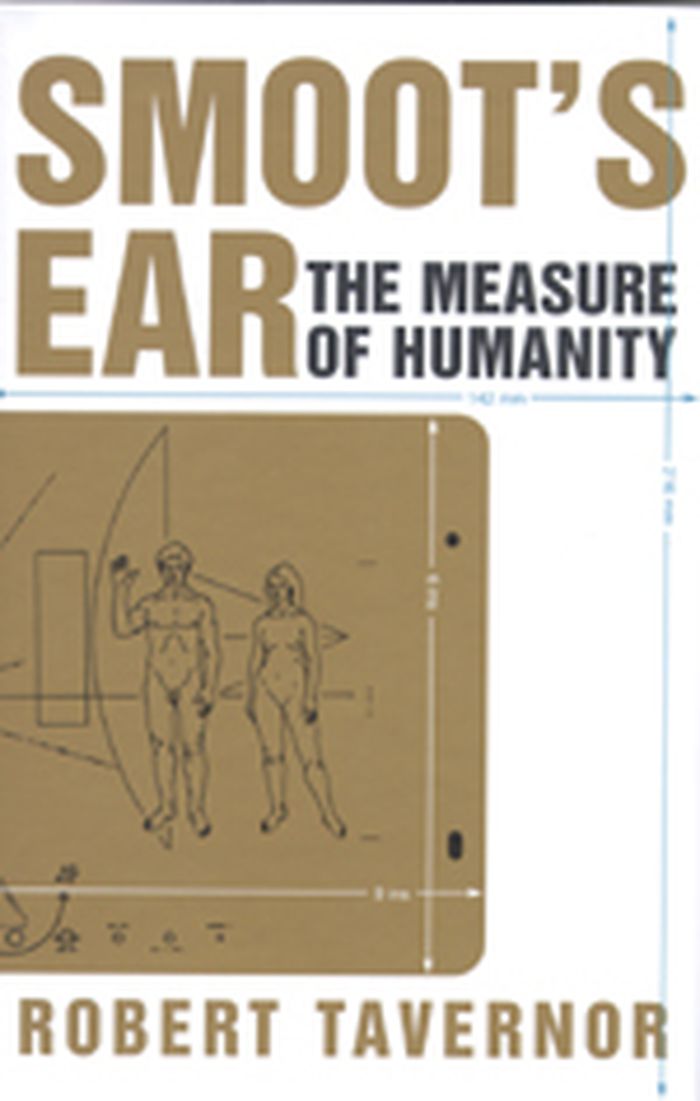
Measures are the subject of this unusual book, in which Robert Tavernor offers a fascinating account of the various measuring systems human beings have devised over two millennia. Tavernor urges us to look beyond the notion that measuring is strictly a scientific activity, divorced from human concerns. Instead, he sets measures and measuring in cultural context and shows how deeply they are connected to human experience and history. The book explores changing attitudes toward measure, focusing on key moments in art, sculpture, architecture, philosophy, and the development of scientific thought. It encompasses the journey of Western civilization from the construction of the Great Pyramid to the first manned flight to the moon. Beginning with a review of early measuring standards that referred to the feet and inches of ideal bodies, the book then tracks how Enlightenment interest in a truly scientific system of measure led to the creation of the metric system. This “rational” approach to measure in turn has inspired artists, architects, writers, and others to seek a balance that takes the human story into account. Tavernor concludes with a discussion of measure in our own time, when space travel presents to humankind a direct encounter with the unfathomable measure of the universe.
Smoot's Ear : The measure of humanity
Actions:
Price:
$26.95
(available to order)
Summary:
Measures are the subject of this unusual book, in which Robert Tavernor offers a fascinating account of the various measuring systems human beings have devised over two millennia. Tavernor urges us to look beyond the notion that measuring is strictly a scientific activity, divorced from human concerns. Instead, he sets measures and measuring in cultural context and shows how deeply they are connected to human experience and history. The book explores changing attitudes toward measure, focusing on key moments in art, sculpture, architecture, philosophy, and the development of scientific thought. It encompasses the journey of Western civilization from the construction of the Great Pyramid to the first manned flight to the moon. Beginning with a review of early measuring standards that referred to the feet and inches of ideal bodies, the book then tracks how Enlightenment interest in a truly scientific system of measure led to the creation of the metric system. This “rational” approach to measure in turn has inspired artists, architects, writers, and others to seek a balance that takes the human story into account. Tavernor concludes with a discussion of measure in our own time, when space travel presents to humankind a direct encounter with the unfathomable measure of the universe.
Form:
books
books
Publication:
August 2007
August 2007
Form:
journals and magazines
journals and magazines
Actions:
Price:
$18.00
(available to order)
Summary:
Après avoir exploré les méandres de la violence interpersonnelle dans notre dernier numéro, Violence Psycho, nous abordons ici même les effets de la violence dans le contexte d'une mondialisation galopante. Violence sans fin, violence sans frontières, l'aspect illimité de la chose est flagrant. Et même, pourrait-on dire, plus il y a de mondialisation, plus il y a de(...)
$18.00
(available to order)
Summary:
Après avoir exploré les méandres de la violence interpersonnelle dans notre dernier numéro, Violence Psycho, nous abordons ici même les effets de la violence dans le contexte d'une mondialisation galopante. Violence sans fin, violence sans frontières, l'aspect illimité de la chose est flagrant. Et même, pourrait-on dire, plus il y a de mondialisation, plus il y a de(...)
Title:
Parachute 124 : violence unlimited
Actions:
Price:
$18.00
(available to order)
Summary:
Après avoir exploré les méandres de la violence interpersonnelle dans notre dernier numéro, Violence Psycho, nous abordons ici même les effets de la violence dans le contexte d'une mondialisation galopante. Violence sans fin, violence sans frontières, l'aspect illimité de la chose est flagrant. Et même, pourrait-on dire, plus il y a de mondialisation, plus il y a de violence. On peut se demander pourquoi, en chercher les fondements, rationaliser la chose, il reste que la violence tient de l'irrationnel, de la démesure et de la folie collective, à toutes fins utiles. // After having explored the meanders of interpersonal violence in the previous issue, Violence Psycho, we now focus our attention on the effects of violence in the alarmingly unbounded context of globalization. Violence without end, violence without borders; the unlimited aspect of the phenomenon is flagrant. One could say that the more globalization makes itself manifest, the more violence appears. Also, one could ponder on the reasons for this and attempt to comprehend the underpinnings of such violence and rationalize it; the fact remains: violence stems from an irrational source, from collective folly and excess, for all intents and purposes. Textes de / texts by : Slavoj Zizek, Frédéric Maufras, Guitemie Maldonado, Nicolas Exertier, Derek Conrad Murray, Kinga Araya, Rana Dasgupta, Mariella Pandolfi + Chowra Makaremi.
Parachute 124 : violence unlimited
Actions:
Price:
$18.00
(available to order)
Summary:
Après avoir exploré les méandres de la violence interpersonnelle dans notre dernier numéro, Violence Psycho, nous abordons ici même les effets de la violence dans le contexte d'une mondialisation galopante. Violence sans fin, violence sans frontières, l'aspect illimité de la chose est flagrant. Et même, pourrait-on dire, plus il y a de mondialisation, plus il y a de violence. On peut se demander pourquoi, en chercher les fondements, rationaliser la chose, il reste que la violence tient de l'irrationnel, de la démesure et de la folie collective, à toutes fins utiles. // After having explored the meanders of interpersonal violence in the previous issue, Violence Psycho, we now focus our attention on the effects of violence in the alarmingly unbounded context of globalization. Violence without end, violence without borders; the unlimited aspect of the phenomenon is flagrant. One could say that the more globalization makes itself manifest, the more violence appears. Also, one could ponder on the reasons for this and attempt to comprehend the underpinnings of such violence and rationalize it; the fact remains: violence stems from an irrational source, from collective folly and excess, for all intents and purposes. Textes de / texts by : Slavoj Zizek, Frédéric Maufras, Guitemie Maldonado, Nicolas Exertier, Derek Conrad Murray, Kinga Araya, Rana Dasgupta, Mariella Pandolfi + Chowra Makaremi.
Form:
journals and magazines
journals and magazines
Publication:
October 2006, Montréal
October 2006, Montréal
Subject:
Magazines
Magazines
Form:
books
books
Actions:
Price:
$62.00
(available to order)
Summary:
"Mute icons" challenges fixed aesthetic notions of beauty in architecture as both, disciplinary discourse and a spatial practice within the public realm, by intersecting historic antecedents and present instances within contemporary projects wherein indeterminacy, monolithicity and defamiliarization play a speculative role in constructing withdrawn, irritant and yet(...)
$62.00
(available to order)
Summary:
"Mute icons" challenges fixed aesthetic notions of beauty in architecture as both, disciplinary discourse and a spatial practice within the public realm, by intersecting historic antecedents and present instances within contemporary projects wherein indeterminacy, monolithicity and defamiliarization play a speculative role in constructing withdrawn, irritant and yet(...)
Title:
Mute icons: pressing dichotomy in contemporary architecture
Actions:
Price:
$62.00
(available to order)
Summary:
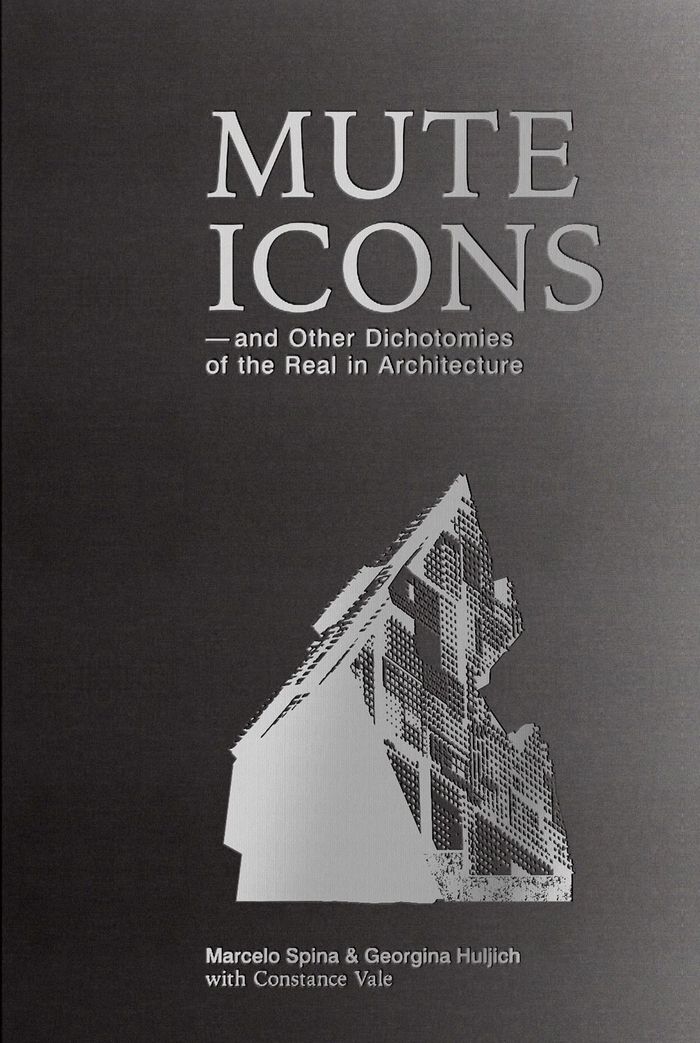
"Mute icons" challenges fixed aesthetic notions of beauty in architecture as both, disciplinary discourse and a spatial practice within the public realm, by intersecting historic antecedents and present instances within contemporary projects wherein indeterminacy, monolithicity and defamiliarization play a speculative role in constructing withdrawn, irritant and yet engaging architectural images. No longer concerned with narrative excesses or with the "shock and awe" of sensation making; the mute icon becomes intriguing in its deceptive indifference towards context, perplexing in its unmitigated apathy towards the body. Object and building, absolute and unstable, anticipated and strange, manifest and withdrawn, such is the dichotomy of mute icons. Dwelling in the paradox between silence and sign and aiming to debunk a false dichotomy between critical discourse, a pursue of formal novelty and the attainment of social ethics, "Mute icons" reaffirms the cultural need and socio-political relevance of the architectural image, suggesting a much-needed resolution to the present but incorrect antagonism between formal innovation, social responsibility and economic austerity. Intersecting relevant historical antecedents and polemic theoretical speculations with original design concepts and provocative representations of P-A-T-T-E-R-N-S recent work, the book aspires to stimulate authentic speculations on the real.
Mute icons: pressing dichotomy in contemporary architecture
Actions:
Price:
$62.00
(available to order)
Summary:
"Mute icons" challenges fixed aesthetic notions of beauty in architecture as both, disciplinary discourse and a spatial practice within the public realm, by intersecting historic antecedents and present instances within contemporary projects wherein indeterminacy, monolithicity and defamiliarization play a speculative role in constructing withdrawn, irritant and yet engaging architectural images. No longer concerned with narrative excesses or with the "shock and awe" of sensation making; the mute icon becomes intriguing in its deceptive indifference towards context, perplexing in its unmitigated apathy towards the body. Object and building, absolute and unstable, anticipated and strange, manifest and withdrawn, such is the dichotomy of mute icons. Dwelling in the paradox between silence and sign and aiming to debunk a false dichotomy between critical discourse, a pursue of formal novelty and the attainment of social ethics, "Mute icons" reaffirms the cultural need and socio-political relevance of the architectural image, suggesting a much-needed resolution to the present but incorrect antagonism between formal innovation, social responsibility and economic austerity. Intersecting relevant historical antecedents and polemic theoretical speculations with original design concepts and provocative representations of P-A-T-T-E-R-N-S recent work, the book aspires to stimulate authentic speculations on the real.
Form:
books
books
Publication:
July 2021
July 2021
Subject:
Architectural Theory
Architectural Theory
Form:
books
books
Title:
Piranesi unbound
Piranesi unbound
Actions:
Price:
$82.95
(available to order)
Summary:
A draftsman, printmaker, architect, and archaeologist, Giovanni Battista Piranesi (1720–78) is best known today as the virtuoso etcher of the immersive and captivating ''Views of Rome'' and the darkly inventive ''Imaginary Prisons.'' Yet Carolyn Yerkes and Heather Hyde Minor argue that his single greatest art form- one that combined his obsessions most powerfully and that(...)
$82.95
(available to order)
Summary:
A draftsman, printmaker, architect, and archaeologist, Giovanni Battista Piranesi (1720–78) is best known today as the virtuoso etcher of the immersive and captivating ''Views of Rome'' and the darkly inventive ''Imaginary Prisons.'' Yet Carolyn Yerkes and Heather Hyde Minor argue that his single greatest art form- one that combined his obsessions most powerfully and that(...)
Title:
Piranesi unbound
Actions:
Price:
$82.95
(available to order)
Summary:
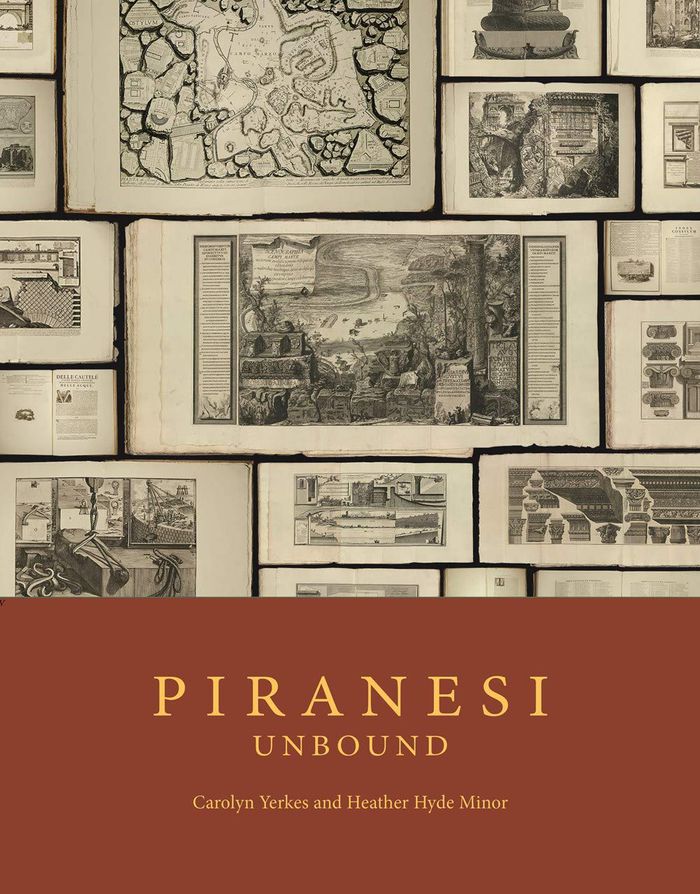
A draftsman, printmaker, architect, and archaeologist, Giovanni Battista Piranesi (1720–78) is best known today as the virtuoso etcher of the immersive and captivating ''Views of Rome'' and the darkly inventive ''Imaginary Prisons.'' Yet Carolyn Yerkes and Heather Hyde Minor argue that his single greatest art form- one that combined his obsessions most powerfully and that he pursued throughout his career- was the book. ''Piranesi unbound'' provides a fundamental reinterpretation of Piranesi by recognizing him, first and foremost, as a writer, illustrator, printer, and publisher of books. Featuring nearly two hundred of Piranesi’s engravings and drawings, including some that have never been published before, this visually stunning book returns Piranesi’s artworks to the context for which he originally produced them: a dozen volumes that combine text and image, archaeology and imagination, erudition and humor. Drawing on new research, ''Piranesi unbound'' uncovers the social networks in which Piranesi published, including the readers who bought, read, and debated his books. It reveals his habit of raiding the wastepaper pile for cast-off sheets upon which to draw and fuse printed images and texts. It shows how, even after his books were bound, they were subject to change by Piranesi and others as pages were torn out and added.
Piranesi unbound
Actions:
Price:
$82.95
(available to order)
Summary:
A draftsman, printmaker, architect, and archaeologist, Giovanni Battista Piranesi (1720–78) is best known today as the virtuoso etcher of the immersive and captivating ''Views of Rome'' and the darkly inventive ''Imaginary Prisons.'' Yet Carolyn Yerkes and Heather Hyde Minor argue that his single greatest art form- one that combined his obsessions most powerfully and that he pursued throughout his career- was the book. ''Piranesi unbound'' provides a fundamental reinterpretation of Piranesi by recognizing him, first and foremost, as a writer, illustrator, printer, and publisher of books. Featuring nearly two hundred of Piranesi’s engravings and drawings, including some that have never been published before, this visually stunning book returns Piranesi’s artworks to the context for which he originally produced them: a dozen volumes that combine text and image, archaeology and imagination, erudition and humor. Drawing on new research, ''Piranesi unbound'' uncovers the social networks in which Piranesi published, including the readers who bought, read, and debated his books. It reveals his habit of raiding the wastepaper pile for cast-off sheets upon which to draw and fuse printed images and texts. It shows how, even after his books were bound, they were subject to change by Piranesi and others as pages were torn out and added.
Form:
books
books
Publication:
September 2020
September 2020
Subject:
Art Theory
Art Theory
Form:
books
books

Price:
$45.00
(available to order)
Summary:
Increasingly and forebodingly, contemporary artists are turning their attention to the subject of climate change, in poignant and often confrontational ways. "The edge of the Earth: climate change in photography and video" explores recent and historic work in the context of present-day environmental concerns, considering the future consequences of the age of the(...)
$45.00
(available to order)
Summary:
Increasingly and forebodingly, contemporary artists are turning their attention to the subject of climate change, in poignant and often confrontational ways. "The edge of the Earth: climate change in photography and video" explores recent and historic work in the context of present-day environmental concerns, considering the future consequences of the age of the(...)
Subject:
Environment and environmental theory
Environment and environmental theory
Publication:
November 2016
November 2016
Title:
The edge of the earth: climate change in photography and video
Actions:
Price:
$45.00
(available to order)
Summary:
Increasingly and forebodingly, contemporary artists are turning their attention to the subject of climate change, in poignant and often confrontational ways. "The edge of the Earth: climate change in photography and video" explores recent and historic work in the context of present-day environmental concerns, considering the future consequences of the age of the anthropocene, and humanity's harsh imprint on our planet. "The edge of the Earth" accompanies a major exhibition at the Ryerson Image Centre in Toronto, and includes works by pioneering and renowned artists such as Edward Burtynsky, Naoya Hatakeyama, Richard Misrach and Robert Rauschenberg; critical propositions on present situations by Chris Jordan, Gideon Mendel and Brandi Merolla; plus visionary works by Jean-Pierre Aube, Adrien Missika, Evariste Richer and Andreas Rutkauskas. Photojournalism from the RIC s Black Star Collection is also included, contextualising artistic reflections within half a century of historical reportage on the environment. Produced as a large-format book with high-quality reproductions throughout, "The edge of the Earth" includes critical texts by Benedicte Ramade and TJ Demos and an introduction by Paul Roth. This critical overview offers the insight of artists into the present climate crisis, with the motive of prompting reconsideration of our increasingly perilous relationship to our planet.
The edge of the earth: climate change in photography and video
Actions:
Price:
$45.00
(available to order)
Summary:
Increasingly and forebodingly, contemporary artists are turning their attention to the subject of climate change, in poignant and often confrontational ways. "The edge of the Earth: climate change in photography and video" explores recent and historic work in the context of present-day environmental concerns, considering the future consequences of the age of the anthropocene, and humanity's harsh imprint on our planet. "The edge of the Earth" accompanies a major exhibition at the Ryerson Image Centre in Toronto, and includes works by pioneering and renowned artists such as Edward Burtynsky, Naoya Hatakeyama, Richard Misrach and Robert Rauschenberg; critical propositions on present situations by Chris Jordan, Gideon Mendel and Brandi Merolla; plus visionary works by Jean-Pierre Aube, Adrien Missika, Evariste Richer and Andreas Rutkauskas. Photojournalism from the RIC s Black Star Collection is also included, contextualising artistic reflections within half a century of historical reportage on the environment. Produced as a large-format book with high-quality reproductions throughout, "The edge of the Earth" includes critical texts by Benedicte Ramade and TJ Demos and an introduction by Paul Roth. This critical overview offers the insight of artists into the present climate crisis, with the motive of prompting reconsideration of our increasingly perilous relationship to our planet.
Form:
books
books
Publication:
November 2016
November 2016
Subject:
Environment and environmental theory
Environment and environmental theory
Form:
books
books
Actions:
Price:
$99.00
(available to order)
Summary:
This paradigm shift is reflected in architecture as well: in recent years, increasingly innovative collective housing projects, organized around the principle of trading-in private spaces for larger, more luxurious shared spaces, have been emerging across the globe—many of them realized through bottom-up grassroots initiatives. The return of the collective in architecture(...)
$99.00
(available to order)
Summary:
This paradigm shift is reflected in architecture as well: in recent years, increasingly innovative collective housing projects, organized around the principle of trading-in private spaces for larger, more luxurious shared spaces, have been emerging across the globe—many of them realized through bottom-up grassroots initiatives. The return of the collective in architecture(...)
Title:
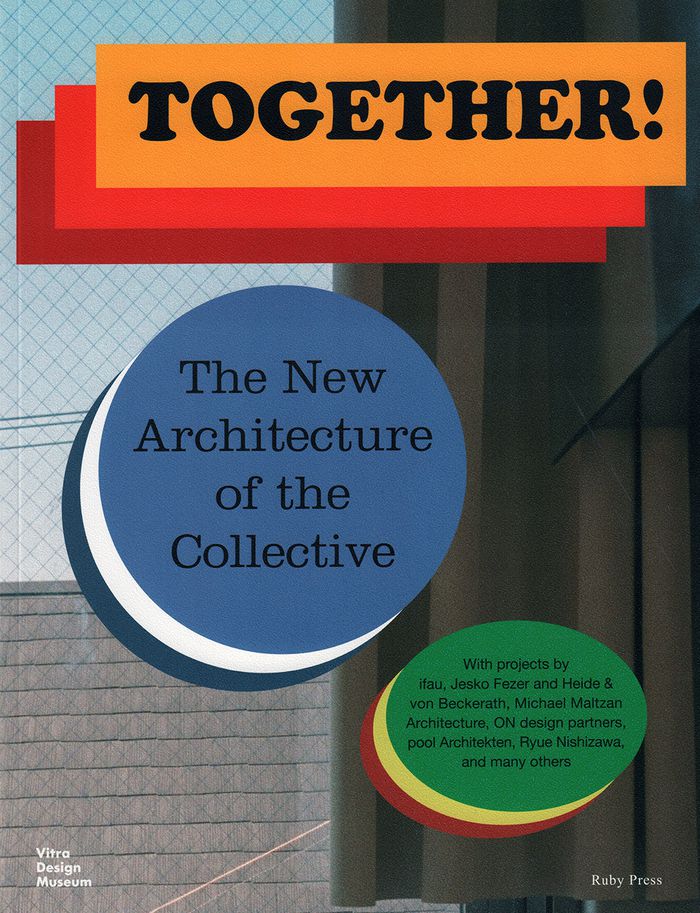
Together! The new architecture of the collective
Actions:
Price:
$99.00
(available to order)
Summary:
This paradigm shift is reflected in architecture as well: in recent years, increasingly innovative collective housing projects, organized around the principle of trading-in private spaces for larger, more luxurious shared spaces, have been emerging across the globe—many of them realized through bottom-up grassroots initiatives. The return of the collective in architecture has resulted in surprising architectural solutions that also create new urban spaces. "Together! The new architecture of the collective" presents around 20 international building projects from Europe, Japan and the US that provide innovative platforms for collective living in the present day. A selection of projects is discussed in detail, and extensive photo essays offer vivid impressions of the daily collective and private life and everyday routines in these buildings. Interviews with movers and shakers from the collective housing scene, written by international journalists, offer insights and background information on the processes and people that have made each project possible. All this is complemented by theoretical and historical context, including analytical essays by experts in the field, infographics providing facts and figures, diagrams explaining how different collective housing models work and an extensive timeline detailing the genealogy of the collective housing movement in the 20th century.
Together! The new architecture of the collective
Actions:
Price:
$99.00
(available to order)
Summary:
This paradigm shift is reflected in architecture as well: in recent years, increasingly innovative collective housing projects, organized around the principle of trading-in private spaces for larger, more luxurious shared spaces, have been emerging across the globe—many of them realized through bottom-up grassroots initiatives. The return of the collective in architecture has resulted in surprising architectural solutions that also create new urban spaces. "Together! The new architecture of the collective" presents around 20 international building projects from Europe, Japan and the US that provide innovative platforms for collective living in the present day. A selection of projects is discussed in detail, and extensive photo essays offer vivid impressions of the daily collective and private life and everyday routines in these buildings. Interviews with movers and shakers from the collective housing scene, written by international journalists, offer insights and background information on the processes and people that have made each project possible. All this is complemented by theoretical and historical context, including analytical essays by experts in the field, infographics providing facts and figures, diagrams explaining how different collective housing models work and an extensive timeline detailing the genealogy of the collective housing movement in the 20th century.
Form:
books
books
Publication:
August 2017
August 2017
Subject:
Collective Housing
Collective Housing
Form:
books
books
Title:
Frédéric Teschner
Frédéric Teschner
Actions:
Price:
$59.95
(available to order)
Summary:
Ce livre donne à voir une sélection précise des différents projets conçus par Frédéric Teschner au cours de sa carrière. Son travail est présenté par un dispositif original et inédit grâce à une série de photographies de Morgane Le Gall mettant en scène 48 affiches et de nombreux objets (livres, affiches, identités visuelles, etc.). Pour appréhender son œuvre et sa(...)
$59.95
(available to order)
Summary:
Ce livre donne à voir une sélection précise des différents projets conçus par Frédéric Teschner au cours de sa carrière. Son travail est présenté par un dispositif original et inédit grâce à une série de photographies de Morgane Le Gall mettant en scène 48 affiches et de nombreux objets (livres, affiches, identités visuelles, etc.). Pour appréhender son œuvre et sa(...)
Subject:
Graphic Designers, Monographs
Graphic Designers, Monographs
Publication:
August 2019
August 2019
Title:
Frédéric Teschner
Actions:
Price:
$59.95
(available to order)
Summary:
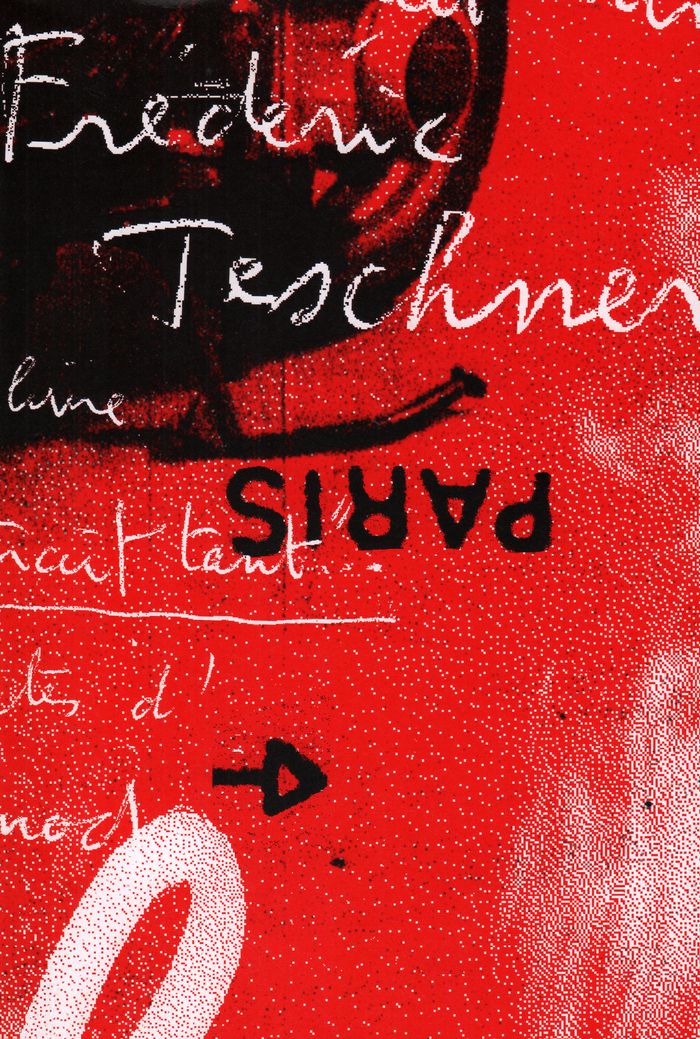
Ce livre donne à voir une sélection précise des différents projets conçus par Frédéric Teschner au cours de sa carrière. Son travail est présenté par un dispositif original et inédit grâce à une série de photographies de Morgane Le Gall mettant en scène 48 affiches et de nombreux objets (livres, affiches, identités visuelles, etc.). Pour appréhender son œuvre et sa démarche, treize textes ont été commandés à des personnalités du monde culturel ayant collaboré ou accompagné Teschner au cours de sa carrière. Un échantillon d’affiche imprimé en sérigraphie à l’échelle 1 sur du papier affiche au dos bleu est inséré en fin de cahier, rendant chaque exemplaire du livre unique. // This monograph is dedicated to the French graphic designer Frédéric Teschner. Whether dealing with the visual arts, music, or theatre, Teschner’s approach has relied on graphic communication as a vehicle for the values of public service. He always strives to create a visual context for a dialogue between ordinary people and public cultural activities, and essentially sees the role of the graphic designer as interlocuter between design and its audience. A number of contributors offer detailed insight into various aspects of Teschner’s oeuvre in this comprehensive overview and tribute, which also includes a large portfolio of his work and a detailed chronological biography.
Frédéric Teschner
Actions:
Price:
$59.95
(available to order)
Summary:
Ce livre donne à voir une sélection précise des différents projets conçus par Frédéric Teschner au cours de sa carrière. Son travail est présenté par un dispositif original et inédit grâce à une série de photographies de Morgane Le Gall mettant en scène 48 affiches et de nombreux objets (livres, affiches, identités visuelles, etc.). Pour appréhender son œuvre et sa démarche, treize textes ont été commandés à des personnalités du monde culturel ayant collaboré ou accompagné Teschner au cours de sa carrière. Un échantillon d’affiche imprimé en sérigraphie à l’échelle 1 sur du papier affiche au dos bleu est inséré en fin de cahier, rendant chaque exemplaire du livre unique. // This monograph is dedicated to the French graphic designer Frédéric Teschner. Whether dealing with the visual arts, music, or theatre, Teschner’s approach has relied on graphic communication as a vehicle for the values of public service. He always strives to create a visual context for a dialogue between ordinary people and public cultural activities, and essentially sees the role of the graphic designer as interlocuter between design and its audience. A number of contributors offer detailed insight into various aspects of Teschner’s oeuvre in this comprehensive overview and tribute, which also includes a large portfolio of his work and a detailed chronological biography.
Form:
books
books
Publication:
August 2019
August 2019
Subject:
Graphic Designers, Monographs
Graphic Designers, Monographs
Form:
books
books
Title:
The Urban Archetypes of Jane Jacobs and Ebenezer Howard: Contradiction and meaning in city form
The Urban Archetypes of Jane Jacobs and Ebenezer Howard: Contradiction and meaning in city form
Actions:
Price:
$80.00
(available to order)
Summary:
Ebenezer Howard, an Englishman, and Jane Jacobs, a naturalized Canadian, personify the twentieth century’s opposing outlooks on cities. Howard had envisaged small towns, newly built from scratch, fashioned on single family homes with small gardens. Jacobs embraced existing inner-city neighbourhoods emphasizing the verve of the living street. From Howard’s idea, the(...)
$80.00
(available to order)
Summary:
Ebenezer Howard, an Englishman, and Jane Jacobs, a naturalized Canadian, personify the twentieth century’s opposing outlooks on cities. Howard had envisaged small towns, newly built from scratch, fashioned on single family homes with small gardens. Jacobs embraced existing inner-city neighbourhoods emphasizing the verve of the living street. From Howard’s idea, the(...)
Title:
The Urban Archetypes of Jane Jacobs and Ebenezer Howard: Contradiction and meaning in city form
Actions:
Price:
$80.00
(available to order)
Summary:
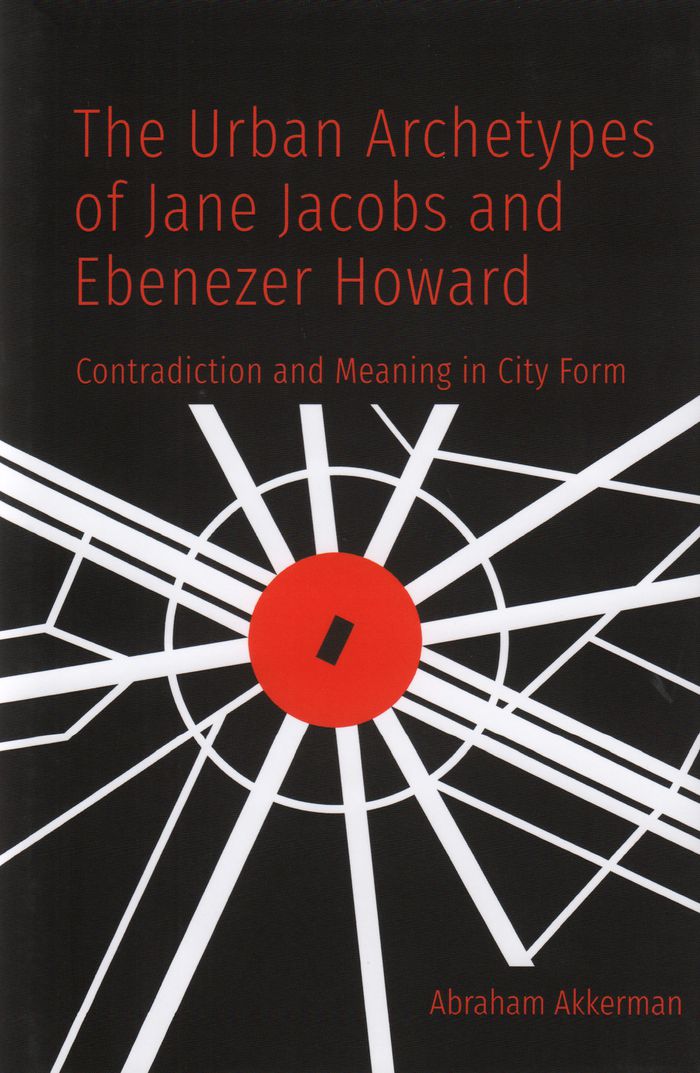
Ebenezer Howard, an Englishman, and Jane Jacobs, a naturalized Canadian, personify the twentieth century’s opposing outlooks on cities. Howard had envisaged small towns, newly built from scratch, fashioned on single family homes with small gardens. Jacobs embraced existing inner-city neighbourhoods emphasizing the verve of the living street. From Howard’s idea, the American Dream of garden suburbs had emerged, yet his conceptualization of a modern city received criticism for being uniform and alienated from the rest of the city. Similarly, at the turn of the new century, Jacobs’ inner-city neighbourhoods came to be recognized as the result of commodification, vacillating between poverty and newly discovered hubs of urban authenticity. Presenting Howard and Jacobs within a psychocultural context, ''The urban archetypes of Jane Jacobs and Ebenezer Howard'' addresses our urban crisis in the recognition that ''city form'' is a gendered, allegorical medium expressing femininity and masculinity within two founding features of the built environment: void and volume. Both founding contrasts bring tensions, but also the opportunities of fusion between pairs of urban polarities: human scale against superscale, gait against speed, and spontaneity against surveillance. Jacobs and Howard, in their respective attitudes, have come to embrace the two ancient archetypes, the Garden and the Citadel, leaving it to future generations to blend their two contrarian stances.
The Urban Archetypes of Jane Jacobs and Ebenezer Howard: Contradiction and meaning in city form
Actions:
Price:
$80.00
(available to order)
Summary:
Ebenezer Howard, an Englishman, and Jane Jacobs, a naturalized Canadian, personify the twentieth century’s opposing outlooks on cities. Howard had envisaged small towns, newly built from scratch, fashioned on single family homes with small gardens. Jacobs embraced existing inner-city neighbourhoods emphasizing the verve of the living street. From Howard’s idea, the American Dream of garden suburbs had emerged, yet his conceptualization of a modern city received criticism for being uniform and alienated from the rest of the city. Similarly, at the turn of the new century, Jacobs’ inner-city neighbourhoods came to be recognized as the result of commodification, vacillating between poverty and newly discovered hubs of urban authenticity. Presenting Howard and Jacobs within a psychocultural context, ''The urban archetypes of Jane Jacobs and Ebenezer Howard'' addresses our urban crisis in the recognition that ''city form'' is a gendered, allegorical medium expressing femininity and masculinity within two founding features of the built environment: void and volume. Both founding contrasts bring tensions, but also the opportunities of fusion between pairs of urban polarities: human scale against superscale, gait against speed, and spontaneity against surveillance. Jacobs and Howard, in their respective attitudes, have come to embrace the two ancient archetypes, the Garden and the Citadel, leaving it to future generations to blend their two contrarian stances.
Form:
books
books
Publication:
January 2020
January 2020
Subject:
Urban Theory
Urban Theory
Form:
books
books

Actions:
Price:
$33.95
(available to order)
Summary:
Contemporary engagements with documentary are multifaceted and complex, reaching across disciplines to explore the intersections of politics and aesthetics, representation and reality, truth and illusion. Discarding the old notions of “fly on the wall” immediacy or quasi-scientific aspirations to objectivity, critics now understand documentary not as the neutral picturing(...)
$33.95
(available to order)
Summary:
Contemporary engagements with documentary are multifaceted and complex, reaching across disciplines to explore the intersections of politics and aesthetics, representation and reality, truth and illusion. Discarding the old notions of “fly on the wall” immediacy or quasi-scientific aspirations to objectivity, critics now understand documentary not as the neutral picturing(...)
Title:
Documentary Across Disciplines
Actions:
Price:
$33.95
(available to order)
Summary:
Contemporary engagements with documentary are multifaceted and complex, reaching across disciplines to explore the intersections of politics and aesthetics, representation and reality, truth and illusion. Discarding the old notions of “fly on the wall” immediacy or quasi-scientific aspirations to objectivity, critics now understand documentary not as the neutral picturing of reality but as a way of coming to terms with reality through images and narrative. This book collects writings by artists, filmmakers, art historians, poets, literary critics, anthropologists, theorists, and others, to investigate one of the most vital areas of cultural practice: documentary. Their investigations take many forms—essays, personal memoirs, interviews, poetry. Contemporary art turned away from the medium and toward the world, using photography and the moving image to take up global perspectives. Documentary filmmakers, meanwhile, began to work in the gallery context. The contributors consider the hybridization of art and film, and the “documentary turn” of contemporary art. They discuss digital technology and the “crisis of faith” caused by manipulation and generation of images, and the fading of the progressive social mandate that has historically characterized documentary. They consider invisible data and visible evidence; problems of archiving; and surveillance and biometric control, forms of documentation that call for “informatic opacity” as a means of evasion.
Documentary Across Disciplines
Actions:
Price:
$33.95
(available to order)
Summary:
Contemporary engagements with documentary are multifaceted and complex, reaching across disciplines to explore the intersections of politics and aesthetics, representation and reality, truth and illusion. Discarding the old notions of “fly on the wall” immediacy or quasi-scientific aspirations to objectivity, critics now understand documentary not as the neutral picturing of reality but as a way of coming to terms with reality through images and narrative. This book collects writings by artists, filmmakers, art historians, poets, literary critics, anthropologists, theorists, and others, to investigate one of the most vital areas of cultural practice: documentary. Their investigations take many forms—essays, personal memoirs, interviews, poetry. Contemporary art turned away from the medium and toward the world, using photography and the moving image to take up global perspectives. Documentary filmmakers, meanwhile, began to work in the gallery context. The contributors consider the hybridization of art and film, and the “documentary turn” of contemporary art. They discuss digital technology and the “crisis of faith” caused by manipulation and generation of images, and the fading of the progressive social mandate that has historically characterized documentary. They consider invisible data and visible evidence; problems of archiving; and surveillance and biometric control, forms of documentation that call for “informatic opacity” as a means of evasion.
Form:
books
books
Publication:
February 2016
February 2016
Form:
books
books
Actions:
Price:
$39.00
(available to order)
Summary:
Writing in the context of two Polaroid Corporation bankruptcies, not to mention the obsolescence of its film, Peter Buse argues that Polaroid was, and is, distinguished by its process—by the fact that, as the New York Times put it in 1947, “the camera does the rest.” Polaroid was often dismissed as a toy, but Buse takes it seriously, showing how it(...)
$39.00
(available to order)
Summary:
Writing in the context of two Polaroid Corporation bankruptcies, not to mention the obsolescence of its film, Peter Buse argues that Polaroid was, and is, distinguished by its process—by the fact that, as the New York Times put it in 1947, “the camera does the rest.” Polaroid was often dismissed as a toy, but Buse takes it seriously, showing how it(...)
Title:
The camera does the rest: how Polaroid changed photography
Actions:
Price:
$39.00
(available to order)
Summary:
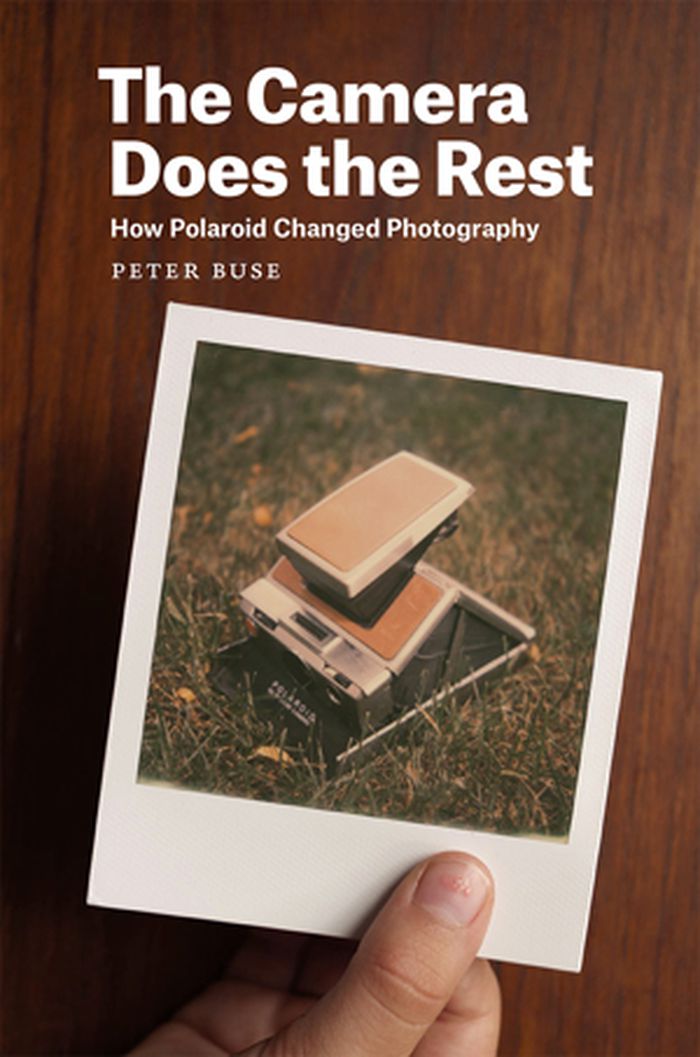
Writing in the context of two Polaroid Corporation bankruptcies, not to mention the obsolescence of its film, Peter Buse argues that Polaroid was, and is, distinguished by its process—by the fact that, as the New York Times put it in 1947, “the camera does the rest.” Polaroid was often dismissed as a toy, but Buse takes it seriously, showing how it encouraged photographic play as well as new forms of artistic practice. Drawing on unprecedented access to the archives of the Polaroid Corporation, Buse reveals Polaroid as photography at its most intimate, where the photographer, photograph, and subject sit in close proximity in both time and space—making Polaroid not only the perfect party camera but also the tool for frankly salacious pictures taking. Along the way, Buse tells the story of the Polaroid Corporation and its ultimately doomed hard-copy wager against the rising tide of digital imaging technology. He explores the continuities and the differences between Polaroid and digital, reflecting on what Polaroid can tell us about how we snap photos today. Richly illustrated, The Camera Does the Rest will delight historians, art critics, analog fanatics, photographers, and all those who miss the thrill of waiting to see what develops.
The camera does the rest: how Polaroid changed photography
Actions:
Price:
$39.00
(available to order)
Summary:
Writing in the context of two Polaroid Corporation bankruptcies, not to mention the obsolescence of its film, Peter Buse argues that Polaroid was, and is, distinguished by its process—by the fact that, as the New York Times put it in 1947, “the camera does the rest.” Polaroid was often dismissed as a toy, but Buse takes it seriously, showing how it encouraged photographic play as well as new forms of artistic practice. Drawing on unprecedented access to the archives of the Polaroid Corporation, Buse reveals Polaroid as photography at its most intimate, where the photographer, photograph, and subject sit in close proximity in both time and space—making Polaroid not only the perfect party camera but also the tool for frankly salacious pictures taking. Along the way, Buse tells the story of the Polaroid Corporation and its ultimately doomed hard-copy wager against the rising tide of digital imaging technology. He explores the continuities and the differences between Polaroid and digital, reflecting on what Polaroid can tell us about how we snap photos today. Richly illustrated, The Camera Does the Rest will delight historians, art critics, analog fanatics, photographers, and all those who miss the thrill of waiting to see what develops.
Form:
books
books
Publication:
April 2016
April 2016
Subject:
Theory of Photography
Theory of Photography


