


5377 Results
Form:
books
books
Title:
Architects on dwelling
Architects on dwelling
Actions:
Price:
$50.00
(available to order)
Summary:
While most books on architecture focus on the architectural outcome itself, ''Architects on dwelling'' takes a close look at how that outcome is created. To design any kind of dwelling, architects draw on both their reservoir of ideas as well as their own experiences as fellow inhabitants of such structures. This book explores how architects design the places we inhabit(...)
$50.00
(available to order)
Summary:
While most books on architecture focus on the architectural outcome itself, ''Architects on dwelling'' takes a close look at how that outcome is created. To design any kind of dwelling, architects draw on both their reservoir of ideas as well as their own experiences as fellow inhabitants of such structures. This book explores how architects design the places we inhabit(...)
Title:
Architects on dwelling
Actions:
Price:
$50.00
(available to order)
Summary:
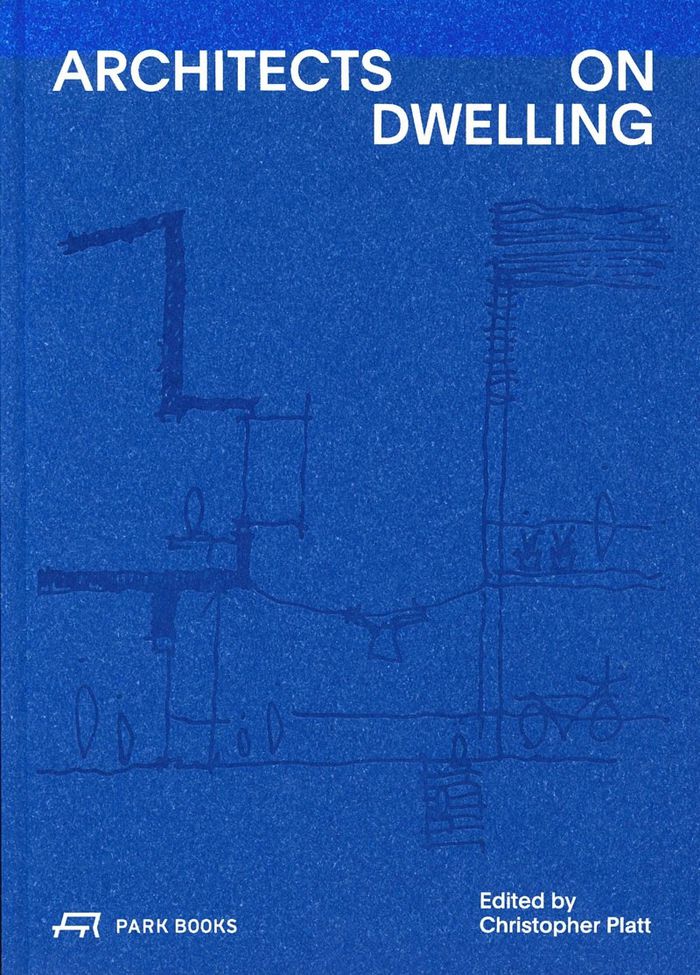
While most books on architecture focus on the architectural outcome itself, ''Architects on dwelling'' takes a close look at how that outcome is created. To design any kind of dwelling, architects draw on both their reservoir of ideas as well as their own experiences as fellow inhabitants of such structures. This book explores how architects design the places we inhabit and how those places in turn inform the manner in which we live, in ways beyond lifestyle and personal taste. Through contributions by Stephen Hoey, Henry McKeown & Ian Alexander, James Mitchell, Stacey Philips, Christopher Platt, Adrian Stewart, and Miranda Webster—most of whom are Scotland-based practitioners as well as teachers in The Glasgow School of Art—it reveals the unique values and qualities that inform their design processes. In their essays, they focus mostly on one exemplary building, explaining how and why they design the way they do. Dick van Gameren, Simon Henley, and Graeme Hutton, distinguished experts and themselves architect-educators, place this work within an international context and provide insightful comment about what these design approaches inform us about contemporary design in Scotland. Complemented with a wide range of images, these essays both illuminate the architects’ motivations and inspirations and celebrate their featured works.
Architects on dwelling
Actions:
Price:
$50.00
(available to order)
Summary:
While most books on architecture focus on the architectural outcome itself, ''Architects on dwelling'' takes a close look at how that outcome is created. To design any kind of dwelling, architects draw on both their reservoir of ideas as well as their own experiences as fellow inhabitants of such structures. This book explores how architects design the places we inhabit and how those places in turn inform the manner in which we live, in ways beyond lifestyle and personal taste. Through contributions by Stephen Hoey, Henry McKeown & Ian Alexander, James Mitchell, Stacey Philips, Christopher Platt, Adrian Stewart, and Miranda Webster—most of whom are Scotland-based practitioners as well as teachers in The Glasgow School of Art—it reveals the unique values and qualities that inform their design processes. In their essays, they focus mostly on one exemplary building, explaining how and why they design the way they do. Dick van Gameren, Simon Henley, and Graeme Hutton, distinguished experts and themselves architect-educators, place this work within an international context and provide insightful comment about what these design approaches inform us about contemporary design in Scotland. Complemented with a wide range of images, these essays both illuminate the architects’ motivations and inspirations and celebrate their featured works.
Form:
books
books
Publication:
July 2022
July 2022
Subject:
Architectural Theory
Architectural Theory
Form:
books
books

Price:
$50.00
(available in store)
Summary:
''Ad Astra'' is an artist book created as part of a public art project commissioned for the medical library of the University of Montreal Health Center (CHUM), in Montréal, Quebec. Involving the arts, science, and public participation, ''Ad Astra'' consists of an archive of messages that are poetically sent to the stars and to the future. The messages, collected from the(...)
$50.00
(available in store)
Summary:
''Ad Astra'' is an artist book created as part of a public art project commissioned for the medical library of the University of Montreal Health Center (CHUM), in Montréal, Quebec. Involving the arts, science, and public participation, ''Ad Astra'' consists of an archive of messages that are poetically sent to the stars and to the future. The messages, collected from the(...)
Publication:
September 2021
September 2021
Title:
Ad Astra
Actions:
Price:
$50.00
(available in store)
Summary:
''Ad Astra'' is an artist book created as part of a public art project commissioned for the medical library of the University of Montreal Health Center (CHUM), in Montréal, Quebec. Involving the arts, science, and public participation, ''Ad Astra'' consists of an archive of messages that are poetically sent to the stars and to the future. The messages, collected from the hospital community, are transformed by means of a collaboration between art and neuroscience to generate astral images, and ultimately, a collective artwork representing a collection of prayers, hopes and fears. Rooted in deep human experiences,''Ad Astra'' gives voice to the range of emotions and the cycle of life and death that the hospital context is witness to daily. In compliment to the permanent multimedia artwork installed in the library, the book presents a tightly knit set of relationships among the various elements that compose the project, including messages, portraits, neurological diagrams, video-stills, citations, and texts. An introductory essay by Claire Moeder creatively illuminates the core interests of the project while the graphic design by Criterium echoes the installation with material means. The book is a nomadic archive and tactile object that was created to travel beyond the primary site of medical library, and ultimately towards the stars.
Ad Astra
Actions:
Price:
$50.00
(available in store)
Summary:
''Ad Astra'' is an artist book created as part of a public art project commissioned for the medical library of the University of Montreal Health Center (CHUM), in Montréal, Quebec. Involving the arts, science, and public participation, ''Ad Astra'' consists of an archive of messages that are poetically sent to the stars and to the future. The messages, collected from the hospital community, are transformed by means of a collaboration between art and neuroscience to generate astral images, and ultimately, a collective artwork representing a collection of prayers, hopes and fears. Rooted in deep human experiences,''Ad Astra'' gives voice to the range of emotions and the cycle of life and death that the hospital context is witness to daily. In compliment to the permanent multimedia artwork installed in the library, the book presents a tightly knit set of relationships among the various elements that compose the project, including messages, portraits, neurological diagrams, video-stills, citations, and texts. An introductory essay by Claire Moeder creatively illuminates the core interests of the project while the graphic design by Criterium echoes the installation with material means. The book is a nomadic archive and tactile object that was created to travel beyond the primary site of medical library, and ultimately towards the stars.
Form:
books
books
Publication:
September 2021
September 2021
Form:
books
books
Actions:
Price:
$84.00
(available to order)
Summary:
Otto Neurath’s famous "Modern man in the making," first published by Alfred A. Knopf in 1939, captures and describes the state of the world in the 1930s by using text and figurative illustrations. From 1925 on, Neurath and his team had worked on a new visual language termed "Isotype" (International System of Typographic Picture Education). At a time that saw new mass(...)
$84.00
(available to order)
Summary:
Otto Neurath’s famous "Modern man in the making," first published by Alfred A. Knopf in 1939, captures and describes the state of the world in the 1930s by using text and figurative illustrations. From 1925 on, Neurath and his team had worked on a new visual language termed "Isotype" (International System of Typographic Picture Education). At a time that saw new mass(...)
Title:
Modern man in the making. Facsimile
Actions:
Price:
$84.00
(available to order)
Summary:
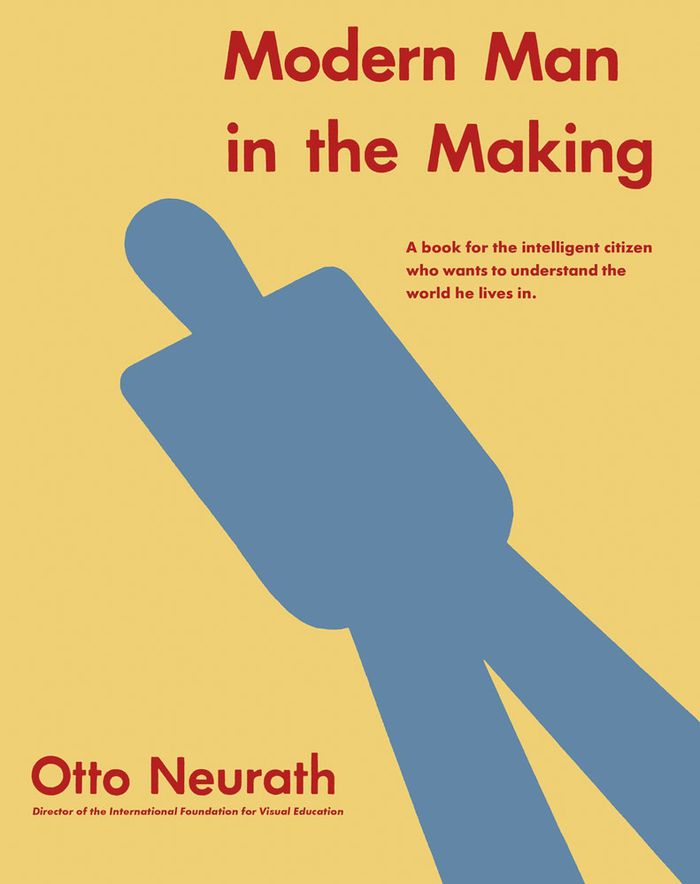
Otto Neurath’s famous "Modern man in the making," first published by Alfred A. Knopf in 1939, captures and describes the state of the world in the 1930s by using text and figurative illustrations. From 1925 on, Neurath and his team had worked on a new visual language termed "Isotype" (International System of Typographic Picture Education). At a time that saw new mass media making hitherto unthinkable amounts of information available, Neurath felt the need for a systematic visualization explaining facts, statistical data and comparative numbers in simple ways. The book can be seen as one of the most influential predecessors of today’s infographics. In the visuals, each symbol and color represents a certain group of objects or people, often compared repetitively over a certain time span. The topics covered in the book include diverse social issues of the time like mortality, health, employment, trade, education, mobility, migration and demographics. "Modern man in the making" shows Neurath’s democratic endeavor to make knowledge intelligible and available to all. It is a reminder of graphic art’s ability to inform and create context instead of presenting aesthetic qualities only. The book has inspired generations of designers and has led to sometimes peculiar imitations and further developments.
Modern man in the making. Facsimile
Actions:
Price:
$84.00
(available to order)
Summary:
Otto Neurath’s famous "Modern man in the making," first published by Alfred A. Knopf in 1939, captures and describes the state of the world in the 1930s by using text and figurative illustrations. From 1925 on, Neurath and his team had worked on a new visual language termed "Isotype" (International System of Typographic Picture Education). At a time that saw new mass media making hitherto unthinkable amounts of information available, Neurath felt the need for a systematic visualization explaining facts, statistical data and comparative numbers in simple ways. The book can be seen as one of the most influential predecessors of today’s infographics. In the visuals, each symbol and color represents a certain group of objects or people, often compared repetitively over a certain time span. The topics covered in the book include diverse social issues of the time like mortality, health, employment, trade, education, mobility, migration and demographics. "Modern man in the making" shows Neurath’s democratic endeavor to make knowledge intelligible and available to all. It is a reminder of graphic art’s ability to inform and create context instead of presenting aesthetic qualities only. The book has inspired generations of designers and has led to sometimes peculiar imitations and further developments.
Form:
books
books
Publication:
April 2024
April 2024
Subject:
Graphic Designers, Monographs
Graphic Designers, Monographs
Form:
books
books
Actions:
Price:
$35.95
(available to order)
Summary:
Economic growth isn’t working, and it cannot be made to work. Offering a counter-history of how economic growth emerged in the context of colonialism, fossil-fueled industrialization, and capitalist modernity, ''The future is degrowth'' argues that the ideology of growth conceals the rising inequalities and ecological destructions associated with capitalism, and points to(...)
$35.95
(available to order)
Summary:
Economic growth isn’t working, and it cannot be made to work. Offering a counter-history of how economic growth emerged in the context of colonialism, fossil-fueled industrialization, and capitalist modernity, ''The future is degrowth'' argues that the ideology of growth conceals the rising inequalities and ecological destructions associated with capitalism, and points to(...)
Title:
The future is degrowth: A guide to a world beyond capitalism
Actions:
Price:
$35.95
(available to order)
Summary:
Economic growth isn’t working, and it cannot be made to work. Offering a counter-history of how economic growth emerged in the context of colonialism, fossil-fueled industrialization, and capitalist modernity, ''The future is degrowth'' argues that the ideology of growth conceals the rising inequalities and ecological destructions associated with capitalism, and points to desirable alternatives to it. Not only in society at large, but also on the left, we are held captive by the hegemony of growth. Even proposals for emancipatory Green New Deals or postcapitalism base their utopian hopes on the development of productive forces, on redistributing the fruits of economic growth and technological progress. Yet growing evidence shows that continued economic growth cannot be made compatible with sustaining life and is not necessary for a good life for all. This book provides a vision for postcapitalism beyond growth. Building on a vibrant field of research, it discusses the political economy and the politics of a non-growing economy. It charts a path forward through policies that democratise the economy, ''now-topias'' that create free spaces for experimentation, and counter-hegemonic movements that make it possible to break with the logic of growth. Degrowth perspectives offer a way to step off the treadmill of an alienating, expansionist, and hierarchical system.
The future is degrowth: A guide to a world beyond capitalism
Actions:
Price:
$35.95
(available to order)
Summary:
Economic growth isn’t working, and it cannot be made to work. Offering a counter-history of how economic growth emerged in the context of colonialism, fossil-fueled industrialization, and capitalist modernity, ''The future is degrowth'' argues that the ideology of growth conceals the rising inequalities and ecological destructions associated with capitalism, and points to desirable alternatives to it. Not only in society at large, but also on the left, we are held captive by the hegemony of growth. Even proposals for emancipatory Green New Deals or postcapitalism base their utopian hopes on the development of productive forces, on redistributing the fruits of economic growth and technological progress. Yet growing evidence shows that continued economic growth cannot be made compatible with sustaining life and is not necessary for a good life for all. This book provides a vision for postcapitalism beyond growth. Building on a vibrant field of research, it discusses the political economy and the politics of a non-growing economy. It charts a path forward through policies that democratise the economy, ''now-topias'' that create free spaces for experimentation, and counter-hegemonic movements that make it possible to break with the logic of growth. Degrowth perspectives offer a way to step off the treadmill of an alienating, expansionist, and hierarchical system.
Form:
books
books
Publication:
June 2022
June 2022
Subject:
Social
Social
Form:
books
books
Price:
$66.00
(available to order)
Summary:
The architectural drawing might seem to be a quintessentially modern form, and indeed many histories of the genre begin in the early modern period with Italian Renaissance architects such as Alberti. Yet the Middle Ages also had a remarkably sophisticated way of drawing and writing about architecture. ''God’s own language'' takes us to twelfth-century Paris, where a(...)
$66.00
(available to order)
Summary:
The architectural drawing might seem to be a quintessentially modern form, and indeed many histories of the genre begin in the early modern period with Italian Renaissance architects such as Alberti. Yet the Middle Ages also had a remarkably sophisticated way of drawing and writing about architecture. ''God’s own language'' takes us to twelfth-century Paris, where a(...)
Title:
God's own language: Architectural drawing in the twelfth century
Actions:
Price:
$66.00
(available to order)
Summary:
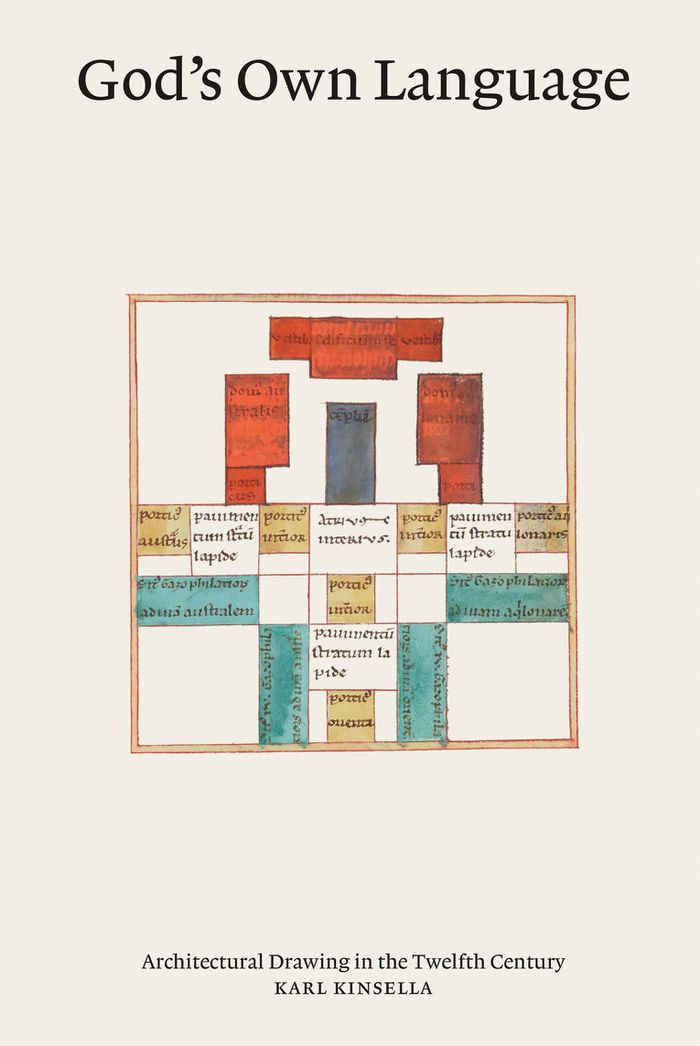
The architectural drawing might seem to be a quintessentially modern form, and indeed many histories of the genre begin in the early modern period with Italian Renaissance architects such as Alberti. Yet the Middle Ages also had a remarkably sophisticated way of drawing and writing about architecture. ''God’s own language'' takes us to twelfth-century Paris, where a Scottish monk named Richard of Saint Victor, along with his mentor Hugh, developed an innovative visual and textual architectural language. In the process, he devised techniques and terms that we still use today, from sectional elevations to the word “plan.” Surprisingly, however, Richard’s detailed drawings appeared not in an architectural treatise but in a widely circulated set of biblical commentaries. Seeing architecture as a way of communicating with the divine, Richard drew plans and elevations for such biblical constructions as Noah’s ark and the temple envisioned by the prophet Ezekiel. Interpreting Richard and Hugh’s drawings and writings within the context of the thriving theological and intellectual cultures of medieval Paris, Karl Kinsella argues that the popularity of these works suggests that, centuries before the Renaissance, there was a large circle of readers with a highly developed understanding of geometry and the visual language of architecture.
God's own language: Architectural drawing in the twelfth century
Actions:
Price:
$66.00
(available to order)
Summary:
The architectural drawing might seem to be a quintessentially modern form, and indeed many histories of the genre begin in the early modern period with Italian Renaissance architects such as Alberti. Yet the Middle Ages also had a remarkably sophisticated way of drawing and writing about architecture. ''God’s own language'' takes us to twelfth-century Paris, where a Scottish monk named Richard of Saint Victor, along with his mentor Hugh, developed an innovative visual and textual architectural language. In the process, he devised techniques and terms that we still use today, from sectional elevations to the word “plan.” Surprisingly, however, Richard’s detailed drawings appeared not in an architectural treatise but in a widely circulated set of biblical commentaries. Seeing architecture as a way of communicating with the divine, Richard drew plans and elevations for such biblical constructions as Noah’s ark and the temple envisioned by the prophet Ezekiel. Interpreting Richard and Hugh’s drawings and writings within the context of the thriving theological and intellectual cultures of medieval Paris, Karl Kinsella argues that the popularity of these works suggests that, centuries before the Renaissance, there was a large circle of readers with a highly developed understanding of geometry and the visual language of architecture.
Form:
books
books
Publication:
June 2023
June 2023
Subject:
Architectural Theory
Architectural Theory
Form:
books
books

Actions:
Price:
$67.00
(available to order)
Summary:
In 2004, we published Sonic, our bestseller that presented visuals for music. Along with the continuing proliferation and success of MP3s and the iPod over the last three years, engaging cover and packaging design have become even more important reasons for listeners to buy music in its traditional forms. Supersonic results from and investigates these recent(...)
$67.00
(available to order)
Summary:
In 2004, we published Sonic, our bestseller that presented visuals for music. Along with the continuing proliferation and success of MP3s and the iPod over the last three years, engaging cover and packaging design have become even more important reasons for listeners to buy music in its traditional forms. Supersonic results from and investigates these recent(...)
Title:
Supersonic: Visuals for music
Actions:
Price:
$67.00
(available to order)
Summary:
In 2004, we published Sonic, our bestseller that presented visuals for music. Along with the continuing proliferation and success of MP3s and the iPod over the last three years, engaging cover and packaging design have become even more important reasons for listeners to buy music in its traditional forms. Supersonic results from and investigates these recent developments. Supersonic presents over 320 striking pages of today's best-designed music products with a focus on Independent and Alterative Rock as well as Electronica. In addition to abundant visuals, the book contains an informative foreword and features portraits of selected designers and companies, who are creating outstanding work in these musical fields. The diverse examples are structured into chapters with introductory texts that put each new subject into context for the reader. With its stunning images from today's most exciting music, Supersonic is a source of inspiration for all music insiders and the graphic artists creating music packaging and visual identities for bands. Because design for music is a field where experimental work thrives and new trends develop that go on to influence other fields, this book is also a veritable "must-have" for a general audience of creatives as well as concertgoers and gift givers.
Supersonic: Visuals for music
Actions:
Price:
$67.00
(available to order)
Summary:
In 2004, we published Sonic, our bestseller that presented visuals for music. Along with the continuing proliferation and success of MP3s and the iPod over the last three years, engaging cover and packaging design have become even more important reasons for listeners to buy music in its traditional forms. Supersonic results from and investigates these recent developments. Supersonic presents over 320 striking pages of today's best-designed music products with a focus on Independent and Alterative Rock as well as Electronica. In addition to abundant visuals, the book contains an informative foreword and features portraits of selected designers and companies, who are creating outstanding work in these musical fields. The diverse examples are structured into chapters with introductory texts that put each new subject into context for the reader. With its stunning images from today's most exciting music, Supersonic is a source of inspiration for all music insiders and the graphic artists creating music packaging and visual identities for bands. Because design for music is a field where experimental work thrives and new trends develop that go on to influence other fields, this book is also a veritable "must-have" for a general audience of creatives as well as concertgoers and gift givers.
Form:
books
books
Publication:
October 2007, Berlin
October 2007, Berlin
Subject:
Interior Design
Interior Design
Form:
books
books

Title:
World City
World City
Actions:
Price:
$29.99
(available to order)
Summary:
Cities around the world are striving to be global. This book tells the story of one of them, and in so doing raises questions which are essential for all cities. These questions concern identity, place, and political responsibility in the changing geographies of our times. The book also tells the story of the rise of a new class, of deepening inequality, and of the(...)
$29.99
(available to order)
Summary:
Cities around the world are striving to be global. This book tells the story of one of them, and in so doing raises questions which are essential for all cities. These questions concern identity, place, and political responsibility in the changing geographies of our times. The book also tells the story of the rise of a new class, of deepening inequality, and of the(...)
Title:
World City
Actions:
Price:
$29.99
(available to order)
Summary:
Cities around the world are striving to be global. This book tells the story of one of them, and in so doing raises questions which are essential for all cities. These questions concern identity, place, and political responsibility in the changing geographies of our times. The book also tells the story of the rise of a new class, of deepening inequality, and of the geographical imaginations that are mobilised to legitimate the increasing dominance of these powerful metropoles. In so doing, it sets the global city in its wider geographical and political context. World City focuses its account on London, one of the greatest of these global cities. London is a city of delight and of creativity, of the generation of vast wealth and of acute poverty. It also presides over a country increasingly divided between North and South and over a neo-liberal form of globalisation the deregulation, financialisation and commercialisation of all aspects of life that results in an evermore unequal world.World City explores how we can understand this complex narrative and asks a question that should be asked of any city: what does this place stand for? This book will appeal to students of human geography, politics and sociology as well as to the general reader.
World City
Actions:
Price:
$29.99
(available to order)
Summary:
Cities around the world are striving to be global. This book tells the story of one of them, and in so doing raises questions which are essential for all cities. These questions concern identity, place, and political responsibility in the changing geographies of our times. The book also tells the story of the rise of a new class, of deepening inequality, and of the geographical imaginations that are mobilised to legitimate the increasing dominance of these powerful metropoles. In so doing, it sets the global city in its wider geographical and political context. World City focuses its account on London, one of the greatest of these global cities. London is a city of delight and of creativity, of the generation of vast wealth and of acute poverty. It also presides over a country increasingly divided between North and South and over a neo-liberal form of globalisation the deregulation, financialisation and commercialisation of all aspects of life that results in an evermore unequal world.World City explores how we can understand this complex narrative and asks a question that should be asked of any city: what does this place stand for? This book will appeal to students of human geography, politics and sociology as well as to the general reader.
Form:
books
books
Publication:
September 2007, Cambridge, Malden
September 2007, Cambridge, Malden
Subject:
Architectural Theory
Architectural Theory
Form:
books
books
Actions:
Price:
$26.95
(available to order)
Summary:
Measures are the subject of this unusual book, in which Robert Tavernor offers a fascinating account of the various measuring systems human beings have devised over two millennia. Tavernor urges us to look beyond the notion that measuring is strictly a scientific activity, divorced from human concerns. Instead, he sets measures and measuring in cultural context and shows(...)
$26.95
(available to order)
Summary:
Measures are the subject of this unusual book, in which Robert Tavernor offers a fascinating account of the various measuring systems human beings have devised over two millennia. Tavernor urges us to look beyond the notion that measuring is strictly a scientific activity, divorced from human concerns. Instead, he sets measures and measuring in cultural context and shows(...)
Publication:
August 2007
August 2007
Title:
Smoot's Ear : The measure of humanity
Actions:
Price:
$26.95
(available to order)
Summary:
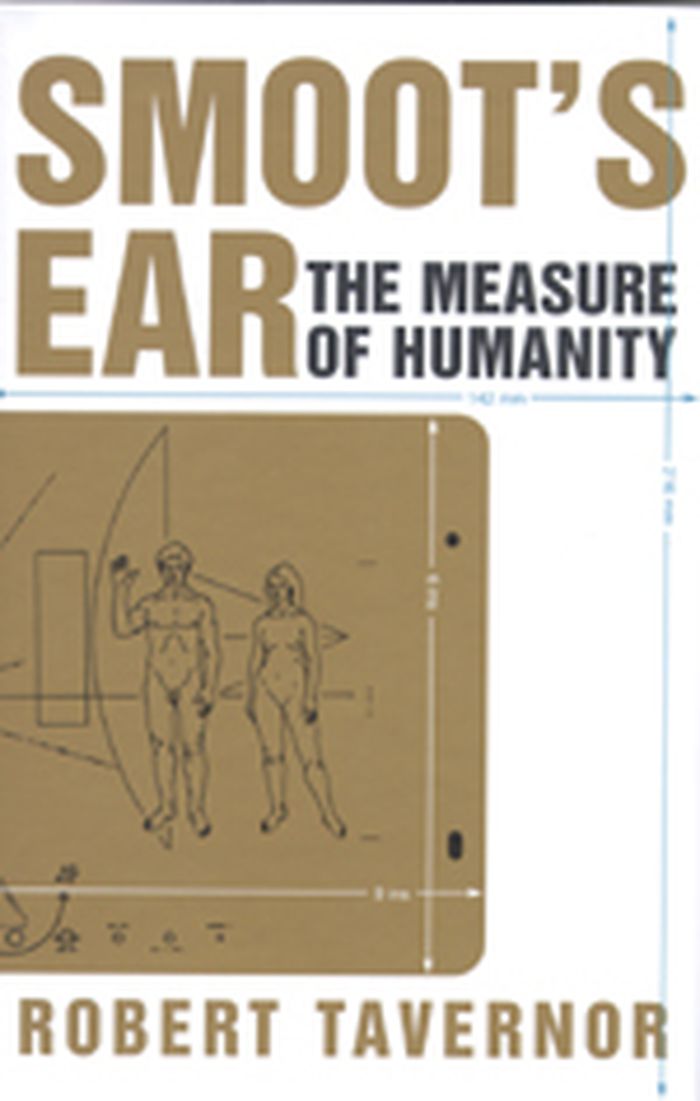
Measures are the subject of this unusual book, in which Robert Tavernor offers a fascinating account of the various measuring systems human beings have devised over two millennia. Tavernor urges us to look beyond the notion that measuring is strictly a scientific activity, divorced from human concerns. Instead, he sets measures and measuring in cultural context and shows how deeply they are connected to human experience and history. The book explores changing attitudes toward measure, focusing on key moments in art, sculpture, architecture, philosophy, and the development of scientific thought. It encompasses the journey of Western civilization from the construction of the Great Pyramid to the first manned flight to the moon. Beginning with a review of early measuring standards that referred to the feet and inches of ideal bodies, the book then tracks how Enlightenment interest in a truly scientific system of measure led to the creation of the metric system. This “rational” approach to measure in turn has inspired artists, architects, writers, and others to seek a balance that takes the human story into account. Tavernor concludes with a discussion of measure in our own time, when space travel presents to humankind a direct encounter with the unfathomable measure of the universe.
Smoot's Ear : The measure of humanity
Actions:
Price:
$26.95
(available to order)
Summary:
Measures are the subject of this unusual book, in which Robert Tavernor offers a fascinating account of the various measuring systems human beings have devised over two millennia. Tavernor urges us to look beyond the notion that measuring is strictly a scientific activity, divorced from human concerns. Instead, he sets measures and measuring in cultural context and shows how deeply they are connected to human experience and history. The book explores changing attitudes toward measure, focusing on key moments in art, sculpture, architecture, philosophy, and the development of scientific thought. It encompasses the journey of Western civilization from the construction of the Great Pyramid to the first manned flight to the moon. Beginning with a review of early measuring standards that referred to the feet and inches of ideal bodies, the book then tracks how Enlightenment interest in a truly scientific system of measure led to the creation of the metric system. This “rational” approach to measure in turn has inspired artists, architects, writers, and others to seek a balance that takes the human story into account. Tavernor concludes with a discussion of measure in our own time, when space travel presents to humankind a direct encounter with the unfathomable measure of the universe.
Form:
books
books
Publication:
August 2007
August 2007
Form:
journals and magazines
journals and magazines
Actions:
Price:
$18.00
(available to order)
Summary:
Après avoir exploré les méandres de la violence interpersonnelle dans notre dernier numéro, Violence Psycho, nous abordons ici même les effets de la violence dans le contexte d'une mondialisation galopante. Violence sans fin, violence sans frontières, l'aspect illimité de la chose est flagrant. Et même, pourrait-on dire, plus il y a de mondialisation, plus il y a de(...)
$18.00
(available to order)
Summary:
Après avoir exploré les méandres de la violence interpersonnelle dans notre dernier numéro, Violence Psycho, nous abordons ici même les effets de la violence dans le contexte d'une mondialisation galopante. Violence sans fin, violence sans frontières, l'aspect illimité de la chose est flagrant. Et même, pourrait-on dire, plus il y a de mondialisation, plus il y a de(...)
Title:
Parachute 124 : violence unlimited
Actions:
Price:
$18.00
(available to order)
Summary:
Après avoir exploré les méandres de la violence interpersonnelle dans notre dernier numéro, Violence Psycho, nous abordons ici même les effets de la violence dans le contexte d'une mondialisation galopante. Violence sans fin, violence sans frontières, l'aspect illimité de la chose est flagrant. Et même, pourrait-on dire, plus il y a de mondialisation, plus il y a de violence. On peut se demander pourquoi, en chercher les fondements, rationaliser la chose, il reste que la violence tient de l'irrationnel, de la démesure et de la folie collective, à toutes fins utiles. // After having explored the meanders of interpersonal violence in the previous issue, Violence Psycho, we now focus our attention on the effects of violence in the alarmingly unbounded context of globalization. Violence without end, violence without borders; the unlimited aspect of the phenomenon is flagrant. One could say that the more globalization makes itself manifest, the more violence appears. Also, one could ponder on the reasons for this and attempt to comprehend the underpinnings of such violence and rationalize it; the fact remains: violence stems from an irrational source, from collective folly and excess, for all intents and purposes. Textes de / texts by : Slavoj Zizek, Frédéric Maufras, Guitemie Maldonado, Nicolas Exertier, Derek Conrad Murray, Kinga Araya, Rana Dasgupta, Mariella Pandolfi + Chowra Makaremi.
Parachute 124 : violence unlimited
Actions:
Price:
$18.00
(available to order)
Summary:
Après avoir exploré les méandres de la violence interpersonnelle dans notre dernier numéro, Violence Psycho, nous abordons ici même les effets de la violence dans le contexte d'une mondialisation galopante. Violence sans fin, violence sans frontières, l'aspect illimité de la chose est flagrant. Et même, pourrait-on dire, plus il y a de mondialisation, plus il y a de violence. On peut se demander pourquoi, en chercher les fondements, rationaliser la chose, il reste que la violence tient de l'irrationnel, de la démesure et de la folie collective, à toutes fins utiles. // After having explored the meanders of interpersonal violence in the previous issue, Violence Psycho, we now focus our attention on the effects of violence in the alarmingly unbounded context of globalization. Violence without end, violence without borders; the unlimited aspect of the phenomenon is flagrant. One could say that the more globalization makes itself manifest, the more violence appears. Also, one could ponder on the reasons for this and attempt to comprehend the underpinnings of such violence and rationalize it; the fact remains: violence stems from an irrational source, from collective folly and excess, for all intents and purposes. Textes de / texts by : Slavoj Zizek, Frédéric Maufras, Guitemie Maldonado, Nicolas Exertier, Derek Conrad Murray, Kinga Araya, Rana Dasgupta, Mariella Pandolfi + Chowra Makaremi.
Form:
journals and magazines
journals and magazines
Publication:
October 2006, Montréal
October 2006, Montréal
Subject:
Magazines
Magazines
Form:
books
books
Price:
$31.00
(available to order)
Summary:
As a specific form of architecture, the school is an amalgam of its function and its history. Though recognizable across cultures, the schoolhouse nevertheless retains the distinctive markings of different nations and eras. School is the first book to examine this institutional building’s modern growth on a global scale. Ian Grosvenor and Catherine Burke demonstrate(...)
$31.00
(available to order)
Summary:
As a specific form of architecture, the school is an amalgam of its function and its history. Though recognizable across cultures, the schoolhouse nevertheless retains the distinctive markings of different nations and eras. School is the first book to examine this institutional building’s modern growth on a global scale. Ian Grosvenor and Catherine Burke demonstrate(...)
Subject:
Commercial interiors, Building types
Commercial interiors, Building types
Publication:
November 2006, London
November 2006, London
Title:
School
Actions:
Price:
$31.00
(available to order)
Summary:
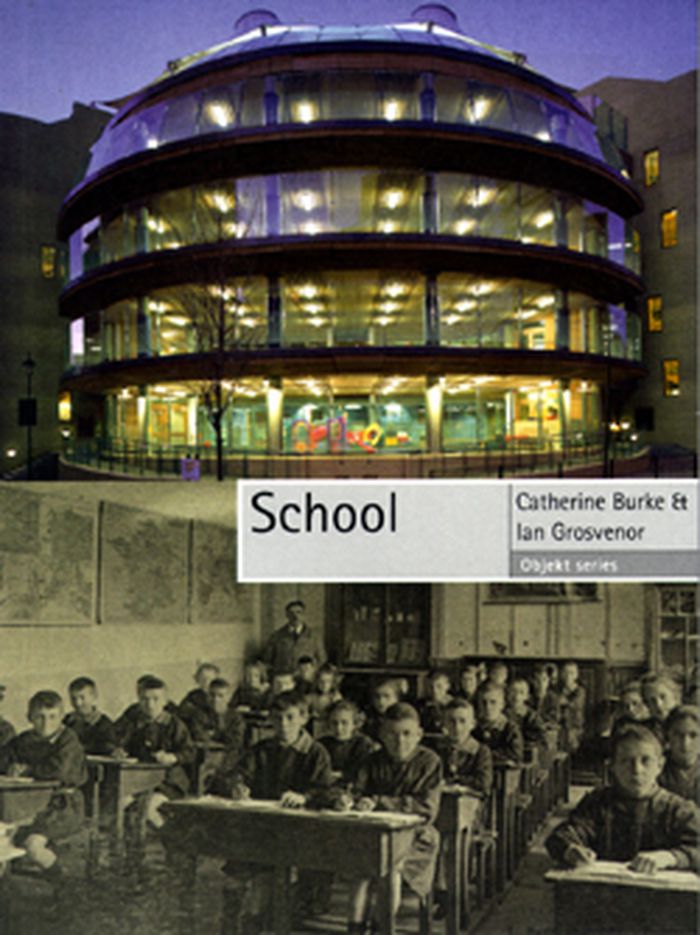
As a specific form of architecture, the school is an amalgam of its function and its history. Though recognizable across cultures, the schoolhouse nevertheless retains the distinctive markings of different nations and eras. School is the first book to examine this institutional building’s modern growth on a global scale. Ian Grosvenor and Catherine Burke demonstrate how school buildings help organize and manipulate time and space for teachers and students, using methods ranging from bells to lines to lesson plans. They reveal the ways in which schools, by their actual physical situation—surrounded by swathes of green or butting up against other urban structures, in neighborhoods stratified by class or segregated by race—make clear their place in society as fragmented sites of cultural memory and creation. The authors further consider how new technologies and continuing globalization will inevitably force us to rethink our notions of school—and school buildings. In the twenty-first century, these shifts represent a radically new context for education. School will provide stimulating reading for anyone interested in this extraordinary evolution of architecture and education. Ian Grosvenor is director of learning and teaching at the School of Education, University of Birmingham. Catherine Burke is lecturer in education in the School of Education, University of Leeds.
School
Actions:
Price:
$31.00
(available to order)
Summary:
As a specific form of architecture, the school is an amalgam of its function and its history. Though recognizable across cultures, the schoolhouse nevertheless retains the distinctive markings of different nations and eras. School is the first book to examine this institutional building’s modern growth on a global scale. Ian Grosvenor and Catherine Burke demonstrate how school buildings help organize and manipulate time and space for teachers and students, using methods ranging from bells to lines to lesson plans. They reveal the ways in which schools, by their actual physical situation—surrounded by swathes of green or butting up against other urban structures, in neighborhoods stratified by class or segregated by race—make clear their place in society as fragmented sites of cultural memory and creation. The authors further consider how new technologies and continuing globalization will inevitably force us to rethink our notions of school—and school buildings. In the twenty-first century, these shifts represent a radically new context for education. School will provide stimulating reading for anyone interested in this extraordinary evolution of architecture and education. Ian Grosvenor is director of learning and teaching at the School of Education, University of Birmingham. Catherine Burke is lecturer in education in the School of Education, University of Leeds.
Form:
books
books
Publication:
November 2006, London
November 2006, London
Subject:
Commercial interiors, Building types
Commercial interiors, Building types


