


6619 Results
Form:
books
books
Actions:
Price:
$24.50
(available to order)
Summary:
This collection of kids’ bestiaries is a critique of Monster Contemporary Architecture. It is a reinterpretation of contemporary iconic forms and the contemplation of the future states of these masterpieces, or more fittingly, Monsterpieces. Two Harvard architecture graduates challenge their minds un-learning architecture history. They speculate on the future state of(...)
$24.50
(available to order)
Summary:
This collection of kids’ bestiaries is a critique of Monster Contemporary Architecture. It is a reinterpretation of contemporary iconic forms and the contemplation of the future states of these masterpieces, or more fittingly, Monsterpieces. Two Harvard architecture graduates challenge their minds un-learning architecture history. They speculate on the future state of(...)
Title:
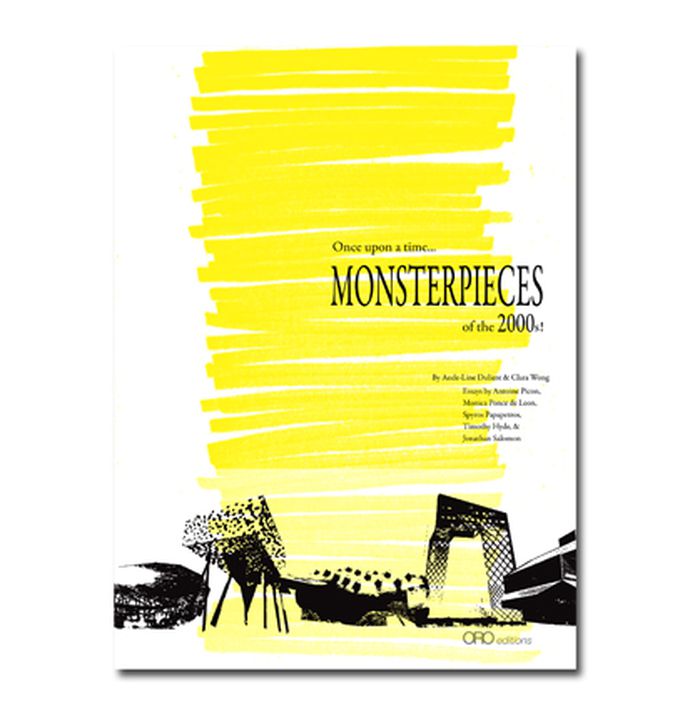
Monsterpieces: Once upon a time
Actions:
Price:
$24.50
(available to order)
Summary:
This collection of kids’ bestiaries is a critique of Monster Contemporary Architecture. It is a reinterpretation of contemporary iconic forms and the contemplation of the future states of these masterpieces, or more fittingly, Monsterpieces. Two Harvard architecture graduates challenge their minds un-learning architecture history. They speculate on the future state of post-occupancy of contemporary architectural icons, creating a retrospective of future archeological studies. A response and critique of iconic perFORMance — the current architectural trend in competing for attention — this fiction tells the story of building forms that do follow function. In this book, each eccentric form finds its justification in a speculative function, with surreal and dystopian connotations.
Monsterpieces: Once upon a time
Actions:
Price:
$24.50
(available to order)
Summary:
This collection of kids’ bestiaries is a critique of Monster Contemporary Architecture. It is a reinterpretation of contemporary iconic forms and the contemplation of the future states of these masterpieces, or more fittingly, Monsterpieces. Two Harvard architecture graduates challenge their minds un-learning architecture history. They speculate on the future state of post-occupancy of contemporary architectural icons, creating a retrospective of future archeological studies. A response and critique of iconic perFORMance — the current architectural trend in competing for attention — this fiction tells the story of building forms that do follow function. In this book, each eccentric form finds its justification in a speculative function, with surreal and dystopian connotations.
Form:
books
books
Publication:
January 2011
January 2011
Subject:
Contemporary Architecture
Contemporary Architecture
Form:
books
books
Actions:
Description:
1 online resource (409 p.).
Author:
Subject:
Publication:
Cambridge : Urbanomic, 2022.
Cambridge : Urbanomic, 2022.
Title:
Proof of Work : Blockchain Provocations 20112021.
Actions:
Description:
1 online resource (409 p.).
Proof of Work : Blockchain Provocations 20112021.
Actions:
Description:
1 online resource (409 p.).
Form:
books
books
Publication:
Cambridge : Urbanomic, 2022.
Cambridge : Urbanomic, 2022.
Author:
Subject:
Form:
books
books
Actions:
Subject:
Publication:
Urbanomic 2021
Urbanomic 2021
Form:
books
books
Publication:
Urbanomic 2021
Urbanomic 2021
Subject:
Form:
books
books
Title:
Visionary cities
Visionary cities
Actions:
Price:
$25.00
(available to order)
Summary:
Recognizing that our civic responsibilities towards our environments have drastically increased, Visionary Cities ambitiously sets the agenda for the city of the future. Amid crippling bureaucracies and economic crises, present-day thinking on city design remains woefully inadequate, and this first publication in NAi's Future Cities Series announces 12 civic issues that(...)
$25.00
(available to order)
Summary:
Recognizing that our civic responsibilities towards our environments have drastically increased, Visionary Cities ambitiously sets the agenda for the city of the future. Amid crippling bureaucracies and economic crises, present-day thinking on city design remains woefully inadequate, and this first publication in NAi's Future Cities Series announces 12 civic issues that(...)
Title:
Visionary cities
Actions:
Price:
$25.00
(available to order)
Summary:
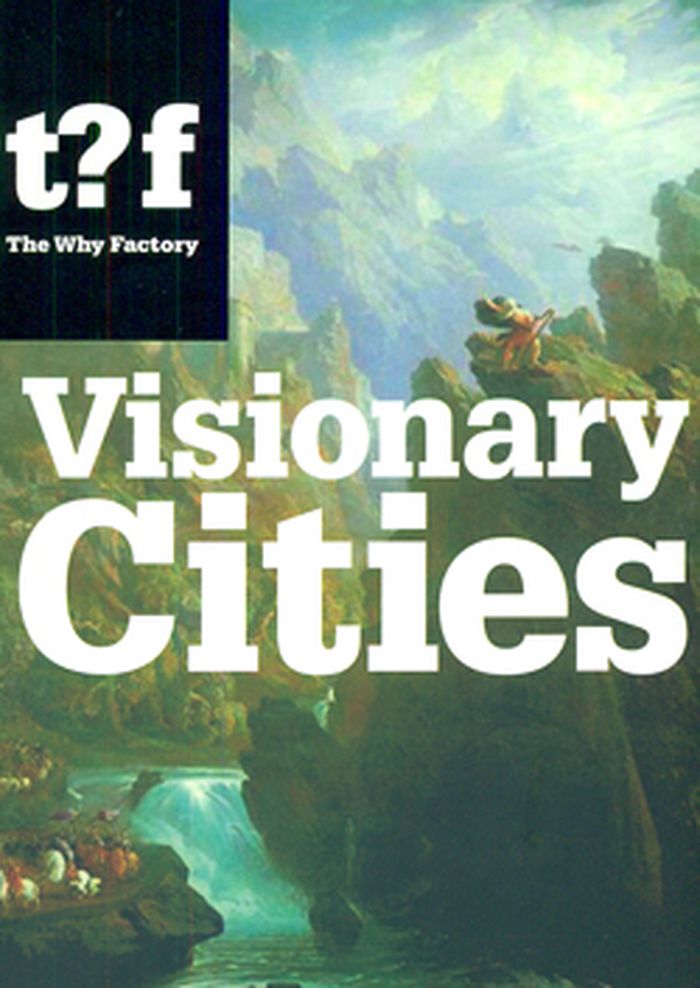
Recognizing that our civic responsibilities towards our environments have drastically increased, Visionary Cities ambitiously sets the agenda for the city of the future. Amid crippling bureaucracies and economic crises, present-day thinking on city design remains woefully inadequate, and this first publication in NAi's Future Cities Series announces 12 civic issues that are in need of transformation through the researches of The Why Factory, a global urban-studies thinktank operated in part by the Delft University of Technology. These issues include: “The Solitary (Our Dreams are Undermining the City)”; “The Iconic (Our Idols Have Been Compromised)”; “The Fun (We Are Having Too Much Fun)”; “The Cautious (Being Careful Is Killing Us)”; “The Poor (Slums Are Growing Bigger Than The Cities They Are Part Of”; and “The Future (Our Future Is Being Imagined Without Us).” A howl against civic impotence and the apathy of citizens in the face of incompetence and decay, Visionary Cities makes a manifesto of these and other topics to loudly demand large-scale change on a collective rather than individual level. In an afterword, Winy Maas, of the innovative Dutch architecture firm MVRDV, argues that architecture possesses a visionary dimension waiting to be applied to the cities of the future.
Visionary cities
Actions:
Price:
$25.00
(available to order)
Summary:
Recognizing that our civic responsibilities towards our environments have drastically increased, Visionary Cities ambitiously sets the agenda for the city of the future. Amid crippling bureaucracies and economic crises, present-day thinking on city design remains woefully inadequate, and this first publication in NAi's Future Cities Series announces 12 civic issues that are in need of transformation through the researches of The Why Factory, a global urban-studies thinktank operated in part by the Delft University of Technology. These issues include: “The Solitary (Our Dreams are Undermining the City)”; “The Iconic (Our Idols Have Been Compromised)”; “The Fun (We Are Having Too Much Fun)”; “The Cautious (Being Careful Is Killing Us)”; “The Poor (Slums Are Growing Bigger Than The Cities They Are Part Of”; and “The Future (Our Future Is Being Imagined Without Us).” A howl against civic impotence and the apathy of citizens in the face of incompetence and decay, Visionary Cities makes a manifesto of these and other topics to loudly demand large-scale change on a collective rather than individual level. In an afterword, Winy Maas, of the innovative Dutch architecture firm MVRDV, argues that architecture possesses a visionary dimension waiting to be applied to the cities of the future.
Form:
books
books
Publication:
March 2010
March 2010
Subject:
Urban Theory
Urban Theory
Form:
journals and magazines
journals and magazines
Actions:
Price:
$10.00
(available to order)
Summary:
Vol2 #9 takes on the UK's services-for-surveillance state, technological utopias, green capitalism and much more. Borders 2.0: Future, Tense – Bryan Finoki and Angela Mitropoulos explore contemporary borderlands though text and image. The Battle of All Mothers – Madame Tlank on welfare, surveillance and working class women. Falling for the Future – Iain Boal(...)
$10.00
(available to order)
Summary:
Vol2 #9 takes on the UK's services-for-surveillance state, technological utopias, green capitalism and much more. Borders 2.0: Future, Tense – Bryan Finoki and Angela Mitropoulos explore contemporary borderlands though text and image. The Battle of All Mothers – Madame Tlank on welfare, surveillance and working class women. Falling for the Future – Iain Boal(...)
Subject:
Magazines
Magazines
Publication:
August 2008
August 2008
Title:
Mute: culture and politics after the net: vol 2, july 2008
Actions:
Price:
$10.00
(available to order)
Summary:
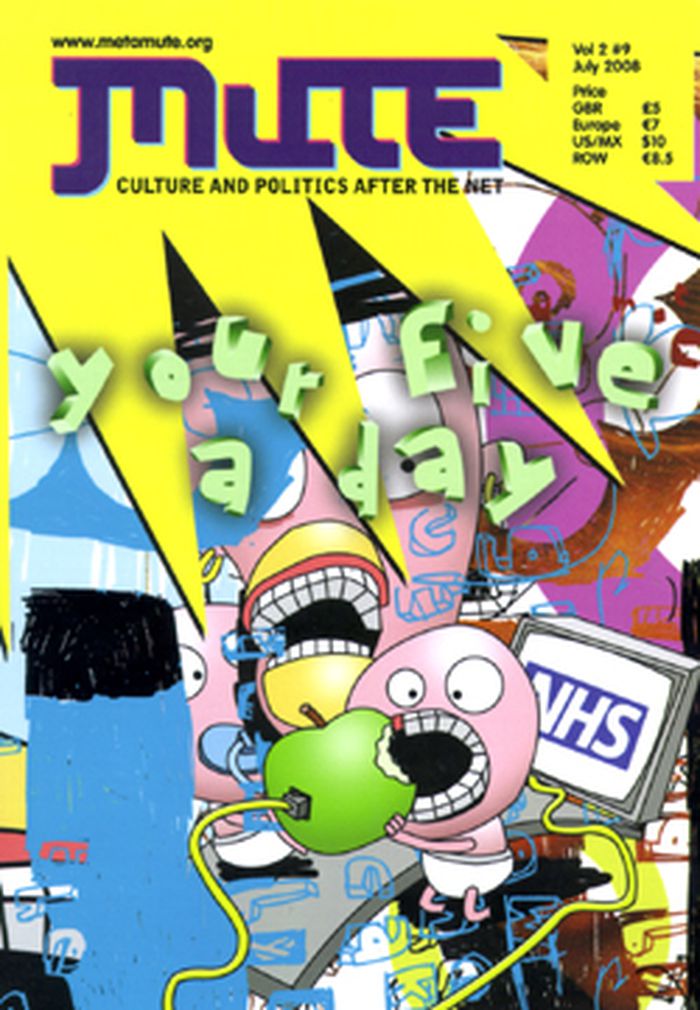
Vol2 #9 takes on the UK's services-for-surveillance state, technological utopias, green capitalism and much more. Borders 2.0: Future, Tense – Bryan Finoki and Angela Mitropoulos explore contemporary borderlands though text and image. The Battle of All Mothers – Madame Tlank on welfare, surveillance and working class women. Falling for the Future – Iain Boal brings modernity's futuramas back down to earth.
Mute: culture and politics after the net: vol 2, july 2008
Actions:
Price:
$10.00
(available to order)
Summary:
Vol2 #9 takes on the UK's services-for-surveillance state, technological utopias, green capitalism and much more. Borders 2.0: Future, Tense – Bryan Finoki and Angela Mitropoulos explore contemporary borderlands though text and image. The Battle of All Mothers – Madame Tlank on welfare, surveillance and working class women. Falling for the Future – Iain Boal brings modernity's futuramas back down to earth.
Form:
journals and magazines
journals and magazines
Publication:
August 2008
August 2008
Subject:
Magazines
Magazines
Form:
books
books
Actions:
Subject:
Publication:
Caradt 2019
Caradt 2019
Form:
books
books
Publication:
Caradt 2019
Caradt 2019
Subject:
Form:
books
books
Actions:
Price:
$57.95
(available to order)
Summary:
"Designs for Different Futures" records the concrete ideas and abstract dreams of designers, artists, academics, and scientists exploring how design might reframe our futures, socially, ethically, and aesthetically. Encompassing nearly 100 contemporary examples—from wearable objects to urban infrastructure—this handbook interrogates attitudes toward technology,(...)
$57.95
(available to order)
Summary:
"Designs for Different Futures" records the concrete ideas and abstract dreams of designers, artists, academics, and scientists exploring how design might reframe our futures, socially, ethically, and aesthetically. Encompassing nearly 100 contemporary examples—from wearable objects to urban infrastructure—this handbook interrogates attitudes toward technology,(...)
Subject:
Industrial Design
Industrial Design
Publication:
December 2019
December 2019
Title:
Designs for different futures
Actions:
Price:
$57.95
(available to order)
Summary:
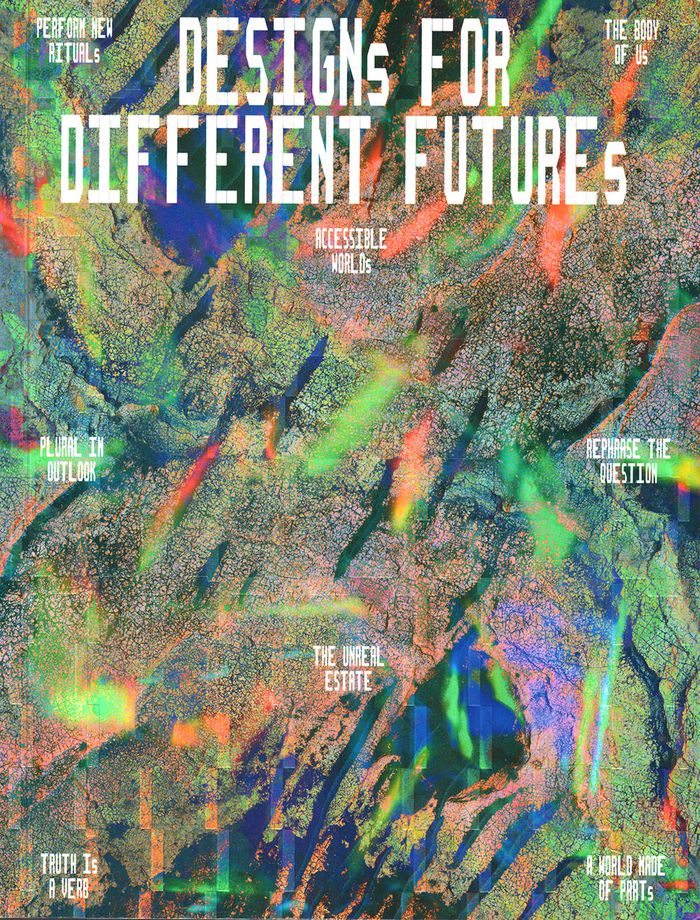
"Designs for Different Futures" records the concrete ideas and abstract dreams of designers, artists, academics, and scientists exploring how design might reframe our futures, socially, ethically, and aesthetically. Encompassing nearly 100 contemporary examples—from wearable objects to urban infrastructure—this handbook interrogates attitudes toward technology, consumption, beauty, and social and environmental challenges.
Designs for different futures
Actions:
Price:
$57.95
(available to order)
Summary:
"Designs for Different Futures" records the concrete ideas and abstract dreams of designers, artists, academics, and scientists exploring how design might reframe our futures, socially, ethically, and aesthetically. Encompassing nearly 100 contemporary examples—from wearable objects to urban infrastructure—this handbook interrogates attitudes toward technology, consumption, beauty, and social and environmental challenges.
Form:
books
books
Publication:
December 2019
December 2019
Subject:
Industrial Design
Industrial Design
Form:
books
books
Actions:
Price:
$28.00
(available to order)
Summary:
Founded by Winy Maas, The Why Factory concentrates on the production of models and visualizations for future cities. It runs independent research projects, PhD programs, architecture and urbanism studios, postgraduate studios at the Berlage Institute in Rotterdam, and workshops and debates. One component of the thinktank is publishing a series of books and producing(...)
$28.00
(available to order)
Summary:
Founded by Winy Maas, The Why Factory concentrates on the production of models and visualizations for future cities. It runs independent research projects, PhD programs, architecture and urbanism studios, postgraduate studios at the Berlage Institute in Rotterdam, and workshops and debates. One component of the thinktank is publishing a series of books and producing(...)
Title:
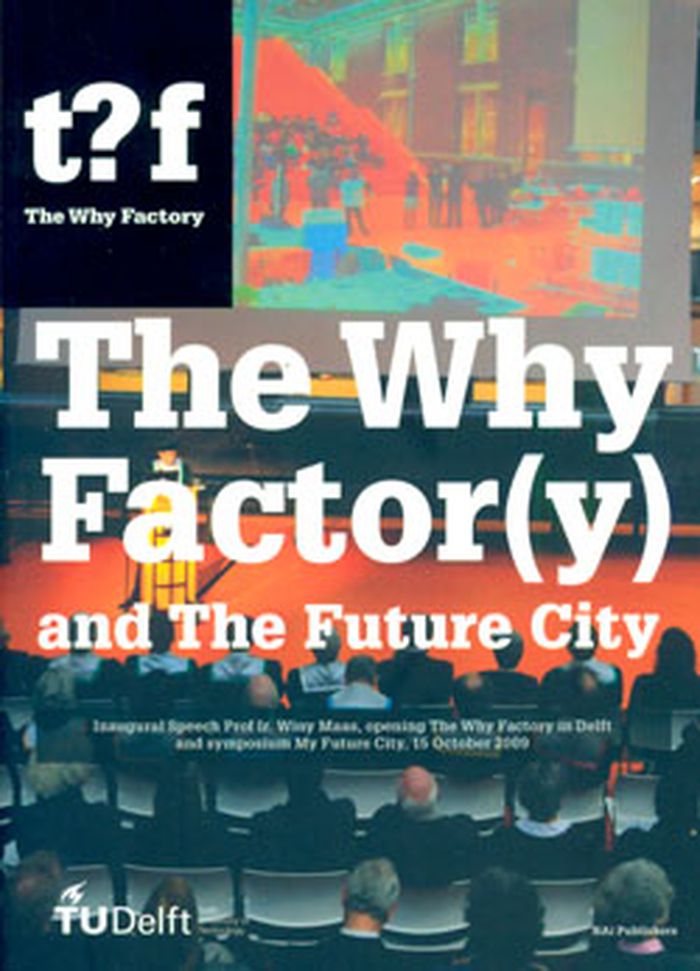
The Why Factor(y) and the futur city
Actions:
Price:
$28.00
(available to order)
Summary:
Founded by Winy Maas, The Why Factory concentrates on the production of models and visualizations for future cities. It runs independent research projects, PhD programs, architecture and urbanism studios, postgraduate studios at the Berlage Institute in Rotterdam, and workshops and debates. One component of the thinktank is publishing a series of books and producing films. This volume is based on Maas' inaugural address upon assuming the position of Chair of Architecture and Urban Design at Delft University of Technology in 2009. It also includes transcripts and addresses from “My Future City,” a Why Factory symposium, in which students, architects, urban planners, philosophers, politicians and engineers shared their visions for the city of the future.
The Why Factor(y) and the futur city
Actions:
Price:
$28.00
(available to order)
Summary:
Founded by Winy Maas, The Why Factory concentrates on the production of models and visualizations for future cities. It runs independent research projects, PhD programs, architecture and urbanism studios, postgraduate studios at the Berlage Institute in Rotterdam, and workshops and debates. One component of the thinktank is publishing a series of books and producing films. This volume is based on Maas' inaugural address upon assuming the position of Chair of Architecture and Urban Design at Delft University of Technology in 2009. It also includes transcripts and addresses from “My Future City,” a Why Factory symposium, in which students, architects, urban planners, philosophers, politicians and engineers shared their visions for the city of the future.
Form:
books
books
Publication:
August 2011
August 2011
Subject:
Urban Theory
Urban Theory
Form:
books
books
Actions:
Price:
$43.50
(available in store)
Summary:
This third book of the Louis I. Kahn Visiting Assistant Professorship endowed to bring young innovators in architectural design to the Yale School of Architecture includes the advanced studios of Ali Rahim for a skyscraper in Dubai, Christopher Sharples for a hybrid airport of the future, and William Sharples for a spaceport for private space travel. It explores new(...)
$43.50
(available in store)
Summary:
This third book of the Louis I. Kahn Visiting Assistant Professorship endowed to bring young innovators in architectural design to the Yale School of Architecture includes the advanced studios of Ali Rahim for a skyscraper in Dubai, Christopher Sharples for a hybrid airport of the future, and William Sharples for a spaceport for private space travel. It explores new(...)
Title:
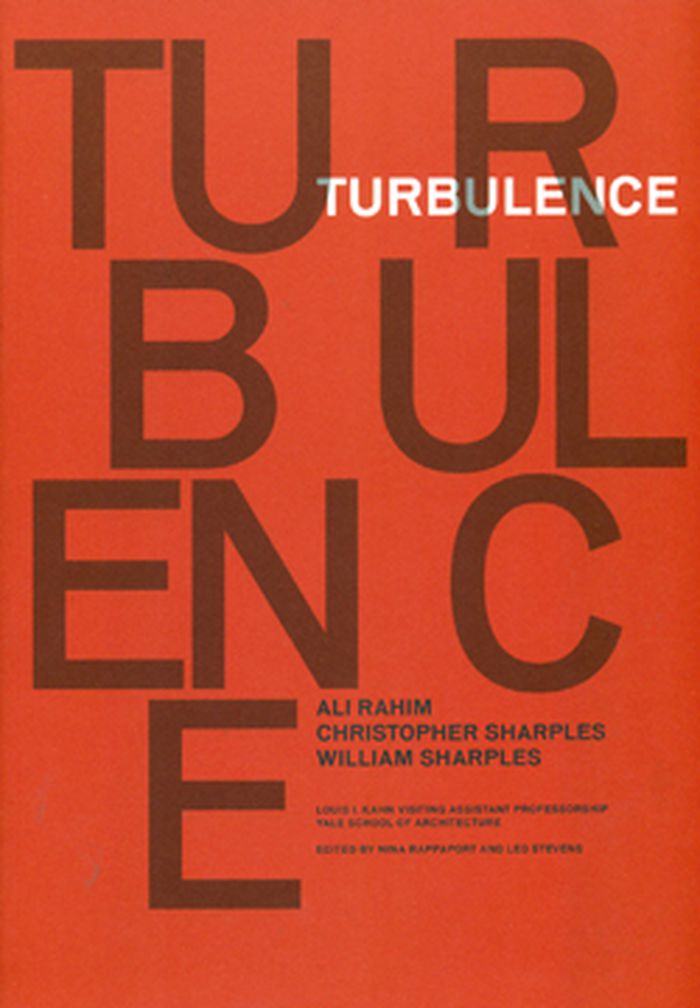
Turbulence: Yale school of architecture books
Actions:
Price:
$43.50
(available in store)
Summary:
This third book of the Louis I. Kahn Visiting Assistant Professorship endowed to bring young innovators in architectural design to the Yale School of Architecture includes the advanced studios of Ali Rahim for a skyscraper in Dubai, Christopher Sharples for a hybrid airport of the future, and William Sharples for a spaceport for private space travel. It explores new architectural technologies for building programs of the future.
Turbulence: Yale school of architecture books
Actions:
Price:
$43.50
(available in store)
Summary:
This third book of the Louis I. Kahn Visiting Assistant Professorship endowed to bring young innovators in architectural design to the Yale School of Architecture includes the advanced studios of Ali Rahim for a skyscraper in Dubai, Christopher Sharples for a hybrid airport of the future, and William Sharples for a spaceport for private space travel. It explores new architectural technologies for building programs of the future.
Form:
books
books
Publication:
July 2011
July 2011
Subject:
Engineering Structures
Engineering Structures
Form:
books
books
Price:
$55.50
(available to order)
Summary:
Human obsolescence is imminent. The factories of the future will be dark, staffed by armies of tireless robots. The hospitals of the future will have fewer doctors, depending instead on cloud-based AI to diagnose patients and recommend treatments. The homes of the future will anticipate our wants and needs and provide all the entertainment, food, and distraction we could(...)
$55.50
(available to order)
Summary:
Human obsolescence is imminent. The factories of the future will be dark, staffed by armies of tireless robots. The hospitals of the future will have fewer doctors, depending instead on cloud-based AI to diagnose patients and recommend treatments. The homes of the future will anticipate our wants and needs and provide all the entertainment, food, and distraction we could(...)
Title:
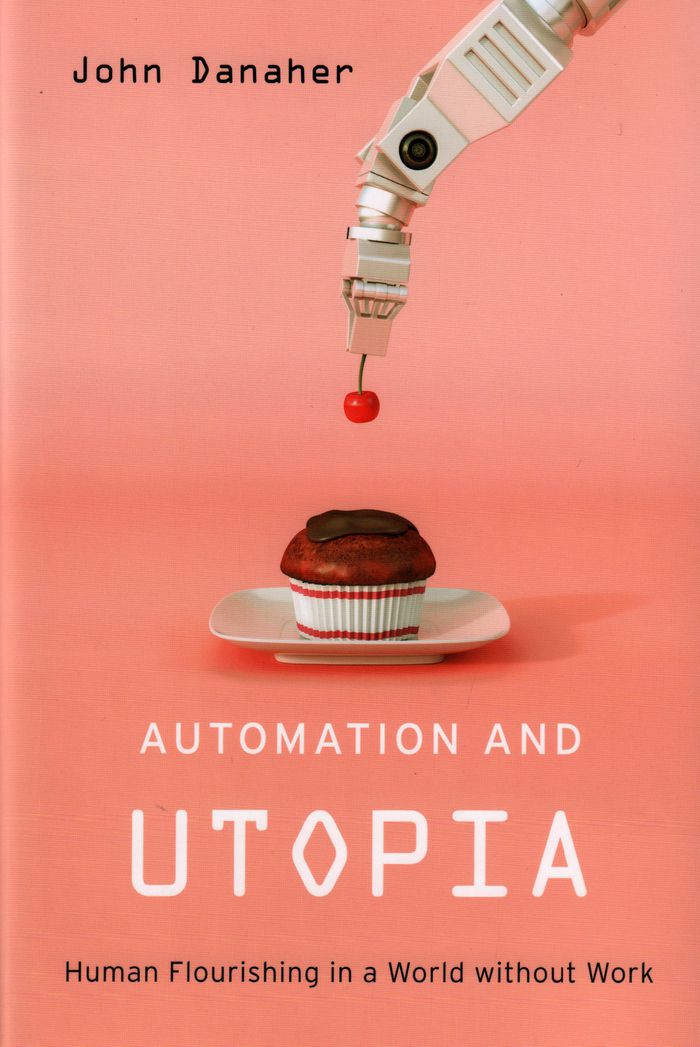
Automation and utopia: human flourishing in a world without work
Actions:
Price:
$55.50
(available to order)
Summary:
Human obsolescence is imminent. The factories of the future will be dark, staffed by armies of tireless robots. The hospitals of the future will have fewer doctors, depending instead on cloud-based AI to diagnose patients and recommend treatments. The homes of the future will anticipate our wants and needs and provide all the entertainment, food, and distraction we could ever desire. To many, this is a depressing prognosis, an image of civilization replaced by its machines. But what if an automated future is something to be welcomed rather than feared? Work is a source of misery and oppression for most people, so shouldn’t we do what we can to hasten its demise? Automation and Utopia makes the case for a world in which, free from need or want, we can spend our time inventing and playing games and exploring virtual realities that are more deeply engaging and absorbing than any we have experienced before, allowing us to achieve idealized forms of human flourishing. The idea that we should “give up” and retreat to the virtual may seem shocking, even distasteful. But John Danaher urges us to embrace the possibilities of this new existence. The rise of automating technologies presents a utopian moment for humankind, providing both the motive and the means to build a better future.
Automation and utopia: human flourishing in a world without work
Actions:
Price:
$55.50
(available to order)
Summary:
Human obsolescence is imminent. The factories of the future will be dark, staffed by armies of tireless robots. The hospitals of the future will have fewer doctors, depending instead on cloud-based AI to diagnose patients and recommend treatments. The homes of the future will anticipate our wants and needs and provide all the entertainment, food, and distraction we could ever desire. To many, this is a depressing prognosis, an image of civilization replaced by its machines. But what if an automated future is something to be welcomed rather than feared? Work is a source of misery and oppression for most people, so shouldn’t we do what we can to hasten its demise? Automation and Utopia makes the case for a world in which, free from need or want, we can spend our time inventing and playing games and exploring virtual realities that are more deeply engaging and absorbing than any we have experienced before, allowing us to achieve idealized forms of human flourishing. The idea that we should “give up” and retreat to the virtual may seem shocking, even distasteful. But John Danaher urges us to embrace the possibilities of this new existence. The rise of automating technologies presents a utopian moment for humankind, providing both the motive and the means to build a better future.
Form:
books
books
Publication:
September 2019
September 2019
Subject:
Architectural Theory
Architectural Theory


