


5346 Results
Form:
books
books
Title:
Manifestos
Manifestos
Actions:
Price:
$39.95
(available to order)
Summary:
"Manifestos" brings together for the first time in English the manifestos written by Édouard Glissant and Patrick Chamoiseau between 2000 and 2009. Composed in part in the aftermath of Barack Obama’s election in 2008, the texts resonate with the current context of divided identities and criticisms of multiculturalism. The individual texts grapple with concrete historical(...)
$39.95
(available to order)
Summary:
"Manifestos" brings together for the first time in English the manifestos written by Édouard Glissant and Patrick Chamoiseau between 2000 and 2009. Composed in part in the aftermath of Barack Obama’s election in 2008, the texts resonate with the current context of divided identities and criticisms of multiculturalism. The individual texts grapple with concrete historical(...)
Subject:
Environment and environmental theory
Environment and environmental theory
Publication:
September 2022
September 2022
Title:
Manifestos
Actions:
Price:
$39.95
(available to order)
Summary:
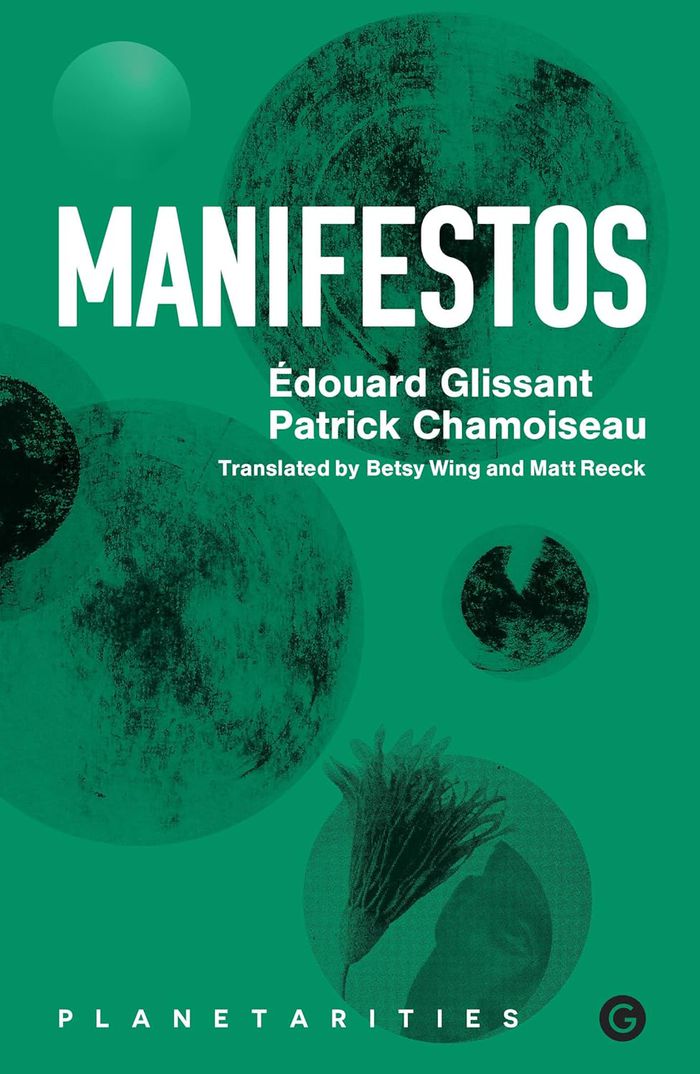
"Manifestos" brings together for the first time in English the manifestos written by Édouard Glissant and Patrick Chamoiseau between 2000 and 2009. Composed in part in the aftermath of Barack Obama’s election in 2008, the texts resonate with the current context of divided identities and criticisms of multiculturalism. The individual texts grapple with concrete historical and political moments in France, the Caribbean, and North America. Across the manifestos, as well as two collectively signed op-eds, the authors engage with socio-political aspects of climate catastrophe, resource extraction, toxicity, and neocolonialism. Throughout the collection, Glissant and Chamoiseau engage with key themes articulated through their poetic vocabulary, including Relation, globalization, globality (mondialité), anti-universalism, métissage, the tout-monde ("whole-world") and the tout-vivant ("all-living," including the relationship of humans to each other and "nature"), créolité and the creolization of the world, and the liberation from community assignations in response to individualism and neoliberal societies. Translated as the first volume in the Planetarities series with Goldsmiths Press, the themes of "Manifestos" resonate with the planetary as they work in response to contemporary forms of (economic) globalization, western capitalism, identity politics, and urban, digital and cosmic ecosystems, as well as the role of the poet-writer. A distinguishing feature of this publication is its interventional aspect, which prioritizes engaged scholarship and practice while demonstrating the relevance of the poetic in response to the urgencies of planetary crisis.
Manifestos
Actions:
Price:
$39.95
(available to order)
Summary:
"Manifestos" brings together for the first time in English the manifestos written by Édouard Glissant and Patrick Chamoiseau between 2000 and 2009. Composed in part in the aftermath of Barack Obama’s election in 2008, the texts resonate with the current context of divided identities and criticisms of multiculturalism. The individual texts grapple with concrete historical and political moments in France, the Caribbean, and North America. Across the manifestos, as well as two collectively signed op-eds, the authors engage with socio-political aspects of climate catastrophe, resource extraction, toxicity, and neocolonialism. Throughout the collection, Glissant and Chamoiseau engage with key themes articulated through their poetic vocabulary, including Relation, globalization, globality (mondialité), anti-universalism, métissage, the tout-monde ("whole-world") and the tout-vivant ("all-living," including the relationship of humans to each other and "nature"), créolité and the creolization of the world, and the liberation from community assignations in response to individualism and neoliberal societies. Translated as the first volume in the Planetarities series with Goldsmiths Press, the themes of "Manifestos" resonate with the planetary as they work in response to contemporary forms of (economic) globalization, western capitalism, identity politics, and urban, digital and cosmic ecosystems, as well as the role of the poet-writer. A distinguishing feature of this publication is its interventional aspect, which prioritizes engaged scholarship and practice while demonstrating the relevance of the poetic in response to the urgencies of planetary crisis.
Form:
books
books
Publication:
September 2022
September 2022
Subject:
Environment and environmental theory
Environment and environmental theory
Form:
books
books
Actions:
Price:
$25.50
(available to order)
Summary:
According to Paul Shepheard, architecture is the rearranging of the world for human purposes. Sculpture, machines, and landscapes are all architecture -- every bit as much as buildings are. In his writings, Shepheard examines old assumptions about architecture and replaces the critical theory of the academic with the active theory of the architect-citizen enamored of the(...)
$25.50
(available to order)
Summary:
According to Paul Shepheard, architecture is the rearranging of the world for human purposes. Sculpture, machines, and landscapes are all architecture -- every bit as much as buildings are. In his writings, Shepheard examines old assumptions about architecture and replaces the critical theory of the academic with the active theory of the architect-citizen enamored of the(...)
Title:
Artificial love : a story of machines and architecture
Actions:
Price:
$25.50
(available to order)
Summary:
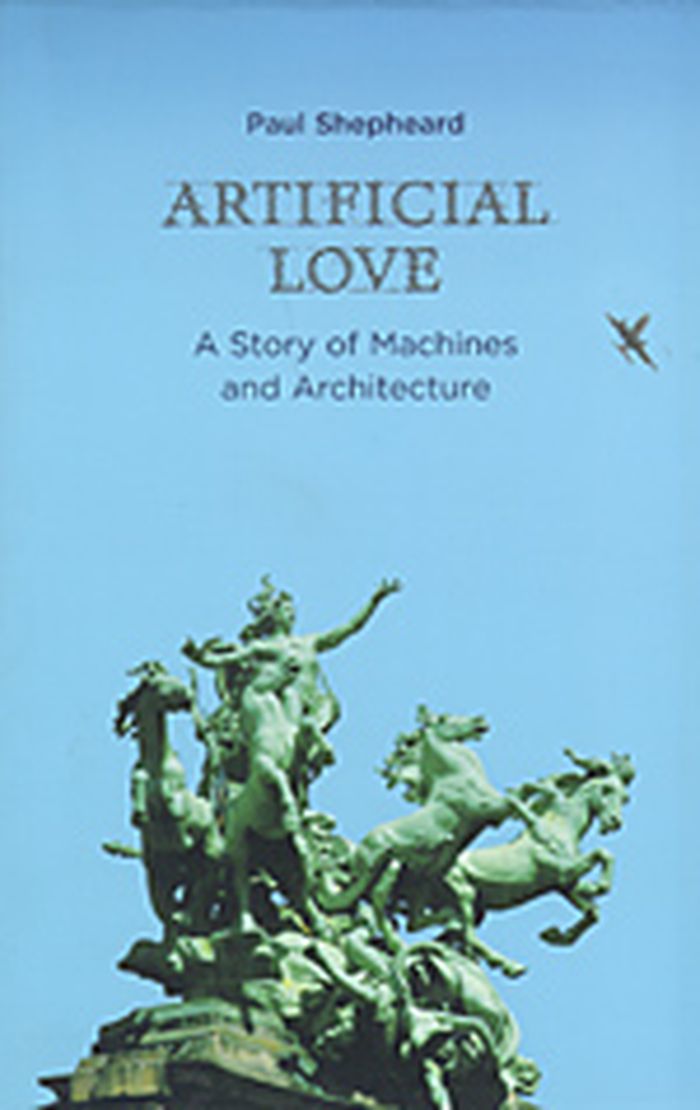
According to Paul Shepheard, architecture is the rearranging of the world for human purposes. Sculpture, machines, and landscapes are all architecture -- every bit as much as buildings are. In his writings, Shepheard examines old assumptions about architecture and replaces the critical theory of the academic with the active theory of the architect-citizen enamored of the world around him. Artificial Love weaves together three stories about architecture into one. The first, about machines as architecture, leads to speculations about technology and the human condition and to the assertion that machines are the sculptures of today. The second story is about the ways that architecture reflects the tribal and personal desires of those who make it. In the West, ideas of community, multiculturalism, and globalization compete furiously, leaving architecture to exist as it always has, as the past in the present. The third story features individual people experiencing their lives in the context of architecture. Here, Shepheard borrows the rhetorical device of Shakespeare's seven ages of man to propose that each person's life imitates the accumulating history of the human species. Shepheard's version of the history of humans is a technological one, in which machines become sculpture and sculpture becomes architecture. For Shepheard, our machines do not separate us from nature. Rather, our technology is our nature, and we cannot but be in harmony with nature. The change that we have wrought in the world, he says, is a wonderful and powerful thing.
Artificial love : a story of machines and architecture
Actions:
Price:
$25.50
(available to order)
Summary:
According to Paul Shepheard, architecture is the rearranging of the world for human purposes. Sculpture, machines, and landscapes are all architecture -- every bit as much as buildings are. In his writings, Shepheard examines old assumptions about architecture and replaces the critical theory of the academic with the active theory of the architect-citizen enamored of the world around him. Artificial Love weaves together three stories about architecture into one. The first, about machines as architecture, leads to speculations about technology and the human condition and to the assertion that machines are the sculptures of today. The second story is about the ways that architecture reflects the tribal and personal desires of those who make it. In the West, ideas of community, multiculturalism, and globalization compete furiously, leaving architecture to exist as it always has, as the past in the present. The third story features individual people experiencing their lives in the context of architecture. Here, Shepheard borrows the rhetorical device of Shakespeare's seven ages of man to propose that each person's life imitates the accumulating history of the human species. Shepheard's version of the history of humans is a technological one, in which machines become sculpture and sculpture becomes architecture. For Shepheard, our machines do not separate us from nature. Rather, our technology is our nature, and we cannot but be in harmony with nature. The change that we have wrought in the world, he says, is a wonderful and powerful thing.
Form:
books
books
Publication:
May 2003, Cambridge, Mass.
May 2003, Cambridge, Mass.
Subject:
Architectural Theory
Architectural Theory
Form:
books
books
Actions:
Price:
$67.25
(available to order)
Summary:
According to Paul Shepheard, architecture is the rearranging of the world for human purposes. Sculpture, machines, and landscapes are all architecture -- every bit as much as buildings are. In his writings, Shepheard examines old assumptions about architecture and replaces the critical theory of the academic with the active theory of the architect-citizen enamored of the(...)
$67.25
(available to order)
Summary:
According to Paul Shepheard, architecture is the rearranging of the world for human purposes. Sculpture, machines, and landscapes are all architecture -- every bit as much as buildings are. In his writings, Shepheard examines old assumptions about architecture and replaces the critical theory of the academic with the active theory of the architect-citizen enamored of the(...)
Title:
Artificial love : a story of machines and architecture
Actions:
Price:
$67.25
(available to order)
Summary:
According to Paul Shepheard, architecture is the rearranging of the world for human purposes. Sculpture, machines, and landscapes are all architecture -- every bit as much as buildings are. In his writings, Shepheard examines old assumptions about architecture and replaces the critical theory of the academic with the active theory of the architect-citizen enamored of the world around him. Artificial Love weaves together three stories about architecture into one. The first, about machines as architecture, leads to speculations about technology and the human condition and to the assertion that machines are the sculptures of today. The second story is about the ways that architecture reflects the tribal and personal desires of those who make it. In the West, ideas of community, multiculturalism, and globalization compete furiously, leaving architecture to exist as it always has, as the past in the present. The third story features individual people experiencing their lives in the context of architecture. Here, Shepheard borrows the rhetorical device of Shakespeare's seven ages of man to propose that each person's life imitates the accumulating history of the human species. Shepheard's version of the history of humans is a technological one, in which machines become sculpture and sculpture becomes architecture. For Shepheard, our machines do not separate us from nature. Rather, our technology is our nature, and we cannot but be in harmony with nature. The change that we have wrought in the world, he says, is a wonderful and powerful thing.
Artificial love : a story of machines and architecture
Actions:
Price:
$67.25
(available to order)
Summary:
According to Paul Shepheard, architecture is the rearranging of the world for human purposes. Sculpture, machines, and landscapes are all architecture -- every bit as much as buildings are. In his writings, Shepheard examines old assumptions about architecture and replaces the critical theory of the academic with the active theory of the architect-citizen enamored of the world around him. Artificial Love weaves together three stories about architecture into one. The first, about machines as architecture, leads to speculations about technology and the human condition and to the assertion that machines are the sculptures of today. The second story is about the ways that architecture reflects the tribal and personal desires of those who make it. In the West, ideas of community, multiculturalism, and globalization compete furiously, leaving architecture to exist as it always has, as the past in the present. The third story features individual people experiencing their lives in the context of architecture. Here, Shepheard borrows the rhetorical device of Shakespeare's seven ages of man to propose that each person's life imitates the accumulating history of the human species. Shepheard's version of the history of humans is a technological one, in which machines become sculpture and sculpture becomes architecture. For Shepheard, our machines do not separate us from nature. Rather, our technology is our nature, and we cannot but be in harmony with nature. The change that we have wrought in the world, he says, is a wonderful and powerful thing.
Form:
books
books
Publication:
June 2003, Cambridge, Mass.
June 2003, Cambridge, Mass.
Subject:
Architectural Theory
Architectural Theory
Form:
books
books
Actions:
Price:
$46.95
(available to order)
Summary:
Post, ex, sub and dis - these are but a few of the prefixes that have been used to compose neologisms for describing the contemporary cityscape in Western Europe and North America. Terms such as posturban space, postsuburbia, exurbia, exopolis, suburban downtown and disurbia are part of a dizzying collection of often hotly contested labels. The plethora of neologisms(...)
$46.95
(available to order)
Summary:
Post, ex, sub and dis - these are but a few of the prefixes that have been used to compose neologisms for describing the contemporary cityscape in Western Europe and North America. Terms such as posturban space, postsuburbia, exurbia, exopolis, suburban downtown and disurbia are part of a dizzying collection of often hotly contested labels. The plethora of neologisms(...)
Title:
Post ex sub dis : urban fragmentations and constructions
Actions:
Price:
$46.95
(available to order)
Summary:
Post, ex, sub and dis - these are but a few of the prefixes that have been used to compose neologisms for describing the contemporary cityscape in Western Europe and North America. Terms such as posturban space, postsuburbia, exurbia, exopolis, suburban downtown and disurbia are part of a dizzying collection of often hotly contested labels. The plethora of neologisms demonstrates how difficult it has become to name, map and analyse the contemporary cityscape. To many observers, urban environments and urban society have come to evince a radically chaotic and fragmented structure. This book explores how in recent decades the notion of fragmentation - a mainstay already of reflections on urban modernity - has acquired new meanings and how, within the current decentralized and centrifugal context, the urban landscape is constantly being deconstructed and reconstructed, both materially and discursively. Richly illustrated with works by artists and photographers who have visualized various new kinds of urban fragmentation, the volume brings together a series of essays on spatial, social and cultural issues written by distinguished scholars and practitioners from an unusual variety of disciplines. It will be especially useful to students of urban planning, architecture, sociology, literature and the arts. With text contributions by Aaron Betsky, Sophie Body-Gendrot, Stefano Boeri, Lizabeth Cohen, Rosalyn Deutsche, Bart Eeckhout, Adriaan Geuze, Paul Gilroy, Steven Jacobs, Regine Leibinger, Scott Malcomson, Peter Marcuse, Bruce Robbins, Luc Sante, William Sharpe, Edward W. Soja and Mark Wigley.
Post ex sub dis : urban fragmentations and constructions
Actions:
Price:
$46.95
(available to order)
Summary:
Post, ex, sub and dis - these are but a few of the prefixes that have been used to compose neologisms for describing the contemporary cityscape in Western Europe and North America. Terms such as posturban space, postsuburbia, exurbia, exopolis, suburban downtown and disurbia are part of a dizzying collection of often hotly contested labels. The plethora of neologisms demonstrates how difficult it has become to name, map and analyse the contemporary cityscape. To many observers, urban environments and urban society have come to evince a radically chaotic and fragmented structure. This book explores how in recent decades the notion of fragmentation - a mainstay already of reflections on urban modernity - has acquired new meanings and how, within the current decentralized and centrifugal context, the urban landscape is constantly being deconstructed and reconstructed, both materially and discursively. Richly illustrated with works by artists and photographers who have visualized various new kinds of urban fragmentation, the volume brings together a series of essays on spatial, social and cultural issues written by distinguished scholars and practitioners from an unusual variety of disciplines. It will be especially useful to students of urban planning, architecture, sociology, literature and the arts. With text contributions by Aaron Betsky, Sophie Body-Gendrot, Stefano Boeri, Lizabeth Cohen, Rosalyn Deutsche, Bart Eeckhout, Adriaan Geuze, Paul Gilroy, Steven Jacobs, Regine Leibinger, Scott Malcomson, Peter Marcuse, Bruce Robbins, Luc Sante, William Sharpe, Edward W. Soja and Mark Wigley.
Form:
books
books
Publication:
November 2002, Rotterdam
November 2002, Rotterdam
Subject:
Urban Theory
Urban Theory
Form:
books
books
Actions:
Price:
$300.00
(available to order)
Summary:
To study Gio Ponti’s prolific body of work is to appreciate the clear, unifying vision behind a complex creative universe. A synthesis of the arts, his creations expand intuitively with the Italian grandeur and studied lightness that defined his iconic style. Ponti’s rare capacity to move seamlessly between scales allowed him to approach the design of a teaspoon with the(...)
$300.00
(available to order)
Summary:
To study Gio Ponti’s prolific body of work is to appreciate the clear, unifying vision behind a complex creative universe. A synthesis of the arts, his creations expand intuitively with the Italian grandeur and studied lightness that defined his iconic style. Ponti’s rare capacity to move seamlessly between scales allowed him to approach the design of a teaspoon with the(...)
Title:
Gio Ponti, Life and works 1923-1979
Actions:
Price:
$300.00
(available to order)
Summary:
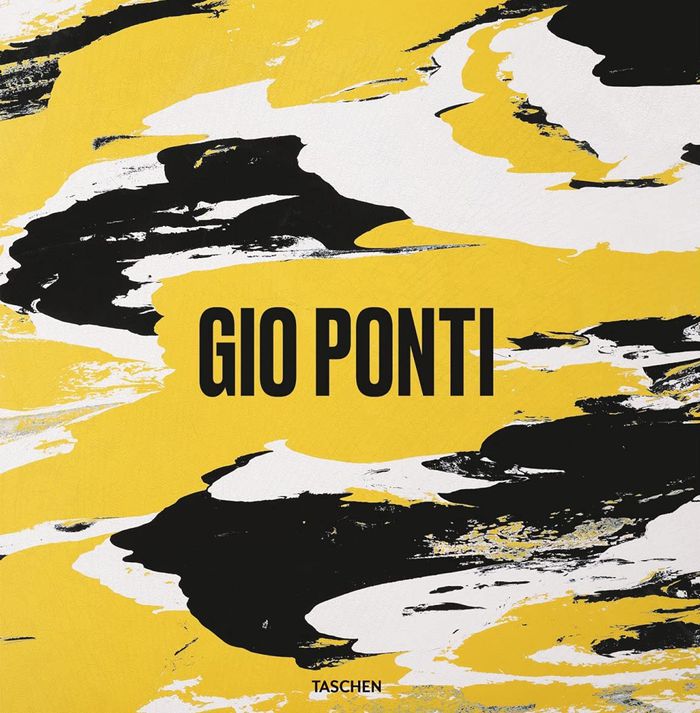
To study Gio Ponti’s prolific body of work is to appreciate the clear, unifying vision behind a complex creative universe. A synthesis of the arts, his creations expand intuitively with the Italian grandeur and studied lightness that defined his iconic style. Ponti’s rare capacity to move seamlessly between scales allowed him to approach the design of a teaspoon with the same conviction as he did an entire city. He was as much an architect and designer as he was a publisher, poet, and man. A treasure in its own regard, his contribution is also a distinctive landmark of Italy’s mid-century Renaissance and the modernist values it sought to realize. This new book is the most comprehensive account of Ponti’s work to date, unprecedented in scale and scope. It tracks the development of his oeuvre over 6 decades, with 136 projects indexed and reproduced in high resolution, each object framed by the context in which Ponti had created it. Like windows onto his elusive life, unpublished materials and candid imagery create new dialogues between his famous masterpieces and his lesser-known feats. A rich layer of texts, featuring an extensive biographical essay by Stefano Casciani, was produced in close collaboration with the Gio Ponti Archives offering an intimate insight on his life’s work. Materializing Ponti’s core philosophy of modernity, this book presents architecture as a performing object, a "self-illuminating" stage for his humanistic art de vivre and boundless creativity.
Gio Ponti, Life and works 1923-1979
Actions:
Price:
$300.00
(available to order)
Summary:
To study Gio Ponti’s prolific body of work is to appreciate the clear, unifying vision behind a complex creative universe. A synthesis of the arts, his creations expand intuitively with the Italian grandeur and studied lightness that defined his iconic style. Ponti’s rare capacity to move seamlessly between scales allowed him to approach the design of a teaspoon with the same conviction as he did an entire city. He was as much an architect and designer as he was a publisher, poet, and man. A treasure in its own regard, his contribution is also a distinctive landmark of Italy’s mid-century Renaissance and the modernist values it sought to realize. This new book is the most comprehensive account of Ponti’s work to date, unprecedented in scale and scope. It tracks the development of his oeuvre over 6 decades, with 136 projects indexed and reproduced in high resolution, each object framed by the context in which Ponti had created it. Like windows onto his elusive life, unpublished materials and candid imagery create new dialogues between his famous masterpieces and his lesser-known feats. A rich layer of texts, featuring an extensive biographical essay by Stefano Casciani, was produced in close collaboration with the Gio Ponti Archives offering an intimate insight on his life’s work. Materializing Ponti’s core philosophy of modernity, this book presents architecture as a performing object, a "self-illuminating" stage for his humanistic art de vivre and boundless creativity.
Form:
books
books
Publication:
June 2021
June 2021
Subject:
Design Monographs
Design Monographs
Form:
books
books

Actions:
Price:
$56.00
(available to order)
Summary:
Originally published in 1983, ''Writings 1973-1983 on Works 1969-1979,'' by Los Angeles artist Michael Asher (1943-2012) presents select documentation of 33 works through writings, photographs, architectural floor plans, exhibition announcements and other ephemera. For most of his career, Asher did not create traditional art objects; instead, he altered the existing(...)
$56.00
(available to order)
Summary:
Originally published in 1983, ''Writings 1973-1983 on Works 1969-1979,'' by Los Angeles artist Michael Asher (1943-2012) presents select documentation of 33 works through writings, photographs, architectural floor plans, exhibition announcements and other ephemera. For most of his career, Asher did not create traditional art objects; instead, he altered the existing(...)
Title:
Michael Asher: writings 1973–1983 on works 1969–1979
Actions:
Price:
$56.00
(available to order)
Summary:
Originally published in 1983, ''Writings 1973-1983 on Works 1969-1979,'' by Los Angeles artist Michael Asher (1943-2012) presents select documentation of 33 works through writings, photographs, architectural floor plans, exhibition announcements and other ephemera. For most of his career, Asher did not create traditional art objects; instead, he altered the existing institutional apparatus through which art is presented, creating work that intervened in the architectural, social or economic systems that undergird how art is produced and experienced. For example, in 1974, he removed the partition wall dividing the office and gallery space of the Claire S. Copley Gallery in Los Angeles, revealing the day-to-day activities of the gallery to the public. In another work from 1979, Asher had a bronze replica of a late 18th-century sculpture of George Washington moved from the exterior of the Art Institute of Chicago to a museum gallery that housed 18th-century art, reintroducing the statue to its original period context and shifting its function from public monument to indoor sculpture. Due to its site- and time-specific nature, Asher’s work generally ceased to exist after an exhibition, which makes this highly sought-after book an invaluable resource. As the artist states in the introduction: ''This book as a finished product will have a material permanence that contradicts the actual impermanence of the art-work, yet paradoxically functions as a testimony to that impermanence of my production.''
Michael Asher: writings 1973–1983 on works 1969–1979
Actions:
Price:
$56.00
(available to order)
Summary:
Originally published in 1983, ''Writings 1973-1983 on Works 1969-1979,'' by Los Angeles artist Michael Asher (1943-2012) presents select documentation of 33 works through writings, photographs, architectural floor plans, exhibition announcements and other ephemera. For most of his career, Asher did not create traditional art objects; instead, he altered the existing institutional apparatus through which art is presented, creating work that intervened in the architectural, social or economic systems that undergird how art is produced and experienced. For example, in 1974, he removed the partition wall dividing the office and gallery space of the Claire S. Copley Gallery in Los Angeles, revealing the day-to-day activities of the gallery to the public. In another work from 1979, Asher had a bronze replica of a late 18th-century sculpture of George Washington moved from the exterior of the Art Institute of Chicago to a museum gallery that housed 18th-century art, reintroducing the statue to its original period context and shifting its function from public monument to indoor sculpture. Due to its site- and time-specific nature, Asher’s work generally ceased to exist after an exhibition, which makes this highly sought-after book an invaluable resource. As the artist states in the introduction: ''This book as a finished product will have a material permanence that contradicts the actual impermanence of the art-work, yet paradoxically functions as a testimony to that impermanence of my production.''
Form:
books
books
Publication:
November 2020
November 2020
Subject:
Art Theory
Art Theory
Form:
books
books
Actions:
Price:
$35.95
(available to order)
Summary:
A leading activist museum director explains why museums are at the center of a political storm and how they can be reimagined. In an age of protest, cultural institutions have come under fire. Protestors have mobilized against sources of museum funding, as happened at the Metropolitan Museum, and against board appointments, forcing tear gas manufacturer Warren Kanders to(...)
$35.95
(available to order)
Summary:
A leading activist museum director explains why museums are at the center of a political storm and how they can be reimagined. In an age of protest, cultural institutions have come under fire. Protestors have mobilized against sources of museum funding, as happened at the Metropolitan Museum, and against board appointments, forcing tear gas manufacturer Warren Kanders to(...)
Title:
Culture strike: art and museums in an age of protest
Actions:
Price:
$35.95
(available to order)
Summary:
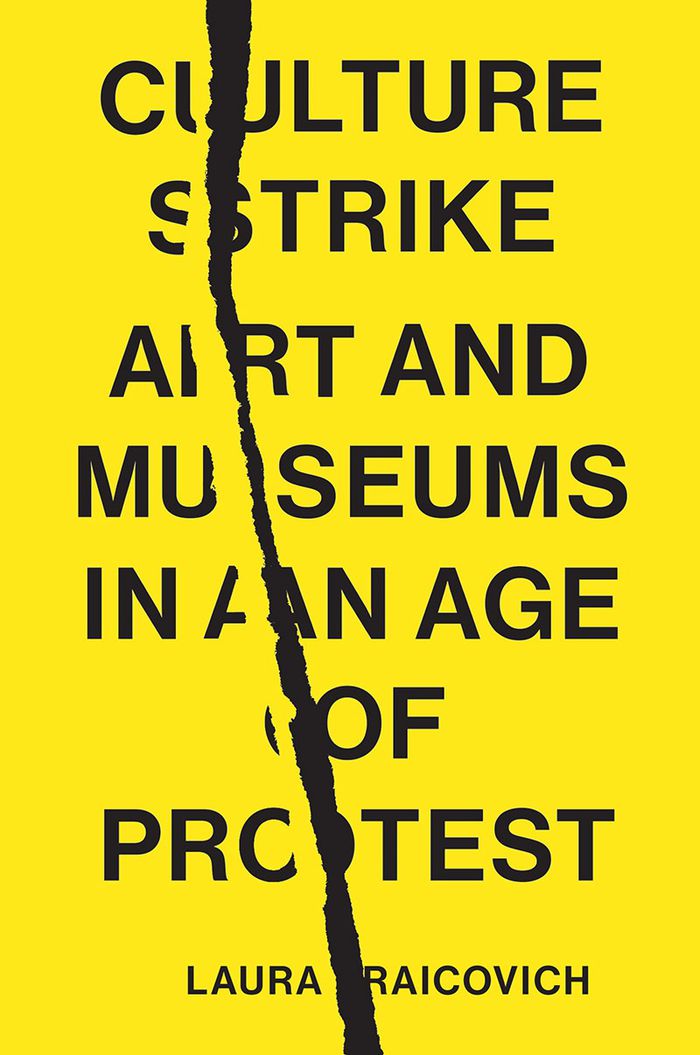
A leading activist museum director explains why museums are at the center of a political storm and how they can be reimagined. In an age of protest, cultural institutions have come under fire. Protestors have mobilized against sources of museum funding, as happened at the Metropolitan Museum, and against board appointments, forcing tear gas manufacturer Warren Kanders to resign at the Whitney. That is to say nothing of demonstrations against exhibitions and artworks. Protests have roiled institutions across the world, from the Abu Dhabi Guggenheim to the Akron Art Museum. A popular expectation has grown that galleries and museums should work for social change. As Director of the Queens Museum, Laura Raicovich helped turn that New York muni- cipal institution into a public commons for art and activism, organizing high-powered exhibitions that doubled as political protests. Then in January 2018, she resigned, after a dispute with the Queens Museum board and city officials. This public controversy followed the museum’s responses to Donald Trump’s election, including her objections to the Israeli government using the museum for an event featuring Vice President Mike Pence. In this lucid and accessible book, Raicovich examines some of the key museum flashpoints and provides historical context for the current controversies. She shows how art museums arose as colonial institutions bearing an ideology of neutrality that masks their role in upholding conservative, capitalist values. And she suggests ways museums can be reinvented to serve better, public ends.
Culture strike: art and museums in an age of protest
Actions:
Price:
$35.95
(available to order)
Summary:
A leading activist museum director explains why museums are at the center of a political storm and how they can be reimagined. In an age of protest, cultural institutions have come under fire. Protestors have mobilized against sources of museum funding, as happened at the Metropolitan Museum, and against board appointments, forcing tear gas manufacturer Warren Kanders to resign at the Whitney. That is to say nothing of demonstrations against exhibitions and artworks. Protests have roiled institutions across the world, from the Abu Dhabi Guggenheim to the Akron Art Museum. A popular expectation has grown that galleries and museums should work for social change. As Director of the Queens Museum, Laura Raicovich helped turn that New York muni- cipal institution into a public commons for art and activism, organizing high-powered exhibitions that doubled as political protests. Then in January 2018, she resigned, after a dispute with the Queens Museum board and city officials. This public controversy followed the museum’s responses to Donald Trump’s election, including her objections to the Israeli government using the museum for an event featuring Vice President Mike Pence. In this lucid and accessible book, Raicovich examines some of the key museum flashpoints and provides historical context for the current controversies. She shows how art museums arose as colonial institutions bearing an ideology of neutrality that masks their role in upholding conservative, capitalist values. And she suggests ways museums can be reinvented to serve better, public ends.
Form:
books
books
Publication:
June 2021
June 2021
Subject:
Museology
Museology
Form:
books
books
Title:
Hip-hop Architecture
Hip-hop Architecture
Actions:
Price:
$52.50
(available in store)
Summary:
"This book is not for you. It is not for architectural academic elites. It is not for those who have gentrified our neighborhoods, overly intellectualized the profession, and ignored all contemporary Black theory within the discipline. You have made architecture a symbol of exclusion, oppression, and domination rather than expression, aspiration, and inspiration. This(...)
$52.50
(available in store)
Summary:
"This book is not for you. It is not for architectural academic elites. It is not for those who have gentrified our neighborhoods, overly intellectualized the profession, and ignored all contemporary Black theory within the discipline. You have made architecture a symbol of exclusion, oppression, and domination rather than expression, aspiration, and inspiration. This(...)
Title:
Hip-hop Architecture
Actions:
Price:
$52.50
(available in store)
Summary:
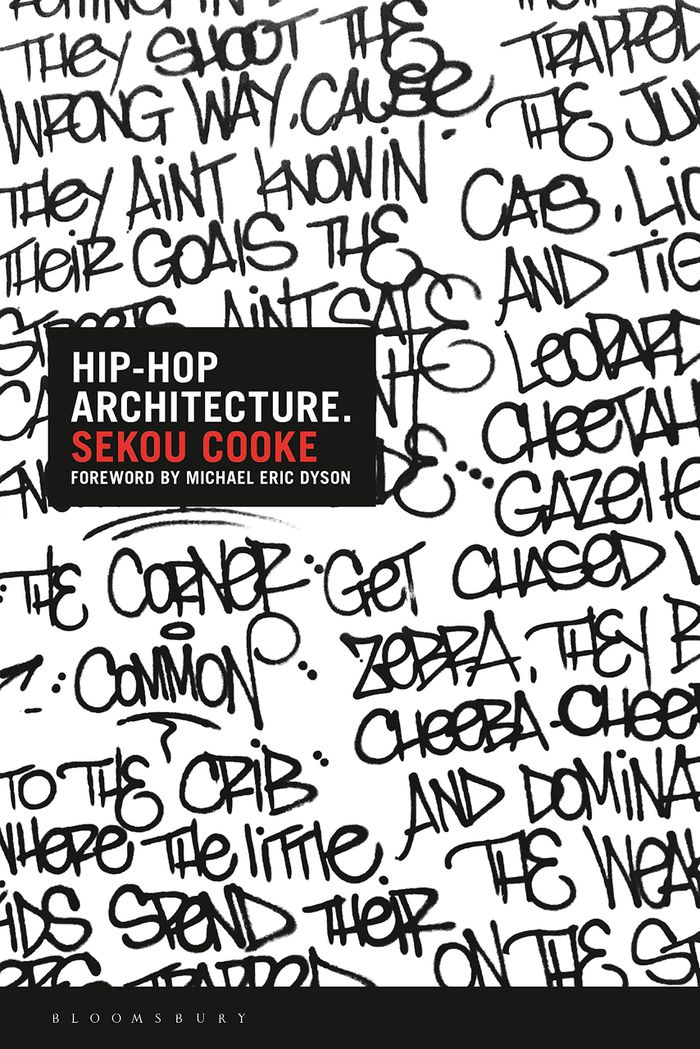
"This book is not for you. It is not for architectural academic elites. It is not for those who have gentrified our neighborhoods, overly intellectualized the profession, and ignored all contemporary Black theory within the discipline. You have made architecture a symbol of exclusion, oppression, and domination rather than expression, aspiration, and inspiration. This book is not for conformists-Black, White, or other." As architecture grapples with its own racist legacy, "Hip-Hop architecture" outlines a powerful new manifesto- the voice of the underrepresented, marginalized, and voiceless within the discipline. Exploring the production of spaces, buildings, and urban environments that embody the creative energies in hip-hop, it is a newly expanding design philosophy which sees architecture as a distinct part of hip-hop's cultural expression, and which uses hip-hop as a lens through which to provoke new architectural ideas. Examining the present and the future of "Hip-Hop architecture," the book also explores its historical antecedents and its theory, placing it in a wider context both within architecture and within Black and African American movements. Throughout, the work is illustrated with inspirational case studies of architectural projects and creative practices, and interspersed with interludes and interviews with key architects, designers, and academics in the field. This is a vital and provocative work that will appeal to architects, designers, students, theorists, and anyone interested in a fresh view of architecture, design, race and culture.
Hip-hop Architecture
Actions:
Price:
$52.50
(available in store)
Summary:
"This book is not for you. It is not for architectural academic elites. It is not for those who have gentrified our neighborhoods, overly intellectualized the profession, and ignored all contemporary Black theory within the discipline. You have made architecture a symbol of exclusion, oppression, and domination rather than expression, aspiration, and inspiration. This book is not for conformists-Black, White, or other." As architecture grapples with its own racist legacy, "Hip-Hop architecture" outlines a powerful new manifesto- the voice of the underrepresented, marginalized, and voiceless within the discipline. Exploring the production of spaces, buildings, and urban environments that embody the creative energies in hip-hop, it is a newly expanding design philosophy which sees architecture as a distinct part of hip-hop's cultural expression, and which uses hip-hop as a lens through which to provoke new architectural ideas. Examining the present and the future of "Hip-Hop architecture," the book also explores its historical antecedents and its theory, placing it in a wider context both within architecture and within Black and African American movements. Throughout, the work is illustrated with inspirational case studies of architectural projects and creative practices, and interspersed with interludes and interviews with key architects, designers, and academics in the field. This is a vital and provocative work that will appeal to architects, designers, students, theorists, and anyone interested in a fresh view of architecture, design, race and culture.
Form:
books
books
Publication:
April 2021
April 2021
Subject:
Architectural Theory
Architectural Theory
Form:
books
books
Title:
The architectural model: histories of the miniature and the prototype, the exemplar and the muse
The architectural model: histories of the miniature and the prototype, the exemplar and the muse
Actions:
Price:
$60.00
(available to order)
Summary:
For more than five hundred years, architects have employed three-dimensional models as tools to test, refine, and illustrate their ideas. But, as Matthew Mindrup shows, the uses of physical architectural models extend beyond mere representation. An architectural model can also simulate, instruct, inspire, and generate architectural designs. It can be, among other things,(...)
$60.00
(available to order)
Summary:
For more than five hundred years, architects have employed three-dimensional models as tools to test, refine, and illustrate their ideas. But, as Matthew Mindrup shows, the uses of physical architectural models extend beyond mere representation. An architectural model can also simulate, instruct, inspire, and generate architectural designs. It can be, among other things,(...)
Title:
The architectural model: histories of the miniature and the prototype, the exemplar and the muse
Actions:
Price:
$60.00
(available to order)
Summary:
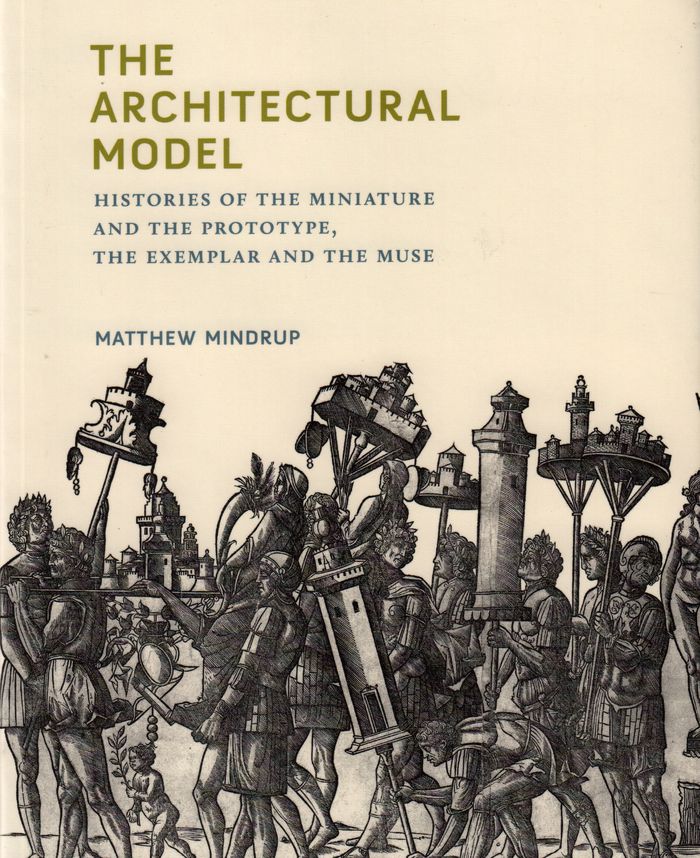
For more than five hundred years, architects have employed three-dimensional models as tools to test, refine, and illustrate their ideas. But, as Matthew Mindrup shows, the uses of physical architectural models extend beyond mere representation. An architectural model can also simulate, instruct, inspire, and generate architectural designs. It can be, among other things, sign, souvenir, toy, funerary object, didactic tool, medium, or muse. In this book, Mindrup surveys the history of architectural models by investigating their uses, both theoretical and practical. Tracing the architectural model's development from antiquity to the present, Mindrup also offers an interpretive framework for understanding each of its applications in the context of time and place. He first examines models meant to portray extant, fantastic, or proposed structures, describing their use in ancient funerary or dedicatory practices, in which models are endowed with magical power; as a medium for architectural reverie and inspiration; and as prototypes for twentieth-century experimental designs. Mindrup then considers models that exemplify certain architectural uses, exploring the influence of Leon Battista Alberti's dictum that models be simple, lest they distract from the architect's ideas; analyzing the model as a generative tool; and investigating allegorical, analogical, and anagogical interpretations of models. Mindrup's histories show how the model can be a surrogate for the architectural structure itself, or for the experience of its formal, tactile, and sensory complexity; and beyond that, that the manipulation, play, experimentation, and dreaming enabled by models allow us to imagine architecture in new ways.
The architectural model: histories of the miniature and the prototype, the exemplar and the muse
Actions:
Price:
$60.00
(available to order)
Summary:
For more than five hundred years, architects have employed three-dimensional models as tools to test, refine, and illustrate their ideas. But, as Matthew Mindrup shows, the uses of physical architectural models extend beyond mere representation. An architectural model can also simulate, instruct, inspire, and generate architectural designs. It can be, among other things, sign, souvenir, toy, funerary object, didactic tool, medium, or muse. In this book, Mindrup surveys the history of architectural models by investigating their uses, both theoretical and practical. Tracing the architectural model's development from antiquity to the present, Mindrup also offers an interpretive framework for understanding each of its applications in the context of time and place. He first examines models meant to portray extant, fantastic, or proposed structures, describing their use in ancient funerary or dedicatory practices, in which models are endowed with magical power; as a medium for architectural reverie and inspiration; and as prototypes for twentieth-century experimental designs. Mindrup then considers models that exemplify certain architectural uses, exploring the influence of Leon Battista Alberti's dictum that models be simple, lest they distract from the architect's ideas; analyzing the model as a generative tool; and investigating allegorical, analogical, and anagogical interpretations of models. Mindrup's histories show how the model can be a surrogate for the architectural structure itself, or for the experience of its formal, tactile, and sensory complexity; and beyond that, that the manipulation, play, experimentation, and dreaming enabled by models allow us to imagine architecture in new ways.
Form:
books
books
Publication:
October 2019
October 2019
Subject:
Architectural Theory
Architectural Theory
Form:
books
books
Actions:
Price:
$46.95
(available to order)
Summary:
Hans Haacke’s art articulates the interdependence of multiple elements. An artwork is not merely an object but is also its context—the economic, social, and political conditions of the art world and the world at large. Among his best-known works are MoMA-Poll (1970), which polled museumgoers on their opinions about Nelson Rockefeller and the Nixon administration’s(...)
$46.95
(available to order)
Summary:
Hans Haacke’s art articulates the interdependence of multiple elements. An artwork is not merely an object but is also its context—the economic, social, and political conditions of the art world and the world at large. Among his best-known works are MoMA-Poll (1970), which polled museumgoers on their opinions about Nelson Rockefeller and the Nixon administration’s(...)
Title:
Working conditions: the writings of Hans Haacke
Actions:
Price:
$46.95
(available to order)
Summary:
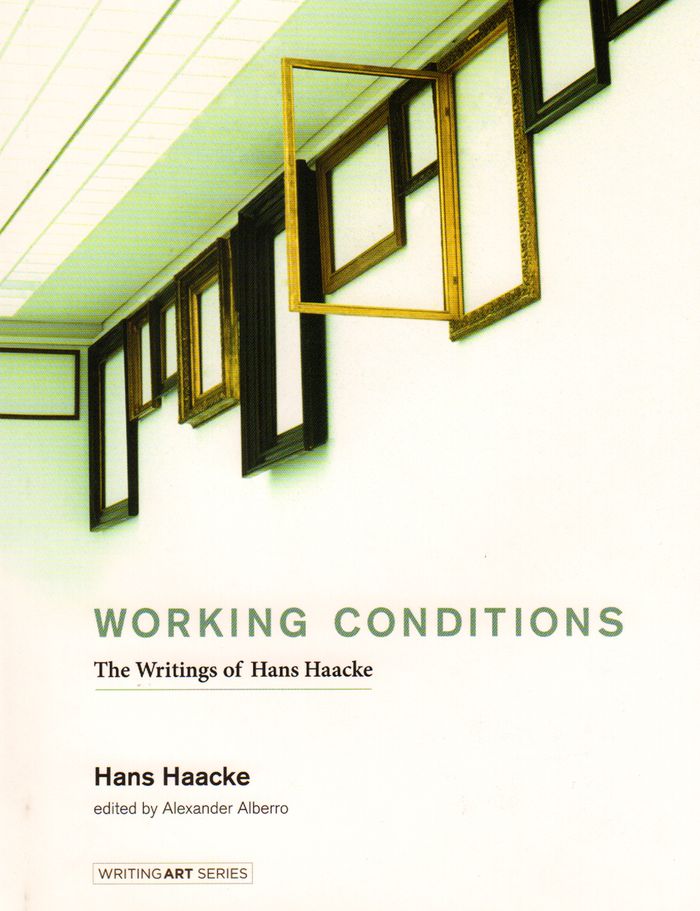
Hans Haacke’s art articulates the interdependence of multiple elements. An artwork is not merely an object but is also its context—the economic, social, and political conditions of the art world and the world at large. Among his best-known works are MoMA-Poll (1970), which polled museumgoers on their opinions about Nelson Rockefeller and the Nixon administration’s Indochina policy; Gallery-Goers’ Birthplace and Residence Profile (1969), which canvassed visitors to the Howard Wise Gallery in Manhattan; and the famously canceled 1971 solo exhibition at the Guggenheim Museum, which was meant to display, among other things, works on two New York real estate empires. This volume collects writings by Haacke that explain and document his practice. The texts, some of which have never before been published, run from straightforward descriptions to wide-ranging reflections and full-throated polemics. They include correspondence with MoMA and the Guggenheim and a letter refusing to represent the United States at the 1969 São Paulo Biennial; the title piece, “Working Conditions,” which discusses corporate influence on the art world; Haacke’s thinking about “real-time social systems”; and texts written for museum catalogs on various artworks, including GERMANIA, in the German Pavilion of the 1993 Venice Biennial; DER BEVÖLKERUNG (To the Population) of 2000 at the Berlin Reichstag; Mixed Messages, an exhibition of objects from the Victoria and Albert Museum (2001); and Gift Horse, unveiled on the fourth plinth in Trafalgar Square in 2015.
Working conditions: the writings of Hans Haacke
Actions:
Price:
$46.95
(available to order)
Summary:
Hans Haacke’s art articulates the interdependence of multiple elements. An artwork is not merely an object but is also its context—the economic, social, and political conditions of the art world and the world at large. Among his best-known works are MoMA-Poll (1970), which polled museumgoers on their opinions about Nelson Rockefeller and the Nixon administration’s Indochina policy; Gallery-Goers’ Birthplace and Residence Profile (1969), which canvassed visitors to the Howard Wise Gallery in Manhattan; and the famously canceled 1971 solo exhibition at the Guggenheim Museum, which was meant to display, among other things, works on two New York real estate empires. This volume collects writings by Haacke that explain and document his practice. The texts, some of which have never before been published, run from straightforward descriptions to wide-ranging reflections and full-throated polemics. They include correspondence with MoMA and the Guggenheim and a letter refusing to represent the United States at the 1969 São Paulo Biennial; the title piece, “Working Conditions,” which discusses corporate influence on the art world; Haacke’s thinking about “real-time social systems”; and texts written for museum catalogs on various artworks, including GERMANIA, in the German Pavilion of the 1993 Venice Biennial; DER BEVÖLKERUNG (To the Population) of 2000 at the Berlin Reichstag; Mixed Messages, an exhibition of objects from the Victoria and Albert Museum (2001); and Gift Horse, unveiled on the fourth plinth in Trafalgar Square in 2015.
Form:
books
books
Publication:
October 2016
October 2016
Subject:
Art Theory
Art Theory


