


588 Results
Form:
books
books

Title:
Bernard Plossu: Europa
Bernard Plossu: Europa
Actions:
Price:
$61.00
(available to order)
Summary:
Photographer Bernard Plossu has described photography as "the meeting place between delirium and absolute peace." This publication demonstrates his viewpoint, showing urban Europe in all its speedy, glittering intensity, as well as its serener counterpoint. Culled from hundreds of photographs, Europa brings together the most memorable and spontaneous of Plossu's European(...)
$61.00
(available to order)
Summary:
Photographer Bernard Plossu has described photography as "the meeting place between delirium and absolute peace." This publication demonstrates his viewpoint, showing urban Europe in all its speedy, glittering intensity, as well as its serener counterpoint. Culled from hundreds of photographs, Europa brings together the most memorable and spontaneous of Plossu's European(...)
Title:
Bernard Plossu: Europa
Actions:
Price:
$61.00
(available to order)
Summary:
Photographer Bernard Plossu has described photography as "the meeting place between delirium and absolute peace." This publication demonstrates his viewpoint, showing urban Europe in all its speedy, glittering intensity, as well as its serener counterpoint. Culled from hundreds of photographs, Europa brings together the most memorable and spontaneous of Plossu's European shots from the 1970s to the present.
Bernard Plossu: Europa
Actions:
Price:
$61.00
(available to order)
Summary:
Photographer Bernard Plossu has described photography as "the meeting place between delirium and absolute peace." This publication demonstrates his viewpoint, showing urban Europe in all its speedy, glittering intensity, as well as its serener counterpoint. Culled from hundreds of photographs, Europa brings together the most memorable and spontaneous of Plossu's European shots from the 1970s to the present.
Form:
books
books
Publication:
April 2011
April 2011
Subject:
Photography monographs
Photography monographs
Form:
books
books
Title:
Art & vinyl
Art & vinyl
Actions:
Price:
$95.00
(available to order)
Summary:
"Art & Vinyl" is an exhilarating new look into the history of the vinyl record as a medium for modern and contemporary visual art. This beautifully designed and printed publication is the first book to focus in-depth on works of art created specifically for an album, composer or musician. With reproductions of more than 200 LPs from the mid-20th century to the present,(...)
$95.00
(available to order)
Summary:
"Art & Vinyl" is an exhilarating new look into the history of the vinyl record as a medium for modern and contemporary visual art. This beautifully designed and printed publication is the first book to focus in-depth on works of art created specifically for an album, composer or musician. With reproductions of more than 200 LPs from the mid-20th century to the present,(...)
Title:
Art & vinyl
Actions:
Price:
$95.00
(available to order)
Summary:
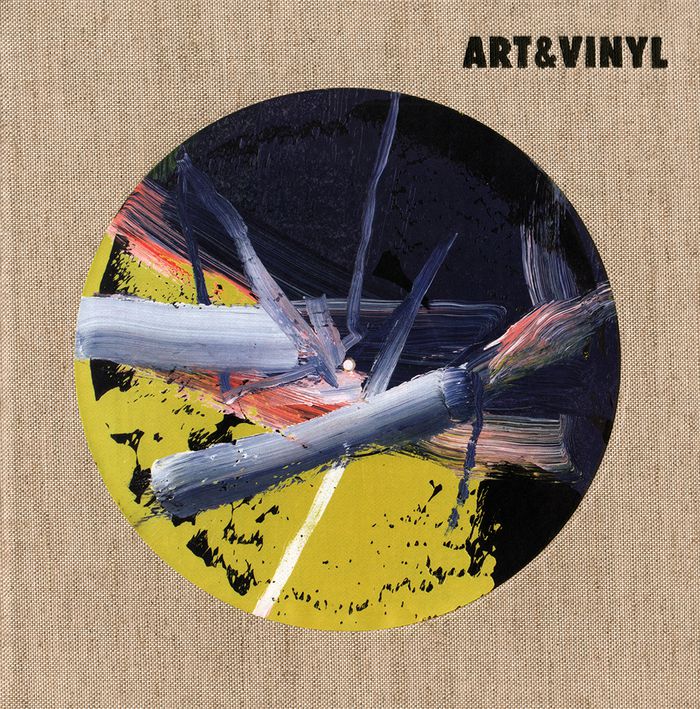
"Art & Vinyl" is an exhilarating new look into the history of the vinyl record as a medium for modern and contemporary visual art. This beautifully designed and printed publication is the first book to focus in-depth on works of art created specifically for an album, composer or musician. With reproductions of more than 200 LPs from the mid-20th century to the present, "Art & Vinyl" traces the trajectory of how the record album has been considered by artists as material for a work of art. The book begins with Pablo Picasso’s 1949 depiction of the dove of peace, printed directly on an audio disc. Significantly, the recording was Paul Robeson’s Chante Pour La Paix (Singing for Peace). Art & Vinyl also includes works by artists as disparate and wide-ranging as Ed Ruscha, Marlene Dumas, Cy Twombly, Yoko Ono, Jean-Michel Basquiat, Barbara Kruger, Robert Rauschenberg, Sol LeWitt, Sophie Calle and Andy Warhol.
Art & vinyl
Actions:
Price:
$95.00
(available to order)
Summary:
"Art & Vinyl" is an exhilarating new look into the history of the vinyl record as a medium for modern and contemporary visual art. This beautifully designed and printed publication is the first book to focus in-depth on works of art created specifically for an album, composer or musician. With reproductions of more than 200 LPs from the mid-20th century to the present, "Art & Vinyl" traces the trajectory of how the record album has been considered by artists as material for a work of art. The book begins with Pablo Picasso’s 1949 depiction of the dove of peace, printed directly on an audio disc. Significantly, the recording was Paul Robeson’s Chante Pour La Paix (Singing for Peace). Art & Vinyl also includes works by artists as disparate and wide-ranging as Ed Ruscha, Marlene Dumas, Cy Twombly, Yoko Ono, Jean-Michel Basquiat, Barbara Kruger, Robert Rauschenberg, Sol LeWitt, Sophie Calle and Andy Warhol.
Form:
books
books
Publication:
April 2018
April 2018
Subject:
Graphic Design and Typography
Graphic Design and Typography
Form:
books
books
Actions:
Price:
$92.95
(available in store)
Summary:
Produced between 2019 and 2023 when peace negotiations were taking place between the US government and the Taliban, Lorenzo Tugnoli’s "It can never be the same," follows the disintegration of the Afghan republic and its army, and the subsequent new regime in Kabul. The images depict a country in upheaval, as experienced by a foreign photographer who has spent over a(...)
$92.95
(available in store)
Summary:
Produced between 2019 and 2023 when peace negotiations were taking place between the US government and the Taliban, Lorenzo Tugnoli’s "It can never be the same," follows the disintegration of the Afghan republic and its army, and the subsequent new regime in Kabul. The images depict a country in upheaval, as experienced by a foreign photographer who has spent over a(...)
Title:
Lorenzo Tugnoli: It can never be the same
Actions:
Price:
$92.95
(available in store)
Summary:
Produced between 2019 and 2023 when peace negotiations were taking place between the US government and the Taliban, Lorenzo Tugnoli’s "It can never be the same," follows the disintegration of the Afghan republic and its army, and the subsequent new regime in Kabul. The images depict a country in upheaval, as experienced by a foreign photographer who has spent over a decade navigating its complexities.
Lorenzo Tugnoli: It can never be the same
Actions:
Price:
$92.95
(available in store)
Summary:
Produced between 2019 and 2023 when peace negotiations were taking place between the US government and the Taliban, Lorenzo Tugnoli’s "It can never be the same," follows the disintegration of the Afghan republic and its army, and the subsequent new regime in Kabul. The images depict a country in upheaval, as experienced by a foreign photographer who has spent over a decade navigating its complexities.
Form:
books
books
Publication:
November 2025
November 2025
Subject:
Photography monographs
Photography monographs
Form:
books
books
Actions:
Price:
$30.00
(available to order)
Summary:
This lavishly illustrated book documents 175 years of the Sharon Temple’s intriguing life. Designed with extraordinary flair by noted author, architectural historian and book designer Mark Fram, it brims with rarely seen contemporary and archival images of the Temple. Lush, colour photography and previously unpublished archival information complement the story of the(...)
$30.00
(available to order)
Summary:
This lavishly illustrated book documents 175 years of the Sharon Temple’s intriguing life. Designed with extraordinary flair by noted author, architectural historian and book designer Mark Fram, it brims with rarely seen contemporary and archival images of the Temple. Lush, colour photography and previously unpublished archival information complement the story of the(...)
Title:
Rebuilding Hope : The Sharon Temple after 175 years
Actions:
Price:
$30.00
(available to order)
Summary:
This lavishly illustrated book documents 175 years of the Sharon Temple’s intriguing life. Designed with extraordinary flair by noted author, architectural historian and book designer Mark Fram, it brims with rarely seen contemporary and archival images of the Temple. Lush, colour photography and previously unpublished archival information complement the story of the Sharon Temple ¯ much of it told in the original voices of the Children of Peace.
Rebuilding Hope : The Sharon Temple after 175 years
Actions:
Price:
$30.00
(available to order)
Summary:
This lavishly illustrated book documents 175 years of the Sharon Temple’s intriguing life. Designed with extraordinary flair by noted author, architectural historian and book designer Mark Fram, it brims with rarely seen contemporary and archival images of the Temple. Lush, colour photography and previously unpublished archival information complement the story of the Sharon Temple ¯ much of it told in the original voices of the Children of Peace.
Form:
books
books
Publication:
September 2007, Toronto
September 2007, Toronto
Subject:
Architecture in Canada
Architecture in Canada
Form:
books
books
Title:
Montréal toujours
Montréal toujours
Actions:
Price:
$29.95
(available to order)
Summary:
Qu'est-ce qui rend Montréal unique, émouvante, rock et peace & love? Pourquoi le smoked-meat de Schwartz's est-il légendaire? Que s'est-il passé de si fou lors du mythique concert de Nirvana aux Foufounes électriques? Quelle est la pire insulte qu'un cône orange ait reçue? Voici une incursion dans 30 institutions qui ont changé le visage de leur quartier et à jamais(...)
$29.95
(available to order)
Summary:
Qu'est-ce qui rend Montréal unique, émouvante, rock et peace & love? Pourquoi le smoked-meat de Schwartz's est-il légendaire? Que s'est-il passé de si fou lors du mythique concert de Nirvana aux Foufounes électriques? Quelle est la pire insulte qu'un cône orange ait reçue? Voici une incursion dans 30 institutions qui ont changé le visage de leur quartier et à jamais(...)
Title:
Montréal toujours
Actions:
Price:
$29.95
(available to order)
Summary:
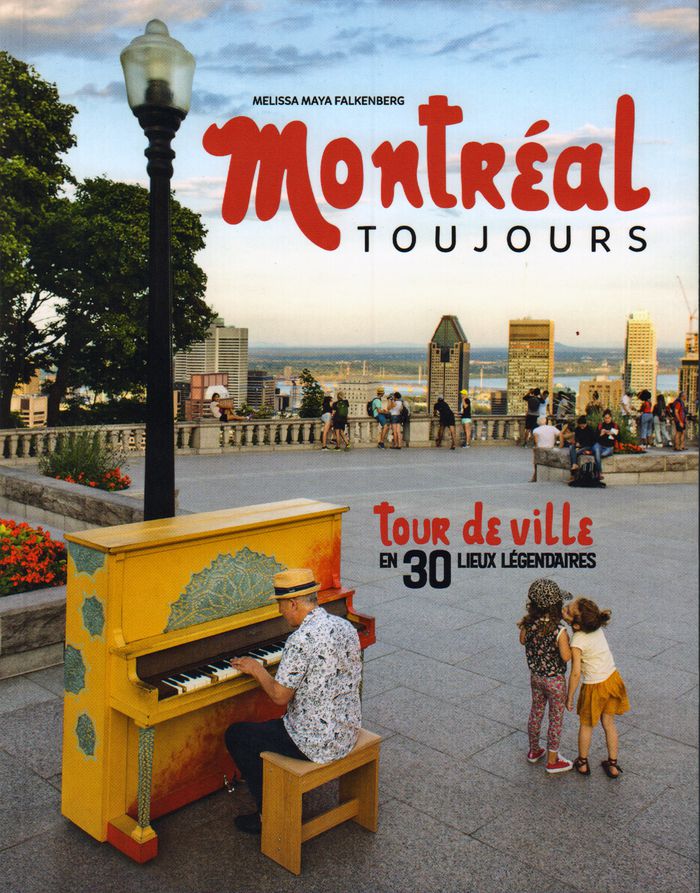
Qu'est-ce qui rend Montréal unique, émouvante, rock et peace & love? Pourquoi le smoked-meat de Schwartz's est-il légendaire? Que s'est-il passé de si fou lors du mythique concert de Nirvana aux Foufounes électriques? Quelle est la pire insulte qu'un cône orange ait reçue? Voici une incursion dans 30 institutions qui ont changé le visage de leur quartier et à jamais marqué des générations de Québécois.
Montréal toujours
Actions:
Price:
$29.95
(available to order)
Summary:
Qu'est-ce qui rend Montréal unique, émouvante, rock et peace & love? Pourquoi le smoked-meat de Schwartz's est-il légendaire? Que s'est-il passé de si fou lors du mythique concert de Nirvana aux Foufounes électriques? Quelle est la pire insulte qu'un cône orange ait reçue? Voici une incursion dans 30 institutions qui ont changé le visage de leur quartier et à jamais marqué des générations de Québécois.
Form:
books
books
Publication:
November 2016
November 2016
Subject:
Architecture de Montréal
Architecture de Montréal
Form:
books
books
Actions:
Price:
$95.00
(available to order)
Summary:
Massimiliano Fuksas is one of the most influential Italian architects working today. This volume demonstrates how he has achieved this status: 36 built and unbuilt projects, each fully documented with superb photographs, models, drawings, and sketches. Fuksas' most recent works include the Emporio Armani flagship store in Hong Kong, the Jaffa Peace Center, and the(...)
$95.00
(available to order)
Summary:
Massimiliano Fuksas is one of the most influential Italian architects working today. This volume demonstrates how he has achieved this status: 36 built and unbuilt projects, each fully documented with superb photographs, models, drawings, and sketches. Fuksas' most recent works include the Emporio Armani flagship store in Hong Kong, the Jaffa Peace Center, and the(...)
Title:
Massimiliano Fuksas : works and projects, 1970-2005
Actions:
Price:
$95.00
(available to order)
Summary:
Massimiliano Fuksas is one of the most influential Italian architects working today. This volume demonstrates how he has achieved this status: 36 built and unbuilt projects, each fully documented with superb photographs, models, drawings, and sketches. Fuksas' most recent works include the Emporio Armani flagship store in Hong Kong, the Jaffa Peace Center, and the Congress Center in EUR, Rome. An essay by Fuksas, a biographical chronology, and a selected bibliography complete this monograph.
Massimiliano Fuksas : works and projects, 1970-2005
Actions:
Price:
$95.00
(available to order)
Summary:
Massimiliano Fuksas is one of the most influential Italian architects working today. This volume demonstrates how he has achieved this status: 36 built and unbuilt projects, each fully documented with superb photographs, models, drawings, and sketches. Fuksas' most recent works include the Emporio Armani flagship store in Hong Kong, the Jaffa Peace Center, and the Congress Center in EUR, Rome. An essay by Fuksas, a biographical chronology, and a selected bibliography complete this monograph.
Form:
books
books
Publication:
November 2005, Milan
November 2005, Milan
Subject:
Architecture Monographs
Architecture Monographs
Form:
books
books
Actions:
Price:
$23.99
(available to order)
Summary:
Sister Corita Kent, the "pop art nun," burst onto the 1960s art scene with splashes of color and ad slogans transformed into messages of love, hope, peace, and justice. The art world would never be the same—and neither would the young people whose lives she changed. Join Corita’s students as they learn how to look at the world around them through an artist’s eyes. With(...)
$23.99
(available to order)
Summary:
Sister Corita Kent, the "pop art nun," burst onto the 1960s art scene with splashes of color and ad slogans transformed into messages of love, hope, peace, and justice. The art world would never be the same—and neither would the young people whose lives she changed. Join Corita’s students as they learn how to look at the world around them through an artist’s eyes. With(...)
Title:
Signs of hope: The revolutionary art of sister Corita Kent
Actions:
Price:
$23.99
(available to order)
Summary:
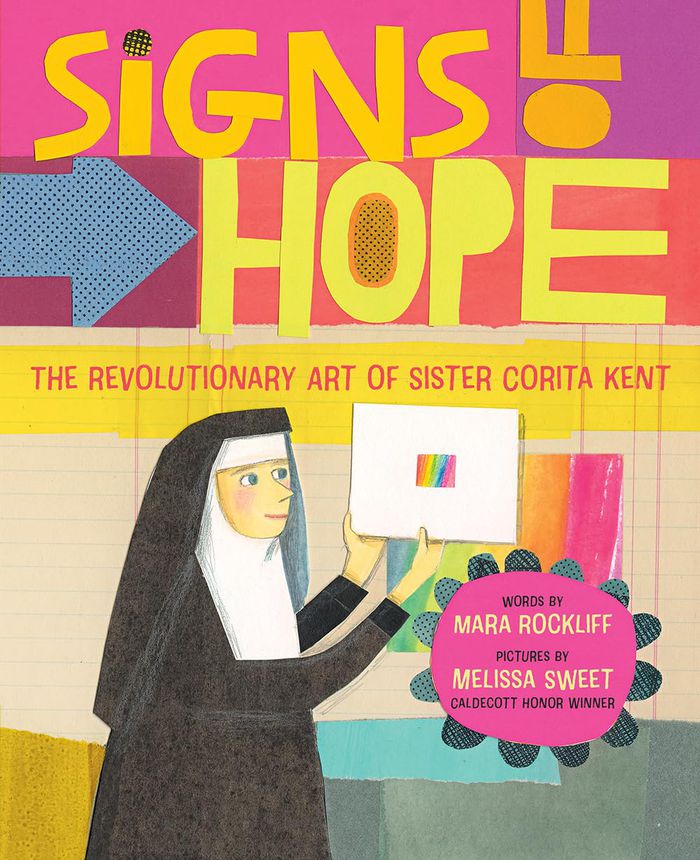
Sister Corita Kent, the "pop art nun," burst onto the 1960s art scene with splashes of color and ad slogans transformed into messages of love, hope, peace, and justice. The art world would never be the same—and neither would the young people whose lives she changed. Join Corita’s students as they learn how to look at the world around them through an artist’s eyes. With Corita, work is play, imagination means adventure, and there is no line between life and art.
Signs of hope: The revolutionary art of sister Corita Kent
Actions:
Price:
$23.99
(available to order)
Summary:
Sister Corita Kent, the "pop art nun," burst onto the 1960s art scene with splashes of color and ad slogans transformed into messages of love, hope, peace, and justice. The art world would never be the same—and neither would the young people whose lives she changed. Join Corita’s students as they learn how to look at the world around them through an artist’s eyes. With Corita, work is play, imagination means adventure, and there is no line between life and art.
Form:
books
books
Publication:
April 2024
April 2024
Subject:
Children's Books
Children's Books
Form:
books
books
Price:
$74.95
(available to order)
Summary:
Born in Tokyo in 1933, Yoko Ono is one of the most important living artists working today. In a career that spans over six decades, Ono has experimented with a broad variety of media, including music, performance art, and film. Mostly known for her early involvement with the Fluxus art movement in the late 1950s and her professional and personal association with Beatles(...)
$74.95
(available to order)
Summary:
Born in Tokyo in 1933, Yoko Ono is one of the most important living artists working today. In a career that spans over six decades, Ono has experimented with a broad variety of media, including music, performance art, and film. Mostly known for her early involvement with the Fluxus art movement in the late 1950s and her professional and personal association with Beatles(...)
Subject:
Contemporary Art Monographs
Contemporary Art Monographs
Publication:
December 2023
December 2023
Title:
Yoko Ono
Actions:
Price:
$74.95
(available to order)
Summary:
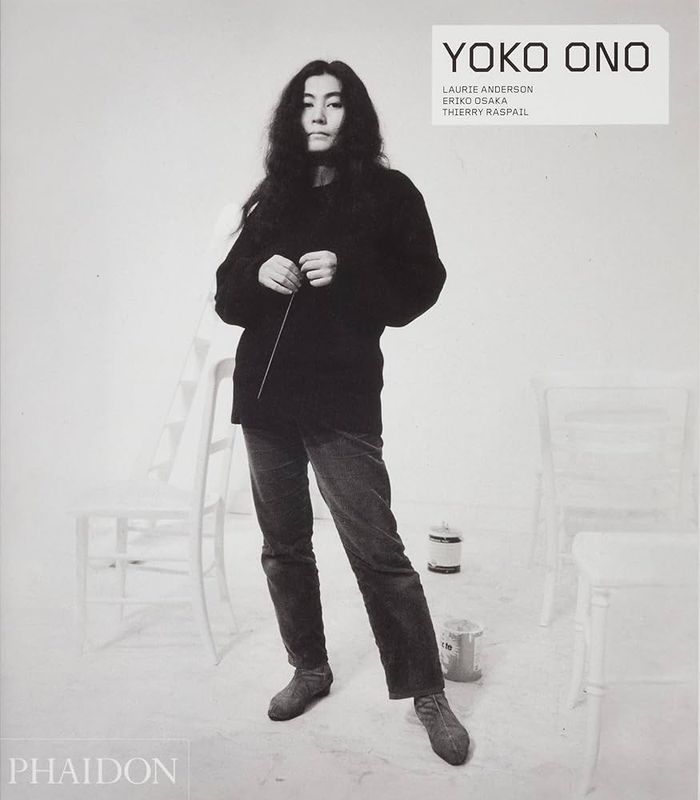
Born in Tokyo in 1933, Yoko Ono is one of the most important living artists working today. In a career that spans over six decades, Ono has experimented with a broad variety of media, including music, performance art, and film. Mostly known for her early involvement with the Fluxus art movement in the late 1950s and her professional and personal association with Beatles frontman John Lennon, Ono’s ground-breaking work has been influential to generations of artists as well as her incessant campaigning for World peace.
Yoko Ono
Actions:
Price:
$74.95
(available to order)
Summary:
Born in Tokyo in 1933, Yoko Ono is one of the most important living artists working today. In a career that spans over six decades, Ono has experimented with a broad variety of media, including music, performance art, and film. Mostly known for her early involvement with the Fluxus art movement in the late 1950s and her professional and personal association with Beatles frontman John Lennon, Ono’s ground-breaking work has been influential to generations of artists as well as her incessant campaigning for World peace.
Form:
books
books
Publication:
December 2023
December 2023
Subject:
Contemporary Art Monographs
Contemporary Art Monographs
Form:
books
books
Actions:
Price:
$34.95
(available to order)
Summary:
The territory of Solnit’s concerns is vast. She combines commentary on history, justice, war and peace, and explorations of place, art, and community. Gathered here are essays that create a survey of the world we live in, from the jungles of the Zapatistas in Mexico to the splendors of the Arctic. This collection tours places as diverse as Haiti and Iceland; movements(...)
$34.95
(available to order)
Summary:
The territory of Solnit’s concerns is vast. She combines commentary on history, justice, war and peace, and explorations of place, art, and community. Gathered here are essays that create a survey of the world we live in, from the jungles of the Zapatistas in Mexico to the splendors of the Arctic. This collection tours places as diverse as Haiti and Iceland; movements(...)
Title:
Encyclopedia of trouble and spaciousness
Actions:
Price:
$34.95
(available to order)
Summary:
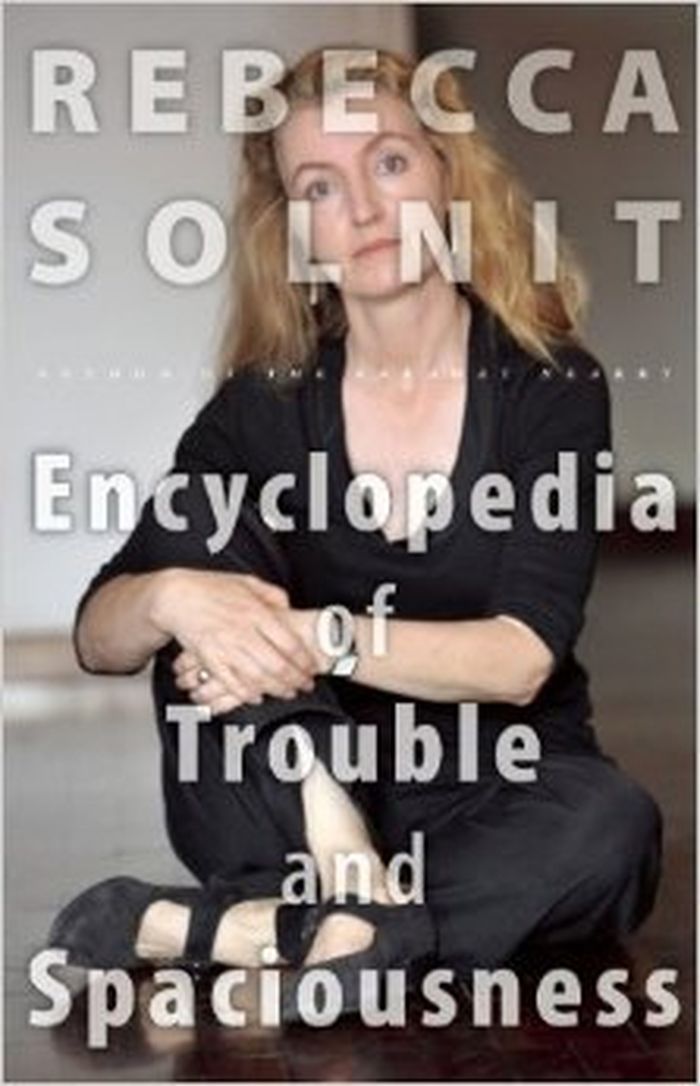
The territory of Solnit’s concerns is vast. She combines commentary on history, justice, war and peace, and explorations of place, art, and community. Gathered here are essays that create a survey of the world we live in, from the jungles of the Zapatistas in Mexico to the splendors of the Arctic. This collection tours places as diverse as Haiti and Iceland; movements like Occupy Wall Street and the Arab Spring; a take on the question of who did Henry David Thoreau’s laundry; and a searching look at what the hatred of country music means.
Encyclopedia of trouble and spaciousness
Actions:
Price:
$34.95
(available to order)
Summary:
The territory of Solnit’s concerns is vast. She combines commentary on history, justice, war and peace, and explorations of place, art, and community. Gathered here are essays that create a survey of the world we live in, from the jungles of the Zapatistas in Mexico to the splendors of the Arctic. This collection tours places as diverse as Haiti and Iceland; movements like Occupy Wall Street and the Arab Spring; a take on the question of who did Henry David Thoreau’s laundry; and a searching look at what the hatred of country music means.
Form:
books
books
Publication:
December 2014
December 2014
Subject:
Architectural Theory
Architectural Theory
Form:
books
books
Actions:
Price:
$19.95
(available to order)
Summary:
From Native American reservations on the US-Mexico border and the "Great Wall of Montreal" to Cyprus's divided capital and the Peace Lines of Belfast, Marcello Di Cintio seeks to understand what these structures say about those who build them and how they influence the cultures that they surround. Some walls define "us" from "them" with medieval clarity. Some walls(...)
$19.95
(available to order)
Summary:
From Native American reservations on the US-Mexico border and the "Great Wall of Montreal" to Cyprus's divided capital and the Peace Lines of Belfast, Marcello Di Cintio seeks to understand what these structures say about those who build them and how they influence the cultures that they surround. Some walls define "us" from "them" with medieval clarity. Some walls(...)
Title:
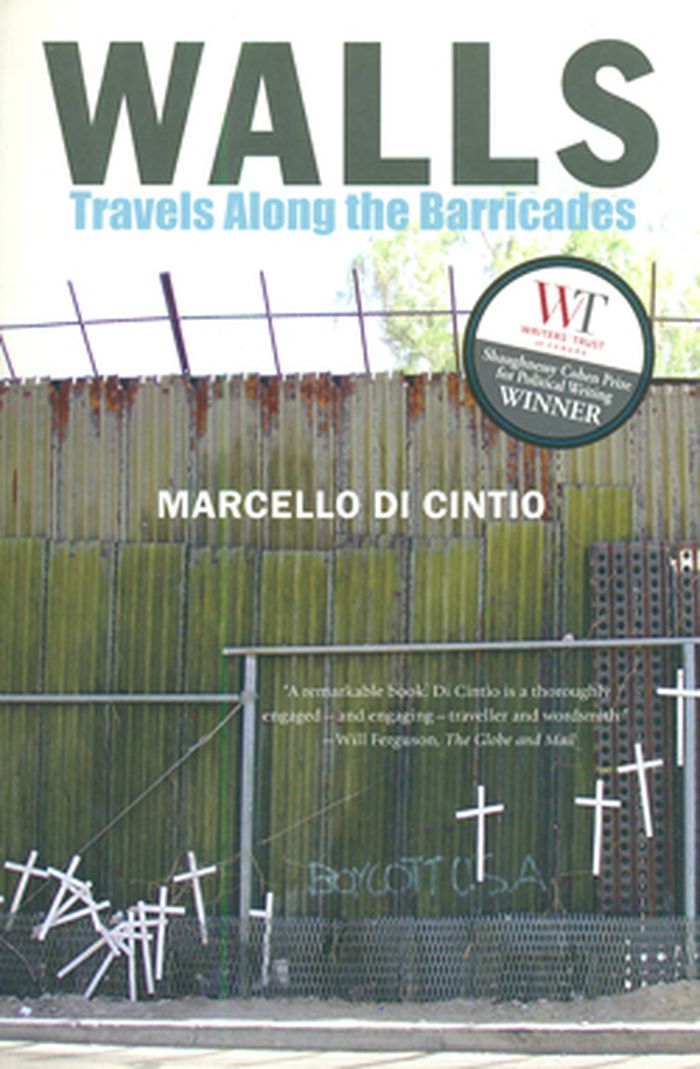
Walls: travels along the barricades
Actions:
Price:
$19.95
(available to order)
Summary:
From Native American reservations on the US-Mexico border and the "Great Wall of Montreal" to Cyprus's divided capital and the Peace Lines of Belfast, Marcello Di Cintio seeks to understand what these structures say about those who build them and how they influence the cultures that they surround. Some walls define "us" from "them" with medieval clarity. Some walls encourage fear or feed hate. Others kill. And every wall inspires its own subversion, whether by the infiltrators who dare to go over, under or around them, or by the artists who transform them.
Walls: travels along the barricades
Actions:
Price:
$19.95
(available to order)
Summary:
From Native American reservations on the US-Mexico border and the "Great Wall of Montreal" to Cyprus's divided capital and the Peace Lines of Belfast, Marcello Di Cintio seeks to understand what these structures say about those who build them and how they influence the cultures that they surround. Some walls define "us" from "them" with medieval clarity. Some walls encourage fear or feed hate. Others kill. And every wall inspires its own subversion, whether by the infiltrators who dare to go over, under or around them, or by the artists who transform them.
Form:
books
books
Publication:
September 2013
September 2013
Subject:
Architectural Theory
Architectural Theory


