


5697 Results
Form:
books
books
Actions:
Price:
$37.50
(available in store)
Summary:
"Multi-National city" follows three architectural itineraries through three cities and their histories. Like so many, these cities are caught within the feedback loops of globalization : Silicon Valley in northern California; New York's internal suburbias; and Gurgaon, a burgeoning corporate city outside of New Delhi. Each exhibits a distinct character, while together,(...)
$37.50
(available in store)
Summary:
"Multi-National city" follows three architectural itineraries through three cities and their histories. Like so many, these cities are caught within the feedback loops of globalization : Silicon Valley in northern California; New York's internal suburbias; and Gurgaon, a burgeoning corporate city outside of New Delhi. Each exhibits a distinct character, while together,(...)
Title:
Multi-national city : architectural itineraries
Actions:
Price:
$37.50
(available in store)
Summary:
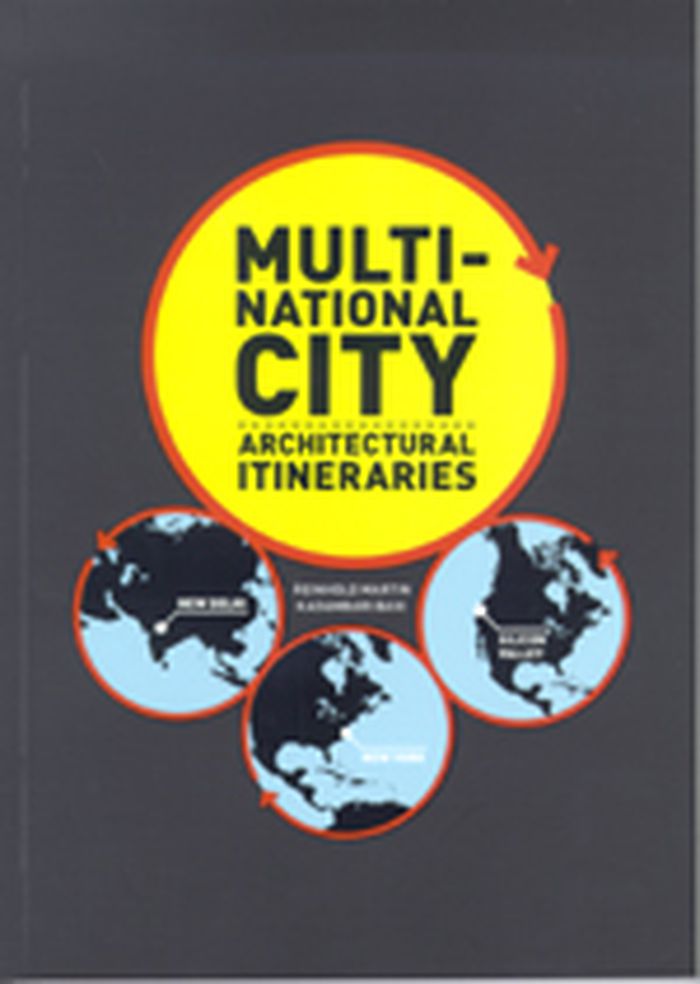
"Multi-National city" follows three architectural itineraries through three cities and their histories. Like so many, these cities are caught within the feedback loops of globalization : Silicon Valley in northern California; New York's internal suburbias; and Gurgaon, a burgeoning corporate city outside of New Delhi. Each exhibits a distinct character, while together, they also form important nodes in what the authors describe as a single Multi-National city (MNC) stretching across the globe. The itineraries traced through them take the reader on a tour of the architectural monuments of corporate globalization-corporate campuses, high-rise towers, "public" atriums, call centers, and gated communities-that tracks their shared logic, their internal discrepancies, and their undeniable strangeness. Each itinerary concludes with an unannounced stop at an architectural project that applies the lessons of the Multi-National city to itself.
Multi-national city : architectural itineraries
Actions:
Price:
$37.50
(available in store)
Summary:
"Multi-National city" follows three architectural itineraries through three cities and their histories. Like so many, these cities are caught within the feedback loops of globalization : Silicon Valley in northern California; New York's internal suburbias; and Gurgaon, a burgeoning corporate city outside of New Delhi. Each exhibits a distinct character, while together, they also form important nodes in what the authors describe as a single Multi-National city (MNC) stretching across the globe. The itineraries traced through them take the reader on a tour of the architectural monuments of corporate globalization-corporate campuses, high-rise towers, "public" atriums, call centers, and gated communities-that tracks their shared logic, their internal discrepancies, and their undeniable strangeness. Each itinerary concludes with an unannounced stop at an architectural project that applies the lessons of the Multi-National city to itself.
Form:
books
books
Publication:
July 2007, Barcelona
July 2007, Barcelona
Subject:
Urban Theory
Urban Theory
Form:
books
books
Actions:
Price:
$65.00
(available to order)
Summary:
Since making his earliest documentary photographs in the 1950s, David Plowden has honored those proud structures and places that America has discarded — from brawny commercial and industrial centers to small towns and farms. He reveres the honest work and spirit that built them. But the scene has changed much in the last five decades, and what's left of the honesty of(...)
$65.00
(available to order)
Summary:
Since making his earliest documentary photographs in the 1950s, David Plowden has honored those proud structures and places that America has discarded — from brawny commercial and industrial centers to small towns and farms. He reveres the honest work and spirit that built them. But the scene has changed much in the last five decades, and what's left of the honesty of(...)
Title:
A handful of dust : photographs of disappearing America
Actions:
Price:
$65.00
(available to order)
Summary:
Since making his earliest documentary photographs in the 1950s, David Plowden has honored those proud structures and places that America has discarded — from brawny commercial and industrial centers to small towns and farms. He reveres the honest work and spirit that built them. But the scene has changed much in the last five decades, and what's left of the honesty of small communities and the working of the land is all but gone, dealt a death blow by outsourcing, conglomerization, and our incessant drive to buy cheap at any cost. The America of these photographs is a bittersweet reminder of things once cherished and a life no longer possible. Deserted Main Streets and crumbling facades stare at us blindly. Abandoned houses and buildings reach back to ground. Plowden's work is a sad symphony — incomparably and irresistibly beautiful, while reminding us of our loss.
A handful of dust : photographs of disappearing America
Actions:
Price:
$65.00
(available to order)
Summary:
Since making his earliest documentary photographs in the 1950s, David Plowden has honored those proud structures and places that America has discarded — from brawny commercial and industrial centers to small towns and farms. He reveres the honest work and spirit that built them. But the scene has changed much in the last five decades, and what's left of the honesty of small communities and the working of the land is all but gone, dealt a death blow by outsourcing, conglomerization, and our incessant drive to buy cheap at any cost. The America of these photographs is a bittersweet reminder of things once cherished and a life no longer possible. Deserted Main Streets and crumbling facades stare at us blindly. Abandoned houses and buildings reach back to ground. Plowden's work is a sad symphony — incomparably and irresistibly beautiful, while reminding us of our loss.
Form:
books
books
Publication:
January 2006, New York, London
January 2006, New York, London
Subject:
Photography monographs
Photography monographs
Form:
books
books
Price:
$39.95
(available to order)
Summary:
This book highlights the change-making capacity of culture by exploring the intellectual and practical interventions of "courageous citizens." These citizens can be thinkers, artists, activists and collectives—those whose thoughts, ideas and actions play a pivotal role in the struggle for just societies. It is these change-makers who, through their everyday actions, work(...)
$39.95
(available to order)
Summary:
This book highlights the change-making capacity of culture by exploring the intellectual and practical interventions of "courageous citizens." These citizens can be thinkers, artists, activists and collectives—those whose thoughts, ideas and actions play a pivotal role in the struggle for just societies. It is these change-makers who, through their everyday actions, work(...)
Title:
Courageous citizens: how culture contributes to social change
Actions:
Price:
$39.95
(available to order)
Summary:
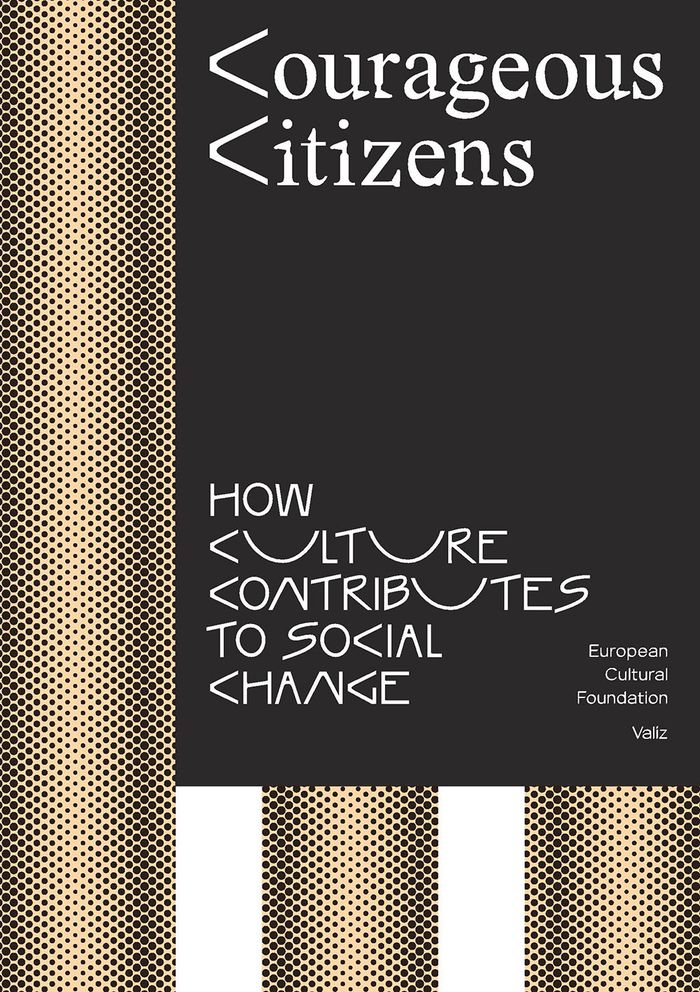
This book highlights the change-making capacity of culture by exploring the intellectual and practical interventions of "courageous citizens." These citizens can be thinkers, artists, activists and collectives—those whose thoughts, ideas and actions play a pivotal role in the struggle for just societies. It is these change-makers who, through their everyday actions, work toward a collective future and complex societal reconfigurations. Looking back at the past decade, this book identifies three themes which have been, and continue to be, relevant to social change: identity and diversity; culture, communities and democracies; and solidarity and fragmentation. It shows how courageous citizens have activated the cycles of thinking and rethinking, doing and changing, which have altered the way we view the world. Combining theoretical perspectives with case studies, this book aims to demonstrate the potential of culture to generate positive social change.
Courageous citizens: how culture contributes to social change
Actions:
Price:
$39.95
(available to order)
Summary:
This book highlights the change-making capacity of culture by exploring the intellectual and practical interventions of "courageous citizens." These citizens can be thinkers, artists, activists and collectives—those whose thoughts, ideas and actions play a pivotal role in the struggle for just societies. It is these change-makers who, through their everyday actions, work toward a collective future and complex societal reconfigurations. Looking back at the past decade, this book identifies three themes which have been, and continue to be, relevant to social change: identity and diversity; culture, communities and democracies; and solidarity and fragmentation. It shows how courageous citizens have activated the cycles of thinking and rethinking, doing and changing, which have altered the way we view the world. Combining theoretical perspectives with case studies, this book aims to demonstrate the potential of culture to generate positive social change.
Form:
books
books
Publication:
June 2018
June 2018
Subject:
Urban Theory
Urban Theory
Form:
books
books
Price:
$34.50
(available to order)
Summary:
How do the arts contribute to the formation of democratic processes? How does culture constitute public space and a civil domain? ''The art of civil action'' argues that cultural initiatives play an underappreciated but crucial role in unlocking dormant democratic potential in our societies. Arts and culture can be a cornerstone of the civil domain, and an anchor as(...)
$34.50
(available to order)
Summary:
How do the arts contribute to the formation of democratic processes? How does culture constitute public space and a civil domain? ''The art of civil action'' argues that cultural initiatives play an underappreciated but crucial role in unlocking dormant democratic potential in our societies. Arts and culture can be a cornerstone of the civil domain, and an anchor as(...)
Title:
The art of civil action: political space and cultural dissent
Actions:
Price:
$34.50
(available to order)
Summary:
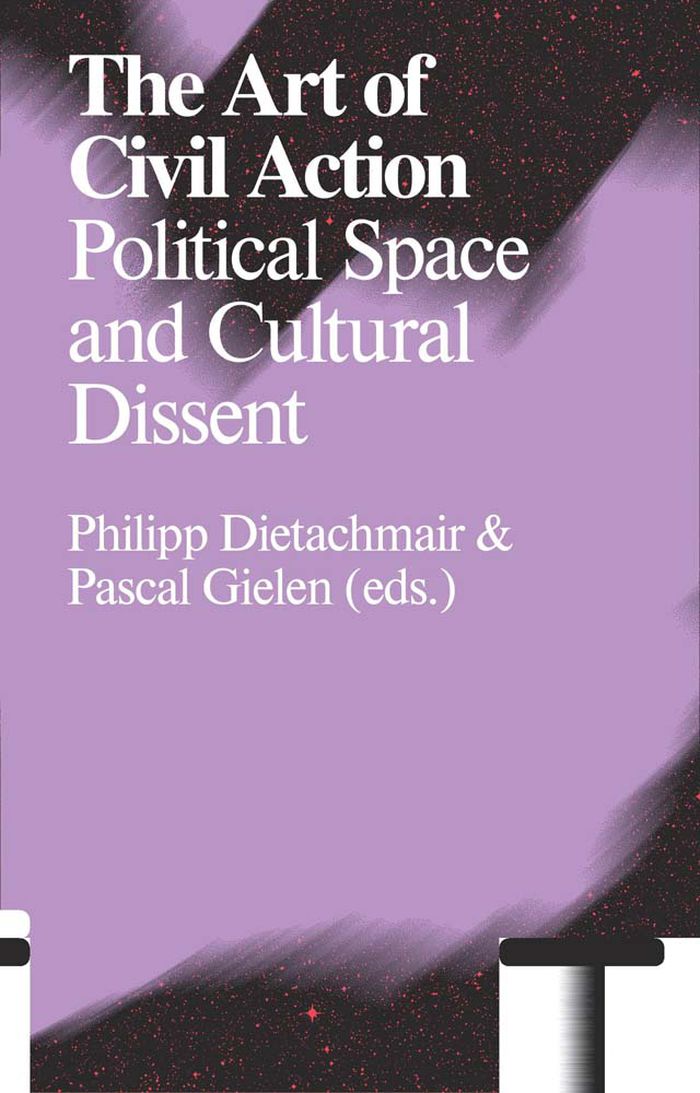
How do the arts contribute to the formation of democratic processes? How does culture constitute public space and a civil domain? ''The art of civil action'' argues that cultural initiatives play an underappreciated but crucial role in unlocking dormant democratic potential in our societies. Arts and culture can be a cornerstone of the civil domain, and an anchor as communities reconcile their local and global identities and roles. ''The art of civil action'' considers how to establish a sustainable, transnational civil space, and what role culture and the arts can play in this process, through a colourful mix of case studies on citizen-led cultural initiatives from Europe and around the world. Social scientists, cultural theorists, activists and artists contribute conceptual perspectives on how the arts and culture can help build a locally rooted civil society in a globally connected context.
The art of civil action: political space and cultural dissent
Actions:
Price:
$34.50
(available to order)
Summary:
How do the arts contribute to the formation of democratic processes? How does culture constitute public space and a civil domain? ''The art of civil action'' argues that cultural initiatives play an underappreciated but crucial role in unlocking dormant democratic potential in our societies. Arts and culture can be a cornerstone of the civil domain, and an anchor as communities reconcile their local and global identities and roles. ''The art of civil action'' considers how to establish a sustainable, transnational civil space, and what role culture and the arts can play in this process, through a colourful mix of case studies on citizen-led cultural initiatives from Europe and around the world. Social scientists, cultural theorists, activists and artists contribute conceptual perspectives on how the arts and culture can help build a locally rooted civil society in a globally connected context.
Form:
books
books
Publication:
May 2018
May 2018
Subject:
Art Theory
Art Theory
Form:
books
books
Price:
$32.95
(available to order)
Summary:
How does material culture become data? Why does this matter, and for whom? As the cultures of Indigenous peoples in North America were mined for scientific knowledge, years of organizing, classifying, and cataloguing hardened into accepted categories, naming conventions, and tribal affiliations – much of it wrong. 'Cataloguing Culture' examines how colonialism operates(...)
$32.95
(available to order)
Summary:
How does material culture become data? Why does this matter, and for whom? As the cultures of Indigenous peoples in North America were mined for scientific knowledge, years of organizing, classifying, and cataloguing hardened into accepted categories, naming conventions, and tribal affiliations – much of it wrong. 'Cataloguing Culture' examines how colonialism operates(...)
Title:
Cataloguing culture: legacies of colonialism in museum documentation
Actions:
Price:
$32.95
(available to order)
Summary:
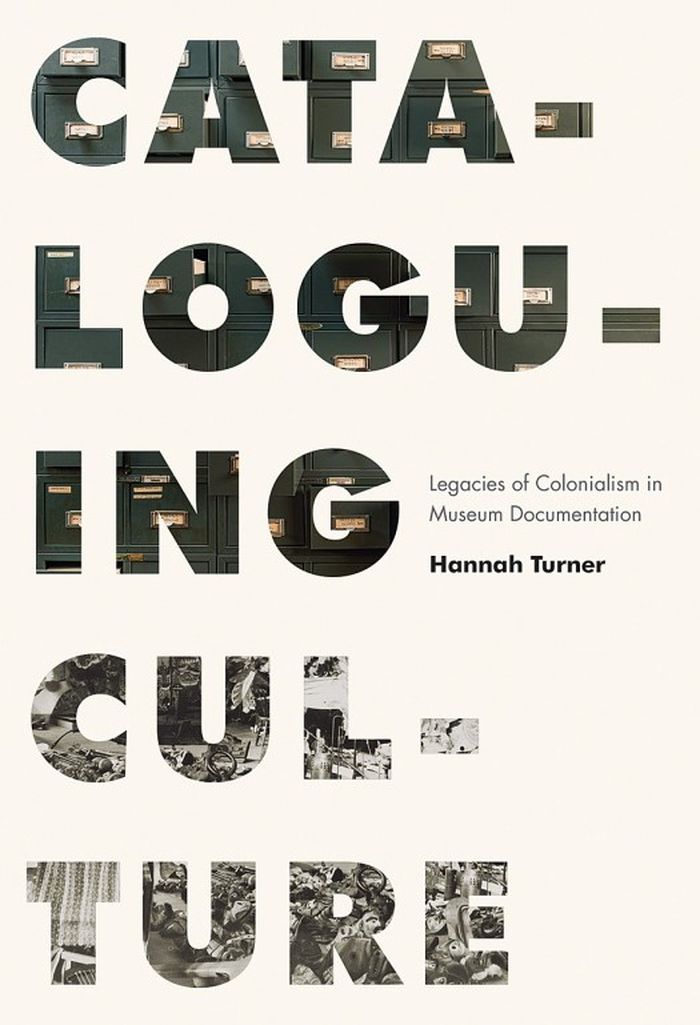
How does material culture become data? Why does this matter, and for whom? As the cultures of Indigenous peoples in North America were mined for scientific knowledge, years of organizing, classifying, and cataloguing hardened into accepted categories, naming conventions, and tribal affiliations – much of it wrong. 'Cataloguing Culture' examines how colonialism operates in museum bureaucracies. Using the Smithsonian’s National Museum of Natural History as her reference, Hannah Turner organizes her study by the technologies framing museum work over two hundred years: field records, the ledger, the card catalogue, the punch card, and eventually the database. She examines how categories were applied to ethnographic material culture and became routine throughout federal collecting institutions. As Indigenous communities encounter the documentary traces of imperialism while attempting to reclaim what is theirs, this publication shines a light on access to and return of cultural heritage.
Cataloguing culture: legacies of colonialism in museum documentation
Actions:
Price:
$32.95
(available to order)
Summary:
How does material culture become data? Why does this matter, and for whom? As the cultures of Indigenous peoples in North America were mined for scientific knowledge, years of organizing, classifying, and cataloguing hardened into accepted categories, naming conventions, and tribal affiliations – much of it wrong. 'Cataloguing Culture' examines how colonialism operates in museum bureaucracies. Using the Smithsonian’s National Museum of Natural History as her reference, Hannah Turner organizes her study by the technologies framing museum work over two hundred years: field records, the ledger, the card catalogue, the punch card, and eventually the database. She examines how categories were applied to ethnographic material culture and became routine throughout federal collecting institutions. As Indigenous communities encounter the documentary traces of imperialism while attempting to reclaim what is theirs, this publication shines a light on access to and return of cultural heritage.
Form:
books
books
Publication:
December 2020
December 2020
Subject:
Museology
Museology
Form:
books
books
Actions:
Price:
$41.95
(available to order)
Summary:
How do designers in research-driven practices differentiate themselves from each other and form distinctive platforms for future practice? The research presented in this second edition and carried out in Australia as part of an Australian Research Council Discovery Program is of significance for design practice, review, and our deeper understanding of the design of(...)
$41.95
(available to order)
Summary:
How do designers in research-driven practices differentiate themselves from each other and form distinctive platforms for future practice? The research presented in this second edition and carried out in Australia as part of an Australian Research Council Discovery Program is of significance for design practice, review, and our deeper understanding of the design of(...)
Subject:
Architectural Theory
Architectural Theory
Publication:
March 2020
March 2020
Title:
The practice of spatial thinking
Actions:
Price:
$41.95
(available to order)
Summary:
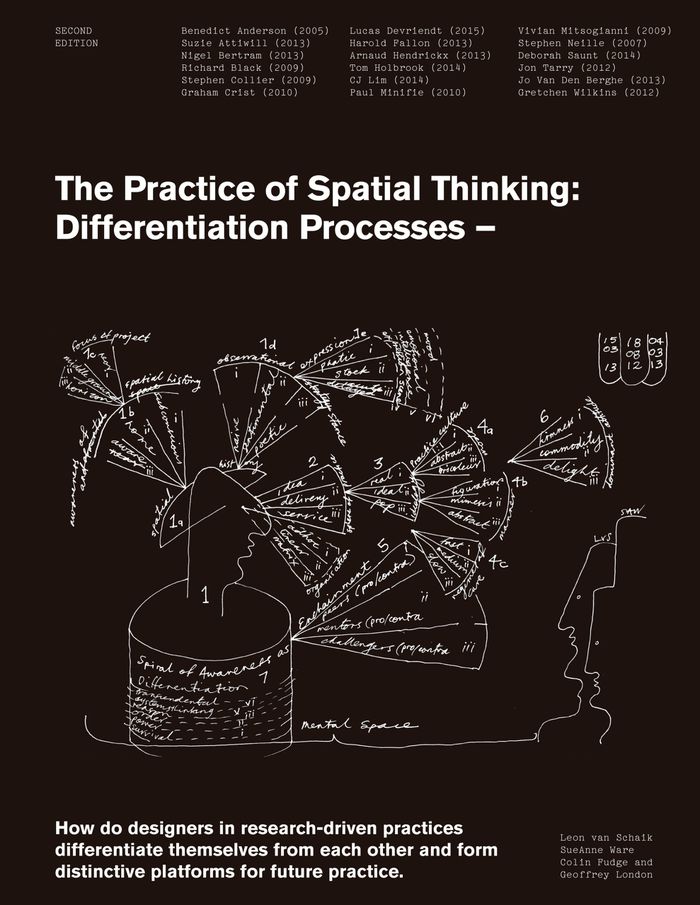
How do designers in research-driven practices differentiate themselves from each other and form distinctive platforms for future practice? The research presented in this second edition and carried out in Australia as part of an Australian Research Council Discovery Program is of significance for design practice, review, and our deeper understanding of the design of space and spaces. In continuing the exploration of spatial intelligence,” this research further develops our understanding of designers, how they work and what they draw on through their lives that shapes their spatial thinking, and their practice. The research also provides broader insights into a more public understanding and acknowledgement of our collective spatial intelligence. It shows how this could be developed and enhanced to provide more spatial and design literacy in our communities, and how these can engage with their changing environments.
The practice of spatial thinking
Actions:
Price:
$41.95
(available to order)
Summary:
How do designers in research-driven practices differentiate themselves from each other and form distinctive platforms for future practice? The research presented in this second edition and carried out in Australia as part of an Australian Research Council Discovery Program is of significance for design practice, review, and our deeper understanding of the design of space and spaces. In continuing the exploration of spatial intelligence,” this research further develops our understanding of designers, how they work and what they draw on through their lives that shapes their spatial thinking, and their practice. The research also provides broader insights into a more public understanding and acknowledgement of our collective spatial intelligence. It shows how this could be developed and enhanced to provide more spatial and design literacy in our communities, and how these can engage with their changing environments.
Form:
books
books
Publication:
March 2020
March 2020
Subject:
Architectural Theory
Architectural Theory
Form:
books
books

Actions:
Price:
$57.95
(available to order)
Summary:
Nomeda and Gediminas Urbonas produce interactive projects exploring the conflicts and contradictions of former Soviet republics and their recent transition to capitalism. Born in Lithuania and now living in Vilnius, these artists use the city as a catalyst and a starting point for their analysis of the various impacts caused by a new economic, social and political model(...)
$57.95
(available to order)
Summary:
Nomeda and Gediminas Urbonas produce interactive projects exploring the conflicts and contradictions of former Soviet republics and their recent transition to capitalism. Born in Lithuania and now living in Vilnius, these artists use the city as a catalyst and a starting point for their analysis of the various impacts caused by a new economic, social and political model(...)
Publication:
May 2008, Barcelone
May 2008, Barcelone
Title:
Nomeda and Gediminas: devices for action
Actions:
Price:
$57.95
(available to order)
Summary:
Nomeda and Gediminas Urbonas produce interactive projects exploring the conflicts and contradictions of former Soviet republics and their recent transition to capitalism. Born in Lithuania and now living in Vilnius, these artists use the city as a catalyst and a starting point for their analysis of the various impacts caused by a new economic, social and political model on different sectors and generations in society. Developping over different stages, their projects are characterised by the key role played by the idea of the archive, the engagement of experts in different fields (design, music, architecture), and the participation of diverse communities and collective actions. This catalogue of their recently held first retrospective documents all their projects up to date, includes two essays by Bartomeu Mari and Lars Bang Larsen, a biography, and a list of works in the exhibition.
Nomeda and Gediminas: devices for action
Actions:
Price:
$57.95
(available to order)
Summary:
Nomeda and Gediminas Urbonas produce interactive projects exploring the conflicts and contradictions of former Soviet republics and their recent transition to capitalism. Born in Lithuania and now living in Vilnius, these artists use the city as a catalyst and a starting point for their analysis of the various impacts caused by a new economic, social and political model on different sectors and generations in society. Developping over different stages, their projects are characterised by the key role played by the idea of the archive, the engagement of experts in different fields (design, music, architecture), and the participation of diverse communities and collective actions. This catalogue of their recently held first retrospective documents all their projects up to date, includes two essays by Bartomeu Mari and Lars Bang Larsen, a biography, and a list of works in the exhibition.
Form:
books
books
Publication:
May 2008, Barcelone
May 2008, Barcelone
Form:
books
books
Actions:
Price:
$39.95
(available to order)
Summary:
Making Room is an anthology of texts on art, media and aesthetic practice in the context of squatting, occupation and urban-space activism. It includes pieces by activist researchers working between the academy and the movements they write about, as well as journalistic first-person narratives by squatters, original photography and interviews with artists, theorists and(...)
$39.95
(available to order)
Summary:
Making Room is an anthology of texts on art, media and aesthetic practice in the context of squatting, occupation and urban-space activism. It includes pieces by activist researchers working between the academy and the movements they write about, as well as journalistic first-person narratives by squatters, original photography and interviews with artists, theorists and(...)
Title:
Making Room: Cultural Production in Occupied Spaces
Actions:
Price:
$39.95
(available to order)
Summary:
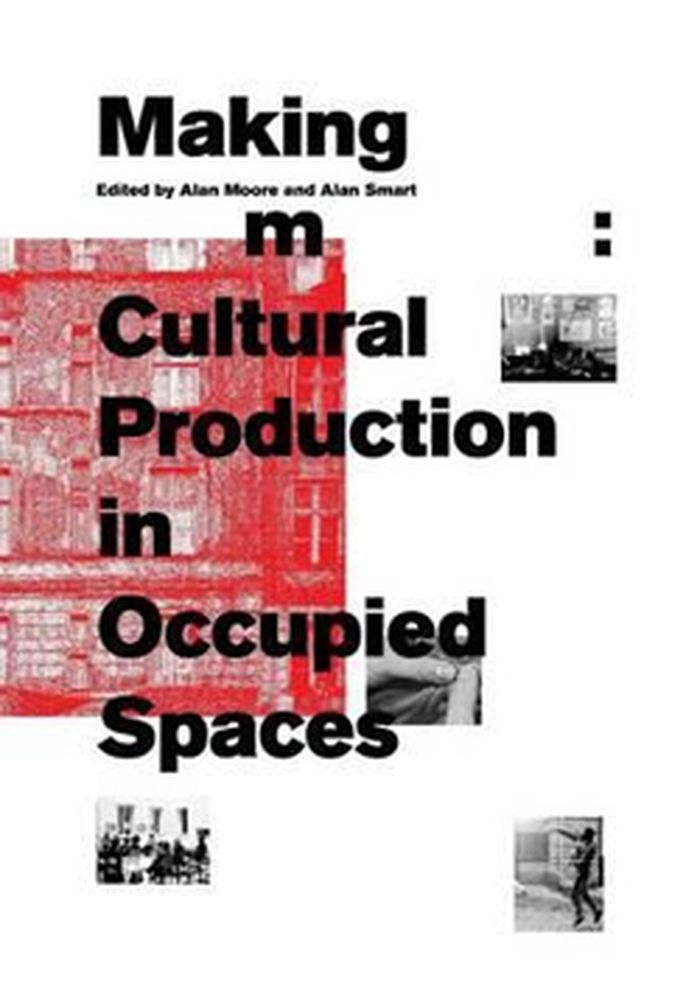
Making Room is an anthology of texts on art, media and aesthetic practice in the context of squatting, occupation and urban-space activism. It includes pieces by activist researchers working between the academy and the movements they write about, as well as journalistic first-person narratives by squatters, original photography and interviews with artists, theorists and activists involved in struggles over urban space and creative production in the city. Topics include brief histories of squatting in the UK, Germany and the Netherlands; the creation of Temporary Autonomous Zones; Puerto Rican occupations in New York; the influence of the Situationists on French squatting; and activism and camping at Documentas 10, 11 and 13. Throughout, cultural production appears in various forms ranging from conventional art practices to the organizing of communities and networks, to the production of media and setting up of information systems.
Making Room: Cultural Production in Occupied Spaces
Actions:
Price:
$39.95
(available to order)
Summary:
Making Room is an anthology of texts on art, media and aesthetic practice in the context of squatting, occupation and urban-space activism. It includes pieces by activist researchers working between the academy and the movements they write about, as well as journalistic first-person narratives by squatters, original photography and interviews with artists, theorists and activists involved in struggles over urban space and creative production in the city. Topics include brief histories of squatting in the UK, Germany and the Netherlands; the creation of Temporary Autonomous Zones; Puerto Rican occupations in New York; the influence of the Situationists on French squatting; and activism and camping at Documentas 10, 11 and 13. Throughout, cultural production appears in various forms ranging from conventional art practices to the organizing of communities and networks, to the production of media and setting up of information systems.
Form:
books
books
Publication:
February 2016
February 2016
Subject:
Urban Theory
Urban Theory
Form:
books
books
Price:
$52.50
(available to order)
Summary:
This engaging book considers the British social reform movement at the beginning of the twentieth century through the lens of the garden city movement, a plan to build new communities on open land that would provide a healthy, aesthetically pleasing environment free from overcrowding and pollution. Standish Meacham argues that although the garden city movement(...)
$52.50
(available to order)
Summary:
This engaging book considers the British social reform movement at the beginning of the twentieth century through the lens of the garden city movement, a plan to build new communities on open land that would provide a healthy, aesthetically pleasing environment free from overcrowding and pollution. Standish Meacham argues that although the garden city movement(...)
Title:
Regaining paradise : englishness and the early garden city movement
Actions:
Price:
$52.50
(available to order)
Summary:
This engaging book considers the British social reform movement at the beginning of the twentieth century through the lens of the garden city movement, a plan to build new communities on open land that would provide a healthy, aesthetically pleasing environment free from overcrowding and pollution. Standish Meacham argues that although the garden city movement initially embodied radical schemes for the reformation of society, it became in the hands of its upper middle-class proponents a device for maintaining the established order in the face of threatening social change. Meacham shows that even socialist architects closely associated with the movement and its most famous prewar projects at Letchworth and Hampstead relied for inspiration on the villages of England's pre-industrial squirearchy. The result was the reaffirmation of a particular concept of Englishness that influenced both social policy and urban design.
Regaining paradise : englishness and the early garden city movement
Actions:
Price:
$52.50
(available to order)
Summary:
This engaging book considers the British social reform movement at the beginning of the twentieth century through the lens of the garden city movement, a plan to build new communities on open land that would provide a healthy, aesthetically pleasing environment free from overcrowding and pollution. Standish Meacham argues that although the garden city movement initially embodied radical schemes for the reformation of society, it became in the hands of its upper middle-class proponents a device for maintaining the established order in the face of threatening social change. Meacham shows that even socialist architects closely associated with the movement and its most famous prewar projects at Letchworth and Hampstead relied for inspiration on the villages of England's pre-industrial squirearchy. The result was the reaffirmation of a particular concept of Englishness that influenced both social policy and urban design.
Form:
books
books
Publication:
April 1999, New Haven
April 1999, New Haven
Subject:
Urban Theory
Urban Theory
Form:
books
books
Actions:
Price:
$34.99
(available to order)
Summary:
What makes 'cults' so intriguing and frightening? What makes them powerful? The reason why so many of us binge Manson documentaries by the dozen and fall down rabbit holes researching suburban moms gone QAnon is because we’re looking for a satisfying explanation for what causes people to join — and more importantly, stay in — extreme groups. In 'Cultish', Amanda Montell(...)
$34.99
(available to order)
Summary:
What makes 'cults' so intriguing and frightening? What makes them powerful? The reason why so many of us binge Manson documentaries by the dozen and fall down rabbit holes researching suburban moms gone QAnon is because we’re looking for a satisfying explanation for what causes people to join — and more importantly, stay in — extreme groups. In 'Cultish', Amanda Montell(...)
Title:
Cultish: the language of fanaticism
Actions:
Price:
$34.99
(available to order)
Summary:
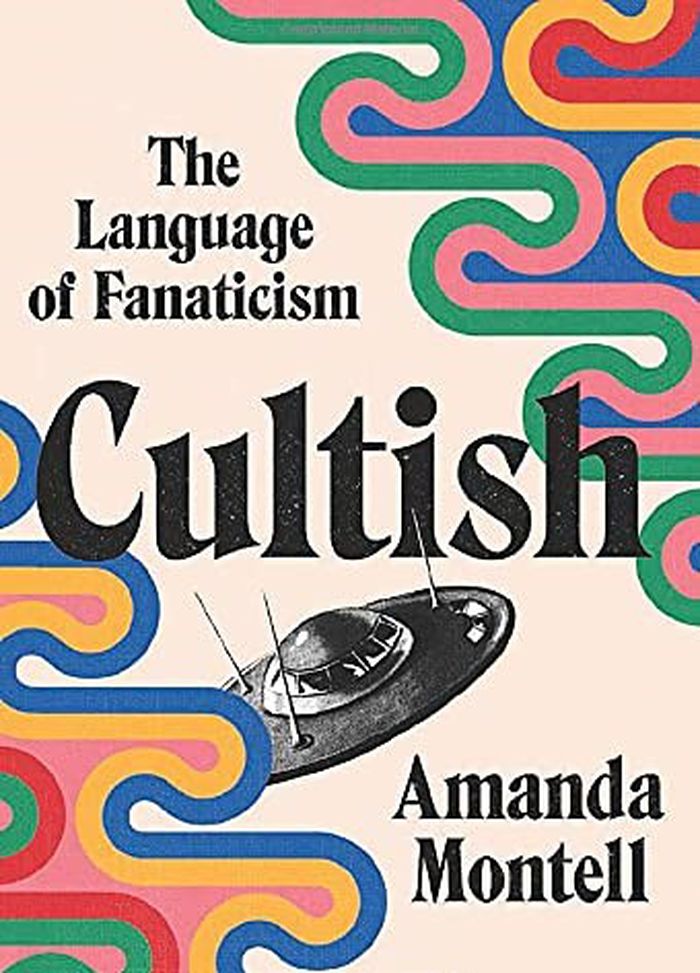
What makes 'cults' so intriguing and frightening? What makes them powerful? The reason why so many of us binge Manson documentaries by the dozen and fall down rabbit holes researching suburban moms gone QAnon is because we’re looking for a satisfying explanation for what causes people to join — and more importantly, stay in — extreme groups. In 'Cultish', Amanda Montell argues that the key to manufacturing intense ideology, community, and us/them attitudes all comes down to language. In both positive ways and shadowy ones, cultish language is something we hear —and are influenced by — every single day. Through juicy storytelling and cutting original research, Montell exposes the verbal elements that make a wide spectrum of communities 'cultish,' revealing how they affect followers of groups as notorious as Heaven’s Gate, but also how they pervade our modern start-ups, Peloton leaderboards, and Instagram feeds.
Cultish: the language of fanaticism
Actions:
Price:
$34.99
(available to order)
Summary:
What makes 'cults' so intriguing and frightening? What makes them powerful? The reason why so many of us binge Manson documentaries by the dozen and fall down rabbit holes researching suburban moms gone QAnon is because we’re looking for a satisfying explanation for what causes people to join — and more importantly, stay in — extreme groups. In 'Cultish', Amanda Montell argues that the key to manufacturing intense ideology, community, and us/them attitudes all comes down to language. In both positive ways and shadowy ones, cultish language is something we hear —and are influenced by — every single day. Through juicy storytelling and cutting original research, Montell exposes the verbal elements that make a wide spectrum of communities 'cultish,' revealing how they affect followers of groups as notorious as Heaven’s Gate, but also how they pervade our modern start-ups, Peloton leaderboards, and Instagram feeds.
Form:
books
books
Publication:
June 2021
June 2021
Subject:
Social
Social


