


10586 Results
Form:
books
books
Actions:
Price:
$19.99
(available to order)
Summary:
The work of Robert Venturi, Tod Williams, Thomas Phifer, and Paul Lewis.
$19.99
(available to order)
Summary:
The work of Robert Venturi, Tod Williams, Thomas Phifer, and Paul Lewis.
Title:
Rome sojourn: four architects
Actions:
Price:
$19.99
(available to order)
Summary:
The work of Robert Venturi, Tod Williams, Thomas Phifer, and Paul Lewis.
Rome sojourn: four architects
Actions:
Price:
$19.99
(available to order)
Summary:
The work of Robert Venturi, Tod Williams, Thomas Phifer, and Paul Lewis.
Form:
books
books
Publication:
October 2008, Austin
October 2008, Austin
Subject:
Architectural Theory
Architectural Theory
Form:
books
books
Title:
Faire école (ou la refaire?)
Faire école (ou la refaire?)
Actions:
(available to order)
Summary:
Transmettre, créer : deux termes qui, dans quelque ordre qu'on les mette, résument l'équation que toute école d'art est amenée à résoudre. Un défi que cette édition revue et fortement augmentée de Faire école (1992) – un ouvrage qui n'a rien perdu de son acuité et de son actualité – pense à partir de la longue expérience de son auteur dans l'enseignement artistique.(...)
Title:
Faire école (ou la refaire?)
Actions:
(available to order)
Summary:
Transmettre, créer : deux termes qui, dans quelque ordre qu'on les mette, résument l'équation que toute école d'art est amenée à résoudre. Un défi que cette édition revue et fortement augmentée de Faire école (1992) – un ouvrage qui n'a rien perdu de son acuité et de son actualité – pense à partir de la longue expérience de son auteur dans l'enseignement artistique. Depuis la création de l'Erg (École de recherches graphiques) en 1972, à Bruxelles, qui est ici analysée pour la première fois, jusqu'aux expériences récentes menées à l'Institut Saint-Lucas de Gand, en passant par le projet de création de l'École des beaux-arts de la Ville de Paris, brutalement interrompu en 1993, Thierry de Duve n'a cessé de militer pour des réformes de fond dans la manière de former les artistes plasticiens. Ce livre véritablement écrit analyse la transmission comme condition de la création non seulement sous l'angle de la pratique mais aussi sous celui de l'histoire. Ainsi trouvera-t-on dans ce volume l'esquisse d'une généalogie des avant-gardes articulée sur les rapports entre les artistes et le prince (Allemagne) ou la puissance publique (France), d'où l'auteur dégage deux modèles de légitimation franchement opposés – un contraste dont le pouvoir de provocation devrait de toute évidence faire débat.
Faire école (ou la refaire?)
Actions:
(available to order)
Summary:
Transmettre, créer : deux termes qui, dans quelque ordre qu'on les mette, résument l'équation que toute école d'art est amenée à résoudre. Un défi que cette édition revue et fortement augmentée de Faire école (1992) – un ouvrage qui n'a rien perdu de son acuité et de son actualité – pense à partir de la longue expérience de son auteur dans l'enseignement artistique. Depuis la création de l'Erg (École de recherches graphiques) en 1972, à Bruxelles, qui est ici analysée pour la première fois, jusqu'aux expériences récentes menées à l'Institut Saint-Lucas de Gand, en passant par le projet de création de l'École des beaux-arts de la Ville de Paris, brutalement interrompu en 1993, Thierry de Duve n'a cessé de militer pour des réformes de fond dans la manière de former les artistes plasticiens. Ce livre véritablement écrit analyse la transmission comme condition de la création non seulement sous l'angle de la pratique mais aussi sous celui de l'histoire. Ainsi trouvera-t-on dans ce volume l'esquisse d'une généalogie des avant-gardes articulée sur les rapports entre les artistes et le prince (Allemagne) ou la puissance publique (France), d'où l'auteur dégage deux modèles de légitimation franchement opposés – un contraste dont le pouvoir de provocation devrait de toute évidence faire débat.
Form:
books
books
Publication:
January 2009
January 2009
Subject:
Art Theory
Art Theory
Form:
books
books
Actions:
Price:
$17.50
(available to order)
Summary:
When Witold Rybczynski first heard about New Daleville, it was only a developer's idea, attached to ninety acres of cornfield an hour and a half west of Philadelphia. Over the course of five years, Rybczynski met and talked to everyone involved in the building of this residential subdivision -- from the developers to the township leaders, whose approval they needed, to(...)
$17.50
(available to order)
Summary:
When Witold Rybczynski first heard about New Daleville, it was only a developer's idea, attached to ninety acres of cornfield an hour and a half west of Philadelphia. Over the course of five years, Rybczynski met and talked to everyone involved in the building of this residential subdivision -- from the developers to the township leaders, whose approval they needed, to(...)
Subject:
Urban Theory
Urban Theory
Publication:
January 2007, New York, London, Toronto, Sydney
January 2007, New York, London, Toronto, Sydney
Title:
Last harvest from cornfield to new town
Actions:
Price:
$17.50
(available to order)
Summary:
When Witold Rybczynski first heard about New Daleville, it was only a developer's idea, attached to ninety acres of cornfield an hour and a half west of Philadelphia. Over the course of five years, Rybczynski met and talked to everyone involved in the building of this residential subdivision -- from the developers to the township leaders, whose approval they needed, to the home builders and engineers and, ultimately, the first families who moved in.
Last harvest from cornfield to new town
Actions:
Price:
$17.50
(available to order)
Summary:
When Witold Rybczynski first heard about New Daleville, it was only a developer's idea, attached to ninety acres of cornfield an hour and a half west of Philadelphia. Over the course of five years, Rybczynski met and talked to everyone involved in the building of this residential subdivision -- from the developers to the township leaders, whose approval they needed, to the home builders and engineers and, ultimately, the first families who moved in.
Form:
books
books
Publication:
January 2007, New York, London, Toronto, Sydney
January 2007, New York, London, Toronto, Sydney
Subject:
Urban Theory
Urban Theory
Form:
books
books

Price:
$17.50
(available to order)
Summary:
In this sweeping cultural history, the author traces the development of American cities and city life from the early colonial settlements to the new downtowns of skyscrapers and department stores. As he reflects on the changes wrought by the train, the automobiles, the telephone, and other social and technological developments, Rybczynski reveals how urban and suburban(...)
$17.50
(available to order)
Summary:
In this sweeping cultural history, the author traces the development of American cities and city life from the early colonial settlements to the new downtowns of skyscrapers and department stores. As he reflects on the changes wrought by the train, the automobiles, the telephone, and other social and technological developments, Rybczynski reveals how urban and suburban(...)
Title:
City life
Actions:
Price:
$17.50
(available to order)
Summary:
In this sweeping cultural history, the author traces the development of American cities and city life from the early colonial settlements to the new downtowns of skyscrapers and department stores. As he reflects on the changes wrought by the train, the automobiles, the telephone, and other social and technological developments, Rybczynski reveals how urban and suburban spaces have been shaped by the landscapes and lifestyles of New World.
City life
Actions:
Price:
$17.50
(available to order)
Summary:
In this sweeping cultural history, the author traces the development of American cities and city life from the early colonial settlements to the new downtowns of skyscrapers and department stores. As he reflects on the changes wrought by the train, the automobiles, the telephone, and other social and technological developments, Rybczynski reveals how urban and suburban spaces have been shaped by the landscapes and lifestyles of New World.
Form:
books
books
Publication:
January 1995, New York
January 1995, New York
Subject:
Urban Theory
Urban Theory
Form:
books
books
Actions:
Price:
$44.95
(available to order)
Summary:
What makes an architect tick? What is the state of architecture today? How do architects view each other's work? No one can answer these questions better than the practitioners themselves. Here such distinguished figures as Cecil Balmond, Norman Foster, Frank Gehry, Zaha Hadid, Philip Johnson, Rem Koolhaas, Daniel Libeskind, I. M. Pei, and others offer a wide-ranging(...)
$44.95
(available to order)
Summary:
What makes an architect tick? What is the state of architecture today? How do architects view each other's work? No one can answer these questions better than the practitioners themselves. Here such distinguished figures as Cecil Balmond, Norman Foster, Frank Gehry, Zaha Hadid, Philip Johnson, Rem Koolhaas, Daniel Libeskind, I. M. Pei, and others offer a wide-ranging(...)
Title:
Talking architecture: interviews with architects
Actions:
Price:
$44.95
(available to order)
Summary:
What makes an architect tick? What is the state of architecture today? How do architects view each other's work? No one can answer these questions better than the practitioners themselves. Here such distinguished figures as Cecil Balmond, Norman Foster, Frank Gehry, Zaha Hadid, Philip Johnson, Rem Koolhaas, Daniel Libeskind, I. M. Pei, and others offer a wide-ranging assortment of perspectives on contemporary architecture and the architects' roles in shaping the state of the art today. Each interview focuses on the unique contributions of its subject, and is accompanied by images of their most important works.
Talking architecture: interviews with architects
Actions:
Price:
$44.95
(available to order)
Summary:
What makes an architect tick? What is the state of architecture today? How do architects view each other's work? No one can answer these questions better than the practitioners themselves. Here such distinguished figures as Cecil Balmond, Norman Foster, Frank Gehry, Zaha Hadid, Philip Johnson, Rem Koolhaas, Daniel Libeskind, I. M. Pei, and others offer a wide-ranging assortment of perspectives on contemporary architecture and the architects' roles in shaping the state of the art today. Each interview focuses on the unique contributions of its subject, and is accompanied by images of their most important works.
Form:
books
books
Publication:
October 2008
October 2008
Subject:
Architectural Theory
Architectural Theory
Form:
books
books
Actions:
Price:
$39.95
(available to order)
Summary:
Voilà minutieusement reconstituée la tradition anti-urbaine aux États-Unis, depuis les premières communautés cherchant une alternative aux formes traditionnelles de regroupement en agglomération.
$39.95
(available to order)
Summary:
Voilà minutieusement reconstituée la tradition anti-urbaine aux États-Unis, depuis les premières communautés cherchant une alternative aux formes traditionnelles de regroupement en agglomération.
Title:
Usonia, ou le mythe de la ville-nature américaine
Actions:
Price:
$39.95
(available to order)
Summary:
Voilà minutieusement reconstituée la tradition anti-urbaine aux États-Unis, depuis les premières communautés cherchant une alternative aux formes traditionnelles de regroupement en agglomération.
Usonia, ou le mythe de la ville-nature américaine
Actions:
Price:
$39.95
(available to order)
Summary:
Voilà minutieusement reconstituée la tradition anti-urbaine aux États-Unis, depuis les premières communautés cherchant une alternative aux formes traditionnelles de regroupement en agglomération.
Form:
books
books
Publication:
December 2008, Paris
December 2008, Paris
Subject:
Urban Theory
Urban Theory
Form:
books
books
Actions:
Price:
$25.95
(available to order)
Summary:
Italo Calvino cast his lofty thoughts toward the pending millennium long before the rest of us. Now that the zeitgeist has caught up with him, it seems a good time to revisit his Six Memos for the Next Millennium, an investigation into the literary values that he wished to bequeath to future generations.
$25.95
(available to order)
Summary:
Italo Calvino cast his lofty thoughts toward the pending millennium long before the rest of us. Now that the zeitgeist has caught up with him, it seems a good time to revisit his Six Memos for the Next Millennium, an investigation into the literary values that he wished to bequeath to future generations.
Title:
Six memos for the next millennium
Actions:
Price:
$25.95
(available to order)
Summary:
Italo Calvino cast his lofty thoughts toward the pending millennium long before the rest of us. Now that the zeitgeist has caught up with him, it seems a good time to revisit his Six Memos for the Next Millennium, an investigation into the literary values that he wished to bequeath to future generations.
Six memos for the next millennium
Actions:
Price:
$25.95
(available to order)
Summary:
Italo Calvino cast his lofty thoughts toward the pending millennium long before the rest of us. Now that the zeitgeist has caught up with him, it seems a good time to revisit his Six Memos for the Next Millennium, an investigation into the literary values that he wished to bequeath to future generations.
Form:
books
books
Publication:
March 1988, Cambridge
March 1988, Cambridge
Subject:
Architectural Theory
Architectural Theory
Form:
books
books
Price:
$36.00
(available to order)
Summary:
During the past several decades, contemporary artists have asked critical questions about the way in which history is constructed through images, particularly those that are disseminated by the mass media. As the media has increasingly assumed the role of historiographer, there is a danger of losing the diversity of our historical narratives. Add to this the globalization(...)
$36.00
(available to order)
Summary:
During the past several decades, contemporary artists have asked critical questions about the way in which history is constructed through images, particularly those that are disseminated by the mass media. As the media has increasingly assumed the role of historiographer, there is a danger of losing the diversity of our historical narratives. Add to this the globalization(...)
Subject:
Art Theory
Art Theory
Publication:
March 2009, Rotterdam
March 2009, Rotterdam
Title:
Reflect # 07: questioning history: imagining the past in contemporary art
Actions:
Price:
$36.00
(available to order)
Summary:
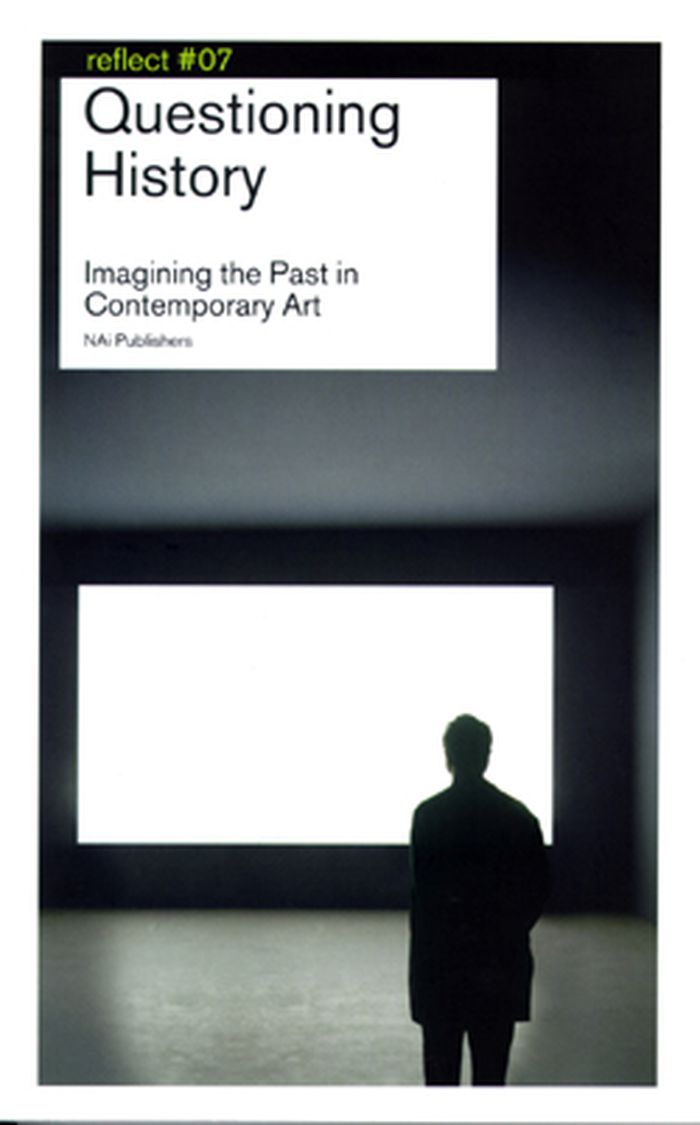
During the past several decades, contemporary artists have asked critical questions about the way in which history is constructed through images, particularly those that are disseminated by the mass media. As the media has increasingly assumed the role of historiographer, there is a danger of losing the diversity of our historical narratives. Add to this the globalization of our culture, and we are faced with a potential dulling of our collective historical awareness. In Questioning History, editors Frank van der Stok, Frits Gierstberg and Flip Bool focus on different ways in which contemporary visual artists, photographers and filmmakers have constructed historical narratives through images and offer a selection of essays that examine artists' innovative challenges to prevailing historical narratives.
Reflect # 07: questioning history: imagining the past in contemporary art
Actions:
Price:
$36.00
(available to order)
Summary:
During the past several decades, contemporary artists have asked critical questions about the way in which history is constructed through images, particularly those that are disseminated by the mass media. As the media has increasingly assumed the role of historiographer, there is a danger of losing the diversity of our historical narratives. Add to this the globalization of our culture, and we are faced with a potential dulling of our collective historical awareness. In Questioning History, editors Frank van der Stok, Frits Gierstberg and Flip Bool focus on different ways in which contemporary visual artists, photographers and filmmakers have constructed historical narratives through images and offer a selection of essays that examine artists' innovative challenges to prevailing historical narratives.
Form:
books
books
Publication:
March 2009, Rotterdam
March 2009, Rotterdam
Subject:
Art Theory
Art Theory
Form:
books
books
Price:
$32.95
(available to order)
Summary:
How do you get from here to there? Where is there? Psychologist Colin Ellard demonstrates that navigating through space is both complex and utterly fascinating. Beginning with the neurological and muscular coordination involved in the simple act of reaching for an object, he then investigates our interaction with space--how near and distant landmarks, for example, are(...)
$32.95
(available to order)
Summary:
How do you get from here to there? Where is there? Psychologist Colin Ellard demonstrates that navigating through space is both complex and utterly fascinating. Beginning with the neurological and muscular coordination involved in the simple act of reaching for an object, he then investigates our interaction with space--how near and distant landmarks, for example, are(...)
Title:
Where am I? why we can find our way to the moon but get lost in the mall
Actions:
Price:
$32.95
(available to order)
Summary:
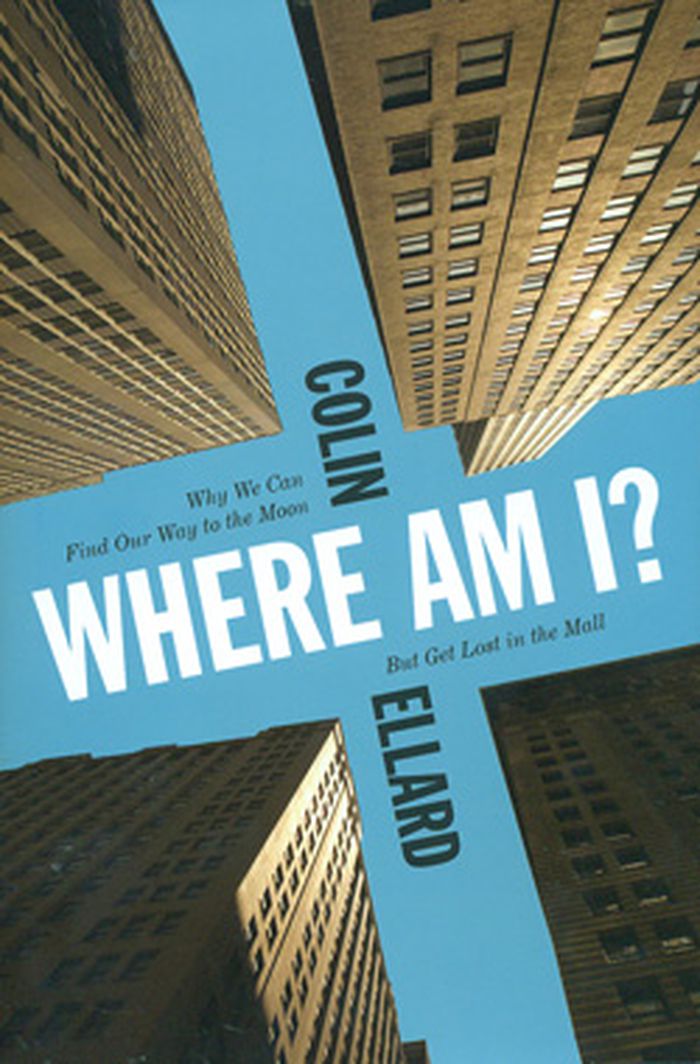
How do you get from here to there? Where is there? Psychologist Colin Ellard demonstrates that navigating through space is both complex and utterly fascinating. Beginning with the neurological and muscular coordination involved in the simple act of reaching for an object, he then investigates our interaction with space--how near and distant landmarks, for example, are used differently in navigation. From the complex behaviour of insects to the epic journeys of sea turtles, from the subtle knowledge of the environment demonstrated by such famed navigators as the Inuit and South Pacific sailors to the conceptual worlds of cyberspace, Where Am I? reveals just how deeply our unique relationship with space defines what it means to be human.
Where am I? why we can find our way to the moon but get lost in the mall
Actions:
Price:
$32.95
(available to order)
Summary:
How do you get from here to there? Where is there? Psychologist Colin Ellard demonstrates that navigating through space is both complex and utterly fascinating. Beginning with the neurological and muscular coordination involved in the simple act of reaching for an object, he then investigates our interaction with space--how near and distant landmarks, for example, are used differently in navigation. From the complex behaviour of insects to the epic journeys of sea turtles, from the subtle knowledge of the environment demonstrated by such famed navigators as the Inuit and South Pacific sailors to the conceptual worlds of cyberspace, Where Am I? reveals just how deeply our unique relationship with space defines what it means to be human.
Form:
books
books
Publication:
April 2009, Toronto
April 2009, Toronto
Subject:
Architectural Theory
Architectural Theory
Form:
books
books
Actions:
Price:
$34.99
(available to order)
Summary:
In an era when technology, biology, and culture are becoming ever more closely connected, The Dada Cyborg explains how the cyborg as we know it today actually developed between 1918 and 1933 when German artists gave visual form to their utopian hopes and fantasies in a fearful response to World War I. In what could be termed a prehistory of the posthuman, Matthew Biro(...)
$34.99
(available to order)
Summary:
In an era when technology, biology, and culture are becoming ever more closely connected, The Dada Cyborg explains how the cyborg as we know it today actually developed between 1918 and 1933 when German artists gave visual form to their utopian hopes and fantasies in a fearful response to World War I. In what could be termed a prehistory of the posthuman, Matthew Biro(...)
Title:
The Dada cyborg: vision of the new human in Weimar Berlin
Actions:
Price:
$34.99
(available to order)
Summary:
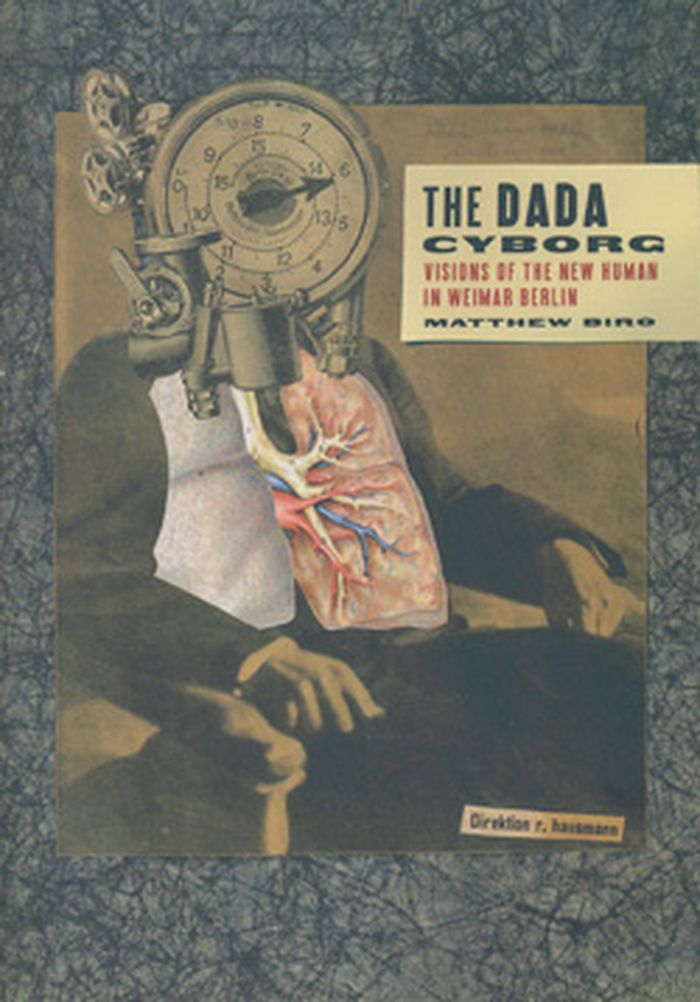
In an era when technology, biology, and culture are becoming ever more closely connected, The Dada Cyborg explains how the cyborg as we know it today actually developed between 1918 and 1933 when German artists gave visual form to their utopian hopes and fantasies in a fearful response to World War I. In what could be termed a prehistory of the posthuman, Matthew Biro shows the ways in which new forms of human existence were imagined in Germany between the two world wars through depictions of cyborgs. Examining the work of Hannah Höch, Raoul Hausmann, George Grosz, John Heartfield, Otto Dix, and Rudolf Schlichter, he reveals an innovative interpretation of the cyborg as a representative of hybrid identity, as well as a locus of new modes of awareness created by the impact of technology on human perception. Tracing the prevalence of cyborgs in German avant-garde art, Biro demonstrates how vision, hearing, touch, and embodiment were beginning to be reconceived during the Weimar Republic. Biro’s unique and interdisciplinary analysis offers a substantially new account of the Berlin Dada movement, one that integrates the group’s poetic, theoretical, and performative practices with its famous visual strategies of photomontage, assemblage, and mixed-media painting to reveal radical images of a “new human.”
The Dada cyborg: vision of the new human in Weimar Berlin
Actions:
Price:
$34.99
(available to order)
Summary:
In an era when technology, biology, and culture are becoming ever more closely connected, The Dada Cyborg explains how the cyborg as we know it today actually developed between 1918 and 1933 when German artists gave visual form to their utopian hopes and fantasies in a fearful response to World War I. In what could be termed a prehistory of the posthuman, Matthew Biro shows the ways in which new forms of human existence were imagined in Germany between the two world wars through depictions of cyborgs. Examining the work of Hannah Höch, Raoul Hausmann, George Grosz, John Heartfield, Otto Dix, and Rudolf Schlichter, he reveals an innovative interpretation of the cyborg as a representative of hybrid identity, as well as a locus of new modes of awareness created by the impact of technology on human perception. Tracing the prevalence of cyborgs in German avant-garde art, Biro demonstrates how vision, hearing, touch, and embodiment were beginning to be reconceived during the Weimar Republic. Biro’s unique and interdisciplinary analysis offers a substantially new account of the Berlin Dada movement, one that integrates the group’s poetic, theoretical, and performative practices with its famous visual strategies of photomontage, assemblage, and mixed-media painting to reveal radical images of a “new human.”
Form:
books
books
Publication:
May 2009
May 2009
Subject:
Art Theory
Art Theory


