


5813 Results
Form:
books
books
Title:
Yayoi Kusama
Yayoi Kusama
Actions:
Price:
$49.95
(available to order)
Summary:
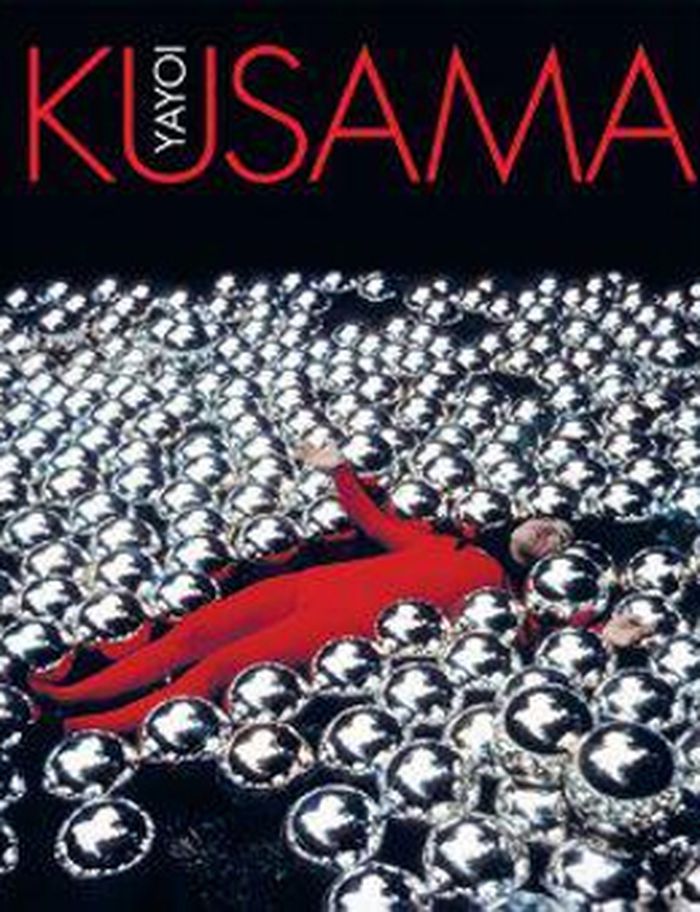
Accompanying the first major retrospective exhibition of the artist's work in the U.S., this volume features a wealth of works from all periods in Kusama's career, as well as essays by various international curators and critics, discussing Kusama's years in New York, her career after her return to Japan, her installation works and the psychoanalytic import of her art.
$49.95
(available to order)
Summary:
Accompanying the first major retrospective exhibition of the artist's work in the U.S., this volume features a wealth of works from all periods in Kusama's career, as well as essays by various international curators and critics, discussing Kusama's years in New York, her career after her return to Japan, her installation works and the psychoanalytic import of her art.
Title:
Yayoi Kusama
Actions:
Price:
$49.95
(available to order)
Summary:
Accompanying the first major retrospective exhibition of the artist's work in the U.S., this volume features a wealth of works from all periods in Kusama's career, as well as essays by various international curators and critics, discussing Kusama's years in New York, her career after her return to Japan, her installation works and the psychoanalytic import of her art.
Yayoi Kusama
Actions:
Price:
$49.95
(available to order)
Summary:
Accompanying the first major retrospective exhibition of the artist's work in the U.S., this volume features a wealth of works from all periods in Kusama's career, as well as essays by various international curators and critics, discussing Kusama's years in New York, her career after her return to Japan, her installation works and the psychoanalytic import of her art.
Form:
books
books
Publication:
March 2012
March 2012
Subject:
Contemporary Art Monographs
Contemporary Art Monographs
Form:
books
books
Title:
Arne Jacobsen
Arne Jacobsen
Actions:
Price:
$110.00
(available to order)
Summary:
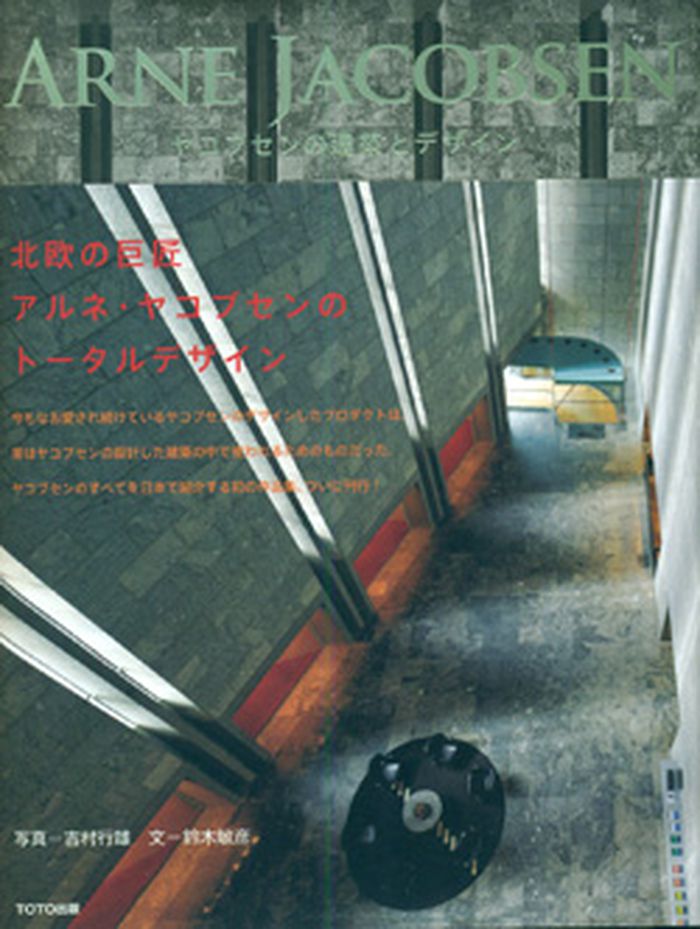
This is the first monograph published in Japan to contain the works of Arne Jacobsen, the celebrated Danish architect and designer. Numerous new photographs by Yukio Yoshimura were specially made for this publication, which includes such notable works by Jacobsen as the Sollerod and Aarhus city halls, St Catherine’s College, Rodovre Library and the Bellavista housing complex.
$110.00
(available to order)
Summary:
This is the first monograph published in Japan to contain the works of Arne Jacobsen, the celebrated Danish architect and designer. Numerous new photographs by Yukio Yoshimura were specially made for this publication, which includes such notable works by Jacobsen as the Sollerod and Aarhus city halls, St Catherine’s College, Rodovre Library and the Bellavista housing complex.
Title:
Arne Jacobsen
Actions:
Price:
$110.00
(available to order)
Summary:
This is the first monograph published in Japan to contain the works of Arne Jacobsen, the celebrated Danish architect and designer. Numerous new photographs by Yukio Yoshimura were specially made for this publication, which includes such notable works by Jacobsen as the Sollerod and Aarhus city halls, St Catherine’s College, Rodovre Library and the Bellavista housing complex.
Arne Jacobsen
Actions:
Price:
$110.00
(available to order)
Summary:
This is the first monograph published in Japan to contain the works of Arne Jacobsen, the celebrated Danish architect and designer. Numerous new photographs by Yukio Yoshimura were specially made for this publication, which includes such notable works by Jacobsen as the Sollerod and Aarhus city halls, St Catherine’s College, Rodovre Library and the Bellavista housing complex.
Form:
books
books
Publication:
July 2014
July 2014
Subject:
Architecture Monographs
Architecture Monographs
Form:
books
books
Actions:
Subject:
Publication:
End of Medium 2025
End of Medium 2025
Form:
books
books
Publication:
End of Medium 2025
End of Medium 2025
Subject:
Form:
books
books
Actions:
Price:
$65.00
(available to order)
Summary:
Kazuo Shinohara’s (1925–2006) book Residential Architecture is considered one of the most significant pieces of writing on Japanese architecture of the late twentieth century. First published in Japan in 1964 as Jutaku kenchiku, the book was mandatory reading for generations of students of architecture in Japan and has deeply influenced many of the best-known Japanese(...)
$65.00
(available to order)
Summary:
Kazuo Shinohara’s (1925–2006) book Residential Architecture is considered one of the most significant pieces of writing on Japanese architecture of the late twentieth century. First published in Japan in 1964 as Jutaku kenchiku, the book was mandatory reading for generations of students of architecture in Japan and has deeply influenced many of the best-known Japanese(...)
Subject:
Architectural Theory
Architectural Theory
Publication:
May 2026
May 2026
Title:
Residential architecture: Kazuo Shinohara
Actions:
Price:
$65.00
(available to order)
Summary:
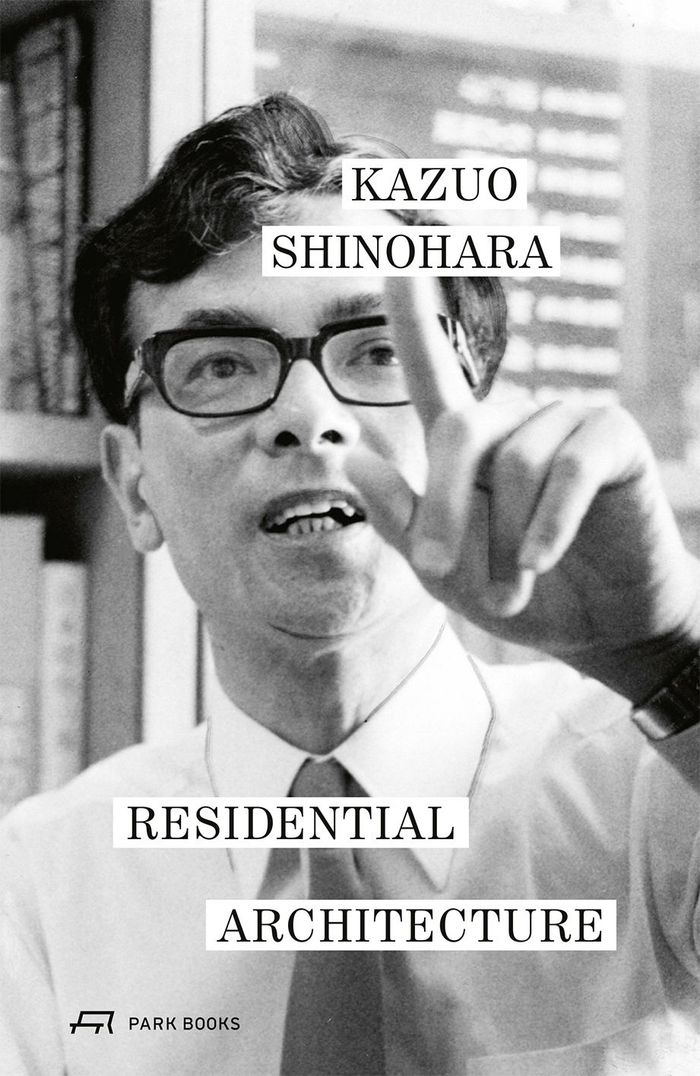
Kazuo Shinohara’s (1925–2006) book Residential Architecture is considered one of the most significant pieces of writing on Japanese architecture of the late twentieth century. First published in Japan in 1964 as Jutaku kenchiku, the book was mandatory reading for generations of students of architecture in Japan and has deeply influenced many of the best-known Japanese designers, such as Toyo Ito, Kazuyo Sejima, Ryue Nishizawa, and others. Translated by architectural historian David B. Stewart (1942–2025) and architects Shin-ichi Okuyama (born 1961) and Kenichi Nakamura (born 1958), Shinohara’s reflections on housing are available in English for the first time, making multifaceted insights into the fundamentals of his outstanding work accessible to a global audience. In the first of three chapters, Shinohara writes about traditional Japanese architecture, thus explaining the foundation of his theory and practice, followed by a description of his design method, which he further illustrates through the examples of his first seven designs for homes.
Residential architecture: Kazuo Shinohara
Actions:
Price:
$65.00
(available to order)
Summary:
Kazuo Shinohara’s (1925–2006) book Residential Architecture is considered one of the most significant pieces of writing on Japanese architecture of the late twentieth century. First published in Japan in 1964 as Jutaku kenchiku, the book was mandatory reading for generations of students of architecture in Japan and has deeply influenced many of the best-known Japanese designers, such as Toyo Ito, Kazuyo Sejima, Ryue Nishizawa, and others. Translated by architectural historian David B. Stewart (1942–2025) and architects Shin-ichi Okuyama (born 1961) and Kenichi Nakamura (born 1958), Shinohara’s reflections on housing are available in English for the first time, making multifaceted insights into the fundamentals of his outstanding work accessible to a global audience. In the first of three chapters, Shinohara writes about traditional Japanese architecture, thus explaining the foundation of his theory and practice, followed by a description of his design method, which he further illustrates through the examples of his first seven designs for homes.
Form:
books
books
Publication:
May 2026
May 2026
Subject:
Architectural Theory
Architectural Theory
Form:
books
books
Actions:
Price:
$69.95
(available to order)
Summary:
Built in Tokyo in 1961, the Umbrella House is the smallest residential home created by Japanese architect and mathematician Kazuo Shinohara. More than 60 years later, a stroke of good fortune made it possible to save the Umbrella House from demolition and move it to a new location, where it now stands on the Vitra Campus in Weil am Rhein, Germany. The wooden house’s(...)
$69.95
(available to order)
Summary:
Built in Tokyo in 1961, the Umbrella House is the smallest residential home created by Japanese architect and mathematician Kazuo Shinohara. More than 60 years later, a stroke of good fortune made it possible to save the Umbrella House from demolition and move it to a new location, where it now stands on the Vitra Campus in Weil am Rhein, Germany. The wooden house’s(...)
Subject:
Architecture Monographs
Architecture Monographs
Publication:
February 2023
February 2023
Title:
Kazuo Shinohara: The Umbrella House Project
Actions:
Price:
$69.95
(available to order)
Summary:
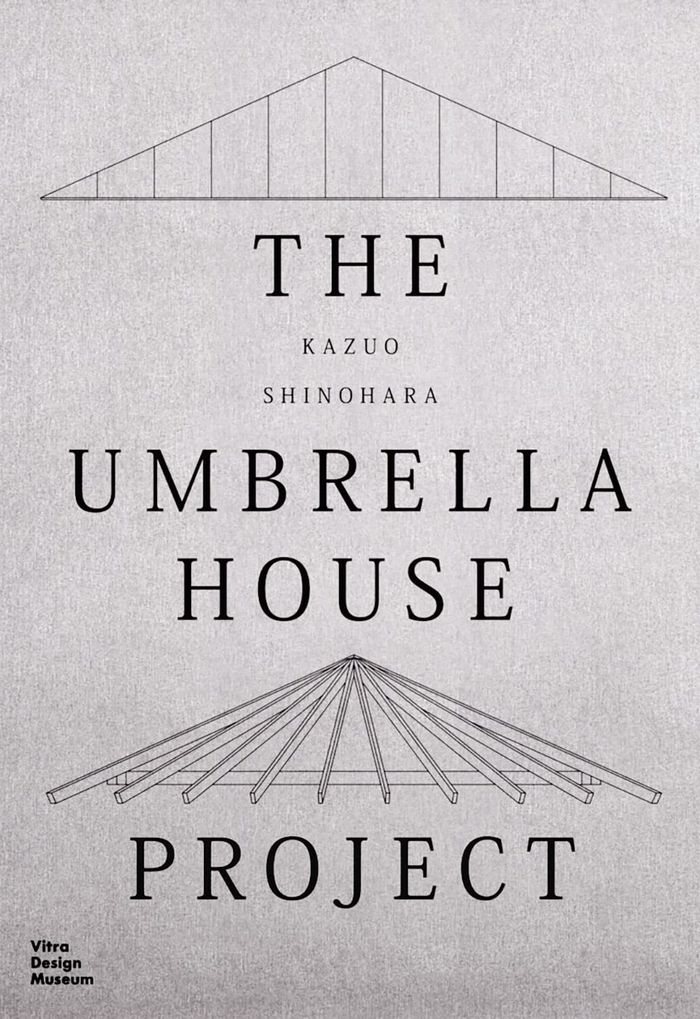
Built in Tokyo in 1961, the Umbrella House is the smallest residential home created by Japanese architect and mathematician Kazuo Shinohara. More than 60 years later, a stroke of good fortune made it possible to save the Umbrella House from demolition and move it to a new location, where it now stands on the Vitra Campus in Weil am Rhein, Germany. The wooden house’s post-and-beam construction references traditional Japanese domestic and temple architecture. Experts from Japan and Europe supervised the dismantling of the house in Tokyo and its reassembly in Weil am Rhein. This concise volume traces the long journey of the Umbrella House, in illustrations including impressions from 1960s Japan, architectural designs and plans, and photographs documenting its dismantling and reassembly at its new location. Texts by Ryue Nishizawa (SANAA), Shin-ichi Okuyama and David B. Stewart discuss the Umbrella House against the background of Japanese architectural discourse between 1960 and the present.
Kazuo Shinohara: The Umbrella House Project
Actions:
Price:
$69.95
(available to order)
Summary:
Built in Tokyo in 1961, the Umbrella House is the smallest residential home created by Japanese architect and mathematician Kazuo Shinohara. More than 60 years later, a stroke of good fortune made it possible to save the Umbrella House from demolition and move it to a new location, where it now stands on the Vitra Campus in Weil am Rhein, Germany. The wooden house’s post-and-beam construction references traditional Japanese domestic and temple architecture. Experts from Japan and Europe supervised the dismantling of the house in Tokyo and its reassembly in Weil am Rhein. This concise volume traces the long journey of the Umbrella House, in illustrations including impressions from 1960s Japan, architectural designs and plans, and photographs documenting its dismantling and reassembly at its new location. Texts by Ryue Nishizawa (SANAA), Shin-ichi Okuyama and David B. Stewart discuss the Umbrella House against the background of Japanese architectural discourse between 1960 and the present.
Form:
books
books
Publication:
February 2023
February 2023
Subject:
Architecture Monographs
Architecture Monographs
Form:
books
books
Actions:
Price:
$36.00
(available to order)
Summary:
This book documents and exhibition of contemporary Japanese artists who are active at the cutting edge of the global fiber-art movement, transforming fabrics into sculptures, pictures, emulations of nature, or even abstract meditations on memory and identity. The materials they use range from silk, cotton, recycled cocoons, antique paper scraps, jute, and hemp to(...)
$36.00
(available to order)
Summary:
This book documents and exhibition of contemporary Japanese artists who are active at the cutting edge of the global fiber-art movement, transforming fabrics into sculptures, pictures, emulations of nature, or even abstract meditations on memory and identity. The materials they use range from silk, cotton, recycled cocoons, antique paper scraps, jute, and hemp to(...)
Publication:
October 2011
October 2011
Title:
Fiber futures: Japan's textile pioneers
Actions:
Price:
$36.00
(available to order)
Summary:
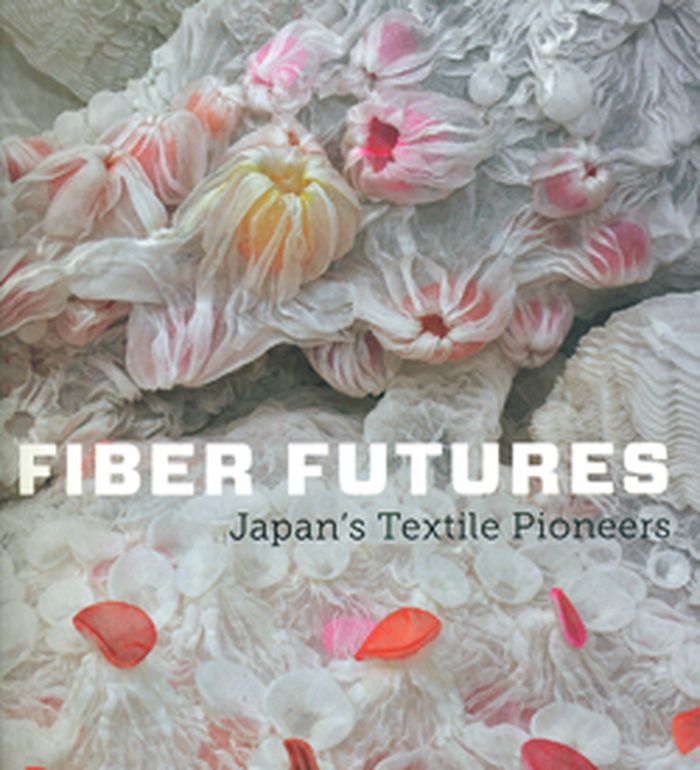
This book documents and exhibition of contemporary Japanese artists who are active at the cutting edge of the global fiber-art movement, transforming fabrics into sculptures, pictures, emulations of nature, or even abstract meditations on memory and identity. The materials they use range from silk, cotton, recycled cocoons, antique paper scraps, jute, and hemp to stainless-steel wire and synthetic fiber. Their methods are sometimes traditional, but can also incorporate the latest weaving and dyeing technology, often with the goal of expressing an environmentally conscious green ethic. The thirty artists were selected for "Fiber Futures: Japan's Textile Pioneers," an exhibition at New York's Japan Society Gallery. Introductory essays by Hiroko Watanabe, President of International Textile Network, and Gallery Director Joe Earle provide the context for these innovative, beautiful, and sometimes challenging works of art. The catalogue section features artist statements, informative commentary, and lavish photography, much of it commissioned especially by Japan Society.
Fiber futures: Japan's textile pioneers
Actions:
Price:
$36.00
(available to order)
Summary:
This book documents and exhibition of contemporary Japanese artists who are active at the cutting edge of the global fiber-art movement, transforming fabrics into sculptures, pictures, emulations of nature, or even abstract meditations on memory and identity. The materials they use range from silk, cotton, recycled cocoons, antique paper scraps, jute, and hemp to stainless-steel wire and synthetic fiber. Their methods are sometimes traditional, but can also incorporate the latest weaving and dyeing technology, often with the goal of expressing an environmentally conscious green ethic. The thirty artists were selected for "Fiber Futures: Japan's Textile Pioneers," an exhibition at New York's Japan Society Gallery. Introductory essays by Hiroko Watanabe, President of International Textile Network, and Gallery Director Joe Earle provide the context for these innovative, beautiful, and sometimes challenging works of art. The catalogue section features artist statements, informative commentary, and lavish photography, much of it commissioned especially by Japan Society.
Form:
books
books
Publication:
October 2011
October 2011
Form:
books
books
Actions:
Price:
$59.95
(available to order)
Summary:
Invisible strings bind two countries as di- verse and as far away as Italy and Japan. Those strings are made of creativity, innovation, respect and sometimes criticism of history and tradition. One of these invisible strings is represented by architecture. Both countries have been able to be at the center of great revolutions and at the same time decided to ignore this(...)
$59.95
(available to order)
Summary:
Invisible strings bind two countries as di- verse and as far away as Italy and Japan. Those strings are made of creativity, innovation, respect and sometimes criticism of history and tradition. One of these invisible strings is represented by architecture. Both countries have been able to be at the center of great revolutions and at the same time decided to ignore this(...)
Title:
Invisible architecture: Italian and Japanese architectural movements in the 1960s and 1970s
Actions:
Price:
$59.95
(available to order)
Summary:
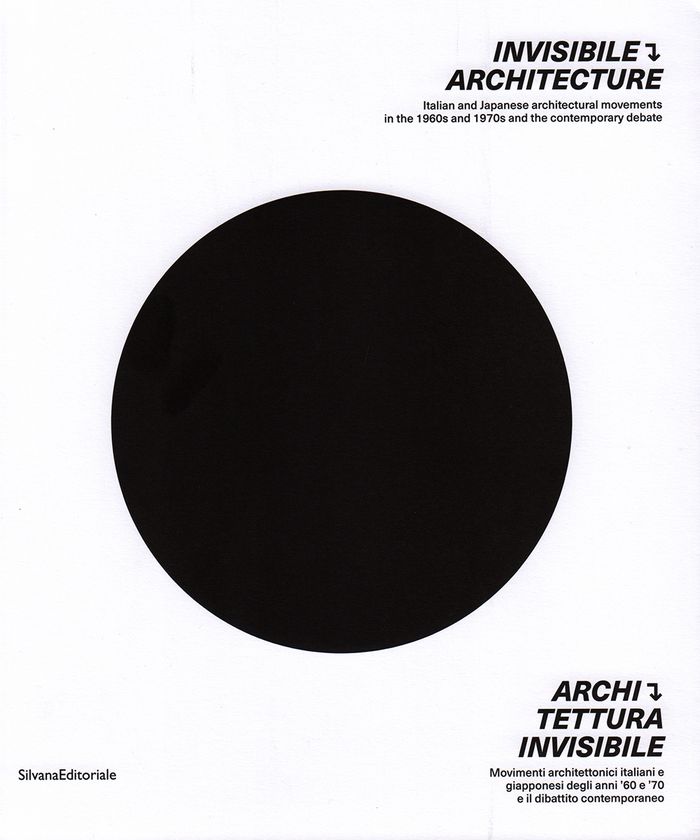
Invisible strings bind two countries as di- verse and as far away as Italy and Japan. Those strings are made of creativity, innovation, respect and sometimes criticism of history and tradition. One of these invisible strings is represented by architecture. Both countries have been able to be at the center of great revolutions and at the same time decided to ignore this capacity to create and innovate. 150 years have passed since the two countries started their relationships and just more than 50 since they were among the leaders of what has been the last global avant-garde movement in architecture with the Japanese Metabolists and the Italian Radicals. 50 years ago the two countries were in full demographic, economic and cultural expansion, and those avant-gardes well-represented the vibrant seeds of their architectural proposals. In a curious parallel, 50 years after Italy and Japan live similar cultural and economic conditions and a new generation of architects deals with the timeless themes of living and design.
Invisible architecture: Italian and Japanese architectural movements in the 1960s and 1970s
Actions:
Price:
$59.95
(available to order)
Summary:
Invisible strings bind two countries as di- verse and as far away as Italy and Japan. Those strings are made of creativity, innovation, respect and sometimes criticism of history and tradition. One of these invisible strings is represented by architecture. Both countries have been able to be at the center of great revolutions and at the same time decided to ignore this capacity to create and innovate. 150 years have passed since the two countries started their relationships and just more than 50 since they were among the leaders of what has been the last global avant-garde movement in architecture with the Japanese Metabolists and the Italian Radicals. 50 years ago the two countries were in full demographic, economic and cultural expansion, and those avant-gardes well-represented the vibrant seeds of their architectural proposals. In a curious parallel, 50 years after Italy and Japan live similar cultural and economic conditions and a new generation of architects deals with the timeless themes of living and design.
Form:
books
books
Publication:
May 2017
May 2017
Subject:
Experimentale architecture
Experimentale architecture
Form:
books
books
Title:
Shomei Tomatsu
Shomei Tomatsu
Actions:
Price:
$92.50
(available to order)
Summary:
Casting a cold eye on postwar Japan, the raw, grainy and impressionistic photography of Shomei Tomatsu practically defined Japanese photography in the second half of the 20th century, greatly influencing Daido Moriyama, Nobuyoshi Araki and Takuma Nakihara. His best-known images are his portraits of people and street scenes from the 1950s, when the country struggled to(...)
$92.50
(available to order)
Summary:
Casting a cold eye on postwar Japan, the raw, grainy and impressionistic photography of Shomei Tomatsu practically defined Japanese photography in the second half of the 20th century, greatly influencing Daido Moriyama, Nobuyoshi Araki and Takuma Nakihara. His best-known images are his portraits of people and street scenes from the 1950s, when the country struggled to(...)
Title:
Shomei Tomatsu
Actions:
Price:
$92.50
(available to order)
Summary:
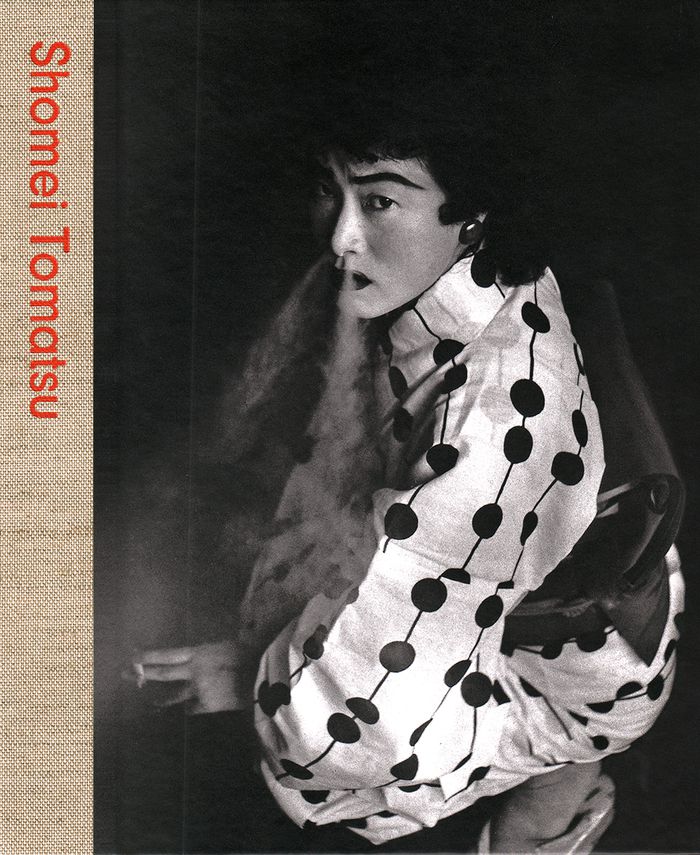
Casting a cold eye on postwar Japan, the raw, grainy and impressionistic photography of Shomei Tomatsu practically defined Japanese photography in the second half of the 20th century, greatly influencing Daido Moriyama, Nobuyoshi Araki and Takuma Nakihara. His best-known images are his portraits of people and street scenes from the 1950s, when the country struggled to recover from World War II and US military presence was ubiquitous; his photographs of 1960s Japan; and throughout his career, his images of Okinawa, where he died in 2012. Tomatsu's most famous single photograph is probably Melted Bottle, Nagasaki, 1961, which depicts a beer bottle rendered grotesquely biomorphic by the nuclear blast that devastated Nagasaki on August 9, 1945. The American photographer and writer Leo Rubinfien described Tomatsu's Nagasaki images as "sad, haggard facts," noting that "beneath the surface there was a grief so great that any overt expression of sympathy would have been an insult."
Shomei Tomatsu
Actions:
Price:
$92.50
(available to order)
Summary:
Casting a cold eye on postwar Japan, the raw, grainy and impressionistic photography of Shomei Tomatsu practically defined Japanese photography in the second half of the 20th century, greatly influencing Daido Moriyama, Nobuyoshi Araki and Takuma Nakihara. His best-known images are his portraits of people and street scenes from the 1950s, when the country struggled to recover from World War II and US military presence was ubiquitous; his photographs of 1960s Japan; and throughout his career, his images of Okinawa, where he died in 2012. Tomatsu's most famous single photograph is probably Melted Bottle, Nagasaki, 1961, which depicts a beer bottle rendered grotesquely biomorphic by the nuclear blast that devastated Nagasaki on August 9, 1945. The American photographer and writer Leo Rubinfien described Tomatsu's Nagasaki images as "sad, haggard facts," noting that "beneath the surface there was a grief so great that any overt expression of sympathy would have been an insult."
Form:
books
books
Publication:
September 2018
September 2018
Subject:
Photography monographs
Photography monographs
Form:
books
books
Title:
Eye of Yukio Futagawa
Eye of Yukio Futagawa
Actions:
Price:
$61.50
(available in store)
Summary:
The series "Eye of Yukio Futagawa," which was published in "GA JAPAN" from 2014 for three years, has been compiled into a B4-sized book on the occasion of the 10 years of his passing. This book traces the life of Futagawa Yukio, a publisher, photographer, and editor, through photographs and the voices of 17 architects, historians, and designers. Japanese only.
$61.50
(available in store)
Summary:
The series "Eye of Yukio Futagawa," which was published in "GA JAPAN" from 2014 for three years, has been compiled into a B4-sized book on the occasion of the 10 years of his passing. This book traces the life of Futagawa Yukio, a publisher, photographer, and editor, through photographs and the voices of 17 architects, historians, and designers. Japanese only.
Title:
Eye of Yukio Futagawa
Actions:
Price:
$61.50
(available in store)
Summary:
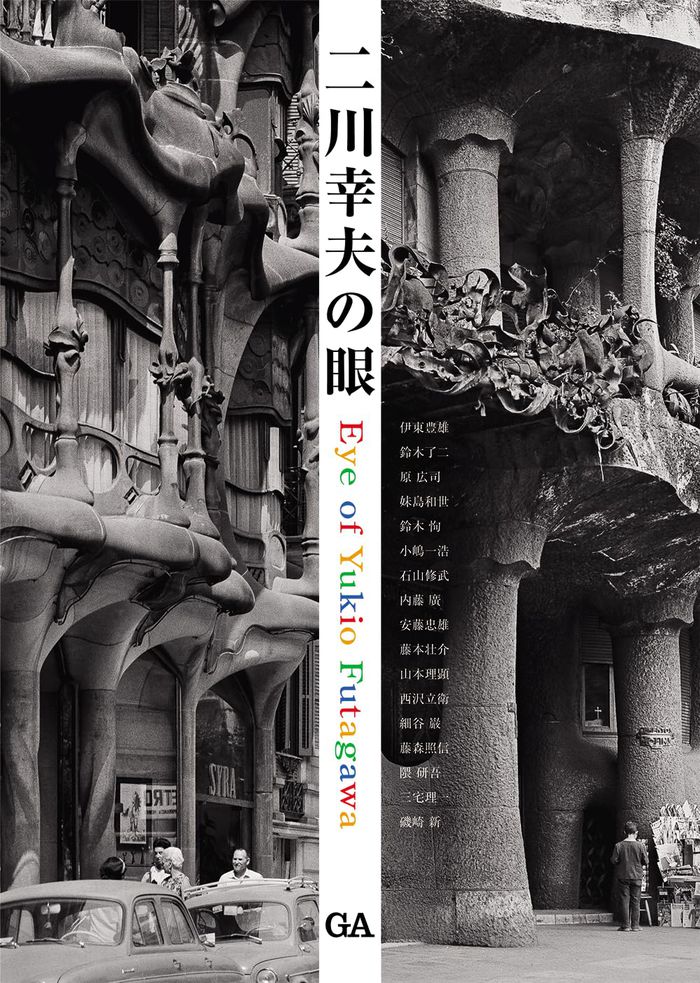
The series "Eye of Yukio Futagawa," which was published in "GA JAPAN" from 2014 for three years, has been compiled into a B4-sized book on the occasion of the 10 years of his passing. This book traces the life of Futagawa Yukio, a publisher, photographer, and editor, through photographs and the voices of 17 architects, historians, and designers. Japanese only.
Eye of Yukio Futagawa
Actions:
Price:
$61.50
(available in store)
Summary:
The series "Eye of Yukio Futagawa," which was published in "GA JAPAN" from 2014 for three years, has been compiled into a B4-sized book on the occasion of the 10 years of his passing. This book traces the life of Futagawa Yukio, a publisher, photographer, and editor, through photographs and the voices of 17 architects, historians, and designers. Japanese only.
Form:
books
books
Publication:
June 2024
June 2024
Subject:
Photography monographs
Photography monographs
Form:
books
books

Title:
Sandra Kantanen: landscapes
Sandra Kantanen: landscapes
Actions:
Price:
$61.00
(available to order)
Summary:
Strongly influenced by traditional Chinese landscape painting, Sandra Kantanen (born 1974) at first sought to replicate its motifs in her art, but it was not until she began printing photographs on hand-painted metal that she attained satisfying equivalent effects. Kantanen digitally processes photographs taken in China, Japan, Finland and Tibet, creating distortion,(...)
$61.00
(available to order)
Summary:
Strongly influenced by traditional Chinese landscape painting, Sandra Kantanen (born 1974) at first sought to replicate its motifs in her art, but it was not until she began printing photographs on hand-painted metal that she attained satisfying equivalent effects. Kantanen digitally processes photographs taken in China, Japan, Finland and Tibet, creating distortion,(...)
Title:
Sandra Kantanen: landscapes
Actions:
Price:
$61.00
(available to order)
Summary:
Strongly influenced by traditional Chinese landscape painting, Sandra Kantanen (born 1974) at first sought to replicate its motifs in her art, but it was not until she began printing photographs on hand-painted metal that she attained satisfying equivalent effects. Kantanen digitally processes photographs taken in China, Japan, Finland and Tibet, creating distortion, blurring and streaking with her metal backdrops.
Sandra Kantanen: landscapes
Actions:
Price:
$61.00
(available to order)
Summary:
Strongly influenced by traditional Chinese landscape painting, Sandra Kantanen (born 1974) at first sought to replicate its motifs in her art, but it was not until she began printing photographs on hand-painted metal that she attained satisfying equivalent effects. Kantanen digitally processes photographs taken in China, Japan, Finland and Tibet, creating distortion, blurring and streaking with her metal backdrops.
Form:
books
books
Publication:
October 2011
October 2011
Subject:
Photography monographs
Photography monographs


