


5568 Results
Form:
books
books
Actions:
Holdings:
Description:
xvi, 183 pages, 28 unnumbered leaves of plates : illustrations ; 29 cm
Description:
xvi, 183 pages, 28 unnumbered leaves of plates : illustrations ; 29 cm
Author:
Subject:
Publication:
Park Ridge, N.J. : Noyes Press, ©1977.
Park Ridge, N.J. : Noyes Press, ©1977.
Title:
Skopas of Paros / by Andrew F. Stewart.
Actions:
Holdings:
Description:
xvi, 183 pages, 28 unnumbered leaves of plates : illustrations ; 29 cm
Skopas of Paros / by Andrew F. Stewart.
Actions:
Holdings:
Description:
xvi, 183 pages, 28 unnumbered leaves of plates : illustrations ; 29 cm
Form:
books
books
Publication:
Park Ridge, N.J. : Noyes Press, ©1977.
Park Ridge, N.J. : Noyes Press, ©1977.
Author:
Subject:
Form:
books
books
Actions:
Price:
$47.95
(available in store)
Summary:
"Vitruvius’s De architectura" is the only major work on architecture to survive from classical antiquity, and until the eighteenth century it was the text to which all other architectural treatises referred. While European classicists have focused on the factual truth of the text itself, English-speaking architects and architectural theorists have viewed it as a timeless(...)
$47.95
(available in store)
Summary:
"Vitruvius’s De architectura" is the only major work on architecture to survive from classical antiquity, and until the eighteenth century it was the text to which all other architectural treatises referred. While European classicists have focused on the factual truth of the text itself, English-speaking architects and architectural theorists have viewed it as a timeless(...)
Subject:
Architectural Theory
Architectural Theory
Publication:
October 2002, Cambridge, Mass.
October 2002, Cambridge, Mass.
Title:
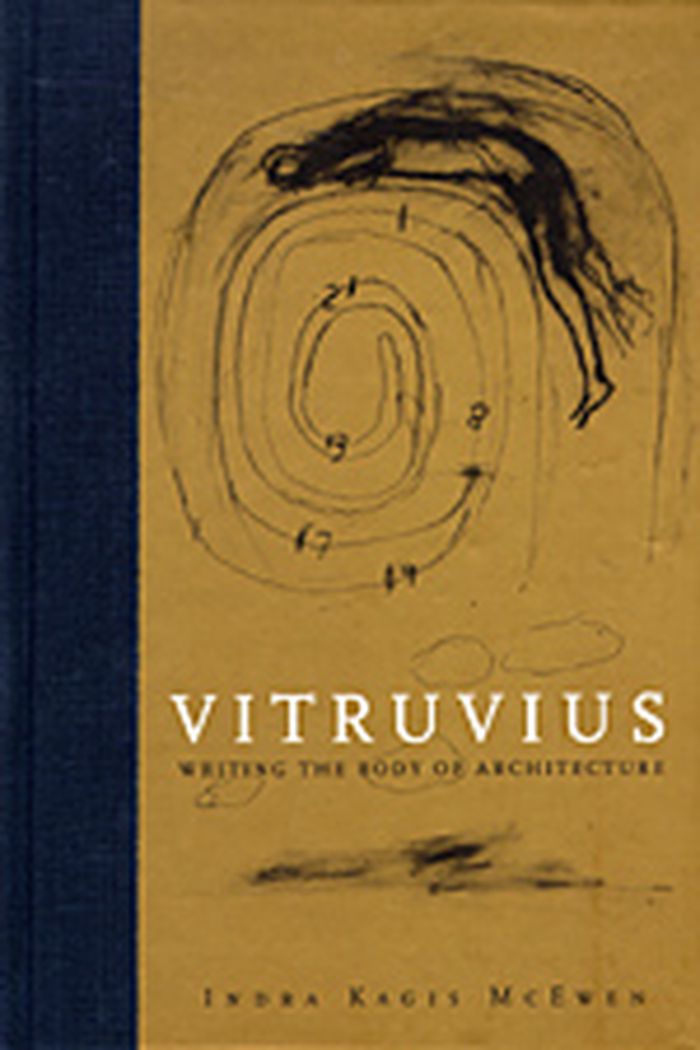
Vitruvius: Writing the body of architecture
Actions:
Price:
$47.95
(available in store)
Summary:
"Vitruvius’s De architectura" is the only major work on architecture to survive from classical antiquity, and until the eighteenth century it was the text to which all other architectural treatises referred. While European classicists have focused on the factual truth of the text itself, English-speaking architects and architectural theorists have viewed it as a timeless source of valuable metaphors. Departing from both perspectives, Indra Kagis McEwen examines the work’s meaning and significance in its own time. Vitruvius dedicated De architectura to his patron Augustus Caesar, the first Roman emperor, whose rise to power inspired its composition near the end of the first century B.C. McEwen argues that the imperial project of world dominion shaped Vitruvius’s purpose in writing what he calls "the whole body of architecture." Specifically, Vitruvius’s aim was to present his discipline as the means for making the emperor’s body congruent with the imagined body of the world he would rule.
Vitruvius: Writing the body of architecture
Actions:
Price:
$47.95
(available in store)
Summary:
"Vitruvius’s De architectura" is the only major work on architecture to survive from classical antiquity, and until the eighteenth century it was the text to which all other architectural treatises referred. While European classicists have focused on the factual truth of the text itself, English-speaking architects and architectural theorists have viewed it as a timeless source of valuable metaphors. Departing from both perspectives, Indra Kagis McEwen examines the work’s meaning and significance in its own time. Vitruvius dedicated De architectura to his patron Augustus Caesar, the first Roman emperor, whose rise to power inspired its composition near the end of the first century B.C. McEwen argues that the imperial project of world dominion shaped Vitruvius’s purpose in writing what he calls "the whole body of architecture." Specifically, Vitruvius’s aim was to present his discipline as the means for making the emperor’s body congruent with the imagined body of the world he would rule.
Form:
books
books
Publication:
October 2002, Cambridge, Mass.
October 2002, Cambridge, Mass.
Subject:
Architectural Theory
Architectural Theory
Form:
books
books
Price:
$81.50
(available to order)
Summary:
This book is the first devoted to the important innovations in architecture that took place in western Europe between the death of emperor Justinian in A.D. 565 and the tenth century. During this period of transition from Late Antiquity to the Middle Ages, the Early Christian basilica was transformed in both form and function. Charles B. McClendon draws on rich(...)
$81.50
(available to order)
Summary:
This book is the first devoted to the important innovations in architecture that took place in western Europe between the death of emperor Justinian in A.D. 565 and the tenth century. During this period of transition from Late Antiquity to the Middle Ages, the Early Christian basilica was transformed in both form and function. Charles B. McClendon draws on rich(...)
Subject:
History until 1900, Middle Ages
History until 1900, Middle Ages
Publication:
January 2005, New Haven
January 2005, New Haven
Title:
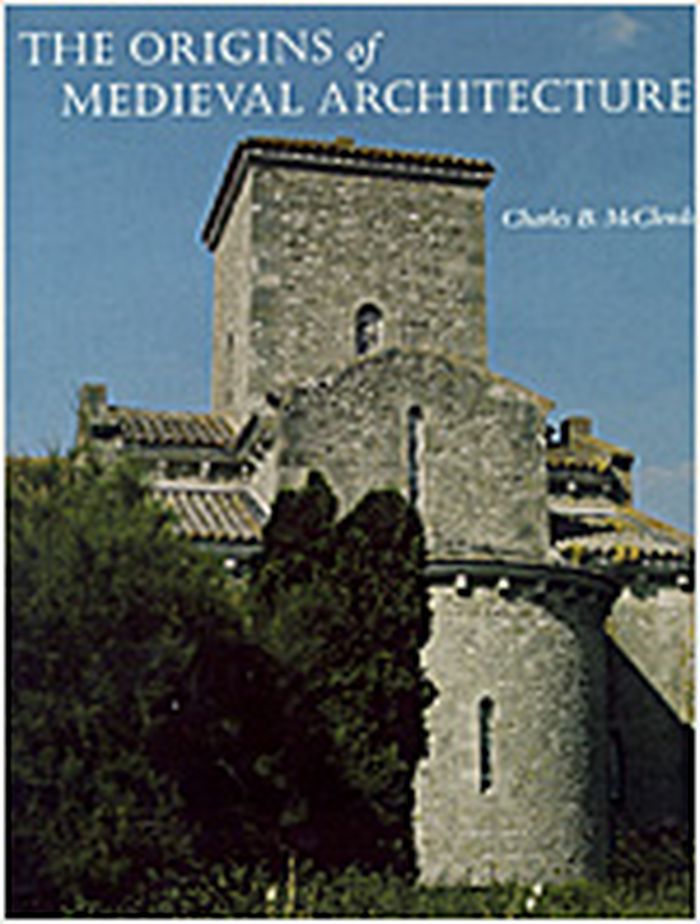
The origins of medieval architecture : building in Europe, A.D. 600-900
Actions:
Price:
$81.50
(available to order)
Summary:
This book is the first devoted to the important innovations in architecture that took place in western Europe between the death of emperor Justinian in A.D. 565 and the tenth century. During this period of transition from Late Antiquity to the Middle Ages, the Early Christian basilica was transformed in both form and function. Charles B. McClendon draws on rich documentary evidence and archaeological data to show that the buildings of these three centuries, studied in isolation but rarely together, set substantial precedents for the future of medieval architecture. He looks at buildings of the so-called Dark Ages—monuments that reflected a new assimilation of seemingly antithetical “barbarian” and “classical” attitudes toward architecture and its decoration—and at the grand and innovative architecture of the Carolingian Empire. The great Romanesque and Gothic churches of subsequent centuries owe far more to the architectural achievements of the Early Middle Ages than has generally been recognized, the author argues.
The origins of medieval architecture : building in Europe, A.D. 600-900
Actions:
Price:
$81.50
(available to order)
Summary:
This book is the first devoted to the important innovations in architecture that took place in western Europe between the death of emperor Justinian in A.D. 565 and the tenth century. During this period of transition from Late Antiquity to the Middle Ages, the Early Christian basilica was transformed in both form and function. Charles B. McClendon draws on rich documentary evidence and archaeological data to show that the buildings of these three centuries, studied in isolation but rarely together, set substantial precedents for the future of medieval architecture. He looks at buildings of the so-called Dark Ages—monuments that reflected a new assimilation of seemingly antithetical “barbarian” and “classical” attitudes toward architecture and its decoration—and at the grand and innovative architecture of the Carolingian Empire. The great Romanesque and Gothic churches of subsequent centuries owe far more to the architectural achievements of the Early Middle Ages than has generally been recognized, the author argues.
Form:
books
books
Publication:
January 2005, New Haven
January 2005, New Haven
Subject:
History until 1900, Middle Ages
History until 1900, Middle Ages
Form:
books
books
Price:
$50.00
(available to order)
Summary:
The world is facing unprecedented challenges, from climate change and population growth, to political division and technological dislocation, to declining mental health and fraying cultural fabric. With most of the planet’s population now living in urban environments, cities are the spaces where we have the greatest potential to confront and address these problems. In(...)
$50.00
(available to order)
Summary:
The world is facing unprecedented challenges, from climate change and population growth, to political division and technological dislocation, to declining mental health and fraying cultural fabric. With most of the planet’s population now living in urban environments, cities are the spaces where we have the greatest potential to confront and address these problems. In(...)
Title:
The Architecture of Urbanity: Designing for Nature, Culture, and Joy
Actions:
Price:
$50.00
(available to order)
Summary:
The world is facing unprecedented challenges, from climate change and population growth, to political division and technological dislocation, to declining mental health and fraying cultural fabric. With most of the planet’s population now living in urban environments, cities are the spaces where we have the greatest potential to confront and address these problems. In this visionary book, Vishaan Chakrabarti argues for an "architecture of urbanity," showing how the design of our communities can create a more equitable, sustainable, and joyous future for us all. Taking readers from the great cities of antiquity to the worldwide exurban sprawl of our postindustrial age, Chakrabarti examines architecture’s relationship to history’s greatest social, technological, and environmental dilemmas. He then presents a rich selection of work by a global array of practicing architects, demonstrating how innovative design can dramatically improve life in big cities and small settlements around the world, from campuses and refugee camps to mega-cities like São Paulo, Lima, Los Angeles, New York, Paris, and Tokyo.
The Architecture of Urbanity: Designing for Nature, Culture, and Joy
Actions:
Price:
$50.00
(available to order)
Summary:
The world is facing unprecedented challenges, from climate change and population growth, to political division and technological dislocation, to declining mental health and fraying cultural fabric. With most of the planet’s population now living in urban environments, cities are the spaces where we have the greatest potential to confront and address these problems. In this visionary book, Vishaan Chakrabarti argues for an "architecture of urbanity," showing how the design of our communities can create a more equitable, sustainable, and joyous future for us all. Taking readers from the great cities of antiquity to the worldwide exurban sprawl of our postindustrial age, Chakrabarti examines architecture’s relationship to history’s greatest social, technological, and environmental dilemmas. He then presents a rich selection of work by a global array of practicing architects, demonstrating how innovative design can dramatically improve life in big cities and small settlements around the world, from campuses and refugee camps to mega-cities like São Paulo, Lima, Los Angeles, New York, Paris, and Tokyo.
Form:
books
books
Publication:
July 2024
July 2024
Subject:
Urban Theory
Urban Theory
Form:
books
books
Actions:
Price:
$49.95
(available to order)
Summary:
Eating and drinking images may seem like an anomalous notion but, since antiquity, in the European and Mediterranean worlds, people have swallowed down frescoes, icons, engravings, eucharistic hosts stamped with images, heraldic wafers, marzipan figures, and other sculpted dishes. Either specifically made for human consumption or diverted from their original purpose so as(...)
$49.95
(available to order)
Summary:
Eating and drinking images may seem like an anomalous notion but, since antiquity, in the European and Mediterranean worlds, people have swallowed down frescoes, icons, engravings, eucharistic hosts stamped with images, heraldic wafers, marzipan figures, and other sculpted dishes. Either specifically made for human consumption or diverted from their original purpose so as(...)
Title:
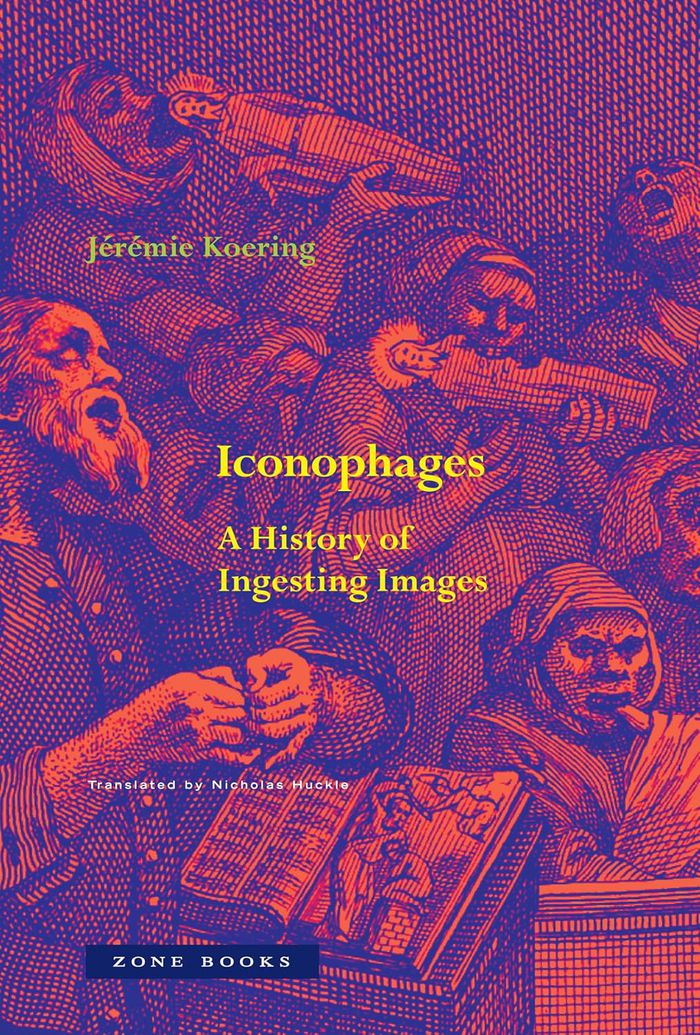
Iconophages: A history of ingesting images
Actions:
Price:
$49.95
(available to order)
Summary:
Eating and drinking images may seem like an anomalous notion but, since antiquity, in the European and Mediterranean worlds, people have swallowed down frescoes, icons, engravings, eucharistic hosts stamped with images, heraldic wafers, marzipan figures, and other sculpted dishes. Either specifically made for human consumption or diverted from their original purpose so as to be ingested, these figured artifacts have been not only gazed upon but also incorporated—taken into the body—as solids or liquids. How can we explain such behavior? Why take an image into one’s own body, devouring it at the risk of destroying it, consuming rather than contemplating it wisely from a distance? What structures of the imagination underlie and justify these desires for incorporation? What are the visual configurations offered up to the mouth, and what are their effects? What therapeutic, religious, symbolic, and social functions can we attribute to these forms of relations with icons? These are a few of the questions raised in this investigation into iconophagy.
Iconophages: A history of ingesting images
Actions:
Price:
$49.95
(available to order)
Summary:
Eating and drinking images may seem like an anomalous notion but, since antiquity, in the European and Mediterranean worlds, people have swallowed down frescoes, icons, engravings, eucharistic hosts stamped with images, heraldic wafers, marzipan figures, and other sculpted dishes. Either specifically made for human consumption or diverted from their original purpose so as to be ingested, these figured artifacts have been not only gazed upon but also incorporated—taken into the body—as solids or liquids. How can we explain such behavior? Why take an image into one’s own body, devouring it at the risk of destroying it, consuming rather than contemplating it wisely from a distance? What structures of the imagination underlie and justify these desires for incorporation? What are the visual configurations offered up to the mouth, and what are their effects? What therapeutic, religious, symbolic, and social functions can we attribute to these forms of relations with icons? These are a few of the questions raised in this investigation into iconophagy.
Form:
books
books
Publication:
August 2024
August 2024
Subject:
Art Theory
Art Theory
Form:
books
books
Actions:
Price:
$34.95
(available to order)
Summary:
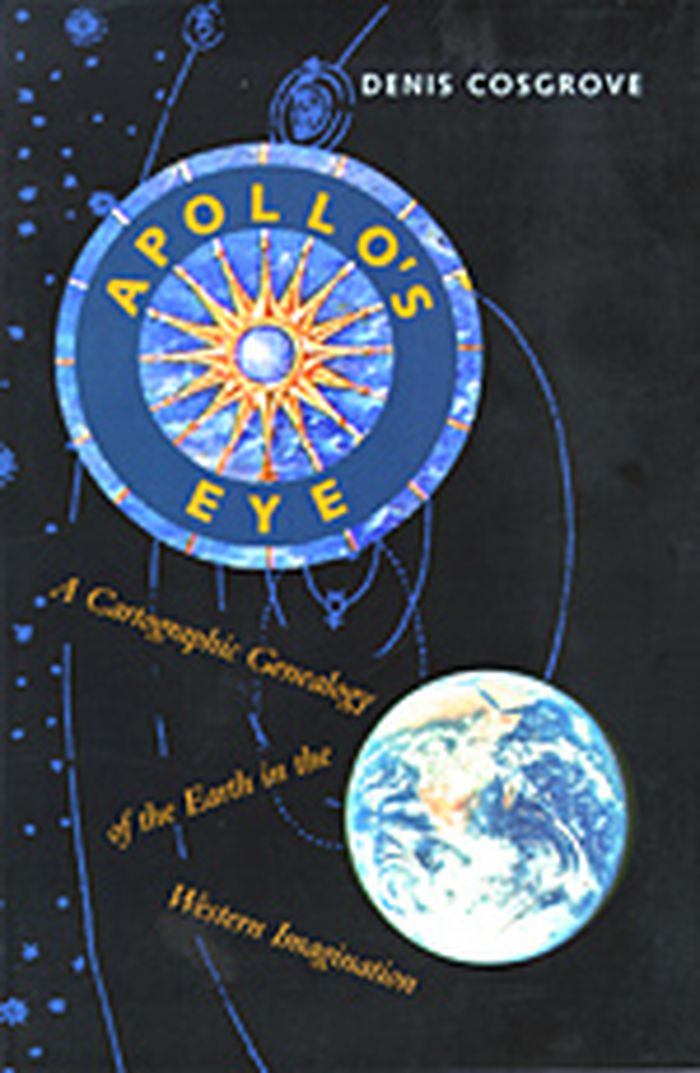
In "Apollo's Eye", geographer Denis Cosgrove examines the historical implications for the West of conceiving and representing the earth as a globe: a unified, spherical body. Cosgrove traces how ideas of globalism and globalization have shifted historically in relation to changing images of the earth, from antiquity to the Space Age. He connects the evolving image(...)
$34.95
(available to order)
Summary:
In "Apollo's Eye", geographer Denis Cosgrove examines the historical implications for the West of conceiving and representing the earth as a globe: a unified, spherical body. Cosgrove traces how ideas of globalism and globalization have shifted historically in relation to changing images of the earth, from antiquity to the Space Age. He connects the evolving image(...)
Title:
Apollo's eye : a cartographic genealogy of the earth in the Western imagination
Actions:
Price:
$34.95
(available to order)
Summary:
In "Apollo's Eye", geographer Denis Cosgrove examines the historical implications for the West of conceiving and representing the earth as a globe: a unified, spherical body. Cosgrove traces how ideas of globalism and globalization have shifted historically in relation to changing images of the earth, from antiquity to the Space Age. He connects the evolving image of a unified globe to politically powerful conceptions of human unity. Cosgrove constructs a genealogy of global images from classical Greece and Rome to the present, giving special attention to the early sixteenth century, when Europeans circumnavigated the earth, relocated it within their understanding of the cosmos, and revolutionized its representation in models and maps. Each chapter focuses on specific images of the globe or whole earth, reproduced in a wealth of illustrations. Cosgrove's analysis traces a pattern of associations between global images and the formation of Western identities, paying tribute to the complex cosmographic tradition out of which today's geographical imagination has emerged.
Apollo's eye : a cartographic genealogy of the earth in the Western imagination
Actions:
Price:
$34.95
(available to order)
Summary:
In "Apollo's Eye", geographer Denis Cosgrove examines the historical implications for the West of conceiving and representing the earth as a globe: a unified, spherical body. Cosgrove traces how ideas of globalism and globalization have shifted historically in relation to changing images of the earth, from antiquity to the Space Age. He connects the evolving image of a unified globe to politically powerful conceptions of human unity. Cosgrove constructs a genealogy of global images from classical Greece and Rome to the present, giving special attention to the early sixteenth century, when Europeans circumnavigated the earth, relocated it within their understanding of the cosmos, and revolutionized its representation in models and maps. Each chapter focuses on specific images of the globe or whole earth, reproduced in a wealth of illustrations. Cosgrove's analysis traces a pattern of associations between global images and the formation of Western identities, paying tribute to the complex cosmographic tradition out of which today's geographical imagination has emerged.
Form:
books
books
Publication:
October 2003, Baltimore
October 2003, Baltimore
Subject:
Architectural Drawing
Architectural Drawing
Form:
books
books
Actions:
Price:
$42.00
(available to order)
Summary:
Drawn from talks between celebrated artist Richard Serra and acclaimed art historian Hal Foster held over a fifteen-year period, this volume offers revelations into Serra’s prolific six-decade career and the ideas that have informed his working practice. Conversations about Sculpture is both an intimate look at Serra’s life and work, with candid reflections on personal(...)
$42.00
(available to order)
Summary:
Drawn from talks between celebrated artist Richard Serra and acclaimed art historian Hal Foster held over a fifteen-year period, this volume offers revelations into Serra’s prolific six-decade career and the ideas that have informed his working practice. Conversations about Sculpture is both an intimate look at Serra’s life and work, with candid reflections on personal(...)
Title:
Conversations about sculpture
Actions:
Price:
$42.00
(available to order)
Summary:
Drawn from talks between celebrated artist Richard Serra and acclaimed art historian Hal Foster held over a fifteen-year period, this volume offers revelations into Serra’s prolific six-decade career and the ideas that have informed his working practice. Conversations about Sculpture is both an intimate look at Serra’s life and work, with candid reflections on personal moments of discovery, and a provocative examination of sculptural form from antiquity to today. Serra and Foster explore such subjects as the artist’s work in steel mills as a young man; the impact of music, dance, and architecture on his art; the importance of materiality and site specificity to his aesthetic; the controversies and contradictions his work has faced; and his belief in sculpture as experience. They also discuss sources of inspiration—from Donatello and Brancusi to Japanese gardens and Machu Picchu—revealing a history of sculpture across time and culture through the eyes of one of the medium’s most brilliant figures.
Conversations about sculpture
Actions:
Price:
$42.00
(available to order)
Summary:
Drawn from talks between celebrated artist Richard Serra and acclaimed art historian Hal Foster held over a fifteen-year period, this volume offers revelations into Serra’s prolific six-decade career and the ideas that have informed his working practice. Conversations about Sculpture is both an intimate look at Serra’s life and work, with candid reflections on personal moments of discovery, and a provocative examination of sculptural form from antiquity to today. Serra and Foster explore such subjects as the artist’s work in steel mills as a young man; the impact of music, dance, and architecture on his art; the importance of materiality and site specificity to his aesthetic; the controversies and contradictions his work has faced; and his belief in sculpture as experience. They also discuss sources of inspiration—from Donatello and Brancusi to Japanese gardens and Machu Picchu—revealing a history of sculpture across time and culture through the eyes of one of the medium’s most brilliant figures.
Form:
books
books
Publication:
November 2018
November 2018
Subject:
Contemporary Art Monographs
Contemporary Art Monographs
Form:
books
books
Actions:
Price:
$69.75
(available to order)
Summary:
In "Apollo's Eye", geographer Denis Cosgrove examines the historical implications for the West of conceiving and representing the earth as a globe: a unified, spherical body. Cosgrove traces how ideas of globalism and globalization have shifted historically in relation to changing images of the earth, from antiquity to the Space Age. He connects the evolving image(...)
$69.75
(available to order)
Summary:
In "Apollo's Eye", geographer Denis Cosgrove examines the historical implications for the West of conceiving and representing the earth as a globe: a unified, spherical body. Cosgrove traces how ideas of globalism and globalization have shifted historically in relation to changing images of the earth, from antiquity to the Space Age. He connects the evolving image(...)
Title:
Apollo's eye : a cartographic genealogy of the earth in the Western imagination
Actions:
Price:
$69.75
(available to order)
Summary:
In "Apollo's Eye", geographer Denis Cosgrove examines the historical implications for the West of conceiving and representing the earth as a globe: a unified, spherical body. Cosgrove traces how ideas of globalism and globalization have shifted historically in relation to changing images of the earth, from antiquity to the Space Age. He connects the evolving image of a unified globe to politically powerful conceptions of human unity. Cosgrove constructs a genealogy of global images from classical Greece and Rome to the present, giving special attention to the early sixteenth century, when Europeans circumnavigated the earth, relocated it within their understanding of the cosmos, and revolutionized its representation in models and maps. Each chapter focuses on specific images of the globe or whole earth, reproduced in a wealth of illustrations. Cosgrove's analysis traces a pattern of associations between global images and the formation of Western identities, paying tribute to the complex cosmographic tradition out of which today's geographical imagination has emerged.
Apollo's eye : a cartographic genealogy of the earth in the Western imagination
Actions:
Price:
$69.75
(available to order)
Summary:
In "Apollo's Eye", geographer Denis Cosgrove examines the historical implications for the West of conceiving and representing the earth as a globe: a unified, spherical body. Cosgrove traces how ideas of globalism and globalization have shifted historically in relation to changing images of the earth, from antiquity to the Space Age. He connects the evolving image of a unified globe to politically powerful conceptions of human unity. Cosgrove constructs a genealogy of global images from classical Greece and Rome to the present, giving special attention to the early sixteenth century, when Europeans circumnavigated the earth, relocated it within their understanding of the cosmos, and revolutionized its representation in models and maps. Each chapter focuses on specific images of the globe or whole earth, reproduced in a wealth of illustrations. Cosgrove's analysis traces a pattern of associations between global images and the formation of Western identities, paying tribute to the complex cosmographic tradition out of which today's geographical imagination has emerged.
Form:
books
books
Publication:
March 2001, Baltimore
March 2001, Baltimore
Subject:
Architectural Drawing
Architectural Drawing
Form:
books
books
Actions:
Price:
$102.95
(available to order)
Summary:
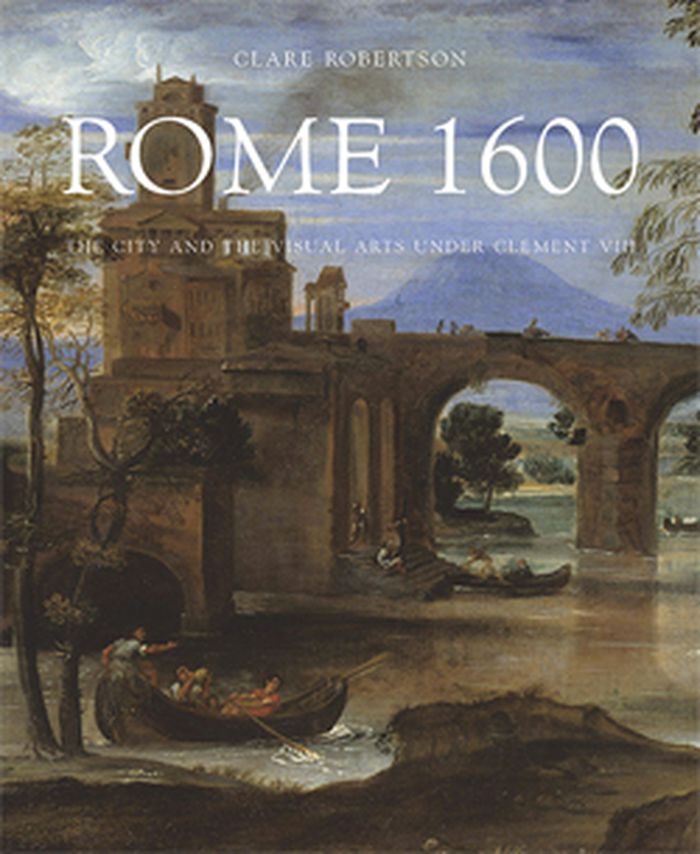
In 1600 Rome was the center of the artistic world. This book offers a new look at the art and architecture of the great Baroque city at this time of major innovation—especially in painting, largely owing to the presence of Annibale Carracci (1560–1609) and Caravaggio (1571–1610). Rome was a magnet for artists and architects from all over Europe; they came to study the(...)
$102.95
(available to order)
Summary:
In 1600 Rome was the center of the artistic world. This book offers a new look at the art and architecture of the great Baroque city at this time of major innovation—especially in painting, largely owing to the presence of Annibale Carracci (1560–1609) and Caravaggio (1571–1610). Rome was a magnet for artists and architects from all over Europe; they came to study the(...)
Title:
Rome 1600: the city and the visual arts under Clement VIII
Actions:
Price:
$102.95
(available to order)
Summary:
In 1600 Rome was the center of the artistic world. This book offers a new look at the art and architecture of the great Baroque city at this time of major innovation—especially in painting, largely owing to the presence of Annibale Carracci (1560–1609) and Caravaggio (1571–1610). Rome was a magnet for artists and architects from all over Europe; they came to study the remains of antiquity and the works of Michelangelo, Raphael, and Bramante. The variety of artists working in the city ensured a diversity of styles and innovative cross-influences. Moreover, 1600 was a Jubilee year, offering numerous opportunities for artistic patronage, whether in major projects like St. Peter’s, or in lesser schemes such as the restoration of older churches. Clare Robertson examines these developments as well as the patronage of the pope and of major Roman families, drawing on a range of contemporary sources and images to reconstruct a snapshot of Rome at this thrilling time.
Rome 1600: the city and the visual arts under Clement VIII
Actions:
Price:
$102.95
(available to order)
Summary:
In 1600 Rome was the center of the artistic world. This book offers a new look at the art and architecture of the great Baroque city at this time of major innovation—especially in painting, largely owing to the presence of Annibale Carracci (1560–1609) and Caravaggio (1571–1610). Rome was a magnet for artists and architects from all over Europe; they came to study the remains of antiquity and the works of Michelangelo, Raphael, and Bramante. The variety of artists working in the city ensured a diversity of styles and innovative cross-influences. Moreover, 1600 was a Jubilee year, offering numerous opportunities for artistic patronage, whether in major projects like St. Peter’s, or in lesser schemes such as the restoration of older churches. Clare Robertson examines these developments as well as the patronage of the pope and of major Roman families, drawing on a range of contemporary sources and images to reconstruct a snapshot of Rome at this thrilling time.
Form:
books
books
Publication:
November 2015
November 2015
Subject:
History until 1900, Italy
History until 1900, Italy
Form:
books
books
Actions:
Holdings:
Description:
435 pages : illustrations (chiefly color) ; 30 cm
Description:
435 pages : illustrations (chiefly color) ; 30 cm
Author:
Subject:
Publication:
Ghent : Axel & May Vervoordt Foundation in association with MER. Paper Kunsthalle, [2015]
Ghent : Axel & May Vervoordt Foundation in association with MER. Paper Kunsthalle, [2015]
Title:
Proportio / curators, Daniela Ferretti, Axel Vervoordt ; catalogue, edited by Luc Derycke, Axel Vervoordt.
Actions:
Holdings:
Description:
435 pages : illustrations (chiefly color) ; 30 cm
Proportio / curators, Daniela Ferretti, Axel Vervoordt ; catalogue, edited by Luc Derycke, Axel Vervoordt.
Actions:
Holdings:
Description:
435 pages : illustrations (chiefly color) ; 30 cm
Form:
books
books
Publication:
Ghent : Axel & May Vervoordt Foundation in association with MER. Paper Kunsthalle, [2015]
Ghent : Axel & May Vervoordt Foundation in association with MER. Paper Kunsthalle, [2015]
Author:
Subject:


