


611 Results
Form:
books
books
Price:
$29.00
(available to order)
Summary:
After decades spent sensitizing his own field of work to themes concerning people’s respect for nature, Mario Cucinella has collected his memories of ten journeys to cities and other places. Each one of them provided him with food for thought that was neither exotic nor ''stylistic,'' but rather pragmatically environmental, and helped him to reflect on the rational(...)
$29.00
(available to order)
Summary:
After decades spent sensitizing his own field of work to themes concerning people’s respect for nature, Mario Cucinella has collected his memories of ten journeys to cities and other places. Each one of them provided him with food for thought that was neither exotic nor ''stylistic,'' but rather pragmatically environmental, and helped him to reflect on the rational(...)
Title:
The future is a journey to the past: Ten stories about architecture
Actions:
Price:
$29.00
(available to order)
Summary:
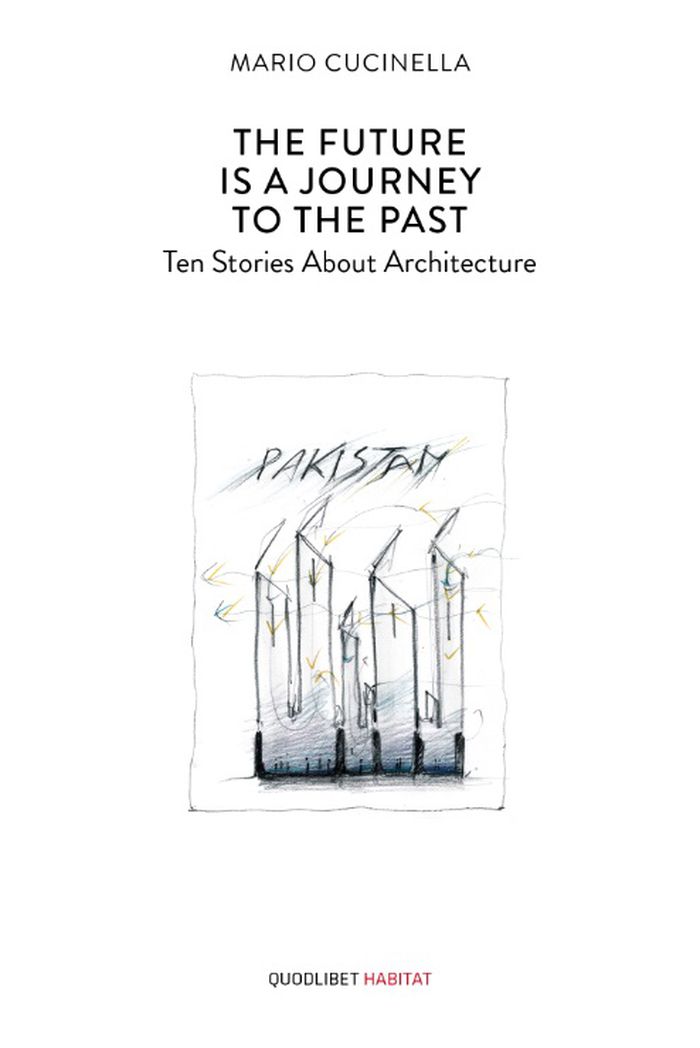
After decades spent sensitizing his own field of work to themes concerning people’s respect for nature, Mario Cucinella has collected his memories of ten journeys to cities and other places. Each one of them provided him with food for thought that was neither exotic nor ''stylistic,'' but rather pragmatically environmental, and helped him to reflect on the rational exploitation of available energy resources – a common practice in the vernacular traditions of every culture, from Iran to China, and from Maghreb to Ireland. These ten stories about architecture project us forward.
The future is a journey to the past: Ten stories about architecture
Actions:
Price:
$29.00
(available to order)
Summary:
After decades spent sensitizing his own field of work to themes concerning people’s respect for nature, Mario Cucinella has collected his memories of ten journeys to cities and other places. Each one of them provided him with food for thought that was neither exotic nor ''stylistic,'' but rather pragmatically environmental, and helped him to reflect on the rational exploitation of available energy resources – a common practice in the vernacular traditions of every culture, from Iran to China, and from Maghreb to Ireland. These ten stories about architecture project us forward.
Form:
books
books
Publication:
April 2022
April 2022
Subject:
Architectural Theory
Architectural Theory
Form:
books
books
Title:
Form of knowledge
Form of knowledge
Actions:
Price:
$59.00
(available in store)
Summary:
"Form of knowledge" is a collection of ten essays written by Pezo von Ellrichshausen over the past decade. According to the authors, they can be read as «ten problems derived from the practice of architecture, from the practice of thinking about possible buildings for the future and from the practice of inhabiting buildings and imagining their possible causes or(...)
$59.00
(available in store)
Summary:
"Form of knowledge" is a collection of ten essays written by Pezo von Ellrichshausen over the past decade. According to the authors, they can be read as «ten problems derived from the practice of architecture, from the practice of thinking about possible buildings for the future and from the practice of inhabiting buildings and imagining their possible causes or(...)
Title:
Form of knowledge
Actions:
Price:
$59.00
(available in store)
Summary:
"Form of knowledge" is a collection of ten essays written by Pezo von Ellrichshausen over the past decade. According to the authors, they can be read as «ten problems derived from the practice of architecture, from the practice of thinking about possible buildings for the future and from the practice of inhabiting buildings and imagining their possible causes or explanations to exist as they are, or as we think they are». Translated into Italian for the first time, the unpublished title refers to the capacity of architecture to be self-referential or a problem in itself, in other words; a meaningful artifact derived from human understanding for the ultimate purpose of human understanding.
Form of knowledge
Actions:
Price:
$59.00
(available in store)
Summary:
"Form of knowledge" is a collection of ten essays written by Pezo von Ellrichshausen over the past decade. According to the authors, they can be read as «ten problems derived from the practice of architecture, from the practice of thinking about possible buildings for the future and from the practice of inhabiting buildings and imagining their possible causes or explanations to exist as they are, or as we think they are». Translated into Italian for the first time, the unpublished title refers to the capacity of architecture to be self-referential or a problem in itself, in other words; a meaningful artifact derived from human understanding for the ultimate purpose of human understanding.
Form:
books
books
Publication:
July 2025
July 2025
Subject:
Architectural Theory
Architectural Theory
Form:
books
books
Actions:
Price:
$27.00
(available to order)
Summary:
I.M. Pei was born in the early years of the century and continues to practice today. In this conversation, he talks with Fumihiko Maki about memorable personages and projects from a career that has spanned more than half a century, including descriptions of his encounters with Walter Gropius and Alvar Aalto. This issue is the first of a new series by a + u that will(...)
$27.00
(available to order)
Summary:
I.M. Pei was born in the early years of the century and continues to practice today. In this conversation, he talks with Fumihiko Maki about memorable personages and projects from a career that has spanned more than half a century, including descriptions of his encounters with Walter Gropius and Alvar Aalto. This issue is the first of a new series by a + u that will(...)
Title:
A+U special issue: I.M. Pei - words for the future
Actions:
Price:
$27.00
(available to order)
Summary:
I.M. Pei was born in the early years of the century and continues to practice today. In this conversation, he talks with Fumihiko Maki about memorable personages and projects from a career that has spanned more than half a century, including descriptions of his encounters with Walter Gropius and Alvar Aalto. This issue is the first of a new series by a + u that will deliver a new perspective on 20th-century architecture through interviews between architects.
A+U special issue: I.M. Pei - words for the future
Actions:
Price:
$27.00
(available to order)
Summary:
I.M. Pei was born in the early years of the century and continues to practice today. In this conversation, he talks with Fumihiko Maki about memorable personages and projects from a career that has spanned more than half a century, including descriptions of his encounters with Walter Gropius and Alvar Aalto. This issue is the first of a new series by a + u that will deliver a new perspective on 20th-century architecture through interviews between architects.
Form:
books
books
Publication:
October 2008, Tokyo
October 2008, Tokyo
Subject:
Architecture Monographs
Architecture Monographs
Form:
books
books
Price:
$65.95
(available in store)
Summary:
What would a postcarbon future look like? What would it take to build and maintain a more just, regenerative world? How would it feel to live--and to thrive--in that world? Around the globe, people are transforming their social, ecological, and economic systems in response to the climate crisis. This book guides readers through 29 of these exemplary works, which span 43(...)
$65.95
(available in store)
Summary:
What would a postcarbon future look like? What would it take to build and maintain a more just, regenerative world? How would it feel to live--and to thrive--in that world? Around the globe, people are transforming their social, ecological, and economic systems in response to the climate crisis. This book guides readers through 29 of these exemplary works, which span 43(...)
Subject:
Architecture ecologies
Architecture ecologies
Publication:
July 2026
July 2026
Title:
Building postcarbon futures: Land, justice, and energy transitions
Actions:
Price:
$65.95
(available in store)
Summary:
What would a postcarbon future look like? What would it take to build and maintain a more just, regenerative world? How would it feel to live--and to thrive--in that world? Around the globe, people are transforming their social, ecological, and economic systems in response to the climate crisis. This book guides readers through 29 of these exemplary works, which span 43 nations and 6 continents. From Cuba to Kiribati, Iceland to the Andes, the prairies of North America to the expanding Gobi Desert, these case studies foreground the tactics and modes of practice being employed, often by marginalized peoples, to create more humane, hospitable places.
Building postcarbon futures: Land, justice, and energy transitions
Actions:
Price:
$65.95
(available in store)
Summary:
What would a postcarbon future look like? What would it take to build and maintain a more just, regenerative world? How would it feel to live--and to thrive--in that world? Around the globe, people are transforming their social, ecological, and economic systems in response to the climate crisis. This book guides readers through 29 of these exemplary works, which span 43 nations and 6 continents. From Cuba to Kiribati, Iceland to the Andes, the prairies of North America to the expanding Gobi Desert, these case studies foreground the tactics and modes of practice being employed, often by marginalized peoples, to create more humane, hospitable places.
Form:
books
books
Publication:
July 2026
July 2026
Subject:
Architecture ecologies
Architecture ecologies
Form:
books
books
Actions:
Price:
$37.50
(available in store)
Summary:
The first volume of the collection maps the work of the institutions and organisations involved in communicating the new and innovative thought and practice leading architecture today, highlighting the strategies they use and programmes they run to support this. Essays and interviews from the Museum of Architecture and Design, Ljubljana, the National Museum of XXI Century(...)
$37.50
(available in store)
Summary:
The first volume of the collection maps the work of the institutions and organisations involved in communicating the new and innovative thought and practice leading architecture today, highlighting the strategies they use and programmes they run to support this. Essays and interviews from the Museum of Architecture and Design, Ljubljana, the National Museum of XXI Century(...)
Subject:
Contemporary Architecture
Contemporary Architecture
Publication:
October 2016
October 2016
Title:
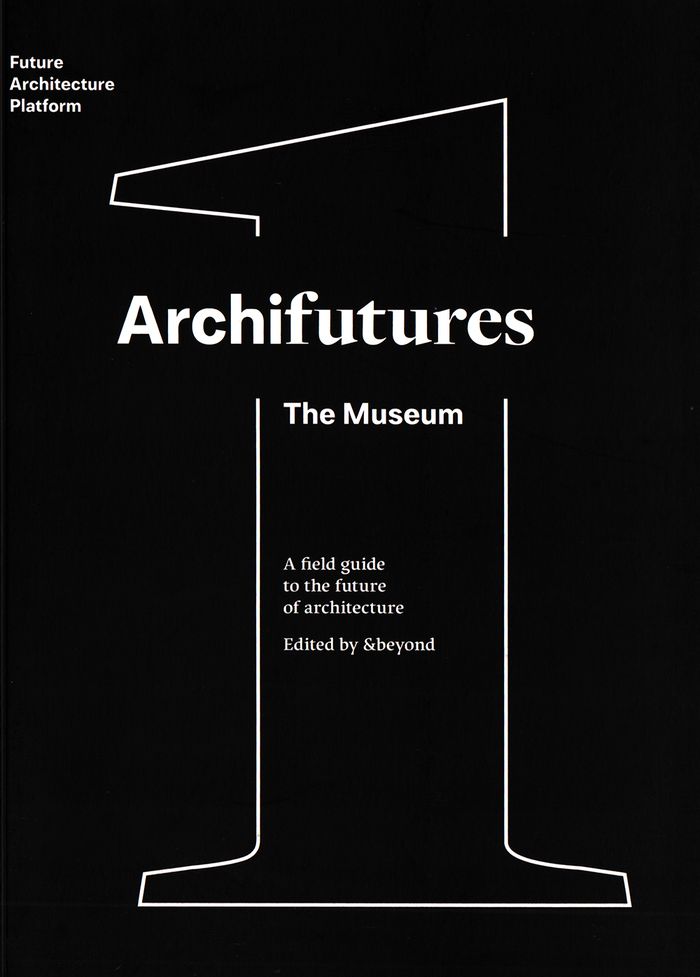
Archifutures Vol. 1: The museum. A field guide to making the future of architecture
Actions:
Price:
$37.50
(available in store)
Summary:
The first volume of the collection maps the work of the institutions and organisations involved in communicating the new and innovative thought and practice leading architecture today, highlighting the strategies they use and programmes they run to support this. Essays and interviews from the Museum of Architecture and Design, Ljubljana, the National Museum of XXI Century Arts, Rome, the Swiss Architecture Museum, Basel, CANactions, Kiev, Prishtina Architecture Week, Kosovo, the Lisbon Architecture Triennale and others give working examples of the roles that these organisations and institutions play in communication and education for those both within and beyond the field of architecture. A particular highlight of the book is a “collage conversation”, a visual dialogue between Superstudio co-founder Cristiano Toraldo di Francia and Guillermo López of MAIO, with some images specially commissioned for the publication.
Archifutures Vol. 1: The museum. A field guide to making the future of architecture
Actions:
Price:
$37.50
(available in store)
Summary:
The first volume of the collection maps the work of the institutions and organisations involved in communicating the new and innovative thought and practice leading architecture today, highlighting the strategies they use and programmes they run to support this. Essays and interviews from the Museum of Architecture and Design, Ljubljana, the National Museum of XXI Century Arts, Rome, the Swiss Architecture Museum, Basel, CANactions, Kiev, Prishtina Architecture Week, Kosovo, the Lisbon Architecture Triennale and others give working examples of the roles that these organisations and institutions play in communication and education for those both within and beyond the field of architecture. A particular highlight of the book is a “collage conversation”, a visual dialogue between Superstudio co-founder Cristiano Toraldo di Francia and Guillermo López of MAIO, with some images specially commissioned for the publication.
Form:
books
books
Publication:
October 2016
October 2016
Subject:
Contemporary Architecture
Contemporary Architecture
Form:
books
books
Price:
$58.95
(available to order)
Summary:
Forced to find beauty in mediocrity, poetry in pragmatism, history in the absence of monuments and the future in the past, Crimson has been shaped by the experience of living and working in Rotterdam, the city that never thinks. Over the past seven years they have produced research projects, plans and initiatives that range from purely historical studies, book reviews and(...)
$58.95
(available to order)
Summary:
Forced to find beauty in mediocrity, poetry in pragmatism, history in the absence of monuments and the future in the past, Crimson has been shaped by the experience of living and working in Rotterdam, the city that never thinks. Over the past seven years they have produced research projects, plans and initiatives that range from purely historical studies, book reviews and(...)
Subject:
Architecture since 1900, Europe
Architecture since 1900, Europe
Publication:
January 1900, Rotterdam
January 1900, Rotterdam
Title:
Too blessed to be depressed : Crimson architectural historians 1994-2002
Actions:
Price:
$58.95
(available to order)
Summary:
Forced to find beauty in mediocrity, poetry in pragmatism, history in the absence of monuments and the future in the past, Crimson has been shaped by the experience of living and working in Rotterdam, the city that never thinks. Over the past seven years they have produced research projects, plans and initiatives that range from purely historical studies, book reviews and critiques of contemporary architecture to exhibitions, panoramas and urban planning schemes. For them, history is not a clear-cut period in the past but a total panoramic experience in which mythology, truth, writing, building and demolition intermingle. The Crimson historians don’t keep their distance, they dive right in. Too Blessed To Be Depressed is a coming-of-age book, one that shows the development of a practice and an attitude towards the outside world based not on analysis and simplification but on an endless quest for all the narratives, contradi ctions, and obsessions that make the city what it is. It presents an initial selection of work by Crimson divided among three themes: History (what to make of it, how to deal with it), Obsession (theirs along with those of others) and Top Down (the impact of large-scale infrastructural and other interventions on the city).
Too blessed to be depressed : Crimson architectural historians 1994-2002
Actions:
Price:
$58.95
(available to order)
Summary:
Forced to find beauty in mediocrity, poetry in pragmatism, history in the absence of monuments and the future in the past, Crimson has been shaped by the experience of living and working in Rotterdam, the city that never thinks. Over the past seven years they have produced research projects, plans and initiatives that range from purely historical studies, book reviews and critiques of contemporary architecture to exhibitions, panoramas and urban planning schemes. For them, history is not a clear-cut period in the past but a total panoramic experience in which mythology, truth, writing, building and demolition intermingle. The Crimson historians don’t keep their distance, they dive right in. Too Blessed To Be Depressed is a coming-of-age book, one that shows the development of a practice and an attitude towards the outside world based not on analysis and simplification but on an endless quest for all the narratives, contradi ctions, and obsessions that make the city what it is. It presents an initial selection of work by Crimson divided among three themes: History (what to make of it, how to deal with it), Obsession (theirs along with those of others) and Top Down (the impact of large-scale infrastructural and other interventions on the city).
Form:
books
books
Publication:
January 1900, Rotterdam
January 1900, Rotterdam
Subject:
Architecture since 1900, Europe
Architecture since 1900, Europe
Form:
books
books
Price:
$72.95
(available to order)
Summary:
Based in Stockholm, Tham & Videgård Arkitekter believes that architecture is about the future, and considers buildings not only as contemporary, but also a form of continued history projected into that future. Co-founders Bolle Tham and Martin Videgård introduce 40 works and the principle ideas that guide their practice – from large-scale urban planning to buildings and(...)
$72.95
(available to order)
Summary:
Based in Stockholm, Tham & Videgård Arkitekter believes that architecture is about the future, and considers buildings not only as contemporary, but also a form of continued history projected into that future. Co-founders Bolle Tham and Martin Videgård introduce 40 works and the principle ideas that guide their practice – from large-scale urban planning to buildings and(...)
Title:
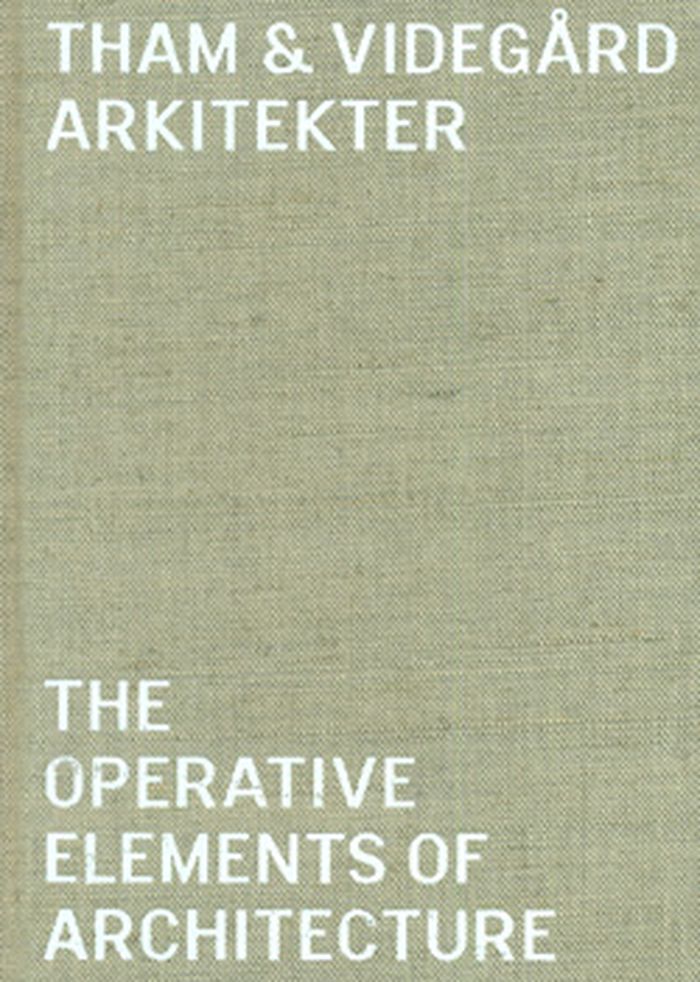
Tham & Videgard Arkitekter : the operative elements of architecture
Actions:
Price:
$72.95
(available to order)
Summary:
Based in Stockholm, Tham & Videgård Arkitekter believes that architecture is about the future, and considers buildings not only as contemporary, but also a form of continued history projected into that future. Co-founders Bolle Tham and Martin Videgård introduce 40 works and the principle ideas that guide their practice – from large-scale urban planning to buildings and interiors. Foremost is the lasting impact and building quality: long-term environmental effects, architectural integrity and function, and the capacity to convey societal ideals.
Tham & Videgard Arkitekter : the operative elements of architecture
Actions:
Price:
$72.95
(available to order)
Summary:
Based in Stockholm, Tham & Videgård Arkitekter believes that architecture is about the future, and considers buildings not only as contemporary, but also a form of continued history projected into that future. Co-founders Bolle Tham and Martin Videgård introduce 40 works and the principle ideas that guide their practice – from large-scale urban planning to buildings and interiors. Foremost is the lasting impact and building quality: long-term environmental effects, architectural integrity and function, and the capacity to convey societal ideals.
Form:
books
books
Publication:
August 2014
August 2014
Subject:
Architecture Monographs
Architecture Monographs
Form:
books
books
Price:
$38.95
(available in store)
Summary:
This anthology presents work on cultures of assembly. It stresses the relevance of small-scale and decentralized spatial formats of local knowledge production to community building and embedded political decision-making in the context of the socio-ecological transition. It reinforces the role of both individual and collective action while proposing distributed assembly(...)
$38.95
(available in store)
Summary:
This anthology presents work on cultures of assembly. It stresses the relevance of small-scale and decentralized spatial formats of local knowledge production to community building and embedded political decision-making in the context of the socio-ecological transition. It reinforces the role of both individual and collective action while proposing distributed assembly(...)
Title:
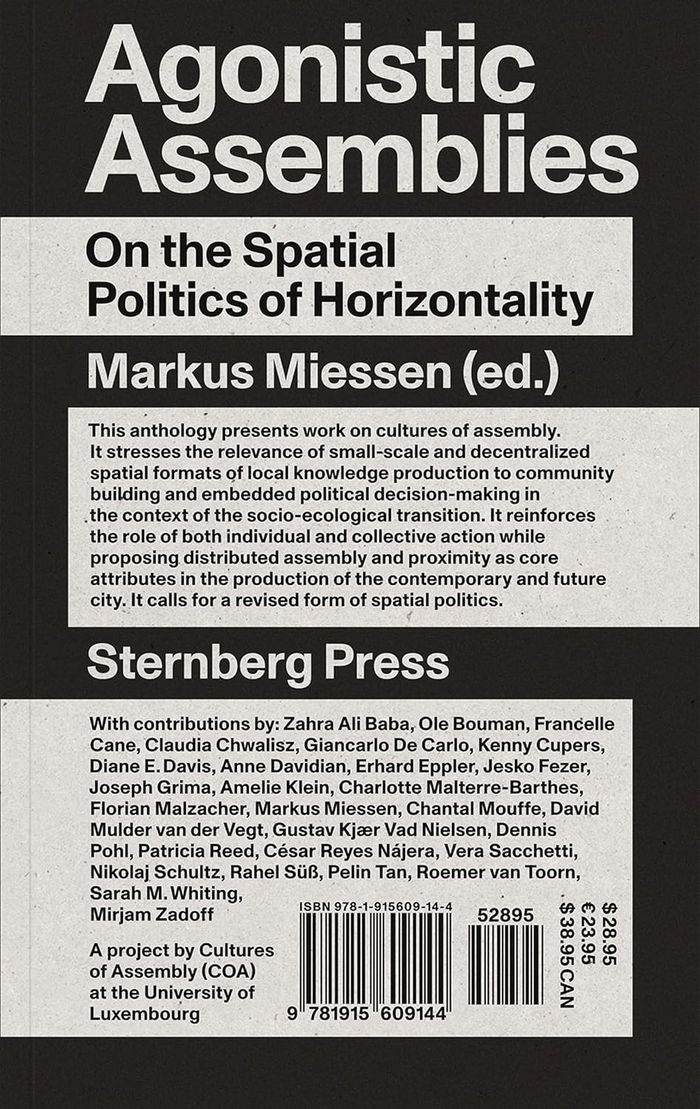
Agonistic assemblies: On the spatial politics of horizontality
Actions:
Price:
$38.95
(available in store)
Summary:
This anthology presents work on cultures of assembly. It stresses the relevance of small-scale and decentralized spatial formats of local knowledge production to community building and embedded political decision-making in the context of the socio-ecological transition. It reinforces the role of both individual and collective action while proposing distributed assembly and proximity as core attributes in the production of the contemporary and future city. It calls for a revised form of spatial politics. "Agonistic assemblies" asks: how can spaces—both physical and virtual—be envisaged to create publics? How is collectivity and society being generated spatially and in terms of policy? How do we “practice” society as a bodily, spatial form, and how does this practice contribute to spatial justice? Are there specific spatial settings that can intensify these practices? What kind of spatial design can we imagine as platforms for change?
Agonistic assemblies: On the spatial politics of horizontality
Actions:
Price:
$38.95
(available in store)
Summary:
This anthology presents work on cultures of assembly. It stresses the relevance of small-scale and decentralized spatial formats of local knowledge production to community building and embedded political decision-making in the context of the socio-ecological transition. It reinforces the role of both individual and collective action while proposing distributed assembly and proximity as core attributes in the production of the contemporary and future city. It calls for a revised form of spatial politics. "Agonistic assemblies" asks: how can spaces—both physical and virtual—be envisaged to create publics? How is collectivity and society being generated spatially and in terms of policy? How do we “practice” society as a bodily, spatial form, and how does this practice contribute to spatial justice? Are there specific spatial settings that can intensify these practices? What kind of spatial design can we imagine as platforms for change?
Form:
books
books
Publication:
June 2024
June 2024
Subject:
Architectural Theory
Architectural Theory
Form:
books
books
Actions:
Price:
$76.95
(available in store)
Summary:
Since its establishment in 2003, the architectural practice SUEP. has been engaged in design activities based on the theme of “symbiosis with nature”. Led by Hirokazu Suemitsu and Yoko Suemitsu, the practice’s focus lies in not only bringing happiness to people or to the Earth, but to both. This book presents ten architectural projects undertaken by the SUEP. team,(...)
$76.95
(available in store)
Summary:
Since its establishment in 2003, the architectural practice SUEP. has been engaged in design activities based on the theme of “symbiosis with nature”. Led by Hirokazu Suemitsu and Yoko Suemitsu, the practice’s focus lies in not only bringing happiness to people or to the Earth, but to both. This book presents ten architectural projects undertaken by the SUEP. team,(...)
Subject:
Architecture Monographs
Architecture Monographs
Publication:
July 2022
July 2022
Title:
SUEP: 10 stories of architecture on earth
Actions:
Price:
$76.95
(available in store)
Summary:
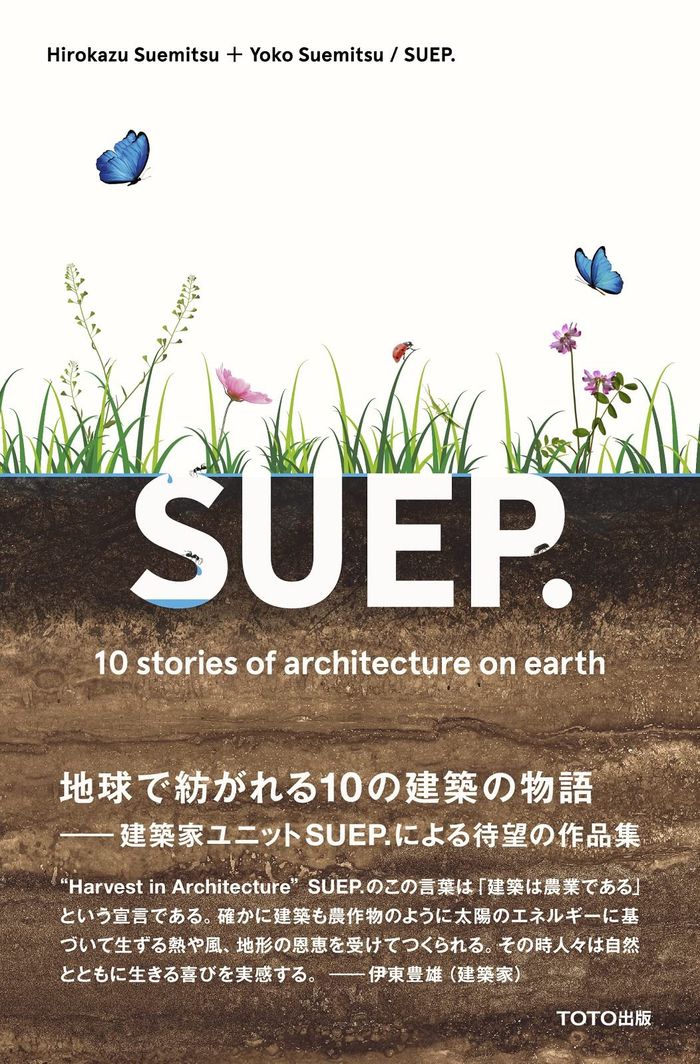
Since its establishment in 2003, the architectural practice SUEP. has been engaged in design activities based on the theme of “symbiosis with nature”. Led by Hirokazu Suemitsu and Yoko Suemitsu, the practice’s focus lies in not only bringing happiness to people or to the Earth, but to both. This book presents ten architectural projects undertaken by the SUEP. team, introduced as a series of stories in order to highlight the trajectory of their thinking. In addition to these works, numerous investigations and studies conducted during the process of design and creation provide clues for thinking about the future of our planet.
SUEP: 10 stories of architecture on earth
Actions:
Price:
$76.95
(available in store)
Summary:
Since its establishment in 2003, the architectural practice SUEP. has been engaged in design activities based on the theme of “symbiosis with nature”. Led by Hirokazu Suemitsu and Yoko Suemitsu, the practice’s focus lies in not only bringing happiness to people or to the Earth, but to both. This book presents ten architectural projects undertaken by the SUEP. team, introduced as a series of stories in order to highlight the trajectory of their thinking. In addition to these works, numerous investigations and studies conducted during the process of design and creation provide clues for thinking about the future of our planet.
Form:
books
books
Publication:
July 2022
July 2022
Subject:
Architecture Monographs
Architecture Monographs
Form:
books
books
Actions:
Price:
$68.95
(available to order)
Summary:
Computer-aided design (CAD) technology has already changed the practice of architecture, and it has the potential to change it even more radically. With Architecture's New Media, Yehuda Kalay offers a comprehensive exposition of the principles, methods, and practices that underlie architectural computing. He discusses the aspects of information technology that are(...)
$68.95
(available to order)
Summary:
Computer-aided design (CAD) technology has already changed the practice of architecture, and it has the potential to change it even more radically. With Architecture's New Media, Yehuda Kalay offers a comprehensive exposition of the principles, methods, and practices that underlie architectural computing. He discusses the aspects of information technology that are(...)
Publication:
June 2004, Cambridge
June 2004, Cambridge
Title:
Architecture's new media : principles, theories and methods of computer-aided design
Actions:
Price:
$68.95
(available to order)
Summary:
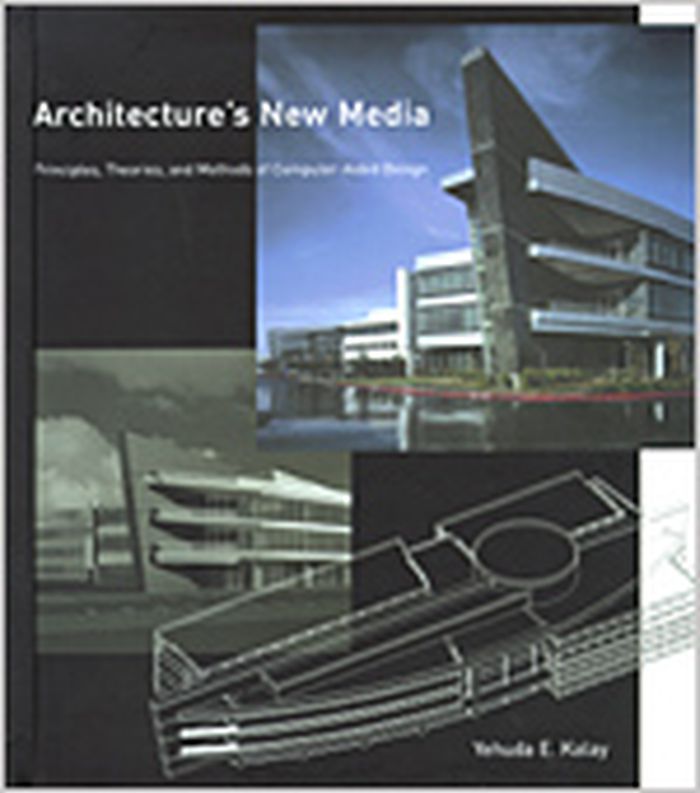
Computer-aided design (CAD) technology has already changed the practice of architecture, and it has the potential to change it even more radically. With Architecture's New Media, Yehuda Kalay offers a comprehensive exposition of the principles, methods, and practices that underlie architectural computing. He discusses the aspects of information technology that are pertinent to architectural design, analyzes the benefits and drawbacks of particular computational methods, and looks at the potential of emerging computational techniques to affect the future of architectural design.
Architecture's new media : principles, theories and methods of computer-aided design
Actions:
Price:
$68.95
(available to order)
Summary:
Computer-aided design (CAD) technology has already changed the practice of architecture, and it has the potential to change it even more radically. With Architecture's New Media, Yehuda Kalay offers a comprehensive exposition of the principles, methods, and practices that underlie architectural computing. He discusses the aspects of information technology that are pertinent to architectural design, analyzes the benefits and drawbacks of particular computational methods, and looks at the potential of emerging computational techniques to affect the future of architectural design.
Form:
books
books
Publication:
June 2004, Cambridge
June 2004, Cambridge


