


6917 Results
Form:
books
books
Actions:
Price:
$37.95
(available to order)
Summary:
Contemporary life is founded on oil - a cheap, accessible, and rich source of energy that has shaped cities and manufacturing economies at the same time that it has increased mobility, global trade, and environmental devastation. Despite oil’s essential role, full recognition of its social and cultural significance has only become a prominent feature of everyday debate(...)
$37.95
(available to order)
Summary:
Contemporary life is founded on oil - a cheap, accessible, and rich source of energy that has shaped cities and manufacturing economies at the same time that it has increased mobility, global trade, and environmental devastation. Despite oil’s essential role, full recognition of its social and cultural significance has only become a prominent feature of everyday debate(...)
Subject:
Environment and environmental theory
Environment and environmental theory
Publication:
June 2017
June 2017
Title:
Petrocultures: oil, energy, culture
Actions:
Price:
$37.95
(available to order)
Summary:
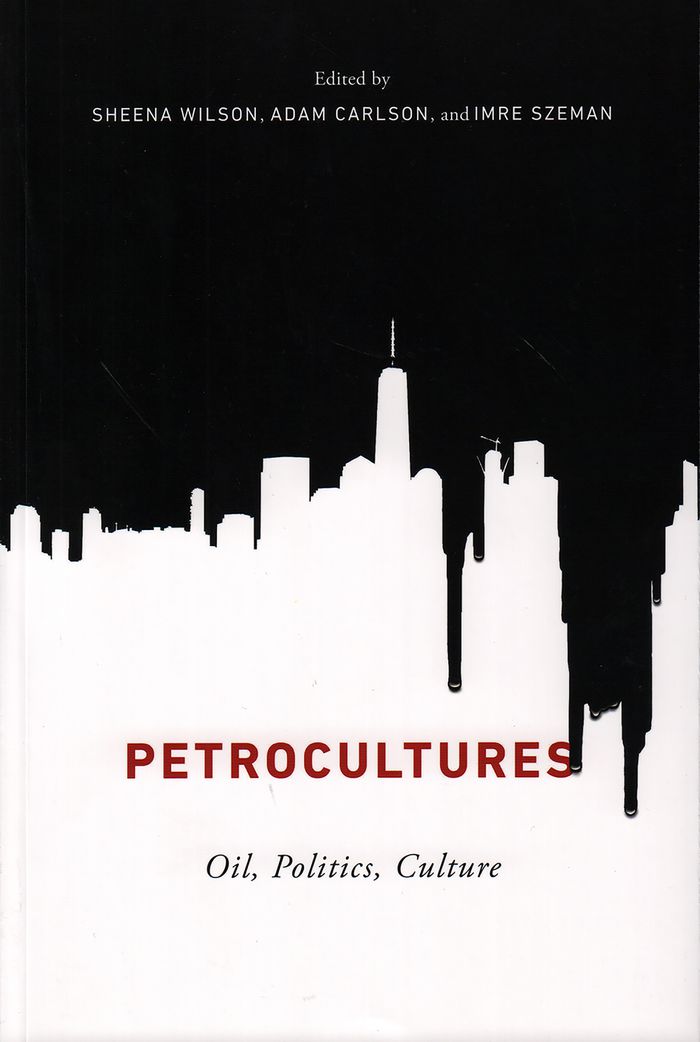
Contemporary life is founded on oil - a cheap, accessible, and rich source of energy that has shaped cities and manufacturing economies at the same time that it has increased mobility, global trade, and environmental devastation. Despite oil’s essential role, full recognition of its social and cultural significance has only become a prominent feature of everyday debate and discussion in the early twenty-first century. Presenting a multifaceted analysis of the cultural, social, and political claims and assumptions that guide how we think and talk about oil, Petrocultures maps the complex and often contradictory ways in which oil has influenced the public’s imagination around the world. This collection of essays shows that oil’s vast network of social and historical narratives and the processes that enable its extraction are what characterize its importance, and that its circulation through this immense web of relations forms worldwide experiences and expectations. Contributors’ essays investigate the discourses surrounding oil in contemporary culture while advancing and configuring new ways to discuss the cultural ecosystem that it has created. A window into the social role of oil, Petrocultures also contemplates what it would mean if human life were no longer deeply shaped by the consumption of fossil fuels.
Petrocultures: oil, energy, culture
Actions:
Price:
$37.95
(available to order)
Summary:
Contemporary life is founded on oil - a cheap, accessible, and rich source of energy that has shaped cities and manufacturing economies at the same time that it has increased mobility, global trade, and environmental devastation. Despite oil’s essential role, full recognition of its social and cultural significance has only become a prominent feature of everyday debate and discussion in the early twenty-first century. Presenting a multifaceted analysis of the cultural, social, and political claims and assumptions that guide how we think and talk about oil, Petrocultures maps the complex and often contradictory ways in which oil has influenced the public’s imagination around the world. This collection of essays shows that oil’s vast network of social and historical narratives and the processes that enable its extraction are what characterize its importance, and that its circulation through this immense web of relations forms worldwide experiences and expectations. Contributors’ essays investigate the discourses surrounding oil in contemporary culture while advancing and configuring new ways to discuss the cultural ecosystem that it has created. A window into the social role of oil, Petrocultures also contemplates what it would mean if human life were no longer deeply shaped by the consumption of fossil fuels.
Form:
books
books
Publication:
June 2017
June 2017
Subject:
Environment and environmental theory
Environment and environmental theory
Form:
books
books
Actions:
Price:
$45.95
(available in store)
Summary:
Is there an enduring bond between philosophical thought and the earth, or is philosophy’s task to escape the planetary horizon? And what is the connection between the empirical earth, the contingent material support of human thinking, and the abstract ‘world’ that is the condition for a ‘whole’ of thought? Real and imaginary geographies and cartographies have played a(...)
$45.95
(available in store)
Summary:
Is there an enduring bond between philosophical thought and the earth, or is philosophy’s task to escape the planetary horizon? And what is the connection between the empirical earth, the contingent material support of human thinking, and the abstract ‘world’ that is the condition for a ‘whole’ of thought? Real and imaginary geographies and cartographies have played a(...)
Title:
Collapse: philosophical research and development,: geo/philosophy, volume VI
Actions:
Price:
$45.95
(available in store)
Summary:
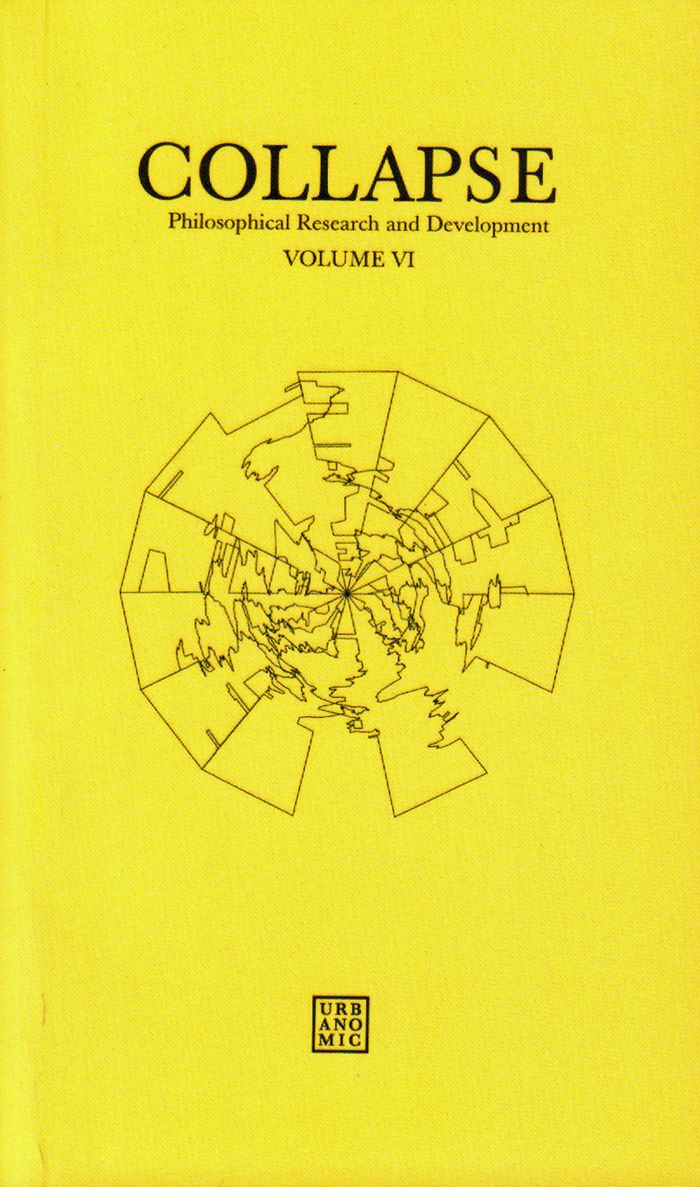
Is there an enduring bond between philosophical thought and the earth, or is philosophy’s task to escape the planetary horizon? And what is the connection between the empirical earth, the contingent material support of human thinking, and the abstract ‘world’ that is the condition for a ‘whole’ of thought? Real and imaginary geographies and cartographies have played a dual role in philosophy, serving both as governing metaphor and as ultimate grounding for philosophical thought; but urgent contemporary concerns introduce new problems for geophilosophy: planetary political, technological, military, and financial mutations have scrambled territorial formations, and scientific predictions now present us with the apocalyptic scenario of a planet without human thought. Collapse VI brings together philosophers, theorists, eco-critics, leading scientific experts in climate change, and artists whose work interrogates the link between philosophical thought, geography and cartography, in order to create a portrait of the present state of ‘planetary thought’.
Collapse: philosophical research and development,: geo/philosophy, volume VI
Actions:
Price:
$45.95
(available in store)
Summary:
Is there an enduring bond between philosophical thought and the earth, or is philosophy’s task to escape the planetary horizon? And what is the connection between the empirical earth, the contingent material support of human thinking, and the abstract ‘world’ that is the condition for a ‘whole’ of thought? Real and imaginary geographies and cartographies have played a dual role in philosophy, serving both as governing metaphor and as ultimate grounding for philosophical thought; but urgent contemporary concerns introduce new problems for geophilosophy: planetary political, technological, military, and financial mutations have scrambled territorial formations, and scientific predictions now present us with the apocalyptic scenario of a planet without human thought. Collapse VI brings together philosophers, theorists, eco-critics, leading scientific experts in climate change, and artists whose work interrogates the link between philosophical thought, geography and cartography, in order to create a portrait of the present state of ‘planetary thought’.
Form:
books
books
Publication:
December 2012
December 2012
Subject:
Environment and environmental theory
Environment and environmental theory
Form:
books
books
Price:
$34.00
(available to order)
Summary:
Et si les rejets organiques des sept milliards de personnes qui vont aux toilettes chaque jour se transformaient en ressources à valoriser? Recycler nos selles et notre urine reste un tabou majeur dans nos sociétés. Pourtant, faire nos besoins dans de l’eau potable est peut-être l’une de nos habitudes culturelles les plus curieuses et les plus polluantes. D’une grande(...)
$34.00
(available to order)
Summary:
Et si les rejets organiques des sept milliards de personnes qui vont aux toilettes chaque jour se transformaient en ressources à valoriser? Recycler nos selles et notre urine reste un tabou majeur dans nos sociétés. Pourtant, faire nos besoins dans de l’eau potable est peut-être l’une de nos habitudes culturelles les plus curieuses et les plus polluantes. D’une grande(...)
Title:
Le petit livre du fumain: manuel de compostage du fumier humain
Actions:
Price:
$34.00
(available to order)
Summary:
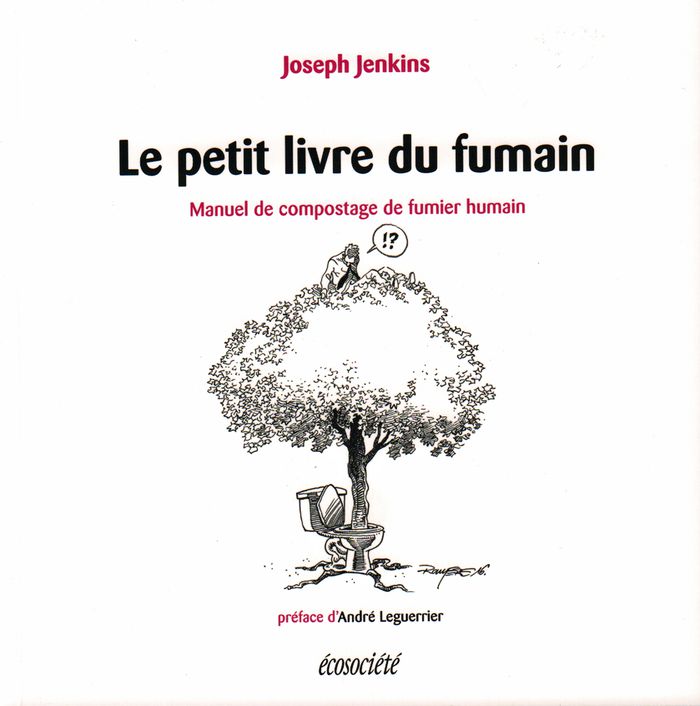
Et si les rejets organiques des sept milliards de personnes qui vont aux toilettes chaque jour se transformaient en ressources à valoriser? Recycler nos selles et notre urine reste un tabou majeur dans nos sociétés. Pourtant, faire nos besoins dans de l’eau potable est peut-être l’une de nos habitudes culturelles les plus curieuses et les plus polluantes. D’une grande pertinence écologique, et non sans une pointe d’humour pour désamorcer toute appréhension négative, Le petit livre du fumain vous offensera peut-être, mais il vous interpellera assurément. Car quiconque s’intéresse à un futur durable comprendra la nécessité de s’attaquer à cet enjeu. Alors, les déjections humaines, simples déchets ou ressources à valoriser?
Le petit livre du fumain: manuel de compostage du fumier humain
Actions:
Price:
$34.00
(available to order)
Summary:
Et si les rejets organiques des sept milliards de personnes qui vont aux toilettes chaque jour se transformaient en ressources à valoriser? Recycler nos selles et notre urine reste un tabou majeur dans nos sociétés. Pourtant, faire nos besoins dans de l’eau potable est peut-être l’une de nos habitudes culturelles les plus curieuses et les plus polluantes. D’une grande pertinence écologique, et non sans une pointe d’humour pour désamorcer toute appréhension négative, Le petit livre du fumain vous offensera peut-être, mais il vous interpellera assurément. Car quiconque s’intéresse à un futur durable comprendra la nécessité de s’attaquer à cet enjeu. Alors, les déjections humaines, simples déchets ou ressources à valoriser?
Form:
books
books
Publication:
January 2017
January 2017
Subject:
Environment and environmental theory
Environment and environmental theory
Form:
books
books
Actions:
Price:
$25.95
(available to order)
Summary:
"La réduction des gaz à effet de serre (GES) mènera automatiquement à une amélioration de notre qualité de vie", "L’hydroélectricité est la clé pour l’enrichissement du Québec", "Le Canada est une grande puissance énergétique", ... Voilà autant de mythes sans cesse répétés par les politiciens, les groupes d’intérêt, les porte-parole de l’industrie et les médias. Ces(...)
$25.95
(available to order)
Summary:
"La réduction des gaz à effet de serre (GES) mènera automatiquement à une amélioration de notre qualité de vie", "L’hydroélectricité est la clé pour l’enrichissement du Québec", "Le Canada est une grande puissance énergétique", ... Voilà autant de mythes sans cesse répétés par les politiciens, les groupes d’intérêt, les porte-parole de l’industrie et les médias. Ces(...)
Title:
Gagner la guerre du climat : douze mythes à déboulonner
Actions:
Price:
$25.95
(available to order)
Summary:
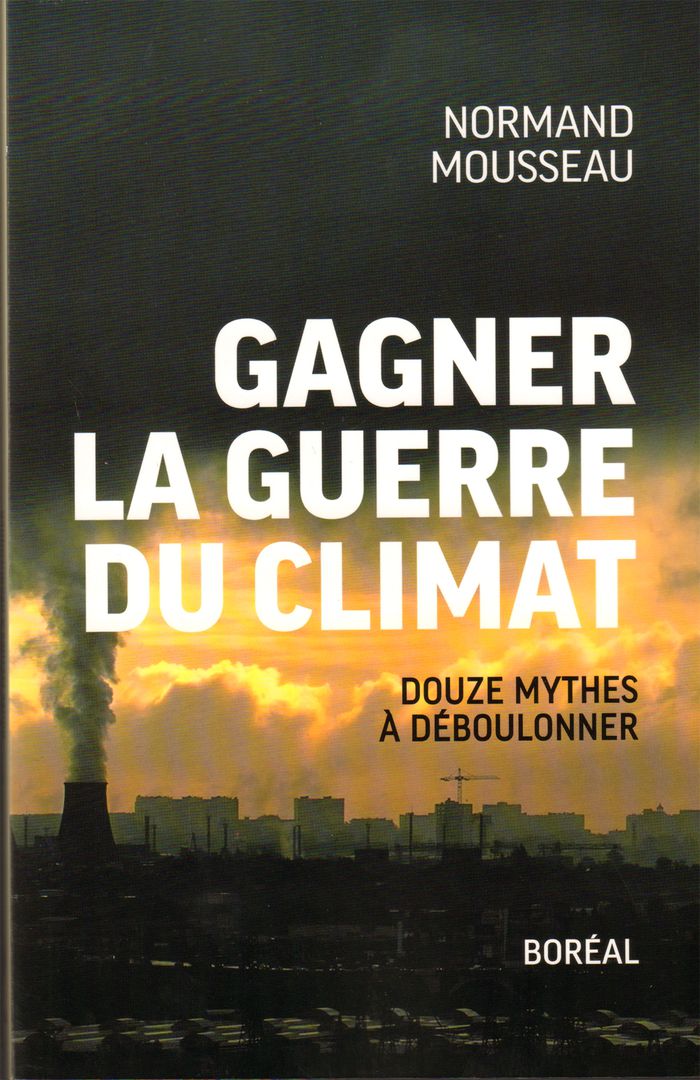
"La réduction des gaz à effet de serre (GES) mènera automatiquement à une amélioration de notre qualité de vie", "L’hydroélectricité est la clé pour l’enrichissement du Québec", "Le Canada est une grande puissance énergétique", ... Voilà autant de mythes sans cesse répétés par les politiciens, les groupes d’intérêt, les porte-parole de l’industrie et les médias. Ces mythes nous donnent l’impression de maîtriser la transition énergétique et nous confortent dans l’illusion que nous avons les outils pour atteindre nos objectifs de réduction de GES sans toucher à ce qu’on appelle encore "le modèle québécois". La situation n’est pas meilleure dans le reste du Canada, où l’ensemble des gouvernements provinciaux oscille entre objectifs ambitieux et inaccessibles, programmes de réduction des émissions de GES aussi coûteux qu’inefficaces ou, carrément, déni du problème. Quant au gouvernement fédéral, après trois décennies d’inaction, il tarde encore à mettre sur pied une politique nationale sur la question. Normand Mousseau déboulonne systématiquement chacun de ces mythes et démontre de manière irréfutable la vérité suivante : la solution au problème des changements climatiques n’est pas de nature technologique ou scientifique, mais bel et bien politique.
Gagner la guerre du climat : douze mythes à déboulonner
Actions:
Price:
$25.95
(available to order)
Summary:
"La réduction des gaz à effet de serre (GES) mènera automatiquement à une amélioration de notre qualité de vie", "L’hydroélectricité est la clé pour l’enrichissement du Québec", "Le Canada est une grande puissance énergétique", ... Voilà autant de mythes sans cesse répétés par les politiciens, les groupes d’intérêt, les porte-parole de l’industrie et les médias. Ces mythes nous donnent l’impression de maîtriser la transition énergétique et nous confortent dans l’illusion que nous avons les outils pour atteindre nos objectifs de réduction de GES sans toucher à ce qu’on appelle encore "le modèle québécois". La situation n’est pas meilleure dans le reste du Canada, où l’ensemble des gouvernements provinciaux oscille entre objectifs ambitieux et inaccessibles, programmes de réduction des émissions de GES aussi coûteux qu’inefficaces ou, carrément, déni du problème. Quant au gouvernement fédéral, après trois décennies d’inaction, il tarde encore à mettre sur pied une politique nationale sur la question. Normand Mousseau déboulonne systématiquement chacun de ces mythes et démontre de manière irréfutable la vérité suivante : la solution au problème des changements climatiques n’est pas de nature technologique ou scientifique, mais bel et bien politique.
Form:
books
books
Publication:
February 2017
February 2017
Subject:
Environment and environmental theory
Environment and environmental theory
Form:
books
books
Price:
$37.50
(available to order)
Summary:
Living on a damaged planet challenges who we are and where we live. This timely anthology calls on twenty eminent humanists and scientists to revitalize curiosity, observation, and transdisciplinary conversation about life on earth. As human-induced environmental change threatens multispecies livability, "Arts of living on a damaged planet" puts forward a bold proposal:(...)
$37.50
(available to order)
Summary:
Living on a damaged planet challenges who we are and where we live. This timely anthology calls on twenty eminent humanists and scientists to revitalize curiosity, observation, and transdisciplinary conversation about life on earth. As human-induced environmental change threatens multispecies livability, "Arts of living on a damaged planet" puts forward a bold proposal:(...)
Subject:
Environment and environmental theory
Environment and environmental theory
Publication:
May 2017
May 2017
Title:
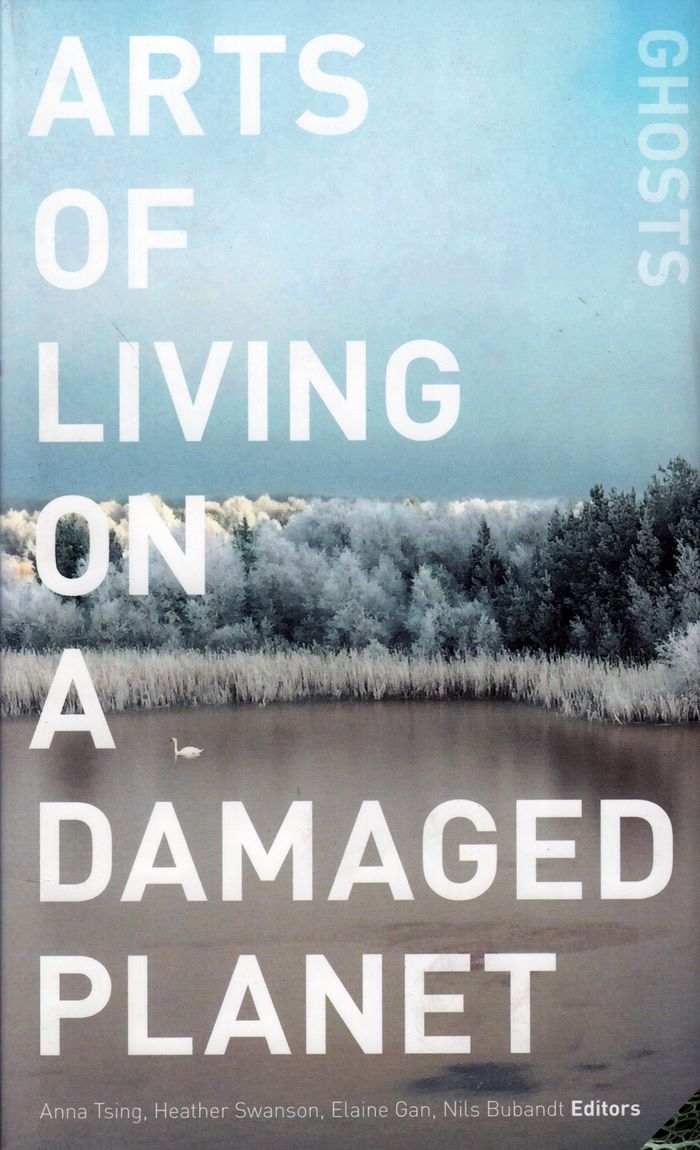
Arts of living on a damaged planet: ghosts of the Anthropocene
Actions:
Price:
$37.50
(available to order)
Summary:
Living on a damaged planet challenges who we are and where we live. This timely anthology calls on twenty eminent humanists and scientists to revitalize curiosity, observation, and transdisciplinary conversation about life on earth. As human-induced environmental change threatens multispecies livability, "Arts of living on a damaged planet" puts forward a bold proposal: entangled histories, situated narratives, and thick descriptions offer urgent "arts of living." Included are essays by scholars in anthropology, ecology, science studies, art, literature, and bioinformatics who posit critical and creative tools for collaborative survival in a more-than-human Anthropocene. The essays are organized around two key figures that also serve as the publication's two openings: Ghosts, or landscapes haunted by the violences of modernity; and Monsters, or interspecies and intraspecies sociality. Ghosts and Monsters are tentacular, windy, and arboreal arts that invite readers to encounter ants, lichen, rocks, electrons, flying foxes, salmon, chestnut trees, mud volcanoes, border zones, graves, radioactive waste--in short, the wonders and terrors of an unintended epoch.
Arts of living on a damaged planet: ghosts of the Anthropocene
Actions:
Price:
$37.50
(available to order)
Summary:
Living on a damaged planet challenges who we are and where we live. This timely anthology calls on twenty eminent humanists and scientists to revitalize curiosity, observation, and transdisciplinary conversation about life on earth. As human-induced environmental change threatens multispecies livability, "Arts of living on a damaged planet" puts forward a bold proposal: entangled histories, situated narratives, and thick descriptions offer urgent "arts of living." Included are essays by scholars in anthropology, ecology, science studies, art, literature, and bioinformatics who posit critical and creative tools for collaborative survival in a more-than-human Anthropocene. The essays are organized around two key figures that also serve as the publication's two openings: Ghosts, or landscapes haunted by the violences of modernity; and Monsters, or interspecies and intraspecies sociality. Ghosts and Monsters are tentacular, windy, and arboreal arts that invite readers to encounter ants, lichen, rocks, electrons, flying foxes, salmon, chestnut trees, mud volcanoes, border zones, graves, radioactive waste--in short, the wonders and terrors of an unintended epoch.
Form:
books
books
Publication:
May 2017
May 2017
Subject:
Environment and environmental theory
Environment and environmental theory
Form:
books
books
Price:
$39.95
(available to order)
Summary:
En 2004, Perrine et Charles Hervé-Gruyer créent la Ferme du Bec Hellouin, en Haute-Normandie. Cette ferme fait aujourd’hui référence en matière d’agriculture naturelle et attire des visiteurs du monde entier. Ce récit est celui d’une famille qui réussit à créer, en quelques années seulement, une oasis de vie généreuse sur des terres peu fertiles. C’est également une(...)
$39.95
(available to order)
Summary:
En 2004, Perrine et Charles Hervé-Gruyer créent la Ferme du Bec Hellouin, en Haute-Normandie. Cette ferme fait aujourd’hui référence en matière d’agriculture naturelle et attire des visiteurs du monde entier. Ce récit est celui d’une famille qui réussit à créer, en quelques années seulement, une oasis de vie généreuse sur des terres peu fertiles. C’est également une(...)
Title:
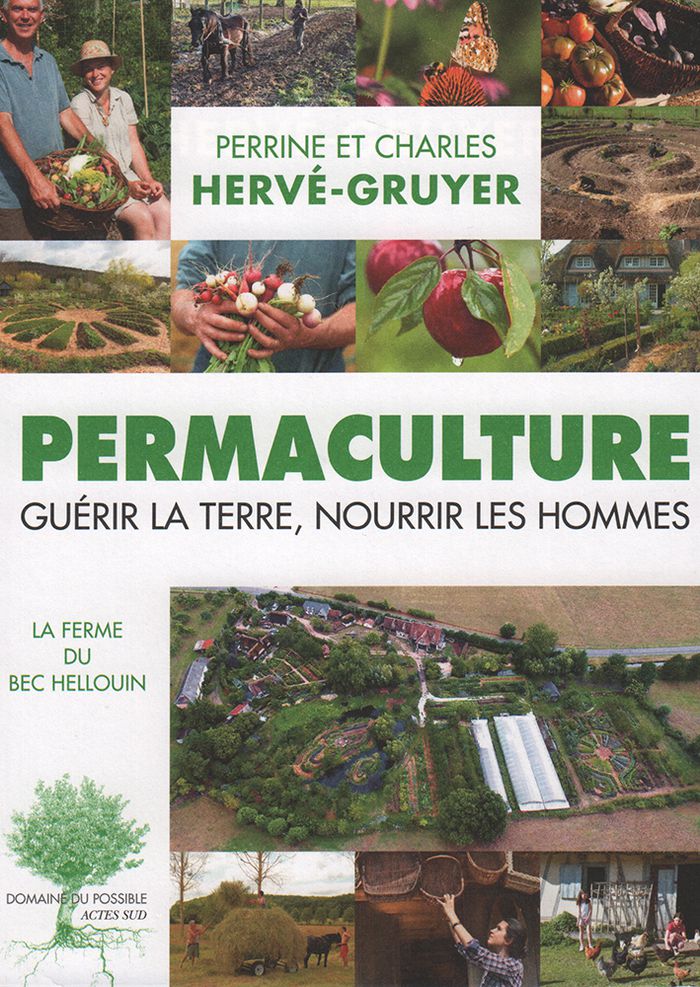
Permaculture : guérir la Terre, nourrir les hommes. Nouvelle édition
Actions:
Price:
$39.95
(available to order)
Summary:
En 2004, Perrine et Charles Hervé-Gruyer créent la Ferme du Bec Hellouin, en Haute-Normandie. Cette ferme fait aujourd’hui référence en matière d’agriculture naturelle et attire des visiteurs du monde entier. Ce récit est celui d’une famille qui réussit à créer, en quelques années seulement, une oasis de vie généreuse sur des terres peu fertiles. C’est également une vaste enquête menée autour du monde, à la rencontre de pionniers de l’agriculture qui explorent des voies novatrices et inventent le monde de demain.
Permaculture : guérir la Terre, nourrir les hommes. Nouvelle édition
Actions:
Price:
$39.95
(available to order)
Summary:
En 2004, Perrine et Charles Hervé-Gruyer créent la Ferme du Bec Hellouin, en Haute-Normandie. Cette ferme fait aujourd’hui référence en matière d’agriculture naturelle et attire des visiteurs du monde entier. Ce récit est celui d’une famille qui réussit à créer, en quelques années seulement, une oasis de vie généreuse sur des terres peu fertiles. C’est également une vaste enquête menée autour du monde, à la rencontre de pionniers de l’agriculture qui explorent des voies novatrices et inventent le monde de demain.
Form:
books
books
Publication:
May 2017
May 2017
Subject:
Environment and environmental theory
Environment and environmental theory
Form:
books
books
Price:
$34.95
(available to order)
Summary:
"Animal metropolis" brings a Canadian perspective to the growing field of animal history, ranging across species and cities, from the beavers who engineered Stanley Park to the carthorses who shaped the city of Montreal. Some essays consider animals as spectacle: orca captivity in Vancouver, polar bear tourism in Churchill, Manitoba, fish on display in the Dominion(...)
$34.95
(available to order)
Summary:
"Animal metropolis" brings a Canadian perspective to the growing field of animal history, ranging across species and cities, from the beavers who engineered Stanley Park to the carthorses who shaped the city of Montreal. Some essays consider animals as spectacle: orca captivity in Vancouver, polar bear tourism in Churchill, Manitoba, fish on display in the Dominion(...)
Subject:
Environment and environmental theory
Environment and environmental theory
Publication:
February 2017
February 2017
Title:
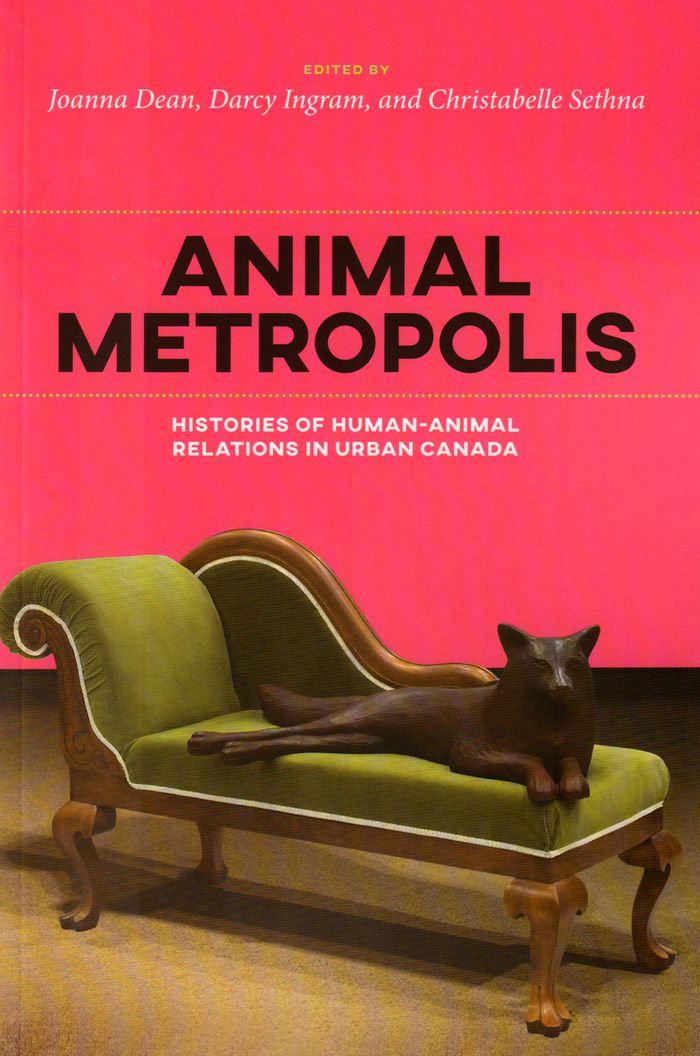
Animal metropolis: histories of human-animal relations in urban Canada
Actions:
Price:
$34.95
(available to order)
Summary:
"Animal metropolis" brings a Canadian perspective to the growing field of animal history, ranging across species and cities, from the beavers who engineered Stanley Park to the carthorses who shaped the city of Montreal. Some essays consider animals as spectacle: orca captivity in Vancouver, polar bear tourism in Churchill, Manitoba, fish on display in the Dominion Fisheries Museum, and the racialized memory of Jumbo the elephant in St. Thomas, Ontario. Others examine the bodily intimacies of shared urban spaces: the regulation of rabid dogs in Banff, the maternal politics of pure milk in Hamilton and the circulation of tetanus bacilli from horse to human in Toronto. Another considers the marginalization of women in Canada’s animal welfare movement. The authors collectively push forward from a historiography that features nonhuman animals as objects within human-centered inquiries to a historiography that considers the eclectic contacts, exchanges, and cohabitation of human and nonhuman animals.
Animal metropolis: histories of human-animal relations in urban Canada
Actions:
Price:
$34.95
(available to order)
Summary:
"Animal metropolis" brings a Canadian perspective to the growing field of animal history, ranging across species and cities, from the beavers who engineered Stanley Park to the carthorses who shaped the city of Montreal. Some essays consider animals as spectacle: orca captivity in Vancouver, polar bear tourism in Churchill, Manitoba, fish on display in the Dominion Fisheries Museum, and the racialized memory of Jumbo the elephant in St. Thomas, Ontario. Others examine the bodily intimacies of shared urban spaces: the regulation of rabid dogs in Banff, the maternal politics of pure milk in Hamilton and the circulation of tetanus bacilli from horse to human in Toronto. Another considers the marginalization of women in Canada’s animal welfare movement. The authors collectively push forward from a historiography that features nonhuman animals as objects within human-centered inquiries to a historiography that considers the eclectic contacts, exchanges, and cohabitation of human and nonhuman animals.
Form:
books
books
Publication:
February 2017
February 2017
Subject:
Environment and environmental theory
Environment and environmental theory
Form:
books
books
Actions:
Price:
$36.95
(available to order)
Summary:
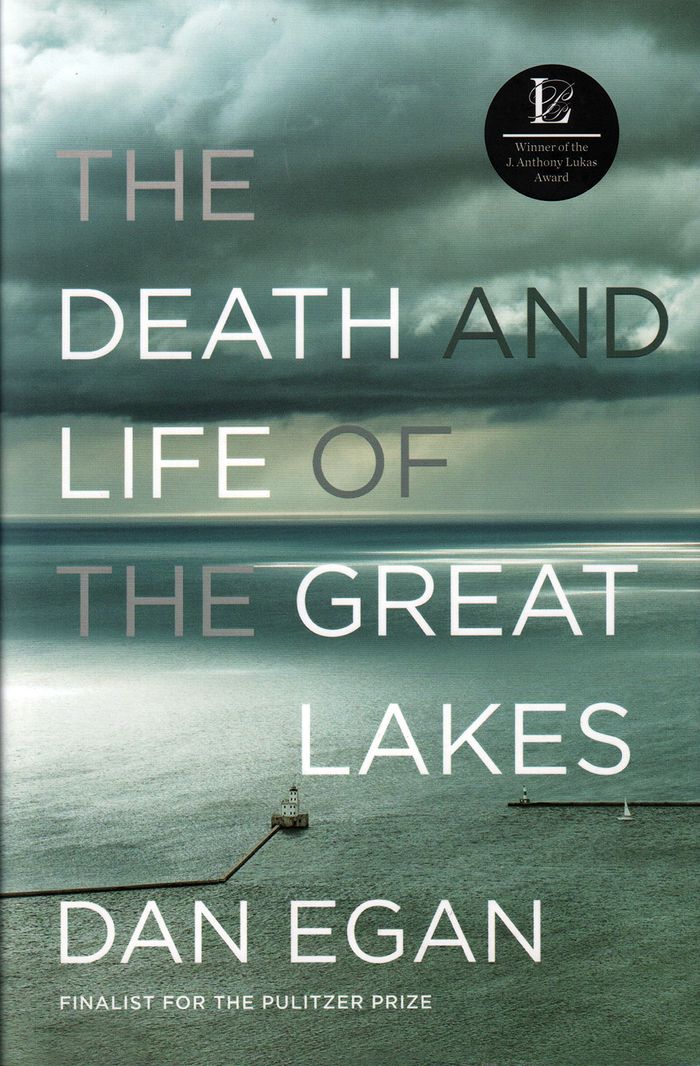
'The Death and Life of the Great Lakes' is Dan Egan’s portrait of an ecological catastrophe happening right before our eyes, blending the epic story of the lakes with an examination of the perils they face and the ways we can restore and preserve them for generations to come.
$36.95
(available to order)
Summary:
'The Death and Life of the Great Lakes' is Dan Egan’s portrait of an ecological catastrophe happening right before our eyes, blending the epic story of the lakes with an examination of the perils they face and the ways we can restore and preserve them for generations to come.
Title:
The death and life of the Great Lakes
Actions:
Price:
$36.95
(available to order)
Summary:
'The Death and Life of the Great Lakes' is Dan Egan’s portrait of an ecological catastrophe happening right before our eyes, blending the epic story of the lakes with an examination of the perils they face and the ways we can restore and preserve them for generations to come.
The death and life of the Great Lakes
Actions:
Price:
$36.95
(available to order)
Summary:
'The Death and Life of the Great Lakes' is Dan Egan’s portrait of an ecological catastrophe happening right before our eyes, blending the epic story of the lakes with an examination of the perils they face and the ways we can restore and preserve them for generations to come.
Form:
books
books
Publication:
March 2017
March 2017
Subject:
Environment and environmental theory
Environment and environmental theory
Form:
books
books
Actions:
Price:
$25.95
(available to order)
Summary:
The Earth has entered a new epoch: the Anthropocene. What we are facing is not only an environmental crisis, but a geological revolution of human origin. In two centuries, our planet has tipped into a state unknown for millions of years. How did we get to this point? Refuting the convenient view of a “human species” that upset the Earth system, unaware of what it was(...)
$25.95
(available to order)
Summary:
The Earth has entered a new epoch: the Anthropocene. What we are facing is not only an environmental crisis, but a geological revolution of human origin. In two centuries, our planet has tipped into a state unknown for millions of years. How did we get to this point? Refuting the convenient view of a “human species” that upset the Earth system, unaware of what it was(...)
Subject:
Environment and environmental theory
Environment and environmental theory
Publication:
April 2017
April 2017
Title:
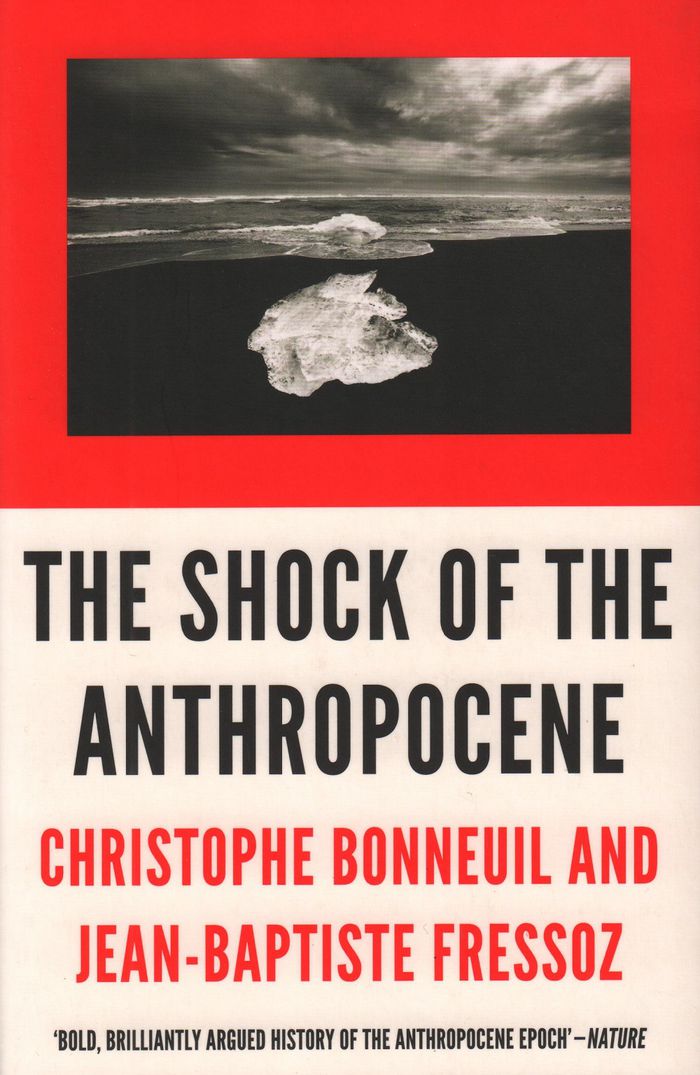
The shock of the anthropocene: the earth, history and us
Actions:
Price:
$25.95
(available to order)
Summary:
The Earth has entered a new epoch: the Anthropocene. What we are facing is not only an environmental crisis, but a geological revolution of human origin. In two centuries, our planet has tipped into a state unknown for millions of years. How did we get to this point? Refuting the convenient view of a “human species” that upset the Earth system, unaware of what it was doing, this book proposes the first critical history of the Anthropocene, shaking up many accepted ideas: about our supposedly recent “environmental awareness,” about previous challenges to industrialism, about the manufacture of ignorance and consumerism, about so-called energy transitions, as well as about the role of the military in environmental destruction. In a dialogue between science and history, The Shock of the Anthropocene dissects a new theoretical buzzword and explores paths for living and acting politically in this rapidly developing geological epoch.
The shock of the anthropocene: the earth, history and us
Actions:
Price:
$25.95
(available to order)
Summary:
The Earth has entered a new epoch: the Anthropocene. What we are facing is not only an environmental crisis, but a geological revolution of human origin. In two centuries, our planet has tipped into a state unknown for millions of years. How did we get to this point? Refuting the convenient view of a “human species” that upset the Earth system, unaware of what it was doing, this book proposes the first critical history of the Anthropocene, shaking up many accepted ideas: about our supposedly recent “environmental awareness,” about previous challenges to industrialism, about the manufacture of ignorance and consumerism, about so-called energy transitions, as well as about the role of the military in environmental destruction. In a dialogue between science and history, The Shock of the Anthropocene dissects a new theoretical buzzword and explores paths for living and acting politically in this rapidly developing geological epoch.
Form:
books
books
Publication:
April 2017
April 2017
Subject:
Environment and environmental theory
Environment and environmental theory
Form:
books
books
Actions:
Price:
$14.95
(available to order)
Summary:
Depuis l'apparition de la vie sur Terre, il y a eu cinq extinctions massives d'espèces. A présent, des scientifiques estiment que notre planète est en train de vivre la sixième, et cette fois, c'est l'homme qui en serait la cause. Pour prendre toute la mesure de ce moment critique, Elizabeth Kolbert est remontée aux découvertes de Cuvier et de Darwin. Elle a voyagé, des(...)
$14.95
(available to order)
Summary:
Depuis l'apparition de la vie sur Terre, il y a eu cinq extinctions massives d'espèces. A présent, des scientifiques estiment que notre planète est en train de vivre la sixième, et cette fois, c'est l'homme qui en serait la cause. Pour prendre toute la mesure de ce moment critique, Elizabeth Kolbert est remontée aux découvertes de Cuvier et de Darwin. Elle a voyagé, des(...)
Title:
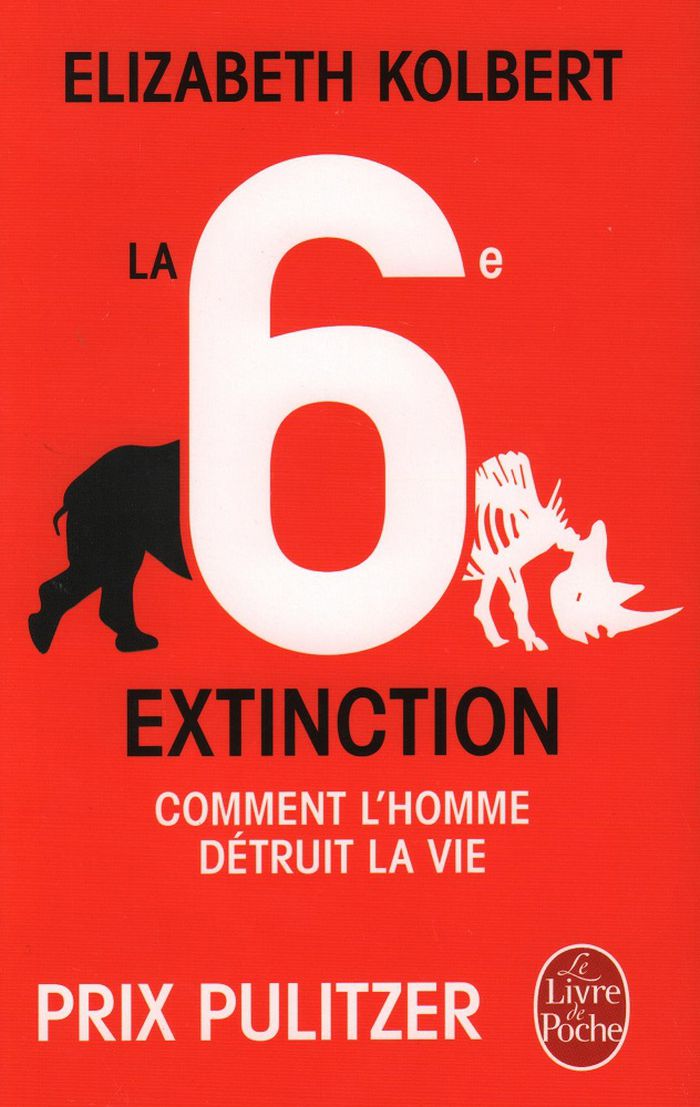
La sixième extinction : comment l'homme détruit la vie
Actions:
Price:
$14.95
(available to order)
Summary:
Depuis l'apparition de la vie sur Terre, il y a eu cinq extinctions massives d'espèces. A présent, des scientifiques estiment que notre planète est en train de vivre la sixième, et cette fois, c'est l'homme qui en serait la cause. Pour prendre toute la mesure de ce moment critique, Elizabeth Kolbert est remontée aux découvertes de Cuvier et de Darwin. Elle a voyagé, des îles du Pacifique jusqu'au Muséum national d'histoire naturelle de Paris en passant par la forêt amazonienne, et est partie à la rencontre des scientifiques qui enregistrent chaque jour de nouveaux indices d'une réalité implacable.
La sixième extinction : comment l'homme détruit la vie
Actions:
Price:
$14.95
(available to order)
Summary:
Depuis l'apparition de la vie sur Terre, il y a eu cinq extinctions massives d'espèces. A présent, des scientifiques estiment que notre planète est en train de vivre la sixième, et cette fois, c'est l'homme qui en serait la cause. Pour prendre toute la mesure de ce moment critique, Elizabeth Kolbert est remontée aux découvertes de Cuvier et de Darwin. Elle a voyagé, des îles du Pacifique jusqu'au Muséum national d'histoire naturelle de Paris en passant par la forêt amazonienne, et est partie à la rencontre des scientifiques qui enregistrent chaque jour de nouveaux indices d'une réalité implacable.
Form:
books
books
Publication:
February 2017
February 2017
Subject:
Environment and environmental theory
Environment and environmental theory


