


5778 Results
Form:
books
books
Title:
Beyond the map: unruly enclaves, ghostly places, emerging lands and our search for new utopias
Beyond the map: unruly enclaves, ghostly places, emerging lands and our search for new utopias
Actions:
Price:
$34.50
(available to order)
Summary:
In "Beyond the Map", Bonnett presents stories of the world’s most extraordinary spaces—many unmarked on any official map—all of which challenge our assumptions about what we know—or think we know—about our world. As cultural, religious and political boundaries ebb and flow with each passing day, traditional maps unravel and fragment. With the same adventurous spirit he(...)
$34.50
(available to order)
Summary:
In "Beyond the Map", Bonnett presents stories of the world’s most extraordinary spaces—many unmarked on any official map—all of which challenge our assumptions about what we know—or think we know—about our world. As cultural, religious and political boundaries ebb and flow with each passing day, traditional maps unravel and fragment. With the same adventurous spirit he(...)
Title:
Beyond the map: unruly enclaves, ghostly places, emerging lands and our search for new utopias
Actions:
Price:
$34.50
(available to order)
Summary:
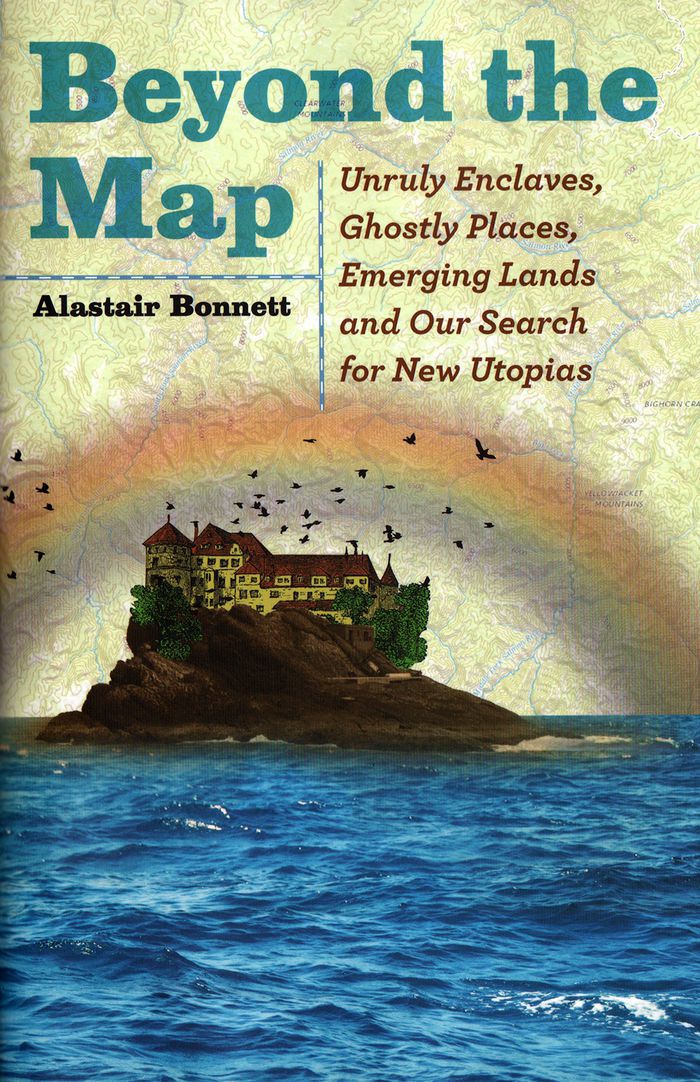
In "Beyond the Map", Bonnett presents stories of the world’s most extraordinary spaces—many unmarked on any official map—all of which challenge our assumptions about what we know—or think we know—about our world. As cultural, religious and political boundaries ebb and flow with each passing day, traditional maps unravel and fragment. With the same adventurous spirit he effused in the acclaimed Unruly Places, Bonnett takes us to thirty-nine incredible spots around the globe to explore these changing boundaries and stimulate our geographical imagination. Some are tied to disruptive contemporary political turbulence, such as the rise of ISIL, Russia’s incursions into Ukraine and the Brexit vote in the United Kingdom. Others explore the secret places not shown on Google Earth or reflect fast-changing landscapes.
Beyond the map: unruly enclaves, ghostly places, emerging lands and our search for new utopias
Actions:
Price:
$34.50
(available to order)
Summary:
In "Beyond the Map", Bonnett presents stories of the world’s most extraordinary spaces—many unmarked on any official map—all of which challenge our assumptions about what we know—or think we know—about our world. As cultural, religious and political boundaries ebb and flow with each passing day, traditional maps unravel and fragment. With the same adventurous spirit he effused in the acclaimed Unruly Places, Bonnett takes us to thirty-nine incredible spots around the globe to explore these changing boundaries and stimulate our geographical imagination. Some are tied to disruptive contemporary political turbulence, such as the rise of ISIL, Russia’s incursions into Ukraine and the Brexit vote in the United Kingdom. Others explore the secret places not shown on Google Earth or reflect fast-changing landscapes.
Form:
books
books
Publication:
April 2018
April 2018
Subject:
Architectural Plans and Cartography
Architectural Plans and Cartography
Form:
books
books
Actions:
Price:
$42.00
(available to order)
Summary:
Profit is the original genius of homo sapiens, who learned how to unleash the energy stored in wood, exploit the land, and refashion ecosystems. As civilization developed, we found more and more ways of extracting surplus value from the earth, often deploying brutally effective methods to discipline people to do the work needed. Historian Mark Stoll explains how(...)
$42.00
(available to order)
Summary:
Profit is the original genius of homo sapiens, who learned how to unleash the energy stored in wood, exploit the land, and refashion ecosystems. As civilization developed, we found more and more ways of extracting surplus value from the earth, often deploying brutally effective methods to discipline people to do the work needed. Historian Mark Stoll explains how(...)
Title:
Profit: an environmental history
Actions:
Price:
$42.00
(available to order)
Summary:
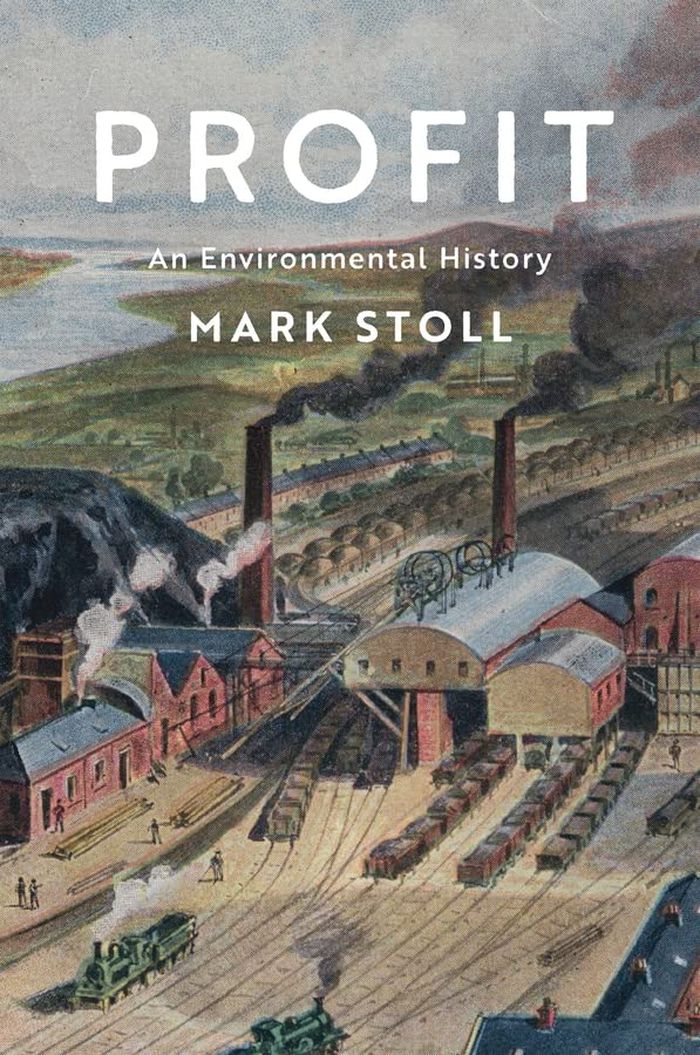
Profit is the original genius of homo sapiens, who learned how to unleash the energy stored in wood, exploit the land, and refashion ecosystems. As civilization developed, we found more and more ways of extracting surplus value from the earth, often deploying brutally effective methods to discipline people to do the work needed. Historian Mark Stoll explains how capitalism supercharged this process and traces its many environmental consequences. The financial innovations of medieval Italy created trade networks that, with the European discovery of the Americas, made possible vast profits and sweeping cultural changes, to the detriment of millions of slaves and indigenous Americans; the industrial age united the world in trade and led to an energy revolution that changed lives everywhere. But when efficient production left society awash in goods, a new sort of capitalism, predicated on endless individual consumption, took its place.
Profit: an environmental history
Actions:
Price:
$42.00
(available to order)
Summary:
Profit is the original genius of homo sapiens, who learned how to unleash the energy stored in wood, exploit the land, and refashion ecosystems. As civilization developed, we found more and more ways of extracting surplus value from the earth, often deploying brutally effective methods to discipline people to do the work needed. Historian Mark Stoll explains how capitalism supercharged this process and traces its many environmental consequences. The financial innovations of medieval Italy created trade networks that, with the European discovery of the Americas, made possible vast profits and sweeping cultural changes, to the detriment of millions of slaves and indigenous Americans; the industrial age united the world in trade and led to an energy revolution that changed lives everywhere. But when efficient production left society awash in goods, a new sort of capitalism, predicated on endless individual consumption, took its place.
Form:
books
books
Publication:
January 2023
January 2023
Subject:
Environment and environmental theory
Environment and environmental theory
Form:
books
books
Price:
$28.00
(available to order)
Summary:
Aggressively rebounding after recessions and the pandemic, sprawling landscapes of tourism in the Mediterranean continue to build upon the iconic spatial typology of sea & sun vacationing: the beach. But behind the leisurely scattered bodies and the quiescent summer shores, beachfronts are assembled as intensely ordered infrastructures for the heavy machineries of(...)
$28.00
(available to order)
Summary:
Aggressively rebounding after recessions and the pandemic, sprawling landscapes of tourism in the Mediterranean continue to build upon the iconic spatial typology of sea & sun vacationing: the beach. But behind the leisurely scattered bodies and the quiescent summer shores, beachfronts are assembled as intensely ordered infrastructures for the heavy machineries of(...)
Subject:
Architectural Theory
Architectural Theory
Publication:
October 2022
October 2022
Title:
The beach machine: Making and operating the Mediterranean coastline
Actions:
Price:
$28.00
(available to order)
Summary:
Aggressively rebounding after recessions and the pandemic, sprawling landscapes of tourism in the Mediterranean continue to build upon the iconic spatial typology of sea & sun vacationing: the beach. But behind the leisurely scattered bodies and the quiescent summer shores, beachfronts are assembled as intensely ordered infrastructures for the heavy machineries of tourism. Approaching the beach as an operational socio-technical landscape, this book unpacks stories of construction, programming, and maintenance: from traces of moving sands in Lefkada island to mirror postwar developments in Delos and Mykonos islands, and from historic and bodily excursions to workings of the Athenian riviera to rituals of eco-certification under Blue Flags. The texts frame the beach as a machine, one with protocols of function and metabolic needs, studying how it directs the capture of land and bodies, while establishing forms of environmental control.
The beach machine: Making and operating the Mediterranean coastline
Actions:
Price:
$28.00
(available to order)
Summary:
Aggressively rebounding after recessions and the pandemic, sprawling landscapes of tourism in the Mediterranean continue to build upon the iconic spatial typology of sea & sun vacationing: the beach. But behind the leisurely scattered bodies and the quiescent summer shores, beachfronts are assembled as intensely ordered infrastructures for the heavy machineries of tourism. Approaching the beach as an operational socio-technical landscape, this book unpacks stories of construction, programming, and maintenance: from traces of moving sands in Lefkada island to mirror postwar developments in Delos and Mykonos islands, and from historic and bodily excursions to workings of the Athenian riviera to rituals of eco-certification under Blue Flags. The texts frame the beach as a machine, one with protocols of function and metabolic needs, studying how it directs the capture of land and bodies, while establishing forms of environmental control.
Form:
books
books
Publication:
October 2022
October 2022
Subject:
Architectural Theory
Architectural Theory
Form:
books
books

Title:
Rahim Fortune: Hardtack
Rahim Fortune: Hardtack
Actions:
Price:
$110.00
(available to order)
Summary:
Flour, water, and salt. These are the sole ingredients that make Hardtack: a Civil War-era food long-associated with survivalism, land migration, and its extremely long shelf life. Drawing from this history as a metaphor for the long-enduring nature of Black culture and traditions, Hardtack uncovers the roots that tie Fortune's native landscape to the conflicts and(...)
$110.00
(available to order)
Summary:
Flour, water, and salt. These are the sole ingredients that make Hardtack: a Civil War-era food long-associated with survivalism, land migration, and its extremely long shelf life. Drawing from this history as a metaphor for the long-enduring nature of Black culture and traditions, Hardtack uncovers the roots that tie Fortune's native landscape to the conflicts and(...)
Title:
Rahim Fortune: Hardtack
Actions:
Price:
$110.00
(available to order)
Summary:
Flour, water, and salt. These are the sole ingredients that make Hardtack: a Civil War-era food long-associated with survivalism, land migration, and its extremely long shelf life. Drawing from this history as a metaphor for the long-enduring nature of Black culture and traditions, Hardtack uncovers the roots that tie Fortune's native landscape to the conflicts and nuances associated with the post-emancipation Americas. In the follow-up to his breakout monograph I can't stand to see you cry, Fortune borrows from the language of vernacular and archival photography to interrogate the historical relationship of his community to photography; rooted in the landscape, Fortune often uses sites of historical and cultural interest as a guide but not a subject, implying the deep ties that bind modern Black communities resiliently to their regions, in the face of both adversity and joy.
Rahim Fortune: Hardtack
Actions:
Price:
$110.00
(available to order)
Summary:
Flour, water, and salt. These are the sole ingredients that make Hardtack: a Civil War-era food long-associated with survivalism, land migration, and its extremely long shelf life. Drawing from this history as a metaphor for the long-enduring nature of Black culture and traditions, Hardtack uncovers the roots that tie Fortune's native landscape to the conflicts and nuances associated with the post-emancipation Americas. In the follow-up to his breakout monograph I can't stand to see you cry, Fortune borrows from the language of vernacular and archival photography to interrogate the historical relationship of his community to photography; rooted in the landscape, Fortune often uses sites of historical and cultural interest as a guide but not a subject, implying the deep ties that bind modern Black communities resiliently to their regions, in the face of both adversity and joy.
Form:
books
books
Publication:
March 2024
March 2024
Subject:
Photography monographs
Photography monographs
Form:
books
books
Title:
Ian Bates : Lost Dog
Ian Bates : Lost Dog
Actions:
Price:
$30.00
(available to order)
Summary:
"Lost Dog" opens with a cat inquisitively turning towards us - a character inviting us to a vast land. And we can indeed speak of character, so much does "Lost Dog" resemble a fable. Throughout the pages, Bates is the solitary traveler on an odyssey, coming across with elusive figures, crossing depopulated places that, always, retain the mysterious traces of a past(...)
$30.00
(available to order)
Summary:
"Lost Dog" opens with a cat inquisitively turning towards us - a character inviting us to a vast land. And we can indeed speak of character, so much does "Lost Dog" resemble a fable. Throughout the pages, Bates is the solitary traveler on an odyssey, coming across with elusive figures, crossing depopulated places that, always, retain the mysterious traces of a past(...)
Title:
Ian Bates : Lost Dog
Actions:
Price:
$30.00
(available to order)
Summary:
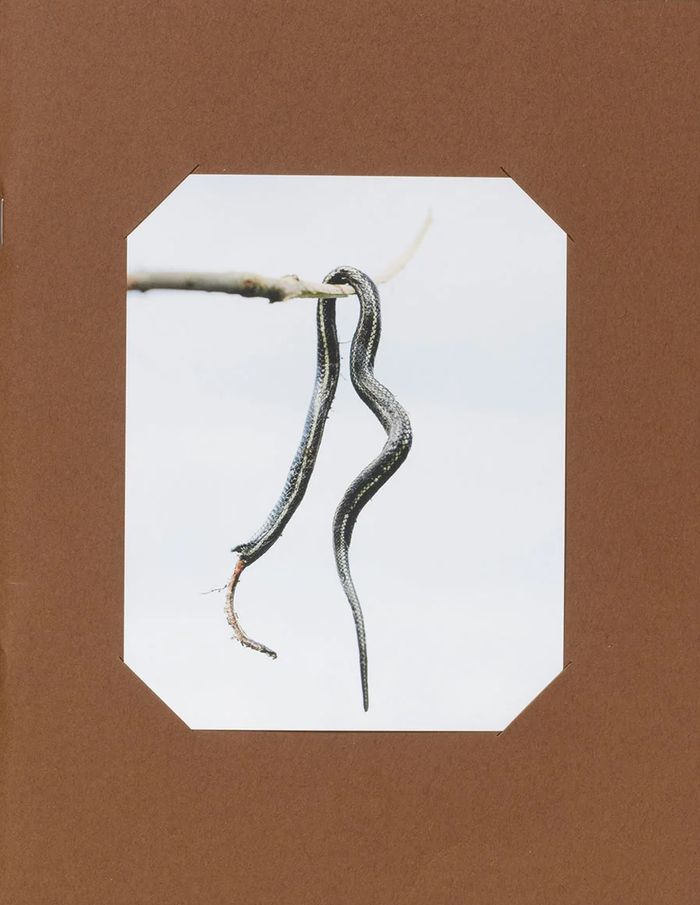
"Lost Dog" opens with a cat inquisitively turning towards us - a character inviting us to a vast land. And we can indeed speak of character, so much does "Lost Dog" resemble a fable. Throughout the pages, Bates is the solitary traveler on an odyssey, coming across with elusive figures, crossing depopulated places that, always, retain the mysterious traces of a past presence - wreckage landed on the branches of a dead tree, details of a forgotten domestic life, blood stains on immaculate snow... And sometimes, among the crystal-clear images, a tenderness emerges here and there, rays of warmth found in a woman's gaze or in a benevolent flame. Through valleys and mountains, Ian Bates offers with "Lost Dog" a portrait of a mysterious American North West, whose strangeness and magnificent solitude he captures like no other.
Ian Bates : Lost Dog
Actions:
Price:
$30.00
(available to order)
Summary:
"Lost Dog" opens with a cat inquisitively turning towards us - a character inviting us to a vast land. And we can indeed speak of character, so much does "Lost Dog" resemble a fable. Throughout the pages, Bates is the solitary traveler on an odyssey, coming across with elusive figures, crossing depopulated places that, always, retain the mysterious traces of a past presence - wreckage landed on the branches of a dead tree, details of a forgotten domestic life, blood stains on immaculate snow... And sometimes, among the crystal-clear images, a tenderness emerges here and there, rays of warmth found in a woman's gaze or in a benevolent flame. Through valleys and mountains, Ian Bates offers with "Lost Dog" a portrait of a mysterious American North West, whose strangeness and magnificent solitude he captures like no other.
Form:
books
books
Publication:
June 2024
June 2024
Subject:
Photography monographs
Photography monographs
Form:
books
books
Price:
$88.00
(available to order)
Summary:
The Distant Early Warning Line, also known as the DEW Line, was a system of radar stations in the northern Arctic region of Canada, with additional stations along the north coast and Aleutian Islands of Alaska and the Faroe Islands, Greenland, and Iceland. It intended to detect incoming bombers of the Soviet Union during the Cold War and provide early warning of any sea(...)
$88.00
(available to order)
Summary:
The Distant Early Warning Line, also known as the DEW Line, was a system of radar stations in the northern Arctic region of Canada, with additional stations along the north coast and Aleutian Islands of Alaska and the Faroe Islands, Greenland, and Iceland. It intended to detect incoming bombers of the Soviet Union during the Cold War and provide early warning of any sea(...)
Title:
Early warning systems: Art, the DEW line, and an arctic on the front lines
Actions:
Price:
$88.00
(available to order)
Summary:
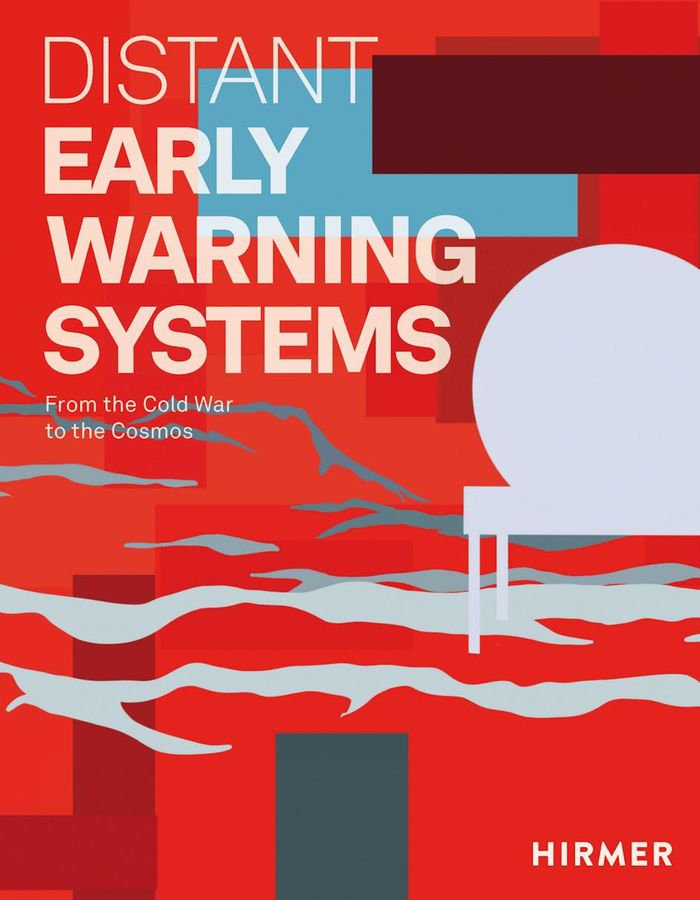
The Distant Early Warning Line, also known as the DEW Line, was a system of radar stations in the northern Arctic region of Canada, with additional stations along the north coast and Aleutian Islands of Alaska and the Faroe Islands, Greenland, and Iceland. It intended to detect incoming bombers of the Soviet Union during the Cold War and provide early warning of any sea and land invasion. Today, the Arctic is seen as a place primed for data storage and vaults––doomsday structures with a utilitarian vernacular of architecture, protecting the "knowledge" of places further south rather than recognizing the local presence and expertise of place and Indigenous lifeways and Indigenous science. This book looks at the role of artists as early warning systems and explores the ways we connect and disconnect place and people through technology and the ideas of boundaries.
Early warning systems: Art, the DEW line, and an arctic on the front lines
Actions:
Price:
$88.00
(available to order)
Summary:
The Distant Early Warning Line, also known as the DEW Line, was a system of radar stations in the northern Arctic region of Canada, with additional stations along the north coast and Aleutian Islands of Alaska and the Faroe Islands, Greenland, and Iceland. It intended to detect incoming bombers of the Soviet Union during the Cold War and provide early warning of any sea and land invasion. Today, the Arctic is seen as a place primed for data storage and vaults––doomsday structures with a utilitarian vernacular of architecture, protecting the "knowledge" of places further south rather than recognizing the local presence and expertise of place and Indigenous lifeways and Indigenous science. This book looks at the role of artists as early warning systems and explores the ways we connect and disconnect place and people through technology and the ideas of boundaries.
Form:
books
books
Publication:
April 2025
April 2025
Subject:
Art Theory
Art Theory
Form:
books
books

Title:
La bambouseraie
La bambouseraie
Actions:
Price:
$53.25
(available to order)
Summary:
Aux portes des Cévennes se trouve une étonnante forêt de bambous, unique en Europe : la Bambouseraie, création d'un amateur passionné, Eugène Mazel, qui y réalisa vers 1850 son rêve d'acclimater bambous et autres végétaux nouvellement introduits d'Orient. Aujourd'hui, la Bambouseraie est devenue-avec le parc du château de Villandry- le jardin le plus fréquenté en France :(...)
$53.25
(available to order)
Summary:
Aux portes des Cévennes se trouve une étonnante forêt de bambous, unique en Europe : la Bambouseraie, création d'un amateur passionné, Eugène Mazel, qui y réalisa vers 1850 son rêve d'acclimater bambous et autres végétaux nouvellement introduits d'Orient. Aujourd'hui, la Bambouseraie est devenue-avec le parc du château de Villandry- le jardin le plus fréquenté en France :(...)
Title:
La bambouseraie
Actions:
Price:
$53.25
(available to order)
Summary:
Aux portes des Cévennes se trouve une étonnante forêt de bambous, unique en Europe : la Bambouseraie, création d'un amateur passionné, Eugène Mazel, qui y réalisa vers 1850 son rêve d'acclimater bambous et autres végétaux nouvellement introduits d'Orient. Aujourd'hui, la Bambouseraie est devenue-avec le parc du château de Villandry- le jardin le plus fréquenté en France : elle accueille chaque année plus de 350 000 visiteurs qui, dans ce jardin exotique en plein cœur de la France, font l'expérience d'un dépaysement total. Constamment enrichie de nouvelles espèces végétales, la Bambouseraie est un grand jardin botanique, mais aussi un lieu de production et de diffusion du bambou. Plus encore, en accueillant des installations de land art, en aménageant de nouveaux espaces qui s'inspirent des jardins japonais, en explorant les liens entre création artistique et matière vivante, entre patrimoine et quête d'exotisme.
La bambouseraie
Actions:
Price:
$53.25
(available to order)
Summary:
Aux portes des Cévennes se trouve une étonnante forêt de bambous, unique en Europe : la Bambouseraie, création d'un amateur passionné, Eugène Mazel, qui y réalisa vers 1850 son rêve d'acclimater bambous et autres végétaux nouvellement introduits d'Orient. Aujourd'hui, la Bambouseraie est devenue-avec le parc du château de Villandry- le jardin le plus fréquenté en France : elle accueille chaque année plus de 350 000 visiteurs qui, dans ce jardin exotique en plein cœur de la France, font l'expérience d'un dépaysement total. Constamment enrichie de nouvelles espèces végétales, la Bambouseraie est un grand jardin botanique, mais aussi un lieu de production et de diffusion du bambou. Plus encore, en accueillant des installations de land art, en aménageant de nouveaux espaces qui s'inspirent des jardins japonais, en explorant les liens entre création artistique et matière vivante, entre patrimoine et quête d'exotisme.
Form:
books
books
Publication:
April 2004, Arles
April 2004, Arles
Subject:
Gardens
Gardens
Form:
books
books
Price:
$182.95
(available to order)
Summary:
In "Landscape into eco art", Mark Cheetham systematically examines connections and divergences between contemporary eco art, land art of the 1960s and 1970s, and the historical genre of landscape painting. Through eight thematic case studies that illuminate what eco art means in practice, reception, and history, Cheetham places the form in a longer and broader(...)
$182.95
(available to order)
Summary:
In "Landscape into eco art", Mark Cheetham systematically examines connections and divergences between contemporary eco art, land art of the 1960s and 1970s, and the historical genre of landscape painting. Through eight thematic case studies that illuminate what eco art means in practice, reception, and history, Cheetham places the form in a longer and broader(...)
Title:
Landscape into Eco Art: Articulations of nature since the '60s
Actions:
Price:
$182.95
(available to order)
Summary:
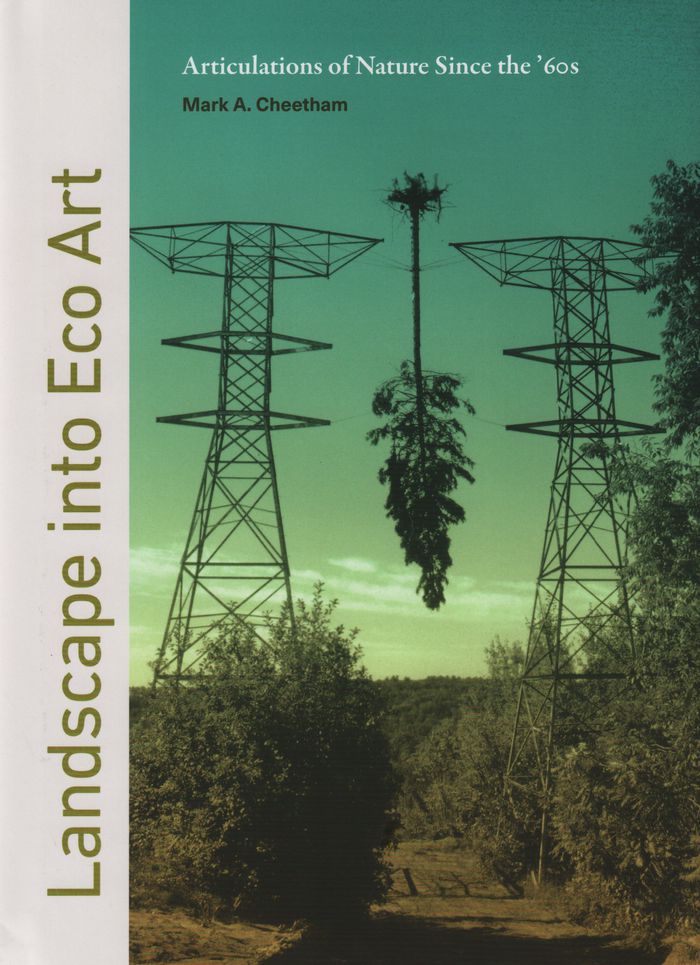
In "Landscape into eco art", Mark Cheetham systematically examines connections and divergences between contemporary eco art, land art of the 1960s and 1970s, and the historical genre of landscape painting. Through eight thematic case studies that illuminate what eco art means in practice, reception, and history, Cheetham places the form in a longer and broader art-historical context. He considers a wide range of media—from painting, sculpture, and photography to artists’ films, video, sound work, animation, and installation—and analyzes the work of internationally prominent artists such as Olafur Eliasson, Nancy Holt, Mark Dion, and Robert Smithson. In doing so, Cheetham reveals eco art to be a dynamic extension of a long tradition of landscape depiction in the West that boldly enters into today’s debates on climate science, government policy, and our collective and individual responsibility to the planet
Landscape into Eco Art: Articulations of nature since the '60s
Actions:
Price:
$182.95
(available to order)
Summary:
In "Landscape into eco art", Mark Cheetham systematically examines connections and divergences between contemporary eco art, land art of the 1960s and 1970s, and the historical genre of landscape painting. Through eight thematic case studies that illuminate what eco art means in practice, reception, and history, Cheetham places the form in a longer and broader art-historical context. He considers a wide range of media—from painting, sculpture, and photography to artists’ films, video, sound work, animation, and installation—and analyzes the work of internationally prominent artists such as Olafur Eliasson, Nancy Holt, Mark Dion, and Robert Smithson. In doing so, Cheetham reveals eco art to be a dynamic extension of a long tradition of landscape depiction in the West that boldly enters into today’s debates on climate science, government policy, and our collective and individual responsibility to the planet
Form:
books
books
Publication:
February 2018
February 2018
Subject:
Art Theory
Art Theory
Form:
books
books
Actions:
Price:
$32.95
(available to order)
Summary:
Published to coincide with an exhibition at Chicago’s Newberry Library, Mapping Manifest Destiny: Chicago and the American West charts the historic role maps have played in imagining, understanding, promoting, and exploiting the Western frontier of North America. Featuring more than sixty full-color maps and views from the sixteenth through the twentieth centuries, this(...)
$32.95
(available to order)
Summary:
Published to coincide with an exhibition at Chicago’s Newberry Library, Mapping Manifest Destiny: Chicago and the American West charts the historic role maps have played in imagining, understanding, promoting, and exploiting the Western frontier of North America. Featuring more than sixty full-color maps and views from the sixteenth through the twentieth centuries, this(...)
Subject:
Architectural Plans and Cartography
Architectural Plans and Cartography
Publication:
August 2008, Chicago
August 2008, Chicago
Title:
Mapping manifest destiny: Chicago and the American West
Actions:
Price:
$32.95
(available to order)
Summary:
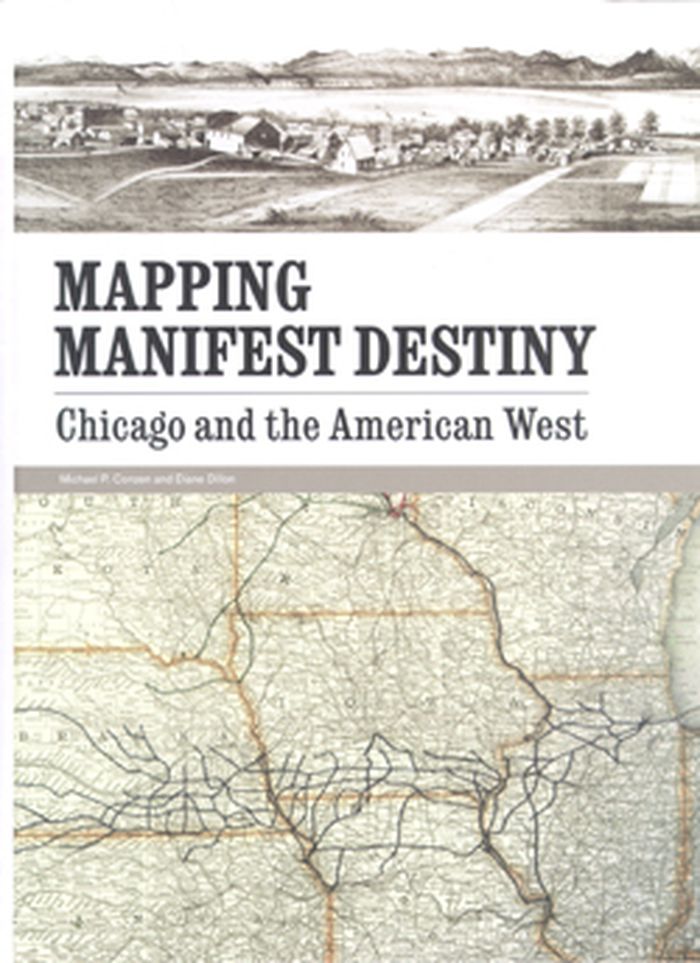
Published to coincide with an exhibition at Chicago’s Newberry Library, Mapping Manifest Destiny: Chicago and the American West charts the historic role maps have played in imagining, understanding, promoting, and exploiting the Western frontier of North America. Featuring more than sixty full-color maps and views from the sixteenth through the twentieth centuries, this fascinating book documents how maps encouraged Euro-Americans to see the West as a land of promise. Maps helped visualize a nation destined to expand across the continent to the Pacific Ocean. Curators Michael P. Conzen and Diane Dillon present an interpretively rich, carefully researched selection of items drawing on the Newberry’s superb collections of historic maps and Western Americana. They have organized the book into four sections: maps for empire, maps for building a new nation, maps for enlightenment, and maps for business.
Mapping manifest destiny: Chicago and the American West
Actions:
Price:
$32.95
(available to order)
Summary:
Published to coincide with an exhibition at Chicago’s Newberry Library, Mapping Manifest Destiny: Chicago and the American West charts the historic role maps have played in imagining, understanding, promoting, and exploiting the Western frontier of North America. Featuring more than sixty full-color maps and views from the sixteenth through the twentieth centuries, this fascinating book documents how maps encouraged Euro-Americans to see the West as a land of promise. Maps helped visualize a nation destined to expand across the continent to the Pacific Ocean. Curators Michael P. Conzen and Diane Dillon present an interpretively rich, carefully researched selection of items drawing on the Newberry’s superb collections of historic maps and Western Americana. They have organized the book into four sections: maps for empire, maps for building a new nation, maps for enlightenment, and maps for business.
Form:
books
books
Publication:
August 2008, Chicago
August 2008, Chicago
Subject:
Architectural Plans and Cartography
Architectural Plans and Cartography
Form:
books
books
Title:
Lucio Fontana: Environments
Lucio Fontana: Environments
Actions:
Price:
$60.00
(available to order)
Summary:
Lucio Fontana (1899–1968) radically transformed our conception of painting, sculpture and space by transcending the two-dimensionality of the canvas, foreshadowing many movements of the 1960s and '70s such as Arte Povera, conceptualism and land art. As the founder of Spatialism, an artistic movement that emerged in Italy in the late ’40s, Fontana did away with the(...)
$60.00
(available to order)
Summary:
Lucio Fontana (1899–1968) radically transformed our conception of painting, sculpture and space by transcending the two-dimensionality of the canvas, foreshadowing many movements of the 1960s and '70s such as Arte Povera, conceptualism and land art. As the founder of Spatialism, an artistic movement that emerged in Italy in the late ’40s, Fontana did away with the(...)
Subject:
Contemporary Art Monographs
Contemporary Art Monographs
Publication:
July 2018
July 2018
Title:
Lucio Fontana: Environments
Actions:
Price:
$60.00
(available to order)
Summary:
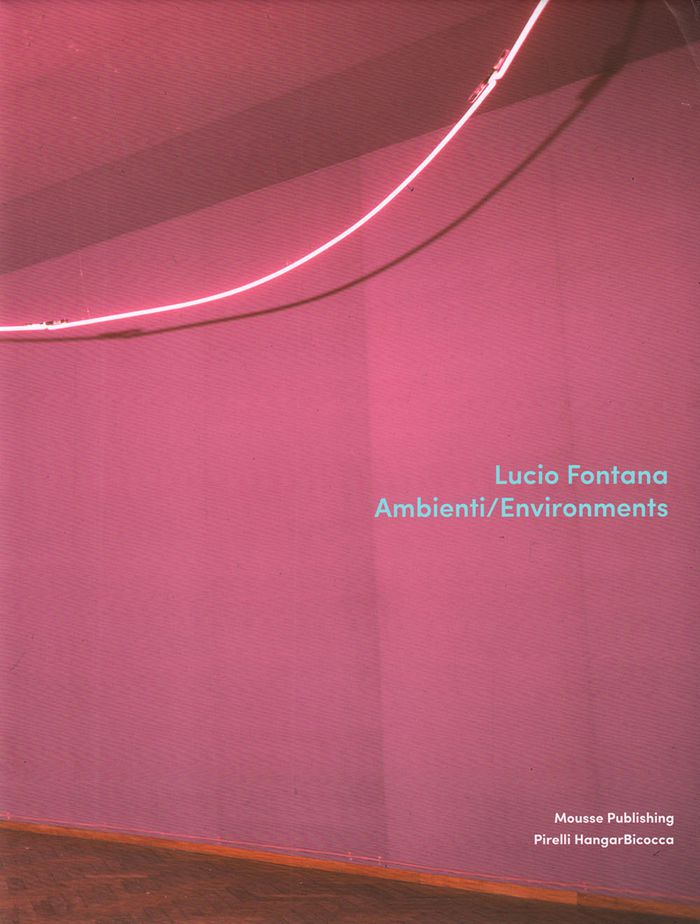
Lucio Fontana (1899–1968) radically transformed our conception of painting, sculpture and space by transcending the two-dimensionality of the canvas, foreshadowing many movements of the 1960s and '70s such as Arte Povera, conceptualism and land art. As the founder of Spatialism, an artistic movement that emerged in Italy in the late ’40s, Fontana did away with the distinction between painting and sculpture, with his famous slashes and holes in the canvas. ''Environments'' is focused on Fontana’s pioneering work in installation art, with a selection of his seminal Ambienti spaziali (seen together for the first time). The Ambienti spaziali—rooms and corridors that the artist began to conceive and design in the late 1940s—were almost always destroyed once the exhibition was over; they are Fontana’s most experimental yet least-known works, due to their ephemeral nature.
Lucio Fontana: Environments
Actions:
Price:
$60.00
(available to order)
Summary:
Lucio Fontana (1899–1968) radically transformed our conception of painting, sculpture and space by transcending the two-dimensionality of the canvas, foreshadowing many movements of the 1960s and '70s such as Arte Povera, conceptualism and land art. As the founder of Spatialism, an artistic movement that emerged in Italy in the late ’40s, Fontana did away with the distinction between painting and sculpture, with his famous slashes and holes in the canvas. ''Environments'' is focused on Fontana’s pioneering work in installation art, with a selection of his seminal Ambienti spaziali (seen together for the first time). The Ambienti spaziali—rooms and corridors that the artist began to conceive and design in the late 1940s—were almost always destroyed once the exhibition was over; they are Fontana’s most experimental yet least-known works, due to their ephemeral nature.
Form:
books
books
Publication:
July 2018
July 2018
Subject:
Contemporary Art Monographs
Contemporary Art Monographs


