


5615 Results
Form:
books
books
Actions:
Price:
$86.00
(available to order)
Summary:
There has never been a more important time to understand how to make the best use of local natural resources and create buildings that do not rely on stripping our planet or transporting materials across the globe. First published in 2017, Habitat gathers the world's leading experts on vernacular architecture to examine how local buildings have stood the test of time and(...)
$86.00
(available to order)
Summary:
There has never been a more important time to understand how to make the best use of local natural resources and create buildings that do not rely on stripping our planet or transporting materials across the globe. First published in 2017, Habitat gathers the world's leading experts on vernacular architecture to examine how local buildings have stood the test of time and(...)
Title:
Habitat: Vernacular architecture for a changing climate
Actions:
Price:
$86.00
(available to order)
Summary:
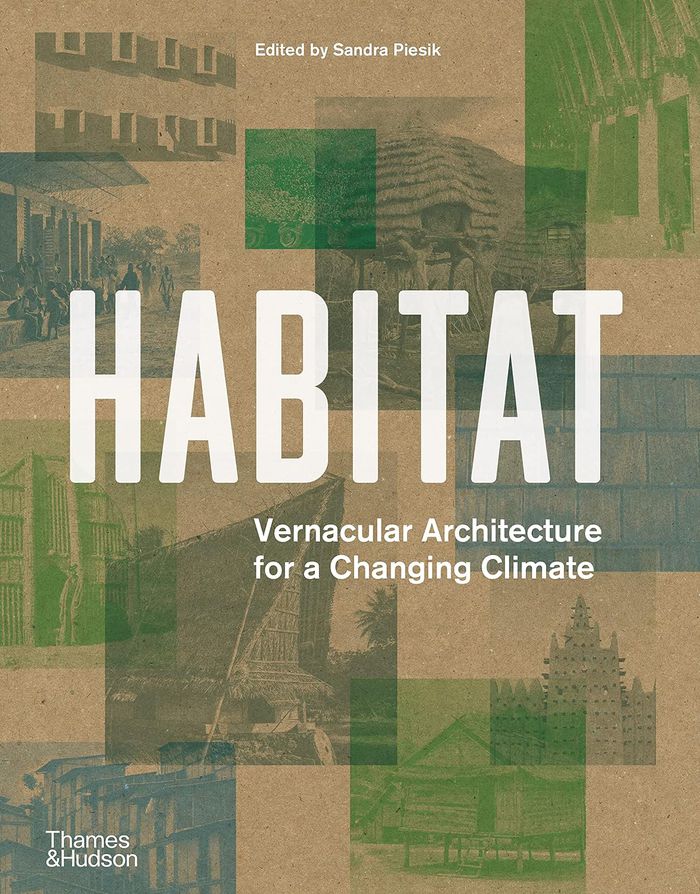
There has never been a more important time to understand how to make the best use of local natural resources and create buildings that do not rely on stripping our planet or transporting materials across the globe. First published in 2017, Habitat gathers the world's leading experts on vernacular architecture to examine how local buildings have stood the test of time and offer lessons for the future. Arranged by climate zone- Tropical, Dry, Temperate, Continental, and Polar- each regional section presents buildings in their environments, showing how climatic conditions and vegetation affect the evolution of building styles. This central part of Habitat is bookended by a range of essays exploring the economic and anthropological aspects of shelter, while the book's reference section offers information on materials science and engineering, including how buildings have been adapted to contend with natural disasters.
Habitat: Vernacular architecture for a changing climate
Actions:
Price:
$86.00
(available to order)
Summary:
There has never been a more important time to understand how to make the best use of local natural resources and create buildings that do not rely on stripping our planet or transporting materials across the globe. First published in 2017, Habitat gathers the world's leading experts on vernacular architecture to examine how local buildings have stood the test of time and offer lessons for the future. Arranged by climate zone- Tropical, Dry, Temperate, Continental, and Polar- each regional section presents buildings in their environments, showing how climatic conditions and vegetation affect the evolution of building styles. This central part of Habitat is bookended by a range of essays exploring the economic and anthropological aspects of shelter, while the book's reference section offers information on materials science and engineering, including how buildings have been adapted to contend with natural disasters.
Form:
books
books
Publication:
May 2024
May 2024
Subject:
Green Architecture
Green Architecture
Form:
books
books
Price:
$60.00
(available to order)
Summary:
The third volume in this exciting series presenting young architecture and design talents, ArchiLab's Earth Buildings turns its focus to building with the land. Projects from thirty of the most innovative young practices of today—including Field Operations, Tom Leader, NOX, Servo, Vicente Guallart, and Kengo Kuma—confront and offer proposals and solutions to issues such(...)
$60.00
(available to order)
Summary:
The third volume in this exciting series presenting young architecture and design talents, ArchiLab's Earth Buildings turns its focus to building with the land. Projects from thirty of the most innovative young practices of today—including Field Operations, Tom Leader, NOX, Servo, Vicente Guallart, and Kengo Kuma—confront and offer proposals and solutions to issues such(...)
Subject:
Architecture since 1900, Europe
Architecture since 1900, Europe
Publication:
May 2003, London
May 2003, London
Title:
Archilab's earth buildings: radical experiments in land architecture
Actions:
Price:
$60.00
(available to order)
Summary:
The third volume in this exciting series presenting young architecture and design talents, ArchiLab's Earth Buildings turns its focus to building with the land. Projects from thirty of the most innovative young practices of today—including Field Operations, Tom Leader, NOX, Servo, Vicente Guallart, and Kengo Kuma—confront and offer proposals and solutions to issues such as dwindling natural resources, land engineering, the city as ecosystem, and the sensitive development of brown sites. Presented through extensive plans, computer renderings, and photographs, buildings and large-scale schemes reveal an almost infinite array of breathtaking ideas for the future, an inspiration for a generation of designers, practitioners, and policymakers. Essays by international critics Frédéric Migayrou, Bart Lootsma, Manuel Gausa, and others consider the earth's economy and suggest how contemporary architects might best and most responsibly respond to our fragile planet in a technology-driven age.
Archilab's earth buildings: radical experiments in land architecture
Actions:
Price:
$60.00
(available to order)
Summary:
The third volume in this exciting series presenting young architecture and design talents, ArchiLab's Earth Buildings turns its focus to building with the land. Projects from thirty of the most innovative young practices of today—including Field Operations, Tom Leader, NOX, Servo, Vicente Guallart, and Kengo Kuma—confront and offer proposals and solutions to issues such as dwindling natural resources, land engineering, the city as ecosystem, and the sensitive development of brown sites. Presented through extensive plans, computer renderings, and photographs, buildings and large-scale schemes reveal an almost infinite array of breathtaking ideas for the future, an inspiration for a generation of designers, practitioners, and policymakers. Essays by international critics Frédéric Migayrou, Bart Lootsma, Manuel Gausa, and others consider the earth's economy and suggest how contemporary architects might best and most responsibly respond to our fragile planet in a technology-driven age.
Form:
books
books
Publication:
May 2003, London
May 2003, London
Subject:
Architecture since 1900, Europe
Architecture since 1900, Europe
Form:
books
books
Title:
Centerbook: the Center for Advanced Visual Studies, the evolution of Art-Science-Technology at MIT
Centerbook: the Center for Advanced Visual Studies, the evolution of Art-Science-Technology at MIT
Actions:
Price:
$60.00
(available in store)
Summary:
In 1967, in a time of student unrest, the Massachusetts Institute of Technology did the unexpected: it established the first academic center for research and collaboration in art, science, and technology. The Center for Advanced Visual Studies (CAVS) brought artists to the MIT campus with radical expressions of a rapidly evolving technological era. The brainchild of(...)
$60.00
(available in store)
Summary:
In 1967, in a time of student unrest, the Massachusetts Institute of Technology did the unexpected: it established the first academic center for research and collaboration in art, science, and technology. The Center for Advanced Visual Studies (CAVS) brought artists to the MIT campus with radical expressions of a rapidly evolving technological era. The brainchild of(...)
Publication:
November 2019
November 2019
Title:
Centerbook: the Center for Advanced Visual Studies, the evolution of Art-Science-Technology at MIT
Actions:
Price:
$60.00
(available in store)
Summary:
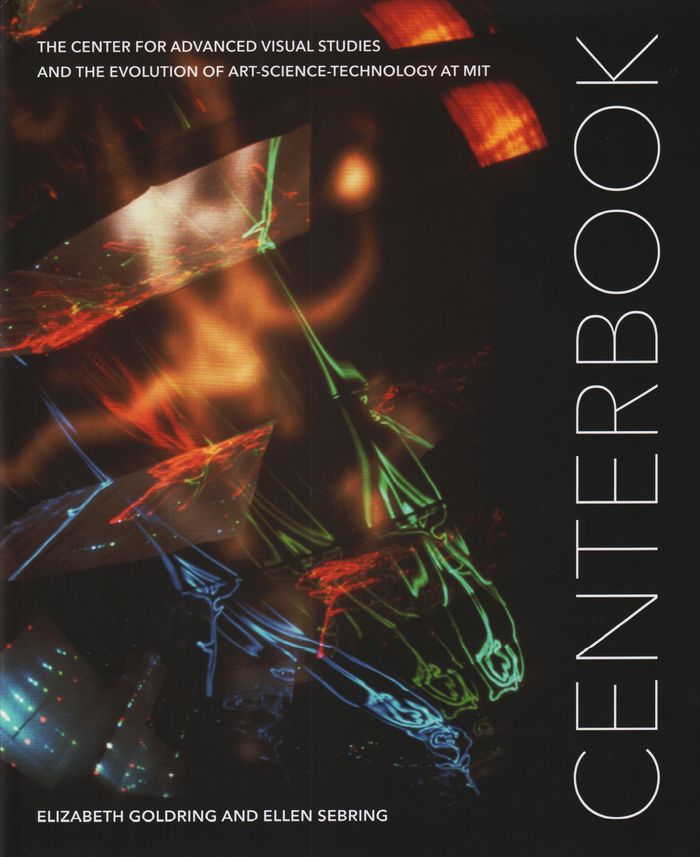
In 1967, in a time of student unrest, the Massachusetts Institute of Technology did the unexpected: it established the first academic center for research and collaboration in art, science, and technology. The Center for Advanced Visual Studies (CAVS) brought artists to the MIT campus with radical expressions of a rapidly evolving technological era. The brainchild of founding director Gyorgy Kepes, CAVS sought to repair the distance between practitioners of art and engineering within the halls of MIT. As a breeder of new art forms and future-oriented artistic education, CAVS became a pioneering model for the art, technology and media labs that proliferated worldwide.This first comprehensive history of CAVS presents an inside view, told through personal accounts, exhibit documentation, and groundbreaking artwork, and includes a new text on the genome of art and technology by Peter Weibel.
Centerbook: the Center for Advanced Visual Studies, the evolution of Art-Science-Technology at MIT
Actions:
Price:
$60.00
(available in store)
Summary:
In 1967, in a time of student unrest, the Massachusetts Institute of Technology did the unexpected: it established the first academic center for research and collaboration in art, science, and technology. The Center for Advanced Visual Studies (CAVS) brought artists to the MIT campus with radical expressions of a rapidly evolving technological era. The brainchild of founding director Gyorgy Kepes, CAVS sought to repair the distance between practitioners of art and engineering within the halls of MIT. As a breeder of new art forms and future-oriented artistic education, CAVS became a pioneering model for the art, technology and media labs that proliferated worldwide.This first comprehensive history of CAVS presents an inside view, told through personal accounts, exhibit documentation, and groundbreaking artwork, and includes a new text on the genome of art and technology by Peter Weibel.
Form:
books
books
Publication:
November 2019
November 2019
Form:
books
books
Title:
Rome new architecture
Rome new architecture
Actions:
Price:
$56.25
(available to order)
Summary:
Many of the architects responsible for modern-day Rome—such as Hadid, Fuksas, Baldeweg, and Meier—have reached international stature. Many contemporary Italian architects—such as King Roselli, Labics, and IaN+—use Rome as a lab for testing their ideas. While some might note the weakness of the residential sector in attracting architectural quality, it is hard to escape(...)
$56.25
(available to order)
Summary:
Many of the architects responsible for modern-day Rome—such as Hadid, Fuksas, Baldeweg, and Meier—have reached international stature. Many contemporary Italian architects—such as King Roselli, Labics, and IaN+—use Rome as a lab for testing their ideas. While some might note the weakness of the residential sector in attracting architectural quality, it is hard to escape(...)
Publication:
February 2009, Milano
February 2009, Milano
Title:
Rome new architecture
Actions:
Price:
$56.25
(available to order)
Summary:
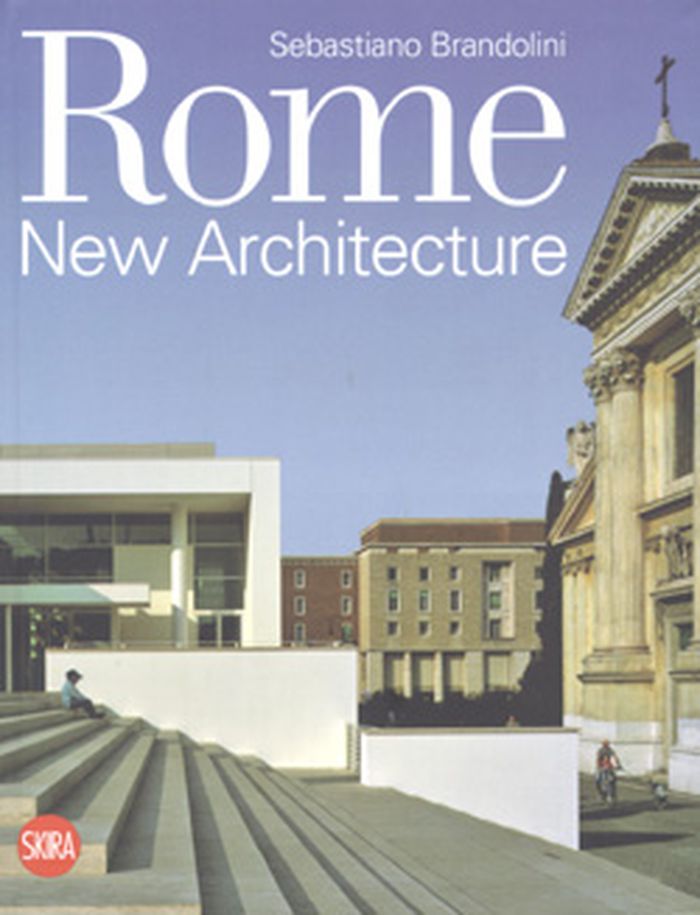
Many of the architects responsible for modern-day Rome—such as Hadid, Fuksas, Baldeweg, and Meier—have reached international stature. Many contemporary Italian architects—such as King Roselli, Labics, and IaN+—use Rome as a lab for testing their ideas. While some might note the weakness of the residential sector in attracting architectural quality, it is hard to escape the growing attention paid to public spaces and infrastructures. This volume surveys Rome’s varied architectural landscape and contains over forty projects and a map, demonstrating how the geography of the city is evolving, and how quality can be found both in the center and on the edge of town. Sebastiano Brandolini writes for many specialized journals and is particularly interested in the relationship between architecture and engineering. Over the years he taught at the Milan Polytechnic, IUAV in Venice, London School of Economics.
Rome new architecture
Actions:
Price:
$56.25
(available to order)
Summary:
Many of the architects responsible for modern-day Rome—such as Hadid, Fuksas, Baldeweg, and Meier—have reached international stature. Many contemporary Italian architects—such as King Roselli, Labics, and IaN+—use Rome as a lab for testing their ideas. While some might note the weakness of the residential sector in attracting architectural quality, it is hard to escape the growing attention paid to public spaces and infrastructures. This volume surveys Rome’s varied architectural landscape and contains over forty projects and a map, demonstrating how the geography of the city is evolving, and how quality can be found both in the center and on the edge of town. Sebastiano Brandolini writes for many specialized journals and is particularly interested in the relationship between architecture and engineering. Over the years he taught at the Milan Polytechnic, IUAV in Venice, London School of Economics.
Form:
books
books
Publication:
February 2009, Milano
February 2009, Milano
Form:
books
books
Actions:
Price:
$51.95
(available to order)
Summary:
This book takes readers behind the veil of an essential yet mysterious profession to explain through Moshe Safdie’s own experiences how an architect thinks and works—"from the spark of imagination through the design process, the model-making, the politics, the engineering, the materials." Relating memorable stories about what has inspired him—from childhoods in Israel and(...)
$51.95
(available to order)
Summary:
This book takes readers behind the veil of an essential yet mysterious profession to explain through Moshe Safdie’s own experiences how an architect thinks and works—"from the spark of imagination through the design process, the model-making, the politics, the engineering, the materials." Relating memorable stories about what has inspired him—from childhoods in Israel and(...)
Title:
If walls could speak: My life in architecture
Actions:
Price:
$51.95
(available to order)
Summary:
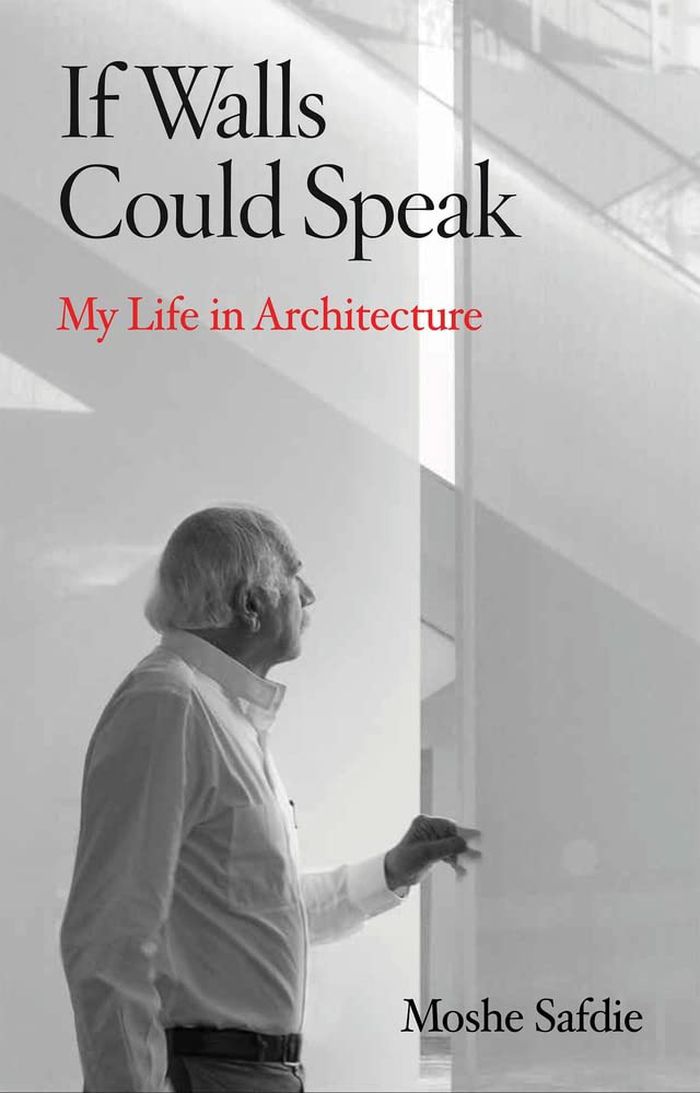
This book takes readers behind the veil of an essential yet mysterious profession to explain through Moshe Safdie’s own experiences how an architect thinks and works—"from the spark of imagination through the design process, the model-making, the politics, the engineering, the materials." Relating memorable stories about what has inspired him—from childhoods in Israel and Montreal to the projects and personalities worldwide that have captured his imagination—Safdie reveals the complex interplay that underpins every project and his vision for the role architecture can and should play in society at large. Illustrated throughout with drawings, sketches, photographs, and documents from his firm’s voluminous archives that illuminate his stories, the book ends with a chapter outlining seven projects Safdie would pursue around the world if resources and will were no issue and the choices were his to make.
If walls could speak: My life in architecture
Actions:
Price:
$51.95
(available to order)
Summary:
This book takes readers behind the veil of an essential yet mysterious profession to explain through Moshe Safdie’s own experiences how an architect thinks and works—"from the spark of imagination through the design process, the model-making, the politics, the engineering, the materials." Relating memorable stories about what has inspired him—from childhoods in Israel and Montreal to the projects and personalities worldwide that have captured his imagination—Safdie reveals the complex interplay that underpins every project and his vision for the role architecture can and should play in society at large. Illustrated throughout with drawings, sketches, photographs, and documents from his firm’s voluminous archives that illuminate his stories, the book ends with a chapter outlining seven projects Safdie would pursue around the world if resources and will were no issue and the choices were his to make.
Form:
books
books
Publication:
September 2022
September 2022
Subject:
Architecture Monographs
Architecture Monographs
Form:
books
books
Actions:
Price:
$110.00
(available in store)
Summary:
This is the first book devoted to the Bangladeshi architect Marina Tabassum and her multifaceted architectural oeuvre. Tabassum’s exploratory approach makes her architectural practice one of the outstanding contemporary positions internationally. Her diverse oeuvre spans from governmental projects to housing and has brought her numerous honors and accolades in the(...)
$110.00
(available in store)
Summary:
This is the first book devoted to the Bangladeshi architect Marina Tabassum and her multifaceted architectural oeuvre. Tabassum’s exploratory approach makes her architectural practice one of the outstanding contemporary positions internationally. Her diverse oeuvre spans from governmental projects to housing and has brought her numerous honors and accolades in the(...)
Title:
Marina Tabassum: Architecture, my journey
Actions:
Price:
$110.00
(available in store)
Summary:
This is the first book devoted to the Bangladeshi architect Marina Tabassum and her multifaceted architectural oeuvre. Tabassum’s exploratory approach makes her architectural practice one of the outstanding contemporary positions internationally. Her diverse oeuvre spans from governmental projects to housing and has brought her numerous honors and accolades in the international field of architecture. The selection of her architecture in this book ranges from early projects in the city of Dhaka shortly after completing her studies at Bangladesh University of Engineering and Technology (BUET) to recent mobile modular structures called Khudi Bari. Tabassum is establishing the latter for the people affected by displacement in various geographically and climatically challenged locations—both in the Ganges Delta and in the Rohingya refugee camp at Cox’s Bazar on the border to Myanmar, which is currently the largest refugee camp in the world.
Marina Tabassum: Architecture, my journey
Actions:
Price:
$110.00
(available in store)
Summary:
This is the first book devoted to the Bangladeshi architect Marina Tabassum and her multifaceted architectural oeuvre. Tabassum’s exploratory approach makes her architectural practice one of the outstanding contemporary positions internationally. Her diverse oeuvre spans from governmental projects to housing and has brought her numerous honors and accolades in the international field of architecture. The selection of her architecture in this book ranges from early projects in the city of Dhaka shortly after completing her studies at Bangladesh University of Engineering and Technology (BUET) to recent mobile modular structures called Khudi Bari. Tabassum is establishing the latter for the people affected by displacement in various geographically and climatically challenged locations—both in the Ganges Delta and in the Rohingya refugee camp at Cox’s Bazar on the border to Myanmar, which is currently the largest refugee camp in the world.
Form:
books
books
Publication:
October 2022
October 2022
Subject:
Architecture Monographs
Architecture Monographs
Form:
books
books
Title:
Millau Viaduct
Millau Viaduct
Actions:
Price:
$32.95
(available to order)
Summary:
This book follows the evolution of Millau Viaduct in southern France from first sketches through to completion, as designed and executed by Foster + Partners, with engineer Michel Virlogeux. Spanning the spectacular gorge of the River Tarn in Southern France, the Millau Viaduct provides a critical link in the A75 autoroute between Clermont-Ferrand and Beziers.(...)
$32.95
(available to order)
Summary:
This book follows the evolution of Millau Viaduct in southern France from first sketches through to completion, as designed and executed by Foster + Partners, with engineer Michel Virlogeux. Spanning the spectacular gorge of the River Tarn in Southern France, the Millau Viaduct provides a critical link in the A75 autoroute between Clermont-Ferrand and Beziers.(...)
Title:
Millau Viaduct
Actions:
Price:
$32.95
(available to order)
Summary:
This book follows the evolution of Millau Viaduct in southern France from first sketches through to completion, as designed and executed by Foster + Partners, with engineer Michel Virlogeux. Spanning the spectacular gorge of the River Tarn in Southern France, the Millau Viaduct provides a critical link in the A75 autoroute between Clermont-Ferrand and Beziers. Commissioned by the French state, the 2.46 km-long viaduct resolves numerous structural and design challenges in an elegant cable-stayed form. Utilising optimised, repetitive spans with piers taller than the Eiffel Tower at their zenith, the bridge is structurally and visually elegant. Not only does it exemplify technical excellence, the Millau Viaduct illustrates the powerful impact that architecture of infrastructure can have on the environment. This monograph will appeal to those interested in architecture and design; equally, it illustrates a significant engineering feat.
Millau Viaduct
Actions:
Price:
$32.95
(available to order)
Summary:
This book follows the evolution of Millau Viaduct in southern France from first sketches through to completion, as designed and executed by Foster + Partners, with engineer Michel Virlogeux. Spanning the spectacular gorge of the River Tarn in Southern France, the Millau Viaduct provides a critical link in the A75 autoroute between Clermont-Ferrand and Beziers. Commissioned by the French state, the 2.46 km-long viaduct resolves numerous structural and design challenges in an elegant cable-stayed form. Utilising optimised, repetitive spans with piers taller than the Eiffel Tower at their zenith, the bridge is structurally and visually elegant. Not only does it exemplify technical excellence, the Millau Viaduct illustrates the powerful impact that architecture of infrastructure can have on the environment. This monograph will appeal to those interested in architecture and design; equally, it illustrates a significant engineering feat.
Form:
books
books
Publication:
June 2012
June 2012
Subject:
Architecture Monographs
Architecture Monographs
Form:
books
books
Actions:
Price:
$54.95
(available to order)
Summary:
A re-evaluation of three 'red buildings', designed by Jim Stirling : the University of Leicester Engineering Building (and James Gowan), the History Faculty and Library at Cambridge and the residential Florey Building at Queen's College, Oxford. These are buildings much praised by architects, yet hated by the members of the universities that use them. Alan Berman has(...)
$54.95
(available to order)
Summary:
A re-evaluation of three 'red buildings', designed by Jim Stirling : the University of Leicester Engineering Building (and James Gowan), the History Faculty and Library at Cambridge and the residential Florey Building at Queen's College, Oxford. These are buildings much praised by architects, yet hated by the members of the universities that use them. Alan Berman has(...)
Title:
Jim Stirling and the Red Trilogy : three radical buildings
Actions:
Price:
$54.95
(available to order)
Summary:
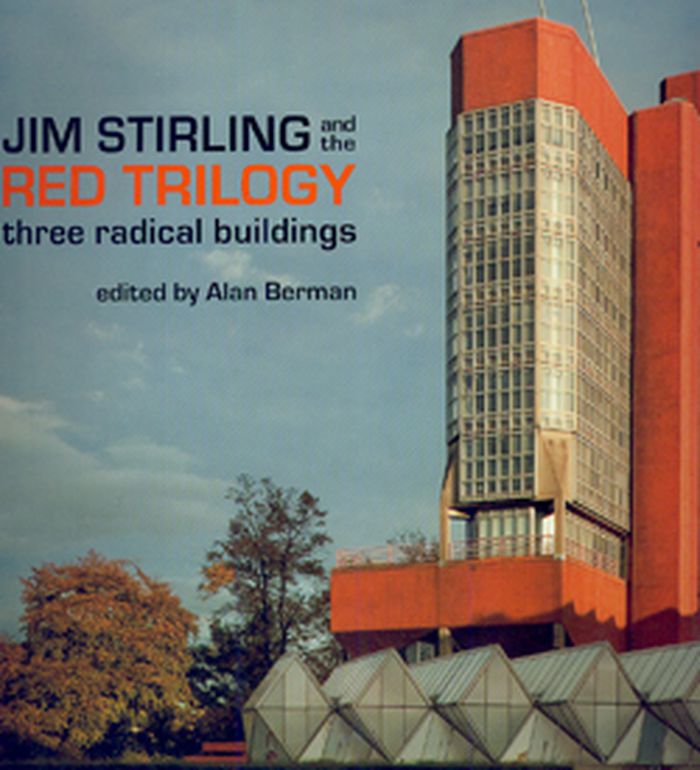
A re-evaluation of three 'red buildings', designed by Jim Stirling : the University of Leicester Engineering Building (and James Gowan), the History Faculty and Library at Cambridge and the residential Florey Building at Queen's College, Oxford. These are buildings much praised by architects, yet hated by the members of the universities that use them. Alan Berman has drawn together essays which put the buildings in their historical context, and which explore both their radical features and their technical failings. In addition, twenty-four of today's most famous architects - including Will Alsop, Norman Foster, Richard MacCormac and Richard Rogers - explain and partly seek to defend, the importance of these radical and controversial buildings. With newly commissioned photography, as well as drawings taken from the Jim Stirling archives, this book attempts a serious re-engagement with the continuing debate between modern architects and the public.
Jim Stirling and the Red Trilogy : three radical buildings
Actions:
Price:
$54.95
(available to order)
Summary:
A re-evaluation of three 'red buildings', designed by Jim Stirling : the University of Leicester Engineering Building (and James Gowan), the History Faculty and Library at Cambridge and the residential Florey Building at Queen's College, Oxford. These are buildings much praised by architects, yet hated by the members of the universities that use them. Alan Berman has drawn together essays which put the buildings in their historical context, and which explore both their radical features and their technical failings. In addition, twenty-four of today's most famous architects - including Will Alsop, Norman Foster, Richard MacCormac and Richard Rogers - explain and partly seek to defend, the importance of these radical and controversial buildings. With newly commissioned photography, as well as drawings taken from the Jim Stirling archives, this book attempts a serious re-engagement with the continuing debate between modern architects and the public.
Form:
books
books
Publication:
October 2010
October 2010
Subject:
Architecture Monographs
Architecture Monographs
Form:
books
books
Actions:
Price:
$59.00
(available in store)
Summary:
In 1946 Ove Arup, a leading engineer of the twentieth century, founded a firm of consulting engineers that brought to fruition such iconic structures as the Sydney Opera House, the Olympic Village in Beijing, London’s Millennium Bridge, the Beaubourg Centre in Paris, the Channel Tunnel Rail Link, and Kansai Airport in Japan among many others. Devoted to a “commonsense”(...)
$59.00
(available in store)
Summary:
In 1946 Ove Arup, a leading engineer of the twentieth century, founded a firm of consulting engineers that brought to fruition such iconic structures as the Sydney Opera House, the Olympic Village in Beijing, London’s Millennium Bridge, the Beaubourg Centre in Paris, the Channel Tunnel Rail Link, and Kansai Airport in Japan among many others. Devoted to a “commonsense”(...)
Title:
Ove Arup : masterbuilder of the twentieth century
Actions:
Price:
$59.00
(available in store)
Summary:
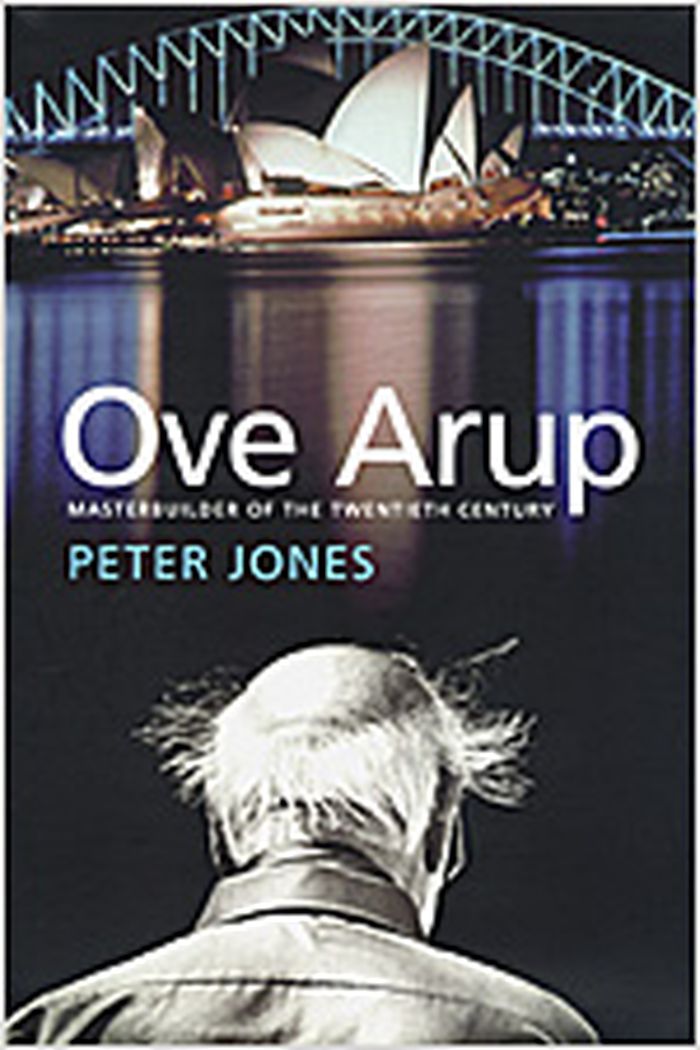
In 1946 Ove Arup, a leading engineer of the twentieth century, founded a firm of consulting engineers that brought to fruition such iconic structures as the Sydney Opera House, the Olympic Village in Beijing, London’s Millennium Bridge, the Beaubourg Centre in Paris, the Channel Tunnel Rail Link, and Kansai Airport in Japan among many others. Devoted to a “commonsense” reform of engineering and architectural practice, Arup (1895-1988) pioneered the way for modern architects and engineers to collaborate successfully and responsibly on large projects. Peter Jones, the first researcher to have full access to the vast private Arup archives, tells the story of Ove Arup’s extraordinary life, his social, aesthetic, and environmental concerns, and his practical contributions during a period of political and technological upheaval. Jones also offers a revelatory new account of the Sydney Opera House and the character of those involved in its complex construction.
Ove Arup : masterbuilder of the twentieth century
Actions:
Price:
$59.00
(available in store)
Summary:
In 1946 Ove Arup, a leading engineer of the twentieth century, founded a firm of consulting engineers that brought to fruition such iconic structures as the Sydney Opera House, the Olympic Village in Beijing, London’s Millennium Bridge, the Beaubourg Centre in Paris, the Channel Tunnel Rail Link, and Kansai Airport in Japan among many others. Devoted to a “commonsense” reform of engineering and architectural practice, Arup (1895-1988) pioneered the way for modern architects and engineers to collaborate successfully and responsibly on large projects. Peter Jones, the first researcher to have full access to the vast private Arup archives, tells the story of Ove Arup’s extraordinary life, his social, aesthetic, and environmental concerns, and his practical contributions during a period of political and technological upheaval. Jones also offers a revelatory new account of the Sydney Opera House and the character of those involved in its complex construction.
Form:
books
books
Publication:
October 2006, New Haven / London
October 2006, New Haven / London
Subject:
Architecture Monographs
Architecture Monographs
Form:
books
books
Title:
How to build a skyscraper
How to build a skyscraper
Actions:
Price:
$24.95
(available to order)
Summary:
Skyscrapers have been piercing the clouds since the end of the nineteenth century but today's soaring land prices are driving developers to build bigger, better and higher while aiming for as small a footprint as possible. This book features spreads with a large photograph with cross-section drawings plus fact boxes listing location, year of completion, height, stories,(...)
$24.95
(available to order)
Summary:
Skyscrapers have been piercing the clouds since the end of the nineteenth century but today's soaring land prices are driving developers to build bigger, better and higher while aiming for as small a footprint as possible. This book features spreads with a large photograph with cross-section drawings plus fact boxes listing location, year of completion, height, stories,(...)
Title:
How to build a skyscraper
Actions:
Price:
$24.95
(available to order)
Summary:
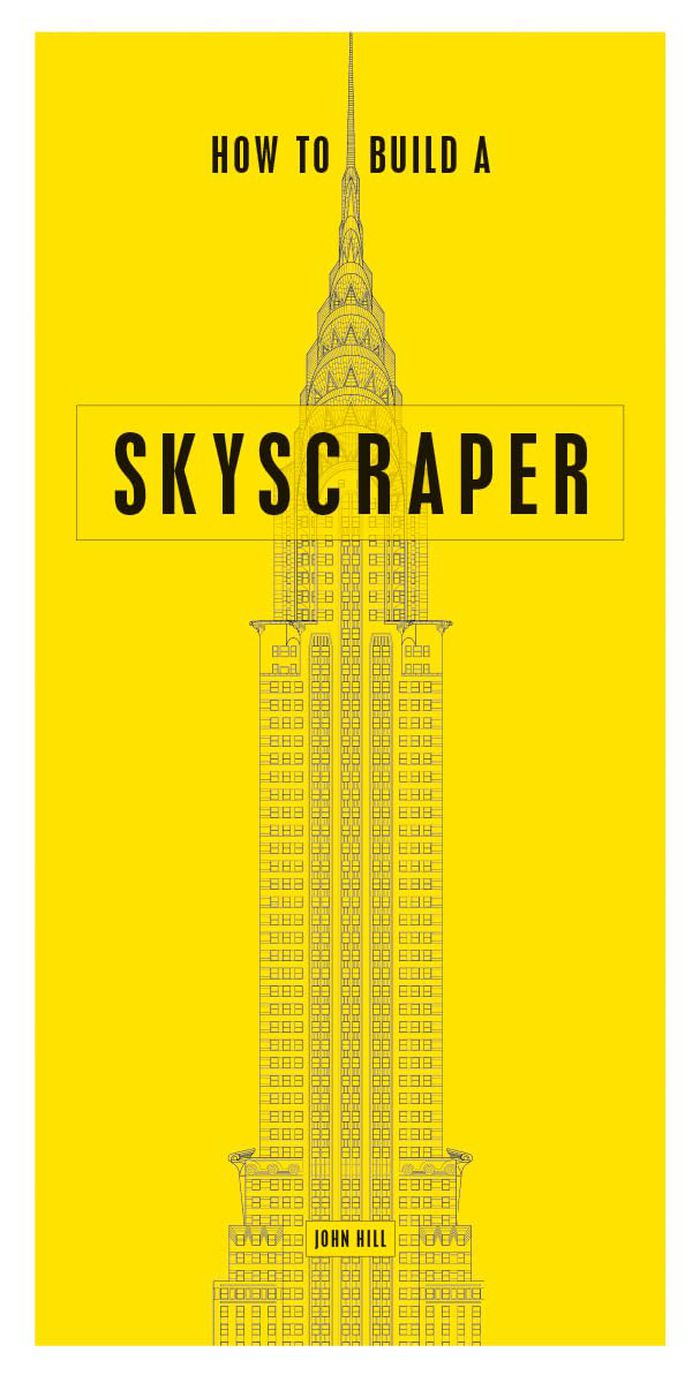
Skyscrapers have been piercing the clouds since the end of the nineteenth century but today's soaring land prices are driving developers to build bigger, better and higher while aiming for as small a footprint as possible. This book features spreads with a large photograph with cross-section drawings plus fact boxes listing location, year of completion, height, stories, primary functions, owner/developer, architect, structural engineer, and construction firm. Concise text describes historical context; unusual or innovative construction; engineering and structural systems; foundation, facade, and shape; the site history; and building usage; as well as any special features that make the skyscraper unique. The 46 skyscrapers in "How to Build a Skyscraper" appear not for their height but for their pioneering technology, sustainability, and other characteristics that set them apart. They are distributed over the world's most developed regions of North America, Europe, Asia, and Australia.
How to build a skyscraper
Actions:
Price:
$24.95
(available to order)
Summary:
Skyscrapers have been piercing the clouds since the end of the nineteenth century but today's soaring land prices are driving developers to build bigger, better and higher while aiming for as small a footprint as possible. This book features spreads with a large photograph with cross-section drawings plus fact boxes listing location, year of completion, height, stories, primary functions, owner/developer, architect, structural engineer, and construction firm. Concise text describes historical context; unusual or innovative construction; engineering and structural systems; foundation, facade, and shape; the site history; and building usage; as well as any special features that make the skyscraper unique. The 46 skyscrapers in "How to Build a Skyscraper" appear not for their height but for their pioneering technology, sustainability, and other characteristics that set them apart. They are distributed over the world's most developed regions of North America, Europe, Asia, and Australia.
Form:
books
books
Publication:
March 2023
March 2023


