


5813 Results
Form:
books
books
Actions:
Price:
$97.95
(available to order)
Summary:
This book offers a comprehensive account of the architecture of Florence, setting the city’s buildings within the political, economic, and cultural contexts in which they were made. The rapid expansion of its banking interests and its wool and textile industries brought Florence prosperity, and it became, under Medici power, the heart of the European Renaissance, and the(...)
$97.95
(available to order)
Summary:
This book offers a comprehensive account of the architecture of Florence, setting the city’s buildings within the political, economic, and cultural contexts in which they were made. The rapid expansion of its banking interests and its wool and textile industries brought Florence prosperity, and it became, under Medici power, the heart of the European Renaissance, and the(...)
Title:
Florence : the city and its architecture
Actions:
Price:
$97.95
(available to order)
Summary:
This book offers a comprehensive account of the architecture of Florence, setting the city’s buildings within the political, economic, and cultural contexts in which they were made. The rapid expansion of its banking interests and its wool and textile industries brought Florence prosperity, and it became, under Medici power, the heart of the European Renaissance, and the sponsor of pivotal architectural works. Stretching from the city’s foundation by Julius Caesar in 59 BC to modern times, the text takes a thematic approach. It begins with a historical overview, then moves on to look at buildings associated with the powers of Church and State, followed by the practicalities of building and the main architectural types, ending with modern developments. Buildings covered range from the Duomo, with Brunelleschi’s cupola, and the Palazzo Pitti, to neighbourhood churches and piazzas. Landmark modernist buildings include those by architect Pier Luigi Nervi. The visual wealth of the city is reflected in specially commissioned photography, while original plans and paintings by Florentine masters emphasize the historical context. In addition to a glossary of Italian terms and biographical notes on major figures, the book includes a foldout map with a key to the buildings discussed.
Florence : the city and its architecture
Actions:
Price:
$97.95
(available to order)
Summary:
This book offers a comprehensive account of the architecture of Florence, setting the city’s buildings within the political, economic, and cultural contexts in which they were made. The rapid expansion of its banking interests and its wool and textile industries brought Florence prosperity, and it became, under Medici power, the heart of the European Renaissance, and the sponsor of pivotal architectural works. Stretching from the city’s foundation by Julius Caesar in 59 BC to modern times, the text takes a thematic approach. It begins with a historical overview, then moves on to look at buildings associated with the powers of Church and State, followed by the practicalities of building and the main architectural types, ending with modern developments. Buildings covered range from the Duomo, with Brunelleschi’s cupola, and the Palazzo Pitti, to neighbourhood churches and piazzas. Landmark modernist buildings include those by architect Pier Luigi Nervi. The visual wealth of the city is reflected in specially commissioned photography, while original plans and paintings by Florentine masters emphasize the historical context. In addition to a glossary of Italian terms and biographical notes on major figures, the book includes a foldout map with a key to the buildings discussed.
Form:
books
books
Publication:
April 2002, London / New York
April 2002, London / New York
Subject:
History until 1900
History until 1900
Form:
books
books
Price:
$26.99
(available to order)
Summary:
"Space, the city and social theory" offers a critical account of key approaches to cities and urban space within social theory and analysis. It explores the relation of the social and the spatial in the context of critical urban themes: community and anonymity; social difference and spatial divisions; politics and public space; gentrification and urban renewal; gender and(...)
$26.99
(available to order)
Summary:
"Space, the city and social theory" offers a critical account of key approaches to cities and urban space within social theory and analysis. It explores the relation of the social and the spatial in the context of critical urban themes: community and anonymity; social difference and spatial divisions; politics and public space; gentrification and urban renewal; gender and(...)
Title:
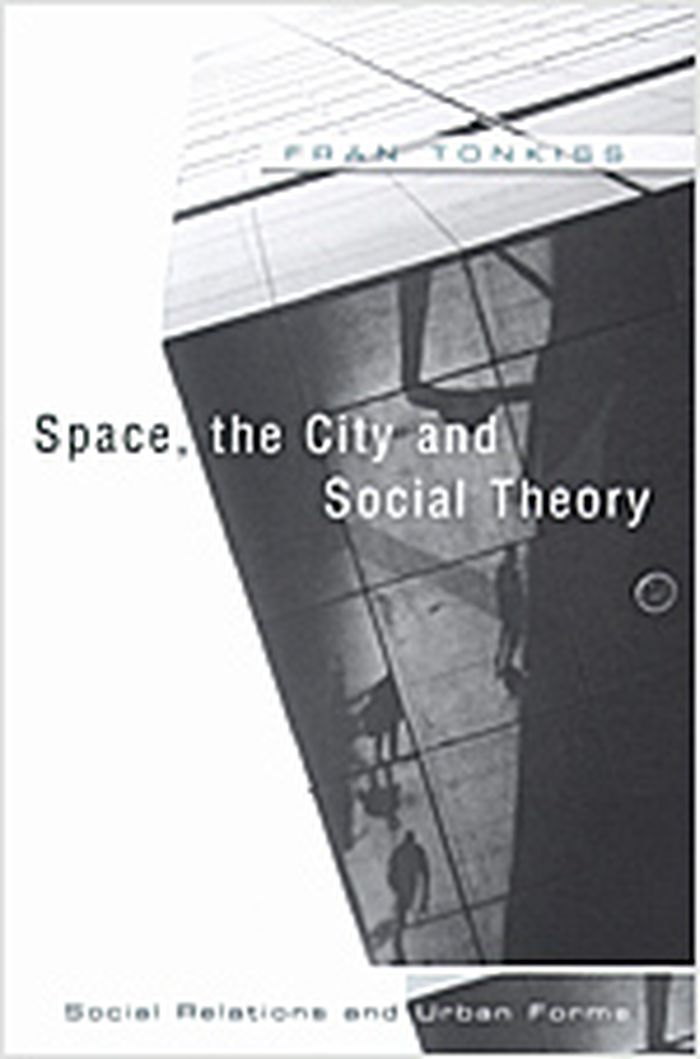
Space, the city and social theory : social relations and urban forms
Actions:
Price:
$26.99
(available to order)
Summary:
"Space, the city and social theory" offers a critical account of key approaches to cities and urban space within social theory and analysis. It explores the relation of the social and the spatial in the context of critical urban themes: community and anonymity; social difference and spatial divisions; politics and public space; gentrification and urban renewal; gender and sexuality; subjectivity and space; experience and everyday practice in the city. The text adopts an international and interdisciplinary approach, drawing on a range of debates on cities and urban life. It brings together classic perspectives in urban sociology and social theory with the analysis of contemporary urban problems and issues. Rather than viewing the urban simply as a backdrop for more general social processes, the discussion looks at how social and spatial relations shape different versions of the city: as a place of social interaction and of solitude; as a site of difference and segregation; as a space of politics and power; as a landscape of economic and cultural distinction; as a realm of everyday experience and freedom. Similarly, it examines how core social categories - such as class, culture, gender, sexuality and community - are shaped and reproduced in urban contexts.
Space, the city and social theory : social relations and urban forms
Actions:
Price:
$26.99
(available to order)
Summary:
"Space, the city and social theory" offers a critical account of key approaches to cities and urban space within social theory and analysis. It explores the relation of the social and the spatial in the context of critical urban themes: community and anonymity; social difference and spatial divisions; politics and public space; gentrification and urban renewal; gender and sexuality; subjectivity and space; experience and everyday practice in the city. The text adopts an international and interdisciplinary approach, drawing on a range of debates on cities and urban life. It brings together classic perspectives in urban sociology and social theory with the analysis of contemporary urban problems and issues. Rather than viewing the urban simply as a backdrop for more general social processes, the discussion looks at how social and spatial relations shape different versions of the city: as a place of social interaction and of solitude; as a site of difference and segregation; as a space of politics and power; as a landscape of economic and cultural distinction; as a realm of everyday experience and freedom. Similarly, it examines how core social categories - such as class, culture, gender, sexuality and community - are shaped and reproduced in urban contexts.
Form:
books
books
Publication:
November 2005, Cambridge
November 2005, Cambridge
Subject:
Urban Theory
Urban Theory
Form:
books
books
Actions:
Price:
$46.50
(available to order)
Summary:
Are there significant variations in the ways planners in different nations have influenced urban, regional, and national development? Do such variations arise from differences in planning cultures, meaning the collective ethos and dominant attitude of planners in different nations towards the appropriate roles of the state, market forces, and civil society? How are such(...)
$46.50
(available to order)
Summary:
Are there significant variations in the ways planners in different nations have influenced urban, regional, and national development? Do such variations arise from differences in planning cultures, meaning the collective ethos and dominant attitude of planners in different nations towards the appropriate roles of the state, market forces, and civil society? How are such(...)
Title:
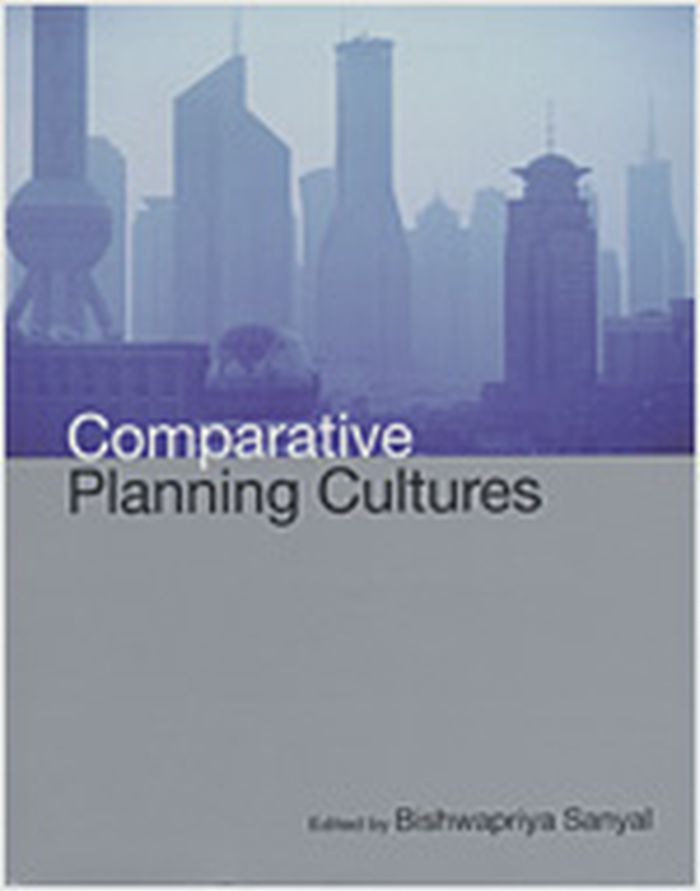
Comparative planning cultures
Actions:
Price:
$46.50
(available to order)
Summary:
Are there significant variations in the ways planners in different nations have influenced urban, regional, and national development? Do such variations arise from differences in planning cultures, meaning the collective ethos and dominant attitude of planners in different nations towards the appropriate roles of the state, market forces, and civil society? How are such professional cultures formed? Are they indigenous and immutable, or do they evolve with social, political, and economic changes both within and outside the national territories? Specifically, what has been the impact of the intensification of global interconnectedness in trade, capital flows, labor migration, and technological connectivity on national planning cultures? "Comparative planning cultures" addresses these questions, drawing on the planning experience in ten nations and at different territorial levels. The result is an understanding of planning culture that is complex and dynamic-in contrast to traditional notions of culture that evoke a sense of immutability and inheritance of unchanging social attributes of planners. The volume concludes that there is no cultural nucleus or core planning culture, no social gene that can be decoded to reveal the cultural DNA of planning practice of any nation.
Comparative planning cultures
Actions:
Price:
$46.50
(available to order)
Summary:
Are there significant variations in the ways planners in different nations have influenced urban, regional, and national development? Do such variations arise from differences in planning cultures, meaning the collective ethos and dominant attitude of planners in different nations towards the appropriate roles of the state, market forces, and civil society? How are such professional cultures formed? Are they indigenous and immutable, or do they evolve with social, political, and economic changes both within and outside the national territories? Specifically, what has been the impact of the intensification of global interconnectedness in trade, capital flows, labor migration, and technological connectivity on national planning cultures? "Comparative planning cultures" addresses these questions, drawing on the planning experience in ten nations and at different territorial levels. The result is an understanding of planning culture that is complex and dynamic-in contrast to traditional notions of culture that evoke a sense of immutability and inheritance of unchanging social attributes of planners. The volume concludes that there is no cultural nucleus or core planning culture, no social gene that can be decoded to reveal the cultural DNA of planning practice of any nation.
Form:
books
books
Publication:
April 2005, New York / London
April 2005, New York / London
Subject:
Urban Theory
Urban Theory
Form:
books
books
Title:
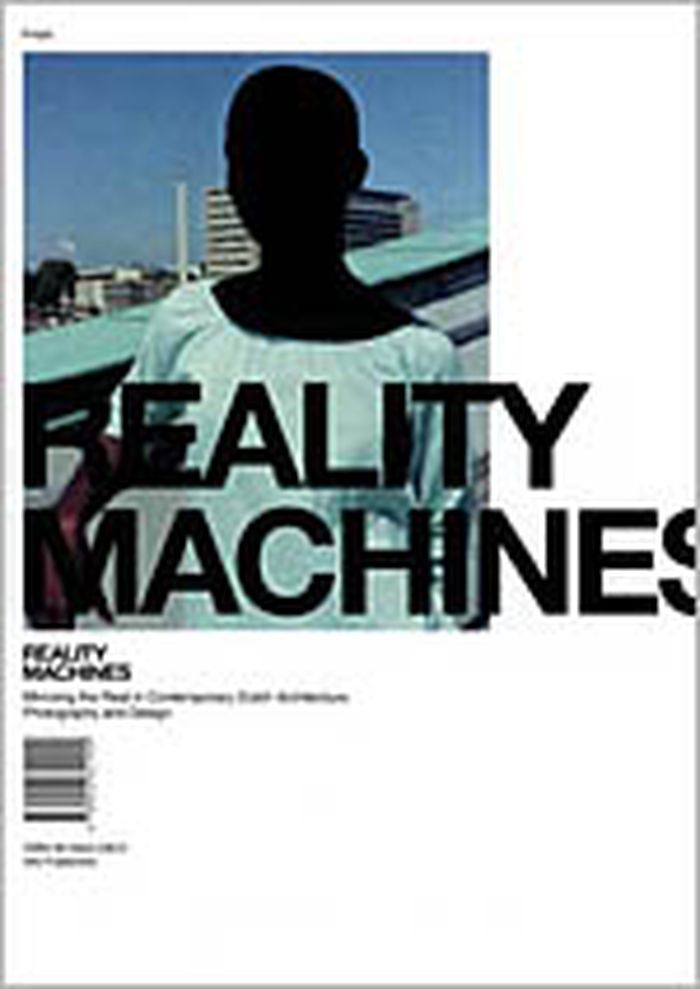
Reality machines : mirroring the real in contemporary Dutch architecture, photography and design
Reality machines : mirroring the real in contemporary Dutch architecture, photography and design
Actions:
Price:
$52.95
(available to order)
Summary:
"Reality machines" features work by young contemporary Dutch architects, industrial designers, fashion designers, graphic designers and photographers. This book examines the stance adopted by Dutch designers in the 1990s and today. Militating against the 'makability' of a fully designed landscape, they deliberately seek to distort and alineate reality. Five themed groups(...)
$52.95
(available to order)
Summary:
"Reality machines" features work by young contemporary Dutch architects, industrial designers, fashion designers, graphic designers and photographers. This book examines the stance adopted by Dutch designers in the 1990s and today. Militating against the 'makability' of a fully designed landscape, they deliberately seek to distort and alineate reality. Five themed groups(...)
Subject:
Architecture since 1900, Europe
Architecture since 1900, Europe
Publication:
January 2003, Rotterdam
January 2003, Rotterdam
Title:
Reality machines : mirroring the real in contemporary Dutch architecture, photography and design
Actions:
Price:
$52.95
(available to order)
Summary:
"Reality machines" features work by young contemporary Dutch architects, industrial designers, fashion designers, graphic designers and photographers. This book examines the stance adopted by Dutch designers in the 1990s and today. Militating against the 'makability' of a fully designed landscape, they deliberately seek to distort and alineate reality. Five themed groups - PhotoShop reality; come back effect; back to basics; no original; and are you serious? - pull the various disciplines into confrontation. An introductory article by Pauline Terreehorst charts the state of play within those disciplines; this in response to the question of how the Dutch design world will shape up in a future marked by changed economic and political circumstances. Largely given over to illustrations, the book includes work by architects (West 8, MVRDV, NL Architects, One Architecture), industrial designers (Hella Jongerius, Arnout Visser, Jurgen Bey, Marcel Wanders, Richard Hutten), fashion designers (Alexander van Slobbe, Saskia van Drimmelen, Pascale Gatzen, Aziz Bekkaoui, Niels Klavers), graphic designers (Jop van Bennekom, Daniël van der Velden & Maureen Mooren, Thonik) and photographers (Anuschka Blommers & Niels Schumm, Vivianne Sassen). Exhibition in the Netherlands Architecture Institute until April 21, 2003. Graphic design by Jop van Nennekom.
Reality machines : mirroring the real in contemporary Dutch architecture, photography and design
Actions:
Price:
$52.95
(available to order)
Summary:
"Reality machines" features work by young contemporary Dutch architects, industrial designers, fashion designers, graphic designers and photographers. This book examines the stance adopted by Dutch designers in the 1990s and today. Militating against the 'makability' of a fully designed landscape, they deliberately seek to distort and alineate reality. Five themed groups - PhotoShop reality; come back effect; back to basics; no original; and are you serious? - pull the various disciplines into confrontation. An introductory article by Pauline Terreehorst charts the state of play within those disciplines; this in response to the question of how the Dutch design world will shape up in a future marked by changed economic and political circumstances. Largely given over to illustrations, the book includes work by architects (West 8, MVRDV, NL Architects, One Architecture), industrial designers (Hella Jongerius, Arnout Visser, Jurgen Bey, Marcel Wanders, Richard Hutten), fashion designers (Alexander van Slobbe, Saskia van Drimmelen, Pascale Gatzen, Aziz Bekkaoui, Niels Klavers), graphic designers (Jop van Bennekom, Daniël van der Velden & Maureen Mooren, Thonik) and photographers (Anuschka Blommers & Niels Schumm, Vivianne Sassen). Exhibition in the Netherlands Architecture Institute until April 21, 2003. Graphic design by Jop van Nennekom.
Form:
books
books
Publication:
January 2003, Rotterdam
January 2003, Rotterdam
Subject:
Architecture since 1900, Europe
Architecture since 1900, Europe
Form:
books
books
Actions:
Price:
$63.95
(available to order)
Summary:
In his introductory essay on building in alpine areas, Otto Kapfinger brings out the common features in the architectural scenes of the two most western federal states in Austria – the Tyrol and Vorarlberg. At the same time he underlines the regional differences, considering the Rhine valley as opposed to the Inn valley. This book, written to accompany an international(...)
$63.95
(available to order)
Summary:
In his introductory essay on building in alpine areas, Otto Kapfinger brings out the common features in the architectural scenes of the two most western federal states in Austria – the Tyrol and Vorarlberg. At the same time he underlines the regional differences, considering the Rhine valley as opposed to the Inn valley. This book, written to accompany an international(...)
Subject:
Architecture since 1900, Europe
Architecture since 1900, Europe
Publication:
September 2003, Basel / Boston / Berlin
September 2003, Basel / Boston / Berlin
Title:
Austria West : new architecture
Actions:
Price:
$63.95
(available to order)
Summary:
In his introductory essay on building in alpine areas, Otto Kapfinger brings out the common features in the architectural scenes of the two most western federal states in Austria – the Tyrol and Vorarlberg. At the same time he underlines the regional differences, considering the Rhine valley as opposed to the Inn valley. This book, written to accompany an international travelling exhibition, documents the most important examples of the architecture of the last ten years. The publication reveals that the architecture in the Austrian region of Vorarlberg is grounded in regional tradition. In recent years it has developed towards industrial building due to the changing social and economic situation. Tyrolean architecture, on the other hand, is a rather more recent phenomenon but can also be said to have made a significant contribution to contemporary building in its own right. Architects include : Baumschlager & Eberle; Arno Bereiter; Cukrowicz & Nachbaur; Dietrich & Untertrifaller; Georg Driendl; Hugo Dworzak; Roland Gnaiger ; Gohm.Hiessberger; Henke & Schreieck; Margarethe Heubacher-Sentobe; Hermann Kaufmann; Rainer Köberl; Christian Lenz; Peter Lorenz; Manzl & Sandner; Marte & Marte; Noldin & Noldin ; Johann Obermoser; Wolfgang Pöschl; Helmut Reitter; Riccione Architekten; Wolfgang Ritsch; Hanno Schlögl; Bruno Spagolla; Steinmayr & Mascher.
Austria West : new architecture
Actions:
Price:
$63.95
(available to order)
Summary:
In his introductory essay on building in alpine areas, Otto Kapfinger brings out the common features in the architectural scenes of the two most western federal states in Austria – the Tyrol and Vorarlberg. At the same time he underlines the regional differences, considering the Rhine valley as opposed to the Inn valley. This book, written to accompany an international travelling exhibition, documents the most important examples of the architecture of the last ten years. The publication reveals that the architecture in the Austrian region of Vorarlberg is grounded in regional tradition. In recent years it has developed towards industrial building due to the changing social and economic situation. Tyrolean architecture, on the other hand, is a rather more recent phenomenon but can also be said to have made a significant contribution to contemporary building in its own right. Architects include : Baumschlager & Eberle; Arno Bereiter; Cukrowicz & Nachbaur; Dietrich & Untertrifaller; Georg Driendl; Hugo Dworzak; Roland Gnaiger ; Gohm.Hiessberger; Henke & Schreieck; Margarethe Heubacher-Sentobe; Hermann Kaufmann; Rainer Köberl; Christian Lenz; Peter Lorenz; Manzl & Sandner; Marte & Marte; Noldin & Noldin ; Johann Obermoser; Wolfgang Pöschl; Helmut Reitter; Riccione Architekten; Wolfgang Ritsch; Hanno Schlögl; Bruno Spagolla; Steinmayr & Mascher.
Form:
books
books
Publication:
September 2003, Basel / Boston / Berlin
September 2003, Basel / Boston / Berlin
Subject:
Architecture since 1900, Europe
Architecture since 1900, Europe
Form:
books
books
Price:
$33.50
(available to order)
Summary:
Warhol’s Factory of the 1960s, Minimalism’s assembly-line aesthetics, conceptual and feminist concern with workers’ conditions in the 1970s—these are among the antecedents of a renewed focus on the work of art: labor as artistic activity, as artistic method and as object of artistic engagement. In 2002, the “Work Ethic” exhibition curated by Helen Molesworth at the(...)
$33.50
(available to order)
Summary:
Warhol’s Factory of the 1960s, Minimalism’s assembly-line aesthetics, conceptual and feminist concern with workers’ conditions in the 1970s—these are among the antecedents of a renewed focus on the work of art: labor as artistic activity, as artistic method and as object of artistic engagement. In 2002, the “Work Ethic” exhibition curated by Helen Molesworth at the(...)
Title:
Work
Actions:
Price:
$33.50
(available to order)
Summary:
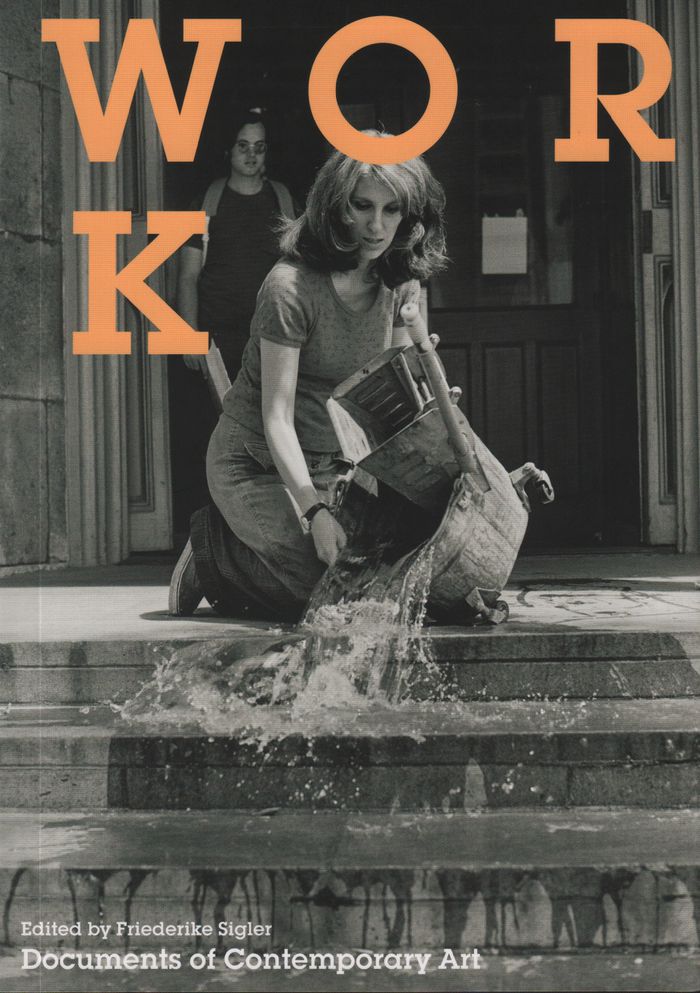
Warhol’s Factory of the 1960s, Minimalism’s assembly-line aesthetics, conceptual and feminist concern with workers’ conditions in the 1970s—these are among the antecedents of a renewed focus on the work of art: labor as artistic activity, as artistic method and as object of artistic engagement. In 2002, the “Work Ethic” exhibition curated by Helen Molesworth at the Baltimore Museum of Art took its cue from recent art to spotlight this earlier era of artistic practice in which activity became as valid as, and often dispensed with, object-production. Revealed through this prism was “dematerialized” art’s close and critical relation to the emergent information age’s criteria of management, production and skill. By 2015, the Venice Biennale reflected artists’ wider concern with global economic and social crises, centered on exploitative and precarious worlds of employment. Yet while art increasingly engages with human travail, work’s significance in itself is seldom addressed by critics. This anthology explicitly investigates work in relation to contemporary art, surveying artistic strategies that grapple with the complexities of being an art worker in the new economy, a postproducer, a collaborator, a fabricator, a striker, an ethical campaigner, or would-be transformer of labor from oppression to liberation.
Work
Actions:
Price:
$33.50
(available to order)
Summary:
Warhol’s Factory of the 1960s, Minimalism’s assembly-line aesthetics, conceptual and feminist concern with workers’ conditions in the 1970s—these are among the antecedents of a renewed focus on the work of art: labor as artistic activity, as artistic method and as object of artistic engagement. In 2002, the “Work Ethic” exhibition curated by Helen Molesworth at the Baltimore Museum of Art took its cue from recent art to spotlight this earlier era of artistic practice in which activity became as valid as, and often dispensed with, object-production. Revealed through this prism was “dematerialized” art’s close and critical relation to the emergent information age’s criteria of management, production and skill. By 2015, the Venice Biennale reflected artists’ wider concern with global economic and social crises, centered on exploitative and precarious worlds of employment. Yet while art increasingly engages with human travail, work’s significance in itself is seldom addressed by critics. This anthology explicitly investigates work in relation to contemporary art, surveying artistic strategies that grapple with the complexities of being an art worker in the new economy, a postproducer, a collaborator, a fabricator, a striker, an ethical campaigner, or would-be transformer of labor from oppression to liberation.
Form:
books
books
Publication:
August 2017
August 2017
Subject:
Art Theory
Art Theory
Form:
journals and magazines
journals and magazines
Title:
CLOG 15: Guns
CLOG 15: Guns
Actions:
Price:
$32.00
(available to order)
Summary:
For nearly a thousand years, the gun has played a key role in shaping histories, societies, and lives. Incalculable sums of creativity, innovation, and design have been dedicated to this tool which continues to evolve in unexpected ways. While the gun has always been valued for its usefulness in hunting, sport, and war, it has also been appreciated—even fetishized—for its(...)
$32.00
(available to order)
Summary:
For nearly a thousand years, the gun has played a key role in shaping histories, societies, and lives. Incalculable sums of creativity, innovation, and design have been dedicated to this tool which continues to evolve in unexpected ways. While the gun has always been valued for its usefulness in hunting, sport, and war, it has also been appreciated—even fetishized—for its(...)
Title:
CLOG 15: Guns
Actions:
Price:
$32.00
(available to order)
Summary:
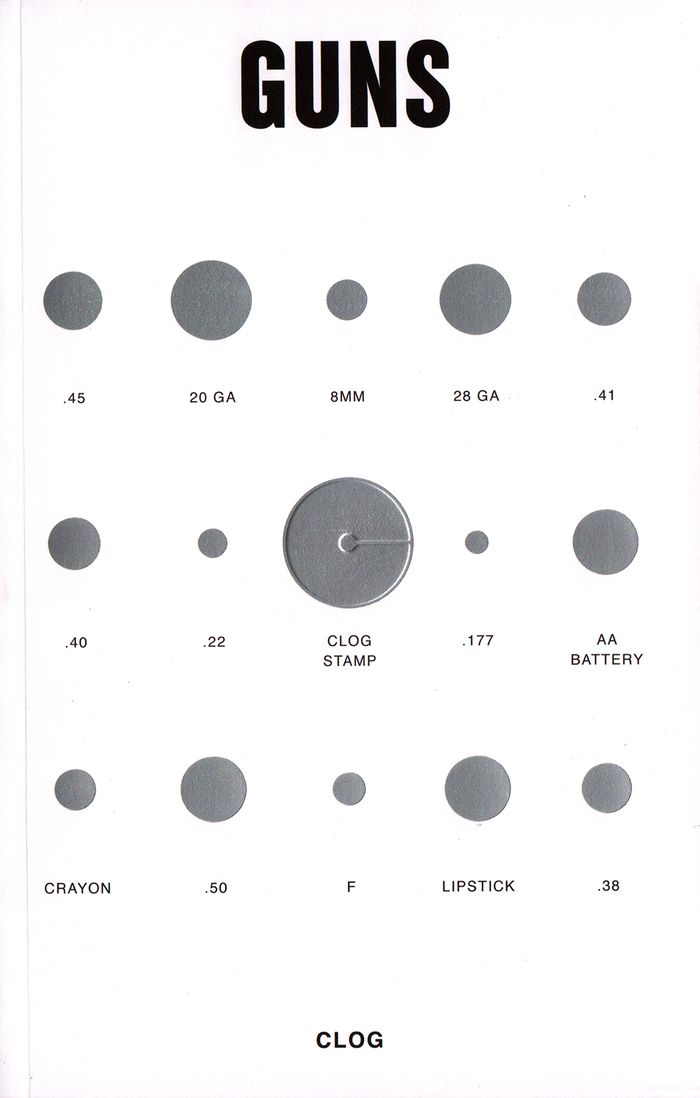
For nearly a thousand years, the gun has played a key role in shaping histories, societies, and lives. Incalculable sums of creativity, innovation, and design have been dedicated to this tool which continues to evolve in unexpected ways. While the gun has always been valued for its usefulness in hunting, sport, and war, it has also been appreciated—even fetishized—for its aesthetic appeal. Nevertheless, the gun is an object whose primary function is to kill. Its destructive and deadly purpose imbues the gun with a unique potency—both symbolic and real. Hence, it can be difficult, if not impossible, to consider the gun as just another tool or designed object. Over time, social, political, and economic forces—particularly in the United States—have created a context that often forces individuals into “pro-gun” and “anti-gun” factions, leaving little room to critically study the gun as an object or consider the complexity of various perspectives. Today, it is estimated that there are approximately 875 million small arms throughout the world. As this number continues to climb and the surrounding debate only grows more polarized, it is time to holistically examine the past, present, and future of the gun
CLOG 15: Guns
Actions:
Price:
$32.00
(available to order)
Summary:
For nearly a thousand years, the gun has played a key role in shaping histories, societies, and lives. Incalculable sums of creativity, innovation, and design have been dedicated to this tool which continues to evolve in unexpected ways. While the gun has always been valued for its usefulness in hunting, sport, and war, it has also been appreciated—even fetishized—for its aesthetic appeal. Nevertheless, the gun is an object whose primary function is to kill. Its destructive and deadly purpose imbues the gun with a unique potency—both symbolic and real. Hence, it can be difficult, if not impossible, to consider the gun as just another tool or designed object. Over time, social, political, and economic forces—particularly in the United States—have created a context that often forces individuals into “pro-gun” and “anti-gun” factions, leaving little room to critically study the gun as an object or consider the complexity of various perspectives. Today, it is estimated that there are approximately 875 million small arms throughout the world. As this number continues to climb and the surrounding debate only grows more polarized, it is time to holistically examine the past, present, and future of the gun
Form:
journals and magazines
journals and magazines
Publication:
November 2017
November 2017
Subject:
Magazines
Magazines
Form:
books
books
Price:
$39.99
(available to order)
Summary:
The region is back in town. Galloping urbanization has pushed beyond historical notions of metropolitanism. City-regions have experienced, in Edward Soja’s terms, “an epochal shift in the nature of the city and the urbanization process, marking the beginning of the end of the modern metropolis as we knew it.” "Governing cities through regions" broadens and deepens our(...)
$39.99
(available to order)
Summary:
The region is back in town. Galloping urbanization has pushed beyond historical notions of metropolitanism. City-regions have experienced, in Edward Soja’s terms, “an epochal shift in the nature of the city and the urbanization process, marking the beginning of the end of the modern metropolis as we knew it.” "Governing cities through regions" broadens and deepens our(...)
Subject:
Urban Theory
Urban Theory
Publication:
December 2016
December 2016
Title:
Governing cities through regions: Canadian and European perspectives
Actions:
Price:
$39.99
(available to order)
Summary:
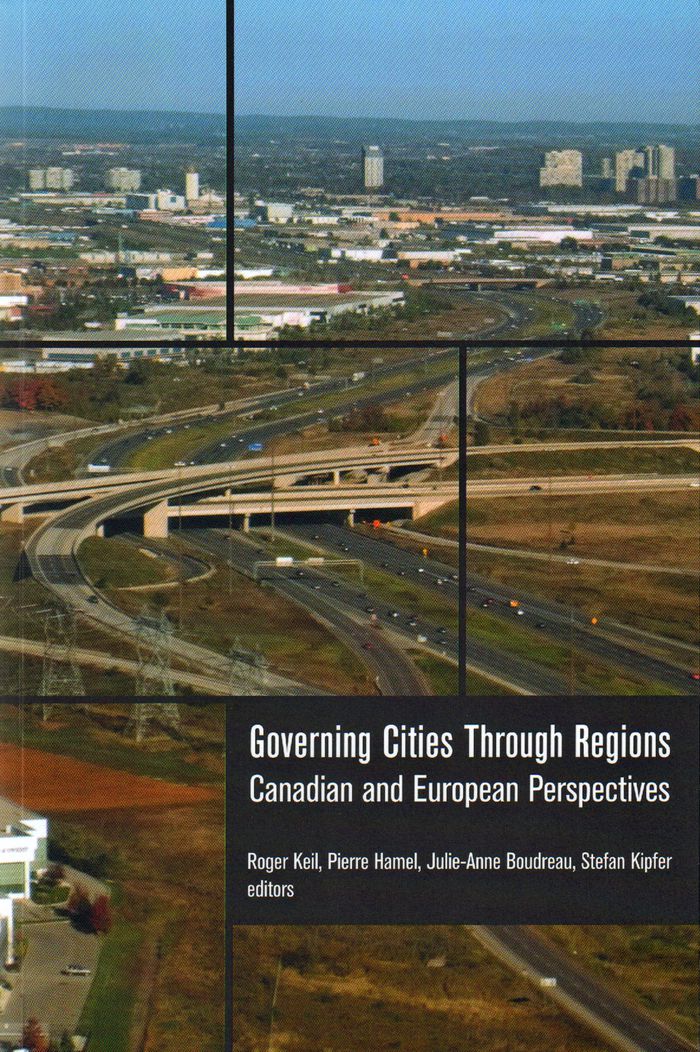
The region is back in town. Galloping urbanization has pushed beyond historical notions of metropolitanism. City-regions have experienced, in Edward Soja’s terms, “an epochal shift in the nature of the city and the urbanization process, marking the beginning of the end of the modern metropolis as we knew it.” "Governing cities through regions" broadens and deepens our understanding of metropolitan governance through an innovative comparative project that engages with Anglo-American, French, and German literatures on the subject of regional governance. It expands the comparative angle from issues of economic competiveness and social cohesion to topical and relevant fields such as housing and transportation, and it expands comparative work on municipal governance to the regional scale. With contributions from established and emerging international scholars of urban and regional governance, the volume covers conceptual topics and case studies that contrast the experience of a range of Canadian metropolitan regions with a strong selection of European regions. It starts from assumptions of limited conversion among regions across the Atlantic but is keenly aware of the remarkable differences in urban regions’ path dependencies in which the larger processes of globalization and neo-liberalization are situated and materialized.
Governing cities through regions: Canadian and European perspectives
Actions:
Price:
$39.99
(available to order)
Summary:
The region is back in town. Galloping urbanization has pushed beyond historical notions of metropolitanism. City-regions have experienced, in Edward Soja’s terms, “an epochal shift in the nature of the city and the urbanization process, marking the beginning of the end of the modern metropolis as we knew it.” "Governing cities through regions" broadens and deepens our understanding of metropolitan governance through an innovative comparative project that engages with Anglo-American, French, and German literatures on the subject of regional governance. It expands the comparative angle from issues of economic competiveness and social cohesion to topical and relevant fields such as housing and transportation, and it expands comparative work on municipal governance to the regional scale. With contributions from established and emerging international scholars of urban and regional governance, the volume covers conceptual topics and case studies that contrast the experience of a range of Canadian metropolitan regions with a strong selection of European regions. It starts from assumptions of limited conversion among regions across the Atlantic but is keenly aware of the remarkable differences in urban regions’ path dependencies in which the larger processes of globalization and neo-liberalization are situated and materialized.
Form:
books
books
Publication:
December 2016
December 2016
Subject:
Urban Theory
Urban Theory
Form:
journals and magazines
journals and magazines
Actions:
Price:
$47.95
(available to order)
Summary:
Even more than authorship, ownership is challenged by the rise of digital and computational methods of design and production. These challenges are simultaneously legal, ethical and economic. How are new methods of fabrication and manufacture going to irreversibly change not only ways of working, but also designers’ ethics and their stance on ownership? In his 2013(...)
$47.95
(available to order)
Summary:
Even more than authorship, ownership is challenged by the rise of digital and computational methods of design and production. These challenges are simultaneously legal, ethical and economic. How are new methods of fabrication and manufacture going to irreversibly change not only ways of working, but also designers’ ethics and their stance on ownership? In his 2013(...)
Title:
AD 86:5 Digital property : open-source architecture
Actions:
Price:
$47.95
(available to order)
Summary:
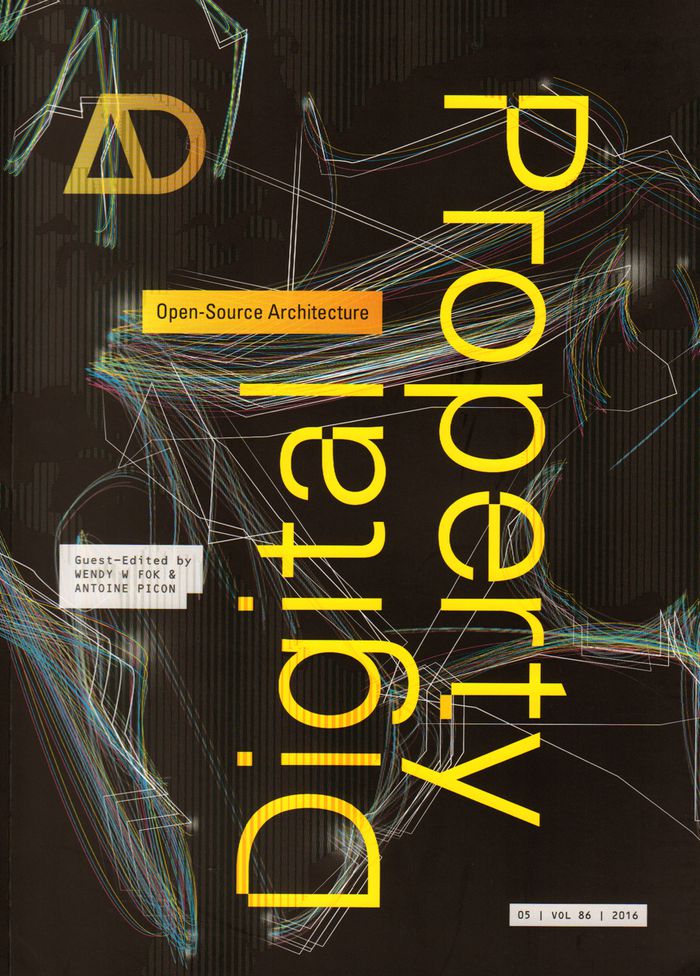
Even more than authorship, ownership is challenged by the rise of digital and computational methods of design and production. These challenges are simultaneously legal, ethical and economic. How are new methods of fabrication and manufacture going to irreversibly change not only ways of working, but also designers’ ethics and their stance on ownership? In his 2013 second-term State of the Union address, President Obama stated that 3D printing ‘has the potential to revolutionize the way we make almost everything’. Nowhere will the impact of 3D printing be felt greater than in the architectural and design communities. When anyone can print out an object or structure from a digital file, will designers still exert the same creative rights or will they need to develop new practice and payment models? As architecture becomes more collaborative with open-source processes, will the emphasis on signature as the basis of ownership remain relevant? How will wider teams working globally be accredited and compensated? This issue of AD explores this subject; it features the work of designers who are developing wholly new approaches to practice by exploring means of commercialising process-based products rather than objects.
AD 86:5 Digital property : open-source architecture
Actions:
Price:
$47.95
(available to order)
Summary:
Even more than authorship, ownership is challenged by the rise of digital and computational methods of design and production. These challenges are simultaneously legal, ethical and economic. How are new methods of fabrication and manufacture going to irreversibly change not only ways of working, but also designers’ ethics and their stance on ownership? In his 2013 second-term State of the Union address, President Obama stated that 3D printing ‘has the potential to revolutionize the way we make almost everything’. Nowhere will the impact of 3D printing be felt greater than in the architectural and design communities. When anyone can print out an object or structure from a digital file, will designers still exert the same creative rights or will they need to develop new practice and payment models? As architecture becomes more collaborative with open-source processes, will the emphasis on signature as the basis of ownership remain relevant? How will wider teams working globally be accredited and compensated? This issue of AD explores this subject; it features the work of designers who are developing wholly new approaches to practice by exploring means of commercialising process-based products rather than objects.
Form:
journals and magazines
journals and magazines
Publication:
September 2016
September 2016
Subject:
Magazines
Magazines
Form:
books
books
Actions:
Price:
$61.50
(available to order)
Summary:
With the ever-increasing growth of the world’s population, there is a universal need for development that can sustain humanity, in settlements of all sizes, without the depletion of our environmental heritage. For this to be effective it is essential that local, national and international frameworks be set up to ensure the application and utilisation of sustainable(...)
$61.50
(available to order)
Summary:
With the ever-increasing growth of the world’s population, there is a universal need for development that can sustain humanity, in settlements of all sizes, without the depletion of our environmental heritage. For this to be effective it is essential that local, national and international frameworks be set up to ensure the application and utilisation of sustainable(...)
Title:
Sustainable place : a place of sustainable development
Actions:
Price:
$61.50
(available to order)
Summary:
With the ever-increasing growth of the world’s population, there is a universal need for development that can sustain humanity, in settlements of all sizes, without the depletion of our environmental heritage. For this to be effective it is essential that local, national and international frameworks be set up to ensure the application and utilisation of sustainable development objectives. This book addresses the concept of sustainable place. It looks at the distinctive features of place associated with man’s interaction with landscape, architecture and master planning and investigates the potential of these features to form the constituent parts of a framework of assessment. It outlines a framework for determining the energy and environmental capabilities of a locality for sustainable development in consideration of its social, economic, political and cultural prerequisites – a framework that may be applied locally but that also bears a direct relationship to national and international concerns for sustainability. Sustainable Place puts forward the potential elements of an aesthetic for sustainability which may be used anywhere in the world, to facilitate human progress whilst avoiding the disastrous environmental consequences that ill-considered development too often entails.
Sustainable place : a place of sustainable development
Actions:
Price:
$61.50
(available to order)
Summary:
With the ever-increasing growth of the world’s population, there is a universal need for development that can sustain humanity, in settlements of all sizes, without the depletion of our environmental heritage. For this to be effective it is essential that local, national and international frameworks be set up to ensure the application and utilisation of sustainable development objectives. This book addresses the concept of sustainable place. It looks at the distinctive features of place associated with man’s interaction with landscape, architecture and master planning and investigates the potential of these features to form the constituent parts of a framework of assessment. It outlines a framework for determining the energy and environmental capabilities of a locality for sustainable development in consideration of its social, economic, political and cultural prerequisites – a framework that may be applied locally but that also bears a direct relationship to national and international concerns for sustainability. Sustainable Place puts forward the potential elements of an aesthetic for sustainability which may be used anywhere in the world, to facilitate human progress whilst avoiding the disastrous environmental consequences that ill-considered development too often entails.
Form:
books
books
Publication:
February 2003, Chichester
February 2003, Chichester
Subject:
Green Architecture
Green Architecture


