


818 Results
Form:
books
books
Title:
Que notre joie demeure
Que notre joie demeure
Actions:
Price:
$28.95
(available to order)
Summary:
Un spectre hante le roman de Kevin Lambert : le spectre du capitalisme. L’éblouissante Céline Wachowski, architecte de renommée internationale, dévoile enfin le Complexe Webuy, un projet ambitieux et structurant; surtout, le premier grand projet public qu’elle réalise pour Montréal, sa ville. Pourtant, les critiques de la population et de groupes militants ne tardent pas(...)
$28.95
(available to order)
Summary:
Un spectre hante le roman de Kevin Lambert : le spectre du capitalisme. L’éblouissante Céline Wachowski, architecte de renommée internationale, dévoile enfin le Complexe Webuy, un projet ambitieux et structurant; surtout, le premier grand projet public qu’elle réalise pour Montréal, sa ville. Pourtant, les critiques de la population et de groupes militants ne tardent pas(...)
Title:
Que notre joie demeure
Actions:
Price:
$28.95
(available to order)
Summary:
Un spectre hante le roman de Kevin Lambert : le spectre du capitalisme. L’éblouissante Céline Wachowski, architecte de renommée internationale, dévoile enfin le Complexe Webuy, un projet ambitieux et structurant; surtout, le premier grand projet public qu’elle réalise pour Montréal, sa ville. Pourtant, les critiques de la population et de groupes militants ne tardent pas à fuser : on accuse Céline de détruire le tissu social, d’accélérer l’embourgeoisement des quartiers, de péchés plus capitaux encore. L’architecte est prise dans la tourmente et sommée de réagir. C’est la classe dirigeante que Kevin Lambert met en scène ici, fouillant la psyché de ces gens au sommet de leur discipline et qui pour la première fois de leur vie risquent de perdre pied. Quelle fiction se racontent-ils pour justifier leurs privilèges, pour asseoir leur place dans un monde qu’ils ont eux-mêmes bâti ? Dans une prose leste et immersive, «Que notre joie demeure» fait entendre les points de vue et pensées secrètes de ses personnages, tout en peignant le portrait clairvoyant du Montréal d’aujourd’hui.
Que notre joie demeure
Actions:
Price:
$28.95
(available to order)
Summary:
Un spectre hante le roman de Kevin Lambert : le spectre du capitalisme. L’éblouissante Céline Wachowski, architecte de renommée internationale, dévoile enfin le Complexe Webuy, un projet ambitieux et structurant; surtout, le premier grand projet public qu’elle réalise pour Montréal, sa ville. Pourtant, les critiques de la population et de groupes militants ne tardent pas à fuser : on accuse Céline de détruire le tissu social, d’accélérer l’embourgeoisement des quartiers, de péchés plus capitaux encore. L’architecte est prise dans la tourmente et sommée de réagir. C’est la classe dirigeante que Kevin Lambert met en scène ici, fouillant la psyché de ces gens au sommet de leur discipline et qui pour la première fois de leur vie risquent de perdre pied. Quelle fiction se racontent-ils pour justifier leurs privilèges, pour asseoir leur place dans un monde qu’ils ont eux-mêmes bâti ? Dans une prose leste et immersive, «Que notre joie demeure» fait entendre les points de vue et pensées secrètes de ses personnages, tout en peignant le portrait clairvoyant du Montréal d’aujourd’hui.
Form:
books
books
Publication:
September 2022
September 2022
Subject:
Literature and poetry
Literature and poetry
Form:
books
books
Actions:
Price:
$54.95
(available to order)
Summary:
C’est par l’analyse de la société que l’on peut comprendre la ville. Les grandes régions urbaines contemporaines – les métapoles – matérialisent les caractéristiques de la société hypertexte. Elles en sont comme l’avant-garde. Aussi, un nouveau capitalisme cognitif et écologique apparaît où l’individu-roi peut «?naviguer?» entre les situations, les connaissances, les(...)
$54.95
(available to order)
Summary:
C’est par l’analyse de la société que l’on peut comprendre la ville. Les grandes régions urbaines contemporaines – les métapoles – matérialisent les caractéristiques de la société hypertexte. Elles en sont comme l’avant-garde. Aussi, un nouveau capitalisme cognitif et écologique apparaît où l’individu-roi peut «?naviguer?» entre les situations, les connaissances, les(...)
Title:
L'âge des métapoles- grand prix de l'urbanisme 2009
Actions:
Price:
$54.95
(available to order)
Summary:
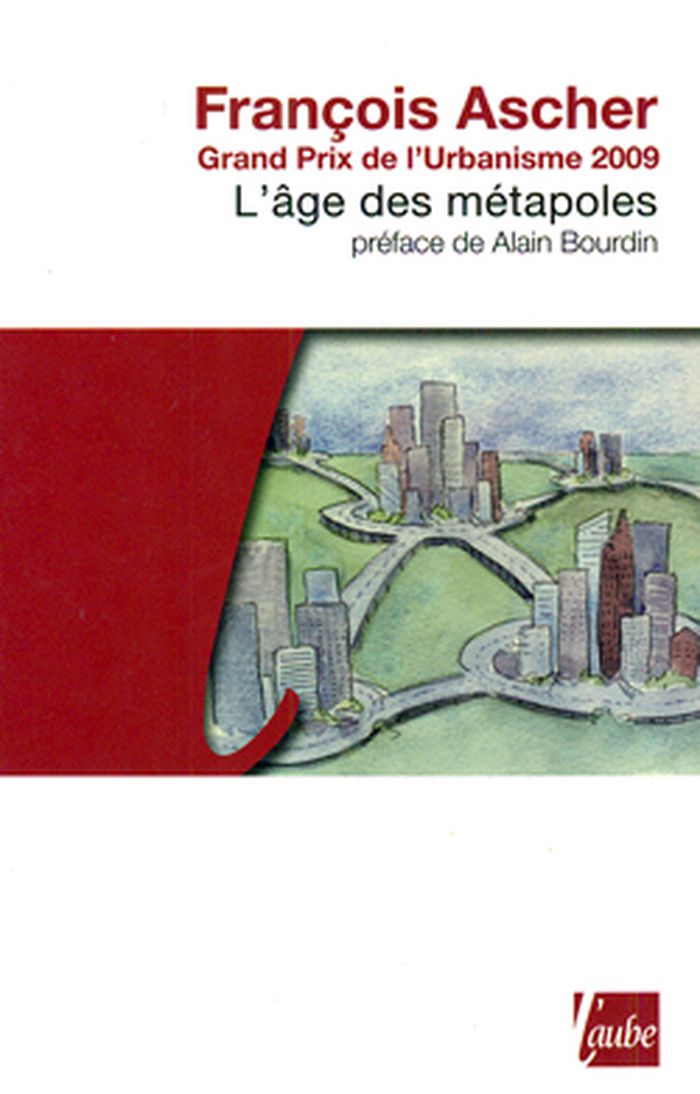
C’est par l’analyse de la société que l’on peut comprendre la ville. Les grandes régions urbaines contemporaines – les métapoles – matérialisent les caractéristiques de la société hypertexte. Elles en sont comme l’avant-garde. Aussi, un nouveau capitalisme cognitif et écologique apparaît où l’individu-roi peut «?naviguer?» entre les situations, les connaissances, les croyances, les milieux sociaux… accroissant les différenciations sociales. Comment ces processus façonnent-ils la société, et donc la ville ? François Ascher ne répond pas à cette question en utilisant les approches classiques. Au contraire, les siennes partent de différents points de vue – la politique, l’alimentation, la vie quotidienne… en laissant sa place à l’imprévu, qui est l’une des caractéristiques de notre modernité. Il faut aussi associer la connaissance et l’action, le débat scientifique et le débat politique. C’est à cette démarche que nous invite François Ascher dans ce livre, présenté et conçu par Alain Bourdin, qui alterne des genres différents : articles scientifiques, exposés pédagogiques, conférences dans le monde professionnel de l’urbain, interventions dans le débat public et politique. Un livre à l’image des propositions hypertextes de son auteur.
L'âge des métapoles- grand prix de l'urbanisme 2009
Actions:
Price:
$54.95
(available to order)
Summary:
C’est par l’analyse de la société que l’on peut comprendre la ville. Les grandes régions urbaines contemporaines – les métapoles – matérialisent les caractéristiques de la société hypertexte. Elles en sont comme l’avant-garde. Aussi, un nouveau capitalisme cognitif et écologique apparaît où l’individu-roi peut «?naviguer?» entre les situations, les connaissances, les croyances, les milieux sociaux… accroissant les différenciations sociales. Comment ces processus façonnent-ils la société, et donc la ville ? François Ascher ne répond pas à cette question en utilisant les approches classiques. Au contraire, les siennes partent de différents points de vue – la politique, l’alimentation, la vie quotidienne… en laissant sa place à l’imprévu, qui est l’une des caractéristiques de notre modernité. Il faut aussi associer la connaissance et l’action, le débat scientifique et le débat politique. C’est à cette démarche que nous invite François Ascher dans ce livre, présenté et conçu par Alain Bourdin, qui alterne des genres différents : articles scientifiques, exposés pédagogiques, conférences dans le monde professionnel de l’urbain, interventions dans le débat public et politique. Un livre à l’image des propositions hypertextes de son auteur.
Form:
books
books
Publication:
December 2009
December 2009
Subject:
Urban Theory
Urban Theory
Form:
books
books
Actions:
Price:
$41.95
(available to order)
Summary:
Ces dernières décennies, un bouleversement majeur s’est accompli à bas bruit : un nouvel avatar du capitalisme financiarisé est né, le secteur de la gestion d’actifs. Bureaux, centres commerciaux, résidences étudiantes et seniors, entrepôts logistiques… Une part croissante de ces lieux du quotidien se trouve désormais entre les mains de propriétaires méconnus qui voient(...)
$41.95
(available to order)
Summary:
Ces dernières décennies, un bouleversement majeur s’est accompli à bas bruit : un nouvel avatar du capitalisme financiarisé est né, le secteur de la gestion d’actifs. Bureaux, centres commerciaux, résidences étudiantes et seniors, entrepôts logistiques… Une part croissante de ces lieux du quotidien se trouve désormais entre les mains de propriétaires méconnus qui voient(...)
Title:
L'empire urbain de la finance
Actions:
Price:
$41.95
(available to order)
Summary:
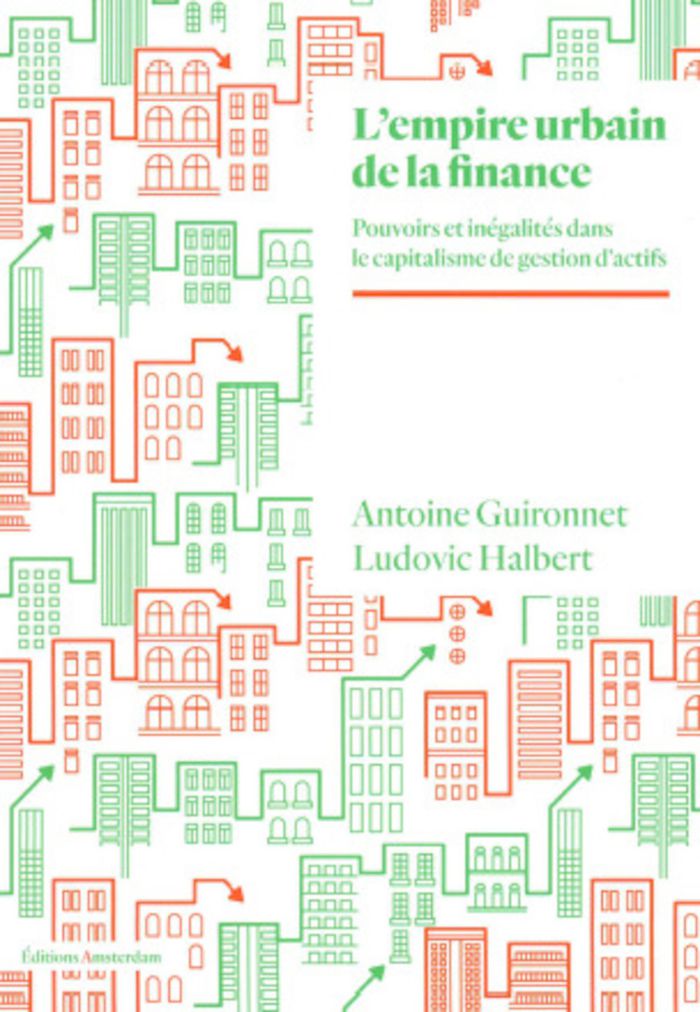
Ces dernières décennies, un bouleversement majeur s’est accompli à bas bruit : un nouvel avatar du capitalisme financiarisé est né, le secteur de la gestion d’actifs. Bureaux, centres commerciaux, résidences étudiantes et seniors, entrepôts logistiques… Une part croissante de ces lieux du quotidien se trouve désormais entre les mains de propriétaires méconnus qui voient dans l’immobilier un moyen de faire fructifier l’épargne provenant des marchés financiers du monde entier. Ce livre nous entraîne dans les coulisses de la gestion d’actifs immobiliers en France. Il montre comment fonds d’investissement et sociétés foncières cherchent à imposer leurs logiques et critères financiers à l’État, aux élus locaux, aux aménageurs et aux promoteurs immobiliers, et révèle comment ces mastodontes sont parvenus à édifier un véritable empire dans les métropoles. Surtout, il éclaire les effets de cette transformation : à mesure que les gérants d’actifs captent la rente foncière, ce sont les inégalités sociales et spatiales qui se creusent. Autant d’enseignements pour interroger la place de la finance dans le débat sur la transition écologique des villes.
L'empire urbain de la finance
Actions:
Price:
$41.95
(available to order)
Summary:
Ces dernières décennies, un bouleversement majeur s’est accompli à bas bruit : un nouvel avatar du capitalisme financiarisé est né, le secteur de la gestion d’actifs. Bureaux, centres commerciaux, résidences étudiantes et seniors, entrepôts logistiques… Une part croissante de ces lieux du quotidien se trouve désormais entre les mains de propriétaires méconnus qui voient dans l’immobilier un moyen de faire fructifier l’épargne provenant des marchés financiers du monde entier. Ce livre nous entraîne dans les coulisses de la gestion d’actifs immobiliers en France. Il montre comment fonds d’investissement et sociétés foncières cherchent à imposer leurs logiques et critères financiers à l’État, aux élus locaux, aux aménageurs et aux promoteurs immobiliers, et révèle comment ces mastodontes sont parvenus à édifier un véritable empire dans les métropoles. Surtout, il éclaire les effets de cette transformation : à mesure que les gérants d’actifs captent la rente foncière, ce sont les inégalités sociales et spatiales qui se creusent. Autant d’enseignements pour interroger la place de la finance dans le débat sur la transition écologique des villes.
Form:
books
books
Publication:
December 2023
December 2023
Subject:
Urban Theory
Urban Theory
Form:
books
books

Title:
Noam Chomsky: le bien commun
Noam Chomsky: le bien commun
Actions:
Price:
$20.00
(available to order)
Summary:
Doit-on revendiquer l'égalité des revenus pour tous les citoyens ? La mondialisation est-elle inéluctable ? Les termes gauche et droite ont-ils encore un sens ? Les médias peuvent-ils être progressistes ? Devons-nous avoir une idée claire de nos objectifs à long terme pour élaborer une stratégie politique ? Telles sont quelques-unes des questions auxquelles tente de(...)
$20.00
(available to order)
Summary:
Doit-on revendiquer l'égalité des revenus pour tous les citoyens ? La mondialisation est-elle inéluctable ? Les termes gauche et droite ont-ils encore un sens ? Les médias peuvent-ils être progressistes ? Devons-nous avoir une idée claire de nos objectifs à long terme pour élaborer une stratégie politique ? Telles sont quelques-unes des questions auxquelles tente de(...)
Title:
Noam Chomsky: le bien commun
Actions:
Price:
$20.00
(available to order)
Summary:
Doit-on revendiquer l'égalité des revenus pour tous les citoyens ? La mondialisation est-elle inéluctable ? Les termes gauche et droite ont-ils encore un sens ? Les médias peuvent-ils être progressistes ? Devons-nous avoir une idée claire de nos objectifs à long terme pour élaborer une stratégie politique ? Telles sont quelques-unes des questions auxquelles tente de répondre Le bien commun. Construit à partir d'entretiens avec le journaliste indépendant David Barsamian, cet ouvrage constitue un véritable condensé de la pensée politique de Noam Chomsky. De la philosophie d'Aristote à la montée en puissance des multinationales, en passant par la rectitude politique de la gauche américaine ou la logique des relations internationales, il couvre un large spectre de sujets ayant fait la renommée de cet intellectuel engagé. Fidèle à sa posture rationaliste, Chomsky ne voit pas dans les phénomènes qu'il analyse les résultats d'un complot, mais plutôt ceux "d'un capitalisme d'Etat ordinaire" contre lequel il appelle à résister.Le bien commun, publié en anglais pour la première fois au tournant du millénaire, développe un propos encore criant d'actualité.
Noam Chomsky: le bien commun
Actions:
Price:
$20.00
(available to order)
Summary:
Doit-on revendiquer l'égalité des revenus pour tous les citoyens ? La mondialisation est-elle inéluctable ? Les termes gauche et droite ont-ils encore un sens ? Les médias peuvent-ils être progressistes ? Devons-nous avoir une idée claire de nos objectifs à long terme pour élaborer une stratégie politique ? Telles sont quelques-unes des questions auxquelles tente de répondre Le bien commun. Construit à partir d'entretiens avec le journaliste indépendant David Barsamian, cet ouvrage constitue un véritable condensé de la pensée politique de Noam Chomsky. De la philosophie d'Aristote à la montée en puissance des multinationales, en passant par la rectitude politique de la gauche américaine ou la logique des relations internationales, il couvre un large spectre de sujets ayant fait la renommée de cet intellectuel engagé. Fidèle à sa posture rationaliste, Chomsky ne voit pas dans les phénomènes qu'il analyse les résultats d'un complot, mais plutôt ceux "d'un capitalisme d'Etat ordinaire" contre lequel il appelle à résister.Le bien commun, publié en anglais pour la première fois au tournant du millénaire, développe un propos encore criant d'actualité.
Form:
books
books
Publication:
February 2016
February 2016
Subject:
Critical Theory
Critical Theory
Form:
books
books

Actions:
Price:
$37.95
(available to order)
Summary:
Oppression des femmes et destruction de la nature seraient deux facettes indissociables d'un modèle de civilisation qu'il faudrait dépasser ? : telle est la perspective centrale de l'écoféminisme. Mais derrière ce terme se déploie une grande variété de pensées et de pratiques militantes. Ce livre restitue la richesse et la diversité des théories développées par cette(...)
$37.95
(available to order)
Summary:
Oppression des femmes et destruction de la nature seraient deux facettes indissociables d'un modèle de civilisation qu'il faudrait dépasser ? : telle est la perspective centrale de l'écoféminisme. Mais derrière ce terme se déploie une grande variété de pensées et de pratiques militantes. Ce livre restitue la richesse et la diversité des théories développées par cette(...)
Title:
Être écofeministe : théories et pratiques
Actions:
Price:
$37.95
(available to order)
Summary:
Oppression des femmes et destruction de la nature seraient deux facettes indissociables d'un modèle de civilisation qu'il faudrait dépasser ? : telle est la perspective centrale de l'écoféminisme. Mais derrière ce terme se déploie une grande variété de pensées et de pratiques militantes. Ce livre restitue la richesse et la diversité des théories développées par cette mouvance née il y a plus de 40 ans : critique radicale du capitalisme et de la technoscience, redécouverte des sagesses et savoir-faire traditionnels, réappropriation par les femmes de leur corps, apprentissage d'un rapport intime au cosmos...Dans ce road trip philosophique alternant reportage et analyse, l'auteure nous emmène sur les pas des écoféministes, depuis les Cévennes où certaines tentent l'aventure de la vie en autonomie, jusqu'au nord de l'Inde, chez la star du mouvement Vandana Shiva. Elle révèle aussi les ambiguïtés de ce courant, où se croisent Occidentaux en quête d'alternatives sociales et de transformations personnelles, ONG poursuivant leurs propres stratégies commerciales et politiques, et luttes concrètes de femmes et de communautés indigènes dans les pays du Sud.
Être écofeministe : théories et pratiques
Actions:
Price:
$37.95
(available to order)
Summary:
Oppression des femmes et destruction de la nature seraient deux facettes indissociables d'un modèle de civilisation qu'il faudrait dépasser ? : telle est la perspective centrale de l'écoféminisme. Mais derrière ce terme se déploie une grande variété de pensées et de pratiques militantes. Ce livre restitue la richesse et la diversité des théories développées par cette mouvance née il y a plus de 40 ans : critique radicale du capitalisme et de la technoscience, redécouverte des sagesses et savoir-faire traditionnels, réappropriation par les femmes de leur corps, apprentissage d'un rapport intime au cosmos...Dans ce road trip philosophique alternant reportage et analyse, l'auteure nous emmène sur les pas des écoféministes, depuis les Cévennes où certaines tentent l'aventure de la vie en autonomie, jusqu'au nord de l'Inde, chez la star du mouvement Vandana Shiva. Elle révèle aussi les ambiguïtés de ce courant, où se croisent Occidentaux en quête d'alternatives sociales et de transformations personnelles, ONG poursuivant leurs propres stratégies commerciales et politiques, et luttes concrètes de femmes et de communautés indigènes dans les pays du Sud.
Form:
books
books
Publication:
June 2020
June 2020
Subject:
Environment and environmental theory
Environment and environmental theory
Form:
books
books
Actions:
Price:
$24.95
(available in store)
Summary:
Il n’est pas question ici d’épidémiologie, ni de virologie, ni de quelque « logie » que ce soit car c’est de philosophie qu’il s’agit. Du reste, Donatella Di Cesare enseigne cette discipline dans la plus ancienne institution universitaire d’Europe, La Sapienza à Rome. Que penser d’une démocratie immunitaire où les experts ont acquis des places de gouvernants et où l’état(...)
$24.95
(available in store)
Summary:
Il n’est pas question ici d’épidémiologie, ni de virologie, ni de quelque « logie » que ce soit car c’est de philosophie qu’il s’agit. Du reste, Donatella Di Cesare enseigne cette discipline dans la plus ancienne institution universitaire d’Europe, La Sapienza à Rome. Que penser d’une démocratie immunitaire où les experts ont acquis des places de gouvernants et où l’état(...)
Title:
Un virus souverain : l'asphyxie capitaliste
Actions:
Price:
$24.95
(available in store)
Summary:
Il n’est pas question ici d’épidémiologie, ni de virologie, ni de quelque « logie » que ce soit car c’est de philosophie qu’il s’agit. Du reste, Donatella Di Cesare enseigne cette discipline dans la plus ancienne institution universitaire d’Europe, La Sapienza à Rome. Que penser d’une démocratie immunitaire où les experts ont acquis des places de gouvernants et où l’état d’exception est permanent? Que dire de la « distanciation sociale » sinon qu’elle est l’élargissement du fossé entre les riches et ceux qui n’ont rien? Comment qualifier un virus capable d’annuler l’idée même de frontière? Comment qualifier les relations où chacun vit caché derrière son masque et où personne n’ose se toucher? Le virus a rendu manifeste la brutalité du capitalisme qui nous emporte dans sa spirale dévastatrice. « Ce qui se passe n’est pas une crise mais bien une catastrophe au ralenti. Le virus a bloqué le dispositif. Ce que l’on voit, c’est une convulsion planétaire, le spasme produit par la violence fébrile, l’accélération sans fin autre qu’elle-même qui a inexorablement atteint son point d’inertie. C’est une tétanisation du monde. » Est-ce un dernier signal d’alarme?
Un virus souverain : l'asphyxie capitaliste
Actions:
Price:
$24.95
(available in store)
Summary:
Il n’est pas question ici d’épidémiologie, ni de virologie, ni de quelque « logie » que ce soit car c’est de philosophie qu’il s’agit. Du reste, Donatella Di Cesare enseigne cette discipline dans la plus ancienne institution universitaire d’Europe, La Sapienza à Rome. Que penser d’une démocratie immunitaire où les experts ont acquis des places de gouvernants et où l’état d’exception est permanent? Que dire de la « distanciation sociale » sinon qu’elle est l’élargissement du fossé entre les riches et ceux qui n’ont rien? Comment qualifier un virus capable d’annuler l’idée même de frontière? Comment qualifier les relations où chacun vit caché derrière son masque et où personne n’ose se toucher? Le virus a rendu manifeste la brutalité du capitalisme qui nous emporte dans sa spirale dévastatrice. « Ce qui se passe n’est pas une crise mais bien une catastrophe au ralenti. Le virus a bloqué le dispositif. Ce que l’on voit, c’est une convulsion planétaire, le spasme produit par la violence fébrile, l’accélération sans fin autre qu’elle-même qui a inexorablement atteint son point d’inertie. C’est une tétanisation du monde. » Est-ce un dernier signal d’alarme?
Form:
books
books
Publication:
November 2020
November 2020
Subject:
Critical Theory
Critical Theory
Form:
books
books
Actions:
Price:
$27.95
(available to order)
Summary:
Au début des années 2020, le consensus de la Silicon Valley se délite. Inégalités folles, stagnation de la productivité, instabilité endémique - la nouvelle économie n’est pas advenue. Les algorithmes sont omniprésents, mais ce n’est pas pour autant que le capitalisme s’est civilisé. Au contraire. La thèse de ce livre est qu’avec la digitalisation du monde se produit une(...)
$27.95
(available to order)
Summary:
Au début des années 2020, le consensus de la Silicon Valley se délite. Inégalités folles, stagnation de la productivité, instabilité endémique - la nouvelle économie n’est pas advenue. Les algorithmes sont omniprésents, mais ce n’est pas pour autant que le capitalisme s’est civilisé. Au contraire. La thèse de ce livre est qu’avec la digitalisation du monde se produit une(...)
Title:
Techno-féodalisme : critique de l'économie numérique
Actions:
Price:
$27.95
(available to order)
Summary:
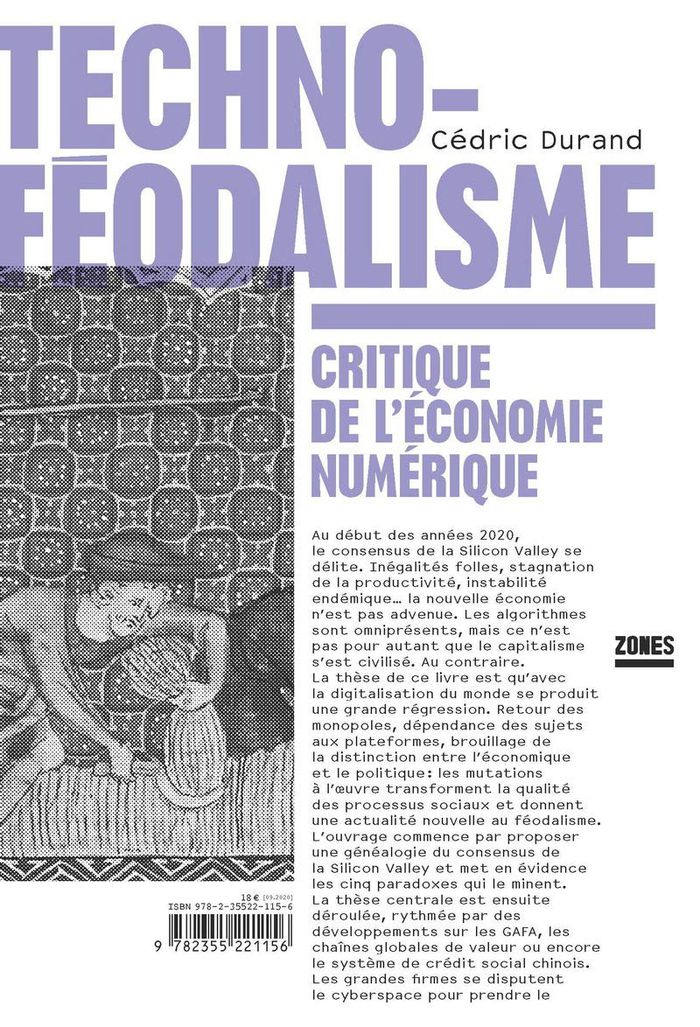
Au début des années 2020, le consensus de la Silicon Valley se délite. Inégalités folles, stagnation de la productivité, instabilité endémique - la nouvelle économie n’est pas advenue. Les algorithmes sont omniprésents, mais ce n’est pas pour autant que le capitalisme s’est civilisé. Au contraire. La thèse de ce livre est qu’avec la digitalisation du monde se produit une grande régression. Retour des monopoles, dépendance des sujets aux plateformes, brouillage de la distinction entre l’économique et le politique : les mutations à l’œuvre transforment la qualité des processus sociaux et donnent une actualité nouvelle au féodalisme. L’ouvrage commence par proposer une généalogie du consensus de la Silicon Valley et met en évidence les cinq paradoxes qui le minent. La thèse centrale est ensuite déroulée, rythmée par des développements sur les GAFA, les chaînes globales de valeur ou encore le système de crédit social chinois. Les grandes ?rmes se disputent le cyberspace pour prendre le contrôle sur des sources de données. Les sujets sont attachés à la glèbe numérique. Dans l’ordre économique qui émerge, les capitaux délaissent la production pour se concentrer sur la prédation.
Techno-féodalisme : critique de l'économie numérique
Actions:
Price:
$27.95
(available to order)
Summary:
Au début des années 2020, le consensus de la Silicon Valley se délite. Inégalités folles, stagnation de la productivité, instabilité endémique - la nouvelle économie n’est pas advenue. Les algorithmes sont omniprésents, mais ce n’est pas pour autant que le capitalisme s’est civilisé. Au contraire. La thèse de ce livre est qu’avec la digitalisation du monde se produit une grande régression. Retour des monopoles, dépendance des sujets aux plateformes, brouillage de la distinction entre l’économique et le politique : les mutations à l’œuvre transforment la qualité des processus sociaux et donnent une actualité nouvelle au féodalisme. L’ouvrage commence par proposer une généalogie du consensus de la Silicon Valley et met en évidence les cinq paradoxes qui le minent. La thèse centrale est ensuite déroulée, rythmée par des développements sur les GAFA, les chaînes globales de valeur ou encore le système de crédit social chinois. Les grandes ?rmes se disputent le cyberspace pour prendre le contrôle sur des sources de données. Les sujets sont attachés à la glèbe numérique. Dans l’ordre économique qui émerge, les capitaux délaissent la production pour se concentrer sur la prédation.
Form:
books
books
Publication:
September 2020
September 2020
Subject:
Critical Theory
Critical Theory
Form:
books
books
Actions:
Price:
$35.95
(available to order)
Summary:
Economic growth isn’t working, and it cannot be made to work. Offering a counter-history of how economic growth emerged in the context of colonialism, fossil-fueled industrialization, and capitalist modernity, ''The future is degrowth'' argues that the ideology of growth conceals the rising inequalities and ecological destructions associated with capitalism, and points to(...)
$35.95
(available to order)
Summary:
Economic growth isn’t working, and it cannot be made to work. Offering a counter-history of how economic growth emerged in the context of colonialism, fossil-fueled industrialization, and capitalist modernity, ''The future is degrowth'' argues that the ideology of growth conceals the rising inequalities and ecological destructions associated with capitalism, and points to(...)
Title:
The future is degrowth: A guide to a world beyond capitalism
Actions:
Price:
$35.95
(available to order)
Summary:
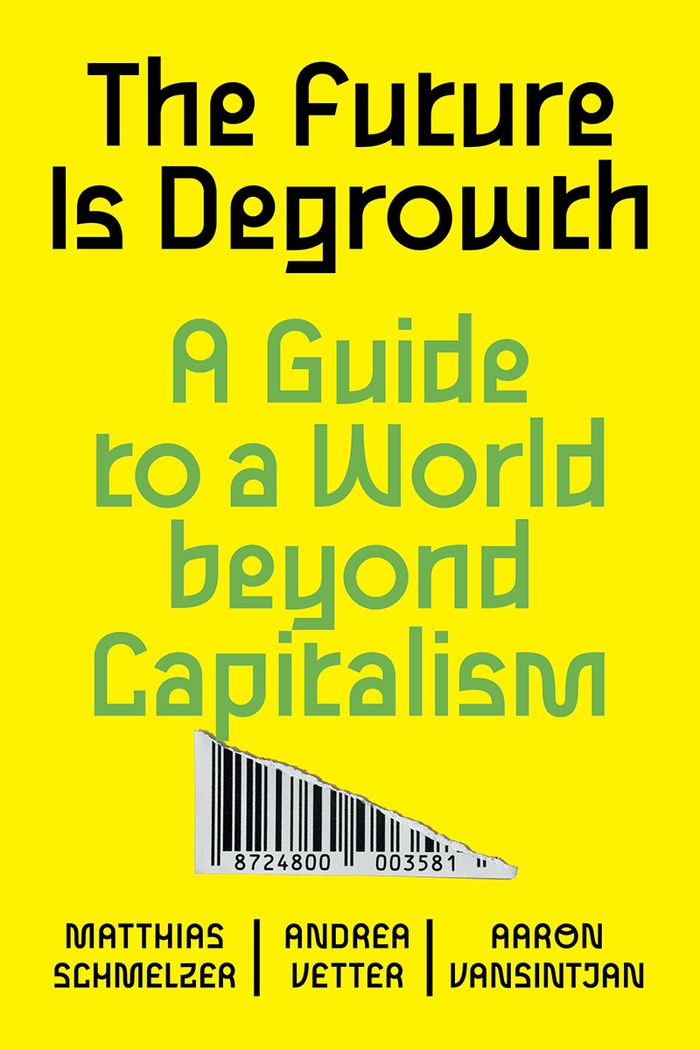
Economic growth isn’t working, and it cannot be made to work. Offering a counter-history of how economic growth emerged in the context of colonialism, fossil-fueled industrialization, and capitalist modernity, ''The future is degrowth'' argues that the ideology of growth conceals the rising inequalities and ecological destructions associated with capitalism, and points to desirable alternatives to it. Not only in society at large, but also on the left, we are held captive by the hegemony of growth. Even proposals for emancipatory Green New Deals or postcapitalism base their utopian hopes on the development of productive forces, on redistributing the fruits of economic growth and technological progress. Yet growing evidence shows that continued economic growth cannot be made compatible with sustaining life and is not necessary for a good life for all. This book provides a vision for postcapitalism beyond growth. Building on a vibrant field of research, it discusses the political economy and the politics of a non-growing economy. It charts a path forward through policies that democratise the economy, ''now-topias'' that create free spaces for experimentation, and counter-hegemonic movements that make it possible to break with the logic of growth. Degrowth perspectives offer a way to step off the treadmill of an alienating, expansionist, and hierarchical system.
The future is degrowth: A guide to a world beyond capitalism
Actions:
Price:
$35.95
(available to order)
Summary:
Economic growth isn’t working, and it cannot be made to work. Offering a counter-history of how economic growth emerged in the context of colonialism, fossil-fueled industrialization, and capitalist modernity, ''The future is degrowth'' argues that the ideology of growth conceals the rising inequalities and ecological destructions associated with capitalism, and points to desirable alternatives to it. Not only in society at large, but also on the left, we are held captive by the hegemony of growth. Even proposals for emancipatory Green New Deals or postcapitalism base their utopian hopes on the development of productive forces, on redistributing the fruits of economic growth and technological progress. Yet growing evidence shows that continued economic growth cannot be made compatible with sustaining life and is not necessary for a good life for all. This book provides a vision for postcapitalism beyond growth. Building on a vibrant field of research, it discusses the political economy and the politics of a non-growing economy. It charts a path forward through policies that democratise the economy, ''now-topias'' that create free spaces for experimentation, and counter-hegemonic movements that make it possible to break with the logic of growth. Degrowth perspectives offer a way to step off the treadmill of an alienating, expansionist, and hierarchical system.
Form:
books
books
Publication:
June 2022
June 2022
Subject:
Social
Social
Form:
books
books
Title:
Dispatches Journal #000.
Dispatches Journal #000.
Actions:
Description:
1 online resource
Author:
Subject:
Publication:
[Place of publication not identified] : [NAME], 2018.
[Place of publication not identified] : [NAME], 2018.
Form:
books
books
Publication:
[Place of publication not identified] : [NAME], 2018.
[Place of publication not identified] : [NAME], 2018.
Author:
Subject:
Form:
audio
audio
Actions:
Description:
1 online resource.
Author:
Subject:
Publication:
[Place of publication not identified] : Future Landscapes, 2023.
[Place of publication not identified] : Future Landscapes, 2023.
Form:
audio
audio
Publication:
[Place of publication not identified] : Future Landscapes, 2023.
[Place of publication not identified] : Future Landscapes, 2023.
Author:
Subject:


