


624 Results
Form:
books
books
Actions:
Price:
$45.95
(available to order)
Summary:
Michael Sorkin is one of the most forthright and engaging architectural writers in the world. In « What Goes Up » he takes to task the public officials, developers, “civic” organizations, and other heroes of big money, who have made of Sorkin’s beloved New York a city of glittering towers and increasing inequality. He unpacks not simply the forms and practices—from zoning(...)
$45.95
(available to order)
Summary:
Michael Sorkin is one of the most forthright and engaging architectural writers in the world. In « What Goes Up » he takes to task the public officials, developers, “civic” organizations, and other heroes of big money, who have made of Sorkin’s beloved New York a city of glittering towers and increasing inequality. He unpacks not simply the forms and practices—from zoning(...)
Title:
What goes up: the rights and wrongs to the city
Actions:
Price:
$45.95
(available to order)
Summary:
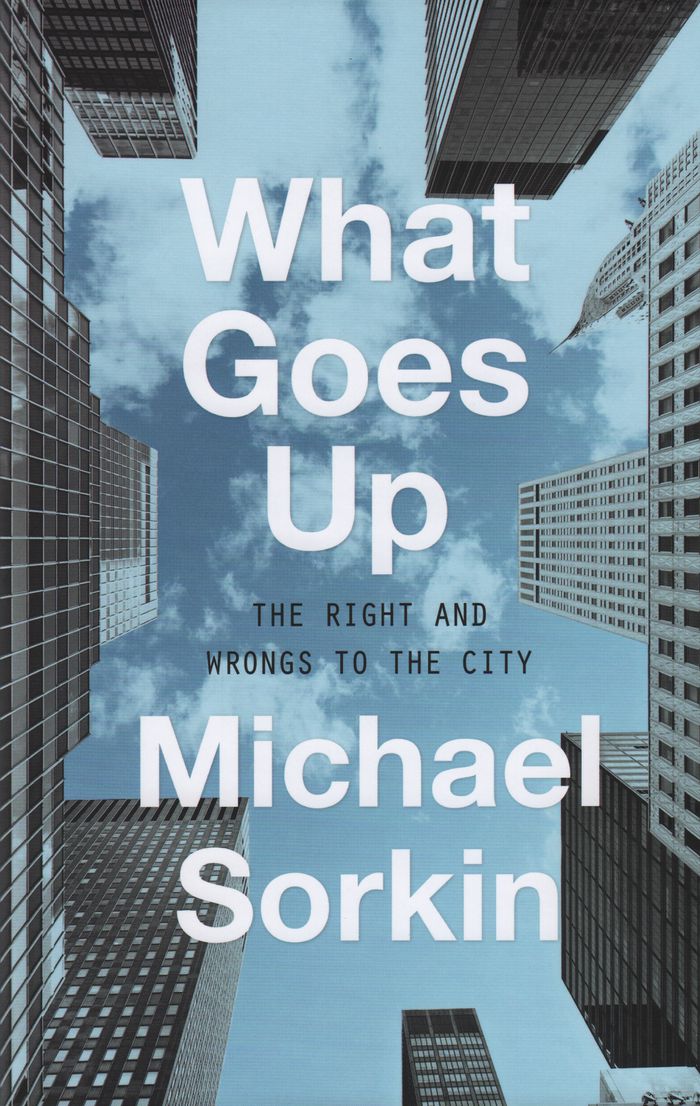
Michael Sorkin is one of the most forthright and engaging architectural writers in the world. In « What Goes Up » he takes to task the public officials, developers, “civic” organizations, and other heroes of big money, who have made of Sorkin’s beloved New York a city of glittering towers and increasing inequality. He unpacks not simply the forms and practices—from zoning and political deals to the finer points of architectural design—that shape cities today but also offers spirited advocacy for another kind of city, reimagined from the street up on a human scale, a home to sustainable, just, and fulfilling neighborhoods and public spaces.
What goes up: the rights and wrongs to the city
Actions:
Price:
$45.95
(available to order)
Summary:
Michael Sorkin is one of the most forthright and engaging architectural writers in the world. In « What Goes Up » he takes to task the public officials, developers, “civic” organizations, and other heroes of big money, who have made of Sorkin’s beloved New York a city of glittering towers and increasing inequality. He unpacks not simply the forms and practices—from zoning and political deals to the finer points of architectural design—that shape cities today but also offers spirited advocacy for another kind of city, reimagined from the street up on a human scale, a home to sustainable, just, and fulfilling neighborhoods and public spaces.
Form:
books
books
Publication:
April 2018
April 2018
Subject:
Urban Theory
Urban Theory
Form:
books
books

Actions:
Price:
$31.50
(available in store)
Summary:
Would you like to start changing the world from your living room? What if your neighborhood made its own money? What would happen if all animals, including humans, had equal rights in the park next door? Have you considered that you are flying through space right now? Sibylle Peters, director of Theatre of Research, a Hamburg-based theater dedicated to creating social(...)
$31.50
(available in store)
Summary:
Would you like to start changing the world from your living room? What if your neighborhood made its own money? What would happen if all animals, including humans, had equal rights in the park next door? Have you considered that you are flying through space right now? Sibylle Peters, director of Theatre of Research, a Hamburg-based theater dedicated to creating social(...)
Title:
Change the world! A research book for children & adults
Actions:
Price:
$31.50
(available in store)
Summary:
Would you like to start changing the world from your living room? What if your neighborhood made its own money? What would happen if all animals, including humans, had equal rights in the park next door? Have you considered that you are flying through space right now? Sibylle Peters, director of Theatre of Research, a Hamburg-based theater dedicated to creating social experiments together with audiences of all ages, invites readers to reimagine the world—and act on it. Based on 20 years of performance-based research, and guided by children's wishes and concerns, this book of at-home experiments shows you how to change reality through play.
Change the world! A research book for children & adults
Actions:
Price:
$31.50
(available in store)
Summary:
Would you like to start changing the world from your living room? What if your neighborhood made its own money? What would happen if all animals, including humans, had equal rights in the park next door? Have you considered that you are flying through space right now? Sibylle Peters, director of Theatre of Research, a Hamburg-based theater dedicated to creating social experiments together with audiences of all ages, invites readers to reimagine the world—and act on it. Based on 20 years of performance-based research, and guided by children's wishes and concerns, this book of at-home experiments shows you how to change reality through play.
Form:
books
books
Publication:
May 2025
May 2025
Subject:
activity books
activity books
Form:
books
books
Actions:
Price:
$48.95
(available to order)
Summary:
Jan Lucassen provides an inclusive history of humanity’s busy labor throughout the ages. Spanning China, India, Africa, the Americas, and Europe, Lucassen looks at the ways in which humanity organizes work: in the household, the tribe, the city, and the state. He examines how labor is split between men, women, and children; the watershed moment of the invention of money;(...)
$48.95
(available to order)
Summary:
Jan Lucassen provides an inclusive history of humanity’s busy labor throughout the ages. Spanning China, India, Africa, the Americas, and Europe, Lucassen looks at the ways in which humanity organizes work: in the household, the tribe, the city, and the state. He examines how labor is split between men, women, and children; the watershed moment of the invention of money;(...)
Title:
The story of work: a new history of humanity
Actions:
Price:
$48.95
(available to order)
Summary:
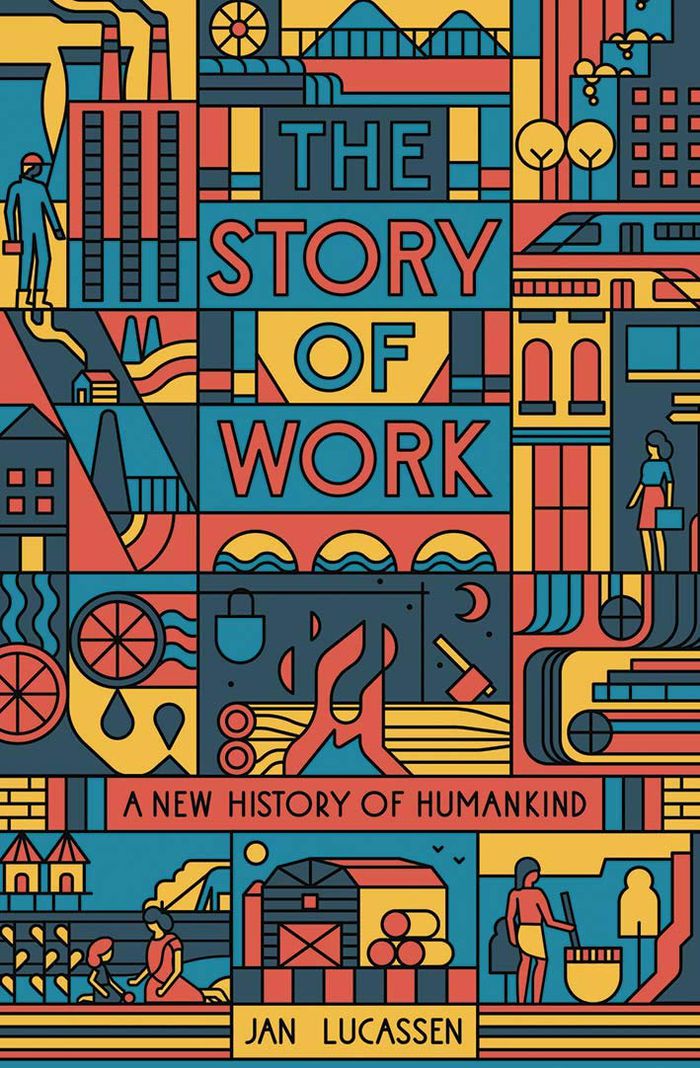
Jan Lucassen provides an inclusive history of humanity’s busy labor throughout the ages. Spanning China, India, Africa, the Americas, and Europe, Lucassen looks at the ways in which humanity organizes work: in the household, the tribe, the city, and the state. He examines how labor is split between men, women, and children; the watershed moment of the invention of money; the collective action of workers; and at the impact of migration, slavery, and the idea of leisure. From peasant farmers in the first agrarian societies to the precarious existence of today’s gig workers, this surprising account of both cooperation and subordination at work throws essential light on the opportunities we face today.
The story of work: a new history of humanity
Actions:
Price:
$48.95
(available to order)
Summary:
Jan Lucassen provides an inclusive history of humanity’s busy labor throughout the ages. Spanning China, India, Africa, the Americas, and Europe, Lucassen looks at the ways in which humanity organizes work: in the household, the tribe, the city, and the state. He examines how labor is split between men, women, and children; the watershed moment of the invention of money; the collective action of workers; and at the impact of migration, slavery, and the idea of leisure. From peasant farmers in the first agrarian societies to the precarious existence of today’s gig workers, this surprising account of both cooperation and subordination at work throws essential light on the opportunities we face today.
Form:
books
books
Publication:
September 2021
September 2021
Subject:
Social
Social
Form:
books
books
Actions:
Price:
$29.95
(available to order)
Summary:
This first volume of JRP|Ringier’s complete John Baldessari writings project traces the genesis and development of the artist’s understanding of art in the early 1960s. More Than You Wanted to Know About John Baldessari presents Baldessari as storyteller, moralist, teacher and occasional gadfly, always concerned to accomplish what he describes as the central task of art(...)
$29.95
(available to order)
Summary:
This first volume of JRP|Ringier’s complete John Baldessari writings project traces the genesis and development of the artist’s understanding of art in the early 1960s. More Than You Wanted to Know About John Baldessari presents Baldessari as storyteller, moralist, teacher and occasional gadfly, always concerned to accomplish what he describes as the central task of art(...)
Title:
More than you wanted to know about John Baldessari : Vol. 1
Actions:
Price:
$29.95
(available to order)
Summary:
This first volume of JRP|Ringier’s complete John Baldessari writings project traces the genesis and development of the artist’s understanding of art in the early 1960s. More Than You Wanted to Know About John Baldessari presents Baldessari as storyteller, moralist, teacher and occasional gadfly, always concerned to accomplish what he describes as the central task of art making: to communicate in a way that people can understand. These writings address everything from matters of color in sculpture, to the dilemmas of art students in need of ideas, to the art world’s ever-conflicted relationship with money, while always returning to Baldessari’s love of language and his longstanding investigation into the tensions of word and image.
More than you wanted to know about John Baldessari : Vol. 1
Actions:
Price:
$29.95
(available to order)
Summary:
This first volume of JRP|Ringier’s complete John Baldessari writings project traces the genesis and development of the artist’s understanding of art in the early 1960s. More Than You Wanted to Know About John Baldessari presents Baldessari as storyteller, moralist, teacher and occasional gadfly, always concerned to accomplish what he describes as the central task of art making: to communicate in a way that people can understand. These writings address everything from matters of color in sculpture, to the dilemmas of art students in need of ideas, to the art world’s ever-conflicted relationship with money, while always returning to Baldessari’s love of language and his longstanding investigation into the tensions of word and image.
Form:
books
books
Publication:
June 2012
June 2012
Subject:
Art Theory
Art Theory
Form:
books
books
Price:
$55.00
(available to order)
Summary:
In this story, we meet, among others, the Boston Brahmins Jack Phillips and Nathaniel Saltonstall; the self-taught architect, carpenter and painter Jack Hall; the Finn Olav Hammarström, who had worked for Alvar Aalto; and the prolific Charlie Zehnder, who brought the lessons of both Frank Lloyd Wright and Brutalism to the Cape. Initially, these designers had no clients;(...)
$55.00
(available to order)
Summary:
In this story, we meet, among others, the Boston Brahmins Jack Phillips and Nathaniel Saltonstall; the self-taught architect, carpenter and painter Jack Hall; the Finn Olav Hammarström, who had worked for Alvar Aalto; and the prolific Charlie Zehnder, who brought the lessons of both Frank Lloyd Wright and Brutalism to the Cape. Initially, these designers had no clients;(...)
Title:
Cape Cod modern: midcentury architecture and community on the outer cape
Actions:
Price:
$55.00
(available to order)
Summary:
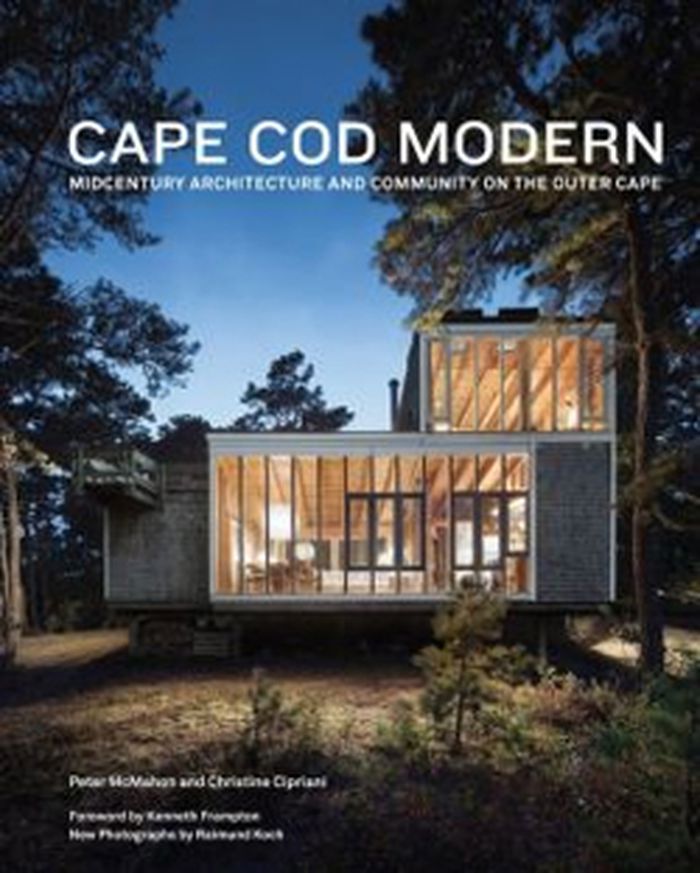
In this story, we meet, among others, the Boston Brahmins Jack Phillips and Nathaniel Saltonstall; the self-taught architect, carpenter and painter Jack Hall; the Finn Olav Hammarström, who had worked for Alvar Aalto; and the prolific Charlie Zehnder, who brought the lessons of both Frank Lloyd Wright and Brutalism to the Cape. Initially, these designers had no clients; they built for themselves and their families, or for friends sympathetic to their ideals. Their homes were laboratories, places to work through ideas without spending much money. The result of this ferment is a body of work unlike any other, a regional modernism fusing the building traditions of Cape Cod fishing towns with Bauhaus concepts and postwar experimentation.
Cape Cod modern: midcentury architecture and community on the outer cape
Actions:
Price:
$55.00
(available to order)
Summary:
In this story, we meet, among others, the Boston Brahmins Jack Phillips and Nathaniel Saltonstall; the self-taught architect, carpenter and painter Jack Hall; the Finn Olav Hammarström, who had worked for Alvar Aalto; and the prolific Charlie Zehnder, who brought the lessons of both Frank Lloyd Wright and Brutalism to the Cape. Initially, these designers had no clients; they built for themselves and their families, or for friends sympathetic to their ideals. Their homes were laboratories, places to work through ideas without spending much money. The result of this ferment is a body of work unlike any other, a regional modernism fusing the building traditions of Cape Cod fishing towns with Bauhaus concepts and postwar experimentation.
Form:
books
books
Publication:
June 2014
June 2014
Subject:
Modernism
Modernism
Form:
books
books
Actions:
Price:
$20.00
(available to order)
Summary:
This book gathers all the questions that appear in the following books by Angela Davis: Angela Davis: An Autobiography, (1974); Women, Race and Class (1981); Women, Culture & Politics, Vintage (1990), Blues Legacies and Black Feminism: Gertrude "Ma" Rainey, Bessie Smith, and Billie Holiday, Vintage Books (1999); Are Prisons Obsolete? (2003); Abolition Democracy: Beyond(...)
$20.00
(available to order)
Summary:
This book gathers all the questions that appear in the following books by Angela Davis: Angela Davis: An Autobiography, (1974); Women, Race and Class (1981); Women, Culture & Politics, Vintage (1990), Blues Legacies and Black Feminism: Gertrude "Ma" Rainey, Bessie Smith, and Billie Holiday, Vintage Books (1999); Are Prisons Obsolete? (2003); Abolition Democracy: Beyond(...)
Title:
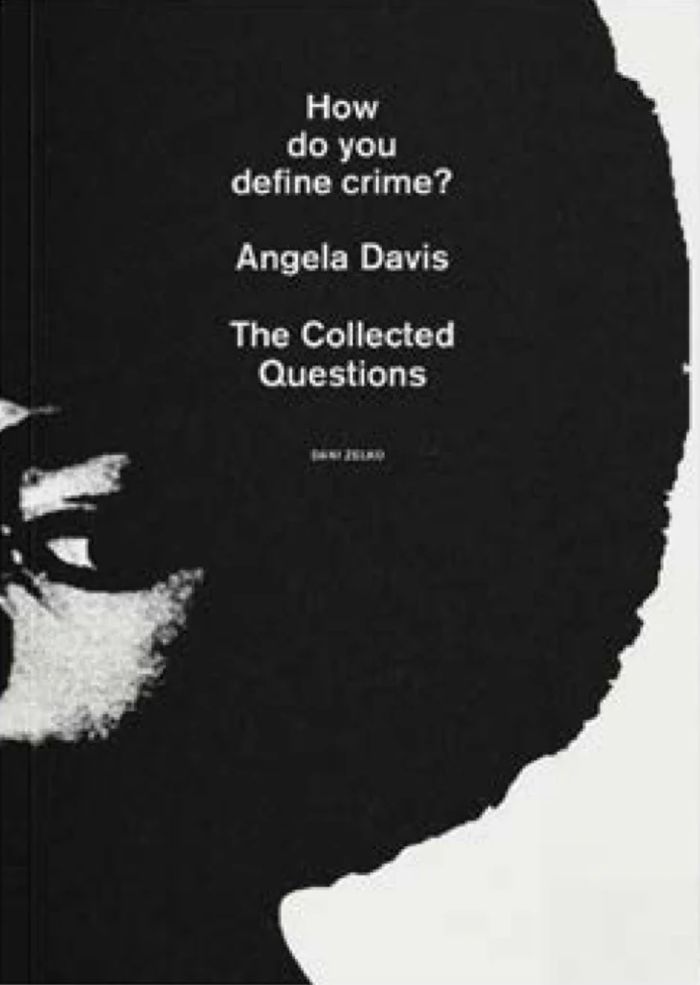
The collected questions of Angela Davis
Actions:
Price:
$20.00
(available to order)
Summary:
This book gathers all the questions that appear in the following books by Angela Davis: Angela Davis: An Autobiography, (1974); Women, Race and Class (1981); Women, Culture & Politics, Vintage (1990), Blues Legacies and Black Feminism: Gertrude "Ma" Rainey, Bessie Smith, and Billie Holiday, Vintage Books (1999); Are Prisons Obsolete? (2003); Abolition Democracy: Beyond Prisons, Torture, and Empire, Seven Stories Press (2005); The Meaning of Freedom: And Other Difficult Dialogues (2012); Freedom Is a Constant Struggle: Ferguson, Palestine, and the Foundations of a Movement (2015). This a non-profit project. The money obtained by Gato Negro from the sale of this book finances the printing of other copies that are distributed free of charge in antiracist and prison abolition spaces and organisations among Latin America.
The collected questions of Angela Davis
Actions:
Price:
$20.00
(available to order)
Summary:
This book gathers all the questions that appear in the following books by Angela Davis: Angela Davis: An Autobiography, (1974); Women, Race and Class (1981); Women, Culture & Politics, Vintage (1990), Blues Legacies and Black Feminism: Gertrude "Ma" Rainey, Bessie Smith, and Billie Holiday, Vintage Books (1999); Are Prisons Obsolete? (2003); Abolition Democracy: Beyond Prisons, Torture, and Empire, Seven Stories Press (2005); The Meaning of Freedom: And Other Difficult Dialogues (2012); Freedom Is a Constant Struggle: Ferguson, Palestine, and the Foundations of a Movement (2015). This a non-profit project. The money obtained by Gato Negro from the sale of this book finances the printing of other copies that are distributed free of charge in antiracist and prison abolition spaces and organisations among Latin America.
Form:
books
books
Publication:
May 2024
May 2024
Subject:
Critical Theory
Critical Theory
Form:
books
books
Title:
Lee Lozano: language pieces
Lee Lozano: language pieces
Actions:
Price:
$45.00
(available to order)
Summary:
In the late 1960s, Lee Lozano (1930–99) conceived of and executed a series of "language pieces," written in the pages of her notebooks, consisting of rules and parameters for the actions that would constitute a piece. From offering money to houseguests to smoking as much marijuana as possible, Lozano boldly tested social norms, culminating in two of her most famous works:(...)
$45.00
(available to order)
Summary:
In the late 1960s, Lee Lozano (1930–99) conceived of and executed a series of "language pieces," written in the pages of her notebooks, consisting of rules and parameters for the actions that would constitute a piece. From offering money to houseguests to smoking as much marijuana as possible, Lozano boldly tested social norms, culminating in two of her most famous works:(...)
Title:
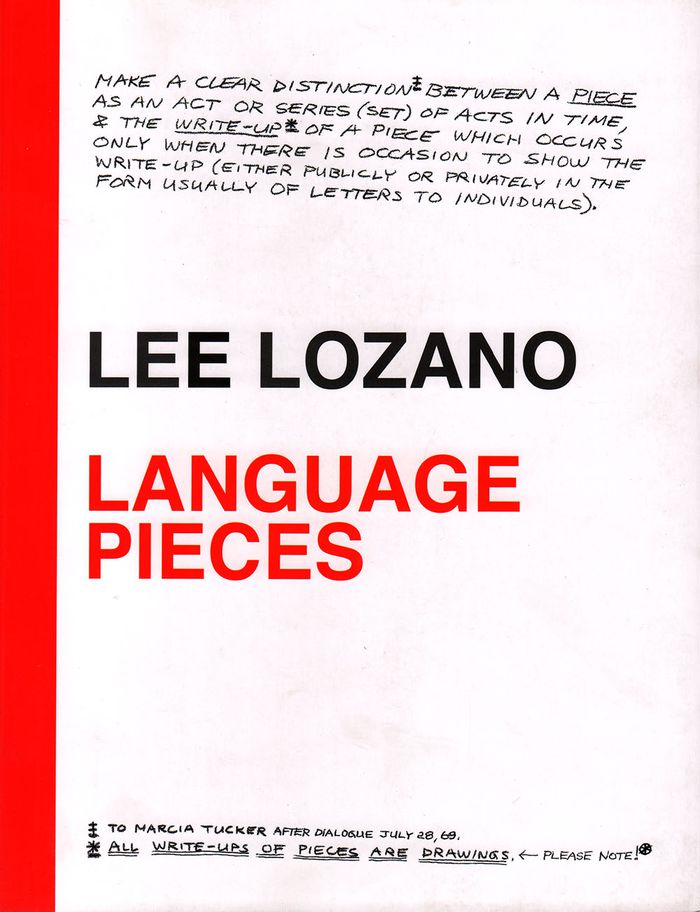
Lee Lozano: language pieces
Actions:
Price:
$45.00
(available to order)
Summary:
In the late 1960s, Lee Lozano (1930–99) conceived of and executed a series of "language pieces," written in the pages of her notebooks, consisting of rules and parameters for the actions that would constitute a piece. From offering money to houseguests to smoking as much marijuana as possible, Lozano boldly tested social norms, culminating in two of her most famous works: ''General Strike Piece'' (1969), which saw her retreating from the art world completely, and ''Decide to Boycott Women'' (1971), in which she ceased engaging with all members of her own gender. ''Lee Lozano: Language Pieces'' presents 46 of these pieces, reproducing them at full scale. Nearly five decades later, these radical manifestations of 1960s and '70s conceptualism continue to exert their political and artistic influence.
Lee Lozano: language pieces
Actions:
Price:
$45.00
(available to order)
Summary:
In the late 1960s, Lee Lozano (1930–99) conceived of and executed a series of "language pieces," written in the pages of her notebooks, consisting of rules and parameters for the actions that would constitute a piece. From offering money to houseguests to smoking as much marijuana as possible, Lozano boldly tested social norms, culminating in two of her most famous works: ''General Strike Piece'' (1969), which saw her retreating from the art world completely, and ''Decide to Boycott Women'' (1971), in which she ceased engaging with all members of her own gender. ''Lee Lozano: Language Pieces'' presents 46 of these pieces, reproducing them at full scale. Nearly five decades later, these radical manifestations of 1960s and '70s conceptualism continue to exert their political and artistic influence.
Form:
books
books
Publication:
November 2018
November 2018
Subject:
Contemporary Art Monographs
Contemporary Art Monographs
Form:
books
books
Actions:
Price:
$22.00
(available to order)
Summary:
In ''Direct Deliberative Democracy,'' Jack Crittenden and Debra Campbell offer up a better way for government to reflect citizens' interests. It begins with a startlingly basic question: ''Why don’t we the people govern?'' In this provocative book, the authors mount a powerful case that the time has come for more direct democracy in the United States, showing that the(...)
$22.00
(available to order)
Summary:
In ''Direct Deliberative Democracy,'' Jack Crittenden and Debra Campbell offer up a better way for government to reflect citizens' interests. It begins with a startlingly basic question: ''Why don’t we the people govern?'' In this provocative book, the authors mount a powerful case that the time has come for more direct democracy in the United States, showing that the(...)
Title:
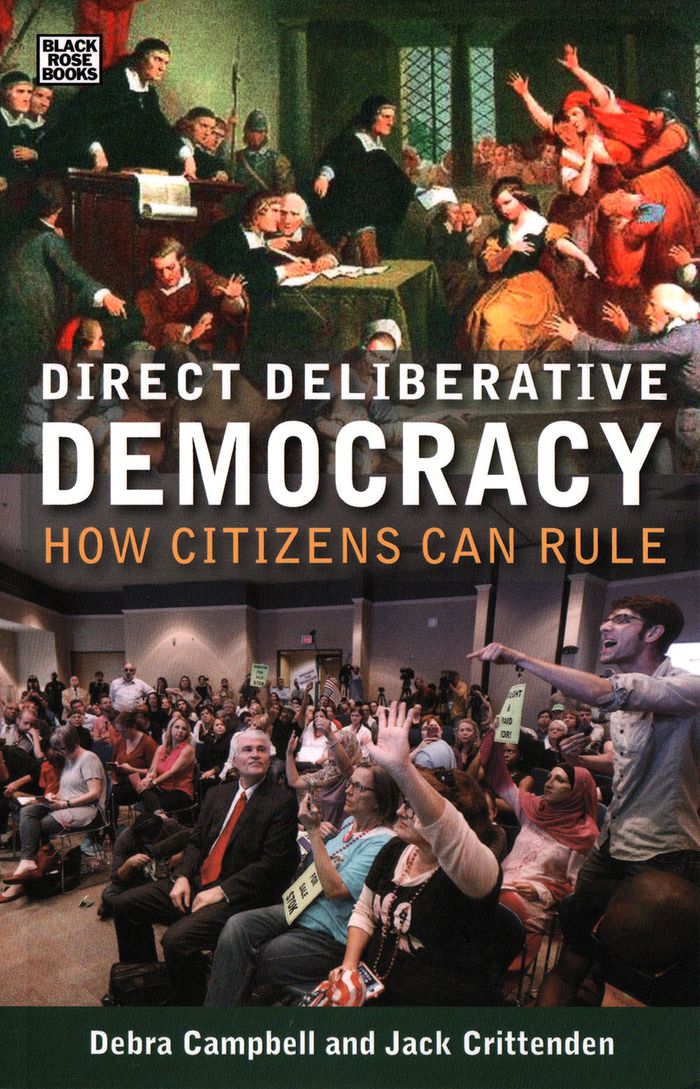
Direct deliberative democracy: how citizens can rule
Actions:
Price:
$22.00
(available to order)
Summary:
In ''Direct Deliberative Democracy,'' Jack Crittenden and Debra Campbell offer up a better way for government to reflect citizens' interests. It begins with a startlingly basic question: ''Why don’t we the people govern?'' In this provocative book, the authors mount a powerful case that the time has come for more direct democracy in the United States, showing that the circumstances that made the Constitutional framers' arguments so convincing more than two hundred years ago have changed dramatically—and that our democracy needs to change with them. With money, lobbyists, and corporations now dominating local, state, and national elections, the authors argue that now is the time for citizens to take control of their government by deliberating together to make public policies and laws directly.
Direct deliberative democracy: how citizens can rule
Actions:
Price:
$22.00
(available to order)
Summary:
In ''Direct Deliberative Democracy,'' Jack Crittenden and Debra Campbell offer up a better way for government to reflect citizens' interests. It begins with a startlingly basic question: ''Why don’t we the people govern?'' In this provocative book, the authors mount a powerful case that the time has come for more direct democracy in the United States, showing that the circumstances that made the Constitutional framers' arguments so convincing more than two hundred years ago have changed dramatically—and that our democracy needs to change with them. With money, lobbyists, and corporations now dominating local, state, and national elections, the authors argue that now is the time for citizens to take control of their government by deliberating together to make public policies and laws directly.
Form:
books
books
Publication:
March 2019
March 2019
Subject:
Urban Theory
Urban Theory
Form:
books
books
Title:
Birds of Maine
Birds of Maine
Actions:
Price:
$39.95
(available to order)
Summary:
Long after the demise of humankind, birds roam freely around the Moon complete with fruitful trees, sophisticated fungal networks, and an enviable socialist order. The universal worm feeds all, there are no weekends, and economics is as fantastical a study as unicorn psychology. No concept of money or wealth plagues the thoughts of these free-minded birds. Instead, there(...)
$39.95
(available to order)
Summary:
Long after the demise of humankind, birds roam freely around the Moon complete with fruitful trees, sophisticated fungal networks, and an enviable socialist order. The universal worm feeds all, there are no weekends, and economics is as fantastical a study as unicorn psychology. No concept of money or wealth plagues the thoughts of these free-minded birds. Instead, there(...)
Title:
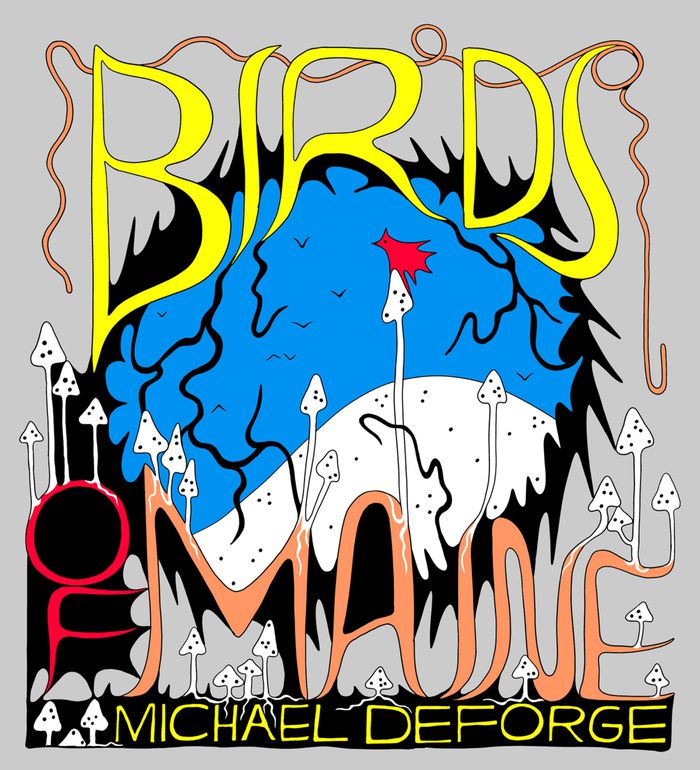
Birds of Maine
Actions:
Price:
$39.95
(available to order)
Summary:
Long after the demise of humankind, birds roam freely around the Moon complete with fruitful trees, sophisticated fungal networks, and an enviable socialist order. The universal worm feeds all, there are no weekends, and economics is as fantastical a study as unicorn psychology. No concept of money or wealth plagues the thoughts of these free-minded birds. Instead, there are angsty teens who form bands to show off their best bird song and other youngsters who yearn to become clothing designers even though clothes are only necessary during war. (The truly honorable professions for most birds are historian or librarian.) These birds are free to crush on hot pelicans and live their best lives until a crash-landed human from Earth threatens to change everything.
Birds of Maine
Actions:
Price:
$39.95
(available to order)
Summary:
Long after the demise of humankind, birds roam freely around the Moon complete with fruitful trees, sophisticated fungal networks, and an enviable socialist order. The universal worm feeds all, there are no weekends, and economics is as fantastical a study as unicorn psychology. No concept of money or wealth plagues the thoughts of these free-minded birds. Instead, there are angsty teens who form bands to show off their best bird song and other youngsters who yearn to become clothing designers even though clothes are only necessary during war. (The truly honorable professions for most birds are historian or librarian.) These birds are free to crush on hot pelicans and live their best lives until a crash-landed human from Earth threatens to change everything.
Form:
books
books
Publication:
August 2022
August 2022
Subject:
Illustration
Illustration
Form:
books
books
Actions:
Price:
$55.00
(available in store)
Summary:
As living conditions among the world's poor continue to decline, with more and more people occupying slums and shantytowns, architects and artists are attempting to apply new models of collaboration and sustainability to social crisis. Moderators of Change: Architecture That Helps showcases 20 international projects by architects, designers and artists that provide(...)
$55.00
(available in store)
Summary:
As living conditions among the world's poor continue to decline, with more and more people occupying slums and shantytowns, architects and artists are attempting to apply new models of collaboration and sustainability to social crisis. Moderators of Change: Architecture That Helps showcases 20 international projects by architects, designers and artists that provide(...)
Title:
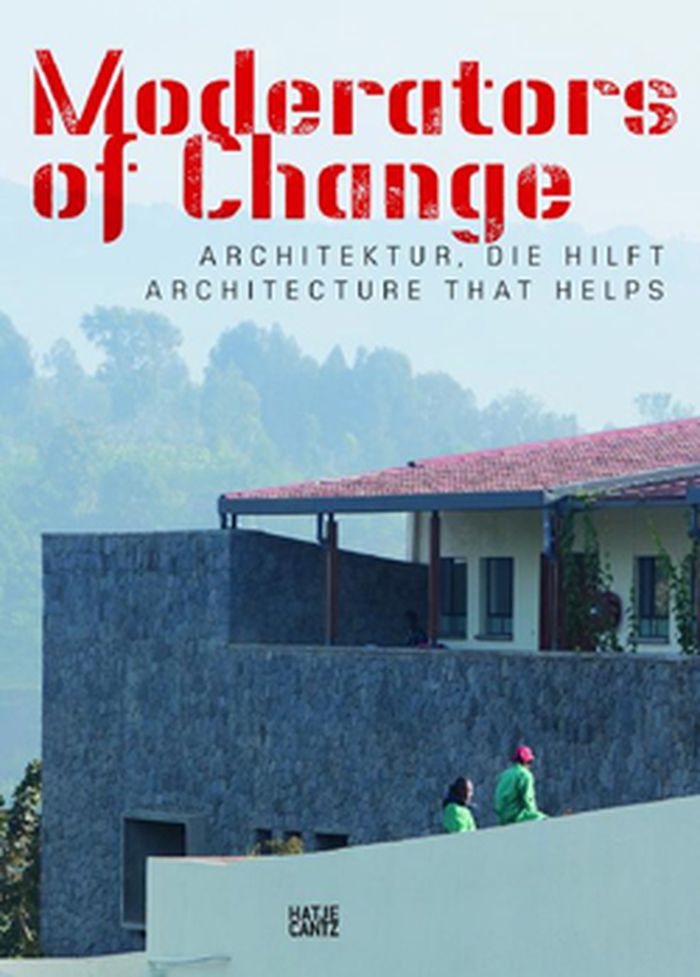
Moderators of change: architecture that helps
Actions:
Price:
$55.00
(available in store)
Summary:
As living conditions among the world's poor continue to decline, with more and more people occupying slums and shantytowns, architects and artists are attempting to apply new models of collaboration and sustainability to social crisis. Moderators of Change: Architecture That Helps showcases 20 international projects by architects, designers and artists that provide socially responsible models of urban design. By inviting users to collaborate in the design and building process, and by working with new economic models, these practitioners have realized projects that have had profound, positive effects with just a minimum investment of money and materials. This book includes schools, libraries, gardens, conversions and art projects, as well as essays by Regina Bittner, Carson Chan, Luis Fernandez-Galiano, Ronald Rael, Anne Schmedding and Christian Welzbacher.
Moderators of change: architecture that helps
Actions:
Price:
$55.00
(available in store)
Summary:
As living conditions among the world's poor continue to decline, with more and more people occupying slums and shantytowns, architects and artists are attempting to apply new models of collaboration and sustainability to social crisis. Moderators of Change: Architecture That Helps showcases 20 international projects by architects, designers and artists that provide socially responsible models of urban design. By inviting users to collaborate in the design and building process, and by working with new economic models, these practitioners have realized projects that have had profound, positive effects with just a minimum investment of money and materials. This book includes schools, libraries, gardens, conversions and art projects, as well as essays by Regina Bittner, Carson Chan, Luis Fernandez-Galiano, Ronald Rael, Anne Schmedding and Christian Welzbacher.
Form:
books
books
Publication:
April 2012
April 2012
Subject:
Contemporary Architecture
Contemporary Architecture


