


5700 Results
Form:
books
books
Actions:
Price:
$45.00
(available in store)
Summary:
Mouna Andraos and Melissa Mongiat—together with their team at Daily tous les jours—have been creating celebrated interactive art and narrative experiences for public spaces around the world for over 15 years. Their groundbreaking work is part of an emergent practice that combines technology, storytelling, performance, and placemaking to build a new infrastructure for the(...)
$45.00
(available in store)
Summary:
Mouna Andraos and Melissa Mongiat—together with their team at Daily tous les jours—have been creating celebrated interactive art and narrative experiences for public spaces around the world for over 15 years. Their groundbreaking work is part of an emergent practice that combines technology, storytelling, performance, and placemaking to build a new infrastructure for the(...)
Publication:
August 2025
August 2025
Title:
Strangers need strange moments together: Designing interaction for public spaces
Actions:
Price:
$45.00
(available in store)
Summary:
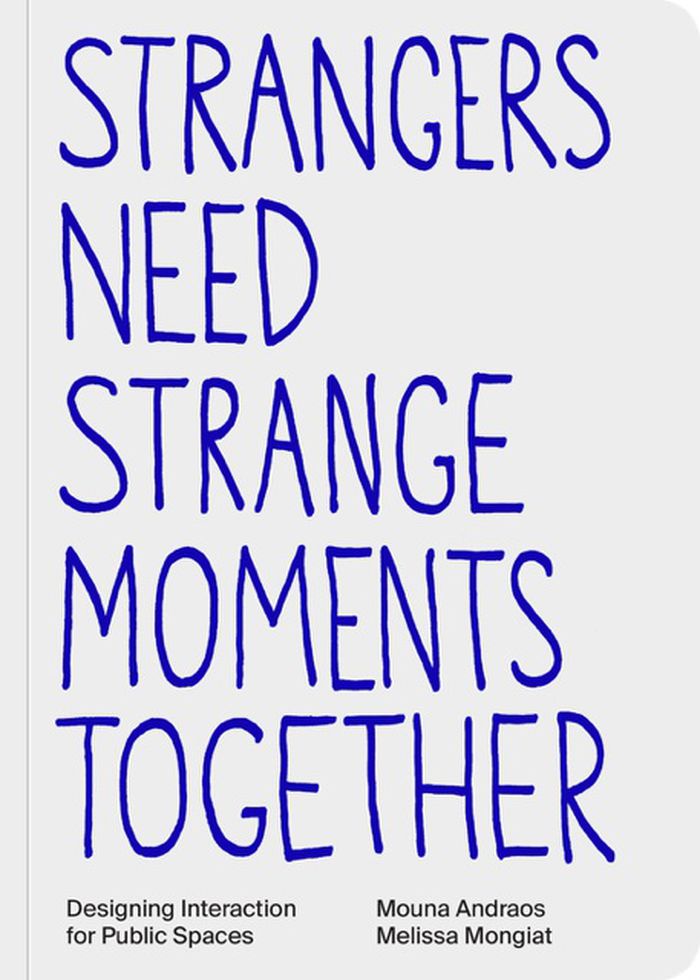
Mouna Andraos and Melissa Mongiat—together with their team at Daily tous les jours—have been creating celebrated interactive art and narrative experiences for public spaces around the world for over 15 years. Their groundbreaking work is part of an emergent practice that combines technology, storytelling, performance, and placemaking to build a new infrastructure for the human spirit. In ''Strangers Need Strange Moments Together'', Andraos and Mongiat invite a broad range of readers—fellow practitioners, urbanists, policy makers, educators, and engaged citizens—to take a joyful approach to building resilient urban communities and re-enchanting public space. In times of unprecedented pace of urban growth, with increasing loneliness and division, they shed light on the importance of moving beyond purely data-driven urban planning methodologies—which prioritize productivity, efficiency, and automation—and forging new modes of public interaction. Cities must be spaces for the whimsical, unexpected, and weird, and for the wasted time and strange moments of serendipitous encounter. Andraos and Mongiat use the raw material of the “daily everyday” to propose new models of living together in the 21st century, and to foreground the dimensions of life that characterize what it means to be human in the first place.
Strangers need strange moments together: Designing interaction for public spaces
Actions:
Price:
$45.00
(available in store)
Summary:
Mouna Andraos and Melissa Mongiat—together with their team at Daily tous les jours—have been creating celebrated interactive art and narrative experiences for public spaces around the world for over 15 years. Their groundbreaking work is part of an emergent practice that combines technology, storytelling, performance, and placemaking to build a new infrastructure for the human spirit. In ''Strangers Need Strange Moments Together'', Andraos and Mongiat invite a broad range of readers—fellow practitioners, urbanists, policy makers, educators, and engaged citizens—to take a joyful approach to building resilient urban communities and re-enchanting public space. In times of unprecedented pace of urban growth, with increasing loneliness and division, they shed light on the importance of moving beyond purely data-driven urban planning methodologies—which prioritize productivity, efficiency, and automation—and forging new modes of public interaction. Cities must be spaces for the whimsical, unexpected, and weird, and for the wasted time and strange moments of serendipitous encounter. Andraos and Mongiat use the raw material of the “daily everyday” to propose new models of living together in the 21st century, and to foreground the dimensions of life that characterize what it means to be human in the first place.
Form:
books
books
Publication:
August 2025
August 2025
Form:
books
books
Actions:
Price:
$56.00
(available in store)
Summary:
"Memoryscapes," the second volume in the "Architecture Connecting" series, co-published with the Louisiana Museum of Modern Art, examines the role of human narratives in shaping the spaces of tomorrow. Focusing on the intersections of architecture with anthropology, archaeology and geology, the book presents the work of two studios whose practices engage deeply with the(...)
$56.00
(available in store)
Summary:
"Memoryscapes," the second volume in the "Architecture Connecting" series, co-published with the Louisiana Museum of Modern Art, examines the role of human narratives in shaping the spaces of tomorrow. Focusing on the intersections of architecture with anthropology, archaeology and geology, the book presents the work of two studios whose practices engage deeply with the(...)
Subject:
Architecture ecologies
Architecture ecologies
Publication:
April 2026
April 2026
Title:
Architecture connecting: Xu Tiantian & Tsuyoshi Tane
Actions:
Price:
$56.00
(available in store)
Summary:
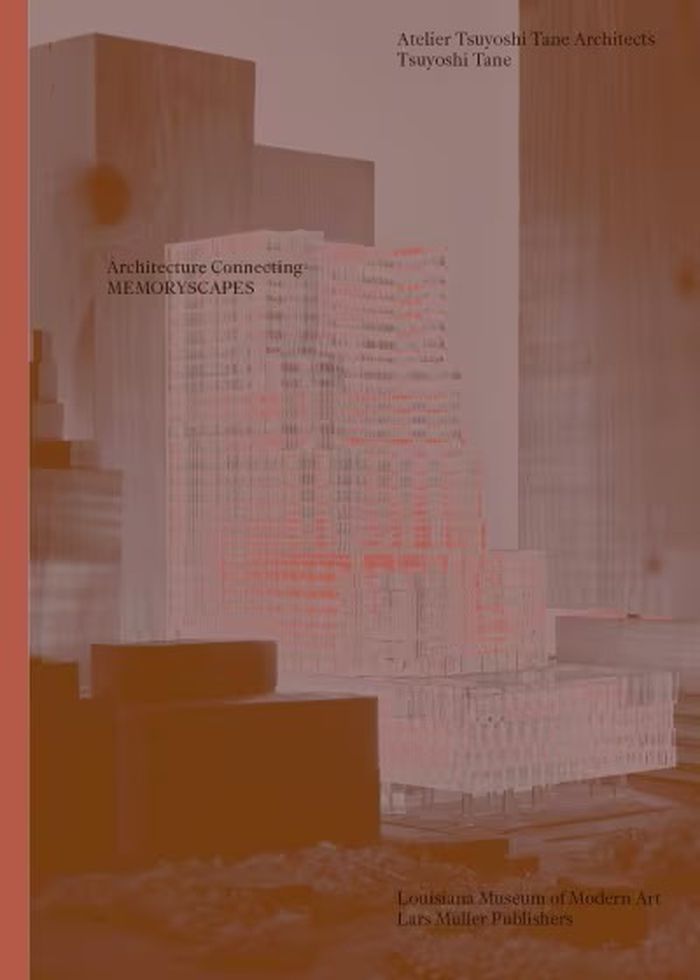
"Memoryscapes," the second volume in the "Architecture Connecting" series, co-published with the Louisiana Museum of Modern Art, examines the role of human narratives in shaping the spaces of tomorrow. Focusing on the intersections of architecture with anthropology, archaeology and geology, the book presents the work of two studios whose practices engage deeply with the past through both broad investigative research and precise architectural responses. Bound back-to-back, the publication comprises two volumes presenting the distinct approaches of DnA Architecture and Design (Beijing) and Atelier Tsuyoshi Tane Architects (ATTA, Tokyo and Paris). DnA’s practice of "architectural acupuncture" focuses on the social and economic regeneration of rural Chinese communities through targeted interventions that revive long-standing cultural practices, while ATTA’s "Archaeology of the Future" draws on the layered memories of places to create future possibilities across architecture, urban planning and exhibition design, in an international context. Led by Xu Tiantian and Tsuyoshi Tane, respectively, the two studios share an approach that connects social traditions, cultural heritage, craftsmanship and production conditions within complex, site-specific frameworks. Through illustrated essays and project dossiers, the publication traces how these practices draw on lived histories and place-based knowledge to generate new architectural narratives, bridging the past and the future in response to contemporary needs.
Architecture connecting: Xu Tiantian & Tsuyoshi Tane
Actions:
Price:
$56.00
(available in store)
Summary:
"Memoryscapes," the second volume in the "Architecture Connecting" series, co-published with the Louisiana Museum of Modern Art, examines the role of human narratives in shaping the spaces of tomorrow. Focusing on the intersections of architecture with anthropology, archaeology and geology, the book presents the work of two studios whose practices engage deeply with the past through both broad investigative research and precise architectural responses. Bound back-to-back, the publication comprises two volumes presenting the distinct approaches of DnA Architecture and Design (Beijing) and Atelier Tsuyoshi Tane Architects (ATTA, Tokyo and Paris). DnA’s practice of "architectural acupuncture" focuses on the social and economic regeneration of rural Chinese communities through targeted interventions that revive long-standing cultural practices, while ATTA’s "Archaeology of the Future" draws on the layered memories of places to create future possibilities across architecture, urban planning and exhibition design, in an international context. Led by Xu Tiantian and Tsuyoshi Tane, respectively, the two studios share an approach that connects social traditions, cultural heritage, craftsmanship and production conditions within complex, site-specific frameworks. Through illustrated essays and project dossiers, the publication traces how these practices draw on lived histories and place-based knowledge to generate new architectural narratives, bridging the past and the future in response to contemporary needs.
Form:
books
books
Publication:
April 2026
April 2026
Subject:
Architecture ecologies
Architecture ecologies
Form:
journals and magazines
journals and magazines

Title:
Cabinet 21 : electricity
Cabinet 21 : electricity
Actions:
Price:
$12.00
(available to order)
Summary:
Electricity manifests itself in every facet of our lives--from the tiny shock received by touching a doorknob to the explosive power of a lightning strike, from the modest Hoover dustbuster to the industrial grandeur of the Hoover Dam. As a force that has given human beings seemingly unlimited power over nature and refashioned our understanding of day and night, and as a(...)
$12.00
(available to order)
Summary:
Electricity manifests itself in every facet of our lives--from the tiny shock received by touching a doorknob to the explosive power of a lightning strike, from the modest Hoover dustbuster to the industrial grandeur of the Hoover Dam. As a force that has given human beings seemingly unlimited power over nature and refashioned our understanding of day and night, and as a(...)
Title:
Cabinet 21 : electricity
Actions:
Price:
$12.00
(available to order)
Summary:
Electricity manifests itself in every facet of our lives--from the tiny shock received by touching a doorknob to the explosive power of a lightning strike, from the modest Hoover dustbuster to the industrial grandeur of the Hoover Dam. As a force that has given human beings seemingly unlimited power over nature and refashioned our understanding of day and night, and as a metaphor for the social currents flowing among individuals and communities, electricity has been our invisible yet ubiquitous ally in the creation of a contemporary "technological sublime." Cabinet No. 21 includes an interview with Sharon Beder on electricity and modernity in America; Margaret Wertheim on Lichtenberg figures, frozen lightning captured in acrylic blocks; Michael Sanchez on Francisco Salva's shocking proposal for an eighteenth-century human telegraphy system; an interview with Marcello Pera on how a frog triggered a decisive scientific debate between Enlightenment "electricians" Galvani and Volta; an essay on Benjamin Franklin's promotion of Ebenezer Kinnersley's electrified "magical picture"; and a firsthand account by a survivor of multiple lightning strikes. Also Tom Vanderbilt on Stasi scent samples; an interview with Sam Chwat, the foremost accent elimination coach in the United States; and artist projects by Andrea Geyer and Rachel Watson.
Cabinet 21 : electricity
Actions:
Price:
$12.00
(available to order)
Summary:
Electricity manifests itself in every facet of our lives--from the tiny shock received by touching a doorknob to the explosive power of a lightning strike, from the modest Hoover dustbuster to the industrial grandeur of the Hoover Dam. As a force that has given human beings seemingly unlimited power over nature and refashioned our understanding of day and night, and as a metaphor for the social currents flowing among individuals and communities, electricity has been our invisible yet ubiquitous ally in the creation of a contemporary "technological sublime." Cabinet No. 21 includes an interview with Sharon Beder on electricity and modernity in America; Margaret Wertheim on Lichtenberg figures, frozen lightning captured in acrylic blocks; Michael Sanchez on Francisco Salva's shocking proposal for an eighteenth-century human telegraphy system; an interview with Marcello Pera on how a frog triggered a decisive scientific debate between Enlightenment "electricians" Galvani and Volta; an essay on Benjamin Franklin's promotion of Ebenezer Kinnersley's electrified "magical picture"; and a firsthand account by a survivor of multiple lightning strikes. Also Tom Vanderbilt on Stasi scent samples; an interview with Sam Chwat, the foremost accent elimination coach in the United States; and artist projects by Andrea Geyer and Rachel Watson.
Form:
journals and magazines
journals and magazines
Publication:
April 2006, New York
April 2006, New York
Subject:
Magazines
Magazines
Form:
books
books
Actions:
Price:
$49.95
(available to order)
Summary:
"The pencil perfect" takes its namesake’s four simple ingredients – wood, graphite, clay, and water – and narrates a tale of worldwide influence and innovation. Caroline Weaver, pencil connoisseur and CW Pencil Enterprise Shop owner, composes texts that extol the nuanced influence of her beloved and humble implement. Illustrations exclusively drawn for "The pencil(...)
$49.95
(available to order)
Summary:
"The pencil perfect" takes its namesake’s four simple ingredients – wood, graphite, clay, and water – and narrates a tale of worldwide influence and innovation. Caroline Weaver, pencil connoisseur and CW Pencil Enterprise Shop owner, composes texts that extol the nuanced influence of her beloved and humble implement. Illustrations exclusively drawn for "The pencil(...)
Title:
The pencil perfect: the untold story of a cultural icon
Actions:
Price:
$49.95
(available to order)
Summary:
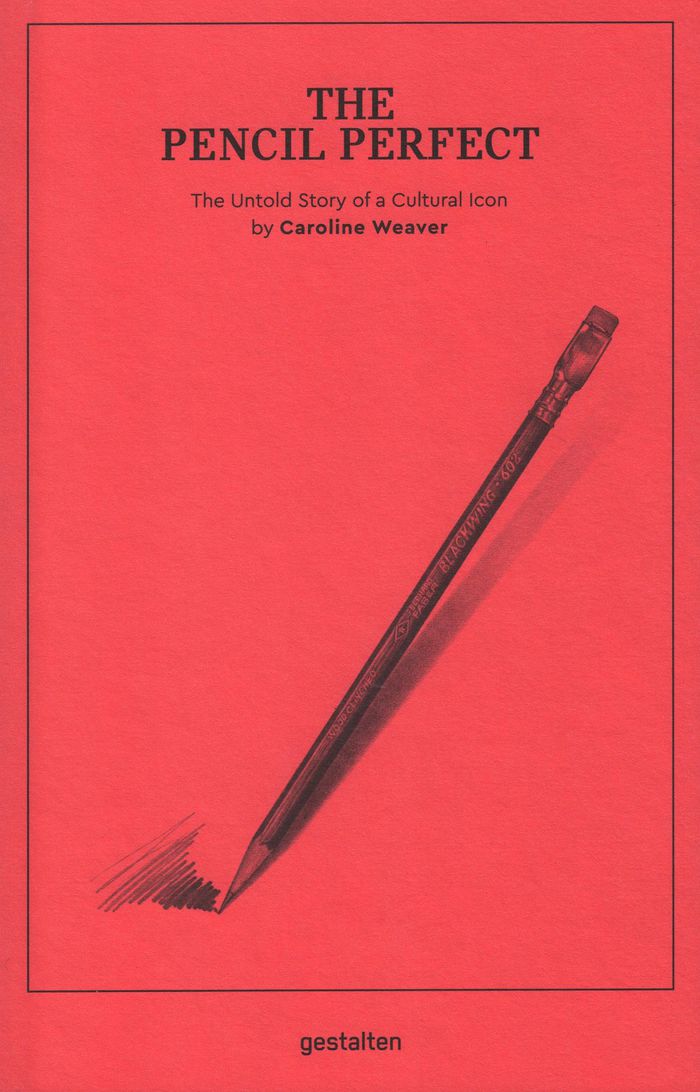
"The pencil perfect" takes its namesake’s four simple ingredients – wood, graphite, clay, and water – and narrates a tale of worldwide influence and innovation. Caroline Weaver, pencil connoisseur and CW Pencil Enterprise Shop owner, composes texts that extol the nuanced influence of her beloved and humble implement. Illustrations exclusively drawn for "The pencil perfect" by Oriana Fenwick, an artist from Zimbabwe who works with fine details and intense realism, pair with Weaver’s words to present a story that is both endearing and enlightening. Through profiles of pencil makers, anecdotes about famous writers’ favorite pencils, and essays about the surprising role of pencils in world history and culture, the chronicle of a modest but mighty tool unfolds. Follow the charming contrivance as it guides the course of early communication in the Scientific Revolution, the American Revolutionary War, the Anglo-French War, and the French Revolution: it is a historical journey and a captivating memoir. See how its past contemporarily compares with its use and appearance today – from the Blackwing 602 to novelty ferrules. The development of cultures and communities is laid bare within the timeline of this slender entity. "The pencil perfect" immortalizes the biography of an inanimate object within its pages for a future cast of historians, writers, and curious minds.
The pencil perfect: the untold story of a cultural icon
Actions:
Price:
$49.95
(available to order)
Summary:
"The pencil perfect" takes its namesake’s four simple ingredients – wood, graphite, clay, and water – and narrates a tale of worldwide influence and innovation. Caroline Weaver, pencil connoisseur and CW Pencil Enterprise Shop owner, composes texts that extol the nuanced influence of her beloved and humble implement. Illustrations exclusively drawn for "The pencil perfect" by Oriana Fenwick, an artist from Zimbabwe who works with fine details and intense realism, pair with Weaver’s words to present a story that is both endearing and enlightening. Through profiles of pencil makers, anecdotes about famous writers’ favorite pencils, and essays about the surprising role of pencils in world history and culture, the chronicle of a modest but mighty tool unfolds. Follow the charming contrivance as it guides the course of early communication in the Scientific Revolution, the American Revolutionary War, the Anglo-French War, and the French Revolution: it is a historical journey and a captivating memoir. See how its past contemporarily compares with its use and appearance today – from the Blackwing 602 to novelty ferrules. The development of cultures and communities is laid bare within the timeline of this slender entity. "The pencil perfect" immortalizes the biography of an inanimate object within its pages for a future cast of historians, writers, and curious minds.
Form:
books
books
Publication:
February 2017
February 2017
Subject:
Industrial Design
Industrial Design
Form:
video
video

Actions:
Price:
$32.00
(available to order)
Summary:
Suburbia, and all it promises, has become the American Dream. With brutal honesty and a touch of irony, "The end of suburbia" explored the American Way of Life and its prospects as the planet enters the age of Peak Oil. Director Greg Greene once again takes us “through the looking glass” on a journey of discovery – a sobering yet vital and ultimately positive(...)
$32.00
(available to order)
Summary:
Suburbia, and all it promises, has become the American Dream. With brutal honesty and a touch of irony, "The end of suburbia" explored the American Way of Life and its prospects as the planet enters the age of Peak Oil. Director Greg Greene once again takes us “through the looking glass” on a journey of discovery – a sobering yet vital and ultimately positive(...)
Title:
Escape from suburbia : beyond the American dream
Actions:
Price:
$32.00
(available to order)
Summary:
Suburbia, and all it promises, has become the American Dream. With brutal honesty and a touch of irony, "The end of suburbia" explored the American Way of Life and its prospects as the planet enters the age of Peak Oil. Director Greg Greene once again takes us “through the looking glass” on a journey of discovery – a sobering yet vital and ultimately positive exploration of what the second half of the Oil Age has in store for us. Through personal stories and interviews we examine how declining world oil production has already begun to affect modern life in North America. Expert scientific opinion is balanced with “on the street” portraits from an emerging global movement of citizen’s groups who are confronting the challenges of Peak Oil in extraordinary ways. The clock is ticking. This movie asks the tough questions : Are we approaching Peak Oil now? What are the controversies surrounding our future energy options? Why are a growing number of specialists and citizens skeptical of these options? What are ordinary people across North America doing in their own communities to prepare for Peak Oil? And what will you do as energy prices skyrocket and the Oil Age draws to a close?
Escape from suburbia : beyond the American dream
Actions:
Price:
$32.00
(available to order)
Summary:
Suburbia, and all it promises, has become the American Dream. With brutal honesty and a touch of irony, "The end of suburbia" explored the American Way of Life and its prospects as the planet enters the age of Peak Oil. Director Greg Greene once again takes us “through the looking glass” on a journey of discovery – a sobering yet vital and ultimately positive exploration of what the second half of the Oil Age has in store for us. Through personal stories and interviews we examine how declining world oil production has already begun to affect modern life in North America. Expert scientific opinion is balanced with “on the street” portraits from an emerging global movement of citizen’s groups who are confronting the challenges of Peak Oil in extraordinary ways. The clock is ticking. This movie asks the tough questions : Are we approaching Peak Oil now? What are the controversies surrounding our future energy options? Why are a growing number of specialists and citizens skeptical of these options? What are ordinary people across North America doing in their own communities to prepare for Peak Oil? And what will you do as energy prices skyrocket and the Oil Age draws to a close?
Form:
video
video
Publication:
November 2007, Toronto
November 2007, Toronto
Subject:
DVDs
DVDs
Form:
books
books
Actions:
Price:
$50.95
(available to order)
Summary:
We are not only living longer than our grandparents, but we are also working longer and remaining more active and enterprising than they did. Thus for many today the second half of life os marked by a broad and varied range of activities that call for freedom of action, whether one has a disability or other limitation or not. What types of housing will make it possible to(...)
$50.95
(available to order)
Summary:
We are not only living longer than our grandparents, but we are also working longer and remaining more active and enterprising than they did. Thus for many today the second half of life os marked by a broad and varied range of activities that call for freedom of action, whether one has a disability or other limitation or not. What types of housing will make it possible to(...)
Subject:
Commercial interiors, Building types
Commercial interiors, Building types
Publication:
June 2008, Basel, Boston, Berlin
June 2008, Basel, Boston, Berlin
Title:
New approaches to housing for the second half of life
Actions:
Price:
$50.95
(available to order)
Summary:
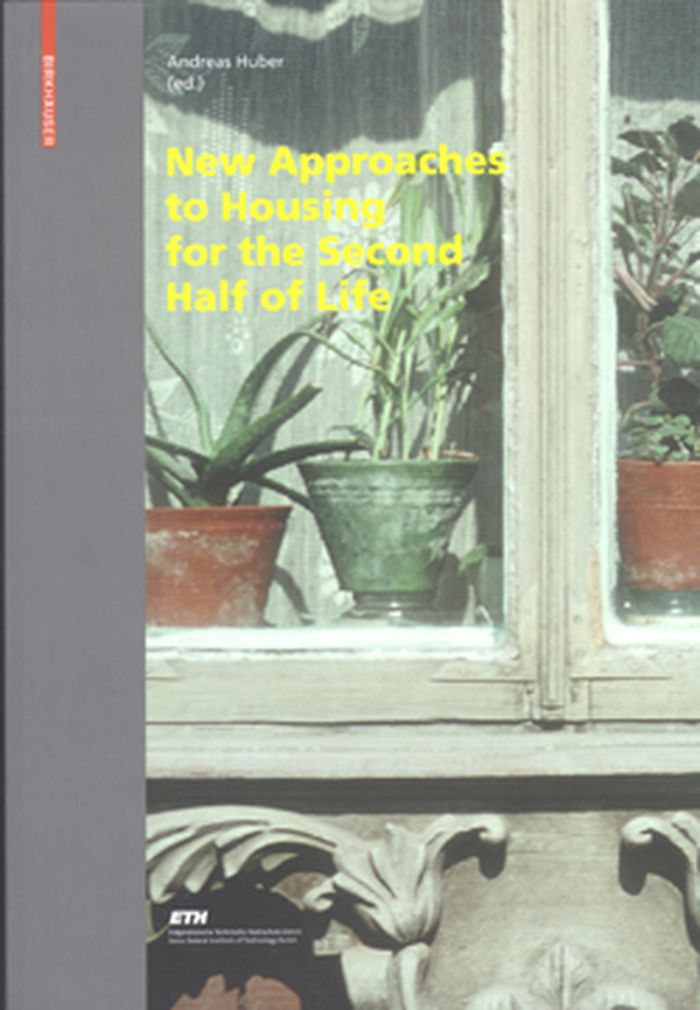
We are not only living longer than our grandparents, but we are also working longer and remaining more active and enterprising than they did. Thus for many today the second half of life os marked by a broad and varied range of activities that call for freedom of action, whether one has a disability or other limitation or not. What types of housing will make it possible to shape this ever longer and more important phase of our lives in accord with our wishes and needs? In addition to the desire of most older people to remain in their homes, we are also seeing the emergence of new and novel communal types of housing, such as shared apartments, houses, and housing developments; integrated residential communities; assisted living; and group homes. Against this backdrop, noted authors consider various aspects of the second phase of life. In addition, realized projects in Switzerland and Germany are presented and analysed in terms of their practical feasibility. Living Concepts is edited by the ETH Wohnforum, an interdiciplinary research group housed in the Faculty of Architecture of the Swiss Federal Institute of Technology Zurich. It presents selected themes from the broad field of housing and is aimed at both specialist readers and those with a general interest in culture.
New approaches to housing for the second half of life
Actions:
Price:
$50.95
(available to order)
Summary:
We are not only living longer than our grandparents, but we are also working longer and remaining more active and enterprising than they did. Thus for many today the second half of life os marked by a broad and varied range of activities that call for freedom of action, whether one has a disability or other limitation or not. What types of housing will make it possible to shape this ever longer and more important phase of our lives in accord with our wishes and needs? In addition to the desire of most older people to remain in their homes, we are also seeing the emergence of new and novel communal types of housing, such as shared apartments, houses, and housing developments; integrated residential communities; assisted living; and group homes. Against this backdrop, noted authors consider various aspects of the second phase of life. In addition, realized projects in Switzerland and Germany are presented and analysed in terms of their practical feasibility. Living Concepts is edited by the ETH Wohnforum, an interdiciplinary research group housed in the Faculty of Architecture of the Swiss Federal Institute of Technology Zurich. It presents selected themes from the broad field of housing and is aimed at both specialist readers and those with a general interest in culture.
Form:
books
books
Publication:
June 2008, Basel, Boston, Berlin
June 2008, Basel, Boston, Berlin
Subject:
Commercial interiors, Building types
Commercial interiors, Building types
Form:
books
books

Actions:
Price:
$19.95
(available to order)
Summary:
Welcome to Blubberland--a world of quadruple-garaged mansions, vast malls, gated communities, stretch limos, and posh resorts. Blubberland is a place, but it is also a state of mind: we expect to be happy (trophy house, SUV in the driveway, home entertainment system, pension fund, cosmetic surgery), but in fact we've grown increasingly bloated, bored, and miserable. In(...)
$19.95
(available to order)
Summary:
Welcome to Blubberland--a world of quadruple-garaged mansions, vast malls, gated communities, stretch limos, and posh resorts. Blubberland is a place, but it is also a state of mind: we expect to be happy (trophy house, SUV in the driveway, home entertainment system, pension fund, cosmetic surgery), but in fact we've grown increasingly bloated, bored, and miserable. In(...)
Title:
Blubberland: the dangers of happiness
Actions:
Price:
$19.95
(available to order)
Summary:
Welcome to Blubberland--a world of quadruple-garaged mansions, vast malls, gated communities, stretch limos, and posh resorts. Blubberland is a place, but it is also a state of mind: we expect to be happy (trophy house, SUV in the driveway, home entertainment system, pension fund, cosmetic surgery), but in fact we've grown increasingly bloated, bored, and miserable. In Blubberland, award-winning critic Elizabeth Farrelly looks at our "superfluous superfluity," our huge eco-footprint, and asks why we find it so hard to abandon habits we know to be destructive. Why can't we build human-scale cities, design meaningful public spaces, eat reasonable meals, and stop assaulting nature? Farrelly, trained as an architect, begins this story with architecture, urban sprawl, and housing, but she does not end there. She also looks at "affluenza," childhood asthma, diabetes, addiction, beauty, ugliness, narcissism, climate change, mega-churches, big box retailers, sustainability, depression, anorexia, and the links that collect all of these issues under the same roof--the roof, as it were, of the McMansion. As "big" becomes more and more pervasive, and success is seen in increasingly measurable and material terms, the goal of happiness jeopardizes our survival. Blubberland is a smart, thoughtful, and stylish argument for turning things around.
Blubberland: the dangers of happiness
Actions:
Price:
$19.95
(available to order)
Summary:
Welcome to Blubberland--a world of quadruple-garaged mansions, vast malls, gated communities, stretch limos, and posh resorts. Blubberland is a place, but it is also a state of mind: we expect to be happy (trophy house, SUV in the driveway, home entertainment system, pension fund, cosmetic surgery), but in fact we've grown increasingly bloated, bored, and miserable. In Blubberland, award-winning critic Elizabeth Farrelly looks at our "superfluous superfluity," our huge eco-footprint, and asks why we find it so hard to abandon habits we know to be destructive. Why can't we build human-scale cities, design meaningful public spaces, eat reasonable meals, and stop assaulting nature? Farrelly, trained as an architect, begins this story with architecture, urban sprawl, and housing, but she does not end there. She also looks at "affluenza," childhood asthma, diabetes, addiction, beauty, ugliness, narcissism, climate change, mega-churches, big box retailers, sustainability, depression, anorexia, and the links that collect all of these issues under the same roof--the roof, as it were, of the McMansion. As "big" becomes more and more pervasive, and success is seen in increasingly measurable and material terms, the goal of happiness jeopardizes our survival. Blubberland is a smart, thoughtful, and stylish argument for turning things around.
Form:
books
books
Publication:
March 2008, Cambridge, London
March 2008, Cambridge, London
Subject:
Urban Theory
Urban Theory
Form:
books
books

Actions:
Price:
$43.95
(available to order)
Summary:
Over the past twenty years, an abundance of art forms have emerged that use aesthetics to affect social dynamics. These works are often produced by collectives or come out of a community context; they emphasize participation, dialogue, and action, and appear in situations ranging from theater to activism to urban planning to visual art to health care. Engaged with the(...)
$43.95
(available to order)
Summary:
Over the past twenty years, an abundance of art forms have emerged that use aesthetics to affect social dynamics. These works are often produced by collectives or come out of a community context; they emphasize participation, dialogue, and action, and appear in situations ranging from theater to activism to urban planning to visual art to health care. Engaged with the(...)
Title:
Living as form : socially engaged art from 1991-2011
Actions:
Price:
$43.95
(available to order)
Summary:
Over the past twenty years, an abundance of art forms have emerged that use aesthetics to affect social dynamics. These works are often produced by collectives or come out of a community context; they emphasize participation, dialogue, and action, and appear in situations ranging from theater to activism to urban planning to visual art to health care. Engaged with the texture of living, these art works often blur the line between art and life. This book offers the first global portrait of a complex and exciting mode of cultural production — one that has virtually redefined contemporary art practice. This publication grew out of a major exhibition at Creative Time in New York City. Like the exhibition, the book is a landmark survey of more than 100 projects selected by a thirty-person curatorial advisory team; each project is documented by a selection of color images. The artists include the Danish collective Superflex, who empower communities to challenge corporate interest; Turner Prize nominee Jeremy Deller, creator of socially and politically charged performance works; Women on Waves, who provide abortion services and information to women in regions where the procedure is illegal; and Santiágo Cirugeda, an architect who builds temporary structures to solve housing problems.
Living as form : socially engaged art from 1991-2011
Actions:
Price:
$43.95
(available to order)
Summary:
Over the past twenty years, an abundance of art forms have emerged that use aesthetics to affect social dynamics. These works are often produced by collectives or come out of a community context; they emphasize participation, dialogue, and action, and appear in situations ranging from theater to activism to urban planning to visual art to health care. Engaged with the texture of living, these art works often blur the line between art and life. This book offers the first global portrait of a complex and exciting mode of cultural production — one that has virtually redefined contemporary art practice. This publication grew out of a major exhibition at Creative Time in New York City. Like the exhibition, the book is a landmark survey of more than 100 projects selected by a thirty-person curatorial advisory team; each project is documented by a selection of color images. The artists include the Danish collective Superflex, who empower communities to challenge corporate interest; Turner Prize nominee Jeremy Deller, creator of socially and politically charged performance works; Women on Waves, who provide abortion services and information to women in regions where the procedure is illegal; and Santiágo Cirugeda, an architect who builds temporary structures to solve housing problems.
Form:
books
books
Publication:
March 2012
March 2012
Form:
books
books
Title:
In praise of copying
In praise of copying
Actions:
Price:
$29.95
(available to order)
Summary:
This book is devoted to a deceptively simple but original argument: that copying is an essential part of being human, that the ability to copy is worthy of celebration, and that, without recognizing how integral copying is to being human, we cannot understand ourselves or the world we live in. In spite of the laws, stigmas, and anxieties attached to it, the word(...)
$29.95
(available to order)
Summary:
This book is devoted to a deceptively simple but original argument: that copying is an essential part of being human, that the ability to copy is worthy of celebration, and that, without recognizing how integral copying is to being human, we cannot understand ourselves or the world we live in. In spite of the laws, stigmas, and anxieties attached to it, the word(...)
Title:
In praise of copying
Actions:
Price:
$29.95
(available to order)
Summary:
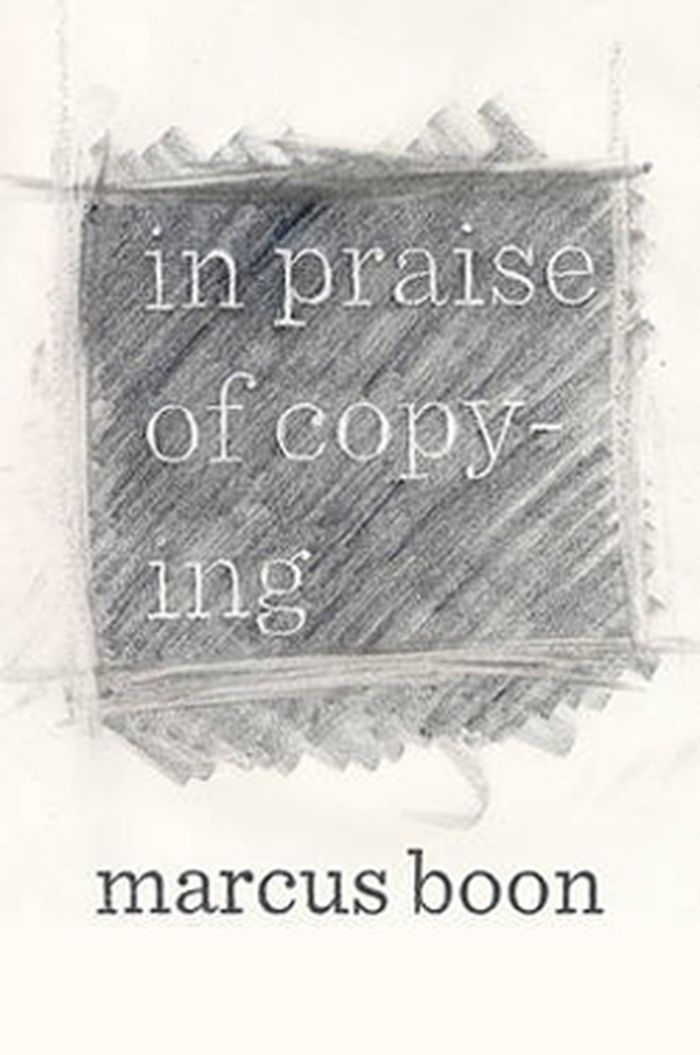
This book is devoted to a deceptively simple but original argument: that copying is an essential part of being human, that the ability to copy is worthy of celebration, and that, without recognizing how integral copying is to being human, we cannot understand ourselves or the world we live in. In spite of the laws, stigmas, and anxieties attached to it, the word “copying” permeates contemporary culture, shaping discourse on issues from hip hop to digitization to gender reassignment, and is particularly crucial in legal debates concerning intellectual property and copyright. Yet as a philosophical concept, copying remains poorly understood. Working comparatively across cultures and times, Marcus Boon undertakes an examination of what this word means—historically, culturally, philosophically—and why it fills us with fear and fascination. He argues that the dominant legal-political structures that define copying today obscure much broader processes of imitation that have constituted human communities for ages and continue to shape various subcultures today. Drawing on contemporary art, music and film, the history of aesthetics, critical theory, and Buddhist philosophy and practice, In Praise of Copying seeks to show how and why copying works, what the sources of its power are, and the political stakes of renegotiating the way we value copying in the age of globalization.
In praise of copying
Actions:
Price:
$29.95
(available to order)
Summary:
This book is devoted to a deceptively simple but original argument: that copying is an essential part of being human, that the ability to copy is worthy of celebration, and that, without recognizing how integral copying is to being human, we cannot understand ourselves or the world we live in. In spite of the laws, stigmas, and anxieties attached to it, the word “copying” permeates contemporary culture, shaping discourse on issues from hip hop to digitization to gender reassignment, and is particularly crucial in legal debates concerning intellectual property and copyright. Yet as a philosophical concept, copying remains poorly understood. Working comparatively across cultures and times, Marcus Boon undertakes an examination of what this word means—historically, culturally, philosophically—and why it fills us with fear and fascination. He argues that the dominant legal-political structures that define copying today obscure much broader processes of imitation that have constituted human communities for ages and continue to shape various subcultures today. Drawing on contemporary art, music and film, the history of aesthetics, critical theory, and Buddhist philosophy and practice, In Praise of Copying seeks to show how and why copying works, what the sources of its power are, and the political stakes of renegotiating the way we value copying in the age of globalization.
Form:
books
books
Publication:
October 2010
October 2010
Subject:
Critical Theory
Critical Theory
Form:
books
books
Title:
In praise of copying
In praise of copying
Actions:
Price:
$24.95
(available to order)
Summary:
This book is devoted to a deceptively simple but original argument : that copying is an essential part of being human, that the ability to copy is worthy of celebration, and that, without recognizing how integral copying is to being human, we cannot understand ourselves or the world we live in. In spite of the laws, stigmas, and anxieties attached to it, the word(...)
$24.95
(available to order)
Summary:
This book is devoted to a deceptively simple but original argument : that copying is an essential part of being human, that the ability to copy is worthy of celebration, and that, without recognizing how integral copying is to being human, we cannot understand ourselves or the world we live in. In spite of the laws, stigmas, and anxieties attached to it, the word(...)
Title:
In praise of copying
Actions:
Price:
$24.95
(available to order)
Summary:
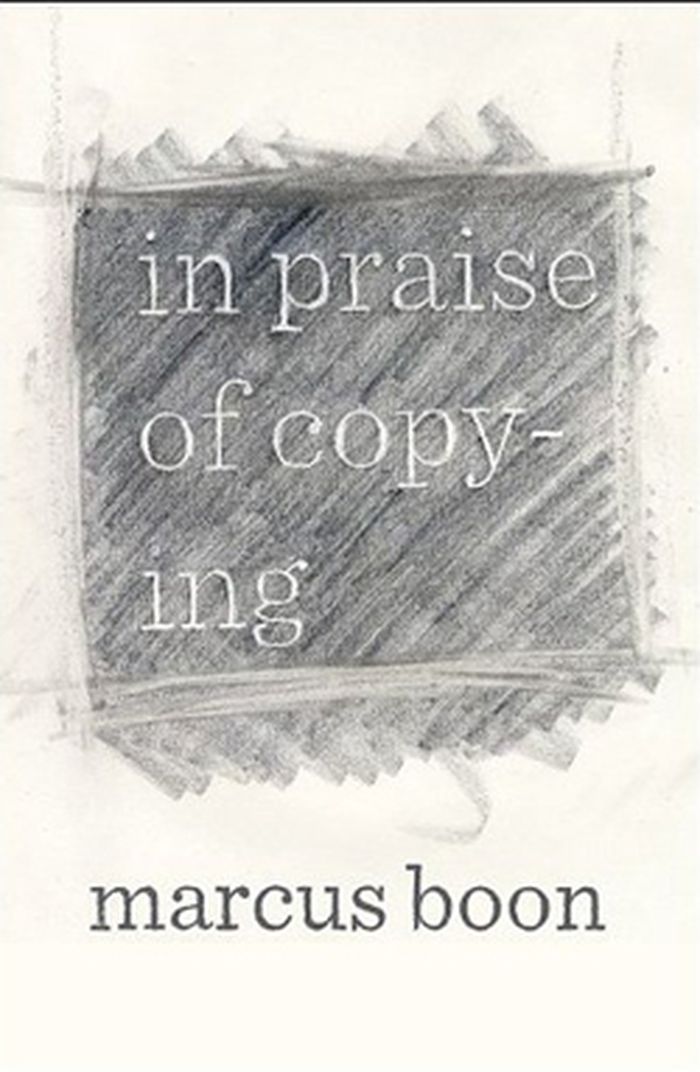
This book is devoted to a deceptively simple but original argument : that copying is an essential part of being human, that the ability to copy is worthy of celebration, and that, without recognizing how integral copying is to being human, we cannot understand ourselves or the world we live in. In spite of the laws, stigmas, and anxieties attached to it, the word “copying” permeates contemporary culture, shaping discourse on issues from hip hop to digitization to gender reassignment, and is particularly crucial in legal debates concerning intellectual property and copyright. Yet as a philosophical concept, copying remains poorly understood. Working comparatively across cultures and times, Marcus Boon undertakes an examination of what this word means — historically, culturally, philosophically — and why it fills us with fear and fascination. He argues that the dominant legal-political structures that define copying today obscure much broader processes of imitation that have constituted human communities for ages and continue to shape various subcultures today. Drawing on contemporary art, music and film, the history of aesthetics, critical theory, and Buddhist philosophy and practice, In Praise of Copying seeks to show how and why copying works, what the sources of its power are, and the political stakes of renegotiating the way we value copying in the age of globalization.
In praise of copying
Actions:
Price:
$24.95
(available to order)
Summary:
This book is devoted to a deceptively simple but original argument : that copying is an essential part of being human, that the ability to copy is worthy of celebration, and that, without recognizing how integral copying is to being human, we cannot understand ourselves or the world we live in. In spite of the laws, stigmas, and anxieties attached to it, the word “copying” permeates contemporary culture, shaping discourse on issues from hip hop to digitization to gender reassignment, and is particularly crucial in legal debates concerning intellectual property and copyright. Yet as a philosophical concept, copying remains poorly understood. Working comparatively across cultures and times, Marcus Boon undertakes an examination of what this word means — historically, culturally, philosophically — and why it fills us with fear and fascination. He argues that the dominant legal-political structures that define copying today obscure much broader processes of imitation that have constituted human communities for ages and continue to shape various subcultures today. Drawing on contemporary art, music and film, the history of aesthetics, critical theory, and Buddhist philosophy and practice, In Praise of Copying seeks to show how and why copying works, what the sources of its power are, and the political stakes of renegotiating the way we value copying in the age of globalization.
Form:
books
books
Publication:
March 2013
March 2013
Subject:
Critical Theory
Critical Theory


