


6640 Results
Form:
books
books
Price:
$55.00
(available to order)
Summary:
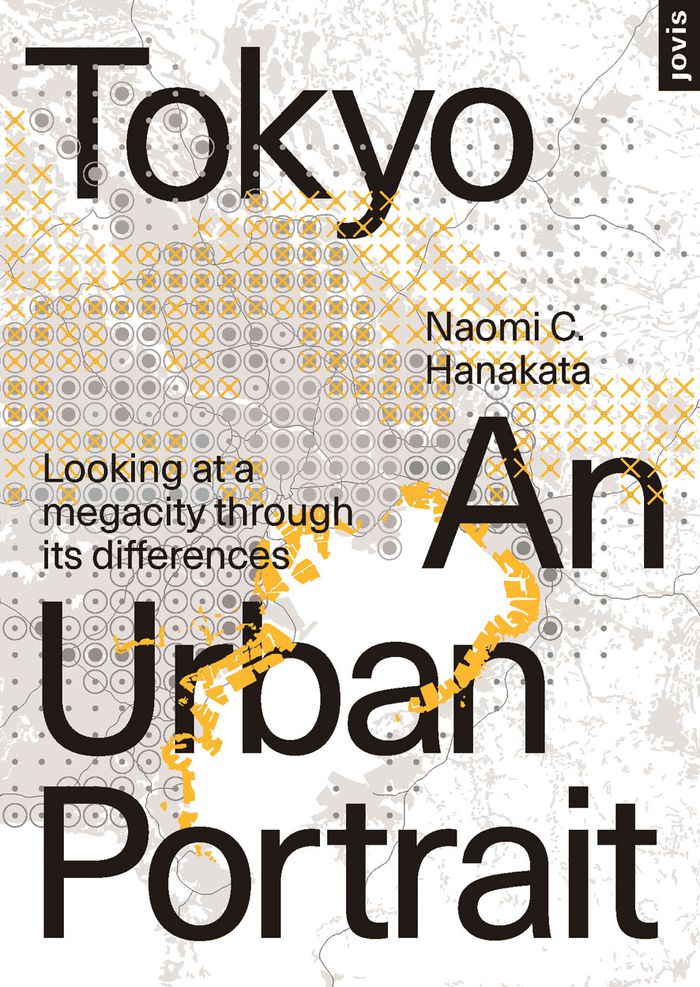
This is the first book to provide a comprehensive analysis of the urbanization processes that have shaped Tokyo. Presenting the city as a megastructure of smaller communities, Tokyo: An Urban Portrait considers the social and historical events—war, earthquakes, manufacturing—that have changed the city over centuries.
$55.00
(available to order)
Summary:
This is the first book to provide a comprehensive analysis of the urbanization processes that have shaped Tokyo. Presenting the city as a megastructure of smaller communities, Tokyo: An Urban Portrait considers the social and historical events—war, earthquakes, manufacturing—that have changed the city over centuries.
Title:
Tokyo: an urban portrait. Looking at a megacity through its differences
Actions:
Price:
$55.00
(available to order)
Summary:
This is the first book to provide a comprehensive analysis of the urbanization processes that have shaped Tokyo. Presenting the city as a megastructure of smaller communities, Tokyo: An Urban Portrait considers the social and historical events—war, earthquakes, manufacturing—that have changed the city over centuries.
Tokyo: an urban portrait. Looking at a megacity through its differences
Actions:
Price:
$55.00
(available to order)
Summary:
This is the first book to provide a comprehensive analysis of the urbanization processes that have shaped Tokyo. Presenting the city as a megastructure of smaller communities, Tokyo: An Urban Portrait considers the social and historical events—war, earthquakes, manufacturing—that have changed the city over centuries.
Form:
books
books
Publication:
July 2020
July 2020
Subject:
Contemporary Asian Architecture
Contemporary Asian Architecture
Form:
books
books
Title:
The Shenzhen experiment
The Shenzhen experiment
Actions:
Price:
$50.00
(available to order)
Summary:
Shenzhen is ground zero for the economic transformation China has seen in recent decades. In 1979, driven by China’s widespread poverty, Deng Xiaoping supported a bold proposal to experiment with economic policies in a rural borderland next to Hong Kong. The site was designated as the City of Shenzhen and soon after became China’s first Special Economic Zone (SEZ). Four(...)
$50.00
(available to order)
Summary:
Shenzhen is ground zero for the economic transformation China has seen in recent decades. In 1979, driven by China’s widespread poverty, Deng Xiaoping supported a bold proposal to experiment with economic policies in a rural borderland next to Hong Kong. The site was designated as the City of Shenzhen and soon after became China’s first Special Economic Zone (SEZ). Four(...)
Title:
The Shenzhen experiment
Actions:
Price:
$50.00
(available to order)
Summary:
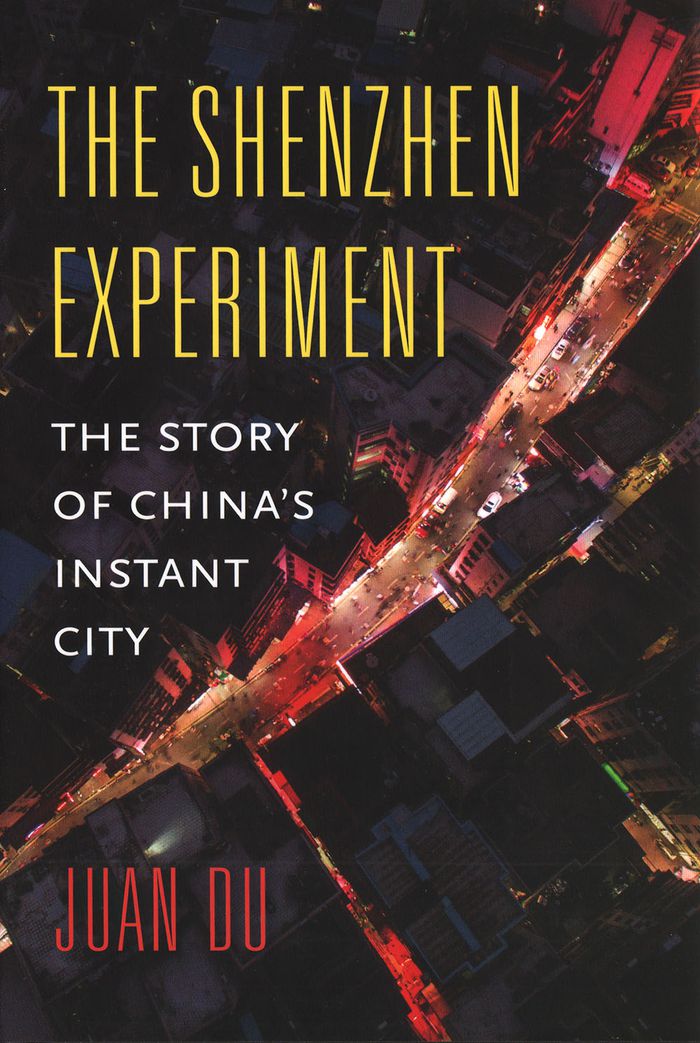
Shenzhen is ground zero for the economic transformation China has seen in recent decades. In 1979, driven by China’s widespread poverty, Deng Xiaoping supported a bold proposal to experiment with economic policies in a rural borderland next to Hong Kong. The site was designated as the City of Shenzhen and soon after became China’s first Special Economic Zone (SEZ). Four decades later, Shenzhen is a megacity of twenty million, an internationally recognized digital technology hub, and the world’s most successful economic zone. Some see it as a modern miracle city that seemingly came from nowhere, attributing its success solely to centralized planning and Shenzhen’s proximity to Hong Kong. The Chinese government has built hundreds of new towns using the Shenzhen model, yet none has come close to replicating the city’s level of economic success. But is it true that Shenzhen has no meaningful history? That the city was planned on a tabula rasa? That the region’s rural past has had no significant impact on the urban present? Juan Du unravels the myth of Shenzhen and shows us how this world-famous “instant city” has a surprising history—filled with oyster fishermen, villages that remain encased within city blocks, a secret informal housing system—and how it has been catapulted to success as much by the ingenuity of its original farmers as by Beijing’s policy makers. “The Shenzhen Experiment” is an important story for all rapidly urbanizing and industrializing nations around the world seeking to replicate China’s economic success in the twenty-first century.
The Shenzhen experiment
Actions:
Price:
$50.00
(available to order)
Summary:
Shenzhen is ground zero for the economic transformation China has seen in recent decades. In 1979, driven by China’s widespread poverty, Deng Xiaoping supported a bold proposal to experiment with economic policies in a rural borderland next to Hong Kong. The site was designated as the City of Shenzhen and soon after became China’s first Special Economic Zone (SEZ). Four decades later, Shenzhen is a megacity of twenty million, an internationally recognized digital technology hub, and the world’s most successful economic zone. Some see it as a modern miracle city that seemingly came from nowhere, attributing its success solely to centralized planning and Shenzhen’s proximity to Hong Kong. The Chinese government has built hundreds of new towns using the Shenzhen model, yet none has come close to replicating the city’s level of economic success. But is it true that Shenzhen has no meaningful history? That the city was planned on a tabula rasa? That the region’s rural past has had no significant impact on the urban present? Juan Du unravels the myth of Shenzhen and shows us how this world-famous “instant city” has a surprising history—filled with oyster fishermen, villages that remain encased within city blocks, a secret informal housing system—and how it has been catapulted to success as much by the ingenuity of its original farmers as by Beijing’s policy makers. “The Shenzhen Experiment” is an important story for all rapidly urbanizing and industrializing nations around the world seeking to replicate China’s economic success in the twenty-first century.
Form:
books
books
Publication:
January 2020
January 2020
Subject:
Contemporary Asian Architecture
Contemporary Asian Architecture
Form:
books
books
Actions:
Price:
$49.95
(available to order)
Summary:
N-ground or multi-ground (Superground & Underground) concept applied to Seoul, call us to a new qualitative development that responds to the possibility to superimpose a new dense floor in the old infrastructures. A new ReCitying Topos on, inside, in, where and through which to develop new/old programs, uses and activities of life and relationship. The singularity of(...)
$49.95
(available to order)
Summary:
N-ground or multi-ground (Superground & Underground) concept applied to Seoul, call us to a new qualitative development that responds to the possibility to superimpose a new dense floor in the old infrastructures. A new ReCitying Topos on, inside, in, where and through which to develop new/old programs, uses and activities of life and relationship. The singularity of(...)
Subject:
Contemporary Asian Architecture
Contemporary Asian Architecture
Publication:
December 2019
December 2019
Title:
Superground/Underground: Seoul new groundscapes
Actions:
Price:
$49.95
(available to order)
Summary:
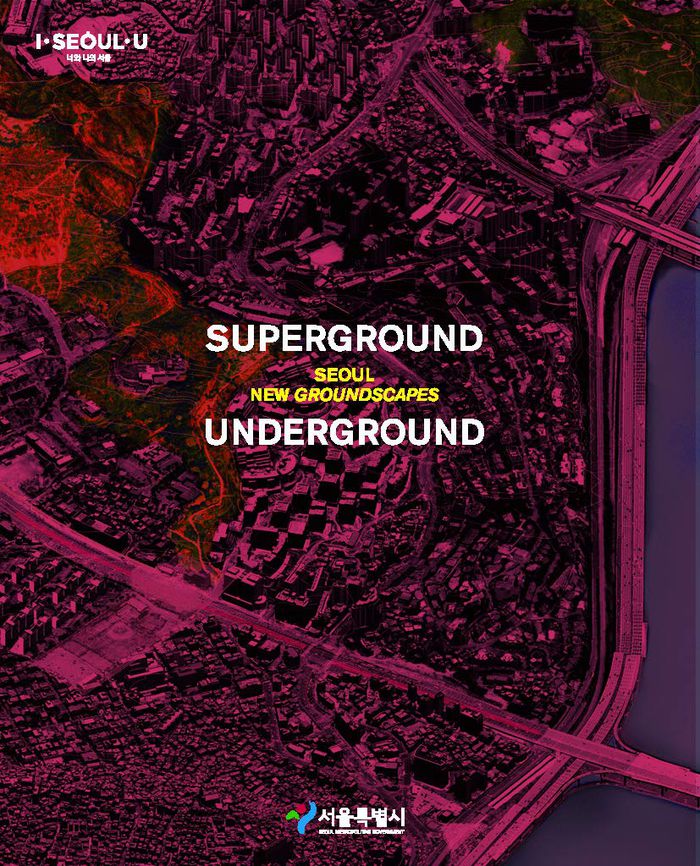
N-ground or multi-ground (Superground & Underground) concept applied to Seoul, call us to a new qualitative development that responds to the possibility to superimpose a new dense floor in the old infrastructures. A new ReCitying Topos on, inside, in, where and through which to develop new/old programs, uses and activities of life and relationship. The singularity of Seoul is the capacity for the city to combine and manage all the new global urban paradigmatic challenges. Seoul new qualitative development responds does not intend to "continue" or "recreate" the traditional city. Nor impose or positionate, transforming it, built machines or objects but superimpose a new dense floor (container and articulator at the same time) in the old obsolete infrastructures, that becomes a new Re-Citying. The old infrastructures are revealed as the ideal spaces to support these new floors, real and virtual at time.
Superground/Underground: Seoul new groundscapes
Actions:
Price:
$49.95
(available to order)
Summary:
N-ground or multi-ground (Superground & Underground) concept applied to Seoul, call us to a new qualitative development that responds to the possibility to superimpose a new dense floor in the old infrastructures. A new ReCitying Topos on, inside, in, where and through which to develop new/old programs, uses and activities of life and relationship. The singularity of Seoul is the capacity for the city to combine and manage all the new global urban paradigmatic challenges. Seoul new qualitative development responds does not intend to "continue" or "recreate" the traditional city. Nor impose or positionate, transforming it, built machines or objects but superimpose a new dense floor (container and articulator at the same time) in the old obsolete infrastructures, that becomes a new Re-Citying. The old infrastructures are revealed as the ideal spaces to support these new floors, real and virtual at time.
Form:
books
books
Publication:
December 2019
December 2019
Subject:
Contemporary Asian Architecture
Contemporary Asian Architecture
Form:
books
books
Actions:
Price:
$35.95
(available in store)
Summary:
For cities around the globe mired in crisis and seeking new models for the future, Tokyo’s success at balancing between massive growth and local communal life poses a challenge: can we design other cities to emulate its best qualities? This book answers this question in the affirmative by delving into Tokyo’s most distinctive urban spaces, from iconic neon nightlife to(...)
$35.95
(available in store)
Summary:
For cities around the globe mired in crisis and seeking new models for the future, Tokyo’s success at balancing between massive growth and local communal life poses a challenge: can we design other cities to emulate its best qualities? This book answers this question in the affirmative by delving into Tokyo’s most distinctive urban spaces, from iconic neon nightlife to(...)
Subject:
Contemporary Asian Architecture
Contemporary Asian Architecture
Publication:
May 2022
May 2022
Title:
Emergent Tokyo: designing the spontaneous city
Actions:
Price:
$35.95
(available in store)
Summary:
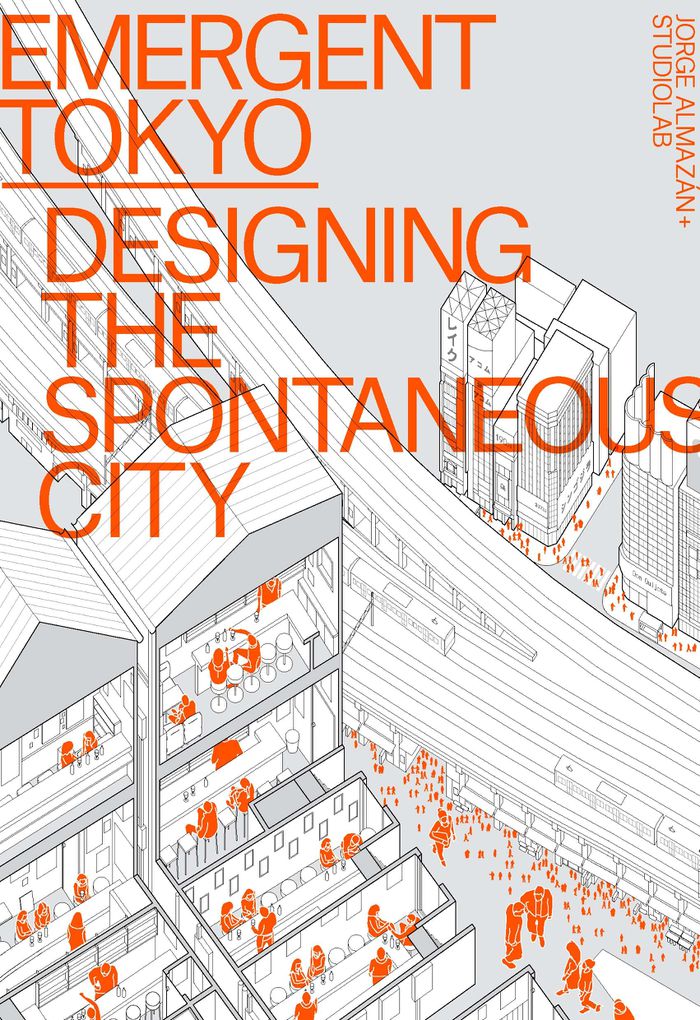
For cities around the globe mired in crisis and seeking new models for the future, Tokyo’s success at balancing between massive growth and local communal life poses a challenge: can we design other cities to emulate its best qualities? This book answers this question in the affirmative by delving into Tokyo’s most distinctive urban spaces, from iconic neon nightlife to tranquil neighborhood backstreets. Tokyo at its best offers a new vision for a human-scale urban ecosystem, where ordinary residents can shape their own environment in ways large and small, and communities take on a life of their own beyond government master planning and corporate profit-seeking. This book demystifies Tokyo’s emergent urbanism for an international audience, explaining its origins, its place in today’s Tokyo, and its role in the Tokyo of tomorrow.
Emergent Tokyo: designing the spontaneous city
Actions:
Price:
$35.95
(available in store)
Summary:
For cities around the globe mired in crisis and seeking new models for the future, Tokyo’s success at balancing between massive growth and local communal life poses a challenge: can we design other cities to emulate its best qualities? This book answers this question in the affirmative by delving into Tokyo’s most distinctive urban spaces, from iconic neon nightlife to tranquil neighborhood backstreets. Tokyo at its best offers a new vision for a human-scale urban ecosystem, where ordinary residents can shape their own environment in ways large and small, and communities take on a life of their own beyond government master planning and corporate profit-seeking. This book demystifies Tokyo’s emergent urbanism for an international audience, explaining its origins, its place in today’s Tokyo, and its role in the Tokyo of tomorrow.
Form:
books
books
Publication:
May 2022
May 2022
Subject:
Contemporary Asian Architecture
Contemporary Asian Architecture
Form:
books
books
Title:
Japanese interiors
Japanese interiors
Actions:
Price:
$100.00
(available in store)
Summary:
Exploring the art and craft of Japanese residential interiors, author Mihoko Iida provides an insider's look into the wide-ranging interior design of her country's private homes. Featuring twenty-eight exemplary residences around Japan – from urban apartments to mountain and seaside escapes – the book showcases aspirational minimalist homes alongside functional live/work(...)
$100.00
(available in store)
Summary:
Exploring the art and craft of Japanese residential interiors, author Mihoko Iida provides an insider's look into the wide-ranging interior design of her country's private homes. Featuring twenty-eight exemplary residences around Japan – from urban apartments to mountain and seaside escapes – the book showcases aspirational minimalist homes alongside functional live/work(...)
Title:
Japanese interiors
Actions:
Price:
$100.00
(available in store)
Summary:
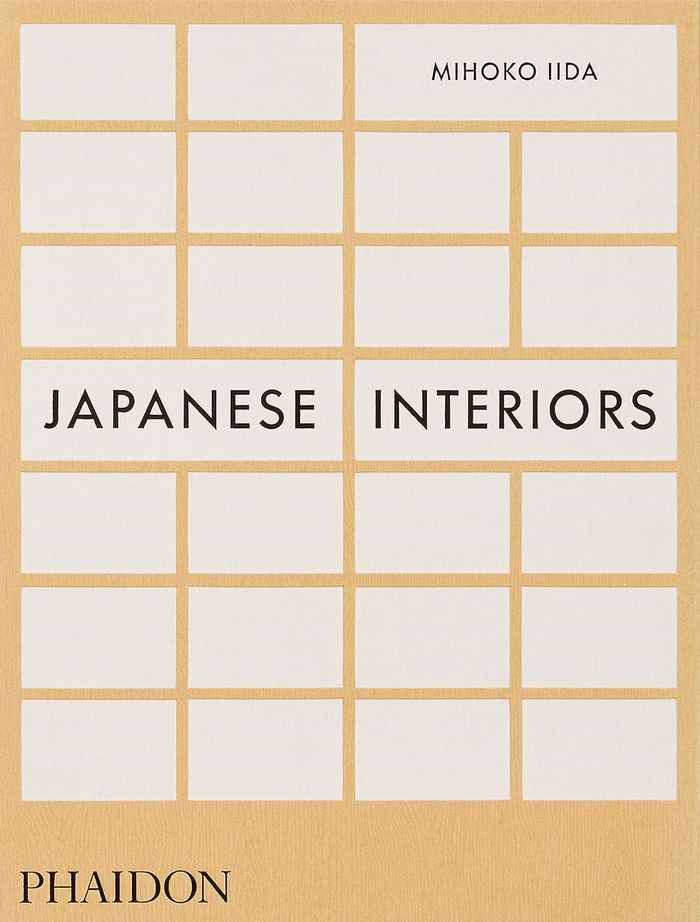
Exploring the art and craft of Japanese residential interiors, author Mihoko Iida provides an insider's look into the wide-ranging interior design of her country's private homes. Featuring twenty-eight exemplary residences around Japan – from urban apartments to mountain and seaside escapes – the book showcases aspirational minimalist homes alongside functional live/work spaces and traditional historic dwellings. Throughout, Iida demonstrates the enduring philosophy of integrating the natural landscape into the home, and details the influences and continuing evolution of Japanese interior design. The book also showcases homes designed by some of Japan's top architects, such as Kengo Kuma, nendo, Koji Fujii, Arata Endo, and Takamitsu Azuma.
Japanese interiors
Actions:
Price:
$100.00
(available in store)
Summary:
Exploring the art and craft of Japanese residential interiors, author Mihoko Iida provides an insider's look into the wide-ranging interior design of her country's private homes. Featuring twenty-eight exemplary residences around Japan – from urban apartments to mountain and seaside escapes – the book showcases aspirational minimalist homes alongside functional live/work spaces and traditional historic dwellings. Throughout, Iida demonstrates the enduring philosophy of integrating the natural landscape into the home, and details the influences and continuing evolution of Japanese interior design. The book also showcases homes designed by some of Japan's top architects, such as Kengo Kuma, nendo, Koji Fujii, Arata Endo, and Takamitsu Azuma.
Form:
books
books
Publication:
October 2022
October 2022
Subject:
Contemporary Asian Architecture
Contemporary Asian Architecture
Form:
books
books

Price:
$26.95
(available to order)
Summary:
Intriguing as it is engaging, this compact edition surveys a dynasty of influential Japanese architects. Author Roland Hagenberg has conducted insightful interviews and taken photographs of each of the participating architects in the surrounds of their buildings. Tadao Ando, Jun Aoki, Arata Isozaki, Toyo Ito, Sejima+ Nishizawa /SANAA, Kenzo Tange, Terunobu Fujimori,(...)
$26.95
(available to order)
Summary:
Intriguing as it is engaging, this compact edition surveys a dynasty of influential Japanese architects. Author Roland Hagenberg has conducted insightful interviews and taken photographs of each of the participating architects in the surrounds of their buildings. Tadao Ando, Jun Aoki, Arata Isozaki, Toyo Ito, Sejima+ Nishizawa /SANAA, Kenzo Tange, Terunobu Fujimori,(...)
Title:
20 Japanese architects: interviews and photos by Roland Hagenberg
Actions:
Price:
$26.95
(available to order)
Summary:
Intriguing as it is engaging, this compact edition surveys a dynasty of influential Japanese architects. Author Roland Hagenberg has conducted insightful interviews and taken photographs of each of the participating architects in the surrounds of their buildings. Tadao Ando, Jun Aoki, Arata Isozaki, Toyo Ito, Sejima+ Nishizawa /SANAA, Kenzo Tange, Terunobu Fujimori, Fumihiko Maki, and Hiroshi Hara are a few of the architects featured.
20 Japanese architects: interviews and photos by Roland Hagenberg
Actions:
Price:
$26.95
(available to order)
Summary:
Intriguing as it is engaging, this compact edition surveys a dynasty of influential Japanese architects. Author Roland Hagenberg has conducted insightful interviews and taken photographs of each of the participating architects in the surrounds of their buildings. Tadao Ando, Jun Aoki, Arata Isozaki, Toyo Ito, Sejima+ Nishizawa /SANAA, Kenzo Tange, Terunobu Fujimori, Fumihiko Maki, and Hiroshi Hara are a few of the architects featured.
Form:
books
books
Publication:
July 2009
July 2009
Subject:
Contemporary Asian Architecture
Contemporary Asian Architecture
Form:
books
books

Actions:
Price:
$19.95
(available to order)
Summary:
In Japan, modern sewer systems began to appear during the late 19th century, though evidence of sewage systems in the country dates back to over 2,000 years ago. In the 1980s, as communities outside of Japan's major cities were slated to receive new sewer systems these public works projects were met with resistance, until one dedicated bureaucrat solved the problem by(...)
$19.95
(available to order)
Summary:
In Japan, modern sewer systems began to appear during the late 19th century, though evidence of sewage systems in the country dates back to over 2,000 years ago. In the 1980s, as communities outside of Japan's major cities were slated to receive new sewer systems these public works projects were met with resistance, until one dedicated bureaucrat solved the problem by(...)
Title:
Drainspotting: Japanese manhole covers
Actions:
Price:
$19.95
(available to order)
Summary:
In Japan, modern sewer systems began to appear during the late 19th century, though evidence of sewage systems in the country dates back to over 2,000 years ago. In the 1980s, as communities outside of Japan's major cities were slated to receive new sewer systems these public works projects were met with resistance, until one dedicated bureaucrat solved the problem by devising a way to make these mostly invisible systems aesthetically appreciated aboveground: customized manhole covers.
Drainspotting: Japanese manhole covers
Actions:
Price:
$19.95
(available to order)
Summary:
In Japan, modern sewer systems began to appear during the late 19th century, though evidence of sewage systems in the country dates back to over 2,000 years ago. In the 1980s, as communities outside of Japan's major cities were slated to receive new sewer systems these public works projects were met with resistance, until one dedicated bureaucrat solved the problem by devising a way to make these mostly invisible systems aesthetically appreciated aboveground: customized manhole covers.
Form:
books
books
Publication:
October 2009
October 2009
Subject:
Contemporary Asian Architecture
Contemporary Asian Architecture
Form:
books
books
Actions:
Price:
$45.00
(available to order)
Summary:
This book tells a regional story that the whole world should hear. The needs of the emerging world (in particular the Asian continent) are leaving a carbon footprint that is rapidly expanding to match the pace of the U.S. and Europe. It is manifested in a dramatically transformed built and natural environment that poses unprecedented challenges. The emerging world is a(...)
$45.00
(available to order)
Summary:
This book tells a regional story that the whole world should hear. The needs of the emerging world (in particular the Asian continent) are leaving a carbon footprint that is rapidly expanding to match the pace of the U.S. and Europe. It is manifested in a dramatically transformed built and natural environment that poses unprecedented challenges. The emerging world is a(...)
Subject:
Contemporary Asian Architecture
Contemporary Asian Architecture
Publication:
December 2009
December 2009
Title:
Edaw: Asia beyong growth, urbanization in the world's fastest-changing continent
Actions:
Price:
$45.00
(available to order)
Summary:
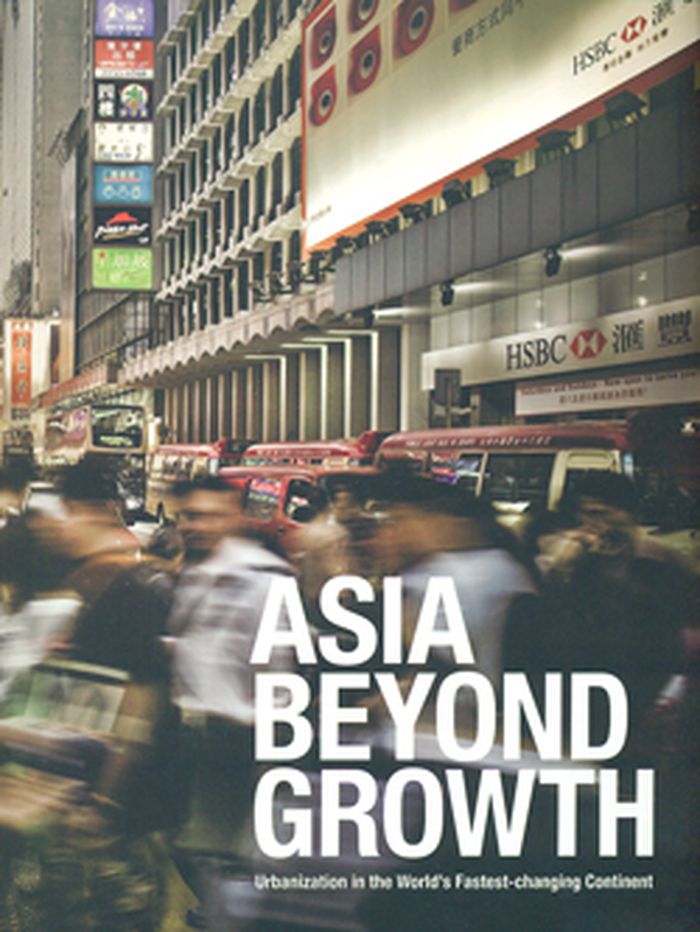
This book tells a regional story that the whole world should hear. The needs of the emerging world (in particular the Asian continent) are leaving a carbon footprint that is rapidly expanding to match the pace of the U.S. and Europe. It is manifested in a dramatically transformed built and natural environment that poses unprecedented challenges. The emerging world is a testing ground for radical urban-design proposals, several of which are reviewed in this timely publication which is divided into two sections, "Growth" and "Beyond."
Edaw: Asia beyong growth, urbanization in the world's fastest-changing continent
Actions:
Price:
$45.00
(available to order)
Summary:
This book tells a regional story that the whole world should hear. The needs of the emerging world (in particular the Asian continent) are leaving a carbon footprint that is rapidly expanding to match the pace of the U.S. and Europe. It is manifested in a dramatically transformed built and natural environment that poses unprecedented challenges. The emerging world is a testing ground for radical urban-design proposals, several of which are reviewed in this timely publication which is divided into two sections, "Growth" and "Beyond."
Form:
books
books
Publication:
December 2009
December 2009
Subject:
Contemporary Asian Architecture
Contemporary Asian Architecture
Form:
books
books
Title:
Bejing Time
Bejing Time
Actions:
Price:
$19.95
(available to order)
Summary:
This book allows us to peer into the lives of Beijingers, the rules and rituals that govern their reality, and the mythologies that furnish their dreams. Deeply immersed in the culture, everyday and otherworldly, this anthropological tour, from ancient cosmology to Communist kitsch, allows us to see how the people of Beijing—and China—work and live.
$19.95
(available to order)
Summary:
This book allows us to peer into the lives of Beijingers, the rules and rituals that govern their reality, and the mythologies that furnish their dreams. Deeply immersed in the culture, everyday and otherworldly, this anthropological tour, from ancient cosmology to Communist kitsch, allows us to see how the people of Beijing—and China—work and live.
Title:
Bejing Time
Actions:
Price:
$19.95
(available to order)
Summary:
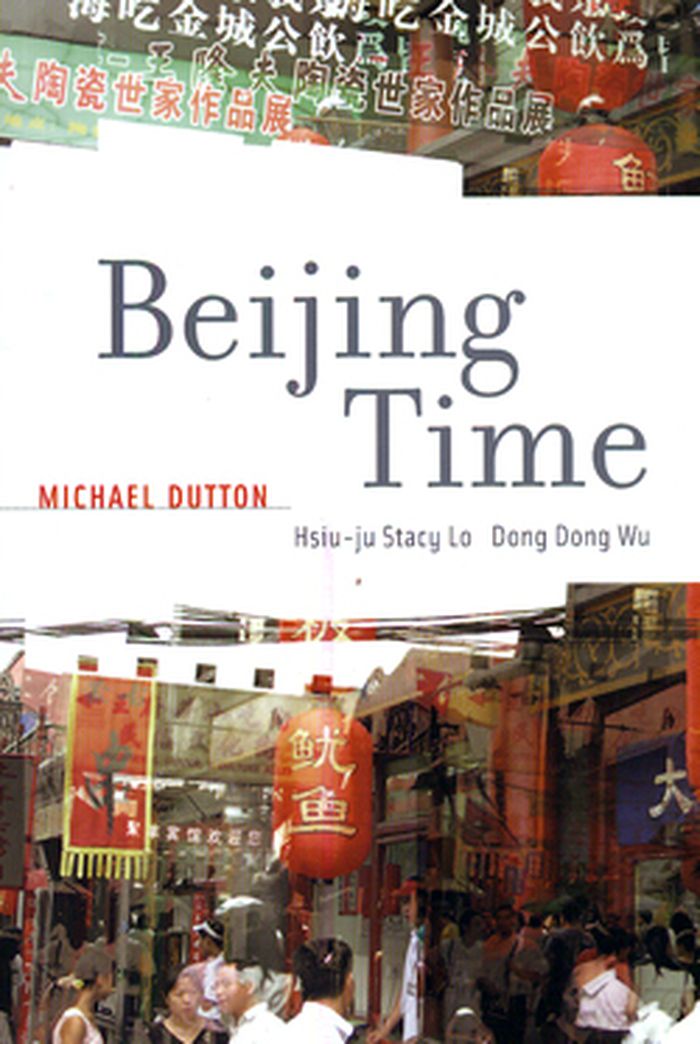
This book allows us to peer into the lives of Beijingers, the rules and rituals that govern their reality, and the mythologies that furnish their dreams. Deeply immersed in the culture, everyday and otherworldly, this anthropological tour, from ancient cosmology to Communist kitsch, allows us to see how the people of Beijing—and China—work and live.
Bejing Time
Actions:
Price:
$19.95
(available to order)
Summary:
This book allows us to peer into the lives of Beijingers, the rules and rituals that govern their reality, and the mythologies that furnish their dreams. Deeply immersed in the culture, everyday and otherworldly, this anthropological tour, from ancient cosmology to Communist kitsch, allows us to see how the people of Beijing—and China—work and live.
Form:
books
books
Publication:
May 2010
May 2010
Subject:
Contemporary Asian Architecture
Contemporary Asian Architecture
Form:
books
books
Actions:
Price:
$36.00
(available to order)
Summary:
Shanghai has grown at a breathtaking pace since the 1990s. Housing developments are constantly multiplying, entire districts are demolished, residents are relocated, multilevel roads are built into the cityscape, and more and more areas are pinpointed for renewal. But how does this dramatic growth alter public space and people’s living environment, and what impact does it(...)
$36.00
(available to order)
Summary:
Shanghai has grown at a breathtaking pace since the 1990s. Housing developments are constantly multiplying, entire districts are demolished, residents are relocated, multilevel roads are built into the cityscape, and more and more areas are pinpointed for renewal. But how does this dramatic growth alter public space and people’s living environment, and what impact does it(...)
Title:
Shanghai (urban public) space
Actions:
Price:
$36.00
(available to order)
Summary:
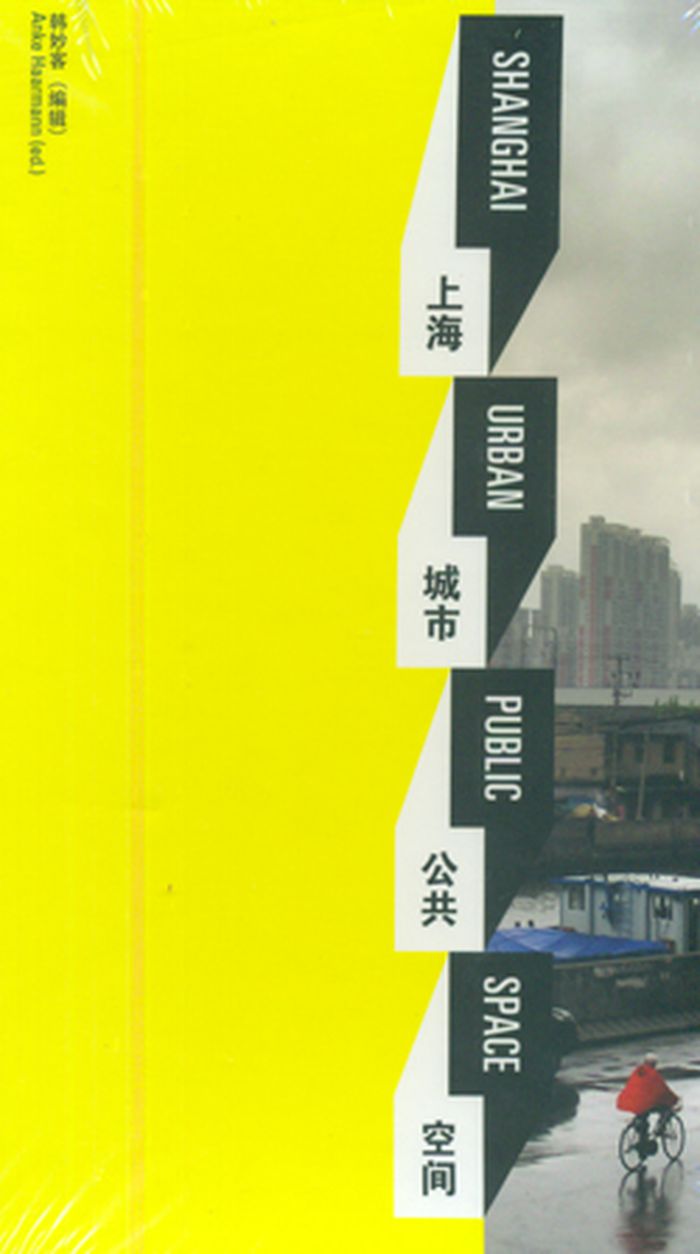
Shanghai has grown at a breathtaking pace since the 1990s. Housing developments are constantly multiplying, entire districts are demolished, residents are relocated, multilevel roads are built into the cityscape, and more and more areas are pinpointed for renewal. But how does this dramatic growth alter public space and people’s living environment, and what impact does it have on the inhabitants? These questions are urgent and relevant in megacities all over the world. In the exhibition “Shanghai (Urban Public) Space” curated by Anke Haarmann in 2008, artists, scientists, and philosophers from China and Germany sought answers to these questions; the results are presented in this publication, including one volume of texts and one of illustrations.
Shanghai (urban public) space
Actions:
Price:
$36.00
(available to order)
Summary:
Shanghai has grown at a breathtaking pace since the 1990s. Housing developments are constantly multiplying, entire districts are demolished, residents are relocated, multilevel roads are built into the cityscape, and more and more areas are pinpointed for renewal. But how does this dramatic growth alter public space and people’s living environment, and what impact does it have on the inhabitants? These questions are urgent and relevant in megacities all over the world. In the exhibition “Shanghai (Urban Public) Space” curated by Anke Haarmann in 2008, artists, scientists, and philosophers from China and Germany sought answers to these questions; the results are presented in this publication, including one volume of texts and one of illustrations.
Form:
books
books
Publication:
April 2010
April 2010
Subject:
Contemporary Asian Architecture
Contemporary Asian Architecture


