


600 Results
Form:
books
books
Actions:
Price:
$56.00
(available to order)
Summary:
Between 1929 and 1943, an outstanding new lifestyle magazine called Die Neue Linie (“The New Line”) was published by Beyer Press in Leipzig. No other publication in this period was so consistent in bringing avant-garde typographic ideas to a mass audience, as leading graphic designers from the Bauhaus, including László Moholy-Nagy, Umbo and Herbert Bayer, steered the look(...)
$56.00
(available to order)
Summary:
Between 1929 and 1943, an outstanding new lifestyle magazine called Die Neue Linie (“The New Line”) was published by Beyer Press in Leipzig. No other publication in this period was so consistent in bringing avant-garde typographic ideas to a mass audience, as leading graphic designers from the Bauhaus, including László Moholy-Nagy, Umbo and Herbert Bayer, steered the look(...)
Title:
Bauhaus at the newsstand: Die Neue Linie 1929-1943
Actions:
Price:
$56.00
(available to order)
Summary:
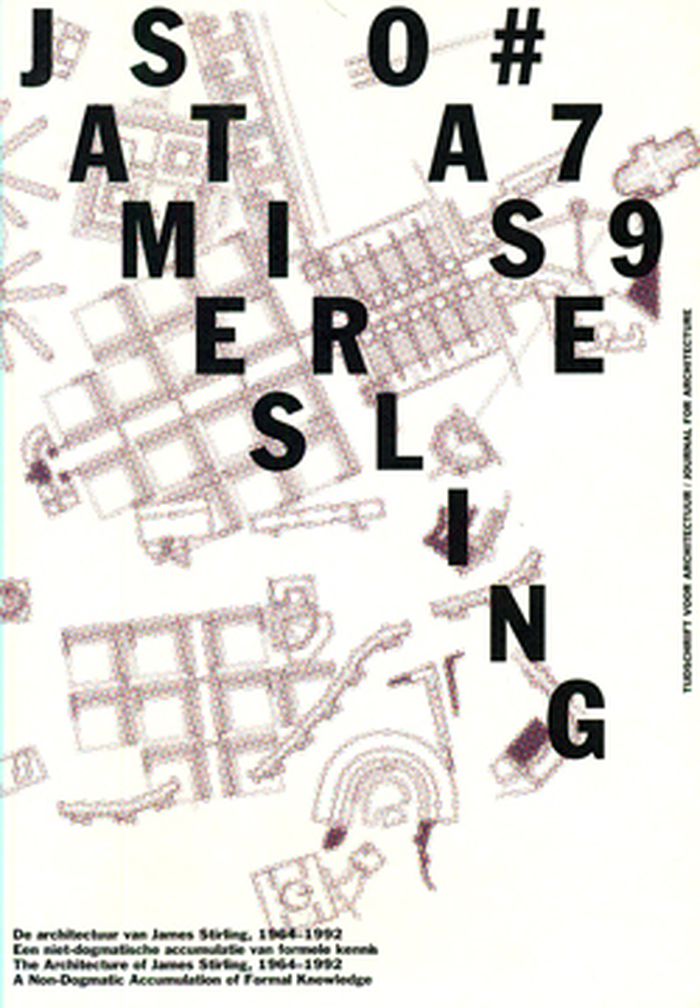
Between 1929 and 1943, an outstanding new lifestyle magazine called Die Neue Linie (“The New Line”) was published by Beyer Press in Leipzig. No other publication in this period was so consistent in bringing avant-garde typographic ideas to a mass audience, as leading graphic designers from the Bauhaus, including László Moholy-Nagy, Umbo and Herbert Bayer, steered the look of the magazine, whose contents combined fashion, literature, graphic design and art. Unembellished fonts, dynamic diagonals and dramatic use of photomontage were key to the journal's striking appearance. Its authors included Walter Gropius, Aldous Huxley, Gottfried Benn and Thomas Mann. The Bauhaus at the Newsstand illustrates the turbulent times in which the magazine appeared, reproducing spreads, statements, articles, a visual checklist of every issue and analyses of the magazine's delicate balancing act between modernism and conformity.
Bauhaus at the newsstand: Die Neue Linie 1929-1943
Actions:
Price:
$56.00
(available to order)
Summary:
Between 1929 and 1943, an outstanding new lifestyle magazine called Die Neue Linie (“The New Line”) was published by Beyer Press in Leipzig. No other publication in this period was so consistent in bringing avant-garde typographic ideas to a mass audience, as leading graphic designers from the Bauhaus, including László Moholy-Nagy, Umbo and Herbert Bayer, steered the look of the magazine, whose contents combined fashion, literature, graphic design and art. Unembellished fonts, dynamic diagonals and dramatic use of photomontage were key to the journal's striking appearance. Its authors included Walter Gropius, Aldous Huxley, Gottfried Benn and Thomas Mann. The Bauhaus at the Newsstand illustrates the turbulent times in which the magazine appeared, reproducing spreads, statements, articles, a visual checklist of every issue and analyses of the magazine's delicate balancing act between modernism and conformity.
Form:
books
books
Publication:
February 2010
February 2010
Subject:
Modernism
Modernism
Form:
books
books
Actions:
Price:
$22.95
(available to order)
Summary:
Au début des années 1950, Bagdad connaît un essor moderniste fulgurant dû aux retombées de la manne pétrolière. Sous l'impulsion d'une génération d'architectes irakiens jeunes et brillants, formés en Occident, l'Irak se bâtit à grande échelle et des concours invitent les plus grands noms de l'architecture internationale : Gio Ponti, Werner March, Walter Gropius, Frank(...)
$22.95
(available to order)
Summary:
Au début des années 1950, Bagdad connaît un essor moderniste fulgurant dû aux retombées de la manne pétrolière. Sous l'impulsion d'une génération d'architectes irakiens jeunes et brillants, formés en Occident, l'Irak se bâtit à grande échelle et des concours invitent les plus grands noms de l'architecture internationale : Gio Ponti, Werner March, Walter Gropius, Frank(...)
Title:
Le gymnase de Le Corbusier à Bagdad
Actions:
Price:
$22.95
(available to order)
Summary:
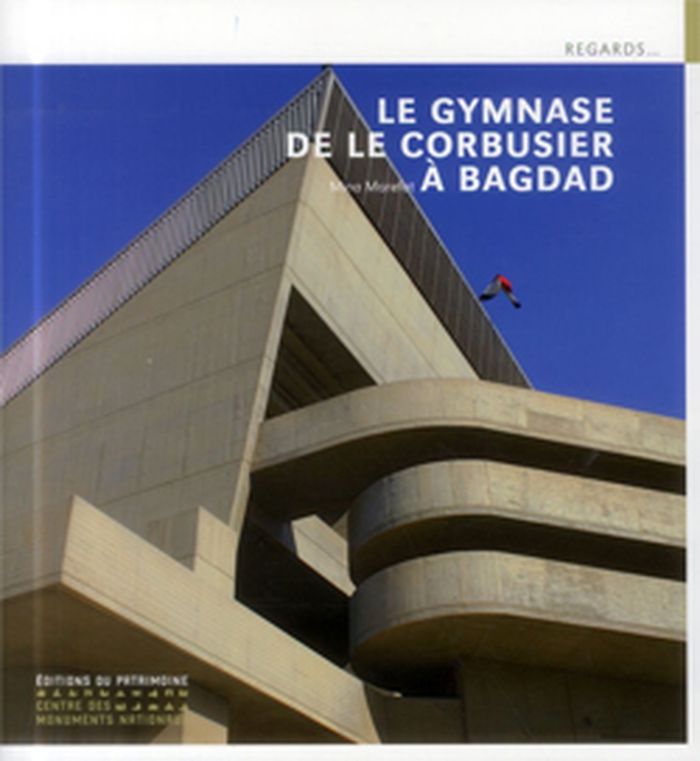
Au début des années 1950, Bagdad connaît un essor moderniste fulgurant dû aux retombées de la manne pétrolière. Sous l'impulsion d'une génération d'architectes irakiens jeunes et brillants, formés en Occident, l'Irak se bâtit à grande échelle et des concours invitent les plus grands noms de l'architecture internationale : Gio Ponti, Werner March, Walter Gropius, Frank Lloyd Wright, Alvar Aalto, Marinus Dudok, etc. En 1956, Le Corbusier se voit commander une cité olympique mais seul le gymnase, sur lequel il a travaillé en détail jusqu'à sa mort, a été terminé en 1980, selon les plans d'origine, par l'un de ses anciens collaborateurs. Le présent ouvrage dévoile cette histoire étonnante à l'aide de documents totalement inédits, anciens et récents, et montre comment, à Bagdad, ce monumental vaisseau de béton a toujours fait fonction, envers et contre tout, de double symbole : jeunesse et modernité.
Le gymnase de Le Corbusier à Bagdad
Actions:
Price:
$22.95
(available to order)
Summary:
Au début des années 1950, Bagdad connaît un essor moderniste fulgurant dû aux retombées de la manne pétrolière. Sous l'impulsion d'une génération d'architectes irakiens jeunes et brillants, formés en Occident, l'Irak se bâtit à grande échelle et des concours invitent les plus grands noms de l'architecture internationale : Gio Ponti, Werner March, Walter Gropius, Frank Lloyd Wright, Alvar Aalto, Marinus Dudok, etc. En 1956, Le Corbusier se voit commander une cité olympique mais seul le gymnase, sur lequel il a travaillé en détail jusqu'à sa mort, a été terminé en 1980, selon les plans d'origine, par l'un de ses anciens collaborateurs. Le présent ouvrage dévoile cette histoire étonnante à l'aide de documents totalement inédits, anciens et récents, et montre comment, à Bagdad, ce monumental vaisseau de béton a toujours fait fonction, envers et contre tout, de double symbole : jeunesse et modernité.
Form:
books
books
Publication:
April 2014
April 2014
Subject:
Architecture Monographs
Architecture Monographs
Form:
books
books
Title:
Le style international
Le style international
Actions:
Price:
$29.95
(available to order)
Summary:
C’est quelque temps après la célèbre exposition du Museum of Modern Art de New York « Modern Architecture : International Exhibition », qu’a paru en 1932 le livre de Henry-Russell Hitchcock et Philip Johnson "The International Style : Architecture since 1922" qui en constitue le prolongement durable. Il s’agissait de faire connaître au public américain les développements(...)
$29.95
(available to order)
Summary:
C’est quelque temps après la célèbre exposition du Museum of Modern Art de New York « Modern Architecture : International Exhibition », qu’a paru en 1932 le livre de Henry-Russell Hitchcock et Philip Johnson "The International Style : Architecture since 1922" qui en constitue le prolongement durable. Il s’agissait de faire connaître au public américain les développements(...)
Subject:
Architectural Theory
Architectural Theory
Publication:
April 2018
April 2018
Title:
Le style international
Actions:
Price:
$29.95
(available to order)
Summary:
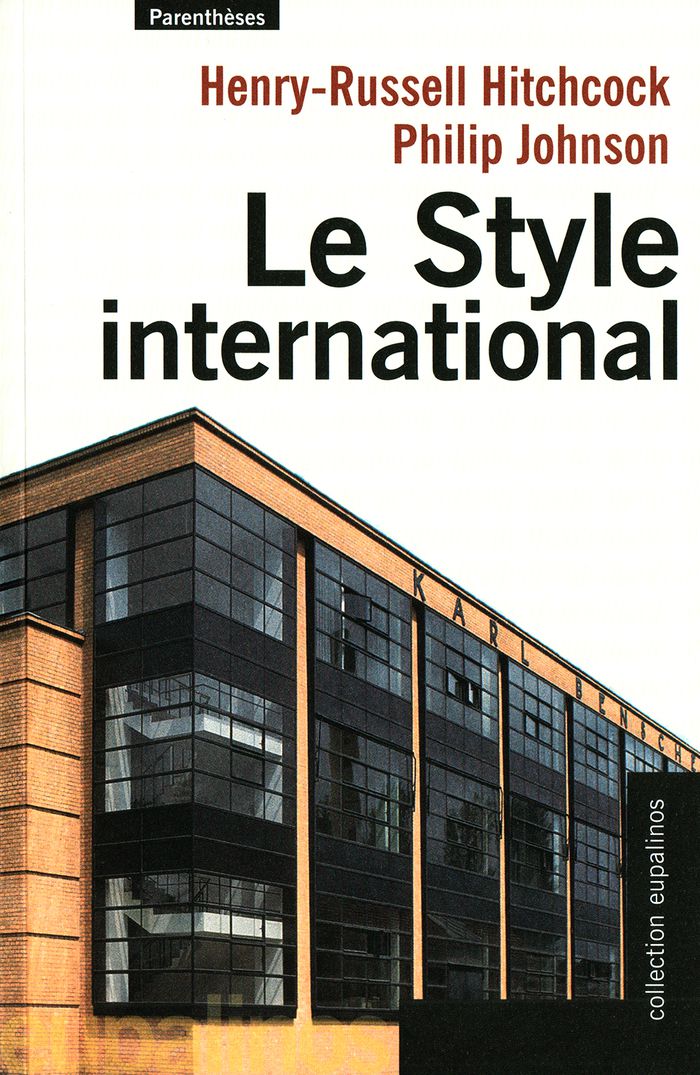
C’est quelque temps après la célèbre exposition du Museum of Modern Art de New York « Modern Architecture : International Exhibition », qu’a paru en 1932 le livre de Henry-Russell Hitchcock et Philip Johnson "The International Style : Architecture since 1922" qui en constitue le prolongement durable. Il s’agissait de faire connaître au public américain les développements récents de l’avant-garde notamment européenne ; les auteurs avaient pu observer lors de voyages les nouvelles recherches de Alvar Aalto, André Lurçat, E.G.?Asplund, Erich Mendelsohn, Erik Bryggman, Hans Scharoun, J.J.P.?Oud, Josef Albers, Le Corbusier, Marcel Breuer, Mies van der Rohe, Otto Eisler ou Walter Gropius qui le premier avait déjà réuni en 1925 les exemples récents les plus significatifs de l’architecture européenne et nord-américaine. Le projet du livre, s’attachant à illustrer et à défendre l’architecture moderne d’avant-garde, participait d’un mouvement général qui tendait à une codification architecturale.
Le style international
Actions:
Price:
$29.95
(available to order)
Summary:
C’est quelque temps après la célèbre exposition du Museum of Modern Art de New York « Modern Architecture : International Exhibition », qu’a paru en 1932 le livre de Henry-Russell Hitchcock et Philip Johnson "The International Style : Architecture since 1922" qui en constitue le prolongement durable. Il s’agissait de faire connaître au public américain les développements récents de l’avant-garde notamment européenne ; les auteurs avaient pu observer lors de voyages les nouvelles recherches de Alvar Aalto, André Lurçat, E.G.?Asplund, Erich Mendelsohn, Erik Bryggman, Hans Scharoun, J.J.P.?Oud, Josef Albers, Le Corbusier, Marcel Breuer, Mies van der Rohe, Otto Eisler ou Walter Gropius qui le premier avait déjà réuni en 1925 les exemples récents les plus significatifs de l’architecture européenne et nord-américaine. Le projet du livre, s’attachant à illustrer et à défendre l’architecture moderne d’avant-garde, participait d’un mouvement général qui tendait à une codification architecturale.
Form:
books
books
Publication:
April 2018
April 2018
Subject:
Architectural Theory
Architectural Theory
Form:
books
books
Actions:
Price:
$60.00
(available to order)
Summary:
In 1931, in response to the Great Depression and subsequent collapse of the building industry, Martin Wagner (1885–1957), then head of planning for Berlin, formulated plans for an adaptable micro-house called “the growing house.” Working with Egon Eiermann, Walter Gropius, Ludwig Hilberseimer, Erich Mendelssohn, Hans Poelzig and Hans Scharoun, the growing house was(...)
$60.00
(available to order)
Summary:
In 1931, in response to the Great Depression and subsequent collapse of the building industry, Martin Wagner (1885–1957), then head of planning for Berlin, formulated plans for an adaptable micro-house called “the growing house.” Working with Egon Eiermann, Walter Gropius, Ludwig Hilberseimer, Erich Mendelssohn, Hans Poelzig and Hans Scharoun, the growing house was(...)
Subject:
Collective Housing
Collective Housing
Publication:
June 2016
June 2016
Title:
Martin Wagner: the Growing House / Das wachsende Haus
Actions:
Price:
$60.00
(available to order)
Summary:
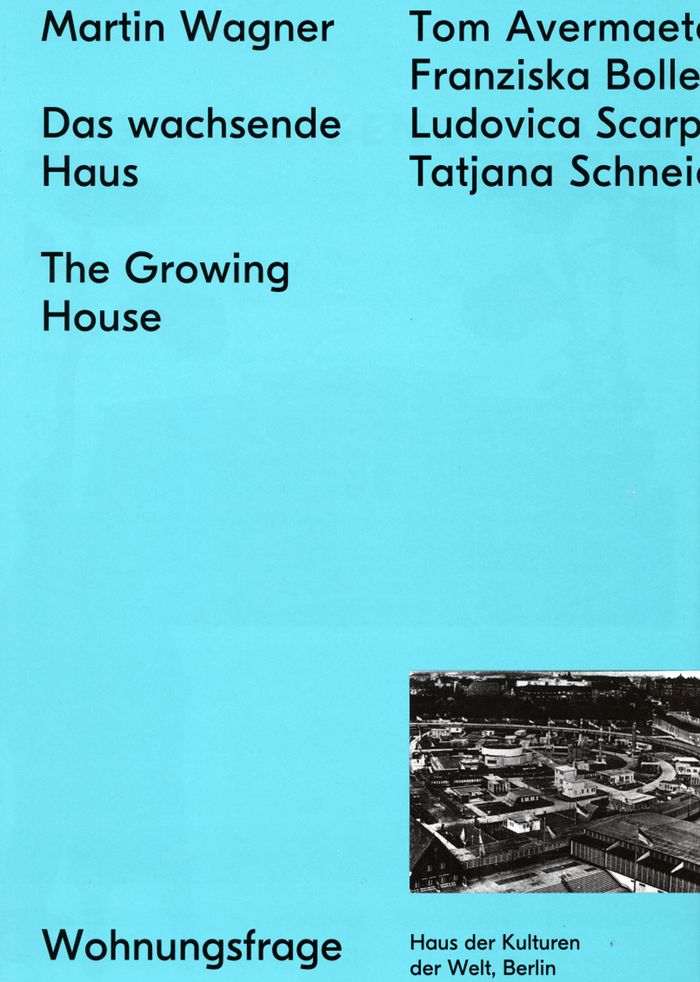
In 1931, in response to the Great Depression and subsequent collapse of the building industry, Martin Wagner (1885–1957), then head of planning for Berlin, formulated plans for an adaptable micro-house called “the growing house.” Working with Egon Eiermann, Walter Gropius, Ludwig Hilberseimer, Erich Mendelssohn, Hans Poelzig and Hans Scharoun, the growing house was designed to be modified with the changing socioeconomic circumstances of its inhabitants, providing only what was necessary and expedient. Wagner’s coruscating foreword outlining his proposals for a new social, technical and economic fabric shifting the dwelling to the center of the world is published here for the first time. Historical and contemporary black-and-white and color illustrations, drawings, plans and photographs of the prototype are accompanied by commentary from Franziska Bollerey, Ludovica Scarpa, Tom Avermaete and Tatjana Schneider, demonstrating that the growing house is as relevant today as it was 100 years ago.
Martin Wagner: the Growing House / Das wachsende Haus
Actions:
Price:
$60.00
(available to order)
Summary:
In 1931, in response to the Great Depression and subsequent collapse of the building industry, Martin Wagner (1885–1957), then head of planning for Berlin, formulated plans for an adaptable micro-house called “the growing house.” Working with Egon Eiermann, Walter Gropius, Ludwig Hilberseimer, Erich Mendelssohn, Hans Poelzig and Hans Scharoun, the growing house was designed to be modified with the changing socioeconomic circumstances of its inhabitants, providing only what was necessary and expedient. Wagner’s coruscating foreword outlining his proposals for a new social, technical and economic fabric shifting the dwelling to the center of the world is published here for the first time. Historical and contemporary black-and-white and color illustrations, drawings, plans and photographs of the prototype are accompanied by commentary from Franziska Bollerey, Ludovica Scarpa, Tom Avermaete and Tatjana Schneider, demonstrating that the growing house is as relevant today as it was 100 years ago.
Form:
books
books
Publication:
June 2016
June 2016
Subject:
Collective Housing
Collective Housing
Form:
books
books
Actions:
Price:
$45.95
(available to order)
Summary:
This lively and authoritative book explores the influence of the Bauhaus and modernism on typography and book design. Alan Bartram examines work by such key figures as Max Bill, F. T. Marinetti, El Lissitzky, László Moholy-Nagy, Jan Tschichold, and Paul Rand. All of the carefully chosen examples, some of which have not been previously reproduced, clearly demonstrate the(...)
$45.95
(available to order)
Summary:
This lively and authoritative book explores the influence of the Bauhaus and modernism on typography and book design. Alan Bartram examines work by such key figures as Max Bill, F. T. Marinetti, El Lissitzky, László Moholy-Nagy, Jan Tschichold, and Paul Rand. All of the carefully chosen examples, some of which have not been previously reproduced, clearly demonstrate the(...)
Title:
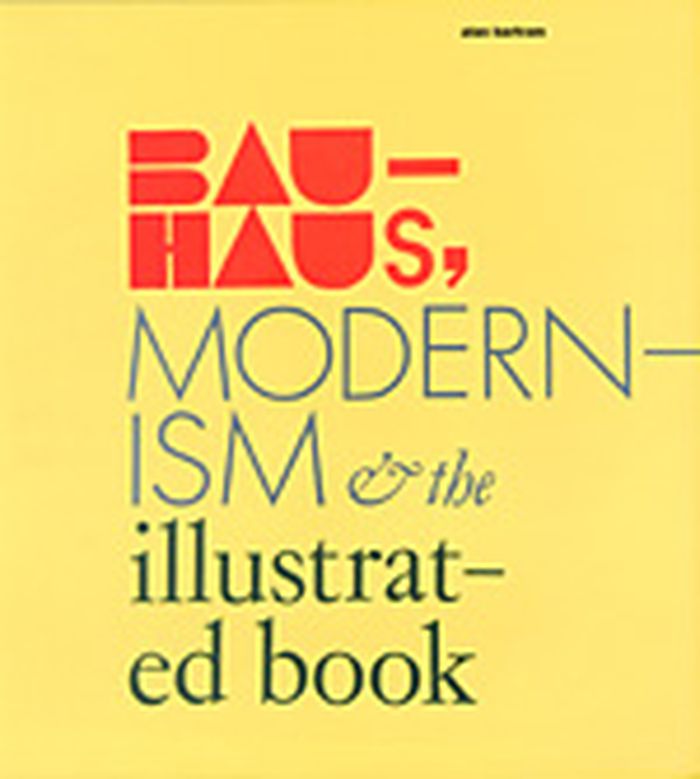
Bauhaus, modernism & the illustrated book
Actions:
Price:
$45.95
(available to order)
Summary:
This lively and authoritative book explores the influence of the Bauhaus and modernism on typography and book design. Alan Bartram examines work by such key figures as Max Bill, F. T. Marinetti, El Lissitzky, László Moholy-Nagy, Jan Tschichold, and Paul Rand. All of the carefully chosen examples, some of which have not been previously reproduced, clearly demonstrate the modernist revolution that took place in graphic design. In an informative introductory essay, Bartram surveys the German art and design school known as the Bauhaus. Under Walter Gropius, the Bauhaus intended to create an academic, theoretical, and practical synthesis of all forms of visual expression, a marrying of art, architecture, industry, and design that had never been attempted before. Although the Bauhaus existed for only fourteen years, from 1920 to 1934, Bartram asserts that its philosophy influenced the appearance of almost every kind of modernist artifact throughout the twentieth century and continues to do so today.
Bauhaus, modernism & the illustrated book
Actions:
Price:
$45.95
(available to order)
Summary:
This lively and authoritative book explores the influence of the Bauhaus and modernism on typography and book design. Alan Bartram examines work by such key figures as Max Bill, F. T. Marinetti, El Lissitzky, László Moholy-Nagy, Jan Tschichold, and Paul Rand. All of the carefully chosen examples, some of which have not been previously reproduced, clearly demonstrate the modernist revolution that took place in graphic design. In an informative introductory essay, Bartram surveys the German art and design school known as the Bauhaus. Under Walter Gropius, the Bauhaus intended to create an academic, theoretical, and practical synthesis of all forms of visual expression, a marrying of art, architecture, industry, and design that had never been attempted before. Although the Bauhaus existed for only fourteen years, from 1920 to 1934, Bartram asserts that its philosophy influenced the appearance of almost every kind of modernist artifact throughout the twentieth century and continues to do so today.
Form:
books
books
Publication:
April 2004, London
April 2004, London
Subject:
Book Design
Book Design
Form:
books
books
Actions:
Price:
$67.50
(available to order)
Summary:
Founded in North Carolina in 1933, Black Mountain College ranks alongside the Bauhaus as one of the most innovative schools of the 20th century. Inspired by the forward-thinking pedagogical ideas of philosopher John Dewey, the experimental, interdisciplinary college combined the ideas of radical European modernism with the philosophy of American pragmatism and teaching(...)
$67.50
(available to order)
Summary:
Founded in North Carolina in 1933, Black Mountain College ranks alongside the Bauhaus as one of the most innovative schools of the 20th century. Inspired by the forward-thinking pedagogical ideas of philosopher John Dewey, the experimental, interdisciplinary college combined the ideas of radical European modernism with the philosophy of American pragmatism and teaching(...)
Title:
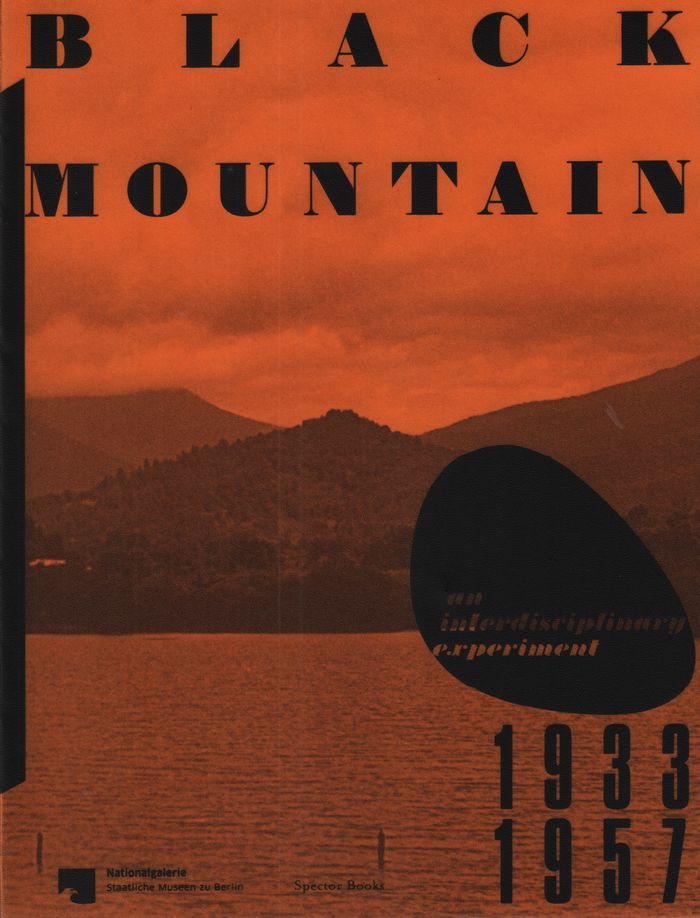
Black Mountain: an interdisciplinary experiment 1933-1957
Actions:
Price:
$67.50
(available to order)
Summary:
Founded in North Carolina in 1933, Black Mountain College ranks alongside the Bauhaus as one of the most innovative schools of the 20th century. Inspired by the forward-thinking pedagogical ideas of philosopher John Dewey, the experimental, interdisciplinary college combined the ideas of radical European modernism with the philosophy of American pragmatism and teaching methods designed to encourage personal initiative as well as the social competence of the individual. Visual arts, economics, physics, dance, architecture and music were all taught on an equal footing, and teachers and students lived together in a democratically organized community. The second director of the school was Josef Albers, and John Cage, Merce Cunningham, Buckminster Fuller, Walter Gropius, Franz Kline and Charles Olson were among its teachers. As a result, the college played a foundational role in the development of a range of avant-garde practices, and exerted an enormous influence on the development of the arts in the second half of the 20th century.
Black Mountain: an interdisciplinary experiment 1933-1957
Actions:
Price:
$67.50
(available to order)
Summary:
Founded in North Carolina in 1933, Black Mountain College ranks alongside the Bauhaus as one of the most innovative schools of the 20th century. Inspired by the forward-thinking pedagogical ideas of philosopher John Dewey, the experimental, interdisciplinary college combined the ideas of radical European modernism with the philosophy of American pragmatism and teaching methods designed to encourage personal initiative as well as the social competence of the individual. Visual arts, economics, physics, dance, architecture and music were all taught on an equal footing, and teachers and students lived together in a democratically organized community. The second director of the school was Josef Albers, and John Cage, Merce Cunningham, Buckminster Fuller, Walter Gropius, Franz Kline and Charles Olson were among its teachers. As a result, the college played a foundational role in the development of a range of avant-garde practices, and exerted an enormous influence on the development of the arts in the second half of the 20th century.
Form:
books
books
Publication:
December 2019
December 2019
Subject:
Art Theory
Art Theory
Form:
books
books
Actions:
Price:
$62.00
(available to order)
Summary:
This book presents an essential selection from the portfolio of Emilio Duhart H. (1917-2006), a pivotal figure in Chilean architecture. Interweaving episodes from his life and work with the expansion of the modern movement as a global phenomenon, this chronicle places Duhart at the center of an ongoing dialogue between the universal precepts of modernism and the(...)
$62.00
(available to order)
Summary:
This book presents an essential selection from the portfolio of Emilio Duhart H. (1917-2006), a pivotal figure in Chilean architecture. Interweaving episodes from his life and work with the expansion of the modern movement as a global phenomenon, this chronicle places Duhart at the center of an ongoing dialogue between the universal precepts of modernism and the(...)
Title:
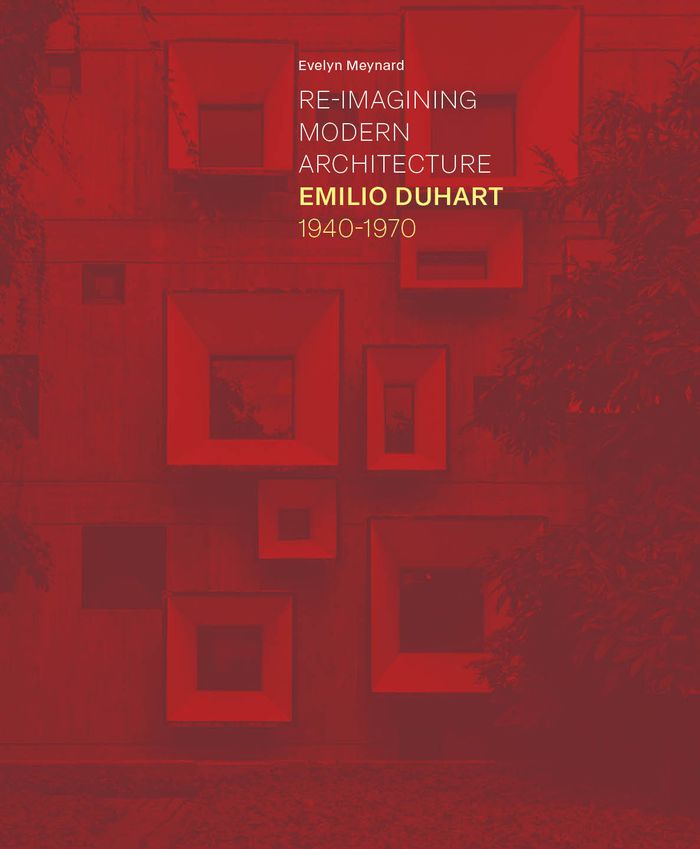
Re-imagining modern architecture: Emilio Duhart, 1940-1970
Actions:
Price:
$62.00
(available to order)
Summary:
This book presents an essential selection from the portfolio of Emilio Duhart H. (1917-2006), a pivotal figure in Chilean architecture. Interweaving episodes from his life and work with the expansion of the modern movement as a global phenomenon, this chronicle places Duhart at the center of an ongoing dialogue between the universal precepts of modernism and the specificities of the Chilean cultural landscape. From his early contact with Walter Gropius in the 1940s to his collaboration with Le Corbusier in the 1950s, Duhart crafted an architectural narrative that not only adopted the ideas of modernism but transformed them, translating them into a language deeply tied to the local circumstances. Duhart’s personal and professional trajectory offers a fascinating perspective for understanding the global expansion of modern architecture, exploring themes central to its dissemination, such as migration, education, social class, housing, and urban challenges. In this light, his life and work are presented as a matrix rich in connections, capable of dialogue with other emblematic cases worldwide.
Re-imagining modern architecture: Emilio Duhart, 1940-1970
Actions:
Price:
$62.00
(available to order)
Summary:
This book presents an essential selection from the portfolio of Emilio Duhart H. (1917-2006), a pivotal figure in Chilean architecture. Interweaving episodes from his life and work with the expansion of the modern movement as a global phenomenon, this chronicle places Duhart at the center of an ongoing dialogue between the universal precepts of modernism and the specificities of the Chilean cultural landscape. From his early contact with Walter Gropius in the 1940s to his collaboration with Le Corbusier in the 1950s, Duhart crafted an architectural narrative that not only adopted the ideas of modernism but transformed them, translating them into a language deeply tied to the local circumstances. Duhart’s personal and professional trajectory offers a fascinating perspective for understanding the global expansion of modern architecture, exploring themes central to its dissemination, such as migration, education, social class, housing, and urban challenges. In this light, his life and work are presented as a matrix rich in connections, capable of dialogue with other emblematic cases worldwide.
Form:
books
books
Publication:
September 2025
September 2025
Subject:
Architecture Monographs
Architecture Monographs
Actions:
Price:
$178.00
(available to order)
Summary:
Beginning in the 1940s, John A. Russell, dean of the School of Architecture at the University of Manitoba, nurtured a strong tradition of Modernist design with close connections to architectural giants such as Mies van der Rohe and Walter Gropius. Under Russell’s guidance, a generation of young architects, such as James Donahue and David Thordarson, adapted the principles(...)
$178.00
(available to order)
Summary:
Beginning in the 1940s, John A. Russell, dean of the School of Architecture at the University of Manitoba, nurtured a strong tradition of Modernist design with close connections to architectural giants such as Mies van der Rohe and Walter Gropius. Under Russell’s guidance, a generation of young architects, such as James Donahue and David Thordarson, adapted the principles(...)
Title:
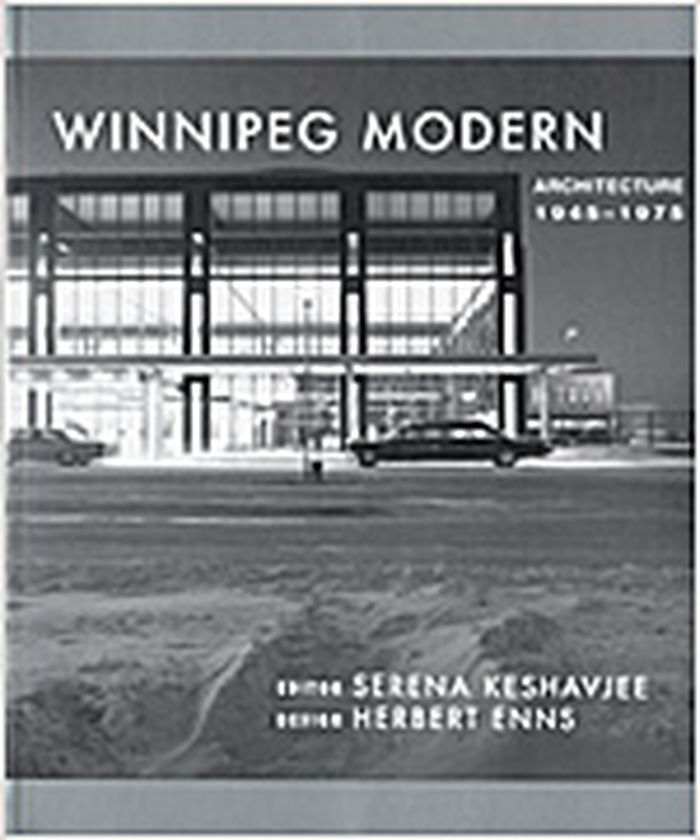
Winnipeg modern: architecture, 1945-1975
Actions:
Price:
$178.00
(available to order)
Summary:
Beginning in the 1940s, John A. Russell, dean of the School of Architecture at the University of Manitoba, nurtured a strong tradition of Modernist design with close connections to architectural giants such as Mies van der Rohe and Walter Gropius. Under Russell’s guidance, a generation of young architects, such as James Donahue and David Thordarson, adapted the principles of European Modernism to the prairie geography. Other nationally renowned architects, such as Etienne Gaboury and Gustavo da Roza, also left a lasting Modernist mark on Winnipeg’s skyline and private residences. Designed by architect Herbert Enns, "Winnipeg Modern" captures the grace and beauty of the Modernist period and includes critical and historical essays on the aesthetic and social project of Modernist architecture in Winnipeg. Illustrated with 240 photographs from local and national archives, the private archives of architect Henry Kalen, and contemporary photographer Martin Tessler, this book is a testament to the Modernist principles of structural expression and purity of form.
Winnipeg modern: architecture, 1945-1975
Actions:
Price:
$178.00
(available to order)
Summary:
Beginning in the 1940s, John A. Russell, dean of the School of Architecture at the University of Manitoba, nurtured a strong tradition of Modernist design with close connections to architectural giants such as Mies van der Rohe and Walter Gropius. Under Russell’s guidance, a generation of young architects, such as James Donahue and David Thordarson, adapted the principles of European Modernism to the prairie geography. Other nationally renowned architects, such as Etienne Gaboury and Gustavo da Roza, also left a lasting Modernist mark on Winnipeg’s skyline and private residences. Designed by architect Herbert Enns, "Winnipeg Modern" captures the grace and beauty of the Modernist period and includes critical and historical essays on the aesthetic and social project of Modernist architecture in Winnipeg. Illustrated with 240 photographs from local and national archives, the private archives of architect Henry Kalen, and contemporary photographer Martin Tessler, this book is a testament to the Modernist principles of structural expression and purity of form.
Publication:
January 2006, Winnipeg
January 2006, Winnipeg
Subject:
Architecture in Canada
Architecture in Canada
Form:
books
books
Actions:
Price:
$75.00
(available to order)
Summary:
The Bauhaus, the school of art and design founded in Germany in 1919 and shut down by the Nazis in 1933, brought together artists, architects and designers--among them Anni and Josef Albers, Herbert Bayer, Marcel Breuer, Lyonel Feininger, Walter Gropius, Johannes Itten, Vasily Kandinsky, Paul Klee, Laszlo Moholy-Nagy, Lilly Reich, Oskar Schlemmer, Gunta Stolzl--in an(...)
$75.00
(available to order)
Summary:
The Bauhaus, the school of art and design founded in Germany in 1919 and shut down by the Nazis in 1933, brought together artists, architects and designers--among them Anni and Josef Albers, Herbert Bayer, Marcel Breuer, Lyonel Feininger, Walter Gropius, Johannes Itten, Vasily Kandinsky, Paul Klee, Laszlo Moholy-Nagy, Lilly Reich, Oskar Schlemmer, Gunta Stolzl--in an(...)
Title:
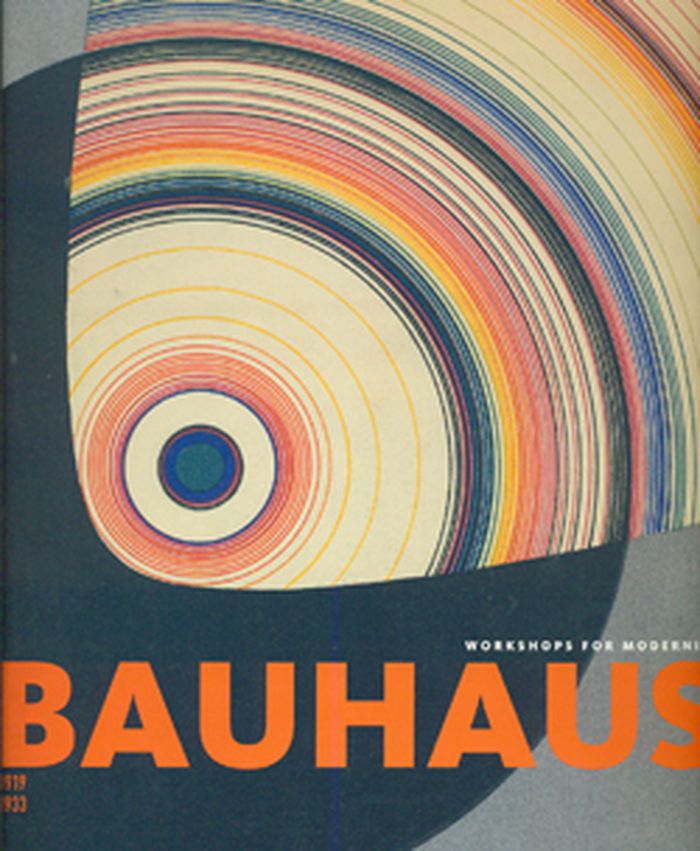
Bauhaus 1919-1933: workshops for modernity
Actions:
Price:
$75.00
(available to order)
Summary:
The Bauhaus, the school of art and design founded in Germany in 1919 and shut down by the Nazis in 1933, brought together artists, architects and designers--among them Anni and Josef Albers, Herbert Bayer, Marcel Breuer, Lyonel Feininger, Walter Gropius, Johannes Itten, Vasily Kandinsky, Paul Klee, Laszlo Moholy-Nagy, Lilly Reich, Oskar Schlemmer, Gunta Stolzl--in an extraordinary conversation on the nature of art in the industrial age. Bauhaus 1919-1933: Workshops for Modernity, published to accompany a major multimedia exhibition offers a new generational perspective on the twentieth century's most influential experiment in artistic education. Organized in collaboration with the three major Bauhaus collections in Germany, this book examines the extraordinarily broad spectrum of the school's products, including industrial design, furniture, architecture, graphics, photography, textiles, ceramics, theater and costume design, painting and sculpture. Many of the objects discussed and illustrated here have rarely if ever been seen or published outside Germany.
Bauhaus 1919-1933: workshops for modernity
Actions:
Price:
$75.00
(available to order)
Summary:
The Bauhaus, the school of art and design founded in Germany in 1919 and shut down by the Nazis in 1933, brought together artists, architects and designers--among them Anni and Josef Albers, Herbert Bayer, Marcel Breuer, Lyonel Feininger, Walter Gropius, Johannes Itten, Vasily Kandinsky, Paul Klee, Laszlo Moholy-Nagy, Lilly Reich, Oskar Schlemmer, Gunta Stolzl--in an extraordinary conversation on the nature of art in the industrial age. Bauhaus 1919-1933: Workshops for Modernity, published to accompany a major multimedia exhibition offers a new generational perspective on the twentieth century's most influential experiment in artistic education. Organized in collaboration with the three major Bauhaus collections in Germany, this book examines the extraordinarily broad spectrum of the school's products, including industrial design, furniture, architecture, graphics, photography, textiles, ceramics, theater and costume design, painting and sculpture. Many of the objects discussed and illustrated here have rarely if ever been seen or published outside Germany.
Form:
books
books
Publication:
November 2009
November 2009
Subject:
Modernism
Modernism
Form:
books
books
Price:
$59.95
(available to order)
Summary:
En avril 1919, Walter Gropius signe le prologue du Manifeste qui ratifie la fondation du Bauhaus de Weimar, apogée du rationalisme européen et en même temps naissance du design moderne. Certes, le dessin industriel était né au XIXe siècle, mais c'est à partir du Bauhaus, extraordinaire vivier de talents et d'idées, que s'est affirmée l'idée que l'art peut faire(...)
$59.95
(available to order)
Summary:
En avril 1919, Walter Gropius signe le prologue du Manifeste qui ratifie la fondation du Bauhaus de Weimar, apogée du rationalisme européen et en même temps naissance du design moderne. Certes, le dessin industriel était né au XIXe siècle, mais c'est à partir du Bauhaus, extraordinaire vivier de talents et d'idées, que s'est affirmée l'idée que l'art peut faire(...)
Title:
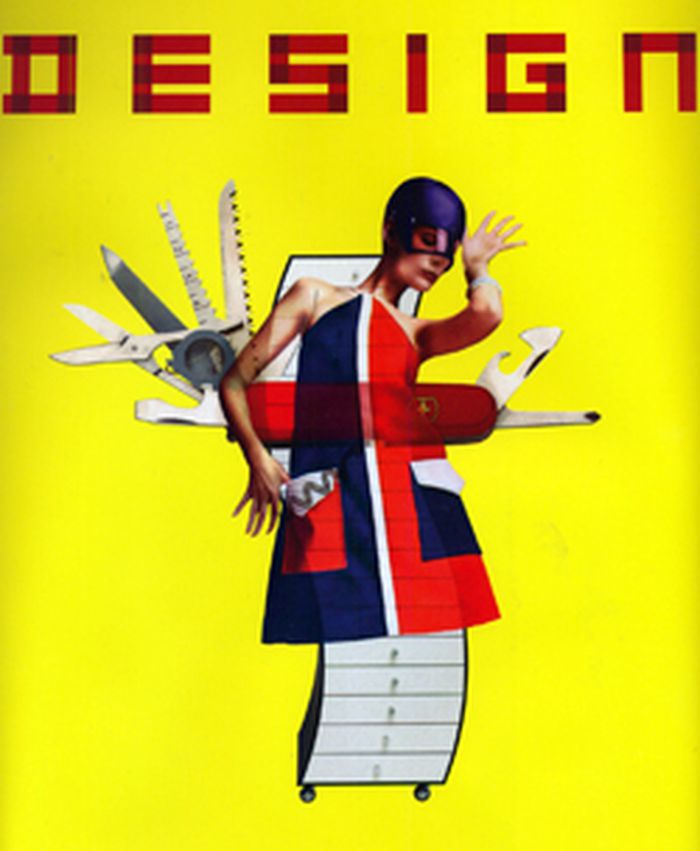
Design
Actions:
Price:
$59.95
(available to order)
Summary:
En avril 1919, Walter Gropius signe le prologue du Manifeste qui ratifie la fondation du Bauhaus de Weimar, apogée du rationalisme européen et en même temps naissance du design moderne. Certes, le dessin industriel était né au XIXe siècle, mais c'est à partir du Bauhaus, extraordinaire vivier de talents et d'idées, que s'est affirmée l'idée que l'art peut faire joyeusement irruption dans la vie quotidienne, dans les gestes, dans les choses plus ou moins utiles, devenant ainsi accessible à tous. L'amélioration continue des processus de production, l'élargissement rapide et prometteur des marchés ont par la suite contribué à la diffusion du design, dont le but est de produire en grande quantité et à des prix modiques des objets, machines, meubles et autres ustensiles à la fois esthétiques et fonctionnels. Cet ouvrage offre un témoignage éclatant de cette évolution, à travers plus de 600 créations emblématiques de la Belle Epoque à nos jours.
Design
Actions:
Price:
$59.95
(available to order)
Summary:
En avril 1919, Walter Gropius signe le prologue du Manifeste qui ratifie la fondation du Bauhaus de Weimar, apogée du rationalisme européen et en même temps naissance du design moderne. Certes, le dessin industriel était né au XIXe siècle, mais c'est à partir du Bauhaus, extraordinaire vivier de talents et d'idées, que s'est affirmée l'idée que l'art peut faire joyeusement irruption dans la vie quotidienne, dans les gestes, dans les choses plus ou moins utiles, devenant ainsi accessible à tous. L'amélioration continue des processus de production, l'élargissement rapide et prometteur des marchés ont par la suite contribué à la diffusion du design, dont le but est de produire en grande quantité et à des prix modiques des objets, machines, meubles et autres ustensiles à la fois esthétiques et fonctionnels. Cet ouvrage offre un témoignage éclatant de cette évolution, à travers plus de 600 créations emblématiques de la Belle Epoque à nos jours.
Form:
books
books
Publication:
December 2009
December 2009
Subject:
Industrial Design
Industrial Design


