


6299 Results
Form:
books
books
Title:
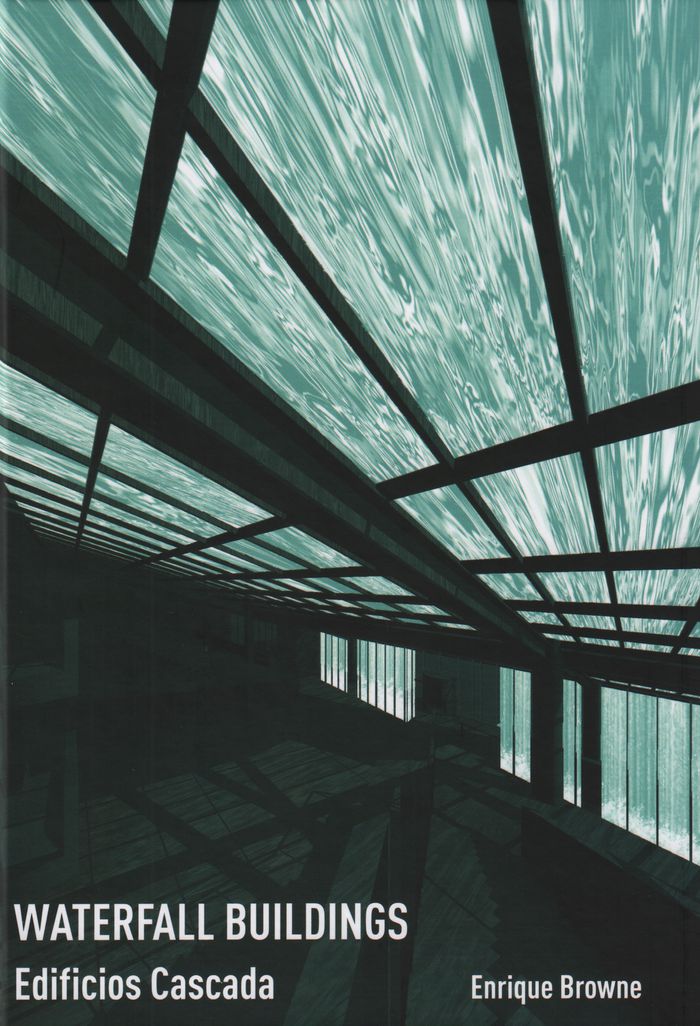
Waterfall buildings
Waterfall buildings
Actions:
Price:
$26.95
(available in store)
Summary:
We know that the vast majority of the Earth's surface is water. Unfortunately, 97.3% is salty, and only 2.7% is sweet. Of the latter, only a small fraction is available for domestic, agricultural, or industrial consumption, since the rest is in glaciers or underground layers that are too deep. An even smaller fraction is safe and drinkable. This text concentrates on fresh(...)
$26.95
(available in store)
Summary:
We know that the vast majority of the Earth's surface is water. Unfortunately, 97.3% is salty, and only 2.7% is sweet. Of the latter, only a small fraction is available for domestic, agricultural, or industrial consumption, since the rest is in glaciers or underground layers that are too deep. An even smaller fraction is safe and drinkable. This text concentrates on fresh(...)
Title:
Waterfall buildings
Actions:
Price:
$26.95
(available in store)
Summary:
We know that the vast majority of the Earth's surface is water. Unfortunately, 97.3% is salty, and only 2.7% is sweet. Of the latter, only a small fraction is available for domestic, agricultural, or industrial consumption, since the rest is in glaciers or underground layers that are too deep. An even smaller fraction is safe and drinkable. This text concentrates on fresh water, making brief allusions to the salty water of seas and oceans, because it is indispensable for life.
Waterfall buildings
Actions:
Price:
$26.95
(available in store)
Summary:
We know that the vast majority of the Earth's surface is water. Unfortunately, 97.3% is salty, and only 2.7% is sweet. Of the latter, only a small fraction is available for domestic, agricultural, or industrial consumption, since the rest is in glaciers or underground layers that are too deep. An even smaller fraction is safe and drinkable. This text concentrates on fresh water, making brief allusions to the salty water of seas and oceans, because it is indispensable for life.
Form:
books
books
Publication:
January 2018
January 2018
Subject:
Architecture Monographs
Architecture Monographs
Form:
books
books
Title:
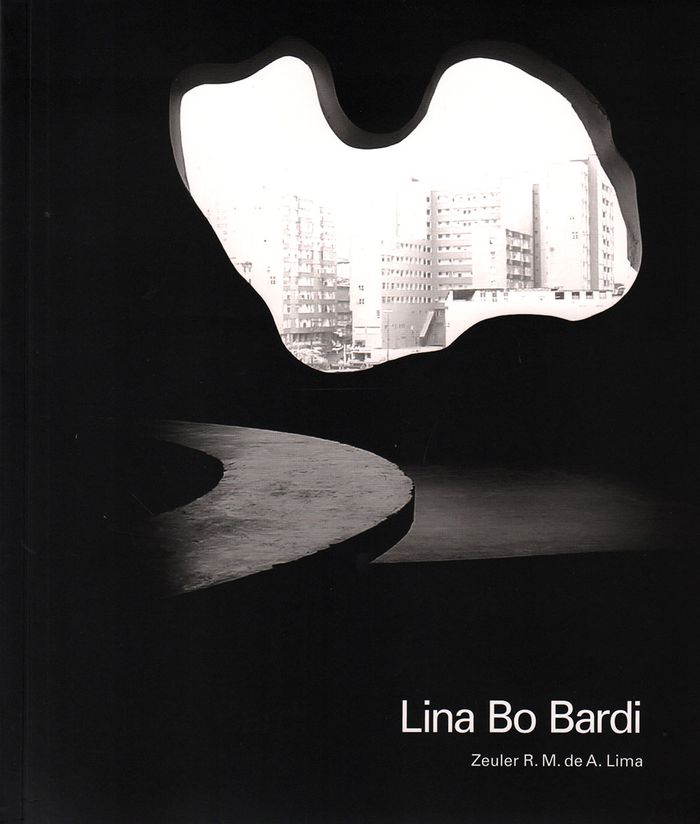
Lina Bo Bardi
Lina Bo Bardi
Actions:
Price:
$55.95
(available to order)
Summary:
One of the most important architects of the twentieth century, Lina Bo Bardi (1914–1992) was remarkably prolific and intriguingly idiosyncratic. A participant in the efforts to reshape Italian culture in her youth, Bo Bardi immigrated to Brazil in 1946, where her practice evolved within the social and cultural realities of her adopted country. While she continued to work(...)
$55.95
(available to order)
Summary:
One of the most important architects of the twentieth century, Lina Bo Bardi (1914–1992) was remarkably prolific and intriguingly idiosyncratic. A participant in the efforts to reshape Italian culture in her youth, Bo Bardi immigrated to Brazil in 1946, where her practice evolved within the social and cultural realities of her adopted country. While she continued to work(...)
Title:
Lina Bo Bardi
Actions:
Price:
$55.95
(available to order)
Summary:
One of the most important architects of the twentieth century, Lina Bo Bardi (1914–1992) was remarkably prolific and intriguingly idiosyncratic. A participant in the efforts to reshape Italian culture in her youth, Bo Bardi immigrated to Brazil in 1946, where her practice evolved within the social and cultural realities of her adopted country. While she continued to work with industrial materials, she added simple building techniques and naturalistic forms to her designs, striving to create large, multiuse spaces that promoted public life.
Lina Bo Bardi
Actions:
Price:
$55.95
(available to order)
Summary:
One of the most important architects of the twentieth century, Lina Bo Bardi (1914–1992) was remarkably prolific and intriguingly idiosyncratic. A participant in the efforts to reshape Italian culture in her youth, Bo Bardi immigrated to Brazil in 1946, where her practice evolved within the social and cultural realities of her adopted country. While she continued to work with industrial materials, she added simple building techniques and naturalistic forms to her designs, striving to create large, multiuse spaces that promoted public life.
Form:
books
books
Publication:
February 2019
February 2019
Subject:
Architecture Monographs
Architecture Monographs
Form:
books
books
Actions:
Price:
$36.95
(available to order)
Summary:
Outside the Box: Cardboard Design Now reconfigures the conception of a generic industrial material into one of myriad artistic, creative, and practical purposes and potential, revealing just how far it is possible to push the medium by the way of contemporary design. Drawing on historical and traditional approaches, Outside the Box: Cardboard Design Now charts the(...)
$36.95
(available to order)
Summary:
Outside the Box: Cardboard Design Now reconfigures the conception of a generic industrial material into one of myriad artistic, creative, and practical purposes and potential, revealing just how far it is possible to push the medium by the way of contemporary design. Drawing on historical and traditional approaches, Outside the Box: Cardboard Design Now charts the(...)
Subject:
Paper and packaging design
Paper and packaging design
Publication:
March 2011
March 2011
Title:
Outside the box: Cardboard design now
Actions:
Price:
$36.95
(available to order)
Summary:
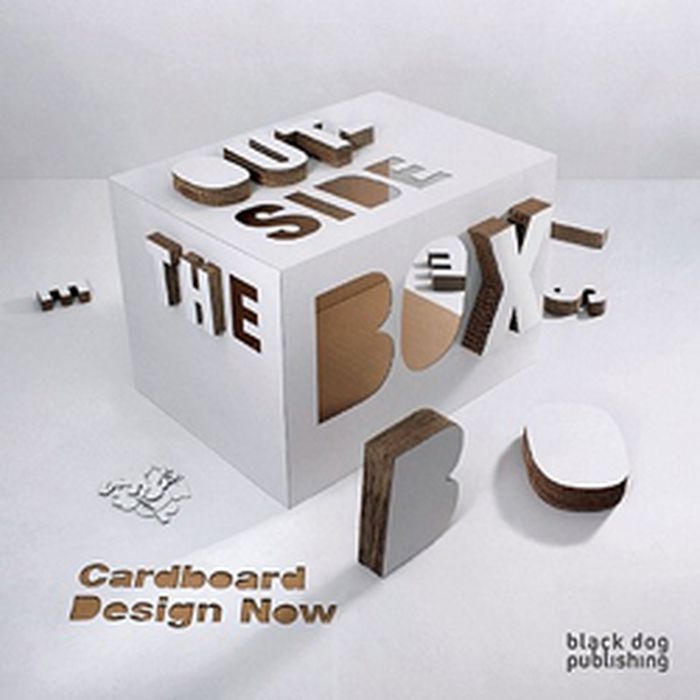
Outside the Box: Cardboard Design Now reconfigures the conception of a generic industrial material into one of myriad artistic, creative, and practical purposes and potential, revealing just how far it is possible to push the medium by the way of contemporary design. Drawing on historical and traditional approaches, Outside the Box: Cardboard Design Now charts the medium’s evolution through to modern practices, profiling some of today’s most inspirational and provocative artists and designers working across the fields of art, design and sculpture.
Outside the box: Cardboard design now
Actions:
Price:
$36.95
(available to order)
Summary:
Outside the Box: Cardboard Design Now reconfigures the conception of a generic industrial material into one of myriad artistic, creative, and practical purposes and potential, revealing just how far it is possible to push the medium by the way of contemporary design. Drawing on historical and traditional approaches, Outside the Box: Cardboard Design Now charts the medium’s evolution through to modern practices, profiling some of today’s most inspirational and provocative artists and designers working across the fields of art, design and sculpture.
Form:
books
books
Publication:
March 2011
March 2011
Subject:
Paper and packaging design
Paper and packaging design
Form:
books
books
Actions:
Price:
$78.00
(available to order)
Summary:
This book is a biography of the friendship between Buckminster Fuller and Isamu Noguchi. Fuller's development of his Dymaxion Map and Car, and Geodesic geometry, are discussed in detail as is Noguchi's multifaceted career as sculptor, landscape architect, industrial designer, dance-set designer, and artist without borders who challenged the artificial opposition between(...)
$78.00
(available to order)
Summary:
This book is a biography of the friendship between Buckminster Fuller and Isamu Noguchi. Fuller's development of his Dymaxion Map and Car, and Geodesic geometry, are discussed in detail as is Noguchi's multifaceted career as sculptor, landscape architect, industrial designer, dance-set designer, and artist without borders who challenged the artificial opposition between(...)
Title:
Buckminster Fuller and Isamu Noguchi: Best of friends
Actions:
Price:
$78.00
(available to order)
Summary:
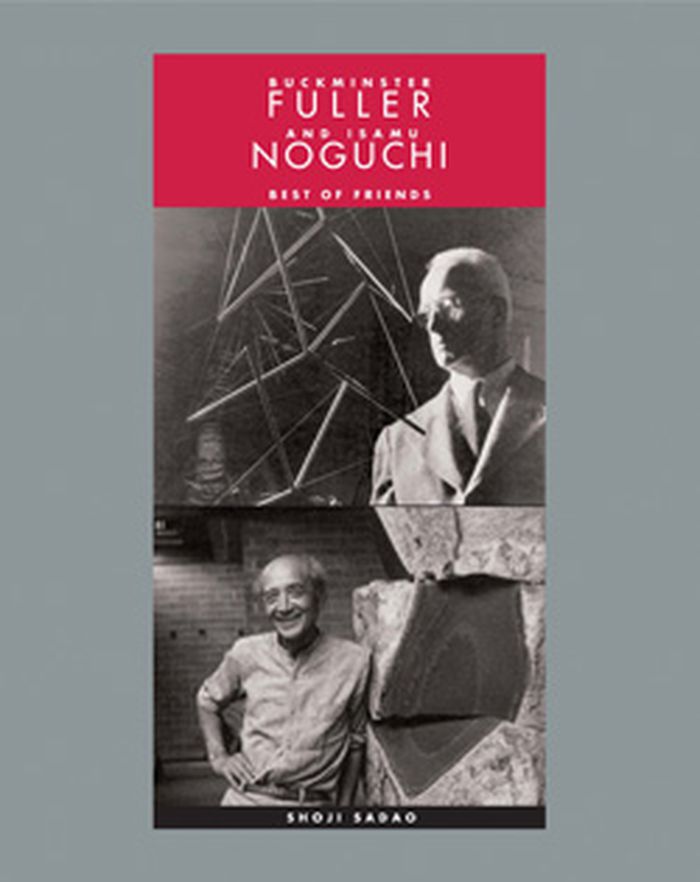
This book is a biography of the friendship between Buckminster Fuller and Isamu Noguchi. Fuller's development of his Dymaxion Map and Car, and Geodesic geometry, are discussed in detail as is Noguchi's multifaceted career as sculptor, landscape architect, industrial designer, dance-set designer, and artist without borders who challenged the artificial opposition between the fine and applied arts. Author Shoji Sadao, who was friend and business partner to both, chronicles the respect, affection, and support they had for one another.
Buckminster Fuller and Isamu Noguchi: Best of friends
Actions:
Price:
$78.00
(available to order)
Summary:
This book is a biography of the friendship between Buckminster Fuller and Isamu Noguchi. Fuller's development of his Dymaxion Map and Car, and Geodesic geometry, are discussed in detail as is Noguchi's multifaceted career as sculptor, landscape architect, industrial designer, dance-set designer, and artist without borders who challenged the artificial opposition between the fine and applied arts. Author Shoji Sadao, who was friend and business partner to both, chronicles the respect, affection, and support they had for one another.
Form:
books
books
Publication:
March 2011
March 2011
Subject:
Architecture Monographs
Architecture Monographs
Form:
books
books
Title:
Spacesuit: fashioning apollo
Spacesuit: fashioning apollo
Actions:
Price:
$55.00
(available to order)
Summary:
When Neil Armstrong and Buzz Aldrin stepped onto the lunar surface in July of 1969, they wore spacesuits made by Playtex: twenty-one layers of fabric, each with a distinct yet interrelated function, custom-sewn for them by seamstresses whose usual work was fashioning bras and girdles. This book is the story of those spacesuits. It is a story of the Playtex Corporation's(...)
$55.00
(available to order)
Summary:
When Neil Armstrong and Buzz Aldrin stepped onto the lunar surface in July of 1969, they wore spacesuits made by Playtex: twenty-one layers of fabric, each with a distinct yet interrelated function, custom-sewn for them by seamstresses whose usual work was fashioning bras and girdles. This book is the story of those spacesuits. It is a story of the Playtex Corporation's(...)
Title:
Spacesuit: fashioning apollo
Actions:
Price:
$55.00
(available to order)
Summary:
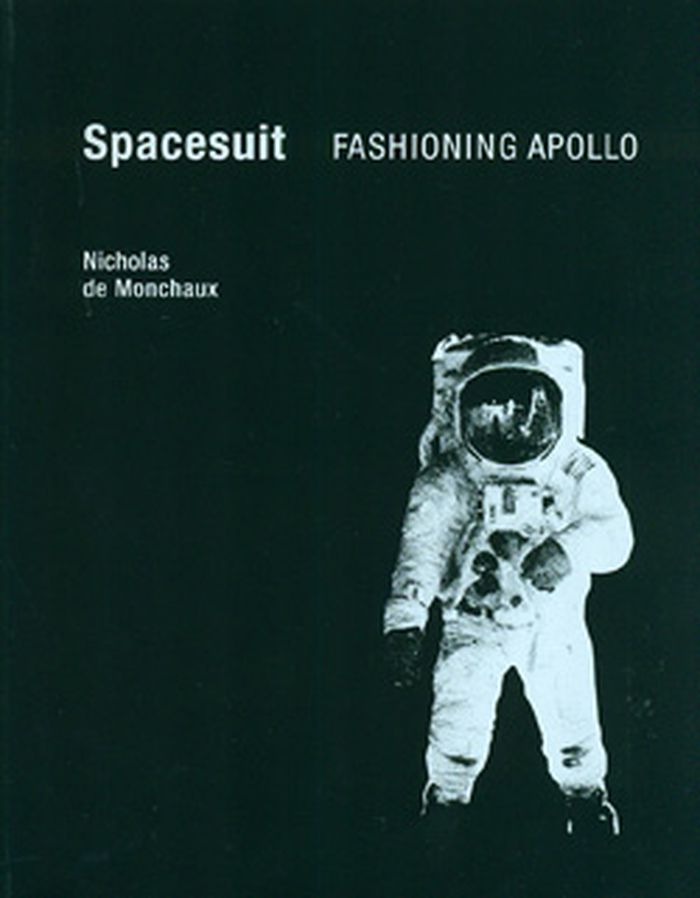
When Neil Armstrong and Buzz Aldrin stepped onto the lunar surface in July of 1969, they wore spacesuits made by Playtex: twenty-one layers of fabric, each with a distinct yet interrelated function, custom-sewn for them by seamstresses whose usual work was fashioning bras and girdles. This book is the story of those spacesuits. It is a story of the Playtex Corporation's triumph over the military-industrial complex--a victory of elegant softness over engineered hardness, of adaptation over cybernetics.
Spacesuit: fashioning apollo
Actions:
Price:
$55.00
(available to order)
Summary:
When Neil Armstrong and Buzz Aldrin stepped onto the lunar surface in July of 1969, they wore spacesuits made by Playtex: twenty-one layers of fabric, each with a distinct yet interrelated function, custom-sewn for them by seamstresses whose usual work was fashioning bras and girdles. This book is the story of those spacesuits. It is a story of the Playtex Corporation's triumph over the military-industrial complex--a victory of elegant softness over engineered hardness, of adaptation over cybernetics.
Form:
books
books
Publication:
April 2011
April 2011
Subject:
Fashion Design
Fashion Design
Form:
books
books
Actions:
Price:
$59.50
(available to order)
Summary:
This book extends the concept of British vernacular architecture beyond its traditional base of pre-modern domestic and industrial architecture to embrace other buildings such as places of worship, villas, hospitals, suburban semis and post-war mass housing. Presented in an essentially chronological sequence, from the medieval to the post-war, diverse fresh viewpoints in(...)
$59.50
(available to order)
Summary:
This book extends the concept of British vernacular architecture beyond its traditional base of pre-modern domestic and industrial architecture to embrace other buildings such as places of worship, villas, hospitals, suburban semis and post-war mass housing. Presented in an essentially chronological sequence, from the medieval to the post-war, diverse fresh viewpoints in(...)
Title:
Built from below: British architecture and the vernacular
Actions:
Price:
$59.50
(available to order)
Summary:
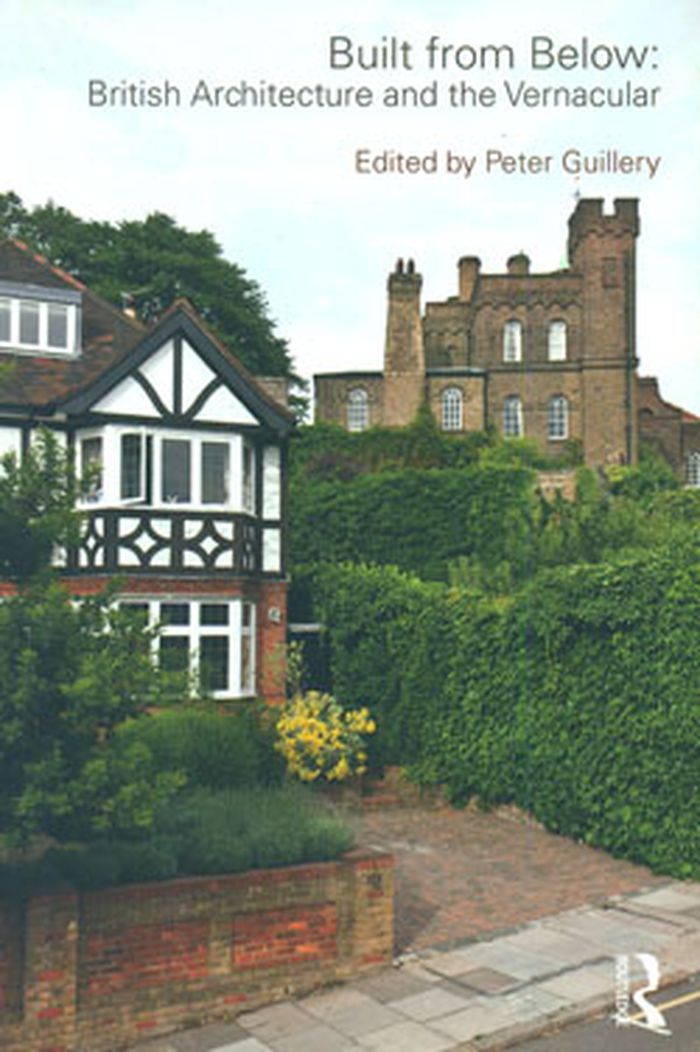
This book extends the concept of British vernacular architecture beyond its traditional base of pre-modern domestic and industrial architecture to embrace other buildings such as places of worship, villas, hospitals, suburban semis and post-war mass housing. Presented in an essentially chronological sequence, from the medieval to the post-war, diverse fresh viewpoints in the chapters of this book reinforce understanding of how building design emerges not just from individual agency, that is architects, but also from the collective traditions of society.
Built from below: British architecture and the vernacular
Actions:
Price:
$59.50
(available to order)
Summary:
This book extends the concept of British vernacular architecture beyond its traditional base of pre-modern domestic and industrial architecture to embrace other buildings such as places of worship, villas, hospitals, suburban semis and post-war mass housing. Presented in an essentially chronological sequence, from the medieval to the post-war, diverse fresh viewpoints in the chapters of this book reinforce understanding of how building design emerges not just from individual agency, that is architects, but also from the collective traditions of society.
Form:
books
books
Publication:
September 2010
September 2010
Subject:
Architecture since 1900, Europe
Architecture since 1900, Europe
Form:
books
books
Price:
$33.95
(available to order)
Summary:
A social history of AI that finally reveals its roots in the spatial computation of industrial factories and the surveillance of collective behaviour. What is AI? A dominant view describes it as the quest ''to solve intelligence,'' a solution supposedly to be found in the secret logic of the mind or in the deep physiology of the brain, such as in its complex neural(...)
$33.95
(available to order)
Summary:
A social history of AI that finally reveals its roots in the spatial computation of industrial factories and the surveillance of collective behaviour. What is AI? A dominant view describes it as the quest ''to solve intelligence,'' a solution supposedly to be found in the secret logic of the mind or in the deep physiology of the brain, such as in its complex neural(...)
Title:
The eye of the master: A social history of artificial intelligence
Actions:
Price:
$33.95
(available to order)
Summary:
A social history of AI that finally reveals its roots in the spatial computation of industrial factories and the surveillance of collective behaviour. What is AI? A dominant view describes it as the quest ''to solve intelligence,'' a solution supposedly to be found in the secret logic of the mind or in the deep physiology of the brain, such as in its complex neural networks. ''The eye of the master'' argues, to the contrary, that the inner code of AI is shaped not by the imitation of biological intelligence, but the intelligence of labour and social relations, as it is found in Babbage's ''calculating engines'' of the industrial age as well as in the recent algorithms for image recognition and surveillance. The idea that AI may one day become autonomous (or ''sentient'', as someone thought of Google's LaMDA) is pure fantasy. Computer algorithms have always imitated the form of social relations and the organisation of labour in their own inner structure and their purpose remains blind automation. ''The eye of the master'' urges a new literacy on AI for scientists, journalists and new generations of activists, who should recognise that the ''mystery'' of AI is just the automation of labour at the highest degree, not intelligence per se.
The eye of the master: A social history of artificial intelligence
Actions:
Price:
$33.95
(available to order)
Summary:
A social history of AI that finally reveals its roots in the spatial computation of industrial factories and the surveillance of collective behaviour. What is AI? A dominant view describes it as the quest ''to solve intelligence,'' a solution supposedly to be found in the secret logic of the mind or in the deep physiology of the brain, such as in its complex neural networks. ''The eye of the master'' argues, to the contrary, that the inner code of AI is shaped not by the imitation of biological intelligence, but the intelligence of labour and social relations, as it is found in Babbage's ''calculating engines'' of the industrial age as well as in the recent algorithms for image recognition and surveillance. The idea that AI may one day become autonomous (or ''sentient'', as someone thought of Google's LaMDA) is pure fantasy. Computer algorithms have always imitated the form of social relations and the organisation of labour in their own inner structure and their purpose remains blind automation. ''The eye of the master'' urges a new literacy on AI for scientists, journalists and new generations of activists, who should recognise that the ''mystery'' of AI is just the automation of labour at the highest degree, not intelligence per se.
Form:
books
books
Publication:
October 2023
October 2023
Subject:
Archive, library and the digital
Archive, library and the digital
Form:
books
books
Actions:
Price:
$31.50
(available to order)
Summary:
A manifesto for a radically different philosophy and practice of manufacture and environmentalism. "Reduce, reuse, recycle" urge environmentalists; in other words, do more with less in order to minimize damage. As William McDonough and Michael Braungart argue in their provocative, visionary book, however, this approach perpetuates a one-way, "cradle to grave"(...)
$31.50
(available to order)
Summary:
A manifesto for a radically different philosophy and practice of manufacture and environmentalism. "Reduce, reuse, recycle" urge environmentalists; in other words, do more with less in order to minimize damage. As William McDonough and Michael Braungart argue in their provocative, visionary book, however, this approach perpetuates a one-way, "cradle to grave"(...)
Subject:
Green Architecture
Green Architecture
Publication:
January 1900, New York
January 1900, New York
Title:
Cradle to cradle : remaking the way we make things
Actions:
Price:
$31.50
(available to order)
Summary:
A manifesto for a radically different philosophy and practice of manufacture and environmentalism. "Reduce, reuse, recycle" urge environmentalists; in other words, do more with less in order to minimize damage. As William McDonough and Michael Braungart argue in their provocative, visionary book, however, this approach perpetuates a one-way, "cradle to grave" manufacturing model that dates to the industrial revolution and casts off as much as 90 percent of the materials it uses as waste, much of it toxic. Why not challenge the notion that human industry must inevitably damage the natural world, they ask. In fact, why not take nature itself as our model? A tree produces thousands of blossoms in order to create another tree, yet we do not consider its abundance wasteful but safe, beautiful, and highly effective; hence, "waste equals food" is the first principle the book sets forth. Products might be designed so that, after their useful life, they provide nourishment for something new-either as "biological nutrients" that safely re-enter the environment or as "technical nutrients" that circulate within closed-loop industrial cycles, without being "downcycled" into low-grade uses (as most "recyclables" now are). Elaborating their principles from experience (re)designing everything from carpeting to corporate campuses, the authors make an exciting and viable case for change.
Cradle to cradle : remaking the way we make things
Actions:
Price:
$31.50
(available to order)
Summary:
A manifesto for a radically different philosophy and practice of manufacture and environmentalism. "Reduce, reuse, recycle" urge environmentalists; in other words, do more with less in order to minimize damage. As William McDonough and Michael Braungart argue in their provocative, visionary book, however, this approach perpetuates a one-way, "cradle to grave" manufacturing model that dates to the industrial revolution and casts off as much as 90 percent of the materials it uses as waste, much of it toxic. Why not challenge the notion that human industry must inevitably damage the natural world, they ask. In fact, why not take nature itself as our model? A tree produces thousands of blossoms in order to create another tree, yet we do not consider its abundance wasteful but safe, beautiful, and highly effective; hence, "waste equals food" is the first principle the book sets forth. Products might be designed so that, after their useful life, they provide nourishment for something new-either as "biological nutrients" that safely re-enter the environment or as "technical nutrients" that circulate within closed-loop industrial cycles, without being "downcycled" into low-grade uses (as most "recyclables" now are). Elaborating their principles from experience (re)designing everything from carpeting to corporate campuses, the authors make an exciting and viable case for change.
Form:
books
books
Publication:
January 1900, New York
January 1900, New York
Subject:
Green Architecture
Green Architecture
Form:
books
books
Actions:
Price:
$59.95
(available to order)
Summary:
Nottingham is a commercial centre in the Middle Ages, it subsequently became an important industrial city until well into the twentieth century. Nottingham has more recently been a city in transition, with service industries, apartments, shops, bars and restaurants colonizing the former palaces of industry and generating a wave of new design. This book records more than(...)
$59.95
(available to order)
Summary:
Nottingham is a commercial centre in the Middle Ages, it subsequently became an important industrial city until well into the twentieth century. Nottingham has more recently been a city in transition, with service industries, apartments, shops, bars and restaurants colonizing the former palaces of industry and generating a wave of new design. This book records more than(...)
Subject:
Architecture since 1900, Europe
Architecture since 1900, Europe
Publication:
April 2006, London / New York
April 2006, London / New York
Title:
Nottingham transformed : architecture and regeneration for the new millennium
Actions:
Price:
$59.95
(available to order)
Summary:
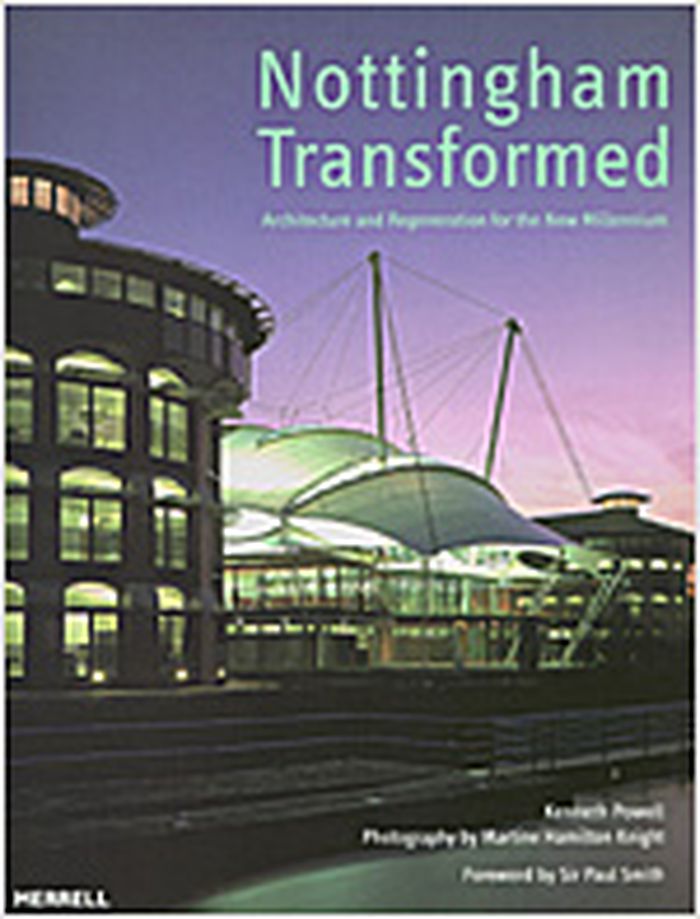
Nottingham is a commercial centre in the Middle Ages, it subsequently became an important industrial city until well into the twentieth century. Nottingham has more recently been a city in transition, with service industries, apartments, shops, bars and restaurants colonizing the former palaces of industry and generating a wave of new design. This book records more than two decades of regeneration and change, featuring important new projects by Hopkins Architects, Foster and Partners, Gustafson Porter, Marsh & Grochowski, Benson & Forsyth and Caruso St John, among others.
Nottingham transformed : architecture and regeneration for the new millennium
Actions:
Price:
$59.95
(available to order)
Summary:
Nottingham is a commercial centre in the Middle Ages, it subsequently became an important industrial city until well into the twentieth century. Nottingham has more recently been a city in transition, with service industries, apartments, shops, bars and restaurants colonizing the former palaces of industry and generating a wave of new design. This book records more than two decades of regeneration and change, featuring important new projects by Hopkins Architects, Foster and Partners, Gustafson Porter, Marsh & Grochowski, Benson & Forsyth and Caruso St John, among others.
Form:
books
books
Publication:
April 2006, London / New York
April 2006, London / New York
Subject:
Architecture since 1900, Europe
Architecture since 1900, Europe
Form:
books
books
Price:
$17.95
(available to order)
Summary:
The first of its kind in Europe, Plymouth Theatre Royal's new complex provides a single location for the production of theatrical works, including the construction of sets, costumes and props, combined with rehearsal and education spaces. Sited on reclaimed land overlooking the river Plym, inland the aera is industrial, with BOC, a fish factory, oil, sewage, fertilisers,(...)
$17.95
(available to order)
Summary:
The first of its kind in Europe, Plymouth Theatre Royal's new complex provides a single location for the production of theatrical works, including the construction of sets, costumes and props, combined with rehearsal and education spaces. Sited on reclaimed land overlooking the river Plym, inland the aera is industrial, with BOC, a fish factory, oil, sewage, fertilisers,(...)
Title:
Plymouth Theatre Royal production centre : Ian Ritchie architects
Actions:
Price:
$17.95
(available to order)
Summary:
The first of its kind in Europe, Plymouth Theatre Royal's new complex provides a single location for the production of theatrical works, including the construction of sets, costumes and props, combined with rehearsal and education spaces. Sited on reclaimed land overlooking the river Plym, inland the aera is industrial, with BOC, a fish factory, oil, sewage, fertilisers, and the usual crop of tin sheds, engineering structures, and the occasional oil tank or gasholder. Into this mix PTR2 forms the thin end of a regeneration edge.
Plymouth Theatre Royal production centre : Ian Ritchie architects
Actions:
Price:
$17.95
(available to order)
Summary:
The first of its kind in Europe, Plymouth Theatre Royal's new complex provides a single location for the production of theatrical works, including the construction of sets, costumes and props, combined with rehearsal and education spaces. Sited on reclaimed land overlooking the river Plym, inland the aera is industrial, with BOC, a fish factory, oil, sewage, fertilisers, and the usual crop of tin sheds, engineering structures, and the occasional oil tank or gasholder. Into this mix PTR2 forms the thin end of a regeneration edge.
Form:
books
books
Publication:
July 2003, Herne Bay
July 2003, Herne Bay


