


600 Results
Form:
books
books
Title:
Space as membrane
Space as membrane
Actions:
Price:
$35.00
(available in store)
Summary:
What if architecture was no longer 3D or 2D, mass or surface, object or space? And what if the architectural environment was envisioned not as an abstract continuum, but as a material envelope that grows organically from the human body, uniting its skin with the periphery of a city, a region or a continent, and even the entire earthly atmosphere? Such a sprawling(...)
$35.00
(available in store)
Summary:
What if architecture was no longer 3D or 2D, mass or surface, object or space? And what if the architectural environment was envisioned not as an abstract continuum, but as a material envelope that grows organically from the human body, uniting its skin with the periphery of a city, a region or a continent, and even the entire earthly atmosphere? Such a sprawling(...)
Title:
Space as membrane
Actions:
Price:
$35.00
(available in store)
Summary:
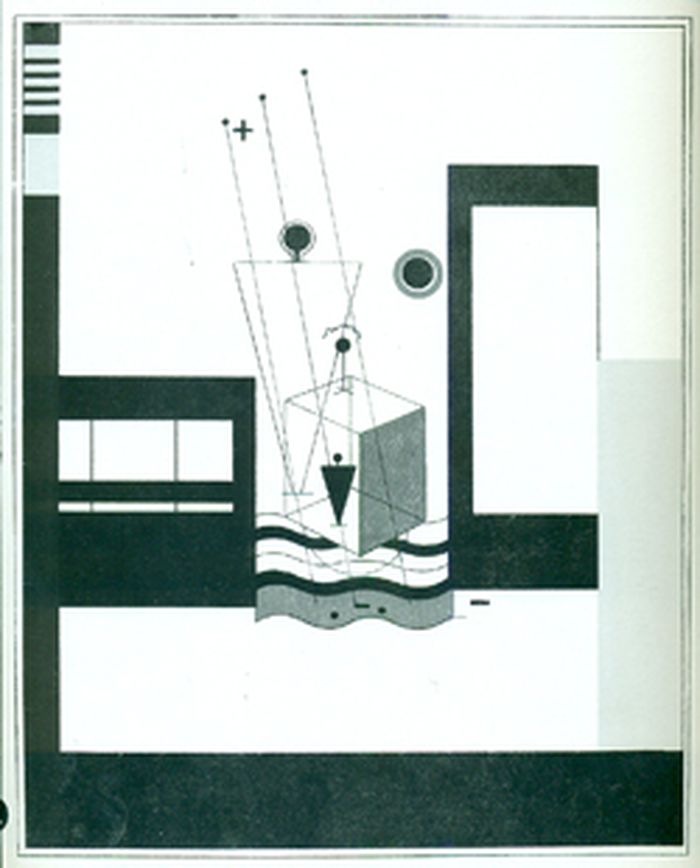
What if architecture was no longer 3D or 2D, mass or surface, object or space? And what if the architectural environment was envisioned not as an abstract continuum, but as a material envelope that grows organically from the human body, uniting its skin with the periphery of a city, a region or a continent, and even the entire earthly atmosphere? Such a sprawling hypothesis informs the theoretical premise of the 1926 essay Space as Membrane, written by former Bauhaus student, architect and cosmological theorist Siegfried Ebeling. Read and praised by Mies van der Rohe, denounced by Walter Gropius and presaging some of the technological innovations introduced across the Atlantic by Buckminster Fuller, Ebeling's treatise has been the subject of a number of recent commentaries, yet the text itself remains unread, due mainly to the scarcity of the original publication. This is the first English translation of Ebeling's original treatise, as well as the first contemporary edition of the text in any language.
Space as membrane
Actions:
Price:
$35.00
(available in store)
Summary:
What if architecture was no longer 3D or 2D, mass or surface, object or space? And what if the architectural environment was envisioned not as an abstract continuum, but as a material envelope that grows organically from the human body, uniting its skin with the periphery of a city, a region or a continent, and even the entire earthly atmosphere? Such a sprawling hypothesis informs the theoretical premise of the 1926 essay Space as Membrane, written by former Bauhaus student, architect and cosmological theorist Siegfried Ebeling. Read and praised by Mies van der Rohe, denounced by Walter Gropius and presaging some of the technological innovations introduced across the Atlantic by Buckminster Fuller, Ebeling's treatise has been the subject of a number of recent commentaries, yet the text itself remains unread, due mainly to the scarcity of the original publication. This is the first English translation of Ebeling's original treatise, as well as the first contemporary edition of the text in any language.
Form:
books
books
Publication:
June 2010
June 2010
Subject:
Architectural Theory
Architectural Theory
Form:
books
books
Actions:
Price:
$76.00
(available to order)
Summary:
The first book to look back on Gautherot’s entire career, Marcel Gautherot: The Monograph takes readers through the architect and photographer’s time as an apprentice in Paris, where he attended evening classes and took an ardent interest in Esprit Nouveau and the Bauhaus, as well as their proponents, including Walter Gropius, Ludwig Mies van der Rohe, and Le Corbusier.(...)
$76.00
(available to order)
Summary:
The first book to look back on Gautherot’s entire career, Marcel Gautherot: The Monograph takes readers through the architect and photographer’s time as an apprentice in Paris, where he attended evening classes and took an ardent interest in Esprit Nouveau and the Bauhaus, as well as their proponents, including Walter Gropius, Ludwig Mies van der Rohe, and Le Corbusier.(...)
Title:
Marcel Gautherot: the monograph
Actions:
Price:
$76.00
(available to order)
Summary:
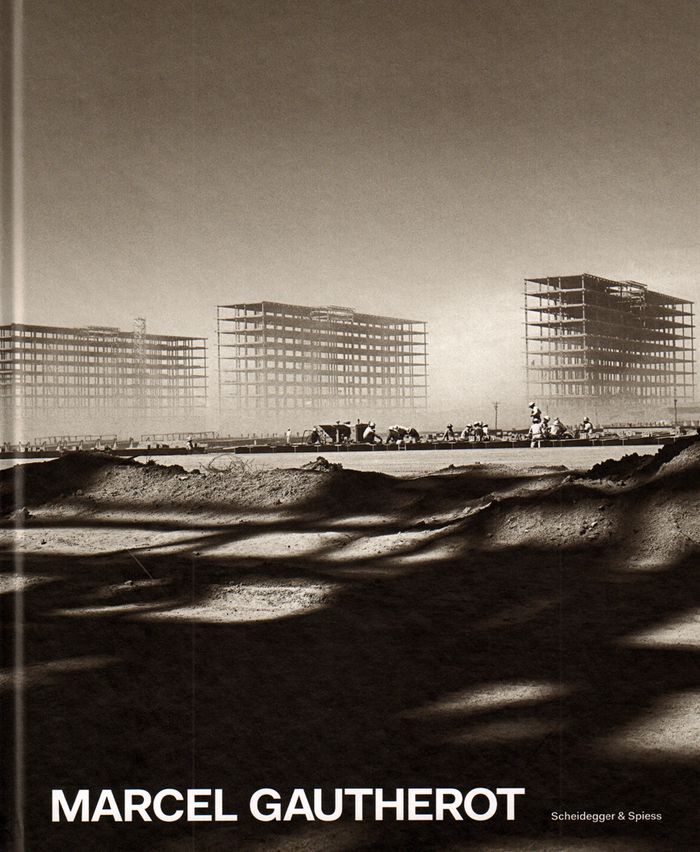
The first book to look back on Gautherot’s entire career, Marcel Gautherot: The Monograph takes readers through the architect and photographer’s time as an apprentice in Paris, where he attended evening classes and took an ardent interest in Esprit Nouveau and the Bauhaus, as well as their proponents, including Walter Gropius, Ludwig Mies van der Rohe, and Le Corbusier. In the 1930s, Gautherot abandoned his studies in architecture to follow his passion for photography. This led him to travel extensively, and he eventually came to live and work in the city of Rio de Janeiro, where he was welcomed by a circle of artists and intellectuals who became important figures in Brazilian culture, including the architects Oscar Niemeyer and Roberto Burle Marx. With 150 superbly reproduced photographs, the book also includes essays by art and photography historians Jacques Leenhardt, Michel Frizot, and Samuel Titan on Gautherot’s affinity for modern architecture and his contribution to the history of photography. It will make the perfect book to reintroduce this important Franco-Brazilian photographer.
Marcel Gautherot: the monograph
Actions:
Price:
$76.00
(available to order)
Summary:
The first book to look back on Gautherot’s entire career, Marcel Gautherot: The Monograph takes readers through the architect and photographer’s time as an apprentice in Paris, where he attended evening classes and took an ardent interest in Esprit Nouveau and the Bauhaus, as well as their proponents, including Walter Gropius, Ludwig Mies van der Rohe, and Le Corbusier. In the 1930s, Gautherot abandoned his studies in architecture to follow his passion for photography. This led him to travel extensively, and he eventually came to live and work in the city of Rio de Janeiro, where he was welcomed by a circle of artists and intellectuals who became important figures in Brazilian culture, including the architects Oscar Niemeyer and Roberto Burle Marx. With 150 superbly reproduced photographs, the book also includes essays by art and photography historians Jacques Leenhardt, Michel Frizot, and Samuel Titan on Gautherot’s affinity for modern architecture and his contribution to the history of photography. It will make the perfect book to reintroduce this important Franco-Brazilian photographer.
Form:
books
books
Publication:
November 2016
November 2016
Subject:
Photography monographs
Photography monographs
Form:
books
books
Actions:
Price:
$42.00
(available in store)
Summary:
The Bauhaus Dessau, designed by Walter Gropius and from 1925 to 1932 the headquarters of the "Hochschule für Gestaltung Bauhaus Dessau", attracts around 80,000 visitors annually from Germany and abroad who are in search of the roots of the 20th century Modernism. Now the first book in which the UNESCO world cultural heritage site is introduced following its complete(...)
$42.00
(available in store)
Summary:
The Bauhaus Dessau, designed by Walter Gropius and from 1925 to 1932 the headquarters of the "Hochschule für Gestaltung Bauhaus Dessau", attracts around 80,000 visitors annually from Germany and abroad who are in search of the roots of the 20th century Modernism. Now the first book in which the UNESCO world cultural heritage site is introduced following its complete(...)
Title:
Bauhau Dessau : architecture, design, concept
Actions:
Price:
$42.00
(available in store)
Summary:
The Bauhaus Dessau, designed by Walter Gropius and from 1925 to 1932 the headquarters of the "Hochschule für Gestaltung Bauhaus Dessau", attracts around 80,000 visitors annually from Germany and abroad who are in search of the roots of the 20th century Modernism. Now the first book in which the UNESCO world cultural heritage site is introduced following its complete renovation is available. Featuring more than 110 black and white photographs, "Bauhaus Dessau" presents the whole scope of architectural and artistic variety and quality of the building. The book sketches the history of the building, its architectural parts, the interior design created by the Bauhaus artists, as well as the functions of the building. "Bauhaus Dessau" is well-suited as a companion for a tour through the building as well as a reference of individual details. In addition to the visual objects, the text also describes the work carried out in the former workshops and their most important products, because architecture, design and concept of the Bauhaus are inseparably connected to each other.
Bauhau Dessau : architecture, design, concept
Actions:
Price:
$42.00
(available in store)
Summary:
The Bauhaus Dessau, designed by Walter Gropius and from 1925 to 1932 the headquarters of the "Hochschule für Gestaltung Bauhaus Dessau", attracts around 80,000 visitors annually from Germany and abroad who are in search of the roots of the 20th century Modernism. Now the first book in which the UNESCO world cultural heritage site is introduced following its complete renovation is available. Featuring more than 110 black and white photographs, "Bauhaus Dessau" presents the whole scope of architectural and artistic variety and quality of the building. The book sketches the history of the building, its architectural parts, the interior design created by the Bauhaus artists, as well as the functions of the building. "Bauhaus Dessau" is well-suited as a companion for a tour through the building as well as a reference of individual details. In addition to the visual objects, the text also describes the work carried out in the former workshops and their most important products, because architecture, design and concept of the Bauhaus are inseparably connected to each other.
Form:
books
books
Publication:
July 2007, Berlin
July 2007, Berlin
Subject:
Modernism
Modernism
Form:
books
books
Title:
Hansaviertel portraits
Hansaviertel portraits
Actions:
Price:
$65.00
(available to order)
Summary:
A former debris-strewn wasteland in the inner city—some 300 out of 343 residential buildings were destroyed during the Second World War—the Hansaviertel is one of the most defining architecture projects of the postwar period in Berlin. In 1952, an international ideas competition was held under the title die stadt von morgen (the city of tomorrow); more than fifty(...)
$65.00
(available to order)
Summary:
A former debris-strewn wasteland in the inner city—some 300 out of 343 residential buildings were destroyed during the Second World War—the Hansaviertel is one of the most defining architecture projects of the postwar period in Berlin. In 1952, an international ideas competition was held under the title die stadt von morgen (the city of tomorrow); more than fifty(...)
Subject:
Architecture since 1900, Europe
Architecture since 1900, Europe
Publication:
October 2024
October 2024
Title:
Hansaviertel portraits
Actions:
Price:
$65.00
(available to order)
Summary:
A former debris-strewn wasteland in the inner city—some 300 out of 343 residential buildings were destroyed during the Second World War—the Hansaviertel is one of the most defining architecture projects of the postwar period in Berlin. In 1952, an international ideas competition was held under the title die stadt von morgen (the city of tomorrow); more than fifty architects presented plans for the rebuilding of West Berlin, including leading practitioners of Western modernist architecture like Alvar Aalto, Werner Düttmann, Egon Eiermann, Walter Gropius, Arne Jacobsen, Oscar Niemeyer, and Max Taut. Construction based on their designs in the redevelopment area began in 1956. The result was a neighborhood designed for people and their needs—largely without predetermined paths, with lots of greenery, flexible floor plans, space for small businesses, and facilities for everyday needs. Visiting the area and its people today, one can still feel the designers’ visionary resolve to establish new ways of residential living. Locals are united by their fascination with architecture and design and their love for their neighborhood, which over the decades has developed an authentic patina and now stands as witness to a key chapter in the city’s more recent history.
Hansaviertel portraits
Actions:
Price:
$65.00
(available to order)
Summary:
A former debris-strewn wasteland in the inner city—some 300 out of 343 residential buildings were destroyed during the Second World War—the Hansaviertel is one of the most defining architecture projects of the postwar period in Berlin. In 1952, an international ideas competition was held under the title die stadt von morgen (the city of tomorrow); more than fifty architects presented plans for the rebuilding of West Berlin, including leading practitioners of Western modernist architecture like Alvar Aalto, Werner Düttmann, Egon Eiermann, Walter Gropius, Arne Jacobsen, Oscar Niemeyer, and Max Taut. Construction based on their designs in the redevelopment area began in 1956. The result was a neighborhood designed for people and their needs—largely without predetermined paths, with lots of greenery, flexible floor plans, space for small businesses, and facilities for everyday needs. Visiting the area and its people today, one can still feel the designers’ visionary resolve to establish new ways of residential living. Locals are united by their fascination with architecture and design and their love for their neighborhood, which over the decades has developed an authentic patina and now stands as witness to a key chapter in the city’s more recent history.
Form:
books
books
Publication:
October 2024
October 2024
Subject:
Architecture since 1900, Europe
Architecture since 1900, Europe
Form:
books
books
Title:
The spirit of the Bauhaus
The spirit of the Bauhaus
Actions:
Price:
$66.00
(available to order)
Summary:
“Architects, sculptors, painters, we all must return to the crafts!” declared architect Walter Gropius in his Bauhaus manifesto. Founded in 1919 as an art school in Weimar, the Bauhaus established itself as a major influence on twentieth- century art and design. Bauhaus students were taught by some of the most celebrated artists of the time, including Paul Klee, Lyonel(...)
$66.00
(available to order)
Summary:
“Architects, sculptors, painters, we all must return to the crafts!” declared architect Walter Gropius in his Bauhaus manifesto. Founded in 1919 as an art school in Weimar, the Bauhaus established itself as a major influence on twentieth- century art and design. Bauhaus students were taught by some of the most celebrated artists of the time, including Paul Klee, Lyonel(...)
Title:
The spirit of the Bauhaus
Actions:
Price:
$66.00
(available to order)
Summary:
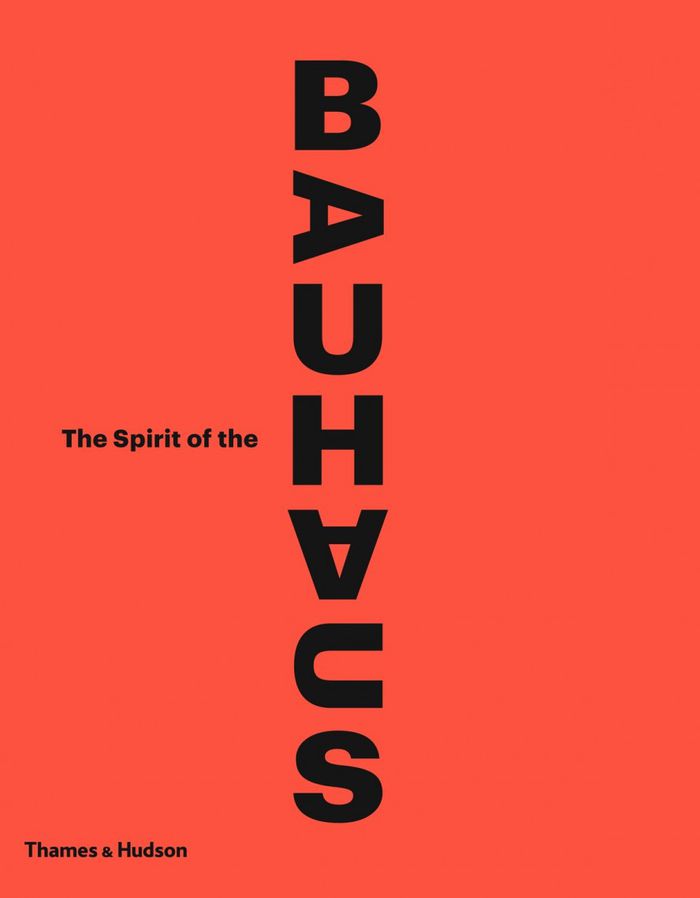
“Architects, sculptors, painters, we all must return to the crafts!” declared architect Walter Gropius in his Bauhaus manifesto. Founded in 1919 as an art school in Weimar, the Bauhaus established itself as a major influence on twentieth- century art and design. Bauhaus students were taught by some of the most celebrated artists of the time, including Paul Klee, Lyonel Feininger, and Wassily Kandinsky. Having moved to Berlin in 1932 under architect Ludwig Mies van der Rohe, it was forced to close for good by the Gestapo in 1933. Uncovering the sources of inspiration that brought the Bauhaus into existence, from medieval cathedrals of Europe and Hokusai prints to William Morris and Arts and Crafts, The Spirit of the Bauhaus explores workshops and courses in detail, illustrating the extraordinary wealth of experimentation in every medium: ceramics, wood and metalwork, textiles, glass- painting, sculpture, mural, printing and binding, theater, architecture, and photography. This essential and accessible guide to the Bauhaus, published in time for the 100th anniversary of the school in 2019, celebrates a school that continues to be recognized as the most durable and influential source of modern ideas about art, design, and craft.
The spirit of the Bauhaus
Actions:
Price:
$66.00
(available to order)
Summary:
“Architects, sculptors, painters, we all must return to the crafts!” declared architect Walter Gropius in his Bauhaus manifesto. Founded in 1919 as an art school in Weimar, the Bauhaus established itself as a major influence on twentieth- century art and design. Bauhaus students were taught by some of the most celebrated artists of the time, including Paul Klee, Lyonel Feininger, and Wassily Kandinsky. Having moved to Berlin in 1932 under architect Ludwig Mies van der Rohe, it was forced to close for good by the Gestapo in 1933. Uncovering the sources of inspiration that brought the Bauhaus into existence, from medieval cathedrals of Europe and Hokusai prints to William Morris and Arts and Crafts, The Spirit of the Bauhaus explores workshops and courses in detail, illustrating the extraordinary wealth of experimentation in every medium: ceramics, wood and metalwork, textiles, glass- painting, sculpture, mural, printing and binding, theater, architecture, and photography. This essential and accessible guide to the Bauhaus, published in time for the 100th anniversary of the school in 2019, celebrates a school that continues to be recognized as the most durable and influential source of modern ideas about art, design, and craft.
Form:
books
books
Publication:
May 2018
May 2018
Subject:
Modernism
Modernism
Form:
books
books
Actions:
Price:
$54.95
(available to order)
Summary:
Swiss artist, architect, designer, typographer, and theorist Max Bill (1908–94) was one of the most important exponents of concrete and constructive art and a key figure in European applied arts and design history. Educated by such prominent teachers as Paul Klee, Wassily Kandisky, and Walter Gropius at the Bauhaus, at the start of his career in the 1930s. In the 1950s he(...)
$54.95
(available to order)
Summary:
Swiss artist, architect, designer, typographer, and theorist Max Bill (1908–94) was one of the most important exponents of concrete and constructive art and a key figure in European applied arts and design history. Educated by such prominent teachers as Paul Klee, Wassily Kandisky, and Walter Gropius at the Bauhaus, at the start of his career in the 1930s. In the 1950s he(...)
Title:
Max Bill: No Beginning No End
Actions:
Price:
$54.95
(available to order)
Summary:
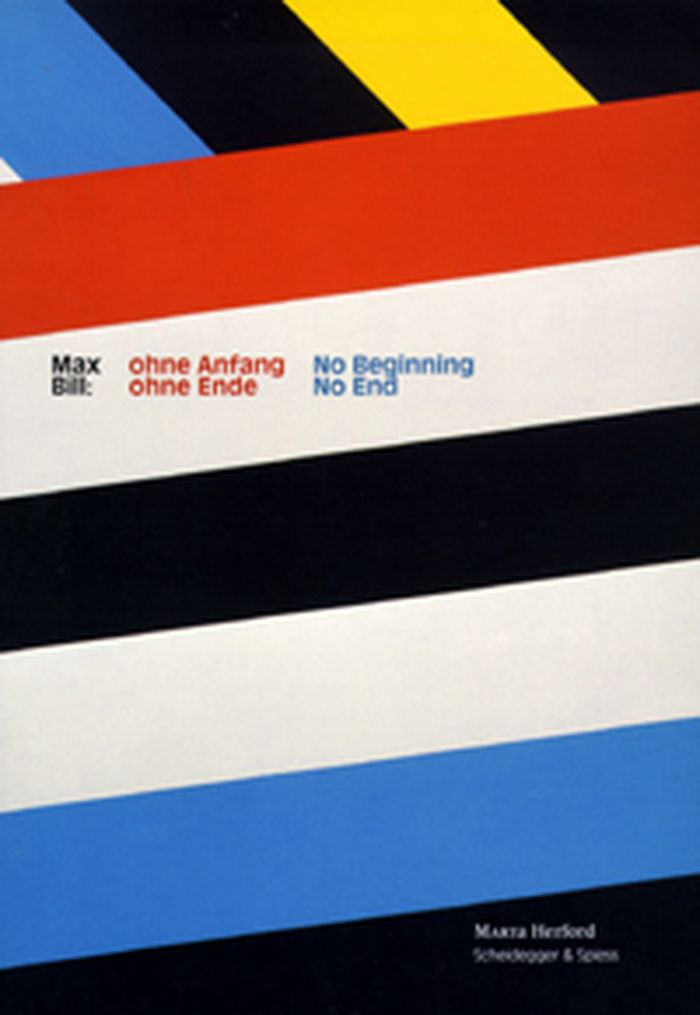
Swiss artist, architect, designer, typographer, and theorist Max Bill (1908–94) was one of the most important exponents of concrete and constructive art and a key figure in European applied arts and design history. Educated by such prominent teachers as Paul Klee, Wassily Kandisky, and Walter Gropius at the Bauhaus, at the start of his career in the 1930s. In the 1950s he teamed up with Inge Scholl and Otl Aicher to found the legendary Ulm College of Design in Ulm, Germany, of which he became the first director. In his work, Max Bill carried on the legacy of the Bauhaus, both as an artist and a teacher, and made a decisive and lasting contribution to twentieth-century cultural life. Max Bill accompanies an exhibition at the Museum MARTa Herford in Herford, Germany, held to mark the centenary of this exceptional artist. The exhibition displays Bill’s wide-ranging work, and it also sets him in the context of his cultural milieu by featuring works by his contemporaries, such as Kurt Schwitters, Wassily Kandinsky, and Donald Judd. Accompanying essays investigate Bill’s influence on other artists and the lasting importance of his oeuvre in the present.
Max Bill: No Beginning No End
Actions:
Price:
$54.95
(available to order)
Summary:
Swiss artist, architect, designer, typographer, and theorist Max Bill (1908–94) was one of the most important exponents of concrete and constructive art and a key figure in European applied arts and design history. Educated by such prominent teachers as Paul Klee, Wassily Kandisky, and Walter Gropius at the Bauhaus, at the start of his career in the 1930s. In the 1950s he teamed up with Inge Scholl and Otl Aicher to found the legendary Ulm College of Design in Ulm, Germany, of which he became the first director. In his work, Max Bill carried on the legacy of the Bauhaus, both as an artist and a teacher, and made a decisive and lasting contribution to twentieth-century cultural life. Max Bill accompanies an exhibition at the Museum MARTa Herford in Herford, Germany, held to mark the centenary of this exceptional artist. The exhibition displays Bill’s wide-ranging work, and it also sets him in the context of his cultural milieu by featuring works by his contemporaries, such as Kurt Schwitters, Wassily Kandinsky, and Donald Judd. Accompanying essays investigate Bill’s influence on other artists and the lasting importance of his oeuvre in the present.
Form:
books
books
Publication:
April 2008, Zürich
April 2008, Zürich
Subject:
Graphic Designers, Monographs
Graphic Designers, Monographs
Form:
books
books
Actions:
Price:
$97.95
(available to order)
Summary:
Durant l'entre-deux-guerres, l'habitat bruxellois connaît une expansion considérable. Coexistent à cette époque deux grands courants : l'un résolument moderniste et avant-gardiste, dans la mouvance du Stijl et du Bauhaus, et inspiré par des novateurs, tels Walter Gropius ou Le Corbusier ; l'autre, à la fois réaction à l'Art nouveau et son prolongement naturel... qui se(...)
$97.95
(available to order)
Summary:
Durant l'entre-deux-guerres, l'habitat bruxellois connaît une expansion considérable. Coexistent à cette époque deux grands courants : l'un résolument moderniste et avant-gardiste, dans la mouvance du Stijl et du Bauhaus, et inspiré par des novateurs, tels Walter Gropius ou Le Corbusier ; l'autre, à la fois réaction à l'Art nouveau et son prolongement naturel... qui se(...)
Subject:
Interior Design
Interior Design
Publication:
January 1900, Bruxelles
January 1900, Bruxelles
Title:
Intérieurs bruxellois : modernisme & art déco
Actions:
Price:
$97.95
(available to order)
Summary:
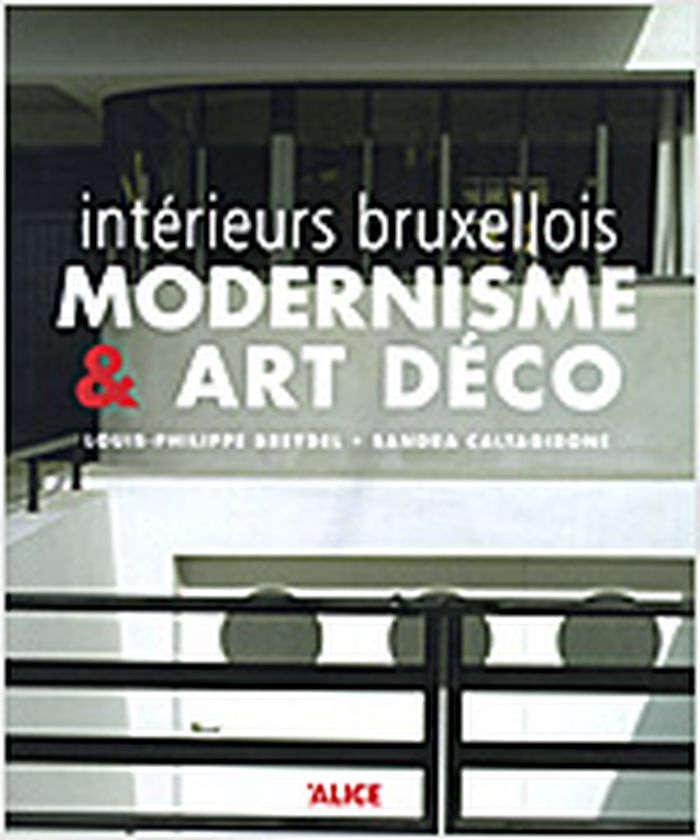
Durant l'entre-deux-guerres, l'habitat bruxellois connaît une expansion considérable. Coexistent à cette époque deux grands courants : l'un résolument moderniste et avant-gardiste, dans la mouvance du Stijl et du Bauhaus, et inspiré par des novateurs, tels Walter Gropius ou Le Corbusier ; l'autre, à la fois réaction à l'Art nouveau et son prolongement naturel... qui se verra consacré lors de l'Exposition des Arts décoratifs, en 1925, à Paris. Cette évolution formelle s'appuie sur un progrès technique dans de nombreux domaines et sur la mise en œuvre de matériaux nouveaux, béton armé, brique de verre, acier, aluminium. Dans le même temps, l'habitat lui-même s'enrichit du concept de cité-jardin et voit se multiplier les immeubles d'appartements. Tous ces aspects - conceptuels, formels, stylistiques, techniques, culturels et sociaux - sont illustrés dans le présent ouvrage par des intérieurs choisis pour leur pertinence, tant des hôtels de prestige que des logements plus modestes, tous représentatifs de la façon de vivre et de l'art de construire de cet âge d'or. Illustré, cet ouvrage présente des intérieurs bruxellois typiques de l'entre-deux-guerres et d'aujourd'hui ;et y restitue dans toutes ses composantes le contexte de leur développement.
Intérieurs bruxellois : modernisme & art déco
Actions:
Price:
$97.95
(available to order)
Summary:
Durant l'entre-deux-guerres, l'habitat bruxellois connaît une expansion considérable. Coexistent à cette époque deux grands courants : l'un résolument moderniste et avant-gardiste, dans la mouvance du Stijl et du Bauhaus, et inspiré par des novateurs, tels Walter Gropius ou Le Corbusier ; l'autre, à la fois réaction à l'Art nouveau et son prolongement naturel... qui se verra consacré lors de l'Exposition des Arts décoratifs, en 1925, à Paris. Cette évolution formelle s'appuie sur un progrès technique dans de nombreux domaines et sur la mise en œuvre de matériaux nouveaux, béton armé, brique de verre, acier, aluminium. Dans le même temps, l'habitat lui-même s'enrichit du concept de cité-jardin et voit se multiplier les immeubles d'appartements. Tous ces aspects - conceptuels, formels, stylistiques, techniques, culturels et sociaux - sont illustrés dans le présent ouvrage par des intérieurs choisis pour leur pertinence, tant des hôtels de prestige que des logements plus modestes, tous représentatifs de la façon de vivre et de l'art de construire de cet âge d'or. Illustré, cet ouvrage présente des intérieurs bruxellois typiques de l'entre-deux-guerres et d'aujourd'hui ;et y restitue dans toutes ses composantes le contexte de leur développement.
Form:
books
books
Publication:
January 1900, Bruxelles
January 1900, Bruxelles
Subject:
Interior Design
Interior Design
Form:
books
books
Title:
Bauhaus futures
Bauhaus futures
Actions:
Price:
$47.00
(available to order)
Summary:
A century after its founding by Walter Gropius in Weimar, Germany, as an "experimental laboratory of the future," who are the pioneering experimentalists who reinscribe or resist Bauhaus traditions? This book explores the varied legacies, influences, and futures of the Bauhaus. Many of the animating issues of the Bauhaus—its integration of research, teaching, and(...)
$47.00
(available to order)
Summary:
A century after its founding by Walter Gropius in Weimar, Germany, as an "experimental laboratory of the future," who are the pioneering experimentalists who reinscribe or resist Bauhaus traditions? This book explores the varied legacies, influences, and futures of the Bauhaus. Many of the animating issues of the Bauhaus—its integration of research, teaching, and(...)
Subject:
Modernism
Modernism
Publication:
October 2019
October 2019
Title:
Bauhaus futures
Actions:
Price:
$47.00
(available to order)
Summary:
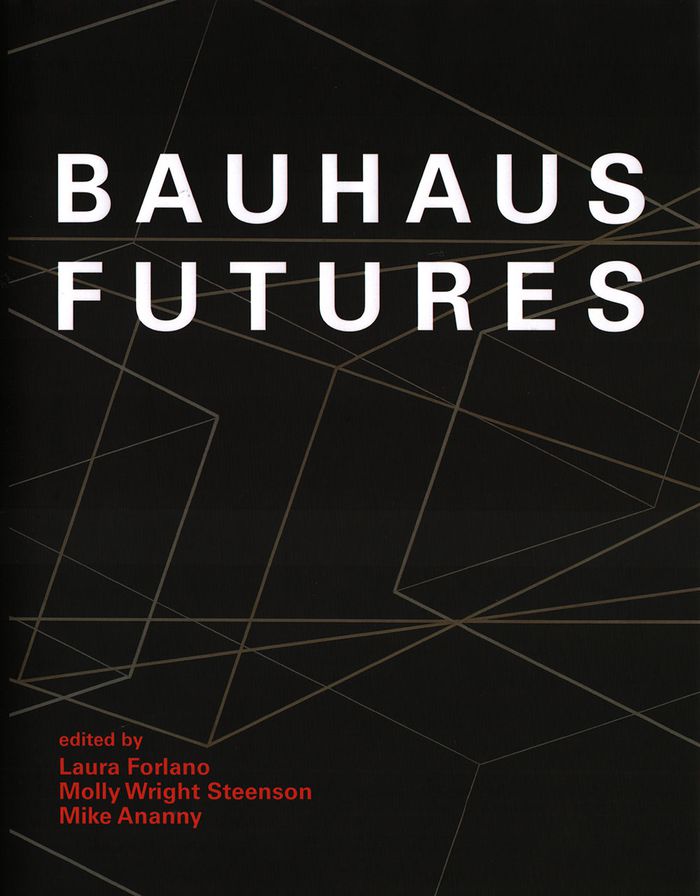
A century after its founding by Walter Gropius in Weimar, Germany, as an "experimental laboratory of the future," who are the pioneering experimentalists who reinscribe or resist Bauhaus traditions? This book explores the varied legacies, influences, and futures of the Bauhaus. Many of the animating issues of the Bauhaus—its integration of research, teaching, and practice; its experimentation with materials; its democratization of design; its open-minded, heterogeneous approach to ideas, theories, methods, and styles—remain relevant. The contributors to "Bauhaus futures" address these but go further, considering issues that design has largely ignored for the last hundred years: gender, race, ethnicity, class, sexuality, and disability. Their contributions take the form of essays, photo-essays, interviews, manifestos, diagrams, and even a play. They discuss, among other things, the Bauhaus curriculum and its contemporary offshoots; Bauhaus legacies at the MIT Media Lab, Black Mountain College, and elsewhere; the conflict between the Bauhaus ideal of humanist universalism and current approaches to design concerned with race and justice; designed objects, from the iconic to the precarious; textile and weaving work by women in the Bauhaus and the present day; and design and technology.
Bauhaus futures
Actions:
Price:
$47.00
(available to order)
Summary:
A century after its founding by Walter Gropius in Weimar, Germany, as an "experimental laboratory of the future," who are the pioneering experimentalists who reinscribe or resist Bauhaus traditions? This book explores the varied legacies, influences, and futures of the Bauhaus. Many of the animating issues of the Bauhaus—its integration of research, teaching, and practice; its experimentation with materials; its democratization of design; its open-minded, heterogeneous approach to ideas, theories, methods, and styles—remain relevant. The contributors to "Bauhaus futures" address these but go further, considering issues that design has largely ignored for the last hundred years: gender, race, ethnicity, class, sexuality, and disability. Their contributions take the form of essays, photo-essays, interviews, manifestos, diagrams, and even a play. They discuss, among other things, the Bauhaus curriculum and its contemporary offshoots; Bauhaus legacies at the MIT Media Lab, Black Mountain College, and elsewhere; the conflict between the Bauhaus ideal of humanist universalism and current approaches to design concerned with race and justice; designed objects, from the iconic to the precarious; textile and weaving work by women in the Bauhaus and the present day; and design and technology.
Form:
books
books
Publication:
October 2019
October 2019
Subject:
Modernism
Modernism
Form:
books
books
Actions:
Price:
$44.95
(available to order)
Summary:
CIAM (Congrès Internationaux d'Architecture Moderne), founded in Switzerland in 1928, was an avant-garde association of architects intended to advance both modernism and internationalism in architecture. CIAM saw itself as an elite group revolutionizing architecture to serve the interests of society. Its members included some of the best-known architects of the twentieth(...)
$44.95
(available to order)
Summary:
CIAM (Congrès Internationaux d'Architecture Moderne), founded in Switzerland in 1928, was an avant-garde association of architects intended to advance both modernism and internationalism in architecture. CIAM saw itself as an elite group revolutionizing architecture to serve the interests of society. Its members included some of the best-known architects of the twentieth(...)
Subject:
Urban Theory
Urban Theory
Publication:
October 2002, Cambridge, Massachusetts
October 2002, Cambridge, Massachusetts
Title:
The CIAM discourse on urbanism, 1928-1960
Actions:
Price:
$44.95
(available to order)
Summary:
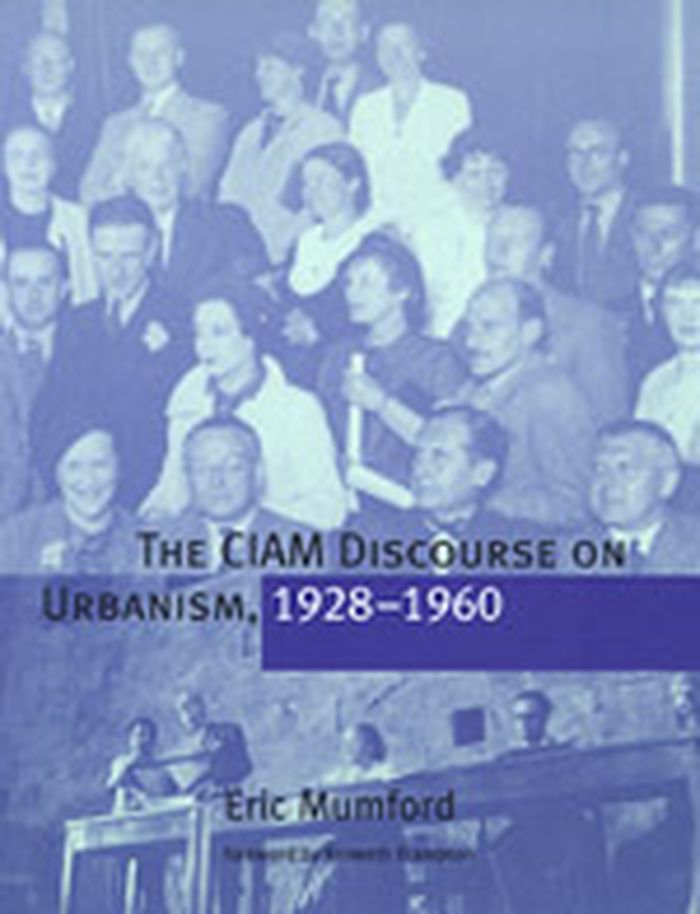
CIAM (Congrès Internationaux d'Architecture Moderne), founded in Switzerland in 1928, was an avant-garde association of architects intended to advance both modernism and internationalism in architecture. CIAM saw itself as an elite group revolutionizing architecture to serve the interests of society. Its members included some of the best-known architects of the twentieth century, such as Le Corbusier, Walter Gropius, and Richard Neutra, but also hundreds of others who looked to it for doctrines on how to shape the urban environment in a rapidly changing world. In this first book-length history of the organization, architectural historian Eric Mumford focuses on CIAM's discourse to trace the development and promotion of its influential concept of the "Functional City." He views official doctrines and pronouncements in relation to the changing circumstances of the members, revealing how CIAM in the 1930s began to resemble a kind of syndicalist party oriented toward winning over any suitable authority, regardless of political orientation. Mumford also looks at CIAM's efforts after World War II to find a new basis for a socially engaged architecture and describes the attempts by the group of younger members called Team 10 to radically revise CIAM's mission in the 1950s, efforts that led to the organization's dissolution in 1959.
The CIAM discourse on urbanism, 1928-1960
Actions:
Price:
$44.95
(available to order)
Summary:
CIAM (Congrès Internationaux d'Architecture Moderne), founded in Switzerland in 1928, was an avant-garde association of architects intended to advance both modernism and internationalism in architecture. CIAM saw itself as an elite group revolutionizing architecture to serve the interests of society. Its members included some of the best-known architects of the twentieth century, such as Le Corbusier, Walter Gropius, and Richard Neutra, but also hundreds of others who looked to it for doctrines on how to shape the urban environment in a rapidly changing world. In this first book-length history of the organization, architectural historian Eric Mumford focuses on CIAM's discourse to trace the development and promotion of its influential concept of the "Functional City." He views official doctrines and pronouncements in relation to the changing circumstances of the members, revealing how CIAM in the 1930s began to resemble a kind of syndicalist party oriented toward winning over any suitable authority, regardless of political orientation. Mumford also looks at CIAM's efforts after World War II to find a new basis for a socially engaged architecture and describes the attempts by the group of younger members called Team 10 to radically revise CIAM's mission in the 1950s, efforts that led to the organization's dissolution in 1959.
Form:
books
books
Publication:
October 2002, Cambridge, Massachusetts
October 2002, Cambridge, Massachusetts
Subject:
Urban Theory
Urban Theory
Form:
books
books
Actions:
Price:
$71.95
(available to order)
Summary:
It was at Black Mountain College that Merce Cunningham formed his dance company, John Cage staged his first "happening," and Buckminster Fuller built his first dome. Although it lasted only twenty-four years (1933-1957) and enrolled fewer than 1,200 students, Black Mountain College launched a remarkable number of the artists who spearheaded the avant-garde in America of(...)
$71.95
(available to order)
Summary:
It was at Black Mountain College that Merce Cunningham formed his dance company, John Cage staged his first "happening," and Buckminster Fuller built his first dome. Although it lasted only twenty-four years (1933-1957) and enrolled fewer than 1,200 students, Black Mountain College launched a remarkable number of the artists who spearheaded the avant-garde in America of(...)
Publication:
May 2002, Cambridge, Mass.
May 2002, Cambridge, Mass.
Title:
The arts at Black Mountain College
Actions:
Price:
$71.95
(available to order)
Summary:
It was at Black Mountain College that Merce Cunningham formed his dance company, John Cage staged his first "happening," and Buckminster Fuller built his first dome. Although it lasted only twenty-four years (1933-1957) and enrolled fewer than 1,200 students, Black Mountain College launched a remarkable number of the artists who spearheaded the avant-garde in America of the 1960s. The faculty included such diverse talents as Anni and Josef Albers, Eric Bentley, Ilya Bolotowsky, Robert Creeley, Willem de Kooning, Robert Duncan, Lyonel Feininger, Paul Goodman, Walter Gropius, Franz Kline, Robert Motherwell, and Charles Olson. Among the students were Ruth Asawa, John Chamberlain, Francine du Plessix Gray, Kenneth Noland, Arthur Penn, Robert Rauschenberg, Kenneth Snelson, Cy Twombly, Stan Vanderbeek, and Jose Yglesias. In this definitive account of the arts at Black Mountain College, back in print after many years, Mary Emma Harris describes a unique educational experiment and the artists and writers who conducted it. She replaces the myth of the college as a haphazardly conceived venture with a portrait of a consciously directed liberal arts school that grew out of the progressive education movement. Proceeding chronologically through the four major periods of the college’s history, Harris covers every aspect of its extraordinary curriculum in the visual, literary, and performing arts.
The arts at Black Mountain College
Actions:
Price:
$71.95
(available to order)
Summary:
It was at Black Mountain College that Merce Cunningham formed his dance company, John Cage staged his first "happening," and Buckminster Fuller built his first dome. Although it lasted only twenty-four years (1933-1957) and enrolled fewer than 1,200 students, Black Mountain College launched a remarkable number of the artists who spearheaded the avant-garde in America of the 1960s. The faculty included such diverse talents as Anni and Josef Albers, Eric Bentley, Ilya Bolotowsky, Robert Creeley, Willem de Kooning, Robert Duncan, Lyonel Feininger, Paul Goodman, Walter Gropius, Franz Kline, Robert Motherwell, and Charles Olson. Among the students were Ruth Asawa, John Chamberlain, Francine du Plessix Gray, Kenneth Noland, Arthur Penn, Robert Rauschenberg, Kenneth Snelson, Cy Twombly, Stan Vanderbeek, and Jose Yglesias. In this definitive account of the arts at Black Mountain College, back in print after many years, Mary Emma Harris describes a unique educational experiment and the artists and writers who conducted it. She replaces the myth of the college as a haphazardly conceived venture with a portrait of a consciously directed liberal arts school that grew out of the progressive education movement. Proceeding chronologically through the four major periods of the college’s history, Harris covers every aspect of its extraordinary curriculum in the visual, literary, and performing arts.
Form:
books
books
Publication:
May 2002, Cambridge, Mass.
May 2002, Cambridge, Mass.


