


624 Results
Form:
books
books
Actions:
Price:
$31.95
(available to order)
Summary:
In distressed urban neighborhoods where residential segregation concentrates poverty, liquor stores outnumber supermarkets, toxic sites are next to playgrounds, and more money is spent on prisons than schools, residents also suffer disproportionately from disease and premature death. Recognizing that city environments and the planning processes that shape them are(...)
$31.95
(available to order)
Summary:
In distressed urban neighborhoods where residential segregation concentrates poverty, liquor stores outnumber supermarkets, toxic sites are next to playgrounds, and more money is spent on prisons than schools, residents also suffer disproportionately from disease and premature death. Recognizing that city environments and the planning processes that shape them are(...)
Title:
Toward the healthy city: people, places, and the politics of urban planning
Actions:
Price:
$31.95
(available to order)
Summary:
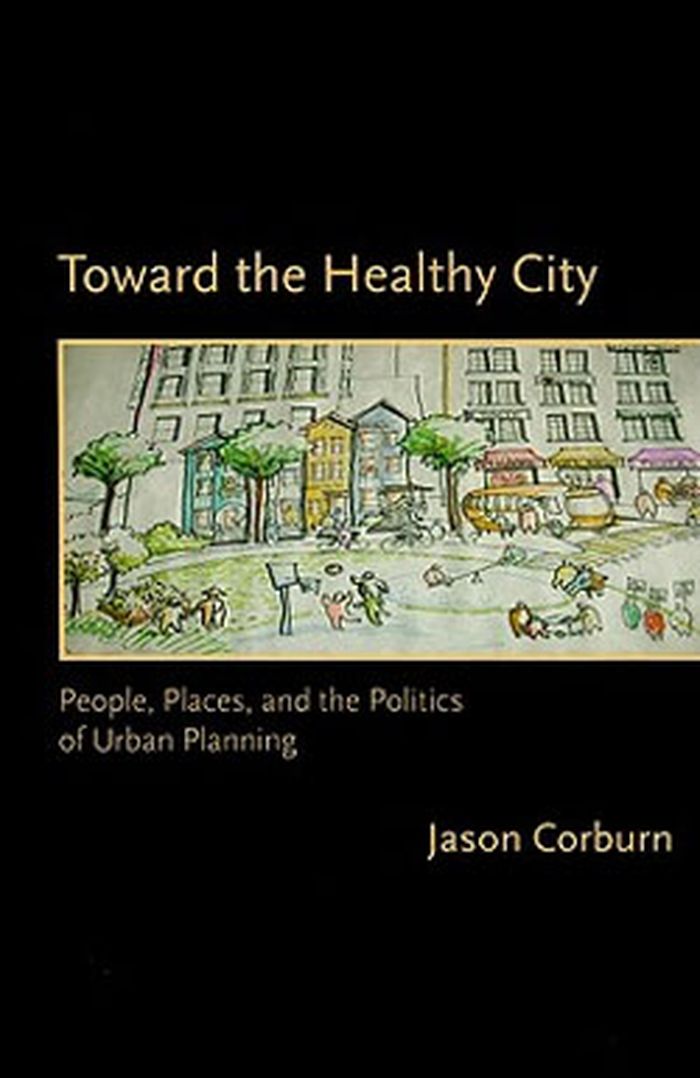
In distressed urban neighborhoods where residential segregation concentrates poverty, liquor stores outnumber supermarkets, toxic sites are next to playgrounds, and more money is spent on prisons than schools, residents also suffer disproportionately from disease and premature death. Recognizing that city environments and the planning processes that shape them are powerful determinants of population health, urban planners today are beginning to take on the added challenge of revitalizing neglected urban neighborhoods in ways that improve health and promote greater equity. In this book, Jason Corburn argues that city planning must return to its roots in public health and social justice. To show healthy city planning in action, Corburn examines collaborations between government agencies and community coalitions in the San Francisco Bay area, including efforts to link environmental justice, residents' chronic illnesses, housing and real estate development projects, and planning processes with public health.
Toward the healthy city: people, places, and the politics of urban planning
Actions:
Price:
$31.95
(available to order)
Summary:
In distressed urban neighborhoods where residential segregation concentrates poverty, liquor stores outnumber supermarkets, toxic sites are next to playgrounds, and more money is spent on prisons than schools, residents also suffer disproportionately from disease and premature death. Recognizing that city environments and the planning processes that shape them are powerful determinants of population health, urban planners today are beginning to take on the added challenge of revitalizing neglected urban neighborhoods in ways that improve health and promote greater equity. In this book, Jason Corburn argues that city planning must return to its roots in public health and social justice. To show healthy city planning in action, Corburn examines collaborations between government agencies and community coalitions in the San Francisco Bay area, including efforts to link environmental justice, residents' chronic illnesses, housing and real estate development projects, and planning processes with public health.
Form:
books
books
Publication:
July 2009
July 2009
Subject:
Urban Theory
Urban Theory
Form:
books
books

Actions:
Price:
$58.50
(available to order)
Summary:
"Architecture and its ethical dilemmas" examines the changing role of architects and the particular professional dilemmas they face. Architects and designers are constantly confronted by these ethical issues ranging from professional issues to more philosophical questions. Should architects spend some of their clients' money on features that would improve buildings even(...)
$58.50
(available to order)
Summary:
"Architecture and its ethical dilemmas" examines the changing role of architects and the particular professional dilemmas they face. Architects and designers are constantly confronted by these ethical issues ranging from professional issues to more philosophical questions. Should architects spend some of their clients' money on features that would improve buildings even(...)
Title:
Architecture and its ethical dilemmas
Actions:
Price:
$58.50
(available to order)
Summary:
"Architecture and its ethical dilemmas" examines the changing role of architects and the particular professional dilemmas they face. Architects and designers are constantly confronted by these ethical issues ranging from professional issues to more philosophical questions. Should architects spend some of their clients' money on features that would improve buildings even if they're not necessary or part of the clients' design brief? Who is architecture for? As the products of the architect's work are often in the public domain and reflect society's values, are architects too merely servants of society? What place does the professional architect-client relationship have in the 21st century? Can aesthetics be disassociated from ethics in a visual medium? A cast of leading writers and practitioners tackle these questions from a range of perspectives across architecture, the building and design industries, social theory and philosophy to contribute to the growing literature in the sociology of the professions.
Architecture and its ethical dilemmas
Actions:
Price:
$58.50
(available to order)
Summary:
"Architecture and its ethical dilemmas" examines the changing role of architects and the particular professional dilemmas they face. Architects and designers are constantly confronted by these ethical issues ranging from professional issues to more philosophical questions. Should architects spend some of their clients' money on features that would improve buildings even if they're not necessary or part of the clients' design brief? Who is architecture for? As the products of the architect's work are often in the public domain and reflect society's values, are architects too merely servants of society? What place does the professional architect-client relationship have in the 21st century? Can aesthetics be disassociated from ethics in a visual medium? A cast of leading writers and practitioners tackle these questions from a range of perspectives across architecture, the building and design industries, social theory and philosophy to contribute to the growing literature in the sociology of the professions.
Form:
books
books
Publication:
December 2005, London, New York
December 2005, London, New York
Subject:
Architectural Theory
Architectural Theory
Form:
books
books

Actions:
Price:
$74.95
(available in store)
Summary:
Simple, clear, intelligent: the demographic shift brought on by modernity called for and facilitated a new understanding of design. The most critical and social stratum with the most money to spend, the "50+" generation, expects new standards in design and architecture that merge aesthetics, ergonomics, comfort, and bold lines. This is no longer about specific solutions(...)
$74.95
(available in store)
Summary:
Simple, clear, intelligent: the demographic shift brought on by modernity called for and facilitated a new understanding of design. The most critical and social stratum with the most money to spend, the "50+" generation, expects new standards in design and architecture that merge aesthetics, ergonomics, comfort, and bold lines. This is no longer about specific solutions(...)
Title:
Universal design: solution for a barrier-free living
Actions:
Price:
$74.95
(available in store)
Summary:
Simple, clear, intelligent: the demographic shift brought on by modernity called for and facilitated a new understanding of design. The most critical and social stratum with the most money to spend, the "50+" generation, expects new standards in design and architecture that merge aesthetics, ergonomics, comfort, and bold lines. This is no longer about specific solutions for the few, but about making life comfortable for all: clear menus, spacious rooms and sizeable objects that are easy to use. Oliver Herwig’s book provides design-related and socially conscious answers for designers and architects, for decision-makers and companies, for everyone interested in addressing the needs of this discerning target group on a long-term basis. It examines the personal situation of an ever-aging generation from head to toe and introduces design strategies, product innovations, and architectural solutions for a barrier-free world, which would benefit everyone.
Universal design: solution for a barrier-free living
Actions:
Price:
$74.95
(available in store)
Summary:
Simple, clear, intelligent: the demographic shift brought on by modernity called for and facilitated a new understanding of design. The most critical and social stratum with the most money to spend, the "50+" generation, expects new standards in design and architecture that merge aesthetics, ergonomics, comfort, and bold lines. This is no longer about specific solutions for the few, but about making life comfortable for all: clear menus, spacious rooms and sizeable objects that are easy to use. Oliver Herwig’s book provides design-related and socially conscious answers for designers and architects, for decision-makers and companies, for everyone interested in addressing the needs of this discerning target group on a long-term basis. It examines the personal situation of an ever-aging generation from head to toe and introduces design strategies, product innovations, and architectural solutions for a barrier-free world, which would benefit everyone.
Form:
books
books
Publication:
July 2008, Basel, Boston, Berlin
July 2008, Basel, Boston, Berlin
Subject:
Industrial Design
Industrial Design
Form:
books
books
Actions:
Price:
$61.95
(available to order)
Summary:
The "Island Position" is an advertising term that describes the premium position of an advertisement surrounded solely by editorial content. In ''The Island Position,'' John Lehr explores the facades of American commercial spaces that are threatened by the emergence of e-commerce. In a rush to remain relevant, storeowners emblazon their windows and walls with anything(...)
$61.95
(available to order)
Summary:
The "Island Position" is an advertising term that describes the premium position of an advertisement surrounded solely by editorial content. In ''The Island Position,'' John Lehr explores the facades of American commercial spaces that are threatened by the emergence of e-commerce. In a rush to remain relevant, storeowners emblazon their windows and walls with anything(...)
Title:
John Lehr: the island position
Actions:
Price:
$61.95
(available to order)
Summary:
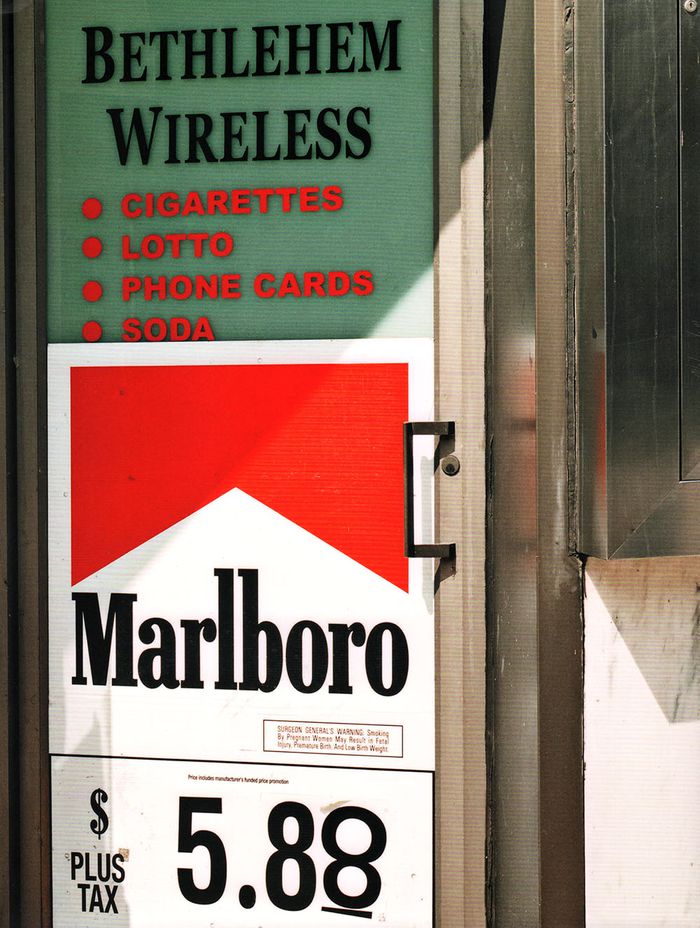
The "Island Position" is an advertising term that describes the premium position of an advertisement surrounded solely by editorial content. In ''The Island Position,'' John Lehr explores the facades of American commercial spaces that are threatened by the emergence of e-commerce. In a rush to remain relevant, storeowners emblazon their windows and walls with anything that will grab attention: tessellations of quick-fading ads, floor-to-ceiling decals of fanned money or flowing hair, haphazard product displays, and desperate, hand-scrawled invitations. Masquerading as a typology of storefronts, the surfaces in ''The Island Position'' embody something unseen: the people who constructed them. The signage is not simply an appeal to consumption, but a typography of emotion: vulnerability, ingenuity, distress, and hope-the language of capitalism as a form of public address. Lehr is not interested in what is for sale. He is interested in what is at stake.
John Lehr: the island position
Actions:
Price:
$61.95
(available to order)
Summary:
The "Island Position" is an advertising term that describes the premium position of an advertisement surrounded solely by editorial content. In ''The Island Position,'' John Lehr explores the facades of American commercial spaces that are threatened by the emergence of e-commerce. In a rush to remain relevant, storeowners emblazon their windows and walls with anything that will grab attention: tessellations of quick-fading ads, floor-to-ceiling decals of fanned money or flowing hair, haphazard product displays, and desperate, hand-scrawled invitations. Masquerading as a typology of storefronts, the surfaces in ''The Island Position'' embody something unseen: the people who constructed them. The signage is not simply an appeal to consumption, but a typography of emotion: vulnerability, ingenuity, distress, and hope-the language of capitalism as a form of public address. Lehr is not interested in what is for sale. He is interested in what is at stake.
Form:
books
books
Publication:
February 2019
February 2019
Subject:
Photography monographs
Photography monographs
Form:
books
books
Actions:
Price:
$24.00
(available to order)
Summary:
A decimated Shiite shrine in Iraq. The smoking World Trade Center site. The scorched cityscape of 1945 Dresden. Among the most indelible scars left by war is the destroyed landscapes, and such architectural devastation damages far more than mere buildings. Robert Bevan argues here that shattered buildings are not merely “collateral damage,” but rather calculated acts of(...)
$24.00
(available to order)
Summary:
A decimated Shiite shrine in Iraq. The smoking World Trade Center site. The scorched cityscape of 1945 Dresden. Among the most indelible scars left by war is the destroyed landscapes, and such architectural devastation damages far more than mere buildings. Robert Bevan argues here that shattered buildings are not merely “collateral damage,” but rather calculated acts of(...)
Publication:
February 2007, London
February 2007, London
Title:
The destruction of memory : Architecture at war
Actions:
Price:
$24.00
(available to order)
Summary:
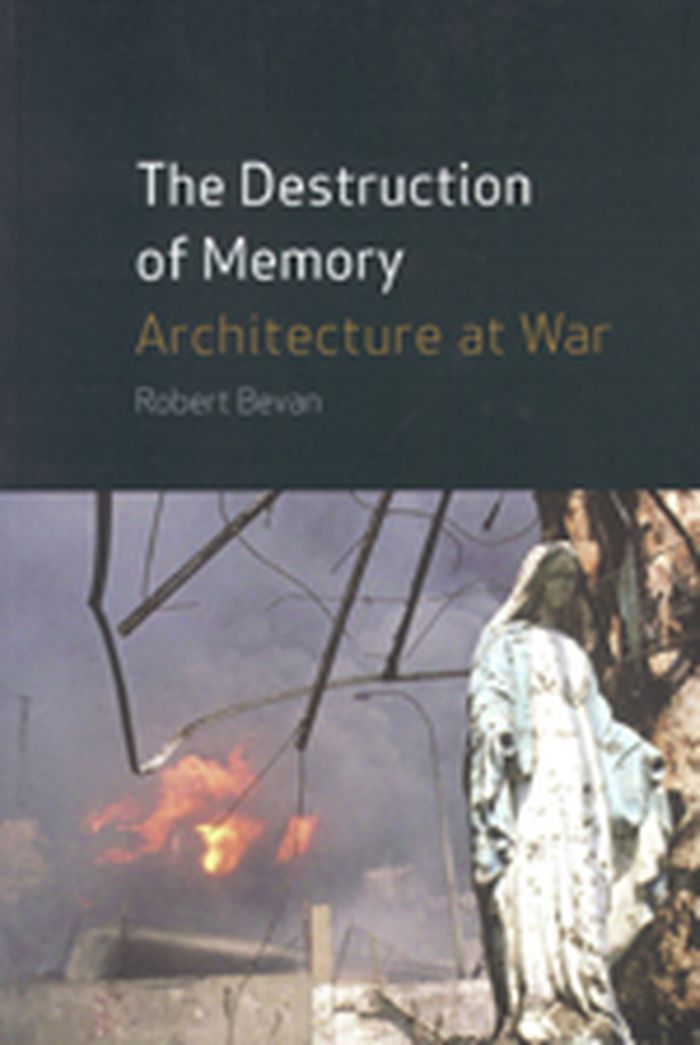
A decimated Shiite shrine in Iraq. The smoking World Trade Center site. The scorched cityscape of 1945 Dresden. Among the most indelible scars left by war is the destroyed landscapes, and such architectural devastation damages far more than mere buildings. Robert Bevan argues here that shattered buildings are not merely “collateral damage,” but rather calculated acts of cultural annihilation. From Hitler’s Kristallnacht to the toppling of Saddam Hussein’s statue in the Iraq War, Bevan deftly sifts through military campaigns and their tactics throughout history, and analyzes the cultural impact and catastrophic consequences of architectural destruction. For Bevan, these actions are nothing less than cultural genocide. Ultimately, Bevan forcefully argues for the prosecution of nations that purposely flout established international treaties against destroyed architecture. A passionate and thought-provoking cri de coeur, The Destruction of Memory raises questions about the costs of war that run deeper than blood and money.
The destruction of memory : Architecture at war
Actions:
Price:
$24.00
(available to order)
Summary:
A decimated Shiite shrine in Iraq. The smoking World Trade Center site. The scorched cityscape of 1945 Dresden. Among the most indelible scars left by war is the destroyed landscapes, and such architectural devastation damages far more than mere buildings. Robert Bevan argues here that shattered buildings are not merely “collateral damage,” but rather calculated acts of cultural annihilation. From Hitler’s Kristallnacht to the toppling of Saddam Hussein’s statue in the Iraq War, Bevan deftly sifts through military campaigns and their tactics throughout history, and analyzes the cultural impact and catastrophic consequences of architectural destruction. For Bevan, these actions are nothing less than cultural genocide. Ultimately, Bevan forcefully argues for the prosecution of nations that purposely flout established international treaties against destroyed architecture. A passionate and thought-provoking cri de coeur, The Destruction of Memory raises questions about the costs of war that run deeper than blood and money.
Form:
books
books
Publication:
February 2007, London
February 2007, London
Form:
books
books
Actions:
Price:
$44.95
(available to order)
Summary:
Immigrants in the United States send more than $20 billion every year back to Mexico one of the largest flows of such remittances in the world. With The Remittance Landscape, Sarah Lynn Lopez offers the first extended look at what is done with that money, and in particular how the building boom that it has generated has changed Mexican towns and villages. Lopez not(...)
$44.95
(available to order)
Summary:
Immigrants in the United States send more than $20 billion every year back to Mexico one of the largest flows of such remittances in the world. With The Remittance Landscape, Sarah Lynn Lopez offers the first extended look at what is done with that money, and in particular how the building boom that it has generated has changed Mexican towns and villages. Lopez not(...)
Title:
The remittance landscape: spaces of migration in rural Mexico and urban USA
Actions:
Price:
$44.95
(available to order)
Summary:
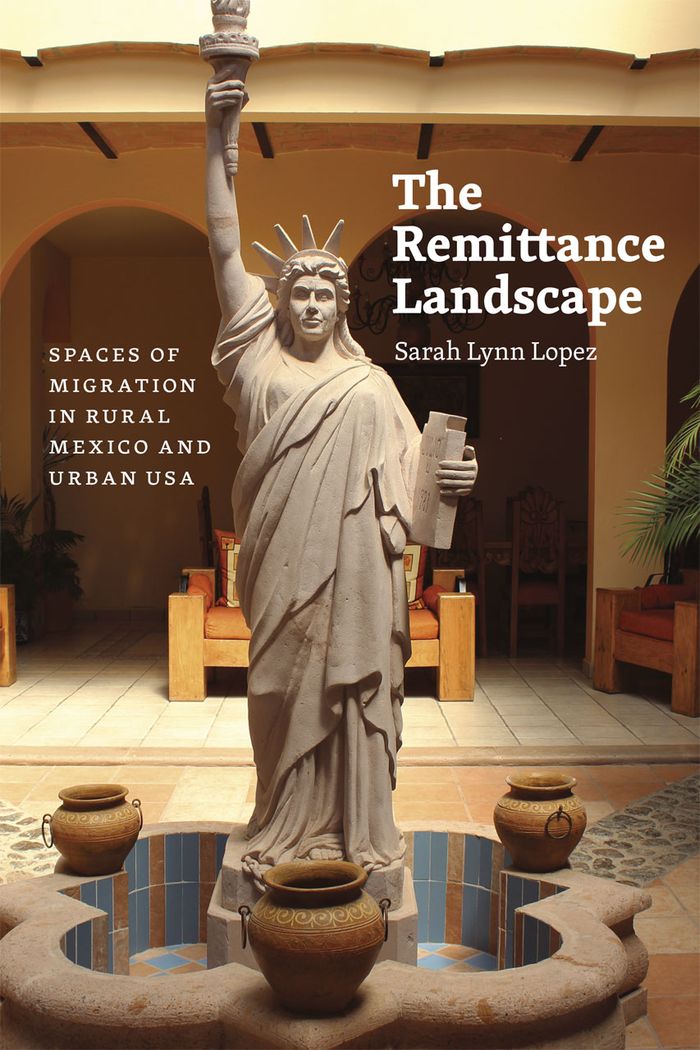
Immigrants in the United States send more than $20 billion every year back to Mexico one of the largest flows of such remittances in the world. With The Remittance Landscape, Sarah Lynn Lopez offers the first extended look at what is done with that money, and in particular how the building boom that it has generated has changed Mexican towns and villages. Lopez not only identifies a clear correspondence between the flow of remittances and the recent building boom in rural Mexico but also proposes that this construction boom itself motivates migration and changes social and cultural life for migrants and their families. At the same time, migrants are changing the landscapes of cities in the United States: for example, Chicago and Los Angeles are home to buildings explicitly created as headquarters for Mexican workers from several Mexican states such as Jalisco, Michoacán, and Zacatecas.
The remittance landscape: spaces of migration in rural Mexico and urban USA
Actions:
Price:
$44.95
(available to order)
Summary:
Immigrants in the United States send more than $20 billion every year back to Mexico one of the largest flows of such remittances in the world. With The Remittance Landscape, Sarah Lynn Lopez offers the first extended look at what is done with that money, and in particular how the building boom that it has generated has changed Mexican towns and villages. Lopez not only identifies a clear correspondence between the flow of remittances and the recent building boom in rural Mexico but also proposes that this construction boom itself motivates migration and changes social and cultural life for migrants and their families. At the same time, migrants are changing the landscapes of cities in the United States: for example, Chicago and Los Angeles are home to buildings explicitly created as headquarters for Mexican workers from several Mexican states such as Jalisco, Michoacán, and Zacatecas.
Form:
books
books
Publication:
October 2015
October 2015
Subject:
Architectural Theory
Architectural Theory
Form:
books
books
Actions:
Price:
$39.00
(available to order)
Summary:
The art that has been produced in the last fifteen years has generated virtually no theoretical reflection or historial contextualization. The contrast with the previous decades could scarcely be starker. In the 1960s artists and critics fell over each other to come up with names, complete with theory and genealogy, for each new trend. Pop Art, Op Art, Minimal Art,(...)
$39.00
(available to order)
Summary:
The art that has been produced in the last fifteen years has generated virtually no theoretical reflection or historial contextualization. The contrast with the previous decades could scarcely be starker. In the 1960s artists and critics fell over each other to come up with names, complete with theory and genealogy, for each new trend. Pop Art, Op Art, Minimal Art,(...)
Title:
Right about now: art & theory since the 1990s
Actions:
Price:
$39.00
(available to order)
Summary:
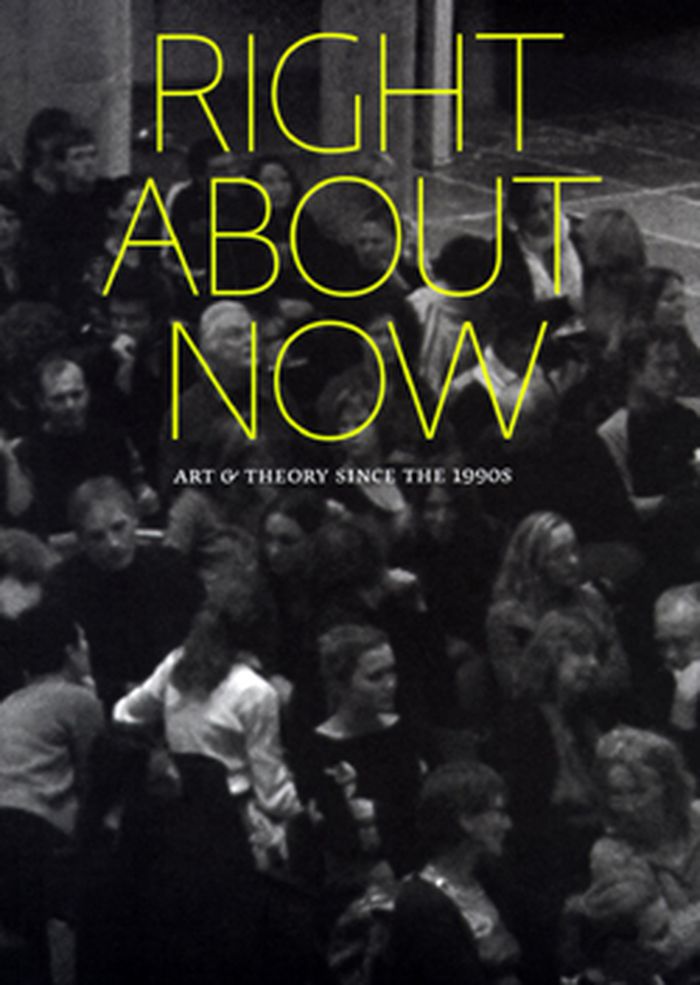
The art that has been produced in the last fifteen years has generated virtually no theoretical reflection or historial contextualization. The contrast with the previous decades could scarcely be starker. In the 1960s artists and critics fell over each other to come up with names, complete with theory and genealogy, for each new trend. Pop Art, Op Art, Minimal Art, Conceptual Art - they all had to have their own story. In the 1990s it was mainly the art itself and the experience it provided that were key. And yet this 'art without theory' ca, of course, be interpreted theoretically and put into a historical context. In Right about Now: Art and Theory since the 1990s and international group of renowned authors and new comers in the field has accepted the challenge and endeavoured to bring together the art and theory of the recent past. Their thought-provoking contributions revolve around six topical themes: the body, interactivity, engagement, documentary strategies, money, curating.
Right about now: art & theory since the 1990s
Actions:
Price:
$39.00
(available to order)
Summary:
The art that has been produced in the last fifteen years has generated virtually no theoretical reflection or historial contextualization. The contrast with the previous decades could scarcely be starker. In the 1960s artists and critics fell over each other to come up with names, complete with theory and genealogy, for each new trend. Pop Art, Op Art, Minimal Art, Conceptual Art - they all had to have their own story. In the 1990s it was mainly the art itself and the experience it provided that were key. And yet this 'art without theory' ca, of course, be interpreted theoretically and put into a historical context. In Right about Now: Art and Theory since the 1990s and international group of renowned authors and new comers in the field has accepted the challenge and endeavoured to bring together the art and theory of the recent past. Their thought-provoking contributions revolve around six topical themes: the body, interactivity, engagement, documentary strategies, money, curating.
Form:
books
books
Publication:
March 2008, Amsterdam
March 2008, Amsterdam
Subject:
Art Theory
Art Theory
Form:
books
books
Price:
$106.95
(available to order)
Summary:
The phenomenon we know as "The Hamptons" — the epitome of high society, leisure, and affluence, the place of worldly glamour and every pleasure, natural and unnatural, that money can buy — began as a group of Puritan villages along Long Island's south shore before it was discovered at the end of the 19th century by artists and the fashionably rich. The earliest social(...)
$106.95
(available to order)
Summary:
The phenomenon we know as "The Hamptons" — the epitome of high society, leisure, and affluence, the place of worldly glamour and every pleasure, natural and unnatural, that money can buy — began as a group of Puritan villages along Long Island's south shore before it was discovered at the end of the 19th century by artists and the fashionably rich. The earliest social(...)
Subject:
Architecture since 1900, Europe
Architecture since 1900, Europe
Publication:
July 2007, New York
July 2007, New York
Title:
The Archtiecture of Leisure : Houses of the Hamptons, 1880-1930
Actions:
Price:
$106.95
(available to order)
Summary:
The phenomenon we know as "The Hamptons" — the epitome of high society, leisure, and affluence, the place of worldly glamour and every pleasure, natural and unnatural, that money can buy — began as a group of Puritan villages along Long Island's south shore before it was discovered at the end of the 19th century by artists and the fashionably rich. The earliest social Hamptonites, descendents of colonial aristocracy, mingled with the colorful characters of the art colonies. Here the rich built fashionable and expansive summer houses where they enjoyed carefree recreation, artistic endeavors, and elegant social occasions. "Houses of the Hamptons, 1880-1930", explores more than 30 houses, many designed by some of America's leading architects. Less enamored with the showy grandeur typical of Newport's golden age, the wealthy Hamptonites built summer places that were an ensemble of exceptional architectural variety and achievement. Here, American Colonial, half-timbered Tudor, and red brick Georgian vied with shingled cottages and Mediterranean fantasy.
The Archtiecture of Leisure : Houses of the Hamptons, 1880-1930
Actions:
Price:
$106.95
(available to order)
Summary:
The phenomenon we know as "The Hamptons" — the epitome of high society, leisure, and affluence, the place of worldly glamour and every pleasure, natural and unnatural, that money can buy — began as a group of Puritan villages along Long Island's south shore before it was discovered at the end of the 19th century by artists and the fashionably rich. The earliest social Hamptonites, descendents of colonial aristocracy, mingled with the colorful characters of the art colonies. Here the rich built fashionable and expansive summer houses where they enjoyed carefree recreation, artistic endeavors, and elegant social occasions. "Houses of the Hamptons, 1880-1930", explores more than 30 houses, many designed by some of America's leading architects. Less enamored with the showy grandeur typical of Newport's golden age, the wealthy Hamptonites built summer places that were an ensemble of exceptional architectural variety and achievement. Here, American Colonial, half-timbered Tudor, and red brick Georgian vied with shingled cottages and Mediterranean fantasy.
Form:
books
books
Publication:
July 2007, New York
July 2007, New York
Subject:
Architecture since 1900, Europe
Architecture since 1900, Europe
Form:
books
books
Actions:
Price:
$34.00
(available to order)
Summary:
Why write about buildings? Buildings are chunks of the material of the natural world, refashioned by humans and set down into place to stand as silent as the rocks and trees from which they were made. How can we describe that mute actuality? A building’s only complete description is itself. Writing often intensifies the cloud that obscures buildings rather than dissipates(...)
$34.00
(available to order)
Summary:
Why write about buildings? Buildings are chunks of the material of the natural world, refashioned by humans and set down into place to stand as silent as the rocks and trees from which they were made. How can we describe that mute actuality? A building’s only complete description is itself. Writing often intensifies the cloud that obscures buildings rather than dissipates(...)
Title:
Buildings: between living time and rocky space
Actions:
Price:
$34.00
(available to order)
Summary:
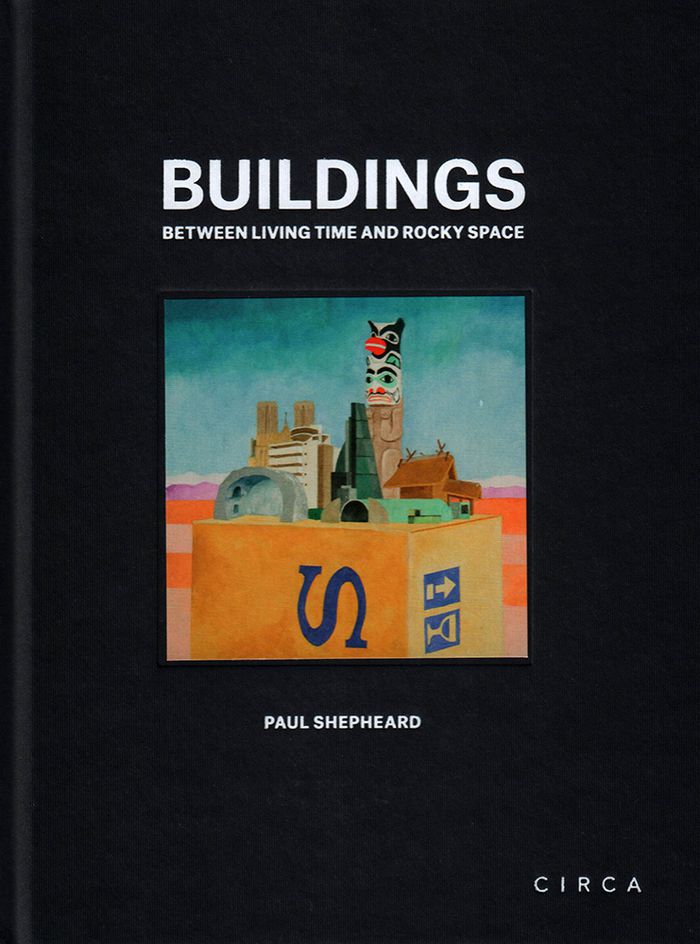
Why write about buildings? Buildings are chunks of the material of the natural world, refashioned by humans and set down into place to stand as silent as the rocks and trees from which they were made. How can we describe that mute actuality? A building’s only complete description is itself. Writing often intensifies the cloud that obscures buildings rather than dissipates it. So why do it? Two generations ago, architects had a real job to do, rebuilding cities shattered by war. It turned out to be more difficult than it looked. Now the grandchildren of those utopians have a different role, which is to rescue a world that is being turned by the media, the money men and the machines into a replica of itself. In this book Paul Shepheard takes a sideways look at this elusive task and finds himself writing an ode to buildings, which asks: What are they? When do they happen? And how are they used?
Buildings: between living time and rocky space
Actions:
Price:
$34.00
(available to order)
Summary:
Why write about buildings? Buildings are chunks of the material of the natural world, refashioned by humans and set down into place to stand as silent as the rocks and trees from which they were made. How can we describe that mute actuality? A building’s only complete description is itself. Writing often intensifies the cloud that obscures buildings rather than dissipates it. So why do it? Two generations ago, architects had a real job to do, rebuilding cities shattered by war. It turned out to be more difficult than it looked. Now the grandchildren of those utopians have a different role, which is to rescue a world that is being turned by the media, the money men and the machines into a replica of itself. In this book Paul Shepheard takes a sideways look at this elusive task and finds himself writing an ode to buildings, which asks: What are they? When do they happen? And how are they used?
Form:
books
books
Publication:
October 2016
October 2016
Subject:
Architectural Theory
Architectural Theory
Form:
books
books
Actions:
Price:
$21.95
(available to order)
Summary:
We all know Denmark is the happiest country in the world—but this doesn't make it pe?rfect. Happiness isn't exclusively Danish. Nor is it just eating pastries, lighting candles, and practising hygge. Happiness is something available to all, wherever you are, and whatever your means. Starting from the Happiness Research Institute in Copenhagen, Meik Wiking, probably the(...)
$21.95
(available to order)
Summary:
We all know Denmark is the happiest country in the world—but this doesn't make it pe?rfect. Happiness isn't exclusively Danish. Nor is it just eating pastries, lighting candles, and practising hygge. Happiness is something available to all, wherever you are, and whatever your means. Starting from the Happiness Research Institute in Copenhagen, Meik Wiking, probably the(...)
Title:
The little book of Lykke: the Danish search for the world's happiest people
Actions:
Price:
$21.95
(available to order)
Summary:
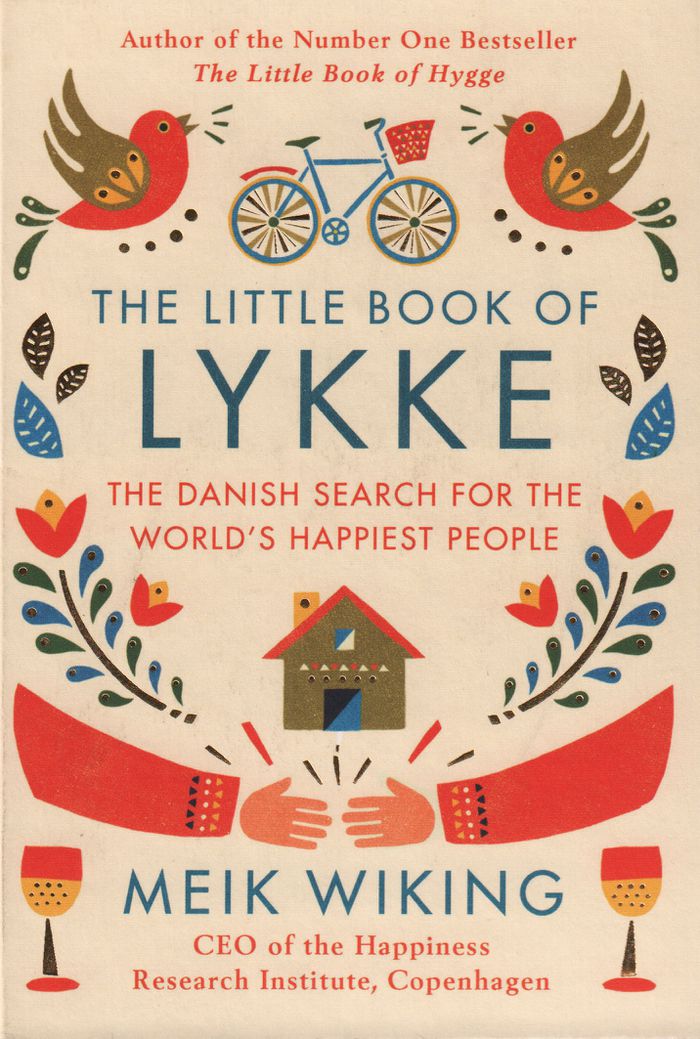
We all know Denmark is the happiest country in the world—but this doesn't make it pe?rfect. Happiness isn't exclusively Danish. Nor is it just eating pastries, lighting candles, and practising hygge. Happiness is something available to all, wherever you are, and whatever your means. Starting from the Happiness Research Institute in Copenhagen, Meik Wiking, probably the happiest man in the world, travels across the globe on a quest to uncover the secrets of the very happiest people from Dubai to Rio de Janeiro, taking back to his native country their tips, tricks, and unique approaches to a fulfilled life. Exploring the happiness gap for parents, how much money you really need to buy happiness, and why—luckily for us—the expectation of kissing Rachel Weiss is better than the real thing, Meik brings together a global roadmap for happiness with his trademark wit. Weaving together original research and personal anecdotes, The Little Book of Lykke gives us a new approach to achieving everyday happiness.
The little book of Lykke: the Danish search for the world's happiest people
Actions:
Price:
$21.95
(available to order)
Summary:
We all know Denmark is the happiest country in the world—but this doesn't make it pe?rfect. Happiness isn't exclusively Danish. Nor is it just eating pastries, lighting candles, and practising hygge. Happiness is something available to all, wherever you are, and whatever your means. Starting from the Happiness Research Institute in Copenhagen, Meik Wiking, probably the happiest man in the world, travels across the globe on a quest to uncover the secrets of the very happiest people from Dubai to Rio de Janeiro, taking back to his native country their tips, tricks, and unique approaches to a fulfilled life. Exploring the happiness gap for parents, how much money you really need to buy happiness, and why—luckily for us—the expectation of kissing Rachel Weiss is better than the real thing, Meik brings together a global roadmap for happiness with his trademark wit. Weaving together original research and personal anecdotes, The Little Book of Lykke gives us a new approach to achieving everyday happiness.
Form:
books
books
Publication:
October 2017
October 2017
Subject:
Current Exhibitions
Current Exhibitions


