


711 Results
Form:
books
books
Actions:
Price:
$77.95
(available to order)
Summary:
Le Paris arpenté et croqué par le dessinateur Louis Bretez aux ordres du prévôt Michel Etienne Turgot n'a pas encore tout à fait disparu de notre paysage urbain. Cependant, dans maints endroits, un effort d'imagination est nécessaire pour restituer à partir des images et des commentaires l'ambiance des rues, les alignements des immeubles, les places et les parvis(...)
$77.95
(available to order)
Summary:
Le Paris arpenté et croqué par le dessinateur Louis Bretez aux ordres du prévôt Michel Etienne Turgot n'a pas encore tout à fait disparu de notre paysage urbain. Cependant, dans maints endroits, un effort d'imagination est nécessaire pour restituer à partir des images et des commentaires l'ambiance des rues, les alignements des immeubles, les places et les parvis(...)
Title:
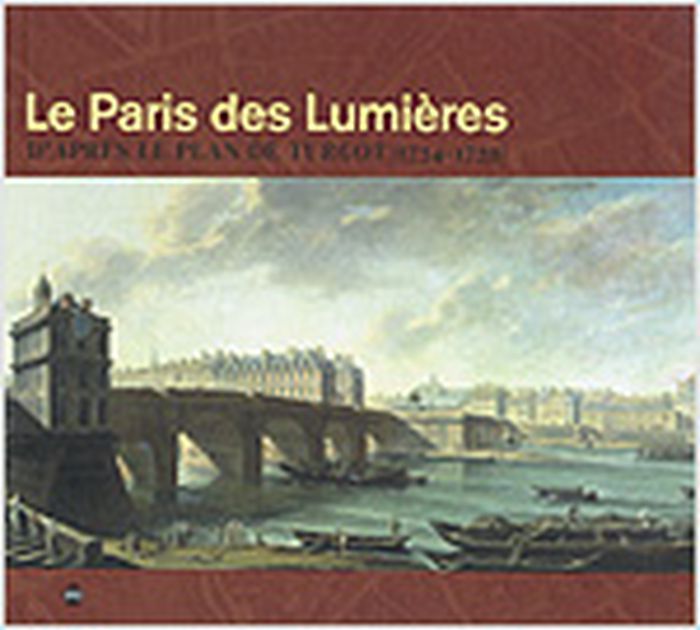
Le Paris des Lumières d'après le plan de Turgot (1734-1739)
Actions:
Price:
$77.95
(available to order)
Summary:
Le Paris arpenté et croqué par le dessinateur Louis Bretez aux ordres du prévôt Michel Etienne Turgot n'a pas encore tout à fait disparu de notre paysage urbain. Cependant, dans maints endroits, un effort d'imagination est nécessaire pour restituer à partir des images et des commentaires l'ambiance des rues, les alignements des immeubles, les places et les parvis d'églises,b les berges de la Seine. Face à la clôture des Universités Paris VI et VII, place Jussieu, est-il possible en fermant les yeux d'imaginer l'entrée de l'abbaye Saint-Victor? Assis au pied de la fontaine des Innocents, a-t-on idée que l'on pénètre l'ancien domaine des morts de Paris du cimetière des Innocents? Côté est de la place Saint-Germain des Prés, sur un banc du square Laurent Prache, on se souviendra qu'à cet emplacement s'élevait l'une des plus précieuses bibliothèques des XVIIe et XVIIIe siècles, où étudiaient et écrivaient les savants de l'époque. A l'inverse, une promenade au jardin des Plantes, une visite place des Vosges où dans les hôtels du Marais illustreront livre en main et sur place l'exactitude des dessins et la permanence de l'occupation des lieux. L'association judicieuse des extraits du plan de Paris de Turgot aux images contemporaines - gravures, dessins, tableaux -, aux photographies modernes et aux commentaires des auteurs permettront à tout un chacun d'aller à la rencontre, non pas de fantômes, mais de témoignages du passé. Cet ouvrage n'est pas le récit nostalgique de l'altération ou de la disparition des sites et des monuments anciens de Paris, mais l'histoire illustrée par plus de cent lieux caractéristiques, lieux de vie et lieux de mémoire.
Le Paris des Lumières d'après le plan de Turgot (1734-1739)
Actions:
Price:
$77.95
(available to order)
Summary:
Le Paris arpenté et croqué par le dessinateur Louis Bretez aux ordres du prévôt Michel Etienne Turgot n'a pas encore tout à fait disparu de notre paysage urbain. Cependant, dans maints endroits, un effort d'imagination est nécessaire pour restituer à partir des images et des commentaires l'ambiance des rues, les alignements des immeubles, les places et les parvis d'églises,b les berges de la Seine. Face à la clôture des Universités Paris VI et VII, place Jussieu, est-il possible en fermant les yeux d'imaginer l'entrée de l'abbaye Saint-Victor? Assis au pied de la fontaine des Innocents, a-t-on idée que l'on pénètre l'ancien domaine des morts de Paris du cimetière des Innocents? Côté est de la place Saint-Germain des Prés, sur un banc du square Laurent Prache, on se souviendra qu'à cet emplacement s'élevait l'une des plus précieuses bibliothèques des XVIIe et XVIIIe siècles, où étudiaient et écrivaient les savants de l'époque. A l'inverse, une promenade au jardin des Plantes, une visite place des Vosges où dans les hôtels du Marais illustreront livre en main et sur place l'exactitude des dessins et la permanence de l'occupation des lieux. L'association judicieuse des extraits du plan de Paris de Turgot aux images contemporaines - gravures, dessins, tableaux -, aux photographies modernes et aux commentaires des auteurs permettront à tout un chacun d'aller à la rencontre, non pas de fantômes, mais de témoignages du passé. Cet ouvrage n'est pas le récit nostalgique de l'altération ou de la disparition des sites et des monuments anciens de Paris, mais l'histoire illustrée par plus de cent lieux caractéristiques, lieux de vie et lieux de mémoire.
Form:
books
books
Publication:
October 2005, Paris
October 2005, Paris
Subject:
Urban Theory
Urban Theory
Form:
books
books
Title:
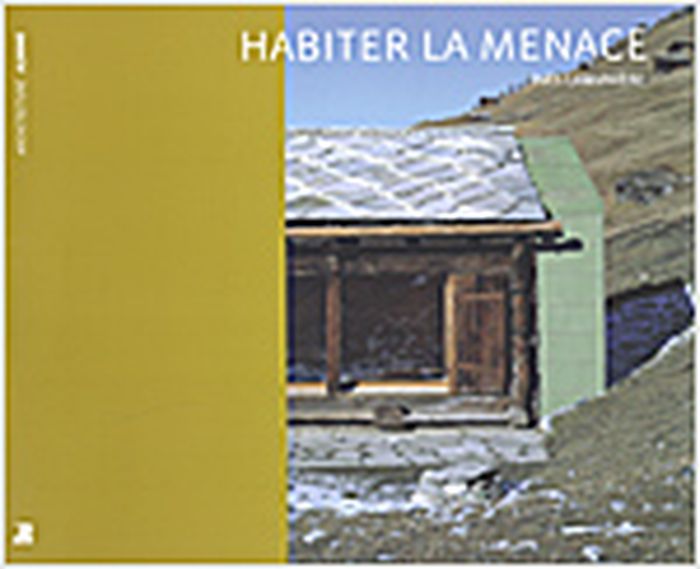
Habiter la menace
Habiter la menace
Actions:
Price:
$59.00
(available to order)
Summary:
À l'aube du XXIe siècle, il est communément admis que la nature, au même titre que le construit, est un artefact, une élaboration humaine. C'est clair, c'est l'héritage du XXe siècle. Ce qui est nouveau, toutefois, c'est que notre environnement, naturel et construit, soit désormais perçu, tant au plan symbolique que littéral, comme source de danger. La nature, la montagne(...)
$59.00
(available to order)
Summary:
À l'aube du XXIe siècle, il est communément admis que la nature, au même titre que le construit, est un artefact, une élaboration humaine. C'est clair, c'est l'héritage du XXe siècle. Ce qui est nouveau, toutefois, c'est que notre environnement, naturel et construit, soit désormais perçu, tant au plan symbolique que littéral, comme source de danger. La nature, la montagne(...)
Title:
Habiter la menace
Actions:
Price:
$59.00
(available to order)
Summary:
À l'aube du XXIe siècle, il est communément admis que la nature, au même titre que le construit, est un artefact, une élaboration humaine. C'est clair, c'est l'héritage du XXe siècle. Ce qui est nouveau, toutefois, c'est que notre environnement, naturel et construit, soit désormais perçu, tant au plan symbolique que littéral, comme source de danger. La nature, la montagne et l'air notamment, tout comme la ville en termes génériques, menacent l'être humain. Lothar, les avalanches de février 1999, les éboulements, sans parler des champs électromagnétiques et des gaz azotés, ont envahi les médias ; leurs images côtoient désormais celles, un peu fanées, des océans lointains aux eaux transparentes. En même temps, ce monde, où chacun prend les risques individuels les plus fous (base jumping, ski extrême...), n'accepte plus le risque collectif. Les ouvrages de protection se multiplient (digues, murs, etc.) et envahissent le paysage, sans discernement, avec la vigueur et la bonne conscience de l'investissement " utile " parce que nécessaire. Dans ce contexte, une réflexion architecturale doit s'engager. L'ouvrage de protection ne pourrait-il pas accueillir d'autres programmes ? La digue ne pourrait-elle pas être à la fois paravalanche et hôtel ? La chemise de protection d'un gros transformateur en milieu urbain ne pourrait-elle pas être tout ensemble mur et habitation ? Ce qui est hostile peut-il être hospitalier ? Ne pourrait-on pas habiter la menace ? Dans cet ouvrage, subtilement illustré, les textes d'un philosophe et d'une géographe côtoient ceux de quatre architectes dont les projets expriment le plaisir de renouveler une pensée architecturale qui apprivoiserait la menace, de repenser une pratique où faire, ce serait faire d'une pierre deux coups...
Habiter la menace
Actions:
Price:
$59.00
(available to order)
Summary:
À l'aube du XXIe siècle, il est communément admis que la nature, au même titre que le construit, est un artefact, une élaboration humaine. C'est clair, c'est l'héritage du XXe siècle. Ce qui est nouveau, toutefois, c'est que notre environnement, naturel et construit, soit désormais perçu, tant au plan symbolique que littéral, comme source de danger. La nature, la montagne et l'air notamment, tout comme la ville en termes génériques, menacent l'être humain. Lothar, les avalanches de février 1999, les éboulements, sans parler des champs électromagnétiques et des gaz azotés, ont envahi les médias ; leurs images côtoient désormais celles, un peu fanées, des océans lointains aux eaux transparentes. En même temps, ce monde, où chacun prend les risques individuels les plus fous (base jumping, ski extrême...), n'accepte plus le risque collectif. Les ouvrages de protection se multiplient (digues, murs, etc.) et envahissent le paysage, sans discernement, avec la vigueur et la bonne conscience de l'investissement " utile " parce que nécessaire. Dans ce contexte, une réflexion architecturale doit s'engager. L'ouvrage de protection ne pourrait-il pas accueillir d'autres programmes ? La digue ne pourrait-elle pas être à la fois paravalanche et hôtel ? La chemise de protection d'un gros transformateur en milieu urbain ne pourrait-elle pas être tout ensemble mur et habitation ? Ce qui est hostile peut-il être hospitalier ? Ne pourrait-on pas habiter la menace ? Dans cet ouvrage, subtilement illustré, les textes d'un philosophe et d'une géographe côtoient ceux de quatre architectes dont les projets expriment le plaisir de renouveler une pensée architecturale qui apprivoiserait la menace, de repenser une pratique où faire, ce serait faire d'une pierre deux coups...
Form:
books
books
Publication:
March 2006, Lausanne
March 2006, Lausanne
Subject:
Green Architecture
Green Architecture
Form:
books
books
Actions:
Price:
$69.95
(available to order)
Summary:
«Les nouvelles maisons en bois» explore les avancées en matière d'utilisation du bols, matériau de plus en plus populaire, dans le vaste domaine que constitue l'architecture domestique. L'introduction développe quelques axes importants, l'histoire et la tradition de la maison en bois, les différents types de charpentes, le rôle que le bois peut jouer dans la protection de(...)
$69.95
(available to order)
Summary:
«Les nouvelles maisons en bois» explore les avancées en matière d'utilisation du bols, matériau de plus en plus populaire, dans le vaste domaine que constitue l'architecture domestique. L'introduction développe quelques axes importants, l'histoire et la tradition de la maison en bois, les différents types de charpentes, le rôle que le bois peut jouer dans la protection de(...)
Title:
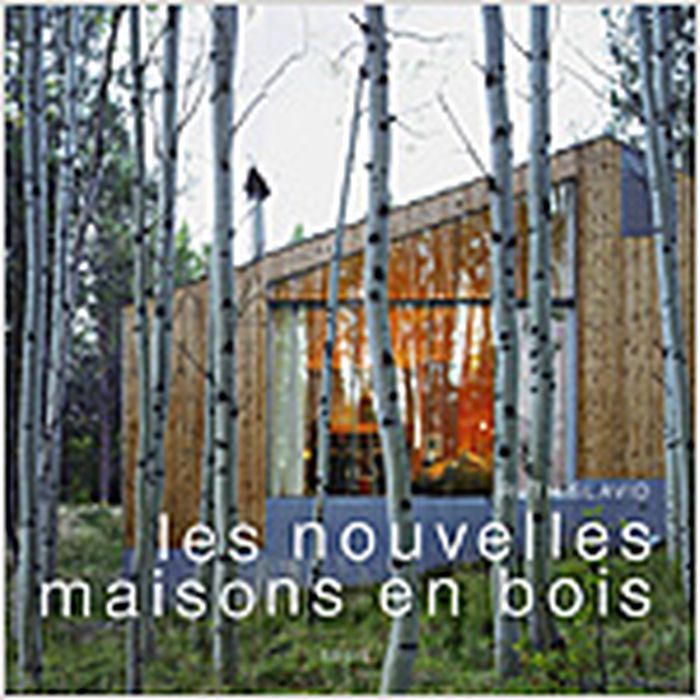
Les nouvelles maisons en bois
Actions:
Price:
$69.95
(available to order)
Summary:
«Les nouvelles maisons en bois» explore les avancées en matière d'utilisation du bols, matériau de plus en plus populaire, dans le vaste domaine que constitue l'architecture domestique. L'introduction développe quelques axes importants, l'histoire et la tradition de la maison en bois, les différents types de charpentes, le rôle que le bois peut jouer dans la protection de l'environnement, son utilisation dans un cadre urbain, et aussi la question de sa résistance au feu. Suivent cinq chapitres pour cinq thèmes. Le premier, «Comme des cabanes», aborde le côté naturel et traditionnel du bols, qui en fait un choix tout à fait recommandé pour les maisons de vacances et autres ermitages Ce sont des édifices qui utilisent au maximum leur environnement naturel et qui cadrent avec précision la vue sur le paysage. «En toute simplicité», présente des maisons qui répondent à un idéal d'austérité ou bien qui, par leur forme ou leur finition, dialoguent avec cet idéal. Dans «Résolument modernes», on s'intéresse à des maisons qui n'ont plus rien à vair avec la cabane en rondins. Soit elles embrassent résolument la modernité, soit elles prouvent qu'avec de l'astuce, on peut réinterpréter les bases traditionnelles et leur donner de la vivacité. «Partiellement préfabriquées» s'intéresse au rôle que la préfabrication peut jouer dans la construction des maisons en bois. Certaines utilisent des éléments de grande taille assemblés hors site ; d'autres incorporent ce qui préexistait ou récupèrent des matériaux ou des objets dans l'environnement. Avec «En ville ou en lotissement», on se tourne vers les maisons conçues pour s'intégrer à un ensemble, un quartier, un lotissement ou un complexe, en centre-ville, dans les banlieues ou dans une île paradisiaque. Chaque maison fait l'objet d'un traitement vivant, abondamment illustré de plans architecturaux et de photographies.
Les nouvelles maisons en bois
Actions:
Price:
$69.95
(available to order)
Summary:
«Les nouvelles maisons en bois» explore les avancées en matière d'utilisation du bols, matériau de plus en plus populaire, dans le vaste domaine que constitue l'architecture domestique. L'introduction développe quelques axes importants, l'histoire et la tradition de la maison en bois, les différents types de charpentes, le rôle que le bois peut jouer dans la protection de l'environnement, son utilisation dans un cadre urbain, et aussi la question de sa résistance au feu. Suivent cinq chapitres pour cinq thèmes. Le premier, «Comme des cabanes», aborde le côté naturel et traditionnel du bols, qui en fait un choix tout à fait recommandé pour les maisons de vacances et autres ermitages Ce sont des édifices qui utilisent au maximum leur environnement naturel et qui cadrent avec précision la vue sur le paysage. «En toute simplicité», présente des maisons qui répondent à un idéal d'austérité ou bien qui, par leur forme ou leur finition, dialoguent avec cet idéal. Dans «Résolument modernes», on s'intéresse à des maisons qui n'ont plus rien à vair avec la cabane en rondins. Soit elles embrassent résolument la modernité, soit elles prouvent qu'avec de l'astuce, on peut réinterpréter les bases traditionnelles et leur donner de la vivacité. «Partiellement préfabriquées» s'intéresse au rôle que la préfabrication peut jouer dans la construction des maisons en bois. Certaines utilisent des éléments de grande taille assemblés hors site ; d'autres incorporent ce qui préexistait ou récupèrent des matériaux ou des objets dans l'environnement. Avec «En ville ou en lotissement», on se tourne vers les maisons conçues pour s'intégrer à un ensemble, un quartier, un lotissement ou un complexe, en centre-ville, dans les banlieues ou dans une île paradisiaque. Chaque maison fait l'objet d'un traitement vivant, abondamment illustré de plans architecturaux et de photographies.
Form:
books
books
Publication:
September 2006, Paris
September 2006, Paris
Subject:
Residential Architecture
Residential Architecture
Form:
books
books
Actions:
Price:
$27.95
(available to order)
Summary:
La campagne est vivante, comme lieu de vie et comme imaginaire. La pandémie de Covid-19 a encore accéléré ces tendances?: vivre à la campagne serait «?la?» solution face aux crises sanitaires, écologiques, économiques ou sociales de nos vies citadines contemporaines. Pour aller au-delà d’un certain fantasme, Valérie Jousseaume réalise un état des lieux et remet la(...)
$27.95
(available to order)
Summary:
La campagne est vivante, comme lieu de vie et comme imaginaire. La pandémie de Covid-19 a encore accéléré ces tendances?: vivre à la campagne serait «?la?» solution face aux crises sanitaires, écologiques, économiques ou sociales de nos vies citadines contemporaines. Pour aller au-delà d’un certain fantasme, Valérie Jousseaume réalise un état des lieux et remet la(...)
Title:
Un nouveau récit pour les campagnes
Actions:
Price:
$27.95
(available to order)
Summary:
La campagne est vivante, comme lieu de vie et comme imaginaire. La pandémie de Covid-19 a encore accéléré ces tendances?: vivre à la campagne serait «?la?» solution face aux crises sanitaires, écologiques, économiques ou sociales de nos vies citadines contemporaines. Pour aller au-delà d’un certain fantasme, Valérie Jousseaume réalise un état des lieux et remet la campagne en perspective. Elle interroge le rôle et les atouts des territoires dans la transition sociétale. Et, surtout, elle redonne aux ruraux une place d’acteurs dans ce changement de civilisation en cours. Le livre déconstruit les cadres de pensée et les vocabulaires, pour sortir la «?France périphérique?» du cul-de-sac intellectuel où elle se trouve.
Un nouveau récit pour les campagnes
Actions:
Price:
$27.95
(available to order)
Summary:
La campagne est vivante, comme lieu de vie et comme imaginaire. La pandémie de Covid-19 a encore accéléré ces tendances?: vivre à la campagne serait «?la?» solution face aux crises sanitaires, écologiques, économiques ou sociales de nos vies citadines contemporaines. Pour aller au-delà d’un certain fantasme, Valérie Jousseaume réalise un état des lieux et remet la campagne en perspective. Elle interroge le rôle et les atouts des territoires dans la transition sociétale. Et, surtout, elle redonne aux ruraux une place d’acteurs dans ce changement de civilisation en cours. Le livre déconstruit les cadres de pensée et les vocabulaires, pour sortir la «?France périphérique?» du cul-de-sac intellectuel où elle se trouve.
Form:
books
books
Publication:
March 2023
March 2023
Subject:
Urban Landscapes
Urban Landscapes
Form:
books
books
Actions:
Price:
$65.95
(available in store)
Summary:
Cet ouvrage propose de construire une histoire animale de Paris en articulant deux principaux objectifs. D’une part, il s’agit de rendre visibles le rôle et la place des bêtes dans l’histoire de la ville et de révéler que ce sont aussi les vaches, les mésanges, les loups, les fouines, les faucons, les girafes, les chevaux, les brochets et les cerfs qui ont fait le Paris(...)
$65.95
(available in store)
Summary:
Cet ouvrage propose de construire une histoire animale de Paris en articulant deux principaux objectifs. D’une part, il s’agit de rendre visibles le rôle et la place des bêtes dans l’histoire de la ville et de révéler que ce sont aussi les vaches, les mésanges, les loups, les fouines, les faucons, les girafes, les chevaux, les brochets et les cerfs qui ont fait le Paris(...)
Title:
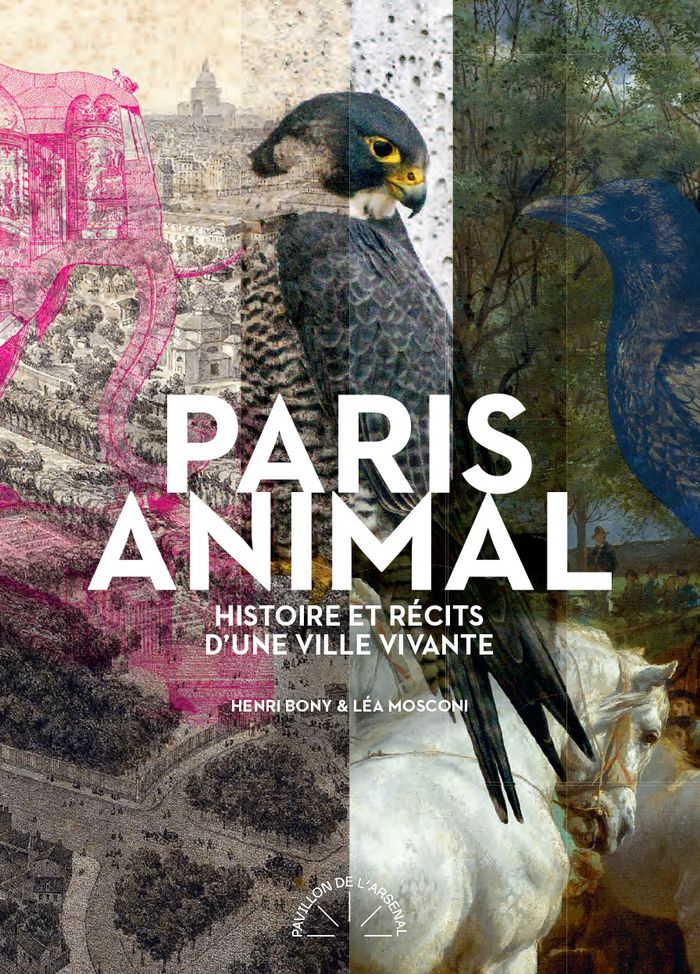
Paris animal : Histoire et récits d'une ville vivante
Actions:
Price:
$65.95
(available in store)
Summary:
Cet ouvrage propose de construire une histoire animale de Paris en articulant deux principaux objectifs. D’une part, il s’agit de rendre visibles le rôle et la place des bêtes dans l’histoire de la ville et de révéler que ce sont aussi les vaches, les mésanges, les loups, les fouines, les faucons, les girafes, les chevaux, les brochets et les cerfs qui ont fait le Paris d’aujourd’hui. Alors que les animaux ont longtemps été effacés ou minorés des récits dominants, l’histoire que nous campons tente de mettre en lumière ce que la présence animale a généré dans la capitale. D’autre part, en menant cette enquête sur le temps long, en observant les lieux de partage entre l’humain et l’animal, qu’ils soient l’expression de tension, de collaboration ou de domination, il s’agit de dégager des indices pour imaginer ce que pourrait être un Paris à même de créer une altérité avec l’animal ; pour reprendre les mots de la philosophe Donna Haraway : « Nous devons apprendre ainsi, au coeur d’un présent épais, à bien vivre et à bien mourir, ensemble. »
Paris animal : Histoire et récits d'une ville vivante
Actions:
Price:
$65.95
(available in store)
Summary:
Cet ouvrage propose de construire une histoire animale de Paris en articulant deux principaux objectifs. D’une part, il s’agit de rendre visibles le rôle et la place des bêtes dans l’histoire de la ville et de révéler que ce sont aussi les vaches, les mésanges, les loups, les fouines, les faucons, les girafes, les chevaux, les brochets et les cerfs qui ont fait le Paris d’aujourd’hui. Alors que les animaux ont longtemps été effacés ou minorés des récits dominants, l’histoire que nous campons tente de mettre en lumière ce que la présence animale a généré dans la capitale. D’autre part, en menant cette enquête sur le temps long, en observant les lieux de partage entre l’humain et l’animal, qu’ils soient l’expression de tension, de collaboration ou de domination, il s’agit de dégager des indices pour imaginer ce que pourrait être un Paris à même de créer une altérité avec l’animal ; pour reprendre les mots de la philosophe Donna Haraway : « Nous devons apprendre ainsi, au coeur d’un présent épais, à bien vivre et à bien mourir, ensemble. »
Form:
books
books
Publication:
March 2023
March 2023
Subject:
Urban Landscapes
Urban Landscapes
Form:
books
books
Actions:
Price:
$50.95
(available to order)
Summary:
The unresolved limits of the post-capitalist city give rise to interventions in the city and the contemporary landscape in which the planner has to rely on a knowledge of other fields. The inevitable multidisciplinary activity at these frontiers has been an object of study during recent decades. This book brings together these reflections and some of their achievements(...)
$50.95
(available to order)
Summary:
The unresolved limits of the post-capitalist city give rise to interventions in the city and the contemporary landscape in which the planner has to rely on a knowledge of other fields. The inevitable multidisciplinary activity at these frontiers has been an object of study during recent decades. This book brings together these reflections and some of their achievements(...)
Title:
Alongside boundaries, borders and frontiers
Actions:
Price:
$50.95
(available to order)
Summary:
The unresolved limits of the post-capitalist city give rise to interventions in the city and the contemporary landscape in which the planner has to rely on a knowledge of other fields. The inevitable multidisciplinary activity at these frontiers has been an object of study during recent decades. This book brings together these reflections and some of their achievements in projects whose common denominator is their condition of marginality, of contiguity with prior structures with which they try to establish connections and continuities. The four parts into which the book is divided make reference to projectural policies conditioned by work on the boundaries of the pre-existing and to the interpretation of their settings: stretches of water, infrastructures, cultural and artificial natures. Analysed here are border zones, edges, frontiers and fringes of the contemporary city with itself, with nature, and with the boundaries between the natural and the colonised landscape.
Alongside boundaries, borders and frontiers
Actions:
Price:
$50.95
(available to order)
Summary:
The unresolved limits of the post-capitalist city give rise to interventions in the city and the contemporary landscape in which the planner has to rely on a knowledge of other fields. The inevitable multidisciplinary activity at these frontiers has been an object of study during recent decades. This book brings together these reflections and some of their achievements in projects whose common denominator is their condition of marginality, of contiguity with prior structures with which they try to establish connections and continuities. The four parts into which the book is divided make reference to projectural policies conditioned by work on the boundaries of the pre-existing and to the interpretation of their settings: stretches of water, infrastructures, cultural and artificial natures. Analysed here are border zones, edges, frontiers and fringes of the contemporary city with itself, with nature, and with the boundaries between the natural and the colonised landscape.
Form:
books
books
Publication:
January 1900, Barcelona
January 1900, Barcelona
Subject:
Urban Landscapes
Urban Landscapes
Form:
books
books
Actions:
Price:
$49.95
(available to order)
Summary:
"Walkscapes" deals with strolling as an architecture of landscape, with walking as an autonomous form of art, a primary act in the symbolic transformation of the territory, an aesthetic instrument of knowledge and a physical transformation of the "negotiated" space, which is converted into an urban intervention. From primitive nomadism to Dada and Surrealism, from the(...)
$49.95
(available to order)
Summary:
"Walkscapes" deals with strolling as an architecture of landscape, with walking as an autonomous form of art, a primary act in the symbolic transformation of the territory, an aesthetic instrument of knowledge and a physical transformation of the "negotiated" space, which is converted into an urban intervention. From primitive nomadism to Dada and Surrealism, from the(...)
Title:
Walkscapes : walking as an aesthetic practice
Actions:
Price:
$49.95
(available to order)
Summary:
"Walkscapes" deals with strolling as an architecture of landscape, with walking as an autonomous form of art, a primary act in the symbolic transformation of the territory, an aesthetic instrument of knowledge and a physical transformation of the "negotiated" space, which is converted into an urban intervention. From primitive nomadism to Dada and Surrealism, from the Lettrist to the Situationist International, and from Minimalism to Land Art, this book narrates the perception of landscape through a history of the traversed city.
Walkscapes : walking as an aesthetic practice
Actions:
Price:
$49.95
(available to order)
Summary:
"Walkscapes" deals with strolling as an architecture of landscape, with walking as an autonomous form of art, a primary act in the symbolic transformation of the territory, an aesthetic instrument of knowledge and a physical transformation of the "negotiated" space, which is converted into an urban intervention. From primitive nomadism to Dada and Surrealism, from the Lettrist to the Situationist International, and from Minimalism to Land Art, this book narrates the perception of landscape through a history of the traversed city.
Form:
books
books
Publication:
January 1900, Barcelona
January 1900, Barcelona
Subject:
Urban Landscapes
Urban Landscapes
Form:
books
books
Actions:
Price:
$44.00
(available to order)
Summary:
"Groundswell : constructing the contemporary landscape" presents 23 projects that reveal the surge of creativity and discussion surrounding the designed landscape in a broad, principally urban, international context. In the last 20 years, many significant new public spaces have been created for sites that have been reclaimed from conflict, environmental degradation, and(...)
$44.00
(available to order)
Summary:
"Groundswell : constructing the contemporary landscape" presents 23 projects that reveal the surge of creativity and discussion surrounding the designed landscape in a broad, principally urban, international context. In the last 20 years, many significant new public spaces have been created for sites that have been reclaimed from conflict, environmental degradation, and(...)
Title:
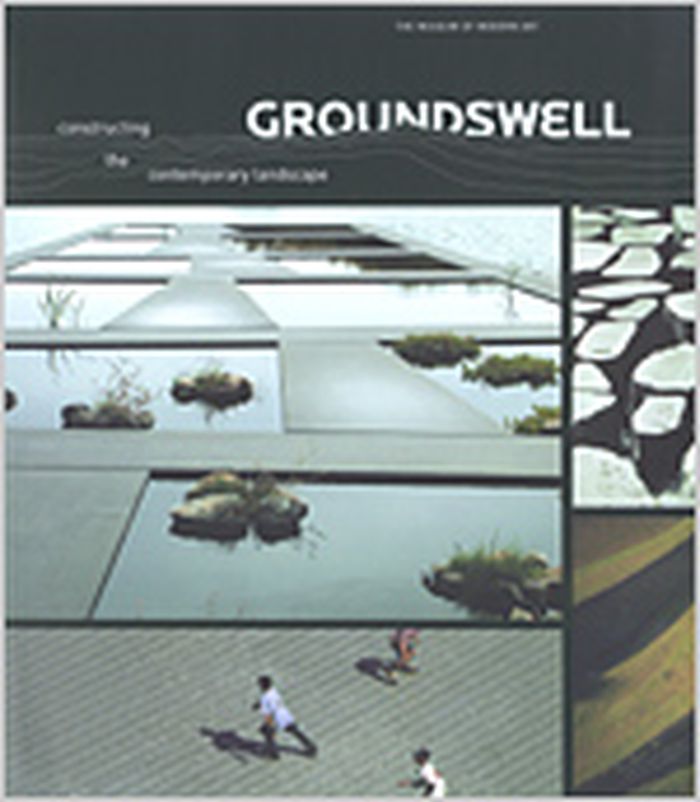
Groundswell : constructing the contemporary landscape
Actions:
Price:
$44.00
(available to order)
Summary:
"Groundswell : constructing the contemporary landscape" presents 23 projects that reveal the surge of creativity and discussion surrounding the designed landscape in a broad, principally urban, international context. In the last 20 years, many significant new public spaces have been created for sites that have been reclaimed from conflict, environmental degradation, and abandonment. The projects, found throughout North America, Europe, Asia, and the Middle East, were selected for their design, and for their variety of contexts, materials, scale, and types of spaces. This fully illustrated volume includes an essay by Peter Reed, Curator in the Department of Architecture and Design at The Museum of Modern Art, that demonstrates how these innovative projects expand the definition of the modernist landscape while responding to a variety of conditions such as program, social function, and the transformation and reclamation previously industrial areas. The essay is followed by a full-color plate section featuring the selected projects. Catalogue entries for each project provide a succinct description of the site, its transformation, and design concepts illustrated by photographs, drawings, and models.
Groundswell : constructing the contemporary landscape
Actions:
Price:
$44.00
(available to order)
Summary:
"Groundswell : constructing the contemporary landscape" presents 23 projects that reveal the surge of creativity and discussion surrounding the designed landscape in a broad, principally urban, international context. In the last 20 years, many significant new public spaces have been created for sites that have been reclaimed from conflict, environmental degradation, and abandonment. The projects, found throughout North America, Europe, Asia, and the Middle East, were selected for their design, and for their variety of contexts, materials, scale, and types of spaces. This fully illustrated volume includes an essay by Peter Reed, Curator in the Department of Architecture and Design at The Museum of Modern Art, that demonstrates how these innovative projects expand the definition of the modernist landscape while responding to a variety of conditions such as program, social function, and the transformation and reclamation previously industrial areas. The essay is followed by a full-color plate section featuring the selected projects. Catalogue entries for each project provide a succinct description of the site, its transformation, and design concepts illustrated by photographs, drawings, and models.
Form:
books
books
Publication:
February 2005, New York
February 2005, New York
Subject:
Urban Landscapes
Urban Landscapes
Form:
books
books
Title:
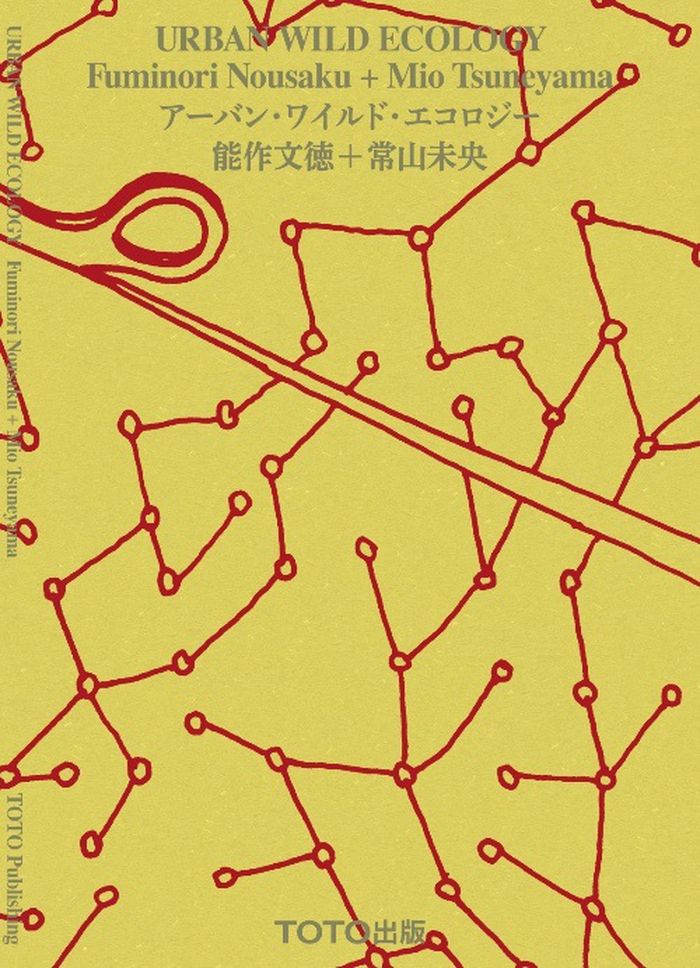
Urban wild ecology
Urban wild ecology
Actions:
Price:
$85.00
(available to order)
Summary:
Following the calamitous events of 2011 in Japan, Fuminori Nousaku and Mio Tsuneyama began to look at the link between materials and energy related to daily life, such as household goods, homes, food, and waste. They sought ways to reinvent how we live, from dependence on infrastructure and industry to another relationship: off-grid homes that generate solar power,(...)
$85.00
(available to order)
Summary:
Following the calamitous events of 2011 in Japan, Fuminori Nousaku and Mio Tsuneyama began to look at the link between materials and energy related to daily life, such as household goods, homes, food, and waste. They sought ways to reinvent how we live, from dependence on infrastructure and industry to another relationship: off-grid homes that generate solar power,(...)
Title:
Urban wild ecology
Actions:
Price:
$85.00
(available to order)
Summary:
Following the calamitous events of 2011 in Japan, Fuminori Nousaku and Mio Tsuneyama began to look at the link between materials and energy related to daily life, such as household goods, homes, food, and waste. They sought ways to reinvent how we live, from dependence on infrastructure and industry to another relationship: off-grid homes that generate solar power, gardens that harness the power of microbes in the soil, shared homes in vacant buildings, and construction using discarded materials. The wildness that survives the city enjoys fluctuation and overcomes inconvenience. This book introduces the collectives involved in these activities along with practices and resources.
Urban wild ecology
Actions:
Price:
$85.00
(available to order)
Summary:
Following the calamitous events of 2011 in Japan, Fuminori Nousaku and Mio Tsuneyama began to look at the link between materials and energy related to daily life, such as household goods, homes, food, and waste. They sought ways to reinvent how we live, from dependence on infrastructure and industry to another relationship: off-grid homes that generate solar power, gardens that harness the power of microbes in the soil, shared homes in vacant buildings, and construction using discarded materials. The wildness that survives the city enjoys fluctuation and overcomes inconvenience. This book introduces the collectives involved in these activities along with practices and resources.
Form:
books
books
Publication:
January 2024
January 2024
Subject:
Urban Landscapes
Urban Landscapes
Form:
books
books
Actions:
Price:
$69.95
(available to order)
Summary:
This book provides an in-depth overview of graphic and visual communication styles for conveying climate change and climate action within the landscape architectural profession and in academia. The book features visualizations of climate adaptation and resilience, developed by award-winning landscape architects and academics from Canada, the United States, the United(...)
$69.95
(available to order)
Summary:
This book provides an in-depth overview of graphic and visual communication styles for conveying climate change and climate action within the landscape architectural profession and in academia. The book features visualizations of climate adaptation and resilience, developed by award-winning landscape architects and academics from Canada, the United States, the United(...)
Title:
Representing landscapes: Visualizing climate action
Actions:
Price:
$69.95
(available to order)
Summary:
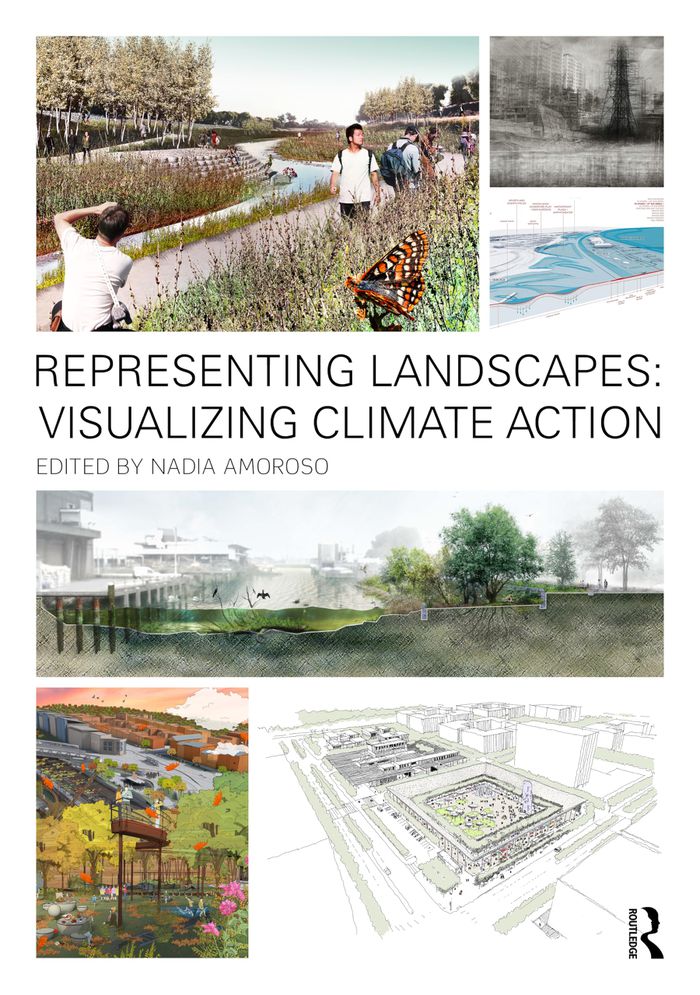
This book provides an in-depth overview of graphic and visual communication styles for conveying climate change and climate action within the landscape architectural profession and in academia. The book features visualizations of climate adaptation and resilience, developed by award-winning landscape architects and academics from Canada, the United States, the United Kingdom, The Netherlands, Denmark, Germany, Italy, France, Finland, South Africa, Singapore, and China. ''Representing Landscapes: Visualizing Climate Action'' illustrates the imaginative ways in which climate action and climate resilient concepts are visually presented, communicated, and perceived. The book will be especially valuable for students and practitioners in landscape architecture, urban planning, and related fields to understand how to visually capture climate change issues and design solutions, and to deliver this message to the public.
Representing landscapes: Visualizing climate action
Actions:
Price:
$69.95
(available to order)
Summary:
This book provides an in-depth overview of graphic and visual communication styles for conveying climate change and climate action within the landscape architectural profession and in academia. The book features visualizations of climate adaptation and resilience, developed by award-winning landscape architects and academics from Canada, the United States, the United Kingdom, The Netherlands, Denmark, Germany, Italy, France, Finland, South Africa, Singapore, and China. ''Representing Landscapes: Visualizing Climate Action'' illustrates the imaginative ways in which climate action and climate resilient concepts are visually presented, communicated, and perceived. The book will be especially valuable for students and practitioners in landscape architecture, urban planning, and related fields to understand how to visually capture climate change issues and design solutions, and to deliver this message to the public.
Form:
books
books
Publication:
August 2024
August 2024
Subject:
Urban Landscapes
Urban Landscapes


